Some of us—dare I say most of us?—are not inherently cruel or sadistic. Therefore, when our plots require a scene that involves such behavior, there is a great temptation to fall back on the stereotypes of many TV shows and movies. Don’t. If you need really gruesome, vivid, compelling cruelty, look to reality!
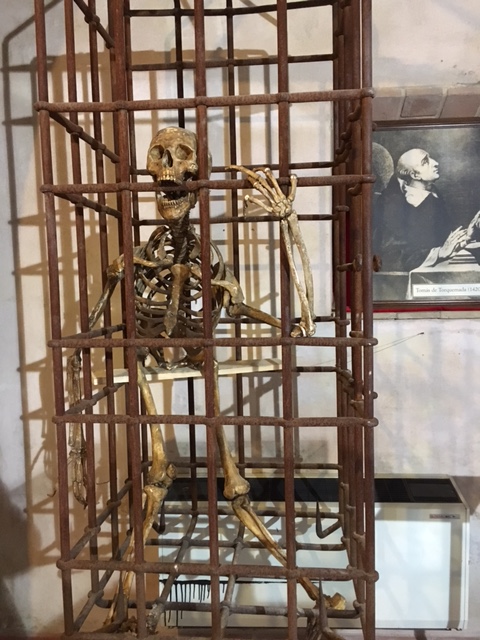
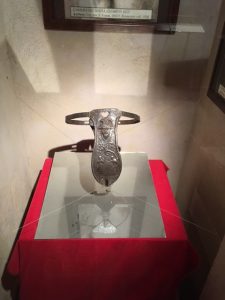
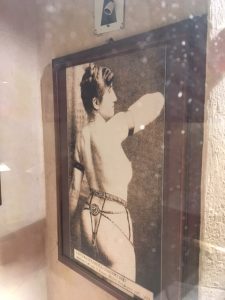
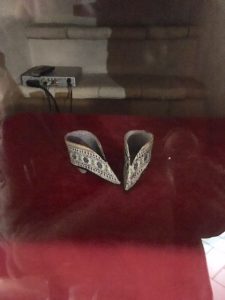
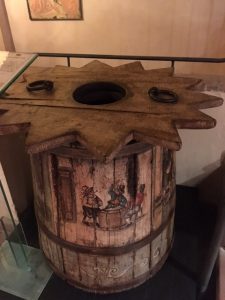
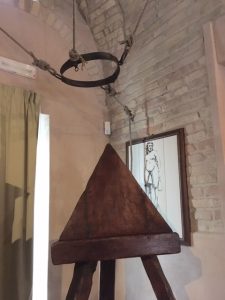
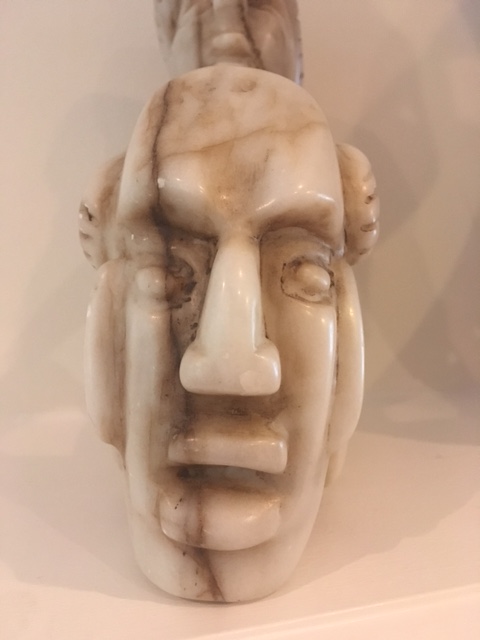
As you may know, I recently toured northern Italy. In San Gimignano (“of the beautiful towers”) I visited the earliest of the city’s torture museums.
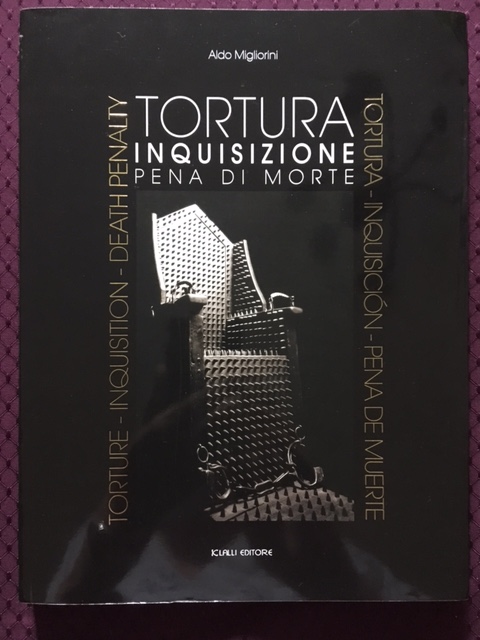
And of course I bought a book.
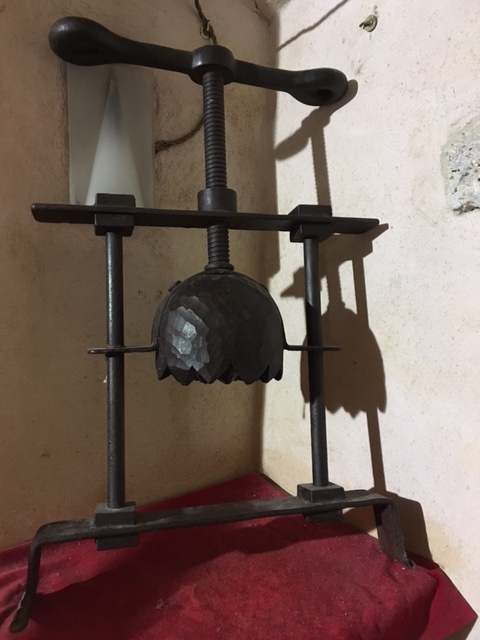
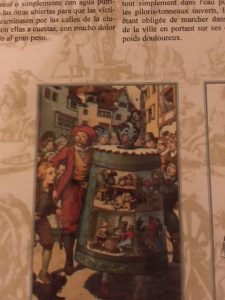
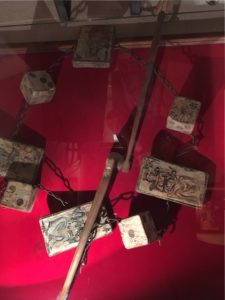
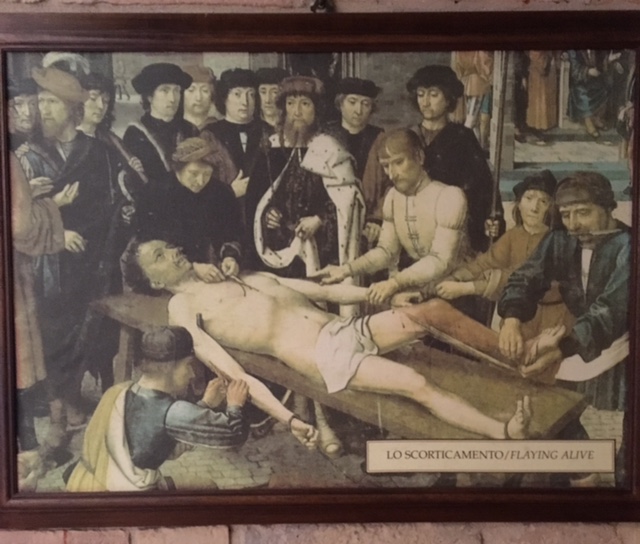
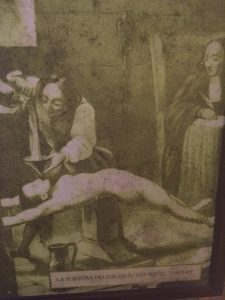
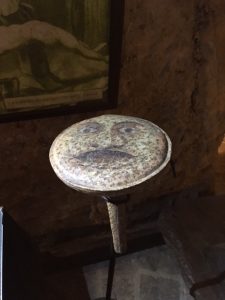
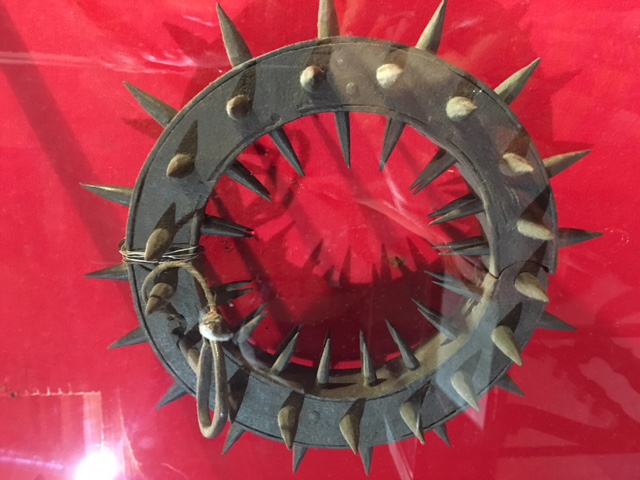
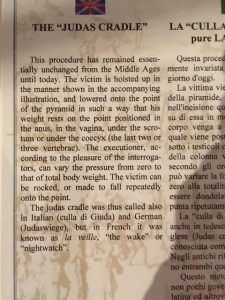
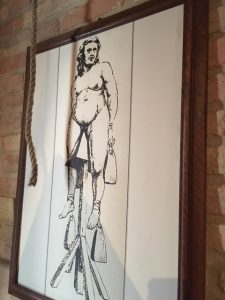
The implements on display were truly horrifying—and thought-provoking!
Not long ago, I had a medical procedure that required me to lie absolutely motionless, face-down, arms stretched above my head for 45 minutes. By the end of the procedure, my shoulders ached and muscles twitched, and I wondered how long those condemned to the rack might last before at least passing out.
My point here is that although many types of torture are intended to cause death eventually, this doesn’t happen immediately. Might writers use a less-than-lethal version? For example, using an implement like a head crusher only to the point of cracking the skull bones.
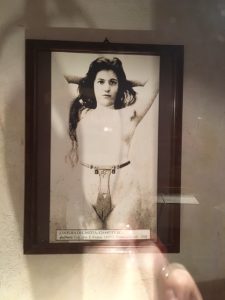
Some mechanisms that I would label instruments of torture had other purposes—at least ostensibly. But besides ensuring a woman’s virtue, consider the discomfort of long-term use, and the humiliation of such an item at all.
Immobilizing someone in any way becomes painful after a time.
And many body parts, from skin to fingers and toes, tongues and scalps, can be removed without causing death. Ditto broken bones.
It is possible to force someone to drink so much water—or other liquid—that the stomach actually explodes. But short of that? What about a parent pinching a child’s nose shut and forcing her/him to drink milk?
Forcing someone to wear a heavy weight around the neck is tiring, humiliating, and eventually very painful. What about a modern version, that required the wearing of a loaded backpack without relief?
My point is that if you need inspiration for a truly cruel and haunting scene, you really don’t need to be able to create it out of thin air. Start with what people are known to have done!
We all know about Point of View. It’s the narrator’s position in relation to the story being told.
With the objective POV, the writer tells the story entirely with action and dialogue. S/he never discloses anything about thoughts or feelings, leaving it for the reader to infer these from the dialogue and action.
In my experience, writers more often choose to get inside the head and heart of one or more characters.
The closest POV is when the narrator is “I.” I struggled to speak around the lump in my throat. My heart thundered painfully in my chest. I planned the meal carefully, including all of Dad’s favorite dishes.
A step more distant is the third person POV—he, she, or it felt, thought, planned, reacted…
And then there are stories with multiple POVs—not that there’s anything wrong with that! But it is risky. Authors who do it well clearly lead the reader from one head to the next. One good exemplar is Diana Gabaldon. When she’s writing from Claire’s POV, it is first person. Everyone else is third person, and these shifts are typically by chapter.
The danger is changing POV within scenes. For example, a couple argues intensely and the writer tells the reader what each is thinking and feeling. Why is this a problem?
The challenge is to be consistent when two POV characters are in the same scene. It’s incredibly easy to accidentally give the non-POV character fleeting thoughts or feelings.
Head-hopping is jumping from one POV to another quickly, with no warning to the reader. It makes the story feel choppy and can be confusing.
Doing it right means signaling the changes to the reader by chapter breaks or the ubiquitous *** that signals something is changing. The writer sticks with any given POV for the duration of the chapter or scene.
And one last consideration: Readers typically identify with the POV character—whether “I” or a third person “s/he.” With multiple points of view, the reader may have difficulty deciding who to root for. And the more POVs included, the greater the difficulty.
Bottom line: handling multiple POVs effectively is a challenge, and avoid head-hopping, always!
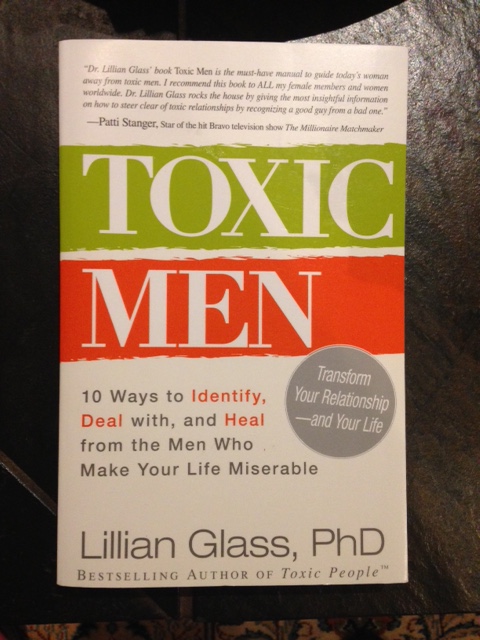
Lillian Glass defines a “Toxic Man” as one who elicits negative emotions from you, behaves badly toward you or doesn’t treat you right, or makes you feel bad about yourself (thus affecting your behavior and lowering your self-esteem). Substitute “your character” for “you” and voila! You have the makings of a great deal of tension in scene after scene and a lot of sympathy for your character.
Glass’s book includes questionnaires to identify specific ways in which the Toxic Man elicits negative emotions.
Under the heading “How Does He Behave Toward You?” there are several subheadings: sadistic behavior, manipulative behavior, dishonest behavior, selfish behavior, non-communicative behavior, critical and judgmental behavior, angry behavior, embarrassing or shaming behavior, controlling behavior, and jealous behavior.
And under the heading “How Does He Make You Feel about Yourself?” the subcategories are: feeling emotional changes (feeling depressed, hopeless, frustrated, anxious or panicky, angry, empty, etc.); feeling afraid or fearful; feelings of self-doubt; physical changes (such as sickness, headache, weight gain or loss); feelings of guilt and shame; or just not feeling like your old self.
The Eleven Toxic Types of Men:
The jealous competitor
The sneaky passive-aggressive silent-but-deadly erupting volcano
The arrogant self-righteous know-it-all
The seductive manipulative cheating liar
The angry bullying control freak
The instigating backstabbing meddler
The self-destructive gloom-and-doom victim
The wishy-washy spineless wimp
The selfish me-myself-and-I narcissist
The emotional refrigerator
The socio-psychopath
Glass’s book is accessible, gripping, and a great read. I recommend it to writers in any genre!
Dr. Lillian Glass
AND REMEMBER: role-reversal is always a great alternative! For every toxic man, there’s a toxic woman!
We talk about why a character might act “out of character,” group mentality, behavior matching, why people might be more passive in groups or more likely to riot, and more.
Excerpt from “The Company You Keep – Does Your Character Act ‘Out of Character’ in a Group Dynamic?”
In this article, we’re talking about what happens to a character when they get into a group where a character might act “out of character”, which is a fun way to develop the plot.
Can you first give us a working definition for “group”
Vivian – We usually think three or more, but some “group” effects are present even with only two. Also, the “group” needn’t be physically present to exert influence.
Fiona – Can you explain that last sentence?
Vivian – Some group memberships are literal memberships–for example, a church congregation, sorority, bridge club, etc. such groups are often in our thoughts, and serve as a reference or standard for behavior even when the member is alone.
Fiona – Does “group mentality” work both ways? For example, people in a riot become riotous, but people in a disaster, where they see all hands on deck, become heroes?
People in a religious forum feel more religious. . .sort of like a magnifier?
Vivian – Absolutely. I just mentioned formal groups–which are the ones having the strongest influence at a distance– but crowds, mobs, any physical gathering of people, shapes our behavior to act or remain passive.
Fiona – Can you give us a short tutorial on what we need to know about group dynamics to help write our characters right?
Vivian – Well, there is a phenomenon known as behavior matching, a tendency to do what others around us are doing. This is reflected in everything from eating to body language. Even a person who has eaten his or her fill will eat more if someone else comes in and starts eating. If others are slouching, your character isn’t likely to remain formal.
Fiona – Yes, it’s hard to pass up a piece of chocolate cake when everyone else is moaning about how delicious it tastes.
Just sayin’
Vivian – A related phenomenon–I suppose it could be a subset of behavior matching– has the label diffusion of responsibility. This is the tendency for people to stand passively by when others are present. There was a classic case, decades ago, in which a NYC woman named Kitty Genovese was murdered in the courtyard of her apartment. The murder took approximately half an hour, and dozens of her neighbors watched from their windows. No one came to help or even called the police. The more people who could help, the less likely anyone will take responsibility for doing so.
And then there is group disinhibition. This is sort of the opposite. It is that people are more likely to take risks, break the law, be violent when others are doing so. Think looting, or harassing a homeless person. Disinhibition is even more powerful when alcohol is involved. I recently posted a blog on alcohol for writers that goes into that a bit.
But the bottom line is that we behave differently with others present than when alone.
According to Gallup polls, over half of Americans say they are at least a little superstitious. Consider the value of superstition for your character(s).
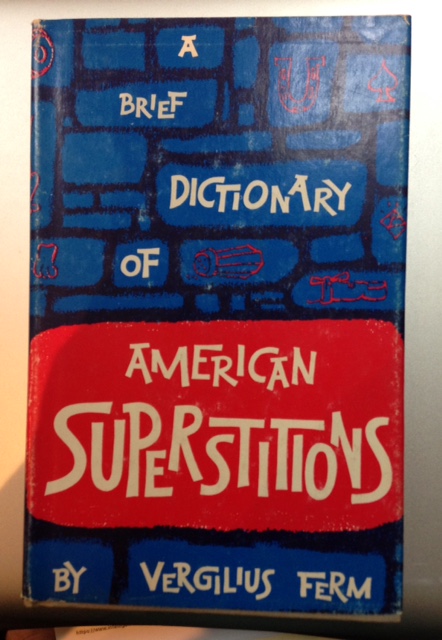
A Brief Dictionary of American Superstitions by Vergilius Ferm
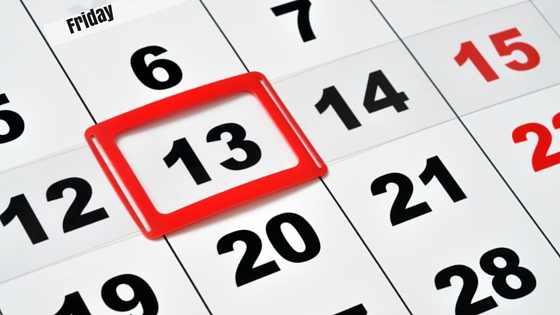
People who are truly not superstitious are nevertheless well aware of what’s associated with Friday the 13th, black cats, broken mirrors, four-leaf clovers, etc. Such people might well make a wish with fingers crossed, or when tossing a coin into a fountain or other water, when blowing out birthday candles, or kissing a horseshoe. If you don’t consider yourself superstitious, you may engage in superstitious thinking or behavior nevertheless, without paying attention—an habitual or non-conscious action. For me, that’s knocking on wood.
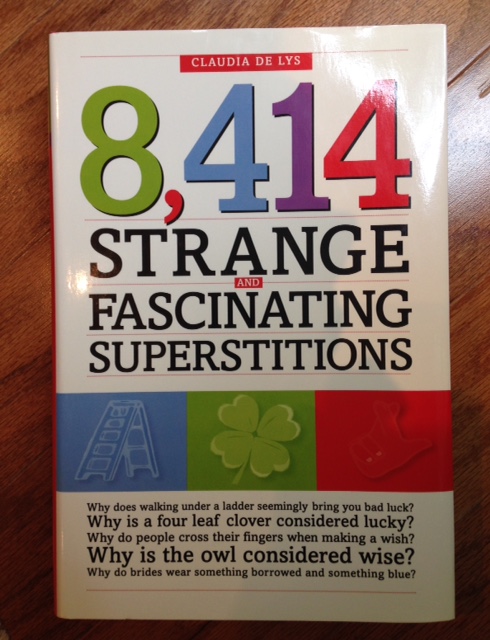
8,414 Strange and Fascinating Superstitions by Claudia De Lys
This collection by Claudia De Lys has an excellent two-page description of this and other wood superstitions, ranging from the balsam needle pillows to wooden rosary beads, traced back to the spirits believed to live in trees that bring on the seasonal changes (life, death, and resurrection) or maintain the evergreen state (immortality). A tree or wood was touched when asking favors and again in appreciation of good fortune received.
Superstitions and characters
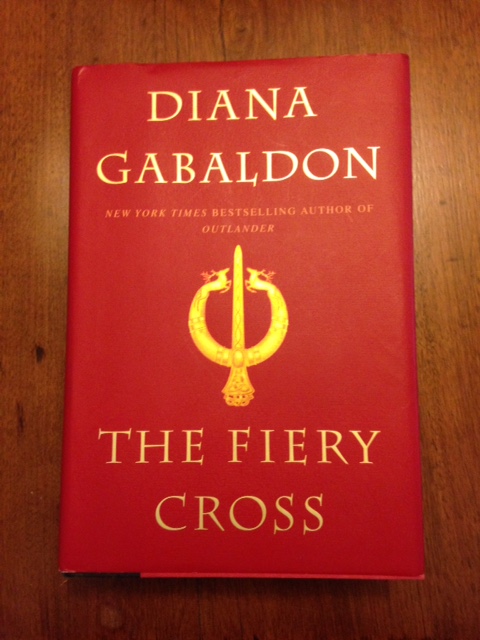
The Fiery Cross by Diana Gabaldon
Diana Gabaldon’s work is an excellent example of effectively using her characters’ beliefs, superstitions, and ritual acts—everything from beliefs about witches and fairies to making the sign of the cross—to illuminate both the characters and the historical context.
Stuart Vyse, Ph.D., author of Believing in Magic: The Psychology of Superstition, is an authority on magical thinking. He differentiates superstition from obsessive-compulsive behavior or other mental disorders and religious ritual, and discusses the functions each serves. I’ll stick with superstition for the sake of (relative) brevity.
Why are people superstitious?
Anything as nearly universal across time and cultures as superstition must serve some beneficial function! In a 2010 paper by Damisch, Stroberock, and Mussweiler, “Keep Your Fingers Crossed! How Superstition Improves Performance,” the researchers argue that superstitions give people a sense of control in chaotic situations. The major outcome of this research was that people who were allowed to solve problems with their lucky charms at hand performed better than when those charms were absent.
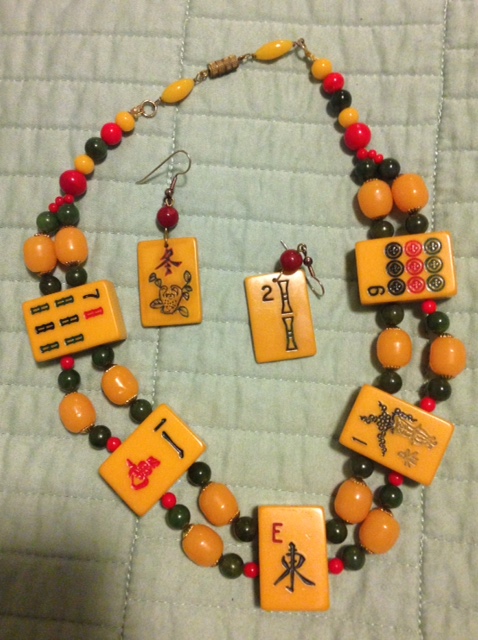
But the important point is that it is performance based. So wearing mismatched socks when playing baseball or tennis—or mah jongg jewelry when deep into that game—might improve performance.
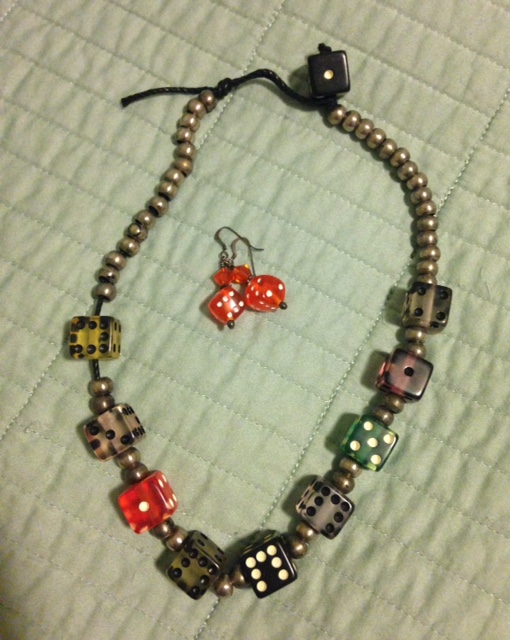
But lucky charms have no impact on outcome when the results are due to chance. So skip the lucky dice—unless you just like the look.
These researchers point out the ways in which this phenomenon may be wide-spread and important, for example in alcoholism. Many if not most members of AA attribute their abstinence to the higher power in their lives giving them strength. If they believe, they are more likely to stay sober.
Photo: Jonn Leffmann [CC BY 3.0 (http://creativecommons.org/licenses/by/3.0)], via Wikimedia Commons
Who is superstitious?
Some people are more superstitious than others—athletes and actors are notoriously so—and superstitions run in families. One example is a Virginia friend who says, “Rabbit, rabbit, rabbit,” first thing in the morning on the first day of each month to ensure a good month. Her daughter in Texas does the same thing. And now they text each other to see who says it first!
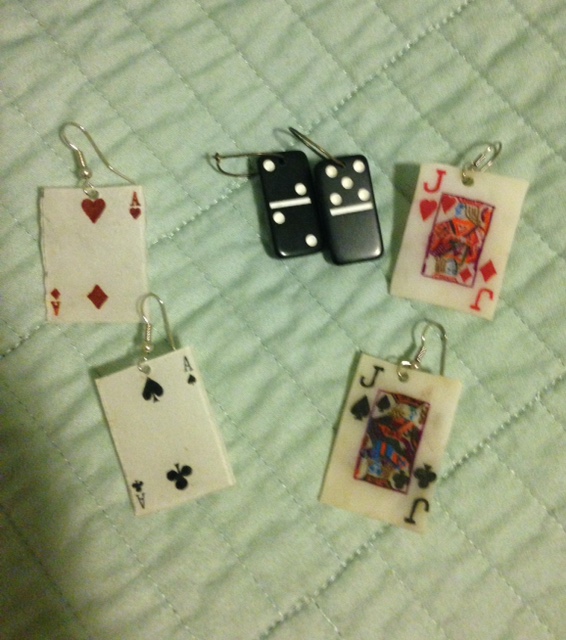
And, incidentally, women are more superstitious than men. Vyse relates this to locus of control. People who have an internal locus of control (I am master of my fate) are less superstitious than those with an external locus of control (life happens to me). Compared to men, women still feel that they have less control in their own lives. So maybe they wear special earrings for dominoes, euchre, and bridge for a reason!
Vyse also makes a connection between performance improvements and effort. He says that lucky charms don’t significantly reduce anxiety, but they do increase persistence. So maybe that’s what’s going on with a friend who happens to be a lapsed Catholic. When she loses something, she still says what she calls “the kid’s version of the prayer to St. Anthony”: Tony, Tony, come around. Something’s lost and must be found. She swears it works.
Truly magical thinking is taking an action that has no logical way to affect the outcome but may bring comfort anyway. A third friend who grew up in a Navy family won’t watch people leave because that means they won’t come back. She attributes this to her life on base, when families would see their husbands/fathers off at the dock but turn away as soon as the ship was underway.
When pressed, many non-superstitious people will admit that they prefer not to walk under ladders, step on graves, or open umbrellas indoors. They prefer to leave a building by the same door through which they entered, and they want to round an object in the path on the same side as their companion. Do you always include money when you give a purse or wallet? Does the recipient of a gift knife have to “pay” the giver at least a penny? Superstitions are everywhere, everyday, not just on Friday the 13th!
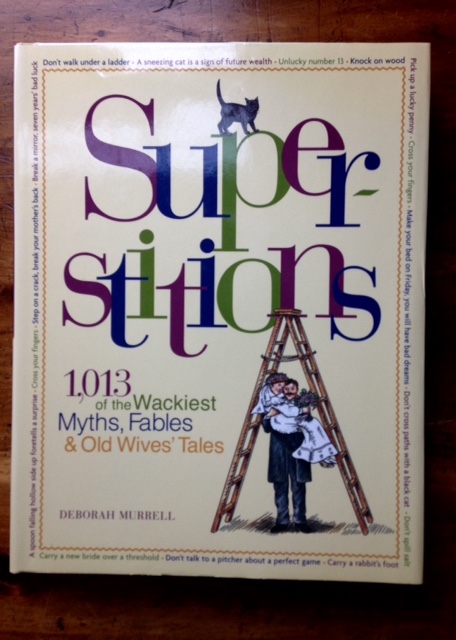
Superstitions: 1,013 of the Wackiest Myths, Fables & Old Wives’ Tales by Deborah Murrell
A Dictionary of Omens and Superstitions by Philippa Waring
Takeaway for writers
Give your characters superstitions and/or rituals. It can add interest, tell something about the person’s ethnic or family background, and illustrate her/his anxieties and feelings of control.
Everyone has a body image. It’s how you feel about your body and all its parts as well as how you think other people view you. Body image isn’t something you’re born with, but you acquire one pretty early on—starting with what family and friends say and do, and then from how what you see in the mirror compares to what you see reflected in the media and what your culture values.
People who accept the way they look and feel good about their bodies (most of the time) have positive body images. Beyond looks, body image is related to how you feel physically and what your body can do. Some say that a positive body image must also reflect reality. Consider whether this is what you want for your character(s).
It might be effective to have a serious body defect and/or distortion of perception. Interesting (to me) is that research indicates that (1) women of all ethnic groups have more issues with body image than men do, (2) women think men are attracted to thinner ideals than men actually are, and (3) men think women are more attracted to more muscular body builds than women actually are. In the extreme, distorted body images are associated with anorexia, bulimia, and exercise disorders. As a writer, consider the value of misery!
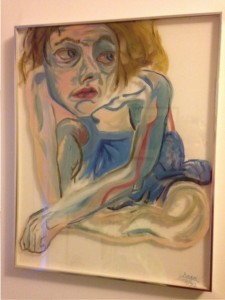
Although body image tends to be established early and to solidify during adolescence, it isn’t static. Artist’s self-portraits often reveal a great deal about how they view themselves at a given time. Consider these two self-portraits by the same artist, two years apart. What seems to have happened to body image?
I recently wrote a memoirin which I mentioned illness turning me into a person I never meant to be. All sorts of trauma can have that effect. Think of the opportunities!
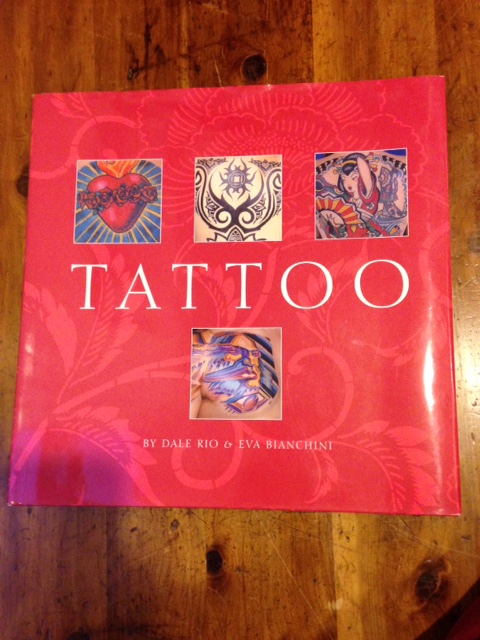
Of course, we seldom live au naturel. Men have haircuts and facial hair, maybe lifts in their shoes, and other bits for more adventuresome tweaks—maybe hair transplants. Women, on the other hand, have haircuts and hair color, corsets or Spanx, shoe choices and jewelry, makeup, and all manner of accessories. In the extreme (my judgment), they go for tummy tucks, face lifts, breast augmentation (sometimes reduction) and so forth. What about your character? Recently, in the US, tattoos have been coming into their own. I was surprised recently to learn that Richmond, VA, is one of the most tattooed cities in the country.
Would your character get a tattoo? Why or why not? Where? What? Under what circumstances? Is the tattoo public or private?
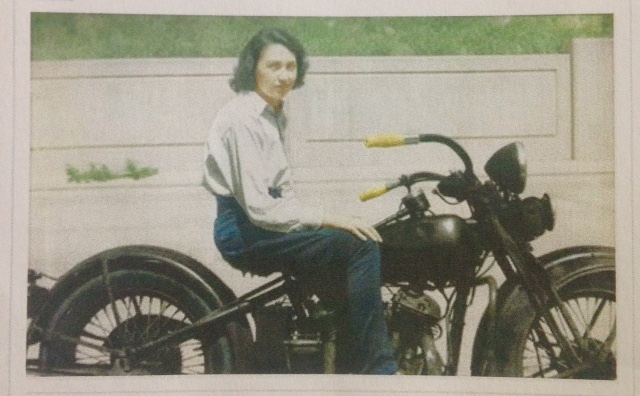
This is Great-aunt Mary. She and her husband lived in Cincinnati, Ohio, over the bar they owned and operated. Her mother was a strict Southern Baptist and disapproved so strongly that she refused to visit them.
But Mary was definitely a free spirit. Given that, you might not be surprised to hear that besides riding a motorcycle, she flew a small plane. She once went canoeing alone on the Ohio River when it was at flood stage.The unexpected thing about Aunt Mary is that she always said she was “too nervous” to drive a car! Interesting as she was anyway, this last adds another layer of richness.
And so it is with your fictional characters: if everything is consistent and predictable, why would anyone read to learn more?
Takeaway for writers
Always try to include something surprising or unexpected.
Some things seldom if ever appear on the page because they are just taken for granted. If your characters leave the house—unless you specifically say otherwise—the reader assumes they are wearing shoes and street clothes appropriate to the season, have combed their hair, had breakfast, brushed their teeth. . . If you’ve established quirks for your characters—e.g., Sue Grafton’s detective Kinsey Millhone works out twice a day—even these individual habits or routines aren’t mentioned every time they happen. The reader assumes those actions as part of the background.
Consider the power of not doing the usual. Under what circumstances might a character wear the same clothes for a solid 48 hours? Does it make a difference if those clothes are pajamas? What are the implications of skipping showers, hair washing, and tooth brushing? Why might a character eat sardines and Great Northern beans straight from the can? All of these possibilities imply powerful motivation or situational constraints. Is your character held captive? Lost in Alaska? Deeply depressed?
Even if your characters aren’t doing what’s expected, they’re doing something. Maybe it’s computer solitaire, or a jigsaw puzzle; reading trashy novels and eating bonbons; getting knee-walking drunk; or maybe it’s only sleeping, or staring into space—but it’s something. What that something is—and the feelings that accompany it—say a great deal about your character. Is your character in survival mode? Overwhelmed? Feeling rebellious? Guilty? Ashamed? Weak?
TAKEAWAY FOR WRITERS
Sometimes what a character doesn’t do is as telling as what s/he does do. Use it!
Should you want to add an animal to your story, here’s the First Rule of Thumb: the more important the fictional animal is to your story/plot/series, the more you need to know about the actual one. That being said, here are some snippets that floated through my brain while thinking about fictional animals
Ralph
Kiwi
Second Rule of Thumb: if you want your readers to identify with the animal, consider a dog or cat. In most Western countries, the two most popular pets are dogs and cats. There are approximately 75.5 million pet dogs and 93.6 million pet cats in the United States—compared to 5.3 million house rabbits. On the other hand, more households own dogs than cats—45.6 million households vs. 38.2 million households, respectively. Among college students, 60% identified themselves as dog lovers compared to 11% cat lovers (everyone else being both or neither). (And just a fun fact: in 2013, pets outnumbered children four to one in the U.S.)
Sticking to dogs and cats for a bit: dog owners report seeking companionship, while cat owners sought affection.
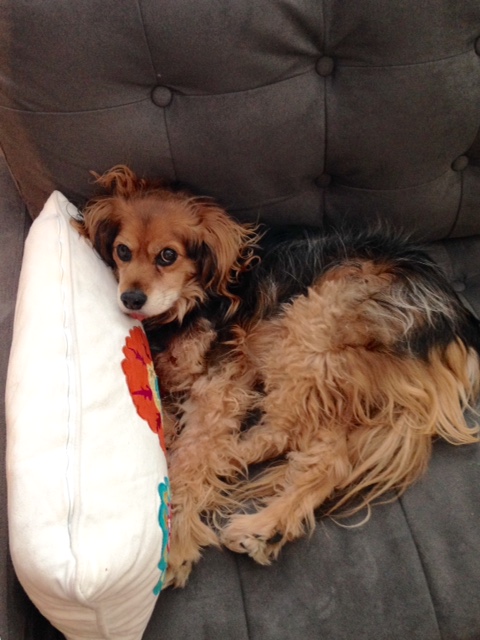
If you do go with a dog or a cat, consider how the profile of the typical owner matches your character. Overall, dog lovers are more energetic and outgoing, and are more likely to follow rules closely. Cat lovers are more introverted, open-minded, sensitive, non-conformist, and intelligent. As most people know, dogs and cats of various species have identifiable personalities and behaviors, so consider how compatible or incompatible your character and pet need to be to support your storyline. Which is your dog?
Albert
Buddy
Third Rule of Thumb: the more unusual the animal you choose, the more you might have to work for reader affection but the easier it might be to grab reader attention. Consider the red-footed tortoise.
Oogway
Only 4.7 million U.S. households own reptiles, and many of those are lizards, snakes, etc. Chances are a red-footed tortoise would be pretty unfamiliar. Few readers would know that they can grow to more than 18 inches, and live more than 30 years. Some readers would be interested to learn that they are omnivorous, rest 50% of the time, and prefer temperatures around 86 F, not below 68 F or over 95 F. What sort of character would choose such an animal companion? What sort of household might own four dogs, six cats, one parrot, and a tortoise?
BIG TAKE-AWAY FOR WRITERS
Think carefully before you throw one or more animals into your story. Consider the role of the animal(s), and the fit between your character and the fictional animal(s). And then have fun with it!
P.S. FYI,January 14th is Dress Up Your Pet Day. Work that tidbit into your story!
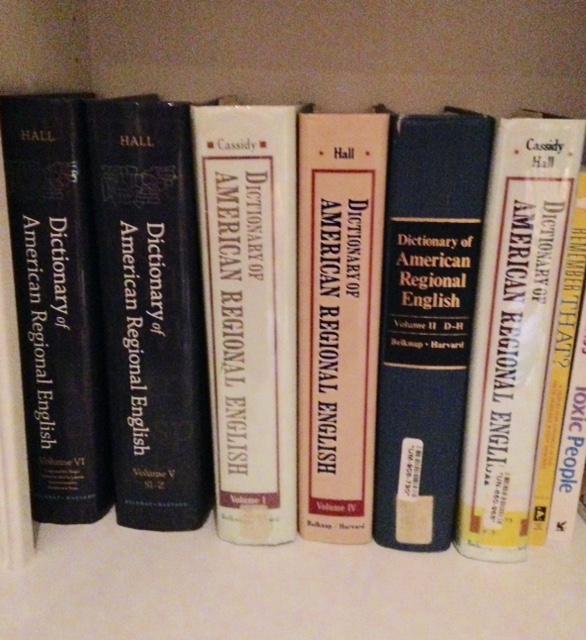
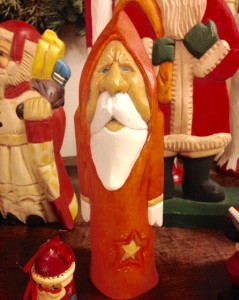
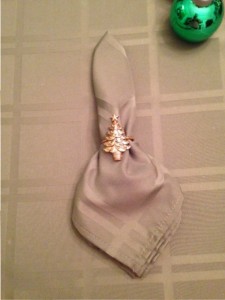
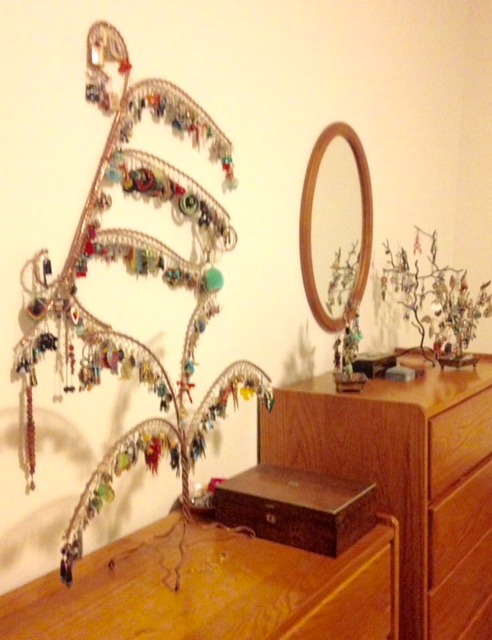
I’ve mentioned here and there that I collect things: dictionaries, carved wooden Santas, napkin rings, funky earrings, and mah jongg sets, among other things.
I’m not alone here. Indeed, I’m not not even close to making it into the The Mammoth Book of Weird Records.
There are people out there collecting
love dolls
dolls dressed as nuns
aluminum can pull tabs
belly button fluff
airsick bags
banana labels
nail clippings
already chewed Nicorette Gum
wooden toilet seats
cow hairballs
pictures of cement mixers
toothpaste tubes
vacuum cleaners
key chains
back scratchers
beds
empty pizza boxes
clothing tags
Walmart receipts
husbands (or wives)
traffic cones
umbrella covers
teabag labels
autographed drumsticks
dildos
AND THE LIST GOES ON!
Think about the sort of person who might collect these things. And why. Who is comforted by plenty? Who wants to be distinctive, not one of the masses? Who sees it as a mark of economic superiority? Or maybe there’s a family competition going on.