IMAGINE CREATIVITY!

Have you ever stopped to consider the difference between creativity and imagination? Clearly, the two are linked, but how do they affect each other?

The authors at the Discover Building Sets blog explain the relationship between imagination and creativity this way: “Creativity is commonly referred to as the ability to create something real using imagination. Whereas imagination is the capability to create in one’s own mind what does not exist. The imagination come first and is necessary for creativity but not the other way around.

Oxford Languages defines imagination as the faculty or action of forming new ideas, or images or concepts of external objects not present to the senses. And creativity is the use of the imagination or original ideas, especially in the production of an artistic work.

“Life in the Minds of Children”
Mehdinom

Highly Creative People

The obvious question is, who’s the most creative of them all?

Determining the most creative person ever is highly subjective but there have been lots of people who have made groundbreaking contributions in various fields, demonstrating exceptional creativity. Quoting Kriti Roy (writing at Quora), some people often mentioned for their creativity include:

  • Leonardo da Vinci: Leonardo da Vinci is renowned for his extraordinary artistic skills, scientific explorations, and inventive mind. His diverse talents and imaginative thinking exemplify creativity across multiple disciplines.
  • Pablo Picasso: Picasso’s innovative and influential approach to art, particularly through his development of Cubism, challenged traditional artistic conventions and expanded the boundaries of visual expression.
  • Marie Curie: Marie Curie’s pioneering work in radioactivity and her groundbreaking discoveries in physics and chemistry demonstrate her innovative and creative approach to scientific research.
  • Albert Einstein: Einstein’s revolutionary theories in physics, including the theory of relativity, transformed our understanding of the universe. His ability to think beyond conventional boundaries and imagine new possibilities exemplifies creative thinking.
  • William Shakespeare: Shakespeare’s literary works, such as his plays and sonnets, showcase his exceptional storytelling abilities, linguistic creativity, and profound insights into human nature.

These are just a few examples, and there are many other individuals throughout history who have made significant creative contributions in their respective fields.

It’s important to note that creativity can manifest in various domains, including arts, sciences, literature, philosophy, and more. Each person’s creativity is unique and shaped by their context, cultural influences, and personal experiences. Defining the “most creative” person ultimately depends on individual perspectives and the specific criteria used to evaluate creativity.

Traits of Creative People

Here are twelve traits that creative people possess and use in their daily lives, as discussed at indeed.com:

  • Curious
  • Playful
  • Open-minded
  • Flexible
  • Sensitive
  • Independent
  • Risk-taking
  • Intuitive
  • Thorough
  • Ambitious
  • Objective
  • Energetic

Creative Personality Traits often appear in apparently opposite personality types.

  • Introverts and Extroverts
  • Intuitive and Observant Personalities
  • Feeling and Thinking Personalities
  • Prospecting and Judging Personalities
  • Assertive and Turbulent Personalities

In short, by my reading, any personality type can be creative, though not always by the same means.

“Creative people like to daydream and imagine the possibilities and wonders of the world. They can immerse themselves in imagination and fantasy, yet remain grounded enough to turn their daydreams into reality. They are often described as dreamers, but that doesn’t mean that they live with their heads in the clouds.”

Kendra Cherry, MSEd, from Very Well Mind

Downside to Imagination

Although imagination is necessary for creativity, not all imagining is productive. An individual with an overactive imagination is one whose tendency to focus on their fantasies is so frequent and central to their waking hours, as to distract them from actually working toward achieving their own goals, or developing real-life, fulfilling relationships.

There is a strong overlap between imagined and hallucinatory phenomena in the sense that both are internal representations of external things that are not present at the time.

Some people actually develop fantasy-prone personalities. Cases of FPP have a harder time distinguishing between external reality and their own, internal fantasies. They have also been found to be more easily hypnotized than the general population.

The ability to imagine—and then dwell on—things that are not actually happening can contribute to mental health problems such as anxiety and delusions.

But imagination can also play a powerful role in healing. Guided imagery can be used to help with pain, sleep, nausea, anxiety, anger and fatigue.

Bottom Line: As far as I can determine, there is no downside to creativity, whereas imagination is a two-
edged sword.

CONTACT COMFORT

“Contact comfort” refers to the physical and emotional comfort a person receives from physical contact with another. And it isn’t just for infants!

Pretty much everyone knows about the need for contact comfort in infancy; whether the infant receives it or not has life-long consequences. Why?

Early Contact Comfort Research

Harry Harlow

Contact comfort
Harlow monkey experiment
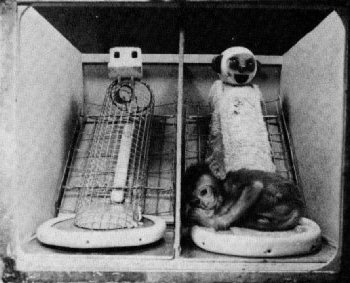
Baby monkey snuggling a soft mannequin in Harry Harlow’s research

Psychologists believe that contact comfort forms the foundation for attachments. As far back as the 1950s, Harry Harlow’s studies demonstrated the importance of physical comfort. In his lab, young monkeys preferred snuggling with a soft, cloth-covered mannequin over a wire mannequin. Even when the wire mannequin provided food, the baby monkeys chose to cuddle with the mannequin that provided contact comfort.

Similarly, human babies need to feel safe and comforted. From this secure base, they develop the confidence interact with and explore their worlds.

John Bowlby

According to John Bowlby, who saw first-hand the effects of World War II on civilian populations, children need two things to develop a healthy attachment:

  • The caregiver must be responsive to the child’s physical, social, and emotional needs
  • The caregiver and child must engage in mutually enjoyable interactions

As Bowlby observed, even infants try to prevent separation from their parents. When such separation is imminent, babies cry, refuse a stranger’s comfort, and wait for the parent to return.

Erik Erikson

Eric Erikson, a contemporary of Harlow and Bowlby, theorized that human psychosocial development occurs in eight stages. Erikson was in agreement on the importance of a secure base, arguing that the most important goal of infancy was the development of a basic sense of trust in one’s caregivers. Infants are dependent and must rely on others to meet their basic physical needs as well as their needs for stimulation and comfort. A caregiver who consistently meets these needs instills a sense of trust in the world is a trustworthy place.

In 1982, Erikson concluded that a lack of this basic trust could contaminate all aspects of a person’s life and deprive the person of love and fellowship. For example, a premature infant who has to spend their first weeks in an incubator might not develop a strong bond with parents. A child born unwanted or with physical problems that make them less desirable to a parent is more likely to develop a mistrust of the world. Under these circumstances, the parent isn’t likely to provide what the child needs to develop trust. Not being able to trust others, even family and close friends, has profound effects in teens and adults.

Children who have not had ample physical and emotional attention are likely to develop emotional, social, and behavioral problems when they are older.

Lack of Contact Comfort

The human brain changes extensively during infancy. Children from deprived surroundings such as orphanages, show vastly different hormone levels than parent-raised children even beyond the baby years.

Human babies can actually die from lack of touch.

In the nineteenth century, most infants in orphanages and institutions in the United States died of marasmus (“wasting away”). In the 1930s, doctors called a child’s physical decline when separated from caregivers anaclitic depression or hospitalism. A survey of institutions in 1915 reported that the majority of children under age two who had died exhibited “failure to thrive” symptoms. The lack of touch and affection drastically decreased their ability to grow, maintain a healthy weight, and develop.

James Prescott (1971) found that deprivation of touch and movement contributed to later emotional problems. In cultures in which people were very physically affectionate towards infants, levels of adult aggression were relatively low. On the other hand, in cultures that did not encourage as much physical touch, level of adult aggression were higher.

Everyone Benefits!

Mental Benefits

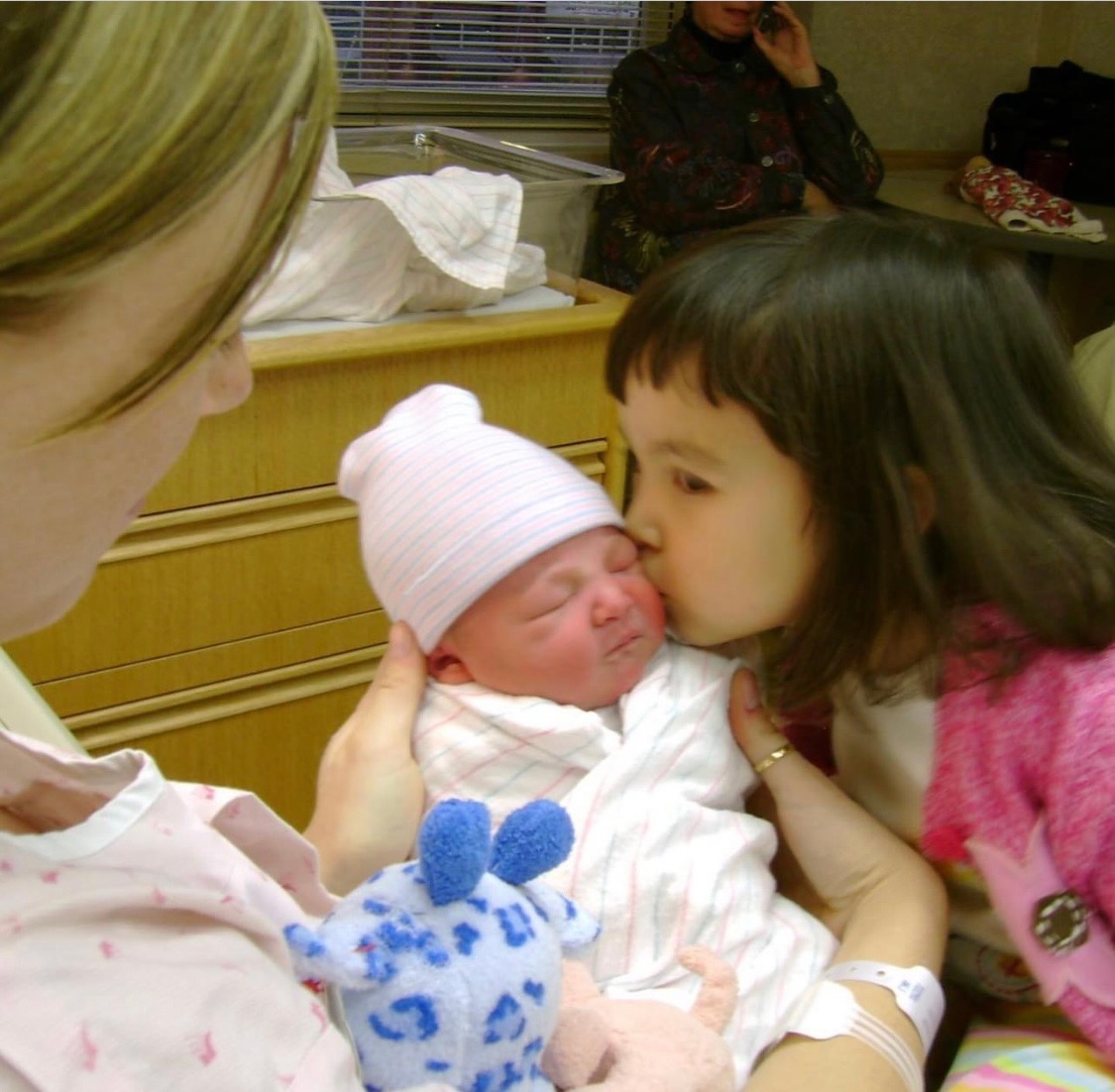
Skin to skin contact benefits both the child and the parent. It reduces parental stress and depression.

According to an article at itspsychology.com, the benefits of contact comfort for adults are numerous. It can help to reduce stress and anxiety, regulate emotions, and increase the production of feel-good hormones. It can also help strengthen relationships and build trust between people. As mentioned earlier, infants who don’t have a foundation for trust have a much tougher time trusting as adults.

For those with mental health issues, such as anxiety and depression, physical contact can be an invaluable source of comfort and security, safety and connection. Research has shown that the physical touch of another person can help reduce feelings of fear, anger, and sadness.

When people are mourning a death or other loss, a typical response is to hug the person, or at least touch the person’s arm, hold hands, or offer a pat on the back.

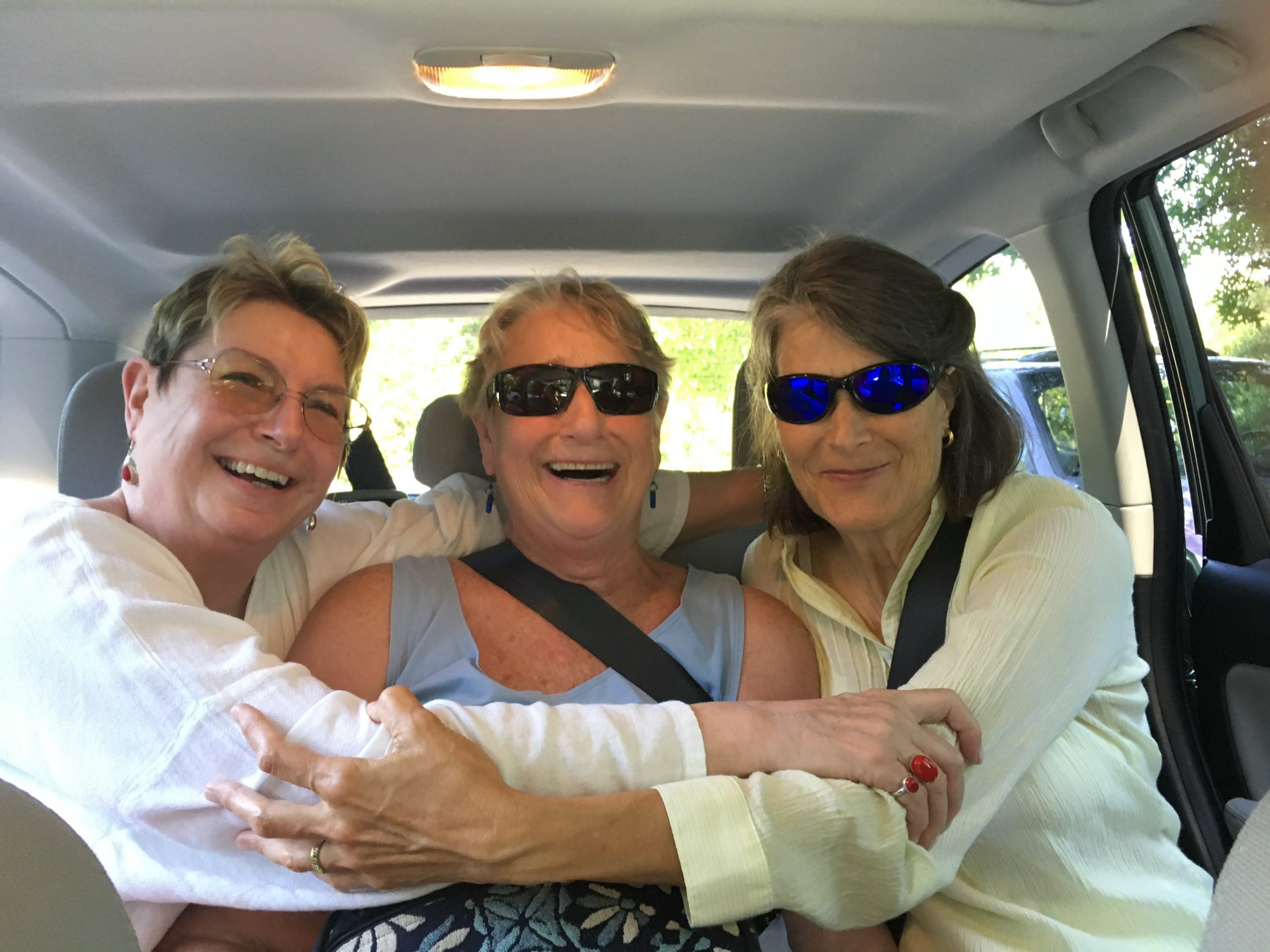
In stressful situations (like a court or doctor’s office), you are likely to see people holding hands or leaning on the shoulder of a loved one while waiting. In times of heightened stress or fear, people unconsciously reach for comfort from those around them. Children who usually consider themselves too old for cuddles will climb on a parent’s lap. Siblings who otherwise don’t get along might hug or simply lean together. Even complete strangers often feel compelled to seek or offer a pat on the shoulder or hand on the back, as the situation dictates.

Physical Benefits

In addition, contact comfort can help speed up the healing process for physical wounds. For example, patients who are touched on the shoulder by nurses and other medical personnel heal faster. Other studies have shown that physical touch can help reduce pain and inflammation. This is because the body releases oxytocin and endorphins, which can help reduce stress and promote relaxation.

Touching can help strengthen relationships and build trust between people. Studies have shown that physical touch increase feelings of closeness and connection, and levels of trust and understanding.

As with infants, when adults are physically touched by another person, it can help us feel safe and connected. This can be especially helpful for those struggling with insecurity or feeling disconnected from their partner.

Give Yourself More Contact Comfort

If you’d like to incorporate contact comfort into your daily life, here are a few tips from “Contact Comfort: How Touch Can Help Us Feel Connected

  • Make sure to give and receive physical affection regularly. This can be as simple as a hug or holding hands.
  • Take time to be intentional about physical contact with those you love. Make sure to focus on the connection and the feeling of being held or touched.
  • Try to be mindful of the effect that physical touch can have. Pay attention to how it makes you feel and how it can help create a deeper connection with those around you.
  • Make sure to establish boundaries around physical contact. Respect the wishes of those you touch and be aware of their comfort level.

Under a huge range of circumstances—you can imagine what those might be—an adult’s needs for physical closeness and touch just aren’t satisfied. Those people might decide to find a professional cuddler (or cuddlist). You can hire a professional cuddle-buddy for $60-$100 per hour for non-sexual hugs and cuddles. Both people remain fully clothed. The permissible touching is clearly delineated—much like when getting a massage in the U.S.

Bottom Line: Non-violent physical touch is comforting, and beneficial in many ways. Contact comfort is a good thing!

AGE AND HAPPINESS

Surveys and studies in developed countries around the world have investigated the relationship between age and happiness. Psychologists measure happiness by looking at “emotional well-being”—i.e., when a person consistently reports more positive than negative feelings. They have discovered that, by this measure, seniors are happier than their juniors, as a Scientific American study explains.

Better With Age

Plenty of recent research agrees. For example, the Journal of Clinical Psychiatry published a study in 2016, in which researchers analyzed data collected from a random sample of 1,546 people from ages 21 to 99 in San Diego.

Older people were physically more disabled and had more cognitive impairment than younger ones—the natural deterioration of aging—but in mental health, the advantage flipped. People in their 20s and 30s reported having the highest levels of depression, anxiety, and stress. They also report the lowest levels of happiness, satisfaction and wellbeing.

Older people, surprisingly, were the happiest, as Mandy Oaklander writes in Time.

The U Shape of Happiness

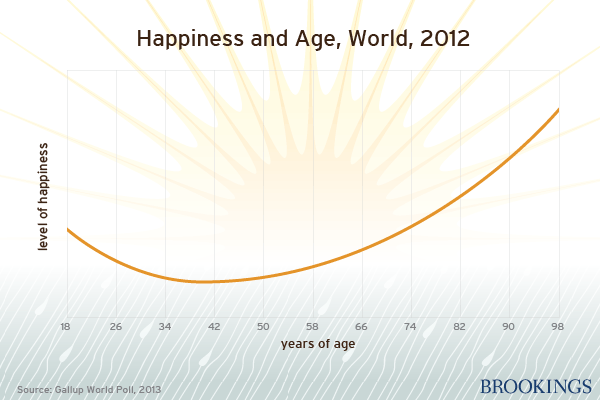
Yew-Kwang Ng, an economist at Monash University in Australia, compared research from the past twenty years in his 2021 paper “Age and Happiness.” He found that overall happiness throughout life tends to follow a U shape. Younger children are generally fairly happy; the beginning of adolescence coincides with a decline in “subjective well-being.” Yew-Kwang Ng theorizes that this may result from changes in sleep patterns adolescents experience.

Many factors impact the timing and shape of this U-shaped happiness curve: gender; health; lifestyle; income; national per-capita income; the overall happiness of the country; formative events in early life; and early self-esteem. Still, studies in multiple countries and internationally agree that most people start to experience a decline in overall happiness in their late teen years or early twenties. A Chinese study found that the lowest point for most people occurs around age 34.

After a period of low happiness in middle age (roughly ages 40 to 65), the majority of people begin to feel an uptick in overall happiness later in life. Over time, this upward trend plateaus again, and reported happiness levels don’t reach the same heights as those from earlier ages. An Australian study found that many people experience another decline in happiness in the last years of their lives.

The following chart illustrates this relationship, starting during teen years.

Happiness and Age, World 2012
Happiness and Age from the Brookings Institute

Maximizing Happy Aging

Margie Zable Fisher wrote a great overview for Fortune Magazine – The 3 Habits That Can Help Boost Your Happiness As You Age. She included the work of several acknowledged experts, including Laura Carstensen, Katharine Esty, and Robert Waldinger.

Elders’ happiness has to do with what Laura Carstensen, professor of psychology and director of the Stanford Center on Longevity calls emotional wisdom.

“As we age, our time horizons grow shorter and our goals change. When we recognize that we don’t have all the time in the world, we see our priorities most clearly. We take less notice of trivial matters. We savor life. We’re more appreciative, more open to reconciliation. We invest in more emotionally important parts of life, and life gets better, so we’re happier day-to-day.”

TED Talk: Older People Are Happier

Close relationships, more than money or fame, are what keep people happy throughout their lives. Those ties protect people from life’s discontents and help to delay mental and physical decline. Research at Harvard suggests these ties are better predictors of long and happy lives than social class, IQ, or even genes. That finding proved true across the board among both Harvard men and the inner-city participants.

I’ve taken these recommendations from the Fortune article cited above.

1. Maintain Friendships

Consider spending more or all your time with people who make you feel good. Try to maintain friendships with people in a range of ages, some older, some younger, some the same age. Esty suggests that we all need three different types of friends to really thrive:

  • Neighbors and others who provide practical help when we need it, such as running errands or watching pets.
  • Confidants with whom we can have open, honest communication about feelings or inner conflicts. We shouldn’t have to hide major parts of ourselves from good friends.
  • Friends who are fun to be with and with whom we can do fun activities.

2. Ask for Help

Although help is often easier to give than to receive, “The best relationships are two-way—where we give and receive help,” says Waldinger.

For midlifers thinking about retirement, “… many people aren’t certain what they want to do with their lives after retirement. They need to have a sense of purpose,” Esty says. “It works well to form a small group of friends who meet on a regular basis to discuss the issues in their lives and talk about their dreams for the future.”

3. Take on Responsibility

Many people consider shedding personal responsibilities and work duties to be one of the perks of growing older. However, this gift may come with unexpected pitfalls.

As Esty explains, a study of elderly residents in a nursing home showed that “more choices, more decision-making possibilities, and more responsibility raise the level of happiness in older people.” The key, she says, is to take on only responsibilities that you enjoy and to say no to other requests.

It may help to take on responsibilities related to an activity you enjoy. You might join a book club and offer to host meetings. If you enjoy a sport, consider becoming involved in a local league or even coaching a youth team.

And one more happy note: Although studies find that satisfaction with life and positive emotions decline with mobility problems and the deaths of spouses and other loved ones, research by Anthony Bardo of the University of Kentucky and Scott Lynch of Duke University shows that the cognitive impairment that can accompany aging does not preclude happiness and a high quality of life.

Note: age and happiness are correlated; however, getting older doesn’t cause happiness. We can all name several causes of (un)happiness, everything from not having enough money to an unsatisfying marriage/partnership. But all that is beyond the scope of this blog.

Bottom Line: Nobody will be happy all of the time, but we can expect to be more happy than not with age, especially if we lay a good foundation.

Self-Soothing

“Self-soothing” refers to behaviors people use to regulate their emotional state by themselves. It’s a strategy used to regain equilibrium after an upsetting event, or when facing a stressful situation. (For example, when a child’s parents argue, or an older person has to make a public presentation.)

Self-soothing behaviors are often apparent early in life, and are calming or comforting for a child or adolescent. Infants, for example, may be seen repeatedly sucking fingers or thumbs, hugging a toy or blanket. These habits may continue for years.

Self-soothing behaviors are repetitive/habitual in nature—and are often not consciously applied. Do you touch your hair, twist a ring, straighten your tie, etc.? Noticing when you engage in such behaviors can help you recognize mildly tense or stressful situations. It’s another form of self-awareness.

Following a shock, a traumatic or upsetting event, all people need soothing. In these more intense situations, two common self-soothing behaviors include reaching for an alcoholic drink or a tub of ice cream or other emotional eating. However—as you no doubt know—these kinds of self-soothing behaviors can cause additional problems.

Several self-soothing behaviors can lead to other problems: binge-watching TV, compulsive gaming, or internet surfing. Many superheroes have unhealthy self-soothing behaviors, including Jessica Jones and Iron Man.

Constructive Methods of Self-Soothing

Positive Psychology published an article suggesting several more positive strategies: “24 Best Self-Soothing Techniques and Strategies for Adults.” The following 7 suggestions quoted below are included in that article.

1. Change the Environment

If possible, just change the environment for a few minutes. Go outside and focus on greenery or find a soothing indoor space with a pleasant view or ambiance.

(The origin of the “Green Room” in theaters may stem from Elizabethan actors resting “on the green” between scenes to calm their eyes and their nerves. As the wavelength of green light causes the least strain on the human eye, those Elizabethans may have been on to something!)

2. Stretch for Five Minutes to Move Any Blocked Energy

For best results, try to put your chin between your heels.

Often, after upsetting news or a shock, our bodies respond by freezing and energy gets blocked. A few simple trunk twists, neck rotations, or bends at the hip to touch the toes can help shift stagnant energy.

(Even without a shock, our bodies tend to store tension and stress in our backs, shoulders, and necks. Stretching these areas can prevent headaches and improve circulation.)

3. Take a Warm Shower or Bath

Treat yourself with soothing body wash or bubbles and a fresh, soft towel afterward.

(For best results, do not use overly hot water and avoid scrubbing too hard. If hot water is not available, you can turn to oil, smoke, some types of mud, or simple cold water to achieve cleanliness and promote peace of mind.)

4. Soothing Imagery

Find soothing things to look at such as a burning candle, soft lights, pictures of loved ones, favorite places, or perhaps some framed inspirational resilience quotes or affirmations.

(The color green is most restful to the human eye, but some evidence suggests that other colors may have a calming effect on stress and mood. According to the principles of chromotherapy, surrounding oneself with blue, purple, or white can calm, soothe, and relax the central nervous system.)

5. Soothing Music

Harpist Carlos Reyes

Listen to favorite tracks that have a calming effect or one of the many relaxing music videos for stress relief that are available online.

(Harp music in particular has a soothing effect on the body as well as the mind. Research has shown that listening to harp music improves pain management, blood pressure, and heart rate regularity.)

6. Soothing Smells

Create pleasant smells by using an essential oil diffuser, scented candle, or incense. Also, try using scented hand lotion.

(The most soothing scent of all!)

7. Self-Compassion

Speak compassionately to yourself aloud. Talk to yourself like a good friend would. Give yourself the grace to be off-balance and the space to just be as you are for a while.

Soothing Every Sense

When people experience high levels of stress or discomfort often, some therapists recommend making a self-soothing box that includes objects or reminders of how to soothe all five senses:

  • Comforting smells such as scented candles, essential oils, or body lotion
  • Pleasant tastes such as herbal teas or favorite snacks
  • Soothing things to touch such as a favorite sweater, wrap, or stress ball
  • Comforting sights such as photos of loved ones, pets, or favorite places
  • Soothing sounds such as a favorite piece of music or guided meditation track

Most of us are familiar with people soothing other people—a hug, a back-rub, a shoulder to cry on. During COVID, when interpersonal soothing was less available, researchers studied the benefits of self-touching (Dreisoerner et al., 2021). They found that both self-soothing touch (in this study, most participants chose to place their right hand on their heart and their left on their abdomen while focusing on the rising and falling of their breath) and receiving a hug from another person were equally effective at lowering stress levels.

When adults are distressed, it’s difficult to regulate potentially disruptive emotions like anger, fear, and sadness, especially in a public space such as the workplace. If you want to explore self-soothing further, just look online. You will find lists of techniques from 8 to 100. Surely there’s something there for everyone.

Bottom Line: Everyone experiences distress of various sorts and at various levels. Self-soothing is a life skill worth learning.

FACES

So, you look in the mirror and mutter, “What you see is what you get.” But is it? Not really. We have at least two, and I would argue three, faces.

In 1932, W.H. Auden wrote, “Private faces in public places are wiser and nicer/ Than public faces in private places.” (Dedication, The Orators)

PUBLIC

Public faces
A noble hound, loyal and fierce!

(Picture by fotomorgana)

A public face refers to the image an individual, a company, political party, or any institution presents to outsiders or the public in general. As with any image, a public face is composed of a mixture of reality, myth, and lie. For purposes of this blog, I’ll focus on individuals.

For people, the face shown to the world everyday is projected by eye contact, tone of voice, a smile or an expressionless face. It’s who we are in the daily commute sitting next to someone on the train, standing in the checkout line, walking in a botanical garden. Some people talk, are cordial or engaging, while others avoid engaging and stay heads down.

The Japanese refer to this as omote (表), literally surface or exterior. Omote governs etiquette in public, personal grooming, patterns of speech, and even levels of social conformity.

PERSONAL

Personal faces
Just a couple of buddies chilling….
(Picture by Dllu)

Our personal face is the one we show to the people we know and care about the most. We might feel comfortable enough to show it to our family, friends, maybe some co-workers. Depending on the level of these relationships and how deep or trusting they are, one’s personal face—via behavior—can display character, integrity, and even flaws.

PRIVATE

A private face isn’t shown to anyone—at least not willingly—with the possible exception of a therapist—and is sometimes unclear even to the individual. It is the most honest and truest reflection of who we are. It includes our deepest and darkest secrets. It carries weight because it includes raw experiences from the past, things we are ashamed of, self-doubt, fears and insecurities, things people cover up and pretend don’t exist. Although private, this face influences decisions, relationships, and how one lives life each day.

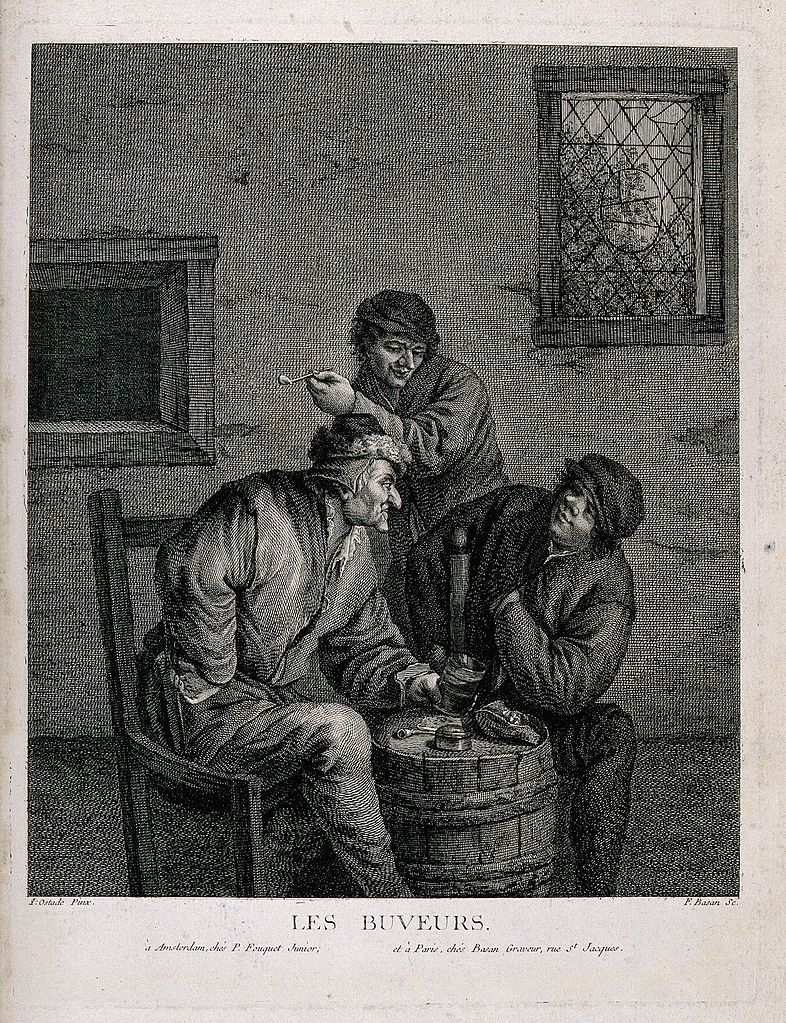
Derpity derpity derp…
“A wretched man with an approaching depression; represented by encroaching little devils
W. Spooner, c. 1930, Wellcome Library no. 11872i

In Japan, ura (裏, literally bottom or rear) is the opposite of omote. It is the reality behind the omote image with the myth and lies of the image stripped away. Ura is the wrangling behind the scenes, the tensions among family members, or the outpourings of a drunk on a late night commuter train. Omote usually covers ura. Unexpectedly exposing ura comes with a sort of danger. There might be great damage or embarrassment or both because the unreality of the omote is revealed for all to see.

Similarly, when one reveals one’s private self, sometimes even to family or friends, the results can be hurtful, ending, or damaging relationships. Etiquette, or manners, are an aspect of public and personal faces which the individual puts on. Although what is appropriate differs in these two instances—generally looser and less formal in our personal lives—nevertheless it is extremely important.

MODERN FACES

“It’s the latest style! You wouldn’t understand.”

Times change, of course. Check a bit of classic Miss Manners advice for enlightenment and laughs. Though her overall message of using etiquette to show respect for others has remained the same, her prescribed methods have certainly changed over time.

Then, too, there are fads, and what is cool becomes rad becomes bad, etc. Content and acceptable public behavior, not just words, change with time.

John Broening (of the New English Review) makes the case that the breakdown between public and private is everywhere, across all types of media.

“The private face has made itself at home in the public place, loudly sharing intimate details on its cell for everyone within earshot to share, wearing its laundry day clothes every day of the week, eating and drinking with an admirable lumpen unselfconsciousness that Rousseau would have approved of, treating the entire world as its living room.”

Some people don’t even wear swimsuits at the beach!
(Picture by Nikki Attree)

“In the world of literature, the private face has dominated the public space for some time now. What is called either the personal memoir, or misery lit, or—my favorite—autopathography, has become the defining genre of our time. Autopathography can be about addiction to alcohol (Happy Hours, Dry), pills
(Pillhead), heroin (Permanent Midnight) or meth (Tweaked). There are also misery-lit memoirs on anorexia (Wasted), depression (Prozac Nation), bipolar disorder (An Unquiet Mind) and sex addiction (Love Sick, The Surrender).”

John Broening, Private Faces, Public Spaces
Happy faces!

But even in these times of show and tell all, and do it publicly, I believe there’s always some secret corner of oneself that is not/cannot be shared with anyone.

Bottom Line: What are your public, personal, and private faces? How different are they?

CONSIDER THE TURKEY

Turkey breeders domesticated farmyard turkeys from a species actually called the Wild Turkey (Meleagris gallopavo), native to the eastern and southwestern states and parts of Mexico. Last week’s blog explores turkey origins, early domestication, and return to the U.S. from Europe with colonists.

The Modern Turkey

Domestic stock returned from Europe was eventually crossbred with the wild turkeys of North America. Today, there are six common standard domestic varieties in the United States:

  • Bronze
  • Black
  • Narraganset
  • Bourbon Red
  • Slate
  • White Holland

Although wild and domestic turkeys are genetically the same species, that’s about where the similarity ends.

The domestic turkey lost its ability to fly well through selective breeding that created heavier, broad-breasted birds. The shorter legs of the domestic turkey also mean it can’t run as well as its wild cousin.

Generations of farmers have bred domesticated turkeys to have more breast meat, meatier thighs, and white feathers. (White feathers don’t leave the dark pigmentation after plucking.) Most of the turkey we eat is from the Broad Breasted White breed.

Americans consume about 736 million pounds of turkey each Thanksgiving. In 2022, Americans collectively spent approximately $1.1 billion on Thanksgiving turkeys.

One fifth of America’s annual turkey consumption is on the Thanksgiving dinner table.

What About Turkeys Off the Thanksgiving Platter?

Some reports say Americans consume an average of 18 pounds of turkey meat per capita each year. Other estimates suggest it’s 13.6 pounds per person. In any case, it’s more than anyone consumes at a single meal, even Thanksgiving.

While Americans prefer the white meat of turkeys, most of the rest of the world prefers the dark meat.

Avian myologists (bird muscle scientists) refer to dark meat as “red muscle.” Animals use red muscle for sustained activity—chiefly walking, in the case of a turkey. The dark color comes from a chemical compound in the muscle called myoglobin, which plays a key role in oxygen transport. White muscle, in contrast, is suitable only for short bursts of activity such as, for turkeys, flying. That’s why the turkey’s leg meat and thigh meat are dark, and its breast meat (which makes up the primary flight muscles) is white. Other more “flighty” birds, such as ducks and geese, have red muscle (and dark meat) throughout.

Creative chefs have written whole cookbooks about turkey.

As with other cookbooks, you can find recipes for appetizers, beverages, soups, breads, salads, side dishes, sandwiches, burgers, and many uses for leftovers.

Facts About Turkeys Off the Table

A rafter of turkeys

Male turkeys are sometimes called “gobblers,” after the “gobble” call they make. Alternatively, they are called “toms.” Females are called “hens.”

Many factors impact a tom turkey’s impulse to gobble. The presence of other male turkeys or of female turkeys, the weather, the time of year, and a turkey’s age all influence when and how loudly a tom turkey gobbles.

Hens make a clucking sound. Other turkey sounds include “purrs,” “yelps,” “cutts,” “cackles,” “hoots,” and “kee-kees.”

Adult gobblers weigh between 16 and 22 pounds. They have a beard of modified feathers on their chests that reaches seven inches or more long and sharp spurs on their legs for fighting.

Hens are smaller, weighing around 8 to 12 pounds. They have no beard or spurs.

Both genders have a snood (a dangly appendage on the face) and a wattle (the red, fleshy thing that hangs from a turkey’s neck). However, they only have a few feathers on the head.

Snood length is an indicator of a male turkey’s health. When males challenge each other, scientists can use snood length to predict the winner. In addition, a 1997 study in the Journal of Avian Biology found that female turkeys prefer males with long snoods.

Tom turkeys also have caruncles, visible bumps on their heads. The larger the caruncles, the more testosterone a tom has.

Turkey hens live together in flocks (called rafters) with their female young. These rafters can have 50 or more birds!

Male turkeys form their own flocks, sometimes further separated by age. At mating time, a group of related male turkeys will band together to court females. However, only one member of the group gets to mate.

Commercial poultry farms today artificially inseminate turkey eggs. Generations of selectively breeding for larger breasts has created birds too large and heavy to mate naturally.

When a hen is ready to make little turkeys, she’ll lay one egg per day, over a period of about two weeks until she has a clutch of 10 to 12 eggs. Then, the eggs incubate for about one month before hatching.

Turkey hen with poults

Baby turkeys (poults) eat primarily berries, seeds, and insects. An adult’s more varied diet can include acorns and even small reptiles.

A clever observer can determine a turkey’s gender from its droppings. Males produce long, thin, spiral-shaped poop. Females’ poop clumps more and looks like the letter J.

Early farmers kept turkeys on small farms not just for their meat but also because they ate large numbers of insects and so were a great source of pest control.

One of the difficulties of raising turkeys stems from their curiosity. Without sturdy and cleverly built pens, turkeys will get out of their enclosures and wander off to explore the neighborhood. Also, they tend to get into places they can’t get out of, such as nearby buildings and the pens of other animals. In particular, turkeys commonly get their heads caught in fences!

A flock of wild turkeys has caused problems at NASA’s Ames Research Center in Mountain View, California. The curious and territorial birds are big enough to deter pedestrians, stop traffic, and even halt aircraft.

Adults must teach their young to eat from special feeders and waterers, just like other baby animals.

Turkeys like to roost high up in trees where they are safe from predators and can see any danger coming. They are not always graceful when descending, often crashing from branch to branch on their way to the ground.

Turkeys have approximately 3,500 feathers at maturity. If you’re particularly industrious, you can use these feathers, along with chicken feathers, to make feather-tick bedding. It’s not nearly so light and comfy as down!

Wild turkeys swim very well. They can flatten their feathers for a stream-lined effect, steer with their tails, and kick with their powerful legs.

Turkey skins are tanned and used to make items like cowboy boots, belts, and other accessories.

The dance called the Turkey Trot was named for the short, jerky steps a turkey makes. It became very popular following its introduction in a San Francisco nightclub in 1910. The movements were so “outlandish” that authorities used to arrest people for Turkey Trotting in public, and Pope Pius X begged his flock not to follow the new dance craze.

Before modern transportation, farmers in the British Isles put leather shoes on turkeys and walked them to market.

The 57th Annual Tremont Turkey Festival was held June 9-11, 2023. The festival features footraces, bed races, horseshoes, music, a parade, food, food, food, and more.

Bottom line: (Some people think) turkeys are kind of cool.

THE WELL-TRAVELED TURKEY

Once Halloween is over, it’s all about Thanksgiving. The shift of focus from goblins to gobblers is instantaneous. Although officially called Thanksgiving, for many it’s really Turkey Day. But beyond dinner, what do people really know of Meleagris gallopavo, the wild turkey that gave rise to the one likely to be on the platter?

Turkeys in North America

flying turkey

Turkeys are native to North America, as are all the subspecies. M. gallopavo silvestris, sometimes called forest turkeys or eastern wild turkeys, are the most numerous of the subspecies, more than five million.

Archaeological evidence suggests that Native Americans domesticated turkeys more than 1500 years ago, before Europeans set foot on the continent. Archaeologists have found turkey bones in burial mounds in Tennessee, Kentucky and some other parts of the South. Turkey relics have surfaced in Arizona dating as far back as 25 C.E., and turkey-raising may well be one of the oldest forms of organized meat production in the Northern Hemisphere.

Indigenous farmers raised turkeys in Mexico and Central America more than 500 years before the Spanish arrived. Evidence of turkey bones at religious sites and burial mounds suggests that turkeys served a ceremonial role as well as providing meat. Although native to North America, the turkey’s range extended into Mexico.

Turkey Trade in Central America

Chalchiuhtotolin, Aztec turkey god
Chalchiuhtotolin, the god of plagues, depicted as a turkey in the Aztec Codex

Central Mexico once acted as a center of turkey domestication. Archaeologists have found bones of Meleagris gallopavo from as early as 8000 B.C.E. in what was once Maya territory. Remains of turkey pens and fossilized poop containing traces of corn suggest ancient Mayans kept and fed turkeys, trading them throughout Central America.

A 1980s archaeological dig at the El Mirador assemblage in Guatemala unearthed seven turkey skeletons. The bones were from more than 2000 years ago and more than 400 miles from their native range in Central Mexico.

One thing is certain, says Erin Kennedy Thornton, an environmental archaeologist at Trent University Archaeological Research Centre in Peterborough, Canada. The turkeys “didn’t walk there [to the Jaguar Paw Temple] themselves.” Like many Native American cultures, she says, the Maya used turkey feathers in ornaments and carved turkey bones into picks, pins, and elaborate tubes.

Ocellated Turkey
Ocellated Turkey – no wonder Hernán Cortés confused them with peacocks in 1519!

Thornton studied the bones, and concluded they did not belong to the indigenous ocellated turkeys that roamed Mayan territory. Those birds are small, with blue heads and iridescent blue, green, and copper feathers, she says,”almost like a cross between a turkey and a peacock.” The bones found in the temple appeared to belong to the larger, duller Mexican turkey.

After reexamining the bones, Thornton collaborated with archaeologist Camilla Speller, an expert in ancient DNA analysis at the University of Calgary in Canada, to confirm that the bones belonged to M. gallopavo. Only one of the bones yielded enough replicable DNA for analysis. That DNA was an exact match with M. gallopavo, and not the ocellated turkey.

Mayan traders maintained long-distance exchange networks between northern Mesoamerica and Mayan territory. They moved many objects such as jade, obsidian, and pottery throughout these networks between 300 B.C.E. and 200 C.E., when the bones likely originated, says Thornton. However, she says, this is the first sign that Mayan traders may have transported living animals as well.

As early as 300 B.C.E, people transported Mexican turkeys between 650 and 950 kilometers outside of the their natural range. In a study Thornton and others published, they argued that this distribution suggests turkey domestication in Mexico may have begun centuries earlier than scientists previously thought.

“I think they did a good job of making the case that the Meleagris gallopavo birds at El Mirador were derived from Central Mexico and were probably being confined,” says William Lipe, an archaeologist at Washington State University, Pullman. However, the small sample of DNA concerns him, and he agrees with Thornton that scientists need to do more research. “My guess is that the history of turkey domestication in the New World is fairly complex and that we are just beginning to see some of the outlines of it.”

Turkeys in Europe

Turks call this bird a “Hindi.” Hindi speakers call it a “Peru.” Arabic speakers call it a “Greek chicken.” Greeks call it a “French chicken.” The French call it an “Indian chicken.”

So, it’s likely that the Mayans of southern Mexico domesticated turkeys, maybe 2000 years ago. Spanish explorers took Mexican wild turkeys domesticated by the Aztecs back to Europe about 1519. These turkeys spread rapidly throughout Europe, and traders introduced them to England between 1524 and 1541. There, they became a highly sought-after element of gourmet dinners.

After those early domestic turkeys spread across Europe in the 1500s, European colonists brought them back. When colonists set off for the New World, they brought turkeys back across the Atlantic, to the land of their origin. At the time, the turkey was already one of the most plentiful foods of Native Americans. The wild cousin is slim, tall and long-legged. It possesses keen eyesight, hearing, and native cunning, making it a difficult target for human and animal hunters alike.

“The wild turkey in a sprint can outrun a galloping horse for a short distance,” said Charles Ruth, Big Game Program coordinator for the S.C. Department of Natural Resources (SCDNR). “Although it is one of the largest game birds, weighing up to 25 pounds, it can fly distances of more than a mile, sometimes at speeds of 55 miles per hour.”

The Modern Turkey

Despite these survival traits, by the early 20th century, wild turkey numbers had plummeted because of overhunting and loss of habitat. In the early 1900s, the population reached a low of around 30,000 birds.

Fortunately, game managers stepped in, re-introducing wild-caught birds to areas where turkeys had disappeared. Thanks to these efforts, since the 1940s, wild turkeys have been prospering. There are now wild turkeys in all of the lower 48 states and even Hawaii, far beyond their original range. They number more than seven million.

Restoration of the wild turkey in South Carolina is one of the Palmetto State’s most noteworthy conservation success stories. In the early 1900s, only small pockets of wild turkeys survived in South Carolina. They lived primarily in the Lowcountry’s Francis Marion National Forest and along the Savannah River swamps. Today, the wild turkey is widespread throughout South Carolina. All 46 counties hold a spring hunting season (there is no fall season). Wild turkey restoration was made possible through the efforts of the SCDNR, the National Wild Turkey Federation, the forest products industry, private landowners, and South Carolina sportsmen and sportswomen.

Myths Busted

The name of the Republic of Turkey (now spelled Türkiye) and the funny-looking bird we eat in November are actually related (maybe). In the 1550s, merchants brought the birds to England by way of Spain and North Africa. People associated the new delicacy with the Ottoman Empire, particularly with the Turkish people.
  • Myth: Benjamin Franklin suggested the turkey as a national symbol or part of the Great Seal for America.
    • Fact: In 1784, Benjamin Franklin did praise the turkey. He wrote that compared to the bald eagle, the turkey is “a much more respectable Bird, and withal a true original Native of America.” But he never actually proposed the turkey as a symbol for America.
  • Myth: Turkeys are just big chickens.
    • Fact: More than 45 million years of evolution separates the two species. However, both are more closely related to dinosaurs than most modern birds!
  • Myth: Turkeys are so dumb, they’ll stare at the sky during a storm and drown in the rain.
    • Fact: Some turkeys have a unique genetic condition called tetanic torticollar spasms. This condition can result in some strange behaviors, like staring at the sky. No turkeys with this condition have been reported dying from looking up in the rain.
  • Myth: Turkey is high in tryptophan. Eating turkey makes you sleepy.
    • Fact: Turkey is just one of many foods that contain tryptophan. In order to feel the effects, you’d need to eat nearly 8 pounds of turkey in one sitting.

Bottom Line: When you think turkey, think beyond the supermarket.

SHOULD YOU EAT THAT? REALLY?

Ever wonder about the safety of the food you put in your mouth or serve to your guests? It should be fine, actually. There are multiple government agencies charged with seeing to it.

Specifically, There are Three US Agencies Dealing With Food Safety

U.S. Food and Drug Administration (FDA)

Norovirus, a primary cause of gastroentiritis cases in the winter, looks disconcertingly fluffy under a microscope.

The FDA is charged with protecting public health. They make sure that foods are safe, wholesome, sanitary and properly labeled. Safety and proper labeling of cosmetics and dietary supplements also fall under FDA oversight.

FDA standards and inspections cover both human and veterinary drugs, vaccines, biological products, and medical devices, ensuring they are safe and effective. This includes tobacco products.

The FDA also protects the public from electronic radiation.

Food Safety and Inspection Service (FSIS)

As part of the US Department of Agriculture, the FSIS, rather than the FDA, has jurisdiction over most meat and egg products sold in the US. From their website, “FSIS protects the public’s health by ensuring that meat, poultry and egg products are safe, wholesome and properly labeled.” The FSIS does this in part by requiring any producer of meat or eggs to follow a Hazard Analysis and Critical Control Point (HACCP) system.

Centers for Disease Control and Prevention (CDC)

Grapes! No, just Staphylococcus aureus.

Somewhat surprisingly, the CDC leads federal efforts to gather data on food-borne illnesses, investigate food-borne illnesses and outbreaks, and monitor the effectiveness of prevention and control efforts in reducing food-borne illnesses. The CDC also plays a key role in building state and local health department epidemiology, laboratory, and environmental health capacity to support food-borne disease surveillance and outbreak response.

So, How Effective are These Safety Measures?

According to the FDA, Americans suffer approximately 48 million cases of food poisoning every year. The CDC estimates that each year 1 in 6 Americans get sick from contaminated food or beverages and 3,000 die from food borne illness. The U.S. Department of Agriculture (USDA) estimates that food-borne illnesses cost the United States more than $15.6 billion each year.

Top 15 Foods That Caused Outbreak-Associated Illnesses, 2009–2018*

  • *Vegetable row crops (e.g., leafy vegetables); seeded vegetables (e.g., cucumbers); mollusks (e.g., oysters); root/underground vegetables (e.g., carrots, potatoes)
  • *Unpasteurized dairy products accounted for 80% of outbreak-associated illnesses linked to dairy. Pasteurized dairy products accounted for 10%, and pasteurization status was unknown for 9%.
  • *Other = foods that don’t fit in the top 15 categories and other federally regulated items such as alcohol, coffee, other beverages, ice, condiments, and dietary supplements.
  • **Total of percentages does not equal 100% because of rounding.

Who is Really Responsible for Food Safety?

Everywhere I looked, I had to conclude that food safety still lays largely in the hands of individual cooks and consumers.

Things to Be Aware Of

Campylobacter kind of looks like Cheetos.

Biological hazards include bacteria, parasites, fungi, and viruses and are the main cause of food-borne illnesses. They can develop in poorly handled food or through contamination from an outside source. Ensure that all your produce has been purchased from an approved supplier. In all cases of suspected contaminated food, dispose of it immediately. And of course, that goes double for recalled items.

Chemical hazards are substances such as pesticides or machine oils. Always handle and store correctly. Keep potentially hazardous items stored separately from your food and prep area.

Physical hazards are objects which contaminate your foods such as pieces of glass or metal, toothpicks, jewelry, or hair. The majority of recalls in the food industry in the US are related to physical hazards. Keeping all foods covered in storage will help prevent physical contamination. Take care during preparation to reduce the risk of such contamination in the kitchen.

The Three Main Sources of “Food Poisoning”

A close-up of salmonella looks like candy!

1) Time and temperature hazards result from improper cooking, holding, cooling, and reheating of food, leading to the growth of pathogens.

  • Do not leave cooked food at room temperature for more than 2 hours
  • Promptly refrigerate all cooked and perishable food (preferably below 5°C)
  • Keep cooked food piping hot (more than 60°C) prior to serving
  • Do not store food too long in the refrigerator
  • Do not thaw frozen food at room temperature
  • Know the degree of doneness needed for various foods, especially meat, fish, and poultry

2) Cross contamination occurs when you mix cooked and uncooked food, especially raw meat or fish.

Toxoplasma gondii may look like a Day-Glo ghost, but it’s very dangerous to pregnant women.
  • Assign different containers for the preparation of each kind of food
  • Avoid un-sanitized surfaces, utensils and equipment at all stages of food preparation

3) Poor personal hygiene is a common culprit that’s easily avoidable by following these rules:

  • Wash and sanitize hands properly between tasks and whenever they get dirty
  • Wear single-use gloves while preparing or serving ready-to-eat food
  • Clean and trim nails
  • Bathe or shower daily
  • Keep hair neatly combed, with long hair tied back
  • Wear a hair net or cap and apron at all times
  • Cover wounds at all times and refrain from handling food with open wounds
  • Stay away from the kitchen when sick and consult a doctor as to when it is safe to return
  • Remove jewelry before working
Underwater plant life or Escherichia coli (E. coli)? Who can tell?

Okay, so individually each of these is easy to do. But how many people actually do all of these things all the time?

Bottom Line: It’s surprising that only 1 person in 6 suffers from food-borne illnesses each year.

GOING BANANAS

Bananas: feeding toddlers and entertaining onlookers!

Commercially available bananas are far from my favorite fruit: too soft, too sweet. I may well be in the minority here. In the U.S., they outsell oranges and apples combined.

Just look at the numbers!

Bananas are one of the most consumed and cheapest fruits worldwide: they are the most traded fruit and the fifth most traded agricultural product. In 2022, the global export value of the banana trade totaled US$12.5 billion. Banana growers exported 19.6 billion metric tonnes of bananas (with the exception of plantains) in 2022. Cavendish bananas alone had a retail value of approximately US$ 25.74 in 2022. They are the fourth most important crop in the world, behind wheat, rice, and corn.

Red bananas in Thailand

The U.S. imports bananas primarily from Guatemala, Ecuador, Costa Rica, Columbia, and Honduras. Chiquita-Fyffes, Del Monte, Dole, Grupo Noboa S.A. own or subcontract the majority of banana plantations around the world. According to World Top Exports, “The biggest 5 exporters of bananas (Ecuador, Philippines, Guatemala, Costa Rica then the Netherlands) accounted for three-fifths (60%) of all banana sales on international markets.”

Many banana growing countries don’t export them; banana growers sell them for domestic consumption.

A Brief History of Bananas

Wild bananas have lots of hard seeds.

But what are we talking about, really? Botanically, a banana is a berry that grows on several kinds of large herbaceous flowering plants in the genus Musa. These plants look like trees but are actually giant herbs. The Latin name for banana, musa sapientum, translates to “fruit of the wise men.”

Food historians believe the first wild bananas grew in jungles in regions of Asia such as the Philippines and Indonesia. Researchers have found domestication projects of the fruit in Southeast Asia and the South Pacific. Based on archaeological evidence, the cultivation of bananas in the highlands of New Guinea dates back as far as 8000 BCE.

Alexander the Great first discovered the taste of bananas while campaigning in India in 327 BCE. Islamic conquerors brought the banana back to Palestine in 650, and Arab merchants eventually spread them around Africa.

Portuguese sailors brought bananas from West Africa, introducing them to the Americas in the 16th century. Its Guinean (Wolof) name was banema, which later became banana in English. From Guinea, we also get the word guineo for an unripe banana.

Merchants introduced bananas to North America in the 1880s. Fashionable people ate them with a knife and fork.

Gros Michel banana plants affected by banana wilt (1919)

What we eat in the U.S. today is almost exclusively the dessert banana Cavendish. Prior to the 1950s, the Gros Michel variety dominated the US market. However, a combination of fungal plagues, particularly Panama disease, wiped out nearly all of the Gros Michel plantations.

Artificial banana flavoring actually tastes like a Gros Michel banana (or an English pear, depending on who you ask). When you eat banana flavored candy, you’re getting a taste of the past!

The Cavendish banana variety is now under threat from the same disease that struck its predecessor. Panama disease has evolved into a new strain (Tropical Race 4), which can resist many of the quarantine and anti-fungal measures of farmers. Since researchers first identified Tropical Race 4 in Australia in 1997, they have traced its spread across Oceania, South-East Asia, and the Middle East. In 2021, the Peruvian government declared a phytosanitary emergency for the whole country after detecting the new strain of Panama disease. (Researchers think Panama disease actually originates in South-East Asia, not Panama or anywhere in South America.)

And then there’s banana ketchup. During World War II, ketchup producers in the Philippines faced a shortage of tomatoes but had plenty of bananas on hand. Maria Orosa, a Filipino chemist and food scientist, created banana ketchup to solve both problems. She made a paste of bananas, vinegar, sugar, and spices, and added red food coloring. People who have tried it claim it tastes just like the ketchup you’d find in any fast food restaurant in America.

But How Much Do You Really Know About This Fruit?

One might think that a banana is a banana, but there are between 500 to 1000 different varieties of bananas growing around the world, subdivided into 50 groups. Some are sweet, like the Cavendish banana, which is the most common and most widely exported. In many countries, people differentiate between bananas (sweet and eaten as a snack or dessert) and plantains (starchy and used in cooking).

Banana Varieties

Cultivated bananas reproduce asexually. Each plant basically grows as a clone of its elder, starting from suckers or pups growing out of its base. The lack of variety and adaptation leads to extreme vulnerability, such as from Panama disease.

Banana Tree in Vietnam

Due to their need for a warm, tropical climate, bananas can not grow easily in most of the United States. Many farmers in Hawaii grow some of the lesser well-known varieties of banana, such as Blue Java bananas, which purportedly taste like vanilla ice cream. Small groves of banana trees grow throughout the American south, in Florida yards and along Louisiana highways.

Banana bunches grow pointing up. Growers call these bunches “hands.” Each hand typically has about 20 “fingers”.

In 2001, a banana cluster took the title of the “largest bunch of bananas.” It held 473 individual bananas or “fingers” and weighed a whopping 287 lbs (130 kg). Kabana SA and Tecorone SL grew the bunch in the Canary Islands.

Consider health benefits in particular. Bananas are nutritious. They have approximately 89 calories per 100 grams (3.5 oz). Bananas are most known for their potassium content but also contain B vitamins, vitamin C, magnesium, and fiber. These support heart health and digestive health. According to research, eating bananas can lower the risk of strokes and heart attacks. Foods that are high in potassium might stop fatal blockages from occurring and can also inhibit the hardening and narrowing of arteries.

Banana cart in Vietnam

Bananas contain serotonin, a natural substance that alleviates depression and balances other moods. This form of serotonin cannot cross the blood-brain barrier, so bananas don’t act as a kind of natural antidepressant. However, a banana’s high concentration of vitamin B6 can help the body to produce its own serotonin naturally. This chemical also contributes to an overall well-balanced feeling amongst consumers.

If you have a bug bite, the inside of a banana peel can relieve itching. The natural oils found in the banana skin contains a chemical that helps alleviate irritation from mosquito bites and poison ivy.

Fun Facts

Banana leaves make versatile, biodegradable, and very handy packaging!

If bananas are too green to eat, put them in a paper bag with an apple or tomato. The banana’s ripening will speed up overnight. These helpers release more ethylene than others. This is the chemical that helps fruits ripen over time.

For the same reason, don’t keep fresh flowers on a counter or table next to bananas. The released ethylene will make the flowers wilt more quickly.

In 2016, police in Mumbai forced a thief to eat 48 bananas so that they could retrieve the gold chain he stole and swallowed.

Authorities in China have banned seductively eating a banana during a live stream, as of 2016. This is to keep under-aged women from attracting older male audiences. The Chinese government deems such acts harmful to social morality. Wearing suspenders on a live stream is also illegal.

Jordan Maddocks set a record for running the fastest marathon while dressed as a fruit in 2020. He ran the Rock n’ Roll Arizona Marathon in 2 hours and 41 minutes.

APOPO trains African giant pouched rats to identify landmines and tuberculosis, often by rewarding these HeroRATS with bananas, one of their favorite foods.

Banana fruits are naturally radioactive! This radioactivity is present in fruits containing potassium and potassium decays. You could die of banana radiation poisoning if you were able to eat 10 million bananas at once. You might experience chronic symptoms if you were to eat 274 bananas every day for 7 years. What are the chances?

The Guinness Book of World Records recognized Patrick Bertoletti as the man who could eat the most bananas in one minute. He peeled and ate eight bananas on the 14th of January in 2012 at Sierra Studios, Illinois, USA. In 2015, Pedro Aguilar from Mexico City, Mexico matched the record on July 26, 2015. You can do the math!

If a child hands you a banana, you are legally obligated to hold it to your ear and answer it like a phone.

Fifty percent of people who are allergic to latex are allergic to bananas as well. The term for this phenomenon is latex-food syndrome or latex-fruit allergy. While few people are born with allergy, it can be developed later on in life.

Bananas can float on water. They have relatively low density and multiple air pockets. Similar fruits such as watermelons, oranges, and apples are also naturally buoyant.

Bananas are approximately 75% water, which seems like a lot. By comparison, cucumbers or radishes have 96% and 95% water respectively.

A team at Kitasato University in Minato, Japan won the 2014 Ig Nobel Prize in Physics for calculating precisely how slippery a banana peel is. As it turns out, it is all down to the polysaccharide molecules in the peel, a substance also found in our joints. When crushed, the cells in a banana peel release these polysaccharide molecules as a gel, coating whatever surface they touch.

The International Banana Museum in Mecca, California

Rubbing the inside of banana peels on leather products like handbags or shoes works like shoe polish. The potassium in bananas, just like the potassium in leather polish, conditions and shines leather. Just rub the banana peel on the surface needing a polish and wipe off any residue with a cloth.

The use of “bananas” or “going bananas” to mean insanity may stem from flapper slang in the 1920s. The Routledge Dictionary of Modern American Slang and Unconventional English traces this use back to the late 1910s, when flappers used “banana oil” to mean “nonsense.” Alternatively, a glossary of criminal slang from 1935, The Underworld Speaks, noted that “bananas” meant “sexually perverted.”

The Coat of Arms of Fiji, featuring bananas on the lower right

A monkey peels a banana upside down compared to our method: they pinch the nub at the floral end and split the skin to peel it down toward the stem. The most nutrient-dense part of a banana is opposite the stem, the part that would be pointed up when a banana was growing on the tree. Peeling a banana from this end allows the monkey (or you) to reach the best part of the banana first. People who peel a banana from the floral top are also slightly less likely to contaminate the fruit with bacteria from the stem. Hungry monkeys will sometimes just eat the whole banana, peel and all!

Humans share about 41% of our DNA with bananas.

Banana leaves have nearly as many uses as the fruits. When cooked, they have many nutritious benefits. People use them as a building material or for rain protection. They can be formed into biodegradable cooking or eating utensils. Weavers can process fibers from banana leaves and stems into rope and fabric.

The Dark Side of Bananas

I don’t like to write downer blogs, but be aware. There is evidence of price fixing on bananas, keeping them at 79 cent a pound. This is possible because of the concentration of banana plantations and export under the control of just a few companies. The cost savings to consumers means that those actually growing and harvesting the fruit often live on subsistence earnings.

Bottom Line: Bananas are popular and convenient and more complicated than you probably knew.

Market in Huế, Vietnam

Hygiene and Mental Health

mental health hygiene
Today’s guest blog post was written by Kathleen Corcoran.

Mental health and cognitive decline can have a serious impact on a person’s ability to maintain regular hygiene and grooming routines. At the same time, changes or lack of regular hygiene and grooming routines can seriously impact a person’s mental health. Today is World Mental Health Day, a good day to consider how hygiene and mental health are woven together.

You’ve probably heard the saying “cleanliness is next to godliness” at some point. Many people subconsciously apply this moral judgement to the personal hygiene of those around them. As society’s standards of hygiene and grooming have changed over the centuries, so have the judgements on those who do not meet those standards.

This can have deleterious impacts on people already struggling with mental health or cognitive ability. Social stigma can deter people from reaching out for help, whether to mention their struggle to a therapist or ask for physical assistance. Self-consciousness about grooming standards may then contribute to isolation and loneliness.

“Unfortunately, at both ends of the spectrum, a lack of personal hygiene or an obsession with personal hygiene create additional stress and anxiety for the sufferer,” says Carla Manly, PhD, a clinical psychologist and author.

mental health hygiene
When mental health issues get in the way of regular showering or bathing, many people turn to alternative methods of maintaining hygiene.

Depression

Maybe chicken flavored toothpaste makes oral hygiene easier?

The fatigue and lack of motivation that often characterize depression make otherwise routine tasks monumentally impossible. Executive dysfunction can be paralyzing in the face of all the minor steps needed to shower or bathe.

Additionally, depression sometimes causes sensory issues that make bathing physically painful. The temperature changes, scents, or lights can be overwhelming for someone with severe depression.

Instead of traditional bathing practices, those with mental health challenges might turn to alternative methods of hygiene. Dry shampoo, mouthwash, and wipes can enable someone with depression to stay clean when everything is difficult.

Alzheimers and Dementia

People with cognitive decline issues, such as Alzheimer’s and dementia, often have trouble maintaining regular bathing and grooming routines. They may bathe repeatedly, forgetting that they have already done so. Or they may forget to bathe entirely. Alternatively, they may have physical issues that prevent them from bathing. Issues with regular bathing can lead to health complications, such as skin infections or gum disease.

People who can live alone may be able to address this by setting alarms or writing reminders. Maintaining a routine for daily grooming and hygiene can help it become automatic rather than something to remember. Adjustments like hose attachments and rubber mats can remove some of the physical impediments to routine bathing.

mental health hygiene
People in advanced stages of dementia may require help from caregivers to perform regular bathing and grooming.

Nurses, caregivers, and health aides can help patients who need more assistance with bathing. Keeping up habits established over the course of a lifetime can make assisted bathing easier. Bathing at the same time, using the same products or scents, might make a patient less agitated. Focusing on hygiene rather than grooming can help eliminate stress.

Ablutophobia

mental health hygiene
Humans with ablutophobia are not alone in the animal kingdom.

Many young children fear taking a bath or shower, but they generally grow out of it as they become more familiar with the routine or associate the bath with pleasant sensations. However, some people develop ablutophobia, an extreme fear of bathing or washing. This may be due to a sensory processing disorder, a traumatic experience, changes in brain function, or an underlying anxiety disorder.

When people with ablutophobia try to perform routine hygiene or grooming rituals, they may experience the symptoms of a panic attack or dissociation.

In the short term, people with ablutophobia can use alternative forms of cleaning, such as wipes or dry shampoo. However, treating ablutophobia will ultimately require psychotherapy or medication, which may allow a patient to uncover and address an underlying cause.

PTSD and Anxiety Disorders

Both post traumatic stress disorder (PTSD) and anxiety disorders can cause difficulties with regular standards of cleanliness. These mental health challenges can cause people to go to either extreme of hygiene and grooming. Sometimes people avoid bathing entirely because it triggers traumatic memories or causes a spike in anxiety. At other times, people fixate on removing dirt, performing ritualized grooming behaviors, controlling elements of their environment, or perfecting their outward appearance.

At either extreme, a person will likely feel an increased sense of social stigma and isolation, compounding the pain from mental illness.

Some people may prefer to take dust baths rather than water baths.

Short-term solutions may include changing the method of bathing, such as cleaning body parts individually to limit vulnerability, or switching from baths to showers. Changes to the bathing environment may also help, such as removing or installing locks on doors, turning down the temperature of the water heater in the home, or removing harsh scrubbers.

“The ultimate goals with such behaviors are to reduce a sense of being violated and ‘dirty’ and to increase a sense of safety,” says Carla Manly.

Schizophrenia

People struggling with schizophrenia often have difficulty maintaining regular routines and lose interest in daily activities. This includes habits like showering, brushing teeth, or changing into clean clothes.

Additionally, many medications to treat schizophrenia have side effects that contribute to problems with hygiene or grooming. Antipsychotic drugs often cause dry mouth, which can lead to gum disease, cavities, and halitosis. These medicines may also cause incontinence, which makes maintaining hygiene very difficult.

Some people find written reminders or alarms helpful to encourage regular hygiene or grooming rituals. Adjusting medications or dosages may help with side effects. Chewing gum and drinking lots of water can help with dry mouth, improving oral hygiene.

Bottom Line: Hygiene and grooming serve two different functions in our lives. When mental health issues make everything more difficult, focus on hygiene rather than grooming.