Why Procrastinate?

why procrastinate
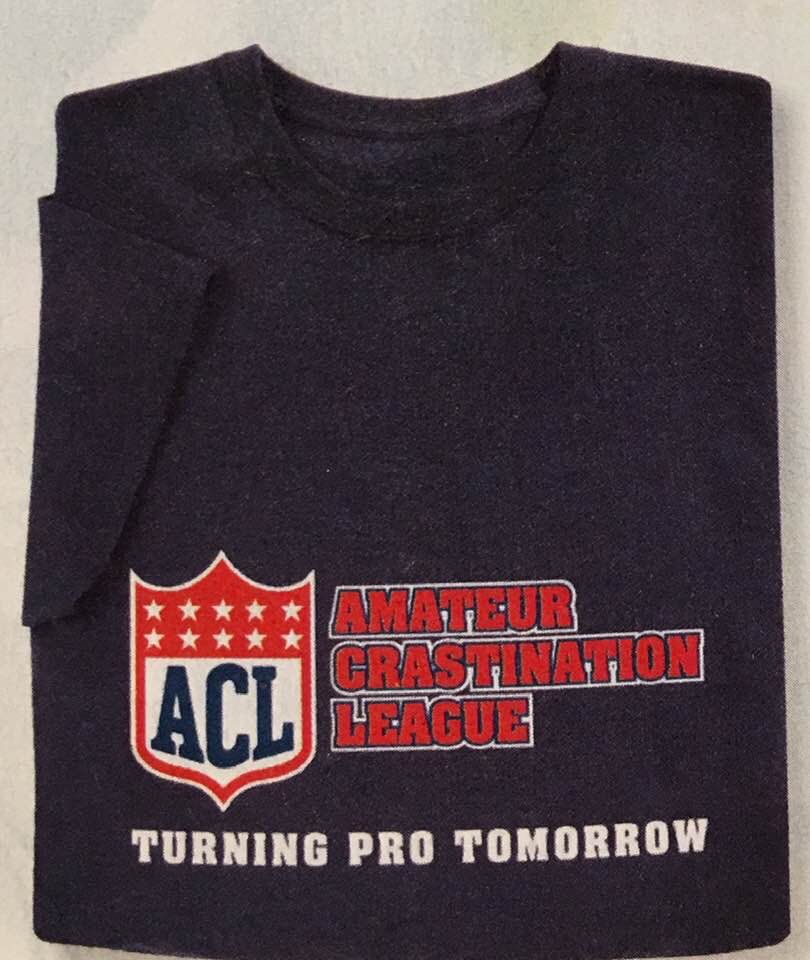
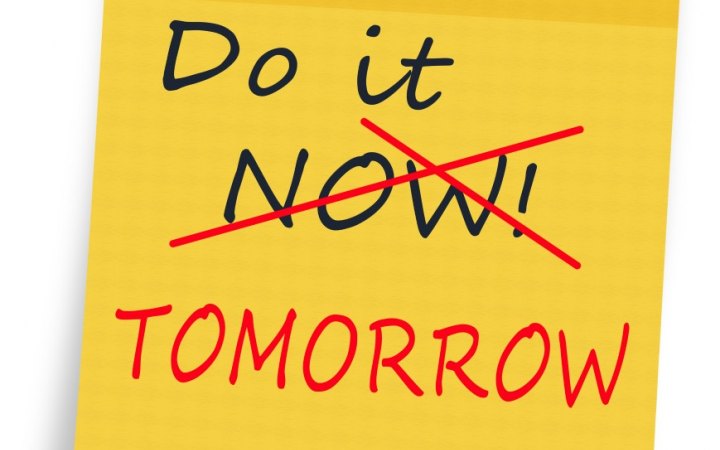
Procrastination has been my long-term companion, and I’ve got to tell you, it isn’t all bad. Procrastination is voluntarily putting off an unpleasant task, often against one’s better judgment.


Procrastination is typically perceived to be a bad thing, so I will start there. Research indicates that procrastination generally leads to lower-quality work performance reduced feelings of well-being. As a group, students who procrastinate get lower grades. Procrastinators put off a lot of unpleasant tasks, for example, getting medical treatments and diagnostic tests.
procrastinate
[Source: Wonderopolis]

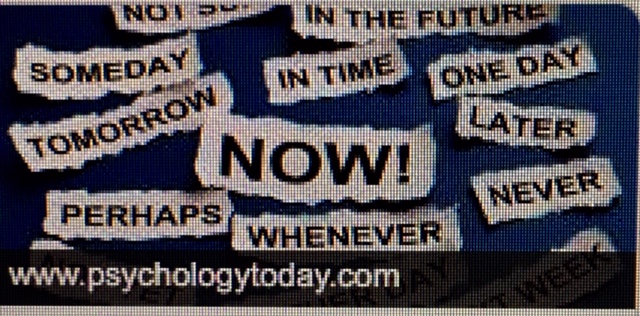
Here are 5 reason for procrastination, according to Psychology Today.

  1. absence of structure
  2. unpleasant, boring tasks
  3. timing: when present activities are rewarding and longer-term outcomes are in the future
  4. lack of confidence about one’s ability to do the task
  5. anxiety: postponing getting started because of fear of failure
 
My personal favorite isn’t on this list: the ego-defensive function of feeling better about oneself. This related to #5 above. Whatever the outcome, the procrastinator can always say to him/her self, “Not bad for the amount of time I spent on it. Of course, I could do better.”
procrastination
Exceptionally bright, capable people are highly rewarded for procrastination. Examples include students who get A’s without studying. Teachers who get good reviews when they lecture spontaneously. Etc.


According to Stephanie Vozza, procrastination has gotten a bad rap. She listed 6 reasons why procrastination can lead to greater success and happiness.
 
  1. Structured procrastinators get more done. While putting off one thing, they do something else.
  2. Procrastinators make better decisions. I’m doubtful about this one, but if while delaying making a decision a person is gathering relevant information, it could be.
  3. Procrastination leads to creativity. When a task seems too hard to do, you might invent a better way.
  4. Unnecessary tasks disappear when you procrastinate.
  5. Procrastination leads to better apologies.
  6. Procrastination reveals what you find important.
procrastination today
BOTTOM LINE: Like so much in life, there’s both an upside and a downside to procrastination.

The Upside of Addiction for Writers

upside addiction writers
When we think addiction, our first thoughts are likely to be drugs and/or alcohol, possibly nicotine—i.e., substance abuse. These addictions are defined by the psychological and physical inability to stop consuming a chemical, drug, or substance, even though it is causing psychological and physical harm. These addictions provide almost limitless possibilities for tension, conflict, and drama—and they are well documented.


upside addiction writers

But wait! There’s more! Some addictions also involve an inability to stop partaking in activities, such as gambling, eating, or working. In these circumstances, a person has a behavioral addiction.
Addicts cannot control how they use a substance or partake in an activity, and they become dependent on it to cope with daily life. As writers, think of addictions as a path to comfort for your characters. As such, any comforting activity or substance could become an addiction.
 
shopping therapy
[Source: Pinterest]
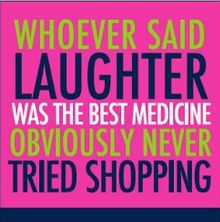
Usually, people start using a drug or engaging in an activity voluntarily. But addiction reduces self-control. There have been many cartoons and jokes about shopping therapy. Consider the implications of a shopping addiction.

Symptoms

  • Uncontrollably seeking drugs or uncontrollably engaging in harmful levels of the addictive behavior, e.g., the shopper spends so much money that it endangers the family finances.
  • Neglecting or losing interest in activities that do not involve the harmful substance or behavior, e.g., dropping out of exercise classes, bridge, etc., in favor of eBay.
  • Relationship difficulties, which often involve lashing out at people who point out the dependency. In the shopping example, arguments with one’s significant other are obvious!
  • An inability to stop using a drug, though it may be causing health problems or personal problems, such as issues with employment or relationships. So, maybe the shopping addict is shopping online during work hours.
  • Hiding substances or behaviors and otherwise exercising secrecy, for example, by refusing to explain injuries that occurred while under the influence. In the case of the shopping addict, maybe shredding credit card statements so family members won’t see the dozens of PayPal charges.
  • Profound changes in appearance, including a noticeable abandonment of hygiene. For the shopping addict, noticeable changes might include a sudden increase in fashionable accessories, new golf clubs, etc.
  • Increased risk-taking, both to access the substance or activity and while using it or engaging in it. You fill in the examples! Maybe the money runs out and theft results.


Withdrawal

depression addiction symptom

Stopping the use of a drug can lead to anxiety.

These symptoms include:

  • anxiety
  • irritability
  • tremors and shaking
  • nausea
  • vomiting
  • fatigue
  • a loss of appetite

Some of these symptoms are more typical of substance abuse than of behavioral addiction, but all could work for a character. On the other hand, if a person has regularly used alcohol or benzodiazepines, and stop suddenly or without medical supervision, withdrawal can be fatal. 

In Summary

Addiction is a serious, chronic dependence on a substance or activity.

A person with an addiction is unable to stop taking a substance or engaging in a behavior, though it has harmful effects on daily living.

Misuse is different from addiction. Substance misuse does not always lead to addiction, while addiction involves regular misuse of substances or engagement in harmful behavior.

BOTTOM LINE: Nearly any comforting activity—be it eating in general or chocolate, drugs or gambling—can become an addiction. Symptoms of addiction often include declining physical health, irritation, fatigue, and an inability to cease using a substance or engaging in a behavior. Addiction can lead to behavior that strains relationships and inhibits daily activities. Ceasing to use the substance or engage in the behavior often leads to withdrawal symptoms, as listed above.

bookaholic
The last word: A book addiction is relatively benign, although it seriously endangers your ignorance!

Start Celebrating National Poetry Month!

April is National Poetry Month, and it might be the goal of many people to begin reading more poetry. But that can be intimidating, so I’ve put together a list of resources you can use to dip your toes into the vast pond of poetry.

Poets.org

The Academy of American Poets is a phenomenal organization. They have thousands of poems to choose from, but if that’s too overwhelming, consider signing up for their “Poem a Day” emails. You’ll receive one poem in your inbox every morning—a great way to start your day.

poetry foundation
[Source: Poetry Foundation]

Poetry Foundation

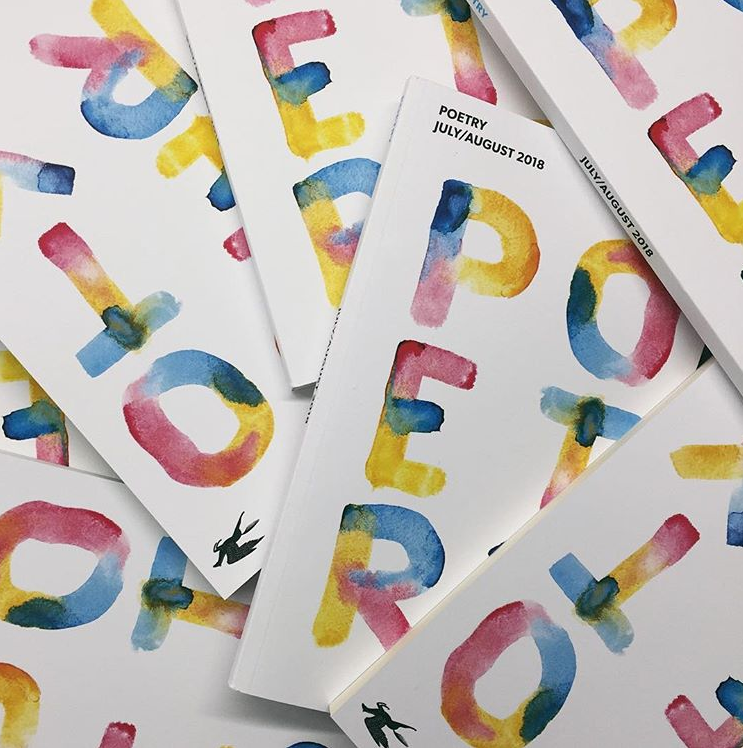
Similar to Poets.org is Poetry Foundation. In addition to an archive that rivals Poets.org, the Foundation publishes POETRY, a monthly literary magazine. Some big names (and soon-to-be big names!) are published through POETRY.

The Poetry Society of Virginia

Not everyone lives in Virginia, but for those who do, the PSV is a wonderful resource. In addition to several events and their annual Poetry Festival, the PSV holds two annual contests: one for adults and one for students. If you don’t live in Virginia, consider researching what poetry societies are around you.

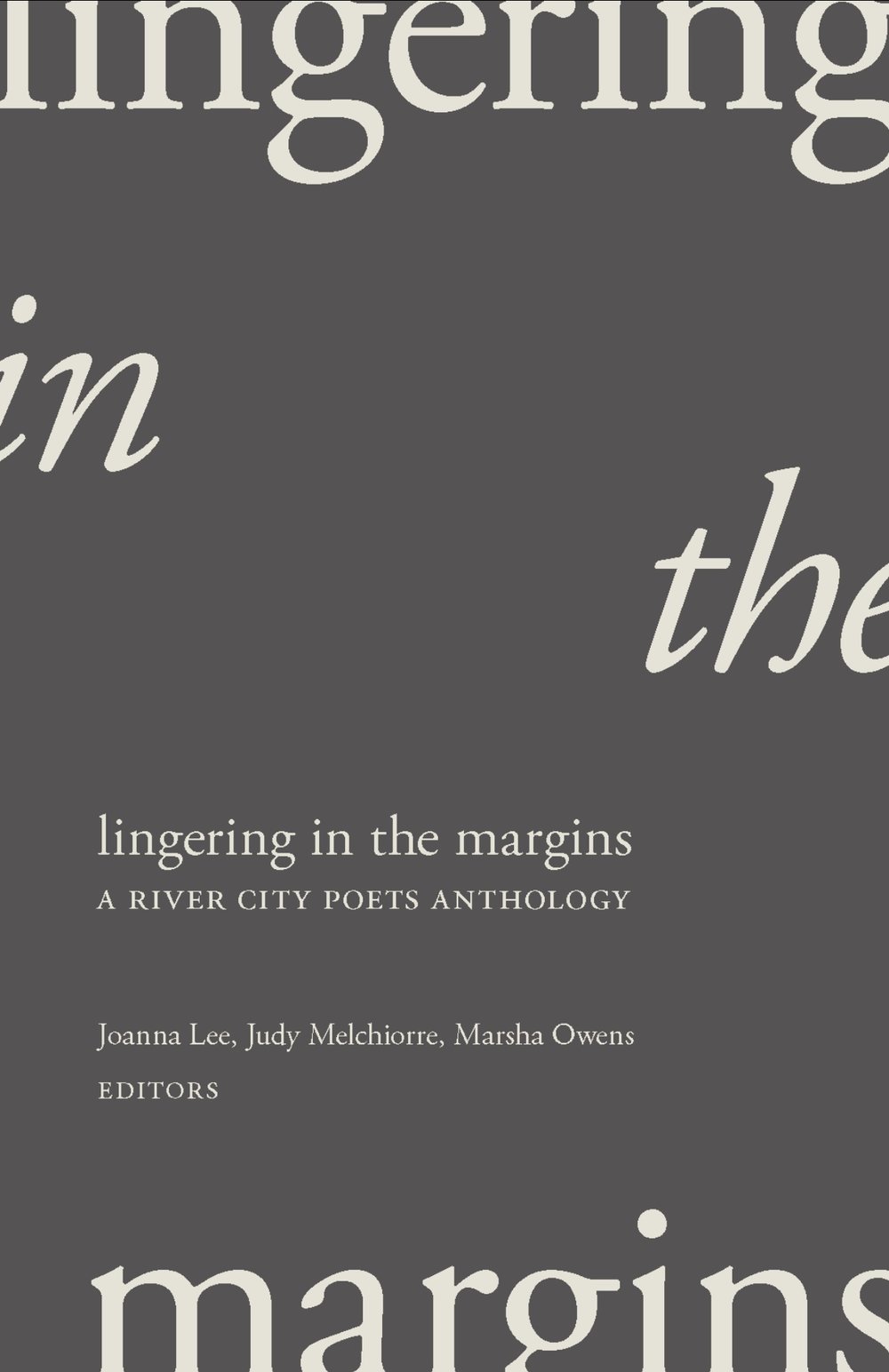
lingering margins river city poets anthology
[Source: Chop Suey Books]

River City Poets

Even more local are the River City Poets, a fantastic organization in Richmond, Virginia. They hold regular readings, workshops, and lessons, and have just released their first anthology, Lingering in the Margins. If you find yourself in Richmond, their events are a must-see.

There you have it: April is a great month for diving in to something new: poetry. Use these resources to develop your newfound obsession!

Risk Taking for Fun and Profit

My mantra has long been that whether I end up in heaven or in hell, I want it to be for things I did rather than things I didn’t do. Until I started developing today’s blog, I didn’t actually consider whether I am a risk taker or not.


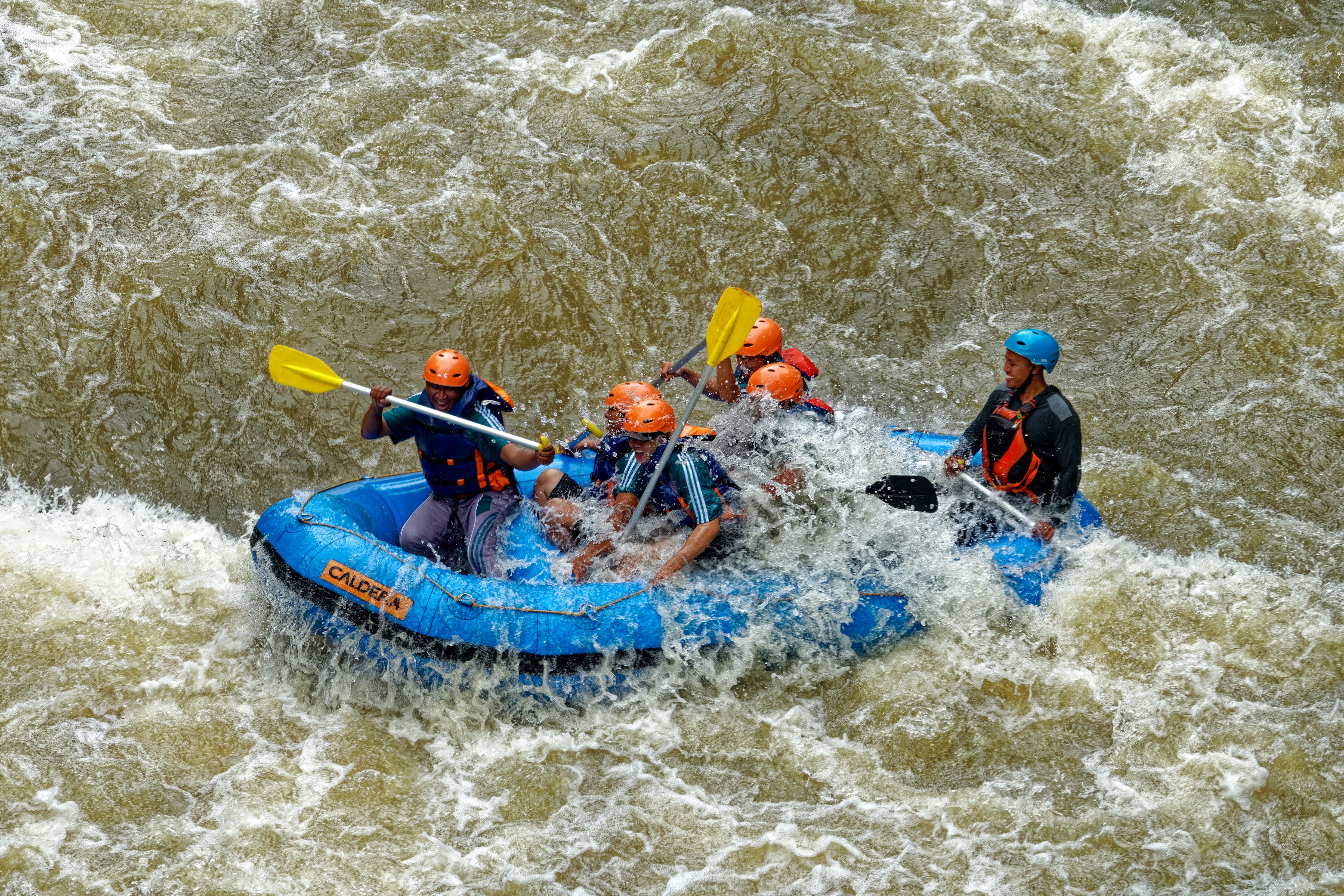
Yes, I’ve long recognized that I am willing to give all sorts of fun things a try: water skiing for the first time on a Florida river with alligators sunning on the banks, parasailing in the Bahamas, white-water rafting on the Colorado River, zip-lining in Costa Rica, downhill skiing for the first time at night on a lighted intermediate slope, handling an anaconda and fishing for piranha along the Amazon River, riding out a storm on the Chesapeake Bay in a small sailboat, and other fun things I’m not going into.


What about money? I’m invested in the stock market, which some consider to be risky for women. But I’ve never invested in some hot new option, gambled for more than quarters, or bought more than one lottery ticket.


Health risks? I stopped smoking more than twenty years ago. I drive fast. I drink alcohol. But I never drink and drive. I get all the recommended vaccines and health checks. I exercise 5-6 times a week. And I eat vegan almost exclusively.


Professionally? Within limits. Yes, I resigned a tenured full professorship to pursue association management, eventually returned to college administration, and in the process embarked on an eleven-year commuter marriage. But I never totally changed fields, or launched into entrepreneurship or any other career in which my Ph.D. was irrelevant.


So why all this self-disclosure? Because I’m a “real people” and the best characters feel to the reader like real people. Protagonists often take risks and they should take them realistically. By that I mean, someone’s risk-taking is often complicated.


I’m here to help, so HERE ARE THE HIGHLIGHTS OF WHAT RESEARCH HAS TO SAY ABOUT RISK-TAKING!

Apparently there is a risk gap between the risky behavior we engage in personally and what we recommend to others. For example, virtually no one would recommend texting while driving, impaired driving, not wearing a seatbelt, smoking, etc., and yet many people actually do those things. In the case of texting while driving, 80% of people say they do so at least occasionally. Does your character say one thing and do another?


When it comes to personal risk involving health and safety, we are greatly influenced by knowing that others are engaging in that same risky behavior. For example, this is particularly true of smoking, drug use, alcohol abuse, juvenile delinquency, premarital or extramarital sex, or similar behavior. This might explain dangerous health fads and copycat suicides. Knowing “everyone’s doing it” doesn’t much affect our advice to others. Often our protagonists resist such social influences, but what about other characters?
Recreational risk or financial risk is less likely to lead to a copycat effect. I’m surprised by this, actually. However we advise those we love, what we do has a stronger effect than what we say.
 
In risk taking, there are gender gaps. Men take more recreational and financial risks. Women take more social risks than men—more likely to change careers later in life or express unpopular opinions in meeting. There’s lots of advice out there to the effect that taking professional risks is a good thing, especially for women. The reasons risk taking is good include the following:


  • great, otherwise unforeseen opportunities emerge
  • shows confidence and helps you stand out
  • lessons learned may lead us on a new path
  • success must be pursued
  • you don’t achieve dreams by playing it safe
  • embracing risk-taking helps you overcome fear of failure
  • researched and prepared for risk-taking pays off
So, consider whether your character epitomizes or defies the gender expectations.


People take fewer risks as they age and as they settle into stable relationships. But even with age, a change in relationship status (death or divorce) can lead to a spike in risk-taking. What does your character do after a change in relationship status?
Domains of daring; as implied above, people are a complicated blend of risk-taking and risk-averse. This domain-specific likelihood of risk taking includes five domains:


  • financial
  • health/safety
  • recreational
  • ethical
  • social
In general, a person’s likelihood of risk-taking in each category is stable over time, but says little about his/her risk-taking in other categories.

Some psychologists claim that risk-taking is a result of a personality known as sensation seeking—pursuit of novel, intense, and complex sensations and experiences, and the willingness to take risks in pursuing novelty, change, and excitement. Subcategories of sensation seeking:

  • thrill- and adventure-seeking
  • disinhibition (deviant lifestyles, pursuit of change to stave off boredom)
  • a means of expressing aggressiveness and hostility
  • generalized need for activity itself
  • part of sociability, another personality trait
Overall, for both women and men, high risk-takers score high on three of the five basic personality traits: impulsive sensation seeking, aggression-hostility, and sociability. Heavy drinking is associated with all three of these personality traits.
Risk-taking is a product of both genes and experience. Studies of identical and fraternal twins, whether raised in the same families or apart, indicate that sensation-seeking is about 60% genetic, which is a high degree of heritability for a personality trait. Genes also influence aggression, agreeableness, and sociability/extroversion. So for your sensation-seeking character, what are the similarities/differences among family members?
BOTTOM LINE: Chances are your protagonist will take risks of some sorts, sometimes. Consider the why and extent of risk taking.

Looking Back

“Those who cannot remember the past are condemned to repeat it.” George Santayana
 
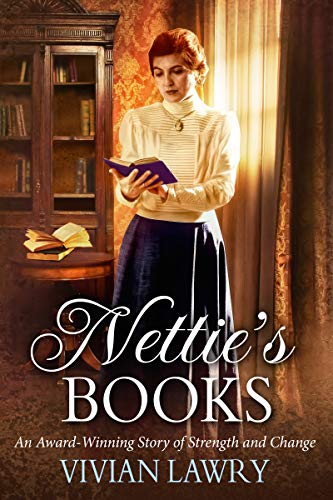
Consider all the ways that writers look back. Historical fiction, memoir, biography, and essays come immediately to mind. Some sci-fi, fantasy, and time travel stories involve a ton of looking back. My newly released novel, Nettie’s Books, set in 1930-1935, is an example of what is traditionally considered historical fiction.


You can buy Nettie’s Books on Kindle here.
But think more broadly. Bradley Harper’s murder mystery set in 19th century London is also an historical novel.
knife fog bradley harper
Looking back can inform any genre: from romance novels to action/adventure, from “regional” stories set in the west, south, New England, or abroad to nature writing—and let’s not forget creative non-fiction. Even poetry? Yep.


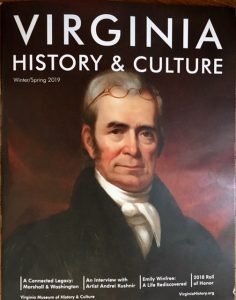
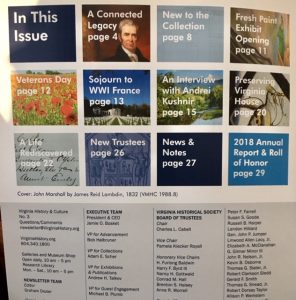
So, it behooves writers to consciously look back, because you never know when doing so will enrich your short story, novel, children’s book, etc. Several ways of doing this are readily available. I’ll not even discuss the internet, because today that is just so obvious. But consider print media, particularly magazines that might come with your membership or donation.


This is well-written, and an excellent source of information specific to Virginia. But the contents also can spur ideas of topics to pursue beyond the borders of the Commonwealth. The publication is a benefit of membership in the Virginia Museum of History and Culture.


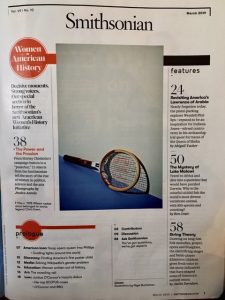
Smithsonian magazine is a parallel sort of publication but with a broader mission, often reaching beyond the U.S. borders. The Southern Poverty Law Center and ACLU frequently send letters and newsletters that you might want to peruse rather than pitch. Check out historical notes in your local newspaper. Even The New Yorker has articles that “look back” in every issue.


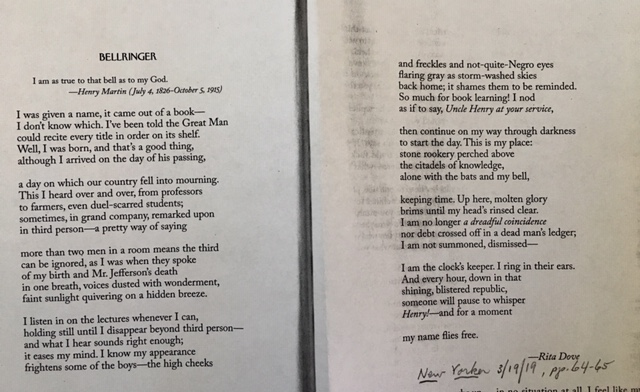
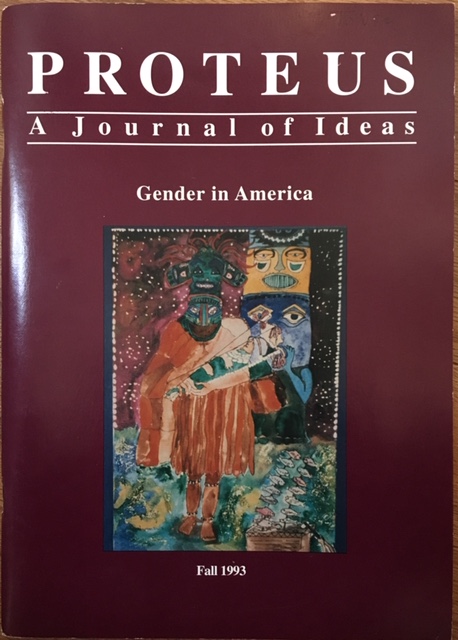
Last but not least, consider things forgotten on your shelves or stumbled upon among used books as a way of looking back at what was, at the time, current. For example, Women’s History Month is ideal.


Bottom line: Look around you and look back because you never know how your writing might be enriched!

Physical Limitations: Permanent or Temporary?

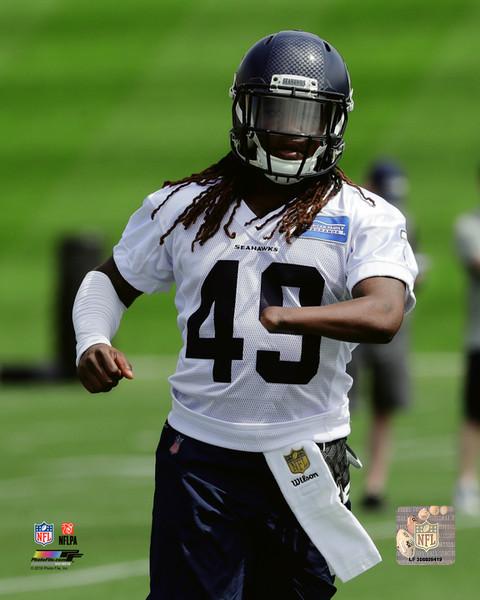
Shaquem Griffin
Folk wisdom says that whatever doesn’t kill you makes you stronger. That would certainly seem to characterize Shaquem Griffin. He was born with a condition that prevented the fingers of his left hand from developing normally. Due to the pain, his left hand was amputated when he was four years old. He went on to play multiple sports, excelling in football, and following his college graduation, he was recruited by the Seattle Seahawks.


Physical Limitations Permanent Temporary
Why should writers pay attention to this sort of thing? Many people/characters have physical limitations and writers should always consider the impact of those limitations on the character and/or the plot action.


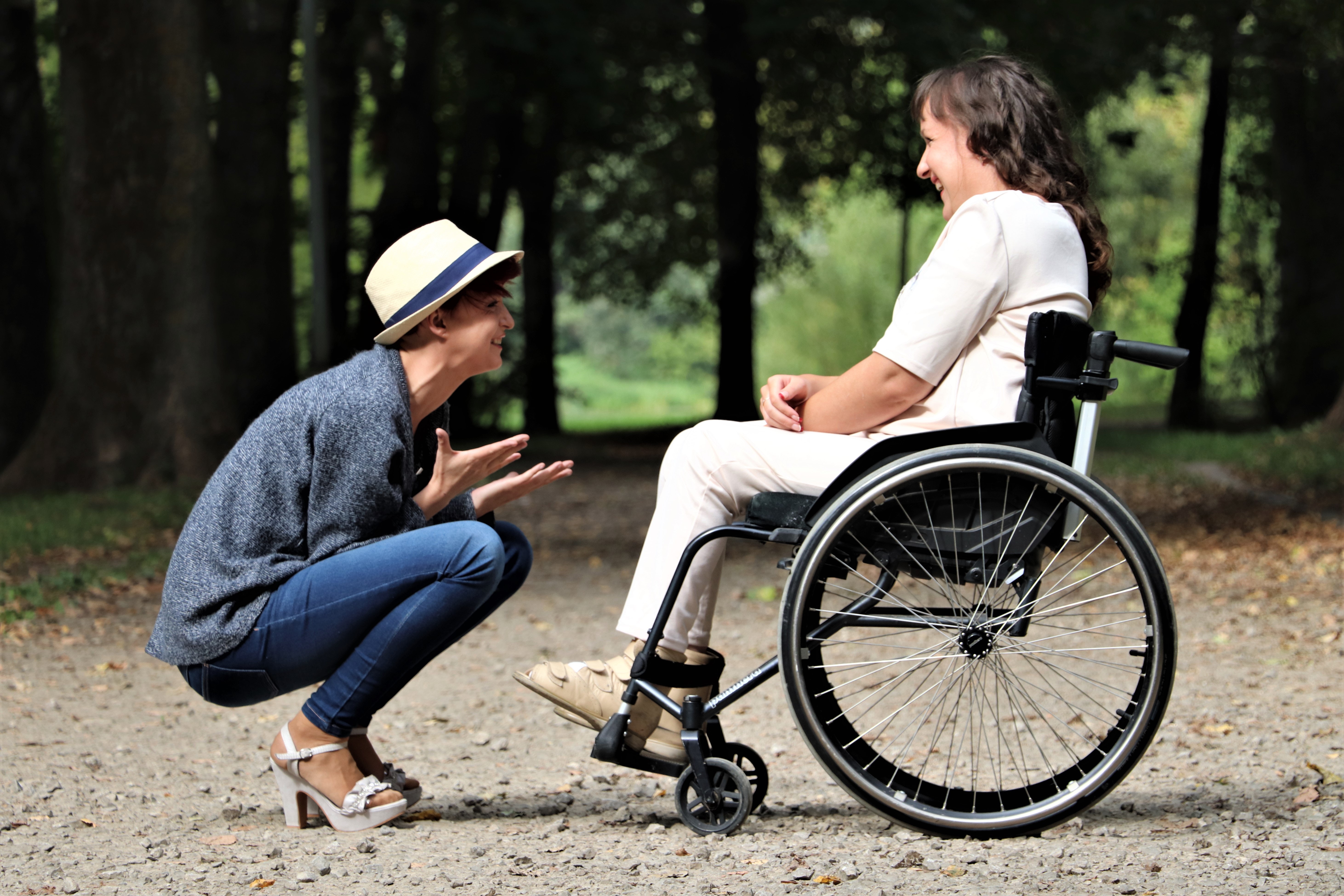
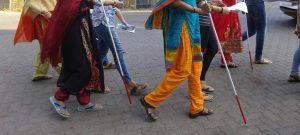
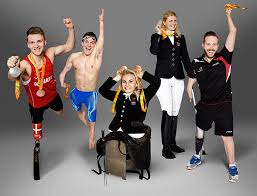
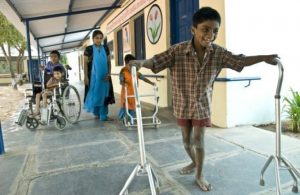
A chronic limitation/disability is permanent. It can be present from birth or a condition that results from accident, illness, an act of war, etc. For purposes of writing, the timing makes a difference. Someone coping with a chronic condition develops methods of functioning around the problem—a car modified to be driven without feet, for example. You can search on line for a girl who returned to dancing after having double leg amputation. Consider anyone in the Special Olympics. Musicians who have excelled despite blindness or missing limbs.


Issues for you to address: Just what accommodations has the person made to cope at work, at home, in public, in his/her love/sex life? And, what is his/her emotional state? Pragmatic? Optimistic? Depressed? Bitter?


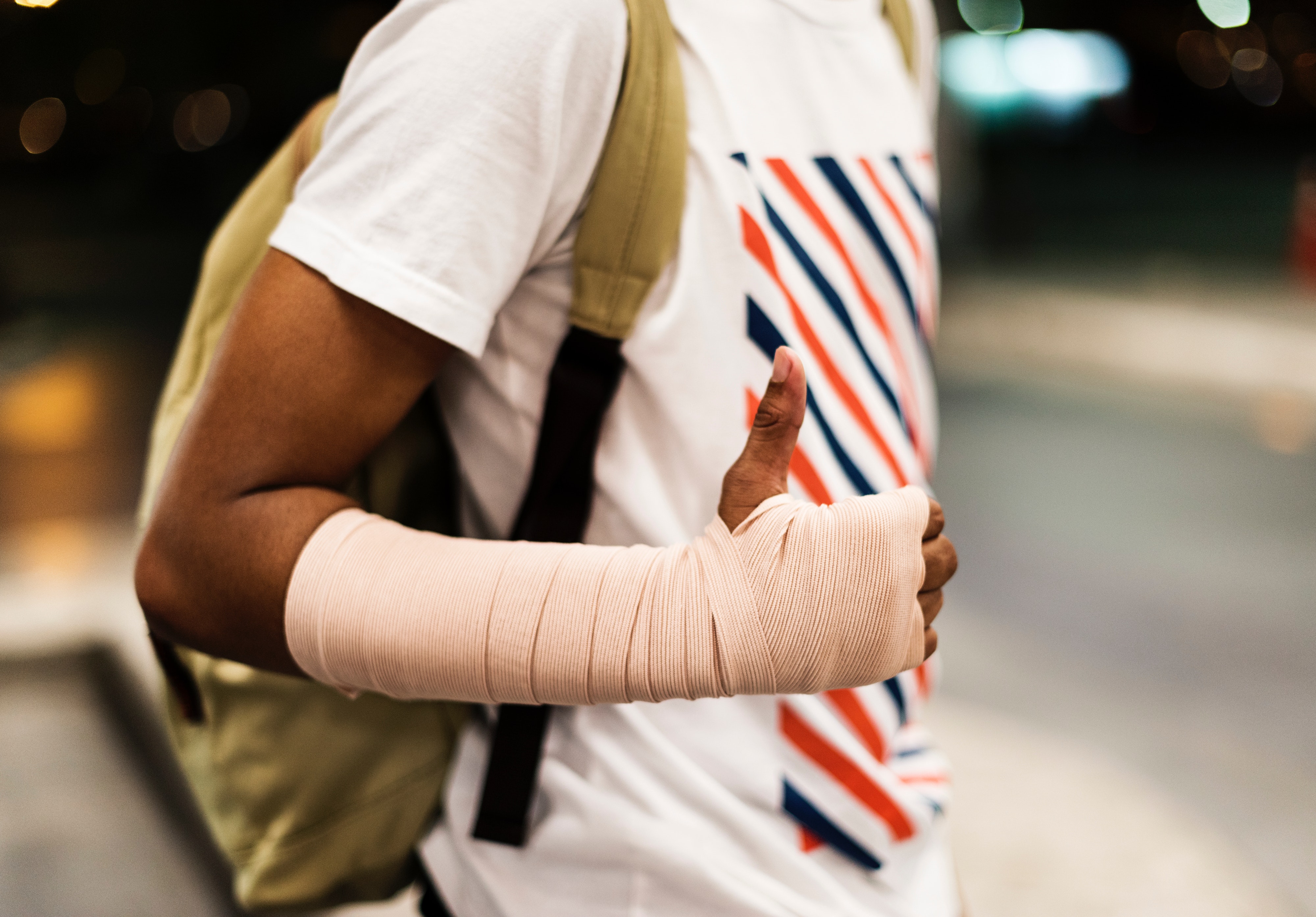
An acute limitation is likely to be temporary. Here again, your character can have a major limitation (in the hospital in traction; in assisted living following a stroke) or something more minor, such as a broken bone or sprain. Besides pain, acute limitations are likely to create frustration—and perhaps embarrassment— as the person finds many things that used to be automatic are now not possible. Consider the woman who can no longer fasten her bra: how would she accommodate? Or the man who cannot cut his own dinner into bites.


For writers, the devil’s in the details. So don’t just state the limitation, consider the minute ramifications. For example, a cane user has a handbag, briefcase, perhaps a folio, and an umbrella because of a deluge. How is the door opened? How wet does the inside of the car get while struggling to get in and get settled?


Physical Limitations Permanent Temporary
Bottom line: Use physical limitations to characterize your character(s) and complicate the action in scenes and/or plot lines.

Body Awareness

 
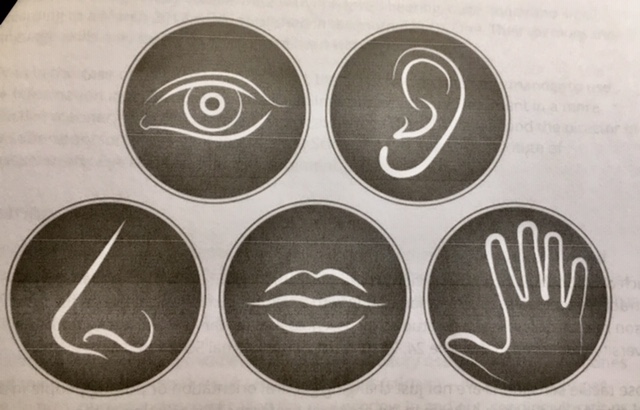
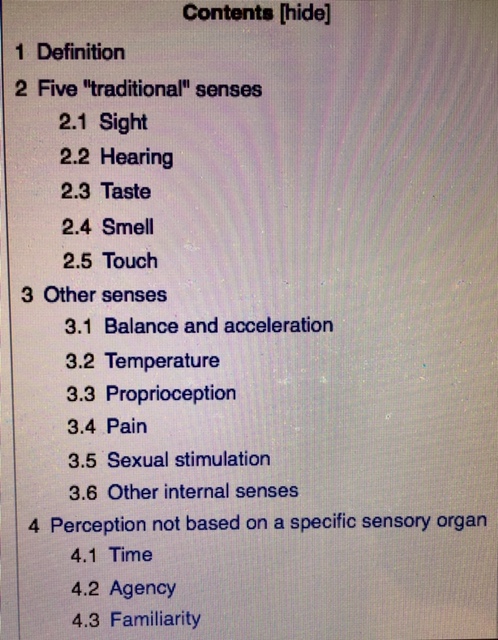
When writers write human sensations, they typically rely on the basic five: sight (vision), hearing (audition), taste (gustation), smell (olfaction), and touch (somatosensation). Everyone since Aristotle has recognized these. But relying on these is over-simplification.


In fact, humans have a multitude of sensors. The ability to detect other stimuli beyond those governed by these most broadly recognized senses also exists, and these sensory modalities include temperature (thermoception), kinesthetic sense (proprioception), pain (nociception), balance (equilibrioception), vibration (mechanoreception), and various internal stimuli (e.g. the different chemoreceptors for detecting salt and carbon dioxideconcentrations in the blood, or sense of hunger and sense of thirst).
What constitutes a sense is a matter of debate, leading to difficulties in defining what exactly a distinct sense is, and where the borders lie between responses to related stimuli. Today, a conservative list of senses numbers 10 and the generally accepted list includes 21. The radical list identifies at least 33.
 
But as writers, we don’t have to worry about exact numbers and labels. We just need to develop a keener body awareness for our characters.
 
 
One of my personal favorites is proprioception, the sense that gives you the ability to tell where your body parts are in relation to other body parts and the environment. Being able to close your eyes and touch your nose is one example—a skill that is impaired when drunk, BTW.
 
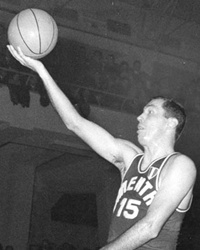
I first really though about this sense when I read what John McPhee said about Bill Bradley, back in the day when Bill Bradley was a basketball superstar. McPhee was particularly impressed that Bradley, back to the basket, could look him in the eye, hold a conversation, and toss a basketball over his shoulder and make the shot.
 
 
Bradley: “When you have played basketball for a while, you don’t need to look at the basket when you are in close like this….You develop a sense of where you are.”
 
Any character who is athletic would have a highly developed sense of body awareness. The opposite of Bill Bradley is the character who is forever bumping her/his head, tripping, knocking into things, etc.
 
Choose any sense and have a character who is characterized by an extreme of that sense. For example, tea, wine, or coffee tasters; acrobats; inability to feel pain or temperature; etc.
 
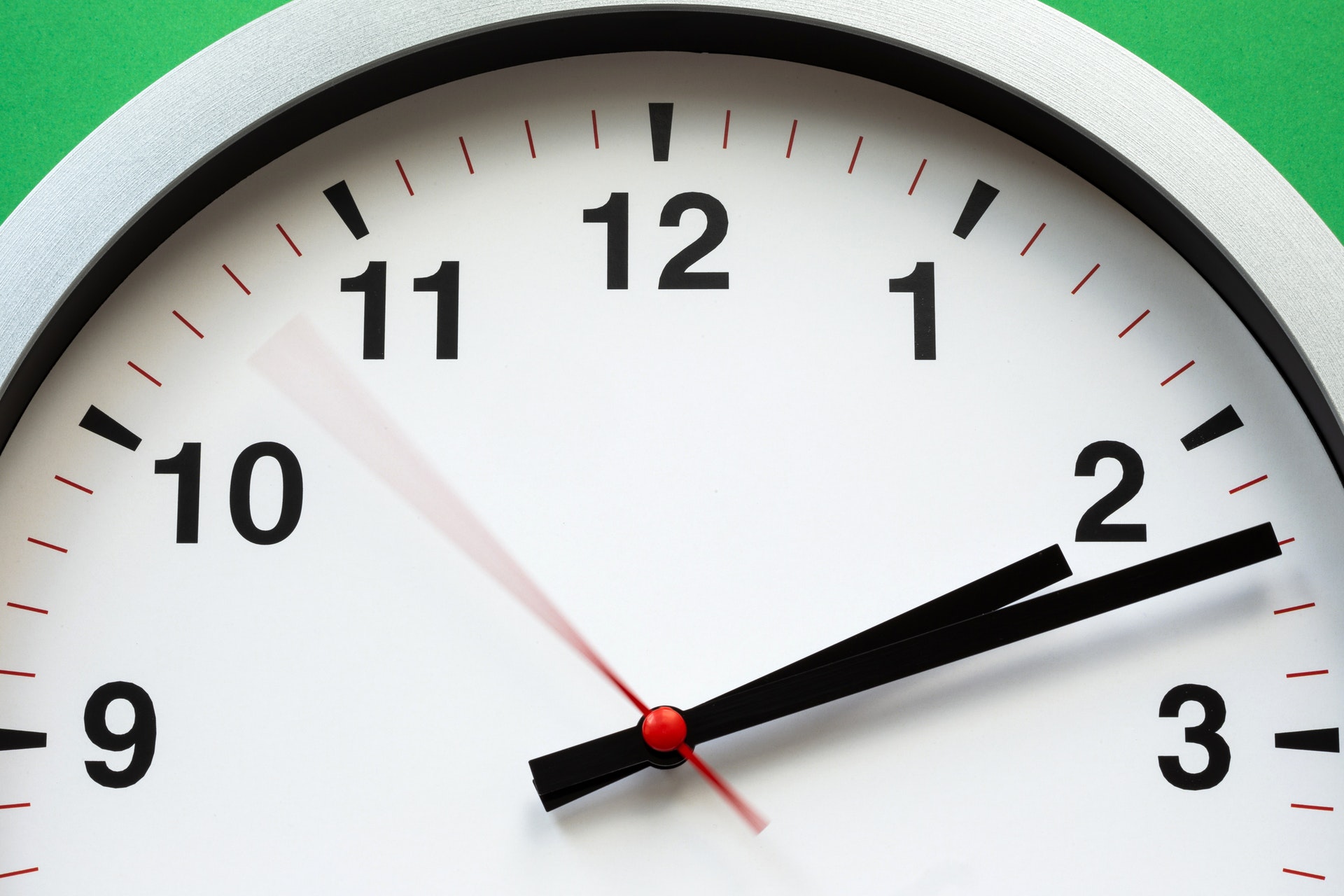
Numerous studies have shown that people do have the ability to detect accurately the passage of time, without counting or anything like that: on average, 18 to 24 year olds could tell when 3 minutes were up within a 3 second margin. And perhaps more interesting, our sense of time slows down with age, so that 60-80 year olds, on average, thought that 3 minutes had passed at around 3 minutes and 40 seconds! Again, this might be more useful for people on either extreme from the average. FYI, people with Parkinson’s or ADD have very poor sense of time passage compared to “normal” people.
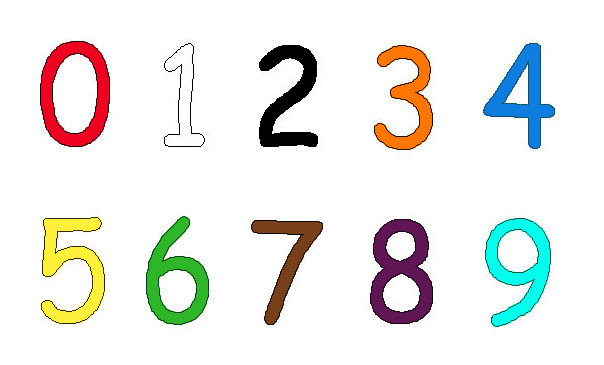
numbers in color
Synesthesia is, essentially, when our sensory wires get crossed. Such people hear or taste color, for example. Although some people experience this naturally, it is more common under the influence of hallucinogens.


BOTTOM LINE: Do a little reading online about human senses to develop awareness of how these can enhance your writing!
 

Why Bother With Short Stories?

Many people—arguably most people—consider book authors as the only “real writers.” After all, that’s mostly what bookstores are all about. Plus, most of the best known writers are/have been book authors. I’ve published three novels, and I must admit that completing a book is very gratifying. But let’s not diss short stories or their authors!


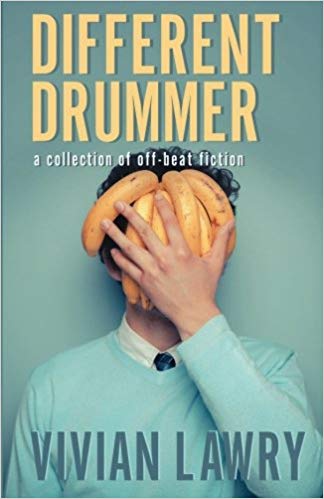
At this point, my short stories—fiction, memoir, and essays—have been published by more than fifty literary journals and anthologies, from Adanna to Xavier Review. (Visit this page of my website to see a complete list of publications and read some examples of my short stories.) One answer to the why bother question is that once there are enough, one can publish a collection. And I’ve done that.


different drummer vivian lawry
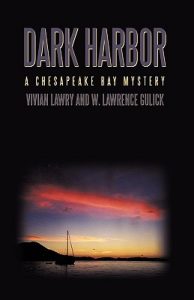
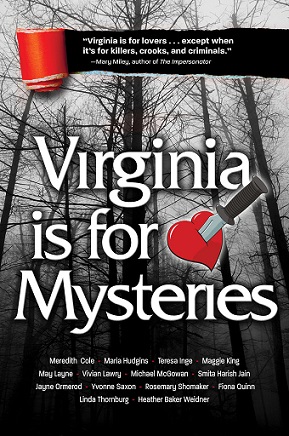
Another reason to bother is that it’s a way to start writing for publication. People who blanch at the thought of writing 70,000 to 110,000 words can face the challenge of writing 3,000-5,000 words. Several of the contributors to Virginia is for Mysteries have subsequently published books, including Maggie King, Fiona Quinn, and Heather Weidner. I published several short stories before my first novel (Dark Harbor) was finished.


virginia is for mysteries volume i
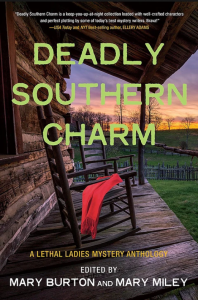
Also, sometimes a short piece in one anthology can lead to another. Many of the contributors to Virginia is for Mysteries also appear in Virginia is for Mysteries Vol. II.  And several also will appear in Southern Deadly Charms. All of these are projects of Sisters in Crime/Central Virginia.


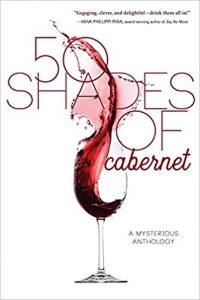
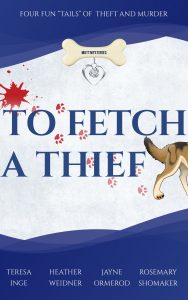
And having made friends with compatible fellow writers, some might choose to peel off and go in another direction. One example of this is an anthology, Fifty Shades of Cabernet. Another example is the collection of four novellas, To Fetch a Thief.
 
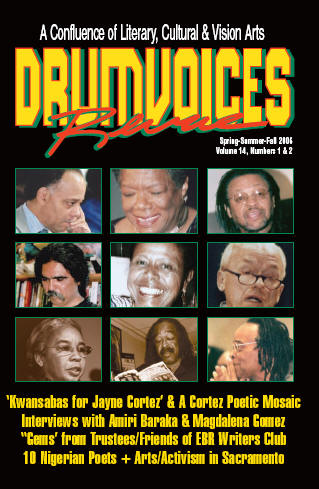
Other ways to get short stories into anthologies.  One is to find a call for submissions for a themed collection. This is how I placed a story in Malice Domestic Mysteries Most Historical (#12). “The Tredegar Murders” is set during the Civil War. Another path is to have a story accepted and then included in a subsequent anthology. My short story “Aunt Fan’s Private Journey” was published in Drumvoices Review in 2007. When Drumvoices Review produced a 20th anniversary volume (Volume 17) in 2011-2012, my story was chosen for inclusion. When shall I ever again be in the same collection with Maya Angelou?
drumvoices review 17
So, short stories can end up in books in several ways. But publishing “beyond” literary journals and magazines isn’t necessary for writing short stories to be gratifying.


The gratification of writing short stories comes in many forms.


(1) The variety is endless. My short stories include magical realism, horror, memoir based fiction, historical fiction, mysteries. fantasy, literary fiction—no holds barred! Short stories are usually one-off, unlike a series of novels; the characters often have nothing to do with one another. But they can! I have now published four short story mysteries featuring the same Civil War prostitute/amateur detective, Clara.


(2) Writing short stories hones one’s writing skills because every word counts. There isn’t room for wandering off on tangents.


(3) Publishing short stories doesn’t require long delays of gratification. Traditionally publishing a book involves not only writing it, but months or years finding an agent, more months or years while the agent finds a publisher, and a couple of years in production. (Much of this can be short-circuited with self-publishing, but that’s a different topic.) Although there can be lags between acceptance and publication of short stories, it doesn’t typically stretch over years! Indeed, I had an acceptance last week that should be out in April! The publishing speed for short stories is especially fast for online journals.


(4) Having one’s work accepted by an edited journal is an ego boost! It’s an affirmation of the quality of the writing. Every time I get an acceptance, I paste a virtual star on my forehead.
gold star sticker
Bottom line: Short stories are wonderful! Try it, you’ll like it!

Sankofa and Other Birds as Symbols and Omens

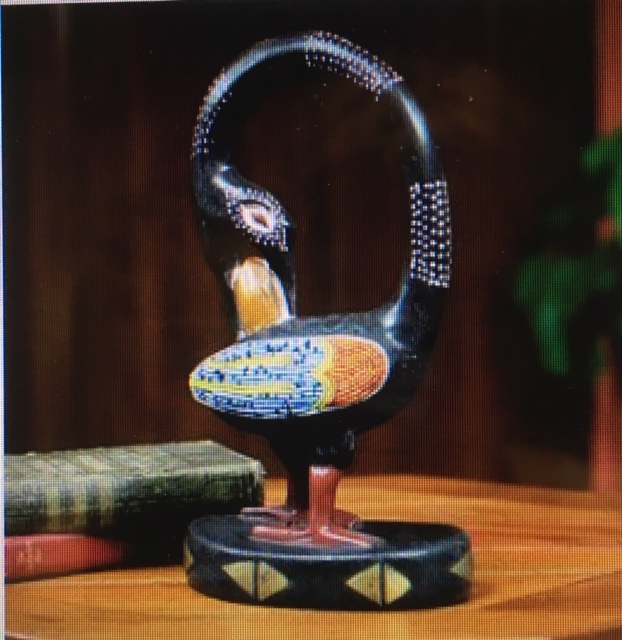
sankofa
In writing class yesterday, one of the other students enlightened us all about “sancofa” bird. I found it fascinating and so did a little research on Wikipedia. It seems the more common spelling is “sankofa.”


Sankofa is a word in the Twi language of Ghana that translates as “Go back and get it.” (San = to return, ko = to go, fa = fetch, to seek and take.) It also refers to the Asante Adinkra symbol represented by a stylized heart shape, common in adinkra cloth in Ghana and wrought iron fences in the U.S.


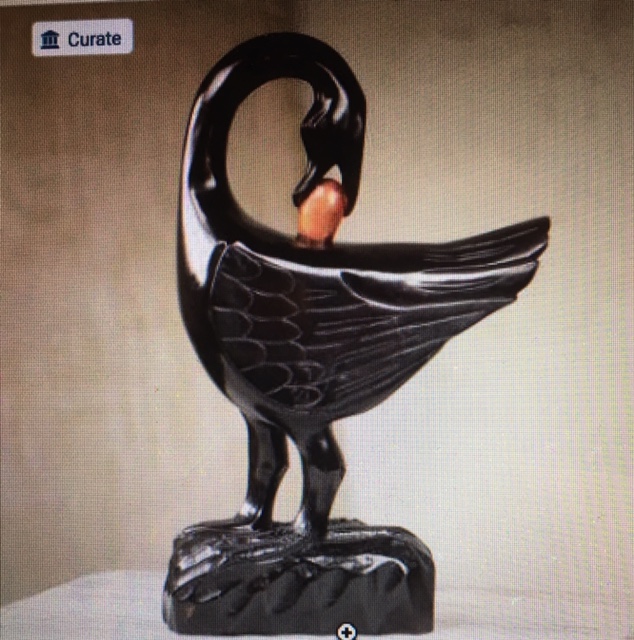
sankofa other birds
But the bird image is what really struck me. Its feet face forward, head turned back, an egg in its mouth. “It symbolizes taking from the past what is good and bringing it into the present in order to make positive progress through the benevolent knowledge.” It appears on many objects to foster mutual respect and unity in tradition. In North America, sankofa symbols are featured at the African Burial Ground National Monument in NYC and the National Museum of African American History and Culture in Washington, D.C. Indeed, such symbols are all over Washington, D.C., New Orleans, and New York City.


sankofa
Sankofa appears often in tattoos, songs, and the names of musical groups.


All of this reminded me of the ubiquity of bird symbolism and the belief in birds as omens of the future.


The flight of birds makes them good symbols of the links between heaven and earth. The bird as a symbol of heaven stands in opposition to the snake, a symbol of earth. A bird is often seen as a messenger from the gods or forewarning. In general, birds are associated with spiritual states, angels, and higher forms of being. But individual types of birds often have specific meanings. Here are a few of the most pervasive ones, from all over the world.
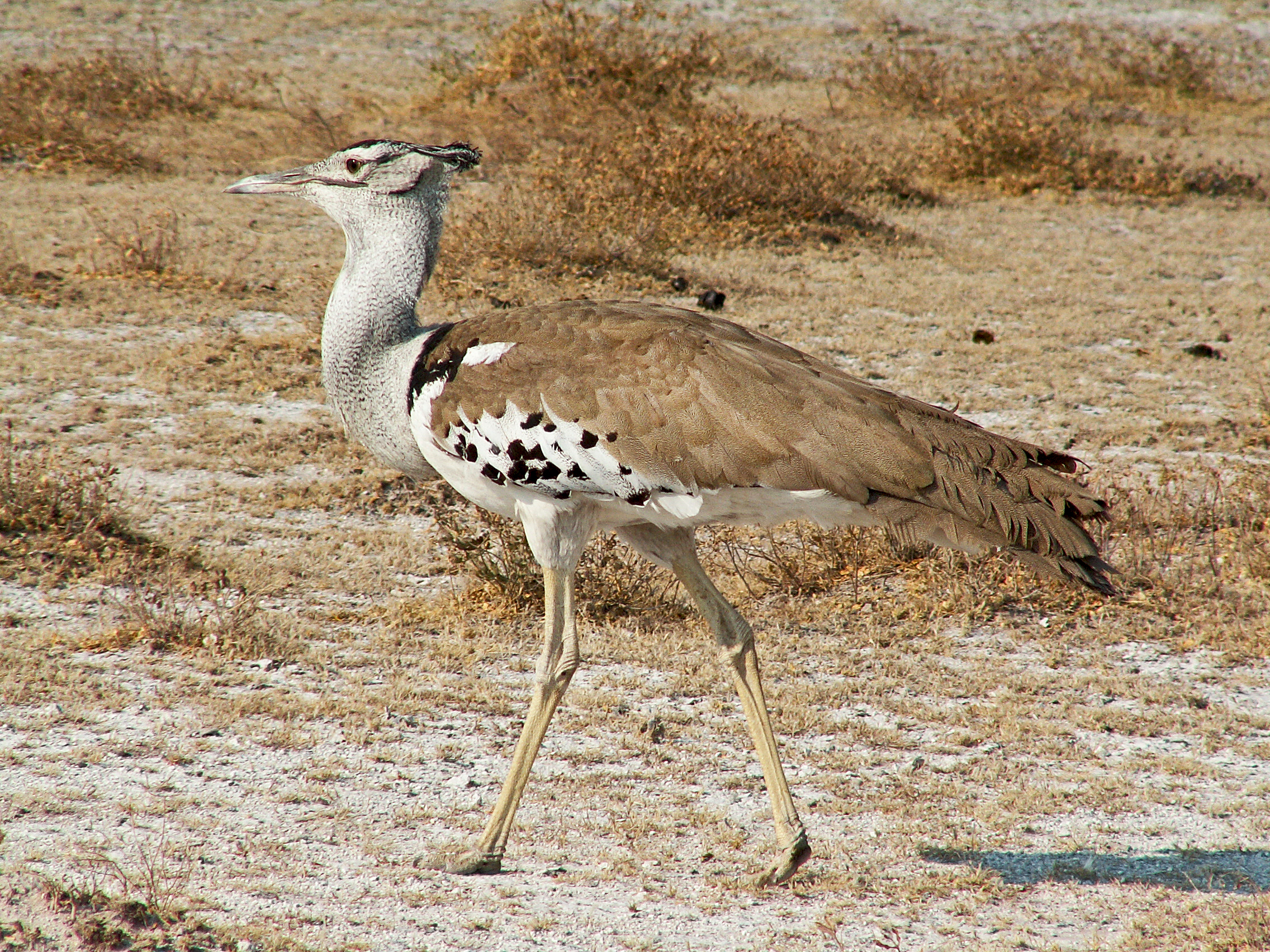
bustard
The bustard is a symbol of the marriage of souls, of fertility, and of the descent of souls into the material world. It is common to many Berber tribes of Marabouts. The tuareg of Aïr, south of Hoggar, have their shields charged with a pair of of bustard’s feet. This same type of symbolism can be found in the Far East, in the crow’s foot of the Celtic world, and on the robes of Uralo-Altaic shamans, and in the caves of Lascaux. Even though it’s old, it can still be useful to writers.
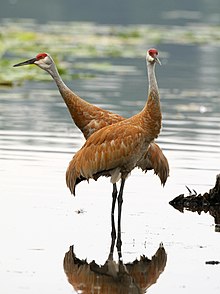
crane
In Asia, cranes are symbols of long life.
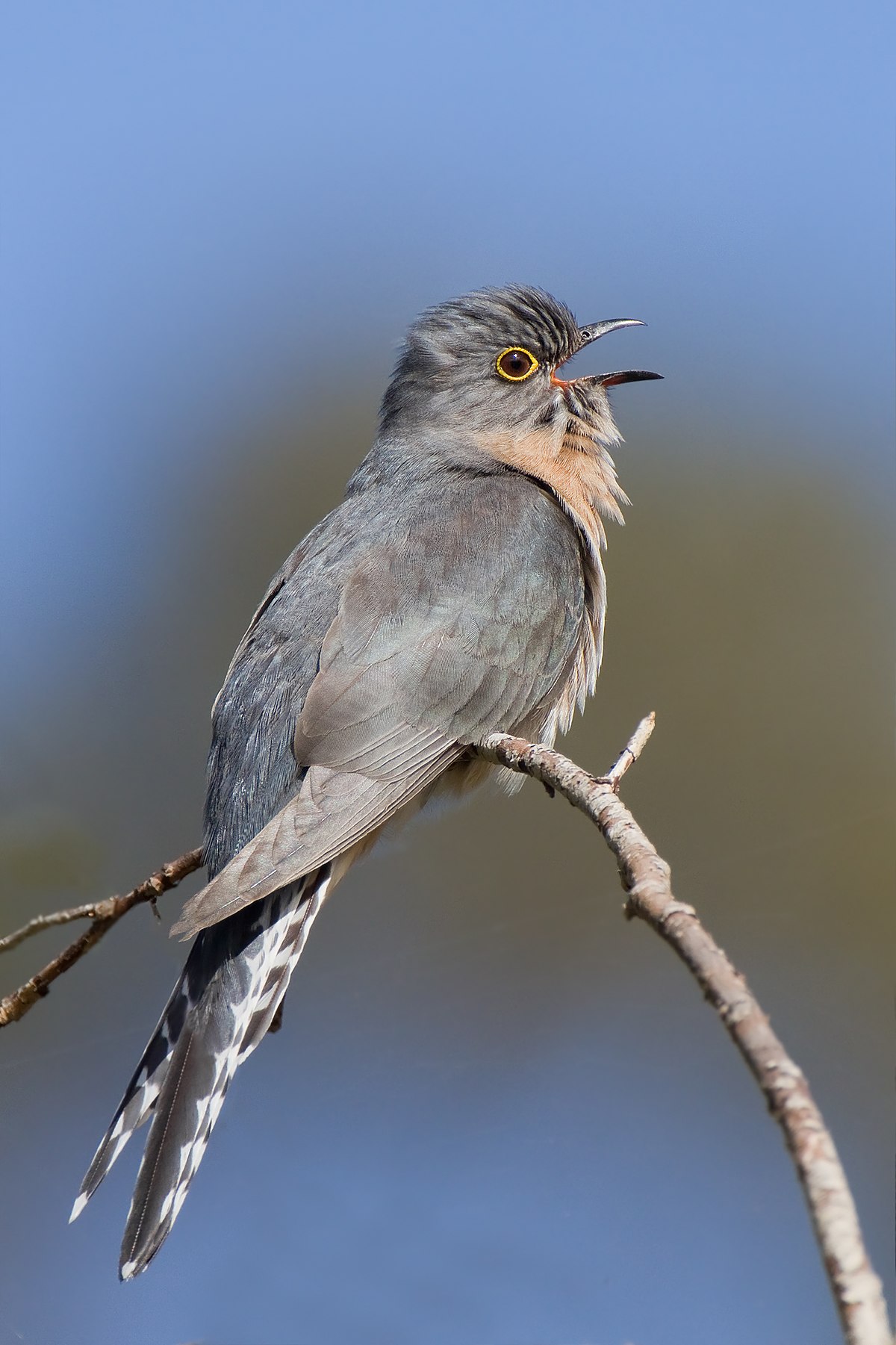
cuckoo bird
Cuckoos are welcomed as a sign of spring in Europe, and are omens of a happy marriage.
doves
Doves symbolize love and peace. Dreaming of them means happiness is at hand.
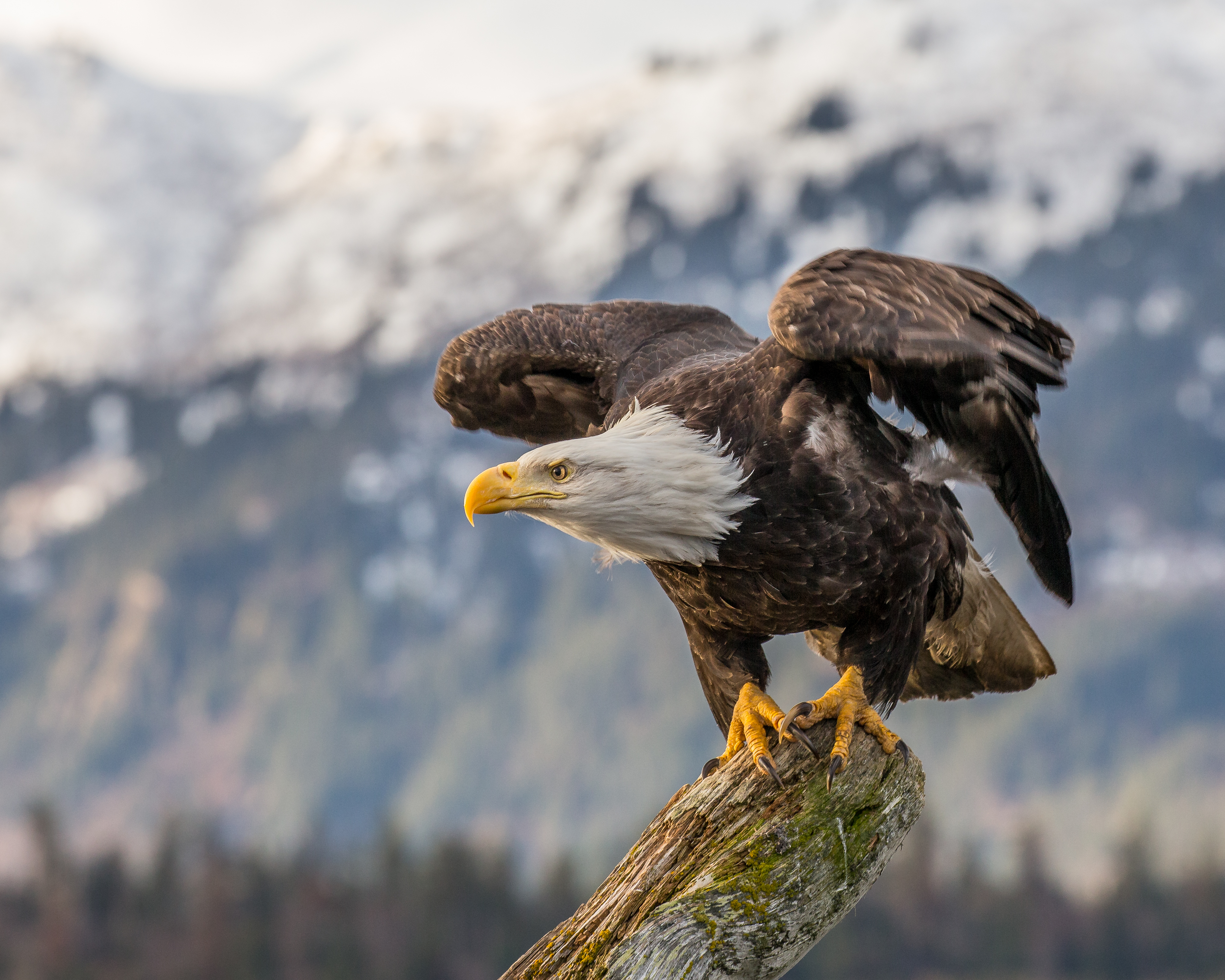
bald eagle
Eagles are held sacred by Native Americans. Their claws and bones are believed to drive away illness. And as the symbol of the U.S., the bald eagle stands for endurance, independence, and courage.
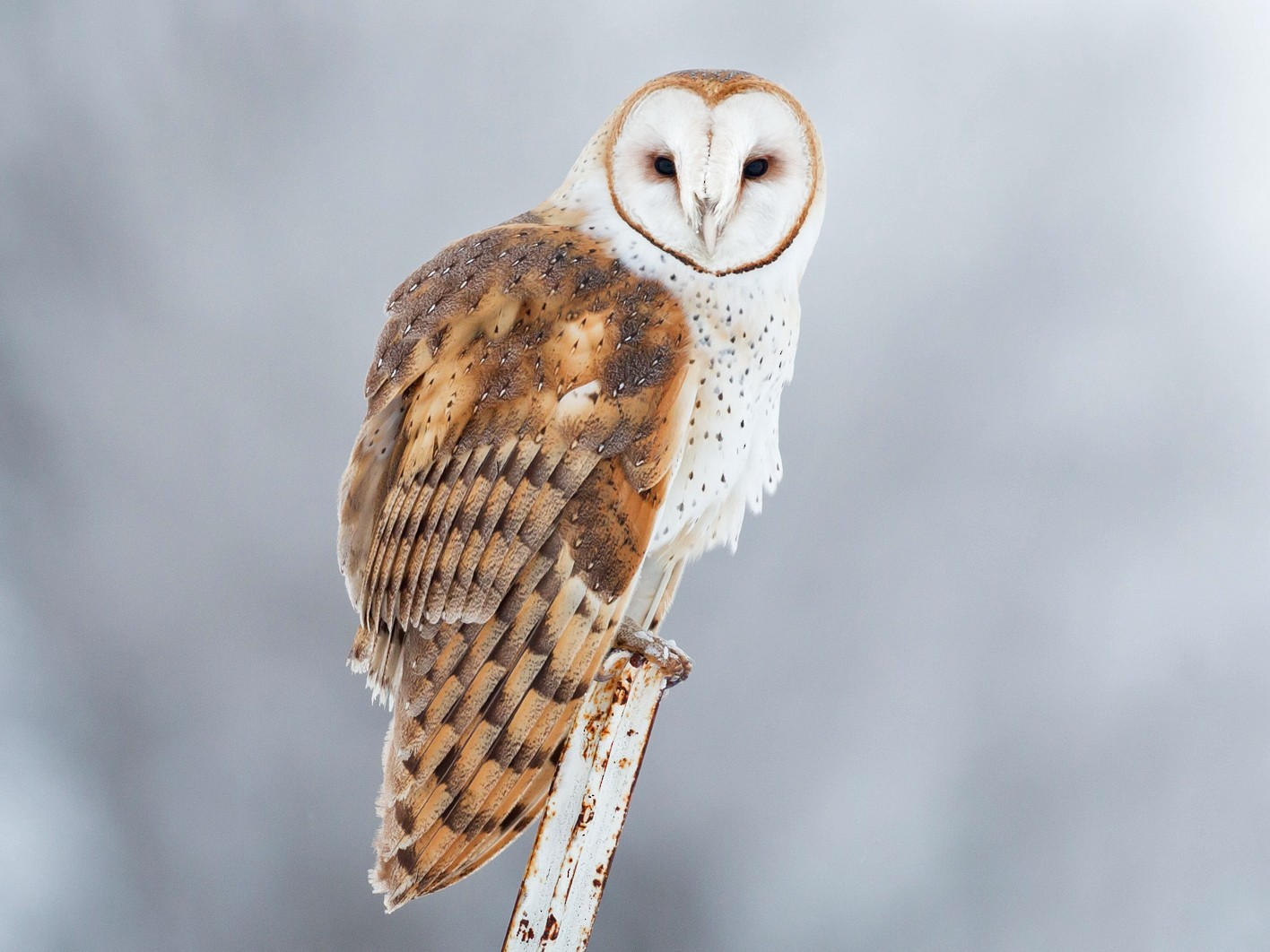
barn owl
Owls are considered prophets of doom. In ancient Rome as well as modern European and American superstitions, a hooting owl warns of death. In Greece, the owl is associated especially with Athena, goddess of wisdom and fertility.
 phoenix
The phoenix is mythical, of course, but supposedly it dies by fire, then rises from its own ashes after 500 years! Therefore, it is a symbol of renewed life.
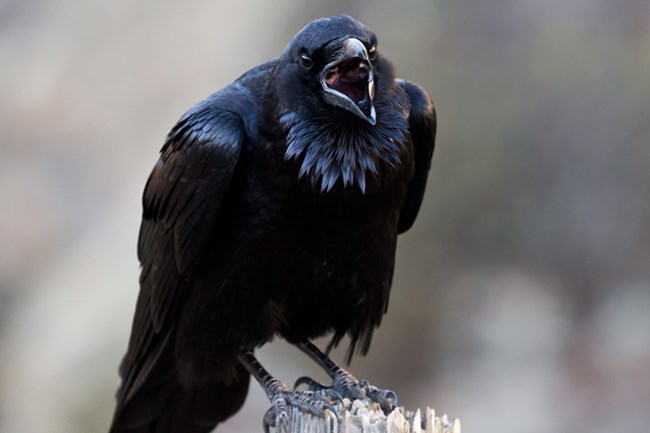
raven
I especially like crows and ravens. Ravens, in particular have been revered by sailors, especially Viking explorers, for their ability to find land. Some cultures believe ravens can predict death and disease. Folklore has it that the raven’s sense of smell is so acute that it can smell death before it comes.
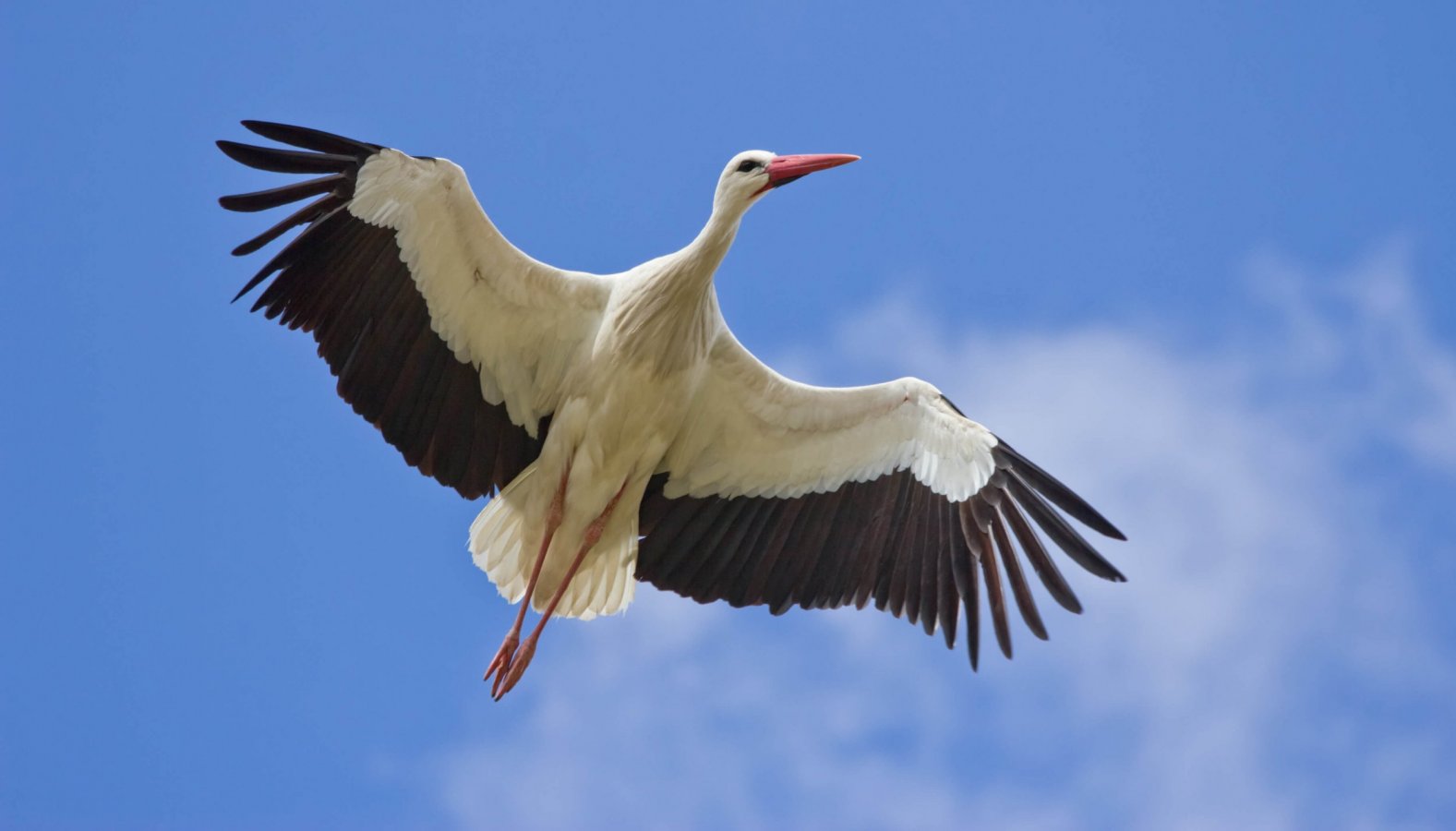
stork
Although a stork is among the unclean beasts, in general it’s considered to be a good omen. Storks are symbols of good luck, of filial piety. In folklore—fairytales?—storks deliver babies, and some endow the stork with the power to cause pregnancy by its glance.


Bottom line: Stories often include symbolism, so why not insert some on purpose? Practically any bird—or animal— will do. Just look it up. Alternatively, use the superstitions and mythology to begin stories of magical realism.

When Your Character is Prejudiced

character prejudiced
Prejudice is an unjustified or incorrect attitude (usually negative) towards an individual based solely on his/her membership in a social group. In my opinion, prejudice is relatively benign for the target person if the prejudiced person does not act on the negative attitude. Unfortunately, this is seldom the case.


Discrimination is an action or behavior (including verbal)—usually negative—towards an individual or group of people on the basis of the prejudice. This is where the bad happens. Employment opportunities foreclosed. Inequality in lending practices. Lack of access to educational opportunities. Denial of goods or services (e.g., refusing to make a wedding cake for the wedding of a gay couple). Hate crimes.


A classic example of prejudice leading to negative behavior:


character prejudiced
So, one big question for you as a writer is what your character does as a reflection of his/her prejudice.
 
Although prejudice is an umbrella term for all sorts of -isms (as seen in the image above) it is also a subset of attitudes. And prejudice includes all three components of an attitude: cognitive, behavioral, and affective—how one thinks, behaves, and feels about a person, object, or act.


But before you can write realistically about a prejudiced character, you need to decide what function the prejudice serves for this character.
 
Cognitive adjustive: Lacking other information, one accepts stereotypes and/or prejudiced views as a way of knowing how to think and behave with a stranger.


Social normative: Holding attitudes—including prejudice—that allow the person to fit into a group or social setting. This might be family, gang, town, workplace, social class—any group the person wants entry to.


Ego-defensive: The person is basically insecure and adopts a prejudice to bolster feelings of self-worth. If a person has perceived lacks or failures, one way to feel better about oneself is to develop negative attitudes toward a whole group of people who, by the nature of who they are, can be viewed as inferior.


So, do you want your character to change? Depending on the function served, prejudice may be more or less entrenched. If it is based on lack of information, education and factual data will result in attitude change. Sometimes it’s as simple as getting to know members of the group. If it is based on group membership or conformity, changing reference groups will lead to attitude change. For example, moving to a different part of the country, changing schools or jobs, marrying into a family with differing attitudes, etc. The ego-defensive function is the most difficult to change. A person might suppress expression of deeply held biases when they are socially unacceptable (i.e., politically incorrect) but allow them expression when the atmosphere is right. Hate speech, hate crimes, and the rise of white supremacist groups are examples easily tracked online.


character prejudiced
The ego-defensive function is highly robust. Prejudice serving this function is immune to factual evidence to the contrary, simply not believing the data. If, somehow, the facts cannot be denied, then one or more other groups might become targets of his/her prejudice. Eliminating prejudice for such people often involves psychotherapy because the cause is rooted in self-esteem, self-concept, and other deep psychological needs.


Often prejudice is negatively related to the mental health of the prejudiced person. For example, racism is a symptom of lack of psychological integration, self-esteem, and inner security. Similarly, sexism is unhealthy. Psychologists looked at 10 years of data from nearly 20,000 men and found that those who value having power over women and who endorse playboy-type behavior, and who hold traditional notions of masculinity (such as self-reliance), were more likely to experience depression, stress, body image issues, substance abuse, and negative social functioning. So if your character’s prejudice is racism or sexism, consider giving him/her some of these other characteristics as well.
 
Last but not least, consider how your character’s prejudice might bring him/her into conflict with others.
 
westboro rally richmond
“Costume-clad kazoo players and drummers jubilantly respond to the Westboro Baptist Church.” [Source: Style Weekly]
 
Bottom line: Prejudice is a rich resource for writing your characters!