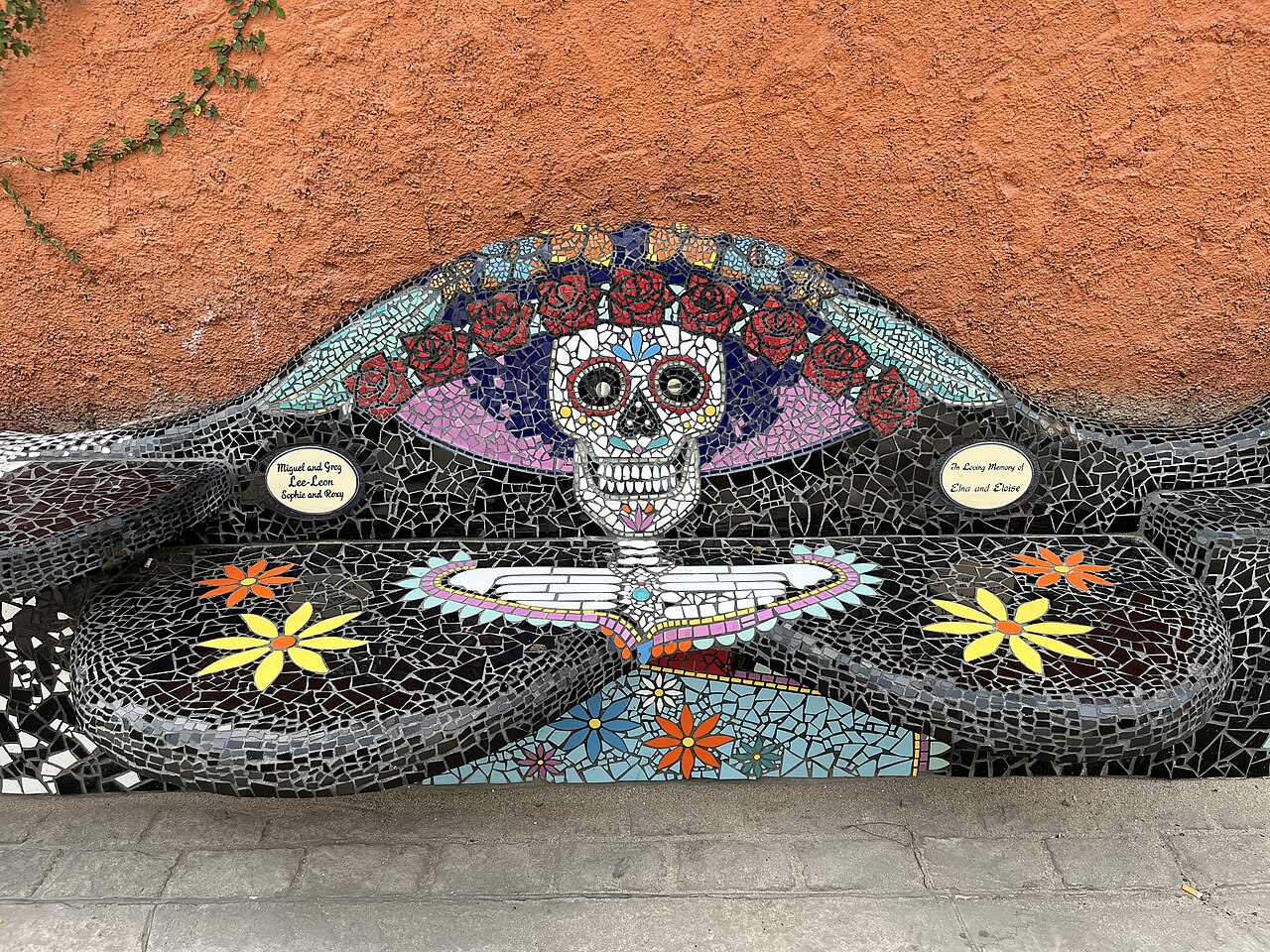
When I mentioned this topic to a friend, she said, “I’m very fond of mine. I use it every day!” So do we all, though usually unthinkingly. But there it is, containing and protecting our brains.
I dare to assert that this function—containing and protecting the brain—is the original and primary function of skulls. Of course this function isn’t absolute; think war wounds, football, and boxing, for example.
Skull Functions
The skull serves several important functions beyond protecting the brain.
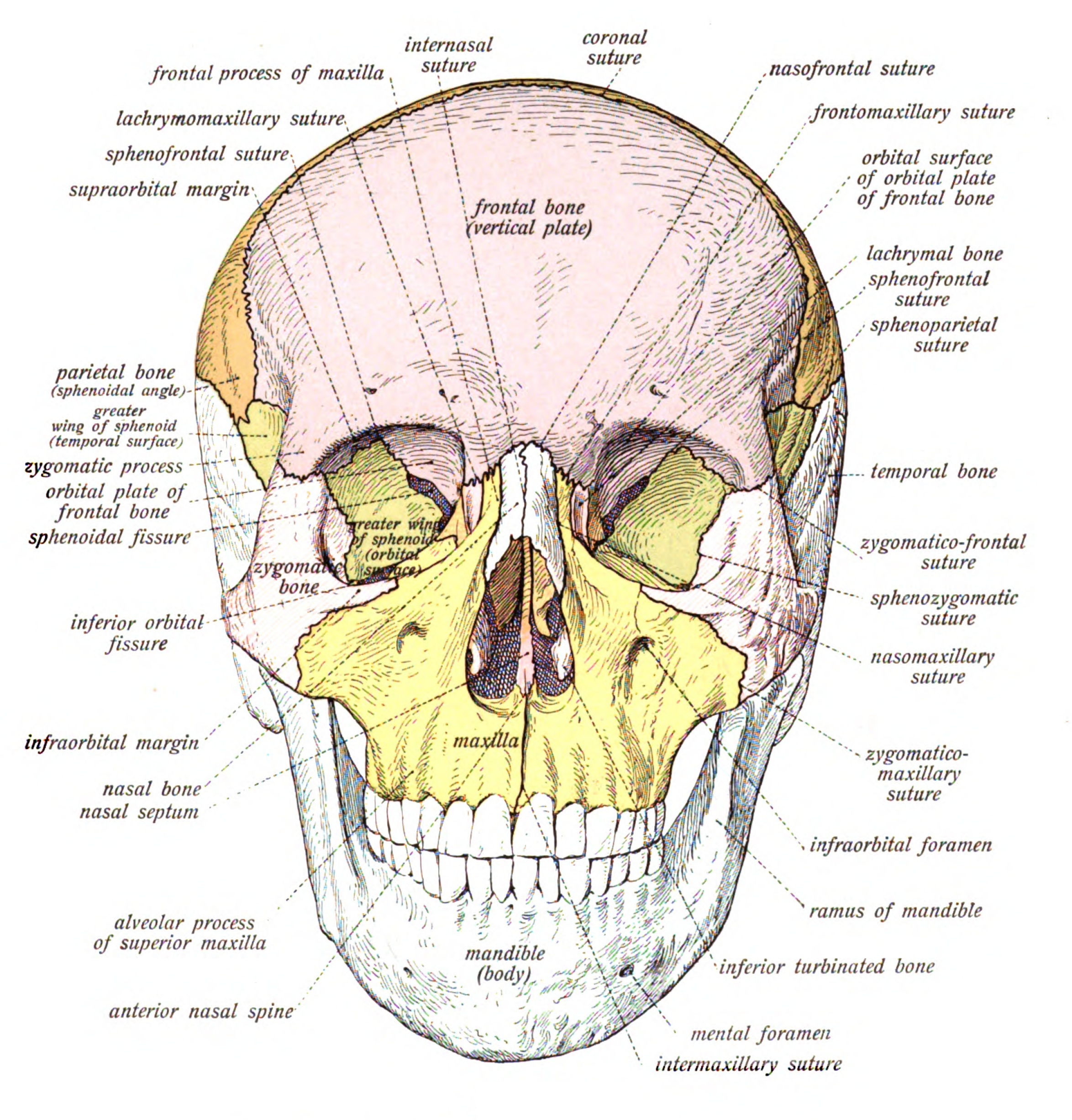
The skull provides a framework for the face, holding eyes, nose, and mouth in place.
By fixing the distance between the eyes, the skull helps humans see in 3D (stereoscopic vision). It also helps ears work together to figure out where sounds are coming from.
The 22 skull bones include the only moveable bone in the body—the jawbone. This bone (the mandible) allows us to open and close our mouths to eat, speak, and express emotions.
Recent research has indicated that the skull is able to expand. It accommodates changes in this internal volume of brain, blood, and cerebrospinal fluid.
Identifying Skulls
Skulls are useful to others besides the “wearer.”
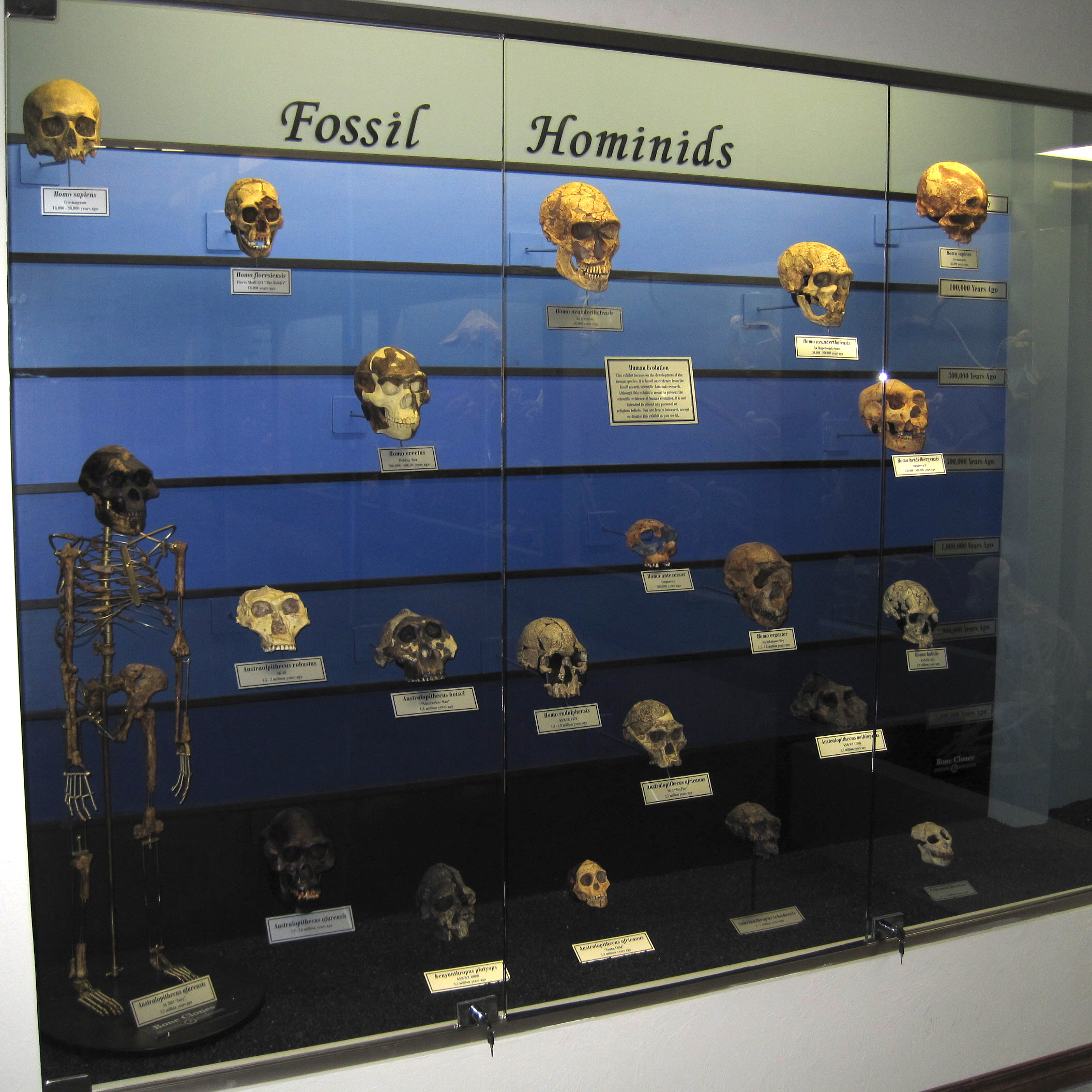
A skull can identify many things about a person. Human skulls look different depending on whether they are male or female, what part of the world they come from (i.e., racial heritage), and age. A trained artist, anatomist, or anthropologist can tell the difference in a single glance.
Forensic scientists and archaeologists often use the skull to estimate a person’s age at the time of death. They examine the sutures, bone density, and other characteristics.
Differences in skull shapes and sizes can be attributed to genetics, ethnicity, and individual variations. Anthropologists study these differences to learn about human evolution and migration patterns.
Skull Symbolism
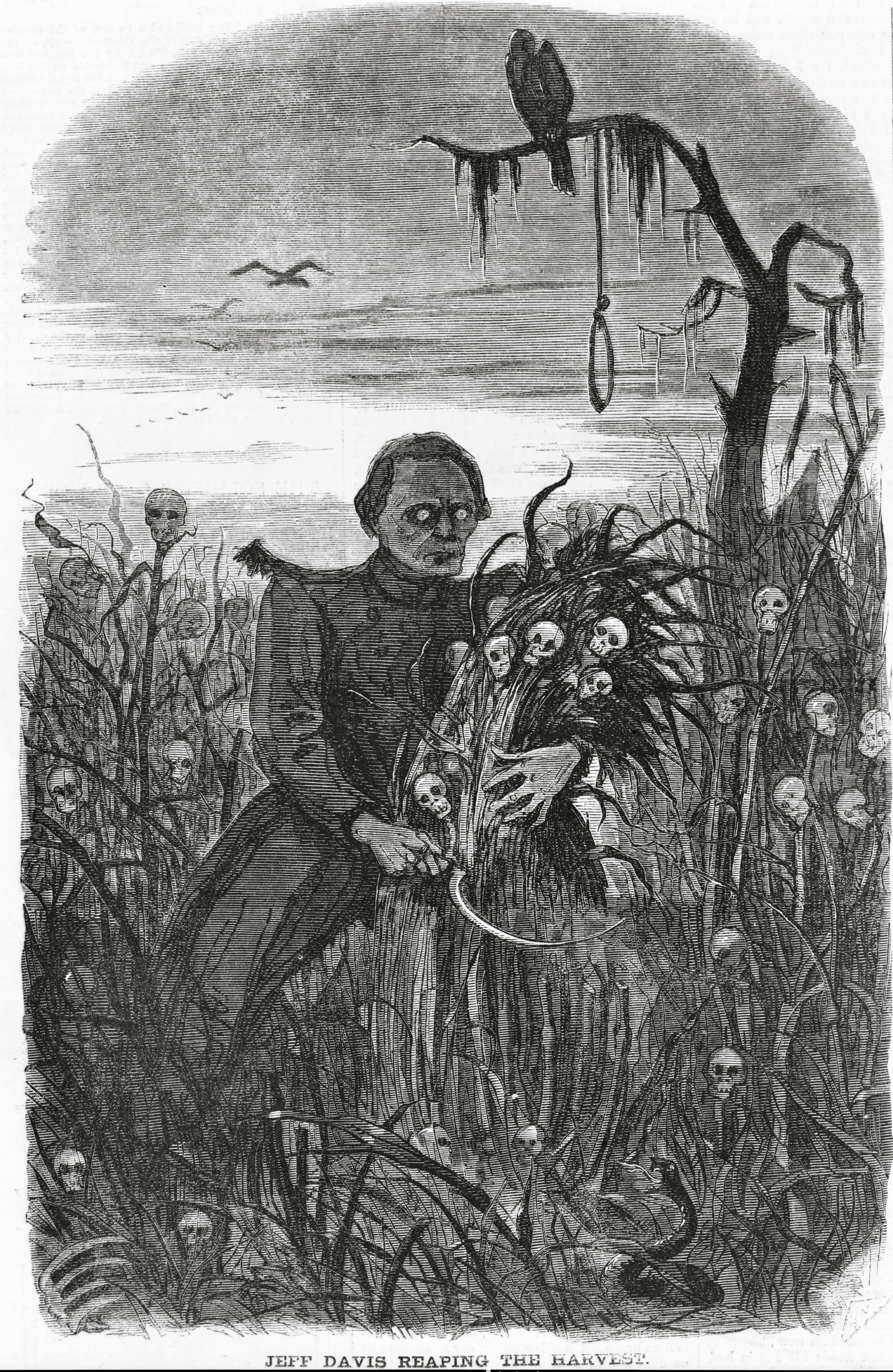
The most common symbolic use is as a representation of death. A skull can also serve as a warning of various threats or to contrast the vanity of earthly pleasures with mortality. In literature, skulls often symbolize despair and rough ironic humor (think Hamlet). They often represent strength and courage.
- A common visual motif is a serpent in a skull, making its way through an eye socket. This often symbolizes knowledge persisting after death or a serpent knowing secrets.
- In Elizabethan England, the Death’s-Head Skull, usually without the lower jawbone, was symbolic of bawds, rakes, sexual adventurers and prostitutes. The term Death’s-Head was actually slang for such people, and they often wore half-skull rings to advertise, either professionally or otherwise.
- In Mesoamerican architecture, stacks of skulls (real or sculpted) represented the result of human sacrifices.
- The pirate death’s-head epitomizes the pirates’ ruthlessness and despair.
- Depictions of some Hindu gods include skulls. For example, Shiva often carries a skull or wears a necklace of skulls. Hindu scripture describes the Goddess Chamunda wearing a garland of severed heads or skulls. Several Hindu temples include sculptures of skulls and Goddess Chamunda.
- When tattooed on the forearm, its apotropaic power is thought to help an outlaw biker cheat death. Or that may simply be bikers in general.
Skulls for Victory and Revenge
- The Lombardy king Alboin wore a skull as a trophy on his belt. It was a constant grim triumph over his old enemy.
- In the same way, a skull is a warning when it decorates the palisade of a city, or deteriorates on a pike at a Traitor’s Gate.
- After the Battle of Ćegar in 1809, the conquering Ottoman army built the Skull Tower. They used the skulls of Serbian rebels as building material.
- FYI: there is no skull in a shrunken head. A shrunken head is a severed and specially prepared human head with the skull removed – many times smaller than its original size – that is used for trophy, ritual, trade, or other purposes.
Skull Vessels
For a variety of reasons, someone might make a cup or eating from an inverted human skull, after cutting it away from the rest of the skull. Careful observation of skulls serving as vessels can identify cut-marks from flesh removal and working to produce a regular lip.
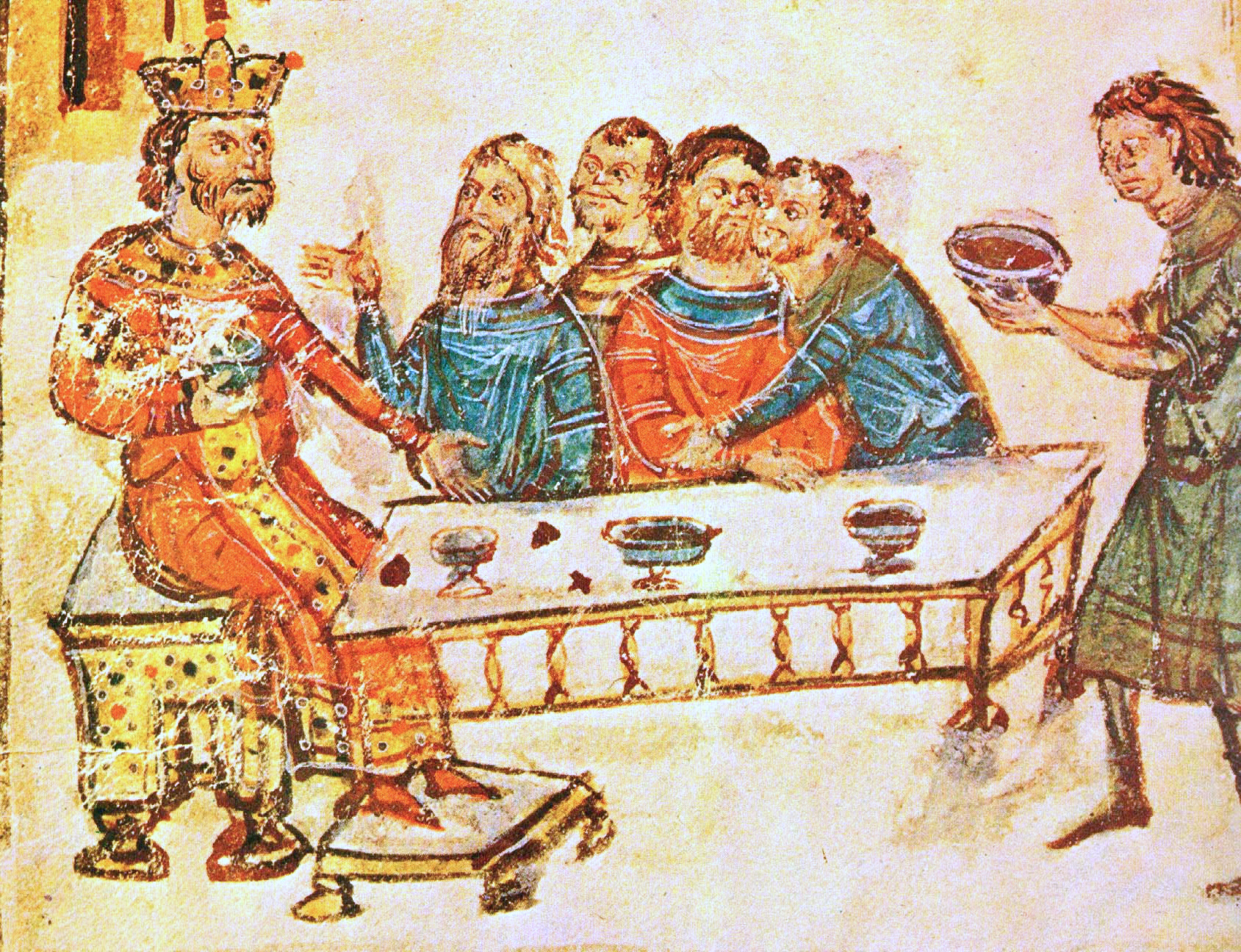
The use of a human skull as a drinking cup in ritual use or as a trophy is reported in numerous sources throughout history and among various peoples, both in Asia and Europe. What follows are just a few examples.
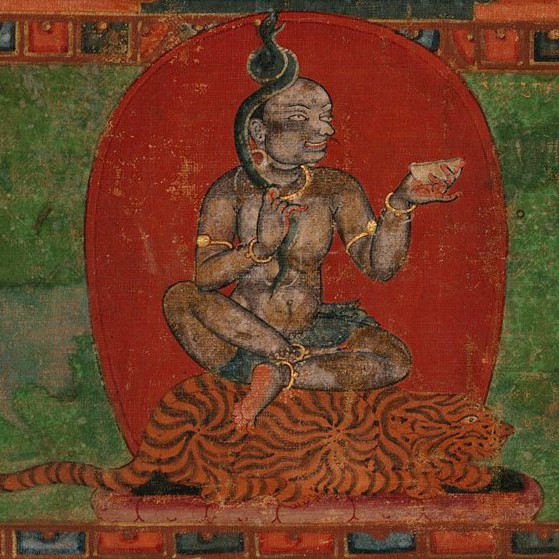
- The oldest directly dated skull cup is from 12,750 BCE and comes from Gough’s Cave, Somerset, England.
- Ammianus and Livy both mentioned the Scythian practice of drinking the blood of slain (sacrificial) enemies out of a skull.
- The Lombard king Albion mentioned above drank from the skull of his old enemy that he wore on his belt.
- People of the Magdalenian culture, spanning around 23,000–13,500 years ago, produced skull cups, associated with cannibalistic practices.
- According to legend, after the Royal Navy killed and beheaded Blackbeard the pirate in 1718, they turned his skull into a drinking cup.
- In 19th-century, the poet Lord Byron used a skull his gardener had found as a drinking vessel. According to Wikipedia, “Byron even wrote a darkly witty drinking poem as if inscribed upon it, ‘Lines Inscribed upon a Cup Formed from a Skull’. The cup, filled with claret, was passed around ‘in imitation of the Goths of old’, among the Order of the Skull that Byron founded at Newstead, ‘whilst many a grim joke was cut at its expense’, Byron recalled to Thomas Medwin.”
- In 1510, Shah Ismail I defeated and slew Muhammad Shaybani in battle. He then had his enemy’s skull coated in gold and made into a jeweled drinking goblet.
- In Japan, there is an anecdote that Oda Nobunaga, a famous feudal lord from the Sengoku period, drank sake from the skulls of defeated enemy warlords.
- After killing Svyatoslav I of Kiev, Pecheneg Khan Kurya (in 972 BCE) had the skull made into a chalice. Various sources report that Kurya and his wife drank from the skull and prayed for a son as brave as the deceased Rus warlord. Maybe this was a compliment to Sviatoslav!
Musical Skulls
- The Metropolitan Museum of Art, New York, has a lyre from Central Africa, 19th century, made from a human skull, antelope horn, skin, gut, and hair.
- Tibetan skull drums (damaru) were used in Tibet in connection with meditation traditions focused on the impermanence of life and material existence.
- A double-headed drum fashioned from the tops of two human skulls joined at their apexes has been a part of the standard ritual paraphernalia for practitioners of the later forms of Tantric Buddhism since the time of their rise in India.
- Skulls of warriors slain in battle were once hung on Ashanti (Asante) royal drums in Ghana and the Ivory Coast.
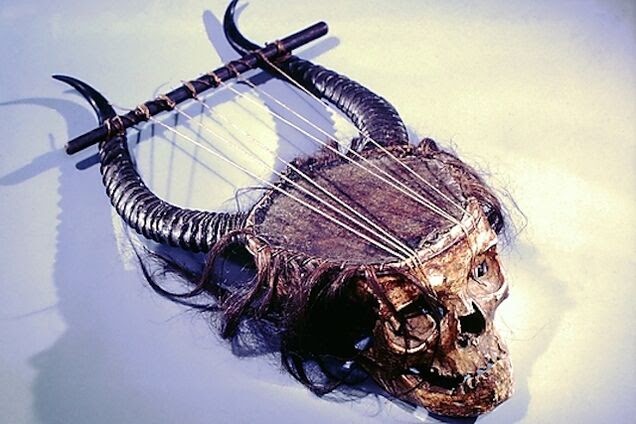
Fashionable Skulls
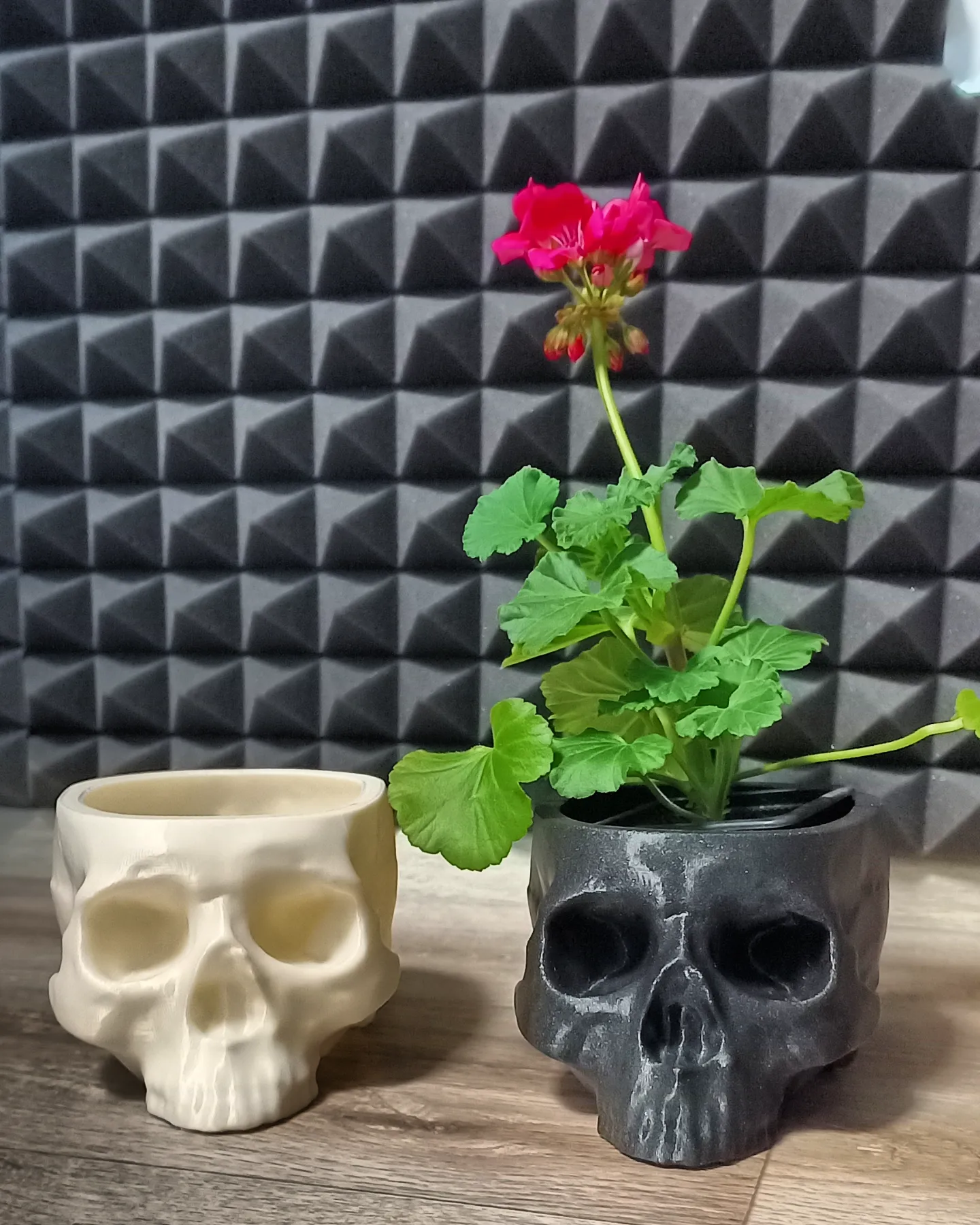
Skulls are currently in fashion, especially since the first decade of the twenty-first century.
- Skulls appear on bags and clothing.
- Skull jewelry. I wear skull jewelry—earrings, pendants, rings, and bracelets—every day in October, and periodically throughout the year.
- Various decorative items, such as carved mineral skulls.
- For those so inclined, you can purchase any of dozens of styles of glasses, mugs, tankards, and goblets shaped like skulls—some of which actually look like skulls.
- Into house plants? Dozens of flowerpots and planters are available.
Bottom Line: When you think skulls, think beyond October!