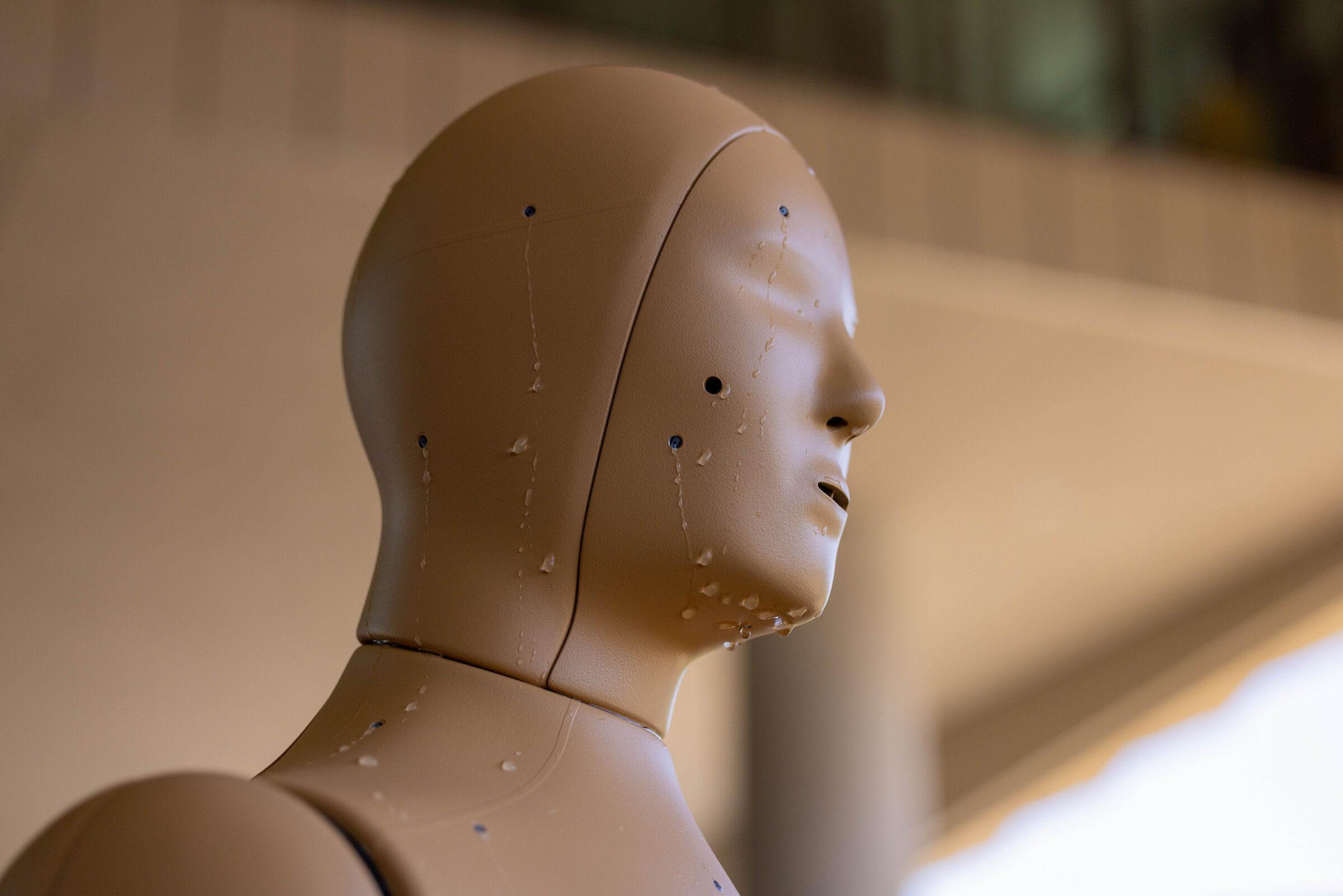
Sweat—we all do it. Indeed, humans are the sweatiest of all animals. And there’s a lot more to sweating than feeling damp!
For one thing, it’s everywhere!
Humans have 2 to 4 million sweat glands distributed—except for ears, lips, and nails—all over the body, with higher concentrations in some places, like the palms, forehead, and armpits. Your feet alone have 250,000 sweat glands, more than on your back.
A “normal” person sweats about 275 gallons each year. This is enough to fill the gas tanks of three mid-size SUVs.
- There are two types of sweat glands: eccrine and apocrine. Eccrine glands are found all over the body and produce a watery fluid, while apocrine glands are located in hairy areas (think groin) and produce a thicker, milky fluid.
- About 99% of sweat is water, with the remaining 1% consisting of salts, proteins, and other substances.
Your Sweaty Friend
One might say sweat is the body’s best friend!
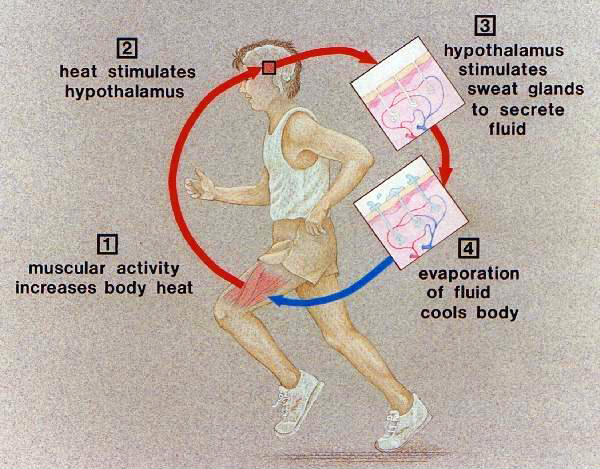
- Sweating helps regulate body temperature. When the liquid on your skin evaporates, transforming from a liquid into a gas, it takes some heat from the blood right under your skin with it. Cooler blood cools us down.
- Stress, anxiety, and excitement can activate sweat glands, leading to what is commonly known as “nervous sweat.”
- Though not its primary function, sweating can help expel small amounts of waste products like urea and ammonia.
- Unfortunately, mosquitoes, along with many other insects, are attracted to human perspiration. Insects need the sodium in salt, just like the rest of us, and our salty perspiration has what they need.
Surprising Sweat
Sweat has characteristics and roles that many people might not be aware of.

- Sweat itself doesn’t smell. Perspiration dripping from your forehead and arms after a run is mostly odorless. The odor associated with sweating comes from bacteria breaking down the liquid on the skin’s surface.
- Online sources are divided on whether men sweat more than women, but there is agreement that women have more sweat glands than men. Men start sweating sooner when physically active. One possibility is that the amount of perspiration is mediated by the size and shape of the body.
- But women and men smell different. “Researchers asked 60 volunteers to squeeze cotton gauze in their unwashed hands for 10 minutes, then analysed the chemical profile of the volatile organic compounds (mainly derived from sweat) that make up a person’s scent. They were able to distinguish gender with 97% accuracy.”
- Women often experience hot flashes and increased sweating during menopause. Similar symptoms are also possible in men, because their testosterone level drops with age.
- Fitter individuals tend to start sweating sooner and more profusely than those who are less fit, because their bodies are more efficient at cooling down.
Sweaty Revelations
Sweat tells a lot about you.

- Darker, more concentrated perspiration can be a sign of dehydration.
- When a person sweats excessively, even when not hot or exercising, it may signal a medical condition called hyperhidrosis. An estimated 360 million people worldwide suffer from extreme sweating.
- Recurring night sweats can be caused by several other health conditions—besides menopause and hyperhidrosis: hormone disorders, an infection, or side effects from certain medications.
- Just like fingerprints, the composition of a person’s sweat is unique and can be used for biometric identification.
- People might tend to bond more quickly when they have similar odor profiles.
- Some foods increase sweating, include spicy foods like chili peppers, caffeinated beverages, alcohol, salt, meat, and many processed foods (especially the fat-filled ones).
- Profuse sweating after eating, especially on only one side of the face, may be a sign of Frey’s Syndrome and might require medical treatment.

- Fearful sweat is chemically different. Dogs and some humans can smell the difference.
- Vegetarians have better smelling perspiration, according to one study. Women judged the sweat smell of non-meat eating and carnivorous men. The results: the vegetarian men had more attractive smelling sweat.
- A genetic variation means that some people (mostly people of Asian descent) do not produce body odor, no matter how sweaty they get.
Odd Sweat
Sweat has some quirky aspects, too.
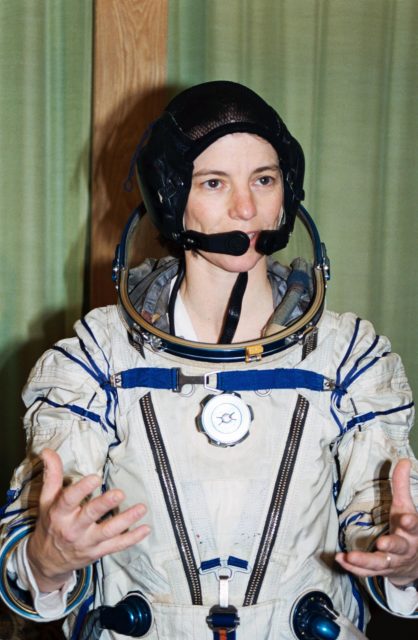
- Sweat doesn’t drip off without gravity, so “astronauts wear special underwear on their spacewalks; it’s filled with cooling tubes that whisk the heat away. One bonus in the controlled environment of a space station: Any extra moisture from sweat that does get into the air is sucked up by the ventilation system and recycled into fresh water for the astronauts to drink.”
- “Chromhidrosis” is a rare condition that causes colored perspiration, which can be yellow, green, blue, or even black.
- Humans can sweat blood if they have a rare condition called Hematohidrosis. Capillary blood vessels that feed the sweat glands rupture, causing them to discharge blood. It occurs when the affected person is under extreme physical or emotional stress. This condition is so rare, only a handful of cases have ever been recorded.
- Research from the Karolinska Institute in Stockholm suggests that sniffing sweat from strangers might help alleviate social anxiety.
- The artificial sweat industry provides a variety of “sweats” depending on what it is needed for. Clothing, shoe, jewelry, musical instruments, and phone and tablet manufacturers all need to know how saltiness and pH (sweat is slightly acidic) affect their products. Forensic laboratories need a different blend for creating control fingerprints, whatever those might be.
Cultural Sweat
Sweat has played a role in various cultures and historical contexts.

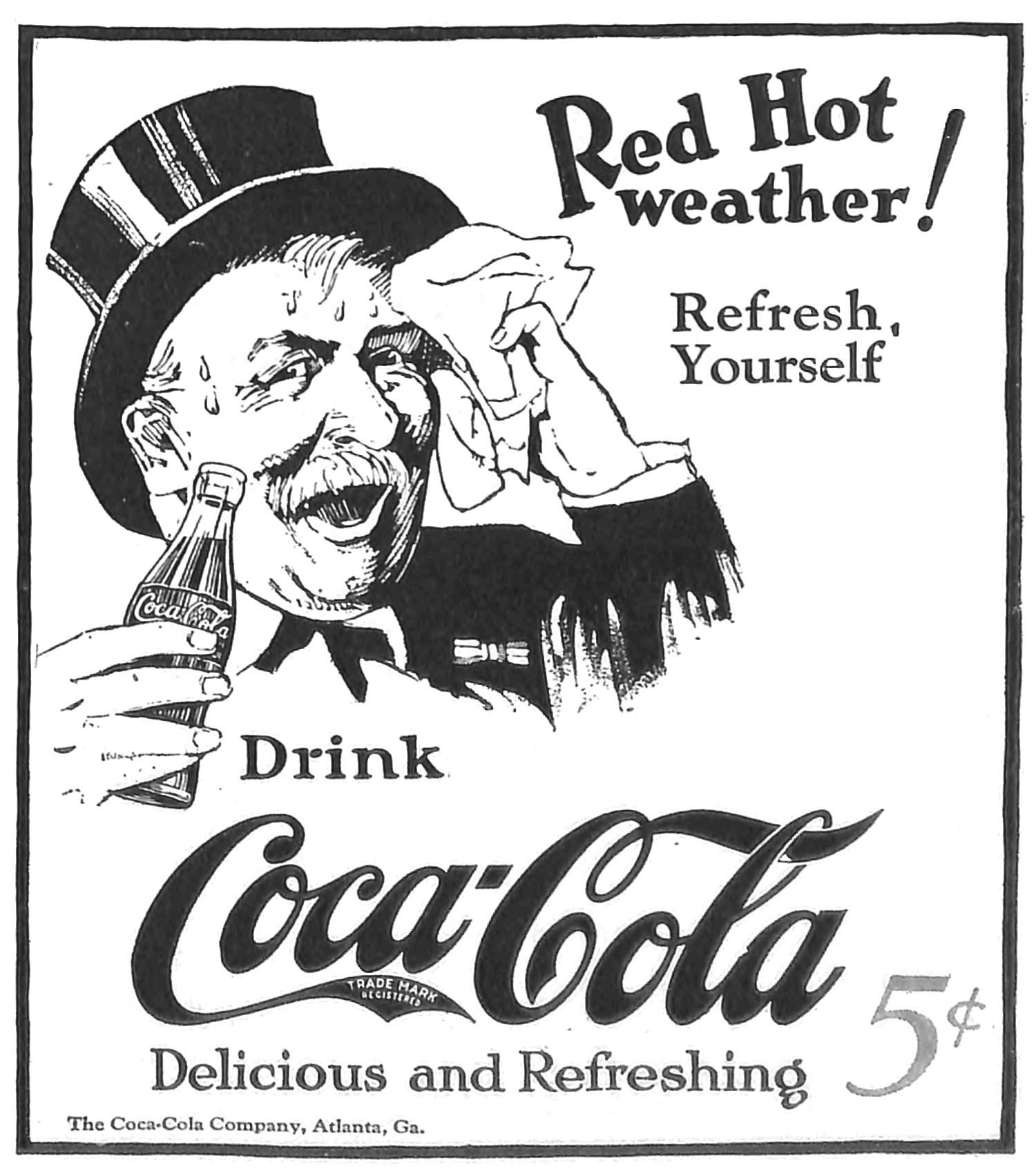
- Athletes in Ancent Greece scraped sweat, oil, and dirt off their skin after training at gymnasiums. This residue, gloios, was used to treat everything from skin ailments to joint inflammation.
- Saunas are such an important part of Finnish culture that there are more saunas than people, including one attached to the Parliament building!
- Several Native American communities, including the Lakota and the Maya, practice sweat lodge rituals. These steam baths are part of purification ceremonies and spiritual practices.
- In some cultures, people view sweating as a sign of hard work and dedication. For example, in Japan, the phrase “sweat of one’s brow” is a compliment indicating diligence.
- The “sweat of the brow” doctrine is an element of copyright law. It means that a creator has earned copyright control over their work by virtue of the effort expended to make it.
Useful Sweat
Sweat has contemporary uses.
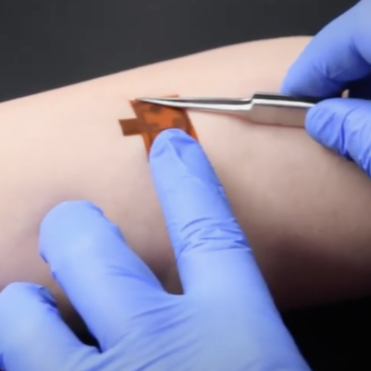
- Sweat sensors can monitor health metrics like hydration levels, glucose, and electrolyte balance.
- Athletes use sweat analysis to optimize performance. By studying their sweat composition, they can tailor their hydration and nutrition strategies.
- Because sweat is in part sourced from the liquid parts of blood, it’s packed with information: testing sweat can detect the presence of caffeine, alcohol, cocaine – or even spicy tomato snacks.
- Sweat patches are sometimes used to monitor substance use over time.
Sweaty Interactions
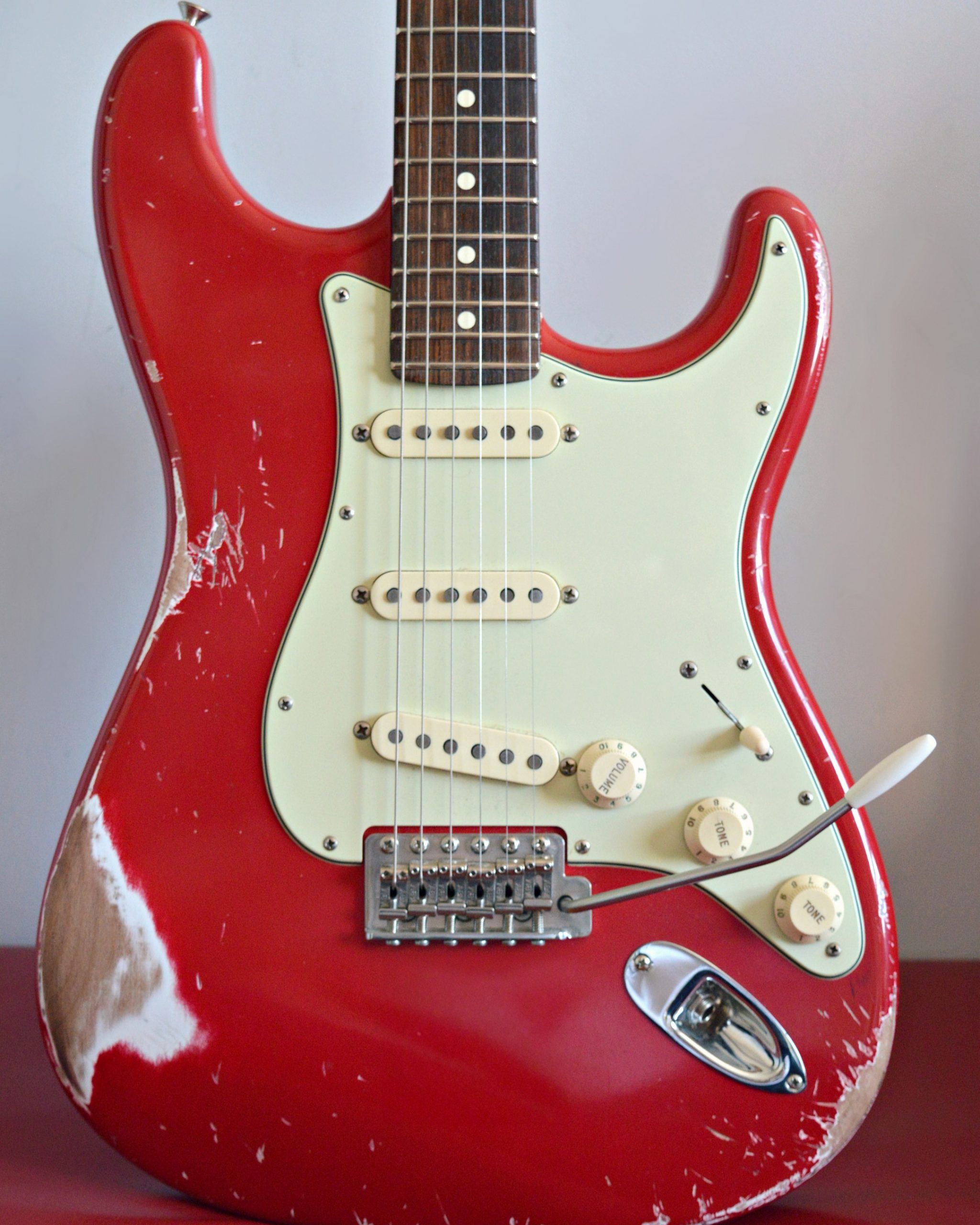
Sweat also interacts with our surroundings.
- When sweat evaporates, it absorbs heat from the skin, which can slightly cool the surrounding air.
- The acids in sweat can alter the pH of materials it comes into contact with, such as clothing, mousepads, and musical instruments.
- The salts in sweat can cause metals to corrode faster, which is why gym equipment and electronics often have protective coatings.
Mythical Sweat
Sweat myths debunked.
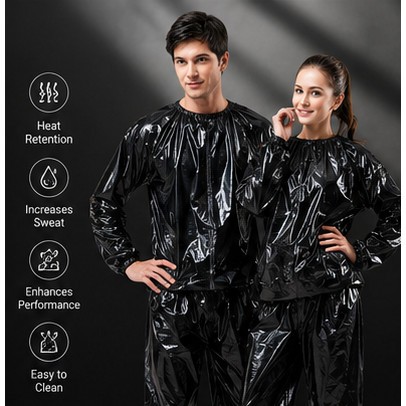
- Myth: Sweating helps you lose weight. While you might lose water weight through sweating, it doesn’t result in fat loss.
- Myth: Sweating more means you’re out of shape. In reality, fit people often perspire more efficiently because their bodies are better at regulating temperature.
- Myth: You can sweat out toxins. While perspiration does contain some waste products, the liver and kidneys are primarily responsible for detoxification.
Healthy Sweat
Sweat plays a significant role in personal hygiene and health.
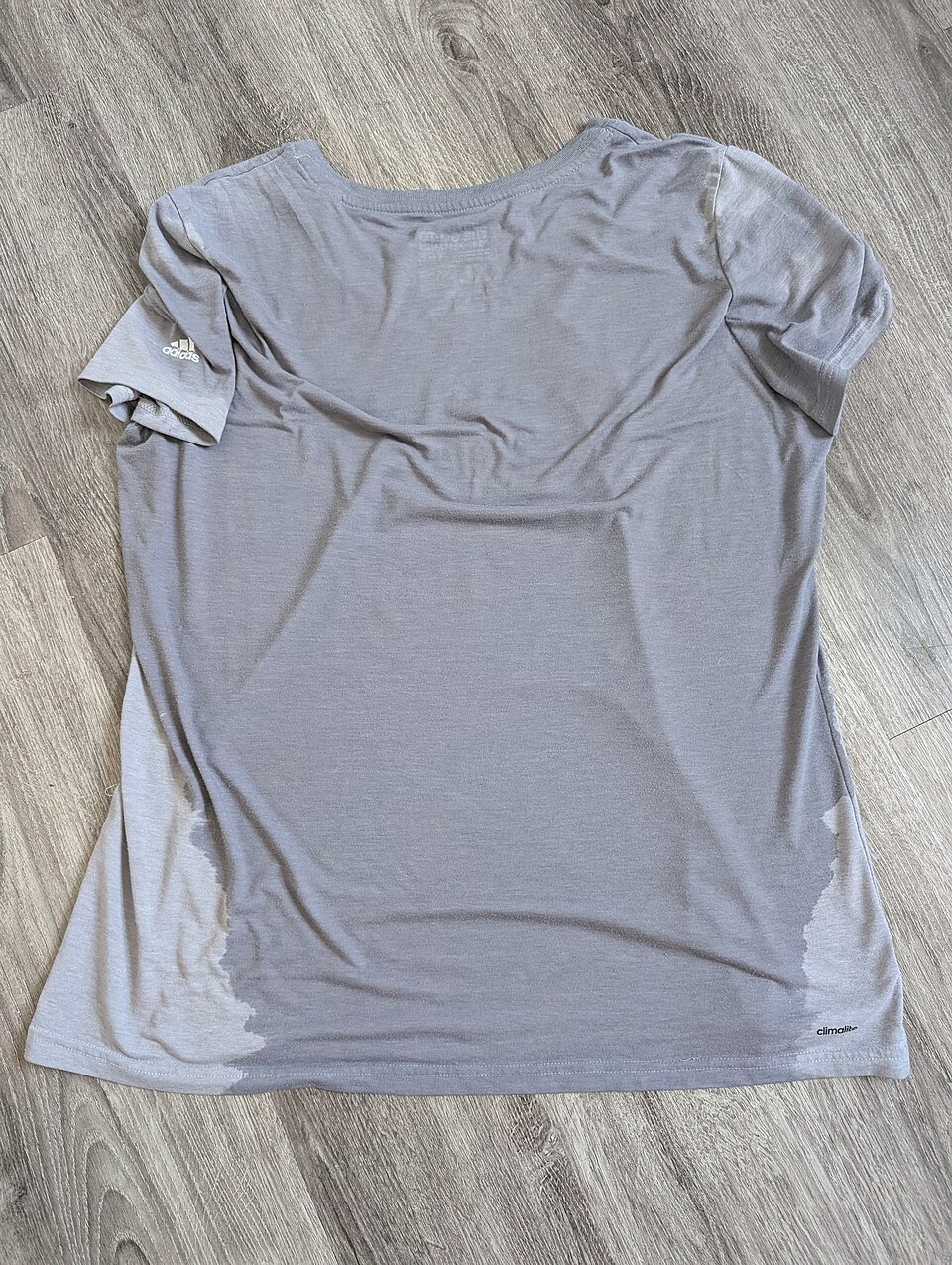
- If sweat is odorless, why the body odor of armpits and groin? The sweat glands in those places are the apocrine glands, mentioned above. They are activated at puberty and produce fluid that is fattier, more viscous and higher in protein —very appealing to bacteria!
- On the upside, the microbes that give rise to body odor help protect your skin from dangerous pathogens and even help prevent eczema.
- Antiperspirants and deodorants work differently. Antiperspirants block appocrine glands to reduce sweating, while deodorants mask or neutralize odor.
- Materials like cotton and bamboo are breathable and can help wick away moisture.
- Drinking plenty of water dilutes the substances in sweat that bacteria feed on, reducing odor.
- Consistent physical activity helps your body become more efficient at cooling itself through sweating.
Bottom Line: Sweat isn’t just a sign of a good workout or a hot day; it plays a crucial role in our body’s ability to regulate temperature and maintain overall health.