Is There a MacGyver in Your Story?

Richard Dean Anderson Angus MacGyver
[Source: EW]
In case you didn’t know, MacGyver was a superhero type TV series from 1985 to 1992 starring Richard Dean Anderson. As the series unfolded, Angus “Mac” MacGyver became a wonderfully rich character, a great example of what a well-rounded character looks like on the page as well. Here, to help you flesh out your protagonist are things you need to know—or at least consider. Your readers will love you for it.


Name: A character needs a full name, and (in my opinion) should have a reason to have been named that. Family name? Parent’s favorite from history or fiction?


Personality: MacGyver was portrayed as a non-violent problem solver who always carried a Swiss Army knife and refused to carry a gun. When the plot called for physical violence, his acts were always in self-defense and he strove to subdue or disable rather than kill. He is pretty much the opposite of macho, having a sensitive nature and showing it. He (appropriately) showed grief, pain, fright, guilt, depression and self-blame.


Social awareness: MacGyver was passionate about social causes, with a particular affinity for things related to children and protecting the environment. At some point, he became vegetarian. What is your character’s attitude toward such things as social justice, global warming, etc.?


Intelligence: MacGyver had a genius-level IQ and had a college education in both physics and chemistry.


Skills: MacGyver could speak six languages—plus he could communicate using American Sign Language, Morse code, and International maritime signal flags. He skied and had mastered outdoor survival skills. He possessed superb engineering and applied physics knowledge. Besides his Swiss Army knife, MacGyver usually carried duct tape, an ID card, a Timex Camper watch, strike-anywhere matches, paperclips, chewing gum, and a flashlight—plus whatever was in his Jeep or pickup truck. Thus, he was able to save a man’s life using a paperclip, a wrench, and shoelaces.


rock climbing
His hobbies included dice hockey, racing, guitar, and painting. Although suffering from acrophobia (fear of heights) he managed mountain/rock climbing, hang gliding, parachuting, etc.
 
What skills and/or specialized knowledge can your character draw on? Think education, past job experiences and military service as well as hobbies and sports.


Biography: MacGyver’s biography—which I believe was fleshed out as the series progressed—accounted for all of his special skills, fears, and taboos, from the outdoor survival skills taught by Mrs. Fogarty, his Cub Scout Den Mother, to a fatal accidental shooting that led him to eschew guns. Advice to writers: as soon as you give your character a skill, fear, etc., jot down—if only for your own use—how and when it was acquired.


macgyver lucas till
[Source: EW]
In 2016 the series was revived starring Lucas Till as a younger Mac MacGyver. Supposedly this is the equivalent of a “prequel.” Thus, this Mac functioned between the original’s birth (January 23, 1951) and the beginning of the original series. And therein lies the rub. This “younger” MacGyver carries through with major characteristics, including intelligence, preference for non-lethal methods, and the ability to use his Swiss Army knife plus anything in his environment to accomplish his mission. In addition, he’s an accomplished field medic and uses modern crime scene techniques—in which he might just have been ahead of his time. But DNA sequencing procedures? That I couldn’t quite accept.


Last advice to writers: Should you ever want to write a prequel, be aware of what your character couldn’t have known or experienced at the time.
 
And just in case you want some MacGyver type skills for your character, check out these books.
 
MacGYVER story

Thoughts on People, Places, and Travel

Peg Bracken But I Wouldn’t Have Missed It For The World The pleasures and perils of an unseasoned traveler
[Source: Goodreads]
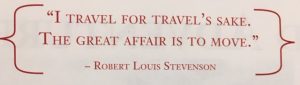
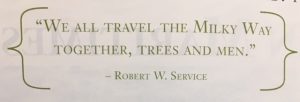
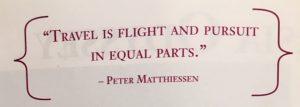
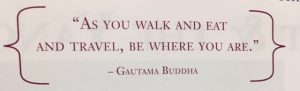
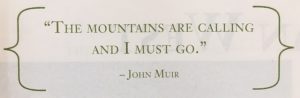
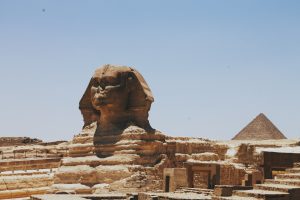
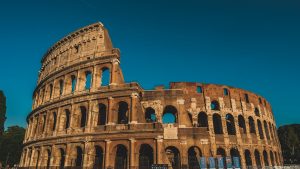
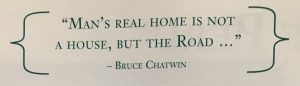
My family of origin traveled to visit relatives in nearby states–and I loved it! Similar as some aspects were to home, I reveled in the new. I wanted to travel more even before I ever did! Today I received a travel catalog, and spent some time drooling. And then I decided to share with you some of the quotes on people, places, and travel that I found in that catalog.
odysseys unlimited 2019 2020
 
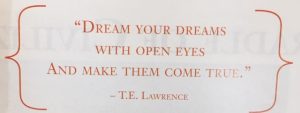
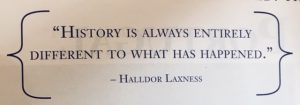
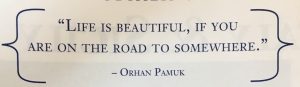
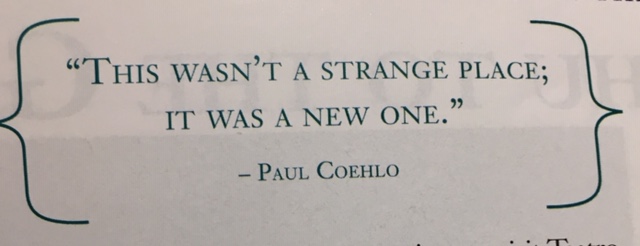
Each quote is short. Think about it.


zora neale hurston
paul coehlo
BOTTOM LINE: Consider what you—and your characters—think, feel, want, and remember about travel.

Another Way to Quirk Your Characters

october 2015
In 2015 I posted a blog titled Quirking Your Characters. The opening paragraph ends, “My advice is to choose a quirky interest that will allow you to illuminate various aspects of your character’s character.” I then developed an extended example using an interest in Eastern box turtles. Well, it’s time to think again! Start with the question, “Is there something quirky that I’d like to know more about?” The point here is that if it’s part of your character’s character, you’ll be spending a lot time with this quirk.

Quirks can be very focused OR whole categories, expanding outward.

arm hammer baking soda
[Source: Walmart]
As an example of a focused quirk, imagine your character grew up poor and the entire family brushed their teeth with baking soda rather than toothpaste, and as a result, as an adult s/he uses baking soda for everything, from cleaning cutting boards to relieving acid indigestion. (One of my personal favorites is that damp baking soda gently removes tarnish from silver.)

If you were to take up baking soda, you can find online list of 36 uses on the Arm & Hammer website to 51 Fantastic Uses For Baking Soda by Care2 Healthy Living.

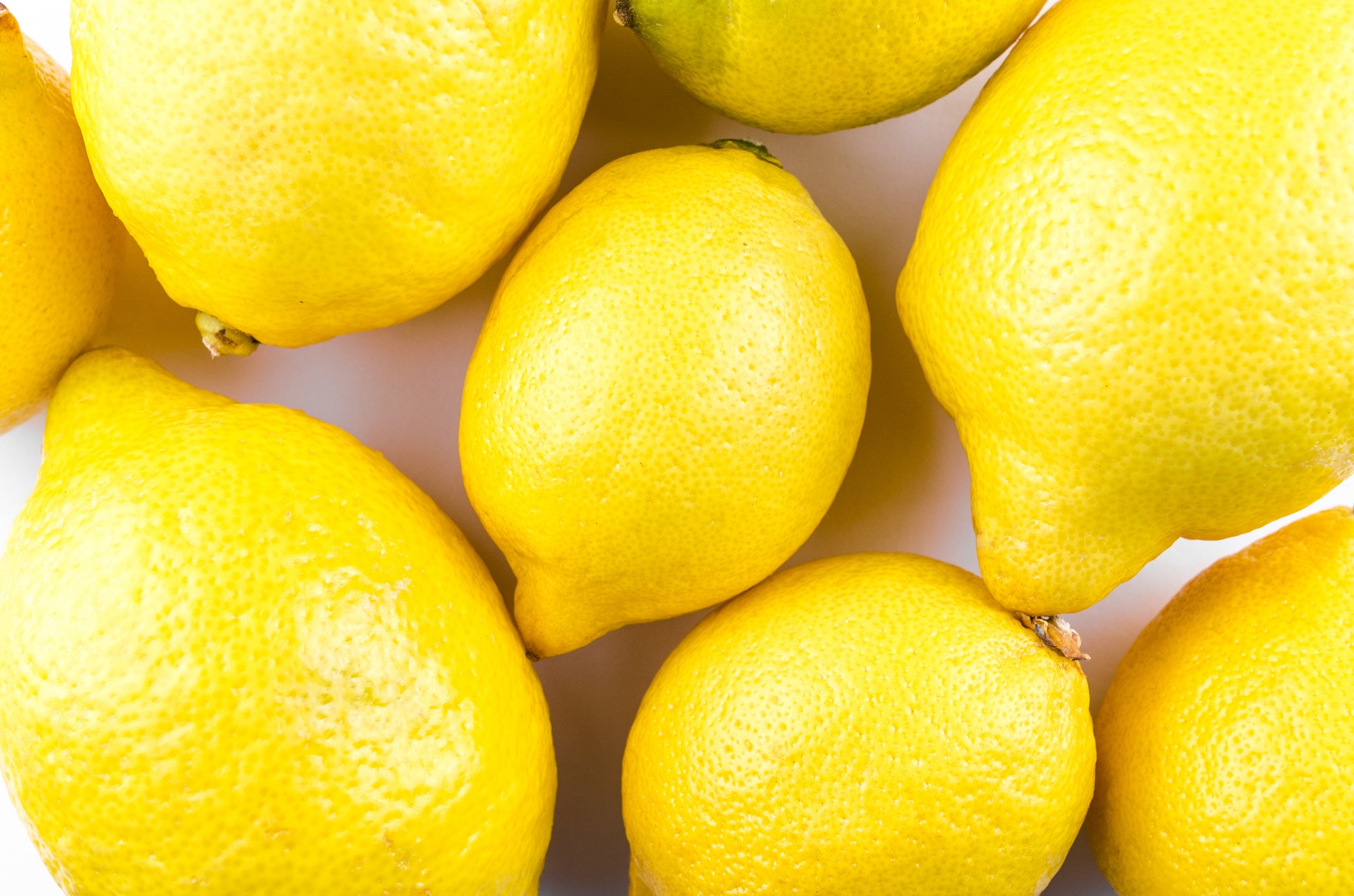
lemons
A similar example of a focused quirk can be built around lemons. Lemons can do all sort of things, from disinfecting surfaces to seasoning foods. Online, you can find 17 household uses for lemons (to save money on cleaning products) to 34 reasons to load up on lemons from Reader’s Digest.

Indeed, virtually anything can be a focused quirk. What about collecting Santa and Mrs. Claus salt and pepper shakers? Choose your item or behavior for a focused quirk and google it directly.
 
extraordinary uses ordinary things
Reader’s Digest has “authored” several books with this title and they can be used by anyone who wants to find either a focused or a categorical quirk. For example, the table of contents includes both an item index, alphabetical from address labels to zucchini, suitable for focused quirks. But in addition, there are topics such as Less Toxic and More Earth-Friendly Items that are suitable for what I’m calling category quirks. Here again, the quirk options are infinite.

hate housekeep peg bracken
As far as quirks go, a goal of avoiding as much housework as possible is an old—and humorous—one. The I Hate to Housekeep book was copyrighted in 1962! (Full disclosure: I love Peg Bracken!) But the global, category quirks could be anything from attendance to germs to recycling in all its forms.

Bottom line: To close with another quote from my earlier blog: “Get beyond fiddling with hair or popping gum and choose a rich quirk for your character.”

Why Daisies? Why Not?

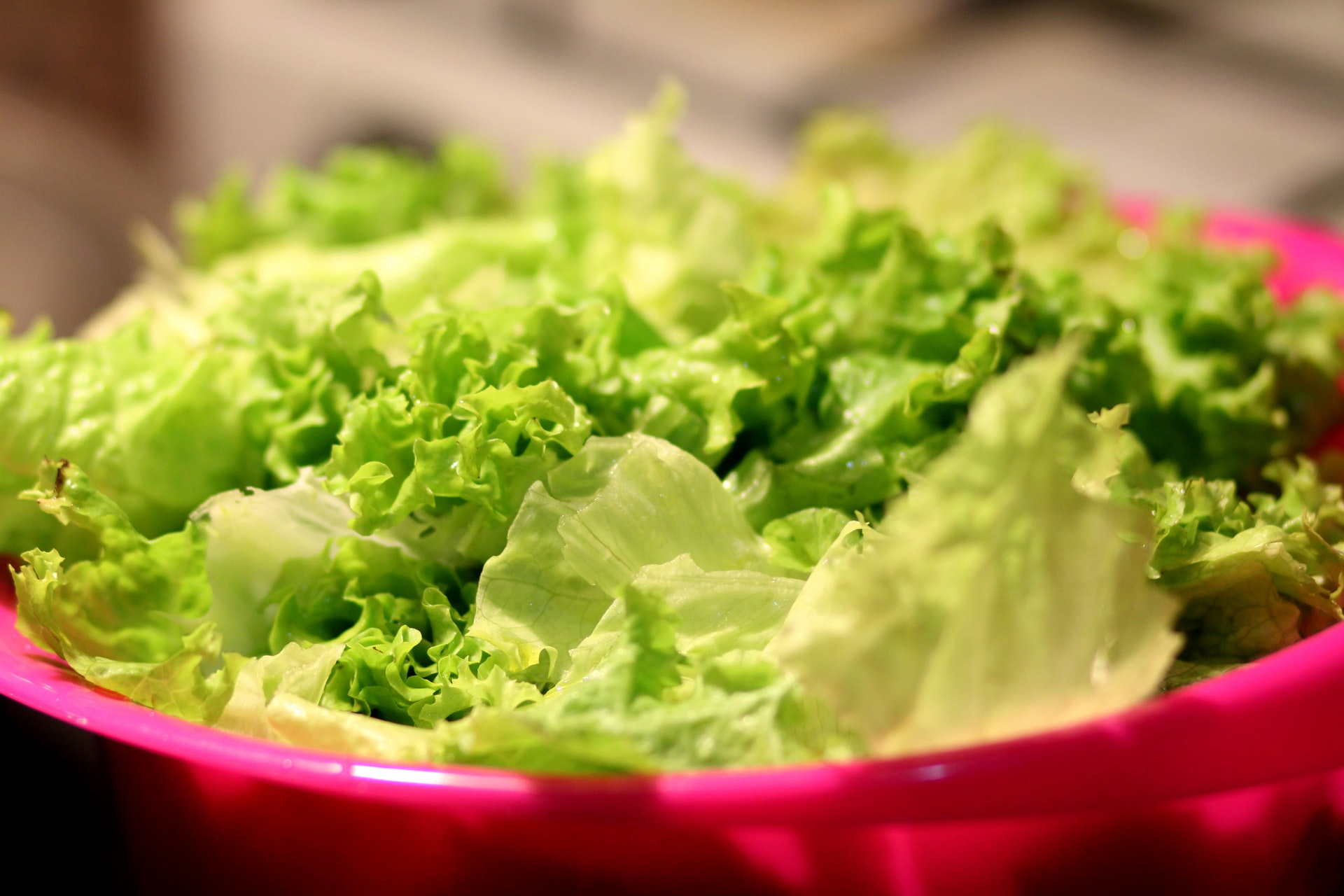
lettuce
Didn’t know lettuce is a member of the daisy family? Lots of people don’t. And there is much else that is surprising about this enormous plant family. But even so, so what? Well, I got interested, and when I’m interested, I explore and write. But why read this blog? Because writers can bring plants into their work in any number of ways.
  • as a character’s hobby
  • as a character’s work
  • as a reflection of a character’s character or personality
  • as a reflection of a character’s aesthetic taste (or lack thereof)
  • as factoids characters can drop into conversation to amaze and astound
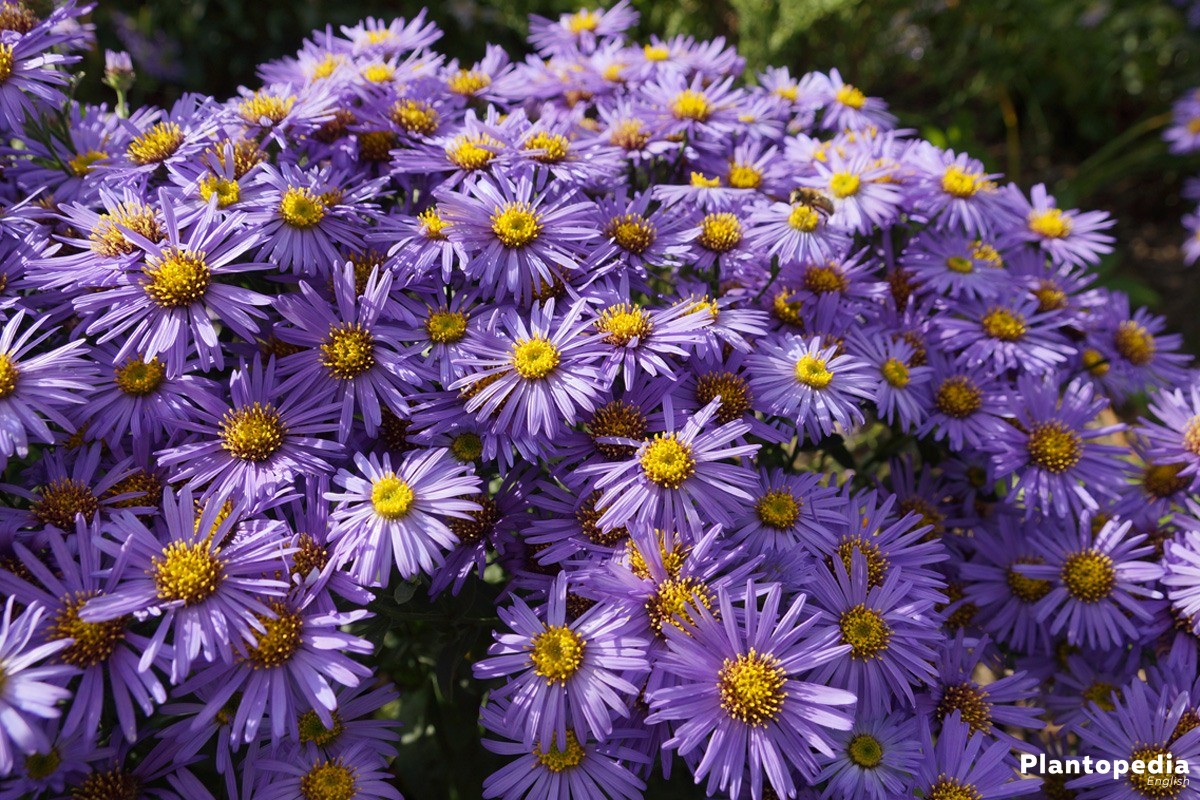
aster
[Source: Plantopedia]
The big picture. Technically, the daisy family—also commonly known as the sunflower or aster family—is the Asteraceae family. It’s huge.
  • 13 subfamilies
  • 1,911 genera
  • 32,913 named species
  • for size, it’s rivaled only by orchids. Which is larger is unknown.
  • mostly annual or perennial herbs, it also includes shrubs, vines, and trees
  • this family grows worldwide, except Antarctica and the extreme Arctic
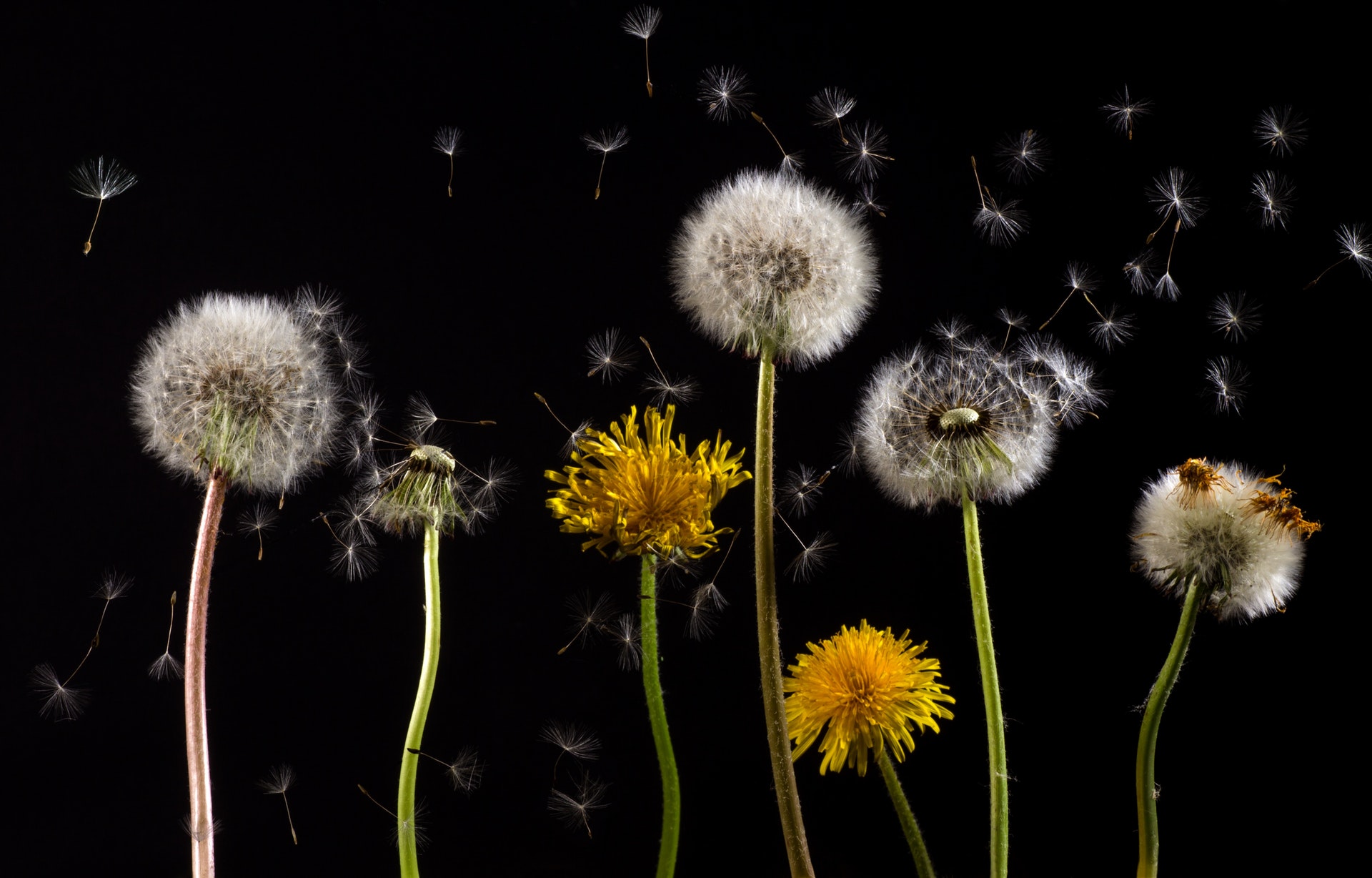
Many daisies are known primarily as food. Dandelions head this section for a reason. They were introduced into the New World by European immigrants who ate the greens—but now are more often considered a weed than a food.
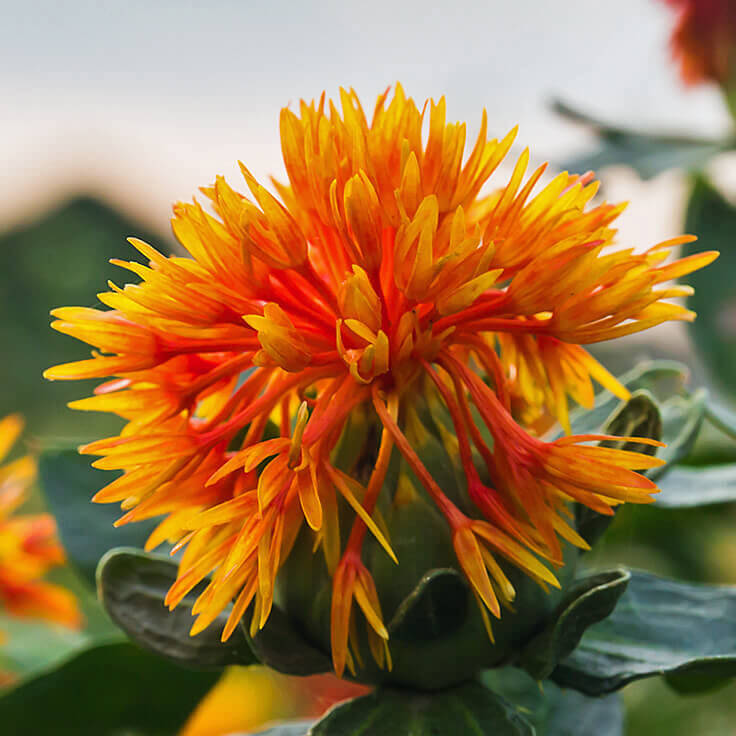
safflower
Besides lettuce, important food crops include endive, chicory, artichokes, sunflowers, and safflower.
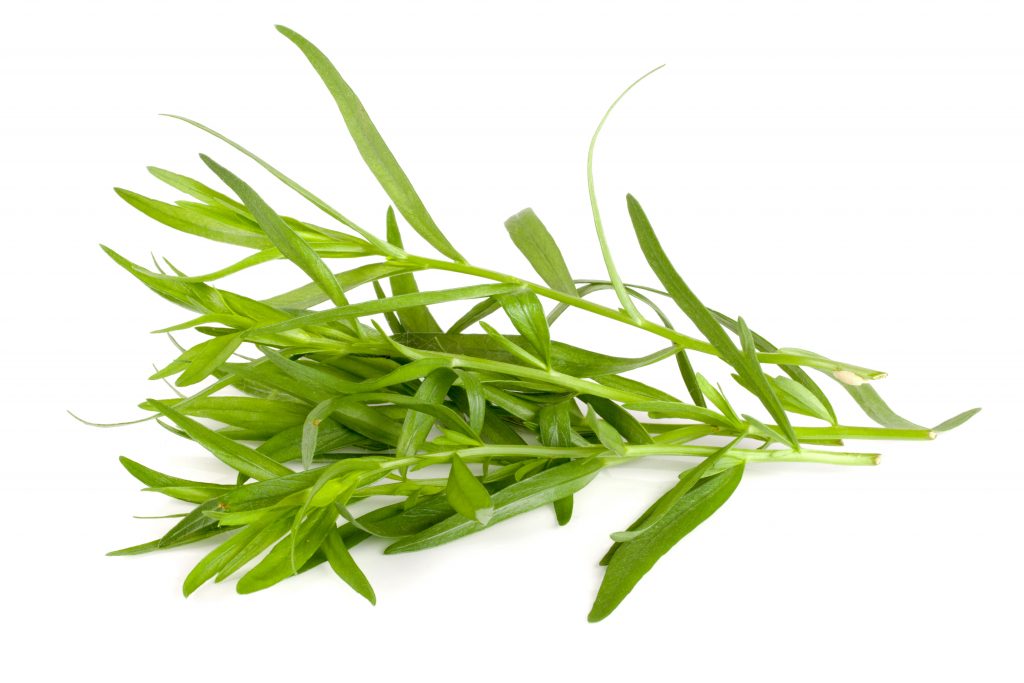
tarragon
Daisy species are used as culinary seasoning: tarragon, salsify, and stevia, for example.
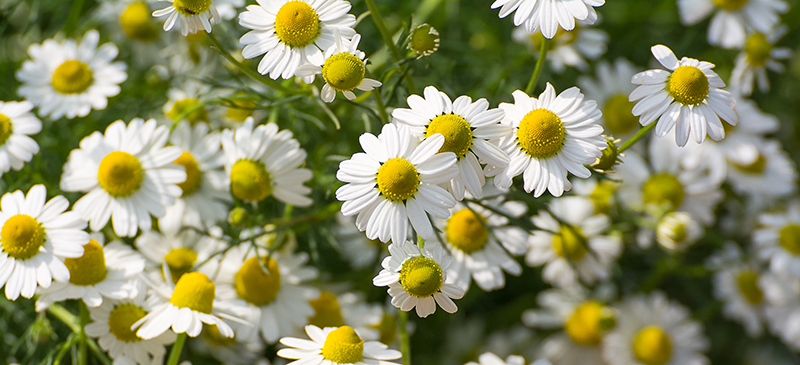
chamomile
“Daisies” such as camomile are used for herbal teas. Also included here are pot marigold, and echinacea, which is used in medicinal teas. In fact, many species are used as traditional anti-parasitic medicine.
ragweed
Species such as ragweed cause allergic reactions such as so-called hay fever. Other varieties cause contact dermatitis—as many who work with flowers can testify.
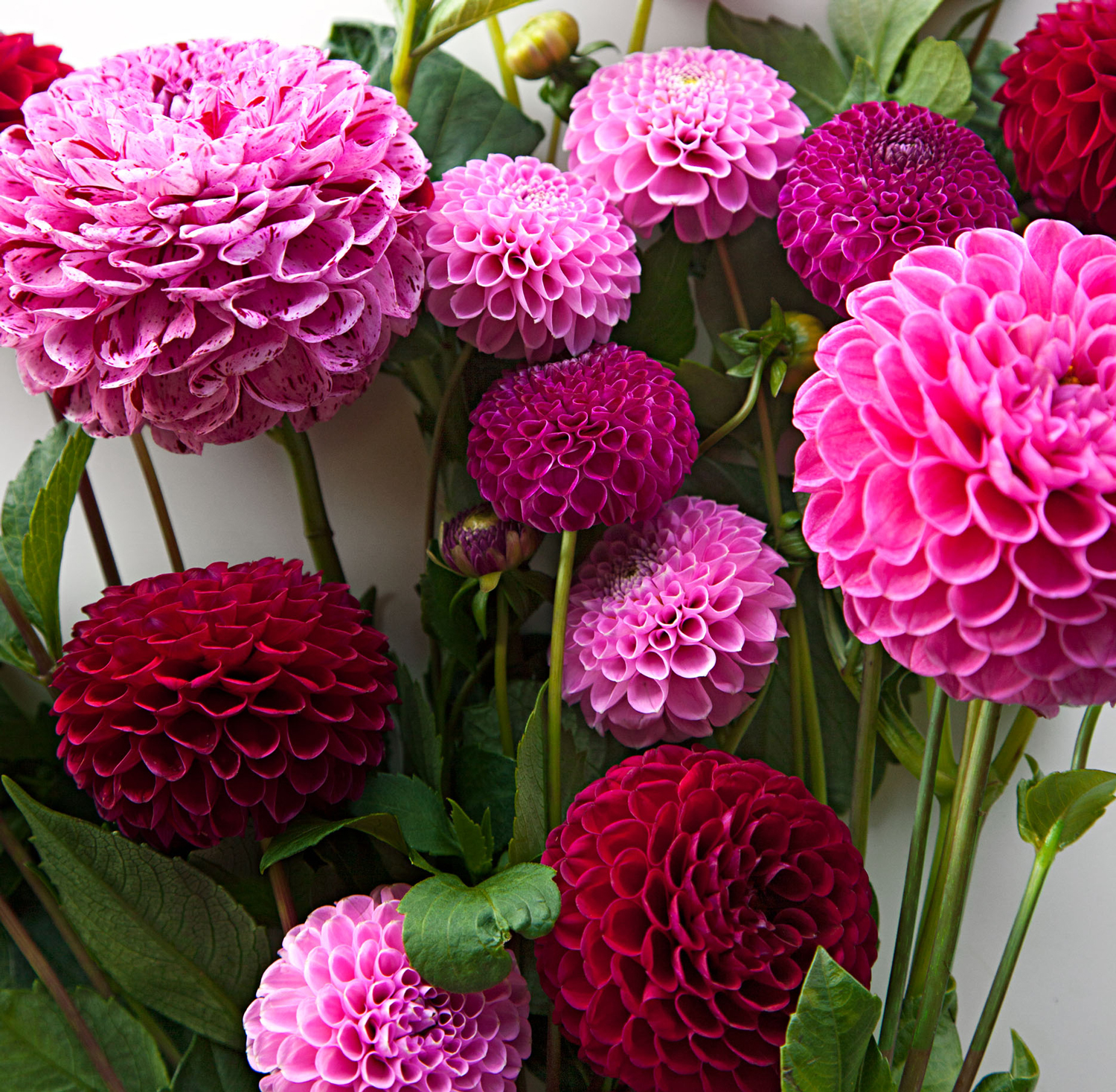
dahlias
[Source: Midwest Living]
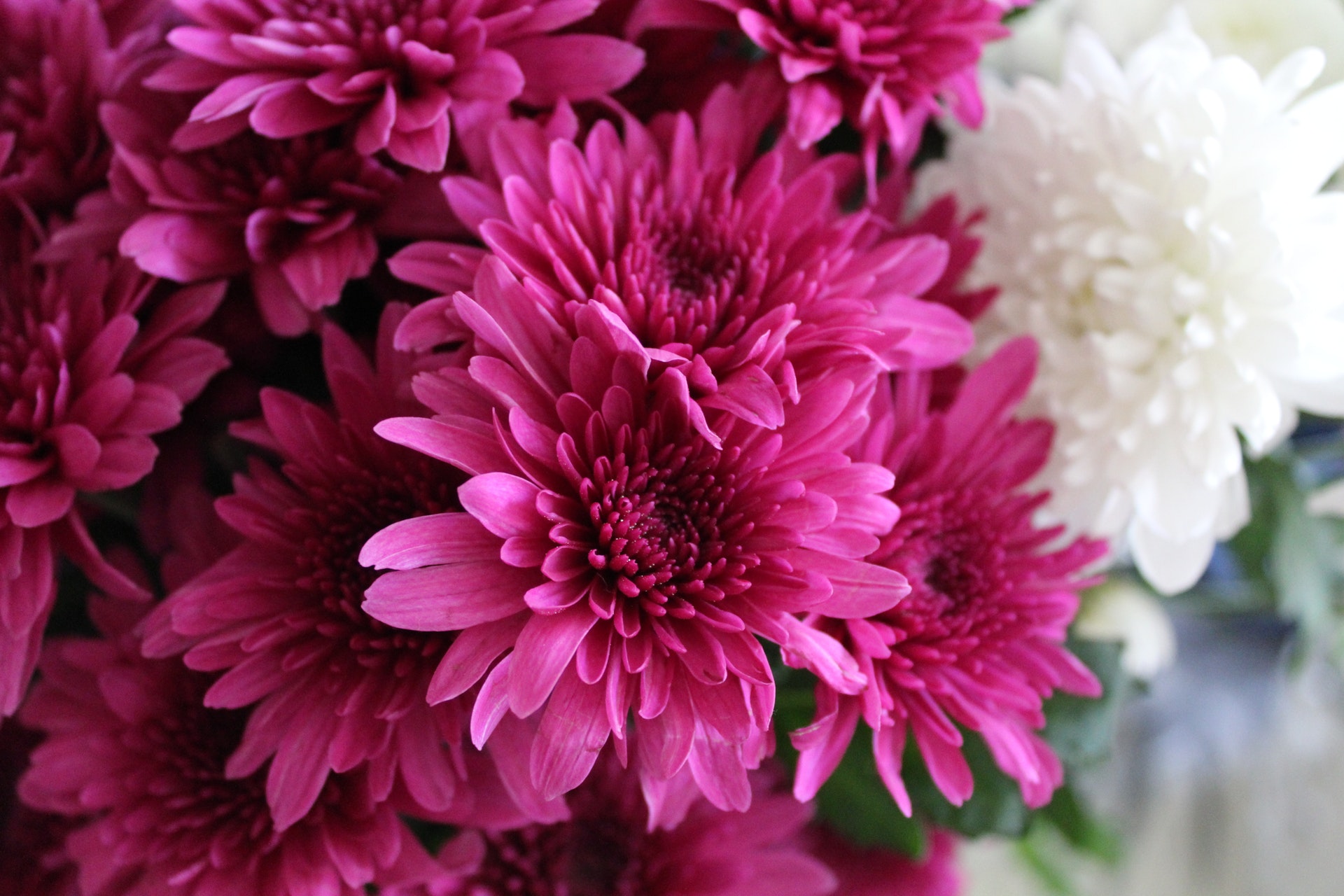
Many of us think of daisies first as flowers, but many varieties are important for the flower industry. Besides dahlia, think Gerbera daisies, calendula, zinnia, chrysanthemum, and many others.
And, BTW, chrysanthemum as well as several less familiar species have useful insecticidal properties.
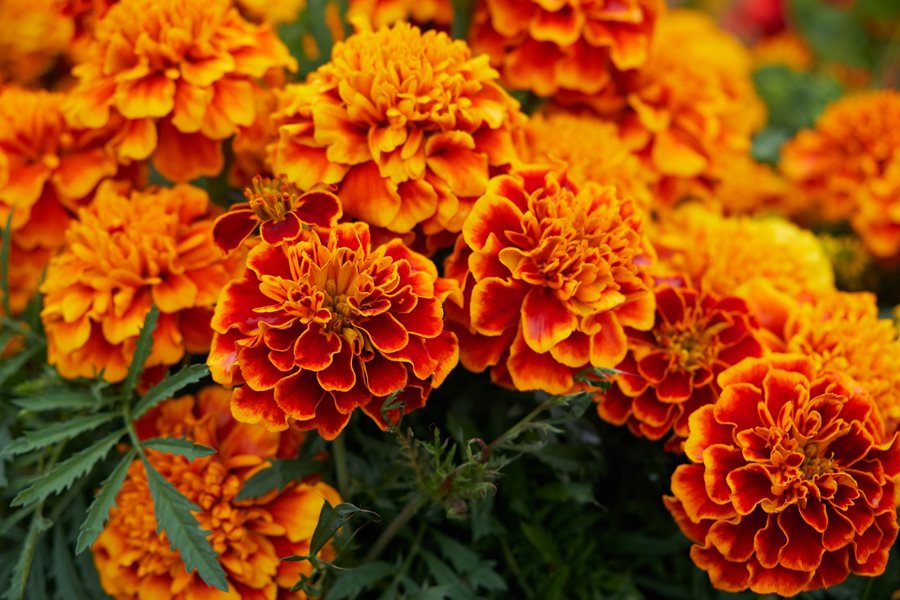
marigold
[Source: Garden Design]
Marigolds serve important industrial purposes. It is used in commercial poultry feeds, and it’s oils are used in colas and in the cigarette industry.
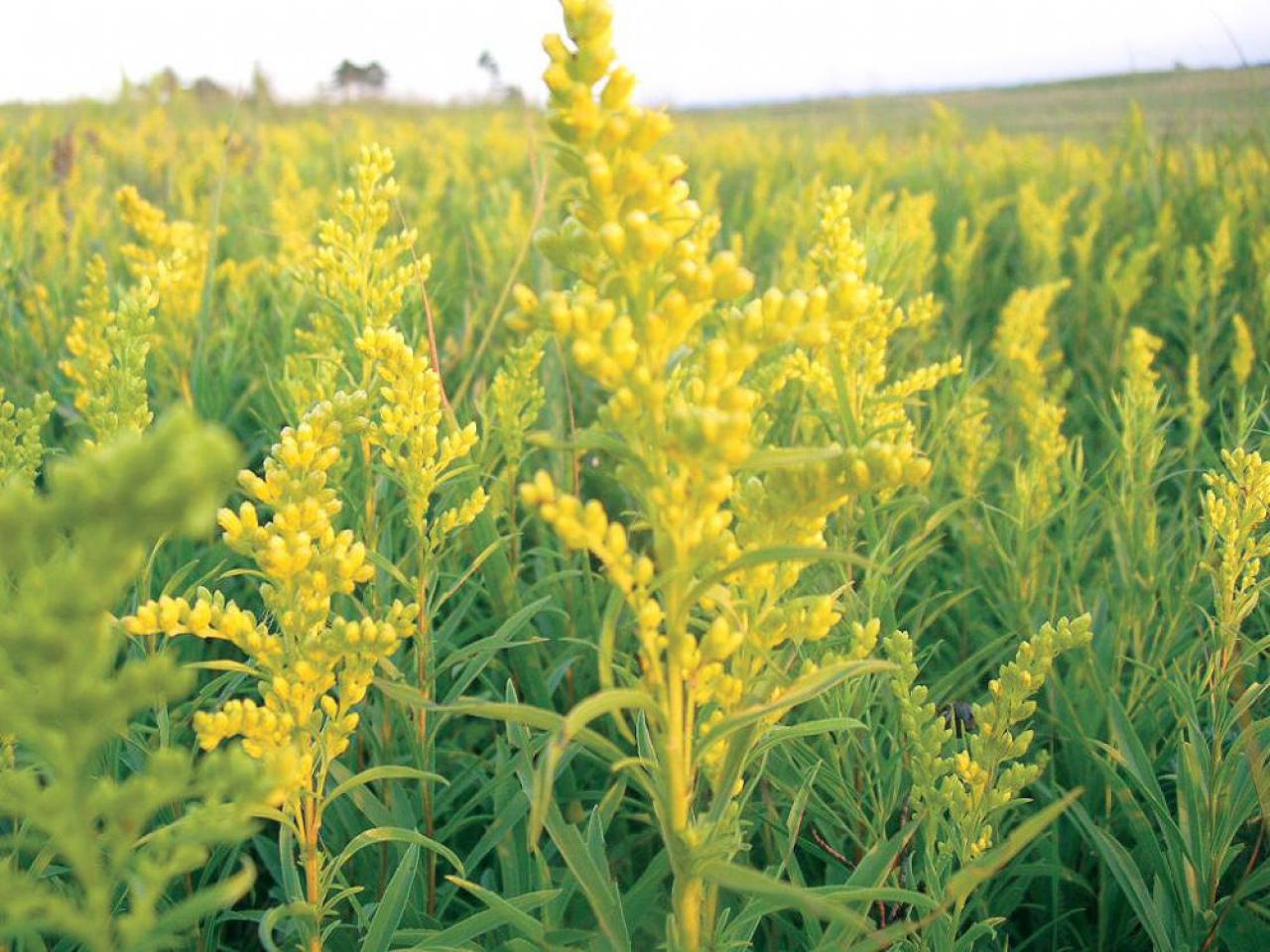
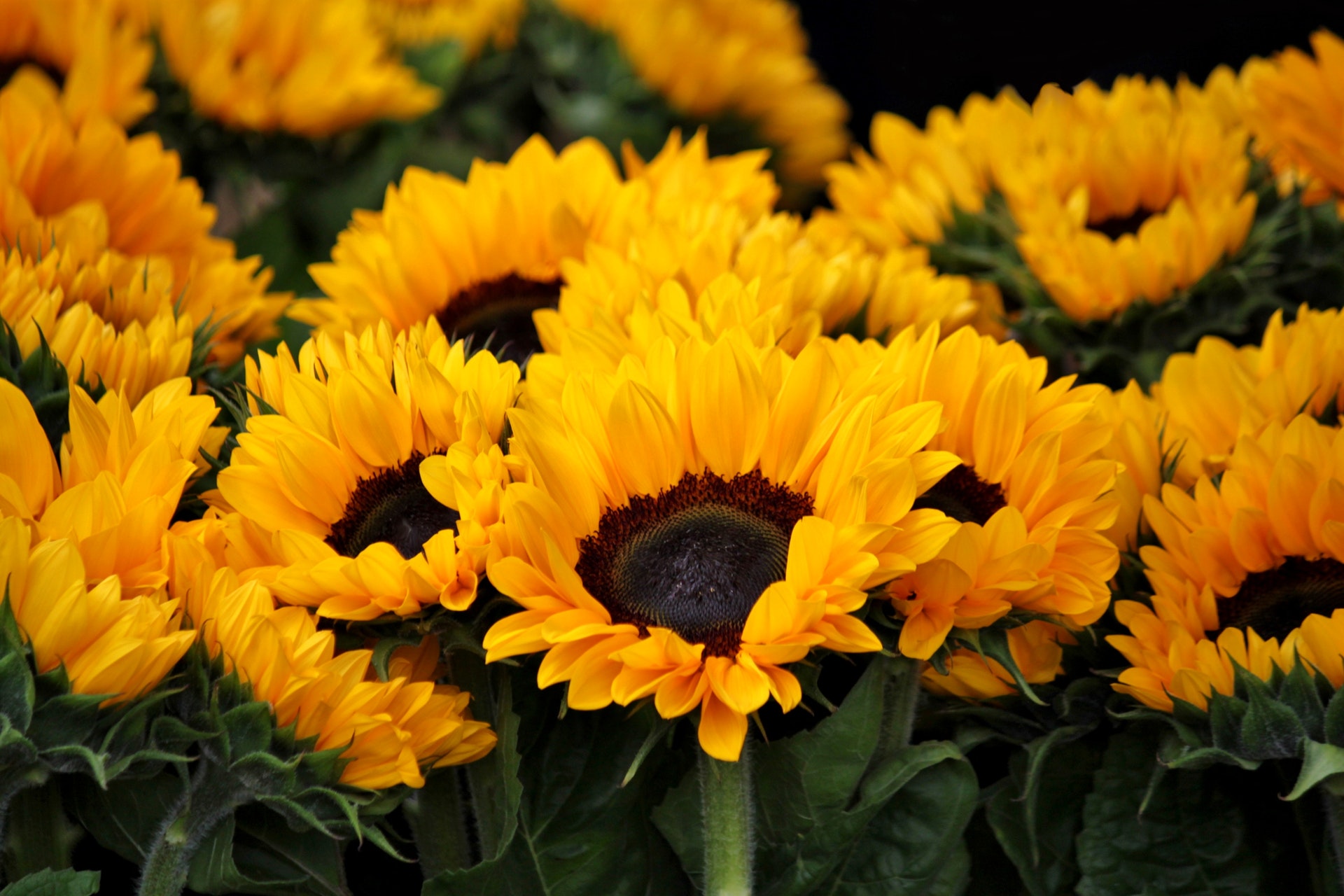
Several varieties of daisies are copious nectar producers and are thus important for beekeepers. These include sunflowers, knapweed, and some species of goldenrod. Goldenrod in particular has a high protein pollen which helps honey bees winter over.
Bottom line: just imagine all the ways a little knowledge of the daisy family might season your writing!
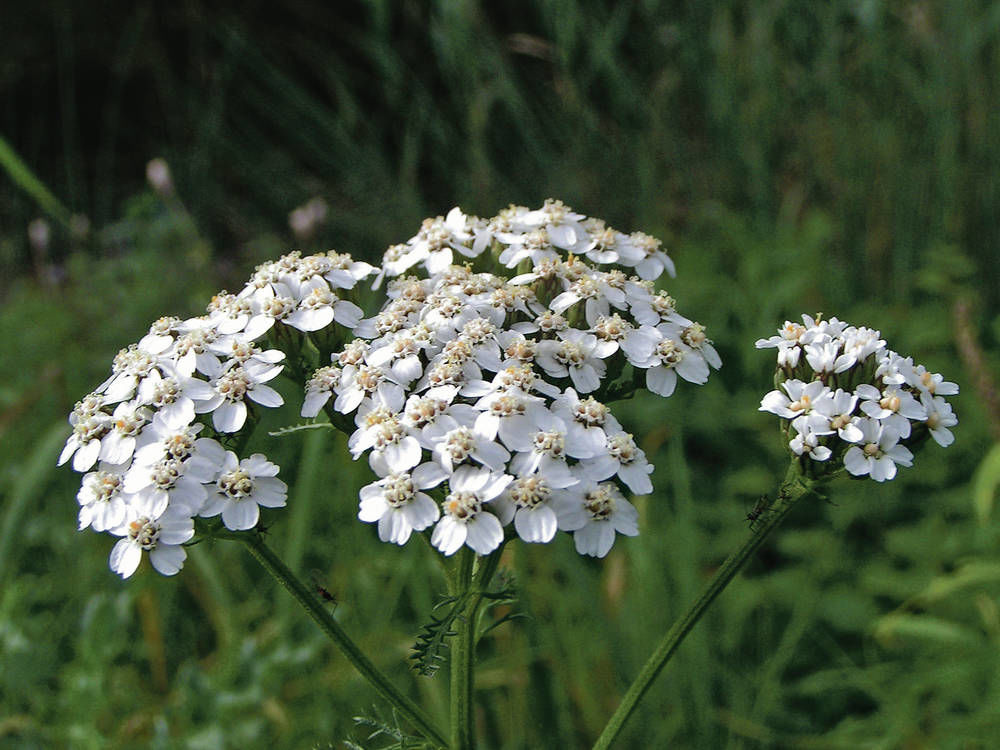
yarrow

Plants: A Topic That Could Take Over the World

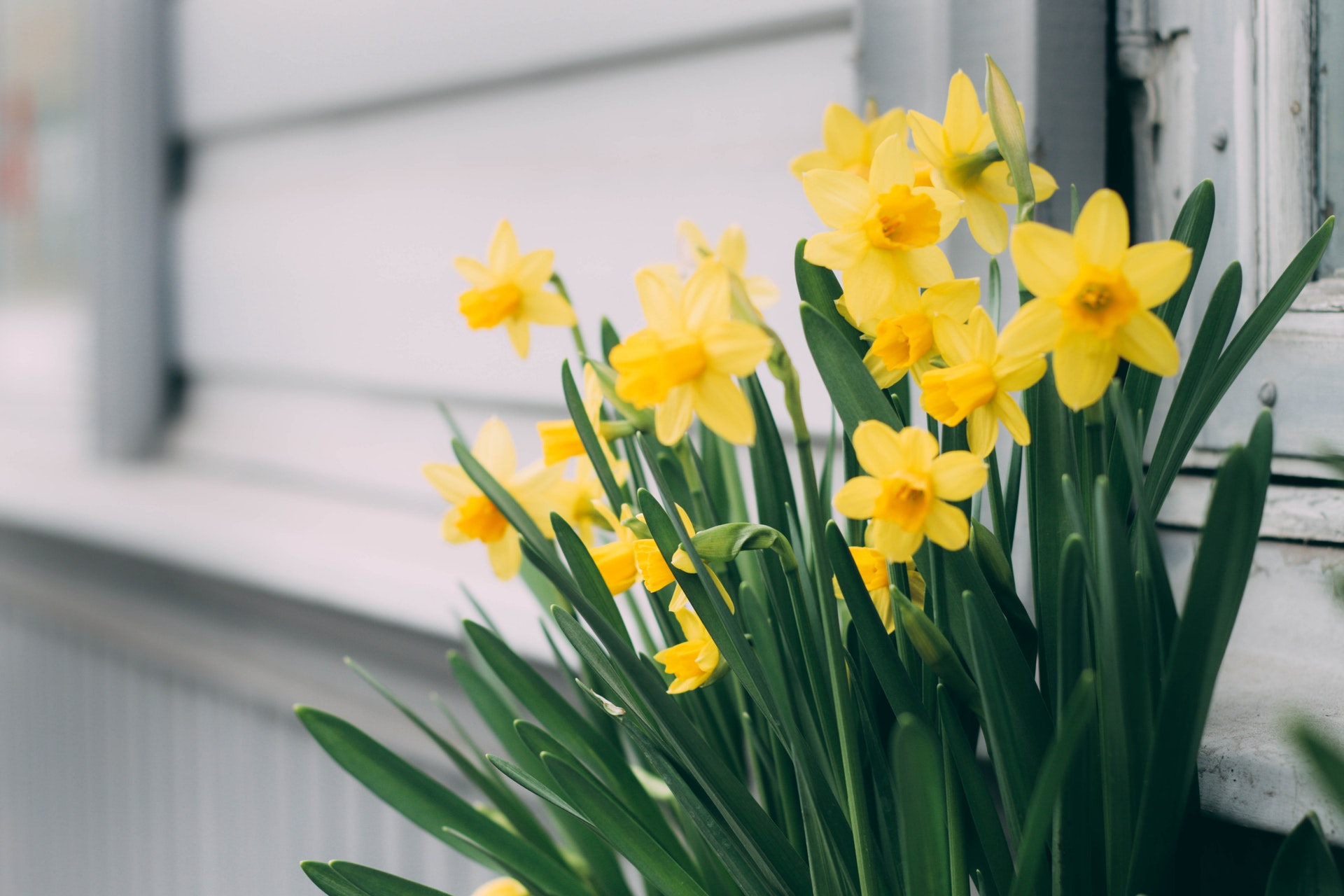
you are one third daffodil
[Source: Amazon]
During my nature writing class, I started looking more closely at plants and animals—mostly animals, at least in the beginning. It’s only to be expected, I guess, given that animals are animate. They do things, and seem to have personalities. They often communicate vocally. But the factoid above eventually led me to explore plants a bit more. In the lists below, I’ve italicized those facts that might be of particular interest to mystery and other writers.


earth
[Creative Commons]

The Big Picture: A few facts to put plants in perspective

  • Over 300,000 plant species have been identified so far
  • Plants are the only organisms that make their own food in a process called photosynthesis. They turn carbon dioxide into food while cleaning the air.
  • More than 20% of the world’s oxygen supply is produced by the Amazon Rainforest.
  • Bad news: 80% of the earth’s original forests have been cleared or destroyed.
  • Only 10% of the world’s plant-rich areas are protected.
  • Of the plant species that have been studied, 68% are in danger of going extinct.
  • More than half of all plant species are native to just one country.
  • Although the earth has more than 80,000 species of edible plants, humans use only around 2000 different plants as food. Indeed, 90% of the foods humans eat come from just 30 plants
  • Nutrition doesn’t factor into the choice of plants chosen for mass production.
  • Some 70,000 plant species are used for medicine, both traditional medicine and modern pharmaceuticals. Only 1% of rainforest plants have been studied for medicinal potential.
  • Plant species are going extinct about 5,000X faster than they would without human intervention.
  • More than 85% of plant life is found in the ocean.
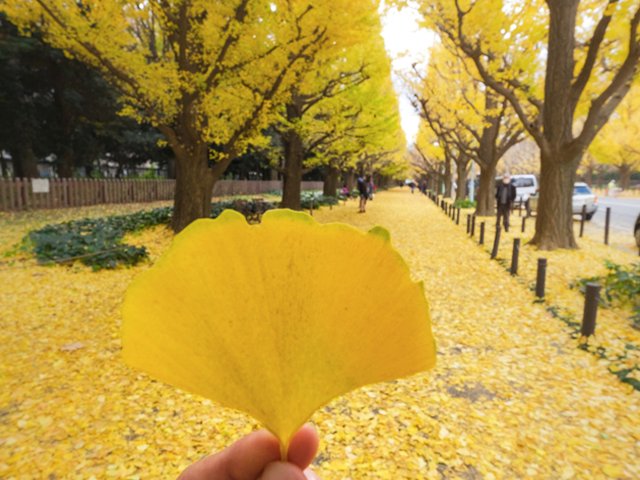
ginkgo trees
Ginkgo trees [Source: South Carolina LIving Magazine]

Trees

  • Trees are the longest-living organisms on earth.
  • Ginkgo biloba is one of the oldest living tree species, dating back to 250 million ears ago. The Dawn redwood dates back 150 million years.
  • The world’s oldest-growing tree is a bristlecone pine.
  • Dendrochronology is the science of dating a tree’s age b its rings.
  • The world’s tallest-growing tree is the coastal redwood, which is mostly along the Pacific Coast of California.
  • A notch in a tree will remain the same distance from the ground as the tree grows.
  • Tree resin, when fossilized, becomes amber—sometimes containing bits of plant or animal
  • Quinine—one of the most important drugs out there—is obtained from the dried bark of an evergreen tree native to South America.
  • Oak trees don’t produce acorns till they are 50 years old.
  • Lightning strikes oak trees more than any other variety.
  • The African Baobab tree can store 1,000 to 120,000 liters of water in its trunk.
  • Evaporation from a large oak or beech tree is from 10 to 25 gallons in 24 hours.
  • Brazil is named after a tree.
  • The average-sized tree can provide enough wood to make 170,000 pencils.
  • The first type of aspirin, painkiller and fever reducer, came from the bark of a willow tree.
  • Baseball bats are made from hickory while cricket bats are from willow.
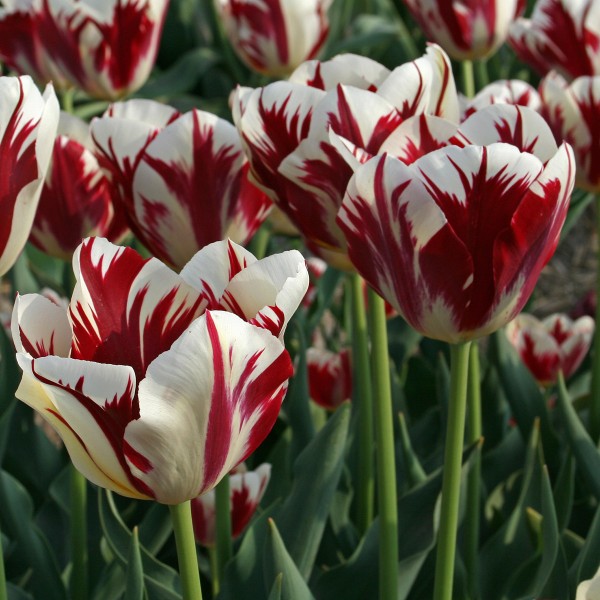
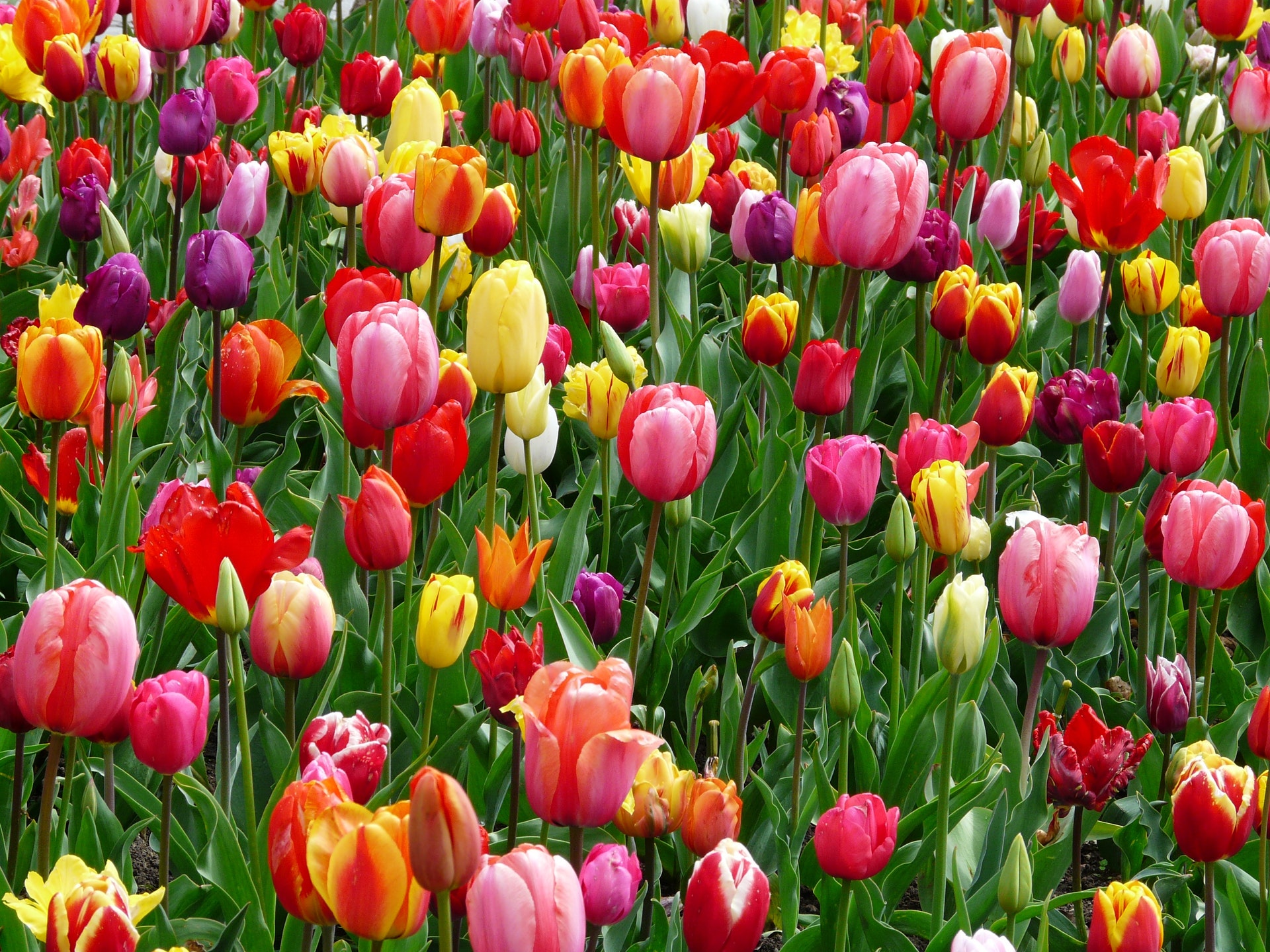
Viceroy tulips
[Source: Fluwel]

Flowers

  • During the 1600s, tulips in Holland were worth more than gold.
  • In 1634, a collector paid 1,000 pounds of cheese, four oxen, eight pigs, 12 sheep, a bed, and a suit of clothes for  single bulb of the Viceroy tulip.
  • Tulips can continue to grow as much as an inch a day after being cut.
  • Some 600 species of plants are carnivorous. For example, the Venus Flytrap ingests various small insects.
  • One carnivorous plant in the Philippines can devour a full-grown rat alive.
  • Torenia, a shade-loving annual, is called a wishbone flower because they have tiny wishbone-shaped stamens.
  • Poinsettias were brought to the U.S. from Mexico in 1825 by the first U.S. minister to Mexico, Joel Poinsett.
  • The largest unbranched flower in the world is the titan arum, which can reach 15 feet tall. It’s common name is corpse flower because in bloom, it smells like rotting meat. The smell atracts flies for pollination.
  • All parts of the flowering shrub oleander are poisonous. Eating leaves can cause gastrointestinal, cardiac, and central nervous system problems and possibly death.
  • Iris means “rainbow” in Greek, and Iris is the goddess of the rainbow in mythology. Wormwood (artemesia) was named for the goddess Artemis. Milkweed (Asclepias) was named for the god Asclepius, and Hebe after the Greek goddess Hebe.
  • May l is the festival of the lily-of-the-valley. People give bouquets of them to each other, wishing them health and happiness.
  • Snapdragon flowers resemble dragons, and if you squeeze the sides, the dragon’s mouth will appear to open and close.
  • Each head of a sunflower is composed of hundreds of tiny flowers which ripen to become the seeds. Ditto for daisies, yarrow, goldenrod, asters, coreopsis, and bachelor’s buttons.
  • No species of wild plant produces a flower or blossom that is absolutely black, and so far, none has been developed artificially
  • Peaches, pears, apricots, quinces, strawberries, cherries, almonds, and apples are members of the rose family.
  • Asparagus is a member of the lily family, which also includes onions, leeks, and garlic.
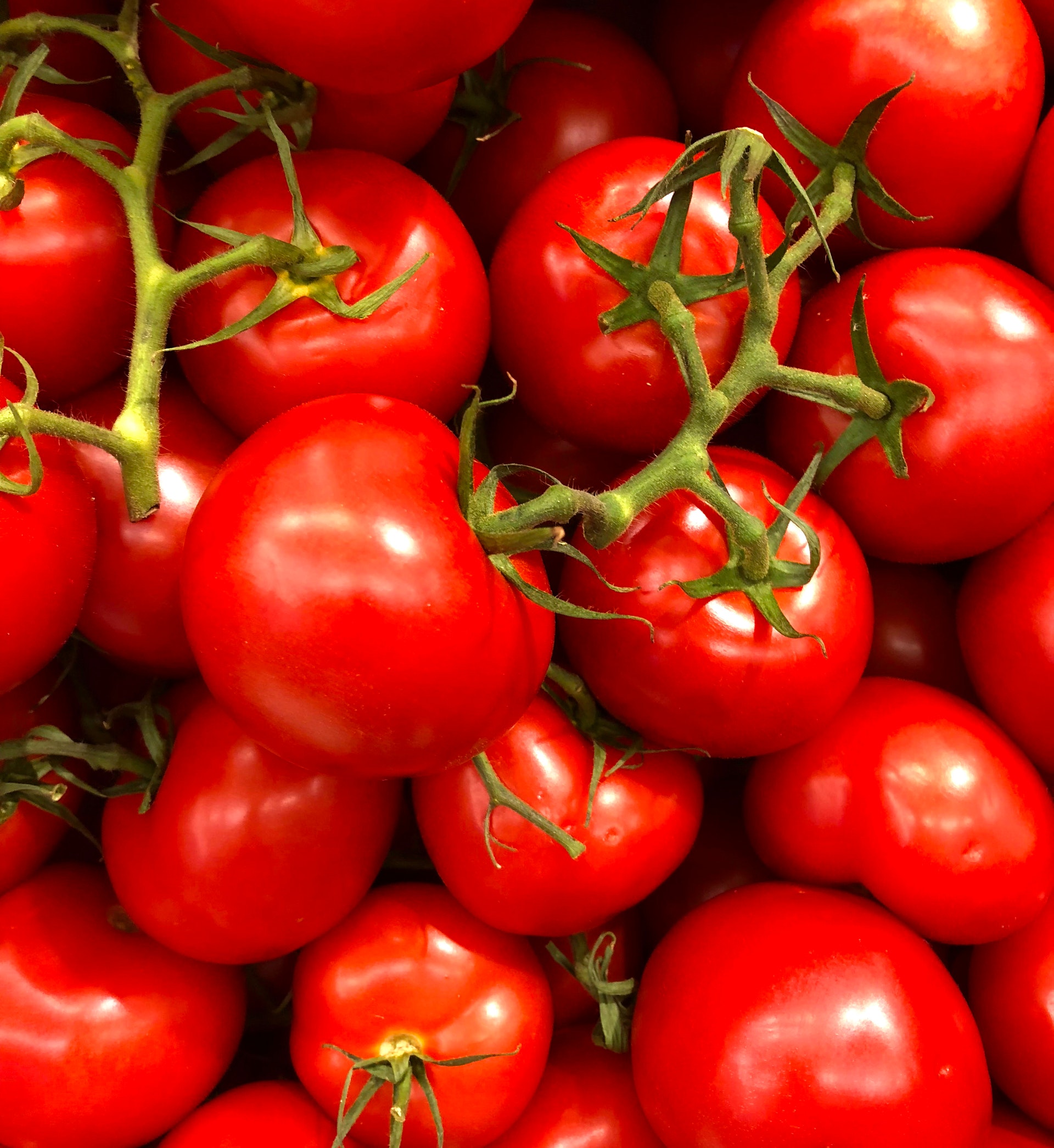
tomatoes
 

Vegetables and Fruits

  • Tomato juice is the official state drink of Ohio.
  • The tomato family includes tobacco, peppers, eggplant, and deadly nightshade
  • From a botanical standpoint, avocados, pumpkins, cucumbers, and tomatoes are fruits rather than vegetables. Avocados have more calories than any other fruit, 167 per hundred grams.
  • Rhubarb, on the other hand, is a vegetable.
  • Strawberries have about 200 seeds. It’s the only fruit that carries its seeds on the outside.
  • Archaeological evidence indicates that grapes were grown to make win about 8,000 years ago in Mesopotamia (Iraq, today) but the first records of how to make wine were set down by Egyptians about 5,000 years ago.
  • Pineapples were so named by explorers because they look like pine cones with flesh like an apple.
  • Pineapples are the only edible member of the bromeliad family of flowering plants. Technically, a pineapple is a berry.
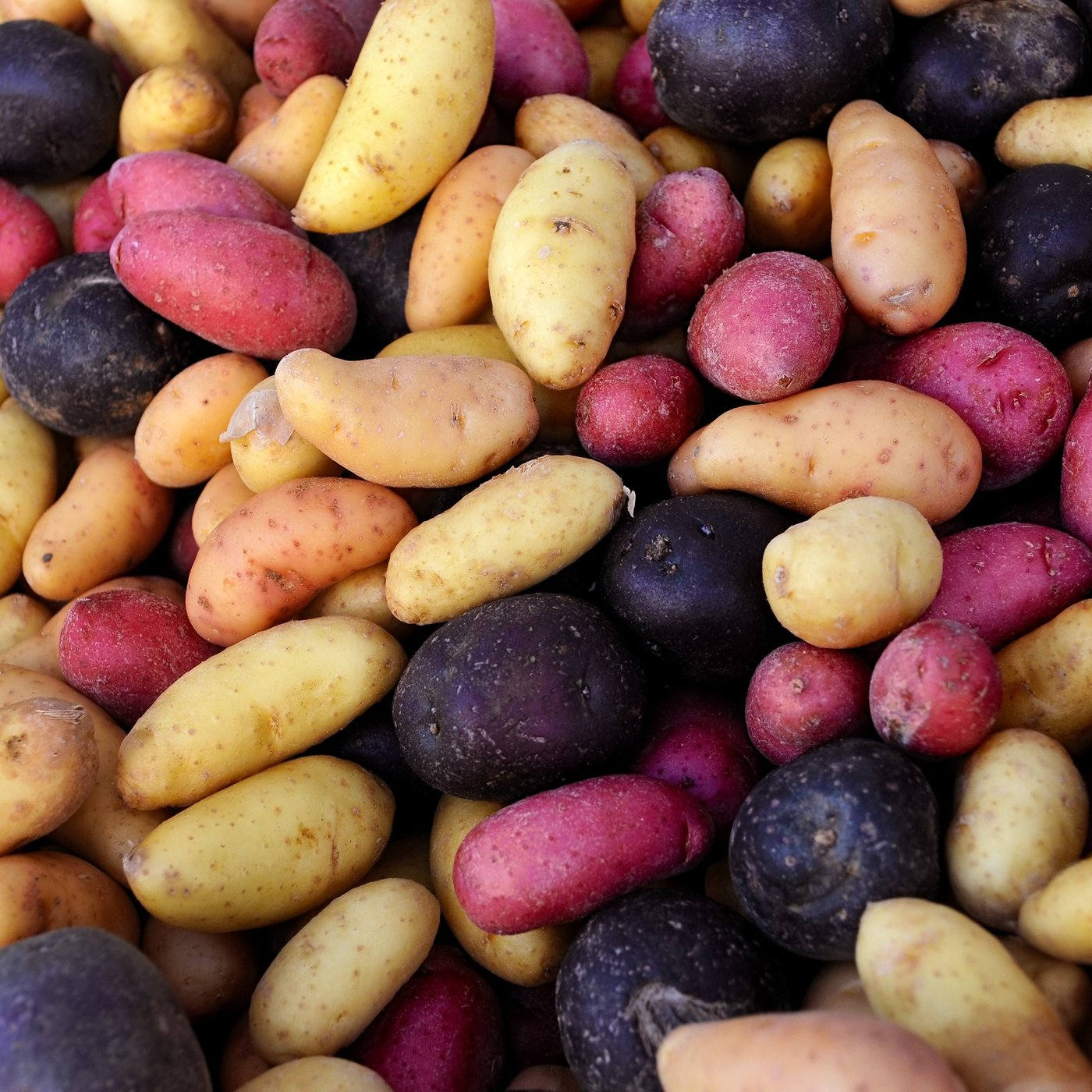
potatoes
[Source: Etsy]
  • Potatoes were first cultivated in Peru about 7,000 years ago. Today residents of Peru eat one of more than 4,000 varieties of potatoes with almost every meal.
  • Tomatoes and potatoes share 92% of their DNA.
  • Cranberries, Concord grapes, and blueberries are native to North America.
  • Small pockets of air in cranberries, when fresh, cause them to bounce and float in water. Apples, being 25% air, also float. (I’m not sure how this is reconciled with being 84% water, but that is a mystery to solve later.)
  • Water makes up 84% of a raw apple, 96% of a raw cucumber and 91% of cabbage..
  • The difference between nectarines and peaches is the fuzzy skin.
  • Cutting onions releases sulfuric gasses, bringing tears to the eyes. According to the National Onion Association, chilling the onion and cutting the root end last reduces this problem.
  • Onions contain a mild antibiotic that fights infections, soothes burns, tames bee stings, and relieves the itch of athletes foot.
  • Eating lots of onions can make you sleepy because it can act as a sedative.
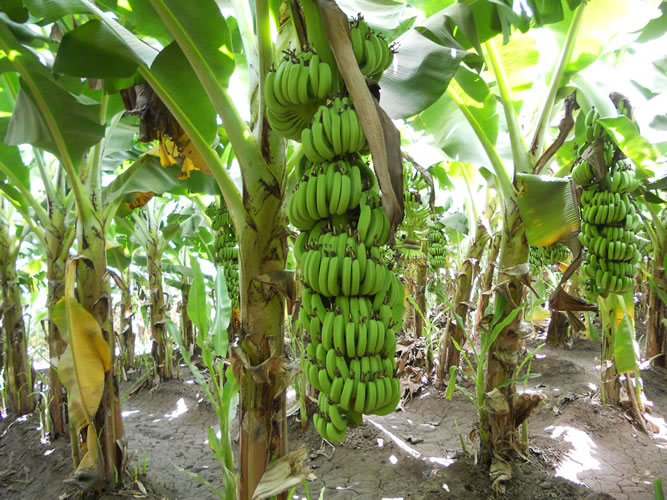
stalk of bananas on a tree
  • Banana is the Arabic word for fingers.
  • A cluster of bananas is known of as a hand and consists of 10-20 bananas which are known as fingers.
  • Bananas contain a natural chemical that makes people feel happy.
  • Peanuts are not nuts. They are legumes, related to beans and lentils. They have more protein niacin, folate, and phytosterols than any nut.
  • Peanuts are used as an ingredient in dynamite.
  • Arrowroot powder (also known as cassava flour) is a thickening agent valued for being tasteless, colorless, and gluten-free.
  • Arrowroot is also an antidote for poisoned arrows—so if you are going to be shot with a poisoned arrow, be sure it’s in the kitchen.
  • One bushel of corn will sweeten more than 400 cans of pop.
  • Apples, onions, and potatoes actually have the same effect on taste buds. They are differentiated by smell.
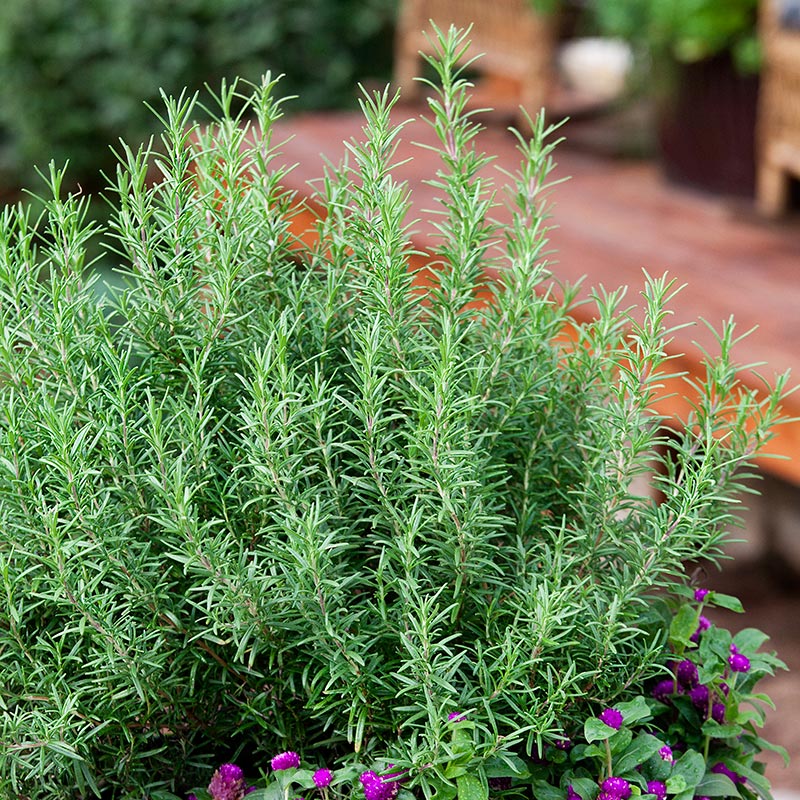
rosemary plant
[Source: Bonnie Plants]

Herbs and Spices

  • Rosemary repels mosquitos.
  • Saffron is harvested from the stigmas of a type of fall-blooming crocus.
  • Garlic mustard is a member of the mustard family, not garlic. It is highly invasive herb.
  • Nutmeg is extremely poisonous if injected intravenously.
  • Vanilla flavoring comes from the pod of an orchid.
  • Turmeric, rosemary, thyme all can be used to treat dandruff.
  • Thyme, rosemary, sage, lavender, and marjoram all help relieve cold symptoms and congestion.
  • Several herbs are traditionally used as abortifacients.
  • Any good herbal will give guidance on using herbs for home remedies.
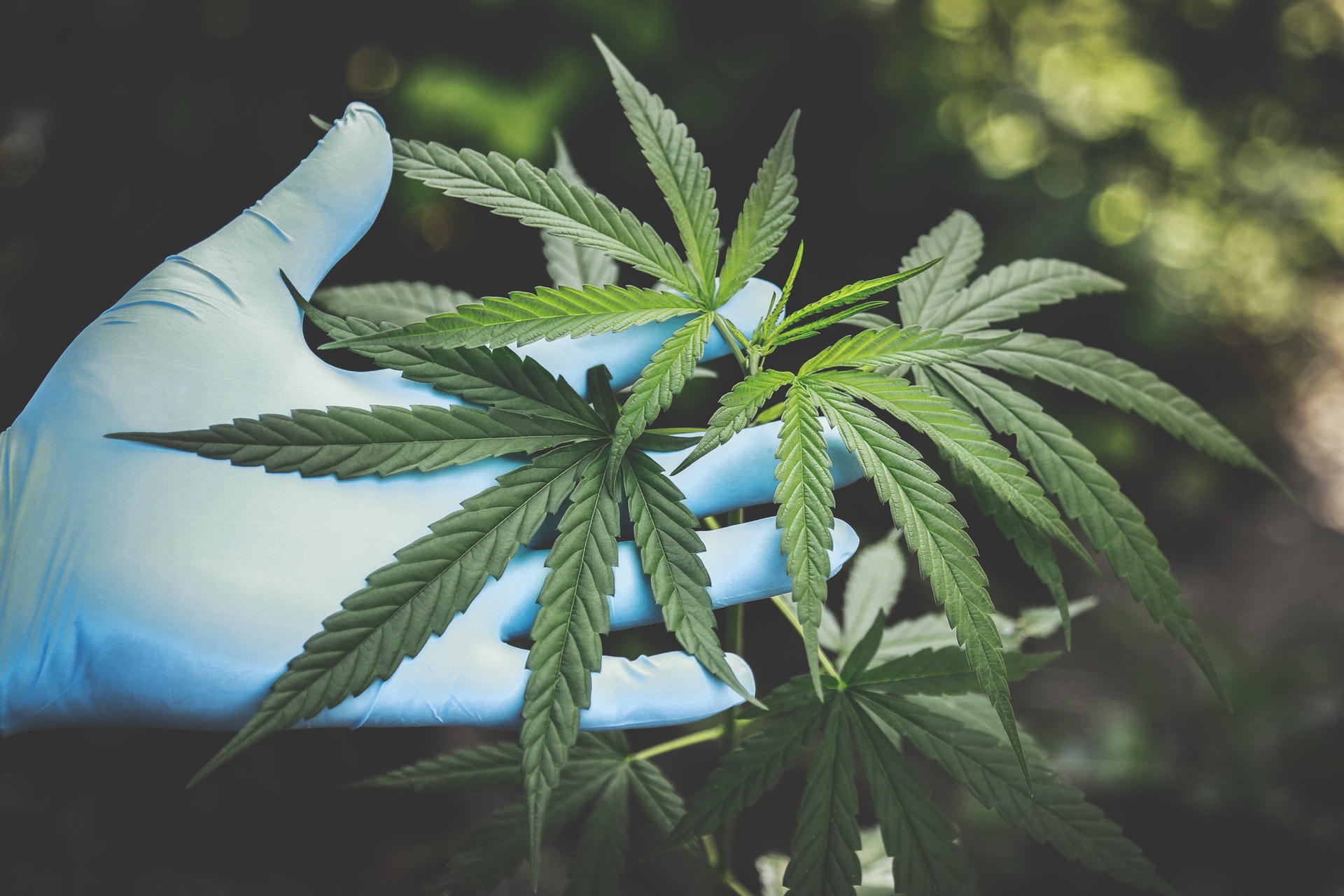
marijuana

Miscellaneous

  • Both George Washington and Thomas Jefferson grew marijuana (cannabis sativa) on their plantations.
  • Bamboo—the largest of the grasses—is highly invasive. Some types grow as much as 3 feet a day.
  • Plants at the bottom of watery areas, such as swamps, can eventually turn into coal.
  • Caffeine acts as a pesticide in a coffee plant.
  • There are more than 1000 chemicals in coffee and at least 19 of them are carcinogenic.
  • Chemicals released by freshly-cut grass is highly effective to relieve stress
  • England’s Alnwick Garden has The Poison Garden, filled with plants that can kill you.
  • All teas (black, green, and white) come from the same plant, only the processing makes them different.
  • The first product to have a barcode was Wrigley’s gum.
plants topic take over world
So, how closely are we related to plants? Are we really 1/3 daffodil?
 
  • No. In actuality, humans and daffodils share 35% of our DNA.
  • Humans and mustard grass share 15% of their DNA.
  • Humans and bananas share 50% of DNA.
  • Humans have 3 billion DNA pairs; the Norway Spruce has nearly 20 billion.
  • Even onions have more DNA than humans.
  • Tomatoes have 7000 more genes than humans.
All of the bits and pieces gathered together above are just the tip of the iceberg. Writers, choose a plant—any plant—and work it into your plot, setting, or character traits. You’ll love it!
 
plants topic take over world

Happy International Tiara Day!

Today is International Tiara Day, a day when all women embrace and celebrate their powers of leadership. Real or virtual tiaras are encouraged!

History of Tiaras

The word tiara (Persian in origin) is used interchangeably with its predecessor, diadem. These were head ornaments worn by both men and women of high status in several different countries. Once we reached the 18th century, tiaras became a typically female accessory, inspired by the wreaths worn by Greek and Roman leaders. Currently, Queen Elizabeth II is said to have the largest and most valuable collection of tiaras in the world, many of which are heirlooms of the British royal family.

elizabeth phillip wedding
Queen Elizabeth II (then Princess Elizabeth) wears Queen Mary’s fringe tiara on her wedding day [Source: Getty Images]

Tiara Symbolism and Use

According to London jewelry expert Geoffrey Munn, “Any woman may wear [a tiara], but ancient tradition has it that they must be a bride or already married. The tiara has its roots in classical antiquity and was seen as an emblem of the loss of innocence to the crowning of love.” Tiaras do not represent the rank of people who wear them (like a crown would); rather, they represent the importance of an event (such as a royal wedding).

meghan markle tiara
Meghan Markle wears a tiara at the most recent royal wedding

Bottom line: You don’t need to be royal to wear a tiara! Celebrate this day with whatever degree of opulence suits you.

It’s a Hog’s Life

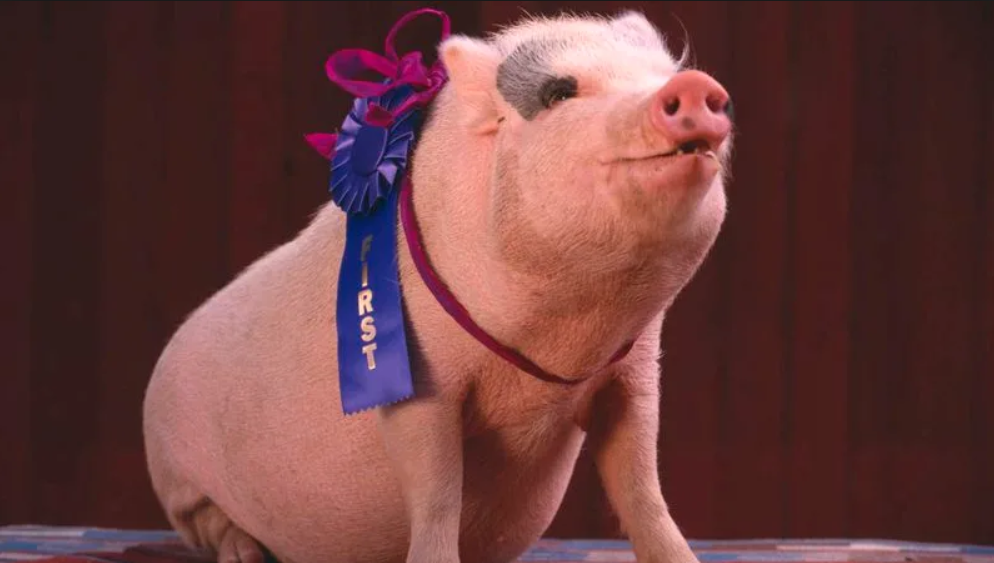
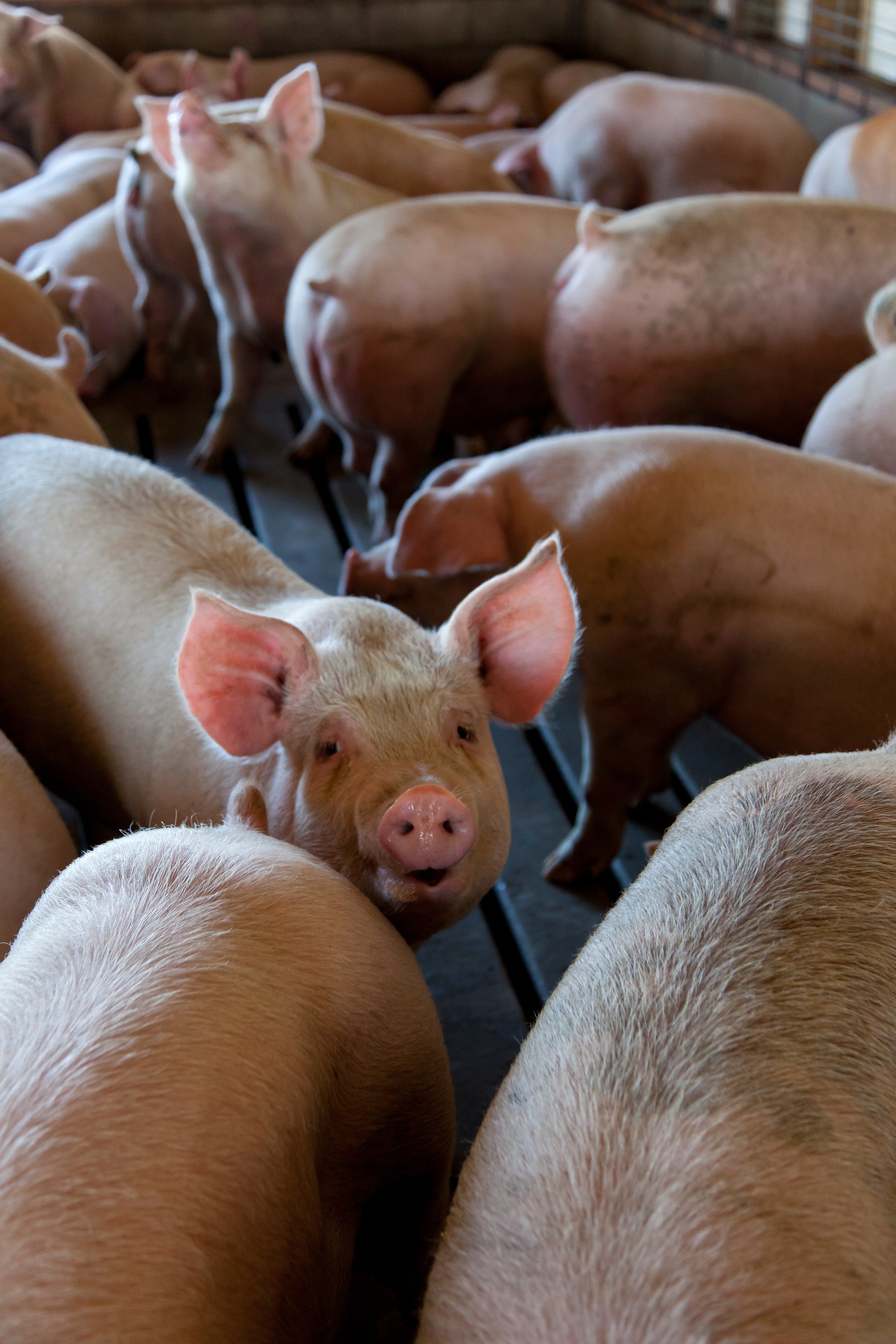
prize winning pig
[Source: Clickhole]
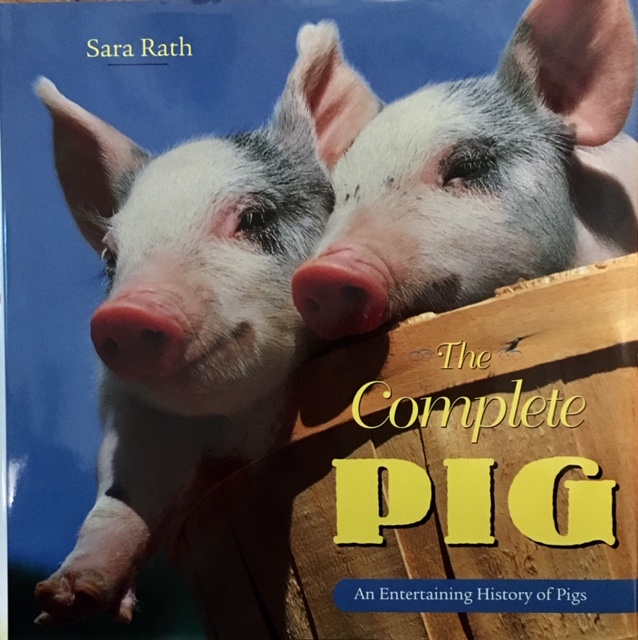
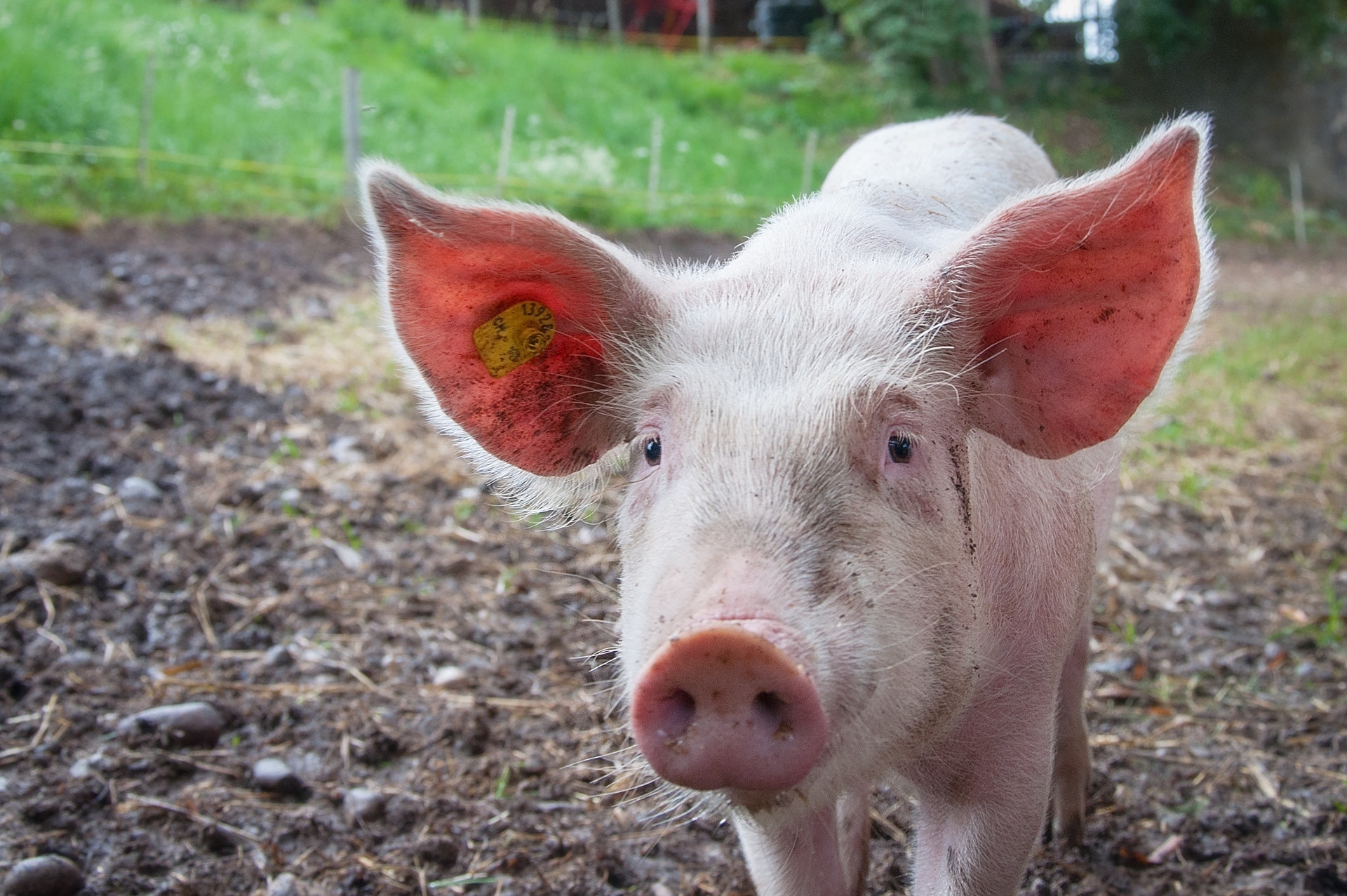
As you may recall from my previous blog about pigs, the relationship between humans and pigs has been all over the place, from despised as filthy animals to being eaten by the millions. Actually, pigs and humans have so much in common that live tissue can be transplanted from one to the other, pig insulin is a boon to humans, and pigs are often the surrogate of choice when testing potential new drugs. According to some South Sea cultures, pigs were created so humans wouldn’t have to eat each other!

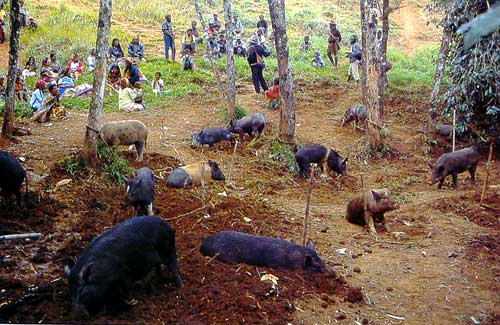
papua new guinea pigs
[Source: Papua New Guinea Tourism]
Experts guess that pigs were introduced to Papua New Guinea (PNG) from elsewhere, maybe as long ago as 10,000 years. Whether they have thrived or not is a matter of definition. PNG pigs are distinctive, and scrawnier than pigs with which we are more familiar. Wild pigs in PNG are slaughtered for food, but domestic pigs are eaten only when no other protein is available. Mostly they are kept for social and political uses, and are particularly important among tribes in the Central Highlands.
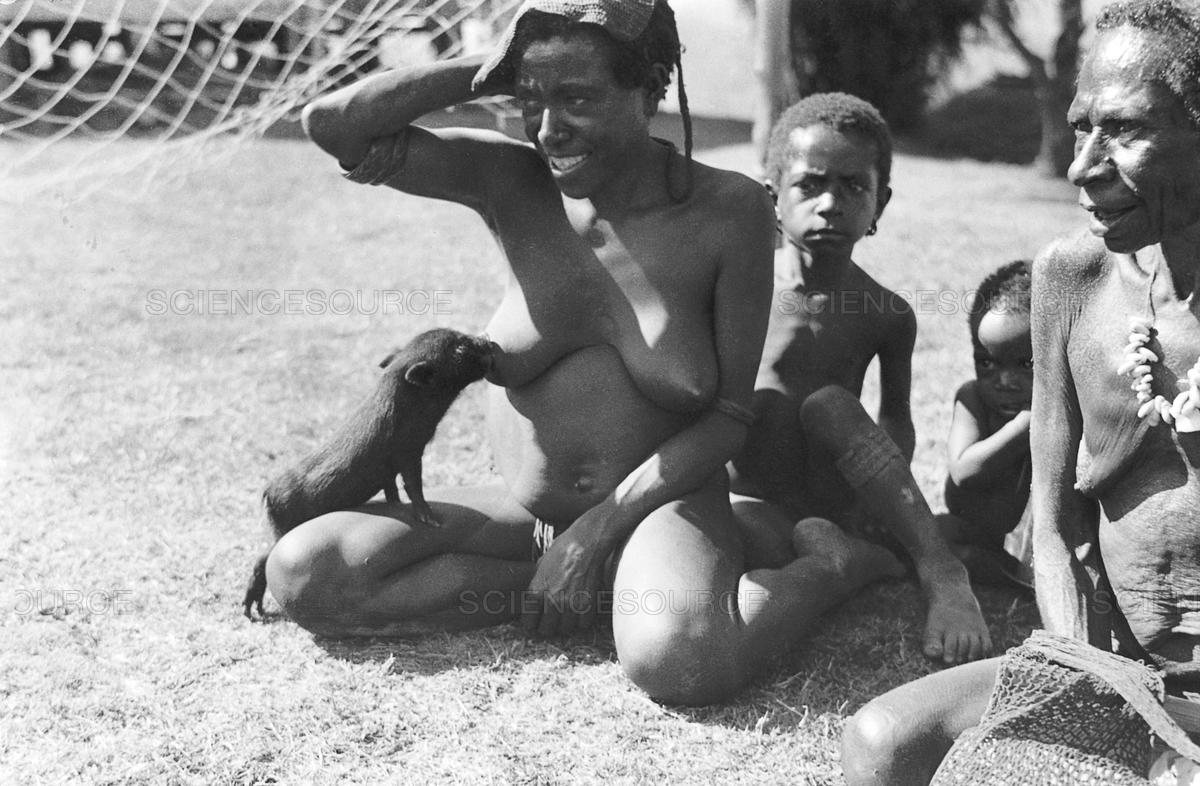
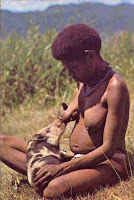
papua new guinea nurse piglets
[Source: Science Source]
My interest in PNG pigs was triggered by my reading about pigs in general. I came across the fact that in Papua New Guinea, women sometimes nurse piglets. I had to know more! It turns out that in Papua New Guinea pigs have enormous economical, political, and mystical importance. They are used to buy brides, and to pay debts (for example, compensation for killing members of another tribe). Pigs are killed for important ceremonies, such as cremation, marriage, initiation rites, and to appease ancestral spirits. Pig killings are often followed by days of celebration. An exception is pigs that are sick or stolen, which are eaten as quickly as possible.
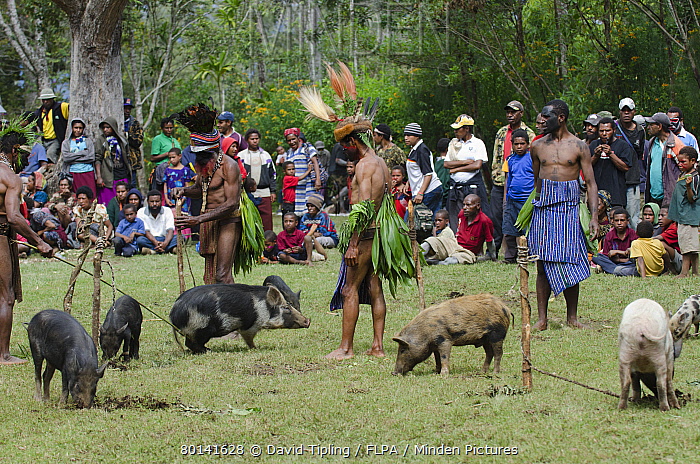
pigs papua new guinea
[Source: Minden Pictures]
A man’s wealth is judged by the number of pigs in his household, and every few years, huge pig-giving festival are held to impress other tribesmen. The importance of pigs can scarcely be overstated. They are the only domesticated animal. And the care and feeding of the pigs falls to the women—along with virtually all the other work of the family, such as gardening, cooking, hauling water, gathering firewood, caring for children—and pigs! The men hunt or fish occasionally and protect against enemy attacks.
Someone named Adam, who reports working in PNG, posted the following online: “. . . And I have seen the women breastfeeding pigs. And there is a simple reason for it. Pigs are worth more to the tribe than children. You cannot eat or sell or trade children. . . A child eats your food, which in ten, leaves less on your plate.” Pigs must be kept alive until needed at all costs.
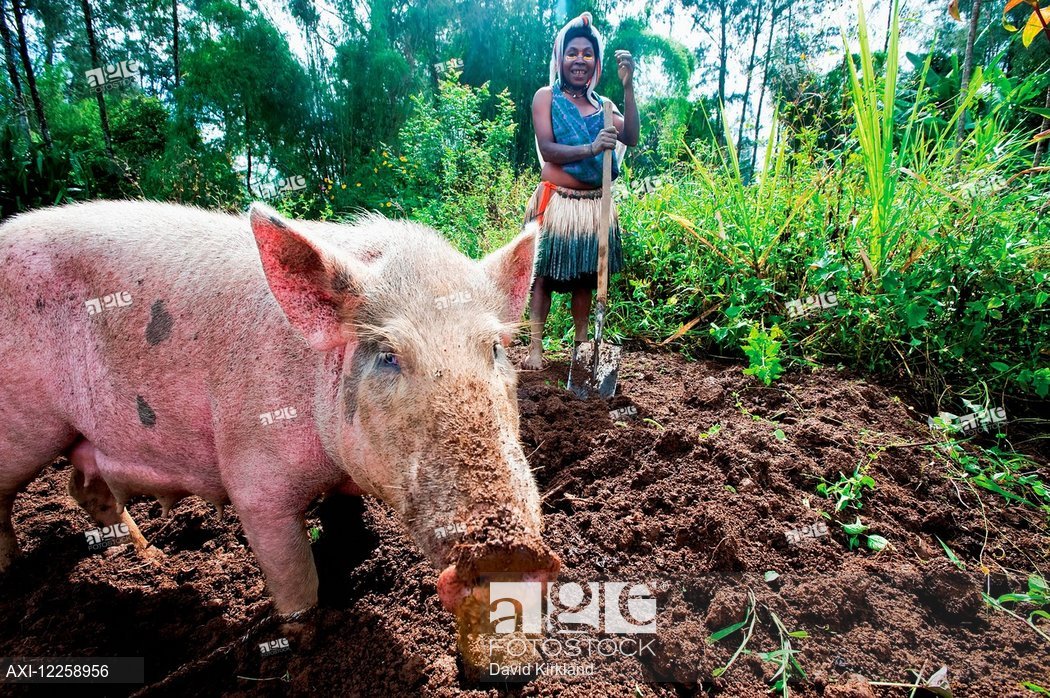
woman pig friends
[Source: Age Fotostock]
The women have very close relationships with pigs. The pigs accompany the women everywhere. Sometimes they spend the night in specially built sties, but others sleep in the same huts as the women and their children. They eat with the family. They are often given names and are treated as pets are here, being stroked, fondled, and cajoled in tender voices. Although women are the caretakers, the pigs are the property of the men. I can’t help wondering about what happens when a man decides to kill a woman’s favorite pig.
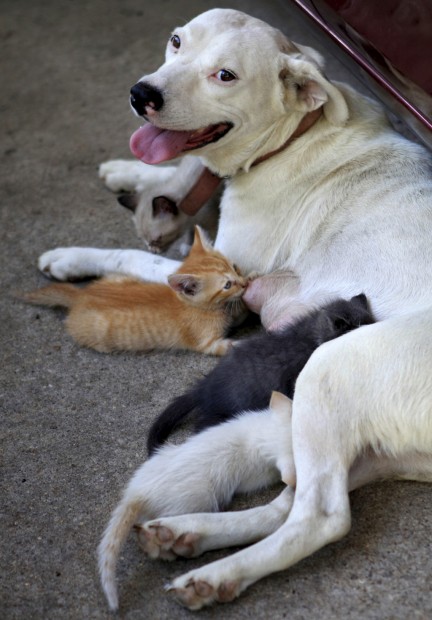
dog nursing kittens
[Source: Arizona Daily Star]
Although some people recoil in disgust at the thought of women nursing piglets, others cite more familiar examples of cross-species care throughout the animal world—for example dogs nursing kittens—and point out that people are animals, too.
The idea of a woman nursing a piglet is strange to us, at the least. But This has been the culture in Papua New Guinea for centuries. Who are we to judge?
pig breastfeeding
[Source: Blog of Swine]

Hog Heaven

hog heaven
You may know from previous blog and FB posts that I’m enrolled in a class on nature writing. As a result, I’m even more aware of nature around me—of plants, birds, and squirrels in particular. But I’ve also been reading more about nature—particularly plants and animals, but I may move on to weather or geology at some point. But tonight, let’s talk pigs.
pigs
I grew up in farm country, with friends in 4-H who took their project pigs to the county fair, and uncles who butchered hogs on their farms. But most of us grew up hearing pig doggerel:


To market, to market
To buy a fat pig.
Home again, home again
Jiggedy jig.
To market to market
To buy a fat hog.
Home again, home again,
Jiggedy jog.
this little piggy
[Source: Pinterest]
This little piggy went to market.
This little piggy stayed home.
This little piggy ate roast beef.
This little piggy had none.
And this little piggy went wee, wee, wee
All the way home.
three little pigs
[Source: South London Press]
Virtually everyone knows the story of “The Three Little Pigs.” If not that classic, there is always Porky Pig, and even more recently, Miss Piggy—who is cited as saying, “Never eat more than you can lift.”


Pigs have been all things to all people throughout history.


From the 11th through 13th centuries, the sow and the boar were symbols of all sorts of vices in the Bestiaries, collections of fables involving animals meant to provide morality themes for sermons, or personal reflection. Pigs in 16th century art often represented sins of the flesh.


Pigs as unclean: both Islam and traditional Judaism forbid eating pork. Hindus eat no pork, while Sikhs eat very little pork.


The contradictory roles of pigs in Greek mythology is beautifully illustrated by the legend that a sow was supposed to have suckled Zeus and a wild boar killed him. In ancient Egypt a pig represented the spirit of Osiris when crops were planted and the spirit of Seth when they were harvested. Nevertheless, they were considered unclean, and drinking pig milk was thought to cause leprosy. Tantric Buddhists worship Marici the Diamond Sow. The Kaulong section of Papua New Guinea is a pig culture—which is fascinating, and too much to go into here, but there is a saying there: “Pigs are our hearts.”


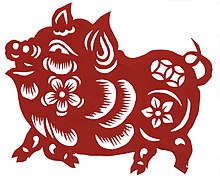
chinese zodiac pig
On the positive side: 2019 is the year of the pig in the Chinese zodiac. It comes around every twelve years. In 2007, it was the Year of the Golden Pig, especially auspicious because a Golden Pig year comes only once in every sixty years. The personality of Pigs is supposed to be kind and understanding, an able peacemaker. Pigs are excellent conversationalists, truthful and to the point. A Pig believes in justice and law and order, rejects all falsehood or hypocrisy.


Pigs for sport.
  • Greezed pig contests
  • Pig races at the Michigan Spree Festival
Random facts: 
  • Pigs are the most ancient of nonruminant mammals, existing forty million years ago—long before humans.
  • Pigs exist in one form or another in every part of the world.
  • In three months, three weeks, and three days, a sow can produce a litter of eight piglets. With competent treatment, they can be ready for market in six months.
  • Toothbrushes were invented in China and originally used boar bristles; today, industrial and consumer products are practically limitless, from plywood adhesive and dye to glue and bone china.
  • Beyond bacon: because of similarities to humans, pig heart valves, insulin, and porcine bur dressings. These are just examples of pharmaceutical uses, which rank second only to meat in importance.
  • You can’t sweat like a pig because pigs don’t sweat.
  • Pigs put on one pound of weight for every three pounds of feed they consume.
  • If there is an option, pigs do not wallow in their own waste.
  • Pigs can be housebroken.
Pigs in phrase and fable:
  • don’t cast pearls before swine
  • don’t buy a pig in a poke
  • can’t make a silk purse from a swine’s ear
  • graceful as a hog on ice
  • hogging the (x)
  • eat like a pig
  • eating high on the hog
  • living high on the hog
  • sweat like a pig (see above)
  • pig out
  • going whole hog
  • going hog wild
  • looks like a marzipan pig (i.e., prosperous)
  • fat as a pig
  • happy as a hog in shit
  • in a pig’s eye
  • piggy bank
  • piggyback
  • hogging the road
  • pigs get fat and hogs get slaughtered
  • being a porker
Bottom line: Pigs are ubiquitous. Is there a place for pigs in your writing?
 

Observe More Closely

Amy Ritchie Johnson
Amy Ritchie Johnson [Source: Twitter]
I am currently enrolled in a four-week class on “Nature Writing” at the VMFA Studio School, taught by Amy Ritchie Johnson. Frankly, I took this class because I like taking writing classes with Amy and this was what was on offer. To my surprise, I’m loving it!


observe more closely
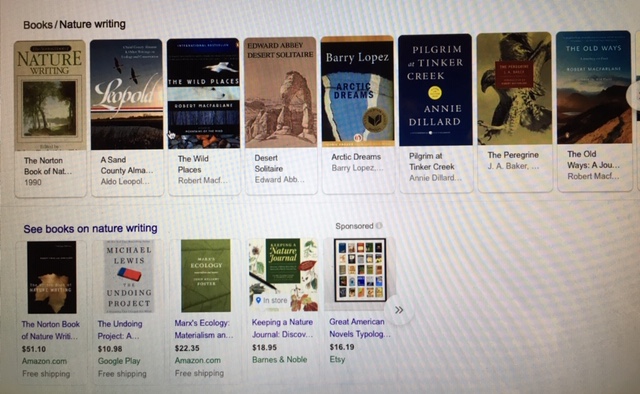
If you do an online search for books on nature writing, you will come up with approximately a gazillion choices—not that I am urging you to do so!


I just want to share with you an insight that was surprising, at least to me: nature writing can happen in any genre. If the work explores, draws on, or uses nature in a significant way, it’s nature writing. Think about it. Here are several examples (merely examples) mentioned in class.
  • science writing (Lab Girl)
  • memoir (also exemplified by Lab Girl)
  • environmental advocacy
  • mystery (e.g., Where the Crawdads Sing)
  • poetry (e.g., Mary Oliver)
  • fiction (The Secret Garden)
  • creative non-fiction (H is for Hawk)
  • description (think field guides to anything, from snakes to edible plants)
Two weeks in and I am already wishing it were twice as long! Indeed, because of class discussion, I bought The Naturalist’s Notebook, a five-year diary for recording daily observations about nature. So, in my own way, the class will continue.


The Naturalist’s Notebook
[Source: Barnes & Noble]
Assignments in this class, including keeping a nature diary for four weeks, are honing our skills in observing and describing. The short version of the advice is observe in minute detail and be specific in your descriptions. This last is an oft-repeated injunction: avoid vague words such as beautiful, stuff, blue, comfortable—words that can mean many things to many people. In nature writing, that means the name of the flower, the kind of tree, the shade of green, the breed of the dog, the type of clouds, etc.


BOTTOM LINE: lessons from nature writing are lessons for good writing. Go for it!

Discovering dZi Beads

As you may know from previous FB posts and my weekend blog, I recently visited the VMFA during the creation of the Tibetan mandala. As with many special exhibits, the VMFA shop offered many items related to mandalas and Tibetan culture—and thus I became aware of dZi (pronounced Zee) beads for the first time. The Tibetan word “dZi” translates as “shine, brightness, clearness, splendor.” The name in Mandarin Chinese translates as “heaven’s bead” or “heaven’s pearl.” FYI, I’ve seen it written Dzi as well.


The dZi are stone beads worn as part of a necklace or bracelet. Many Asian cultures around Tibet also prize dZi as protective amulets and for positive spiritual benefits. As with many things thought to have good vibes, dZi have and have had multiple uses: ground into powder, they are sometimes used as an ingredient in traditional medicine, and sometimes used as a tool to burnish the gilt on paintings or statuary.


The most highly prized dZi beads are ancient, and made of smooth, natural agate. Those being hard to come by, modern-made dZi are even making inroads in Tibet. The designs can be almost anything: circles, ovals, squares, waves, zig zags, stripes, lines, diamonds, dots, etc. The colors are mainly brown to black with a design in off-white. The number of “eyes” in a design is significant, as is their arrangement.


DZi stones appeared between 2000 and 1000 BCE. Although the geographic origin is unknown, they are now generally known as Tibetan beads. In Tibetan culture these beads are believed to attract protectors, maybe beneficial ghosts or ancestors. Thus the beads are always treated with respect.


As long ago as the early 19th century, “modern era” beads in this style were made in Germany. New dZi have been produced in Asia. The most convincing replicas of ancient beads came from Taiwan during the 1990s, and  good-quality ones from mainland China over the last three year.
New beads are less likely to appeal to purists. However, attitudes toward new beads vary widely: some believe the new stones function as well as the old ones; some believe the protective energies are missing but can move into a new dZi under certain circumstances; at the same time, the ancient beads have absorbed energy—both good and bad—from all the previous owners whereas these new beads have no need to be cleansed in the same way. In any case, one should purify one’s beads and ask them to bond with you. There is an interesting and informative article online titled the Myth and Mystery of Tibetan Dzi Stone Beads that tells how to do this, and how to care for your beads in general. It also identifies the meaning attached to the number of eyes on the bead, from one to twenty-one.


Imitation dZi are made from materials other than agate or calcedony—virtually any other material. Some of these imitations were created a couple of hundred years ago. Some of the older mock dZi are valued in their own right. The dZi beads available in the VMFA shop are made of traditional materials (agate) and designs, but they are obviously mass-prodced and thus some would consider them to be imitations.


If one believes in the power of stones, these would still have the positive properties of these varieties of quartz. Agate and chalcedony are two commonly-encountered varieties of quartz.


Agate: all about harmony and balance. Although different varieties/colors of agate have their own properties, all types of agate stones have these agate properties at the heart of their meaning. All agate mineral rocks vibrate or resonate at a slower, less intense rate than some of their more high-frequency quartz relatives. These less intense vibrations impart strength and stability. Agate meaning includes yin and yang energy, providing a balance between the positive and negative.


Carnelian is known as a stone of motivation and endurance, leadership and courage. Carnelians have protected and inspired throughout history. A glassy, translucent stone, Carnelian is an orange-colored variety of Chalcedony, a mineral of the Quartz family.


Chalcedony is a nurturing stone that promotes brotherhood and good will. It absorbs negative energy. It brings the mind, body, emotions and spirit into harmony. Chalcedony instills feelings of benevolence and generosity. It alleviates hostility and transforms melancholy into joy.


Black Onyx is another variety of Chalcedony, which ranges from white-colored stones to black. It is one of the many gemstones believed to have amazing healing and spiritual properties. The story of the origin of this stone varies from culture to culture, but it does go back a very long way in time. Today it is available in pure black, as it is heated and polished.


BOTTOM LINE: Get thee to the VMFA, enjoy the exhibit, and learn a bit about Tibetan culture. You never know what information a writer can use down the line!