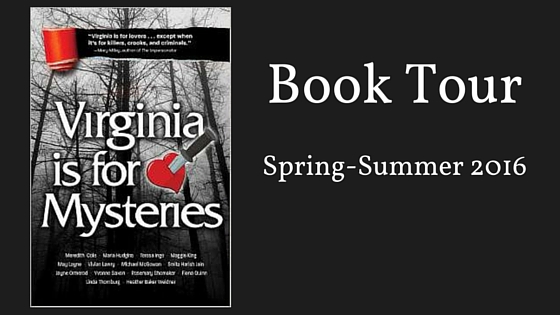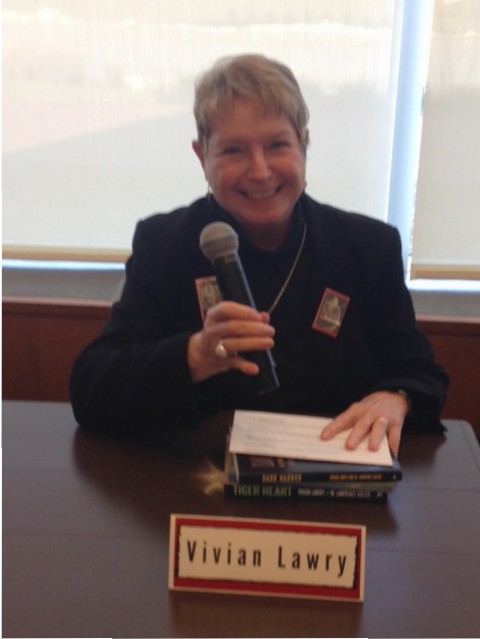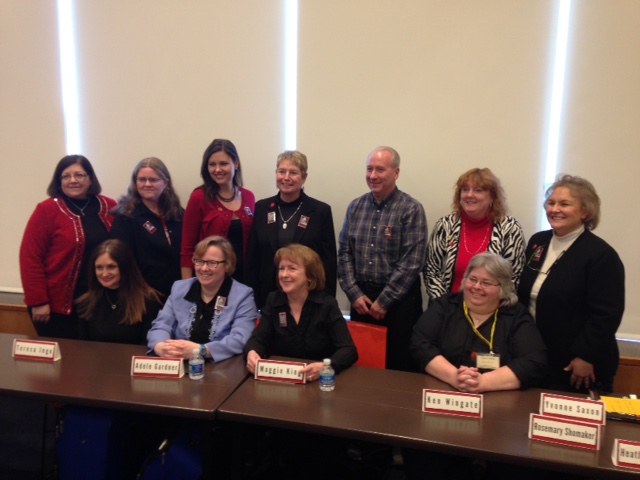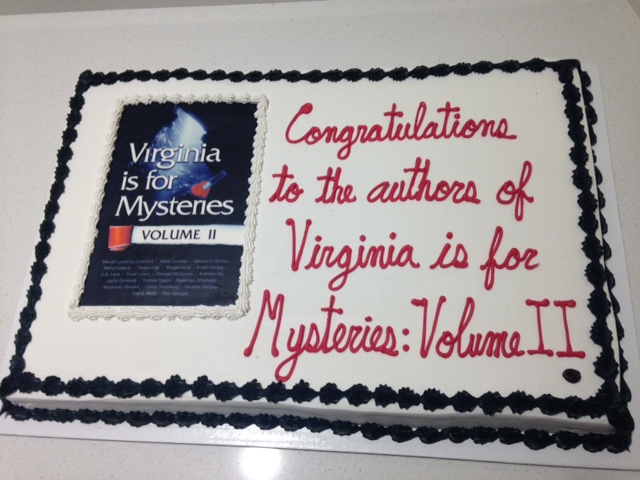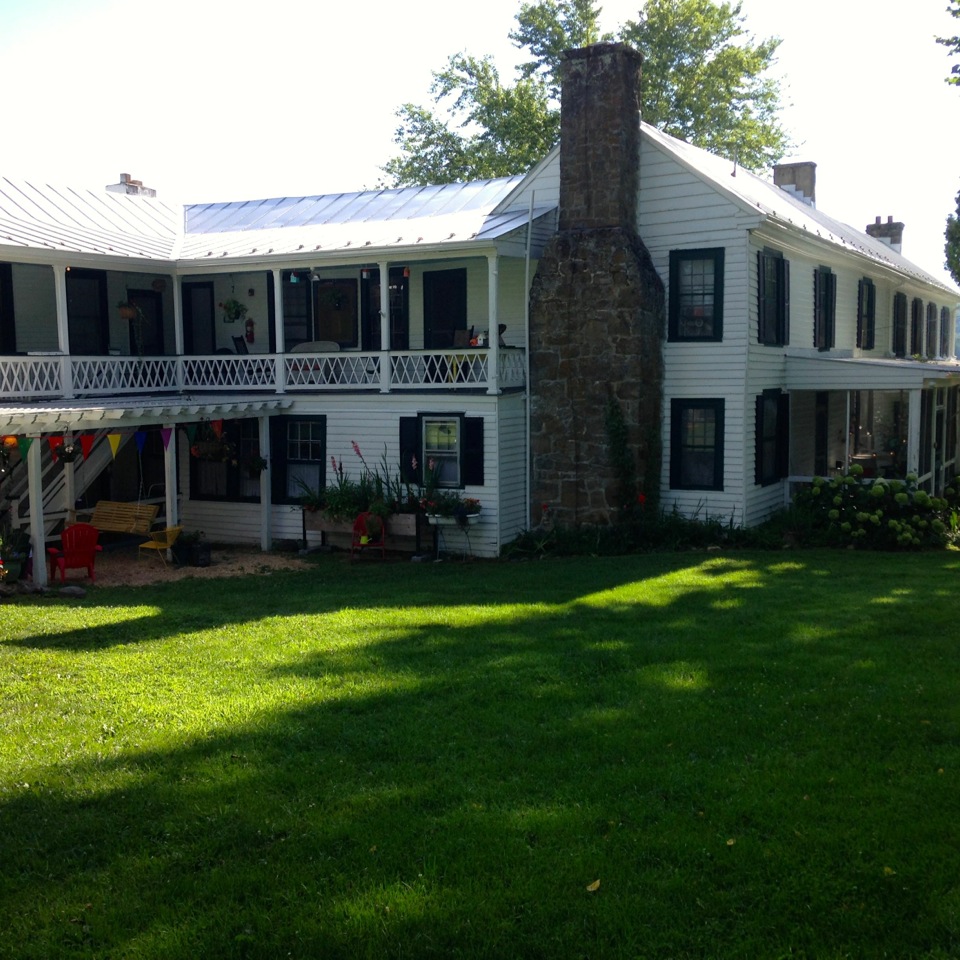
I’m honored to have my story “War and Murder at Nimrod Hall” in the anthology. My story is set at historic Nimrod Hall. Over on the Virginia is for Mysteries blog, I shared how Nimrod Hall inspired me.
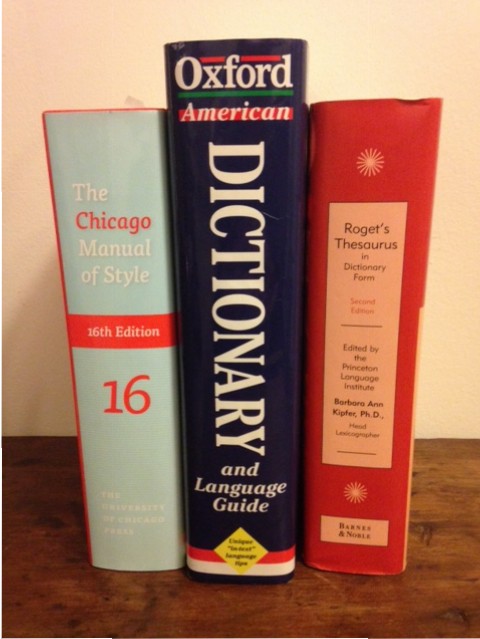
I can’t imagine a writer without some tools of the trade, even if those are only a good dictionary and a thesaurus, preferably a good manual of style as well.
Most of us have much more than the basics, however. I often set stories in times that are not now. Therefore, in order to get the details needed to enrich the prose and draw the reader into the period, I often rely on bits of dialogue about what something costs, or what’s being eaten or worn.
A few of my favorite references
For the cost of things, I turn first to The Value of a Dollar.
The Value of a Dollar, Grey House Publishing
The most recent volume is 1860-2014, and new it costs $155. I first came across this book in the reference section of a library in Clifton Forge, VA, when I was researching my novel Nettie’s Books, which is set 1930-1935. I was delighted to learn that ham was 8¢ a pound back then, and that Sears was selling 25 Hershey’s 5¢ Almond Bars for $1. I wanted that book! The price of a new one was prohibitive, but by dropping back to the previous edition (pictured above), it was very reasonable. Indeed, I just ordered the one that covers 1860-2009 for $7.91 plus shipping.
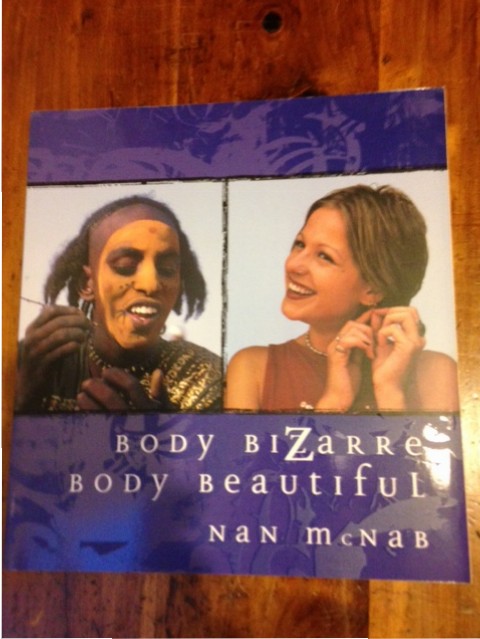
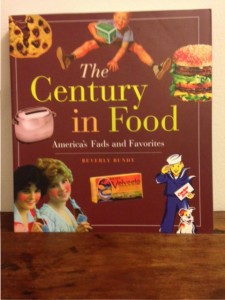
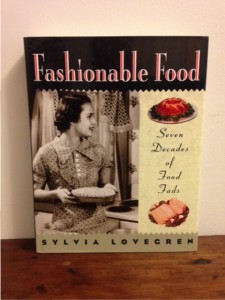
As you know from other parts of this website, I collect cookbooks. But I also collect food reference books for writing, such as the two pictured here.
The Century in Food
Fashionable Foods
Being able to put waffle irons, Kool-Ade, Spam, and Jiffy Biscuit Mix in the right period is highly tempting! Among other things, such references may trigger childhood memories for readers and help draw them in.
In addition, I find it very helpful to have good references for popular culture and slang. In fact, I have several of each. I often write stories set in Appalachia some decades past, when saying an overweight woman wears clothes so tight she looks like ten pounds of potatoes in a five-pound sack can create just the right vivid image of the woman in question as well as giving insight into the speaker. A character saying, “What a hoot!” is clearly older than the one who says, “Whatever.” The two books pictured here are rather specialized ones, but more comprehensive options are readily available both new and used.
Remember That? and Butter My Butt and Call Me a Biscuit
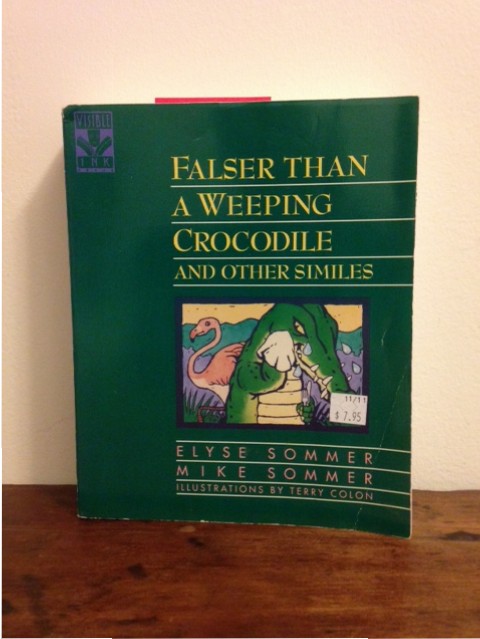
I revel in dipping into these and other references even when I’m not researching a particular writing project. Some of my favorites don’t fall into any of the above categories, but they are great stimulants to striving for better, richer language.
Falser Than A Weeping Crocodile And Other Similes
I was a reader before I was a writer (weren’t we all?) and for me, these are great reads! Advice to writers: choose research and writing tools you can enjoy.
What is at stake for your character(s)? If nothing important is at risk, why should the reader care what happens? Why read on?
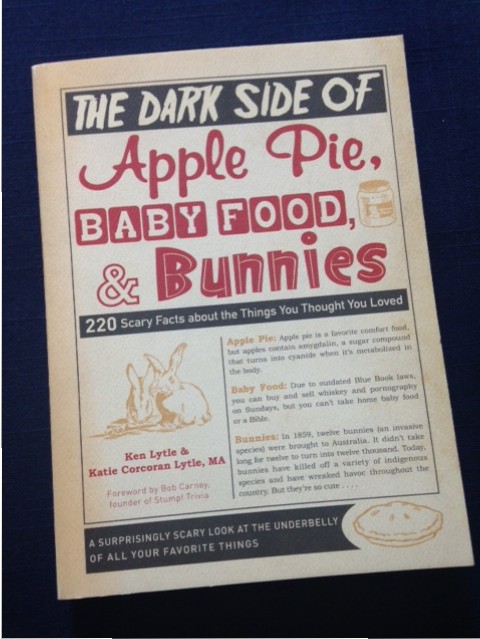
The Dark Side of Apple Pie, Baby Food, and Bunnies
Virtually everything has a dark side. Finding it is well worth a writer’s time. One of the maxims for writing tension and conflict is to make a situation bad and then make it worse.If you can do this in an unexpected way, so much the better.
For example, a single strand of hair can tell scientists not only a person’s gender and ethnicity but also where s/he lives, what’s been eaten, and whether the person has been taking drugs or ingesting arsenic. Hair grows up to .02 inches (.5 mm) every day, so the record can extend over several months and tell not only what but when!
For another example, consider deadly diamonds. Commercial services are available to extract carbon from cremated human remains and turn it into a diamond using intense pressure and high heat. Up to 100 diamonds can be made from a single dead body. Consider the possibilities! Is it love? Or is it a way of flaunting the fact that she got away with murder? What if the dead body was the murderer and someone decides to present a diamond to the family of each of the victims?
If you think about it, you could find a dark side to the Air Guitar World Championships (September in Oulu, Finland) or the Woolly Worm Festival (October in Banner Elk, North Carolina).
What? You say your character is already starving? So, have him stumble into a potato field and eat green potatoes, sprouts, stems and leaves—which contain poisons that can be lethal. (Potatoes, like tomatoes, are members of the deadly nightshade family.) Bottom line: find the darkest side and make it even darker.
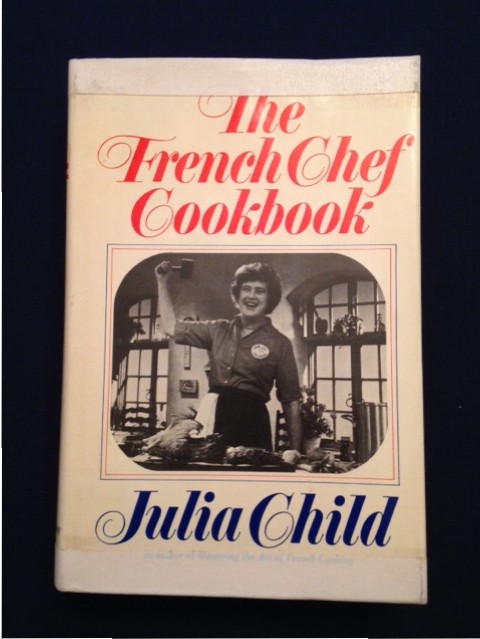
On February 11, 1963, WGBH-TV in Boston, Massachusetts launched “The French Chef,” featuring Julia Child. By the time The French Chef Cookbook was published in 1968, she was an international icon.
The French Chef Cookbook by Julia Child
As far as I know, she is the only chef whose entire kitchen has been reassembled as a display at the Smithsonian.
“Writer” probably isn’t the first word you associate with Julia Child, although she authored or coauthored eighteen books. The success of “The French Chef” launched a whole genre of TV shows about cooking. If you visit the PBS website, you can find an alphabetical listing of cooking shows on Public Television. I counted 50 from letters P through Z!
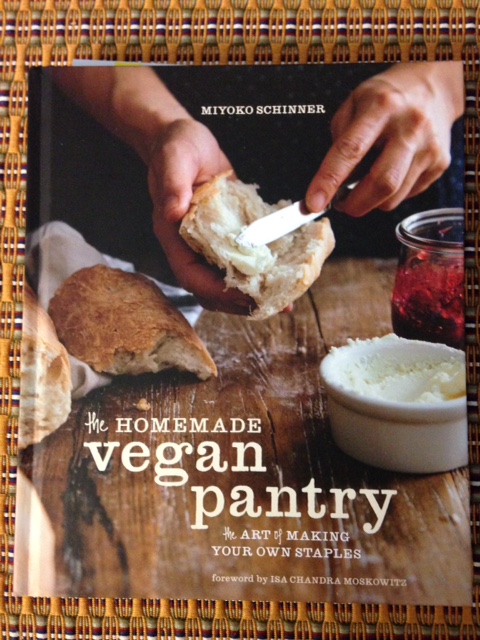
Overstating the breadth and depth of Julia Child’s influence—both culinary and cultural—would be difficult as sprinting up Mt Everest! Her kitchen identity is French, complete with butter, cream, cheese, and eggs, and yet vegan chef and restauranteur Miyoko Schinner acknowledges her debt to Julia Child and Mastering The Art of French Cooking.
The Homemade Vegan Pantry by Miyoko Schinner
Heads up, writers!
Julia Child’s reach would have been much more limited if not for her personality. She was witty, appealing, with distinctive voice and body language. Your assignment: go on-line to view clips of her slapping the poultry around and rattling off one-liners, and then capture her in written words! And when you create characters for your stories, try to make them as compelling and vivid as Julia Child.
Everyone has a body image. It’s how you feel about your body and all its parts as well as how you think other people view you. Body image isn’t something you’re born with, but you acquire one pretty early on—starting with what family and friends say and do, and then from how what you see in the mirror compares to what you see reflected in the media and what your culture values.
People who accept the way they look and feel good about their bodies (most of the time) have positive body images. Beyond looks, body image is related to how you feel physically and what your body can do. Some say that a positive body image must also reflect reality. Consider whether this is what you want for your character(s).
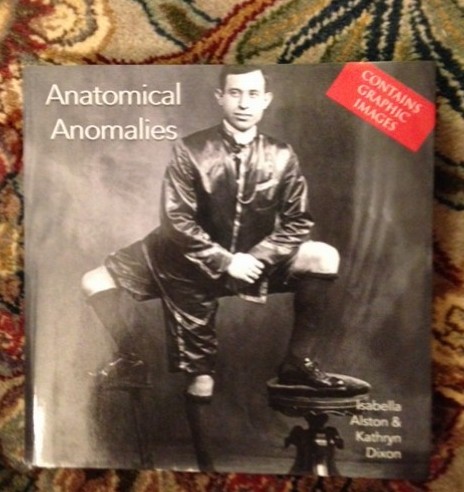
It might be effective to have a serious body defect and/or distortion of perception. Interesting (to me) is that research indicates that (1) women of all ethnic groups have more issues with body image than men do, (2) women think men are attracted to thinner ideals than men actually are, and (3) men think women are more attracted to more muscular body builds than women actually are. In the extreme, distorted body images are associated with anorexia, bulimia, and exercise disorders. As a writer, consider the value of misery!
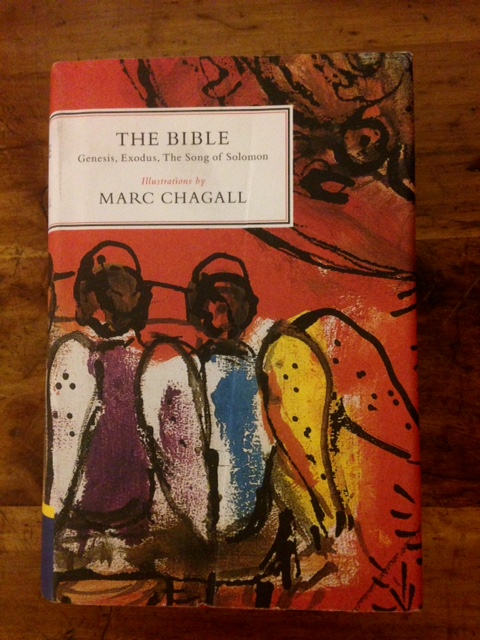
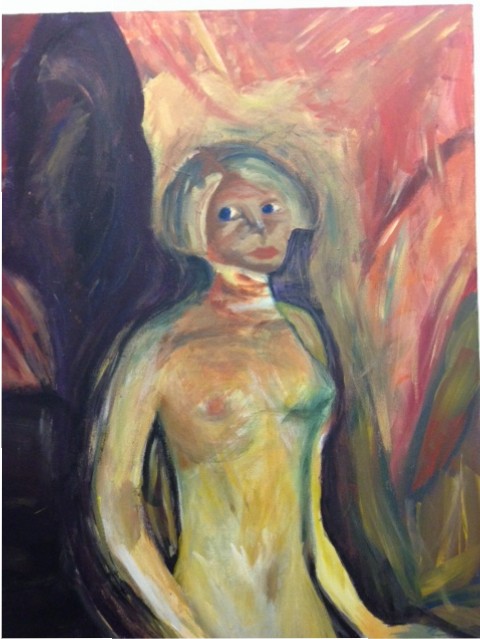
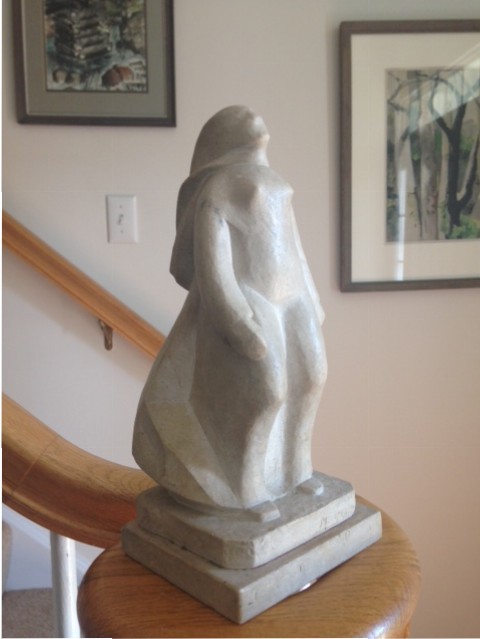
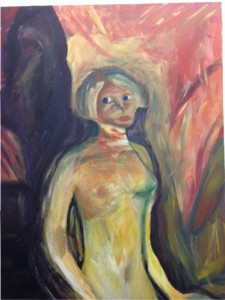
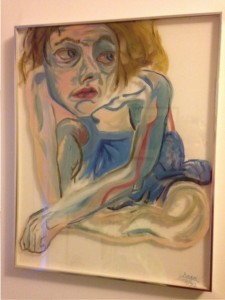
Although body image tends to be established early and to solidify during adolescence, it isn’t static. Artist’s self-portraits often reveal a great deal about how they view themselves at a given time. Consider these two self-portraits by the same artist, two years apart. What seems to have happened to body image?
I recently wrote a memoirin which I mentioned illness turning me into a person I never meant to be. All sorts of trauma can have that effect. Think of the opportunities!
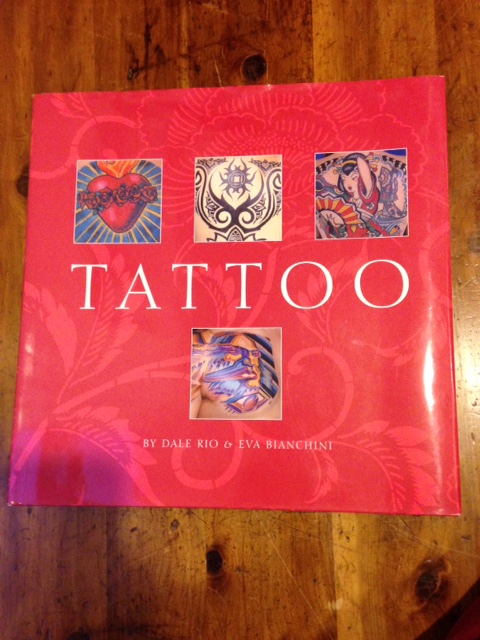
Of course, we seldom live au naturel. Men have haircuts and facial hair, maybe lifts in their shoes, and other bits for more adventuresome tweaks—maybe hair transplants. Women, on the other hand, have haircuts and hair color, corsets or Spanx, shoe choices and jewelry, makeup, and all manner of accessories. In the extreme (my judgment), they go for tummy tucks, face lifts, breast augmentation (sometimes reduction) and so forth. What about your character? Recently, in the US, tattoos have been coming into their own. I was surprised recently to learn that Richmond, VA, is one of the most tattooed cities in the country.
Would your character get a tattoo? Why or why not? Where? What? Under what circumstances? Is the tattoo public or private?
I’ve never been a fan of February. For one thing, the weather can be all over the place. And then there’s the question of whether to pronounce that middle R. As far as I am concerned, the best thing about February is that the days are getting longer.
But in all fairness, I must admit that many people and organizations feel otherwise. February, in fact, is a very popular month. You can celebrate any of the following for the entire 28 days.
American Heart Month
An Affair to Remember Month (Is there any other kind of affair??)
Black History Month—more widely celebrated than any of the others
Canned Food Month
Creative Romance Month
Great American Pie Month
National Cherry Month
National Children’s Dental Health Month
National Grapefruit Month
National Weddings Month—which is odd, given that February is one of the least popular wedding months. (The most popular is June, followed by August, September, and October.)
If—for some reason—you prefer weekly celebrations, the 3rd week in February is International Flirting Week. And FYI, the internet makes international flirtations available to virtually everyone.
February Writing Prompt
Your assignment is to write a story involving as many of the romantic aspects of February as you can work in: an affair, creative romance, Valentine’s Day, an international flirtation, and/or a wedding!
Alternatively, write an essay on the theme of why any of these things should be tagged to February!
When I was reading about snow for my blog of XXX, a number of non-snow tidbits caught my eye. Whether any of these make it into your writing or not is up to you!
In “Love and Lust Are Seasonal,” Jane J. Lee reported that men rated pictures of women’s breasts and bodies as more attractive in the winter months, although they rated pictures of women’s faces the same. Could it be that men don’t see women’s bodies as much during the winter, and so are more excited when they do?
“Have Your Hottest Sex Ever This Winter” (Men’s Health, 2014) claims that cold weather dulls sexual sensations, and cooler body temperatures decrease arousal for both men and women.
Winter cold increases a person’s appetite which can, in turn, lower libido. One more reason to diet: weight gain decreases libido and makes both men and women less sexually adventuresome.
My book shelf
Men’s Health also reported that women are 30% more likely to have an orgasm if their feet are warm. This one may be a tough sell. At a dinner party discussion among young married couples about wearing socks to bed, the men were unanimous in declaring that no matter what else is (or isn’t) worn, socks are not sexy! (A social scientist would call this a sample of convenience.)
Google searches for porn, boobs, XXX, massage parlor, e-Harmony andMatch.com all peak in early summer and around the winter holidays.
More than twice as many condoms are sold in the week before Christmas than the week after.
Even so, the most frequent birthday in the United States is September 16. You do the math. Conversely, August has the fewest conceptions. (Summer heat kills sperm? The diurnal cycle affects ovary function?)
Who knew winter is the season for sex!
A final word of warning: Compared to other times of the year, couples are more than twice as likely to think about splitting up between the year-end holidays and Valentine’s Day.
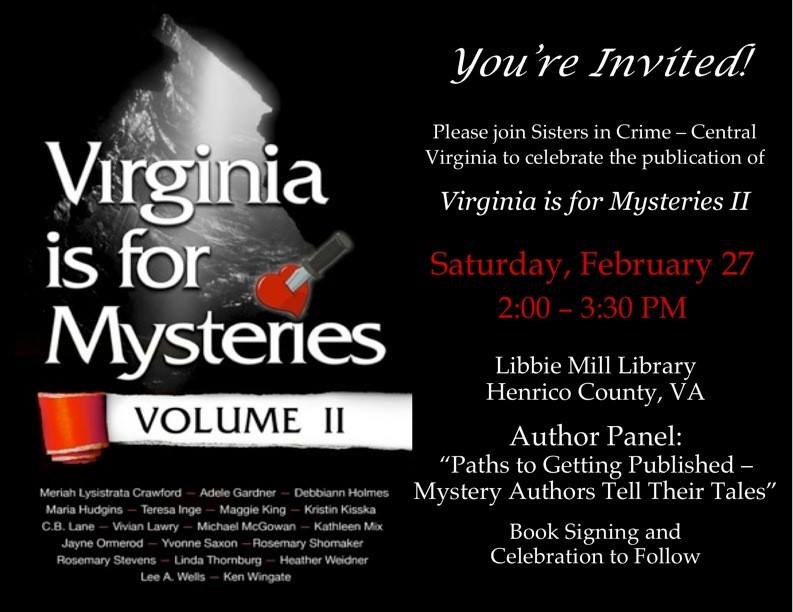
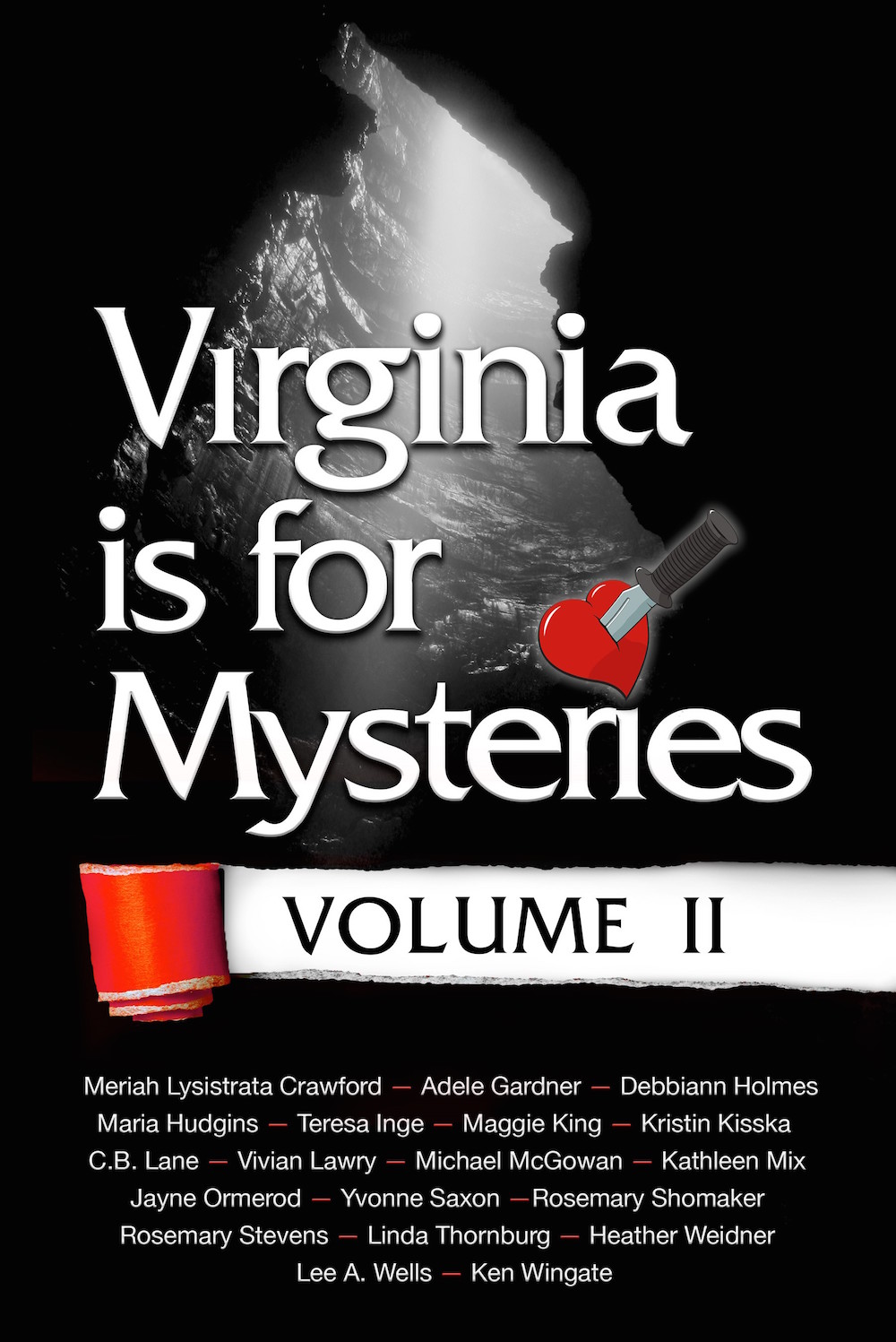
I hope you’ll join me and the Sisters in Crime–Central Virginia to celebrate the publication of Virginia is for Mysteries: Volume II on February 27, 2:00-3:30 p.m. We’ll begin with an author panel, “Paths to Getting Published–Mystery Authors Tell Their Tales.” A book signing and celebration will follow.
If you have evidence—or opinions to the contrary, I want to hear from you!
Yes, there are offbeat animal detectives. In Three Bags Full: a sheep detective story by Leonie Swann, the shepherd is murdered and the sheep, led by the ewe Miss Marple, set out to discover the murderer. In Anonymous Rex, by Eric Garcia, dinosaurs continue to live among us, disguised in latex masks and tail girdles. Otherwise, Rubio is the classic hard-boiled detective. Freddy the Detective by Walter R. Brooks features a pig detective. Bernd Heinrich writes ravens, by far the smartest of birds. And Elmore Leonard, in his first children’s novel, created Antwan, a hip-talking coyote living in the Hollywood Hills, for A Coyote’s in the House.
Dogs are poorly represented in the mystery genre. In Hank the Cowdog, Hank is the inept “Head of Security” for a ranch, and setting out to find who’s stealing the corn, he sets clever traps that consistently trap him. Play Dead by Leslie O’Kane features a dog behaviorist/therapist and an “ugly collie” rescue dog.
Cats, on the other hand, are everywhere. There are whole series featuring cats. Think the Mrs. Murphy series by Rita Mae Brown and Sneaky Pie Brown, or The Cat Who… series by Lilian Jackson Braun. Perhaps less well known is the Joe Grey Cat Mystery series by Shirley Rousseau Murphy, in which Joe is a cat from the Catswold that can speak and understand English, among other talents. And then there is the series in which the point of view shifts between a big black cat named Midnight Louie and his person, Temple Barr.
Why cats? Well, for one thing, they are notoriously independent and sneaky. They were domesticated tens of thousands of years after dogs—or maybe not yet, even. Cats are confounding creatures, for centuries associated with death cults, witches, Satan, black magic, and so forth. So creating fictional cats with paranormal abilities—talking, shape shifting, psychic reasoning or implausible acts of physical derring-do, invisibility, tele-transportation—is much less jarring than similar traits in a dog—or sheep, goat, pig. A monkey, now . . .
So, if you want to sample some cat detective fiction, apart from what’s mentioned above, consider the following: A Cat Tells Two Tales and/or The Cat, The Vagabond, and The Victim by Lydia Adamson; The Cat, The Mill, and The Murder by Leann Sweeney; All Dressed Up and No Place to Haunt by Rose Pressey; Cat In a White Tie and Tails by Carole Nelson Douglas; Tailing a Tabby by Laurie Cass; Cat Nap and/or Last Licks by Claire Donally; No Cooperation From The Cat by Marian Babson; Literally Murder by Ali Brandon;The Cat, The Devil, The Last Escape by Shirley R. & Pat J. J Murphy. And I’m sure there are others out there.
By the way, as far as I know, cat detective stories are all written by women and feature women partners for the cats. Surely there are deep historical associations between women and cats.
Take-away for writers
If you are thinking about adding an animal detective to your mystery, consider the competition—and riding the wave of popularity!
Like so many other people affected by the recent extreme weather, I had plenty of time to consider snow. And as with so many other things that I consider, I started reading about it. Yes, Elmore Leonard is adamant that you never start a book with the weather—but that is not to say weather is taboo in your story. Your task as a writer is to make weather interesting. As an exercise, consider the following snow-related facts, and how you might fit them into a story in a way that seems natural, preferably relevant to the plot!
Snow January 2016
Chionophobia is a persistent fear of snow, especially being trapped by snow. Winter cold kills more than twice as many Americans as summer heat does. Maybe your character has a reason to move to Key West!
Snow drifts during January 2016
Some parts of Antarctica have had no rain or snow for two million years. Also, snow has never been reported in Key West, FL.
On average, an inch of rain makes 10 inches of snow.
Skiing was introduced to Switzerland by Sir Arthur Conan Doyle in 1893.
Handschuhschneeballwerfer is German slang for “coward.” It means someone who wears gloves to throw snowballs.
A snowflake that falls on glacier in central Greenland can take 200,000 years to reach the sea.
Conventional wisdom holds that all snowflakes have 6 sides. But according to the Huffington Post, there are triangles, hourglasses, spools of thread, needles, hollow columns, dendrites, prisms, and flat plates as well. Asymmetrical snowflakes are more common than symmetrical ones. Shapes vary by temperature and moisture in the clouds. What sort of person would care about the shape of snowflakes?
It’s a myth that no two snowflakes are exactly the same; in 1988, two identical snow crystals came from a storm in Wisconsin. But according to physicists, complex snowflakes are indeed unique.
According to The Guinness Book of World Records, the world’s largest snowflake was reported to be 15 inches across and 8 inches thick. While witnesses said the flakes were “larger than milk pans,” these claims have not been substantiated.
Snow isn’t white; it’s actually clear and colorless. The appearance of white results from absorbing sunlight uniformly over the wavelengths of visible light.
Sometimes snow doesn’t appear white. Orange snow fell over Siberia in 2007. Deep snow can appear blue. Snow can also appear pink (watermelon snow). Snow in high alpine areas and the coastal polar regions contains fresh-water algae that have a red pigment that tints the surrounding snow. Perhaps your character made snowcream with pink snow and all who ate it got sick from the algae.
Each winter in the US, at least 1 septillion ice crystals fall from the sky—that’s 1 with 24 zeros. The average snowflake falls at a speed of 3.1 mph.
An average snowflake is made up of 180 billion molecules of water.
Besides snowflakes, frozen precipitation can take the form of hail, graupel (snow pellets), or sleet.
The most snow ever recorded in a 24-hour period in the US was 75.8 inches (Silver Lake, CO, 1921). The second most fell in one calendar day, 63 inches, in Georgetown, CO, 1913. In 1959, a single snowstorm in Mt. Shasta dropped as much as 15.75 feet of snow in that California region.
Mt. Baker ski area in Washington State has the world record for snowfall: 1,140 inches in the 1998-99 winter season (about 95 feet). Who would be happy about that?
80% of the freshwater on earth is frozen as ice or snow, accounting for 12% of the earth’s surface.
Footprint in snow
A blizzard is when you can’t see for 1/4 mile, the winds are 35 mph or more, and the storm lasts at least 3 hours.
People buy more cakes, cookies, and candies than any other food when a blizzard is forecast. And I thought it was bread and milk! What would your character stock up? Wine? Beans? Oatmeal? Dog biscuits? Toilet paper?
The US averages 105 snow storms per year, typically lasting 2-5 days and affecting multiple states.
An igloo can be more than 100 degrees warmer inside than outside—and they’re warmed entirely by body heat.
According to wikipedia, the Eskimo-Aleut languages have about the same number of distinct word roots referring to snow as English does, but these languages allow more variety as to how those roots can be modified in forming a single word. This issue is still debated.
Snowboarders and skiers often distinguish different types of snow by labels such as mashed potatoes, pow pow, champagne, cauliflower, sticky, or dust on crust.
By Nathalie Gouzée
Nova Scotia holds the record for the most snow angels ever made simultaneously in multiple locations: 22,022 in 130 locations in 2011. Bismarck, North Dakota holds the record for the most snow angels made simultaneously in one place: 8,962 in 2007.
The largest snowball fight on record involved 5,834 fighters in Seattle on January 12, 2013.
The largest snowman ever recorded was 113 feet 7 inches, in Bethel, ME. Perhaps your character wants to break that record.
Rochester, NY, is the snowiest city in the US, averaging 94 inches of snow a year.
In 1992, the Common Council of Syracuse, NY, passed a decree that any more snow before Christmas Eve was illegal. Just two days later, they had more snow. But what’s the story there?