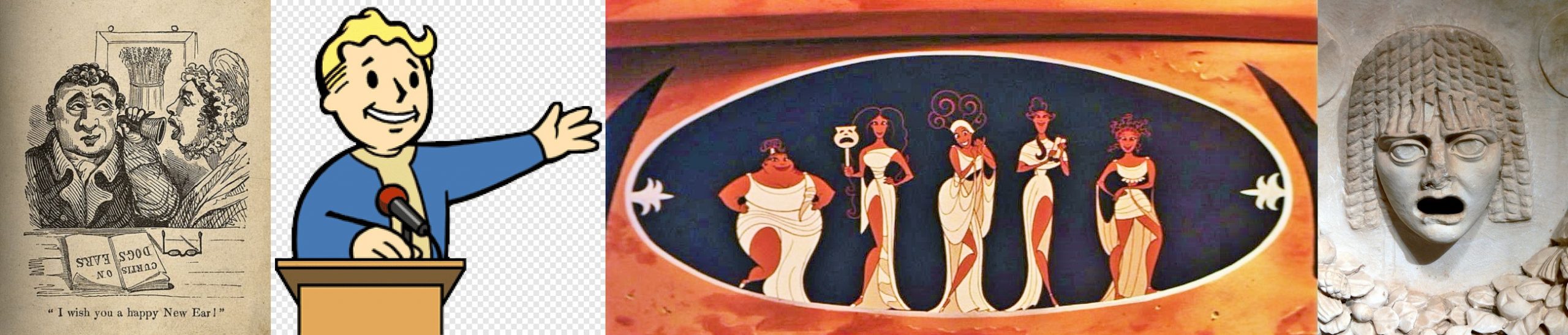
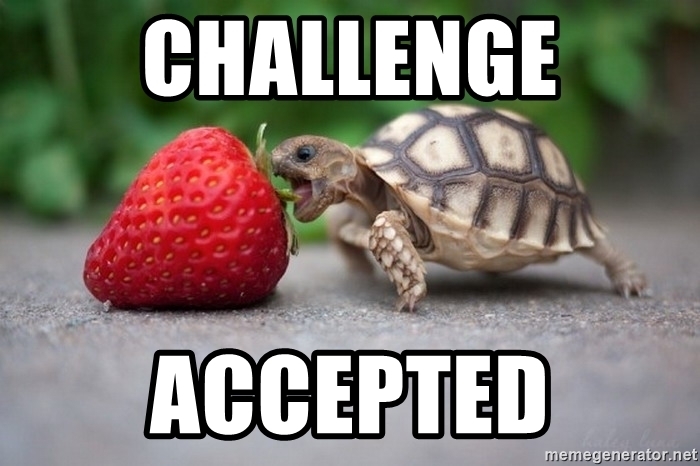
Challenge Accepted!

Today’s blog entry was written by Kathleen Corcoran, a local harpist, writer, editor, ESL teacher, favorite auntie, turtle lover, canine servant, and chronically addicted reader.

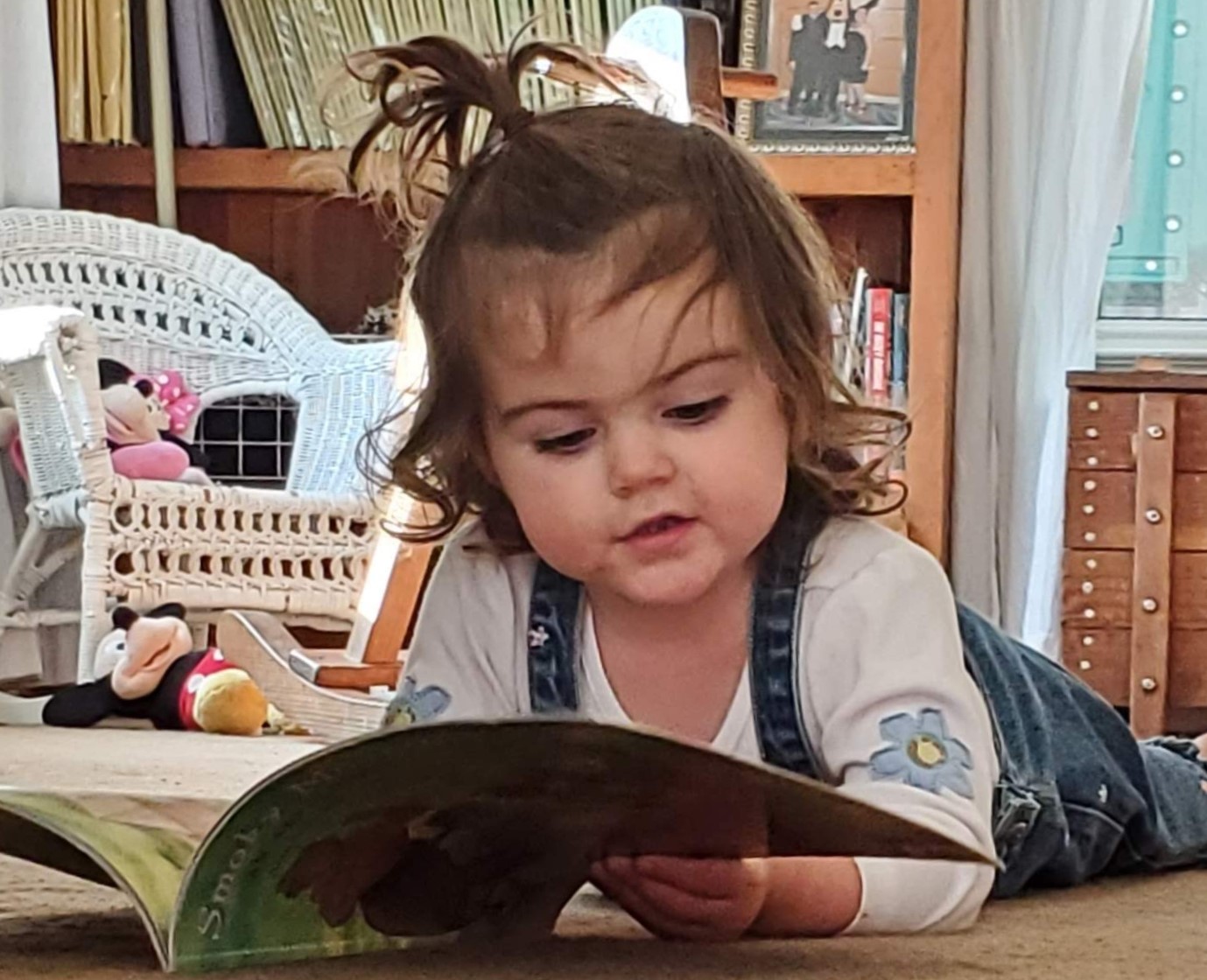
Ever notice that the same titles and authors keep showing up when you look for your next favorite book? Literary prize winners, Oprah or Reese’s Book Club, Books to Read Before You Die, or endless variations of “Recommended for you because you liked…”
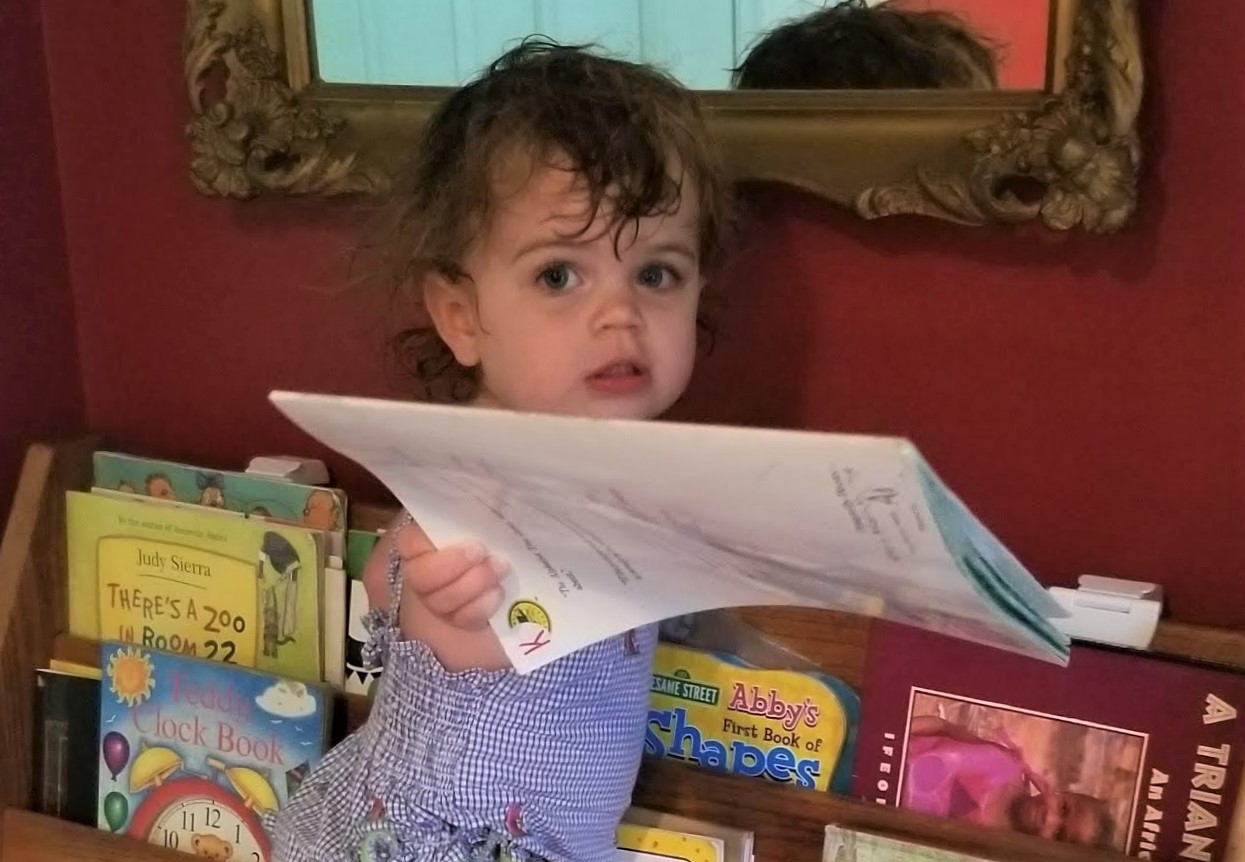
Try this one!

Part of this is because such lists are often curated or sponsored by publishers. Part of this is because search algorithms almost inevitably lead to echo chambers. (For a bizarre and frightening illustration of this, check out this article on how fake social media accounts “learn” to push misinformation and conspiracy theories.)
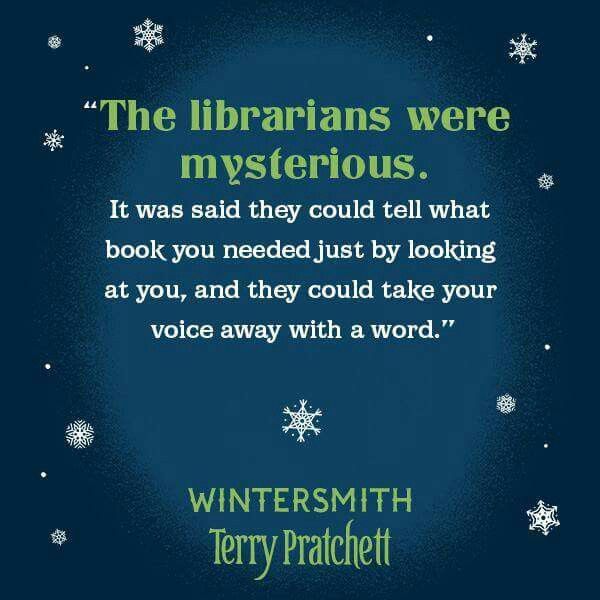
So how to bump yourself out of your reading rut? Take a reading challenge! There are all kinds of reading challenges you can join, not to mention the book clubs, library groups, and reading forums online or in person. I’ve included a few here, but these are just the very tiniest tips of the iceberg available. And, of course, nothing can compare to the miraculous powers of a curious librarian!

Year-Long Challenges

I am greatly indebted to girlxoxo for directing me to most of these challenges. For more, check out their 2022 Master List of Reading Challenges.
Read voraciously!
  • Backlist Reading Challenges – Ease yourself into the world of challenges by joining Austin Decker‘s challenge to clear out some of that pile of books you keep meaning to read but never quite get around to it.
  • 52 Books in 52 Weeks – Just as the name suggests, the 52 Book Club challenges you to read a book every week in a year, following a different prompt every week.
  • Monthly Book Award Reading Challenge – Literary awards are announced every month of the year, and this challenge if to read a book that was awarded a prize (during any year) in that month. 
  • Read 52 Books in 52 Weeks – Not related to the 52 Book Club, this challenge has a similar goal: follow the various suggestions and prompts to read a book every week this year.
  • Monthly Motif Reading Challengegirloxoxo will prompt you with a theme or motif every month, and your goal is to read a book with that motif.
  • Beyond the Bookends – Twelve prompts over the course of the year (“adapted for the screen” or “set at or about a circus or carnival”) will nudge you to expand your horizons a bit.
  • Mount TBR – Blogger MyReadersBlock has a challenge to help you work through some of those books you already own (digital or hardcopy) but haven’t quite made your way through yet.
  • The Nerdy Bookworm 50 Books a Year Reading Challenge – You can follow the prompts, but it might be more fun to fill out Emily the Book Nerd‘s BINGO cards as you read.

Genre Challenges
One of the great things about challenging yourself is that you can read what you like. No teachers grading you or tests you don’t want to take. The Story Graph has a pretty amazing database of reading challenges, which you can search by genre, author, awards, or even geographic location.
Library Travel

Seriously, don’t mess with librarians.

Real-life travel can be tricky, especially with the ever-changing restrictions to stem the flow of Covid. It’s so much easier to go somewhere else by reading about it, especially

Stretch Your Brain

As I mentioned earlier, once of the most fun things to do with a reading challenge is to challenge yourself. Read something you don’t normally read. Pick up a book from the opposite end of the Dewey Decimal System. Find an author with a different point of view. Hear someone else’s story in their OwnVoice.
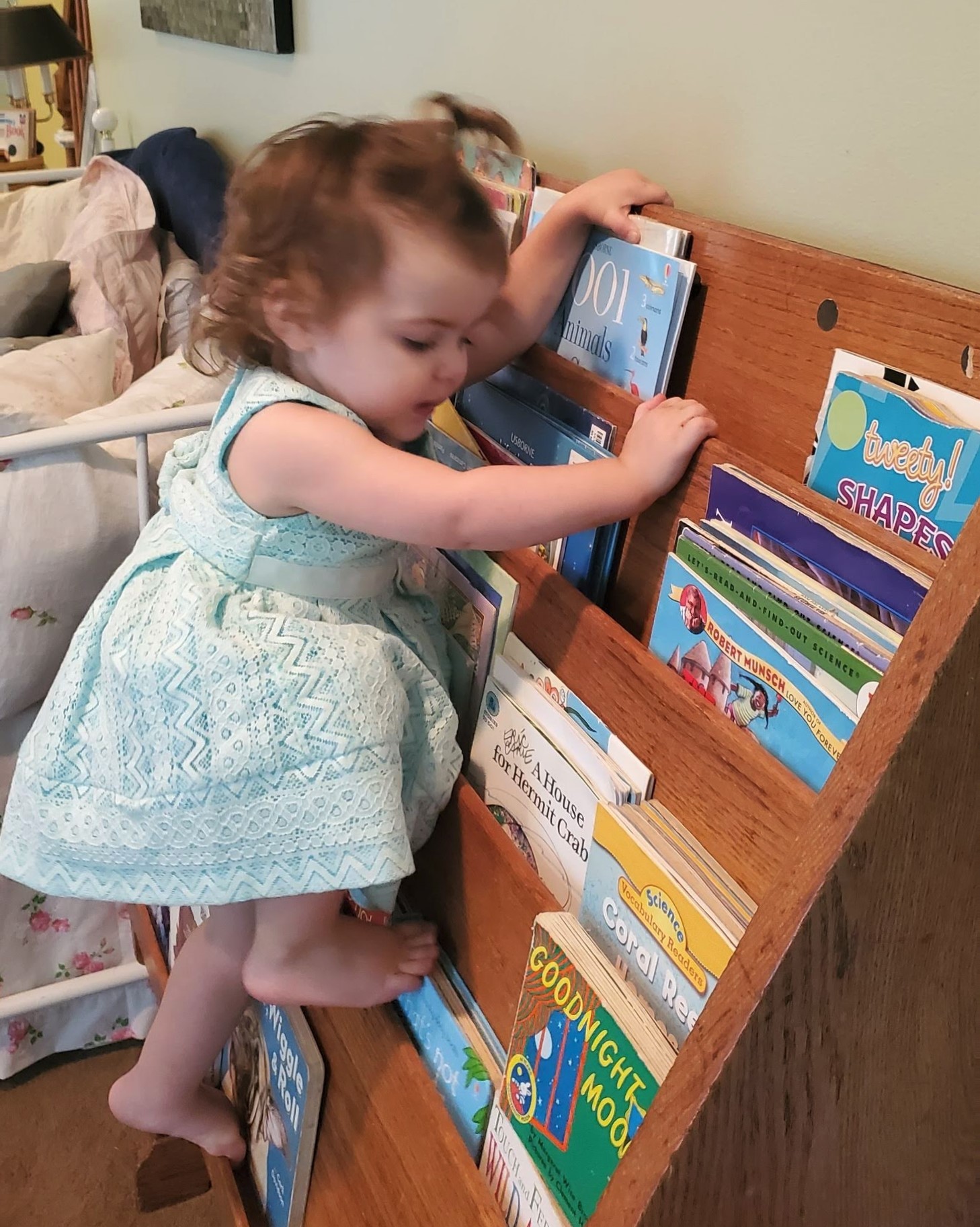
  • Books in Translation – I’m a language nerd, so this one speaks to my nerdy soul. The idea is to read a book that’s been translated from any language into a language you can read. (This is extra helpful for those trying to learn another language.)
  • Book Riot’s Read Harder Challenge – The Book Riot community has 24 prompts to nudge readers out of comfortable ruts they may have fallen into. Some of these prompts are purely for fun, and some might be more of a challenge.
  • Diversify Your Reading Challenge – There are prompts in twelve genres, one for each month, encouraging readers to look beyond those “more of what you love” ads.
  • Diversity Reading ChallengeGothicVampirestein has a range of categories and keywords to encourage readers to look at the world through someone else’s eyes.
  • Mirrors, Windows, and Sliding Glass Doors – Though not a specific reading challenge, this essay from Rudine Sims Bishop gives very helpful suggestions for expanding your worldview and reading empathetically.

And if that’s still not enough to break you out of a rut (or at least widen the rut a bit), try this 52 Weekly Challenge list from BookRiot. It includes suggestions like dusting and cleaning your real-life bookshelves, making a recipe from a cookbook, going to a community theater production, and asking a librarian a question – fun ways to remind yourself of how vast the world of books is.

My good friend Vivian Lawry has challenged herself to add a Nobel Prize winner’s work to her genre reading every month this year. So what are you going to read in 2022?

DECEMBER, IS IT ANYTHING MORE THAN CHRISTMAS?
Why, yes. Yes, it is. No wonder you wonder, given that we are bombarded with ads, decorations, parties, movies, etc., etc., etc. Even if you don’t observe Christmas in any way, you can’t escape.

Some Places Observe Christmas All Month Long

  • Christmas in the Villages: Van Buren County, Iowa
    • Features a house tour, Festival of Trees, bake sale, Santa visits, holiday dinners, lighting displays, soup suppers, as well as the natural beauty found around the county
  • Christmas New Orleans Style: Louisiana
    • Cathedral Christmas concerts, caroling in Jackson Square, parades with Papa Noel, cooking demonstrations, Celebration in the Oaks, tours of 19th century houses decorated for the season, Réveillon dinners, and traditional Creole holiday dishes
  • Colonial Christmas (Christmastide in Virginia): Jamestown Settlement, Williamsburg and Yorktown, Virginia
    • 17th and 18th century holiday traditions
    • At Jamestown Settlement, a film and guided tour compare the English customs of the period with how Christmas might have been observed in the early years of the Jamestown colony.
    • At the Yorktown Victory Center, you can learn about Christmas and winter in a military encampment during the American Revolution ands holiday preparations on a 1780s Virginia farm.

Christmas Isn’t the Only Religious Observance

Other Christian Observances:

  • Dec. 6: St. Nicholas Day
  • Dec. 8: Immaculate Conception
  • Dec. 12: Feast Day of our Lady of Guadalupe
  • Dec. 16: Posadas Navideñas
  • Dec. 27: Feast of the Holy Family
  • Dec. 28: Holy Innocents Day
  • Dec. 31: Night Watch

Non-Christian Religious Observances:

  • Dec. 8: Rohatsu (Bodhi Day, when Siddhartha Guatama achieved enlightenment), Buddhism
  • Dec. 10-18 in 2021: Hanukkah (anniversary of the rededication of the Second Temple), Judaism
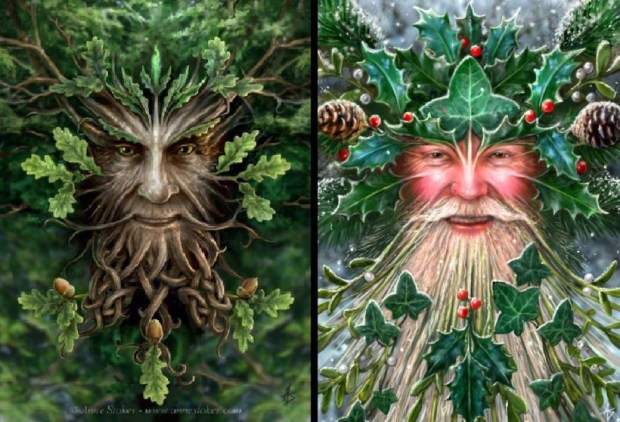
  • Dec. 21: Solstice (shortest day of the year and start of winter), Wicca/Pagan
  • Dec. 26: Zarathosht No-Diso (Death of Prophet Zarathustra), Zoroastrian

Observances That Have Nothing to Do With Religion!

N.B.: Observances that cross categories are listed only once.

Kwanzaa

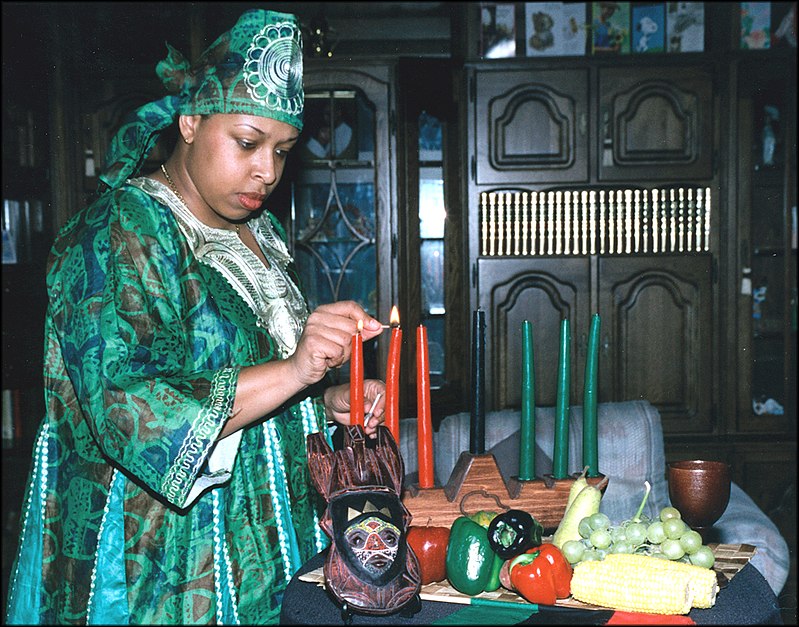
“Matunda ya kwanza” means “first fruits” in Swahili and is the origin of the holiday’s name. Maulana Ndabezitha Karenga, creator of the holiday, wanted to celebrate family, community, and pan-African cultural traditions. The seven days and nights of Kwanzaa are full of significant sevens. The seven Principles (unity, self-determination, collective responsibility, cooperative economics, purpose, creativity, and joy) and seven Symbols (Kinara candleholder, seven candles, crops, corn, unity cup, gifts, all on a traditional mat) were celebrated by nearly seven million people last year.

  • Food Related
    • Buckwheat Month
    • Cooked Grasshopper Month
    • Exotic Fruits Month
    • National Eggnog Month
    • National Fruitcake Month
    • National Pear Month
    • Noodle Ring Month
    • Quince and Watermelon Month
    • Root Vegetable Month
    • Tomato and Winter Squash Month
    • Tropical Fruits Month
  • Recreation and Leisure Related
    • Bingo Birthday Month
    • National Closed Caption TV Month
    • Read a New Book Month
    • Sign Up for Summer Camp Month
    • Stress-Free Family Holidays Month
    • Write a Friend Month

BOTTOM LINE: December doesn’t have to be all about Christmas! Live a little, along with other like-minded folks.

Happy Solstice!

HOLIDAY HOUSEPESTS

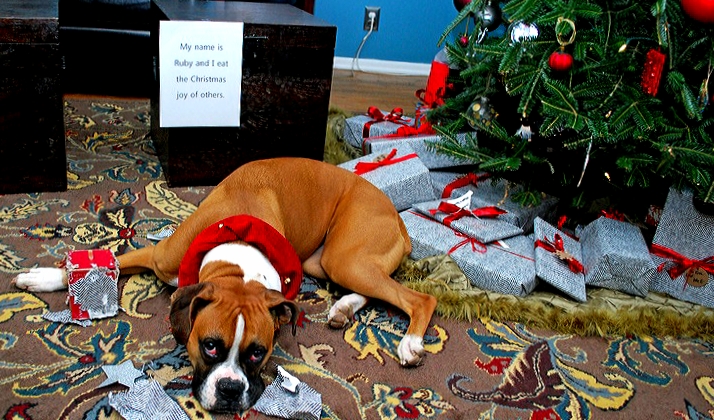
“My name is Ruby, and I eat the Christmas joy of others.”
“I sit and stare at people blankly, making them extremely uncomfortable.”

’Tis the season: people travel, and houseguests—welcome, or not—can be annoying. Now, I recognize that some annoyances can be avoided if you have a big house and/or household help. But for the rest of us, an extended visit can be a trying time in ways big and small.

Space Invasion

“I went into my mom’s purse while she was asleep, ate a tube of bright red lipstick, and chewed up three $1 bills.”
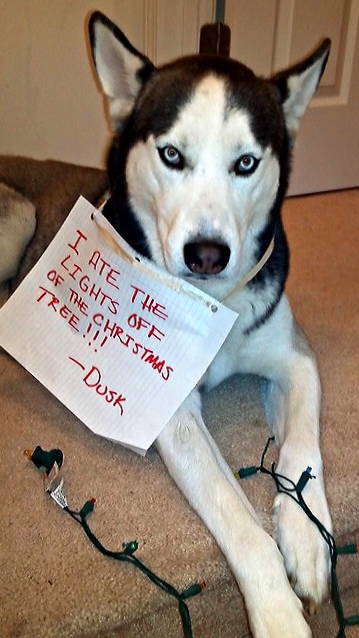
“I ate all the lights off the Christmas tree!!! -Dusk”
  • Your housepest leaves shoes or boots in public, trip-hazard places.
  • Outerwear overflows the closet.
  • Hats, gloves, scarves, keys, etc., are left on kitchen counters otherwise used for cooking.
  • Your favorite chair is otherwise occupied!
  • Shod feet end up on coffee tables, chairs, or sofas.
  • Your housepest insists on helping when it would be so much easier to just do it yourself!
  • Dirty dishes make it as far as the kitchen sink but never into the dishwasher.
  • A housepest sleeping on the sofa can effectively dictate when you’re allowed in your own living room.

Entertainment?
“I was mad that they trimmed my nails, so I pulled the buttons off the remote to Dad’s new TV… They still can’t find the 3. =)”
“My name is Ruby, and today I made it a goal to loot my humans’ laundry basket, steal every dirty sock, and RANDOMLY hide them all overour apartment.”
  • You like a quiet house until time for a drink and the evening news. Your housepest turns on the TV for daytime game shows and soap operas.
  • You try to watch TV with a channel-surfer who tunes away for every commercial, only to encounter commercials on other channels, eventually switching back to the original program, often having stayed away too long.
  • You prefer PBS, news, and nature programs and your pest prefers sports, comedy, and reality TV—or vice versa!

Sound Pollution

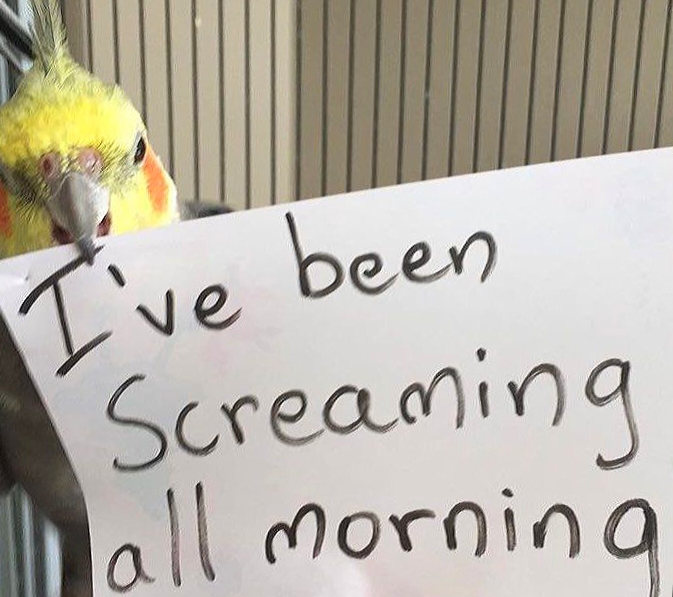
I’ve been screaming all morning”
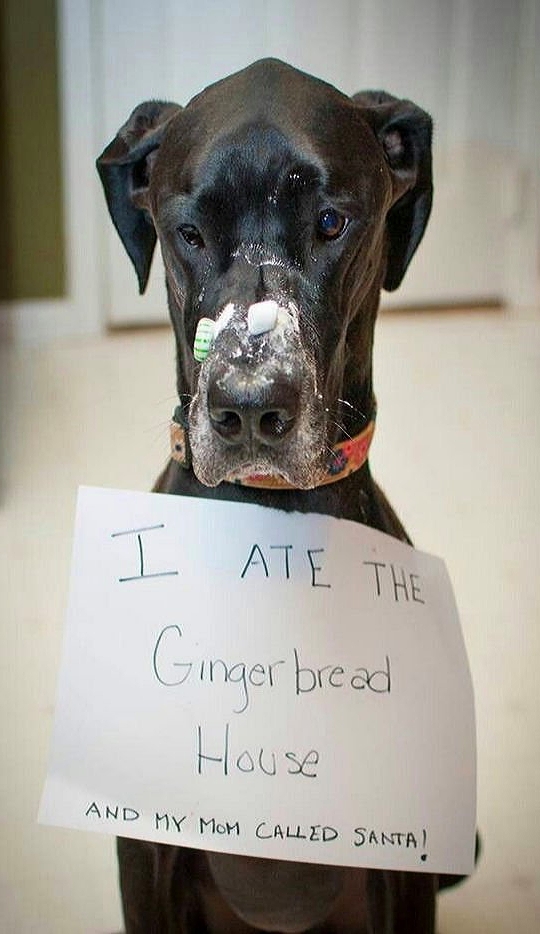
“I ate the gingerbread house, and my mom called Santa!“!”
  • Your housepest turns on the TV, radio, etc., and leaves the room to shower or whatever without turning it off.
  • Your housepest talks over whatever else is going on—e.g., while you are watching TV or carrying on a conversation. 
  • You are spending time with a person who talks at great length and volume while saying little, especially annoying if the monologue is on repeat.

Presumption

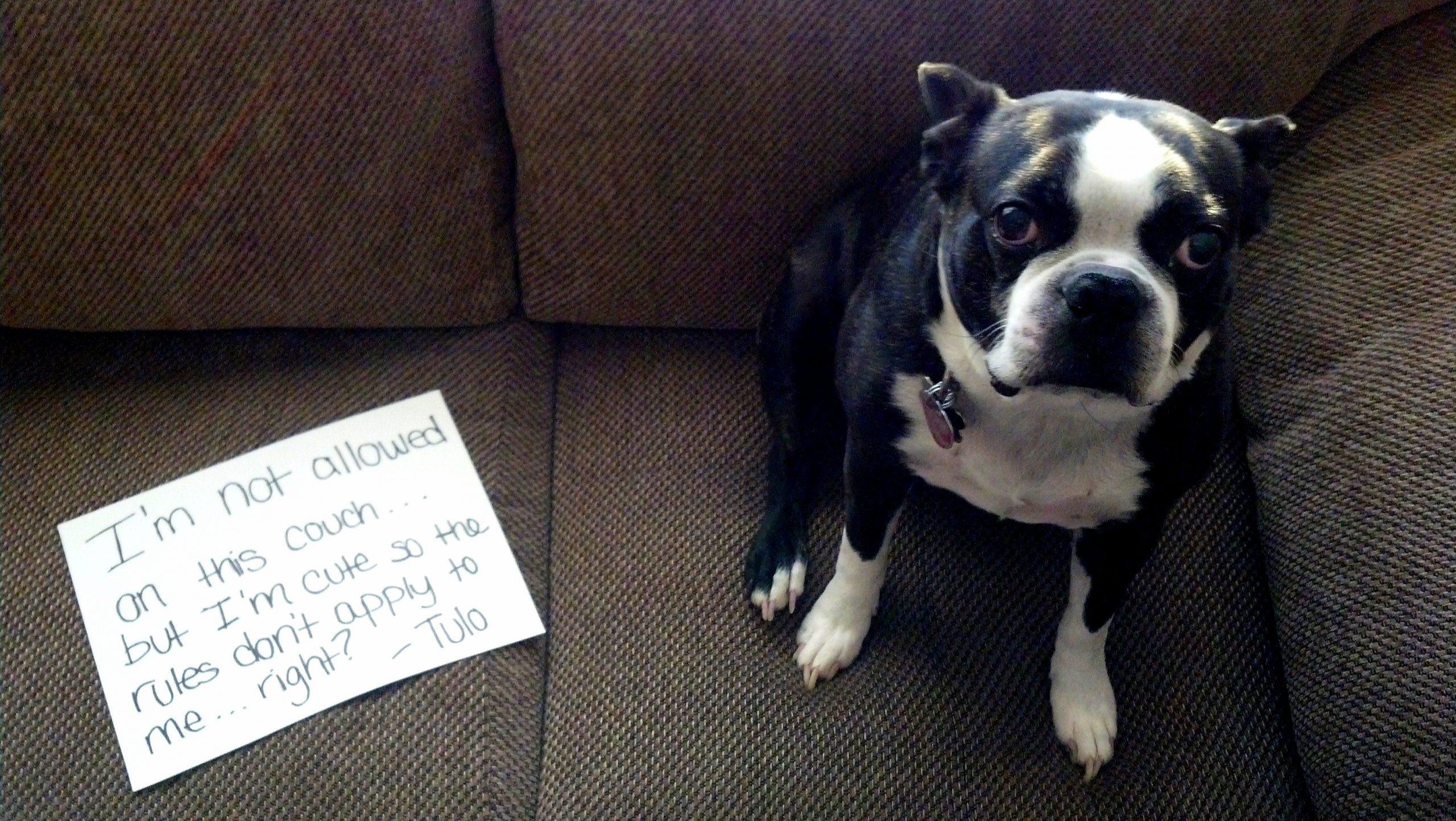
“I’m not allowed on this couch… but I’m cute so the rules don’t apply to me… right? -Tula”
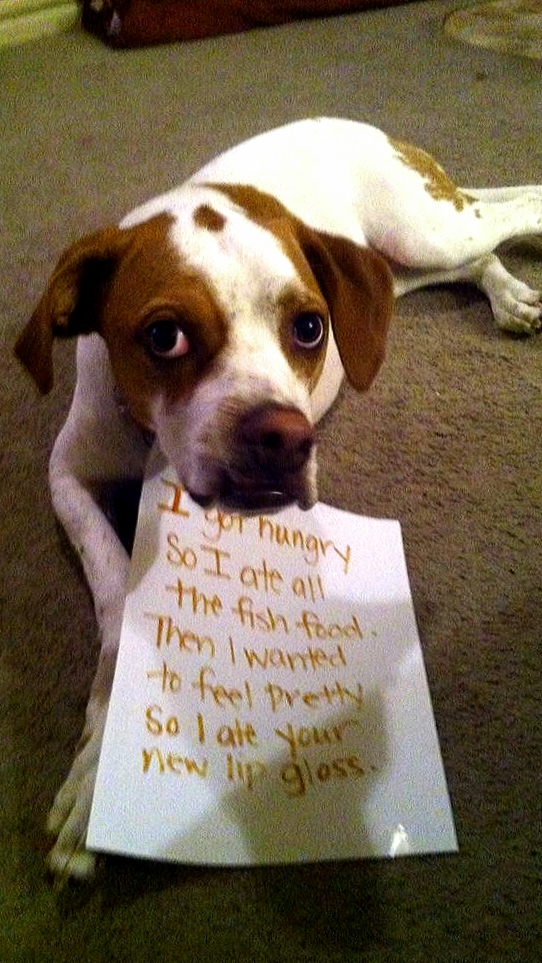
“I got hungry, so I ate all the fish food. Then I wanted to feel pretty, so I ate your new lip gloss.”
  • A pest arrives with too few clothes for the visit and presumes you can fill in any gaps for sweatshirts, socks, or pajamas.
    • And/or your housepest arrives with dirty laundry for you to handle—and this is not your own kid home from college!
  • After you mention what you are currently reading, your current read is confiscated for the entertainment/education of the pest.
  • Your housepest dons any jewelry or accessories not currently being worn and then says, “Is it all right if I wear this today?”

Food Fights

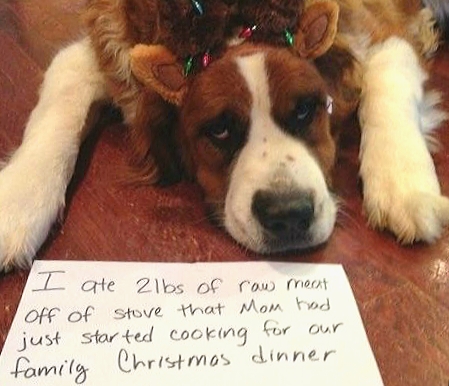
“I ate 2lbs of raw meat off of stove that mom had just started cooking for our family Christmas dinner.”
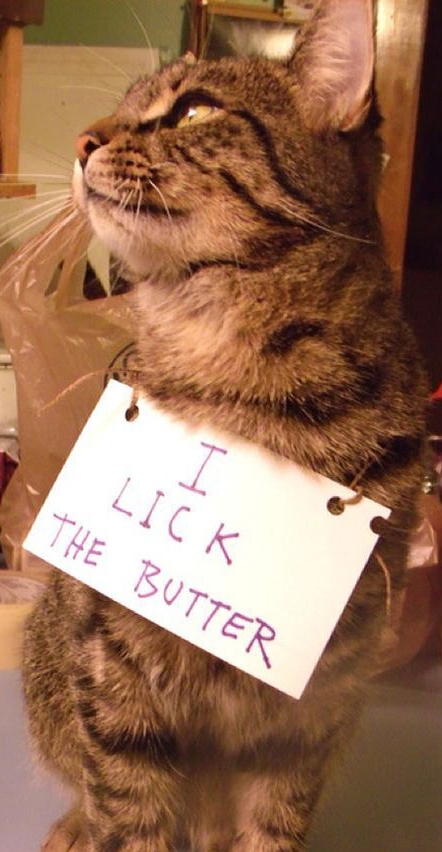
“I lick the butter.”⁰
  • After arriving, your housepest announces that s/he is vegan, lactose intolerant, off all carbs, allergic to garlic, etc.
  • On the flip side, careless housepests could bring or make food that triggers your allergies or goes against your religious or moral convictions.
  • Every morning involves a food-run that results in muffins, donuts, bagels, or similar breakfast fare that everyone must share.
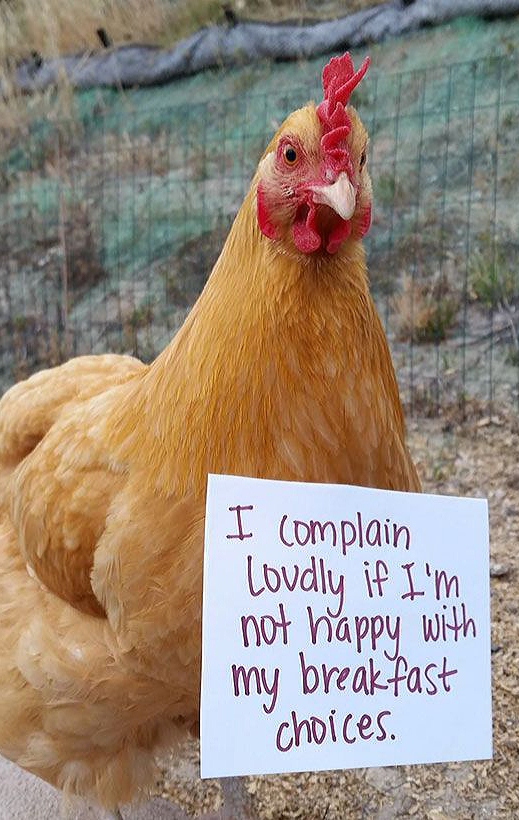
“I complain loudly if I’m not happy with my breakfast choices.”
  • Some people won’t eat peas, cooked mushrooms, tomatoes (except in ketchup), onions, or any vegetable that isn’t cooked to mush.
  • Afternoon snacks, partially eaten dinner, evening snacks, midnight fridge raids…
  • Crumbs, candy wrappers, and drink containers left about could attract vermin that stick around long after the human housepest has gone.
  • Whenever alcohol is added to the situation, there are nearly infinite opportunities for disagreement:
    • Is red wine an absolute travesty with fish?
    • How many drinks are acceptable with dinner?
    • What if one party is an alcoholic or a recovering alcoholic?

Misfits

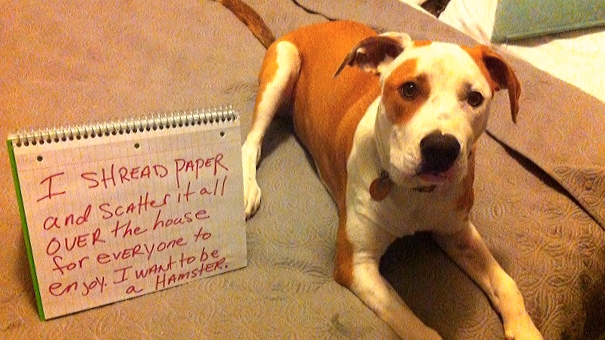
“I shred paper and scatter it all over the house for everyone to enjoy. I want to be a hamster.”
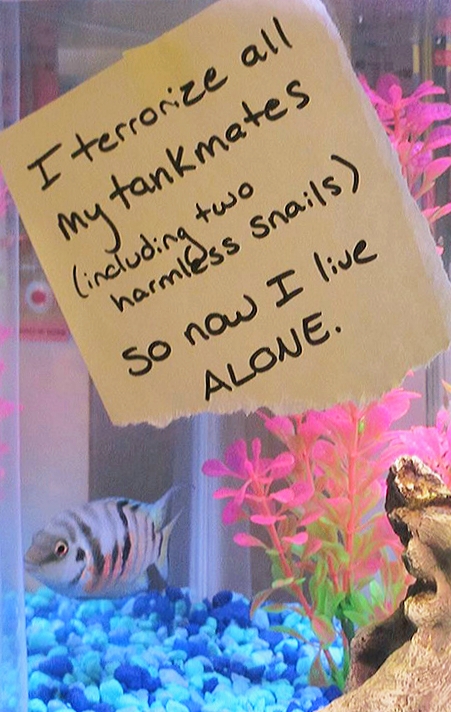
“I terrorize all my tankmates (including two harmless snails) so now I live ALONE.”
  • You are a 1:00 a.m. to 10:00 sleeper while your housepest is an 8:00 p.m. to 4:00 a.m. sleeper.
  • You and your housepest know that you disagree on social, political, and/or religious issues but s/he keeps bringing it up.
  • Your housepest knows best: the right things to do and how to do them, what to eat, the best way to get anywhere, the proper way to celebrate any occasion…

Pests Who Come With Pests

“I brought a live mouse into the apartment and released it in my human’s bedroom”
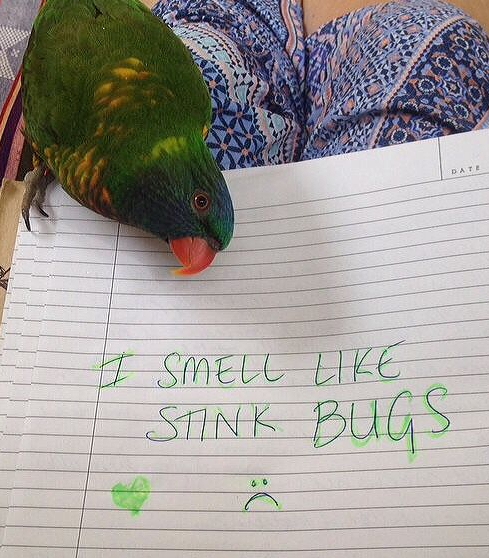
“I smell like stink bugs. =( “
  • They bring along their pets, complete with shed fur, messes on the floor, midnight barking/ chirping/ squeaking, stinky food, and the strange idea that they are welcome on the sofa.
  • Children who throw tantrums, draw on the walls, complain about anything and everything, cry all night, break Great Grandma’s antique china, or just sulk in a corner with headphones on because nothing is fair.
  • Secondary pests might even be brought unknowingly, such as lice or bedbugs.
    • There’s always a chance that a visitor could transmit infections, anything from a cold to the Bubonic Plague.
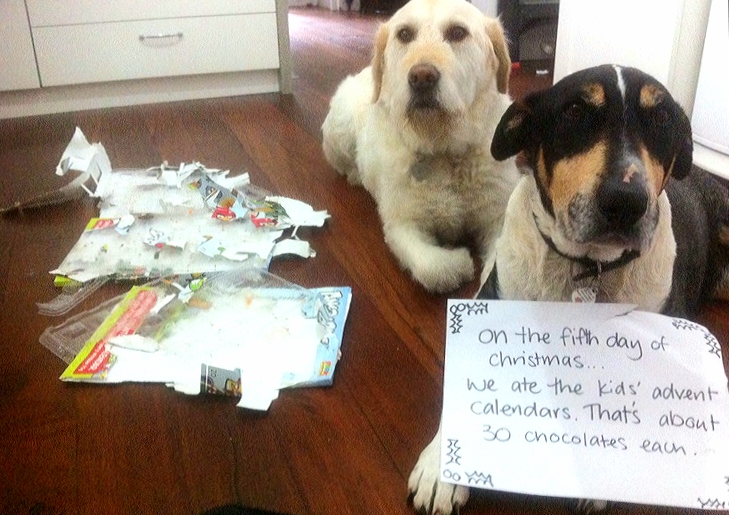
“On the fifth day of Christmas… we ate the kids’ advent calendars. That’s about 30 chocolates each.”

Bottom line: Few people match perfectly on every dimension. Acknowledging that means you won’t set unrealistic expectations for a visit. And sometimes, forewarned is forearmed! 

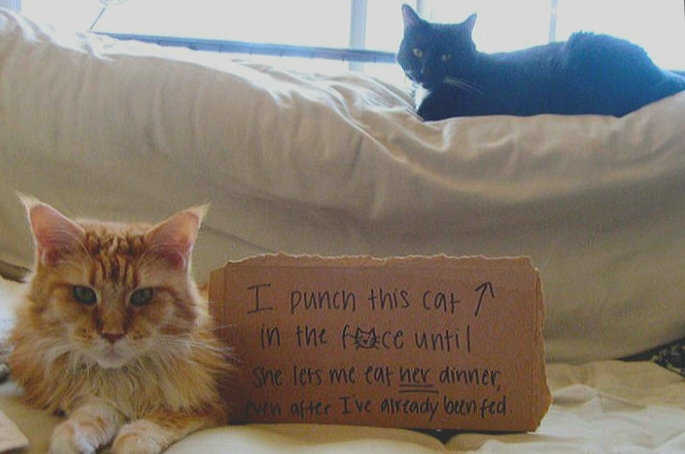
“I punch this cat in the face until she lets me eat her dinner, even after I’ve already been fed.”

Say It Aloud; Say It Proud

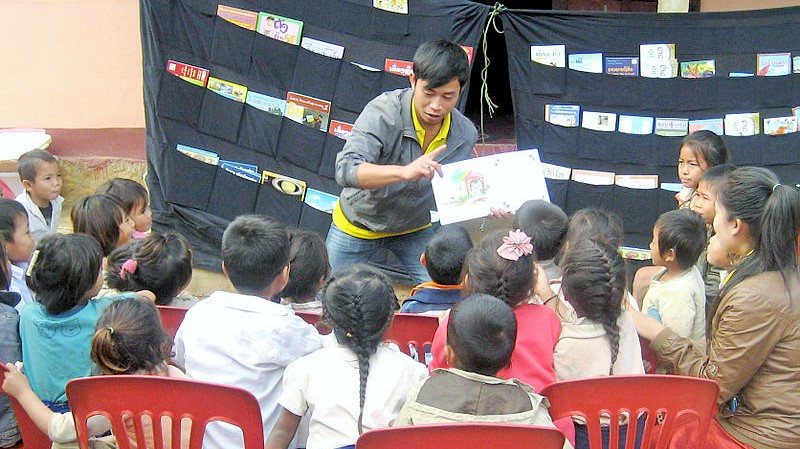
Addy Vannasy reads aloud to children at a village “Discovery Day” in Laos. Big Brother Mouse, which organized the event, trains its staff in read-aloud techniques.
(photo by Blue Plover)

If you want dialogue to sound real, listen to it. Literally. Longer, more complex sentences are much smoother and more graceful on the page than in the mouth. Reading silently, your brain fills in and evens out. So, when you feel your work is in pretty good shape, read it aloud.

Are the two problems related?
(photo by MemeBoi31)

Any place you stumble needs to be reworked. Reading your work aloud–whether prose or poetry–helps identify rough patches, awkward words, and other problems.

If feasible, it’s even to have someone else read your work aloud for you.  (See what I did there?)

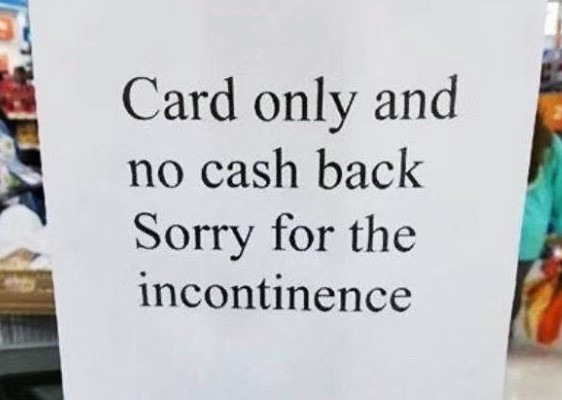
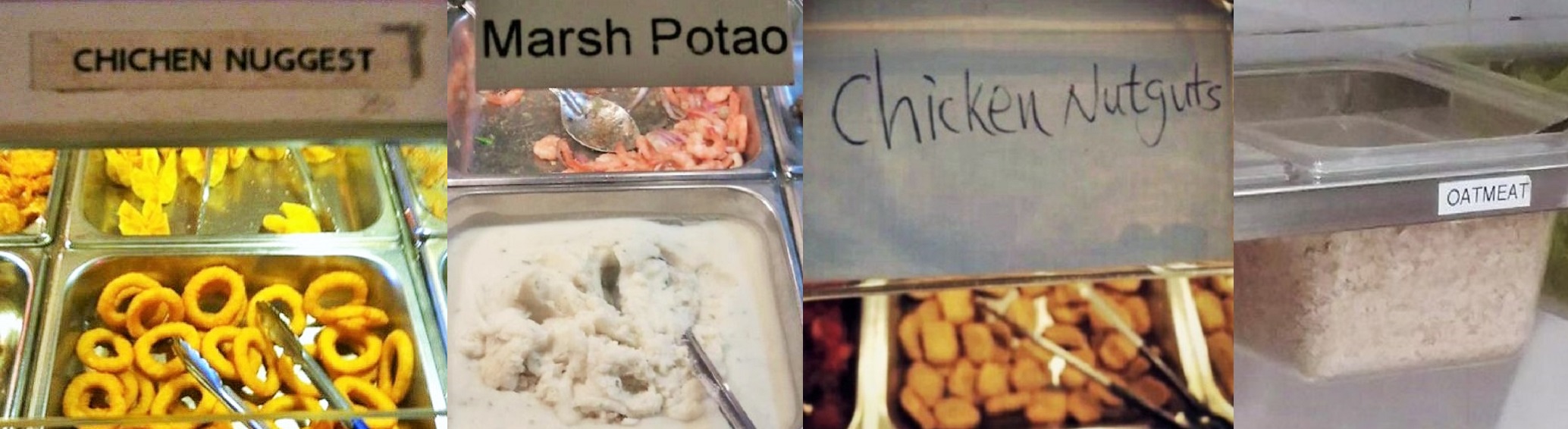
This looks like the worst buffet ever!
(photos from BoredPanda)

But even before you manage to cajole or coerce a friendly bystander, try running your words through a TTS reader. Text To Speech software is becoming more accurate all the time. It improves accesibility for those with dyslexia, vision problems, aural learning tendencies, busy hands, or a myriad other reasons why hearing words is more effective than reading them.

Yet another terrible fate that could have been avoided by proofreading!
(photo by depechelove)

There are several free websites that will convert your writing to spoken words, though they tend to sound like robots.

What these TTS apps lack in cadence, they make up in unrelenting accuracy. There is no friendly human brain to fill in a few words or switch a letter here or there entirely without realizing it.

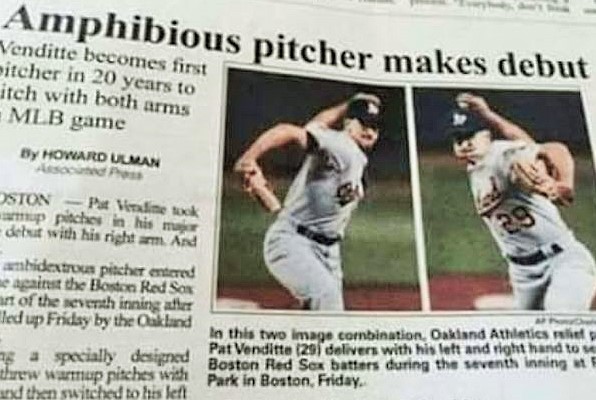
You’d think such a complicated respiratory system would make pitching more difficult.
(photo from East Oregonian/AP)

(For a superb example of non-robotic reading, check out anything read by Stephen Fry or Kobna Holdbrook-Smith.)

At many tutoring centers and school writing help centers, students are instructed to read their work aloud during sessions. When the brain is forced to process words orally and aurally as well as visually, it’s much more difficult for mistakes to slip through the cracks.

Sometimes, it’s even possible to break free of the “…said …said …said …said” quagmire. When you hear yourself saying said after said after said, you might say to yourself that your characters need to say something else or say nothing at all.

Good listening!

IT GOES WITHOUT SAYING

Sometimes we say—and write—more than is necessary. When we talk in bloated sentences, it often goes unnoticed. But with the written word, it’s right there on the page, weakening the prose and sometimes exasperating the reader.

Find the Bloat

Enough said. Here are several examples close to my heart (and very near my exasperation gland). In each case, words that are unnecessary are in parentheses ( ).

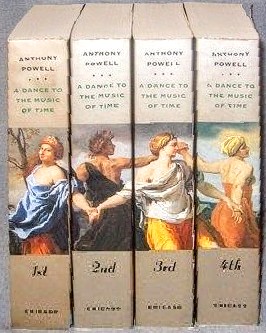
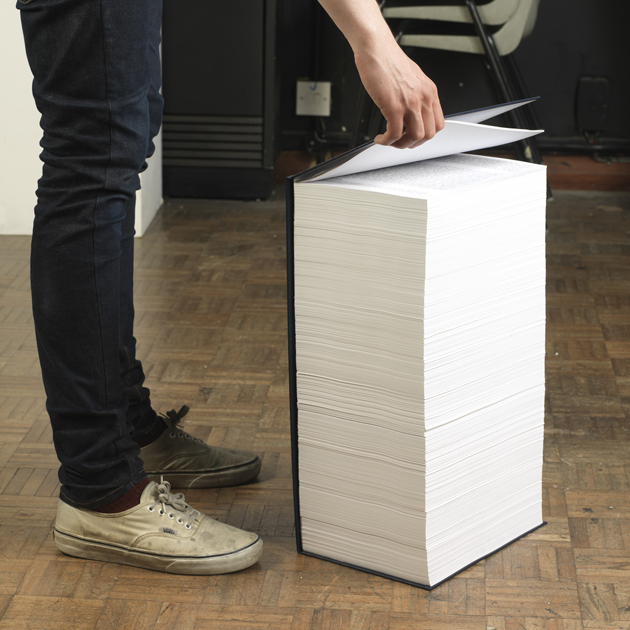
A Dance to the Music of Time by Anthony Sowell, one of the longest books ever written
  • Tell me where you are (at).
  • The (very) start
  • At this point (in time).
    • OR, At this (point in) time.
  • A woman sitting in a chair: She stood (up)
  • He nodded (his head).
  • The (small) ten-by-ten room.
  • They waved (their hands).
  • (Very) unique
  • Walked (over) to the table
  • To face a husband (whom) she didn’t remember
  • Shred it (to pieces)
  • They might have found (out) a way
Artemis, or the Great Cyrus is one of the longest single volume books ever written
  • She took his hand with a smile (on her face).
  • They (both) stopped and turned to face each other.
  • They (both) waited.
  • She led him (over) to a chair and sat (down).
  • They stared at each other till he blinked (his eyes).
  • Her heart was pounding (in her chest).
  • Trying to calm everyone (down).
  • He pointed her out (with a single finger).
  • A (quick) glance.
  • A (brief) second.

And Then There are Excess Words in Specific Contexts

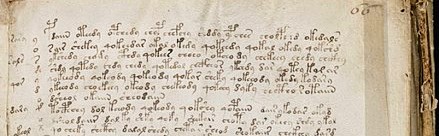
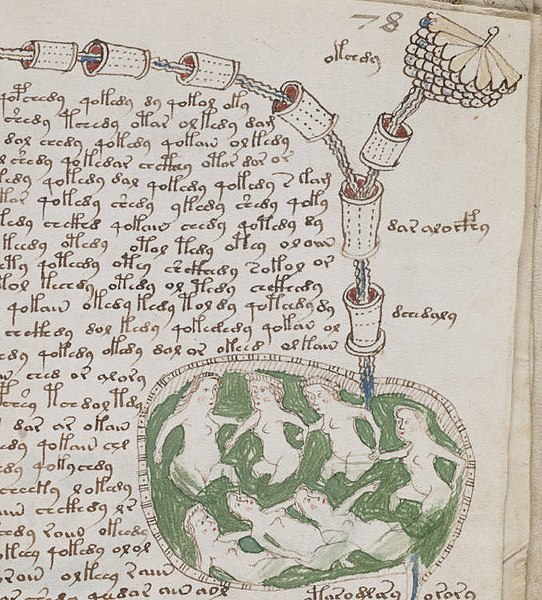
The Voynich Manuscript has never been translated in any way, so perhaps every word is unnecessary.

There are times when every word counts. Some journals or contests have strict word limits, to the point of specifying when and how contractions are counted. Or maybe you have limited space on the greeting card. You could even have a character who never wastes anything, including words.

These are examples of word bloat I’ve collected from the actual writing of best-selling authors. I’ve replaced names with pronouns.

  • (Now) she looked (to her) left and sprinted toward the door…
  • Buy (some) tickets.
  • He pulled her close (and kissed her). His lips met hers.
  • Behind the tenderness was (a) passion.
  • There are (a total of) two.
  • Something tells me you don’t want to draw that kind of attention (to yourself).
  • He went (over) to the table.
  • She held up her hands (in surrender), though she stayed (at the) ready to move in either direction.
  • The true irony (here) was that…
  • He nervously clicked (the back of) his pen.
  • “…he picked up a newspaper clipping. The dated pages (of newsprint) felt brittle (in his fingers)… He stared at it (in his hands,) just as he had a thousand times (before) since that day.”
  • A single tear (fell from his eye and) dropped onto her hand. 
  • She peeked into the room, as she passed (it).
  • He shook his head (from side to side) before he spoke.
  • She didn’t have the same affinity for the ocean as most (other) people.
  • She stopped next to a pickup truck(, got out,) and went into the motel office.


Three Ways to Minimize Word Bloat


1) One good way to decide what words are truly necessary is to try to shorten every paragraph by one line—which is easier done with narrative than dialogue!


2) Check all to-be verbs (is, are, was, were) looking for places where a stronger verb can replace a phrase. For example, “He was standing there” might be shortened to “He stood there.”

Drawing bizarre pictures in the margins is a fantastic way to replace bloated prose!

3) Examine all modifiers (adjectives and adverbs) to decide whether they add anything to the meaning. Often a stronger word choice can eliminate the modifier. For example, walked quickly might better be replaced by rushed, dashed, hurried, or scampered.

Another example: “Her long hair hung to her waist” would better be “Her hair hung to her waist.” Depending on the surrounding text, the whole concept could be encompassed by “her waist-length hair.”

Bottom line: As in poetry, make every word count.

Food Is Everything

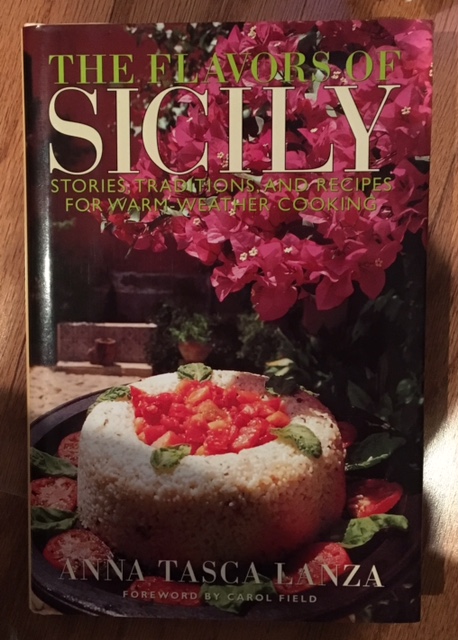
flavor sicily anna tasca lanza

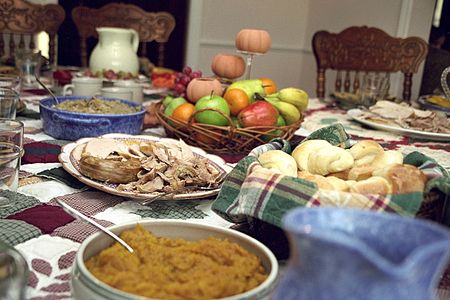
I love food. For me, eating and drinking across cultures is one of the main reasons to go somewhere new! Wherever I go, I try to buy a cookbook (written in English!). For me, the danger of writing about food and drink is going overboard. Describing every type of potato at Thanksgiving dinner, listing all the ingredients in Potato Cottage Pie…

food italy waverley root

Unless you are Waverley Root, or your book is actually about food, remember that a little goes a long way. It’s like transportation in that way. 

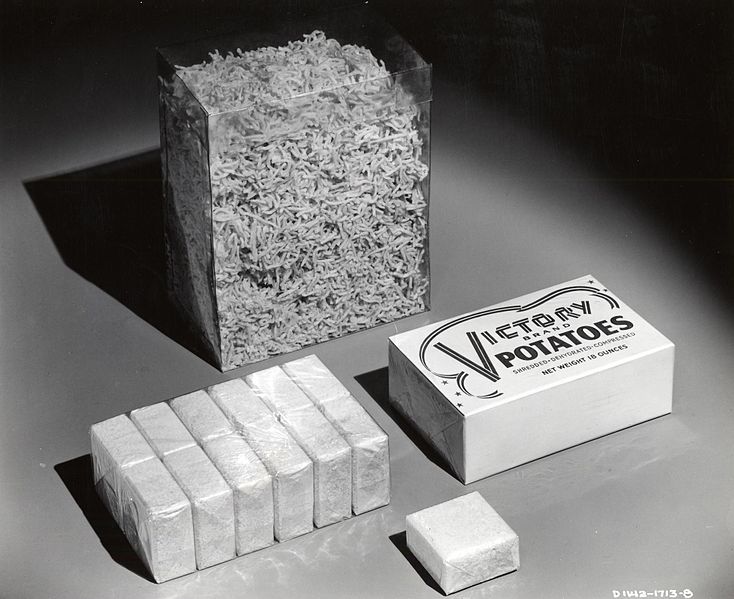
These are a crime against nature and tastebuds. Perhaps they could be a murder weapon!

So, when people come together over potatoes (or other food), keep the focus on advancing the plot:

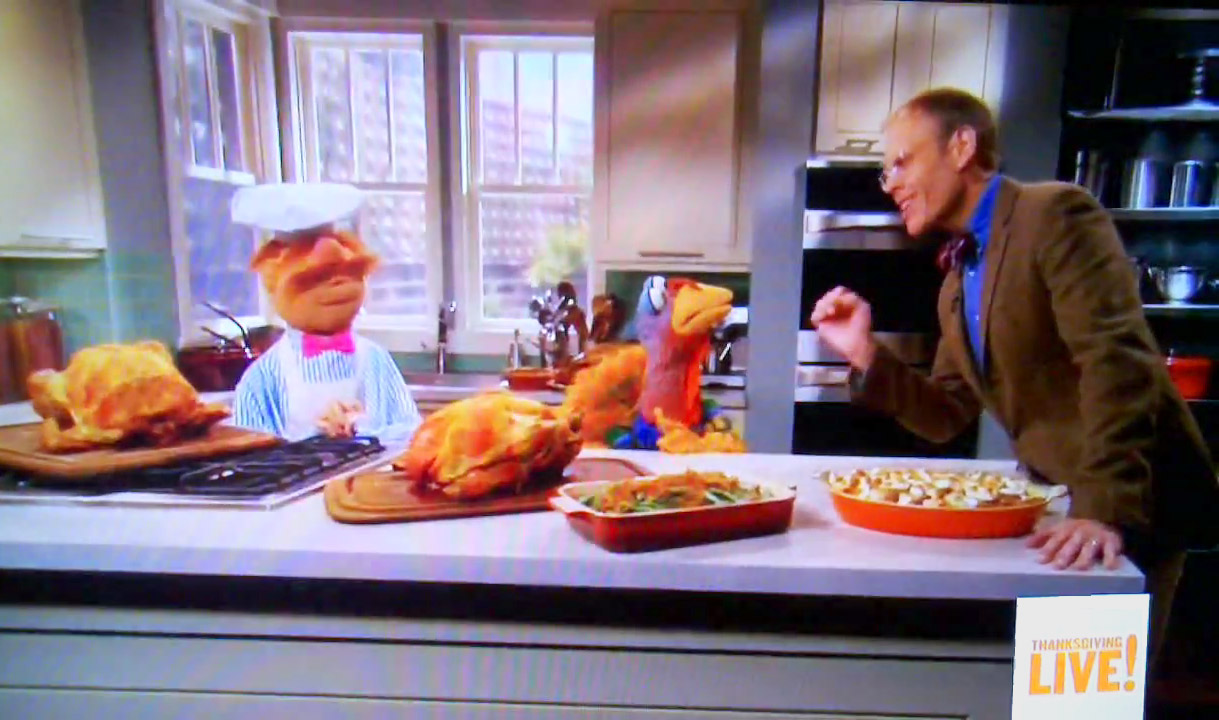
Is serving only five types of potato dishes at Thanksgiving Dinner the mark of a sociopath?
  • Who says what while passing the potato rolls?
  • What is the significance of Mama making instant potatoes?
  • What are people thinking and feeling as they dig into the smashed potatoes?

Meals can be extremely important to your plot. They can be a platform for bringing people together.

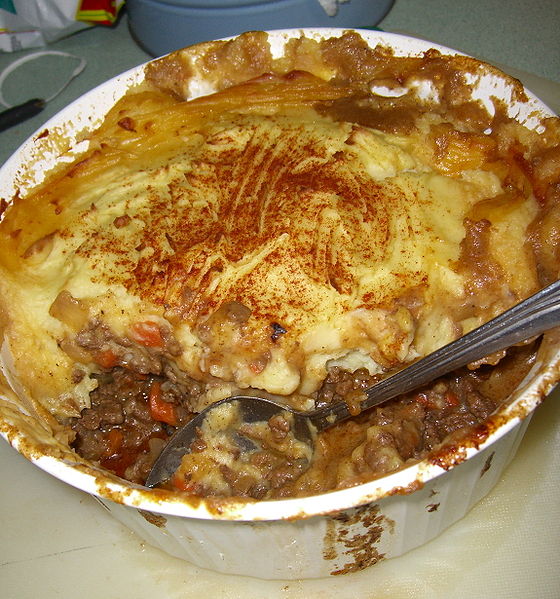
The best part of cottage pie is the mashed potatoes!
  • Show alliances
  • Awkward or humorous character interactions
  • Illustrate insecurities
  • Demonstrate relative wealth or poverty
  • Highlight grudges
  • Plot world domination
  • Establish alibis
  • Make revelations or confessions
  • Commit murder

But while the dinner table is the platform, keep the focus on the action.

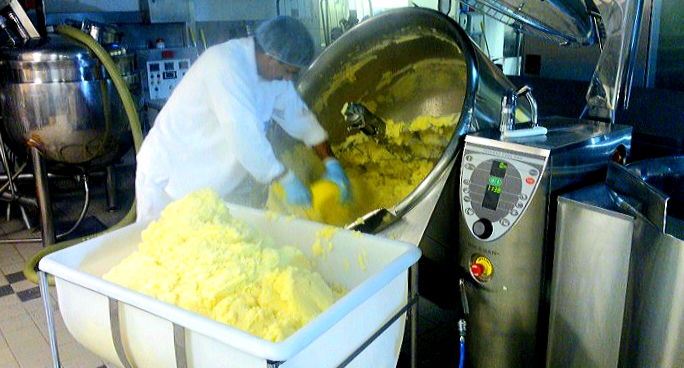
This might be enough mashed potatoes for my family dinner. Maybe. I’ll make more just to be safe.

Another function food and drink can serve is to illustrate ethnic roots—either for the first time, or as a reinforcement. Jacket potatoes are clearly associated with Ireland and England in ways that sweet potato pie just isn’t.  On the other hand, kumpir (baked potato bars) are almost exclusively Turkish!

Kumpir stalls in Istanbul provide plenty of variations on simple street food.

Additionally, food and drink preferences can define your character.

  • Does s/he prefer kumpir with just butter or with all the toppings piled on?
  • Do they mix sausage and beets into the baked potato or eat it in layers?
  • Extra pickled cabbage?
  • Cacik and ketchup on top or on the side?

Drink (and food) choices can say much about your character’s roots, socio-economic status, and self-concept.

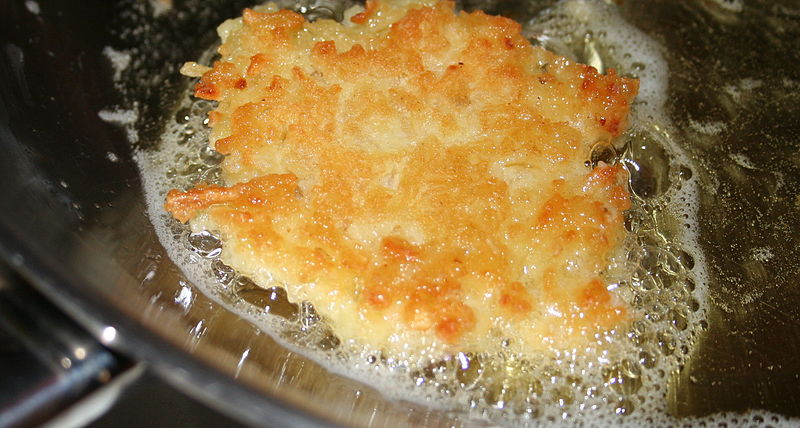
Hannukah begins at sunset on November 28 this year. Bring on the latkes!

One way food and drink can poison your prose is by focusing on the food and drink to the detriment of the plot, action, and character. But cliché food and drink is just as hazardous.  

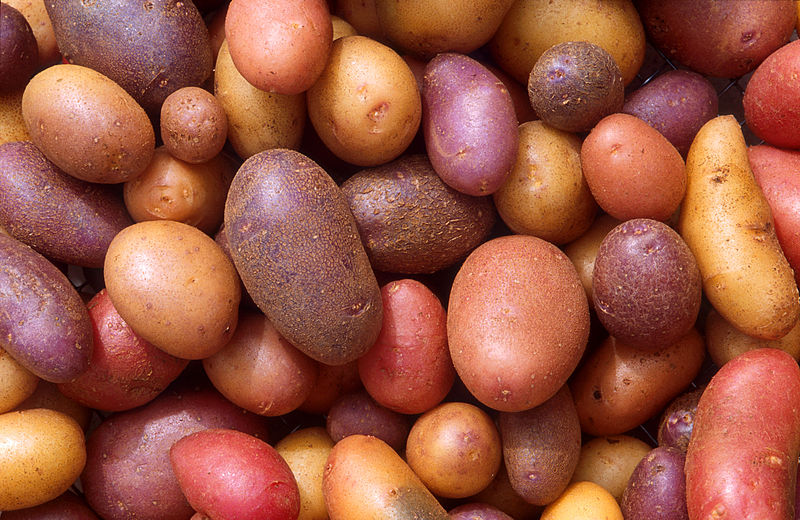
With so many potato varieties, the plot possibilites are endless!

You need to bring two people together to talk. You have them sit down with soda and potato chips. Ho-hum. First of all, try to bring in food only when it’s relevant.

So your first defense against this poison it to get them together over something less stereotyped.

Blue potatoes are surprisingly sweet.
  • Peeling potatoes together
  • Comparing scalloped potato recipes
  • Making French Fries in a fast food kitchen
  • Visiting the Potato Famine Museum
  • Sourcing Russian Blue potatoes for an elegant Mafia dinner
  • Even planting potatoes together!  

Your second line of defense is to add a few vivid sensory images. Consider the coffee and potato bread option. Even if eating and drinking is background to the conversation, make your reader smell the coffee, feel the dense chewiness of the bread, savor the potato flavor in the dough, etc.

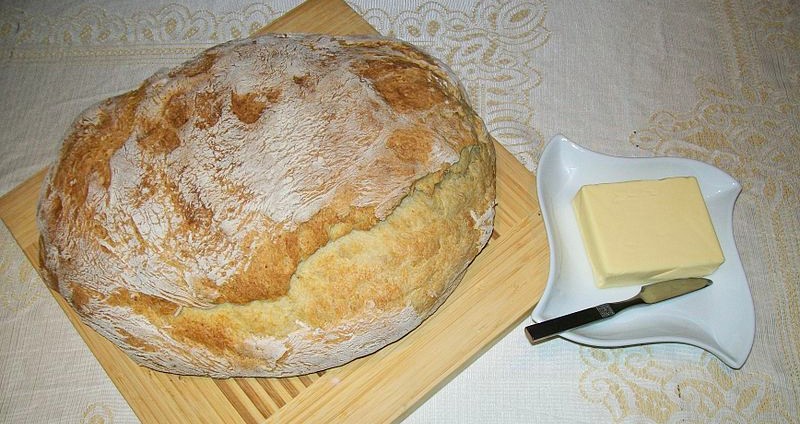
Some people are so fixated on potatoes that they can’t even make bread without adding mashed potatoes. It’s a bit sad, really.

Bottom line: Food and drink can be great or deadly—your choice!

If you’re really stuck for ideas, try turning your characters into food!

SELF-IMPOSED “RULES”

Some people see external rules as a challenge!

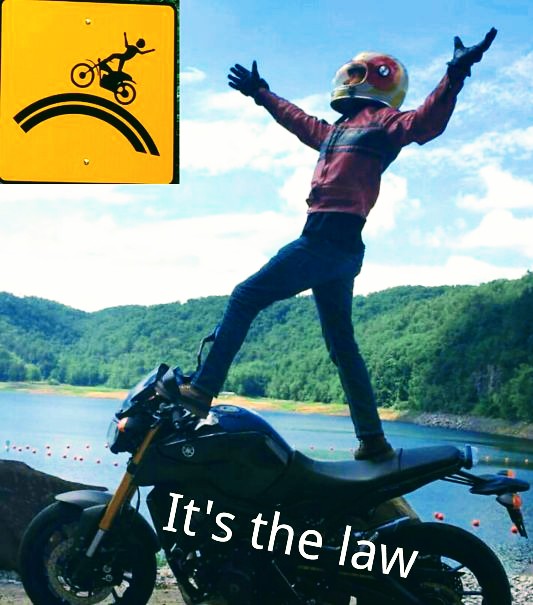
I don’t mean rules like fastening seatbelts, which are self-regulated laws. I mean personal rules of conduct. 

Many rules” somehow become engrained in one’s thinking/behavior, but are actually totally personal.  

So where do self-imposed rules come from? 

We notice what behaviors bring love and affection, and which result in punishment or rejection. Over time, we develop “rules” to maximize rewards and minimize punishments.

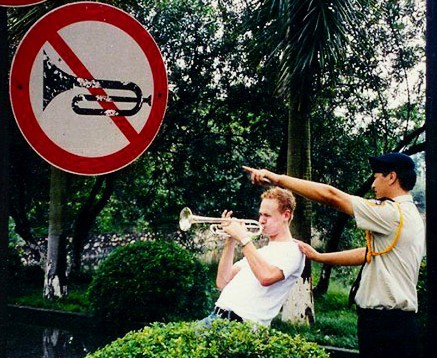
Does open air trumpeting ever bring love and affection?

(For an extended example of this, visit bbekercoaching.com and learn about  the personal rule “Don’t Be A Sourpuss.”)

Some self-imposed rules are consciously adopted. 

For example:

  • No more than three pieces of chocolate at a time.  
  • Walk 10,000 steps a day.  
  • No alcohol before 5:00PM.
  • At least one page of writing a day.
  • Talk with family at least once a week.
  • Never let them see you cry. 

Many of us have internalized rules that could be voiced but seldom are.

The first time I was alone with my future father-in-law (a retired English professor and college dean), he said, “Tell me, what were the guiding principles by which you were reared?”

First I gasped. Then I paused. Then I said, “Your word is your bond. If it’s worth doing, it’s worth doing right. Finish what you start. If you don’t try, you can’t succeed.  If at first you don’t succeed, try again. If you don’t succeed, at least you’ll know you gave it your best shot. Don’t threaten if you won’t or can’t follow through. Always be there for family. And, of course, The Golden Rule.”  

Upon reflection, I realize that I’ve lived my life by those rules, even when I didn’t consciously call them to mind.

Virtually everyone has comparable rules, developed through childhood, plus rules about  bedtime rituals, morning routines, getting dressed, etc. These are rules we follow because we’ve decided they are good for us. 

Please note: sometimes what we think is a good rule might not be.

  • For example, Don’t argue in front of the children lest they be warped.

But how will they learn to disagree productively? Will they be gobsmacked when their parents announce that they are getting a divorce?

Many such rules are about what not to do. 

Many rules relate to clothes, where unwritten rules/expectations demand dressing a certain way for work, but on weekends are pretty much irrelevant. Even so, one usually stays within the bounds of what one should wear as a person of a given age and gender. Why not wear hats or jewelry around the house?

Similarly, certain hobbies or activities may be passed over because one is of a certain age, or not the right ‘type’ of person for that. Think paintball, rollerskating, singing while walking around outside, learning to play a harmonica…  

And then there are things one does not do simply because, somehow, it isn’t “right.” Think running the dishwasher when it’s only half full. Or leaving dirty dishes overnight. Sleeping in the same clothes worn all day, no matter how comfortable.

Never telling a lie is a rule for some people—and not easy to abide by.

Many self-imposed rules compel us to do things for no objective reason. 

For example, these rules might compel us to put up and take down holiday decorations at particular times, in a particular order. Many people have rules around pet care and household chores.

  • Rule:
    • Always load the dishwasher or dish drainer the same way.
    • Always sort the laundry by color
      • Or fabric
      • Or wash temperature
      • Or not at all
      • Or depending on what one thinks works

And speaking of clothes: change socks and underwear every day. And clothes appropriate to the occasion: says who?

Even in this day and age, some people send only hand-written notes of thanks or condolence, and only send them by U.S. mail.

At this point, you might be thinking, “But there are reasons! That’s the best way!” By what standard?  Much of this happens on a non-conscious level, until challenged—or until the pattern is disrupted. 

Always wear a helmet when riding a bicycle.
  • What about making the bed every day?
  • Or changing the towels once a week?
  • Always making the toilet paper unroll over the top of the roll rather than from under?
  • Hold the door for others?
  • Say “please” and “thank-you.”

All of these and more are “rules” for some people. In other cultures or times, any one of these could be impractical, irrelevant, or downright offensive.

The upside of self-imposed rules: they simplify your life and increase productivity.

  • Living by the rules is efficient.
    • One doesn’t have spend time/energy making the same decision repeatedly.
  • Rules provide predictability.
  • Things done repeatedly require less effort.
  • Rules provide clarity about behavior. 
  • Rules provide security, the knowledge that one is “doing it right.”
  • Rules reduce anxiety.
  • Rules help make sense of the world.

The down-side of self-imposed rules: breaking them has consequences. 

Breaking rules is uncomfortable—and the extent of the discomfort reflects the importance of the rule.

Not keeping (or being able to keep) self-imposed rules can reflect on one’s feelings of self-worth and discipline.

On the other hand, sometimes keeping the rule(s) causes more trouble/damage than benefit.  Sometimes keeping rules induces anxiety.  Some researchers (e.g., see psych diary.com) suggest that perfectionists have more rules and adhere to them more closely. I’d suggest that the effort to comply with one’s rules can be stressful beyond the apparent importance of the behavior.

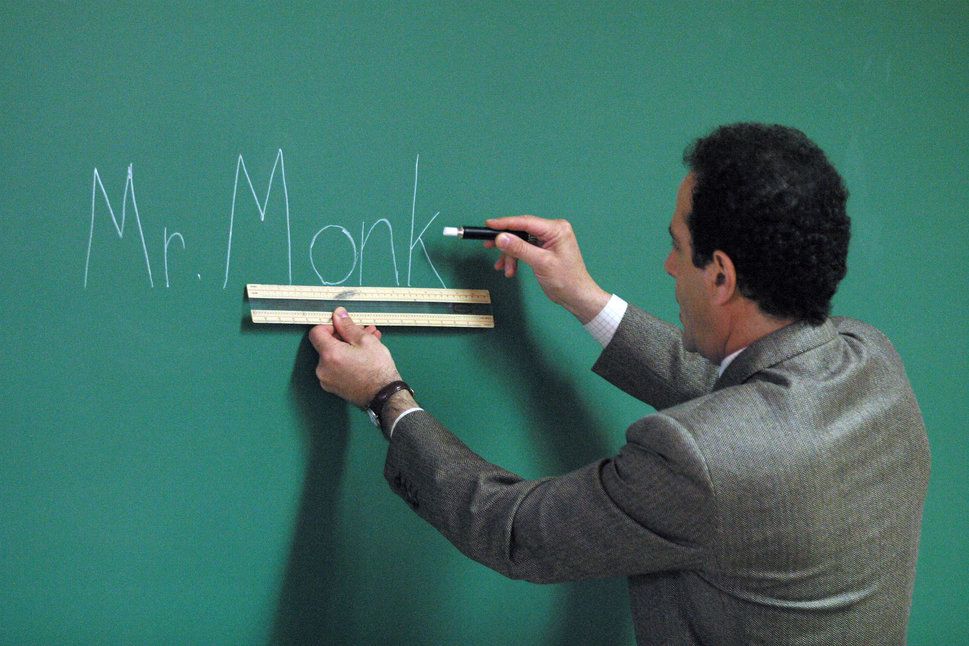
People differ in the number of self-imposed rules they have and their adherence to them. In the extreme, one might suffer from Obsessive/Compulsive Disorder. Think of Adrian Monk, “the defective detective” whose compulsions keep him from living anything like an ordinary life.

(N.B.: related to but different from phobias.)

Getting over self-imposed rules. 

When rules become stressful, and/or interfere with living happily, something’s gotta give.  Maybe someone people just realize they were unconsciously restricting themselves in certain ways, and choose to change the pattern.  

Some of these rules are relatively easy to recognize and break, but others are much more elusive and potentially insidious.

Ultimately, the person must consciously break a rule and realize that no one exploded, small children did not die, and (probably) s/he didn’t even get negative feedback. Indeed, people close to/living with the rule keeper may express relief, approval, and/or appreciation!

BOTTOM LINE: Consider your own self-imposed rules and (if you’re a writer) those of your characters. Consider bringing the non-conscious to awareness.

HABITUALLY LATE

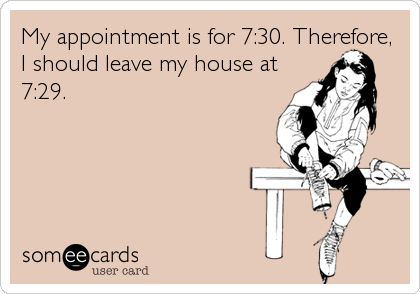
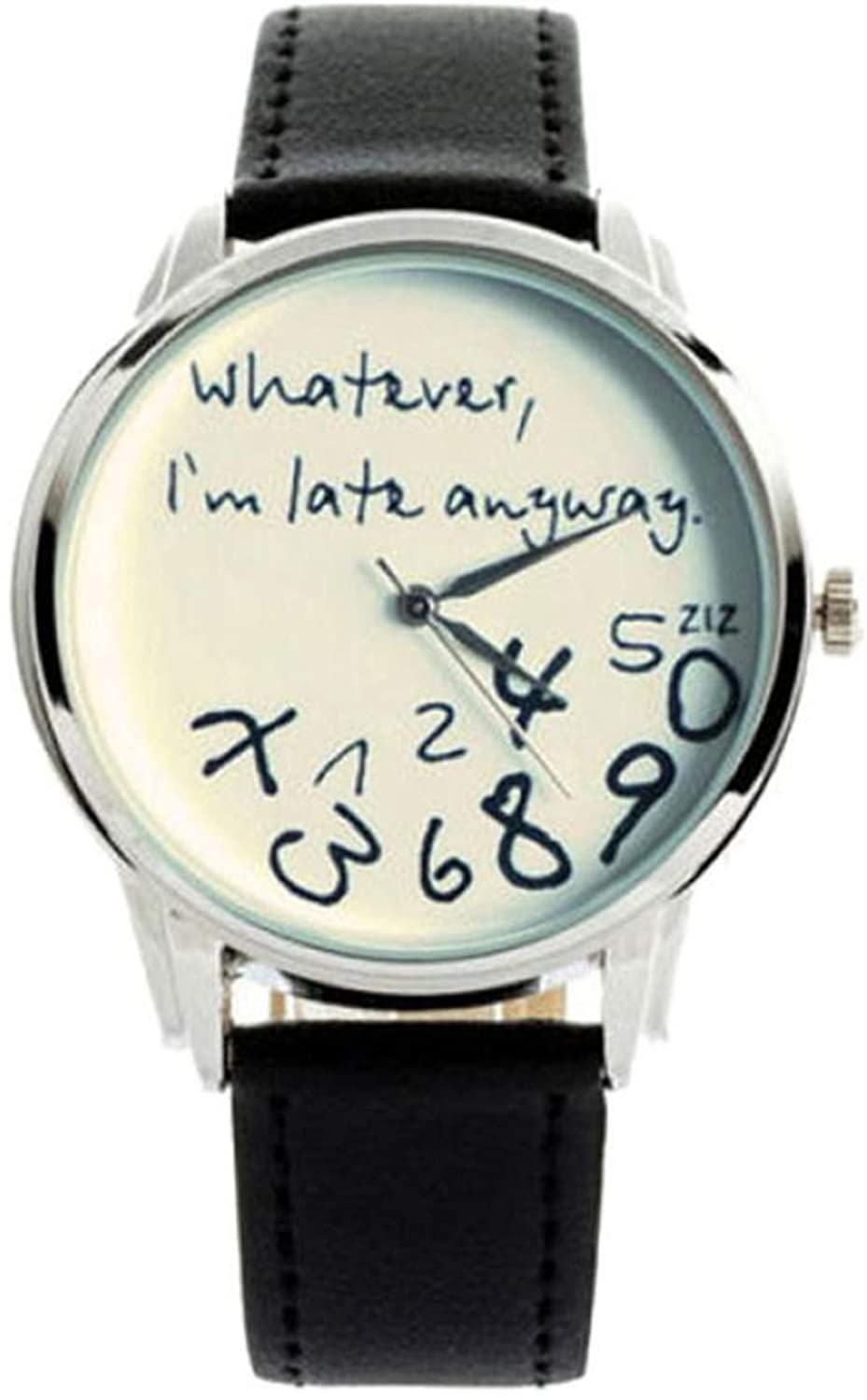
Virtually everyone is late sometimes. Flat tire, flight cancelled, wreck on the interstate, call from child’s daycare, slept through the alarm—it happens.

But some people are perpetually late – perhaps just a few minutes, but always. Why? There is no one answer, and therein lies the richness for writers.

Cultural

Some people grow up in a family, culture, or subculture where precise timing just isn’t considered important. For example, in Mexico being 30 to 60 minutes late is entirely acceptable. A Vietnamese friend refers to “elastic hours” — they stretch to fit as much as you need in them. In Morocco, it’s okay to be late by an hour or more—even a day!

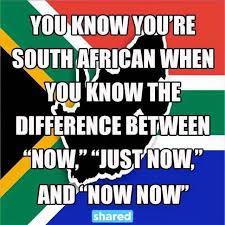
This concept shows up linguistically in South Africa. Elements of multiple languages have made their way into modern slang, making time estimation especially difficult for visitors. “Right now” means pretty soon, probably. “Now” refers to something that will likely happen before too long… but not now. “Just now” is an indeterminate amount of time later: maybe in a few minutes, maybe next month, maybe never.

Ever showed up to a party ten minutes late and still been the first guest there? Understanding the variations in punctuality among communities can be crucial to avoiding social awkwardness. It’s even more vital for people working in the entertainment industry: you don’t want to schedule multiple gigs in a day if one of them is likely to start two or three hours late.

Status Statement

When where you’re from doesn’t line up with where you are, the likelihood of negative encounters—anything from awkwardness to hostility—skyrockets.  In general, status is related to privilege, and that includes timeliness.

The CEO, president, or queen has more latitude; underlings, as a group, feel pressed to be present before their “betters.” Thus, people who are prompt may resent their habitually late peers or colleagues for “putting on airs.”

Said another way: they assume that tardiness is a passive way for a person to say that his/her time is more valuable than the time of others.

Mindset

According to therapist Philippa Perry (Jan. 1, 2020,theguardian.com), “The reason may be the opposite of arrogance. It could be that they don’t value themselves enough. If this is the case, might they be unable to see how others could possibly mind their non-appearance?”

Our perception of lateness—its importance and its meaning—is strongly influenced by setting. Different expectations apply at work versus in social settings. And just consider medical settings!

Perry also notes, “Late people often have a sunny outlook. They are unreasonably optimistic about how many things they can cram in and how long it takes to get from the office to the restaurant, say, especially if it is nearby.” 

This is my personal bugaboo when walking: somehow I never build in enough time to chat with a neighbor, return for a mask, or whatever. I’m not late when driving!

Also according to Perry, “Lateness can also be caused when we have a reluctance to change gear – to end one activity and start another.  We don’t like getting up, we put off going to bed. Stopping something we are absorbed in to do something else can be annoying. It takes willpower to carry out.” 

Professional

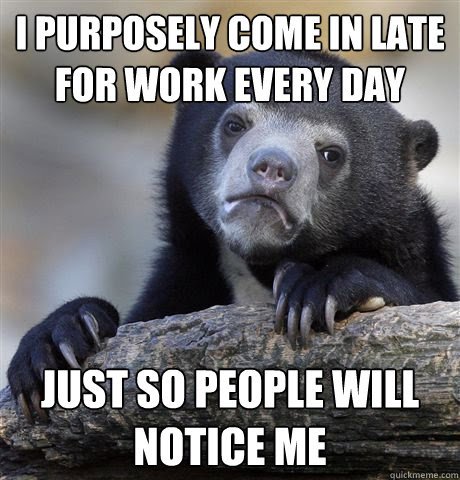
One important area where tardiness can be detrimental is the workplace. So why be habitually late? One possibility is that, at some non-conscious level, that person is avoiding success.

Results of my dissertation research indicated that “fear of success” depended on whether a woman saw success in this situation, on this task, as consistent with her perception of appropriateness for women. More generally, if one expects negative responses from spouse, family, or social group if one is “too good,” that fear would undermine or depress performance.

For such people, lateness is probably one of many self-sabotaging behaviors.  Perry reported on one client who fits this model. “When we unpicked what success would mean to her, she uncovered an old family belief that people with money were evil, bad people.” Then there are people who are just oblivious of or inaccurate about the passage of time.

And FYI, as we age we become less accurate in judging the passage of time, erring on the side of underestimating how much time has passed. Learning to overcome this handicap requires major effort.  And a conscious determination to take the necessary steps, not just a generalized intention to try to do better.

Bottom Line: Habitual lateness has reasons and consequences. Consider how everything from self-perception to interpersonal relationships, tension, even disasters, might be related. 

GHOSTS: NOT JUST AN OCTOBER THING

The ghost of Banquo appears before Macbeth… so buy this extract!

October is a month flooded with ghost images and stories. You might even know that what we call Halloween is rooted in the ancient Celtic festival of Samhain (pronounced sow-in—go figure!). The Celts lived about 2,000 years ago in what is now Ireland and northern France. Samhain was a time when people felt especially close to dead relatives and loved ones whose friendly spirits were welcomed for dinner, given treats, and provided with lit candles to help them find their way back to the spirit world.

Shortly after Halloween is Dios de los Muertos, the Day of the Dead. In Hispanic culture, November 2nd is the day when the spirits of loved ones can return to the living world to visit with family and friends.

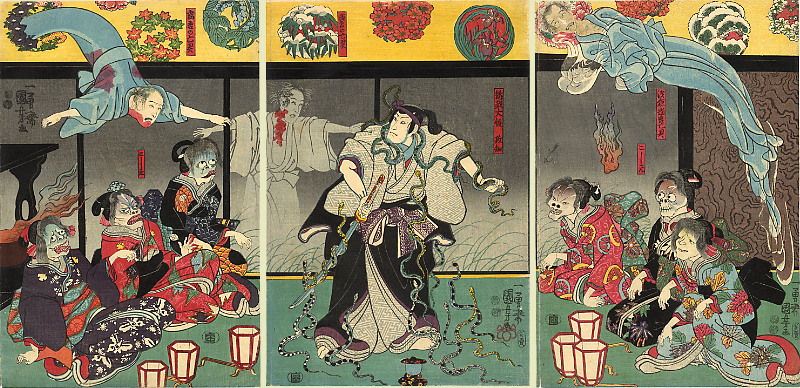
In late August or early September (depending on the lunar calendar), many Asian cultures celebrate the Ghost Festival or the Hungry Ghost Festival. During this week or month, depending on the country, celebrants not only honor their dearly departed but attempt to appease the spirits of the vengeful dead.

One can go online and find ghost stories galore, both ancient and modern.

But Are Ghosts Real? 

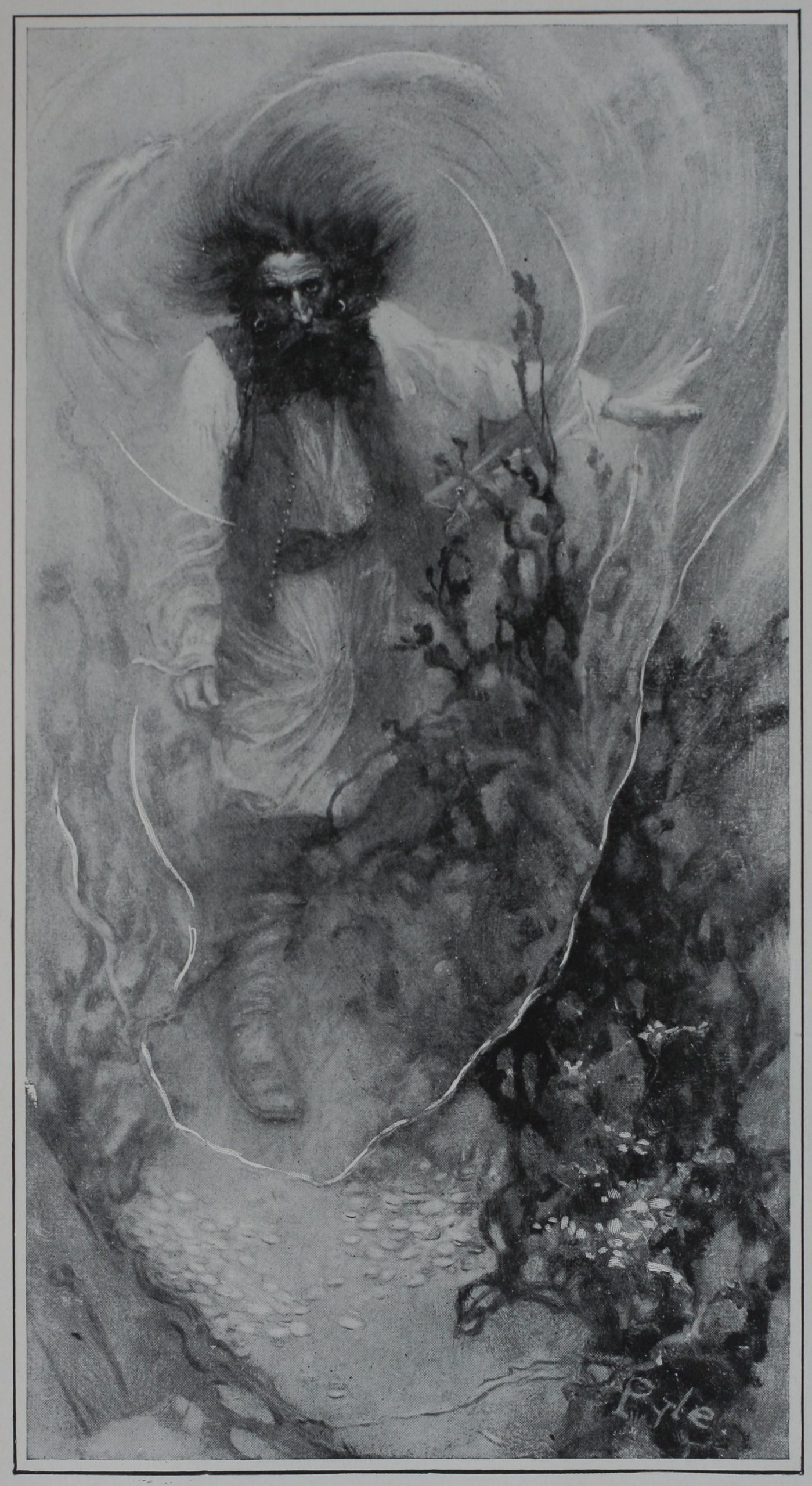
Blueskin the Ghost Pirate, from Howard Pyle’s Book of Pirates (1901)

Lots of people think so!

  • On 11/27/21, People wrote that 63% of respondents “to a recent survey” said they believe in paranormal activity of some sort and 57% of Americans believe in ghosts specifically. 
  • On 11/28/21, based on a different survey, USA Today said 40% of Americans believe in ghosts and 20% said they’ve seen one.
  • And according to an 11/28/21 article in The New York Times, a 1990 Gallup Poll reported 25% believed in ghosts.
    • In their 2005 poll, 32% of respondents said they believed in ghosts.
    • A 2019 IPSOS poll reported 46% of respondents were believers.

One might speculate about reasons for the apparent increase in the number of ghost believers over the decades.

Although these numbers are data, they are not proof!

But let’s back up a bit….

What Is a Ghost?

Oxford Language defines ghost (noun) as “an apparition of a dead person which is believed to appear or become manifest to the living, typically as a nebulous image.” But is that what all those survey respondents believe in? Not necessarily.

Some people believe there are categories of ghosts: poltergeists, residual hauntings, intelligent spirits, or shadow people. 

What’s the Evidence? 

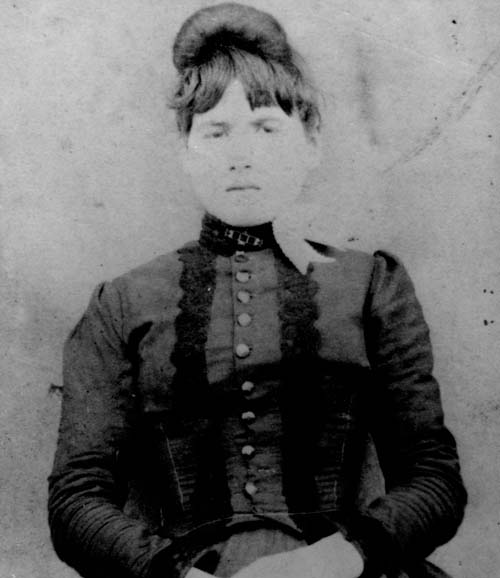
Elva Zona Heaster Shue, the Greenbrier Ghost
Elva Shue died in 1897, and the death was ruled to be of natural causes during childbirth. Mary Jane Heaster, Elva’s mother, later told a judge that the ghost of her daughter appeared before her to accuse her husband of murdering her. Elva’s body was exhumed, and signs of strangulation were found on the corpse. Erasmus Shue, Elva’s husband, was convicted of her murder

Bloody Mary – A Halloween greeting card, circa 1900, though the usual apparition is much more gruesome

Actually, there is nothing that scientists agree is evidence in support of ghosts existence. Benjamin Radford, 6/19/21, posted “Are ghosts real?” on livescience.com, considering this question in depth that I have summarized here.

For one thing, there are no clear, definite, agreed upon criteria. The presence of a spirit might manifest as a vision, an unexplained sound or light, a dream appearance, even a change of temperature or a light breeze, a cold spot in a hallway, a door closing for no apparent reason, keys or other objects missing or moved—virtually any unexplained happening/perception.

Contrary evidence is often based on logic and the physical world as we know it. How can an ephemeral being pass through walls, for example, but also lift or move furniture? Why do ghosts appear clothed? If the spirits of the dead can communicate with the living, why don’t murder victims just tell someone who did it?

But perhaps the evidence just hasn’t been found yet

Do People—Many People—Just Need to Believe in Ghosts?

Ancient Sumerian cylinder seal impression showing the god Dumuzid being tortured in the Underworld by galla demons

The belief that the dead remain with us in spirit is an ancient one, documented everywhere from the Bible to “Macbeth.” Many people are comforted by the belief that the spirits of dead loved ones look out for us, or support us in our times of need.

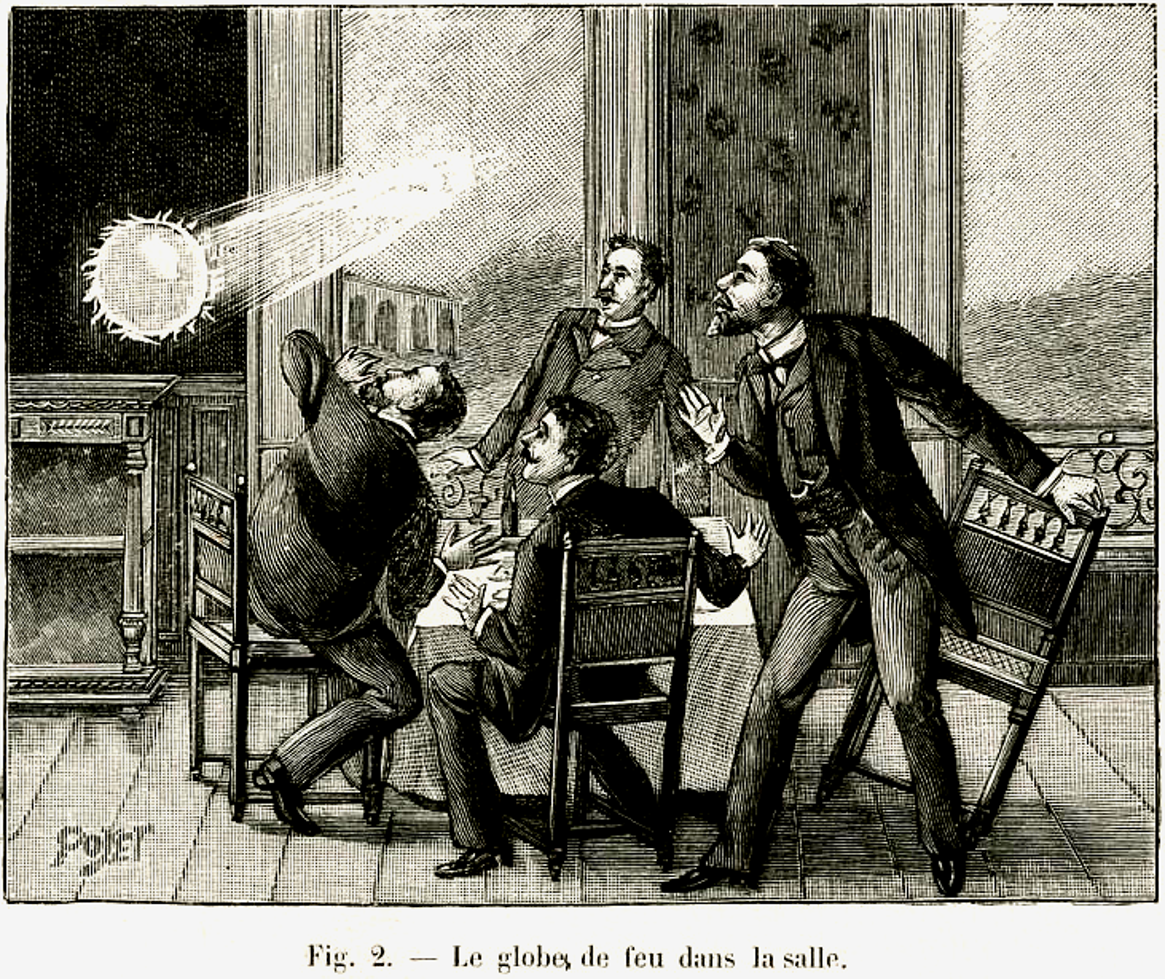
“Ball Lightning”

Some people do not accept that life as we live it is all there is to human existence. Consider the various religions that postulate life-after-death possibilities, whether those be reward/heaven vs. punishment/hell, reincarnation/rebirth, or something else.

For some, believing that spirits linger is a way of not accepting that a loved one is truly gone. 
And for some, the need for closure/understanding might drive them to ghosts as an explanation of anything otherwise inexplicable.

BOTTOM LINE: The lack of scientific support for the reality of ghosts is unlikely to separate believers from their beliefs. The sheer variety of ways ghosts/spirits are thought to manifest themselves means one can always find experiential “evidence” that supports one’s belief.

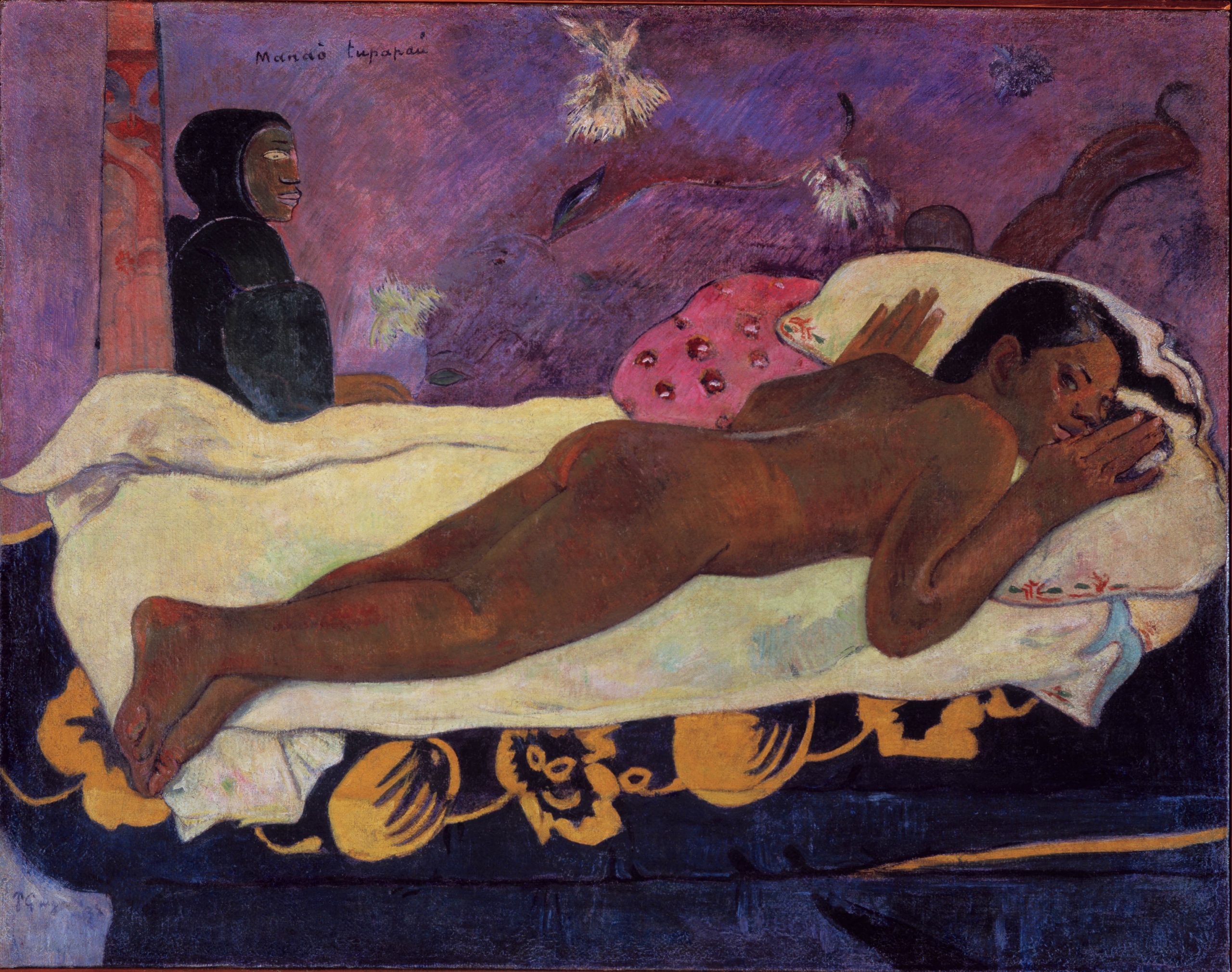
The Spirit of the Dead Keep Watch – Manao Tupapua
Paul Gauguin

L. T. RYAN: EVEN BEST SELLERS AREN’T PERFECT

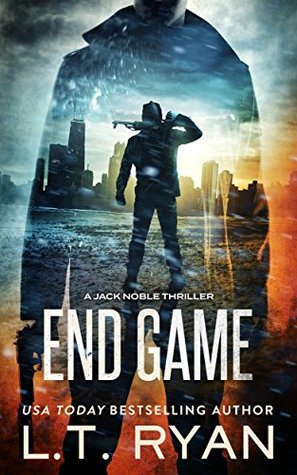
L. T. Ryan burst onto the publishing scene in 2012 with the first two books in the best selling Jack Noble series (now numbering 16). With his skills in marketing and technology, he was able to self-publish successfully through Amazon books. Ryan’s writing skills landed him spots on the best-seller lists for Amazon and USA Today.

The following year was even more productive. Ryan published nine more books in 2013, including five volumes in the Jack Noble series. Because he was able to control every step of the publication process, Ryan was able to ensure that all of his works are made available simultaneously in audiobook, eBook, and Kindle format as well as in print.

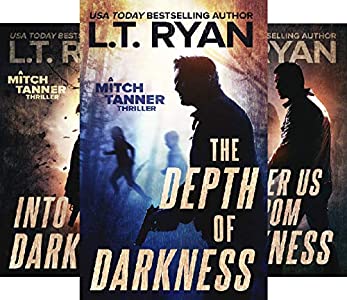
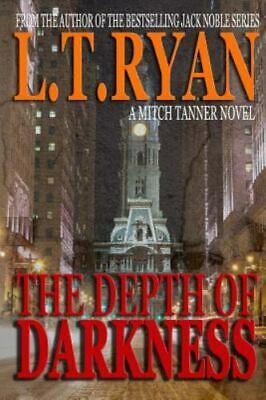
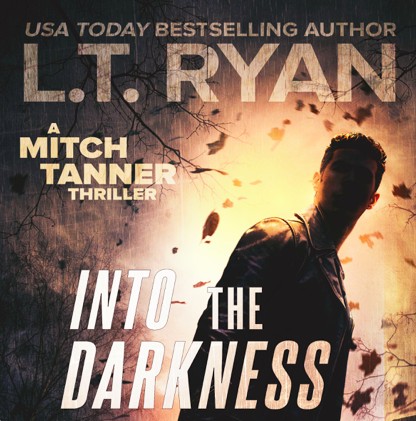
The Depth of Darkness, also published in 2013, is the first installment in the Mitch Tanner series. The other books in this series (so far!) are Into the Darkness and Deliver Us from Darkness.

The Depth of Darkness is my focus here because it is a great example of good and (in my opinion) bad writing—and thus could serve as a writing lesson to us all!

RELAX: No spoiler alerts needed here. Indeed, I hope you will read L.T. Ryan’s works and let me know what you think.

“L.T.” Ryan has lived in various points in the Appalachians, including Georgia and Virginia, with his wife, three daughters, and one slightly psychologically unbalanced, but lovable dog. He enjoys writing fast paced suspense thrillers. When not staring out the window while pretending to write, he enjoys reading, hiking, mountain biking, fishing, and spending time with the ladies in his life.

The Good

There’s a lot of it.

  • His plot here is complicated, with lots of threads that weave together in a believable pattern at the end. It revolves around two elementary school children kidnapped from the playground during recess.
  • His characters are interesting, well-drawn, and consistent, including the relatively minor ones (for example, Mitch Tanner’s mother). 
  • The two children, a really smart white girl and a black boy who suffers from asthma are best friends, perhaps initially based on both being outcasts. This cross-racial friendship is taken for granted/not a focal point for anyone, which I like. In addition, they are caring and protective of each other.
  • He avoids the stereotypes of the clingy, dependent female.
  • By and large, Ryan has created realistic children (even though occasionally the kidnapped girl seems resourceful beyond eight years old).
  • The interpersonal relationships appeal to me.
  • I like the balance between Tanner (who tends to be hot-headed and impulsive) and his partner, Sam (who supports Tanner while also providing a voice of reason/practicality.
  • Tanner and his pre-school daughter have a close, loving relationship—which is fresher than such a relationship between a father and a young son.
  • The sex scenes are handled well. I like that the sex is left to the reader’s imagination rather than being explicit to the point of causing one to wonder, “Could two people really do that?”

The Bad 

Although the issues described below distracted me from the reading experience, I greatly enjoyed the book. In fact, I liked The Depth of Darkness so much that I read the entire Mitch Tanner series!

Verbal Distractions

The specific one I noticed most was using “at” unnecessarily, as in, “Where are you at?” If it were only one character, it could be a character note. When multiple characters say it, it’s an author note.

The other thing that made me grimace was telling things implicit in the action. For example, when Tanner took his sunglasses off his head and dropped them in front of his eyes “to keep the sun out of his eyes.”  Sunglasses blocking bright sunlight is assumed. A reason to don sunglasses only needs to be mentioned when it’s something else, like hiding the emotion that might be revealed.

Other examples would be unlocking the door and then opening it, or describing how he kicked the door open, then reversed the action to kick it shut again.

Repetitious Actions

Mitch Tanner sweats—copiously and often. The reader gets many descriptions of how and with what he wipes the sweat from his brow. Also described often is the following relief of a blast of AC or cool air from the open refrigerator.

Tanner drinks beer and eats pizza so often one would think they are two of the basic food groups. So, okay. But everyone else seems to pick-up, order, make, or have pizza on hand, too. Why not cold chicken or leftover tuna salad sometimes?

Work calls in the night all seem to come at 2:00 or 2:30 in the morning.

Overall 

I recommend L. T. Ryan, because of the “good” stuff mentioned above. Also, I’m a series junkie, and he has a lot of those out there. AND, I didn’t notice the “bad” stuff cited above in all his books (for example, the Rachel Hatch series). 

In 2013, Ryan was a (relatively) inexperienced writer, and one would expect improvement with experience.

Bottom line: Your writing doesn’t have to be perfect to be worth reading, so keep at it.

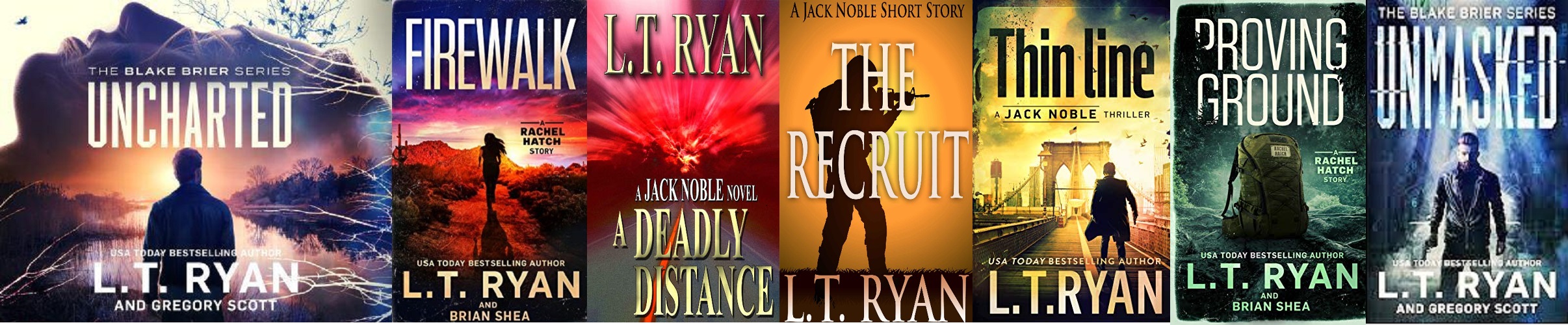
L.T. Ryan’s Works

Jack Noble: Because Bear Logan and Jack Noble’s stories overlap so much, L.T. Ryan has suggested the following reading order to encompass both series.

  • The Prequels
    • The Recruit
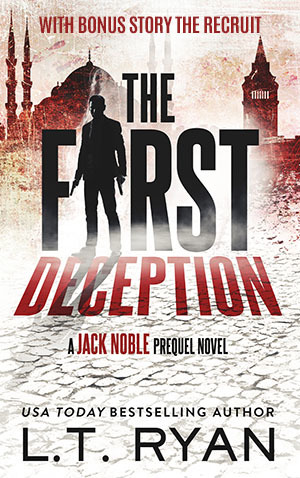
    • The First Deception
  • The Early Years
  • The Noble Sagas
    • Noble Intentions (Jack Noble 4)
    • When Dead in Greece (Jack Noble 5)
    • Noble Retribution (Jack Noble 6)
    • Noble Betrayal (Jack Noble 7)
    • Never Go Home (Jack Noble 8)
    • Beyond Betrayal (Jack Clarissa)
    • Noble Judgment (Jack Noble 9)
    • Never Cry Mercy (Jack Noble 10)
    • Deadline (Jack Noble 11)
    • Noble Ultimatum (Jack Noble 13)
    • Noble Legend (Jack Noble 14) – Pre-order

Rachel Hatch

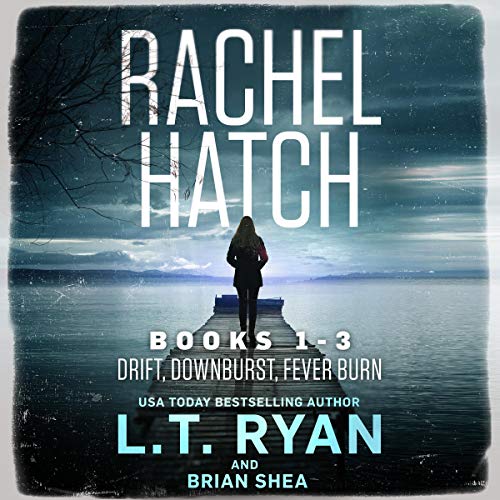
  • Drift
  • Downburst
  • Fever Burn
  • Smoke Signal
  • Firewalk
  • Whitewater
  • Aftershock
  • Whirlwind

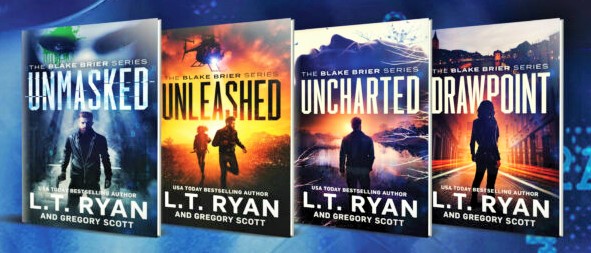
Blake Brier

  • Unmasked
  • Unleashed
  • Uncharted
  • Drawpoint
  • Contrail

Mitch Tanner

  • The Depth of Darkness
  • Into the Darkness
  • Deliver Us from Darkness

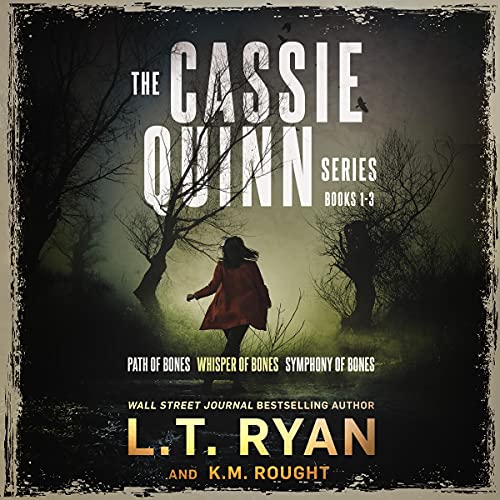
Cassie Quinn

  • Path of Bones
  • Whisper of Bones
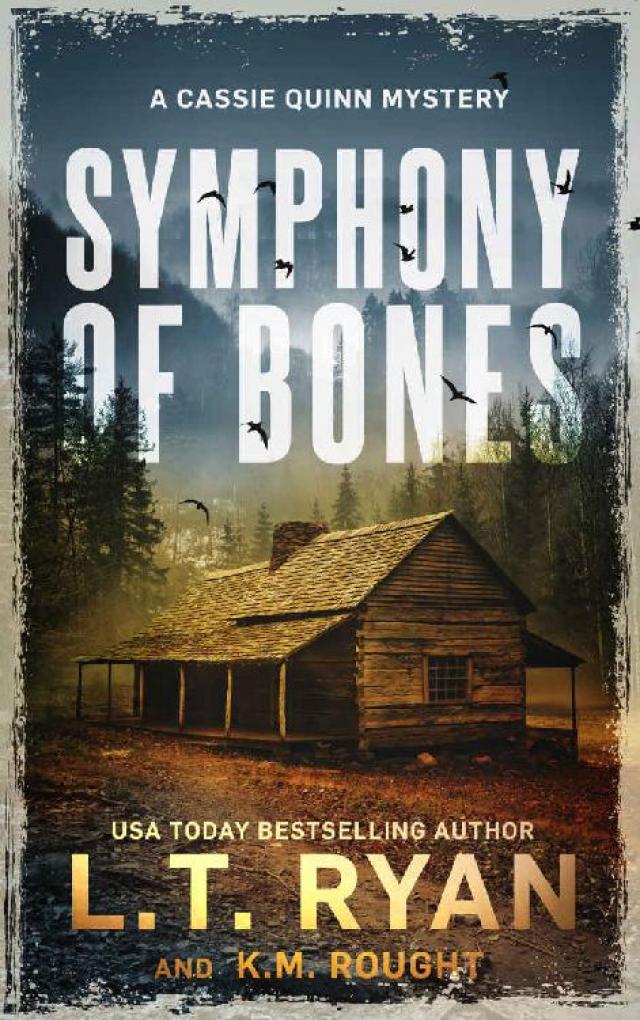
  • Symphony of Bones
  • Etched in Shadow
  • Concealed in Shadow

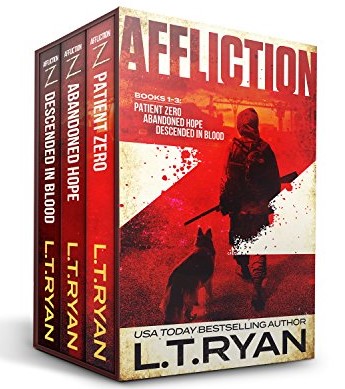
Affliction Z

  • Patient Zero
  • Abandoned Hope
  • Descended in Blood
  • Fractured
    • Part 1
    • Part 2
  • Coming Soon: The Sickness of Ron Winters