For one thing, you can’t live without it! Fortunately, it’s a hard worker. It beats over 100,000 times per day, pumping about 1.5 gallons of blood every minute. (Over the course of a day, that adds up to over 2,000 gallons.) The right side of your heart pumps blood into your lungs. The left side of your heart pumps blood back through your body, delivering that oxygen to cells. Other than the cornea, every cell in the human body gets blood from the heart. There are 60,000 miles of blood vessels in your body—enough to go around the world twice—in order to reach all those cells. Strong as it is, things can go awry. Heart disease is the number 1 cause of death in the United States.
Metaphors of the Heart
Even without understanding the biology, the heart has taken its place at the heart of human culture.
Take language, for example. Think metaphors. Those involving the heart quickly and efficiently convey whole worlds of meaning.
The heart of the matter
A heart of gold
Heart of stone
Cold hearted (or warm hearted)
Heart of a lion/lion hearted
Take heart
Heartless
Wearing one’s heart on one’s heart sleeve
Heart ruling your head
Heart and soul
Pour out your heart
Set your heart on something
Speak from the heart
Break your heart/broken hearted
Win someone’s heart
To have a big heart
The heart of the city
Yes, such metaphors are very useful in spoken discourse. If you use them in writing, however…cliché.
Hearts in Song
There are approximately a gazillion songs involving hearts. Those that come easily to my mind include:
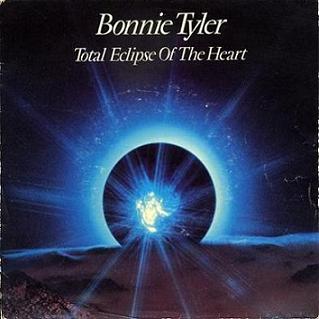
(RIP, Bonnie Tyler)
Heart Over Mind
Heartbreak Hotel
Sergeant Pepper’s Lonely Heart’s Club Band
Your Cheatin’ Heart
Heart and Soul
You Gotta Have Heart
But if you want to really get into it, search online: you will find lists of 20, 50, 100 songs with hearts in the title.
You can also find similar lists of poems.
Heart Symbolism
The usefulness of heart in such ways owes much to the symbolism. A heart is one of the most universally recognized symbols, carrying deep emotional, spiritual, and cultural meanings across history and societies. Here are some of its most common symbolic interpretations:
Love and Romance
- The heart is most strongly associated with love, both romantic and unconditional.
- It represents passion, desire, and emotional connection.
- In Western culture, people often use the heart symbol (❤️) to express affection, attraction, or deep care for someone or something.
Life and Vitality
- Historically, the heart was seen as the center of life and soul in many ancient cultures.
- In Egyptian and Greek traditions, the heart was believed to be the seat of the soul, emotions, and intelligence.
- The phrase “follow your heart” suggests trusting your instincts and inner wisdom.
Compassion and Kindness
- A heart symbolizes compassion, empathy, and kindness.
- Acts of charity or volunteerism are often described as “giving from the heart.”
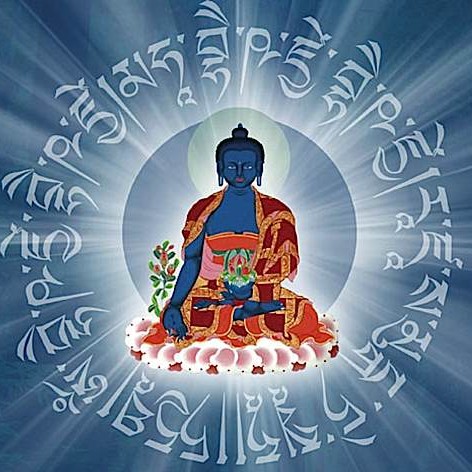
- The heart chakra in Hindu and Buddhist traditions represents love, healing, and spiritual connection.
Courage and Strength
- The phrase “a lion-hearted person” refers to someone who is brave and strong.
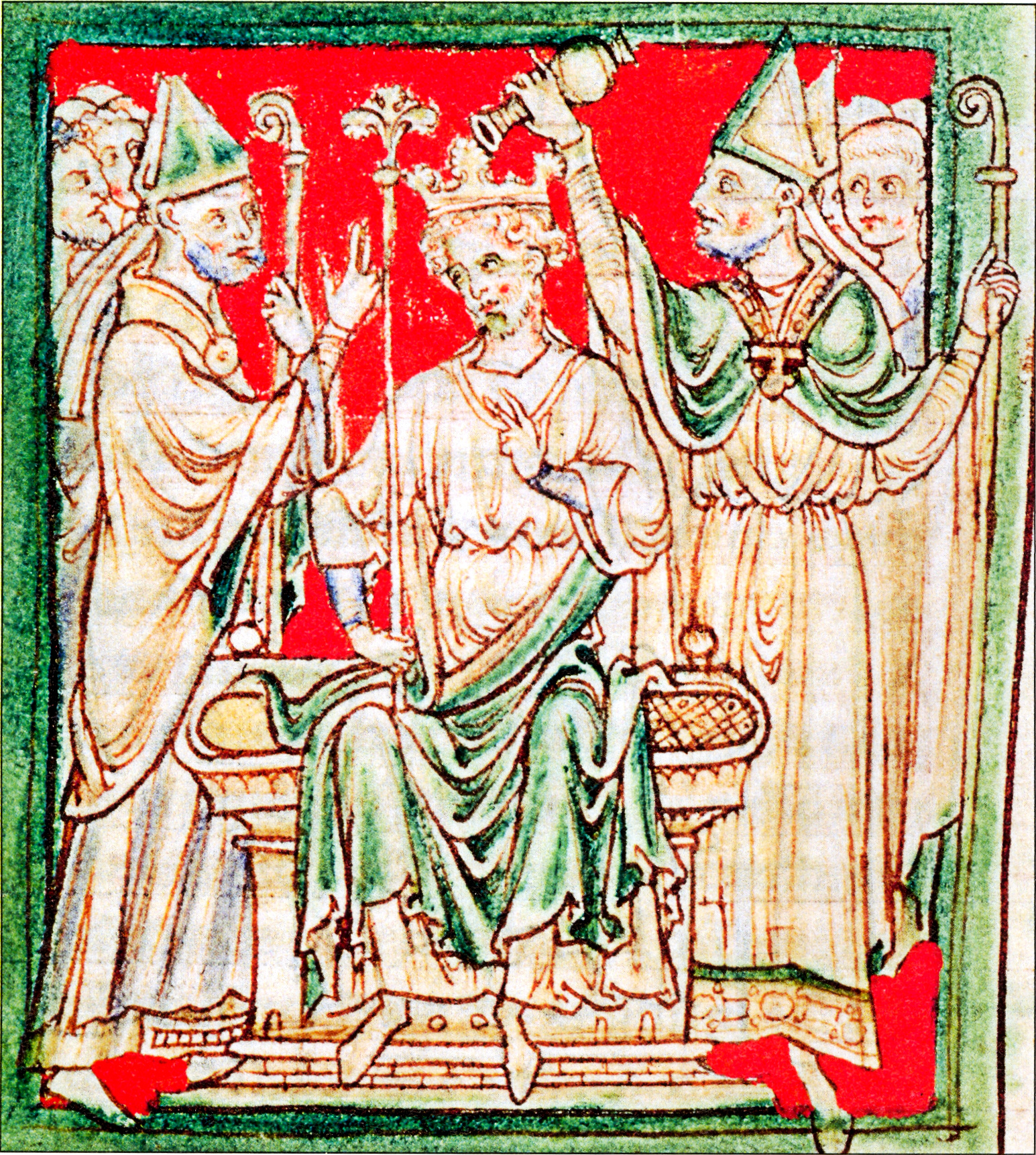
- In medieval times, the heart was a symbol of heroism and valor.
Health and Healing
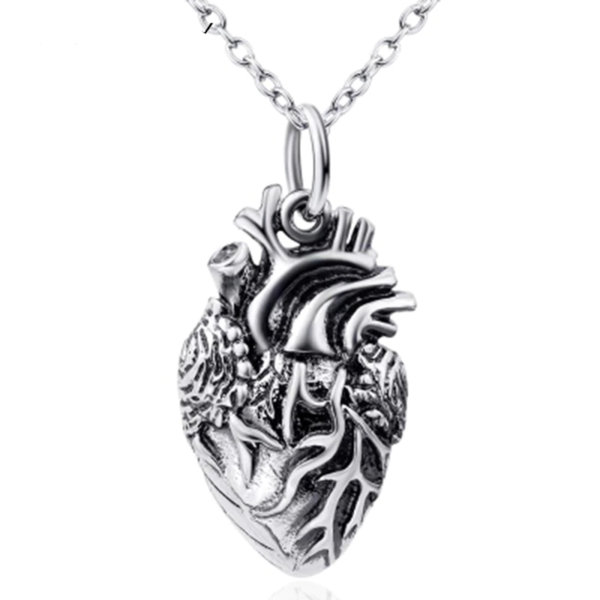
- The heart is a medical symbol for health, vitality, and the circulatory system.
- It represents resilience and recovery, especially in contexts like heart disease awareness (e.g., the red dress symbol for heart health).
Spiritual and Mystical Meanings
- In Christianity, the heart symbolizes faith, devotion, and the divine love of God.
- The Sacred Heart of Jesus is a prominent symbol in Catholic iconography, representing divine love and mercy.
- In Taoism, the heart is seen as the center of balance, harmony, and inner peace.
- The Egyptians believed a person’s deeds, good and bad, resided in their heart, which would be tested after death to determine their afterlife.
Unity and Connection
- Two intertwined hearts often symbolize unity, partnership, or marriage.
- The heart can also represent global unity, as seen in movements like “We Are the World” or environmental campaigns.
Transformation and Growth
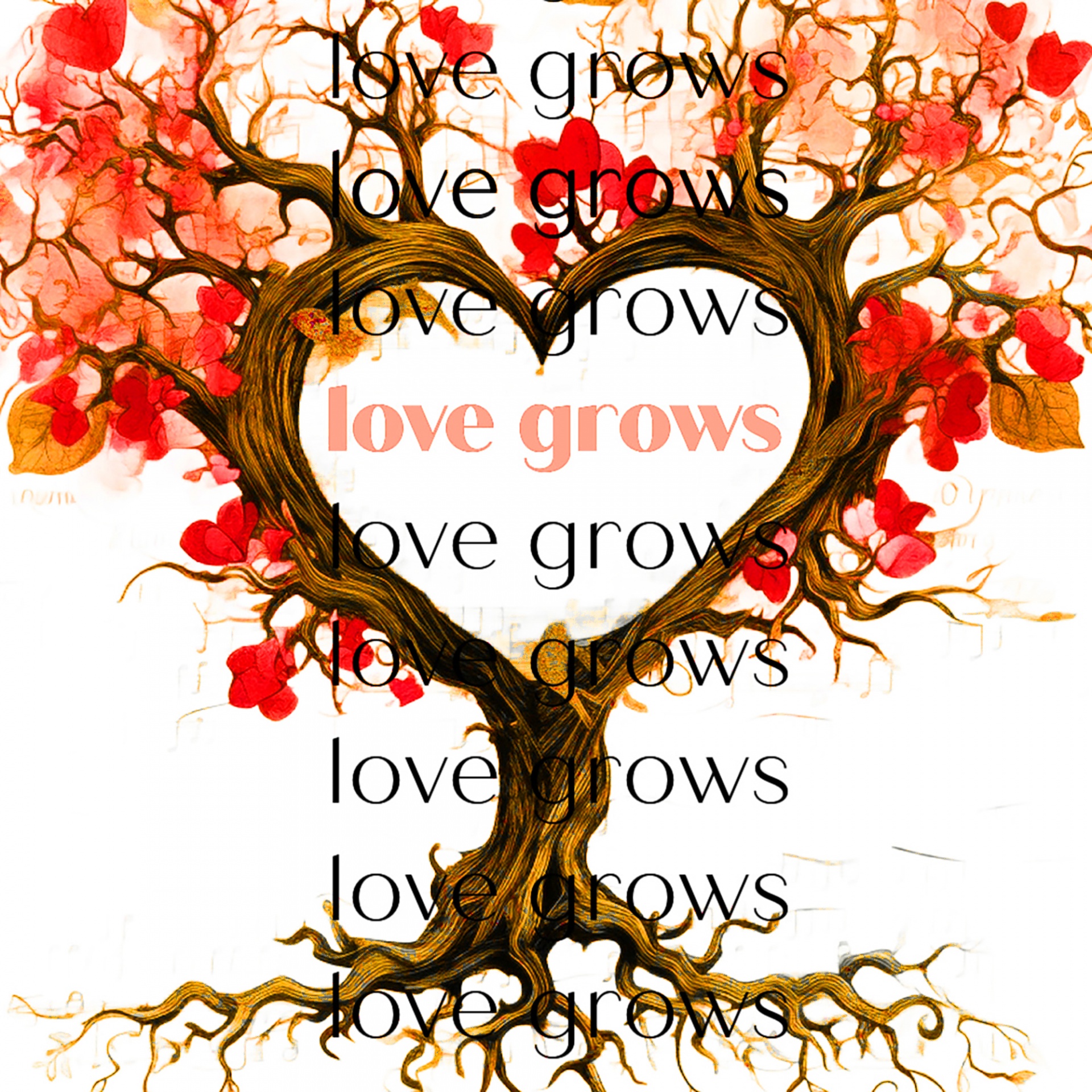
- The heart is a symbol of personal growth, healing, and renewal.
- It represents the idea that love and pain can lead to transformation.
Nature and the Earth
- The heart shape appears in natural forms like leaves, seeds, and rivers, symbolizing nature’s nurturing power.
- It is often used in eco-friendly and sustainability movements to represent care for the planet.
Art and Creativity
- The heart is a universal motif in art, literature, and music, representing beauty, emotion, and human experience.
Cultural Variations
- In China, the heart is associated with the idea of “xin” (心), which encompasses both the physical heart and the mind, representing thought and emotion.
- In some Native American traditions, the heart is a symbol of truth, sincerity, and harmony with nature.
- In Japanese culture, the heart (“kokoro” or “shin” 心) represents the core of one’s being.
Modern Uses
- Emojis: The heart emoji (❤️) is used globally to express love, friendship, or appreciation.
- Tattoos: Heart tattoos often symbolize love, loss, or remembrance.
- Brands and Logos: Many companies use the heart symbol to convey care, trust, and emotional connection (e.g., healthcare, non-profits, and food brands).

Some heart information is (in my mind) interesting but not obviously important.
For example, the average heartbeat of a woman is about 8 beats a minute faster than a man’s heartbeat.
Other information can raise red flags about stress and danger. For example, the most heart attacks occur each year on Christmas Day. The day after Christmas and New Year’s Day are close behind. More heart attacks happen on a Monday than any other day of the week. The more you know….
Bottom Line: Hearts are important physically, metaphorically, and symbolically.