
Owning a pet comes with many powerful benefits, such as improved blood pressure control and maintaining social connections. However, the responsibility of caring for a pet also comes with potential risks and hazards. In Dumb Witness, Agatha Christie even wrote about a woman who may have been killed by her pet dog (but I won’t give away the ending)!
Researching all pets—tortoises, birds, rodents, etc.—is beyond my scope here, so I’ll stick mostly to the most common pets, cats and dogs.
Financial Hazards of Pet Ownership
Owning pets can be hazardous for your financial well-being. The average cost of owning a pet ranges from $1,591 to $2,770 per year, and that’s just for essentials like food, grooming, and vet check-ups. Of course, a lot depends on the pet.
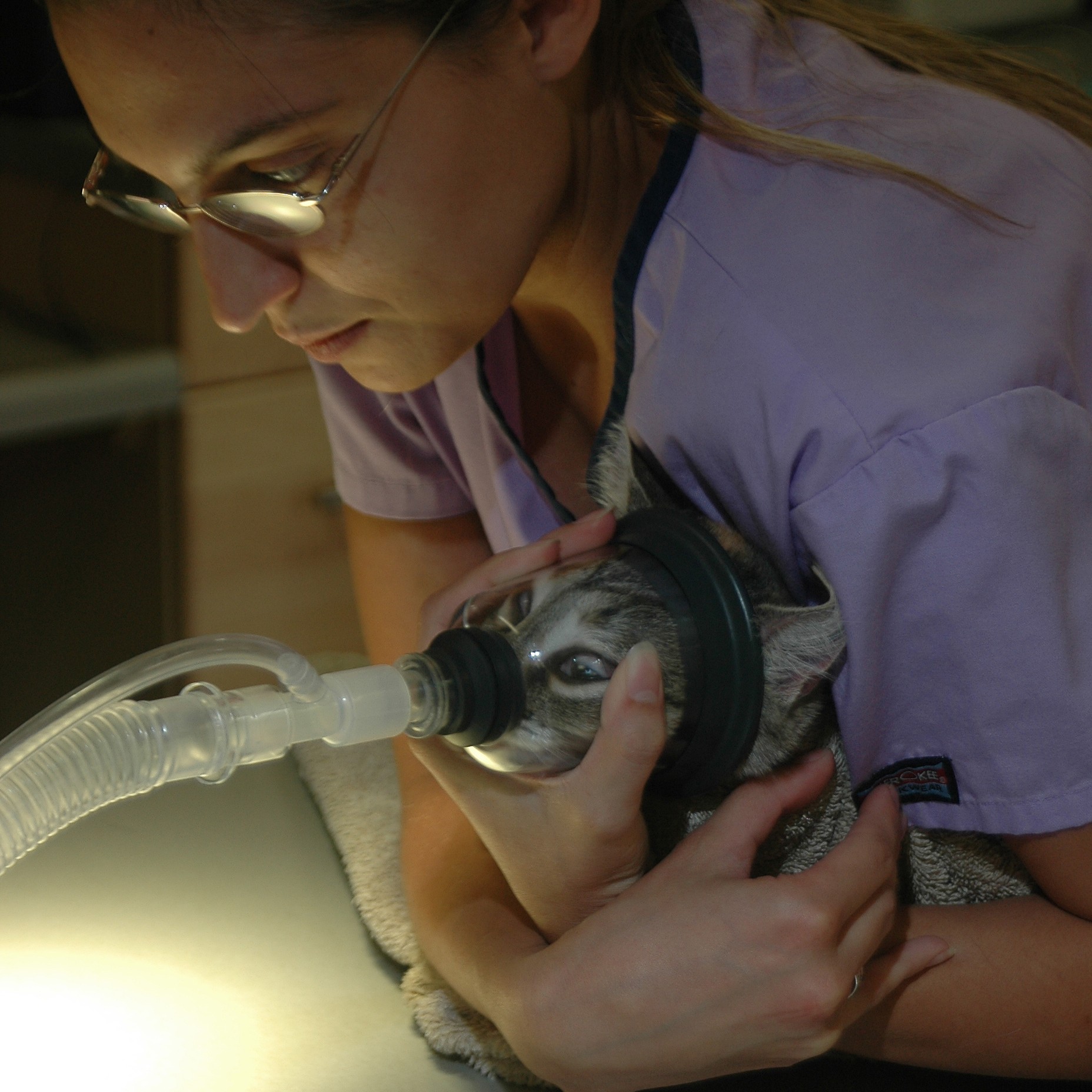
Dogs are more expensive than cats, in general. The average cost of owning a dog ranges from $1,500 to $5,000 in the first year and $1,000 to $3,000 thereafter. The average yearly cost of owning a cat ranges from $250 to $4,000, with common expenses around $1,150 per year, varying by factors like breed, health, and lifestyle choices.
Goldfish? The classic goldfish in a bowl costs practically nothing, but goldfish lovers don’t recommend this. For one thing, they fare better in pairs. And most have a more elaborate setup. This includes around $200 for tank, stand, filter, light, water test kit, food and a few other things. After the initial start up, it will cost you almost nothing. One owner reported spending no money on pet goldfish other than electricity in 6 months.
Health Hazards of Pet Ownership
Beyond money, pets can be hazardous to you health. Pets can transmit diseases like MRSA and roundworm. Many carry allergens that can cause adverse reactions in their owners. Not surprisingly, children are more susceptible to infections from pet feces.
Specifically, dogs can pass salmonella, toxocariasis, Lyme disease, rabies, and MRSA to humans.
Everyone knows about rabies, but less familiar campylobacter is a bacterial disease that causes diarrhea (often bloody), fever, and stomach cramps. Puppies are more likely to spread it than adult dogs.
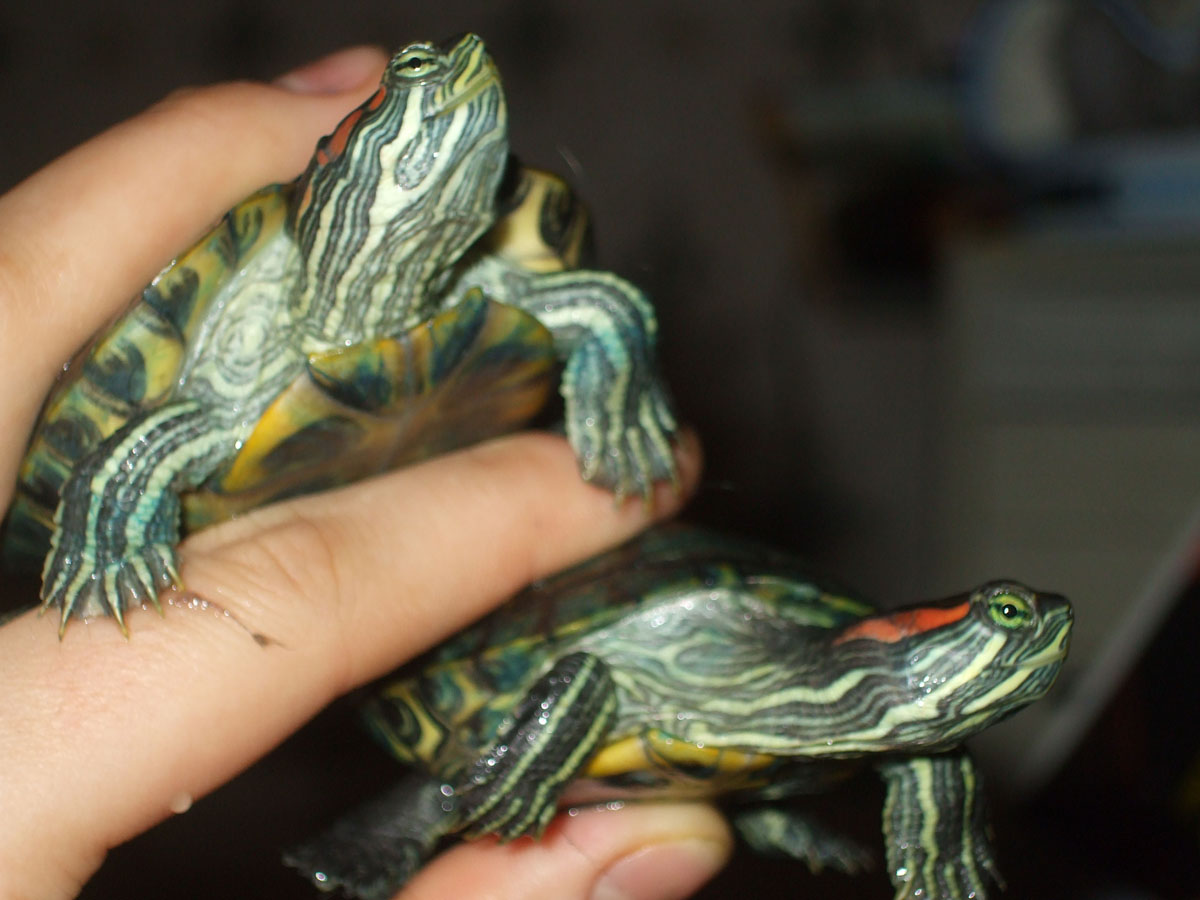
Reptiles can carry several illnesses on their skin, passing them on to human handlers. Iguanas and snakes might have botulism, campylobacteriosis, or leptospirosis. Pet turtles in particular often carry salmonella on their shells.
Even fish can make you sick! Cleaning a fish tank is a good way to expose yourself to mycobacterium marinum and vibrio bacteria in the water. Doing so with broken skin can lead to fish tank granuloma: painful, itchy, red bumps under the skin.
Cat-Specific Health Hazards
There are four primary ways cats can spread diseases to humans: feces, bites and saliva, contact with skin or fur, and scratches.
Toxoplasmosis is the most serious cat-dependent disease that can be passed to humans, caused by the parasite Toxoplasma gondii. You can get it from contact with cat feces. Some people get flu-like symptoms. Serious cases of this disease most often affect infants and people with weakened immune systems.
Cat-scratch disease (CSD), a bacterial infection, most often results from a scratch or bite of a cat. The CDC reported in Emerging Infectious Diseases that cat scratch disease can be fatal in humans. The death rate for serious cases is reported to be approximately 30%. A prompt diagnosis is often difficult. Symptoms typically include a non-painful bump or blister at the site of injury and painful and swollen lymph nodes. People may feel tired or have a headache or fever. Symptoms typically begin within 3–14 days from the time of injury.
Other Hazards of Keeping Pets
And then there are the hazards to your living quarters. The most common are dirt, hair, and scratches on furniture and doors. But also pushed-out screens, broken vases or other decorative items, lick-marks on butter. Aquariums can leak and damage floors. Pet birds can fly into ceiling fans, windows, and screens, or make messes on top of hard-to reach cabinets. Having pets can add extra complications when renting: landlords may charge extra deposits, increase rent, or forbid pets from the home altogether.
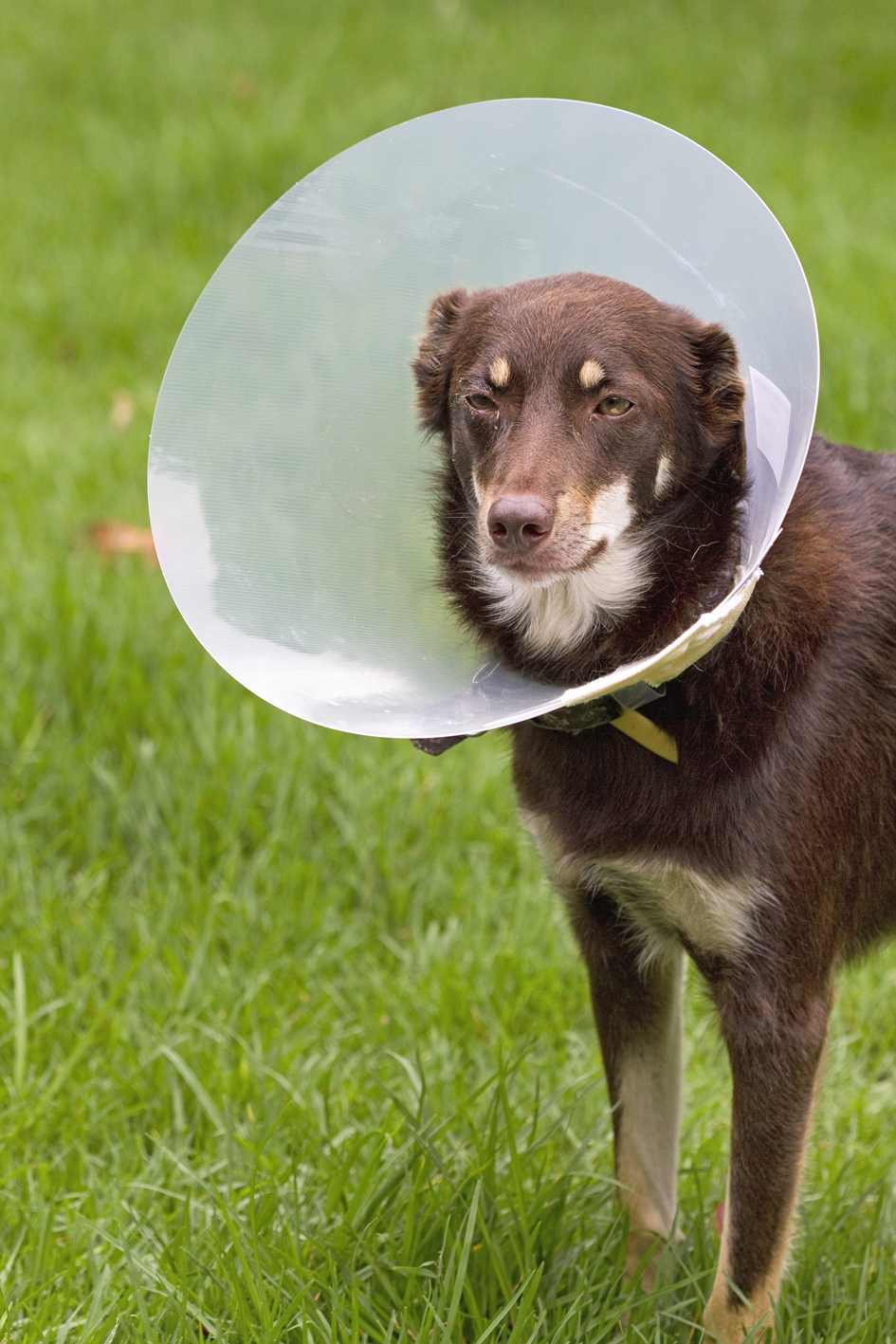
Pets can be hazardous to your social life. You may have to miss a holiday party to care for an ill or post-op pet, as my youngest daughter did on 4th of July. Trips out of town or even extended work shifts may be curtailed by a pet’s needs. People may decline your invitations because of allergies to pet hair or dander. (I’m so allergic to guinea pig dander that I can’t even be in a room where they have been). Some people might fear your pet reptile. And when your pet doesn’t get along with the pet belonging to your budding love interest…
There is also an almost guaranteed emotional hazard of caring for a pet. With the exception of a few birds and reptiles, most of the common pet species have significantly shorter lifespans than the humans who keep them. A lifetime of loving pets means having to bury a friend every ten or twenty years. Owners may also have to decide whether to put an animal through a painful treatment or to end a beloved pet’s suffering, knowing that there is no way to explain to the animal what is happening.
Clearly, lots of people find pet ownership worth the hazards. As of 2025, 95 million U.S. households owned at least one pet.
Bottom Line: If you choose to own a pet, consider the hazards that might come with your pet-of-choice!