A few days ago, I noticed that my right leg is bigger than my left: thighs, knee, calf, top to bottom. The only surprise here is that—having lived in this body for decades—I hadn’t noticed this sooner.
I’m right-handed (along with 85-90% of people worldwide), and I noticed early on that the fingers on my right hand are longer than on the left, and every time I buy shoes, I’m reminded that my right foot is bigger than the left. My right hand and arm are stronger than the left as well. I assumed that these things all go together.
Wrong!
Athletic Unevenness
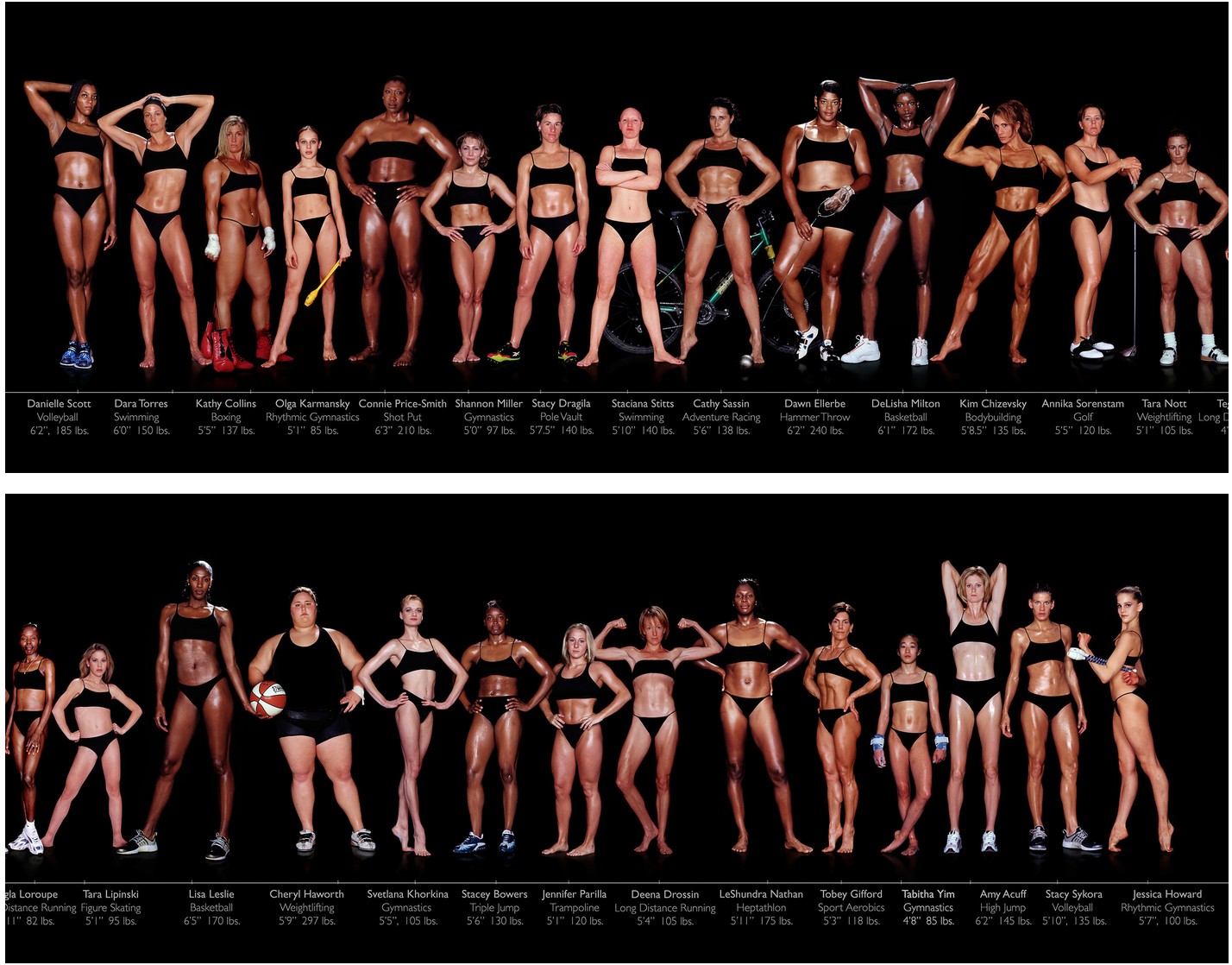
It turns out that such definite “right-sidedness” is because I am not athletic! According to research, for people who play sports, even right handers have bigger left legs. Whether a layup, a pitch, or throwing a ball, the primary plant leg is going to be the left. According to what I read, amateur to professional, almost every right handed athlete has a stronger left leg. (The same is true of right-handers who do weight-training.)
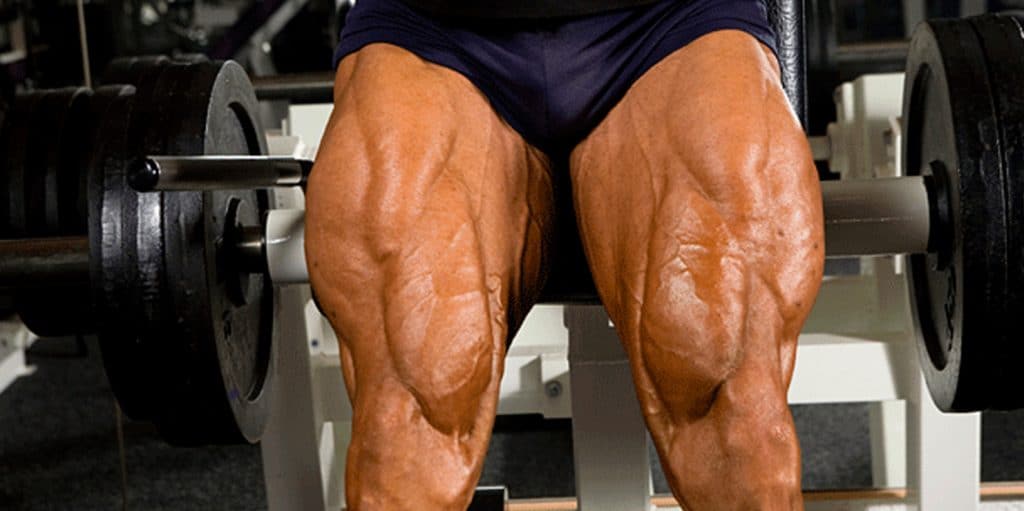
Just for the heck of it, I asked (step-grandson) Cash about his handedness and thigh size. He’s over 6’5” tall and a great basketball player, although only a high school junior. He’s right-handed and reported that, previously unnoticed, indeed his left leg is bigger, even at the young age of 17.
On the other hand, handedness is usually related to eye dominance. True to expectation, my right eye is dominant. (If you don’t know which is your dominant eye, and want to, consider which eye you tend to use for one-eye tasks such as a viewing through a telescope or aiming a rifle.)
On the third hand, eye dominance is not related to the strength of vision in each eye but rather to the brain’s preference for processing visual information from one eye over the other. In my case, my left eye has better vision.
A yoga-teaching friend of mine noted that slight differences in leg length are common. In the extreme, this is related to scoliosis. But even less extreme cases are reflected in hip flexibility.
Facial Asymmetry
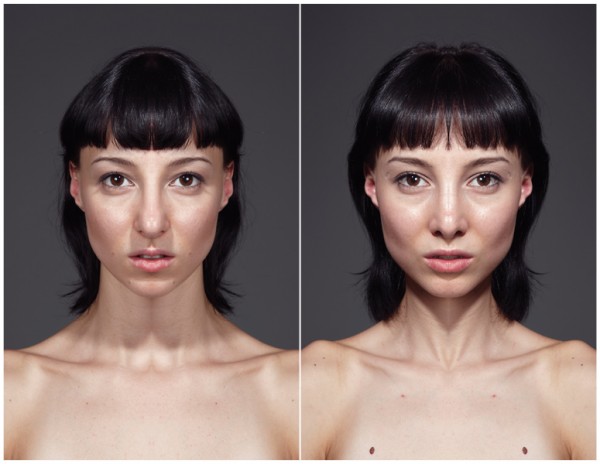
Size, strength, and vision aren’t the only asymmetries in our bodies. Most of us don’t typically consider that our faces aren’t symmetrical, but it’s so. Bilateral features in the face, such as left and right eyes, ears, and lips, often show some asymmetry.
Decades ago, a classic psychology experiment determined that if photographs are manipulated to produce pictures of symmetrical faces made from two left sides or two right sides, people always, and easily, chose one photo as more attractive. Conclusion: people really do have “a better side”!
In general, symmetry is more pleasing than asymmetry. In my face, the most noticeable differences are more hairs in my right eyebrow and deeper wrinkles on the left side. I trust the former is noticeable only to me, but the latter is obvious. I attribute it to sleeping on my left side from as far back as I can remember until I had breast surgery for cancer in 2014.
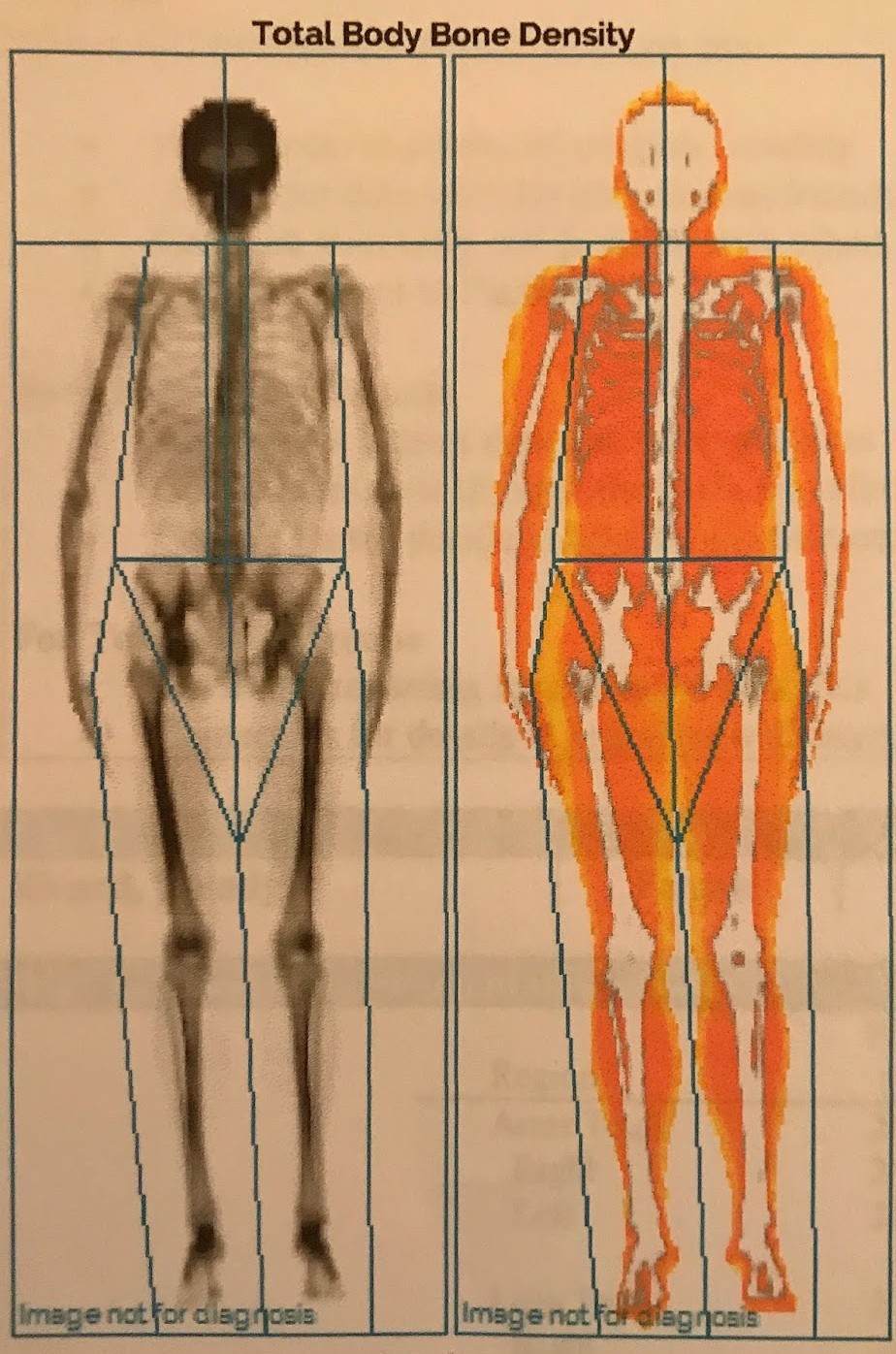
Body variations in symmetry is often observed in wrists, breasts, testicles, and thighs. I already mentioned my right thigh. My right wrist is bigger, as was my right breast prior to 2014.
Fortunately I am relatively symmetrical, in spite of all the exceptions I’ve admitted to. That is to say, no one looking at me would think “lopsided.”
I say fortunately because research has found multiple factors that are associated with symmetry. It can indicate developmental stability, and also suggest genetic fitness. This can further have an effect on mate attraction and sexual selection! Physical health is also associated with greater symmetry. According to Wikipedia, multiple other factors can be linked to asymmetry, such as intelligence and personality traits.
Asymmetrical bodies are common and usually harmless, often due to genetics, posture, natural aging, and—as noted above—exercise.
Muscle Memory
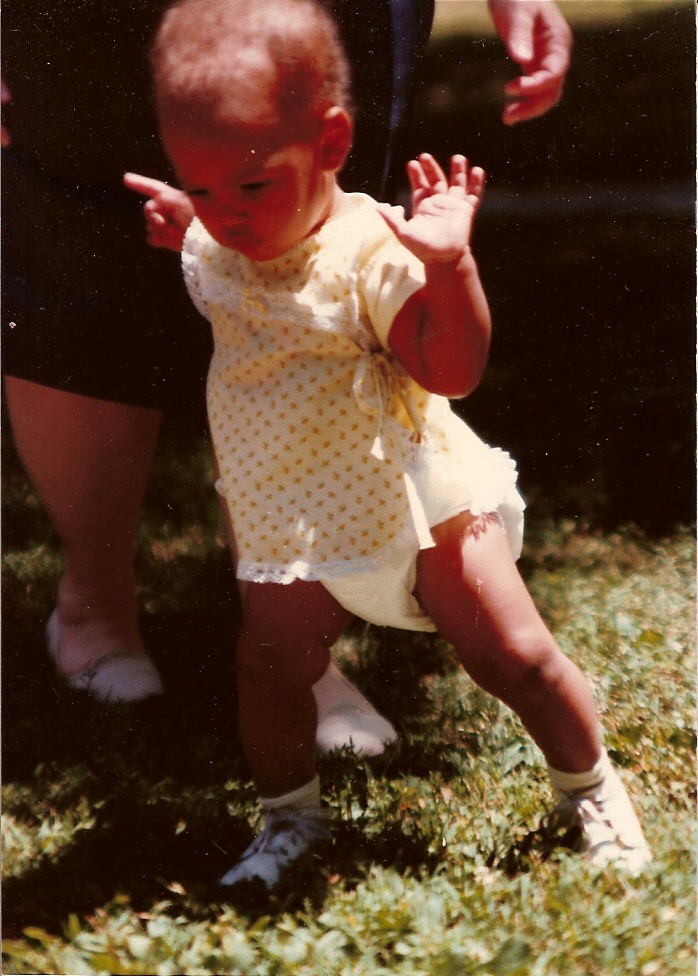
Thinking about repetitive movement as it relates to body asymmetry (thigh size and athletic movements, as I already mentioned) led me to think of muscle memory. Muscle memory is moving in a particular way without thinking about it. This type of memory comes from repetition or practice—doing the same task over and over in the same way. Many movements involved with bathing, playing an instrument, eating, driving, dancing, etc., rely on muscle memory.
Along with all this other self-examination, I’ve been considering what I think of as my personal muscle habits. The first thing that came to mind is that on a frequent walk from my house, about 200 steps along, I climb a set of three steps. I happened to notice that, regardless of whether I’m strolling or hurrying, I always ascend the first step with my right foot first. Having noted that, I checked: I always mount stairs right foot first.
Similarly, I always put pants on right leg first. I virtually always put dangle earrings on left ear first, whereas stud earrings are right ear first.
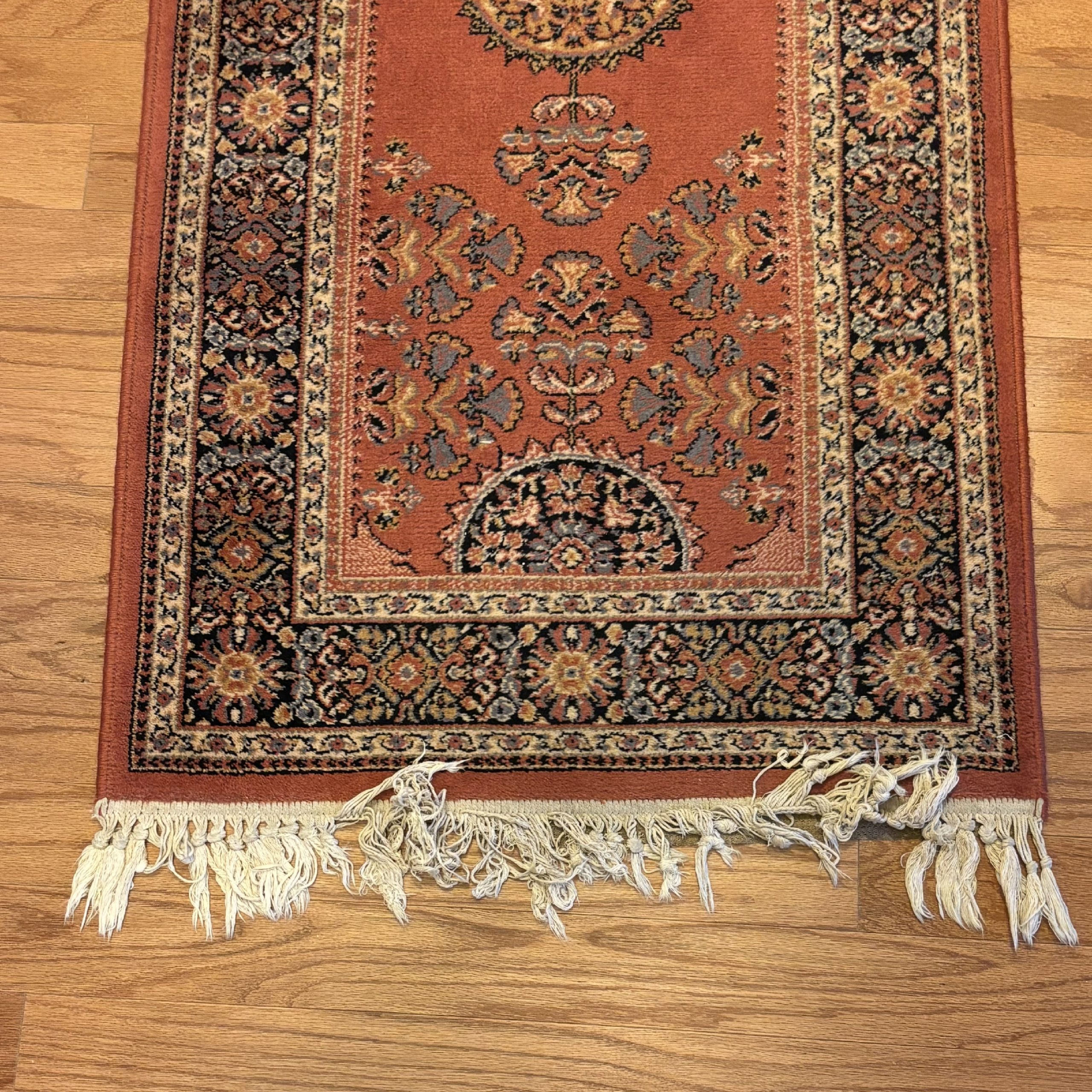
My house is dotted with area rugs, and the fringe is scuffed in the same place on each rug, testimony to an habitual gait—or possibly habitual foot-dragging!
Why write a blog about my lopsided body? Because your body is probably asymmetrical, too. Think about it!
Bottom Line: If you focus on your body, it might surprise you!