
Blood is so important that it has escaped the confines of the body and pops up everywhere, in symbolism, metaphors, and superstitions.
Fallacies About Blood
In many ancient cultures, where blood was seen as the essence of life—sacrificing blood (animal or human)—was believed to sustain the gods, the land, or the community. In ancient paganism, such sacrifices were offered to gods like Moloch, Aztec deities, or the Greek Fates to ensure fertility, harvests, or protection.
It was once believed that blood was the same as life, and as such, drinking blood was the equivalent of a transfusion today.
In other cultures, the heart was thought to be the blood-fountain and the core of personality, so this drinking of blood was regarded as soul transference.

Cannibalism, as a tribal rite, was based on a similar belief, that the blood of another was his life and soul. The practice of drinking the blood of the bravest foes was to acquire their courage, cunning, and other distinctive traits.
Royalty and the super rich literally had blue blood. This was based on the fact that those who did not labor in the sun, and therefore weren’t tan, had veins that showed more prominently blue. (Indeed, some creatures have blue blood—e.g., horseshoe crabs—but humans aren’t among them.) Historically, Royal Blood meant that royalty were of divine or pure lineage, untouched by commoners. Bloodlines determined inheritance, legitimacy, and power.
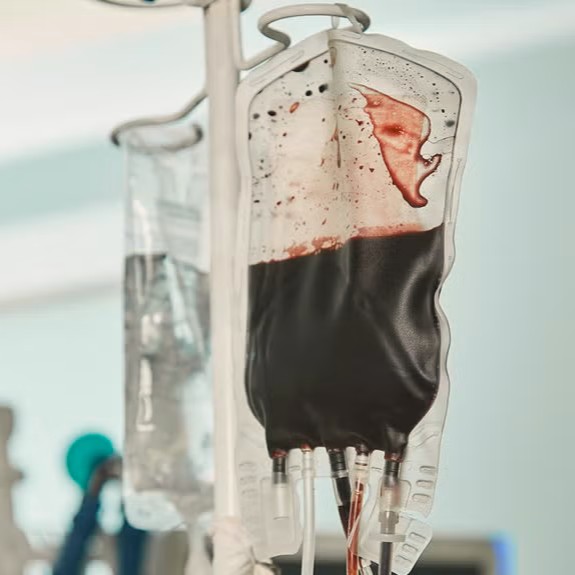
People of different races have different blood, and transfusions across ethnic groups are dangerous if not deadly.
In Japan, many people use blood type as a personality predictor, similar to how some Americans ascribe to star signs or Vietnamese believe in a birth year cycle.
A baby gets blood from the mother. In fact, the fetus creates its own blood entirely, in utero.
Bloodletting
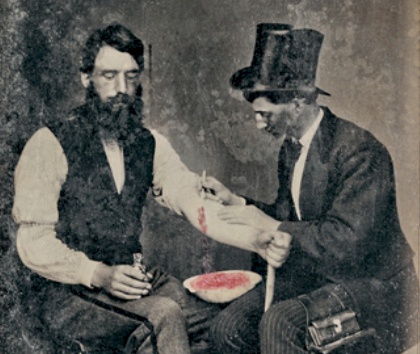
As far back as the Ancient Egyptians, doctors have attempted to treat patients by adjusting fluids inside the body. In particular, medical theories held that sweating and bloodletting were effective treatments for everything from headaches to gout. Hippocrates believed menstruation was a spontaneous form of bloodletting. Talmudic, Ayurvedic, Chinese, and Islamic medical texts all contain detailed instructions of the practice.
Galen created very specific charts of the best locations to cut or place leeches to achieve specific health benefits, encouraging patients to take their “cure” into their own hands! Cutting the vein in the right hand might cure liver problems, while cutting the vein in the left hand could cure spleen trouble.

He also believed that the heart created blood and sent it to the organs and extremities, where it was used up. Having too much would cause it to stagnate, leading to illness. For centuries, doctors throughout Europe and the Middle East thought it purged toxins, balanced bodily chemistry, and boosted immunity.
Bloodletting remained a common medical practice through the 19th Century. Textbooks from 1923 still recommended treating patients with strategic bleeding.
It still shows up in our language. “Bloodletting” is now a euphemism for simmering tensions in a community erupting into violence.
Bloody Language
A subject so entwined with human history and sensibilities is bound to show up in our language.
Blood in Metaphors
Blood feud: People of one bloodline/clan are born enemies of another.
In cold blood: To do something cruel or violent deliberately and without emotion.
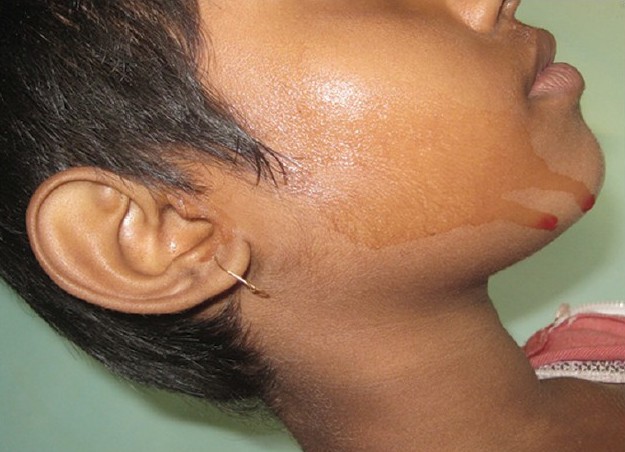
Blood, sweat, and tears: A lot of effort and hard work, often involving suffering.
Blood runs cold: To feel a sudden shock or horror.
Flesh and blood: Someone’s family or relatives; also used to describe human limitations or weaknesses.
Blood boils: To become extremely angry.
Bad blood: Strong feelings of hatred or anger between people.
New blood: New people joining a group or organization, bringing fresh ideas.
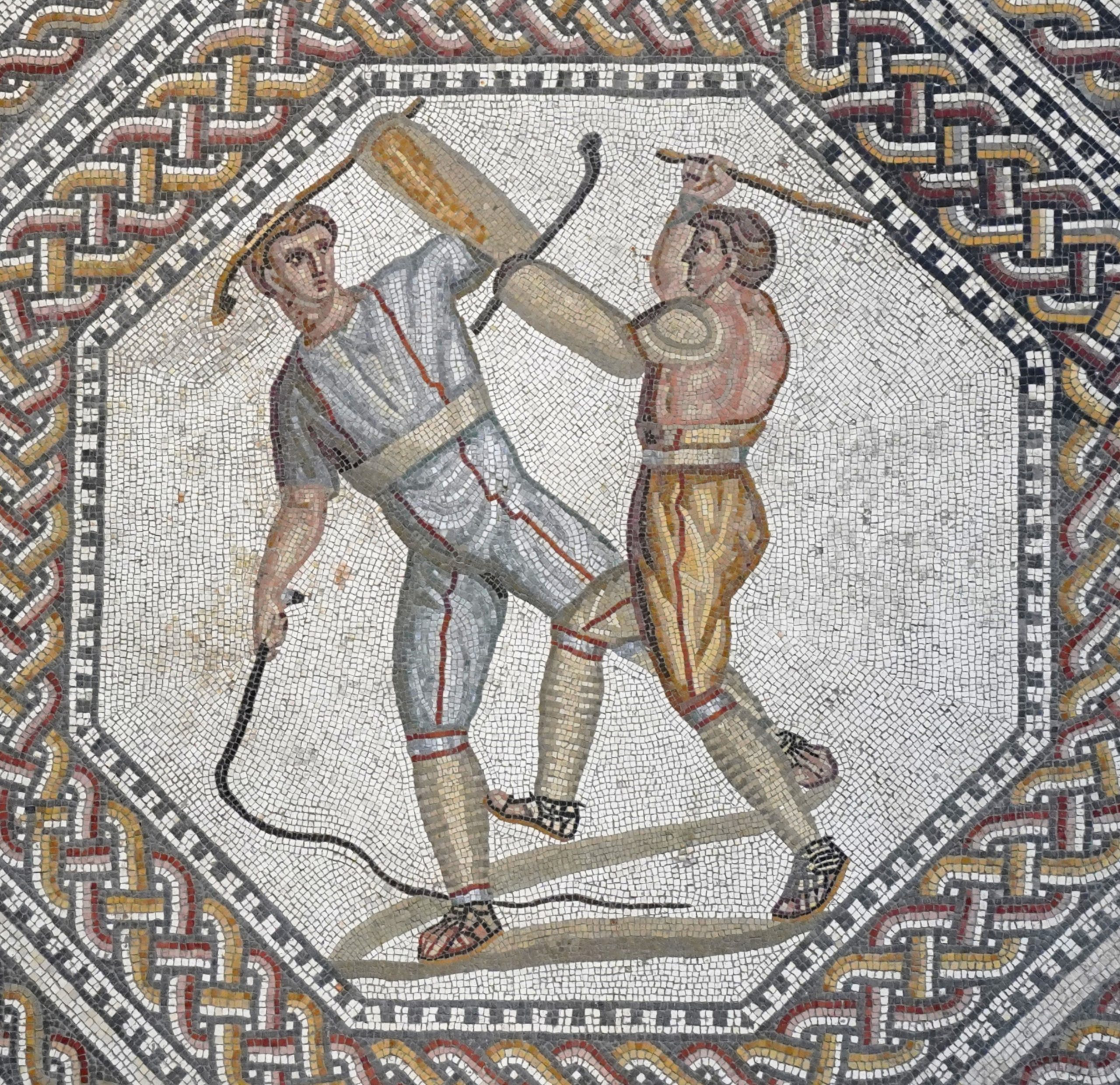
Blood sport: A sport involving the hunting or killing of animals, or a violent competition.
Blood money: Money earned through dishonest or violent means; also refers to money paid to a killer as compensation for a murder.
Bloodcurdling: Extremely frightening or shocking.
Blood brother: A very close friend; historically, mingling a few drops of blood from two people in a cup of wine and both drinking it sealed the bond. More recently, two people nick their thumbs or wrist veins and press them together to seal the bond. (“Brothers” could also be women, though this was much less common.)
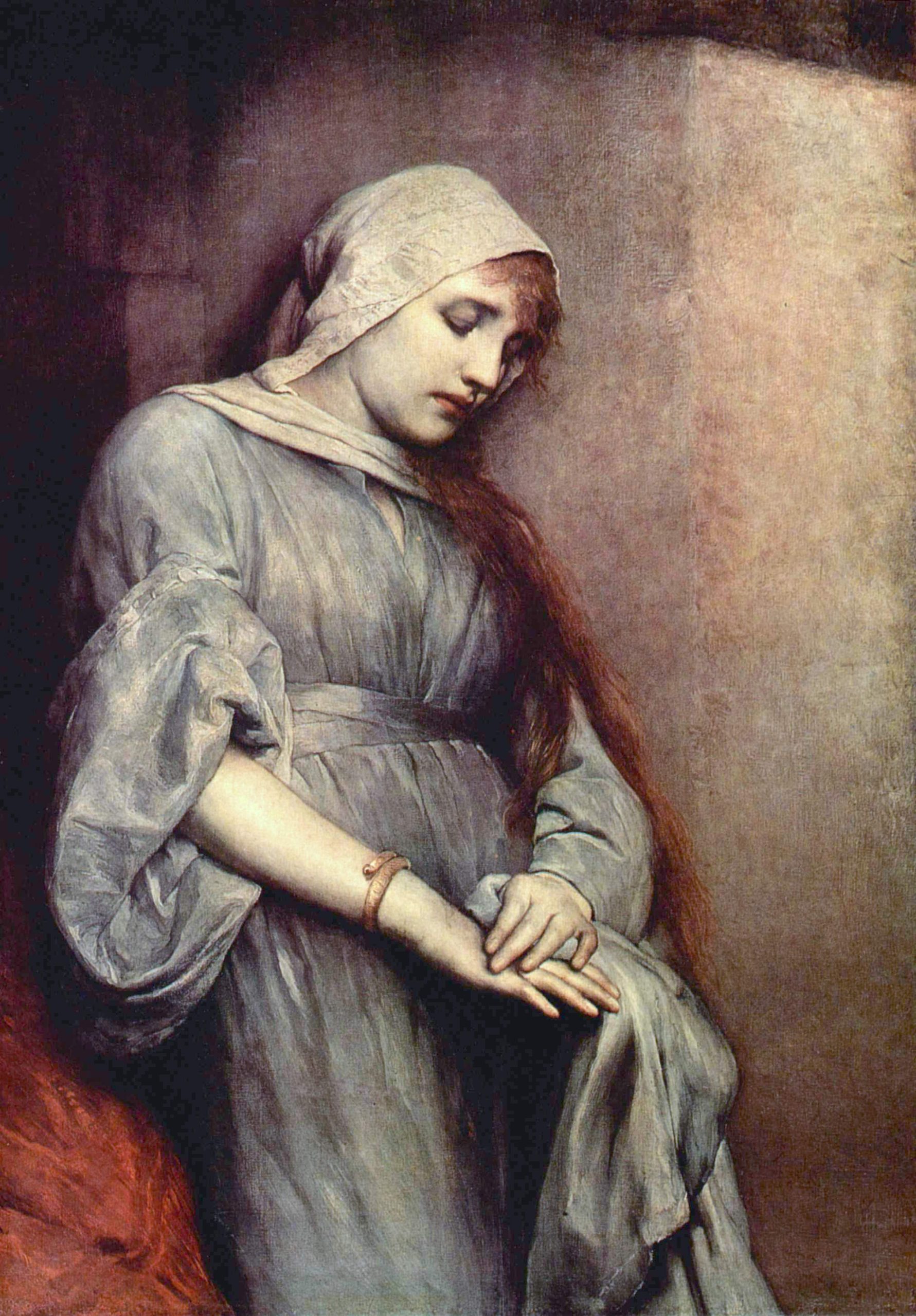
Blood on one’s hands (e.g., Lady Macbeth’s famous line, “Out, damned spot!”) symbolizes moral stain or unresolved guilt.
Bloodstained: Covered or marked with blood, often implying violence or guilt.
In one’s blood: innate, as of a skill or quality. The same as “XXX runs in the family.”
Blood is thicker than water: Family relationships are stronger than other relationships.
In some initiation rites (e.g., fraternities, secret societies, or rites of passage), blood may symbolize commitment, loyalty, or rebirth into a new social or spiritual state.
Bloody Proverbs
- Blood is inherited and virtue is acquired.
- None so keen at the hunting of wolves as the dog with wolf blood.
- Who grudges his blood to a blade had better earn his living behind the plow.
- You cannot get blood from a stone/turnip
- Good blood will never lie.
- Men’s skins have many colors, but human blood is always red.
- Like blood, like means, and like age, make the happiest marriage.
- Marrying in the blood is never good.
- Noble and common blood is of the same color.
- If blood is spilt on you before breakfast, you will shed blood before nightfall.
The human body contains about 5 liters (1.3 gallons) of blood, which circulates through the body 3 times every minute on average! It transports oxygen, nutrients, and hormones, fights infections, regulates body temperature, and removes waste products.
Bottom Line: Blood is so important that it’s everywhere!