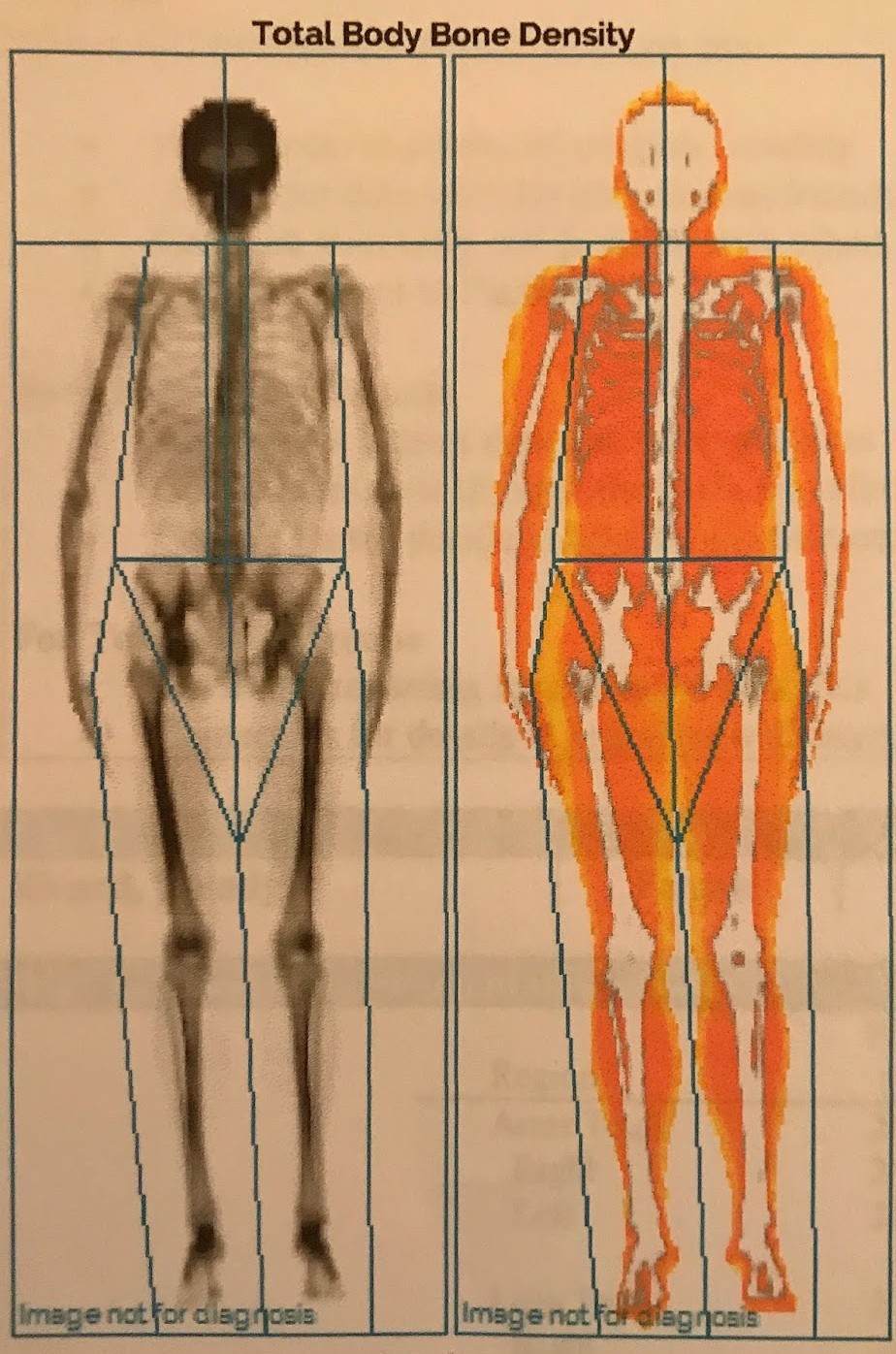
A few days ago, I noticed that my right leg is bigger than my left: thighs, knee, calf, top to bottom. The only surprise here is that—having lived in this body for decades—I hadn’t noticed this sooner.
I’m right-handed (along with 85-90% of people worldwide), and I noticed early on that the fingers on my right hand are longer than on the left, and every time I buy shoes, I’m reminded that my right foot is bigger than the left. My right hand and arm are stronger than the left as well. I assumed that these things all go together.
Wrong!
Athletic Unevenness
It turns out that such definite “right-sidedness” is because I am not athletic! According to research, for people who play sports, even right handers have bigger left legs. Whether a layup, a pitch, or throwing a ball, the primary plant leg is going to be the left. According to what I read, amateur to professional, almost every right handed athlete has a stronger left leg. (The same is true of right-handers who do weight-training.)
Just for the heck of it, I asked (step-grandson) Cash about his handedness and thigh size. He’s over 6’5” tall and a great basketball player, although only a high school junior. He’s right-handed and reported that, previously unnoticed, indeed his left leg is bigger, even at the young age of 17.
On the other hand, handedness is usually related to eye dominance. True to expectation, my right eye is dominant. (If you don’t know which is your dominant eye, and want to, consider which eye you tend to use for one-eye tasks such as a viewing through a telescope or aiming a rifle.)
On the third hand, eye dominance is not related to the strength of vision in each eye but rather to the brain’s preference for processing visual information from one eye over the other. In my case, my left eye has better vision.
A yoga-teaching friend of mine noted that slight differences in leg length are common. In the extreme, this is related to scoliosis. But even less extreme cases are reflected in hip flexibility.
Facial Asymmetry
Size, strength, and vision aren’t the only asymmetries in our bodies. Most of us don’t typically consider that our faces aren’t symmetrical, but it’s so. Bilateral features in the face, such as left and right eyes, ears, and lips, often show some asymmetry.
Decades ago, a classic psychology experiment determined that if photographs are manipulated to produce pictures of symmetrical faces made from two left sides or two right sides, people always, and easily, chose one photo as more attractive. Conclusion: people really do have “a better side”!
In general, symmetry is more pleasing than asymmetry. In my face, the most noticeable differences are more hairs in my right eyebrow and deeper wrinkles on the left side. I trust the former is noticeable only to me, but the latter is obvious. I attribute it to sleeping on my left side from as far back as I can remember until I had breast surgery for cancer in 2014.
Body variations in symmetry is often observed in wrists, breasts, testicles, and thighs. I already mentioned my right thigh. My right wrist is bigger, as was my right breast prior to 2014.
Fortunately I am relatively symmetrical, in spite of all the exceptions I’ve admitted to. That is to say, no one looking at me would think “lopsided.”
I say fortunately because research has found multiple factors that are associated with symmetry. It can indicate developmental stability, and also suggest genetic fitness. This can further have an effect on mate attraction and sexual selection! Physical health is also associated with greater symmetry. According to Wikipedia, multiple other factors can be linked to asymmetry, such as intelligence and personality traits.
Asymmetrical bodies are common and usually harmless, often due to genetics, posture, natural aging, and—as noted above—exercise.
Muscle Memory
Years of practice allow most bodies to walk without thinking about the mechanics
Thinking about repetitive movement as it relates to body asymmetry (thigh size and athletic movements, as I already mentioned) led me to think of muscle memory. Muscle memory is moving in a particular way without thinking about it. This type of memory comes from repetition or practice—doing the same task over and over in the same way. Many movements involved with bathing, playing an instrument, eating, driving, dancing, etc., rely on muscle memory.
Along with all this other self-examination, I’ve been considering what I think of as my personal muscle habits. The first thing that came to mind is that on a frequent walk from my house, about 200 steps along, I climb a set of three steps. I happened to notice that, regardless of whether I’m strolling or hurrying, I always ascend the first step with my right foot first. Having noted that, I checked: I always mount stairs right foot first.
Similarly, I always put pants on right leg first. I virtually always put dangle earrings on left ear first, whereas stud earrings are right ear first.
My house is dotted with area rugs, and the fringe is scuffed in the same place on each rug, testimony to an habitual gait—or possibly habitual foot-dragging!
Why write a blog about my lopsided body? Because your body is probably asymmetrical, too. Think about it!
Bottom Line: If you focus on your body, it might surprise you!
I originally posted this blog entry in July 2024, “Better Know Your Body” but so much information deserves a second look!
Everybody has one. But how much do you really know about it?
Skin
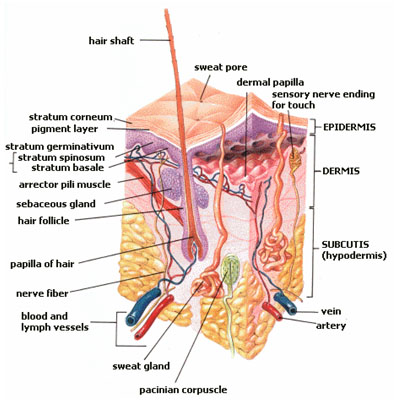
Let’s start with your largest and most visible organ: skin. When it comes to skin, we tend to notice attractiveness, color, roughness, and wrinkles. But skin is functional as well as ornamental. It keeps everything on the inside from coming out. In addition, it also helps keep us at the right temperature, helps us with touch and sensation, allows us to move without restriction (not too tight or too loose), heals and regenerates constantly, and much more.
You probably aren’t average, but these “average” data will give you an idea of how you compare.
Skin by the Numbers
If you are average, your skin weighs 6-9 or 7.5-22 pounds, depending on your source. According to the NIH Library of Medicine, skin makes up approximately 1/7 of your body weight.
The entire surface of your skin is replaced every month, which put another way means you have about 1,000 different skins in your life! This skin renewal every 27-28 days involves sloughing off the old.
Your skin constantly sheds dead cells, about 30,000 to 40,000 cells every minute! (That’s nearly 9 lbs. per year. On the low end, other sources say you slough off roughly 1.5 pounds of dead skin a year, equal to about 3 ½ cups of sugar.)
Dead skin comprises about a billion tons of dust in the earth’s atmosphere. Indoors, the oil on dead skin cells helps to remove ozone, leaving the air cleaner!
Some sources estimate that more than half of household dust is actually dead skin, others say 70%, but much depends on number of people, pets, etc.
Passengers
Your skin is home to more than 1,000 species of bacteria.
Your face is host to bugs (demodex folliculorum) too tiny to see. Hairlines, eye sockets, and lashes are favorite hiding places. If they get out of control, they can cause skin problems or eye infections.
About 2,400 germs call the belly button home. The average person has 67 different species of bacteria in their belly button.
Weird Skin
Scar tissue is different from normal skin because it lacks hair and sweat glands.
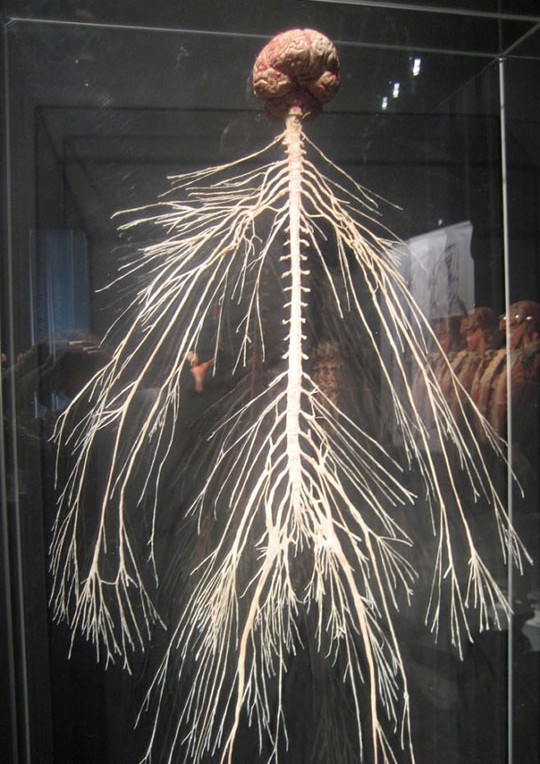
Some of the nerves in your skin are connected to muscles instead of the brain, sending signals (through the spinal cord) to react more quickly to heat, pain, etc.
The color of human skin is determined by the level of pigment melanin that the body produces. Those with small amounts of melanin have light skin while those with large amounts have dark skin.
Genital skin is darker than other skin: nipples, anus, and genitals are more sensitive to sex hormones acting on melanocytes. The contrast increases during puberty and pregnancy.
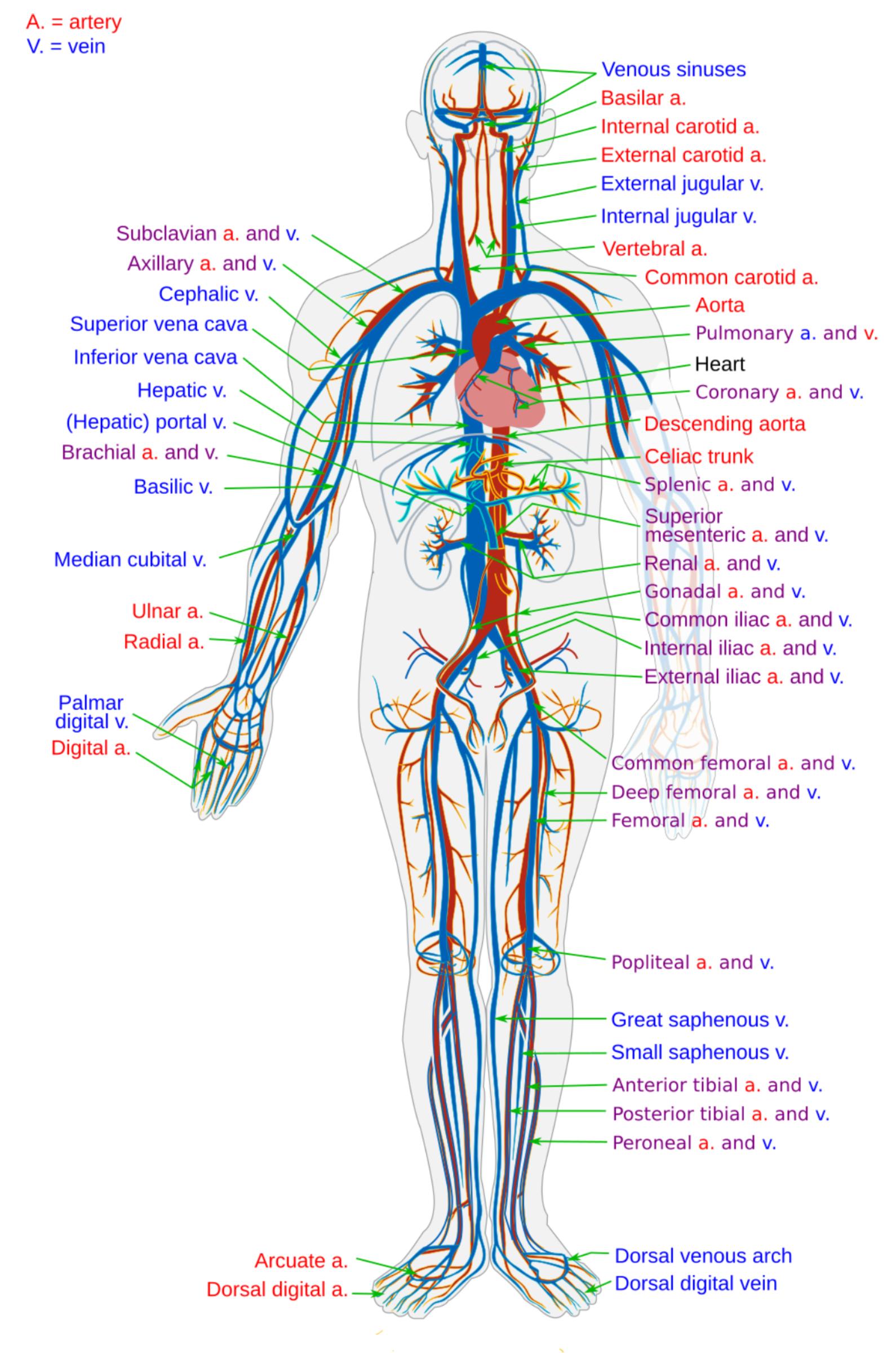
Your blood makes up about eight percent of your body weight.
Laid end to end, an adult’s blood vessels are between 9,000 and 19,000 kilometers long! This includes veins, arteries, and communicating little capillaries that move between both.
Your heart beats around 100000 times a day, 36500000 times a year and over a billion times if you live beyond 30.
Inside your bones are tiny tubes filled with blood vessels called osteons. They are to bones what rings are to trees. The percentage of large osteons increases with age.
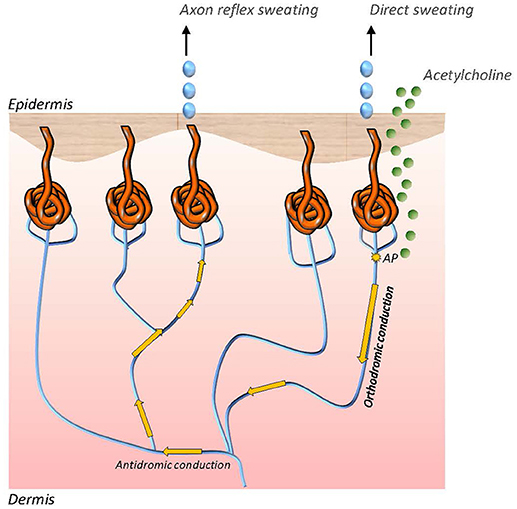
When you’re too hot—or you lose your cool—your nerves send signals to open millions of glands, allowing sweat to flow. It pools by your armpits, palms, feet, head, and private parts.
Earwax is actually a type of sweat! A recessive gene can cause earwax to be dry and flaky rather than viscous and sticky.
Germs love to swim, so they thrive in sweat. Sweat on its own doesn’t smell bad. It’s the bacteria that mix with it.
What we eat directly affects urine and feces. For example, you might notice red or pink after bingeing on beets. Or changes in your urine after eating asparagus. (Note: although asparagus affects the chemistry of everyone’s urine, some people are able to smell it and others aren’t—whether their own or someone else’s.)
Your brain is the fattiest organ in the body, approximately 60% by dry weight. It needs essential fatty acids to perform adequately.
The brain uses over a quarter of the oxygen used by the human body.
Your brain is sometimes more active when you’re asleep than when you’re awake. Humans have a stage of sleep that features rapid eye movement (REM). REM sleep makes up around 25% of total sleep time and is often when you have your most vivid dreams.
Everyone is familiar with forgetting, but additionally, our brain re-writes memories each time we think of them, slowly altering or twisting them over time.
Muscles
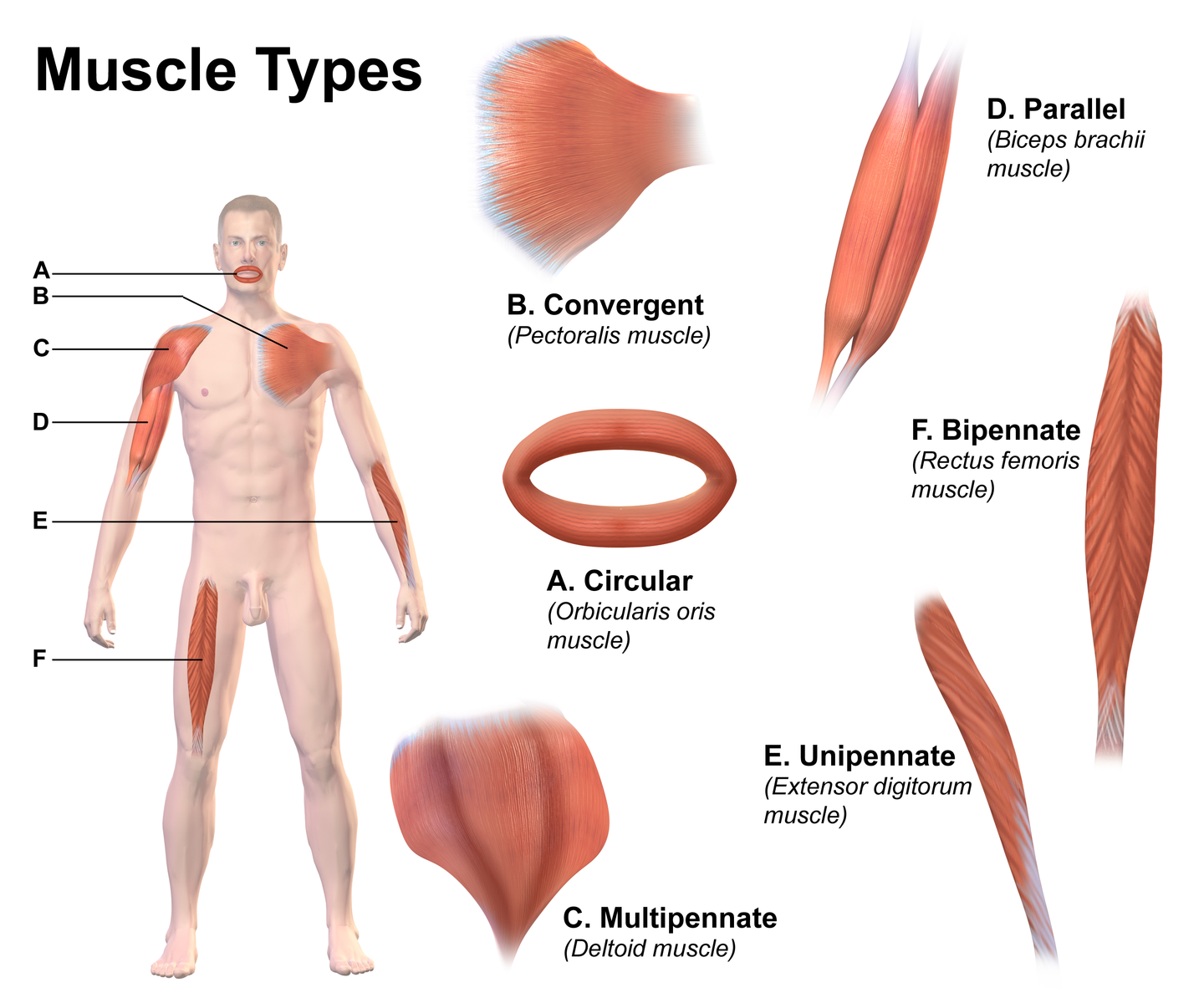
The word “muscle” comes from Latin term meaning “little mouse“, which is what Ancient Romans thought flexed bicep muscles resembled.
Your heart is the only muscle that doesn’t get tired.
Gluteus maximus is the Latin name for the largest muscle in your body, your behind. You have two of them, one for each cheek. These powerful muscles serve as a cushion when you sit down, but when flexed tight, they keep you upright.
Few muscles are as hard-working as the tongue. By day, it twists to form the sounds you speak and pushes around the food you eat. While you sleep, your tongue moves saliva down your throat.
The strongest muscle in the human body is the jaw (masseter). A healthy jaw can close teeth with a force of up to 200 pounds, according to the Library of Congress.
Eyes
Your eyes can get sunburned. The symptoms include headache, eye pain and redness, tearing, blurred vision, twitching, and feeling gritty. Sunglasses can prevent sunburn, and symptoms typically resolve themselves after 48 hours.
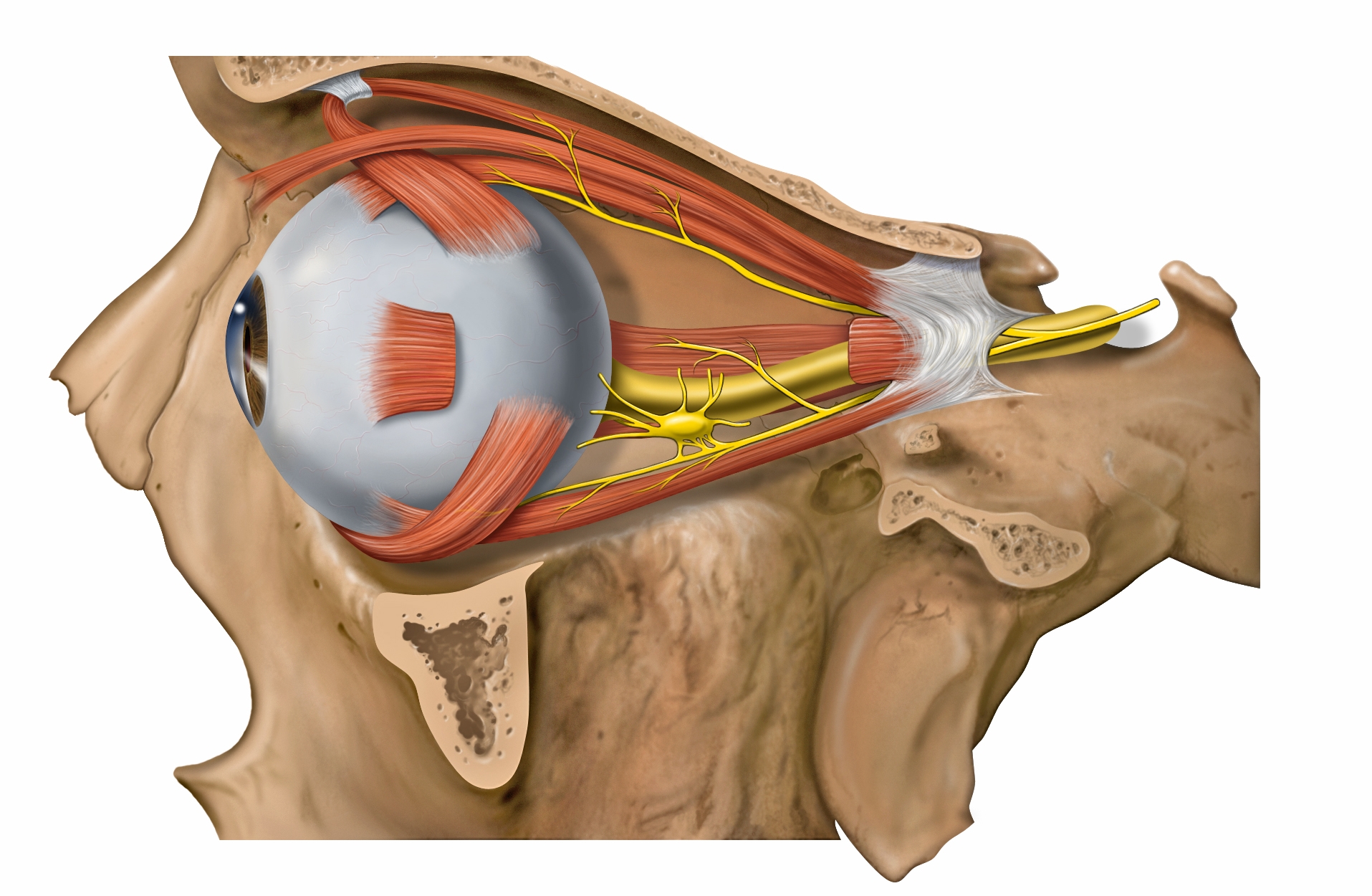
Your eye is your fastest muscle. The orbicularis oculi is capable of contracting in less than 1/100th of a second.
Infants blink only once or twice a minute while adults average around 10.
Women blink 19 times per minute compared to 11 per minute for men. This may relate to estrogen levels, which can make the cornea more elastic, changing how light waves travel through the eye.
You blink more when talking and less when you are reading. This is why you get tired when reading.
Only two percent of the population have green eyes. The largest concentration of green-eyed peoples is in Ireland, Scotland, and Northern Europe. All races (Asian, African, Caucasian, Pacific Islanders, Arabic, Hispanic, and the indigenous peoples of the Americas) can have green eyes.
All babies are born with blue or brown eyes. Green eyes can take between six months and three years to appear in children.
By three months, our eyes are the same size that they will ever be as the corneas have reached their full width. Human eyes grow rapidly in the womb and for the first three months after birth.
GI Tract
Your sense of smell is around 10000 times more sensitive than your sense of taste.
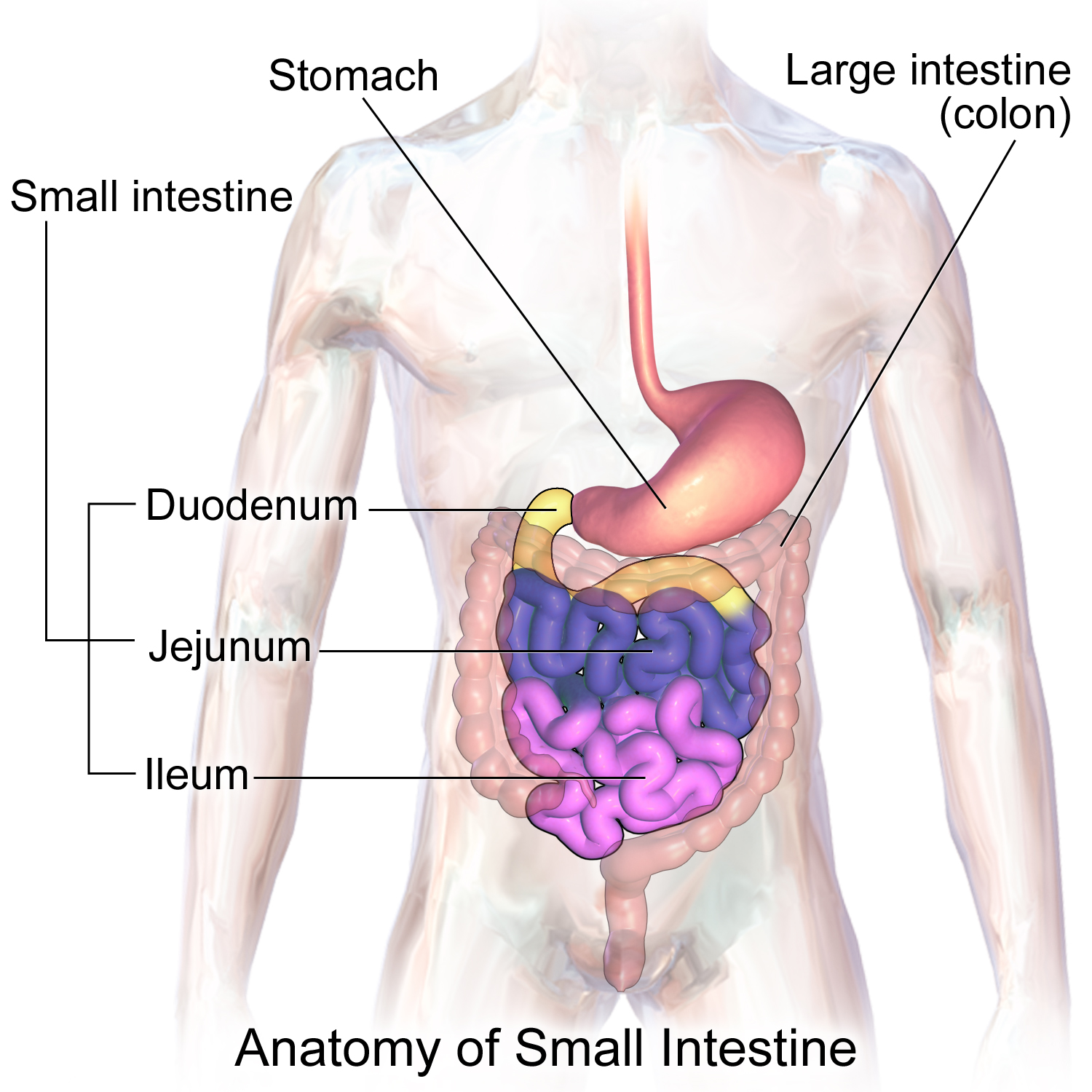
On average, your intestines are 25 feet long from end to end. Your small intestine is over 20 feet. And while your large intestine is wider around, it’s only about 5 feet in length.
Your intestines are always moving, a continuous wavy motion called peristalsis. Or when vomiting, reverse-peristalsis.
Stomach acid can melt metal—at least certain metals, such as zinc. Digestive juices in the gut contain hydrochloric acid. They rank just below battery acid on the pH scale.
Your Asymmetrical Body
The two sides of your face are not alike. If you take a photo of your face and divide it down the middle, then replicate each half, the faces look different enough for people to judge one face better looking than the other!
Almost everyone is stronger and more dexterous on one side of their body than the other. Research indicates somewhere between 85% and 90% of the population is right-handed; almost everyone else favors their left hand. Only about 1% of the population is naturally ambidextrous, but it is possible to train one’s non-dominant side to greater strength and ability.
Body Bits and Pieces
All humans share about 99.9% of our DNA with other humans. For comparison, we share 98% with pigs, and 60% with bananas! (thednatests.com)
The extra skin on your elbow, known scientifically as olecranal skin or colloquially at the weenus, is basically nature’s Silly Puddy because there are fewer sensory neurons located there. That means you can keep kneading it all day long, and as hard as you want.
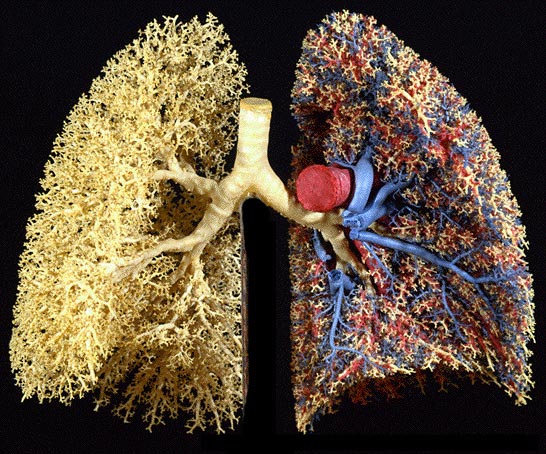
Adult lungs have a surface area of around 70 square meters!
Human teeth are almost as hard as opal. Diamonds have a hardness of 10; teeth are at 5.
You are about 1cm taller in the morning when you first get up than when you go to bed. This is because during the day the soft cartilage between your bones gets squashed and compressed.
Some penises “grow” more than 4 centimeters when aroused. I found nothing about any relationship between this and any aspect of sexual functioning.
Vaginas range from 2.7 to 3.1 inches. The depth while aroused ranges from 4.3 to 4.7 inches.
Men are more sensitive to caffeine; women are more sensitive to alcohol.
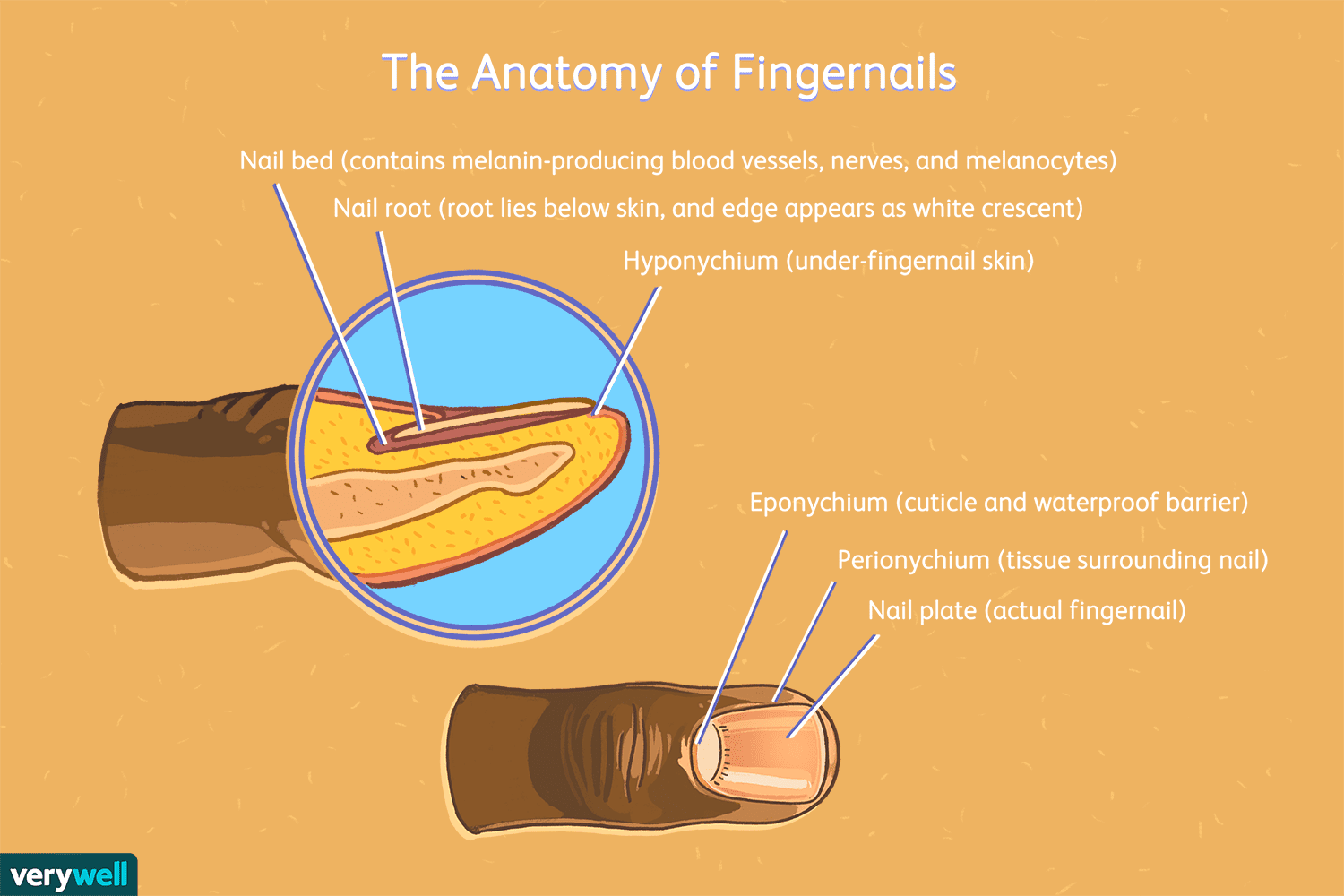
Your fingernails grow three times faster than toenails, explained by the hands having more blood pumping through them. The fingernails on your dominant hand grow faster. In colder weather, nails grow more slowly.
During pregnancy, one’s sense of smell improves dramatically, possibly the body’s attempt to avoid exposing the fetus to danger.
A human’s scent also changes during pregnancy. Other humans can’t usually detect it, but pets might!
Our bodies give one nostril a break while the other is active – we just don’t know we do it. We naturally tend to alternate breathing from one nostril then the other, which helps keep the air we breathe moist so as not to irritate our lungs.
Every new cell is reproduced from the template of our DNA. Therefore, it’s not surprising that this DNA template gets worn away and errors occur as we age. But the aging body is beyond the scope here!
Bottom Line: Know your body well as a path to taking good care of it!
Decades later, that breed name was still with me when I wrote “Real Likable Birds” a fiction piece. Here’s a quote:
“But I’ve thought it over, and the majority of my flock is going to be Buff Orpingtons. … They lay the prettiest brown eggs you’d ever hope to see. … The Buff Orpingtons are good, heavy chickens. They lay really well and they stay put behind a fence. They got more feathers than most, so I won’t have to worry about how they’d take a long cold snap. They’re gentle as anything. And the supplier says that come warm weather, it’s a good bet they’ll set. He said he’d put ’em up against most breeds for broodiness, mothering, and foster-mothering. My Buff Orpingtons are just going to be real likable birds.”
from “Real Likable Birds” by Vivian Lawry
My personal experience with chickens is pretty minimal. My paternal grandparents had a hard-scrabble farm in the mountains of eastern Kentucky. Granny kept a flock of chickens, primarily for eggs for the table, but when old hens stopped laying well, there was chicken for dinner, too. One of my most vivid early childhood memories is from a time when Granny killed one of those old hens. She held it by the legs and put its head on her chopping block—a big old tree stump in the back yard—and cut its head off with an axe.
When it stopped flopping around on the grass, spraying blood everywhere, she again held it by the legs and dipped the carcass into a big cauldron of boiling water, also there in the back yard. The boiling water loosened the feathers for plucking. I helped with that, and the smell was awful—a combination of ammonia and poop. We put the feathers aside to wash later. They would be made into a feather tick for a warm bed in winter.
She singed the pinfeathers off the carcass over the wood burning stove in the kitchen and slit it open in the dry sink. Then she showed me a row of little yellow spheres like graduated pearls, the biggest about the size of my fingertip. She said those would have been eggs. Decades later, I learned that a hen is born with all the eggs she will ever lay.
Everyone Loves Chickens
It is estimated that there are more than 33 billion chickens worldwide! Outnumbering the human population, chickens are one of the most common farm animals.
ZZ, a Barred Rock hen
For no particular reason, I decided to learn more about this bird that is so common and yet so unfamiliar today beyond the clichés in common parlance:
Flopping around like a chicken with its head cut off
Fly the coop
Pecking order
Scarce as hen’s teeth
Stuck in my craw
Put all your eggs in one basket
Walk on eggshells
Mother hen
No spring chicken
Rule the roost
So What’s to Know, Anyway? Just Read On!
Dawn, a Grey Silkie hen
Chickens are the closest living relatives of dinosaurs! Science has documented the shared common ancestry between chickens and the Tyrannosaurus rex.
Chickens were domesticated about 8000 years ago, and evolved from the Red or Gray junglefowl, which are tropical birds. These wild birds fly to escape predators and to roost high up in trees. Today’s domestic chickens still have the ability to fly, although not as effectively. Chickens can fly for short distances – enough to clear obstacles or reach a perch, say about 15′ of the ground.
DT, a Buff Orpington hen
Chickens are faster than you might think. They can run up to 9 mph in short bursts, but their real power is they can turn on a dime. This speed and agility helps keep them safe from predators.
Some research suggests that chickens are just as clever as human toddlers. Hens have exhibited mathematical reasoning, object permanence, self-control, and even structural engineering. Chickens also demonstrate empathy and a number of emotional responses! Chickens can learn to do tricks twice as quickly as a dog.
Sleepy Chickens
Sleepy chicks
Research has shown that chickens experience REM (rapid eye movement) while sleeping, which indicates dreaming in humans.
They also have a sleep phase that humans don’t experience called unihemispheric slow-wave sleep, where one half of the brain is asleep and the other is awake. This means that chickens can sleep with one eye open, which is especially useful for looking out for predators.
The “alpha” hen sleeps in the middle while roosting and the others that are lower in the hierarchy sleep on the outside with the outer eye open to watch for predators. These chickens on the outsides switch sides throughout the night so they can rest the other eye.
Chicken Anatomy
Peggy, a White Paint Silkie hen
Like humans, chickens have color vision, and are able to see red, green, and blue light. However, unlike humans, chickens are also able to see ultraviolet light, which are the colors we see when using a black light!
A chicken’s left eye is far-sighted, and their right eye is near-sighted. This has to do with the position of the embryo in the egg, and is very adaptive for finding food up close and spotting predators at a distance.
The position of a chicken’s eyes allow it to see in a 300 degree field. (Humans can only see 180 degrees.)
Sometimes, pervy geese like to spy on chickens in the bath!
While this may seem contradictory, chickens (like some other birds) bathe in dirt. They have an oil gland on their back that spreads oil over their feathers to make them waterproof. Over time, the oil goes stale, and chickens need to wash the old oil off through dust bathing.
Dust bathing is when chickens crouch on the ground and spread dirt or another dusty material over their body. The stale oil sticks onto the particles of dirt and falls off when the chicken shakes off the dirt. Chickens can then spread fresh oil onto their feathers.
Chickens don’t pee, they have a cloaca (just like dinosaurs) and their waste is a combination of poo and pee. That’s why their manure is considered “hot” and needs to break down before it is safe for plants: it’s full of concentrated chicken pee paste!
Chickens use their combs and wattles to help cool off in the summer. It’s kind of like mammals having big ears in desert environments. Blood cools off in the extremities and helps keep an animal from overheating.
Some claim that on a hot day, feeding chickens frozen veggies and fruits, which sit in their crop/craw, will cool chickens from the inside.
Chicken Feed
Natasha, a Green Queen hen
Some people think that chickens eat only plants and grains, but they actually eat (and enjoy) a much wider variety of foods, including bits of dairy or meat. Many owners use kitchen scraps to supplement their flock’s feed, which makes for an environmentally-friendly way to handle leftover food waste.
Chickens also like to peck around in the dirt and find bugs to eat, for example, beetles, larvae, slugs, grasshoppers, and even poisonous snakes.
In short, they’ll eat pretty much anything, but often have favorites—as reported by one chicken owner: “Mine LOVE papaya.” FYI, they can’t taste spice.
Chickens live in groups called flocks. The social structure of these flocks depends on a hierarchy called a pecking order, i.e., an order of dominance. Each chicken knows its place in this order, which helps to maintain a stable, cohesive group.
Chickens are predators to anything smaller than themselves. They’ll pick on or even kill other chickens they think won’t make it.
Chickens have over 30 unique vocalizations that they use to communicate a wide variety of messages to other chickens, including mating calls, stress signals, warnings of danger, how they are feeling, and food discovery.
The noise a chicken makes when it sees a particular person is its name for that person.
To keep roosters from fighting and keep hens from being stressed, flocks need hens to outnumber roosters. Depending on the breed, recommended ratios range from 1:5 to 1:12. Too many roosters can cause fighting over hens that aren’t “their own.”
With more than one rooster, each rooster should have its own territory—again, to minimize fights over territory, hens, and resources. Hens can lose neck and tail feathers from being mounted too often. A hen can mate with a rooster and then change her mind at the last minute and reject his sperm if she deems another rooster to be superior—also not conducive to peace.
Lazarus, a barnyard mix rooster
Roosters crow many hours of the day, not just at dawn. When a rooster in a flock dies, a dominant hen may develop male features such as spurs, long wattles, and combs, and attempt to crow and mate.
A chicken can be extremely aggressive at times, willing to beef up with things larger than herself. One mama hen named Lily chased an oblivious squirrel across the yard for existing. She also attacked a 100 lb Pitbull for getting close to her only chick.
Studies have shown that chickens are self-aware and can distinguish themselves from others. Chickens can also demonstrate complex problem-solving skills.
“Eggcellent!”
Latifah, an Ayam Cemani hen
Hens can lay eggs all on their own- no rooster needed!!! Indeed, some flocks are hens only.
One hen may lay as many as 300 eggs per year! As hens age, the number (and quality) of eggs laid tends to decrease.
What is the difference between brown and white eggs? The color of the shell depends on the breed of the hen, but it’s not feather color that tells you what color the egg shell will be. Chickens actually have earlobes, and generally, hens with red earlobes will lay brown eggs, and hens with white earlobes lay white eggs.
Although the color of the shell differs, the nutritional content and flavor do not. Nevertheless, brown eggs can cost 10-20% more than white eggs. The hen’s diet determines the color of the yolk.
A chicken will only lay one color egg in her lifetime.
Unwashed eggs will keep at room temperature for up to two weeks because they are laid with a protective coating. Washing away this coating (as is common in commercial US egg farms) means the eggs must be refrigerated. Refrigerated, they’ll last 5-6 weeks.
What Color?
Although most eggs are either brown or white, a surprising number of breeds lay other colored eggs:
Blue – The Cream Legbar is the best layer of blue eggs. She is a cross between the Leghorn, Cambar, Barred Rock, and Araucana.
Chocolate Brown – Many people like the dark (chocolate) eggs of the Black Copper Maran. Although those deep-colored eggs are beautiful to look at, they do come at a price. Buying good quality stock is expensive.
Brown – Depending on the shade of brown you want, you have a vast selection of breeds. The Rhode Island Red is perfect if you are looking for a mid-brown egg.
Green – The Isbar is your best chance to get green-colored eggs. The depth of green coloration will depend on the quality and genetics of the bird. While some lay a deep moss green, others can lay anywhere from a light green to a khaki-colored egg.
Plum-Croad Langshans are the only breed known to lay plum-colored eggs on a relatively consistent basis (the quality of the color will depend upon the parentage).
Pink – Pink eggs can be a matter of perception. To some folks, the egg may appear to be a light tint. To others, it will appear a pale pink. Orpingtons are your best bet for consistently pink-colored eggs.
Baby Chickens
In nature, a hen selects a nest site and lays a clutch of eggs (6-13), one egg per day. Once her clutch is complete, she sits on the eggs full time, leaving only to eat and drink.
Chickens tend to their eggs carefully. A hen turns her eggs approximately 50 times a day to keep the embryo from sticking to the side of the shell.
Buff Orpington and Speckled Sussex chicks
In a fertilized egg, the white (albumin) becomes the “chick” and the yolk is a food source for the growing baby. After hatching, a chick can go up to 72 hours without food because it’s still digesting that yolk.
When chickens lay eggs, the mother hens make noises that chicks still incubating inside of their eggs can hear and respond to. The chicks even make tiny “peeps” back from inside of their eggs!
Chicks as young as 2 days old recognize object permanence, a skill acquired by humans about 6 months of age. This means they know an object still exists even when taken away or hidden.
Chicks learn from their mothers and others in the flock, such as which foods are good to eat and where to find water.
A male chicken less than a year old is a cockerel; over a year old is a cock. A female chicken less than a year old is a pullet; over a year old is a hen.
Chicken Breeds
Pinny, a Red Cuckoo Silkie hen
People exhibit (show) chickens much like dog shows. There is a standard of perfection for each breed of chicken recognized by the American Poultry Association. There’s also an American Bantam Association, which regulates smaller bantam-sized poultry breeds.
The smallest breed of chicken, weighing only 8-15 ounces, is the Serama.
Silkie chickens have dark skin and bones as well as walnut-shaped combs for the males instead of your typical comb.
Ayam Cemani chickens, from Indonesia, have black feathers, faces, skin, and even organs. They lay pale pink eggs.
An American breed of chicken called the Buckeye was developed by Nettie Metcalf of Warren, Ohio, in the late 19th century. She bred a Buff Cochin male with Barred Plymouth Rock females, and named the new breed for Ohio, the Buckeye State. It is still the only American chicken breed developed by a woman. (The American Poultry Association recognizes 53 large chicken breeds, plus additional bantam chicken breeds.)
Bottom Line: Chickens are smart, complex, and all around interesting. They’re real likable birds!