A few days ago, I noticed that my right leg is bigger than my left: thighs, knee, calf, top to bottom. The only surprise here is that—having lived in this body for decades—I hadn’t noticed this sooner.
I’m right-handed (along with 85-90% of people worldwide), and I noticed early on that the fingers on my right hand are longer than on the left, and every time I buy shoes, I’m reminded that my right foot is bigger than the left. My right hand and arm are stronger than the left as well. I assumed that these things all go together.
Wrong!
Athletic Unevenness
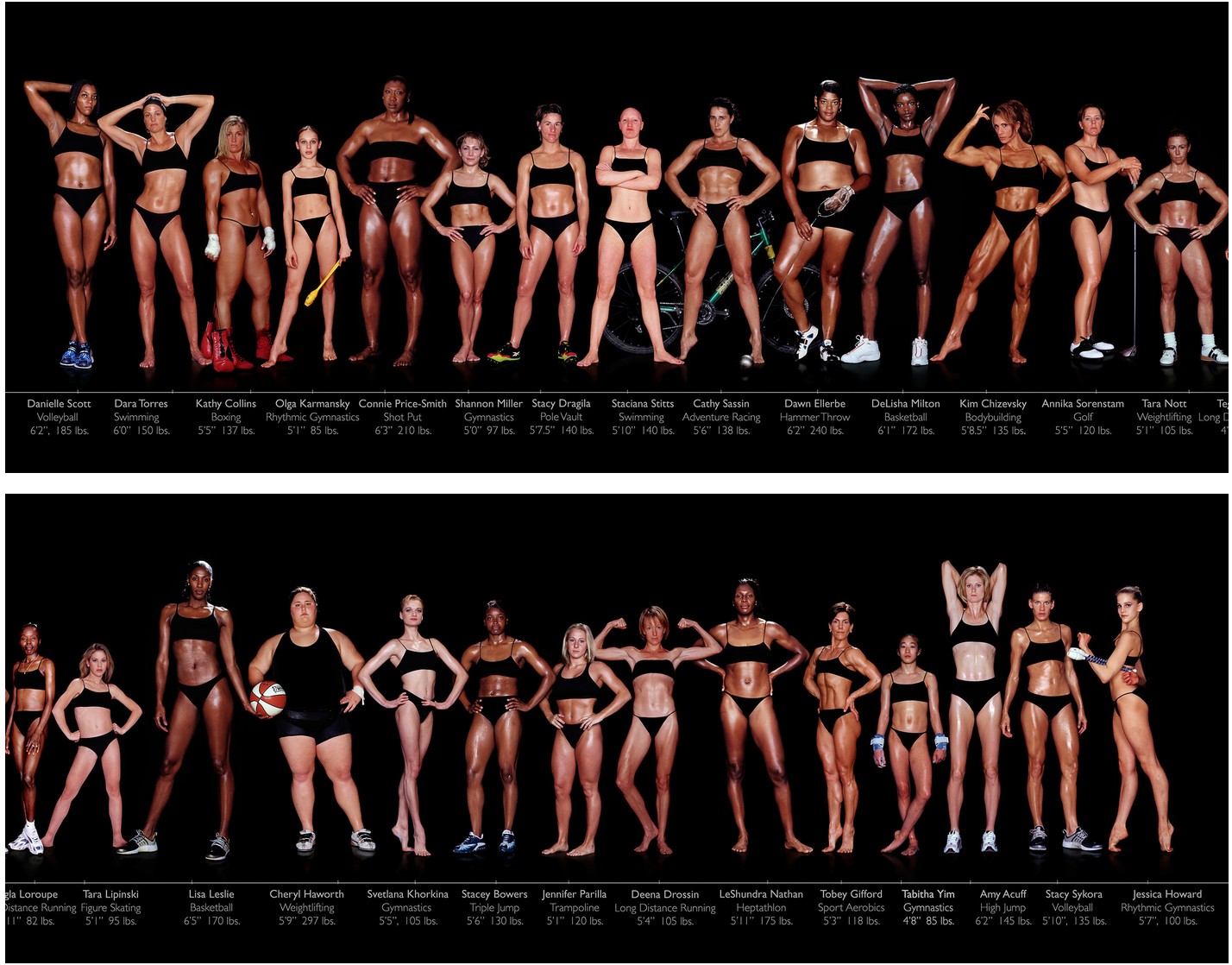
It turns out that such definite “right-sidedness” is because I am not athletic! According to research, for people who play sports, even right handers have bigger left legs. Whether a layup, a pitch, or throwing a ball, the primary plant leg is going to be the left. According to what I read, amateur to professional, almost every right handed athlete has a stronger left leg. (The same is true of right-handers who do weight-training.)
Just for the heck of it, I asked (step-grandson) Cash about his handedness and thigh size. He’s over 6’5” tall and a great basketball player, although only a high school junior. He’s right-handed and reported that, previously unnoticed, indeed his left leg is bigger, even at the young age of 17.
On the other hand, handedness is usually related to eye dominance. True to expectation, my right eye is dominant. (If you don’t know which is your dominant eye, and want to, consider which eye you tend to use for one-eye tasks such as a viewing through a telescope or aiming a rifle.)
On the third hand, eye dominance is not related to the strength of vision in each eye but rather to the brain’s preference for processing visual information from one eye over the other. In my case, my left eye has better vision.
A yoga-teaching friend of mine noted that slight differences in leg length are common. In the extreme, this is related to scoliosis. But even less extreme cases are reflected in hip flexibility.
Facial Asymmetry
Size, strength, and vision aren’t the only asymmetries in our bodies. Most of us don’t typically consider that our faces aren’t symmetrical, but it’s so. Bilateral features in the face, such as left and right eyes, ears, and lips, often show some asymmetry.
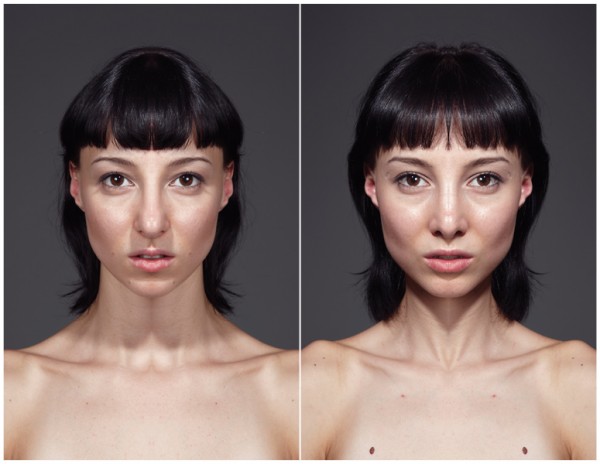
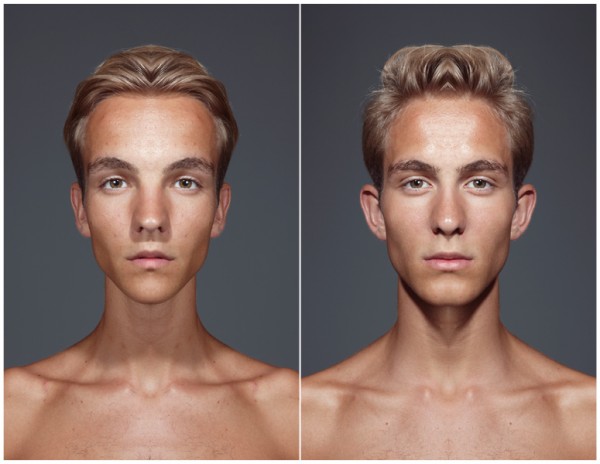
Decades ago, a classic psychology experiment determined that if photographs are manipulated to produce pictures of symmetrical faces made from two left sides or two right sides, people always, and easily, chose one photo as more attractive. Conclusion: people really do have “a better side”!
In general, symmetry is more pleasing than asymmetry. In my face, the most noticeable differences are more hairs in my right eyebrow and deeper wrinkles on the left side. I trust the former is noticeable only to me, but the latter is obvious. I attribute it to sleeping on my left side from as far back as I can remember until I had breast surgery for cancer in 2014.
Body variations in symmetry is often observed in wrists, breasts, testicles, and thighs. I already mentioned my right thigh. My right wrist is bigger, as was my right breast prior to 2014.
Fortunately I am relatively symmetrical, in spite of all the exceptions I’ve admitted to. That is to say, no one looking at me would think “lopsided.”
I say fortunately because research has found multiple factors that are associated with symmetry. It can indicate developmental stability, and also suggest genetic fitness. This can further have an effect on mate attraction and sexual selection! Physical health is also associated with greater symmetry. According to Wikipedia, multiple other factors can be linked to asymmetry, such as intelligence and personality traits.
Asymmetrical bodies are common and usually harmless, often due to genetics, posture, natural aging, and—as noted above—exercise.
Muscle Memory
Years of practice allow most bodies to walk without thinking about the mechanics
Thinking about repetitive movement as it relates to body asymmetry (thigh size and athletic movements, as I already mentioned) led me to think of muscle memory. Muscle memory is moving in a particular way without thinking about it. This type of memory comes from repetition or practice—doing the same task over and over in the same way. Many movements involved with bathing, playing an instrument, eating, driving, dancing, etc., rely on muscle memory.
Along with all this other self-examination, I’ve been considering what I think of as my personal muscle habits. The first thing that came to mind is that on a frequent walk from my house, about 200 steps along, I climb a set of three steps. I happened to notice that, regardless of whether I’m strolling or hurrying, I always ascend the first step with my right foot first. Having noted that, I checked: I always mount stairs right foot first.
Similarly, I always put pants on right leg first. I virtually always put dangle earrings on left ear first, whereas stud earrings are right ear first.
My house is dotted with area rugs, and the fringe is scuffed in the same place on each rug, testimony to an habitual gait—or possibly habitual foot-dragging!
Why write a blog about my lopsided body? Because your body is probably asymmetrical, too. Think about it!
Bottom Line: If you focus on your body, it might surprise you!
I originally posted this blog entry in July 2024, “Better Know Your Body” but so much information deserves a second look!
Everybody has one. But how much do you really know about it?
Skin
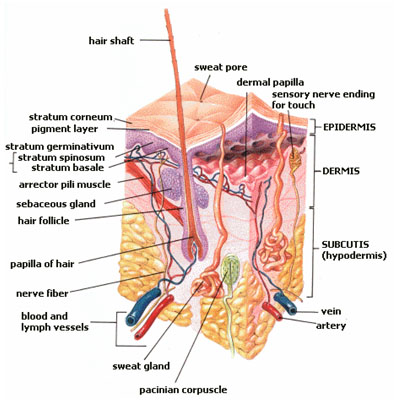
Let’s start with your largest and most visible organ: skin. When it comes to skin, we tend to notice attractiveness, color, roughness, and wrinkles. But skin is functional as well as ornamental. It keeps everything on the inside from coming out. In addition, it also helps keep us at the right temperature, helps us with touch and sensation, allows us to move without restriction (not too tight or too loose), heals and regenerates constantly, and much more.
You probably aren’t average, but these “average” data will give you an idea of how you compare.
Skin by the Numbers
If you are average, your skin weighs 6-9 or 7.5-22 pounds, depending on your source. According to the NIH Library of Medicine, skin makes up approximately 1/7 of your body weight.
The entire surface of your skin is replaced every month, which put another way means you have about 1,000 different skins in your life! This skin renewal every 27-28 days involves sloughing off the old.
Your skin constantly sheds dead cells, about 30,000 to 40,000 cells every minute! (That’s nearly 9 lbs. per year. On the low end, other sources say you slough off roughly 1.5 pounds of dead skin a year, equal to about 3 ½ cups of sugar.)
Dead skin comprises about a billion tons of dust in the earth’s atmosphere. Indoors, the oil on dead skin cells helps to remove ozone, leaving the air cleaner!
Some sources estimate that more than half of household dust is actually dead skin, others say 70%, but much depends on number of people, pets, etc.
Passengers
Your skin is home to more than 1,000 species of bacteria.
Your face is host to bugs (demodex folliculorum) too tiny to see. Hairlines, eye sockets, and lashes are favorite hiding places. If they get out of control, they can cause skin problems or eye infections.
About 2,400 germs call the belly button home. The average person has 67 different species of bacteria in their belly button.
Weird Skin
Scar tissue is different from normal skin because it lacks hair and sweat glands.
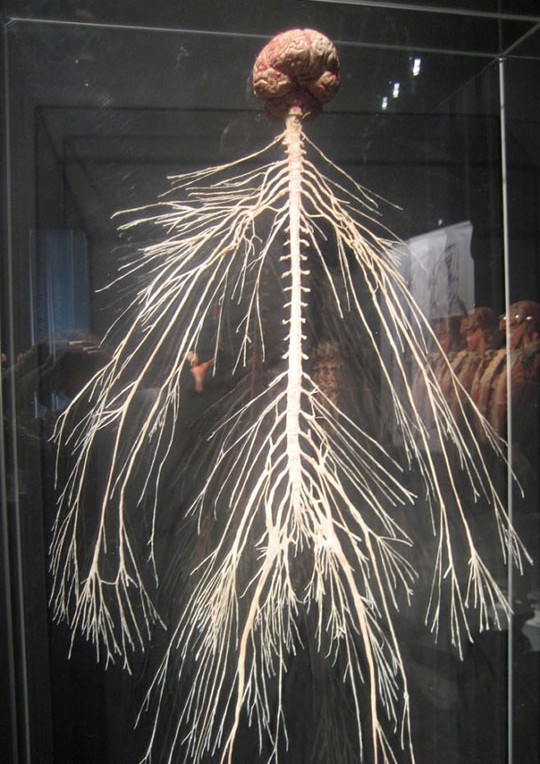
Some of the nerves in your skin are connected to muscles instead of the brain, sending signals (through the spinal cord) to react more quickly to heat, pain, etc.
The color of human skin is determined by the level of pigment melanin that the body produces. Those with small amounts of melanin have light skin while those with large amounts have dark skin.
Genital skin is darker than other skin: nipples, anus, and genitals are more sensitive to sex hormones acting on melanocytes. The contrast increases during puberty and pregnancy.
Your blood makes up about eight percent of your body weight.
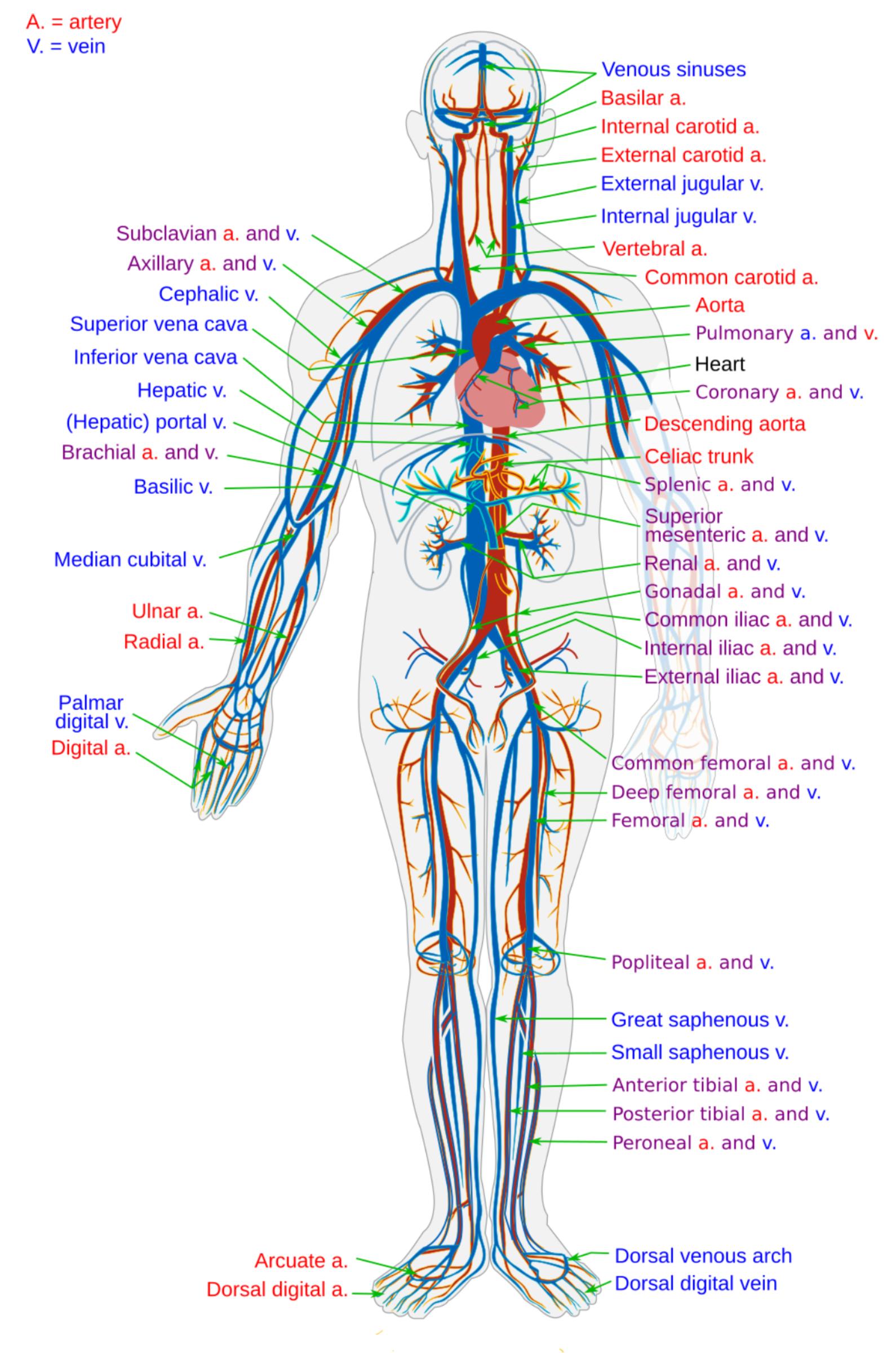
Laid end to end, an adult’s blood vessels are between 9,000 and 19,000 kilometers long! This includes veins, arteries, and communicating little capillaries that move between both.
Your heart beats around 100000 times a day, 36500000 times a year and over a billion times if you live beyond 30.
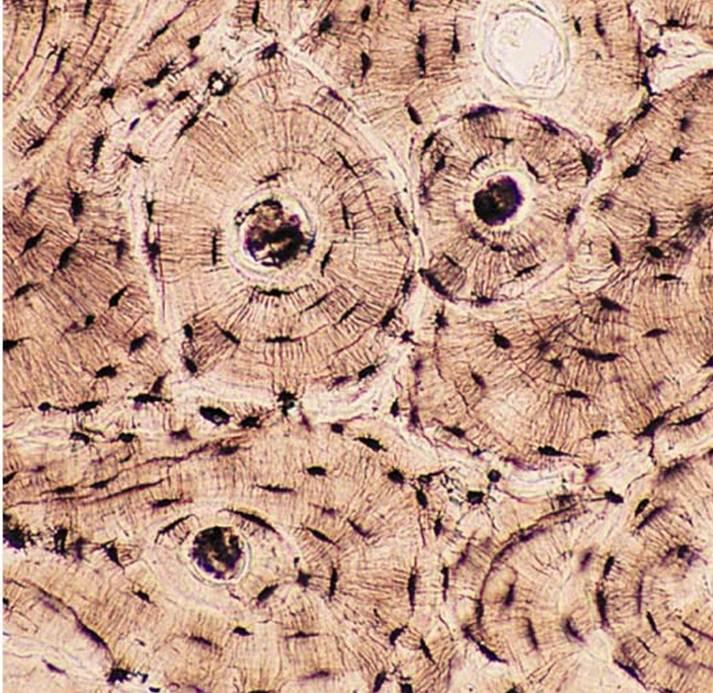
Inside your bones are tiny tubes filled with blood vessels called osteons. They are to bones what rings are to trees. The percentage of large osteons increases with age.
When you’re too hot—or you lose your cool—your nerves send signals to open millions of glands, allowing sweat to flow. It pools by your armpits, palms, feet, head, and private parts.
Earwax is actually a type of sweat! A recessive gene can cause earwax to be dry and flaky rather than viscous and sticky.
Germs love to swim, so they thrive in sweat. Sweat on its own doesn’t smell bad. It’s the bacteria that mix with it.
What we eat directly affects urine and feces. For example, you might notice red or pink after bingeing on beets. Or changes in your urine after eating asparagus. (Note: although asparagus affects the chemistry of everyone’s urine, some people are able to smell it and others aren’t—whether their own or someone else’s.)
Your brain is the fattiest organ in the body, approximately 60% by dry weight. It needs essential fatty acids to perform adequately.
The brain uses over a quarter of the oxygen used by the human body.
Your brain is sometimes more active when you’re asleep than when you’re awake. Humans have a stage of sleep that features rapid eye movement (REM). REM sleep makes up around 25% of total sleep time and is often when you have your most vivid dreams.
Everyone is familiar with forgetting, but additionally, our brain re-writes memories each time we think of them, slowly altering or twisting them over time.
Muscles
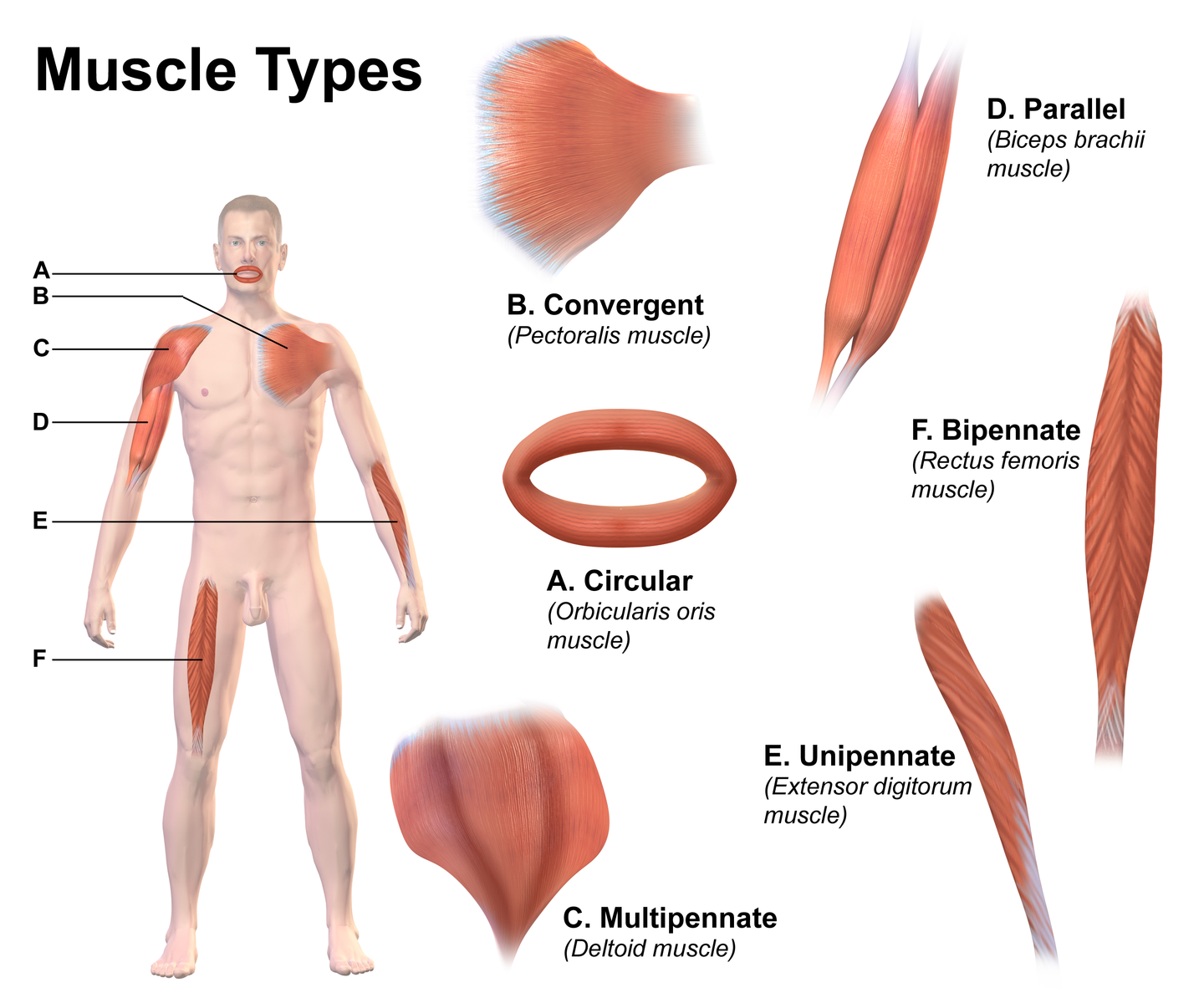
The word “muscle” comes from Latin term meaning “little mouse“, which is what Ancient Romans thought flexed bicep muscles resembled.
Your heart is the only muscle that doesn’t get tired.
Gluteus maximus is the Latin name for the largest muscle in your body, your behind. You have two of them, one for each cheek. These powerful muscles serve as a cushion when you sit down, but when flexed tight, they keep you upright.
Few muscles are as hard-working as the tongue. By day, it twists to form the sounds you speak and pushes around the food you eat. While you sleep, your tongue moves saliva down your throat.
The strongest muscle in the human body is the jaw (masseter). A healthy jaw can close teeth with a force of up to 200 pounds, according to the Library of Congress.
Eyes
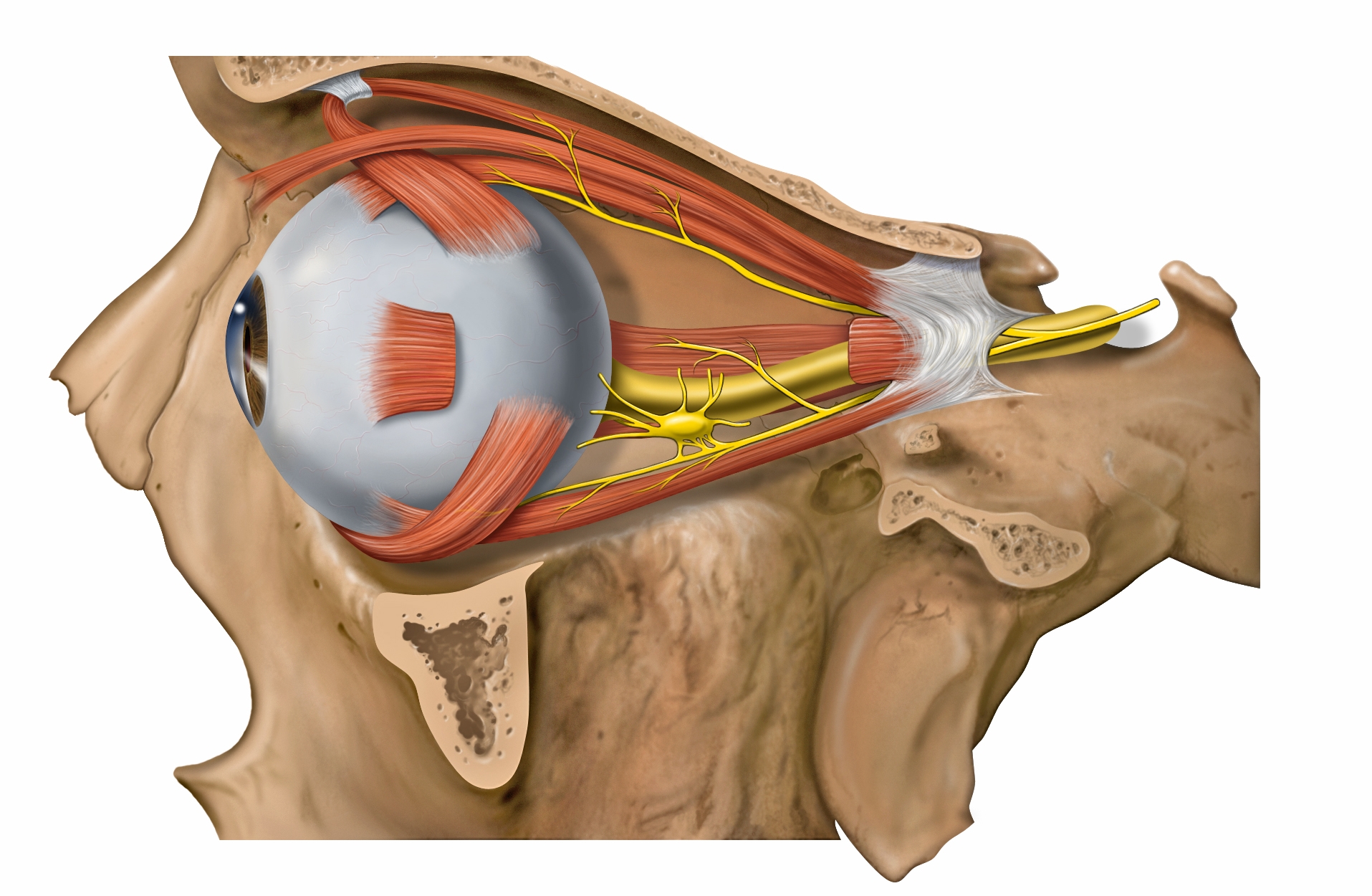
Your eyes can get sunburned. The symptoms include headache, eye pain and redness, tearing, blurred vision, twitching, and feeling gritty. Sunglasses can prevent sunburn, and symptoms typically resolve themselves after 48 hours.
Your eye is your fastest muscle. The orbicularis oculi is capable of contracting in less than 1/100th of a second.
Infants blink only once or twice a minute while adults average around 10.
Women blink 19 times per minute compared to 11 per minute for men. This may relate to estrogen levels, which can make the cornea more elastic, changing how light waves travel through the eye.
You blink more when talking and less when you are reading. This is why you get tired when reading.
Only two percent of the population have green eyes. The largest concentration of green-eyed peoples is in Ireland, Scotland, and Northern Europe. All races (Asian, African, Caucasian, Pacific Islanders, Arabic, Hispanic, and the indigenous peoples of the Americas) can have green eyes.
All babies are born with blue or brown eyes. Green eyes can take between six months and three years to appear in children.
By three months, our eyes are the same size that they will ever be as the corneas have reached their full width. Human eyes grow rapidly in the womb and for the first three months after birth.
GI Tract
Your sense of smell is around 10000 times more sensitive than your sense of taste.
On average, your intestines are 25 feet long from end to end. Your small intestine is over 20 feet. And while your large intestine is wider around, it’s only about 5 feet in length.
Your intestines are always moving, a continuous wavy motion called peristalsis. Or when vomiting, reverse-peristalsis.
Stomach acid can melt metal—at least certain metals, such as zinc. Digestive juices in the gut contain hydrochloric acid. They rank just below battery acid on the pH scale.
Your Asymmetrical Body
The two sides of your face are not alike. If you take a photo of your face and divide it down the middle, then replicate each half, the faces look different enough for people to judge one face better looking than the other!
Almost everyone is stronger and more dexterous on one side of their body than the other. Research indicates somewhere between 85% and 90% of the population is right-handed; almost everyone else favors their left hand. Only about 1% of the population is naturally ambidextrous, but it is possible to train one’s non-dominant side to greater strength and ability.
Body Bits and Pieces
All humans share about 99.9% of our DNA with other humans. For comparison, we share 98% with pigs, and 60% with bananas! (thednatests.com)
The extra skin on your elbow, known scientifically as olecranal skin or colloquially at the weenus, is basically nature’s Silly Puddy because there are fewer sensory neurons located there. That means you can keep kneading it all day long, and as hard as you want.
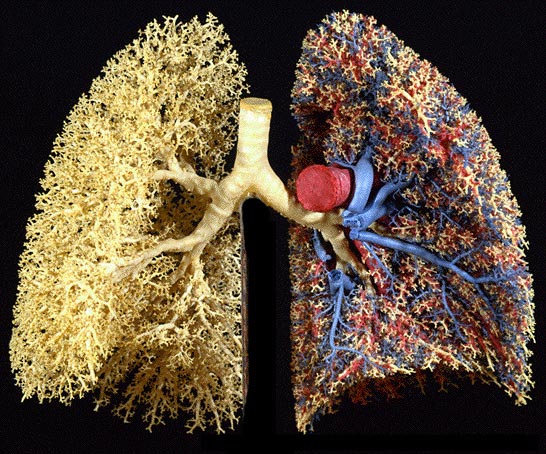
Adult lungs have a surface area of around 70 square meters!
Human teeth are almost as hard as opal. Diamonds have a hardness of 10; teeth are at 5.
You are about 1cm taller in the morning when you first get up than when you go to bed. This is because during the day the soft cartilage between your bones gets squashed and compressed.
Some penises “grow” more than 4 centimeters when aroused. I found nothing about any relationship between this and any aspect of sexual functioning.
Vaginas range from 2.7 to 3.1 inches. The depth while aroused ranges from 4.3 to 4.7 inches.
Men are more sensitive to caffeine; women are more sensitive to alcohol.
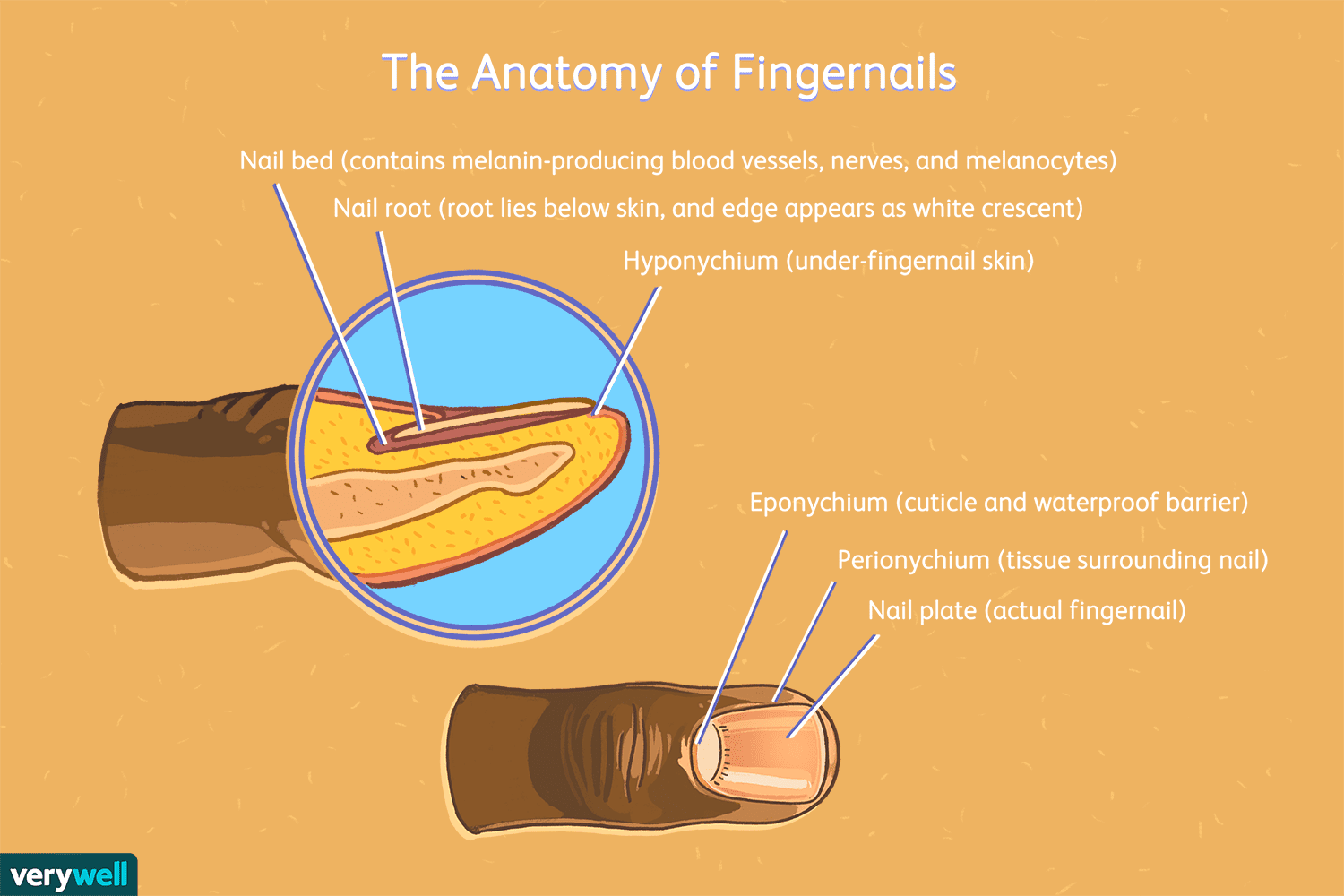
Your fingernails grow three times faster than toenails, explained by the hands having more blood pumping through them. The fingernails on your dominant hand grow faster. In colder weather, nails grow more slowly.
During pregnancy, one’s sense of smell improves dramatically, possibly the body’s attempt to avoid exposing the fetus to danger.
A human’s scent also changes during pregnancy. Other humans can’t usually detect it, but pets might!
Our bodies give one nostril a break while the other is active – we just don’t know we do it. We naturally tend to alternate breathing from one nostril then the other, which helps keep the air we breathe moist so as not to irritate our lungs.
Every new cell is reproduced from the template of our DNA. Therefore, it’s not surprising that this DNA template gets worn away and errors occur as we age. But the aging body is beyond the scope here!
Bottom Line: Know your body well as a path to taking good care of it!
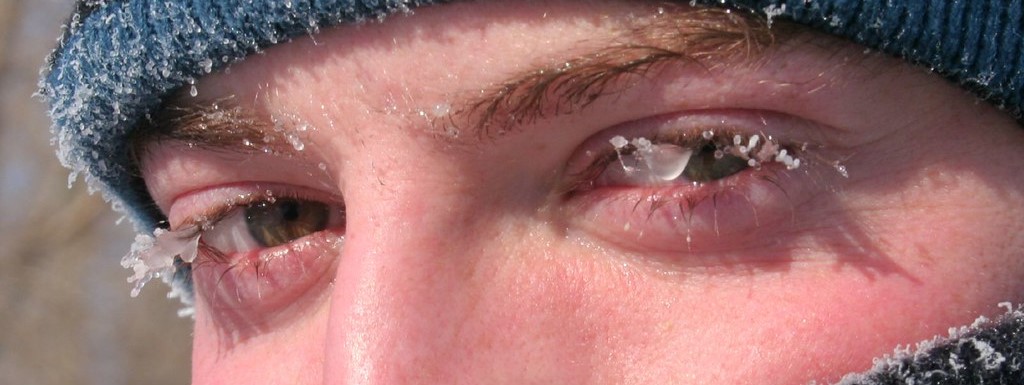
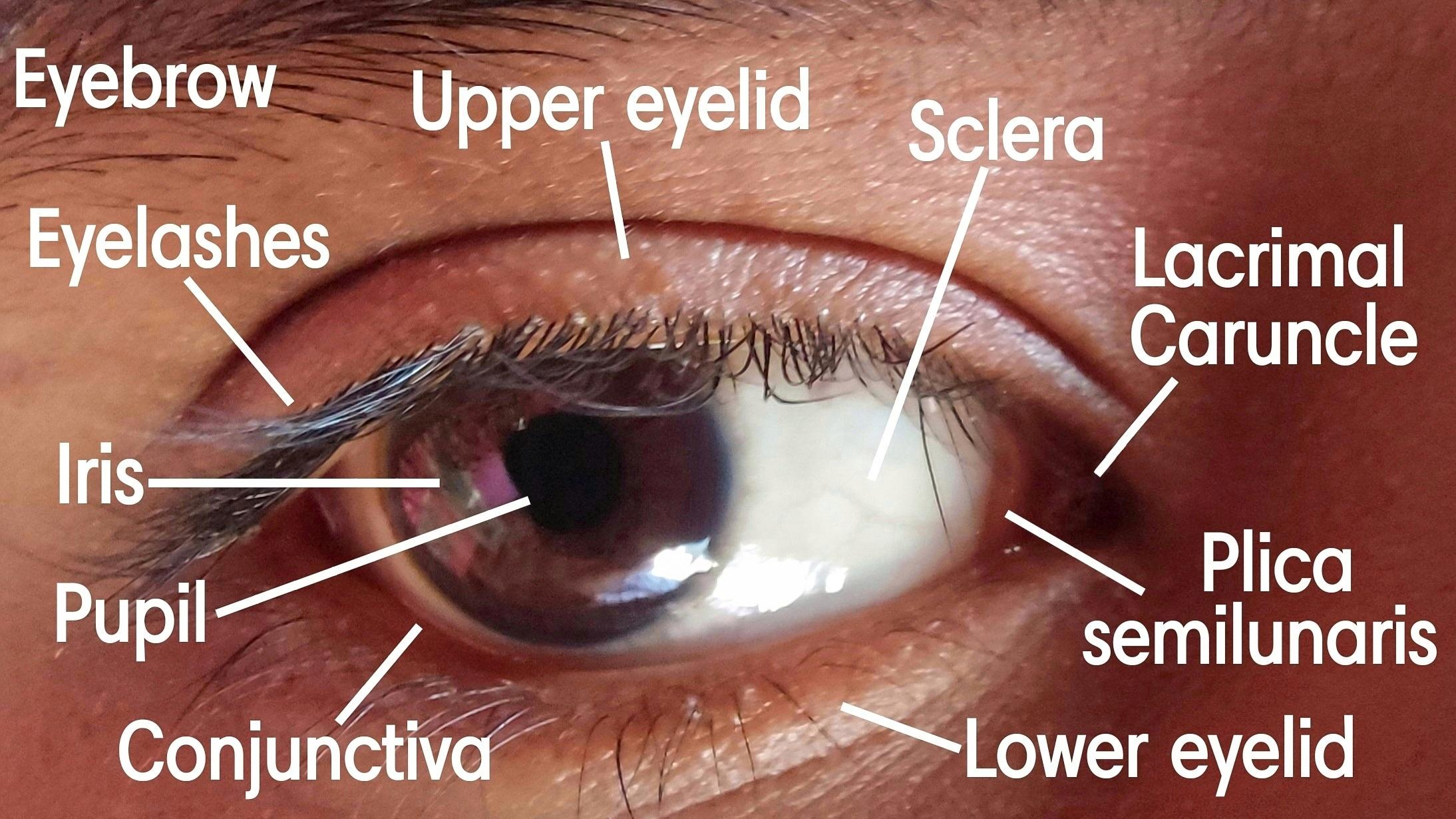
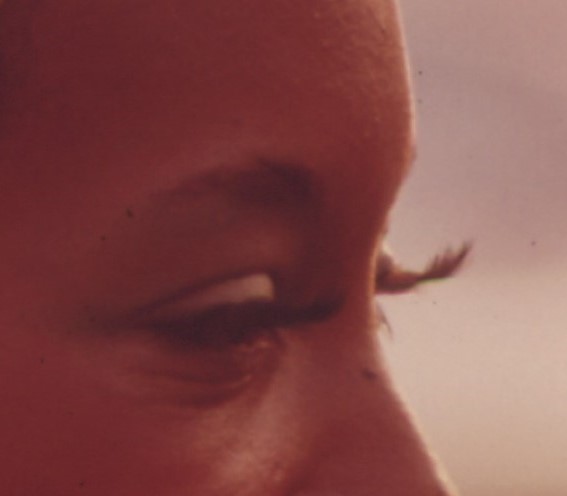
Why eyelashes? Why not? They’re more interesting than you might think. For one thing, they are functional. Eyelashes protect the eye from dust or other debris. They are very sensitive to touch, and may close reflexively if an insect or whatever is too close. In addition, they contain sebaceous glands at the base that lubricates and protect from dryness and irritation. Babies are born with eyelashes.
Eyelash Information
The lifespan of an average eyelash is three to five months, compared to the rest of your hair, which lasts two to four years.
Photo by Carlos ZGZ
For all that they look fine, lashes are the thickest hair on the human body—which I find hard to believe, but whatever.
Most people have 150-250 individual lashes on the top of the eyelid and between 50-100 on the lower lid. They grow in uneven rows, 5 to 6 on top and 3 to 5 on the bottom. Just like head hair, eyelashes naturally fall out and replace themselves in a natural cycle every six to 10 weeks, so it’s totally normal to lose between one and five lashes each day. The older people are, the slower the growth process becomes. This is how/why lashes start to thin out.
In addition, aging and menopause are considered to be leading factors that cause shorter eyelashes due to certain hormonal imbalances that affect the growth cycle of hair follicles. Other factors include stress, lack of sleep, and allergic reactions to medications.
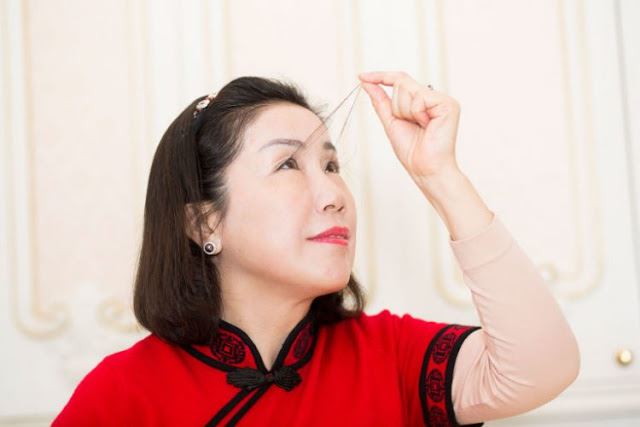
In high school, I knew a girl whose lashes were so long that they brushed the lenses of her glasses. According to the Guinness Book of Records, the longest eyelash measured 20.5 cm (8.0 in) long, grown on You Jianxia’s (China) left upper lid.
The lashes on the top eyelid are usually between 7-13mm in length while the lashes on the bottom usually never grow longer than 7mm. The average length of the normal lashes is 10mm-12mm The researchers, led by Farid Pazhoohi of the University of British Columbia in Canada, estimate that the optimal eyelash length for women is about one-quarter to one-third of the width of one’s eye. The optimal eyelash length for men is a bit less, about one-fifth of the width of one’s eye.
Ethnicity does not have an impact on eyelash length. However, Asian people and those of Spanish and Eastern European descent commonly have straight lashes while others have curlier lashes.
Ideal Eyelashes
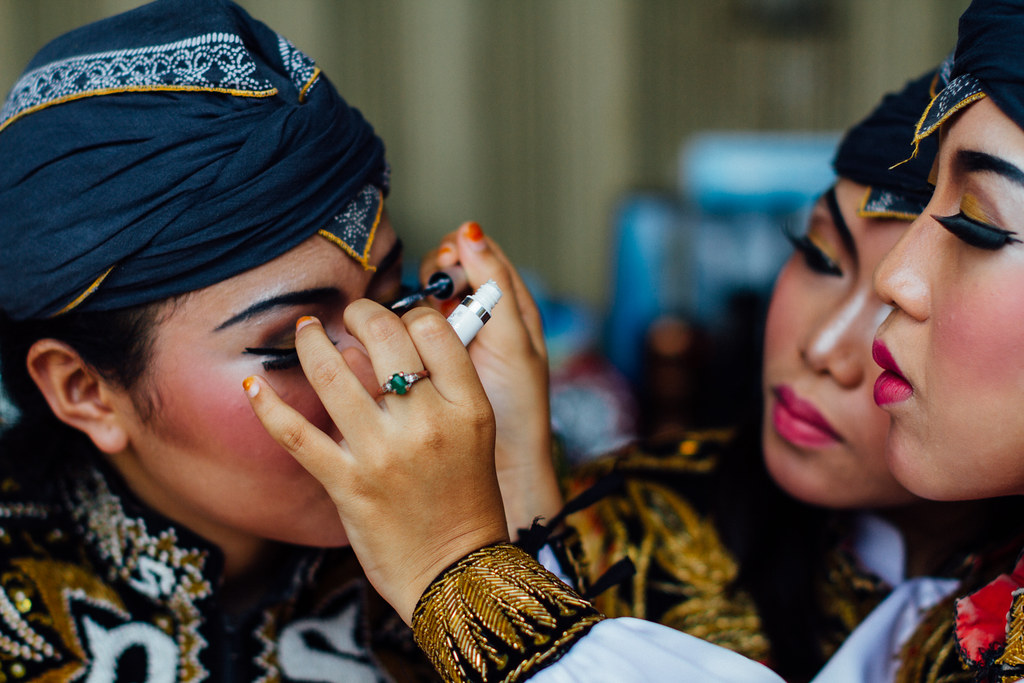
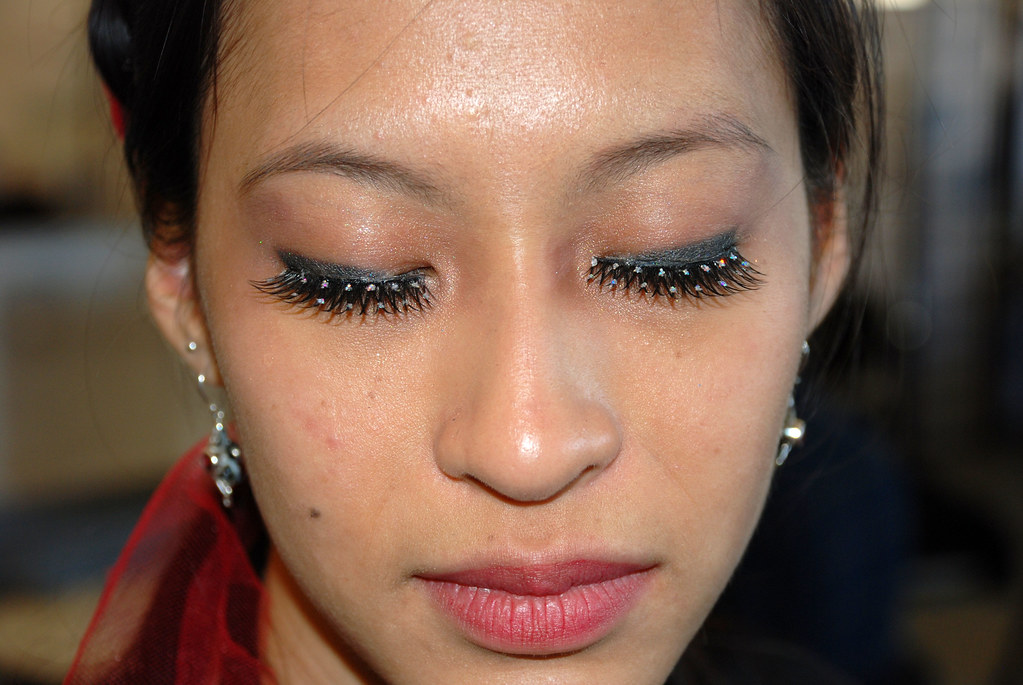
Performers in Jakarta applying false eyelashes
Does eyelash length really matter? It depends on who you ask. According to ancient Chinese face reading tradition, long lashes are for the sensitive and imaginative. Long lashes indicate more fire chi presence and it means that people who have them are extra sensitive.
Pliny the Elder, a Roman scholar born 79BCE, claimed that long eyelashes were a sign of purity and chastity. He claimed, “Eyelashes fell out from excessive sex, and so it was especially important for women to keep their eyelashes long to prove their chastity.”
People have been darkening their eyelashes with soot, kohl, berry juice, oil, ink, or lead for millennia. The Algerian town of Mascara produced great quantities of antimony, which the locals applied to their lashes for beautification as well as to provide protection from trachoma and eye diseases. Ancient Egyptians combined galena, malachite, soot, crocodile dung, and honey to create the kohl they used to darken their eyelids and lashes.
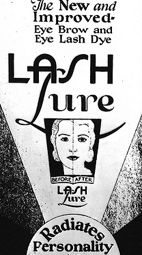
In 1933, Lash Lure promised consumers that a “new and improved mascara will give you a radiating personality, with a before and after.” Unfortunately, the permanent eyelash and brow dye contained para-phenylenediamine, which caused dermatitis, conjunctival edema, keratitis, corneal ulceration, and necrosis. The damage permanently blinded fifteen women and killed one.
Eyelash extensions have been a fashion trend for more time than most people think. The desire to have luscious lashes has transformed dramatically since their beginning in 3500 B.C. While the reasons to have long eyelashes were more symbolic back then, today, they are an indication of beauty.
According to an article in the Dundee Courier in 1899, fashionable women in Paris could have hair from their own heads sewn “through the extreme edges of the eyelid between the epidermis and the lower border of the cartilage of the tragus.” Doctors would rub the patient’s eyelids with a solution of cocaine before taking a needle to them, so I’m sure it didn’t hurt a bit!
Peggy Hyland applying false lashes, 1917
The darkness of eyelashes is related to (natural) hair color.
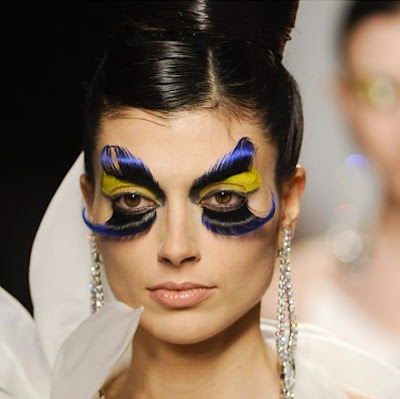
For all that eyelashes are functional, we often associate them with beauty, the ideal being long, curved, and dark. There are actually eyelash salons! Who knew? (Not me, obviously.)
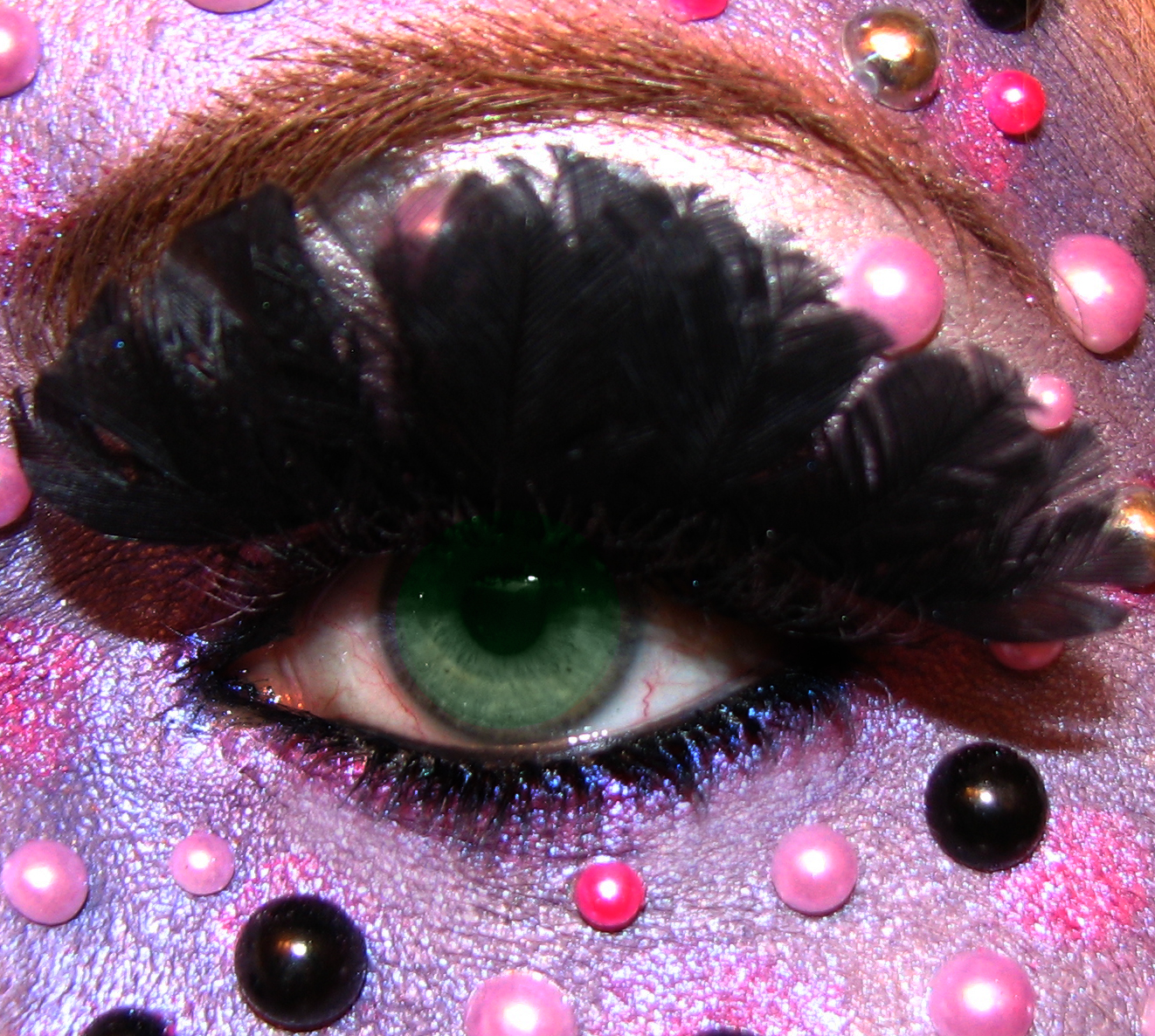
PaperFeathersSilkRhinestones
False eyelashes? One can get single lashes or strips. And fake lashes can be anything from mink to velour to real human hair.
A surprising number of people make and wear false eyelashes cut from paper. They design intricate patterns in strips of thick, waxy paper and attach them to their lids, just like false lashes made from hair or feathers.
Mink
Gorgeous as they can be, fake eyelashes may cause temporary or even permanent loss of one’s natural eyelashes. Taking the fakes off can break natural lashes, and possibly damage the hair follicle, causing lash regrowth to fail.
Problem Eyelashes
There are a number of diseases or disorders involving the eyelashes:
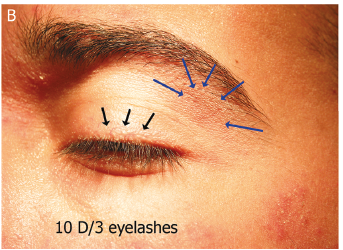
Blepharitis is the irritation of the lid margin, where eyelashes join the eyelid. The eyelids are red and itching, the skin often becomes flaky, and the lashes may fall out.
Distichiasis is the abnormal growth of lashes from certain areas of the eyelid.
Trichotillomania is a disorder that urges the sufferer to pull out scalp hair, brows, lashes, etc.
Demodex folliculorum (or the demodicid) is a small mite that lives harmlessly in eyelash and other hair follicles, and about 20% of people have these mites living on them. Occasionally they may cause blepharitis.
Eyelash and eyebrow transplant surgeries may help to reconstruct or thicken lashes or eyebrow hair.
On the stranger side, the Catholic Church in the Middle Ages linked the exposure of any hair (including eyelashes) to having an excessively erotic disposition. To demonstrate their modesty, Medieval women covered their hair and plucked their brows and lashes.
Animal Kingdom Eyelashes
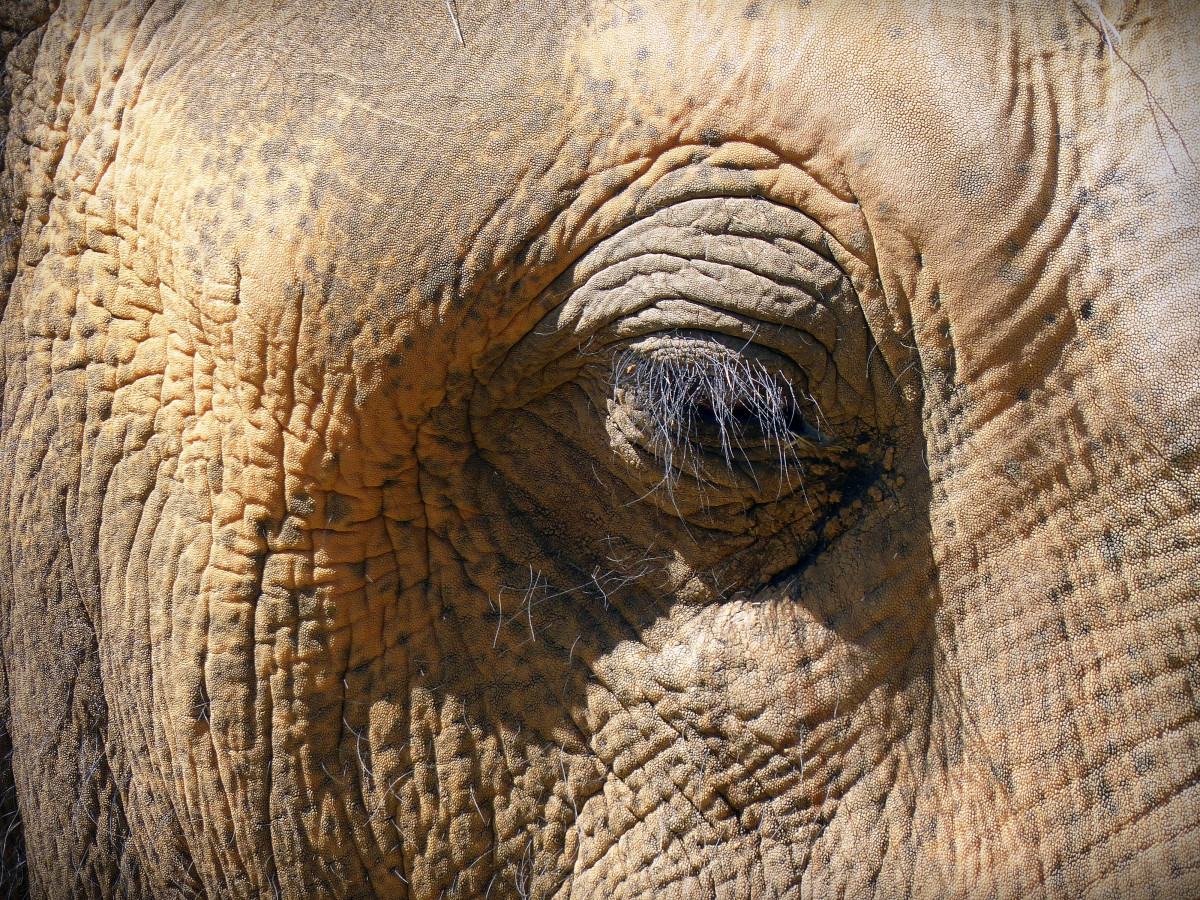
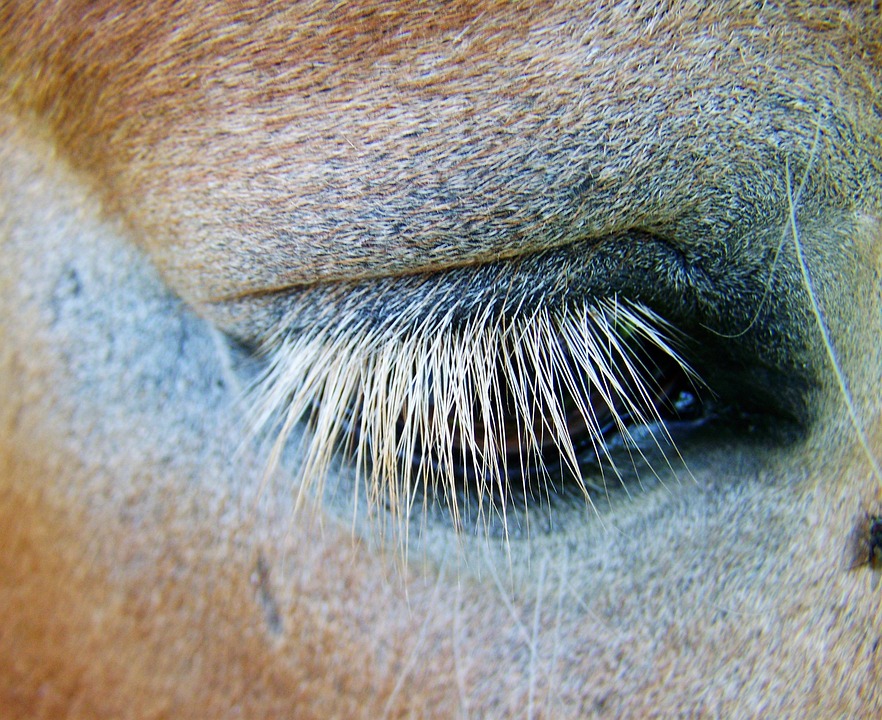
ElephantHorse
People share eyelashes with other animals. Lashes, being hair, are found in all mammals except the aquatic ones (dolphins and whales).
Hornbill
Classically long and elegant, elephant lashes have been making history since the days of the woolly mammoth.
Horses and cows feature lashes as well, as do dogs cats, and mice.
Lashes differ in length and density depending on where the animal lives
Inherited eyelash problems are common in some breeds of dogs as well as horses.
Eyelash Viper
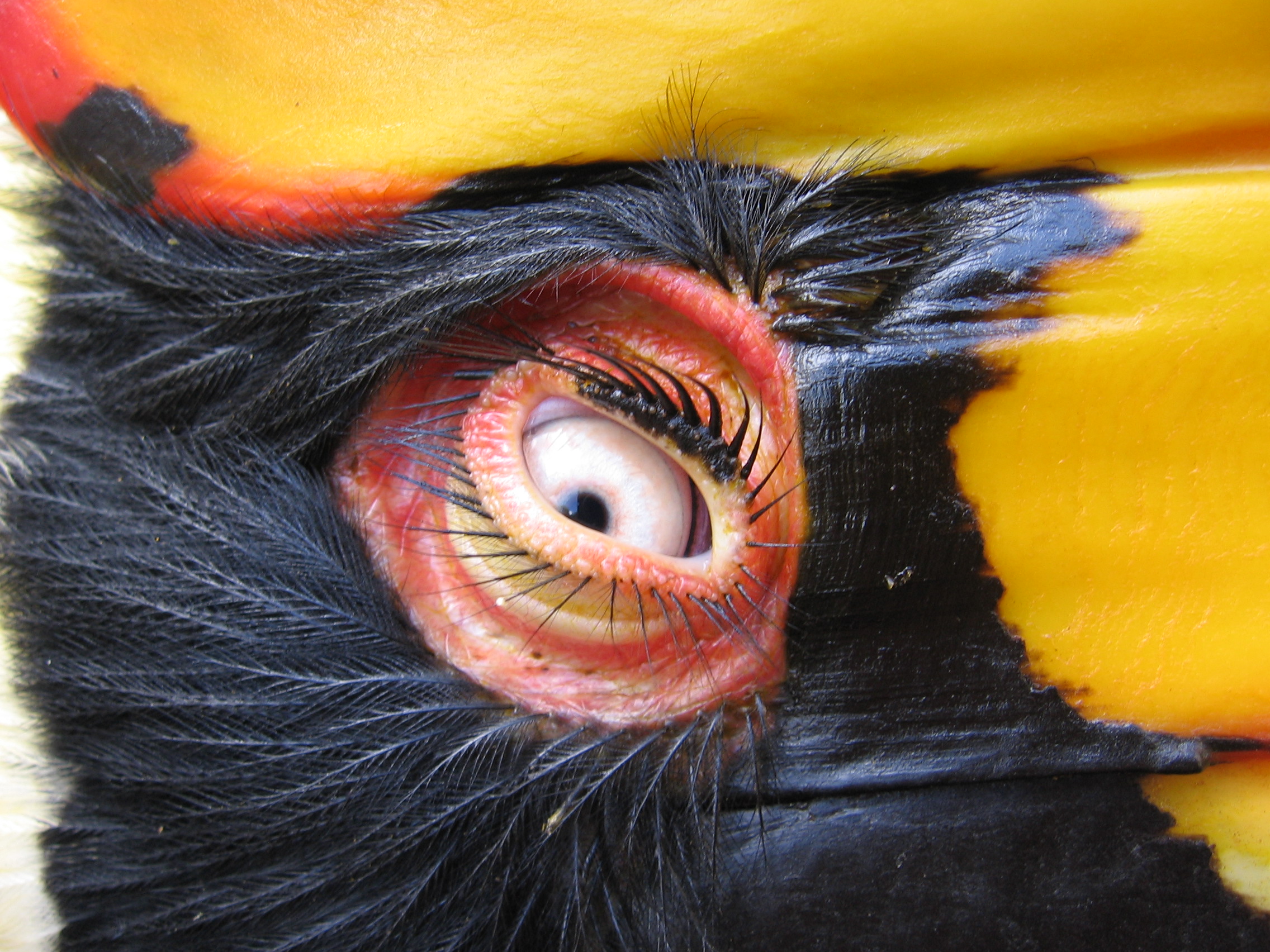
Eyelashes are an uncommon but not unknown feature in birds. Hornbills have prominent lashes (vestigial feathers with no barbs), as do ostriches. Among reptiles, only Eyelash vipers show a set of modified scales over the eyes which look much like eyelashes.
As best I can determine, the function of eyelashes for animals is the same as for humans: protection. For animals that live in dusty areas, their lashes stop them getting specks of dust in their eyes. This is why camels, kangaroos, elephants, and giraffes have several rows of long eyelashes, not just one row.
Bottom line: There’s more to eyelashes than meets the eye!