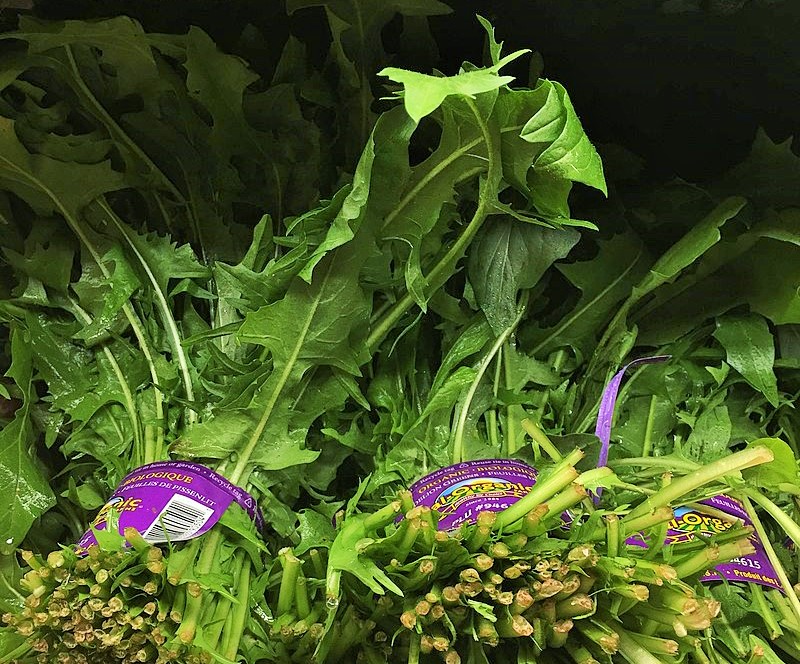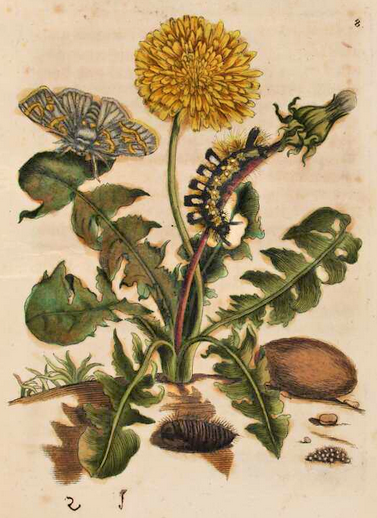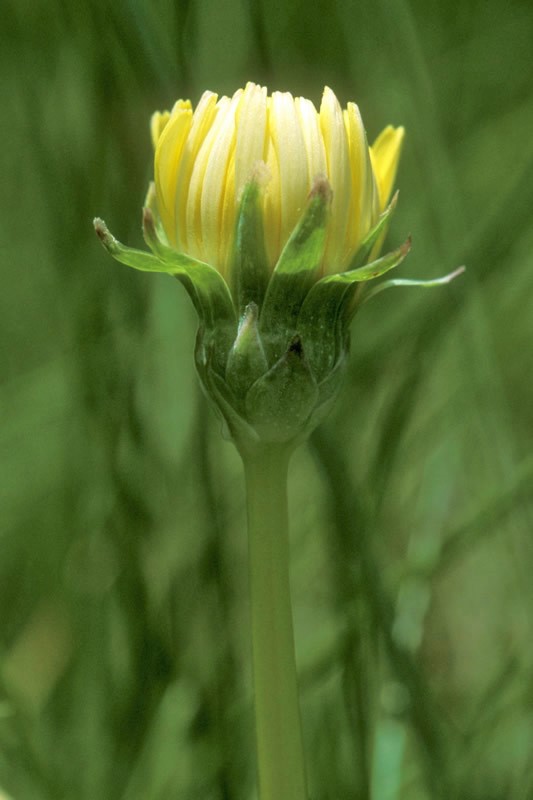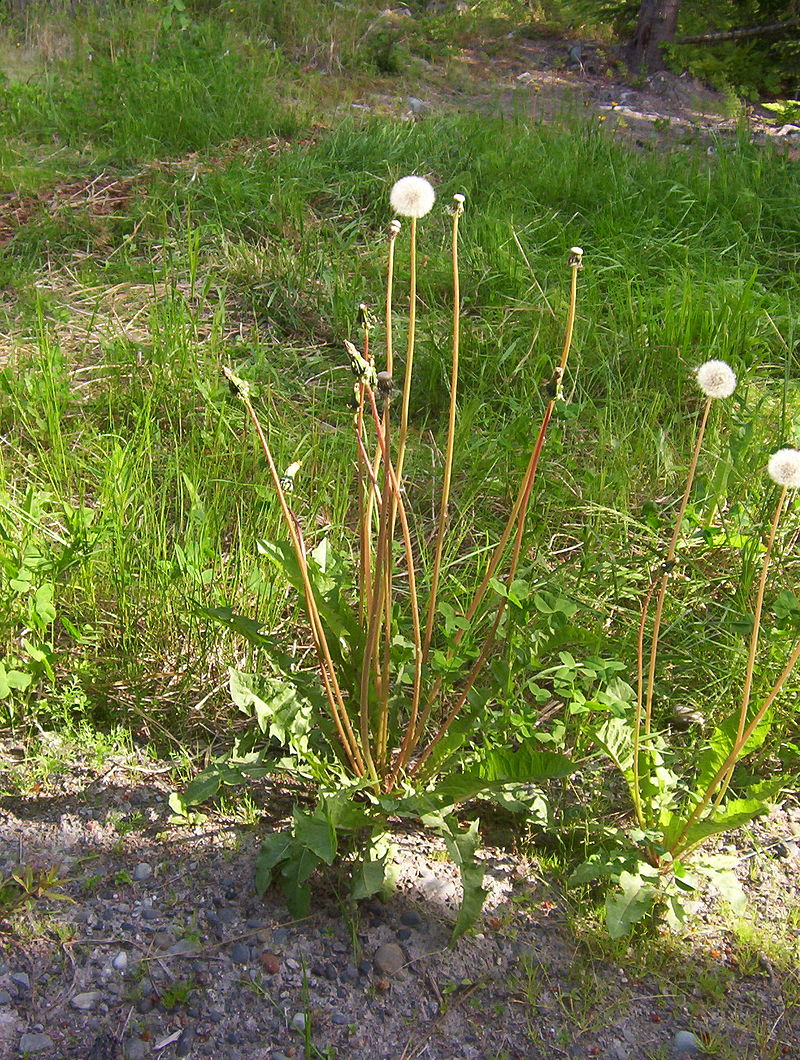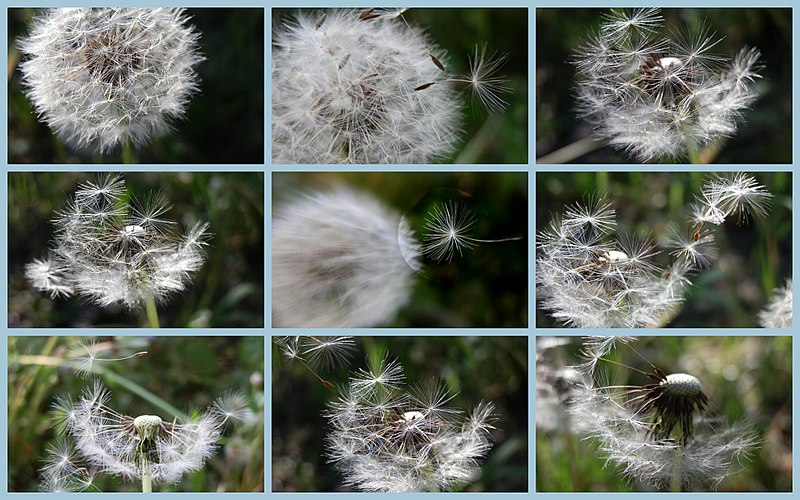
DANDELION

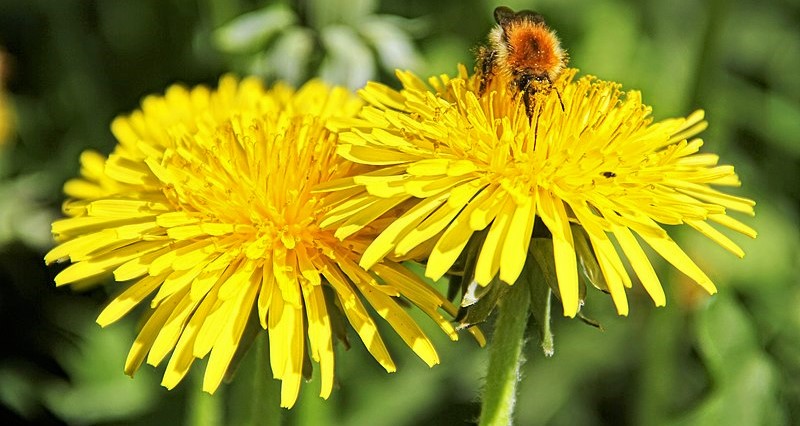
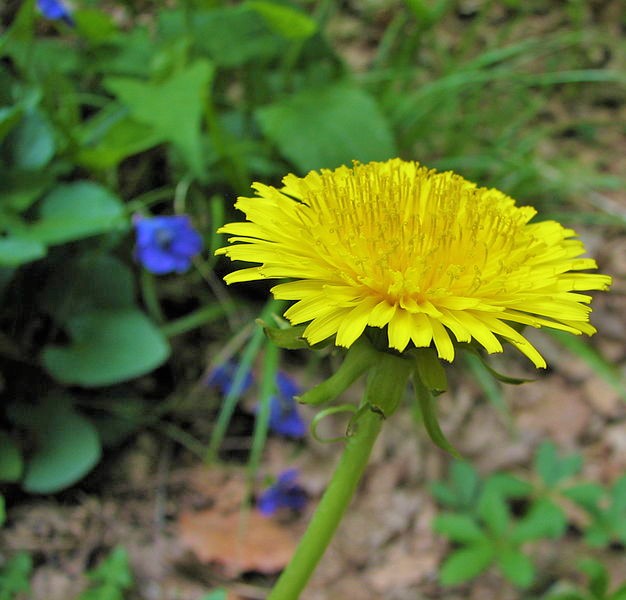
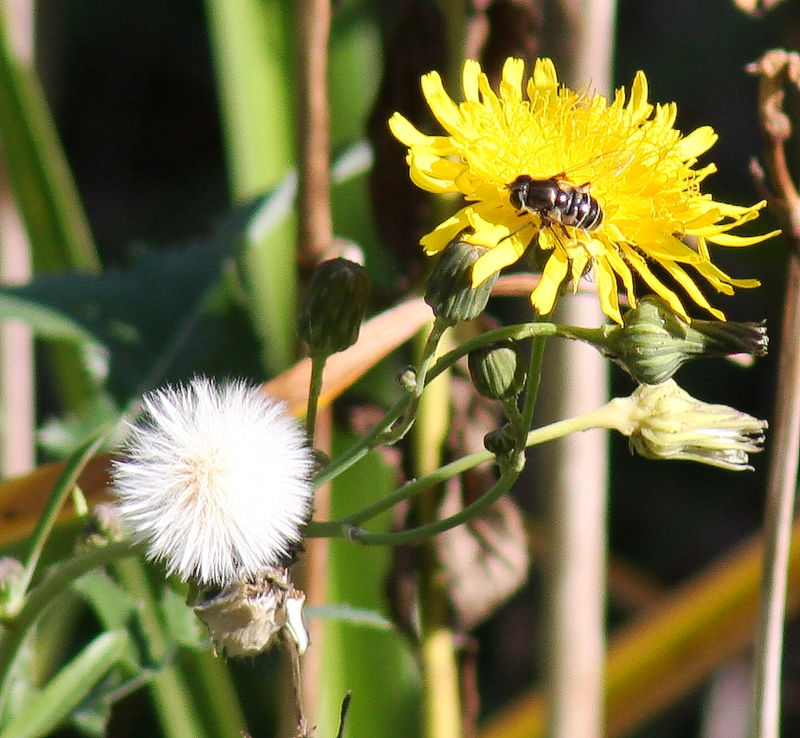
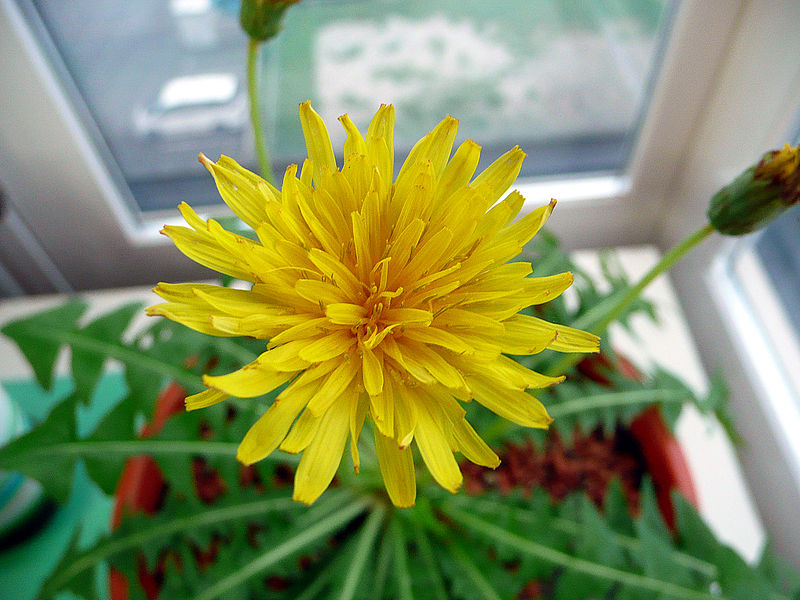
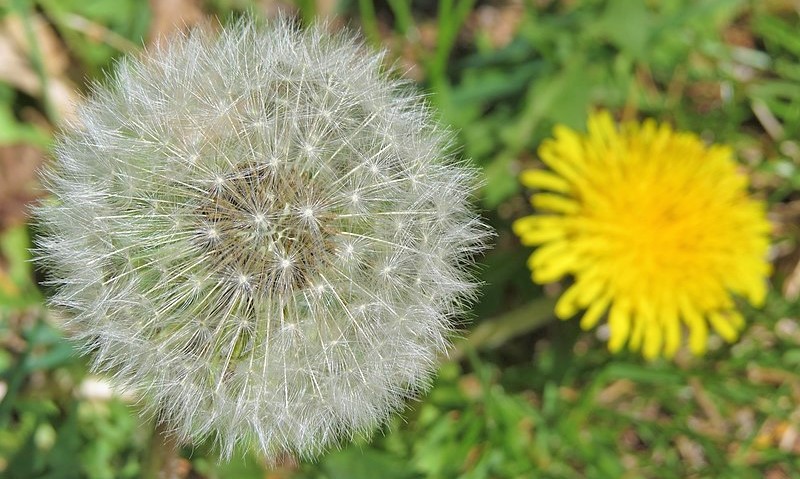
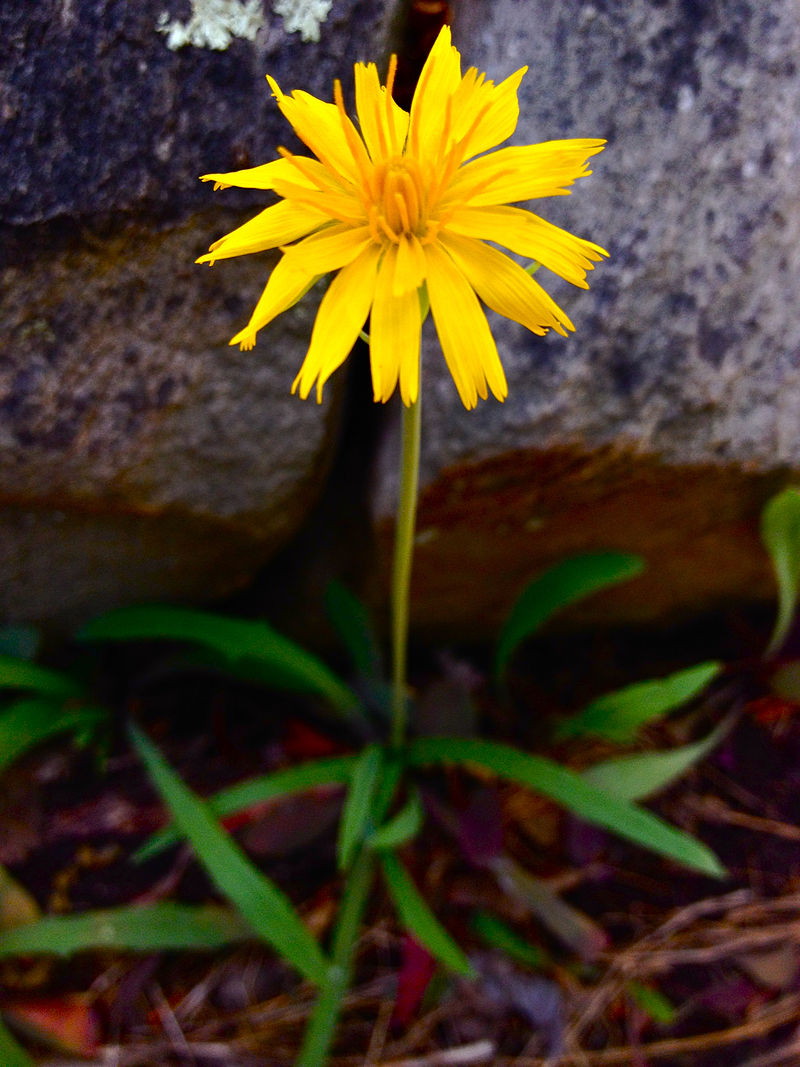
On Wednesday I saw my first dandelion (Taraxacum officinale) of the season—and my thoughts have been returning to it since! Is that weird our what? It turns out that in being struck by the first dandelion I’m not alone.

Poetic Dandelions

“The First Dandelion” by Walt Whitman

Simple and fresh and fair from winter’s close emerging,
As if no artifice of fashion, business, politics, had ever been,
Forth from its sunny nook of shelter’d grass—innocent, golden, calm as the dawn,
The spring’s first dandelion shows its trustful face.

Indeed, if you look up poetry about dandelions on discoverpoetry.com, you will find the following:

Most Famous Dandelion Poems
  1. The First Dandelion by Walt Whitman
  2. To the Dandelion by James Russell Lowell
  3. The Dandelion by Vachel Lindsay
Short Dandelion Poems
  1. Dandelion by Hilda Conkling
  2. The First Dandelion by Walt Whitman
  3. I’m a Pirate by Annette Wynne
  4. The Dandelion by Vachel Lindsay
  5. The Dandelions by Helen Gray Cone
  6. The Hawkbit by Charles G. D. Roberts
  7. Dandelions in the Sun by Annette Wynne
Dandelion Poems for Kids
  1. Dandelion by Nellie M. Garabrant
  2. Dandy Dandelion by Christopher Morley
  3. I’m a Pirate by Annette Wynne
  4. Little Dandelion by Helen Barron Bostwick
  5. Dandelions in the Sun by Annette Wynne
Imaginative and Fun Dandelion Poems
  1. The Dandelion by Vachel Lindsay
  2. Dandy Dandelion by Christopher Morley
  3. Dandelion by Nellie M. Garabrant
  4. The Dandelions by Helen Gray Cone
  5. I’m a Pirate by Annette Wynne
  6. Little Dandelion by Helen Barron Bostwick
  7. The Dandelion by Ida Celia Whittier
  8. Dandelions in the Sun by Annette Wynne
  9. Dandelions by Florence May Alt

But dandelions are more than just pretty faces! More than harbingers of spring. More than cheerful chips of sunshine come to yards and roadsides.

Delicious Dandelions

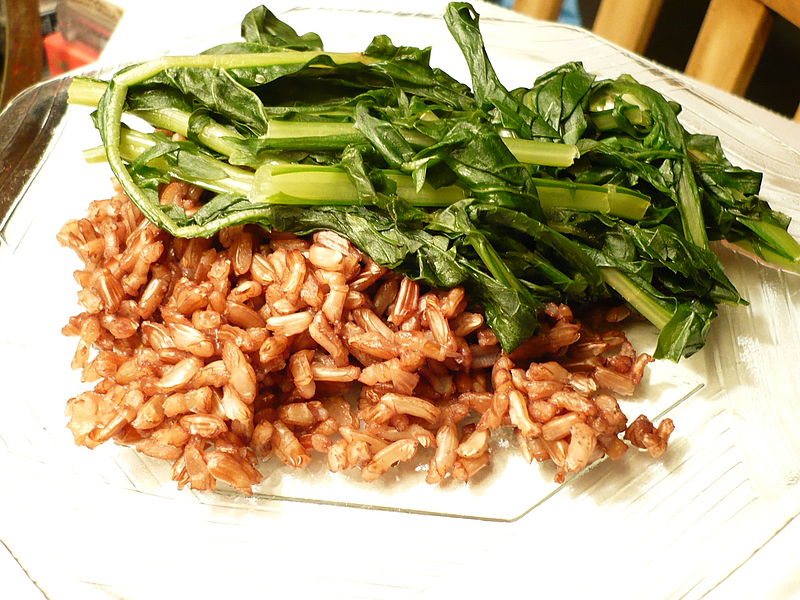
Sautéed Dandelions with Wehani Rice

Have you eaten a dandelion recently?  When I was a child, a “mess of greens” meant dandelions.  But that fell by the wayside before I even reached adulthood. Something to reconsider?

Botanists consider dandelions to be herbs. People use the leaves, stem, flower, and root—raw or cooked—for various purposes. It’s one of the earliest edible plants to emerge in the spring. Native Americans and early European colonists eagerly awaited this addition to their diets.

The bitterness of raw dandelion leaves is similar to arugula—thus not for everyone.  If raw dandelion leaves don’t appeal to you, they can also be steamed or added to a stir-fry or soup, which can make them taste less bitter. The flowers are sweet and crunchy, and can be eaten raw, or breaded and fried, or even used to make dandelion syrup or wine.

And dandelions are safe! There are no poisonous lookalikes for the common dandelion.  Dandelions are found on 6 continents and have been gathered for food since prehistory, but the varieties commercially cultivated for consumption are mainly native to Eurasia and North America. A perennial plant, its leaves grow back if the taproot is left intact (to many gardeners’ frustration). You can forage your yard!

So, people can consume dandelions in many ways and forms.  But why would you?

Health Benefits of Dandelions 

In terms of nutritional content, from root to flower, dandelion are highly nutritious plants, loaded with vitamins, minerals and fiber.  Dandelion greens can be eaten cooked or raw and serve as an excellent source of vitamins A, C, and K. They also contain vitamin E, folate, and small amounts of other B vitamins.  What’s more, dandelion greens provide a substantial amount of several minerals, including iron, calcium, magnesium, and potassium. 

  • Antioxidants 
    • Dandelions contain beta-carotene, which is an antioxidant that helps protect cells from damage.  Research shows that carotenoids such as beta-carotene play a vital role in reducing cell damage.
    • The flower of the dandelion is also full of polyphenols, which are another type of antioxidant.
  • Blood pressure
    • Dandelions are a good source of potassium. There is clinical evidence that shows that potassium can help reduce blood pressure.  For example, research has found that people taking a potassium supplement saw a reduction in their blood pressure, especially if they already had high blood pressure.
  • Blood sugar 
    • There is some evidence to suggest that dandelions contain compounds that may help with regulating blood sugar.
  • Bones 
    • Very little research has been conducted on dandelion’s effect on bone health, though some of its individual nutritional components contribute to the maintenance of strong, healthy bones.  Dandelion greens are a good source of calcium and vitamin K — both of which are associated with the prevention of bone loss. Inulin, a fiber found in dandelion root, may also support healthy bones through improved digestion and the promotion of healthy gut bacteria.
  • Cancer risk 
    • So far, studies have looked at dandelion’s impact on cancer growth in test tubes and found that it may help with slowing the growth of colon cancer, pancreatic cancer, and liver cancer. As with other potential benefits, more research is required to show how effective dandelions can be as part of cancer treatment.
  • Cholesterol 
    • Dandelions contain bioactive compounds that may help lower a person’s cholesterol.
    • So far research has been with animals.  However, testing on humans is still needed.
  • Digestion 
    • Some people use dandelion as a traditional remedy for constipation and other digestion issues.  The root of the dandelion is rich in the carbohydrate inulin, which is a type of soluble fiber found in plants that supports the growth and maintenance of a healthy bacterial flora in your intestinal tract.
  • Immune system 
    • Researchers have found that dandelions show both antiviral and antibacterial properties. For example, one 2014 study found that dandelions help limit the growth of hepatitis B in both human and animal cells in test tubes.
  • Inflammation 
    • Some studies indicate that dandelion extracts and compounds may help reduce inflammation in the body.
  • Skin 
    • Some research indicates that dandelion may help protect the skin from sun damage.
  • Weight control 
    • Dandelion could help people achieve their weight loss goals, based on the plant’s ability to improve carbohydrate metabolism and reduce fat absorption.
    • Strong evidence to support this claim is lacking, however.

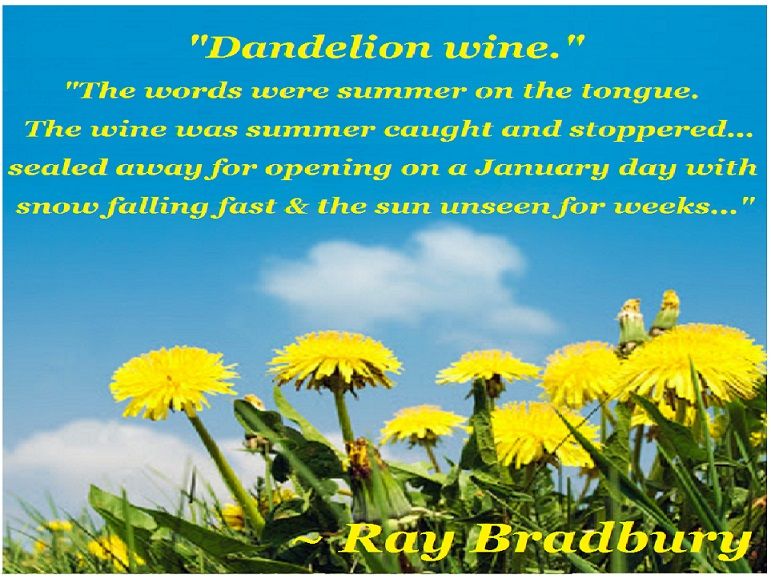
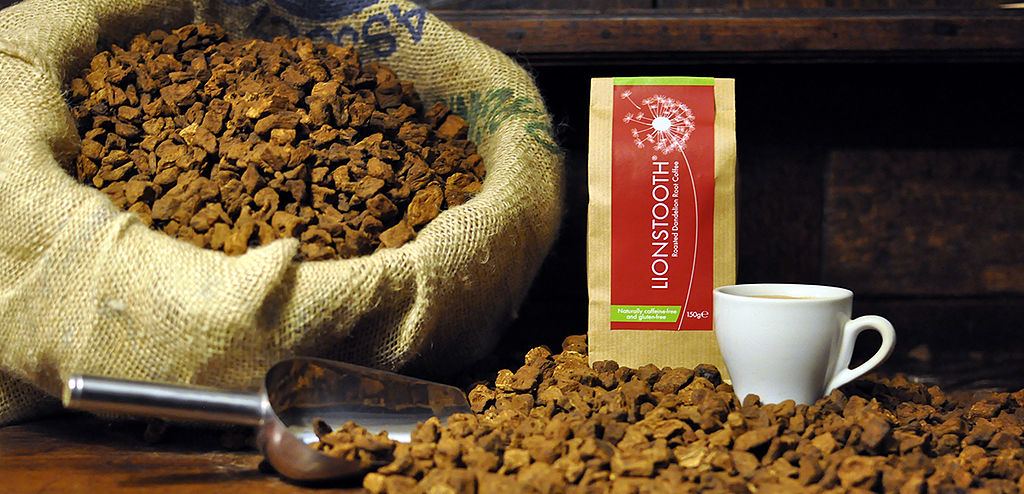
Dandelion root is often dried and consumed as a tea but can also be eaten in its whole form. The root can also be dried and roasted to be made into a substitute for coffee. Dandelion wine is considered quite a delicacy among those who know these things.

Dandelion root coffee from Lionstooth Coffee

But Beyond Food

Because dandelions can endure almost any living condition, they represent overcoming every hardship by standing strong and proud. The word “dandelion” comes from the French name for the flower: ‘dent de lion’ or ‘teeth of the lion.’

  • Dandelion Symbolism
    • Healing from emotional pain and physical injury alike
    • Intelligence, especially in an emotional and spiritual sense
    • The warmth and power of the rising sun.

When dandelions start popping up on your front lawn, consider it to be an omen of good luck. That is because Dandelion belongs to the planet Jupiter which is the planet of wealth.

Throughout the ages, dandelions have been used for divination, as a way to tell fortunes or make wishes.

If you rub a dandelion under your chin and your skin turns yellow, you like butter — at least according to an old wives tale found in cultures worldwide. Dandelions are the favorite flower of children

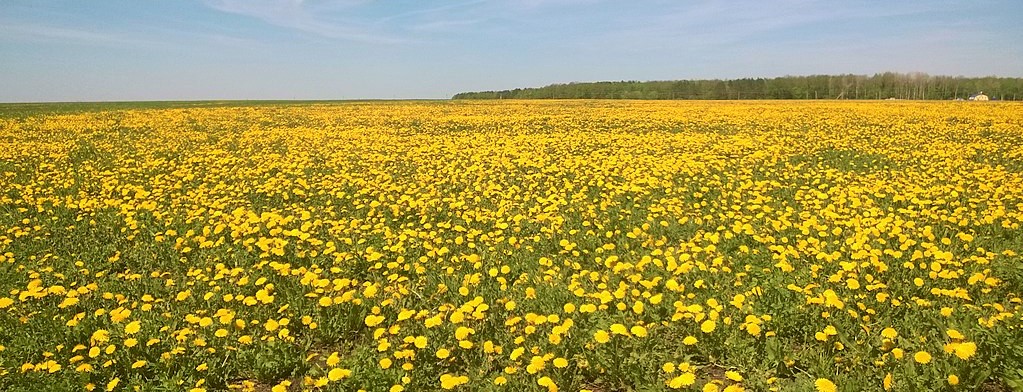
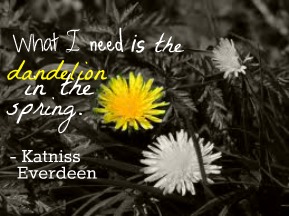
In The Hunger Games, the dandelion becomes a symbol of hope for Katniss, and evidence of her resourcefulness and expert foraging. When she sees the field of dandelions, she gains confidence in her ability to feed her family.

Whole essays have been written on dandelions as our favorite weeds. Indeed, there are whole worlds of dandelion info out there. Seek and ye shall find.

BOTTOM LINE: Dandelions are ubiquitous. Surely there is a place for them in your life and/or writing!

WHAT’S A CAR FOR, ANYWAY?

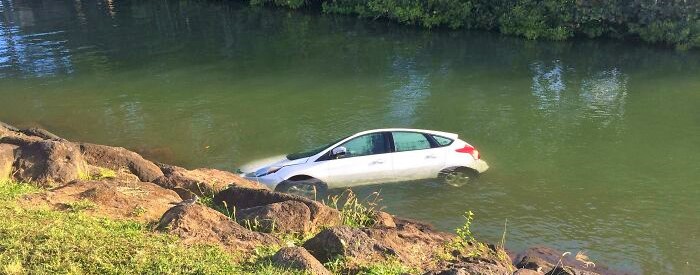
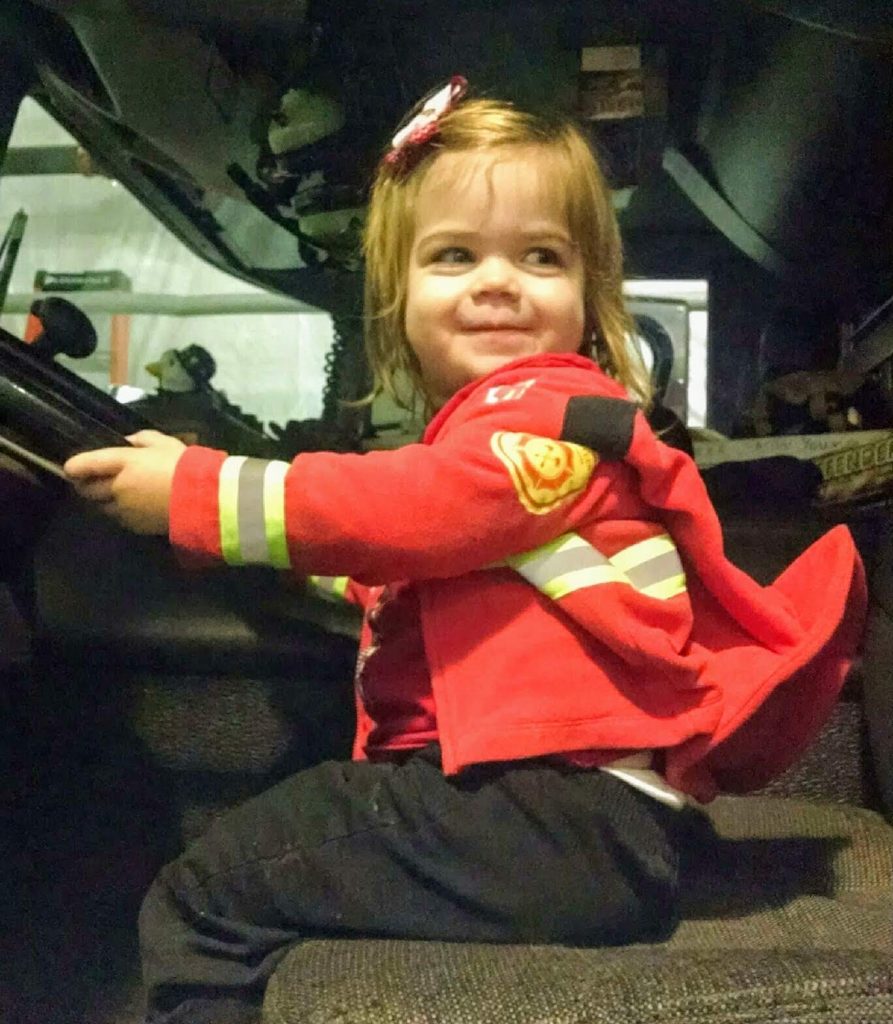
Parking in front of a fire hydrant is illegal, and this is why. If they need to, firefighters will smash in a car’s windows to attach their hoses effectively. In addition to smashed windows, broken glass, and water all over the car, the driver will also get a ticket.
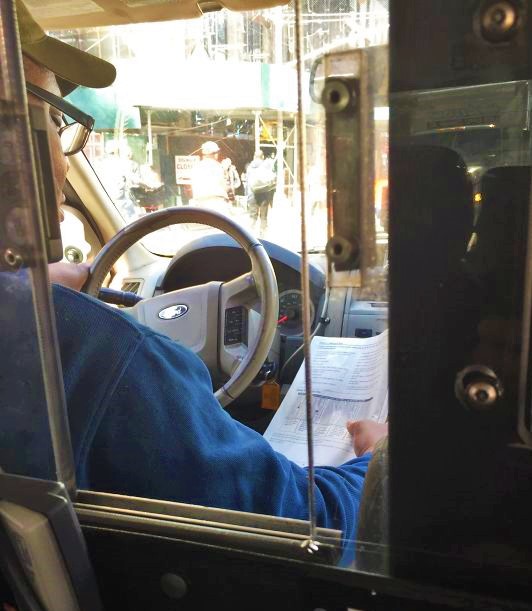
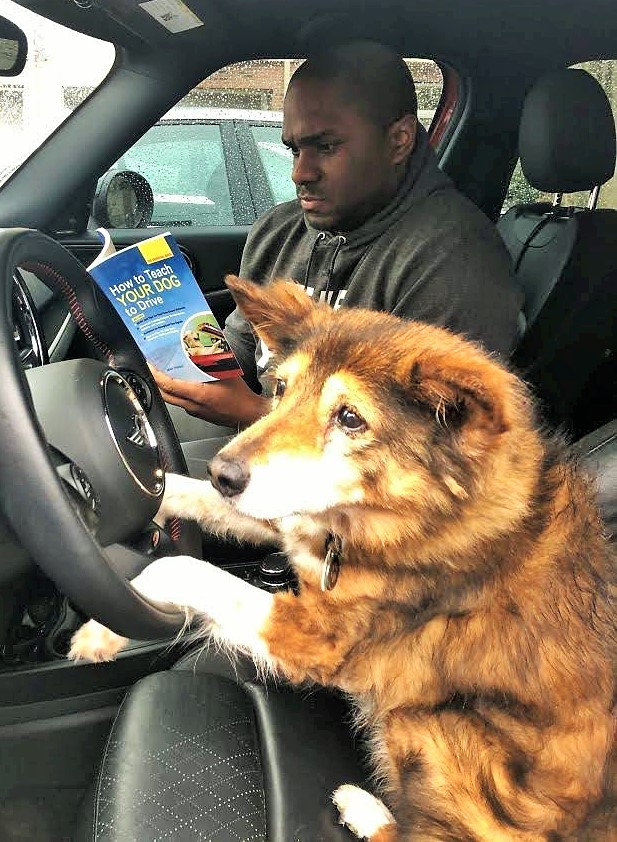
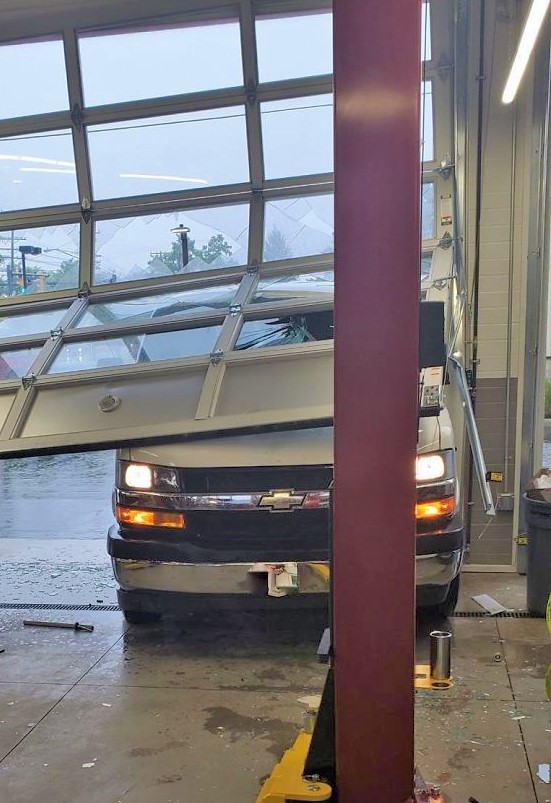
If you’re reading the driving manual while driving the cab, it may be too late.

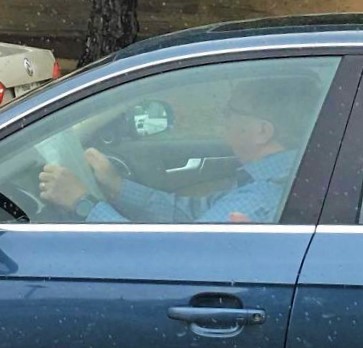
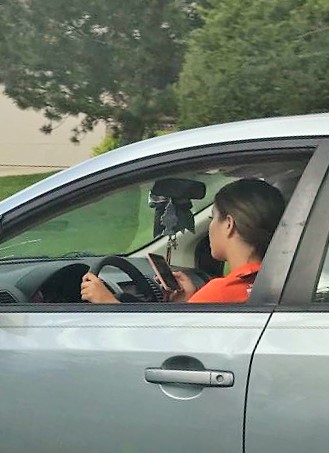
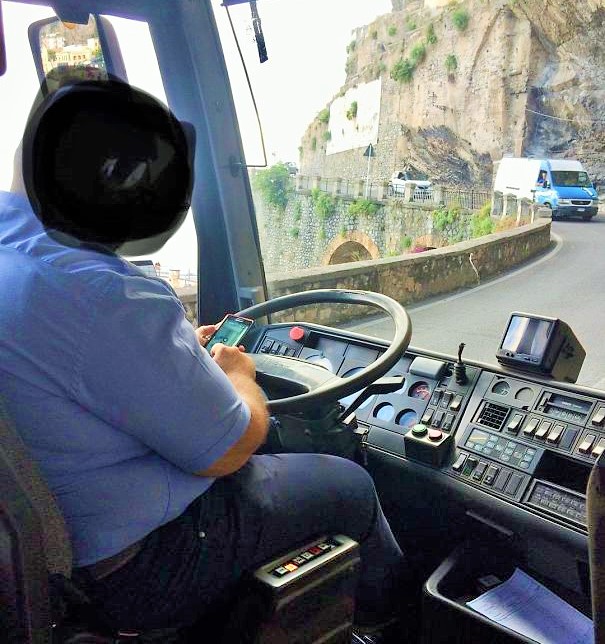
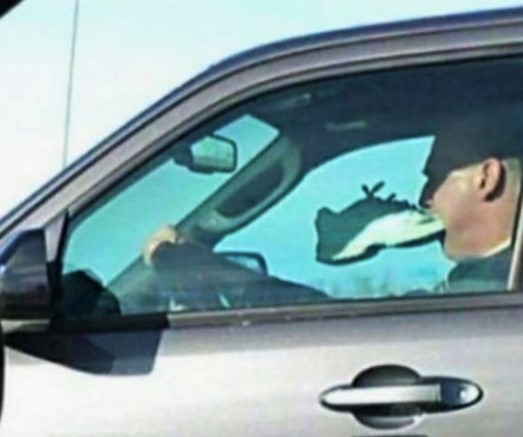
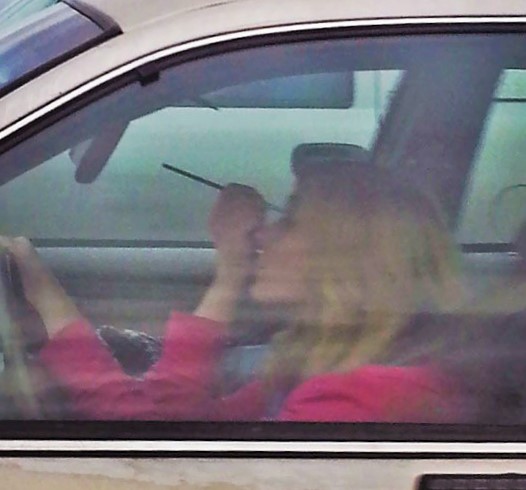
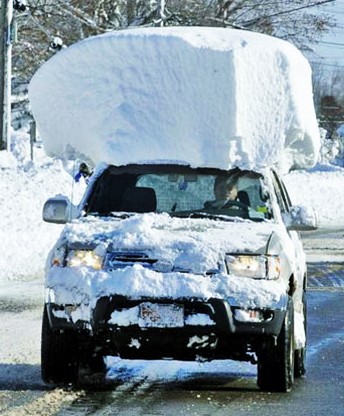
I don’t know whether I’m on a roll or in a rut. Having considered the variety of bed activities people indulge in, I was primed to notice what’s going on on the road. The other day, I stopped at a traffic light and saw a woman in the car next to mine was putting on mascara and eyeliner. So here we go!

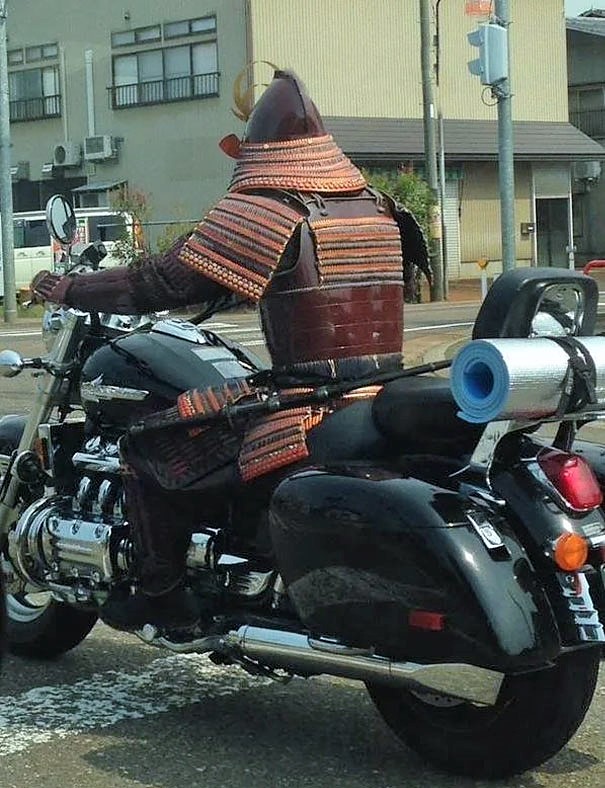
Besides driving and riding. . .

Please note: Some of these are much better done while riding than while driving! (Or not being done at all…)

Deliberately driving your car into the path of a drunk driver to prevent it running over pedestrians.
  • Catch up on email
  • Brush or floss teeth
  • Needlework, especially knitting
  • Play travel games, such as “I spy…” or rhyming
    • Usually involves at least one child
Drive along scenic or historic routes
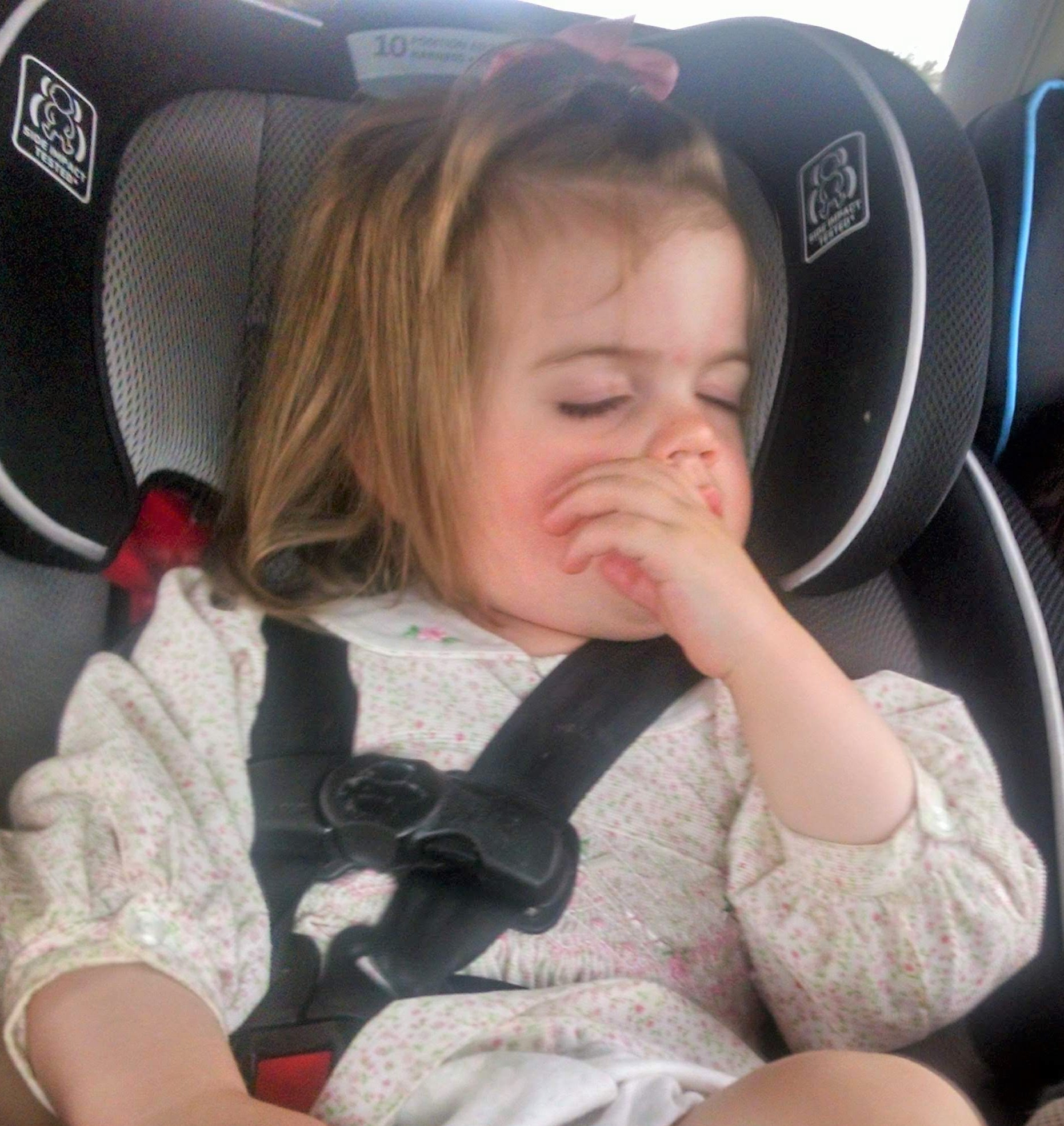
Sleep, with or without snoring and drooling
  • Meditate or pray
  • Eat, sometimes an entire meal
  • Drink
  • Read
    • eReader or physical book
    • Listen to audiobook
  • Listen to music
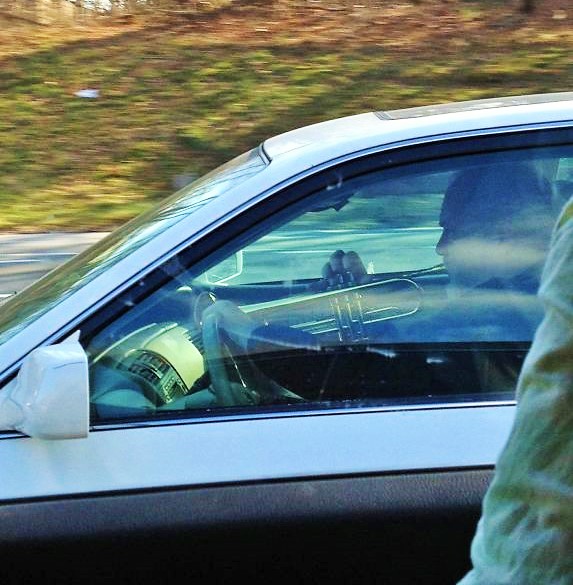
    • Learn music
  • Talk on the phone
  • Text
  • Update social media
  • Apply or fix makeup
  • Comb/style hair
Actively seek death
  • Argue
  • Get a man to really talk
    • Research has established that men driving, eyes straight ahead, are more likely to engage in sustained and/or intimate conversation
  • Translate vanity plates into words
  • Watch videos
  • Work on laptop
  • Catch up on the news
  • Save money on insurance by driving safely
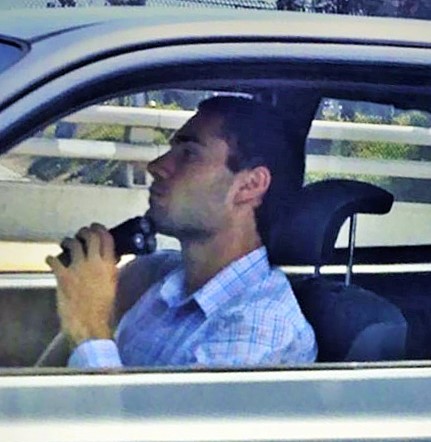
  • Urinate in a bottle
    • Not easily accomplished for females
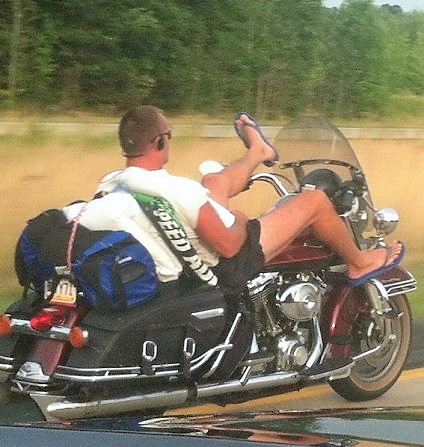
Hang feet out the window
  • Change glasses
    • Put in contact lenses
  • Change masks
  • Pick nose
  • Trim nose hair
  • Groom fingernails
    • File
    • Glue
    • Polish
    • Clip or polish toenails
  • Prop one or both feet on dashboard
  • Smoke or vape
    • (In many states, it is now illegal to smoke near hospitals or with a child in the car)
Shave
  • Change clothes
  • Steer with knees or forearms
  • Get a massage Some car seats are made for it now
  • Pick up hitch-hikers
  • Suffer road rage
    • Honk the horn
    • Flip someone the bird
    • Turn headlights on/off
  • Take pictures
  • Practice a foreign language
  • Crying or weeping
  • Sing along with the music in your head
  • Ask “Are we there yet?” every thirty seconds

Bottom line: can you spell distracted driving?

MULTI-PURPOSE FURNITURE: BEDS!

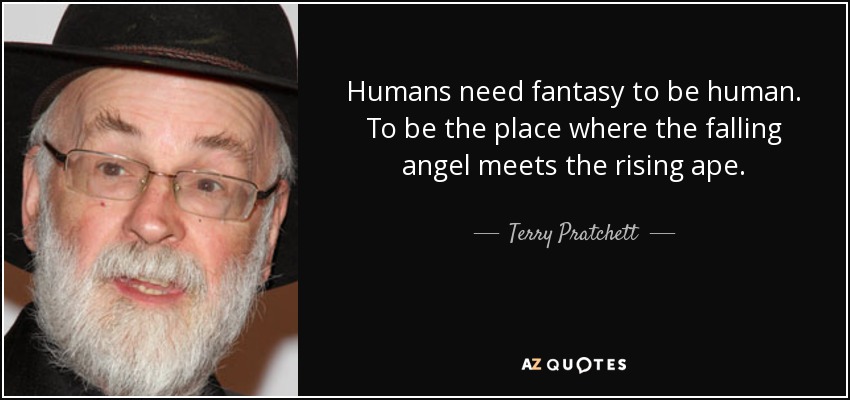
“Lectrology, the study of the bed and its associated surroundings, can be extremely useful and tell you a great deal about the owner, even if it’s only that they are a very knowing and savvy installations artist.”
from Unseen Academicals by Terry Pratchett

Well, yes, we all know about sex and sleep for energy recovery—separately or together, in no particular order! But for writing and/or personal reasons, think more broadly. What else happens in bed?

Plotting escape
  • Cuddling, before or after sex or on its own. One can actually hire a professional cuddler, female and/or male, paid by the hour for fully-clothed non-sexual cuddling.  
  • Getting/staying warm. Also think winter with no heat in the house.
    • In many parts of the world, it is customary for entire families to spend any free time in bed together, doing homework, making or repairing tools, or any other relatively stationary work, to conserve heat
  • Binge-watching TV (much more comfortable than on a sofa)
Escaping!
  • Getting sucked down the rabbit hole of YouTube
    • Or Tumblr, Cracked, Buzzfeed, Pinterest, etc.
  • Reading: books, magazines, newspapers, electronic devices
  • Eating and/or drinking
    • Sometimes this is just snacking, but on special occasions one may have a full meal delivered in bed
  • Working the Sunday Times crossword puzzle
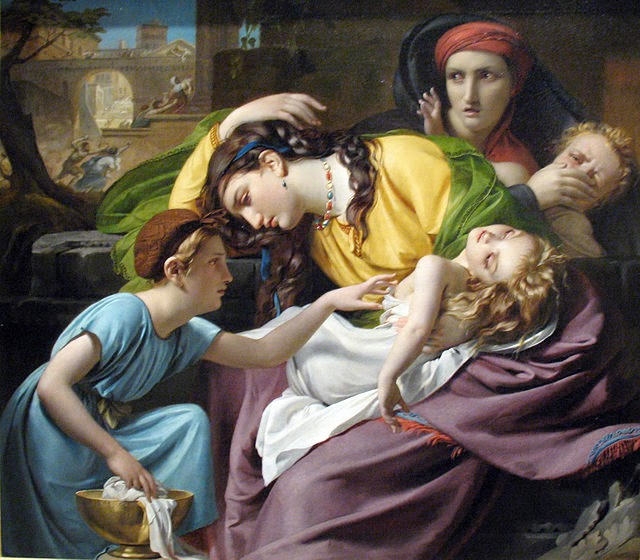
Feeding your baby sister to the lions
  • Solving sudoku
    • Throwing the half-completed sudoku across the room when you realize there are two nines in the row
  • Playing a board game (carefully or with magnetic pieces)
  • Playing solitaire
  • Staring at the ceiling or into the dark and discuss serious issues with your bed partner
    • You can do this alone, but then it’s more of a monologue than discussion. 
      • Hearing a response to your monologue when you think you’re alone…!
Striking a pose
  • Indulging in catastrophic thinking about some personal issue, a family matter, and/or the future of humankind
    • What is the worst thing that could happen?
    • How could that come about?
    • And what might it lead to?
  • A refuge to escape an unpleasant task or situation by feigning illness
    • Often this is only a temporary fix, delaying the inevitable
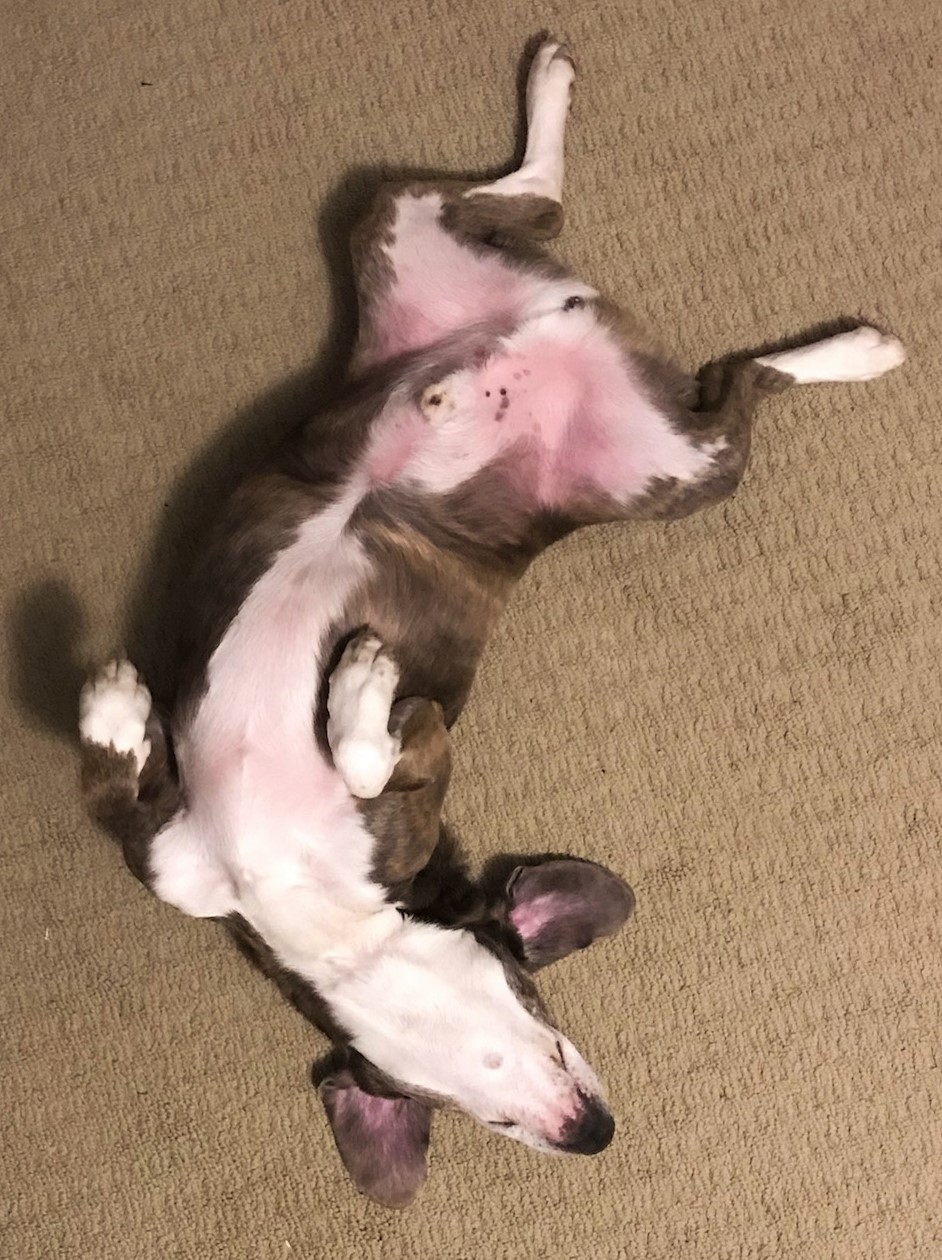
Laying on the hard floor next to your bed without using it just to be stubborn
  • Recovering from an actual illness or injury
    • Applying ice or heat
    • Elevating a body part to reduce blood flow
    • Physical therapy exercises
  • Practicing modified choreography
  • Composing music
  • Cower with your head under the covers during a storm or earthquake
  • Playing with children or pets
Being the monster under the bed
  • Having a pillow fight
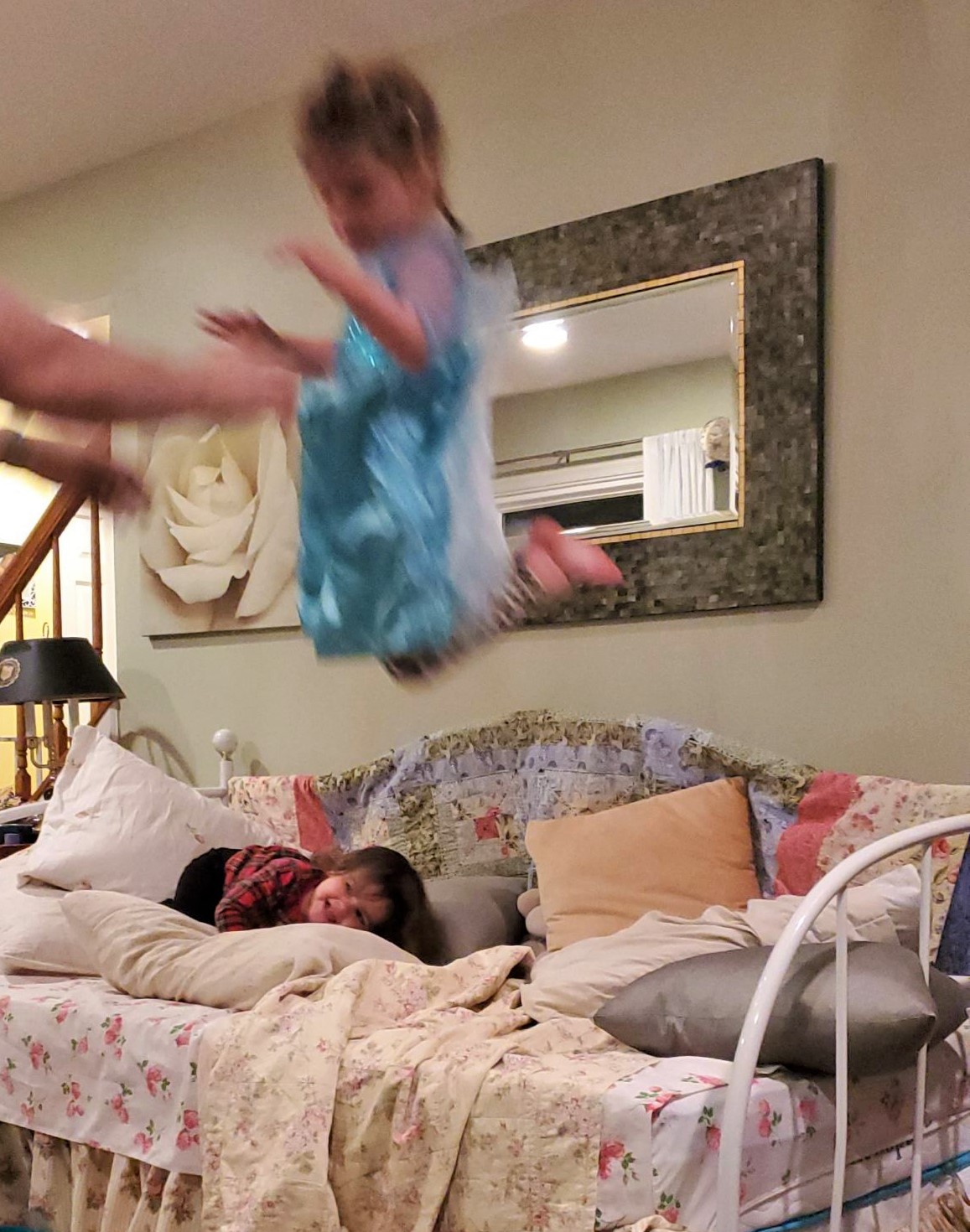
  • Jumping on the bed
  • Using bedding to stifle loud weeping, moaning, etc.
  • Toss, turn, and knot the bedclothes because you can’t get to sleep
    • Often with added frustration if someone is sleeping soundly beside you
  • Doing back exercises before getting up for the day
  • Nursing a hangover after being knee-walking drunk the night before
Yoga
  • Getting a massage: back, front, scalp, feet, calves, neck—whatever aches, feels good, or is your body-part fetish 
  • Sleeping excessively, possibly as a symptom of depression, illness, boredom, etc.
  • Thinking about plot points or themes for fiction and blog writing
    • In this instance, it helps to have a note pad and pen that light up when in use, or a device for dictating notes. Do not trust your memory!
  • Talking on the phone, usually for a l-o-n-g time
Levitating
  • Posting to Facebook, Twitter, or other social media
  • Sexting – NOT RECOMMENDED
  • Doing work/schoolwork, especially in the time of COVID
  • Getting bitten (bedbugs, spiders, humans. . .)
  • Deleting old emails, cleaning up the in box(es)
  • Mentally working out math problems and theorems using a base-6 rather than a base-10 number system

Bottom line: If you can imagine doing it in bed, you probably can—or can come up with a reasonable approximation.

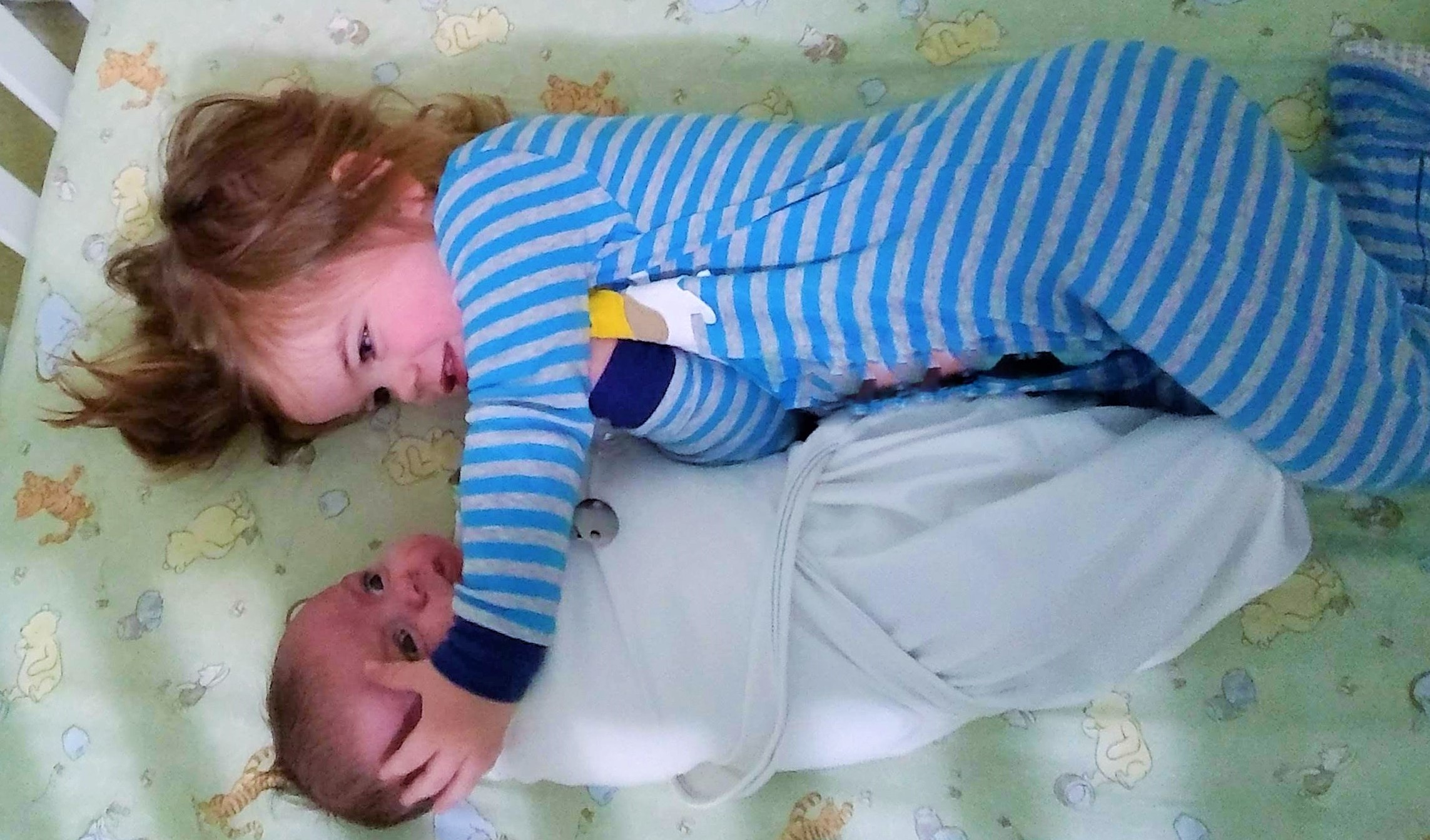
Experiencing the outside world for the first time ever

“THE MOST WONDERFUL TIME OF THE YEAR.” REALLY?

CONSIDER THE DOWNSIDE OF CHRISTMAS.

Part of the downside of Christmas is this myth that everything and everyone is merry and bright, and if you aren’t, you must be a Scrooge. Or a Grinch. Or Burgemeister Meister Burgher. Indeed, much of what follows also applies to Hanukkah, Kwanzaa, Ōmisoka, and other holidays too numerous to mention. Almost everyone (every character?) suffers one or more of these downsides of typical celebrations.

Exposure Fatigue

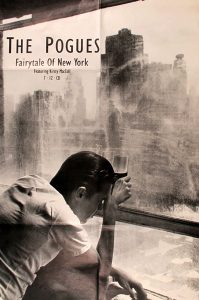
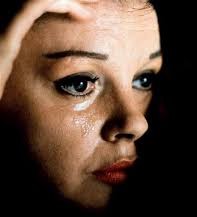
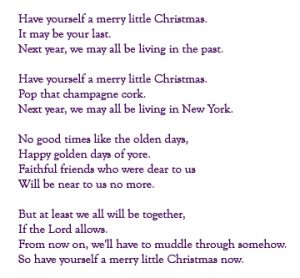
“Fairytale of New York” by The Pogues reflects the loneliness despair of Christmas.
  • Going into a store in October and see “decorations” for Halloween, Thanksgiving, AND Christmas
  • Christmas music that begins to be played everywhere before Thanksgiving
    • Christmas music gets old fast, particularly for people working in retail
  • Commercials touting the “perfect” gift
  • The pervasiveness of sappy Christmas movies (and over-exposure to the good ones, such as “It’s a Wonderful Life” and “Miracle on 34th Street”)

Physical Fatigue

  • Decorating
  • Food preparation
  • Package wrapping and/or mailing
  • Attending celebratory events, especially navigating office/work place parties
  • Hassles of travel (insane boarding lines, delayed flights, driving clogged highways)
  • Making gifts or cards by hand
  • Shopping for presents
    • Finding a mall parking space 2 miles from the shops
  • Tracking down the right present for the right person 

Weather

  • Living in a warm place, one laments the lack of snow
  • Living in a cold climate, one laments cold and snow that keep people inside
  • Ice storms that keep one from attending/hosting a holiday event
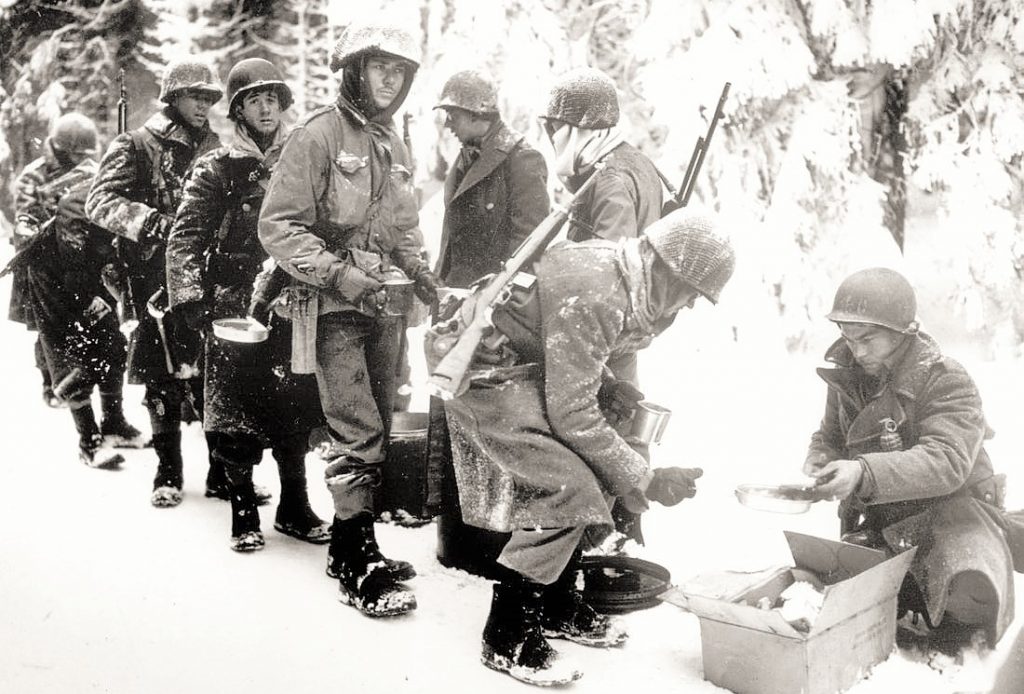
  • Combination of extra traffic, stressed drivers, and wintry weather can make every drive a terrifying experience

Family Stresses

  • Feeling compelled to see family you’d rather not
    • Spending time with the family of one’s significant other can be even worse
  • Conflicts between/among guests
  • Pretending to like presents you don’t
  • Taking awkward photos
  • Kids demands for presents and apply pressure in  in terms of values, money, and parenting
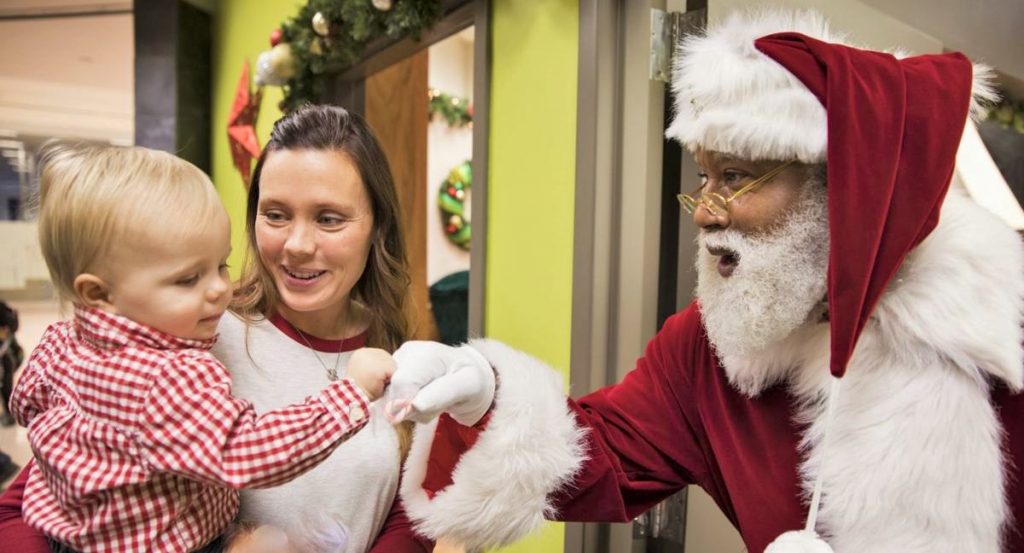
  • Waiting in endless lines for kids to visit Santa at the mall
  • Bad situations can worsen, and marriages are strained
    • Recently divorced parents navigating custody arrangements
    • Divorce lawyers have their busiest month in January

Financial Strains

Why does everyone want a pony?
  • Feeling pressed to give a gift of equivalent value, even when the “gift lists” for giver and recipient aren’t the same
  • Dealing with a year when one’s gift-giving must be cut/downsized in number and/or expense and it will be obvious
  • Higher electric bill for huge outdoor displays 
  • Travel, tickets, decorations, food, etc., can drain bank accounts and max out credit cards even without buying gifts

Physical Health

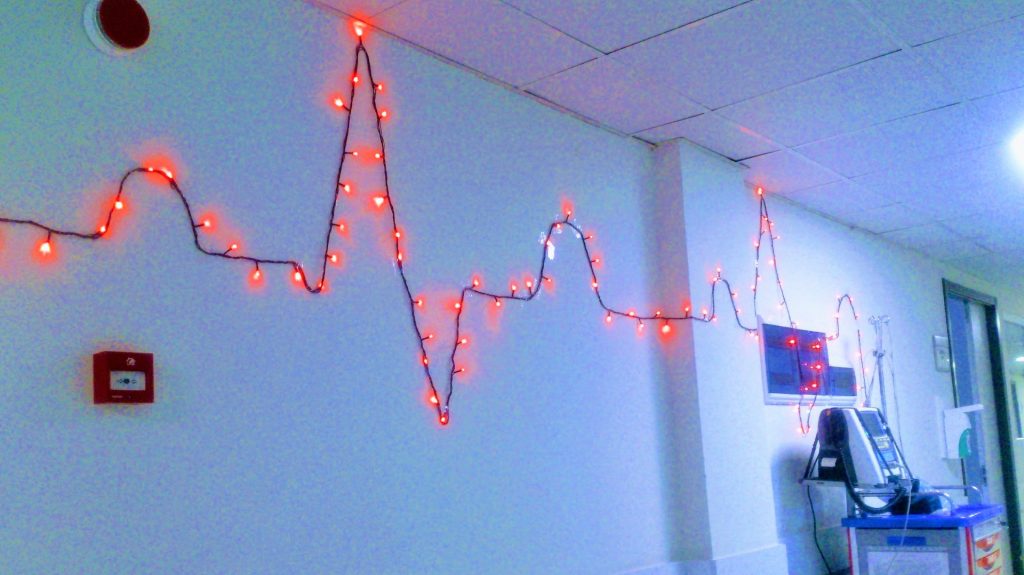
  • Emergency room visits are up 5-12% around Christmas
    • Slips and falls on icy walkways or while putting up decorations
    • Sharp object injuries from unfamiliar cooking utensils, new toys, assembling gifts
    • Falls from a height
    • Workplace accidents
    • Abdominal discomfort from overeating
    • Psychiatric disorders exacerbated by stress and crowds
    • Poisonings
      • Incorrectly prepared food
      • Overconsumption of alcohol
  • Disruption of healthy patterns
    • Abandoning diets or eating irregularly
    • Loss of sleep
    • Failure to follow doctor’s instructions for treatment and/or medication
  • A typical Christmas meal is likely to be two-to-three times the recommended daily calorie count
    • Indulging in meals, cakes, pies, chocolates, or whatever sweets
    • Cookies, biscuits, candy, homemade treats brought in to the workplace or shared by shops for the entire season
  • Stress levels are almost certain to be higher than usual
    • Stress contributes to heart disease, stroke, and cancer
    • Stress leading to immune system breakdowns, leading to colds, for example
  • Mingling with more people exposes them to more infections, especially flu and flu-like symptoms
  • Falls, cuts, and burns result in tens of thousand of visits to the ER
  • Alcohol consumption resulting in alcohol poisoning, broken bones from skips and fall, car and home accidents, etc.
  • Domestic violence is up about one-third compared to an average day

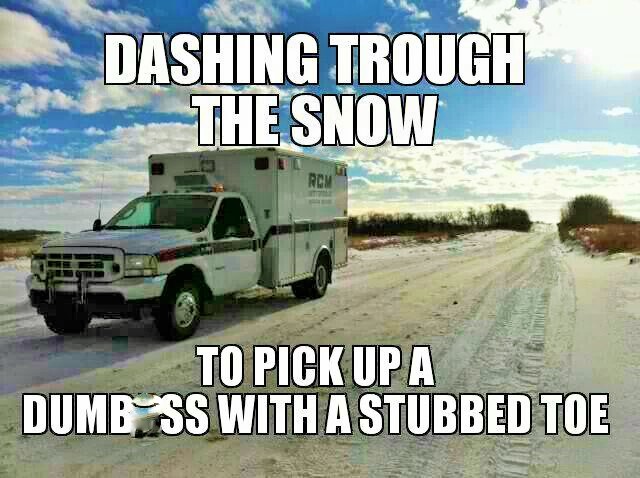
An ambulance driver explained it to me this way:

“It’s like everyone’s on a hurt-yourself schedule, same every year. Early morning starts with the drunk drivers going home from parties, sometimes the homeless with hypothermia, depends on the weather. Then the kids get up way too early and open their presents and start hitting each other with them or falling off anything with wheels and breaking any bone you can think of.

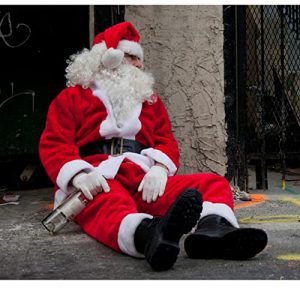
Even the angels are drinking too much!

“After that, you get a mix of cooking accidents and alcohol poisonings through the afternoon. Eventually, people hit their limit with family, have too much to drink, and start beating on each other. That’s also about the time ‘lonely hearts’ start calling us, asking to go to the hospital just because they have no place else to go and they don’t want to be alone.

“People eat too much at dinner and get the ‘too-much-macaroni sweats.’ They get heartburn and think they’re having a heart attack. We get more alcohol calls, either people fighting or passing out.

“And then everyone heads home, driving drunk. Better hope your tree doesn’t catch on fire. Happy Holidays.”

Mental Health

  • There is a MYTH that suicides peak around Christmas – they actually peak in spring
  • That said, it is breakup season
    • The peak breakup time is the two weeks before Christmas
  • Overall, holiday depression is a real thing
    • Family conflicts
    • Financial woes
    • Expectations of perfection
    • Singles watching couples get all mushy
  • Loneliness is highlighted, especially for older people who live alone and have no one available with whom to celebrate
    • People 65 and older are twice as likely to spend Christmas alone, compared to younger people
  • The loss of a family member—previous or recent—is especially painful
  • Being/fearing being left out of desirable events
  • Mistletoe invites unwanted advances
  • People with birthdays anywhere near Christmas often find the events conflated
  • Dealing with someone who has problems, like alcoholism or domestic violence
  • Wishing to skip Christmas because of other events in one’s life
  • Accessing helpful services that normally help one cope can be more difficult
  • Finding other religious festivals or holidays fade in comparison to Christmas
  • Overall, people are more likely to experience anxiety, sleep disturbances, headaches, loss of appetite, and poor concentration
  • Call rates to help hotlines spike on Christmas Eve

Environmental Downside

It’s after midnight! Wake up! Time for presents and sugar highs!
  • Massive amounts of trash going to landfills
    • Decorations
    • Single-use wrapping paper
  • Food waste
    • Imported foods enlarging your carbon footprint
  • Energy consumption
    • Traveling burning fossil fuels
    • Turning up the heat
    • Electric lights inside and outside

The End

  • Taking down/storing items for next year
  • Missing the buzz and activity
  • Realizing that nothing can be done about many things now regretted
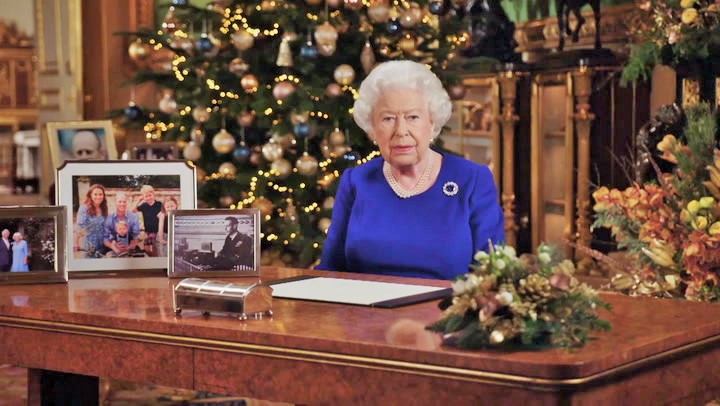
Queen Elizabeth doesn’t take down her Christmas decorations until early February, in memory of her father’s death.

Bottom line: These are all for typical Christmases.  Consider which might be eased and which might be exacerbated in the year of COVID?

A Darwinian View of Christmas Trees and Greenery

There are those, for example David C. Pack writing in The Real Truth magazine, who denounce the pagan origins of Christmas trees and other greenery. Pack cites Jeremiah 10:2-5 to support his assertion that we should have nothing to do with Christmas trees.

I am not among those. The reality of the world is that things morph and change—the meaning of words, clearly, but other symbols as well. So let’s take a look at the consensus around the evolution of the Christmas tree.

Long before the coming of Christianity, evergreen plants had a special meaning for people in winter. Ancient Europeans hung evergreen boughs over their doors and windows. In many countries, people believed that these would keep away witches, ghosts, evil spirits, and illness. The Romans used fir trees to decorate their temples at the festival of Saturnalia. Today, Christians use it as a sign of everlasting life with God. Why can’t it symbolize all those things?
Although evergreen trees are the through-line, in parts of northern Europe, cherry or hawthorn plants or branches were brought inside in hopes they would bloom in time for Christmas.

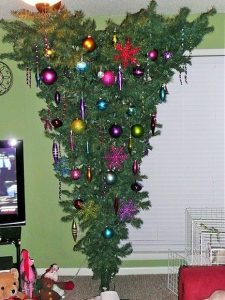
Many early Christmas trees were hung upside down from the ceiling.

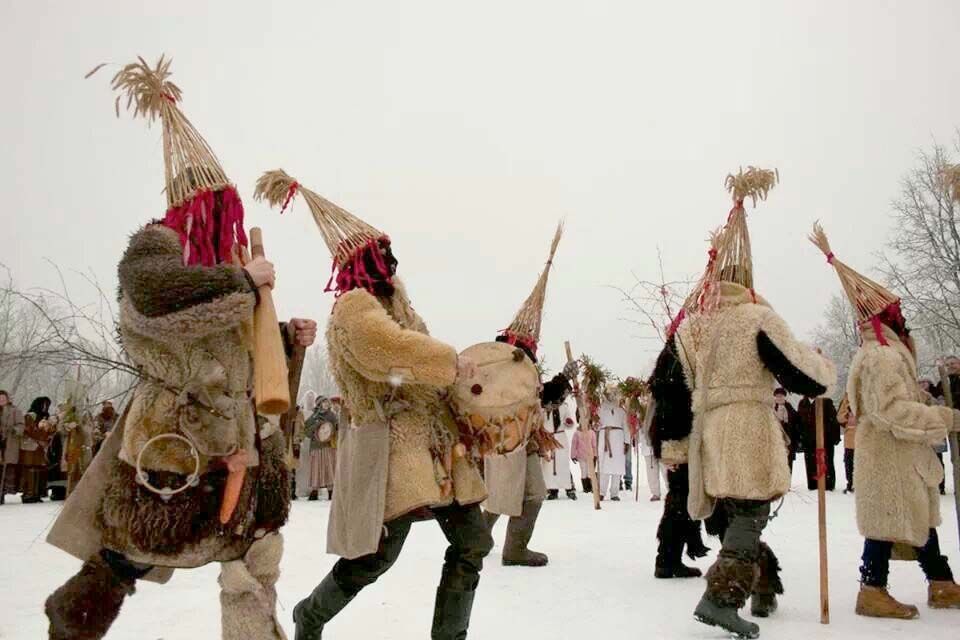
The first documented use of tree at Christmas and New Year celebrations was in 1510, in Riga, the capital of Latvia. After the ceremony (involving men wearing black hats) the tree was burned. This is sometimes associated with the yule log.

Latvian Solstice Mummers

The first person to bring a tree into the house, in the way we know it today, is thought to have been the German preacher Martin Luther in the 1500s. The lore goes that he was walking home in winter, was impressed with the stars shining through tree branches, and cut a tree to take home. He put small lit candles on the branches to share his vision with his family.

There are other stories, for example about St. Boniface of Crediton leaving England to travel to Germany. But this isn’t an encyclopedia, so I’ll move along.

But another point of consensus seems to be that Christmas trees took hold in Germany and spread across the world from there. In Germany, early trees were decorated with edible things like gingerbread and gold-covered apples. But by 1605, they were decorated with paper roses, apples, wafers, gold foil, and sweets.

The Christmas tree came to Britain sometime in the 1830s, and became popular in 1841 when Queen Victoria’s German husband had a Christmas tree at Windsor Castle. From England to the United States, from candles to electric lights, the evolution continued.

Artificial Christmas trees have long been popular, from the trees made from colored ostrich feathers in the Edwardian period on. Over the years, artificial trees have been made from feathers, papier mâché, metal, glass, and lots of plastic. Now lawns sometimes sport inflatable trees!

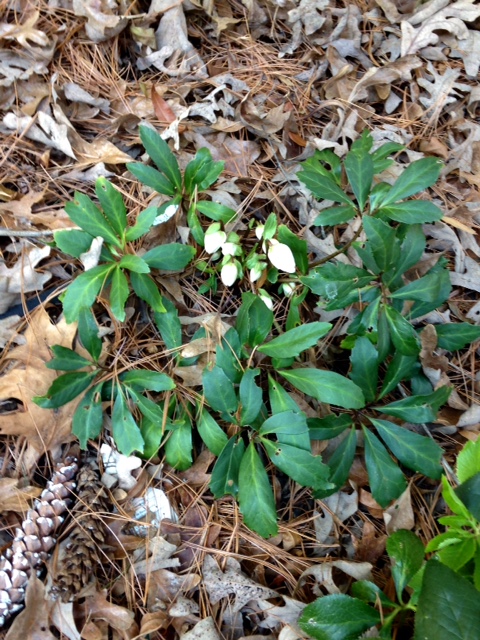
So, if pre-Christians and Christians both found good in the green of midwinter, fine with me! I plant hellebores and other evergreens where I can see them on the shortest days of the year.

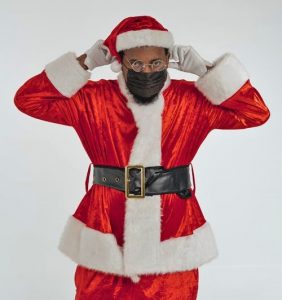
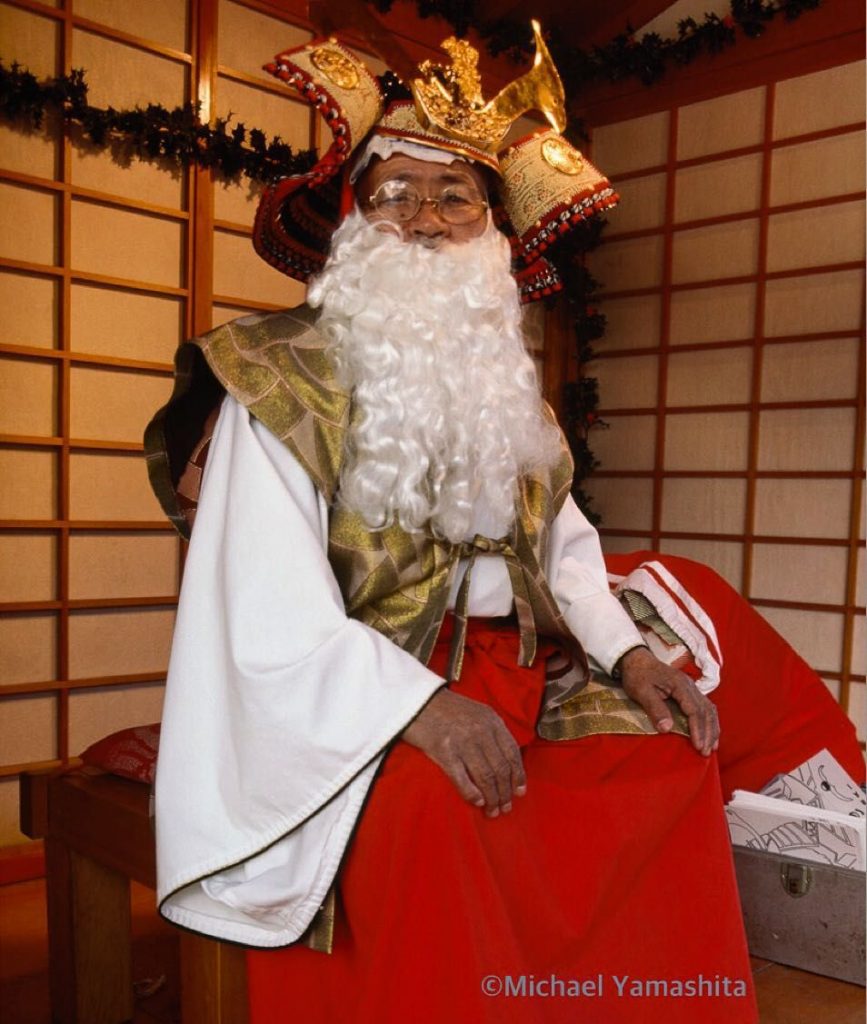
SANTAS ARE MADE, NOT BORN

Chocolate Santas with marzipan masks made by Hungarian chocolatier Laszlo Rimoczi.

The Charles W. Howard Santa Claus School is the oldest in existence. Before 1937, Santas were pretty much on their own, and any man with a red suit would do.

Charles W. Howard Santa Claus School

OUR MISSION:
To uphold the traditions and preserve the history of Santa Claus while providing students with the necessary resources to improve and further define their individual presentations of Santa and Mrs. Claus, allowing them to enter the hearts and spread the Christmas spirit to everyone they meet.

At the Charles W. Howard Santa Claus School, more than 200 aspiring Santas gather each year to attend a three-day series of classes where they learn everything from the history of Saint Nicholas to reindeer habits.

In November, 2018, Mental Floss took an in-depth look. Here are several points from their write-up, 13 Things to Know About The World’s Oldest Santa School.

It’s Considered the Harvard of Santa Schools

Each year, about 200 Santas (including a handful of Mrs. Clauses) attend class in Midland—but not everybody who applies gets accepted. Co-Dean Holly Valent rejects Santas who don’t seem interested in children or singing. (In other words, Santas who appear to be in it only for the money.) Additionally, she has to place around 40 prospective Santas on a waiting list each year. Thankfully, the workshop in Midland is not the only Santa school under the North Pole.

Child Psychology is the Name of the Game

The most important aspect of being a good Santa is learning how to genuinely listen to all kinds of children. “[Y]ou have to be on your toes all the time, because you never know what the children are going to ask you,” Mary Ida Doan, who plays Mrs. Claus, told WJRT. (Doan would know: She’s a member of the International Santa Claus Hall of Fame.)

During the workshop, the Santas get schooled in child psychology and learn handy tricks from experts and each other: How to deal with squirmy children, crying children, children who are afraid of you, and more. The Santas even learn basic sign language. “It’s important to be able to spread Christmas cheer to all children,” a Santa named Bill told Reuters.

An organization called Santa America provides extra training for Santas to connect with children who need a different kind of communication to reach all that Christmas cheer. The frenetic atmosphere at a typical Santa’s Grotto can be overwhelming and terrifying for any child. Santas who have trained with Santa America can create a quieter, calmer, slower space. These “Sensitive Santas” are in demand at Christmas for hospitals, very young children, children on the autism spectrum, and many others.
Santa America also connects local Santas and their companions with people who might need a visit from Santa Claus any time of the year: during a hospital stay, after major disasters, when a parent is deployed overseas. Part of their mission is to prove that Santa Claus, Mrs. Claus, and the elves never go off on vacation when children need them.

Gaining Background Knowledge Means Meeting Real Reindeer

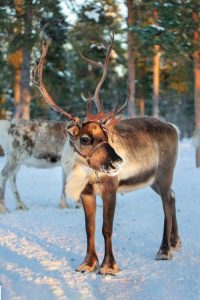
Since kids are apt to ask Santa anything, it’s best that Santa draws his answers from real experience. What are the reindeer like? To find out, Santa students study reindeer habits and get to meet real reindeer.

How are toys made? The Santas spend quality time learning how to make wooden playthings.
The Santas also attend lectures about St. Nick’s backstory and the North Pole. “Know who you are,” Valent tells an assembly of Santas, according to CNN. “Know your legend. Know where you came from.”

They Have to Practice Their “Ho-Ho-Hos” and Their “Do-Re-Mis”
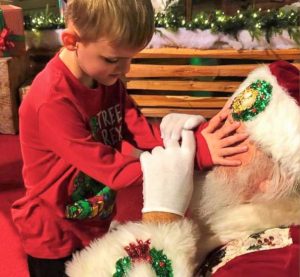
Despite being blind, this boy was able to see Santa during his visit.

Since each Santa must prepare for radio and TV interviews, much of Santa school focuses on teaching students how to craft an accurate and authentic persona. “For example, they’re advised to create a backstory for their ‘elves,’ pulling names and characteristics from kids and grandkids in their own circles,” Kathleen Lavey reported for the Lansing State Journal. It also means learning how to deliver a hearty but balanced Ho Ho Ho. “You have to do it mild,” Tom Valent explained. “It’s got to be a laugh.” (And to ensure the Santas are really in the Christmas spirit, they’re also taught how to sing with cheer.)

There’s More Dancing Involved Than You Might Think
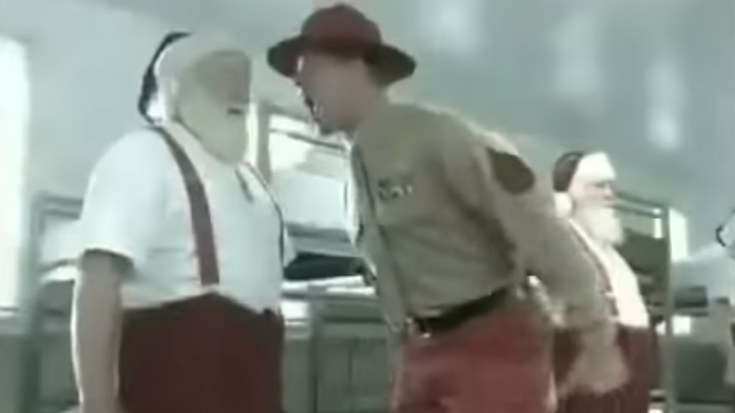
From Santa’s Boot Camp, 2016

It’s not enough to nail the laugh. Being Santa requires you to be a full-body actor—and that means perfecting the big man’s jolly, bouncing swagger. The school is stuffed with movement lessons. “The school fitness teacher had them dance as if they were wrapping presents, baking cookies and filling stockings to classic Christmas tunes,” Christinne Muschi wrote for Reuters.

Santas also learn how to properly ease in and out of a sleigh and learn yoga and breathing exercises to keep limber. (It’s important work: Hoisting kids up and down from your lap for hours takes its toll.) As Tom Valent told CNN, “Santa is a healthy outdoorsman.”

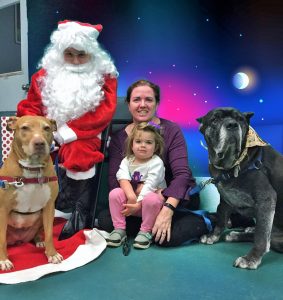
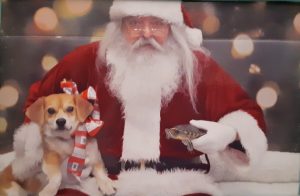
Being Santa is not for the faint of heart or the faint of sinus. Pet photos with Santa are increasingly popular, often as part of a fundraiser. The Humane Society, Paws for a Cause, Sidewalk Dog, and many local animal shelters ask Santas to pose for photos with dogs, cats, hamsters, snakes, turtles, and any other pet they can safely hold. Better take that Benadryl!

They Receive Financial Advice
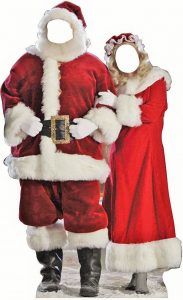
The cardboard versions are much cheaper!

At Santa school—which costs $550 for new students—they teach classes on marketing, accounting, and taxes. That’s because being a freelance Santa is not cheap. A Santa with a bare chin is advised to buy a custom beard and wig that can cost up to $1800. And while a generic suit costs about $500, a personalized one can run over $2000. Add to that $700 for a pair of authentic boots. And then grooming expenses. Oh, and makeup.

Santas Get Lessons in Grooming
I don’t think this Yugoslavian Santa was paying attention to the make-up lesson.

At school, Santas also learn how to curl their mustaches and groom their hair and beards (or wigs) to create a windblown I-just-got-out-of-the-sleigh look. They receive lessons in bleaching their hair to get a snow-white glisten as well as lessons in applying makeup.

 According to Lavey, teachers show other Santas all the insider secrets: “How to take the shine off their foreheads with powder, pink up their cheeks with rouge, and add stardust to their beards with hairspray that contains glitter.”

The big secret to making Santa’s beard smell magical? Peppermint oil.

Santa Day School

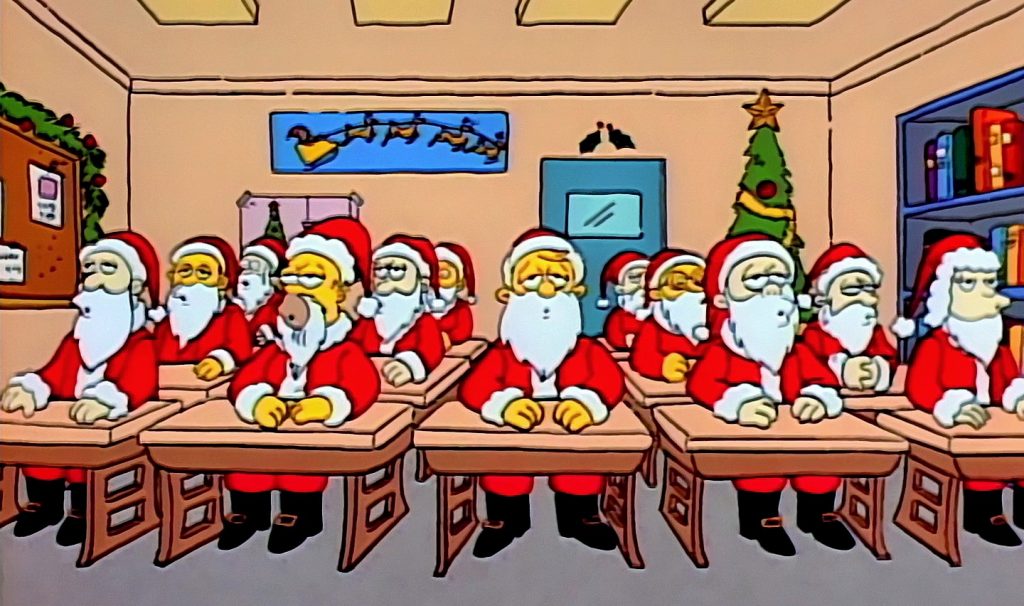
The Simpsons offer a reasonably priced alternative, but it is only open to two-dimensional Santas with three fingers.

For those who can’t—or won’t—spend three intensive days and nights in Midlands, Michigan, there are options! In-person schools around the country and online for DYIers.

In November, 2018, Business Insider did an article on Santa schools, particularly the finances involved. Here are several quotes from that article.

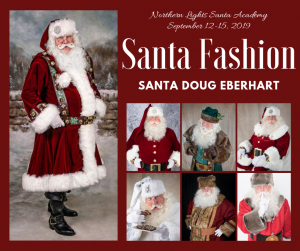
Santa Doug Eberhardt of the Northern Lights Santa Academy displaying a variety of historical Santa trends.

“There’s two kinds of Santas: There are professional Santas and there are guys in red suits,” Santa Rick, a former mediator and divorce arbiter who runs the Northern Lights Santa Academy in Atlanta, Georgia, told Vox. “And the difference for me is there are those who want to better themselves and learn and master the trade, and there are the others.” This Santa school also has classes for Mrs. Claus and elves.

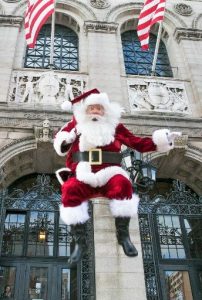
“I’m very high-energy, so I tend to put on a little bit of a show: The Night Before Christmas, and caroling, and magic,” said Santa Jim Manning, who is the official Santa Claus for Boston’s tree lighting and has covered the Red Sox Christmas card.  “A lot of people think being Santa Claus means just showing up, sitting on the couch, and letting kids sit in your lap. But what I do is a lot more.” To the right, see Santa Jim jumping out of an airplane.

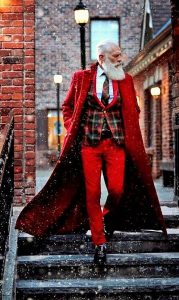
Fashion Santa of Toronto has a slightly different take on the traditional red suit and jolly belly.

“Rick, of the Northern Lights Santa Academy, told Vox that high-end Santas can earn up to $25,000 a season, but the cost of travel, lodging, and garb can eat into the pay. A quality Santa costume and accessories costs at least $1,000 and a beard set made of human hair can range from $1,800 to $2,500, he said.”

Only the very bravest Santas are willing to risk turtle bites at the same time as dog fur on their suits.

“Santa Ed Taylor has been running the Santa Claus Conservatory, an online training program with more than 2,300 aspiring Santas, since 2013. The courses range from $97 to $347.”

The International University of Santa Claus

Not only does the IUSC offer courses around the world, they have a degree program recognizing a student’s years of dedication. A Santa or Mrs. Claus can earn a Doctorate of Santaclausology (PhD), with options for further advanced study.

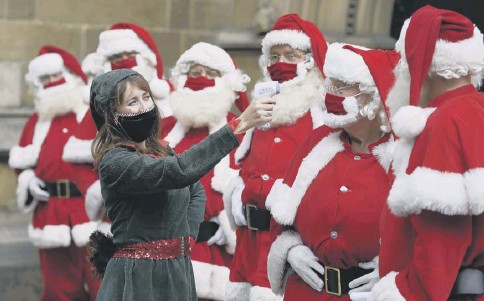
Unfortunately, all 2020 International University of Santa Claus in-person classes have been cancelled. Online courses are available, so aspiring Santas can ask their grandkids for help logging in to Zoom classes!

Santa is a Super-Spreader

2020 is an atypical year. (You heard it here first!) And this is true for Santas and Santa schools as well. Dr. Fauci has assured the public that Santa Claus is naturally immune to COVID-19, but Santa can still spread the virus. Santa Claus, Father Christmas, Grandfather Frost, Sinterklaas, and all other Christmas gift-bringers have been declared essential workers and therefore exempt from quarantine or isolation rules.

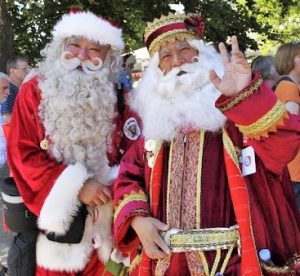
Santa Johnny of Hong Kong was proclaimed “Best Santa” at the 2019 World Santa Congress.

The 2020 World Santa Congress was cancelled. Many tree lighting ceremonies and holiday parties have been cancelled. Even the 2020 Santa Mediterranean Cruise has been indefinitely postponed.

Some Santas are adapting with smaller grottos, shorter visits, and lots of hand sanitizer. Others are setting up plexiglass barriers or arranging for children to stay more than six feet away. A few mall Santa Grottos are even setting up holographic Santas for photos.

However, possibly the safest option for Santa and for kids is to visit Santa digitally.

  • JingleRing will allow Santa and Mrs. Claus to speak to kids one-on-one with their very own North Pole TV platform.
  • AirBnB has created virtual visits with Santa as well as the opportunity to tune in to Story Time with Mrs. Claus or with Santa and a rotation of children’s book authors.
  • Macy’s Santaland has gone virtual this year, though there will be no real Santas in their stores. There are pre-recorded video messages from Santa Claus, games to play with the elves, and the option to sign up for a real-time video chat with Santa himself.

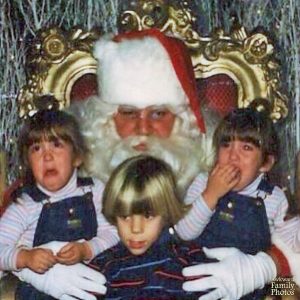
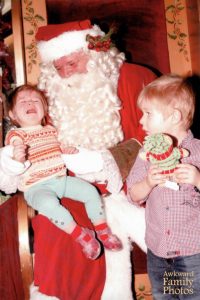
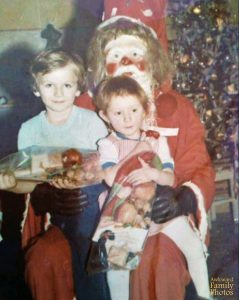
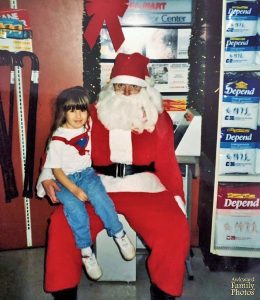
Editor’s Note: Special thanks to Awkward Family Photos for sharing the very best of the very worst photos with Santa Claus.

Bottom Line: There’s more to being a good Santa than putting on a red suit! Consider how Santas and Santa schools might broaden your cast of characters and/or plots.

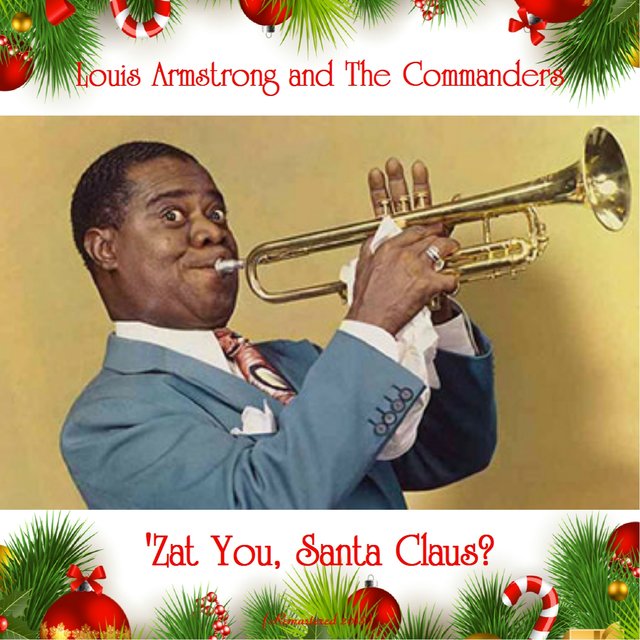
‘Zat You Santa Claus?

The subtle, quiet displays of merchants in the area may have hinted at it, but just in case you didn’t notice: Christmas is coming! Yes, I know, it’s easy to overlook the slight adjustments in advertising décor and to miss the odd carol or two playing on radio stations. Santa Claus will be coming to town in approximately twenty days (depending on when you read this).

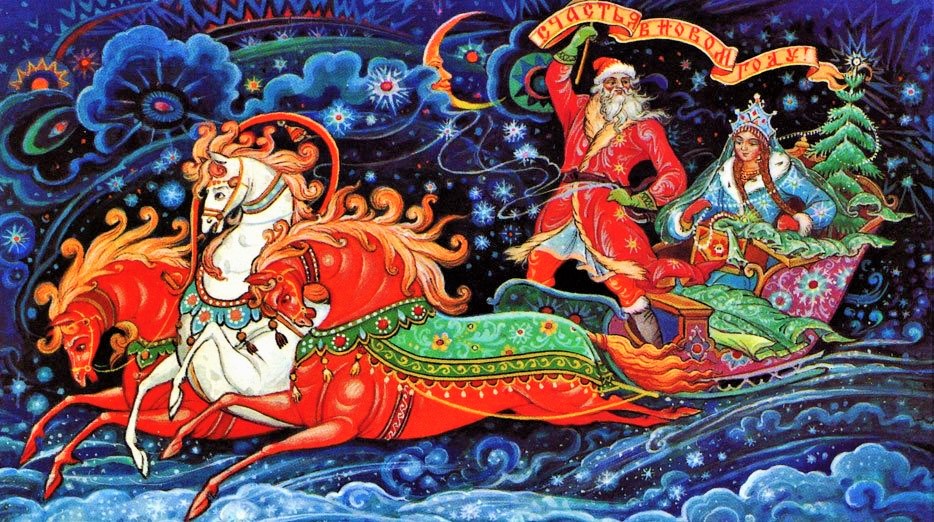
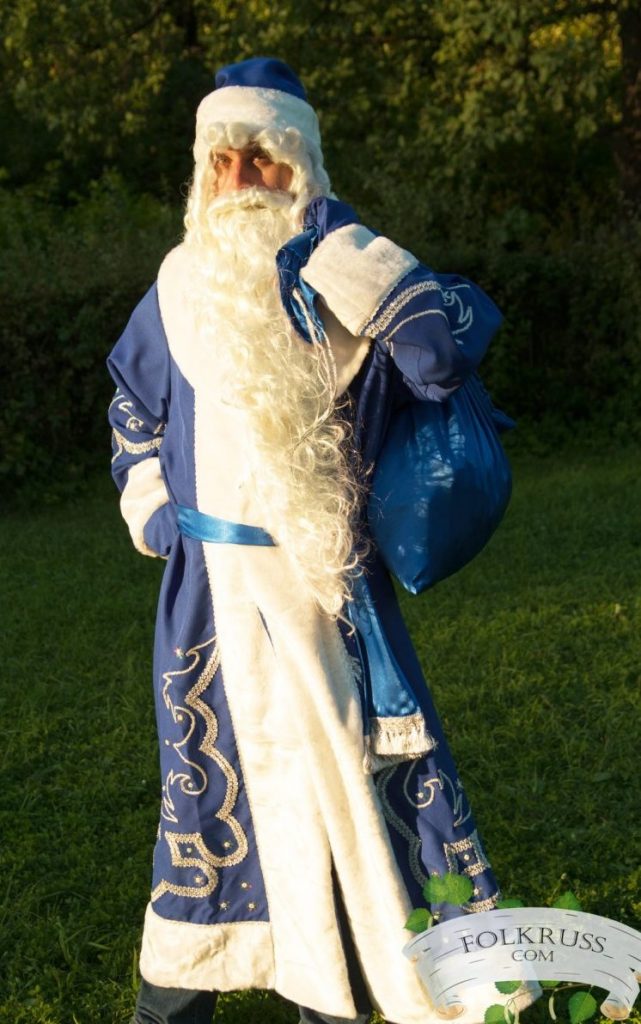
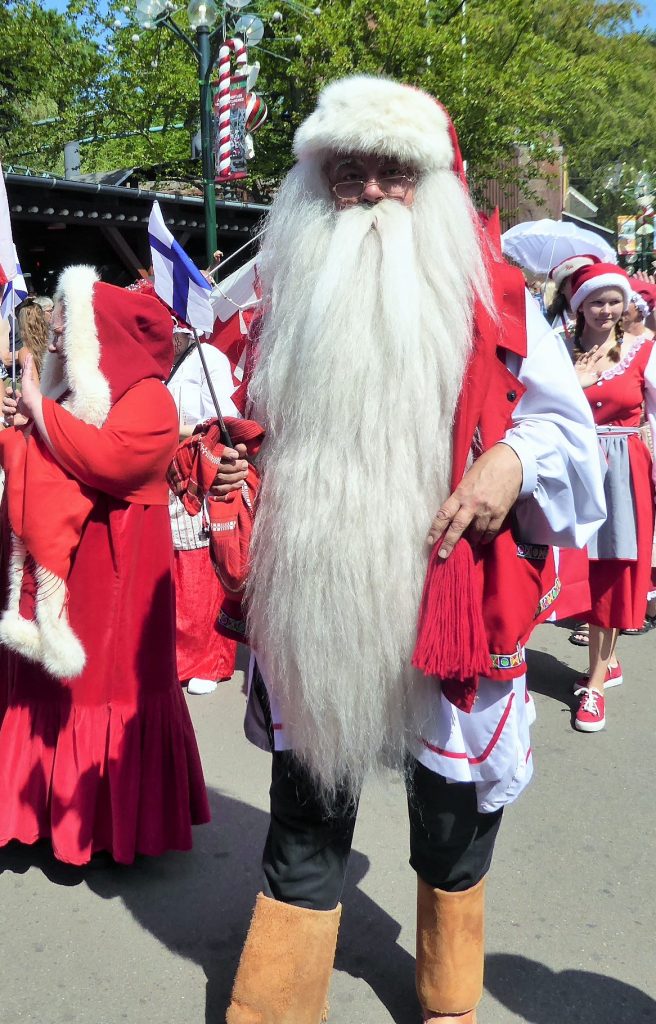
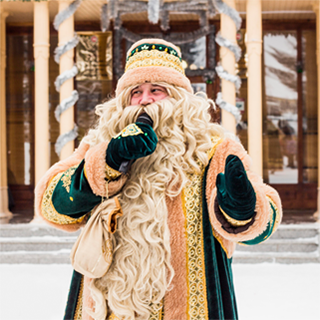
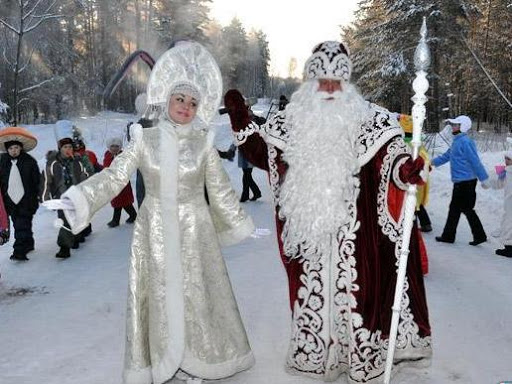
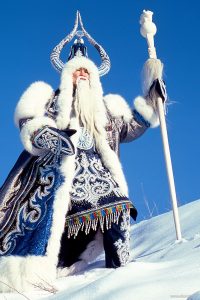
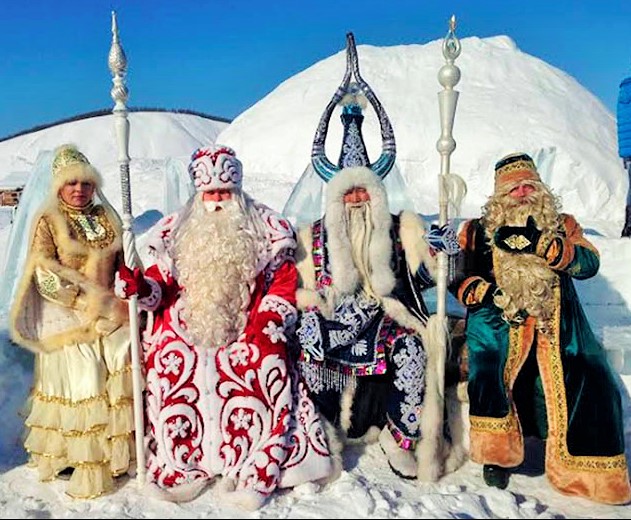
But did you know that St. Nicholas is also coming? And that Father Christmas is coming? Grandfather Frost will be here with his granddaughter the Snow Maiden. If you’re very lucky, you might even get a glimpse of Befana, Joulupukki the Yule Goat, Amu Nowruz, or Olentzero. The evolution of modern Christmas customs, including Santa Claus, has been discussed on this blog before.

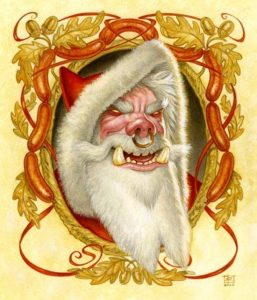
If you’re very lucky and have highly refined literary tastes, you may catch a glimpse of the Hogfather.

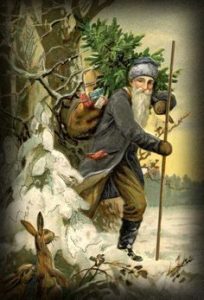
Krampus, Belsnickel, Pere Fouettard, Knecht Ruprecht, the Yule Lads, and other Companions will probably be coming to town as well, but you should probably hope you don’t run into them.

But why should you care about all these visitors wandering about your town? (Besides the tendency to trespass and child beating, of course?) If society is reflected in its myths, then the writer can illustrate society by mentioning the myths.

Real World Gift-Givers

As discussed before, humans tend to follow the sun. When it goes away, we tend to get a little anxious and want it to come back. The tendency to mark the solstices appears in almost every part of the world that sees the effects of axial rotation. Giving gifts is a common theme at this time of year, often contrasted with giving coal or beatings to the deserving.

Writing teachers are always telling us to “show, not tell.” Referring to a culturally specific Santa-esque figure is a great way to show where and when a story is set. Consider some of these holiday figures with a habit of giving sweets, money, and gifts to deserving believers. Many of them are accompanied by a darker foil who comes to punish those who have been “naughty” during the preceding year.

Father Christmas

Today, Father Christmas is often depicted as simply the English version of Santa Claus. Look back a few hundred years, however, and you’ll see a very different figure. Oliver Cromwell’s puritan government cancelled Christmas during the English Civil War; the public brought it back during the Restoration of 1660. At that time, Father Christmas was the personification of Medieval customs of feasting and making merry to celebrate Yule. The evolution of Father Christmas since that time follows the changes in common Christmas celebrations in England.

Sinterklaas/ Saint Nicholas

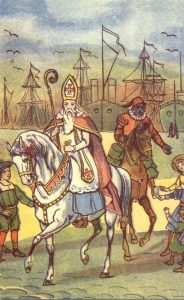
Saint Nicholas Day is almost upon us! Dutch children will leave their shoes on the doorstep or by the fire so that Sinterklaas can fill them with candy and toys. If children have been naughty, Sinterklaas’s assistant Zwarte Piet beats them with a stick or throws them into his sack and sends them to Spain. The historical Saint Nicholas was the Bishop of Myra (in modern Turkey) and patron saint of children and travelers. He arrives by steamboat and parades through town on a white horse, wearing his traditional bishop’s attire, accompanied by his assistants. Sinterklaas carries a huge, red book with a list of all the naughty and nice children in the area. The modern American Santa Claus owes much of his current fashionable ensemble to Sinterklaas.

Zwarte Piet, Black Peter, is a very controversial figure in modern Sinterklaas festivities and worthy of a separate discussion all his own.

Three Kings or Three Wise Men

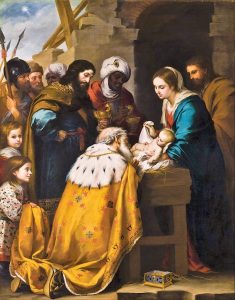
In many traditionally Catholic countries, gifts are brought by three figures: the Wise Men from the East mentioned in the Gospel of Matthew. On their way to bringing gold, frankincense, and myrrh to Baby Jesus, the Wise Men take a break to deliver gifts to good children in Venezuela, Spain, the Philippines, and many other countries. Very few specifics are actually given in the Bible, but traditions have filled in plenty of details. Kaspar, Melchior, and Balthazar may have come from Persia, Arabia, Pakistan, India, China, Tibet, Mongolia, Armenia, or Babylon, depending on local custom. Gifts are often given to children on January 4th, the Feast of the Epiphany, instead of December 25th.

Amu Nowruz

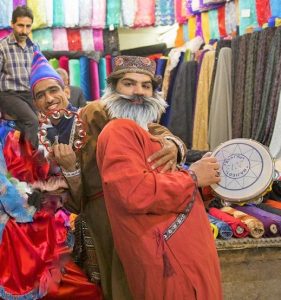
Uncle Nowruz gives gifts to children at the Iranian New Year, which occurs at the Spring Equinox rather than the Winter Solstice. He spends the year travelling the world with Haji Nowruz, a soot-covered minstrel. While Haji Nowruz dances and sings, Amu Nowruz gives coins and candy to children.

Seven Lucky Gods (Shichifukujin)

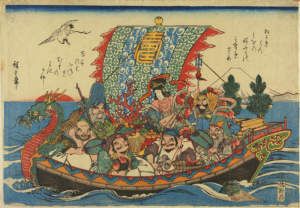
Ebisu, Daikokuten, Bishamonten, Benzaiten, Juroujin, Hotei, Fukurokuju bring their treasure ship Takarabune to Japan on January 2, the beginning of the New Year. Like the early Father Christmas, the Seven Lucky Gods bring good cheer and prosperity to everyone. Those who sleep with a picture of the Shichifukujin under their pillow will have good fortune in the coming year.

Fictional Gift-Givers

Pretty much any setting for a story on Earth has a celebration of midwinter or year’s beginning, complete with a figure who rewards or punishes believers according to their behavior the previous year. But what if the story doesn’t take place on Earth?

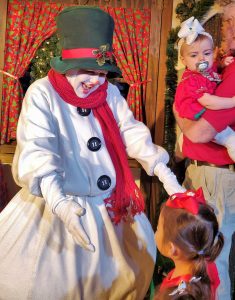
Drifty the Snowman brings music to children every year at the Swift Creek Mill Playhouse.

Once again, those who have gone before can show us how it’s done. Articles on io9, tv.tropes, and Goodreads show just how commonly a winter festival centered around gifts and the return of light occur in other universes. Tallying the previous year’s sins and distributing charity are common themes.

For a writer, midwinter festivals offer a chance to showcase family bonds, strengthen relationships, demonstrate local superstitions, or just have characters party.

Moș Gerilă

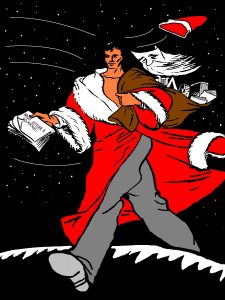
Honestly, I wasn’t sure whether to include Moș Gerilă as a real gift-giving figure or a fantasy. This “Old Man Frost” was created by the Romanian Communist Party in 1947 as part of an attempt to shift Christmas celebrations from the Orthodox Church and the private family to the state. Moș Gerilă was portrayed as a handsome, bare-chested, young man who brought gifts to factory workers. All celebrations were held on December 30th, the national Day of the Republic. Festivities with decorated trees and patriotic music were held in public spaces, and Moș Gerilă would come bearing gifts of nuts and sweets from the Communist Party to well-behaved children. The fate of badly-behaved children is not clear, but I would imagine a gulag was involved. After the fall of the Romanian Communist Party in 1990, Moș Gerilă disappeared and Moș Crăciun (Father Christmas, similar to the Russian Grandfather Snow) took his place.

Xmas

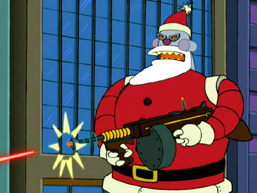
Futurama, set in the year 3000, has an Xmas episode each season. Celebrants decorate a palm tree with lights and barricade themselves indoors. Santa Claus has been replaced by a robot with a programming error. He judges everyone to be naughty and attempts to exterminate everyone on Earth every year. Kevlar vests and body armor are common gifts.

Life Day

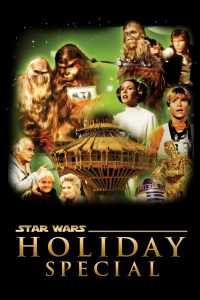
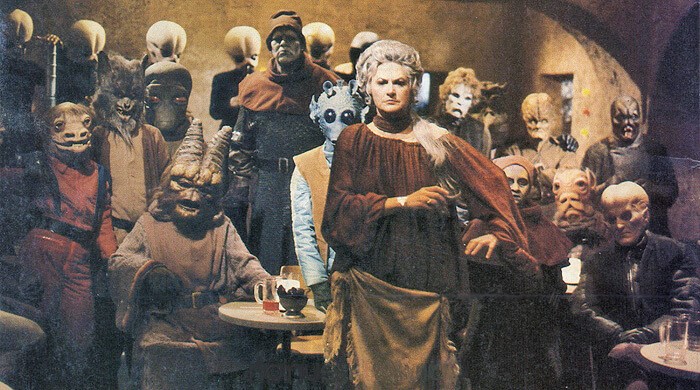
According to fan gossip, George Lucas attempted to find and destroy every copy of The Star Wars Holiday Special after it aired for the only time in 1978. Life Day is a Wookie holiday centered around the Tree of Life, celebrating children and death. The holiday is traditionally observed by family gatherings, preparing special foods, singing in red robes on Kashyyyk, and exchanging gifts. Also, Bea Arthur runs a cantina on Mos Eisley for some unexplained reason.

And she sings!
Hogswatchnight

Terry Pratchett’s 20th Discworld novel, Hogfather, is essentially a satire of modern Christmas customs. Hogswatchnight is described by the narrator as “bearing a remarkable resemblance to your Christmas.” The Hogfather rides his sleigh pulled by magically flying boars around the Disc delivering toys by climbing down chimneys. Children leave pork pies and brandy for the Hogfather, essentially a wild boar dressed in Father Christmas robes, which raises some disturbing questions about why he eats pork pies.

In the beginning, “Most people forgot that the very oldest stories are, sooner or later, about blood. Later on they took the blood out to make the stories more acceptable to children, or at least to the people who had to read them to children rather than the children themselves, and then wondered where the stories went.” Over the course of the book, there are zany hijinks and wacky shenanigans involving Tooth Fairies, elegant parties, the Auditors of the Universe, a governess, the Death of Rats, and various other Terry Pratchett wonders. Ultimately, Death (a seven foot tall skeleton with glowing blue eyes and a scythe) has to save the day. In doing so, he explains to his granddaughter (genetics are complicated) why celebrations of the sun’s return and surviving through winter are so important.

LET THERE BE LIGHT

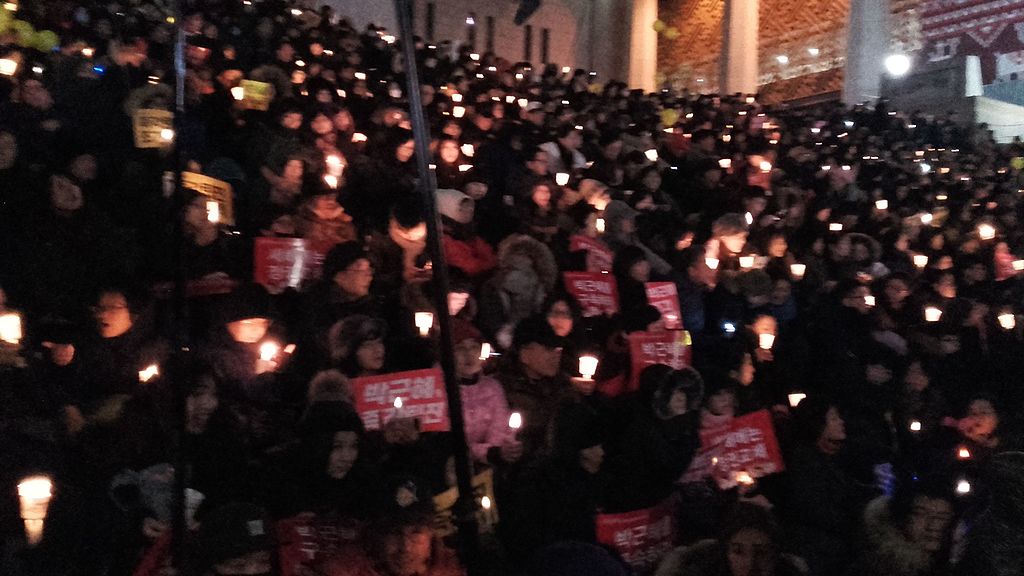
Candlelight Vigil in Seoul, Korea

As the Winter Solstice approaches, many people are feeling a little low—or a lot.  Fortunately, there are several holidays and celebrations around this time of year to add a little light to your schedule. Here are just a few:

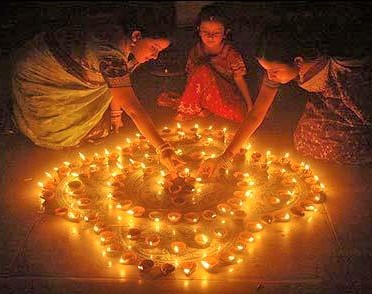
Diwali or Deepawali is a festival of lights celebrated by Hindus, Sikhs, and Jains. It is celebrated in mid-October to late November, according to a lunar calendar.

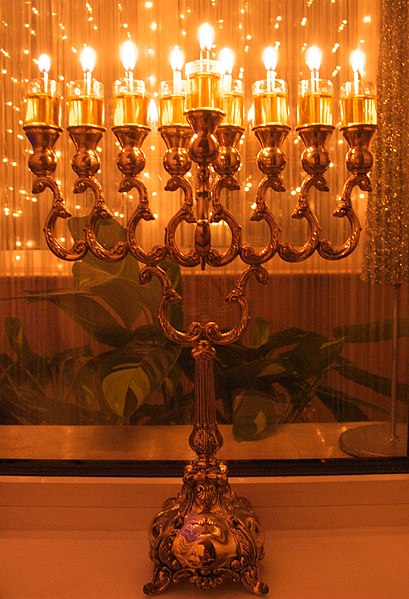
Hanukkah is a Jewish festival of lights celebrated in November or December, according to the Gregorian calendar.

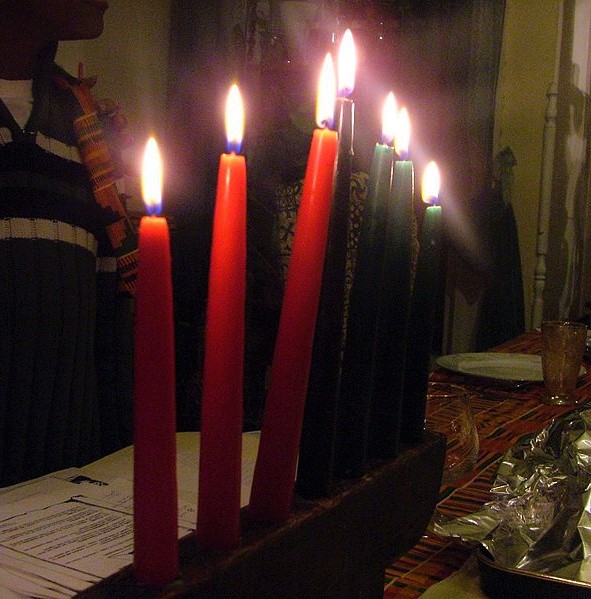
Kwanzaa is a celebration of culture and community celebrated in late December. An important part of the celebration involves lighting the kinara.

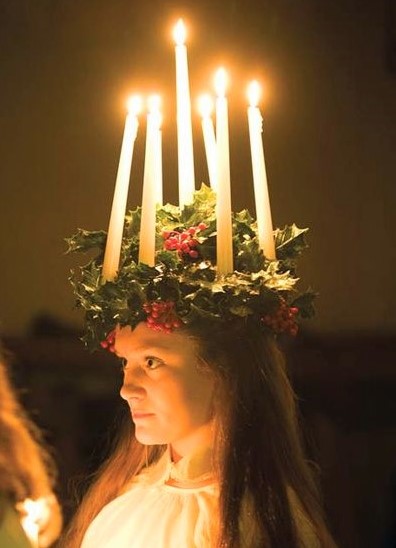
Lussevaka or Santa Lucia Day is a celebration of light, community, and the triumph of good over evil. It is primarily celebrated in Sweden, but St Lucia festivals are also held in Croatia, Italy, France, Germany, and Norway on December 13.

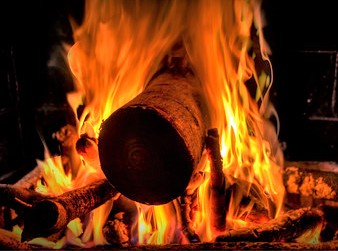
Yule is celebrated in many different ways by Pagans and Wiccans. It is the celebration of the Winter Solstice, the return of the sun. This is often symbolically represented by burning a Yule log, signifying the rebirth of the Oak King and waning of the Holly King.

Don’t Be SAD

Daylight Sky Light Therapy by MTS Medical Device

There is a term for those who suffer most when the days grow short: SAD (Seasonal Affective Disorder).  SAD increases in higher latitudes where the winter days are short. Light therapy, where you arrange a special wide-spectrum light therapy box device at an angle to your face. Using such a device for several hours at the same time every day can be used to treat SAD. It can also help treat those who have depression all year round, improving their overall well-being.

Anger management therapy can sometimes be combined with light therapy.

Scientists have also discovered that light therapy can lower nighttime agitation in Alzheimer’s patients and reduce symptoms in Parkinson’s patients, including sleeping problems and tremors.

Whether sick or healthy, light definitely affects your mood. According to research, one in four people in Alaska suffers from depression – and it’s mainly caused by a lack of sunlight.

Sunshine Cures Everything

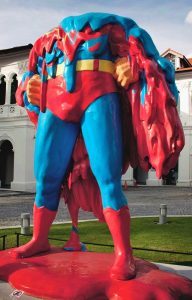
Superman may have had a bit too much sunlight.
“No One Can Save Us Now”
by Mojoko and Eric Foenander
Singapore Art Museum

Sunshine can also help with pain control. Research shows that patients whose beds are on a sunny side of a hospital experience less pain than those whose rooms are in the shade. As well as reduced pain, patients in sunny rooms tend to recover sooner, use fewer painkillers, and feel less stressed. One theory is that exposure to sunlight releases serotonin: a feel-good chemical in the brain.

High solar activity has been found to increase fertility rates. Furthermore, light can also give men a boost in the bedroom. Research has shown that higher testosterone is boosted by Vitamin D. The biggest source? The sun. A light box would have the same affect, but is possibly less romantic than a sunny picnic or stroll along the beach.

As far as I can tell, the health benefits of sunlight are all attributed to Vitamin D effects on/in the body.

Fake Light

Aside from the health benefits of light, many practical applications have lead to the creation of light when there is no sun—primarily the benefits of being able to see in the dark! 

Over the centuries, we’ve seen many advances in created light.

Campfires really create a sense of community!
(Thanks to H.R.Joe Photography)
  • Fires, the first source of created light
  • Torches
  • Oil lamps, precursors to candles
  • Candles (beginning around 500 BCE in Rome) 
  • Lanterns
  • Matchsticks
  • Flashlights
  • Fluorescent lights
  • Incandescent lights
  • LED’s 
  • Plasma Lightsabers
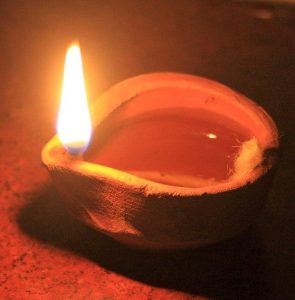
Traditional oil lamp for Diwali

Until the 20th century, candles were most common in Northern Europe. In Southern Europe and the Mediterranean, oil lamps predominated.

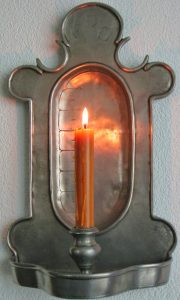
Besides providing light, candles were used for the purpose of measuring time, usually in hours. The Song Dynasty in China (960-1279) used candle clocks.

Kerzenhur- Candle Clock

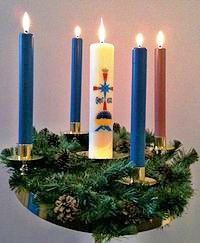
A version of a candle clock is often used to mark the countdown of the days leading to Christmas. This is called an Advent candle.

Note: This term is also used for candles that decorate an Advent wreath.

Among the earliest forms of created light, candles have had the greatest staying power into modern times for numerous uses. An estimated 1 billion pounds of wax are used in the candles sold each year in the United States.

FYI: No candle wax has ever been shown to be toxic or harmful to humans.

Advent Wreath
  • Holiday decorations
    • Shaped candles for specific holidays
    • Candles for tree decorations
    • Menorah candles for Hannukah
    • Kinara candles for Kwanzaa
    • Nine candles in a lingonberry wreath for Santa Lucia Day
    • Advent wreath candles (marking the four Sundays leading up to Christmas)
    • Candles for windowsills (to guide the Holy Family in their flight to Egypt) 
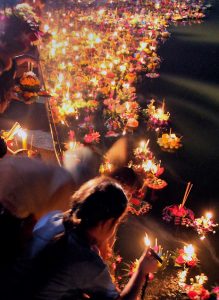
Loy Krathongs – Thai Floating Lanterns
  • Lighting paper lanterns
  • Lighting and lifting sky lanterns
  • To produce a romantic mood
  • To make a dinner table more formal 
  • As backup for a power failure
  • To dispel unpleasant household odors
  • To test for drafts
  • Scented candles for pleasure and/or aroma therapy
Very Formal Dining Table

As the days grow shorter and night falls like a rock earlier and earlier, many people light candles around the house, even when they have electric lights, simply because the warm glow is cheerful. Which brings us back to human craving for light!

Cold Light

Gas lights were developed in the 1790s and were in common use in large cities by the middle of the nineteenth century. Streetlamps made the night safer (in wealthy areas) and gas piped into houses allowed (wealthy) homeowners to ignore the setting sun.

Too bright!

The invention of the electric-powered incandescent light bulb was even more effective in making the sun obsolete. Since electric lights have become nearly universal, ideas like a 24 hour workday and cutting sleep to work more have become nearly as universal.

Newborn incubators, refrigeration, pacemakers, surgical lighting, heated houses, underground ventilation, and electric harp string tuning meters are undoubtedly beneficial to human society. However, humans in general have become increasingly sleep-deprived and overworked since the spread of electricity. Heated and lighted houses have also made humans more likely to stay indoors all winter, avoiding direct sunlight. This leads right back to the beginning of this blog – Seasonal Affective Disorder.

Bottom line: Humans need light for a multitude of reasons, and in a multitude of forms.

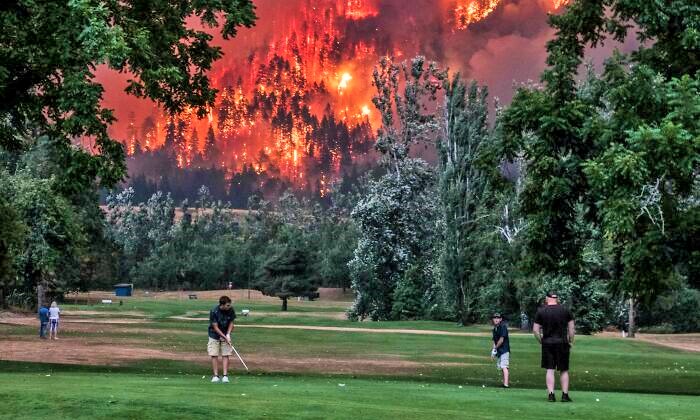
Massive forest fires can’t stop Oregoners from playing golf. Maybe it’s not giving off enough light.

THE UPSIDE OF BAD HABITS

I’ve long maintained that people always do things for a reason—or more than one. Even habits are not “just habits.” There are reasons people repeatedly do something—often non-consciously—and this includes bad habits. At this point, most writing on the topic of bad habits would veer off into a discussion of ways to break them. But this blog is about what people get out of their habits that might not be immediately obvious.

A bad habit is that action which causes problems for our health, income, career, or relationships.  Something that is bad is unpleasant, harmful, or undesirable.

Note: Some of the behaviors listed here might not be considered bad habits by everyone.  Anything done to excess can become harmful, after all. Drinking too much water can lead to hyponatremia. Spending too much of your time helping others can lead to ignoring self-care.

Here, in no particular order: 

Smoking

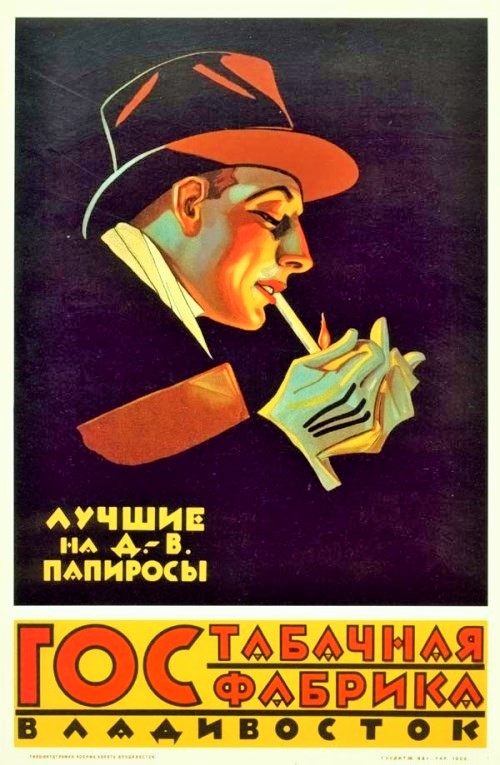
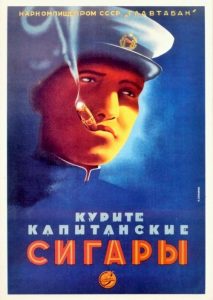
“Smoke Like a Captain”
  • Create an image  
    • Sophisticate with a cigarette holder
    • High roller with an expensive cigar
    • Macho man
  • Pausing to think before responding without obviously pausing
  • Get an energy hit
  • Creates situations for social connections that might not otherwise happen
  • Provides a brief break from work or stressful situations

Drinking 

  • Relax in a socially tense situation
  • Create an image of sophistication, wealth, etc., depending on the drink
  • Regularly drinking heavily increases tolerance, making it less likely the drinker will make a drunken misstep
  • Moderate drinking reduces likelihood of a heart attack by about a third
  • Alcoholic beverages are sure to be free of water parasites in places where other beverages are chancy

Negative Thinking

  • When things go bad, “I told you so”
  • When things go well, pleasant surprises

Eating Junk or Fast Food

  • It’s handy, so no effort
  • It’s relatively inexpensive, so easy on the wallet
  • Service is fast, so it’s an efficient choice
  • Higher levels of fat, salt, and sugar provide temporary dopamine surges
  • Can become family ritual, if eaten infrequently
  • Create positive associations with otherwise negative experiences (lollipop at the doctor’s office)

Anger Outbursts

  • Intimidates more timid people
  • Creates the impression of passion or strong feelings
  • Less likely to bottle anger and turn it inward, resulting in ulcers, high blood pressure, etc.

Indulging a Greedy Nature

  • Gets one more of the good stuff (sometimes)
  • Incite envy/ jealousy in others

Telling Lies

  • “Little white lies” ease socially awkward situations
    • E.g., “Of course your new haircut is flattering…”
  • Avoid punishment
  • Shift blame
  • Keep positive secrets, such as a surprise party

Excessive Screen Time

  • Keep up with news and fads
  • Have the topics for conversation 
  • Avoid boredom
  • Improve hand-eye coordination (video games)

Always Criticizing

  • Builds one’s self-esteem by comparison
  • Intimidate potential critics
  • Temporarily look like a subject expert

Nail-Biting

  • Makes paying for manicures unnecessary
  • Shows intense feelings
  • Is less destructive than other bad habits
  • Occupies hands to prevent other, worse habits, such as smoking

Gobbling Food 

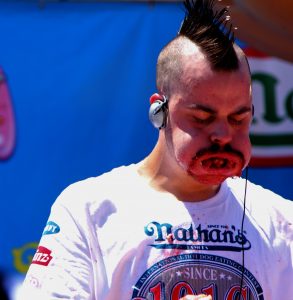
Eating quickly is fairly common in some circumstances. Gulping down a meal within a few minutes is a bit less common.

  • Saves time for other things
  • Demonstrates that food is not important
  • Potential future in speed-eating competitions

Not Maintaining Hygiene and Cleanliness

  • Saves time and energy
  • Saves money on grooming products
  • Allows focus on things other than personal appearance

Procrastination

  • You never have to feel like a failure  because “I could have aced it ill I’d spent more time on it”
  • If you procrastinate but succeed or excel anyway, you’ve saved time to do more/other things
  • If a procrastinator is successful, it’s a big boost to one’s self-perceived capability

Keeping Late Hours

  • Fewer people around to interrupt
  • Hours when no one is criticizing what one is doing
  • Easier to conduct a clandestine affair
  • Boosts one’s self-concept as a non-conformist
  • Minimize hours spent with unpleasant spouse or other family
  • Night shift workers are often paid more
  • Facilitates communication with people in other time zones

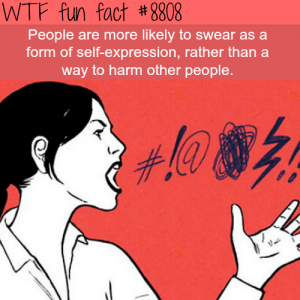
Swearing

  • Substitutes for more physically violent anger outburst
    • (E.g., throwing things, punching the wall)
  • If conducted at great volume, it’s good for one’s lungs 
  • Can encourage verbal creativity
  • Is typically a sign of honesty

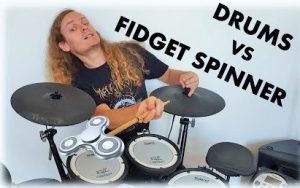
Fidgeting

Tapping toes, drumming fingers, or other incidental movements

  • Relatively safe way to release nervous energy and creativity
  • Makes it easier to maintain weight, heart and lung health
  • Unconscious form of drilling for musicians and dancers

Avoiding Exercise

  • It saves energy
  • It allows more time for other things
  • If conscious decision, can save money on exercise clothes/ equipment/ memberships 

Humming or Talking to Oneself

  • Self-soothing when anxious
  • Clarify thinking when facing a difficult decision
  • Relieves the silence for those living alone
  • May be the only way to have an intelligent conversation

Interrupting

  • Express more of one’s own opinions
  • Stop an opponent from making points
  • Shows enthusiasm for topic
  • Can prevent someone else accidentally divulging sensitive information

BOTTOM LINE: The downsides of bad habits have been well-documented. But everyone gets something out of every act, especially repetitive acts.

BETTER KNOW YOUR CHARACTER: SOAP

Soap is incredibly easy to work into a scene or conversation. But, as a writer, why would you?

Because—like everything else—soap choices make an impression.  “Soap” usually refers to what is technically called a toilet or toilette soap, used for household and personal cleaning. Soap choices reflect at least two things: need and personal preference. 

Traditionalists

An exact recreation of the Ancient Mesopotamian soap-making technique

The very first cleaning agents were likely ashes from fires used to cook animals. Fatty acid (which would have dripped from the carcasses onto the fire) and a caustic agent (such as the lye in wood ash) removes dirt from skin and clothing. Soap-making processes have gotten a little more sophisticated in the 5000 or so years since then. I’ll start with two of the oldest soaps made in the United States and still available.

Lava Soap

Ground volcanic pumice works as a mild abrasive, ideal for sloughing off viscous grime without removing the skin underneath. Lava is a heavy-duty hand cleaner in soap bar form manufactured by the WD-40 Company. In addition to the typical combination of fatty acid and salt, Lava soap contains ground pumice, which gives the soap its name. The soap and pumice combination is intended to scour tar, engine grease, paint, dirt, whale oil, and similar substances from the skin.

The Lava Bar is a heavy-duty hand cleaner, developed in 1893 with pumice. Do-it-yourselfers, auto mechanics, coal miners, locksmiths, luthiers, and oil rig workers commonly use Lava to scrub off the traces of their work. The original Lava bar was gray and dried the skin. The modern version looks more attractive and contains moisturizers. 

Anyone with children can make good use of Lava soap.

So, what sort of person/character would keep Lava around the house?  If all you knew about the person was the use of this hand soap, what would you expect regarding age, occupation, gender, education, occupation, etc.? How might those expectations change if it was a well-worn bar of soap or a brand-new bar still in the box? 

Ivory Soap 

The sons of the original Proctor and Gamble were responsible for the creation of Ivory soap. James Norris Gamble developed the soap with the intention of making mild, effective soap inexpensive enough to be widely available.  The name Ivory was created by Harley Procter, who was inspired by Psalm 45:8 in the Bible: “All thy garments smell of myrrh, and aloes, and cassia, out of the ivory palaces whereby they have made thee glad.”  In September 1879, Procter & Gamble trademarked “Ivory”, the name of its new soap product.

Ivory soap is not for dogs. No baths for dogs!

During production, Ivory soap has air whipped into the solution, making the bars buoyant. James Gamble developed the process of adding air during production. When bathing in a murky lake or river or in a tub of bathwater that has already been used by the rest of the family, having soap that floated was extraordinarily convenient. This gave rise to the slogan, “It Floats!” in 1891. In 1992, Proctor & Gamble marketed a new formulation that includes moisturizers but does not float.

Ivory is ideal for building hair horns.

So who uses Ivory?  This soap has a long-standing image of gentleness and purity. Small children, people with sensitive skin, cleaners who need to avoid residue, and many people who simply prefer inexpensive soap choose it for that reason. What sort of characters might have a bar of Ivory soap in their washroom or liquid Ivory handsoap in the kitchen?

Shaving Soap 
Straight-razor shaving is tricky, so it’s best to start practicing early.

Though it is not typically used as a regular body soap, I’m including shaving soap here for its traditional connotations. Shaving soap is sold as a hard disc or stick that is used with a wet shaving brush to produce lather. The lather softens the hair before shaving and forms a thick, protective layer between skin and blade. Modern shaving cream is more convenient than shaving soap, but it does not work as well for moisturizing or giving a close shave.

It is possible to use too much shaving soap.

So what sort of character prefers shaving soap to shaving cream?  Would you expect old?  Or old-fashioned? And would the shaver choose a basic, inexpensive brand like Williams ($1.49 per cake) or something more exotic, like Molton Brown ($65 for one cake in a wooden bowl)? How much is it worth to get a moisturizing lather blended with coconut oil to prep skin for a clean shave, with a top note of mandarin, heart notes of jasmine and violet, and base notes of musk, sandalwood and vanilla, all in a slick shaving bowl?

And what if it’s a woman using shaving soap? Why? And on what part(s) of her body?

Medically Necessary Soap

I guess the specially important washing doesn’t include after handling raw meat or using the bathroom.

As dermatologists like to remind us, skin is the largest organ in the body. Many skin ailments can be improved or even cured by using particular soaps.

Note: The information provided below is not intended for medical diagnosis or treatment. This is only intended for writing purposes and providing examples.

Dermatologist Recommended
The best way to judge a dermatologist’s qualifications is by the size of her bustle.

Perhaps your character will do their own research, determining their particular needs and methods of treatment. What sort of person does this? For general use, dermatologists recommend Aveeno, Dove, Olay, and Basis. Skin cleansers are better for sensitive skin, such as Cetaphil, CeraVe, and Aquanil. Deodorant soaps are often very harsh and drying.

Treatment of Skin Conditions
It is widely recognized in the medical community that dog slobber is the most effective treatment for every skin ailment. And for depression.

Many skin conditions can be treated topically with soap. Rashes from poison ivy, insect bites, and mild eczema can be relieved with oatmeal soap. Aloe Vera can help with sunburn and acne. Antibacterial soap has been in the news quite a bit lately. There is evidence that the symptoms of severe acne, athlete’s foot, scabies, ringworm, psoriasis, plantar warts can be relieved with prescription-strength medicated soap.

The research on specific drugs and usages is not conclusive for all of these conditions, so be sure to dig around in peer-review medical journals before including details in your writing.

Fancy Soap

Sampling of Soap Types
Me? Nah, I don’t need a bath, thanks.
Aleppo Soap

More information on all of these soaps is available online. Every type of soap has a different texture, smell, weight, and other characteristics that can add sensory detail to your writing. Would your character have a signature soap? Chose to make a statement—to self or others?

Expensive Soaps
You could also leave a whale on your front lawn to let all the neighbors know where you got that amazing soap!

Status symbols only work if other people know about them. Some of the most expensive soaps have distinctive scents. They may provide (mostly subjective) beauty benefits. Prominently displayed wrappers or overseas packaging left ever-so-casually where guests might see them

  • Qatar Soap: A bar of this soap produced by a family-run business in Lebanon might make you think twice about washing too often. Infused with gold and diamond powder, a single bar costs $2,800 (£1,700; 2,050 euros).
  • El-Nino (Kenya) Soap: The soap is part of the Kenya government’s strategy to provide aid for victims of El Nino weather catastrophes. Each piece will retail for $375 (Ksh 37,500). However, it is not yet clear if this soap will be manufactured in Kenya, Lebanon, China or Migingo.
Chocolate Mud Mask?
  • Cor Soap: Cor was produced by Plank, a company that manufacturers yoga-themed products. Each bar will set you back $125 (KSH 12,500). The ingredients that made Cor expensive are the following:
    • Chitosan to even out skin tone
    • Sericin — a silk extract — to trap moisture and provide UV protection
    • Four types of collagen to help maintain skin structure.
    • Silver, a known antibacterial agent 
  • Cle de Peau BEeaute Synactif Soap: A facial cleansing soap that removes impurities from pores and lifts away makeup and dead skin to reveal purified skin filled with translucence and suppleness. $100.
  • Erno Lazlo Famous Black Bar: $38 for those who want to go for something a little less high end.
    • Dead Sea Mud: Restores skin’s own mineral levels; infused with 26 minerals and has a signature black color that transforms to white foam.
    • Glycerin: Attracts and holds hydration for a more moisturized, glowing complexion.
    • Palm and Palm Kernel Oils: Regulates skin’s oils and reinforces its defenses against outside stressors.  
Mud Mask!
  • Dragon’s Blood Cold Process Soap: Loaves / Bars for those who want to sound high end on a budget.  Loaves of soap are cut into bars and packed with your own custom label. Dragon’s Blood soap comes in custom sizes, colors, etc. for large orders. The famous fragrance contains “top notes of amber, vanilla, and patchouli. Also has hints of orange and other fruity base notes.” Sample 4.5oz. Bar ($3.50 / unit)

Bottom line for writers: Soap can flesh out a character, either subtly or in a more marked way. Think about it!