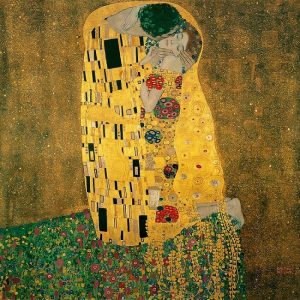
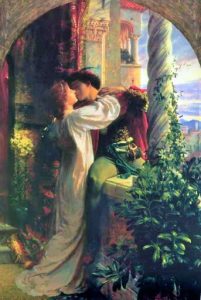
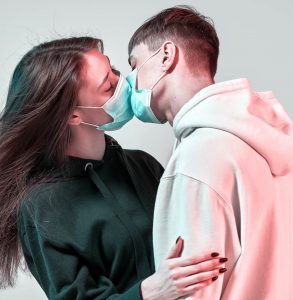
When writers write about kissing, it’s almost always in the spirit of Klimt: love, passion, romance, sexual attraction, sexual activity, and/or sexual arousal. These kisses are often described in great detail: lips, tongue, involuntary reactions like breath and pulse, all taste, and smell. The reader is told whether it’s tender or demanding, hard or seeking, along with related sensations of hair, hands, body positions, and eye contact.
FYI, Kissing is the second most common form of physical intimacy among U.S. adolescents (after hand-holding). About 85% of 15-16-year-old have experience kissing. (At least, they say they do; one of the only things worse for a 15-16 year old to be caught doing than lieing on an anonymous survey is being shown to have less experience than their peers in any kind of sexual activity or exploration.)
Affection
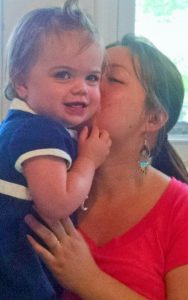
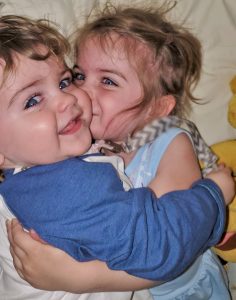
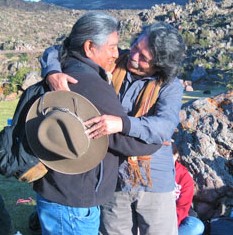
Affectionate kisses are presented very differently. While not denying that affection can be a part of romantic/sexual kissing, it often has no erotic component at all. Although seldom mouth-to-mouth, affectionate kisses are much broader, and can express loyal affection, gratitude, compassion, sympathy, joy, or sorrow.
Affectionate kisses are common among family members, especially parents and children, and others who are “like family.” These are often cheek kisses accompanied by hugs. But affectionate kisses typically are not described with the sensory detail of erotic kisses. It is as if, given the context (of wedding, funeral, leave taking, illness, etc.) the act itself says it all.
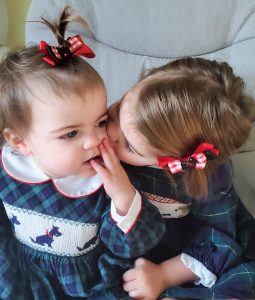
Consider the possibilities of sensory description of affectionate kisses. A great-aunt’s overly strong perfume and clouds of fine, white hair obscuring vision as she leans in for a slightly whiskery kiss at a funeral. An exuberant friend hugging hard enough to squeeze breath out or lift someone off their feet entirely while smacking loud kisses on the cheek. A young child inadvertently pulling hair or scratching while pressing slobbery, banana-scented open-mouthed smears of affection to the face.
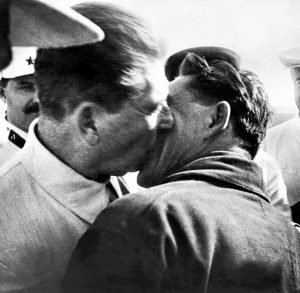
Pro-forma kisses of friendship are common in Northern Africa, the U.S., Europe, and South America as a ritualistic form of salutation. Though occasionally given on the hand, most pro-forma kisses are on the cheek (or in the air next to the cheek). Think French cheek-kissing or Russian back-pounding hug accompanied by multiple kisses on both cheeks. Such kissing is very culture bound. The “rules” are different for every occasion in every society.
Joseph Stalin kissing pilot Vasily Molokov in congratulations, 1937
The Socialist Fraternal Kiss is a complicated bit of political theater, usually involving multiple kisses on the cheeks and lips combined with back-slapping and hand-shaking. Originally, it was a sign that all members of society should greet each other as equals rather than subjects kissing the hands or feet of a ruler. After World War II, the custom spread from Russia to Communist areas of Eastern Europe, Asia, and Cuba. The duration and intensity of the greeting kiss largely depended on the global standing of the country involved and the number of cameras in the area.
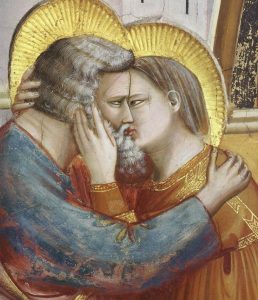
The Meeting at the Golden Gate by Giotto di Bondone
The Holy Kiss was an important part of early Christian ceremonies. Apostles were instructed to ‘salute one another with a holy kiss’ in several books of the New Testament, including St. Paul’s letters. This was later replaced with a handshake in Catholic services; in these days of COVID-19, congregants are encouraged to wave over the internet.
The Oceanic Kiss is not technically a kiss but is common in many cultures where actual kissing is not commonly practiced. Both parties approach and pass each other with their mouths slightly open but do not touch. Sniffing may be involved, so avoid the onions in these cultures.
Ritual
Ritual kissing has a long and varied history. Here again, the sensory detail is usually nil. Perhaps dwelling on the specific smell of feet or trying hard not to think of how many lips have rubbed that ring before yours.
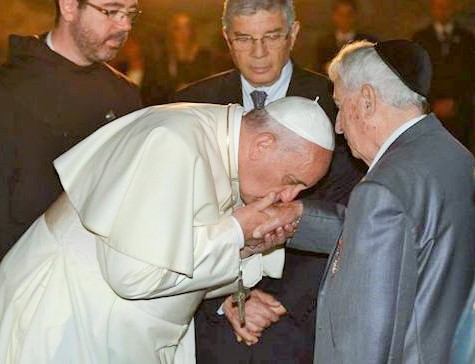
Religion: kissing a temple floor, a religious book or icon. It conveys devotion, but also indicate subordination, or respect. Examples include kissing the Pope’s ring, or the foot of someone to show total subservience.
Joan of Arc Kissing the Sword of Deliverance by Dante Gabriel Rossetti
The kiss of peace: while part of religious ritual, it was also long a tradition to signify reconciliation between enemies.
Pope Francis greeting Holocaust survivors
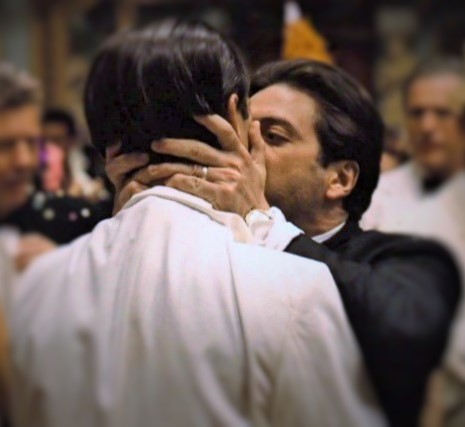
The kiss of death: a signal from the leader of a group that the receiver of a kiss on the cheek is marked for execution.
The Godfather, Part II
Learning to Kiss
Contrary to common belief, kissing does not “come naturally.” Although some anthropologists hold that kissing is instinctual and intuitive, evolving from suckling or pre-mastication—and others maintain that kissing evolved from tasting the saliva of a potential mate to determine health—these are contradicted by societies where kissing was unknown prior to exposure to Europeans. These include indigenous people of Australia, the Tahitians, and many tribes in Africa.
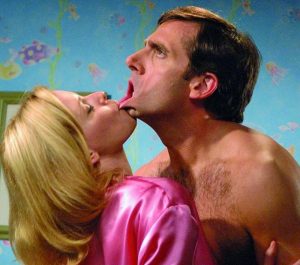
Some people learn a little later than others. from The 40 Year Old Virgin
Perhaps the most convincing—and entertaining—evidence is when infants and young children are taught how to kiss. Starting with the wide-mouthed cheek lick. They are taught who to kiss, where, and when it is an appropriate occasion for kissing, with plenty of hilarious trial and error. These vary widely across cultures and time periods.
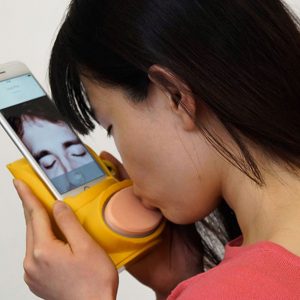
The Lovotics Kissenger, a cell phone attachment that allows people to kiss while on opposite sides of the planet!
Kissing doesn’t happen in approximately 10% of the world’s population. Some believe it is dirty. Others have superstitious reasons, as in the mouth is the portal to the soul, so kissing can allow one’s soul to be taken and invites death. Some cultures see kissing purely as a form of greeting or a sign of platonic affection rather than being associated with sex at all. Researchers at the University of Nevada have found that societies near the equator are less likely to equate kissing with romance than with affection or greeting.
Health Benefits of Kissing
There’s a moratorium on a lot of kissing just now because it can transmit some infectious diseases (COVID-19 as the newest, mononucleosis and herpes simplex, to name a couple of oldies). But overall, kissing is good for one’s health.
Maybe it’s just safer to blow kisses.
Kissing stimulates the production of feel-good hormones such as endorphins and dopamine. Regular kissing protects against depression and stress. Married or cohabiting couples who increased their frequency of kissing reported less stress, and increase in relationship satisfaction, and—wait for it!—lower cholesterol levels.
Another possible meaning of the Kiss of Death is an infection of the herpes simplex virus in infants. An infected person kissing a newborn can easily pass the virus on, sometimes proving fatal to the baby.
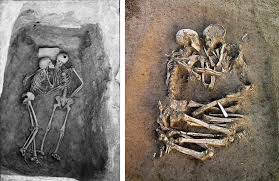
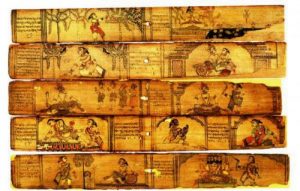
However kissing got started, it’s been around for a long time. Kissing is believed to have originated and spread from India. The earliest documentation of kissing comes from Sanskrit scriptures important to Hinduism, Buddhism, and Jainism, around 3,500 years ago. It is present in Sumerian and ancient Egyptian love poetry, in both the Old and New Testaments of the Bible.
Romans had separate words for kissing the hand or cheek (osculum), kissing relatives on the lips with closed mouth (basium), and passionate kissing (suavium). The French have at least 5 nouns for a kiss and at least 10 verbs for to kiss, depending on the sort of kiss being referenced. There are at least 12 German words for kiss. Using the wrong word for the occasion in any of these languages can lead to very embarrassing linguistic
This blog has just skimmed the surface, raising things a writer might want to consider whenever kissing is part of a scene—or could be. If you are truly intrigued, check out The Kiss and its History, by Kristoffer Nyrop.
Bottom Line for Writers: the types and meanings of kisses are nearly infinite. Enrich your writing by giving each kiss the level of sensory details usually reserved for erotic kisses.
True story: the first minute I was alone with my future father-in-law, he said, “Tell me. What were the guiding principles by which you were reared?” He was a retired dean, and it felt for all the world like a job interview. I paused, never having thought about this issue in quite such a direct way, answered, and it must have been okay because after I became his daughter-in-law we got along very well.
Writers: What are the basic principles that shape your character(s) behavior?
These are “truths” that might have been taught directly, or just pulled out of the air. In any event, consider the following possibilities.
One
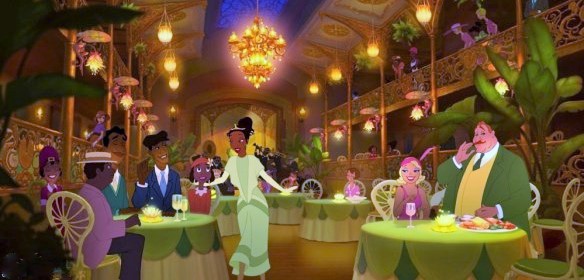
If you do your best each and every day, good things are sure to come your way. -Tiana, The Princess and The Frog
If it’s worth doing, it’s worth doing right
Finish what you start
If at first you don’t succeed, try again
The only thing worse than failure is not having given it your best effort
Honesty is the best policy
Your word is your bond
Treat others as you want to be treated
Two
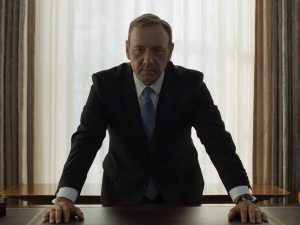
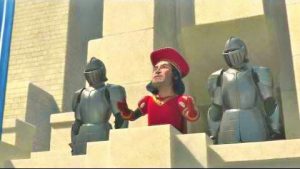
Some of you may die, but that is a sacrifice that I am willing to make. -Lord Farquaad, Shrek
Always look out for number one
Winning is everything
There’s a sucker born every minute
Play the angles
Always fight to win
You can’t trust anyone farther than you can throw ‘em
You either take or get taken
Keep your friends close and your enemies closer
Three
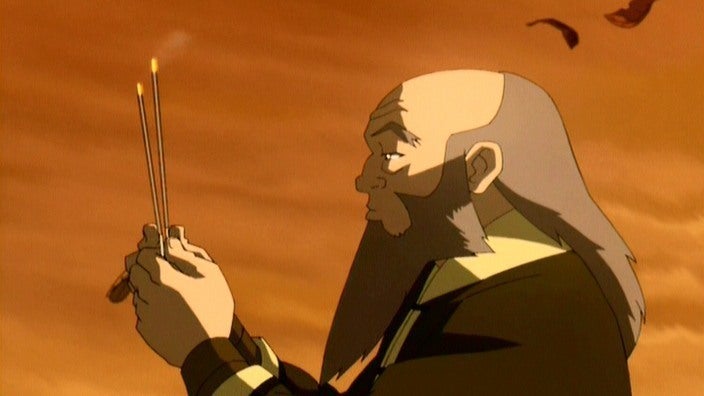
Pride is not the opposite of shame, but its source. True humility is the only antidote to shame. -Uncle Iroh, Avatar: The Last Airbender
It’s better to give than to receive
The meek shall inherit the earth
Cleanliness is next to godliness
Take care of family first
Live well and you’ll be rewarded, if not in this life then in the hereafter
Pride goes before a fall
Turn the other cheek
The hand that rocks the cradle rules the world
Four
Now you see how dangerous individualism can be. It makes us vulnerable. – General Mandible, Antz
Benefit to many outweighs benefit to one
Community is stronger than an individual
Trust in the Leader/ Group
Sink or swim together
The nail that stands out gets hammered down
Every cog is needed for the machine to function
United we stand; divided we fall
Work is its own reward
Writers: What are the principles your character has internalized that determine how s/he behaves, feels, and thinks?
Sometimes, we just really don’t want to be there. Work, of course, comes to mind. Classes. IRS audits. The battle at the end of the world that has been foretold to bring about the fall of Valhalla. Social engagements that seemed innocuous when the invitation was accepted but loom ever more dreadfully as the deadline approaches. (Psychologists call this an approach-avoidance conflict.)
So sorry I can’t make it. My pants are on fire.
On the other hand, announcing one’s intent not to meet an obligation triggers, “Why not?” and, often, hurt feelings and scrambling for an acceptable explanation. Of course, sometimes one scarpers without an announcement, in which case the questions, hurt feelings, and guilty stammering come after the fact. But come they do. It’s socially unacceptable to blow-off a commitment without a “good” reason. Thus, we come to reasons and excuses.
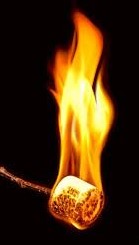
So sorry I can’t make it. My marshmallow is on fire.
What’s the difference between a reason and an excuse? Truth. In fiction, truth is decided by the author; your character might genuinely have something bizarre prevent them from going to work. One study reported that 85% of employees say they are always honest when they call in sick. And 1 in 7 women has lied about a work absence. I have no data on social obligations.
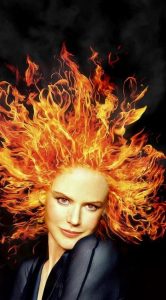
So sorry I can’t make it. My hair is on fire.
But as a writer, your first decision is whether the character is telling the truth.
Here, for your consideration, are some rather atypical explanations for an absence. Sometimes, the plot might be well served if it’s a reason rather than an excuse!
I couldn’t find a clean mask.
I couldn’t find my keys.
I couldn’t find my front door.
My COVID test results aren’t back yet.
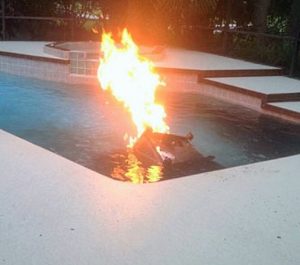
So sorry I can’t make it. My pool is on fire.
My dog is having a nervous breakdown.
My grandmother’s body is being exhumed for a police investigation.
My toe is stuck in a faucet and the plumber can’t come till afternoon.
The FBI told me to come in for some follow-up questions.
I watched “The Hunger Games” and I’m too upset.
I read so much I got sick.
My hermit crab is moving to a bigger shell, and I promised I’d take her to look at some new places.
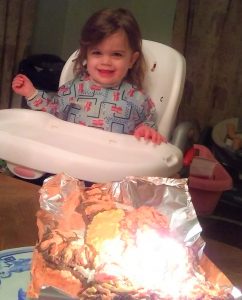
So sorry I can’t make it. The baby is on fire.
Our toddler learned Krav Maga, and no one is willing to babysit.
Our toddler taught Krav Maga to the ferrets.
I’m still trying to get the squirrels out of my attic.
I’m still trying to get the squirrels out of my hair.
I’m suffering from a broken heart.
I have to report for jury duty. They’re doing it on Saturdays now.
I was dyeing my hair at home, and it came out orange.
I was dyeing my hair at home, and it all came out.
I have to deliver the nuclear football.
My mom says I’m grounded until I pay the mortgage.
So sorry I can’t make it. My castle is on fire.
A bird bit me.
My fish hasn’t finished her homework, and I think she needs some help with the last few math questions.
The sobriety tool wouldn’t allow me to start the car.
The cat ate the car keys, and we have to wait for them to pass through.
My astrologist warned me not to associate with people of your aura this week.
I finally got my hair the way I like it, and now I can’t move for fear of disturbing it.
So sorry I can’t make it. The world is on fire.
The veterinary hospital had an emergency, and I had to take my dog in to donate blood.
My family in Singapore called about my grandfather and there’s a 12-hour time difference.
The rain always makes my arthritis worse.
A wizard just showed up and told me I have to go on an epic quest to save the world from certain doom.
The pigeons at the park are on a very strict feeding schedule, and they get anxious if I’m late.
A tree fell across my driveway and I couldn’t get my car out.
I’m still recovering from my last chiropractor appointment.
The podiatrist cut out my ingrown toenails and I can’t walk.
So sorry I can’t make it. The world really is on fire.
Bottom line for writers: When your character bugs out, make it work for your story.
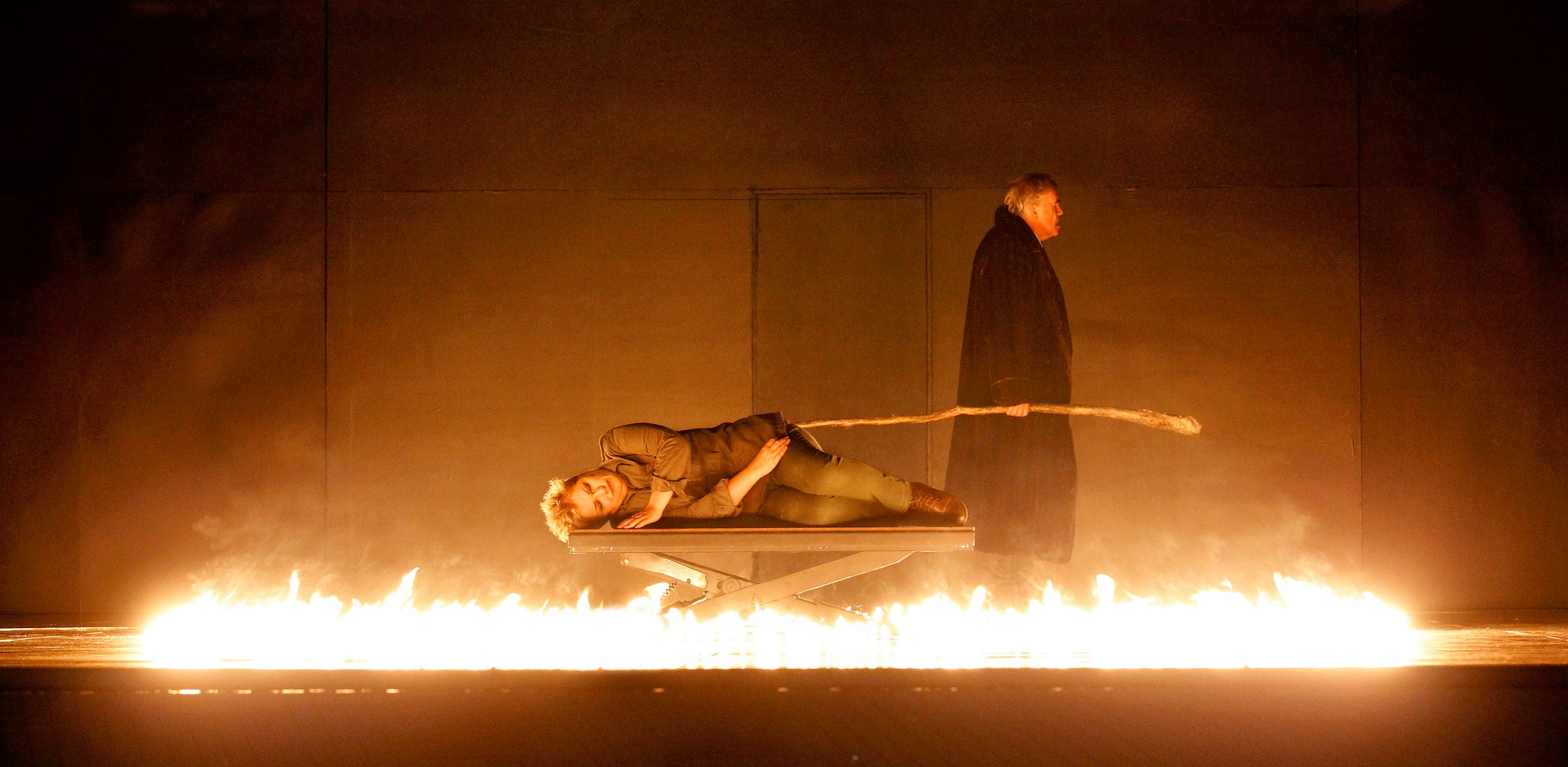
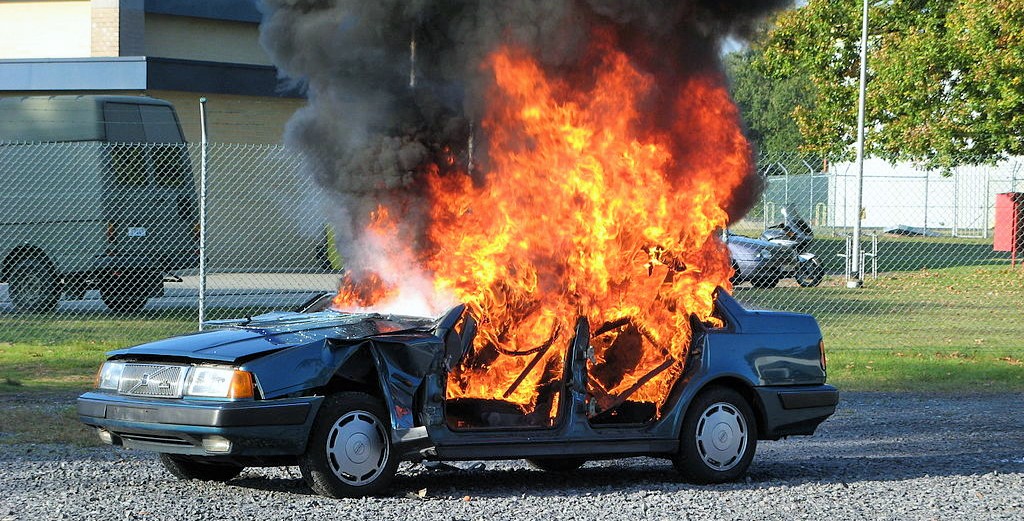
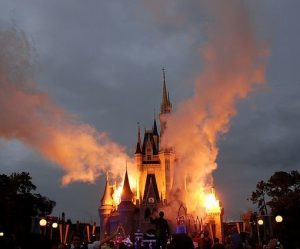
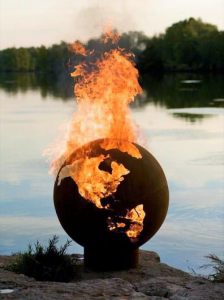
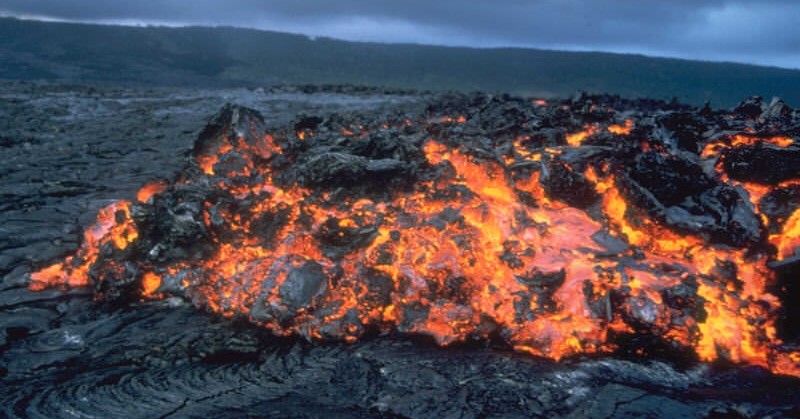
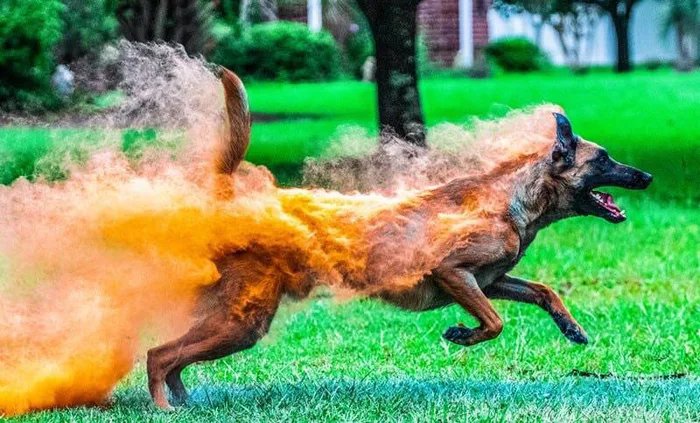
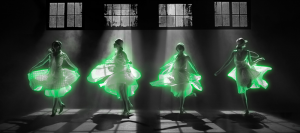
So sorry I can’t make it. My dog is on fire. (No worries! It’s just powder and trick lighting. No dogs were harmed in the making of this blog.)
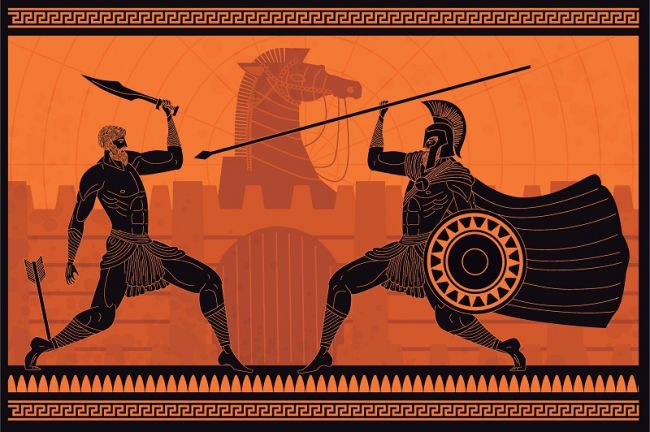
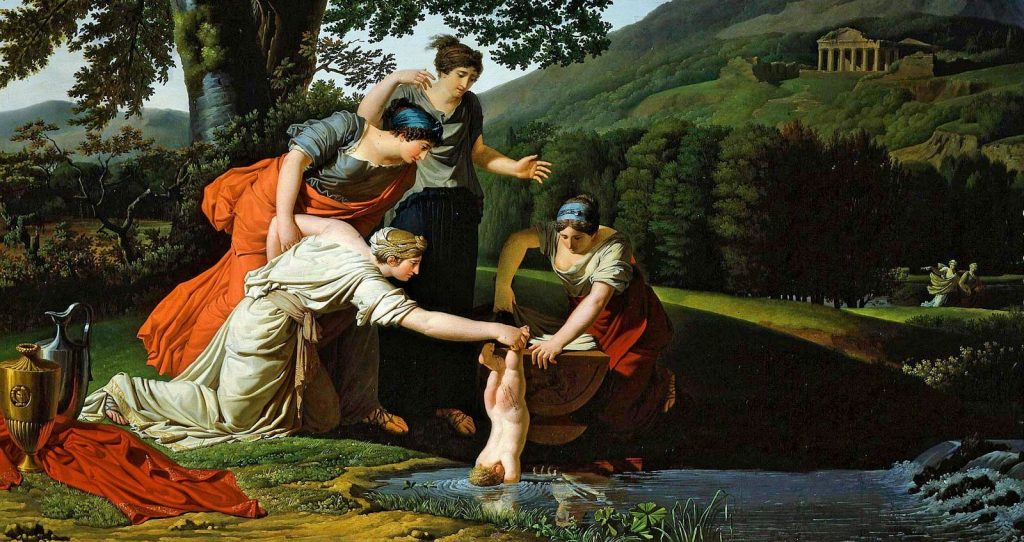
Just about everyone knows that an Achilles heel is a potentially fatal weakness, or vulnerability—even if the story behind the term is vague or missing. The term stems from the Greek legend about the heroic warrior Achilles whose mother tried to make him immortal by holding the infant by his heel and dipping him into the River Styx.
Achilles was killed by an arrow, shot by the Trojan prince Paris. In most versions of the story, the god Apollo is said to have guided the arrow into his only vulnerable spot, the heel that was not dipped in the river.
I think of Achilles as the prototype of all modern day superheroes, with their varied and entertaining versions of Achilles heel.
Note to writers: Don’t make your protagonist too perfect. How can one pull for a character who couldn’t possibly lose?
Editor’s Note: There are almost as many variations of the powers and vulnerabilities of most comic book characters as there are characters. The characterizations provided here refer to the most interesting timelines from among the Golden Age comics, the Silver Age comics, DC’s New 52, Marvel 616, Flashpoint, Universe of M, and the myriad other reboots and multiverses.
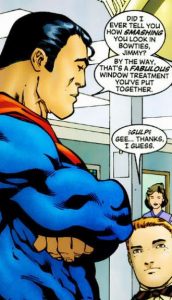
Everyone knows that Superman is crippled by Kryptonite and that’s that. But weakened as he is by green Kryptonite, pink Kryptonite may be even more devastating: it can fundamentally alter his personality in many ways, including hinting at being gay and attracted to Jimmy Olsen. At the time, this would have been seen as a major character flaw (possibly illegal) by the writers and the audience. A sillier effect came from silver Kryptonite, which made Superman act drunk and get the munchies.
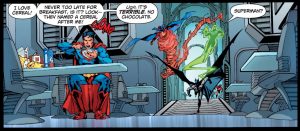
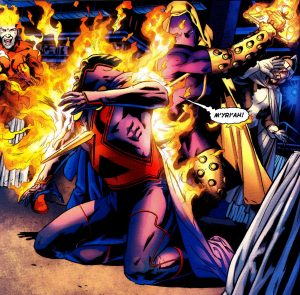
For Martian Manhunter (also known as J’onn J’onzz), the weakness is fire. And it doesn’t need to be a raging inferno, or even a blowtorch, even a book of matches will do. In addition to scalding his exterior, flames scramble his masterful mind. Perhaps there’s a bit of lingering mental trauma from watching his entire planet destroyed by fire.
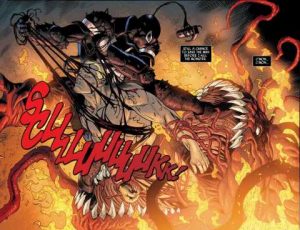
And he isn’t alone: Venom, the symbiote taking advantage of enemies of Spider-Man, could be done in by two seconds exposure to a cigarette lighter. Fire is just about the only way to force Venom to leave his host.
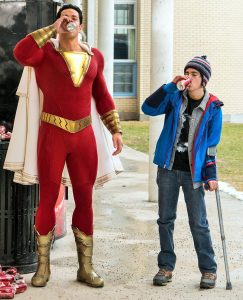
Captain Marvel, Jr. (later renamed Shazam) calls out his superhero name to activate his powers, but if he says his own name (Freddie Freeman) aloud during a battle, he immediately goes back to being a little boy. Thus, he adopts a number of aliases to hide his secret identity and his super identity. This was not a very useful strategy.
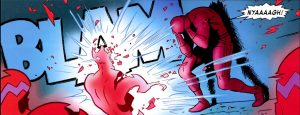
When Daredevil went blind, he developed an echolocation skill that would be the envy of bats, along with a super sense of smell. At the same time, he is susceptible to unexpected loud noises, deafening or supersonic sounds, and noxious odors. He can be rendered unconscious and vulnerable to a follow-up attack.
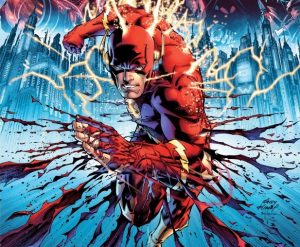
The Flash is one of the few Superheroes—perhaps the only one—to be killed by his own powers. In battling to save the world, he ran so fast that he burst apart into atoms. Apparently he didn’t know that his excessive speed was also his weakness. (He didn’t stay dead long.) When triggering Flashpoint, the Flash was consumed in the Speed Force, where he became lost and stuck for more than twenty years. He can also be slowed down by extreme cold, but that’s not as funny.
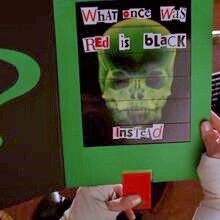
The Riddler is more a supervillsain than a superhero, but even so, not truly deadly. He’s so narcissistic that he wants recognition for his cleverness more than he wants to avoid being caught. Dr. E. Nigma can never complete a crime without leaving clues. His paradoxes are always solvable.
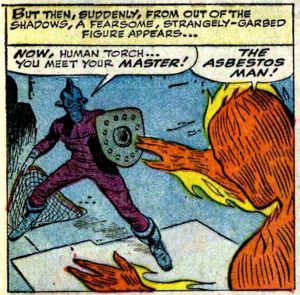
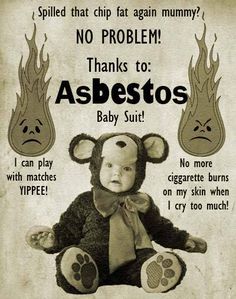
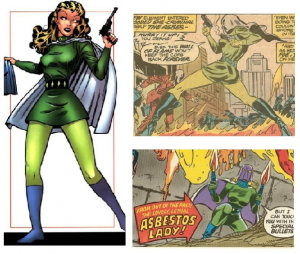
Today the horrible effects of asbestos exposure are well known, but in the 1960’s when Asbestos Man was introduced, it seemed perfectly reasonable to outfit him with an asbestos suit, a fire-retardant shield, and a fisherman’s net to best his arch enemy, the Human Torch.
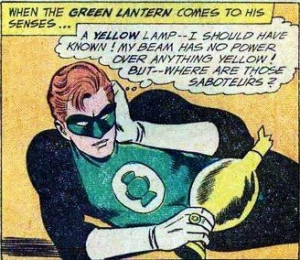
Impurities in the Green LanternCorp’s rings make them useless against anything yellow. This weakness is easy to exploit and makes for some truly comic plots. His second debilitating weakness is wooden weapons, or even tree bark.
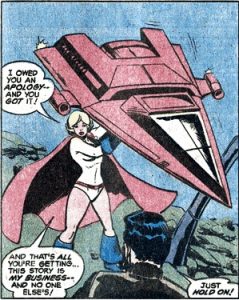
Power Girl was the antithesis of the Green Movement: she was done in by anything in natural in its unadulterated state. Think sticks, stones, cotton, silk, etc., ughh. According to comic book logic, it was because those materials didn’t exist in her home dimension. Power Girl was eventually revealed to be Super Girl, the cousin of Superman, though she did not share his weakness to Kryptonite.
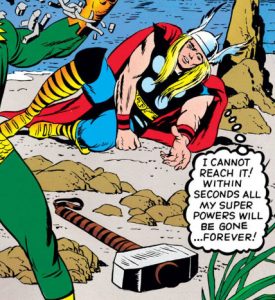
In the early days of Thor, all it took to force him to return to his alter ego of Donald Blake was to get his hammer away from him for 60 seconds. Considering his primary method of attach was throwing the hammer at enemies, one might think he’d make certain nothing could stop its retrieval. Surprising how often that happened!
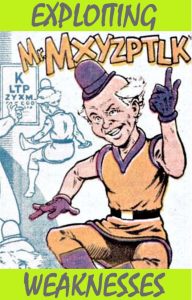
Mr. Mxyzptlk was generally safe, unless someone can convince or trick him into saying his name backwards. If that happens, he’s consigned to his native dimension for three months.
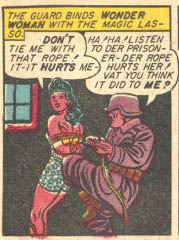
Wonder Woman, the prototypical female with superpowers, had skills to match or exceed those of male superheroes. I find it irritating that her weakness was being tied up by men, her super bracelets tied behind her back. Some of this can be traced back to her creator, William Moulton Marston and his recreational pursuits.
In later years, Wonder Woman joined an increasing number of super-powered heroes and villains with much more relatable weaknesses. In the 2017 film Wonder Woman, Princess Diana is nearly destroyed by despair at the violence in the world.
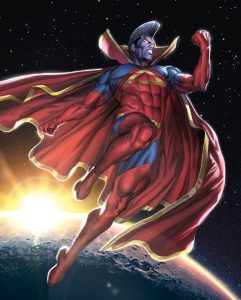
Gladiator can freeze a planet with his breath melt it with his eyes, or shatter it with his bare hands. He runs at superhuman speed, flies like Superman, and is immune to Death Stars. And he’s incredibly good looking. All of this makes his weakness surprisingly humanizing: if he starts doubting himself, all his super powers desert him.
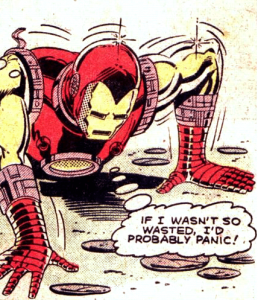
Tony Stark did not have any superhuman abilities, but his mechanical genius allowed him to become Iron Man. However, his alcoholism is still a major liability. By trying to fly and fight while drunk, Iron Man endangers his entire team and any civilians who happen to be nearby.
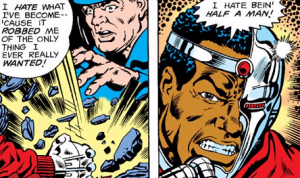
Cyborg must deal with constant internal conflict because of his apparent loss of humanity. After a severe accident, Victor Stone had robot parts melded with his remaining flesh. He cannot survive without the technology grafted to his body, but he battles self-loathing stemming from his belief that the medical procedures made without his consent have robbed him of his humanity.
Bottom line for writers: your protagonist’s Achilles heel doesn’t have to be fatal, or even logical, as long as you have the right backstory for it.
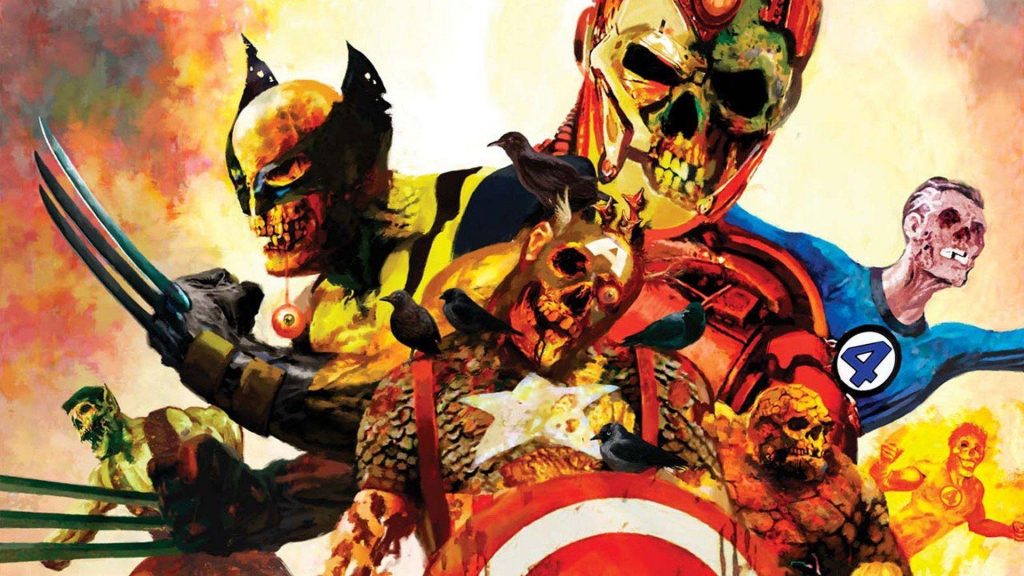
Everyone is defenseless against zombies, even superheroes and super-villains.
Coverage of the pandemic is all over the media. Every day we get the latest tallies. Local and national news feature the tragedies that are all too common. A family of 6 all of whom have tested positive, and only two survive. Sometimes someone being discharged from the hospital after weeks on a ventilator. So why this blog? Because people suffer the virus in ways that never catch the attention of the media. Writers need to be aware of these variations.
Many of you are familiar with the name of Kathleen Corcoran, my friend and colleague and occasional guest blogger. She has graciously agreed to share her experience with us all.
It started with a headache, a pretty bad one, like something was sitting on my head. Or maybe it was the insomnia first. Or maybe the headache was caused by the insomnia. Or maybe I couldn’t sleep because my head was hurting. Or maybe I was just doomed to be caught in this chicken and egg loop of which came first for all eternity or at least until the sun came up.
But I didn’t think anything was wrong. I’ve had trouble sleeping since I was a kid. My posture is terrible, which causes headaches sometimes. I took a couple of painkillers and eventually was lulled to sleep by the dulcet tones of Stephen Fry reading Harry Potter.*
(Neither Vivian Lawry nor I are affiliated with or Stephen Fry or with J. K. Rowling. But if anyone knows how to get in touch with Stephen Fry, let me know, and I’ll do my darndest to become affiliated!)
In the morning, my husband went off to work, I drank about ten cups of tea, and everything was normal. Perfectly normal.
I was pretty tired, but that was to be expected after being up all night.
Joints aching? Must be a storm coming. Stupid arthritis.
Skin hurts like I’m wrapped in sandpaper? Probably just didn’t rinse all the soap out of my clothes last time I washed them.
Too hot and too cold and too hot and too cold again? Eh, it’s July. The air conditioner is weird.
Can’t stop coughing? Gee, I must need to sweep under the bed. It’s obviously really dusty down there.
Sore throat? Well, duh. That’s what happens when you cough a lot.
Difficulty concentra-SQUIRREL!
Eventually, the combined efforts of my husband, my sister, and my mother convinced me that I was probably sick, it might be the COVID-19, and I definitely needed to do something about it. The first thing I did about it was to consult Our Lord and Master, The Great Google. My husband left work early, and we tried to find a testing site.
I think I poked the stick too far. I may have swabbed the back of my eyeball.
And that’s when things got really… boring. Following the instructions laid out by The Great Google, I didn’t bother going to a doctor. I answered a bunch of questions online to determine if I was worthy of receiving testing and then to determine if I was worthy of receiving fast testing. The pharmacy told me I could stop by the drive-thru the following afternoon to poke a stick up my nose, and that was it.
Labs are really backed up, so I could expect my test results in about two weeks. Maybe longer. Probably longer. In the meantime, I should assume I had The ‘Rona (as my brother insists on calling it) and behave accordingly. Oh, and don’t bother going to a doctor or a hospital unless I turn blue or have a seizure. And it better be a pretty big seizure.
Contact tracing was easy. Two phone calls. I warned my parents that I was (allegedly) highly contagious with (allegedly) an infection of (allegedly) COVID-19 and thus I may have (allegedly) contaminated my mother and she may have (allegedly) passed on the deadly (allegedly) infection to my father. Allegedly.
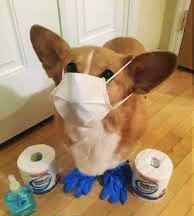
Ready! (Disclaimer: this is a picture I found online. I did not put a mask on my dog. She would eat it.)
Thus, I am now in quarantine. I can’t leave the bedroom except for bathroom breaks. My husband can’t leave the house, just in case I’ve contaminated him. He has to sleep on the sofa, keeping an eye on the turtle. We both have to wear masks anytime I open the bedroom door, but my husband covers his face just about any time time he’s not sleeping. Pippin the Wonder Dog has gone to stay with my parents until we’re all allowed out of the house again. Fourteen days of staring at the bedroom walls, unless I’m still sick or my test results come back negative.
I ate a banana. I hate bananas.
My husband put food and tea next to the bed for the first few days, carefully not touching anything and showering immediately after leaving the room. When I could get out of bed, he left the food and tea on the floor outside the door and picked up empty dishes with gloves. For about a week, I couldn’t keep anything down except tea. It’s a good thing I like tea.
Apparently, stealing a towel from a hospital doesn’t mean I get to go to one. Actually, I think it might make them less likely to treat me.
But then I started feeling better. I could sit up, the cough subsided, and I managed to stay awake for more than two hours at a time. My fever hung around for a bit, but it eventually went down. At one point, the thermometer informed me that I had a temperature of 107.3F. As I was staring at the read-out, wondering why all my internal organs hadn’t shut down yet, my husband reminded me to wait until after I drank the hot tea before sticking the thermometer in my mouth. Smart man.
Maybe I can entertain myself by licking the sofa…
Now, I wait. There’s not a whole lot to do in here. I can video chat with the guy on the other side of the door. My goddaughter sometimes reads me stories or demonstrates her spectacular spinning skills over the phone. I spend way more time than I will ever admit on sites like BoredPanda and BuzzFeed. Occasionally, I try to get up and walk around, but it’s only a step and a half from the bed to the door and only half a step from the bed to the wall. Not very conducive to calisthenics.
Billy across the street just turned on his sprinkler. Now I get at least twenty minutes of watching the water spin!
The neighbors lead fascinating lives, as I have discovered by not being creepy at all. I spend a lot of time staring out the window, and I’ve gotten to know everyone’s habits. If the dog next door isn’t out for his morning yard time by 7:30, I worry. Where’s Roscoe? Is he stuck inside? Is he still asleep? When the kids down the street start their evening basketball skirmishes, I keep score. Darren cheats, but Michael is taller and older… I haven’t decided if that evens things out, but Keisha always wins anyway. Yesterday, the recycling truck came by. It was the most exciting thing I’ve ever seen. It’s like Rear Window, but without the murder!
No hugs from my favorite tiny people
In the meantime, my husband has missed two weeks of work and pay. His boss isn’t sure about letting him back in the shop until all his colleagues are comfortable that he isn’t poisonous. My parents have had to isolate in their house, missing my father’s birthday dinner. All the careful planning my sister did to set up a safe birthday celebration for my father is down the drain (along with all the ingredients I’d just bought to make Beef Wellington for them). My other sister has been stuck watching five kids by herself because I can’t help out. And I had to reschedule an appointment with the DMV. Their next opening isn’t until September.
Was I stupid or cautious? Or perhaps both?
Don’t get me wrong: I am thrilled beyond belief not to be in the ICU, hooked to a ventilator in a medically-induced coma. But I don’t even know if I have COVID-19. Barring some catastrophic development, I will be free to leave quarantine and resume my normal activities tomorrow. If I did have it, I’m no longer carrying anything that could infect people. If I didn’t, I just put a bunch of people through a bunch of disruption and financial hassle for a sniffle.
Yay! Positive! I’m super positive!
Oh hey! An email just popped up with my test results….
Opening…
Logging in…
Finding the right message…
If I tested positive, does that mean I passed or failed? Also, is this going to be on the final exam?
Thanks to Kathleen for sharing her experience. Writers take note: She is living, breathing (thank goodness) proof that the worst case scenario isn’t necessary for one’s life to be turned upside-down.
Freedom! (Keep wearing your mask, unless you are a dog.)
Surprise, surprise: the answer isn’t as straightforward as it might first seem. I’m pleased to share with you Douglas S. Jones’ thoughts on the matter.
Doug Jones is well known in local writing groups and has taught dozens of students in the Richmond area. Full disclosure: Doug taught and mentored me for years! I especially appreciate Doug sharing his thoughts on what makes writing poetic because, as many of you know, I don’t “do” poetry.
Is it poetic?
When asked to define poetry, I thought: This is my punishment for not writing a dissertation.
Webster’s New Universal Unabridged Dictionarydefines poem as “1) a composition in verse, especially one that is characterized by a highly developed artistic form and by the use of heightened language and rhythm to express an intensely imaginative interpretation of the subject.” This sounds like what my high school English teachers probably taught me. But then–rather like graduate school–the second and third definitions contradict and deconstruct the first: “2) a composition that, though not in verse, is characterized by great beauty or expression; 3) something having qualities that are suggestive of or likened to those of poetry: Marcel, that chicken cacciatore was an absolute poem.” So a poem is a composition in verse; a poem is a composition not in verse; chicken cacciatore is a poem (when Marcel makes it).
The same dictionary defines poetry as “1) the art of rhythmical composition, written or spoken, for exciting pleasure by beautiful, imaginative, or elevated thoughts; 2) literary work in metrical form, verse; 3) prose with poetic qualities; 4) poetic qualities however manifested; 5) poetic spirit or feeling; 6) something suggestive of or likened to poetry: the pure poetry of a beautiful view on a clear day.” So poetry is different from prose, except when it is prose; it is written in verse, except when it is not; it is qualities or spirit or feeling or a beautiful view on a clear day.
I won’t bother listing the eighteen definitions of composition, or the fifteen definitions of verse. But I do think it’s worth noting that the word “verse” can be stretched in service of both “poetry” and “metrical composition distinguished from poetry because of its inferior quality [my emphasis].” It may be “one of the lines of a poem” or (rarely) “a line of prose.” And verse and composition are both related to structure and music–elements which I suspect have more to do with what poetry is than beauty or elevated thought.
I turned from definitions to word origins. A poem is “something created,” John Ayto writes in his Dictionary of Word Origins. “The word comes via Old French poeme and Latin poema from Greek poema”–which comes from poiesis, “making.” Writers may enjoy poetic license, bring characters to poetic justice, and aspire to become poet laureate. The latter also comes to us from Greece: when Apollo fell in love with Daphne (the daughter of a river) and tried to seize her, she escaped by turning into a laurel tree–which thereafter was sacred to Apollo. “The god ordered that laurel be the prize for poets and victors,” Robert Hendrickson writes in his Encyclopedia of Word and Phrase Origins, “this leading to the belief that laurel leaves communicated the spirit of poetry (the ancients put laurel leaves under their pillows to acquire inspiration while they slept).”
The notion of a “spirit” of poetry raises questions. Among them: Does a poem possess or suggest spirit more or other than that of the poet? Is poetry–as Samuel Coleridge famously suggested–“the best words in the best order”? If so, why should this apply only to poetry? Shouldn’t the same be equally true of good prose?
Lyric poetry is a form of verbal materialism, an art of language, but it is much more than “the best words in the best order.” It is language fulfilling itself, language compressed and raised to its highest power. Language in action against time, against death. There are times when I am awestruck by the way that poems incarnate the spirit–the spirits–and strike the bedrock of being.
Other times I am struck by how little the poem has to go on, how inadequate its means. For what does the writer have but some black markings on a blank page to imagine a world? Hence these lines from the splendid Florentine poet Cuido Cavalanti–
Noi sian triste penne isbigottite le cesoiuzze e’l coltellin dolente.
We are the poor, bewildered quills, the little scissors, and the grieving penknife.
In his preface to Obra poetica, Jorge Luis Borges writes “the taste of the apple … lies in the contact of the fruit with the palate, not in the fruit itself; in a similar way (I would say) poetry lies in the meeting of the poem and reader, not in the lines of symbols printed on the pages of a book.” Poetry is interactive. Reading a poem completes it, like closing an electrical circuit. Although we can return and refer to it on the page, I think of poetry as fugitive. While you are reading it (or hearing it read) it travels through time and space. Consider the following:
Detail
I was watching a robin fly after a finch–the smaller bird chirping with excitement, the bigger, its breast blazing, silent in light-winged earnest chase–when, out of nowhere over the chimneys and the shivering front gardens, flashes a sparrowhawk headlong, a light brown burn scorching the air from which it simply plucks like a ripe fruit the stopped robin, whose two or three cheeps of terminal surprise twinkle in the silence closing over the empty street when the birds have gone about their own business, and I began to understand how a poem can happen: you have your eye on a small elusive detail, pursuing its music, when a terrible truth strikes and your heart cries out, being carried off.
Eamon Grennan
The poem flies: we follow it from bird to bird to “terminal surprise.” It begins not with the abstract, but the specific–and the accumulation of specific details is what makes the poem ring true. There is movement in every line: watching, chirping, blazing, shivering, scorching. Even nouns and adjectives move: “a light brown burn/ scorching the air,” “the stopped robin” (my emphasis). The “I” observing the bird becomes the “you” with “your eye on a small elusive detail.” Then the reader becomes both poet and bird, observing and observed: “a terrible truth/ strikes, and your heart cries out, being carried off” (my emphasis). In the end we have not only read or heard the poem: we have in a sense experienced it, flown with and been snatched away by it. The poet meanwhile is self-effacing, claiming only to have begun “to understand/ how a poem can happen.” The poem happens–it is an event, shared between speaker and listener. As Robert Frost notes: “Like a piece of ice on a hot stove the poem must ride on its own melting.”
Hirsch continues:
Poetry alerts us to what is deepest in ourselves–it arouses a spiritual desire which it also gratifies. It attains what it avows. But it can only do so with the reader’s imaginative collaboration and even complicity. The writer creates through words a felt world which only the reader can vivify and internalize. Writing is embodiment. Reading is contact.
We can teach poetry by reading poems, reading poets, and reading what they write about what they do: from Aristotle’s Poetics and Horace’s Ars Poetica to Alexander Pope’s “Essay on Criticism”; from Wordsworth’s Prelude to Kenneth Koch’s “The Art of Poetry.”
And of course we can also teach poetry by encouraging students to write poetry of their own, to experiment with form, to write poems “in the style of”–and by helping them to find their subjects. Towards this last goal, consider the following from Kim Addonizio and Dorianne Laux, authors of The Poet’s Companion:
We’ve been told again and again to write about what we know, but we don’t trust that advice…. John Keats wrote to a nightingale, an urn, a season. Simple, everyday things he knew. Walt Whitman described the stars, a live oak, a field. Elizabeth Bishop wrote about catching a fish, Wallace Stevens about a Sunday morning, William Carlos Williams about a young housewife and a red wheelbarrow. They began with what they knew, what was at hand, what shimmered around them in the ordinary world….
The trick is to find out what we know, challenge what we know, own what we know, and then give it away in language: I love my brother, I hate winter, I always lose my keys. You have to know and describe your brother so well he becomes everybody’s brother, to evoke the hatred of winter so passionately that we all begin to feel the chill, to lose your keys so memorably we begin to connect that action to all our losses, to our desires, to our fears of death. Good writing works from a simple premise: your experience is not yours alone, but in some sense a metaphor for everyone’s.
In the end, I think poetry communicates something like Whitman’s barbaric yawp. We are, in fact, not alone on the planet. The ordinary world is, in fact, extraordinary. The spoken word is not how we compare ourselves out of community or fraternity or sorority or society, but rather how we find our place within. As Appalachian poet Charles Boyd writes:
As you are reading this–now, in the same moment— I am writing it.
Touchstones
Aristotle: Poetics.
Horace: Ars Poetica.
Barthes, Roland: The Pleasure of the Text.
Bloom, Harold: Agon: Towards a Theory of Revisionism.
Brooks, Cleanth: The Well Wrought Urn: Studies in the Structure of Poetry.
Calvino, Italo: Six Memos for the Next Millenium.
Frye, Northrop: Anatomy of Criticism.
Heidegger, Martin: Poetry, Language, Thought.
Mill, John Stuart: Dissertations and Discussions.
Pascal, Blaise: Pensees.
Plato: Collected Dialogues.
Santayana, George: Essays in Literary Criticism.
Sapir, Edward: Language: An Introduction to the Study of Speech.
Wimsatt, W. K.: The Verbal Icon: Studies in the Meaning of Poetry.
Zumthor, Paul: Oral Poetry: An Introduction.
Douglas Jones has written and seen produced more than forty plays and screenplays, including the musical Bojangles (music by Tony Award-winning composer Charles Strouse, lyrics by Academy Award-winning Sammy Cahn), The Turn of The Screw, and his award-winning Songs from Bedlam–which Backstage declared “a triumph,” and D.C.’s Studio Theatre said “achieves a rare and magnificent balance between brutal reality and sublime fantasy.” His docudrama 1607: A Nation Takes Root plays daily at the Jamestown Settlement & Yorktown Victory Center.
He was awarded the Virginia Commission for the Arts Playwriting Grant in 2006, the Martha Hill Newell Playwrights Award in 2015, and the Emyl Jenkins Award for Promoting Writing and Education in 2016. He teaches memoir, playwriting, and other classes at the Virginia Museum of Fine Arts and The Visual Arts Center, and is a member of The Dramatists Guild. He lives in Richmond with his wife actress Harriett Traylor.
Which is to say, there is more than one way to say just about anything. Idioms, slang, and dialect vary greatly by geographic location and by time, so they can be a great way to ground a character in a particular time and place. Here, for your enjoyment and inspiration, are some variations on common concepts.
Drunk
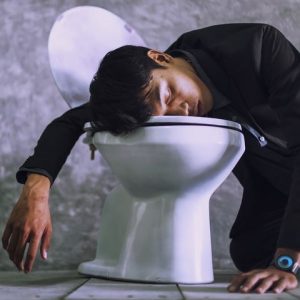
Commode-hugging drunk
Inebriated
Intoxicated
Buzzed
Blitzed
High
Knee-walkin’ drunk
Commode-hugging drunk
Boozed up
Feeling no pain
Plastered
Ploughed
Bladdered
Liquored up
Under the influence
Seeing double
Wall-eyed
Goggled
Sloshed
Stewed
Pickled
Battered
Blotto
Pissed
Three sheets to the wind
Drinks like a fish
Lit up like a Christmas tree
Drunk as a skunk
Pissed as a newt
Tight as a tick
Rat-arsed
Legless
Under the table
Bend an elbow
In the bag
In his/her cups
On Liquorpond Street
Away with the fairies
Have a load on
Well oiled
Lush
Worse for wear
Off the wagon
So drunk he opened his shirt collar to piss
Evil/Mean
Covidiot
Devil
Scum bucket
Sinner
The second half of saints and sinners
Troublemaker
Villain
Benighted
Snake in the grass
Back-biting
Oxygen thief
Lower than a snake’s belly (in a wagon rut)
Sonofabitch
Abbreviated piece of nothing
Farging icehole
Frigidity/Arousal/Sex (Female)
Amazons
Colder than a witch’s tit
Cold fish
Like making love to a corpse
Enough to make a man choose celibacy
Built like a brick shit-house
Body to die for
Man magnet
Everyman’s wet dream
Wanton
On the pull
Always ready to ride
Just call her Eveready
Get a bit of sugar stick
Make a sausage sandwich
Give juice for jelly
Little Miss Roundheels
Celing Inspector
MILF/ GILF
No better than she should be
She’ll put out for anything in pants
She’s had more pricks than a secondhand dartboard
Scarlet woman
Cougar
Cure for an Irish toothache
Go like a herd of turtles
Impotence/Arousal/Sex (Male)
Bro or Dude-bro
Can’t get it up/ can’t keep it up
Wilts like cut flowers in the sun
Drained away like an ice cube in the desert
Get a hard on
Get his rocks off
Carrying a woody
Hung like a prize bull
Butter her buns
Put his little hat on
He’s a regular Energizer Bunny
Manwhore
Roacher
Rake
Lounge lizard
Beau-nasty
Dipping his wick
Jumping her bones
Doing a little front-door work
Ring her bells/chimes
On the make
Jesuit boxer
Punk
Gym rat
Tosser
He’d fuck anything with a hole in
He gets more ass than a toilet seat
All mouth and no trousers
Incompetent
Not the sharpest tool in the shed/ brightest crayon in the box
All foam, no beer
Doesn’t have all her cornflakes in one box
All the cheese slid off his cracker
Body by Fisher, brains by Mattel
Can’t find his ass with both hands
Her sewing machine is out of thread
Receiver is off the hook
Skylight leaks a little
Not up to XXX
Not cut out for XXX
Out to lunch
Just doesn’t have it
Can’t walk and chew gum at the same time
He would fuck-up a wet dream
Not able to hit the ground with his hat
Batting zero
One step forward, three steps back
Lazy
Permanently set to “Stand-By”
Layabout
Do-nothing
Shiftless
Slow as molasses in January
Doesn’t have the gumption God gave a turnip
His get up and go has got up and gone
Too lazy to scratch an itch
Wouldn’t even scratch his ass if he could get someone else to do it for him
Laggard
Goldbrick
Freeloader
Sponger
He counts sawing logs as working
Mentally Unbalanced
Coocoo for Cocoa Puffs
Insane
Bonkers
Crazy
Berserker
Cracked
Lunatic
Deranged
Mad as a hatter
Nut case/job
Fruitcake
Potty
Psycho
Mental
Unglued
Batty
Bats in the belfry/attic
Looney (Tunes)
Has a screw loose
Sees the world slant/sideways
Has his/her own reality
Stupid
The lights are on, but nobody’s home.
World’s only living brain donor
Musclebound between the ears
Not enough brains to give himself a headache
Not the sharpest tool in the shed
A few clowns short of a circus
A few fries short of a Happy Meal
An experiment in Artificial Stupidity
A few beers short of a six-pack
Dumber than a box of rocks
A few peas short of a casserole
Has an IQ of 2, but it takes 3 to grunt
The wheel’s spinning but the hamster’s dead
One Fruit Loop shy of a full bowl
Sharp as a corner on a round table
One taco short of a combination plate
A few feathers short of a whole duck
Warning: objects in mirror are dumber than they appear
Couldn’t pour water out of a boot with instructions on the heel
Fell out of the Stupid Tree and hit every branch on the way down
An intellect rivaled only by garden tools
As smart as bait
His chimney’s blocked
She’s so dumb she thinks her bottom is just to sit on
Elevator doesn’t go all the way to the top floor
Forgot to pay his brain bill
Antenna doesn’t pick up all the channels
His belt doesn’t go through all the loops
If he had another brain, it would be lonely
Missing a few buttons on her remote control
No grain in the silo
Proof that evolution CAN go backwards
Several nuts short of a full bar
Surfing in Nebraska
Slinky’s kinked
Too much yardage between the goalposts
One of her dogs has slipped the leash
Dead from the neck up
Only 50 cards in his deck
Ugly
A face like the south end of a horse walking north
A face only a mother could love
A face not even a mother could love
Should have been drowned at birth
As for how s/he looks, s/he has a great personality
Homely
Ill-favored
Not much to look at
As attractive as hairs on a mole
Beaten with an ugly stick
Doesn’t need a mask for halloween
A face that could crack mirrors
Face that could scare the walking dead
“If my dog was as ugly as he is, I’d shave his butt and walk him backward!”
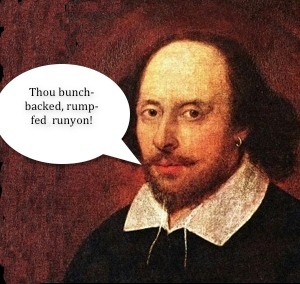
The Bard is a very useful friend to those looking for creative insults.
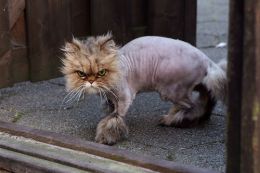
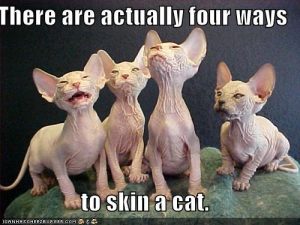
For more feline desquamation alternatives, browse through variations of slang used in countries where English is spoken around the world. Some of my favorites are Irish, Scottish, Jamaican, Kiwi, Australian, South African, and New York English. (Yes, New York English deserves a separate listing.) If you really want be specific about a character’s background, consider idioms and slang distinct to a particularregion within a country.
Bottom line for writers: fresh phrases or clichés, take your pick.
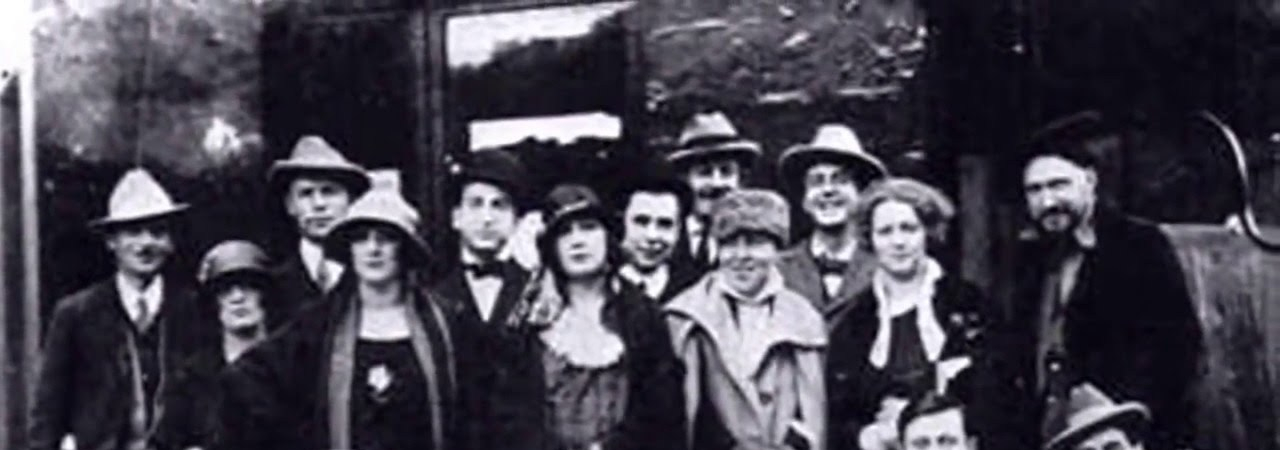
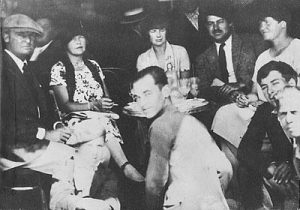
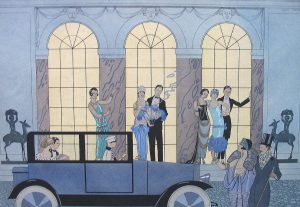
The Lost Generation is a term sometimes used for the post-World War I generation overall, but more frequently it refers to a group of American writers who became adults during or shortly after World War I. They established their literary reputations in the 1920s and 1930s. In France, these writers were sometimes referred to as Génération du feu, the “(gun)fire generation.”
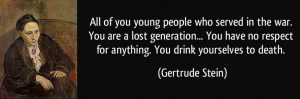
Gertrude Stein is credited for coining the term Lost Generation, but Ernest Hemingway made it widely known. According to Hemingway’s A Moveable Feast (1964), Stein had heard it used by a garage owner in France, who dismissively referred to the younger generation as a “génération perdue.” In conversation with Hemingway, she turned that label on him and declared, “You are all a lost generation.” He used her remark as an epigraph to The Sun Also Rises (1926), a novel that captures the attitudes of a hard-drinking, fast-living set of disillusioned young expatriates in postwar Paris.
The generation was “lost” in the sense that it dismissed the values of the older generation no longer relevant in the postwar world. Though the change in artistic expression took place in many creative outlets and focused in several regions, the “Lost Generation” is generally used to refer in particular to American writers living in Paris between the World Wars. Many of these authors felt an alienation from a United States that, under Pres. Warren G. Harding’s “back to normalcy” policy, seemed to these writers to be hopelessly provincial, materialistic, and emotionally barren.
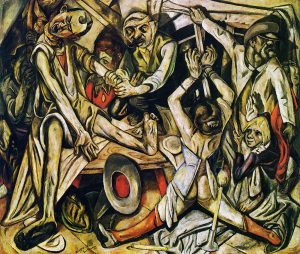
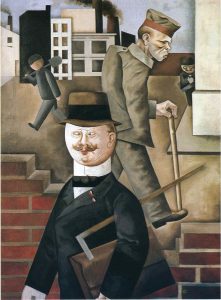
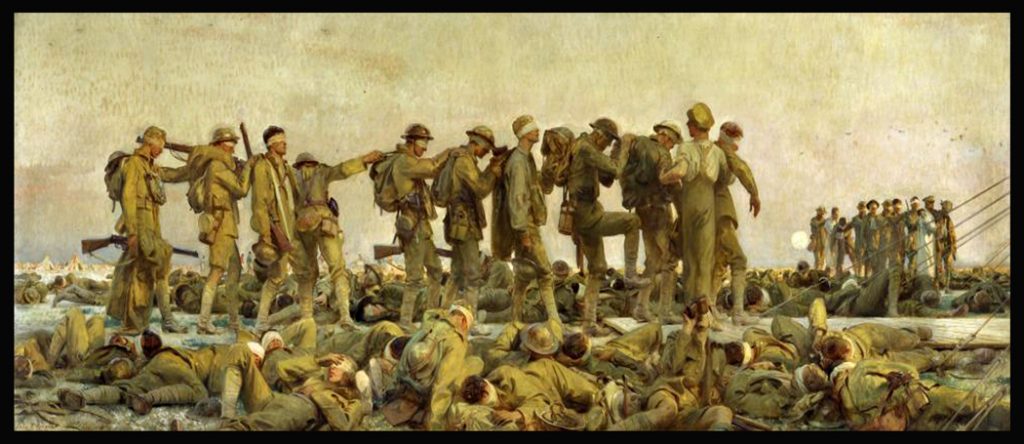
The First World War was the first time in history that chemicals and machines capable of inflicting mass carnage were widely used. Instead of charges and sorties like “The Charge of the Light Brigade,” infantry soldiers in trench warfare spent weeks at a time in close quarters with the bodies of their former allies, following futile battle strategies designed for previous wars and weapons. Having seen pointless death on such a huge scale, many lost faith in traditional values like courage, patriotism, and masculinity. Some in turn became aimless, reckless, and focused on material wealth, unable to believe in abstract ideals.
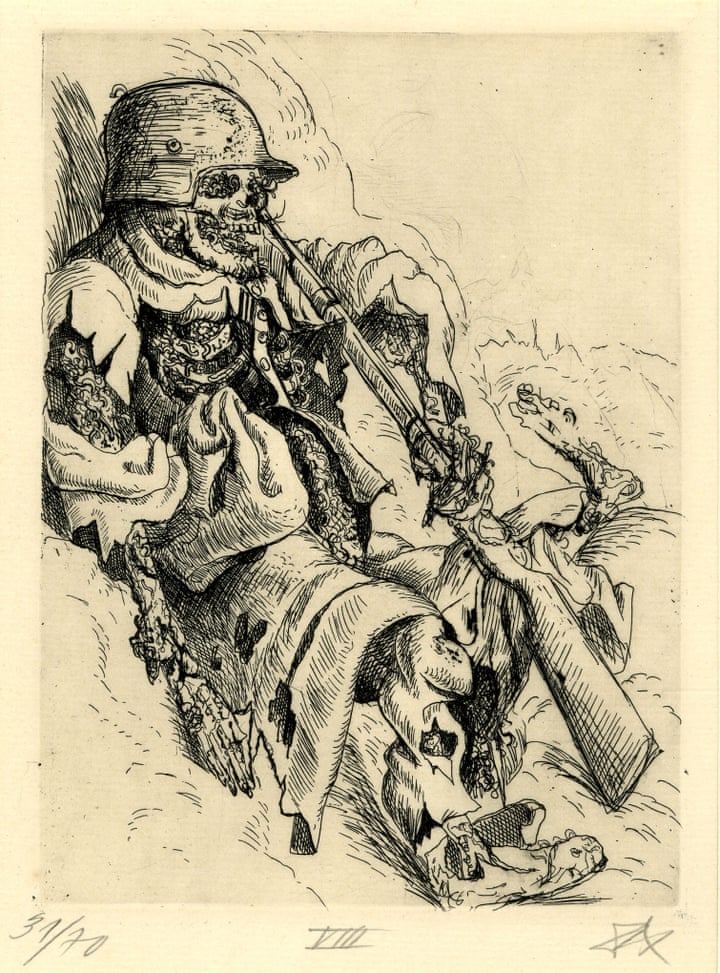
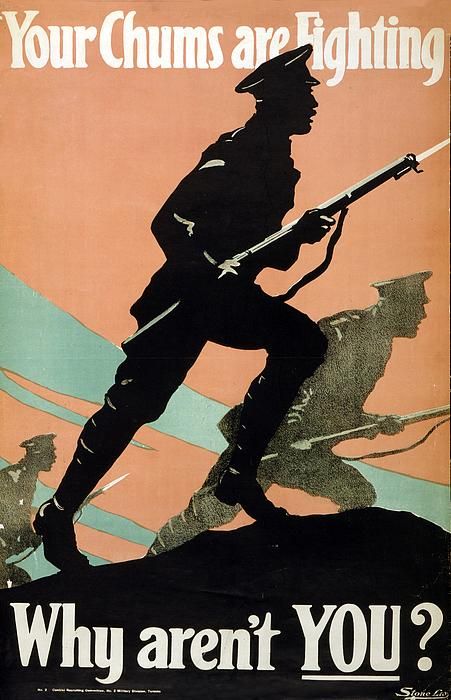
Otto Dix’s “Dead Sentry in the Trenches” (Toter Sappenposten) 1924 looks a bit different from the invulnerable heroes in official government posters.
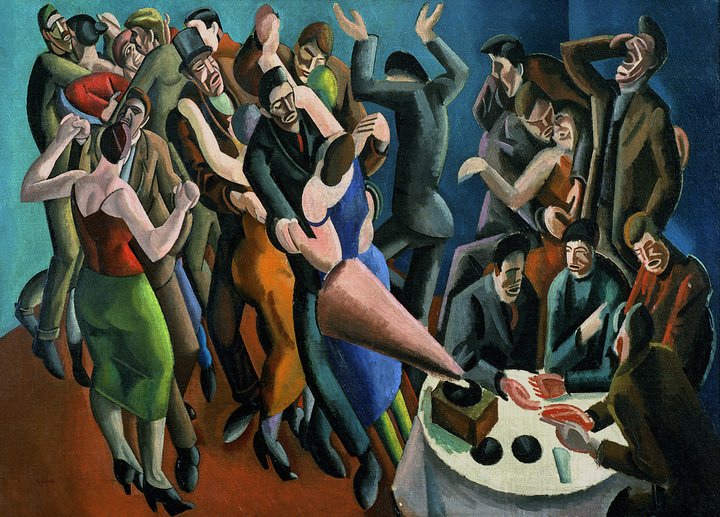
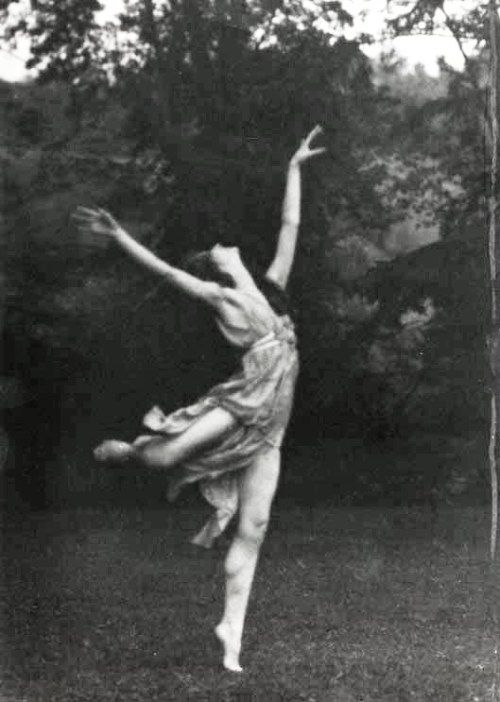
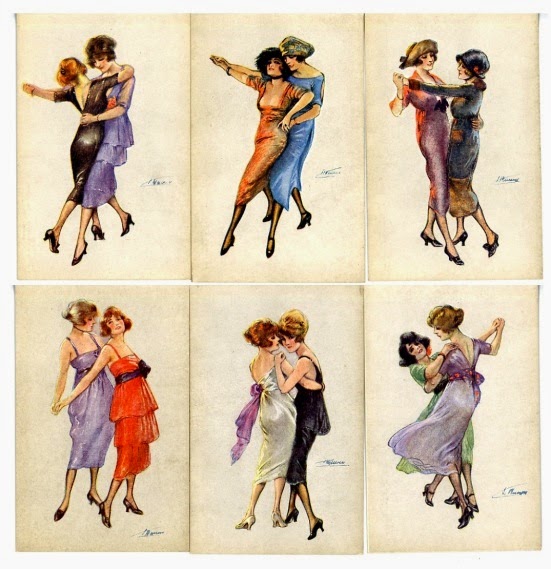
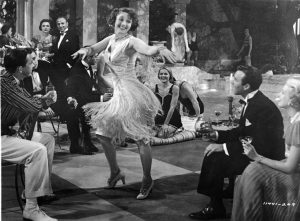
Everything that was traditionally structured or confining was stripped, allowing artists of all sorts to build new styles. Composers wrote without the usual chord progressions and cadences; they experimented with new types of ensembles or juxtaposed odd instruments. Dancers took off their pointe shoes and combined ballet with folk styles from India and South America. Women cut their hair short and loosened their corsets.
In 1920, F. Scott Fitzgerald had a big year: he published his debut novel, This Side of Paradise, his first collection of short fiction, Flappers and Philosophers and his story “Bernice Bobs Her Hair” was published in The Saturday Evening Post that May.
Kate O’Connor (Lost Generation by Kate O’Connor, licensed as Creative Commons BY-NC-SA (2.0 UK) identified three themes of Lost Generation work. I quote her here.
Decadence – Consider the lavish parties of James Gatsby in Fitzgerald’s The Great Gatsby or those thrown by the characters in his Tales of the Jazz Age. Recall the aimless traveling, drinking, and parties of the circles of expatriates in Hemingway’s The Sun Also Rises and A Moveable Feast. With ideals shattered so thoroughly by the war, for many, hedonism was the result. Lost Generation writers revealed the sordid nature of the shallow, frivolous lives of the young and independently wealthy in the aftermath of the war.
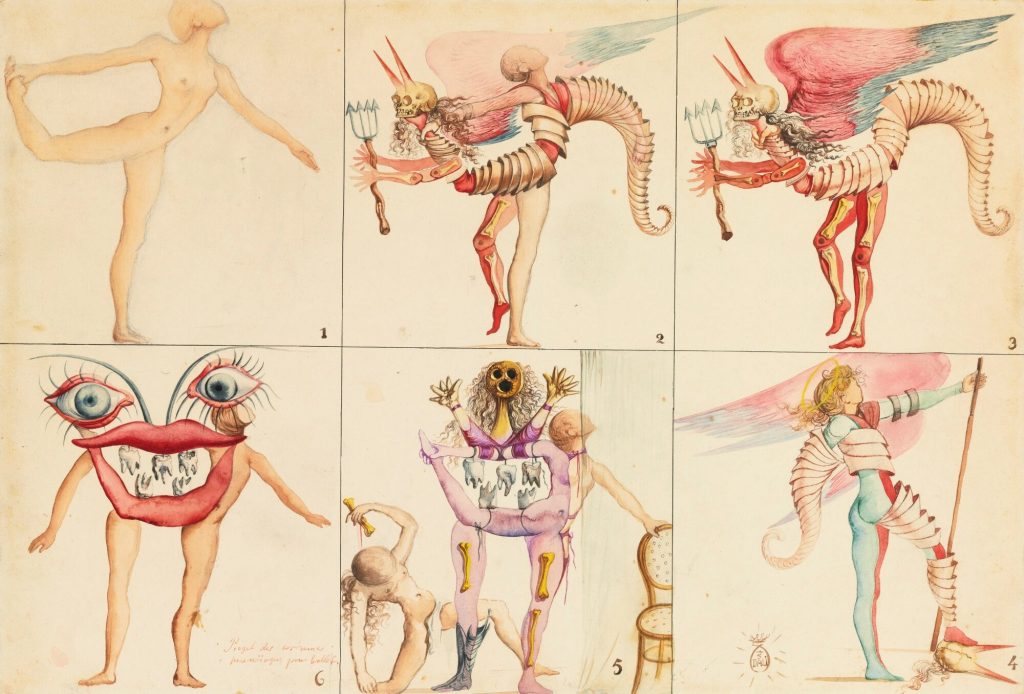
Costumes designed by Salvador Dali for the ballet Mysteria
Gender roles and Impotence – Faced with the destruction of the chivalric notions of warfare as a glamorous calling for a young man, a serious blow was dealt to traditional gender roles and images of masculinity. In The Sun Also Rises, the narrator, Jake, literally is impotent as a result of a war wound, and instead it is his female love Brett who acts the man, manipulating sexual partners and taking charge of their lives. Think also of T. S. Eliot’s poem The Love Song of J. Alfred Prufrock, and Prufrock’s inability to declare his love to the unnamed recipient.
Idealised past – Rather than face the horrors of warfare, many worked to create an idealised but unattainable image of the past, a glossy image with no bearing in reality. The best example is in Gatsby’s idealisation of Daisy, his inability to see her as she truly is, and the closing lines to the novel after all its death and disappointment: “Gatsby believed in the green light, the orgastic future that year by year recedes before us. It eludes us then, but that’s no matter- to-morrow we will run faster, stretch our arms farther… And one fine morning— So we beat on, boats against the current, borne back ceaselessly into the past.”
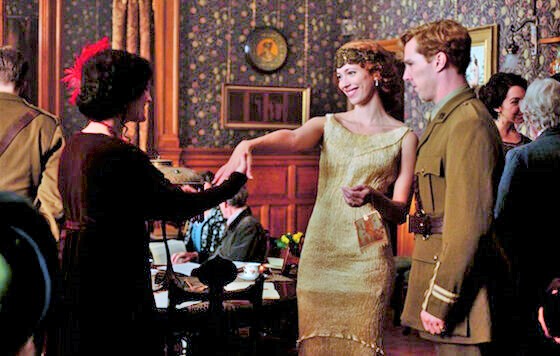
From the television adaptation of Parade’s End by Ford Maddox Ford
Kirk Curnutt, author of several books about the Lost Generation writers suggested that they were expressing mythologized versions of their own lives.
In an interview for The Hemingway Project, Curnutt said: “They were convinced they were the products of a generational breach, and they wanted to capture the experience of newness in the world around them. As such, they tended to write about alienation, unstable mores like drinking, divorce, sex, and different varieties of unconventional self-identities like gender-bending.”
Bottom line for writers: it’s been 100 years, but their work shouldn’t be lost. There’s a lot of good stuff here. Find yourself a Lost Generation writer to enjoy.
Knowing things about one’s character(s)—even things that never make it onto the page—will keep those imaginary people in character, consistent, well-rounded, and flexible so that new plot twists and turns don’t leave the reader feeling like an entirely new person has been introduced.
A worldwide pandemic is definitely an unexpected turn (unless your character is a historical tracking epidemiologist)! And rich with complexities. For the sake of better knowing your character(s), consider what the current pandemic would reveal. Remember that traits revealed by current events can be applied by authors to characters dealing with any historical, fantastical, futuristic, or imaginary setting.
Masks
This isn’t as singular as it first seems. What is your character’s attitude/ behavior regarding masks? And why? Here are several possible choices. The Why is up to you!
Refuses categorically
Complies reluctantly
Will wear only when visiting nursing homes or vulnerable family
Embraces masks a good thing
Sees masks as just another opportunity to accessorize
What do your character’s masks look like? What quality or grade? Would your character confront someone about wearing/not wearing a mask?
Social Distancing
Easy or difficult for your character?
Ignores physical distance
Meticulously maintains a 6’ distance
Social distances in public places only
Feels safe being closer when outdoors
Hugs and kisses family
Hand Cleaning
Pays no particular attention, i.e., washes when hands feel/look dirty
Cleans hands when entering or leaving a building
Sets up a hand washing/sanitizing schedule, e.g., every hour
Preference for soap and water or sanitizer?
Safer at Home
Does not leave residence at all; everything is distance communication and delivery
Goes out only for medical reasons and food
Travels locally in own vehicle
Travels locally in someone else’s vehicle, just driver and character in back seat passenger side
Comfortable traveling by taxi, bus, train, or plane with appropriate precautions
Travel whenever and wherever, damn the consequences
Alone or Together
Does your character live alone? Is that a good thing or bad?
Does your character alone get lonely?
Does your character living with others experience increased tension and conflict? With partner and/or children.
What if your character’s friend/loved one dies?
How would your character handle home schooling?
(If s/he has no children, consider a distance learning tutor or a character educating him/herself via online resources.)
Crowds
Avoids them like the plague (pun intended)
Braves them only for a “good cause” such as civil rights demonstration
Would go to a family reunion
Would address a crowded room for work reasons
Happy to party down
Work
Would your character be able to work from home?
Is your character an essential worker?
Could/would your character be furloughed?
Is your character a business owner, responsible for others?
Would your character’s workplace be shut down?
Would money/loss of income be a problem for your character?
With But Not of COVID-19
Name Changing
Would your character have a singular or varied response, depending on what’s being renamed? Consider the timing and speed of public opinion shift in the setting: immediately renaming provinces, shops, schools, and cities per government mandate during China’s Cultural Revolution versus the gradual shift of the capital of Kazakhstan from Astana to Nur-Sultan.
Rename schools, named for Confederate “heroes”
e.g., Stonewall Jackson Middle School, Washington and Lee University
Rename roadways, bridges, etc.
e.g., Lee-Davis Highway
Rename Washington Redskins team
Rename towns/cities
Public Memorials, Symbols
Confederate flag, paintings, statues displayed on public property.
Leave them alone. It’s history.
Leave them, but provide context.
Remove them to Civil War battlefields or museums.
Remove and destroy.
Bottom line for writers: Remember that you are describing your character(s), not yourself. The “why” is important. Did you learn anything about your character(s)?
In Friday’s blog I talked about the most dangerous jobs in terms of actually dying from accident or injury. These are acute incidents. But exposure over time—what I’m calling chronic hazards—can be just as deadly, often with prolonged pain and suffering.
In truth, it isn’t always an either/or situation. If they are combined, being President of the United States is the deadliest job in the country. To date, 8 of the 45 presidents have died in office: 4 were assassinated and 4 died of natural causes.
The ill effects of exposure over time is the focus here.
Heavy metals
Not that kind of heavy metal
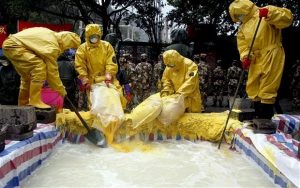
“Heavy metals” and metal compounds are notoriously harmful to people’s health. Some toxic, semi-metallic elements, including arsenic and selenium, are as well. In very small amounts, many of these metals are necessary to live. However, in larger amounts, they become harmful by building up in the body’s systems. People were dying from such exposures long before they knew the causes or had explanations. Of the 35 metals that are of concern because of residential or occupational exposure, 23 are heavy metals. Here’s a partial list.
Arsenic
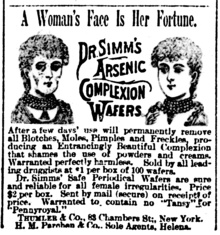
Common sources of exposure to higher-than-average levels of arsenic include working near or in hazardous waste sites or in areas with high levels naturally occurring arsenic in soil, rocks, and water. Arsenic released by human activities is triple the exposure from natural sources. Most paints, dyes, soaps, metals, semiconductors, and drugs contain arsenic. Some animal feeding operations, pesticides, and fertilizers also release arsenic to the environment.
High arsenic levels in drinking water causes health problems in areas of India, Bangladesh, China, and other countries.
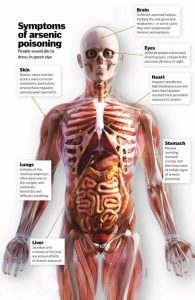
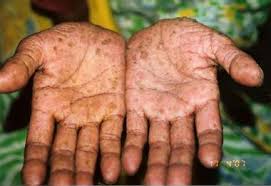
Symptoms of lower arsenic exposure include nausea and vomiting, reduced production of erythrocytes and leucocytes, abnormal heart beat, pricking sensation in hand and feet, damage to blood vessels. Prolonged exposure leads to skin lesions, internal cancers, neurological problems, pulmonary disease, peripheral vascular disease, hypertension, cardiovascular disease, and diabetes mellitus (Type 1 and 2). Many of the effects are irreversible. There is no effective treatment for arsenicosis. Exposure to high levels of arsenic can cause death.
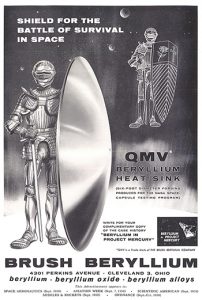
Beryllium
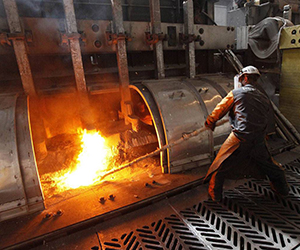
Beryllium Strip Mine
Elemental beryllium has a wide variety of applications. Occupational exposure most often occurs in mining, extraction, and in the processing of alloy metals containing beryllium.
Beryllium causes sensitization and lung and skin disease in a significant percentage of exposed workers.
Cadmium
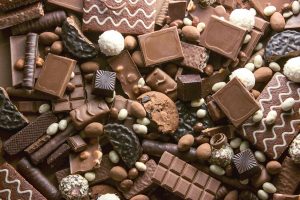
Chocolate sometimes has dangerous amounts of cadmium. I’m going to cry.
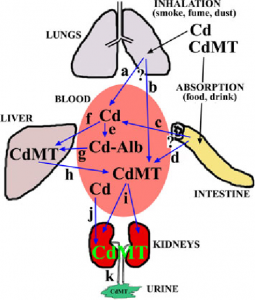
Cadmium is an extremely toxic metal commonly found in industrial workplaces, particularly where any ore is being processed or smelted. Several deaths from acute exposure have occurred among welders who have unsuspectingly welded on cadmium-containing alloys or with silver solders. Beware jewelry makers!
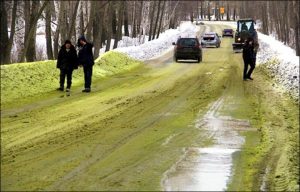
Green snow caused by leakage from a an old slurry tank in Pervouralsk in Siberia.
When chromium is in a valence state (+6 oxidation), it becomes hazardous to health. Calcium chromate, chromium trioxide, lead chromate, strontium chromate, and zinc chromate are known human carcinogens. An increase in the incidence of lung cancer has been observed among workers in industries that produce chromate and manufacture pigments containing chromate.
Such exposure is likely in these jobs and industries:
Welding and other types of “hot work” on stainless steel /other metals that contain chromium
Use of pigments, spray paints, and coatings
Leather tanning
Operating chrome plating baths
Besides cancer: when broken skin comes in contact with any form of chromium compound, a deep hole will form; also targets respiratory system, kidneys, liver, and eyes.
Lead
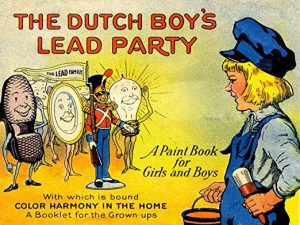
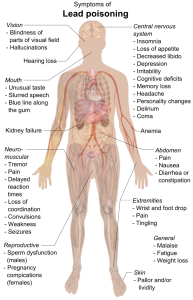
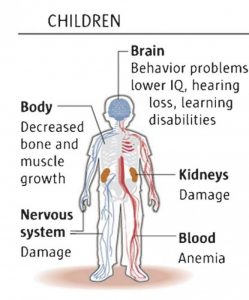
The brain is most sensitive to lead poisoning. Symptoms may include abdominal pain, constipation, headaches, irritability, memory problems, inability to have children, and tingling in the hands and feet. It causes almost 10% of intellectual disability of otherwise unknown cause and can result in behavioral problems. Some of the effects are permanent. In severe cases anemia, seizures, coma, or death occur.
Occupational exposure to lead is one of the most prevalent overexposures. Industries with high potential exposures include:
Construction work
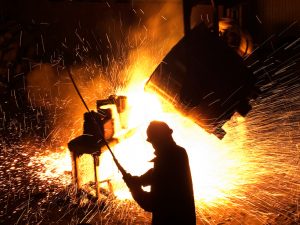
Most smelter operations
Radiator repair shops
Firing ranges
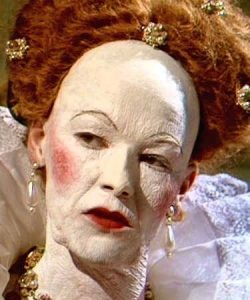
Outside the workplace, the main sources of exposure to lead occur from contaminated air, water, dust, food, industrial emissions, and soil, or consumer products such as paint, gasoline, toys, and cosmetics. Lead-based makeup was used in Ancient Greece, but became especially popular when Queen Elizabeth I started using it to hide her chickenpox scars. It killed her. Symptoms prior to death include hair loss, skin welts, and inflammation of the eyes.
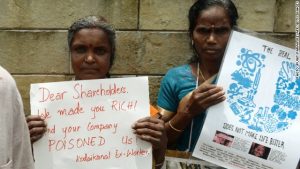
As far as I can find, all forms of mercury are hazardous. Common occupational sources of mercury exposure include:
Mining, production, and transportation of mercury
Mining and refining of gold and silver ores
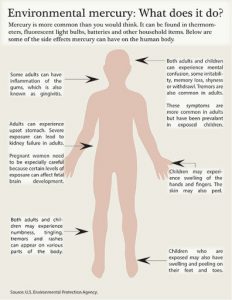
High mercury exposure results in permanent nervous system and kidney damage. Depending on the specific form of the mercury, symptoms include shyness, tremors, memory problems, irritability, and changes in vision or hearing; lung damage, vomiting, diarrhea, nausea, skin rashes, increased heart rate or blood pressure; depression, memory problems, fatigue, headache, hair loss, etc.
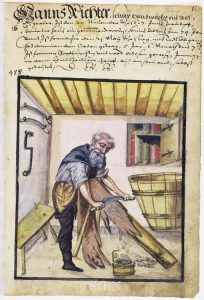
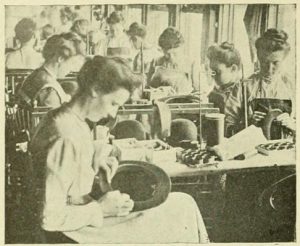
Mercury poisoning—a.k.a. mad hatters disease—wasn’t nearly as fun as the tea parties in Alice in Wonderland. Mercuric nitrate, used to make felt, is extremely toxic, and breathing the fumes all day, every day resulted in uncontrollable twitches and tremors, as well as emotional changes, mental decline, kidney trouble, and respiratory failure. As early as 1757, a French physician noted that hat makers seldom lived beyond 50 years, and suffered ill health long before that.
Pregnant women are advised to limit their consumption of fish, especially fatty fish because of mercury buildup.
Toxic Exposures That Aren’t Metals At All
Anthrax
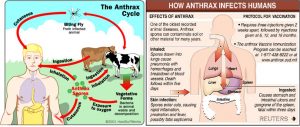
The bacterium Bacillus anthracis causes anthrax, usually lethal to humans. Inhalation anthrax is caused by breathing in spores and has an especially high fatality rate. Person to person spread is rare.
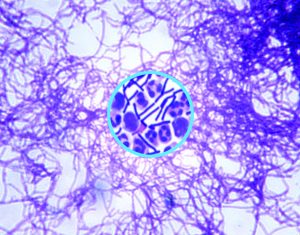
Bacillus anthracis is an unfairly pretty bacterium
Anthrax infections occur naturally in wild and unvaccinated domestic animals. It is contracted primarily from livestock—which is another way farming, ranching, and large-animal veterinary practice can be hazardous to your health.
Asbestos
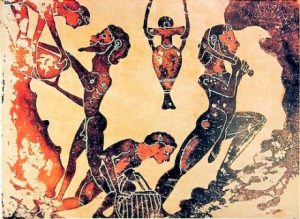
Asbestos Miners
Asbestos is actually a group of naturally occurring minerals that are resistant to heat and corrosion. Things made of asbestos will not burn—and therein lay its appeal.
Ancient Greeks and Romans knew about it. By the 1850s, French firefighters wore uniforms of asbestos cloth. In the period of hoop skirts, asbestos fabric seemed the perfect solution to skirts ignited by open flames.
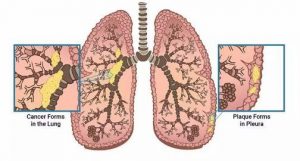
Men who mined the ore, women and children who prepared and spun the raw fibers into cloth, all developed asbestosis, scarring of the lungs. This led to chronic shortness of breath, increased risk of some cancers, and eventual death.
Asbestos Lady was a Marvel villain who frequently fought the Human Torch
Asbestos is a heat-resistant fibrous silicate mineral. Besides being woven into fabrics, it is used in fire-resistant and insulating materials. Brake linings, pipe insulation, and house shingles were common uses for asbestos.
NBC caught this image of the Dominion building imploding.
Heavy exposures tend to occur in the construction industry and in ship repair, particularly during the removal of asbestos materials due to renovation, repairs, or demolition. The recent implosion of the Dominion building in Richmond is one example. It was in need of renovation and building a new building was less expensive than trying to remove the asbestos.
Lung cancer from asbestos
Asbestos is well recognized as a health hazard and its use is now highly regulated by both OSHA and the EPA.
Formaldehyde
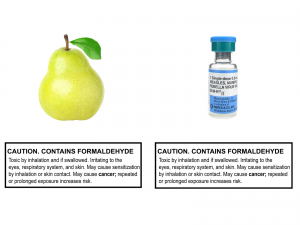
Naturally occurring formaldehyde in pears is not enough to make you sick.
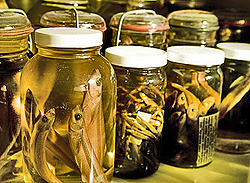
Previously mentioned in the context of harmful clothing, formaldehyde is a chemical (composed of carbon, hydrogen, and oxygen) formed when burning methane. It is used to make other chemicals, as a disinfectant, and as a preservative. In spite of numerous adverse effects, it’s still widely used.
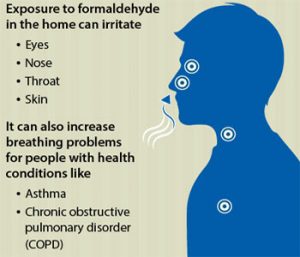
Formaldehyde poisoning is caused by breathing the fumes, either by working directly with it or using equipment cleaned with it. It can also be absorbed through the skin. Short-term effects include eye, nose, and throat irritation, headaches, and/or skin rashes. Long term, it is well known to be a human carcinogen. Workers exposed to formaldehyde, such as funeral directors and embalmers, are at increased risk of leukemia and brain cancer.
Inhaling above 50ppm concentration of formaldehyde can cause severe pulmonary reactions within a short period: pneumonia, bronchial irritation, and pulmonary edema. Lower concentrations cause coughing, wheezing, and bronchial asthma, sore throat, and red irritated eyes.
Ionizing Radiation
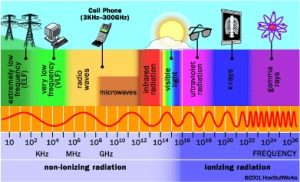
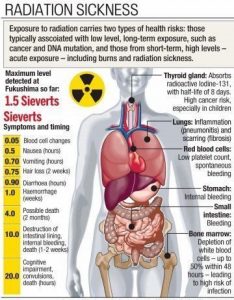
Natural sources of ionizing radiation include radon and uranium. Types include alpha- and beta-decay, X-rays, and gamma rays. They can strip atoms of electrons, damaging DNA. At high enough levels, it kills instantly.
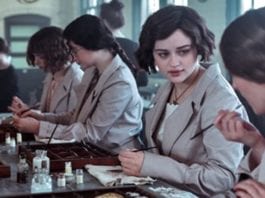
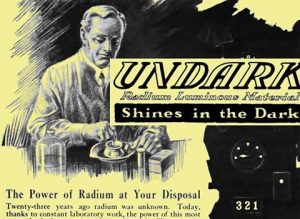
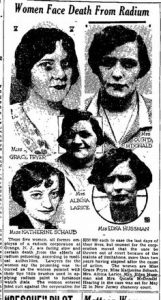
All isotopes of radium are highly radioactive. Radium, in the form of radium chloride, was discovered by Marie and Pierre Curie in 1898. It glowed, and quickly became popular in Europe. Various companies produced radium-based luminescent paint. It was used to make glow-in-the-dark instrument panels and watch dials, among other things. Women and girls (as young as 11) were hired to paint the watch faces, and were encouraged to twirl the brush tip between their lips to get the finest, most precise point—and with each lick of the brush, they swallowed radium.
Some of the girls had a bit of fun with it, painting their nails, teeth, etc. just because who wouldn’t want to glow in the dark? Between the paint ingested and applied and radium dust in the factories, soon the workers glowed as they walked down the street. Radium was in their clothes and under their skin.
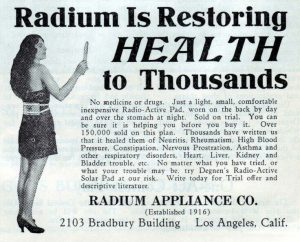
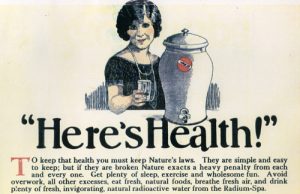
Early research using radium to kill cancer cells had been a success, and soon the public thought radium was a cure-all. Doctors started experimenting with it for everything from tuberculosis to lupus, and quacks started touting products for acne, baldness, impotence, and insanity.
LD Gardner began marketing a health water he called Liquid Sunshine. The market was flooded with radium toothpaste, cosmetics, children’s toys, and theatrical costumes. Fortunately for consumers, radium was so expensive that many products didn’t contain real radium.
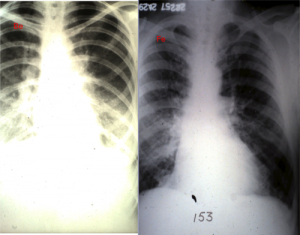
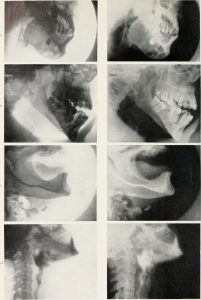
X-rays of radium poisoning patients
When workers got sick, they got sick slowly. Most of the girls became truly ill in their 20s. Radium is absorbed into the bones just like calcium, and then the rot starts. Some suffered chronic exhaustion first. But for many, it started with teeth falling out one by one. When rotten teeth were removed, their gums wouldn’t heal. Sometimes the jaw disintegrated at the dentist’s touch. Not surprisingly, bad breath was common. Skin became so thin that the slightest touch would cause open wounds. Skin ulcers formed for some. Pregnant women had stillborn babies. Death came slowly and painfully. Bones became honeycombed and crumbled, limbs were amputated, the girls became anemic, bedridden, and unable to eat.
By the late 1930s, enough were dead or dying that they got national attention—but never did they get compensation. One controversy was over whether all of this was caused by radium: how could one element cause such diverse problems?
Because it is so good at killing cells, today the Royal Society of Chemistry says the only appropriate use for radium is targeted cancer treatments.
VISCOSE
Viscose is a thick orange-brown solution made by treating cellulose with sodium hydroxide and carbon disulfide. It’s used as the basis for making rayon and transparent cellulose film.
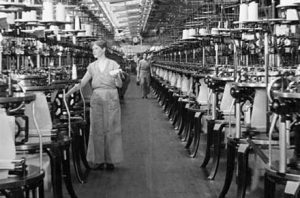
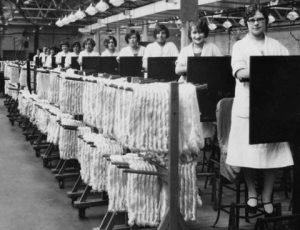
It was developed in the early 1900s. Fumes emitted during manufacture drove workers insane. They suffered horrific bouts of mania. Historian Alison Matthews David said that one factory put bars on the windows so “workers, demented from carbon disulfide exposure, would not jump out.” Such exposure also leads to Parkinson’s disease.
Many household products contain chemicals which may be harmful to the environment or hazardous to your health if inhaled, ingested, or absorbed through the skin. They should be used and disposed of according to instructions on the packaging. Common examples include:
Writers: Consider all the ways occupational exposure to these products could be harmful to janitors, maids, housecleaners, etc. Consider how they might be used to cause intentional harm. And consider how they might bring serious harm to toddlers.
Self-Destruction
Sometimes the job does not cause death in a direct way but by creating such stress that the employee turns to self-destructive behaviors.
Suicide
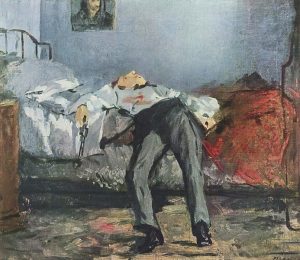
Edouard Manet – Le Suicidé
Nothing says self-destruction like taking one’s own life. From 2000 to 2016, the suicide rate in the U.S. population of working age (16-64) increased by 34%. Suicide rates for employed men are three times higher than for women. FYI: the occupations with the lowest suicide rates are education, training, and library. The Bureau of Labor Statistics uses only 23 classifications of occupations; thus, for example, college teachers and library archivists are lumped together.
Among the BLS categories, the one with the highest suicide rates for men was construction and extraction. This includes everyone from boilermakers to electricians to hazardous materials removal workers.
For women the category was arts, design, entertainment, sports and media. This category includes everyone from artists to singers to athletes to court reporters. I find these categories too broad to be helpful. Unfortunately, there doesn’t seem to be a more refined basis for comparison.
In 2018, according to an article in PhRMA, American health-care workers were committing suicide in unprecedented numbers. Some are expecting a tsunami of suicides caused by the COVID-19 crisis.
Police officers and firefighters are more likely to die by suicide than in the line of duty. Their depression and PTSD rates are five times higher than within the general civilian population.
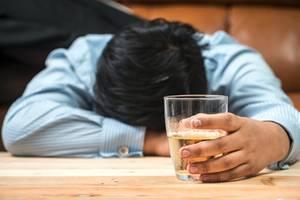
Alcohol Abuse
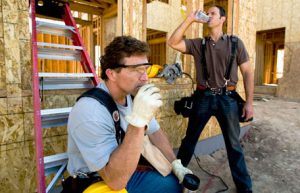
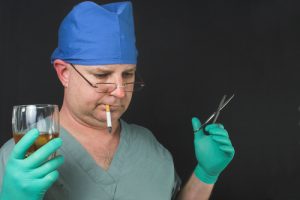
No construction workers were inebriated in the making of this photo. That’s water.
The top three professions with heavy alcohol use are (1) mining, (2) construction, and (3) the accommodation and food services industry. Arts, entertainment, and recreation are 4th.
A 2012 study in JAMA found that 25.6% of female surgeons and 13.9% male surgeons showed symptoms of alcohol addiction. These surgeons were more likely to report feeling burned out or depressed, and/or to have made a major medical error within the previous three months.
Among lawyers 29% in their first decade of practice report problem drinking behavior; 21% of lawyers in their second decade of practice have alcohol use disorders. Lawyers in law firms abuse alcohol at the highest rate. Overall, 33% drink problematically, 28% suffer from depression, and 19% exhibit symptoms of anxiety.
Drug Use/Abuse
An estimated 10% of health care professionals abuse drugs, about the same as the general population. However, doctors are more likely to abuse/misuse prescription drugs than their patients. They use prescription drugs to manage physical pain, emotional distress, and stressful situations. Psychiatrists and emergency room doctors used drugs most, surgeons and pediatricians the least.
Accommodation and food service workers leads all other industries in past-month illicit drug use and past-year. There is no one drug these workers abuse most, including both depressants and stimulants.
Miners are more likely to use illicit drugs (5%) than opioids (1%).
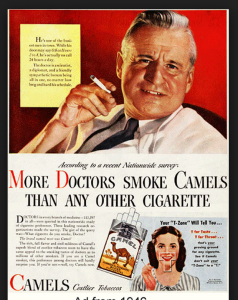
Smoking
The highest prevalence of smoking was among workers in the accommodation and food services industries (28.9%), followed by construction (28.7) and mining (27.8%). The lowest rates were in education services (9.2%).
COVID-19 Adds Hazards
Current circumstances have made already hazardous jobs worse; professions that used to be relatively safe now carry a constant risk of infection. Similar shifted dynamics have occurred with pandemics throughout history, though the specific risks and professions vary.
Workers With Added Risk
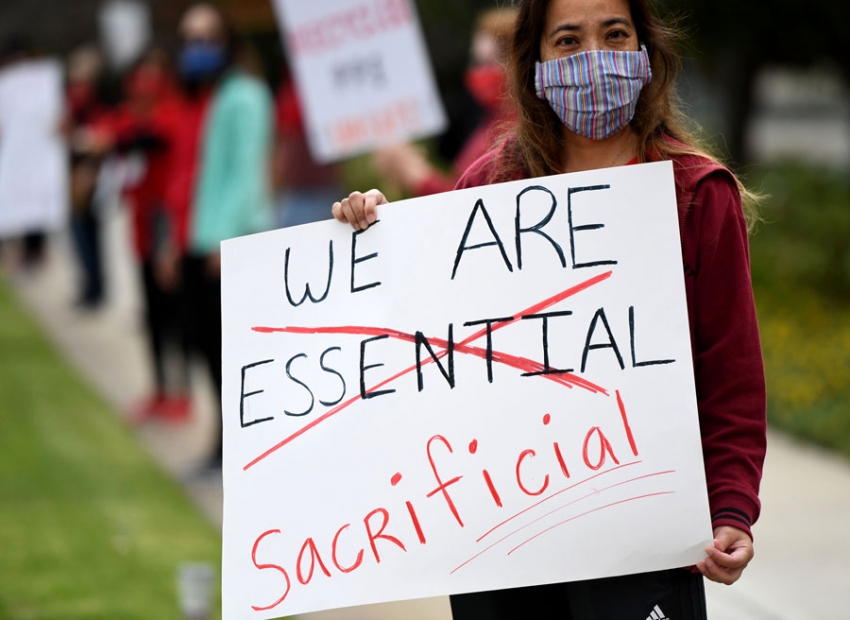
Many professions already at risk for acute or chronic health problems are experiencing even more danger. Here are a few of the workers society has finally started to recognize as essential to function in the face of
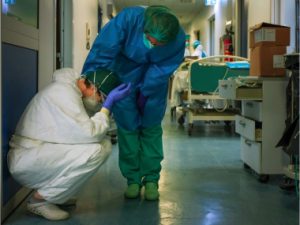
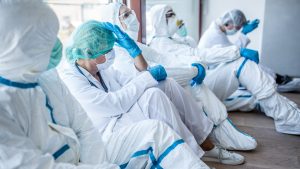
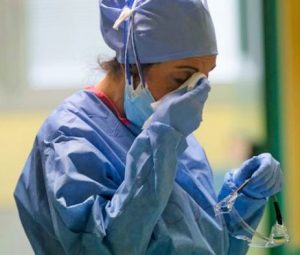
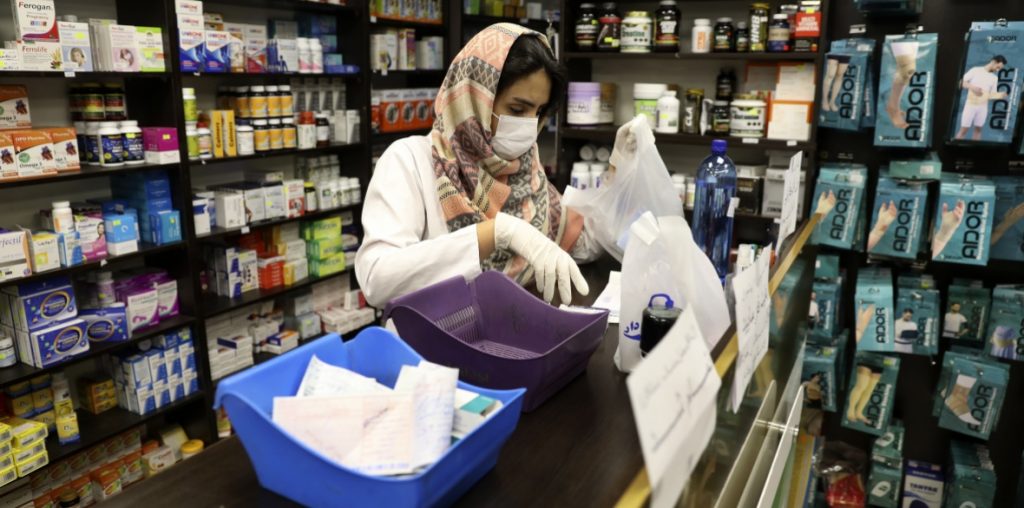
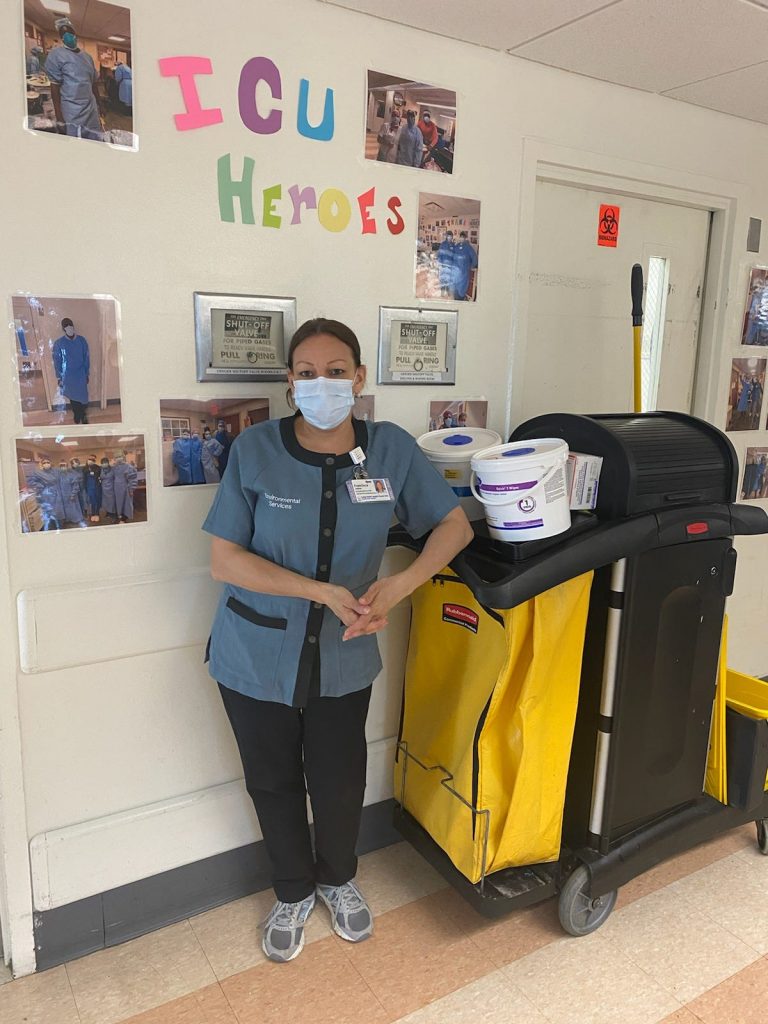
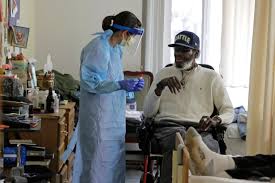
Healthcare: Nearly every member of the healthcare profession has added stress now, whether from direct contact with infected patients or from increased workload as their colleagues shift to other departments or fall ill themselves. Separation from family and friends to avoid spreading infection adds to the mental strain as well as removing one of the major sources of relief. Add in longer hours and the very real threat of becoming infected, and it’s no wonder mental health experts are predicting a sharp increase in suicides and PTSD among healthcare workers. These extra health hazards are affecting everyone from home health aids to hospital janitorial staff.
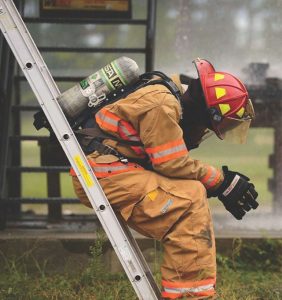
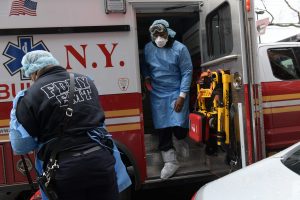
First Responders: Paramedics and Emergency Medical Technicians face all the risks associated with healthcare work, but they also have to work in extremely high-stress situations. Firefighters, police officers, medical pilots, National Guard, dispatchers, emergency chaplains, etc. now face the additional risk of infection in every interaction they have with the public. Budget cuts in many areas have caused layoffs, adding extra stress and longer hours for other employees. Firefighters, who often double as medics, generally spend 24-48 hour shifts in close quarters when not responding to calls.
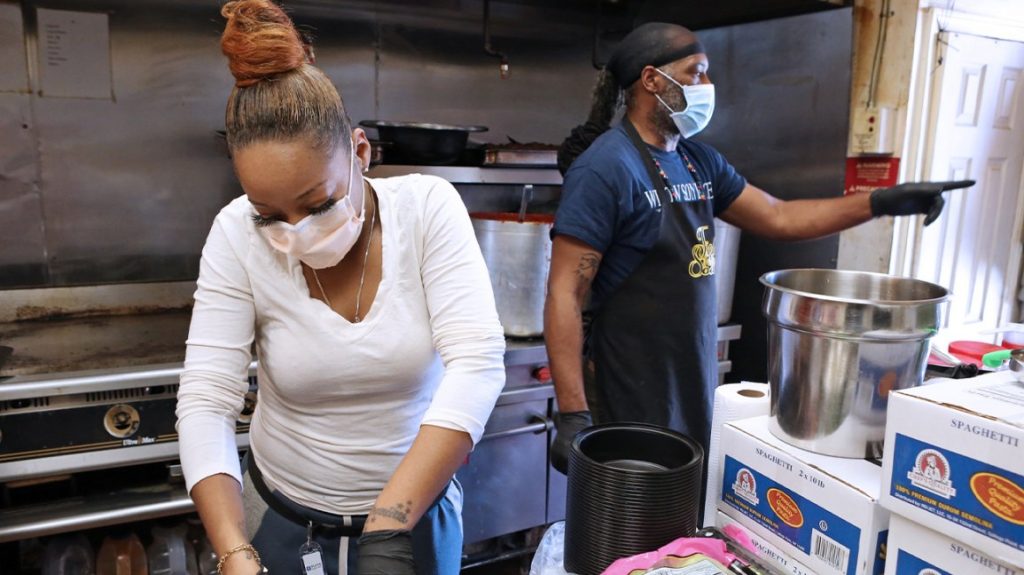
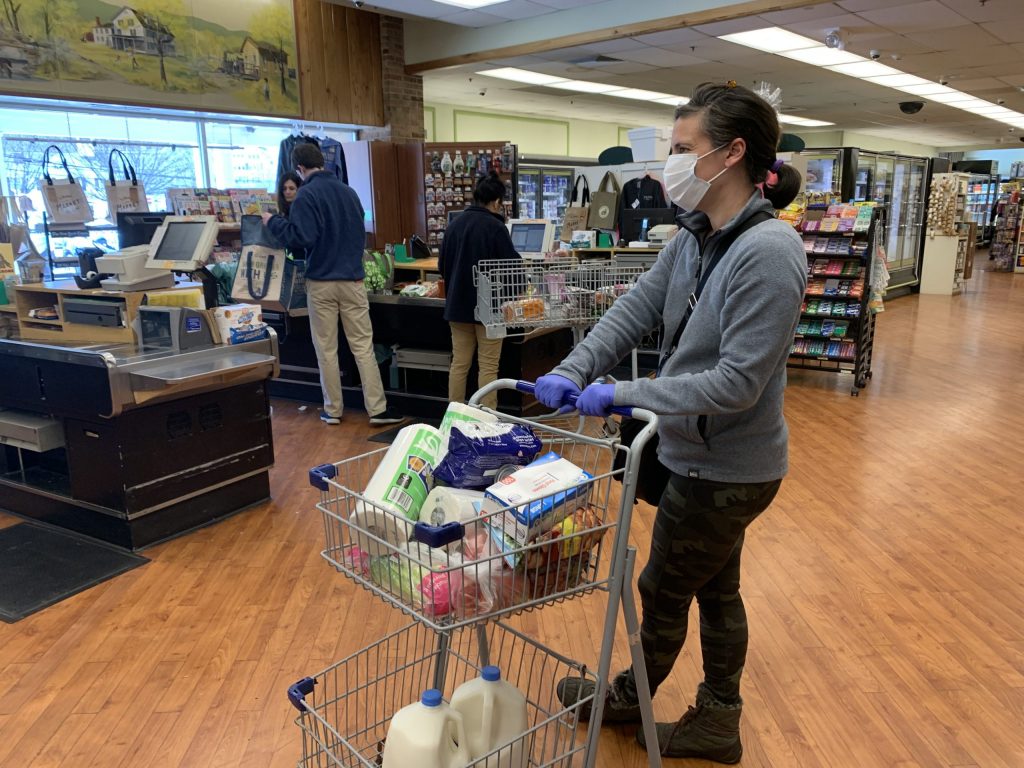
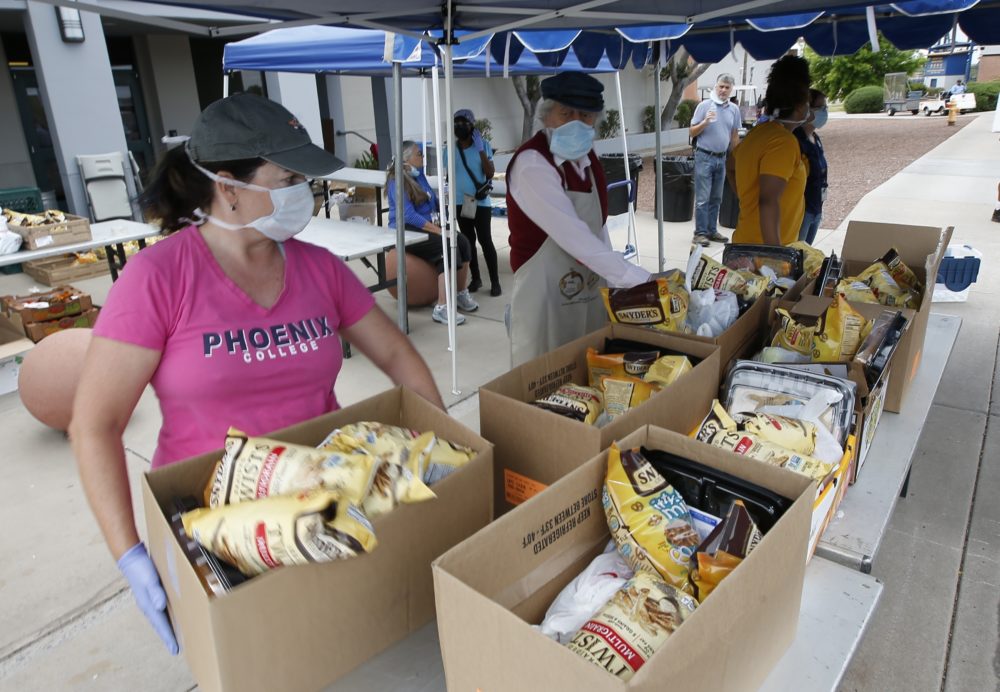
Food Production: Employees at every stage of the chain producing food for tables are facing added risks of infection and added workload. The people who harvest crops (already backbreaking work in its own right) often face the additional health threats of close living conditions, lack of access to regular medical care, and frequent moving among regions.
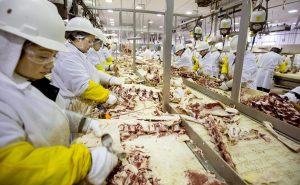
Employees at meat processing plants face similar external health risks, with the additional infection burdens of longer shifts in close-packed factories, and a lack of sufficient personal protective equipment. Some of these people have been ordered to continue working in the face of Health Department concerns and their own fears for their health.
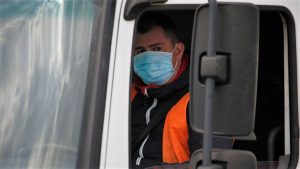
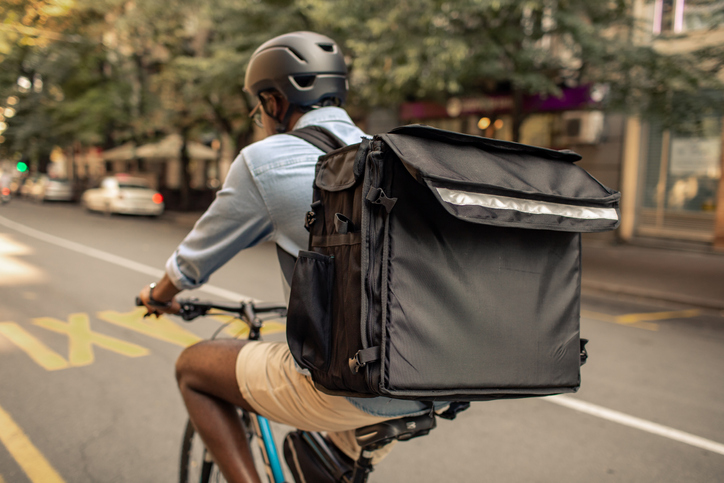
Cargo Transportation: Relatively empty roads reduced the risk of vehicle collisions temporarily, but drivers faced added risks from longer hours, longer routes, and additional delivery pressure. For every driver who becomes sick or stops driving to take care of family members, other drivers take on additional work to cover routes. In addition, drivers now face a risk of infection at every pick-up, delivery, and rest stop.
Workers With New Risk
Many careers formerly considered relatively safe now come with risks entirely the result of the pandemic. Massive layoffs have put extreme performance pressure on remaining workers as well as adding the constant risk of economic uncertainty. Those deemed “essential” to the continued functioning of society as we know it often face threats of retaliation if they don’t remain at work. And still, these careers tend to be among the lowest-paying jobs in the US economy. They often lack proper safety equipment, paid sick leave, adequate health care, childcare options, and numerous other ways to mitigate risk and stress for themselves and their families.
Food Preparation
Retail Grocery
US Postal Workers
Mass Transit
Warehouse Employees
Home Delivery
Proxy Shoppers
Poll Workers
Food Bank Distributors
Pharmacists
Facility Sanitation
Utilities Maintenance
Teaching
Elder Care
Bottom Line: Many people/characters have little or no idea of the hazards their jobs hold for their health, both short and long term. Tension, illness, and death possibilities are nearly limitless! Consider an entire family’s suffering.