OFFICIAL VIRGINIA

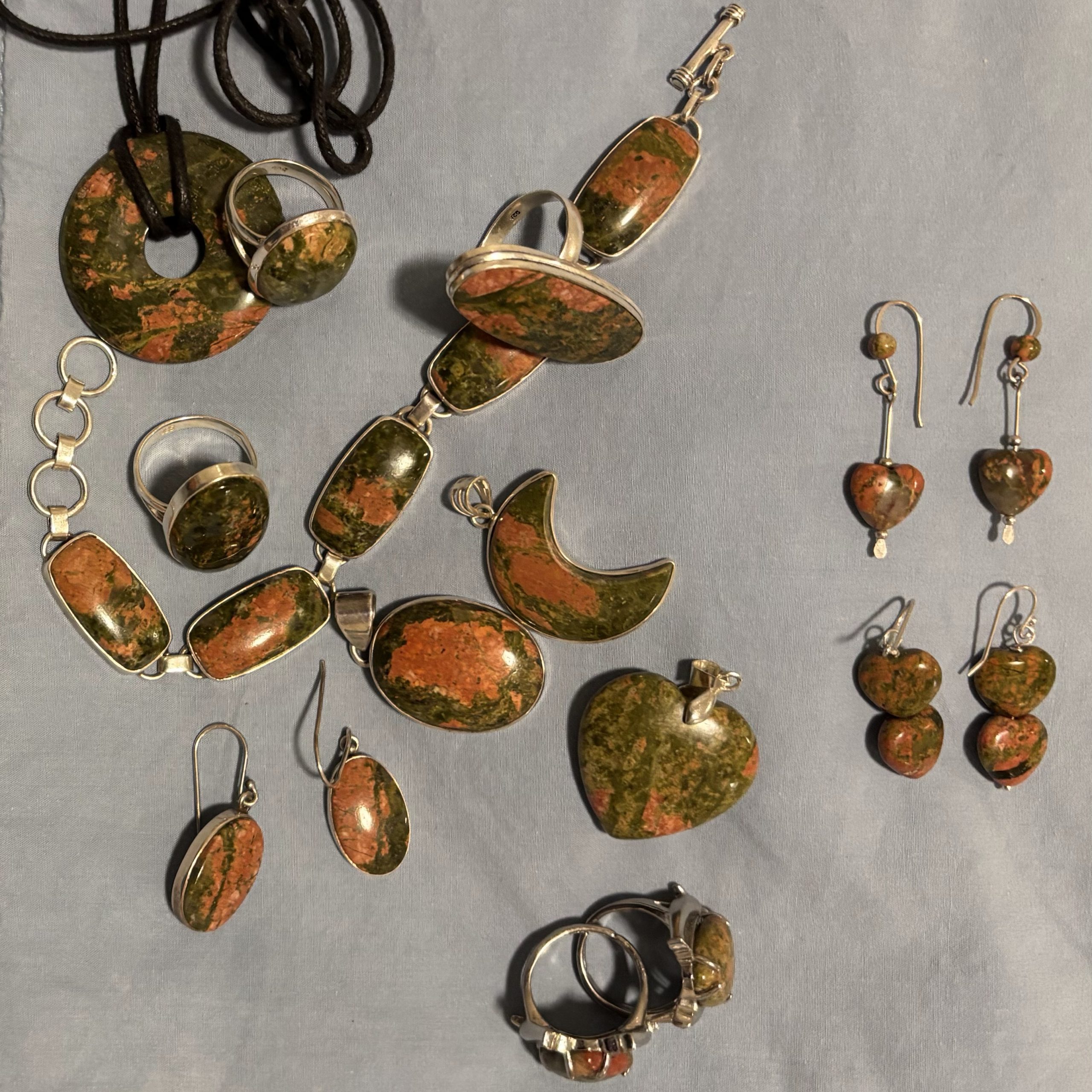
Unakite, lovely though it is, is not among the official symbols of Virginia

I’m a jewelry junkie. Some years ago, at a shop in the Blue Ridge, I bought several pieces of a lovely sage green and salmon colored stone. The clerk identified it as unakite, and said it is the state gem for Virginia—which pleased me a great deal. Apparently, it is abundant in the Blue Ridge.

Alas, when I started looking for official Virginia symbols, unakite is NOT among them. Virginia Opal is an unofficial State Gem. The official Virginia Rock or Stone is Nelsonite (2016), not nearly as attractive (IMHO).

Earliest Virginia Symbols

Virginia has a rich collection of official state symbols that reflect its history, culture, and natural heritage.
Great Seal Virginia symbols

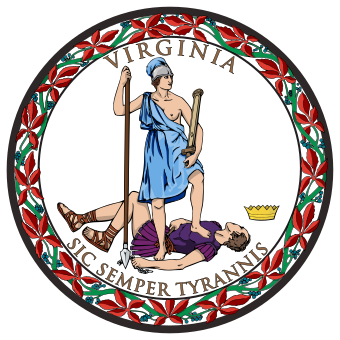
Most of Virginia’s official symbols were designated in the late 20th century, with the significant exceptions of the state motto and seal. Virginia officially declared its Great Seal—designed by George Wythe—on July 5, 1776 (standardized in 1950). It is one of Virginia’s earliest and most significant symbols, adopted during the American Revolution. The State Motto was proposed by George Mason to be included in the State Seal in 1776. Translated from Latin as “Thus Always to Tyrants”, it means that tyrants will eventually be overthrown.

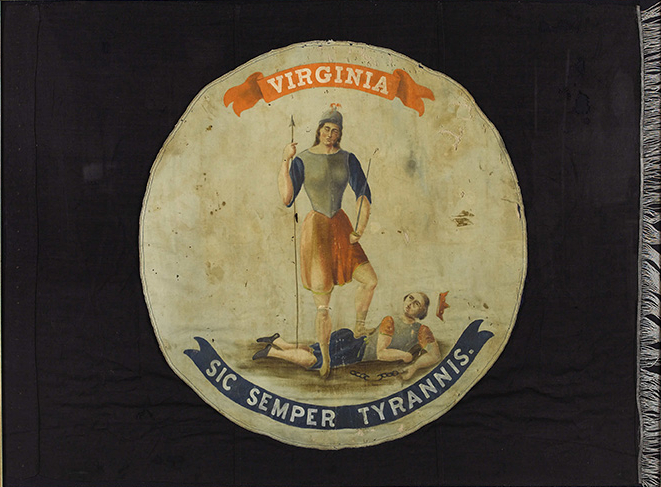
The Virginia state flag prominently features the seal. Although the seal appeared on military flags before April 30, 1861, that is the year that the state legislature placed it on a blue field as the official state flag during the Civil War era (see the banner picture for this blog entry). The flag was last updated in 1950.

Virginia Animal Symbols
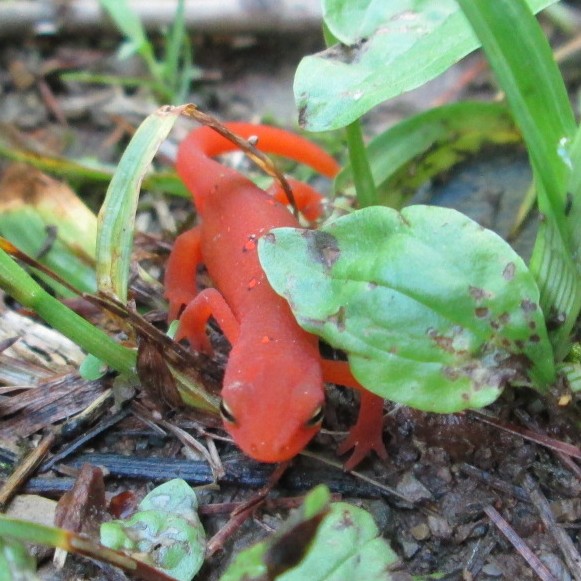
State Amphibian: Red Salamander (2018). This amphibian, unique among its kind, can breathe through its skin.

State Bat: Yes, we have one! It’s the Virginia Big-Eared Bat (Corynorthinos townsendii virginianus). In 2005, legislators chose the bat for its name and endangered status. At the time, Gov. Mark Warner said that a state bat “is no more absurd than the state beverage.” (See below.)

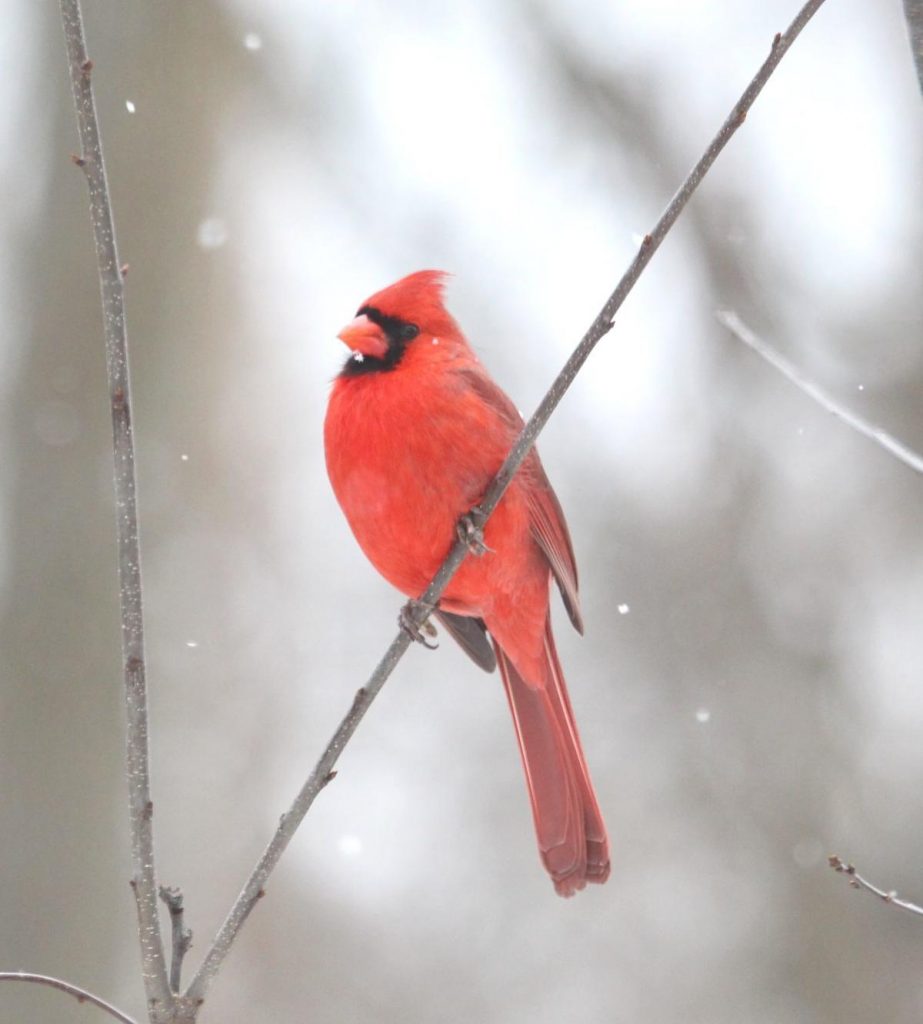
State Bird: Northern Cardinal. Actually, the cardinal is the most popular state bird, also symbolizing Kentucky (1926), West Virginia (1927), Illinois (1929), Indiana (1933), Ohio (1933), North Carolina (1943), and—bringing up the rear—Virginia (1950). If you cross-reference, you will note that five of these states were, originally, part of Virginia! (See below.)
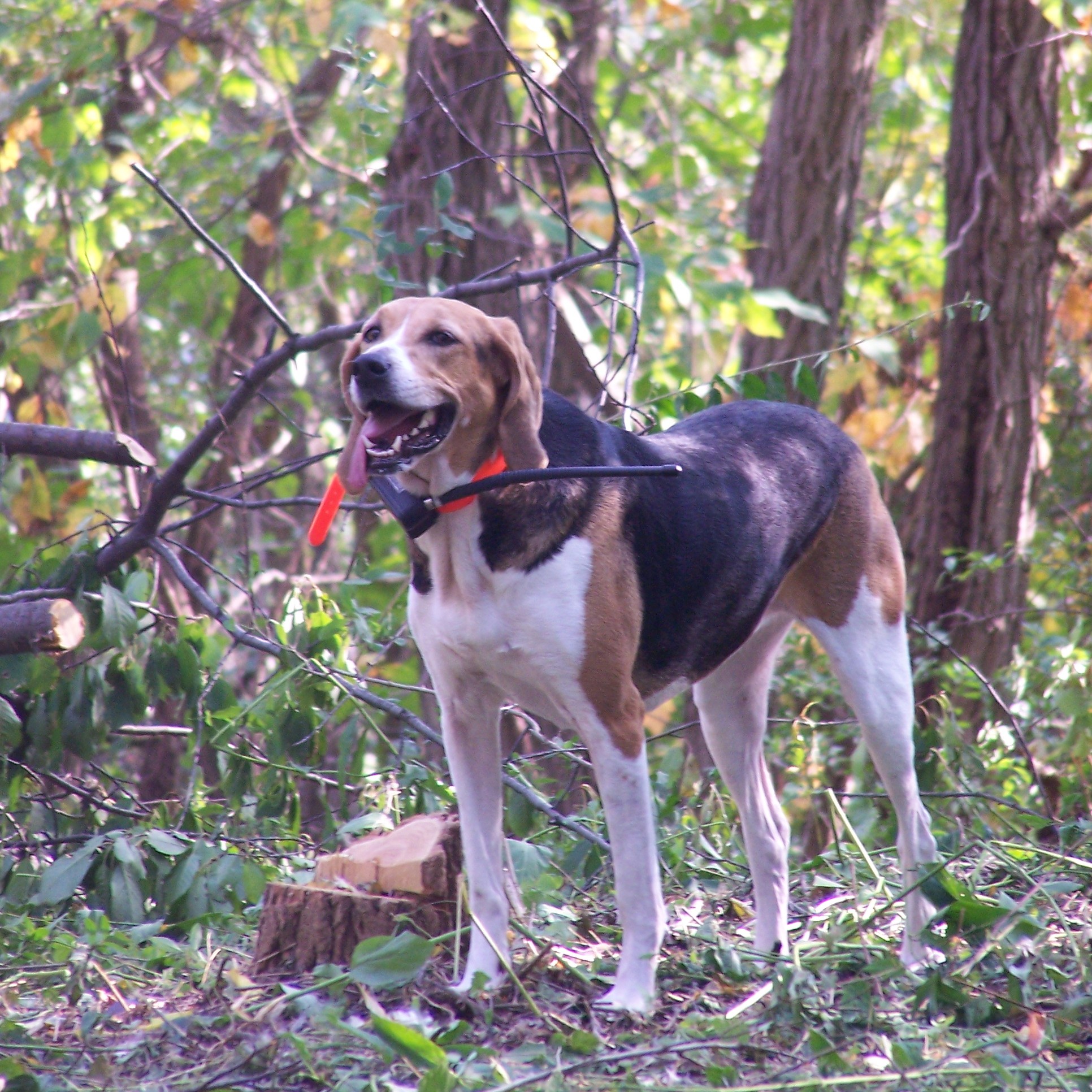
American foxhound Virginia symbols

State Dog: American Foxhound (1966). Fox hunting started in Virginia around 1700 as a popular sport among the gentry, and was a traditional activity ever since.

State Freshwater Fish: Brook Trout (1993). Brook trout are actually not technically a “trout”. They are in the Char family, although they are the most “Trout Like” in their family.

State Saltwater Fish: Striped Bass (2011). This fish has distinctive horizontal stripes running along silvery bodies—which help camouflage the fish by breaking up its outline in the water, making it harder for predators to spot.
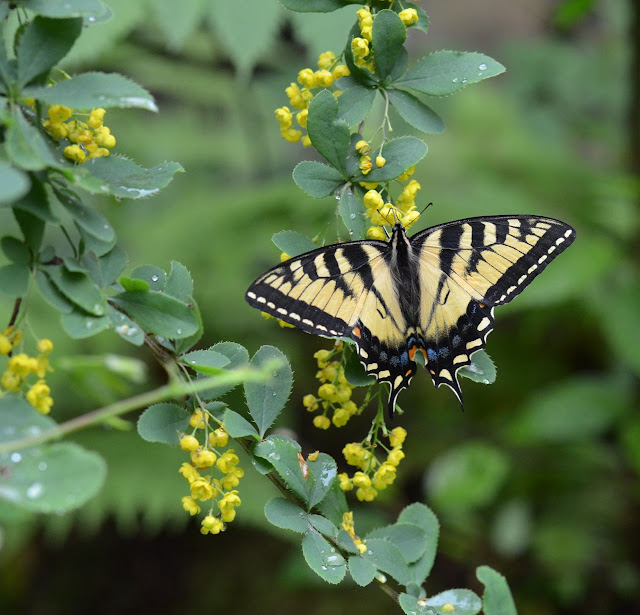
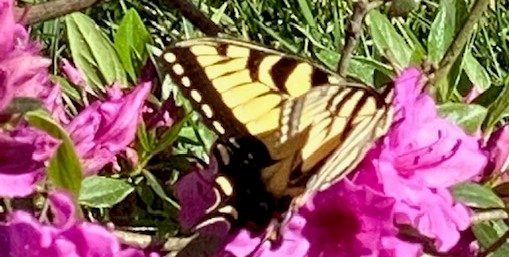
State Insect: Tiger Swallowtail Butterfly (1991) The Eastern Tiger Swallowtail butterfly (Papilio glaucus) is a common but beautiful butterfly that regularly comes to my yard, especially to my butterfly bush for nectar. Keen observers can find them anywhere east of the Mississippi river and a bit farther west into the Great Plains states. There are also populations in several Mexican states.

State Pollinator: European Honeybee (2024) These bees use a “waggle dance” to communicate the location of food sources to other foragers, indicating both direction and distance. So, when you see one, you are likely to see many. They seem to especially enjoy my hyssop, a perennial plant that smells like licorice.
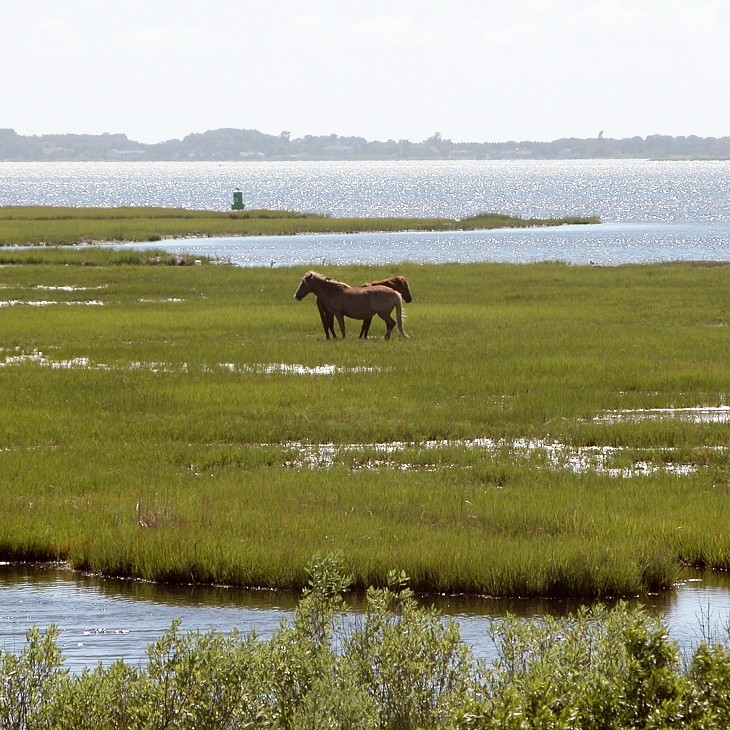
Chincoteague ponies Virginia symbols

State Pony: Chincoteague Pony (2023). These ponies weren’t an official breed until 1985! Their historical home of Assateague Island straddles Maryland and Virginia. The Maryland herd is controlled with the use of contraceptive vaccines. The Virginia side uses an annual Pony Swim and auction to control the island population.

State Reptile: Eastern Garter Snake (2016) In 2016, Aiden Coleman, then 11 years old, successfully petitioned the Virginia Senate to name the Eastern Garter Snake (Thamnophis sirtalis sirtalis) an official symbol of Virginia. Though only mildly venomous, these snakes can emit a foul odor when threatened, which some have described as “something like a cross between a soiled diaper and a skunk.” Garter snakes, unlike most reptiles, give birth to live young rather than laying eggs.

State Shell: Eastern Oyster (1974). The Eastern Oyster (Crassostrea virginica) is the only species of oyster native to this region. It is a valued food source for humans and other species. As filter feeders, they help clean the water. Centuries ago, in some places, oyster shell reefs were so big that ships had to navigate around them. Since then, in many areas, the populations have dwindled to just a few percent of what they once were due to disease, over-harvesting, habitat loss, and poor water quality.

Other Virginia Symbols

State Beverage: Milk (1982). Milk is the state drink of twenty U.S. states, from New York to North Dakota. This is largely due to lobbying efforts from the dairy industry in the 1980s.

State Boat: Chesapeake Bay deadrise (1988). Very few other states have a state boat, but a couple of exceptions are Maryland (skipjack) and North Carolina (shad boat).

State Dance: Square Dance (1991). Among the 29 states having official state dances, square dancing is the most popular—24!

NB: some states have more than one official dance.

State Flower: American Dogwood (Cornus florida), 1918. Thomas Jefferson grew American Dogwood on his Monticello estate in the 1770s. Legislators chose it as the official flower in 1918. In 1956, it also became the official State Tree.
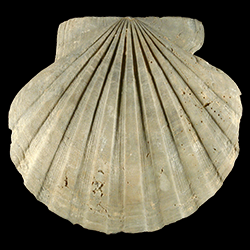
State Fossil: Chesapecten jeffersonius (1993). This is a fossilized form of an extinct scallop, which lived between four and five million years ago on Virginia’s coastal plain. Colonists first described this distinct fossil in 1687.

State Slogan: VIRGINIA IS FOR LOVERS (1969). The slogan earned a mention in the Madison Avenue Advertising Walk of Fame in 2009, and Forbes declared this one of the top ten advertising campaigns of all time. When the Central Virginia Chapter of Sisters in Crime wanted to use “Virginia is for _“ in a book title, permission was denied for “Murders” but approved for “Mysteries.”

State Spirit: George Washington’s Rye Whiskey (2017) Mount Vernon staff reconstructed George Washington’s original recipe and distilled this whiskey using 18th century methods.

State Song: The state song has gone through some changes over the years. From 1940 to 1997, the official state song was “Carry Me Back to Old Virginny” by James A. Bland. Today, there are two! In 2015, the legislature officially recognized “Our Great Virginia” (traditional), and “Sweet Virginia Breeze” (popular).

Honorable Mentions

In addition to unakite, Virginia has several distinct resources that many people assume must be official symbols.
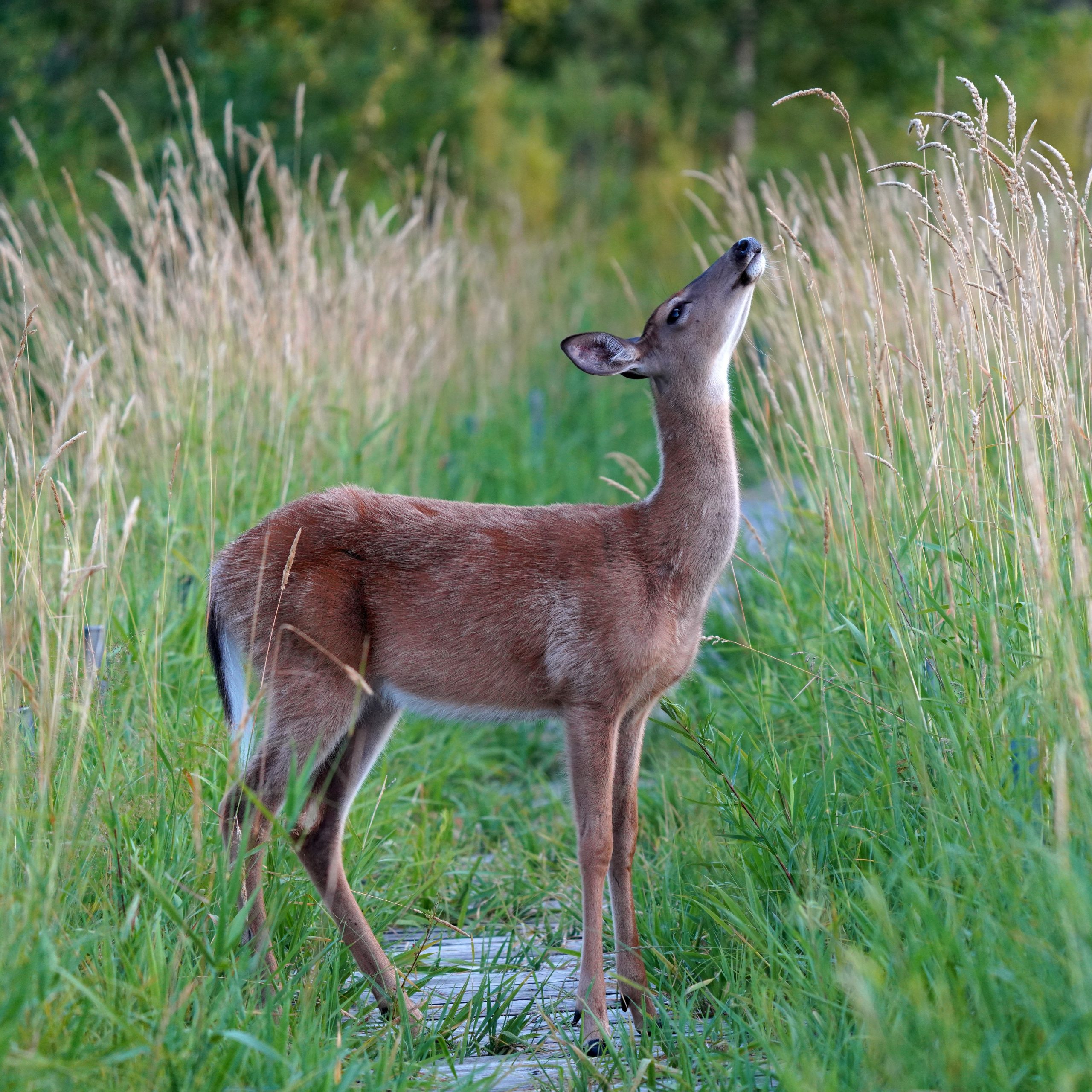
State Animal: Virginia Deer (White-tailed Deer). As far as I could determine, despite showing up on various lists, the white-tailed deer has not been officially designated as the state animal of Virginia. However, its scientific name, Odocoileus virginianus, reflects its historical significance and abundance in the state. Ever popular, it’s the official animal of 10 states other than Virginia.

State Fruit: Tomato. Although one list of state symbols included this, as far as I can find, Virginia does not have an official state fruit, tomato or otherwise. It’s just as well! Although botanically a fruit, the tomato is legally a vegetable for import/export purposes, and is certainly used as such!
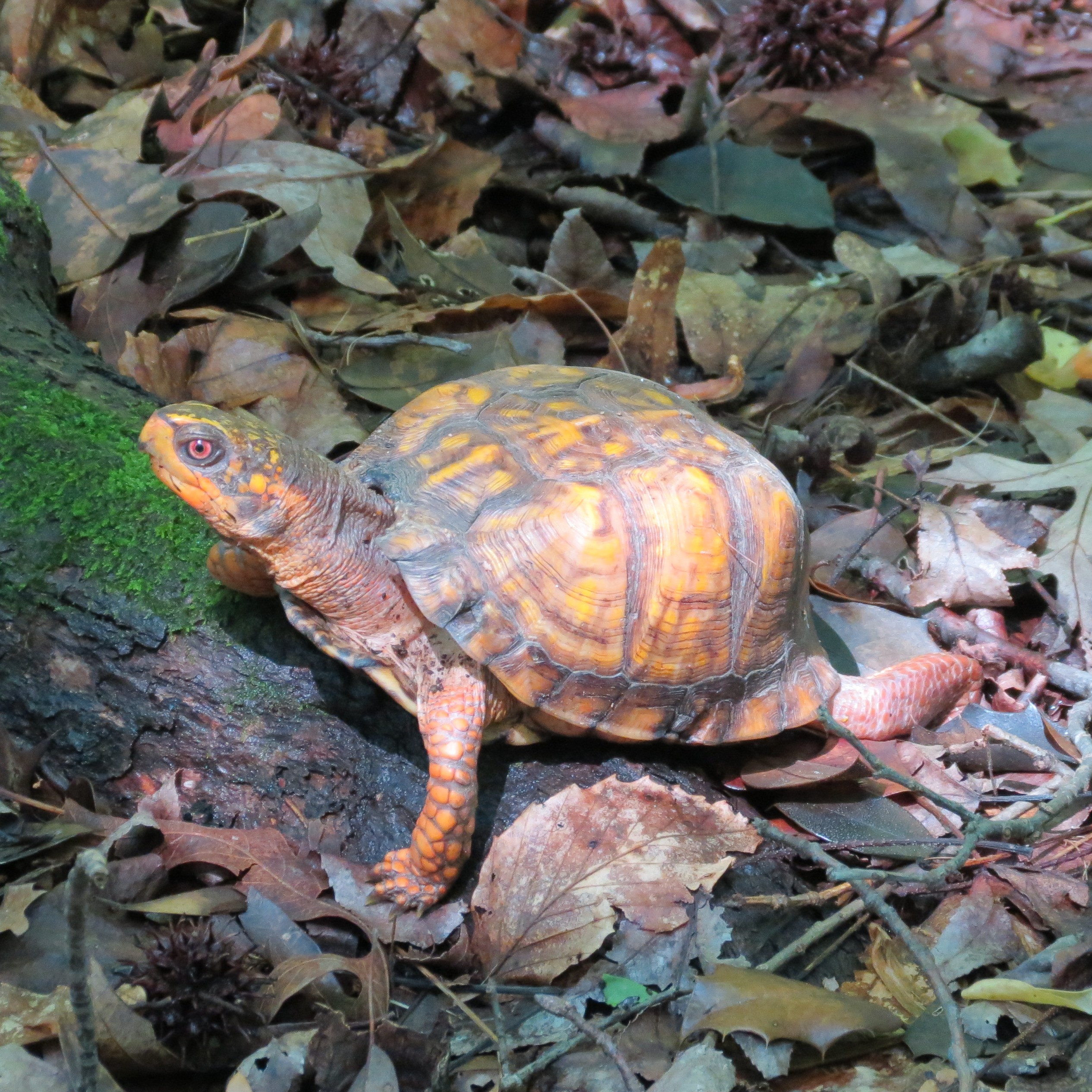
State Turtle: Lawmakers considered naming the Eastern Box Turtle (Terrapene carolina carolina) an official state symbol in 1999 and 2009, but they ultimately rejected it. I’m including it here because (in my opinion), it should be a Virginia symbol; it’s both adorable and interesting! I’ve loved these turtles since graduate school when I did research with them. They tend to be solitary, so a female can fertilize eggs up to 4 years after mating. Signs of sex include eye color, shell pattern, and shell shape. Females have red eyes, a simpler shell pattern, and straight-sided shells. Males have brown eyes and shells with a more vivid pattern, slightly flared at the bottom edge.

Unofficial Virginia Nicknames

Besides official symbols, several more designations for Virginia are traditionally acknowledged.

Map of Virginia and Florida, made by William Blaeu between 1609 and 1623

Mother of States: Since its settlement in 1606, Virginia has been carved into eight more states: Illinois, Indiana, Kentucky, Michigan, Minnesota, Ohio, West Virginia, and Wisconsin.

Mother of Presidents: George Washington, Thomas Jefferson, James Madison, James Monroe, William Henry Harrison, John Tyler, Zachary Taylor, and Woodrow Wilson all were born in Virginia.

NB: Seven U.S. presidents were born in Ohio, too: Ulysses Grant, Rutherford Hayes, James Garfield, Benjamin Harrison, William McKinley, William Howard Taft, and Warren G. Harding.

Old Dominion: A popular legend states that Charles II referred to Virginia as the Old Dominion. Virginia has a public university by that name.
And for a mostly unrelated fact and opinion, included because I was born and reared in Ohio and happen to know it: the official State Beverage for Ohio is tomato juice. The Ohio General Assembly made tomato juice Ohio’s official beverage in 1965. So far, it is the only state to appreciate tomatoes in that way. At that time, Ohio was a leading producer of tomatoes in the United States, second only to California. And in my opinion, Ohio tomatoes have it all over Hanover tomatoes, much lauded here in Virginia.

Bottom Line: Official state symbols celebrate natural beauty, wildlife, and cultural heritage, a mosaic of identity for a state, and Virginia is no exception.
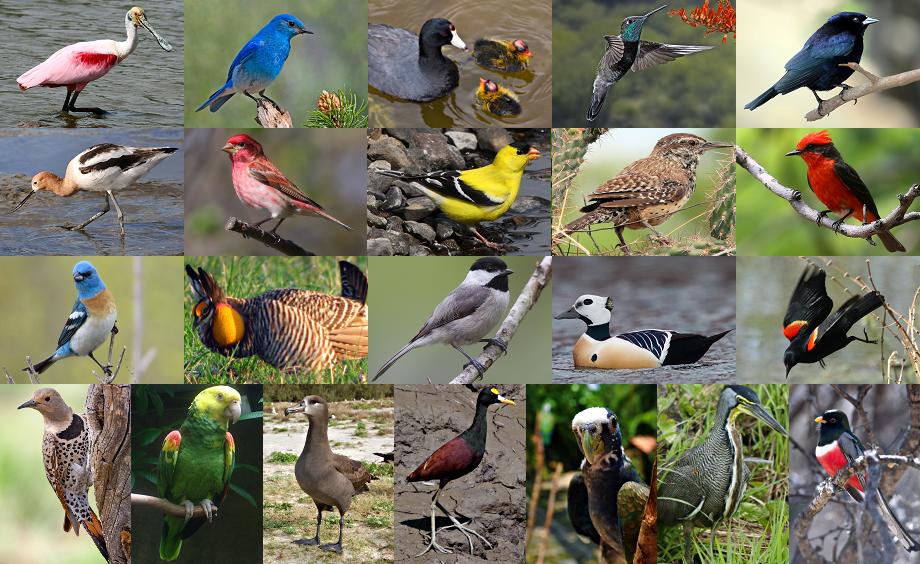
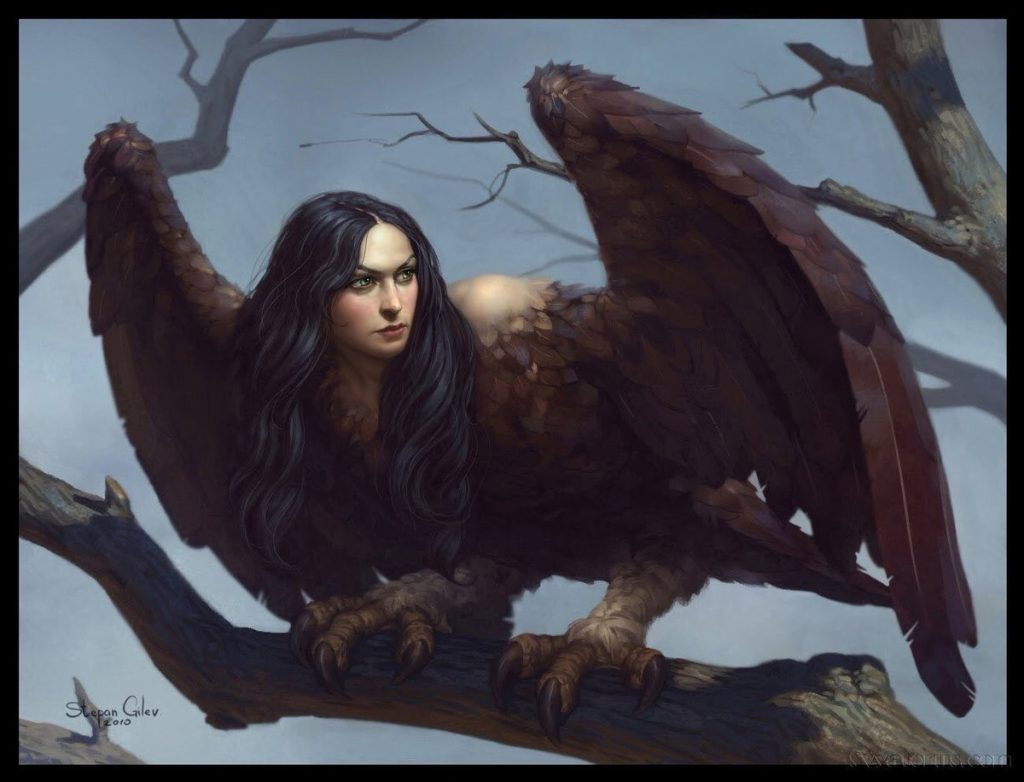
ARE ANY OF YOUR CHARACTERS BIRDS?

Some people I know could definitely be harpies!

During more than fifty days of staying at home, I’ve become increasingly attentive to the flora and fauna in my yard.  Is this happening to you? 

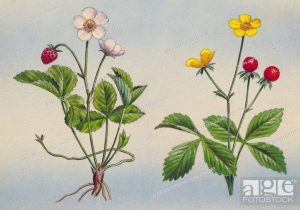
Wild strawberry (Fragaria vesca) and mock strawberry (Potentilla indica or Duchesnea indica)

For the first time I bothered to identify the wild strawberries invading my flower beds as Indian or mock-strawberry, not the luscious Virginia wild strawberry. (Big clue is the white vs. yellow flower.)

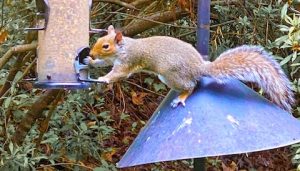
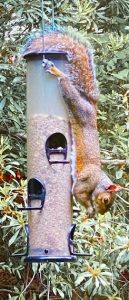
Stanley jumps from the bayberry tree onto the bird feeder several times a day.

But in spite of Stanley, we are gifted with a wide variety of bird visitors, too. As I watch them day after day, noticing patterns is inevitable. (To all the bird lovers and watchers out there: I realize that this reveals a certain—shall we say—naiveté. But there are more of us around than you might believe.) Watching our feeder, one of the main characteristics I’ve noticed is, for want of a better term, sociability.

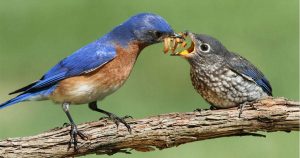
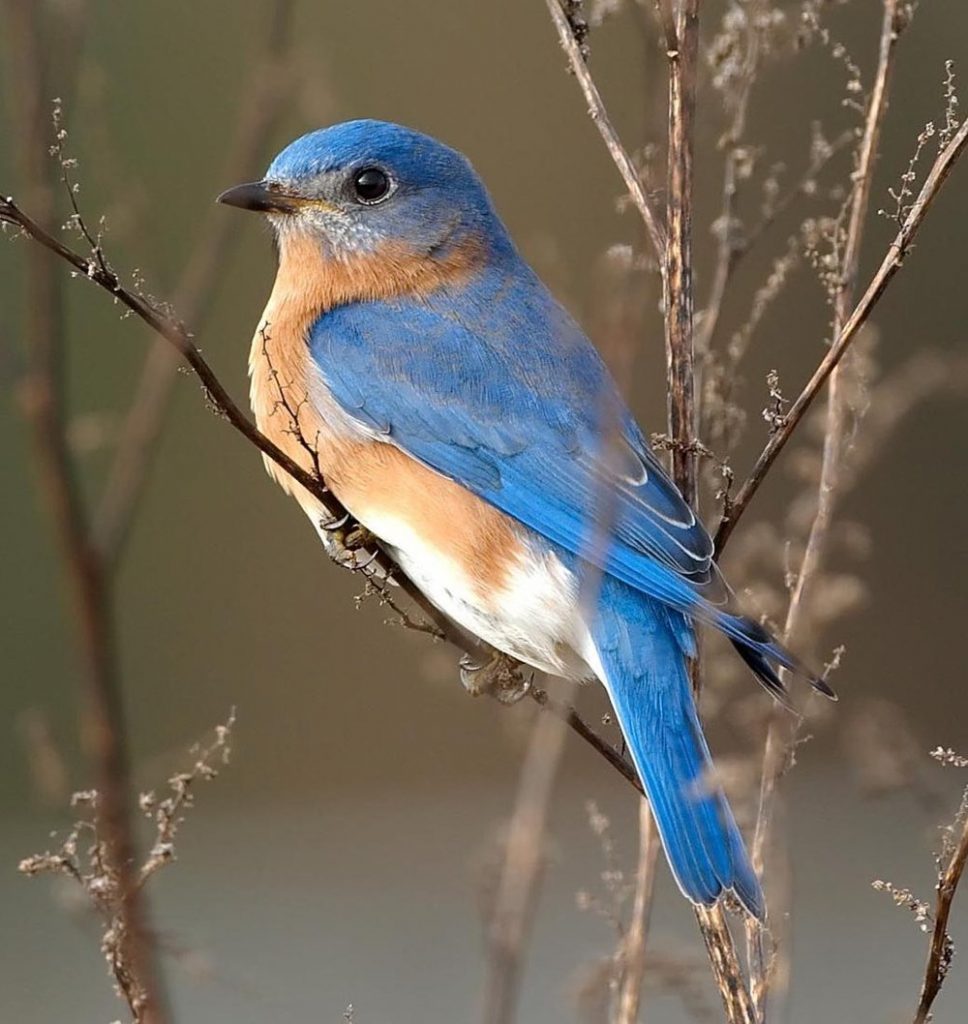
Bluebirds always come in pairs or with their young.
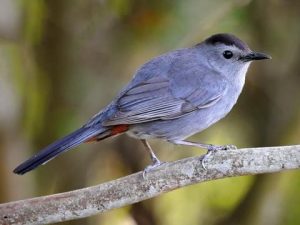
Catbirds come one at a time.
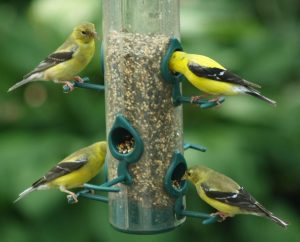
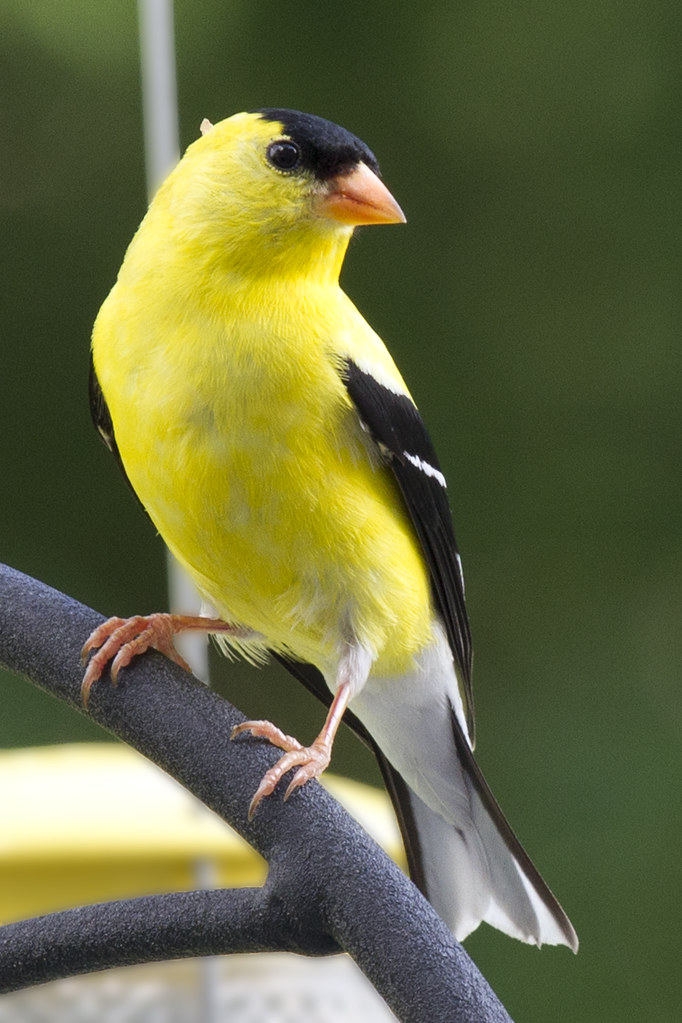
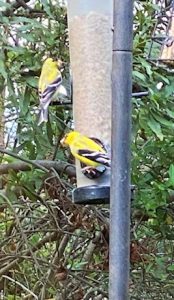
Goldfinches come in small groups.
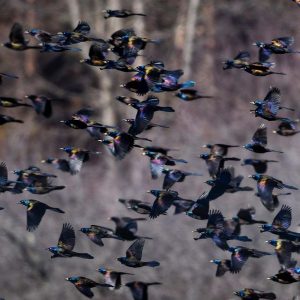
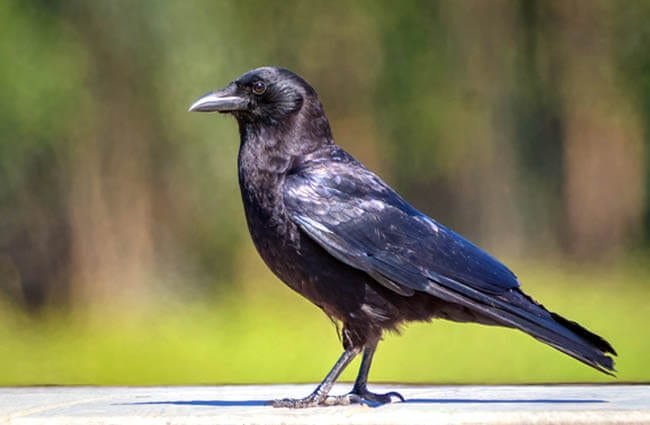
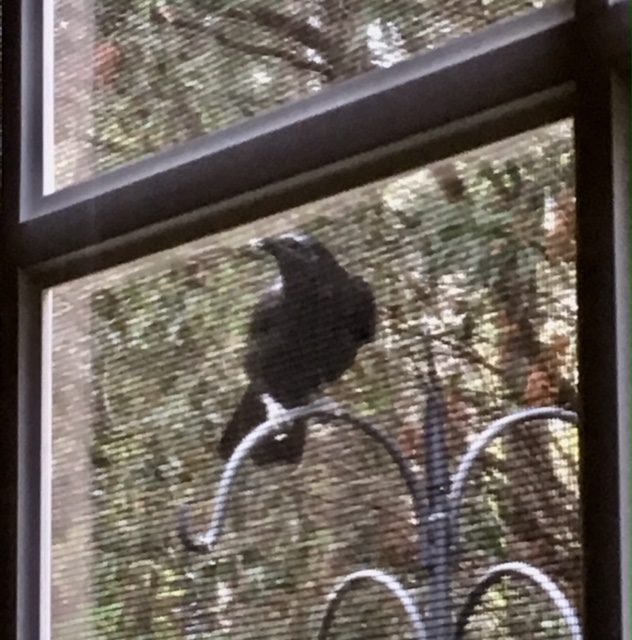
And grackles, crows, and starlings tend to flock.

.

.

Writers: Based on sociability, what sort of bird would your character be?

.

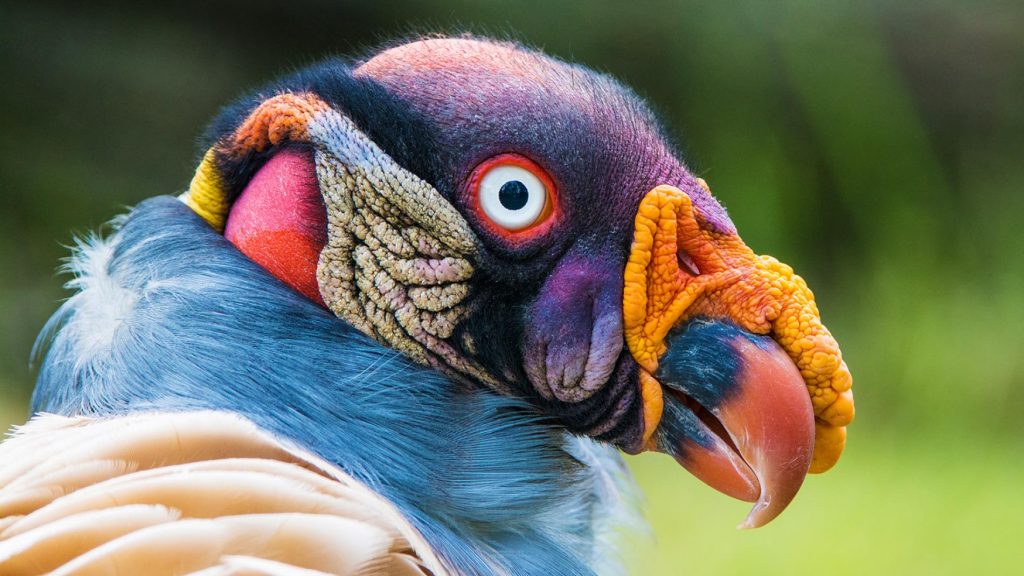
Perhaps a King Vulture?

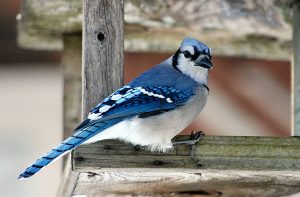
While finches are happy to share the feeding stations, and linger for communal eating, bluejays tend to chase other birds away, and they don’t settle. They dart in, grab a bite, go back to a tree, and repeat.

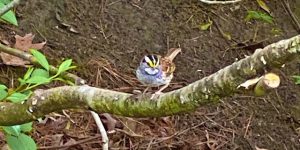
I’ve always been interested in birds in a casual sort of way. I have three daughters whom I’ve associated with white throated sparrow, goldfinch, and bluebird based on their coloration and behavior. 

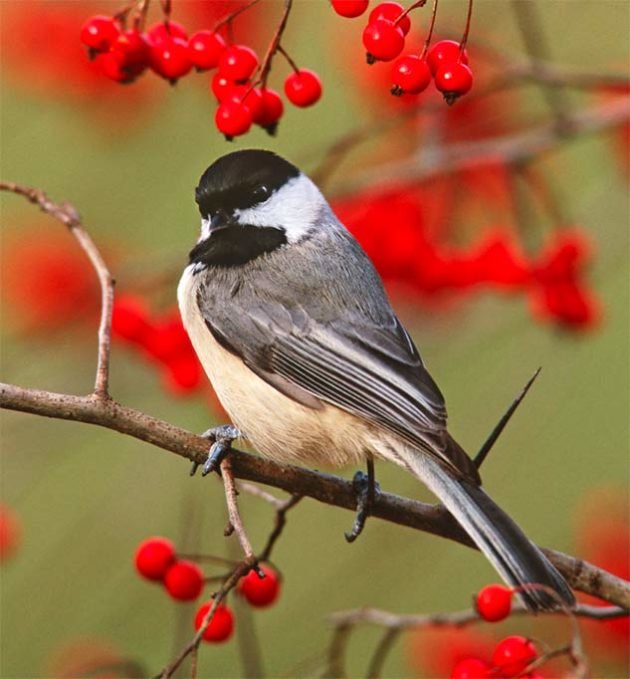
My grandson is a cardinal, theatrical and flamboyant.  My older granddaughter is a crow, based on her black hair, her preference for wearing black and her keen intelligence. My younger granddaughter is a chickadee, based on her liveliness and sociability.

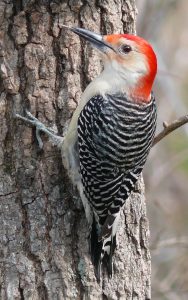
And my husband is a red bellied woodpecker, because that bird has red, black, and white markings and links the three grandchildren together.

So, I have my own personality profiles of various birds. Do you?

Although I’m convinced that birds—typically by nature of their species—have personality types, being a scientist at heart, I wanted a bit of authority to back me up here. But while searching online for bird personalities, again and again I came up with the same question—“Which one are you?” And the answer was a multiple-choice of four, the DOPE model: dove, owl, peacock, or eagle. 

So, writers, for what it’s worth, here it is.

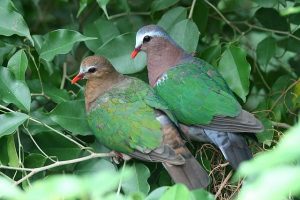
Emerald dove

DOVES are associated with terms such as neutral, loving, and kind. Although passive in communication, they are highly emotional. Dove people exhibit a long list of personality traits, both positive and negative.

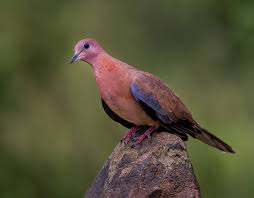
Laughing dove
  • Positive traits
    • Patient
    • Giving
    • Trustworthy
    • Introverted
    • Avoids risk-taking
    • Respectful
    • Honest
    • Reliable
    • Easygoing 
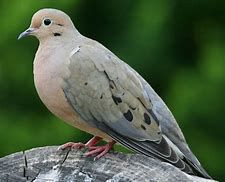
Mourning dove
  • Negative traits  
    • Dependent
    • Predictable
    • Follower
    • Gullible 

.

.

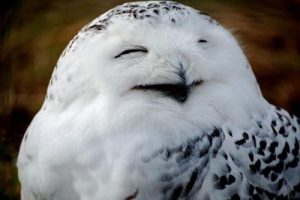
Spotted owl

OWLS are perceived as logical and intelligent, but conservative, introverted and not communicative. 

.

.

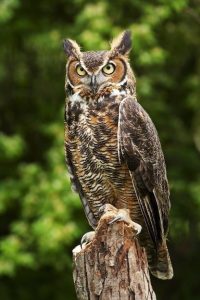
Great horned owl
  • Positive traits  
    • Calm
    • Meticulous
    • Just
    • Mindful
    • Determined
    • Detail-oriented
    • Careful
    • Curious 

.

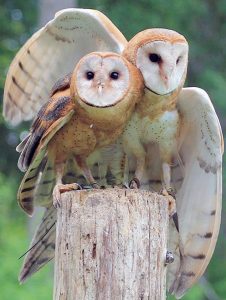
Barn owl
  • Negative traits  
    • Distrustful
    • Self-centered
    • Indecisive
    • Vindictive
    • Short-sighted

.

.

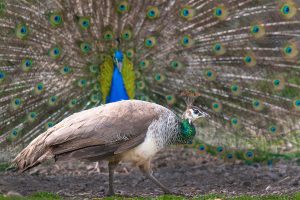
Peahen with blue peacock

PEACOCKS are showy and outgoing, very active communicators—i.e., talkative—and possess high “emotional intelligence.” These are competitive, emotional birds. 

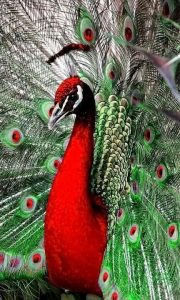
Red peacock
  • Positive traits  
    • Open-minded
    • Energetic
    • Charismatic
    • Social
    • Enthusiastic
    • Adventurous 

.

.

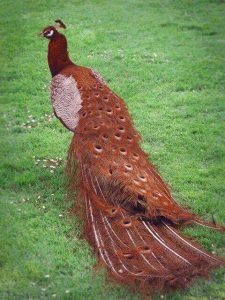
Brown peacock
  • Negative traits  
    • Scattered
    • Selfish
    • Controlling
    • Dominating 
    • Power-hungry

.

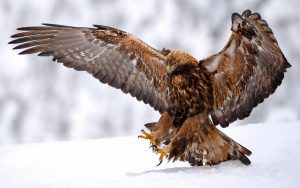
Golden eagle

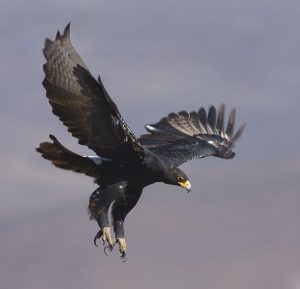
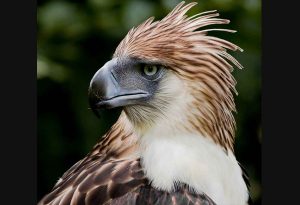
EAGLES are bold, decisive, and aggressive. They have high logical intelligence and are very active communicators.  Within the general population (allegedly) 29% of people are eagles.

Black eagle

.

  • Positive traits  
    • Charismatic
    • Honest
    • Initiator
    • Independent
    • Driven
    • Motivated
    • Compelling
    • Fearless 

.

Philippine eagle
  • Negative traits  
    • Blunt
    • Unsympathetic
    • Egotistical
    • Controversial
    • Impatient
    • Pushy
    • Stubborn

You can take the 40-question, 4-bird, DOPE personality test online. Click here

Writers note: Be aware that any given personality trait could be either helpful or not, positive or not, depending on the demands of the situation.
Writers’ option: identify a bird of your own choosing and research it, finding how/whether it reflects one of your characters.
Why bother? Assigning birds to your characters helps keep them consistent and distinctive.

1:56 AM

And it hit me: I hadn’t written a blog! Where did the days go since Friday?

Fauna

Well, I spent a lot of time birdwatching, and was rewarded with titmice, chickadees, bluebirds, goldfinches, purple finches, house finches, grackles, bluejays, cardinals, red bellied woodpeckers, downy woodpeckers, mourning doves, white throat sparrows, wrens, brown thrashers, and—of course—robins. 

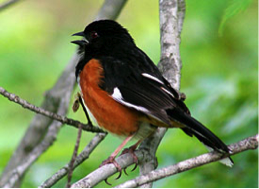
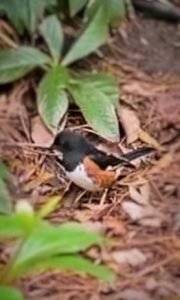
Today for the first time ever, I saw a pair of Eastern towhees! They’re usually very shy, but the males sing and show off their tails in flashy displays to attract mates in the spring. Remind you of any characters or real people you may have encountered?

I had a chance to enjoy the acrobatics of Stanley and Ollie at the bird feeder.  They’re better than a professional circus troupe, but without the spandex and sequins! (For more about their antics, check out an earlier blog I wrote about the behaviors and habits of squirrels in my yard and elsewhere.)

And a couple of days ago I spotted a five-foot long black racer coiled in a pussywillow tree behind my house. (Black racers are very common in the southern US, but they are not venomous or dangerous. Random fact — these snakes can vibrate their tails, making a sound very similar to a rattlesnake.)

Flora

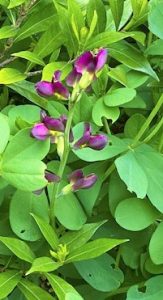
Visiting yard plants is always interesting this time of year (sometimes a bit confusing). I found that a purple baptisia planted by the front door has migrated to a side garden near the back—clearly the work of fairies.

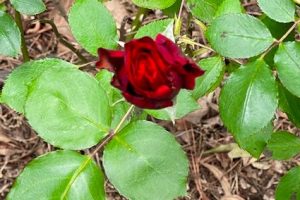
I have a single rose bud opening (although my neighbors’ roses are hanging heavy).

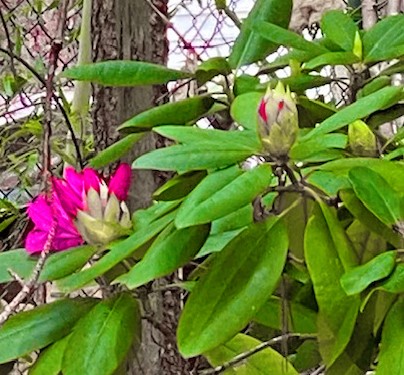
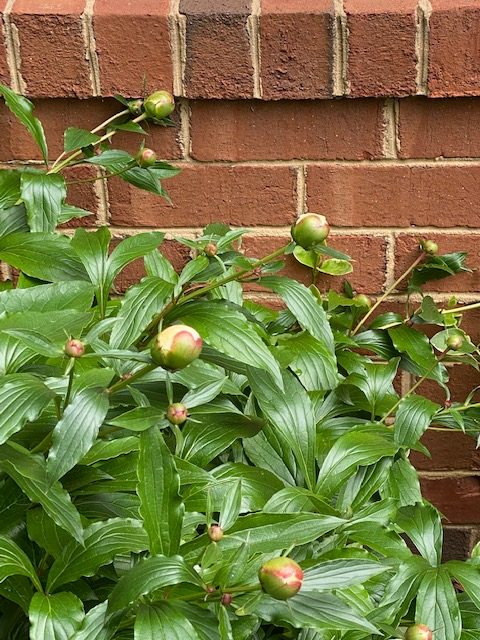
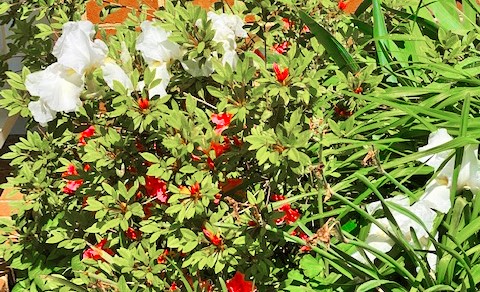
The rhododendron has its first bloom, and azaleas are going wild. Irises are so heavy-headed that they are resting on nearby azaleas. My peonies aren’t as far along as they were three years ago, but they’re showing lots of buds for the future.

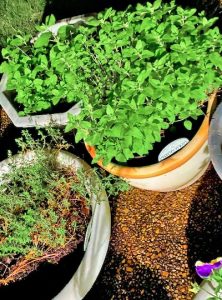
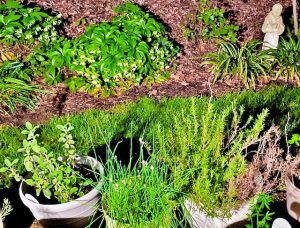
The patio pots have flourishing mint, chives, oregano, thyme, sage, and—surprisingly—dill and parsley that wintered over.

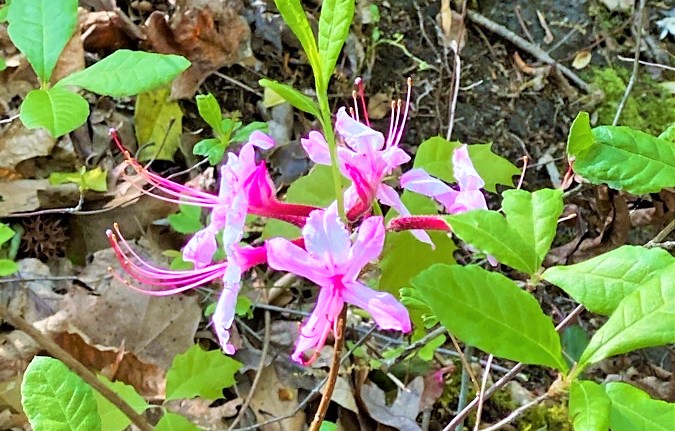
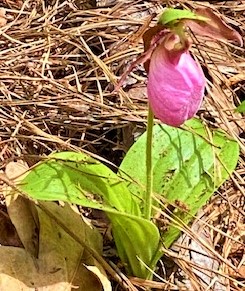
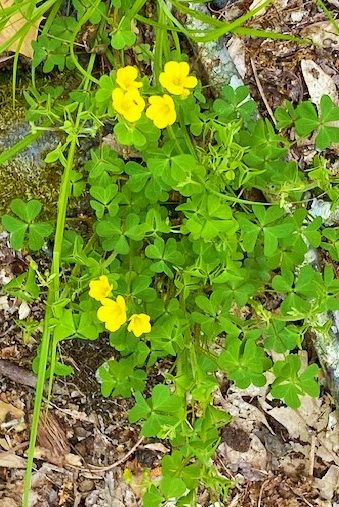
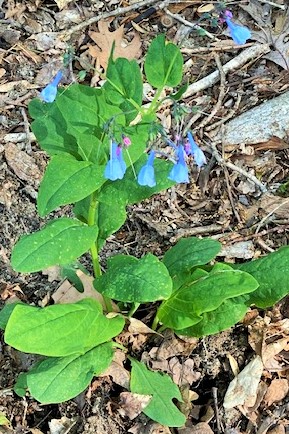
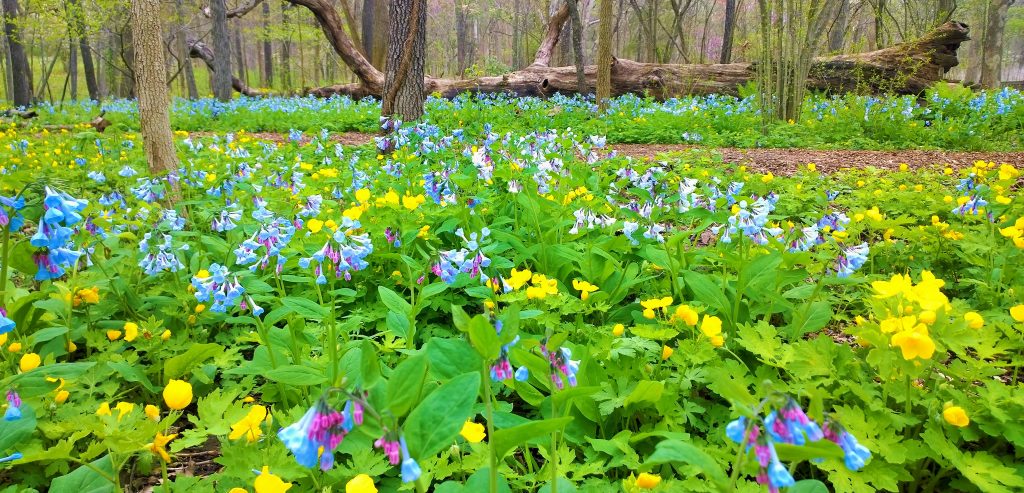
I’ve walked in the park and along nature trails, finding wild rhododendron, a.k.a. early azaleas. Also spotted were Virginia bluebells, wood ferns, phlox, pink lady slippers, cinquefoil, dandelions, and creeping buttercup. 

Fiction

Then, too, there were writing tasks. COG Literary Magazine is preparing to print “Pawpaw” and I had to approve the page proof. “Running on About My Mother’s Body” received a second acceptance, so I needed to respond to that and offer a replacement piece. I even wrote the first draft of “Pandemic.”

And I’m involved with two critique groups on zoom and Google hang-out, both new to me.

Fraternizing

All of that doesn’t even touch on communications with family and friends.

I’ll try to get out of myself for Friday!

Bottom line for writers: Life happens.

What Would You Call a Bunch of Bluebirds?

Many—hundreds? thousands?—of animals have collective nouns to identify a bunch of those animals—e.g., a pride of lions, a pod of dolphins.


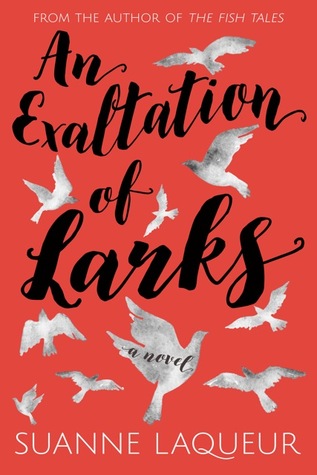
an exaltation of larks
I used to have a book of such collective nouns titled An Exaltation of Larks. Probably I still have it somewhere, but I can’t find it. So over the weekend, when I wanted to find collective nouns for the birds visiting my backyard, I went online.


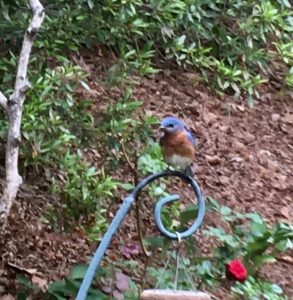
bluebird
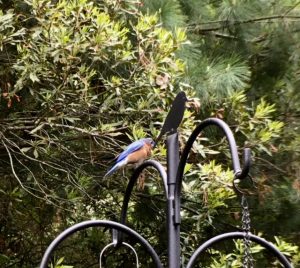
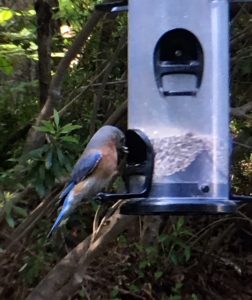
But bluebirds? Zip, zero, nada. No generally agreed upon collective for bluebirds. Perhaps that’s because they generally hang out in pairs and congregate only when migrating.


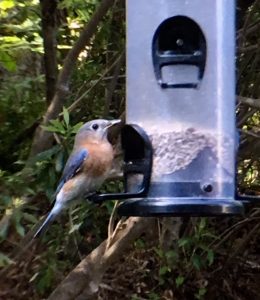
birdfeeder
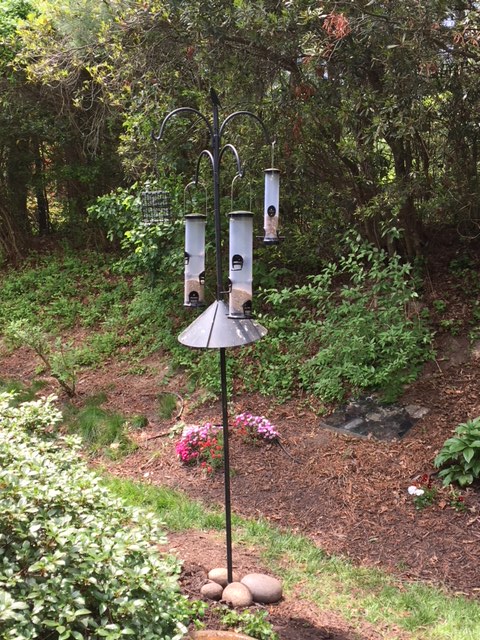
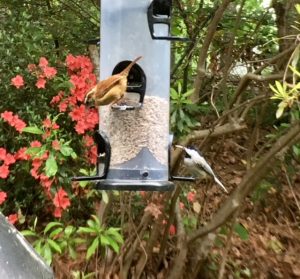
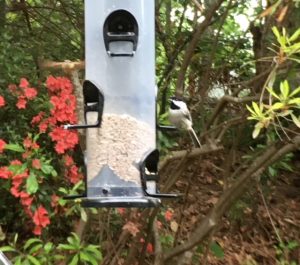
love my new bird feeders, set up after my birthday. Whether it’s the configuration or the the addition of a suet cage, we’ve never had so many different birds visible from the kitchen window. And I found lots of collective nouns online. In fact, some birds have multiple collective nouns that are generally recognized. So my husband  and I decided to just go with the label we liked best. For example, a murder of crows.


call bunch bluebirds
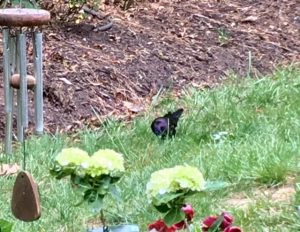
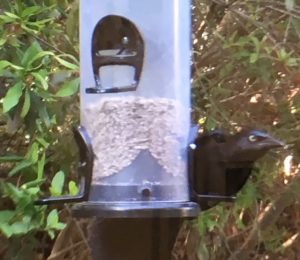
We also have a clutter of starlings (I rather like their bright orange beaks) and a scold of blue jays. Then there is the plague of grackles, beautifully iridescent.


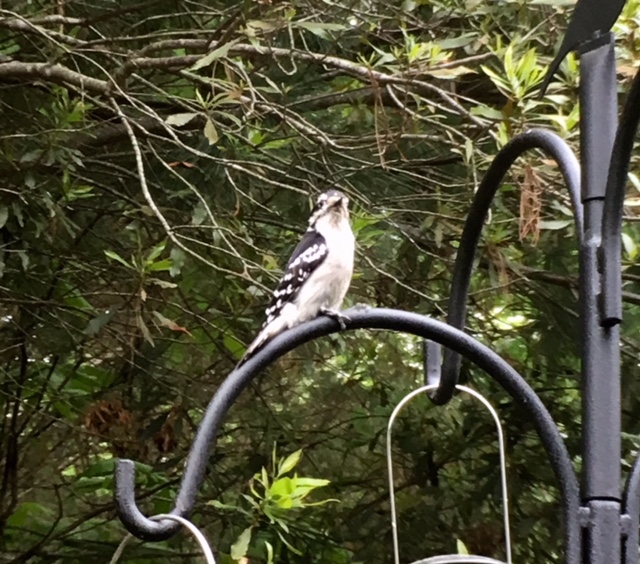
Sometimes we are graced by an echo of mockingbirds, or a drumming of woodpeckers.


call bunch bluebirds
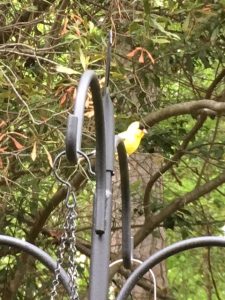
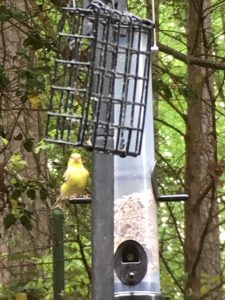
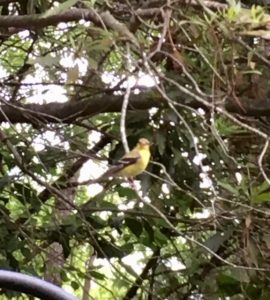
We have a ubiquity of sparrows, though they were camera shy. The drum of goldfinches not so much so.

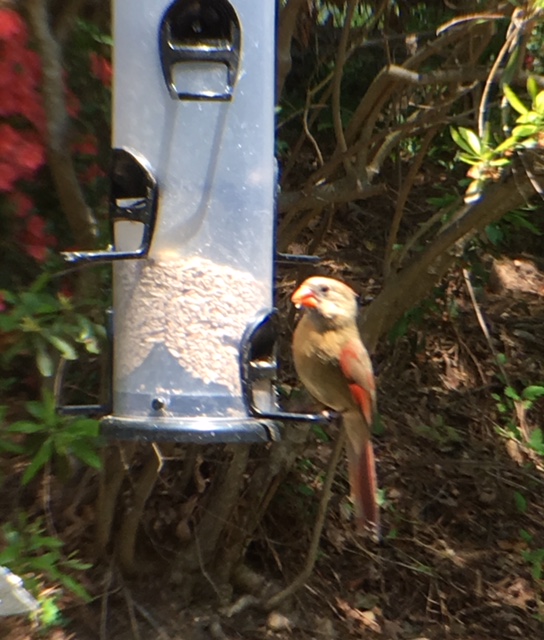
I still hope to catch on camera a mewing of catbirds and a dule of doves. But I did catch a member of the college of cardinals—a young one.


female cardinal
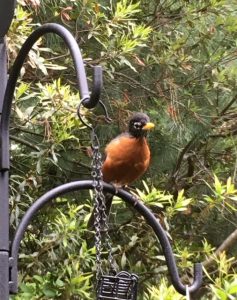
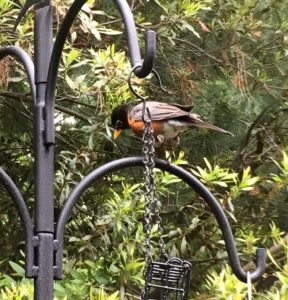
Our banditry of titmice swarm the feeder—except when I was taking pictures today! But, surprisingly, I got our bobbin of robins perched on the feeder, even though they are ground feeders.

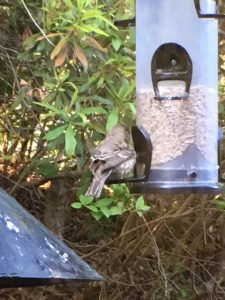
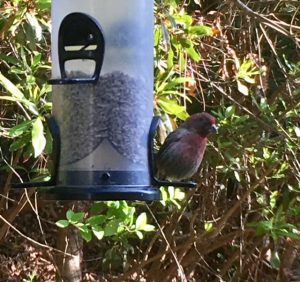
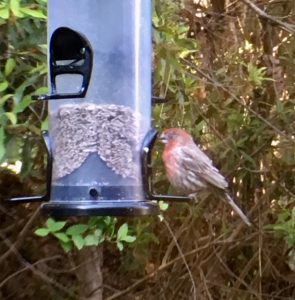
Later in the year, I expect the return of our hover of hummingbirds. For the time being, I am content with our charm of finches—mostly house finches.

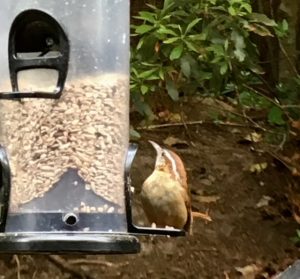
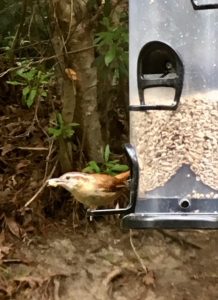
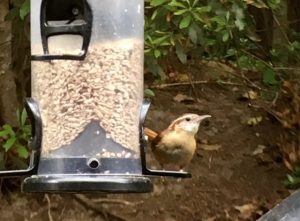
And our chime of wrens.

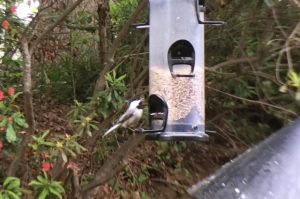
Yes, I love our dissimulation of chickadees. What’s not to love?

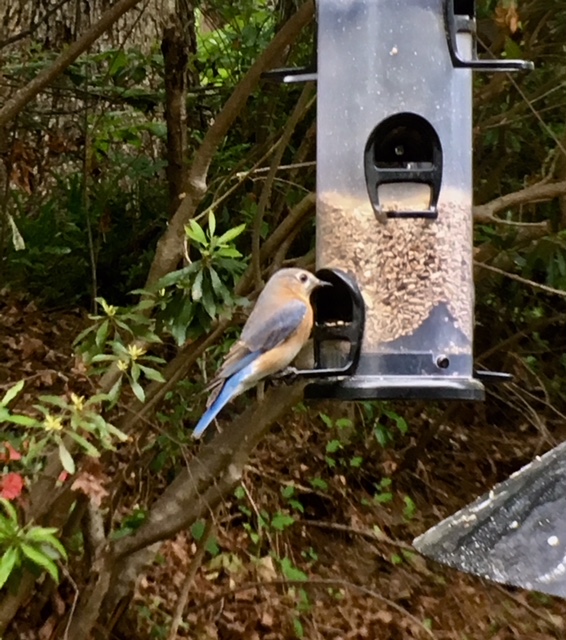
But what about the ignored bluebirds? I found one place on line that, while acknowledging that there was no accepted collective noun for them, suggested a sky of bluebirds, or a beatitude of bluebirds, saying throw some options out there and see what sticks. So I’m suggesting a blessing of bluebirds.


What do you suggest?