People have long recognized the eye-of-the-beholder effect with regard to beauty, to the point that it’s a cliché. We’ve all heard jokes that leave us cold—but leave others doubled over with laughter—or vice versa. Writers are well aware that what’s publishable depends more on the evaluation of the editor/agent/publisher than the inherent qualities of the work.
So, apply that same awareness to motivation. We cannot know motivation directly. We can see what a person does, hear what a person says. These are two of the most common, most powerful sources of information.
Sometimes we have other sensory information, meaning touch, taste, or smell. Sometimes the information accumulates over time, perhaps years, and we feel we truly know someone.
But the bottom line is that we cannot know another from the inside. And that means room for interpretation. How we evaluate a specific behavior (physical or verbal) depends almost exclusively on why we think the person did it.
Writing Prompt: Characters’ Motivations
So writers, here’s your challenge. For each of the actions listed below, come up with three possible motives for the actor: one evil, one altruistic, and one self-interested. I know you can do it.
giving away a million dollars
shooting someone
cutting off a hand or foot
kissing someone of the same sex
kissing someone of the other sex
dancing naked in a public place
getting a large, readily visible tattoo
cooking an elaborate meal
killing an ill person
cutting up a bride’s wedding dress
digging up a daffodil bed
cheating at cards
adopting a foster child
running for president
burning down a church
adopting a cat or dog from a shelter
complimenting another’s performance
rewriting a will
keeping a dead body unburied for six months
hiking in the woods
The list could go on and on. In your writing, know your characters’ motives, as well as what other characters think the motives are. How will you reveal all that to your reader? Give sensory info!
I’d love to read your responses to today’s prompt. Did something surprising come out of the challenge? Tell me in the comments below, on Facebook, or Twitter.
Every writer who has a scene involving an arrest and/or jail time really should do some jail time—preferably in the local facility. On April 21st, I toured the Richmond City Justice Center (a.k.a., the City Jail). I start by thanking all involved. This facility is modern, clean, and apparently well-run and forward- thinking. While JCRC seems exceptionally good for what it is, you wouldn’t want to live there
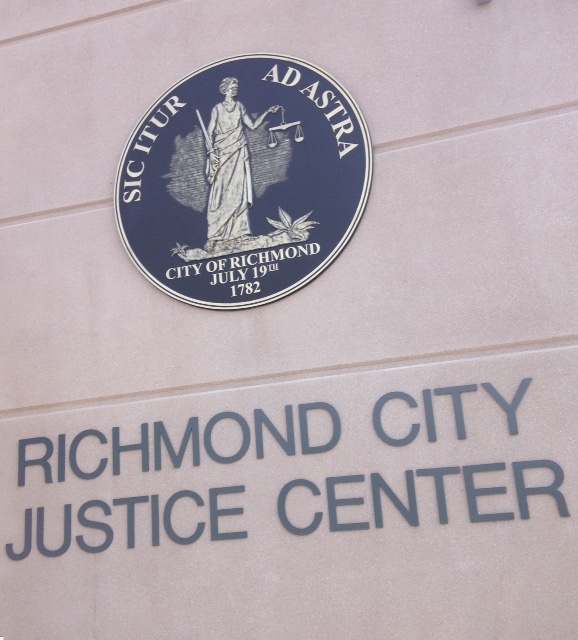
Richmond City Justice Center sign, Richmond, Virginia
Even though I had toured the Queen Anne’s County Sheriff’s Office and did interviews there when writing Dark Harbor, time has passed and jails differ by locale—by state, by rural/urban, by tax base. When it comes to jail time for writers, once is probably not enough.
The mission of the Richmond City Sheriff’s Office is, in part, “To maintain a secure jail and a safe court system along with seamless inmate transport and civil process to preserve public safety.” This is, more or less, the mission of sheriff’s in all jurisdictions.
But the devil is in the details. For example, at the RCJC, inmates (whom they call residents) can have one visit every seven days, four visitors at a time, children under 12 not included in the count. At the Pamunkey Regional Jail nearby, inmates are called inmates; a total of three people, counting both adult(s) and minor(s) can visit.
And, by the way—here—any jail with Regional in the name is a for-profit facility.
Both of these facilities require photo IDs for visitors and forbid too short, too tight, too revealing, or transparent clothing. Nothing can be given to inmates (food, paper, drugs, keys, pictures, etc.) RCJC has options for both face-to-face visits, separated by a clear partition, or a set-up similar to Skype for video visits.
At present RCJC houses approximately 1000 people, approximately 10% women. Most are in the general population, but about 150 are in “The Program,” a 24/7 structured program of education and rehabilitation geared toward successful reentry into the outside world.
WRITERS, get the details right.
CLOTHING: RCJC residents wear jumpsuits that are color-coded according to which pod they live in and whether they work custodial or kitchen duties. There are 32 living pods, ranging from 12 to 76 people each. Only those in for detox or overnight transfer wear orange. Black and white stripes are for the most violent/dangerous prisoners.
MEALS: at RCJC, breakfast is at 5:00, lunch at 11:00, dinner at 4:00. Lights out is at 11:00, so lots of time between dinner and breakfast. Which brings us to commissary sales. Inmates can buy food, t-shirts, and other incidentals (though no tobacco and no makeup).
PRISONER CLASSIFICATION. When taken into the facility, each person is assigned to a level of restriction based on the seriousness of the crime, criminal history, and behavior while in custody. People who are more violent, suicidal, or seriously deranged are in smaller pods and have more restrictions on meals and showers. They have video monitors, take meals in their cells, and are taken from the cells in handcuffs. Showers are in a locked and barred shower stall they call “the cage.”
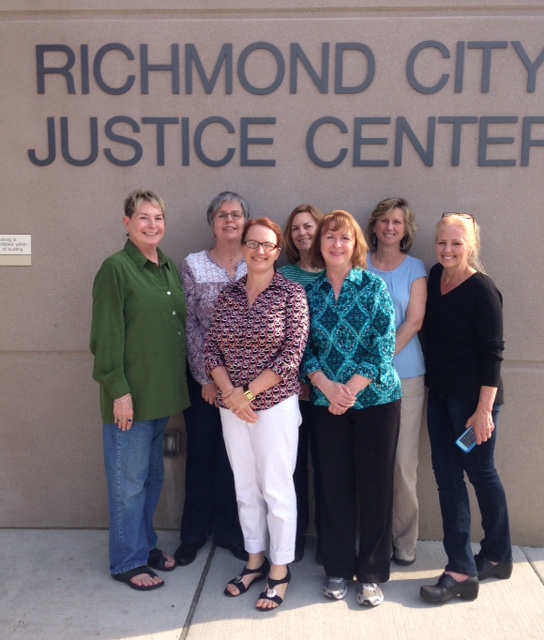
Much of this information could be obtained online or with phone interviews. But nothing beats actually being there! I toured RCJC with seven other Sisters in Crime, all of us writers. Mary Miley, who teaches writing in The Program every Monday afternoon, arranged the tour. (I’m on the far left, Mary is second from the right.)
Sisters in Crime touring Richmond City Justice Center: Mary Burton, Maggie King, Frances Aylor, Stacie Giles, and Sandie Warwick
We learned that the carpeted areas are not secure and the tiled areas are. “The Yard” for open-air activity mandated by law is a room with a basketball hoop and open-air ventilation. All furniture can be bolted down, even though it isn’t in most cases. We actually saw the tiny white cells with bunk beds, a toilet, and a washbasin, shoes lined up and everything else in duffels under the bed, virtually bare of anything personal—unless one counts one plastic bowl and one plastic glass. The women had a few more toiletries visible—presumably from the commissary. Family needs to deposit funds for use in the commissary.
By the way, RCJC charges inmates $1 per day (toward the $58/day that their incarceration costs). They could charge as much as $3 per day. If these charges aren’t paid, the inmate can’t have commissary accounts.
Contrary to Orange Is The New Black, women inmates have no nail polish and no makeup—though sometimes they use M&Ms, Kool-Aid, or iodine for the purpose.
LINGO: a click is a phone call; a lick is a theft; a canteen girlfriend is someone who’s into a relationship for the partner’s canteen account; riding the phone means monitoring it.
Technically, jail is for people awaiting trial or the outcome of an appeal, and for those serving sentences up to one year, while prison is for longer incarceration; in actuality, due to prison over-crowding, inmates are sometimes in jail up to three years.
Gambling and bullying are strictly forbidden, but they do happen. Ditto intimate relationships among inmates.
And there’s more: the distinction between public defenders and court-appointed attorneys. The gangs that “own” the phones in the general population. The nine arresting bodies that bring people to the RCJC. The total lack of privacy for phone calls or during visitations—and what people say or do anyway! Inmates and visitors who expose themselves. The girlfriend who calls and barks for fifteen minutes while her incarcerated boyfriend tends to his arousal.
Two things in particular that inmates said stuck with me.
Not all inmates are bad people; they’re people who made bad choices.
You aren’t your crime.
In short, there’s nothing like being there. Get thee to jail, pen and paper at hand! And be sure to appreciate the access. Thank you, RCJC! Special thanks to Sarah Scarbrough, who conducted the tour.
Last Friday I posted “Loving Diana Gabaldon.” It was general praise and admiration of the sort you might expect from that title. Today I want to cite some specific ways that writers would do well to follow her example. In particular, I will focus on vivid language. We have all heard or read that we should use fresh, vivid language and strong verbs. Here’s how.
For one thing, Gabaldon is a very sensory writer.
She uses all the senses, and often more than one in the same sentence or phrase. I notice particularly that she uses smell more often than most.
The following line is made stronger by the unexpected juxtaposition of “smelled delectably” with road dust and sweat.
He smelled delectably of road dust and dried sweat and the deep musk of a man who has just enjoyed himself thoroughly.
Delectable is more expected here, but overall very concrete and specific.
The smell of cut, dry hay was mingled with the delectable scent of barbecue that had been simmering underground overnight, the fresh bread, and the heady tang of Mrs. Bug’s cider.
More sensory details
. . . swept me into an exuberant embrace, redolent of hay, horses, and sweat.
Would I wake again to the thick warm smell of central heating and Frank’s Old Spice? And when I fell asleep again to the scent of woodsmoke and the musk of Jamie’s skin, would feel a faint, surprised regret.
It [cider] was wonderful, a dark, cloudy amber, sweet and pungent and with the bite of a particularly subtle serpent to it.
She describes a white marble mausoleum:
. . . a white smear on the night…
Note strong verb and simile.
. . . his skin shivered suddenly, like a horse shedding flies.
. . . it [hair] was writhing off merrily in all directions, à la Medusa.
Her description of the hair is so much fresher than “flying out in all directions.”
. . . kissing me with sun-dusty enthusiasm and sandpaper whiskers.
. . . the lines of his face were cut deep with fatigue, the flesh beneath his eyes sagging and smudged.
. . . I was sloshing back and forth to the kitchen, kicking up the water so it sparkled like the cut-glass olive dish.
. . .they poured into the dooryard, bedraggled, sweat-soaked, and thirsty as sponges.
. . . with thin grizzled hair that he wore strained back in a plait so tight that i thought he must find it hard to blink.
. . . [bread pudding with honey] bursting sweet and creamy on the tongue…
This simile is much fresher than sober as a judge!
. . . sober as a sheep at the time.
We climbed through a stand of quivering aspen, whose light dappled us with green and silver, and paused to scrape a blob of the crimson from a paper-white trunk.
She merely smiled at that, wide mouth curving in a way that suggested untold volumes of wicked enterprise.
Gabaldon reveals emotions exceptionally well.
[Food] had formed a solid mass that lay like iron in his stomach.
…the last of the whisky lighting his blood…
Fear snaked up her spine…
…felt his bones strain in his flesh, urgent with desire to hunt and kill the man…
…goosebumps of revulsion rose on my shoulders…
…a small uneasy feeling skittering down my backbone…
…my mind felt soggy and incapable of thought…
…comforted by the fleshy, monotonous thump [of his heart]…
…a rich tide of color surged into her face…
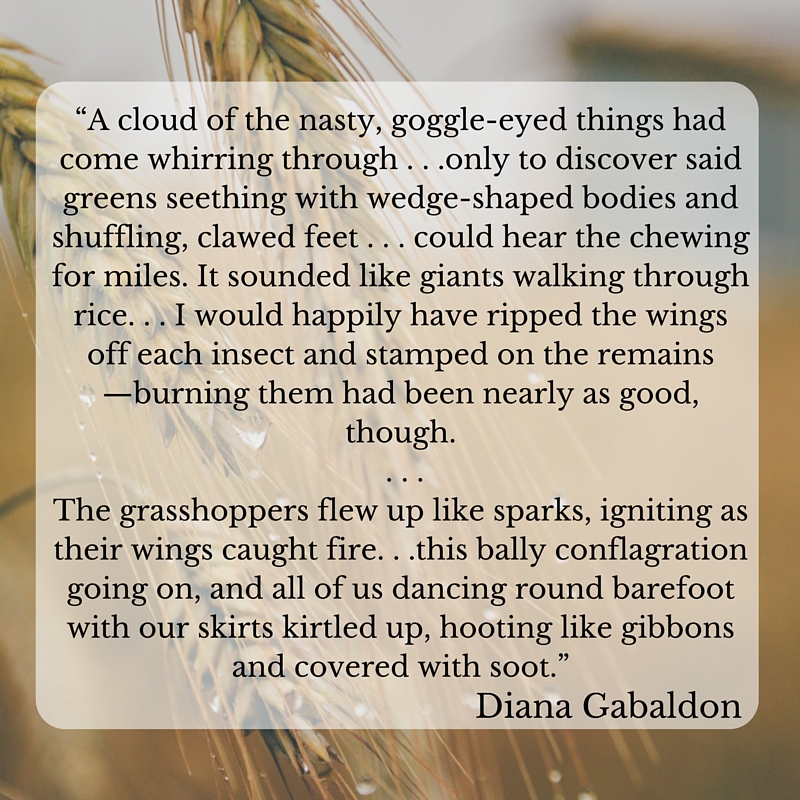
In A Breath of Snow and Ashes, Gabaldon writes a scene in which Claire is telling Jamie how a hoard of grasshoppers caused her to burn a field of ripe barley. I found it stunning. Here are some of the vivid images from that scene.
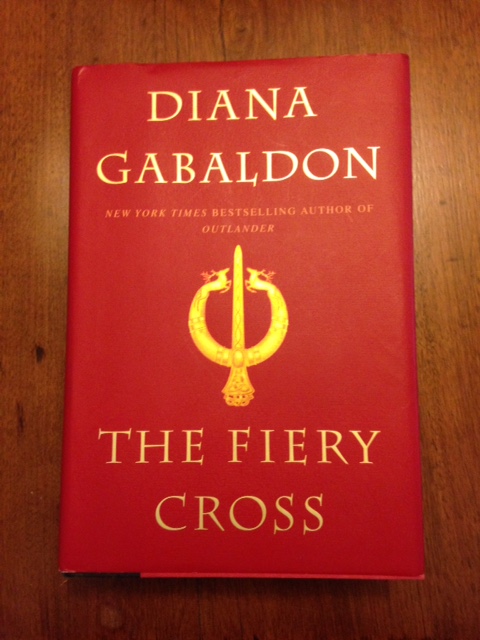
This is the one that begins in 1770, with Clare, Jamie, et al., in North Carolina—embroiled in the War of Regulation, early conflicts preceding the Revolutionary War. As with all the Gabaldon novels, it is an intriguing blend of romance, adventure, time travel, and history, with touches of the supernatural and—for want of a better word—magic. At 979 printed pages, it’s also typical Gabaldon length!
Apart from Virginia Is For Mysteries Volume II authors, Gabaldon is the only fiction writer I’ve read in months. A fellow writer at Nimrod Hall last summer, Frances Birch, was reading one of the novels and recommended it. I love series, and so when I returned home, I ordered the Outlander series on Kindle.
First I read all eight of what Gabaldon calls “The Big, Enormous Books that have no discernible genre (or all of them).” Then I started over, this time including what she calls “The Shorter, Less Indescribable Novels that are more or less historical mysteries (though dealing also with battles, eels, and mildly deviant sexual practices),” as well as “The Bulges—These being short(er) pieces that fit somewhere inside the story lines of the novels. . . These deal frequently—but not exclusively—with secondary characters, are prequels or sequels, and/or fill some lacuna left in the original story lines.” These quotes, and the reading order I followed, are on Gabaldon’s website under Chronology of the Outlander Series.
Why spend so much precious reading time on one author—let alone rereading such tomes? I reread very few authors—the exceptions being Jane Austen, Dorothy L. Sayers, and Edgar Allan Poe. But Gabaldon has mastered the combination that hooks me: intriguing, convoluted plot twists; fresh, vivid language; fascinating characters; realistic details; and emotional appeal. I could go on, but you get the idea.
Gabaldon holds a B.S. in zoology, an M.S. in marine biology, and a Ph.D. in ecology—all of which, I believe, add richness to the amazing amount of natural history that permeates her writing. Her varied career included “butchering” seabirds, “torturing boxfish,” and writing Fortran programs to analyze the contents of bird gizzards. But the deep-seated urge to write fiction never died. It reminds me of myself, who tried my hand at poetry, humorous plays, etc. in high school but never wrote fiction again till after more than twenty-five years as a psychologist and academic!
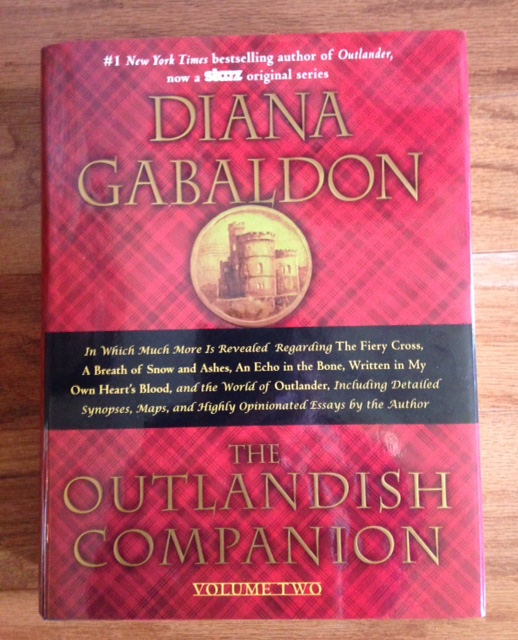
The Outlandish Companion, Volume II by Diana Gabaldon
As a writer, I am amazed that Gabaldon can write such intricate plots. She has a cast of thousands—figuratively speaking. In actuality, it’s merely scores! But she manages to make characters individuals. They often disappear for a bit, but come back vividly—and still very much as they were—often as things go from bad to worse for the main character(s). She is able to cue readers to remember the character and/or relevant event without being boringly repetitious. Her historical research seems impeccable. And she has absolutely mastered flashbacks!
I admire Gabaldon for breaking all the rules. She didn’t “learn” to write fiction; she just did it. She paid no attention to genre constraints, page counts, or how she “ought to” go about it. She doesn’t start at the beginning and she doesn’t know the end when she starts. Perhaps that’s why her writing seems so fresh.
My advice to readers and writers
Get involved with Diana Gabaldon! Read her fiction, go behind the scenes in the Outlandish Companion volumes, and visit her online.
Outlander: Ep 201 – Through A Glass, Darkly
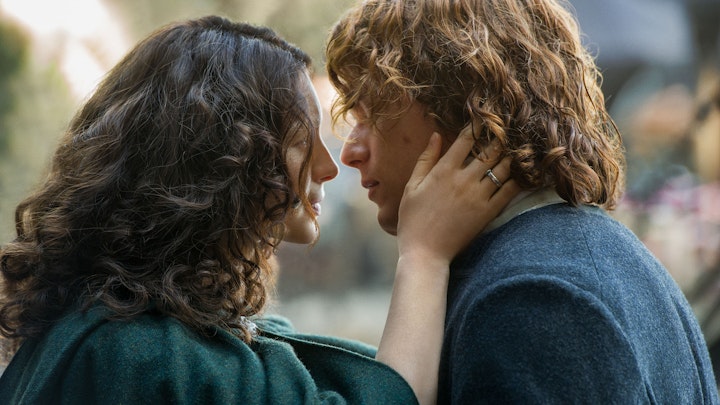
You might have heard that Starz made a television series of Outlander. Season two begins tomorrow, April 9th, with “Through a Glass, Darkly.” It’s inspired by the events in the second book, A Dragonfly in Amber. There are lots of events going on to celebrate the books and the new series. For a short time, you can watch all the first season’s episodes for free. But I still recommend reading the books.
Spring is stereotyped as a time of renewal, high energy, and face-splitting smiles. But writers know it’s effective to go against expectations. And so I am happy to present you with cheerful images and dark possibilities to go with them.
Consider that these forsythia are thriving because of the dead body that is fertilizing them. Who? How? When? Why? Now what?
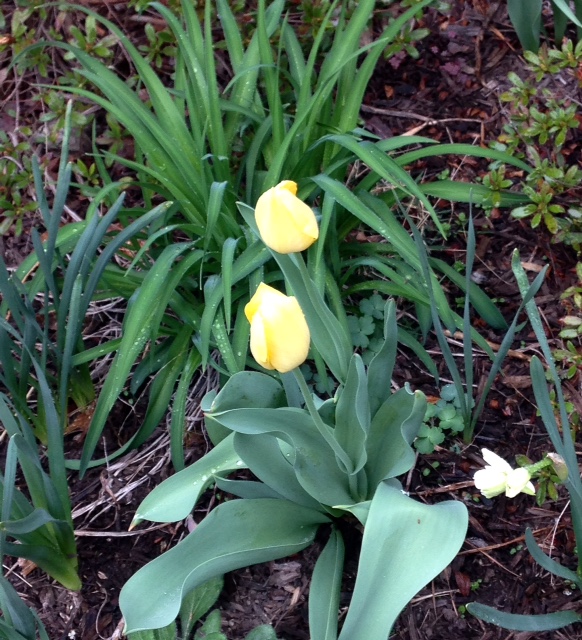
Every spring the parks and canal banks in Ottawa are awash in tulips. This year, a man goes berserk. Describe and explain his behavior.
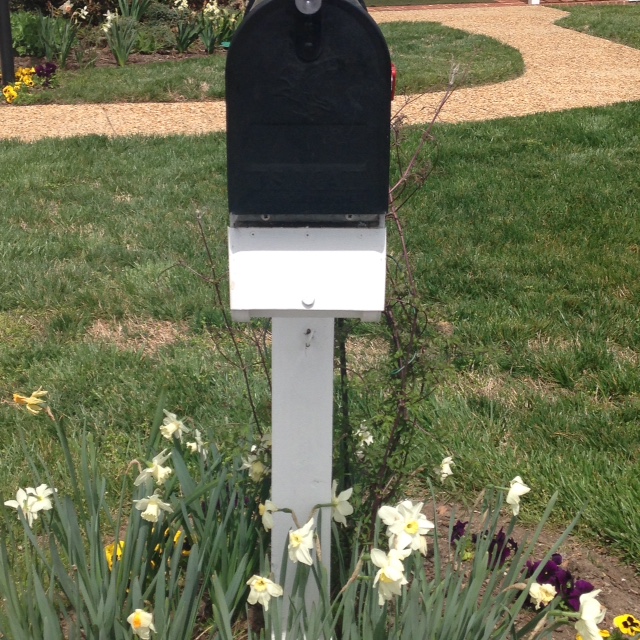
One lovely day a woman looks at her mailbox and weeps. It was this time last spring when she received . . .
Walking in the woods, your character pauses to admire an early-blooming azalea and notices a hand protruding from the leaf mulch. Is it attached to a body? What does s/he think—and do?
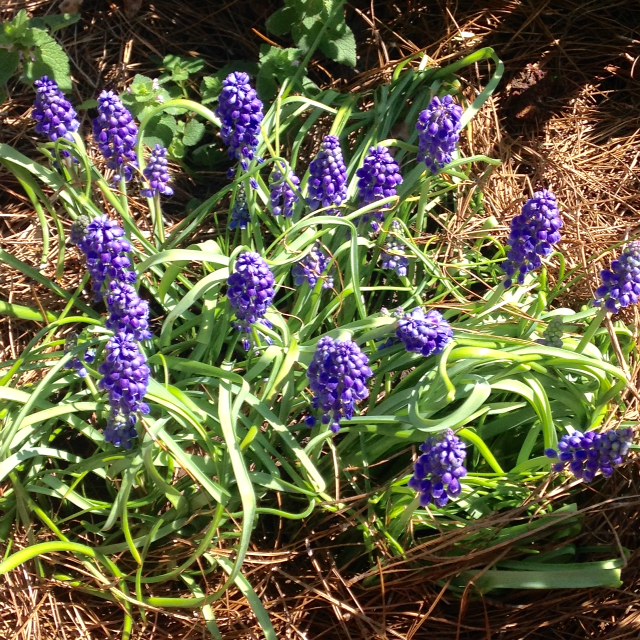
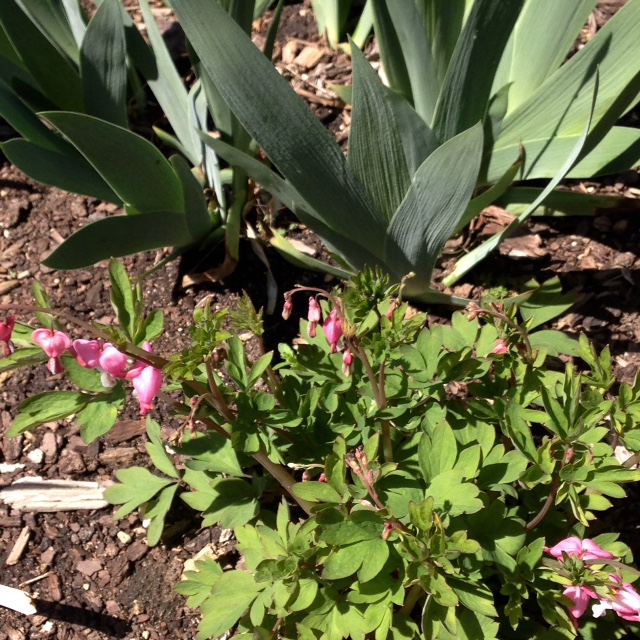
A woman walks past a neighbor’s yard and sees grape hyacinths, bleeding heart, and primroses in bloom. She had all of those at her former house. What happened, what is she feeling and thinking?
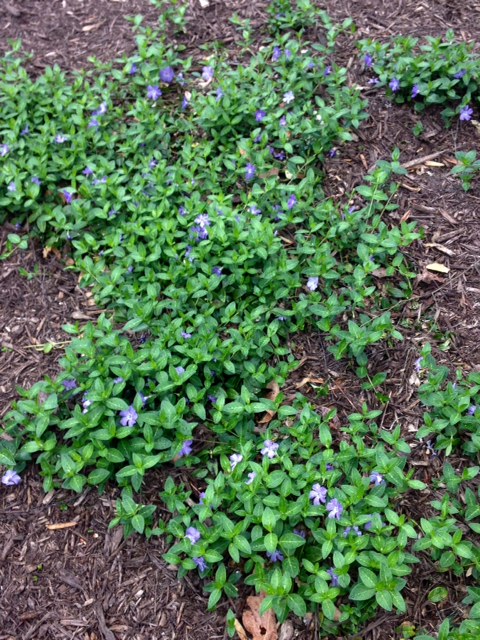
A child finds a gun and buries is under the vinca, knowing this to be a perennial runs rampant. Where was the gun? Why did the child bury it? What will happen next?
Your character suffers from extreme arachnophobia. It is so severe that even seeing a spiderwort plant sets off the reaction. Where did the fear of spiders come from? What happens when the phobia is triggered?
The last tulip magnolia bloom is about to go. What does that mean to your character?
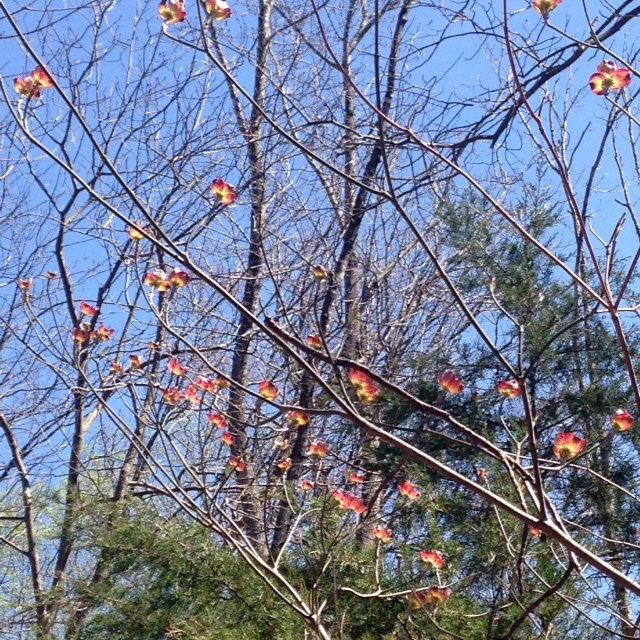
Your character stops to admire a dogwood and notices the crows gathered nearby. Looking down, s/he sees . . .
A barefoot toddler dashes into a patch of lamium. Within seconds, toes have been replaced by pink blooms. Soon. . .
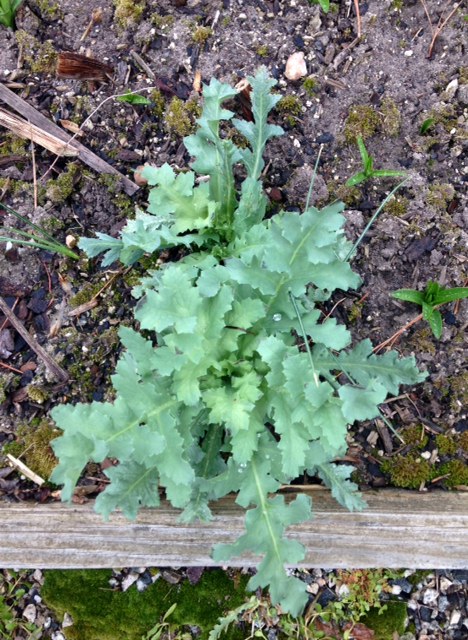
These young poppy leaves are growing in the vegetable garden. How did they come to be there? What will happen to them? Suppose they are mixed into a salad of field greens. Then what?
Takeaway for writers: nothing is too pretty, cheerful, or innocent to hide a dark side.
In 1992, the Common Council of Syracuse, NY, passed a decree that any more snow before Christmas Eve was illegal. Just two days later, they had more snow. But what’s the story there?
Think carefully before you throw one or more animals into your story. Consider the role of the animal(s), and the fit between your character and the fictional animal(s). And then have fun with it!
The good news for writers is that these toxic relationships needn’t be limited to toxic mothers and vulnerable daughters. (You may recognize here an echo of what I said about Deborah Tannen’s analysis of mother-daughter communication patterns: what one says isn’t necessarily what the other hears could apply to virtually any long-germ relationship.) In this instance, consider toxic relationships between husbands and wives. Consider boss and subordinate. Consider role reversal in that it’s the daughter who is toxic.
Three cheers for toxic (literary) relationships!
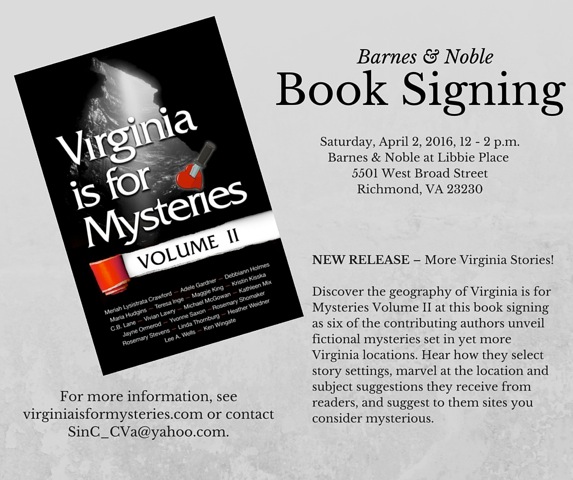
Don’t forget my signing later today at Barnes and Noble. Details are below.
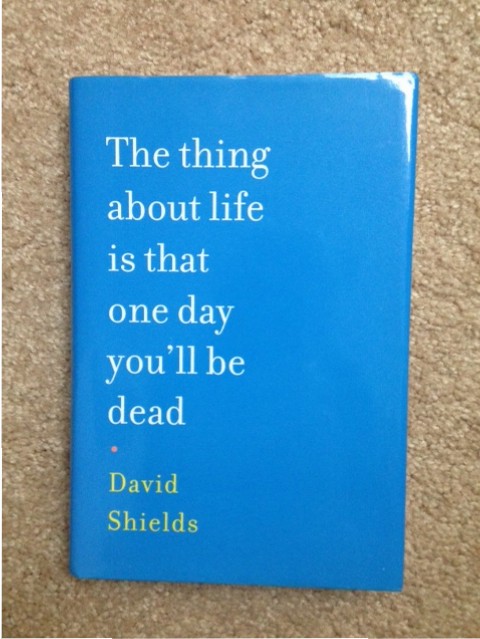
Perhaps you’ve noticed that I’ve been on a death kicklately. And given that this is tax season, it seemed a natural segue. As I—and many others—have often said, everything is fodder for writers.
The thing about life is that one day you’ll be dead by David Shields
Of course there is the obvious: the frustration of the forms, last minute scramble, missing documents, taxes due and no money to pay them, filing for extensions, and so forth. Being obvious doesn’t preclude rich story possibilities.
Then there are variations of the theme: your character finally wedged a CPA appointment into a jammed schedule only to discover that said CPA has moved, s/he can’t find the office, misses the appointment, etc.
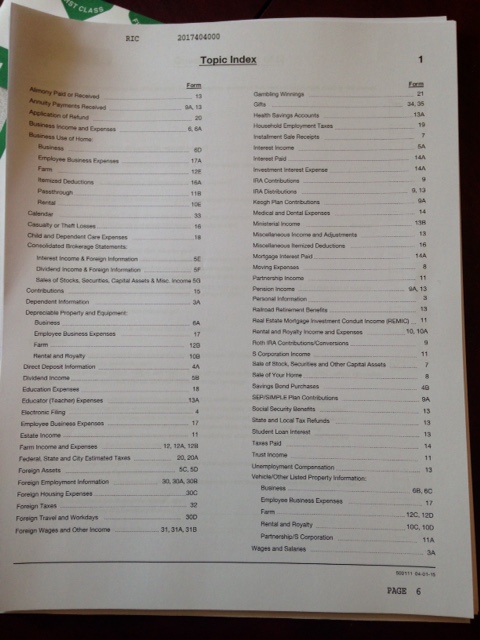
Taxes topic index
But dig deeper. Virtually every item on the topic index is rife with writing possibilities. These may or may not be directly related to the taxes due, but dealing with them at tax time could well trigger the strong emotions that fuel great stories. Here is a select list:
alimony paid or received (or not)—and associated hostility
business use of home—and the strain it puts on family
casualty or theft loss—and the aftermath of being a victim of crime
child and dependent care expenses—meeting them, but also finding such services in the first place
contributions—a willing tithe to church, or possibly being pressured to support your alma mater
education expenses—and doubts about whether the degree is worth it
foreign assets, expenses, taxes, and income—and what to do about off-shore accounts and tax shelters
gambling winnings (or losses)—and whether to join Gamblers Anonymous
gifts—and why they were given
medical and dental expenses—and the trauma of diagnosis, surgery, recovery (or not)
miscellaneous income and adjustments (They really expect people to report illegal income??)
mortgage or education loan interest paid—and the continuing burden from years ago
moving expenses—whether the move was up or down, willing or forced
sale of home, stock, or other capital assets—and why the sale? Was the market down at the time or up?
unemployment compensation—whether it was enough, whether it ended too soon, whether filing for it was humiliating
TAKEAWAY FOR WRITERS
As you do your taxes this year, consider the good and the bad—and then think how you could make it even better or worse in fiction!
Or if not fun, at least rich material for writers.
My most recent blog, Embracing Death, touched on this topic tangentially, but really, given all they can do for a story, funerals need their own focus. So, how can writers use funerals?
Burial rituals reflect culture, socio-economic class, and time period—without having to specify such things in the narrative.
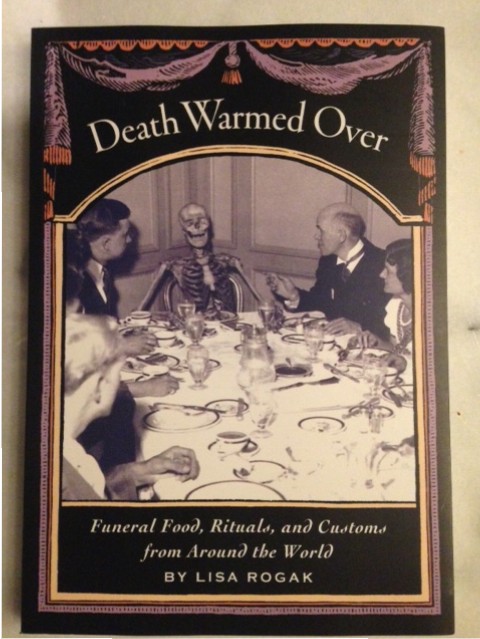
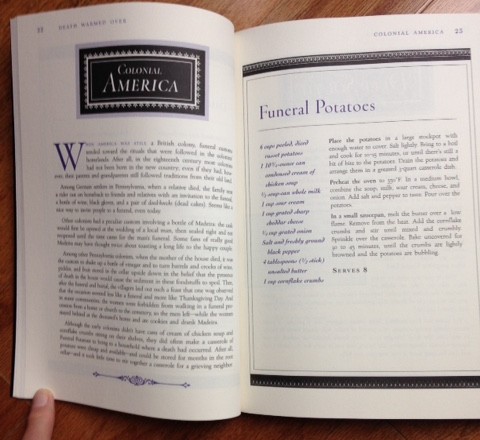
Death Warmed Over by Lisa Rogak
Death Warmed Over interior
Within those broad parameters, many decisions need to be made. What if the relevant relatives disagree on things? Music, prayers, cost of the casket, who speaks at the service, what happens at the graveside. . . What if there is no grave? (The same could apply to memorial services.) Where will the body be buried or the ashes scattered? And so we have the possibilities of coalitions forming. Maybe these reflect already existing ties or loyalties.
What if the deceased person’s wishes to donate organs—or the whole body to a medical school—horrify the survivors? Who will have the final word? Will s/he just announce, or work for cooperation and consensus? And will that succeed?
Often a funeral will bring together people who haven’t seen and/or talked to each other in years. This makes possible happy reunions, but also the resurgence of past rivalries, jealousies, and grievances.
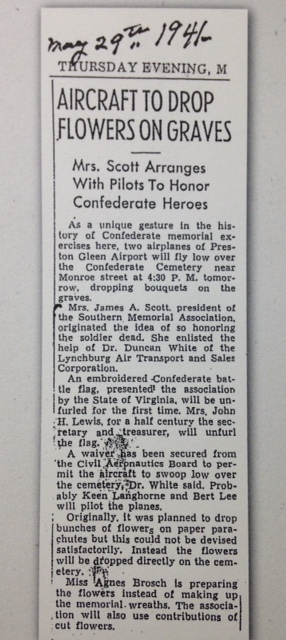
Heirs may start squabbling over their inheritances before the funeral even happens! And it doesn’t have to be millions at stake. In my novel Nettie’s Books (forthcoming), the hostilities erupt over quilts, stoneware pitchers, and a cake plate!
I often find the fun in funerals. My story “The Red Glove” features a drive-through funeral home in Maine. “Wanted” also features a father lying in state at Herschel Southern Drive-Thru Mortuary, resting peacefully behind plate glass.
What about you? If you’re a writer, have you looked on the light side of funerals, or do you write about their inherent tensions?
TAKEAWAY FOR WRITERS
As with other aspects of good writing, the stakes need to be high. What’s to be won or lost? And after you write the scene, ramp it up, push it to the extreme.
People have practiced death rituals as long as they have been people—and perhaps longer. Animals from elephants to crows observe the death of a comrade in particular ways, so why not pre-humans? Death is as important as birth—perhaps more so for writers!
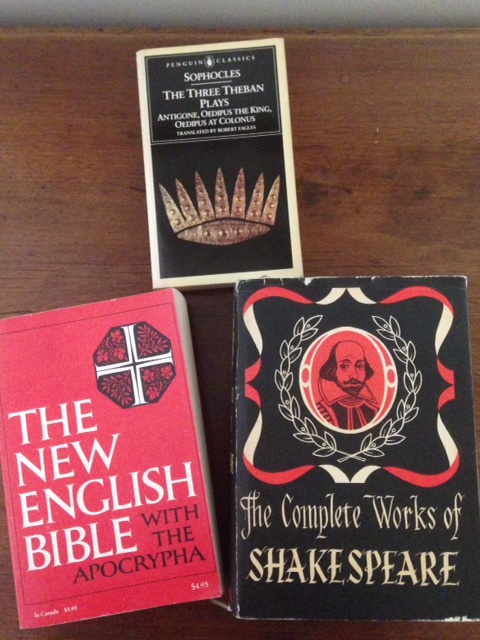
Writing death is a fine old tradition, from the ancient Greeks (think Medea killing her children) to the Bible (e.g., Cane and Abel) to Shakespeare’s Hamlet.
The human fascination with death, dying, death rituals and what happens after death is well documented. I advise writers to steep themselves in death to have the material at hand when it is needed. To that end, I recommend any or all of the following books.
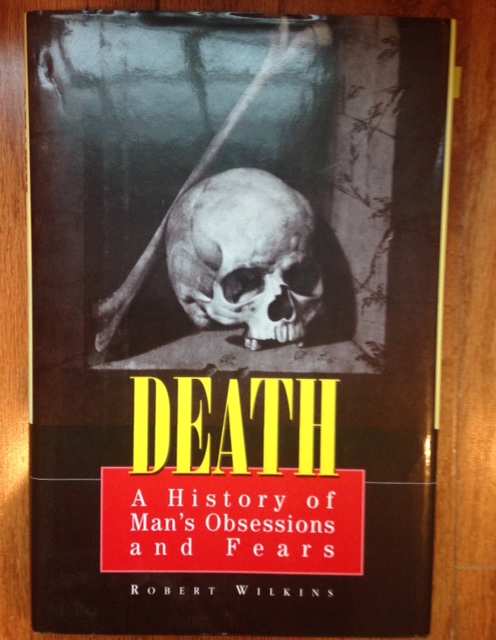
Death: A History of Man’s Obsessions and Fears
In this book, Wilkins vividly documents our worst fears: premature burial, posthumous indignity, bodily disintegration, being forgotten. The fear of being buried alive led to a proliferation of waiting mortuaries. Bodies presumed dead rested on zinc trenches filled with antiseptics and camouflaged by flowers. A complex system of cords and pulleys attached to fingers rang a bell in the porter’s lodge if the presumed corpse moved. Could a person be buried alive today?
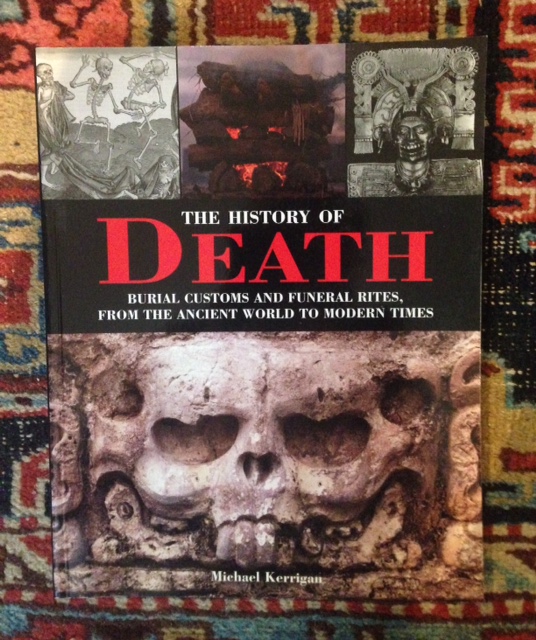
The History of Death
Kerrigan starts with ideas of an afterlife. He addresses the issue of the demanding dead, ancient funerary rites, death rituals, and death present and future. The least demand the dead make is dealing with the body, which may be left for animals to scavenge. But gifts ranging to flowers for the burial to daily feeding of the spirit of the departed are common around the world. The ultimate is a demand for a sacrifice, ranging from a goat in Benin to the Indian custom of the widow throwing herself on the funeral pyre. Consider the demands inherent in Memorial Day ceremonies. How might your character feel about the demands of the dead?
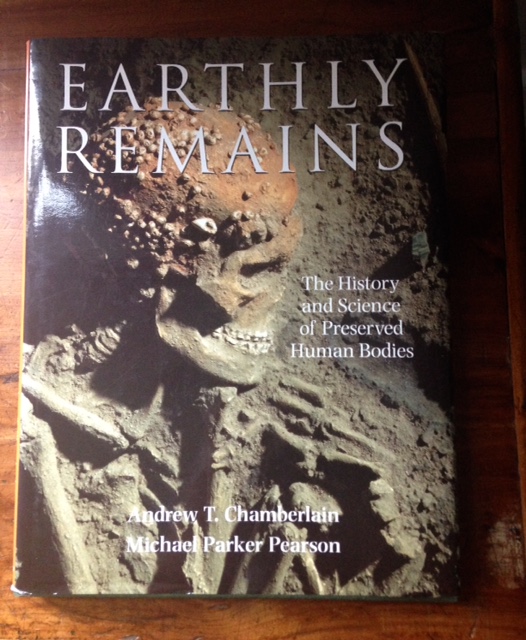
Earthly Remains
Chamberlain and Pearson tour preservation and decay: bog bodies, mummified bodies, frozen bodies and more. Wonderful pictures throughout add richness to the written word. What would a person do, suddenly confronted with one of these bodies?
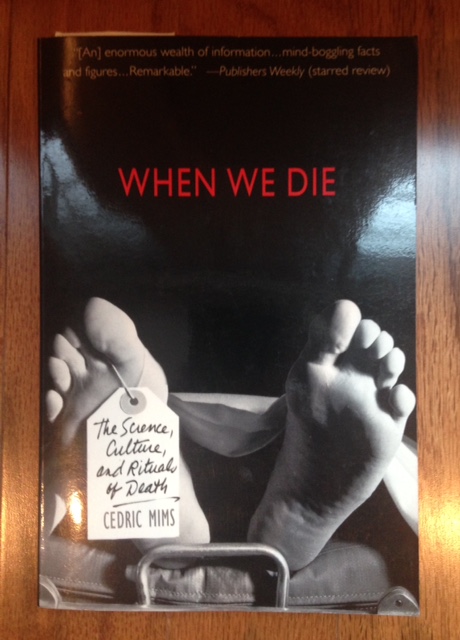
When We Die
Cedric Mims presents a broad view of the topic, and might be the single best resource. He covers everything from the definitions of death—and yes, I meant that to be plural—to causes of death, including suicide, euthanasia, and murder. Being stung to death by a scorpion happens about 1000 times a year, whereas more than 4 million a year die of accidents and violence. I especially like the section on the use and abuse of corpses. Writers can effectively exploit either the rare or the common.
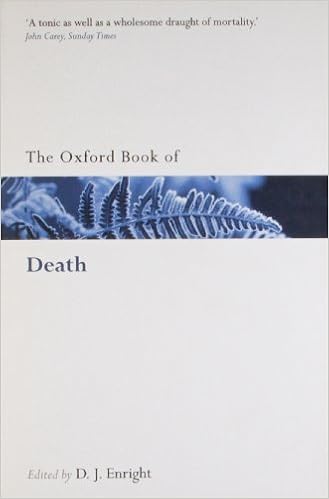
The Oxford Book of Death
In addition to the more common discussions of definitions, attitudes, graveyards, and funerals, there is a section on revenants—i.e., whether the spirit of the dead can appear to the living, and if so why. Also, there is a section on epitaphs, requiems, and last words, for example, “Poorly lived, And poorly died, Poorly buried, And no one cried.” That alone could lead to a heart-wrenching story!
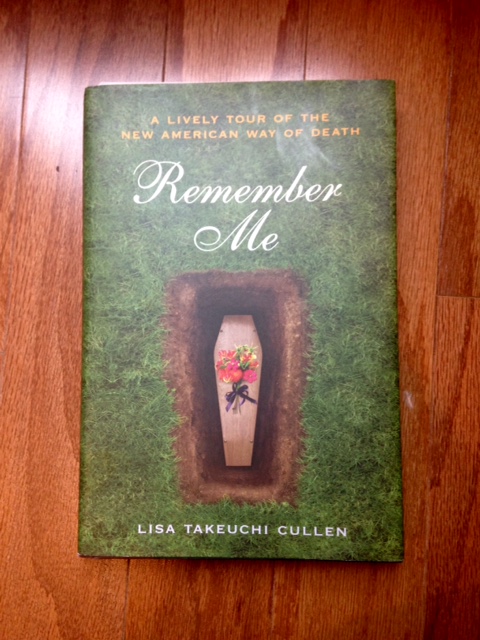
Remember Me
Last but not least, Remember Me is a fascinating display of modern variations on death and burial. She has a chapter on funeral mishaps, including the case of the tragic dove release. She talks about “green” burials to make bodies biodegradable, about turning ashes to diamonds, and being buried at sea. People have been buried in caskets shaped like boats, tomatoes, airplanes, and snakes—and there’s a whole subdivision on cars. If you prefer death lite, this book is for you!
With death, the first thought is likely to be emotional—sorrow, grief, mourning—or possibly glee, relief, or just acceptance. But as you consider death, remember the other aspects: the potential social, political, financial, or historical impact. And as Cullen says, “Death is a disruptive event; it interrupts planned road trips and imperils baby-sitting.” So don’t forget the inconvenience and irritation side effects. Be sure you are writing a well-rounded death.
By Paolaricaurte (Own work) [CC BY-SA 4.0 (http://creativecommons.org/licenses/by-sa/4.0)], via Wikimedia CommonsClick here to comment.
I read somewhere—perhaps in an interview with Ursula K. Le Guin—that science fiction has both feet planted solidly in the science of today, that the fictional parts are pushing beyond those roots in a way that is both logical and plausible.
So when I read a blurb for CREATION: How Science is Reinventing Life Itself by Adam Rutherford, I immediately thought science fiction. According to Rutherford, we are radically exceeding the boundaries of evolution and engineering entirely novel creatures—from goats that produce spider silk in their milk to bacteria that excrete diesel to genetic circuits that identify and destroy cancer cells. Imagine what stories might be told in a world where such creatures are commonplace, where such engineering is taken for granted. Imagine the products, and the governmental involvement.
Creation by Adam Rutherford
Fantasy, on the other hand, is making it up out of whole cloth. Even so, it could draw on science for an idea. For example, another book I came across recently has such possibilities: TEMPERATURE-DEPENDENT SEX DETERMINATION IN VERTEBRATES edited by N. Valenzueta & B. Lance. It contains articles by leading scholars in the field and reveals how the sex of reptiles and many fish is determined not by the chromosomes they inherit but by the temperature at which incubation takes place. Fantasy would be a story in which human sex is determined by ambient temperature. And perhaps it can vary as the temperature varies. And so forth.
Now, if you wrote a story about a world over-run by snakes and fish because of global warming, you would be back to science fiction. Ditto for a world in which the biological engineering described in CREATION results in changing many species to be temperature-reactive and put that in the context of global warming.
TAKEAWAY FOR WRITERS
Check out the latest in science and then let your imagination run wild!