
I have to work very hard not to spend all my money (and time) one books.
Money, money, money! It touches nearly every aspect of a person’s/character’s life—and deserves conscious decision making.
Does owning an entire city count as filthy rich?
How much money? These are not scientific or economic terms, rather, the sorts of terms people use to describe themselves and/or others. The actual dollar amounts associated with the descriptors may vary. What would you/your character say? Point of information: people tend to make finer distinctions closest to where they peg themselves, lumping the extremes into bigger chunks.
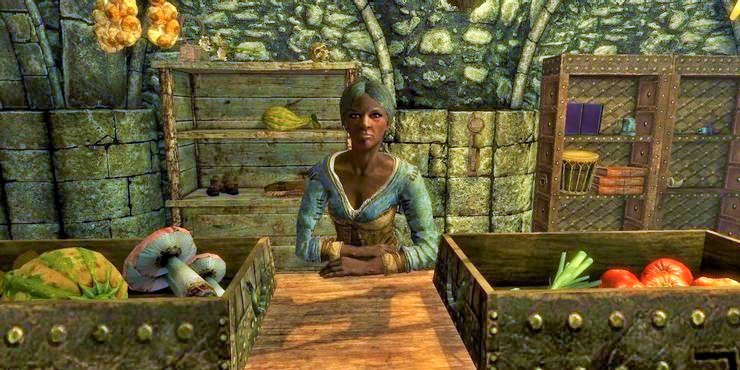
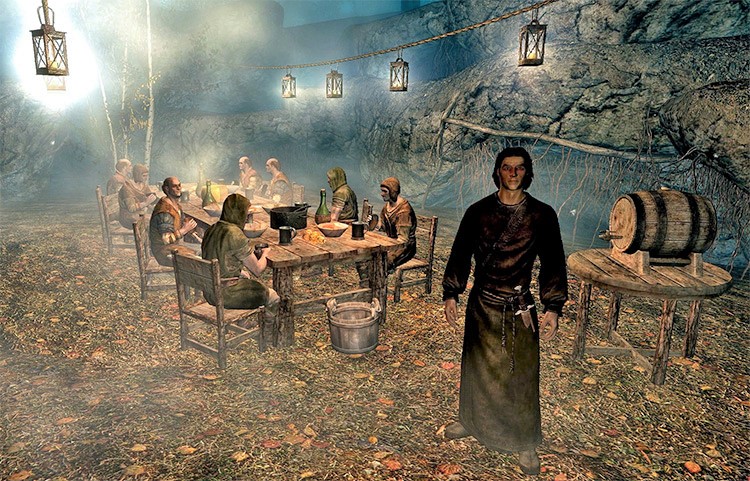
Being penniless isn’t so bad when there are open barrels of food everywhere.
Penniless
Poverty stricken
Poor
Lower middle class
Middle class
Upper middle class
Well off
Rich
Filthy rich
*I’ve also seen income level defined by preferred fast food options. The scale ranges from Going to AA Meetings for Coffee, through Taco Bell and Chipotle, all the way up to Whatever the Private Chef Makes.
Social attitudes toward shopkeepers often depends on the quality of merchandise.
Source(s) of income: Note that respect for various sources of income varies widely. This often translates into treating people differently.
Musicians playing in a bar are often treated differently from musicians playing in a symphony hall, though their incomes are often almost identical.
Begging or panhandling
Gambling
Theft of various sorts, with or without another source
Illegal activities
SSI disability
Medicare/Medicaid
Hourly wage
Entertainment, anything from a classical pianist to an exotic dancer
By the job/ piecework
Having multiple jobs
Salary
Salary plus bonuses
Stocks/bonds, dividends/interest
Trust funds
Family loans/gifts
Stability/predictability/security of income: Obviously, stability has implications for mental health and life stress. Money can’t buy happiness, but it certainly makes achieving stability somewhat easier.
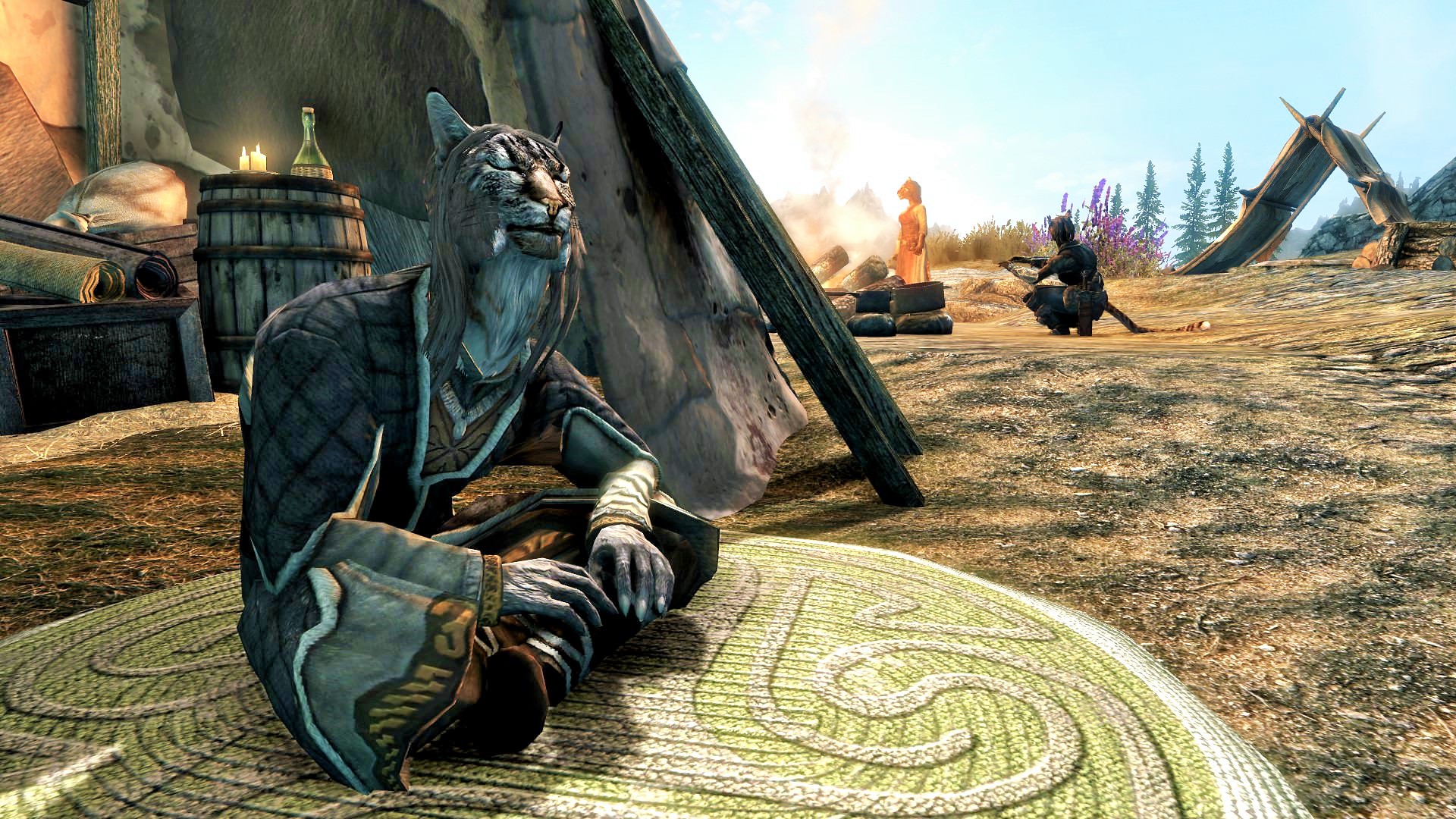
Some people value experience and travel more than money, making a living on the road, feeling the wind in their fur… er… hair.
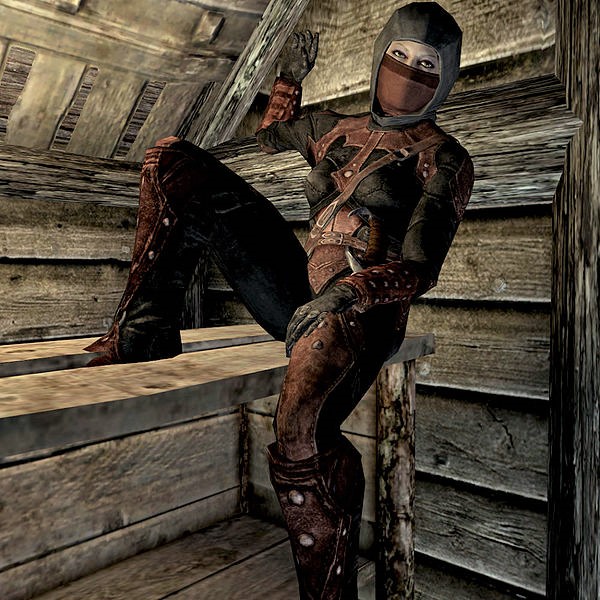
Assassins are generally exempt from income and property taxes, though sales tax may still apply.
Thoughts on taxes: This could be the modern IRS, but the same questions could just as easily be applied to citizens providing magic spells or Zygloxans giving helium globules to the Grand Tyrant on Planet YT-3H81.
Taking fewer payroll deductions than allowed in order to assure a tax refund vs. planning to owe and have the use of the money in the meantime
Being willing to pay taxes or looking for ways to avoid paying them
Finding quasi-legal or outright illegal methods to get out of paying taxes
Carefully accounting for every expenditure or estimating
Moral objections to the use of taxes (such as Thoreau)
Attitude toward money: Not necessarily related to amount of income.
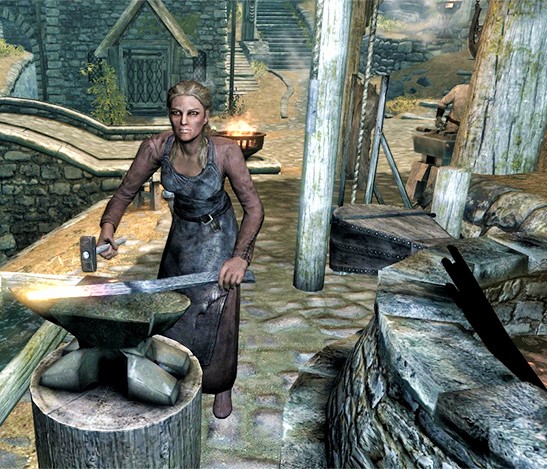
Making everything at home is a way to save money and ensure quality.
Always more where that came from
Easy come, easy go
Best to save for a rainy day/unexpected expense
Sacrifice now for a secure retirement/college tuition/whatever
Always live below your means
Clips coupons and shops sales
Shop resale/garage sales/etc.
Buy quality, not quantity
Budget every penny and then figure out which bills will have to remain unpaid
Money by comparison: Source(s), level, etc., of income, especially compared to family and friends.
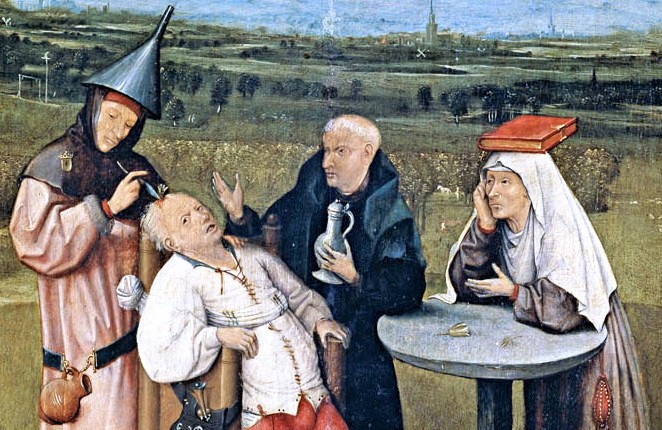
Relationships can get really complicated if your friends sell you off for scientific experiments.
Similar
Comparable
Much above
Much below
Changed over your/your character’s lifetime
Income disparity causing conflict
Where the money goes:
Religious tithes
Charitable contributions
Necessities only
Whatever strikes one’s fancy
Luxuries, with or without guilt
Whatever is most visible to elicit praise, admiration, or envy from others
Hobbies (what?)
Supporting family or friends who need a hand
Pets
Back into a business
Stocks/bonds
Sponsoring people on social media as indirect advertisement
Partying with demons is surprisingly expensive.
How money is handled:
If these characters offer a loan, running away is probably the best response.
Cash only
Charge everything possible
Pay by debit card whenever possible
Pay bills as soon as one arrives
Have bills paid by bank debit
Pay at the last minute, sometimes incurring late fees
Tip lavishly or stingily?
Bank account
Checking account
Savings account
Needing to take payday or title loans
If having to choose food, rent/mortgage, utilities, gas/transportation, which?
Bottom Line: What other ways is money a lynchpin in the life of you / your character?
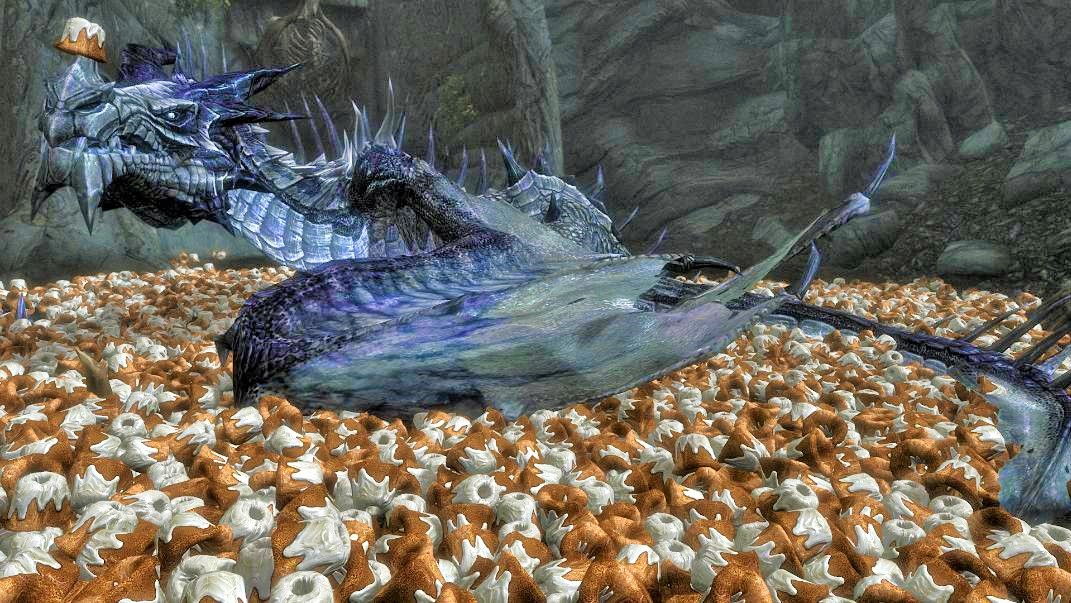
No matter how carefully one budgets and saves, it can all be taken away at any time when a horde of dragons comes by.
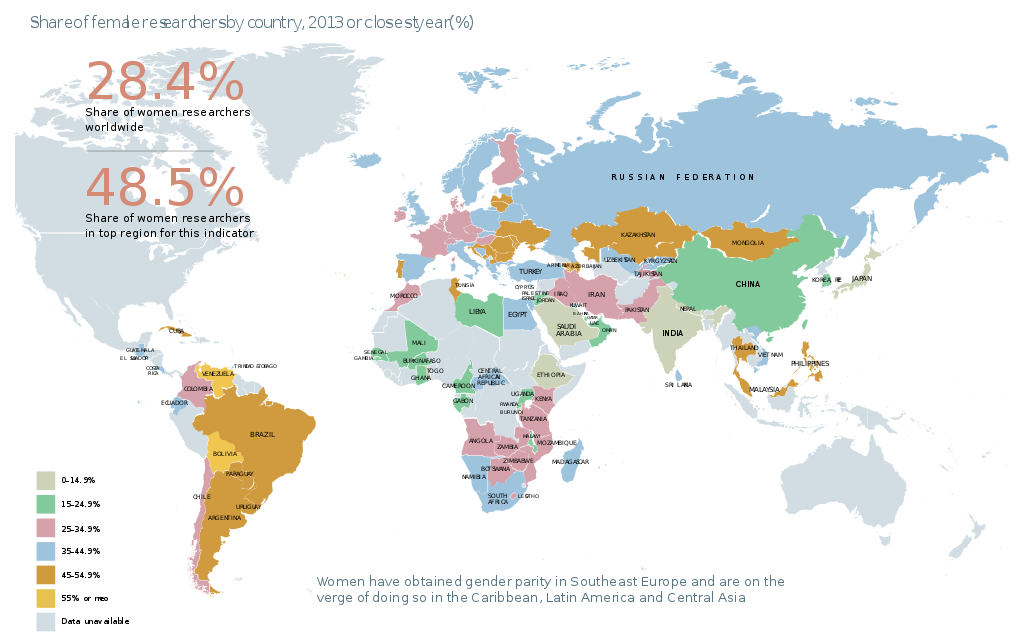
Share of female researchers by country: 2013 or closest year Source” UNESCO Science Report towards 2030 data from UNESCO Institute for Statistics
Like so many professions, psychology has been male-dominated. Asked to name a psychologist, men like B. F. Skinner, John B. Watson, Stanley Milgram, and Sigmund Freud are likely to be mentioned —even though Freud was actually a medical doctor who founded psychoanalysis. But many of the most important movers and shakers in psychology were women. Here—in no particular order—is a brief introduction to just a few of them. I’m not including references; they are available on line in many forms.
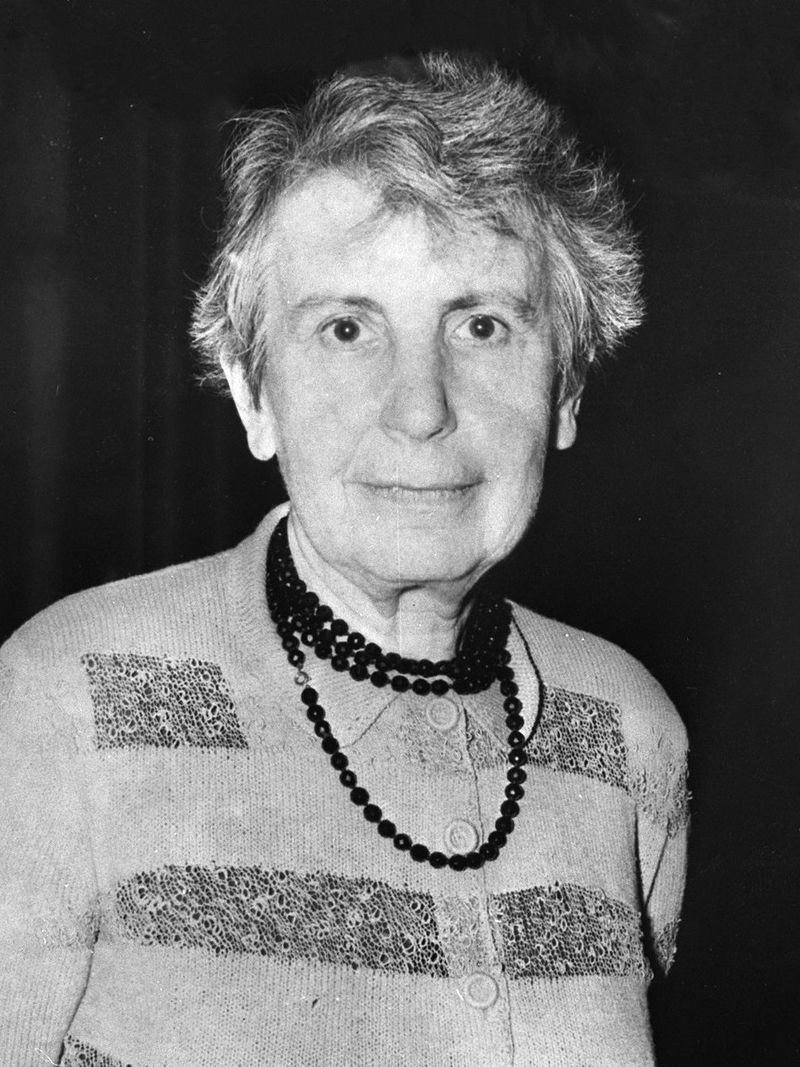
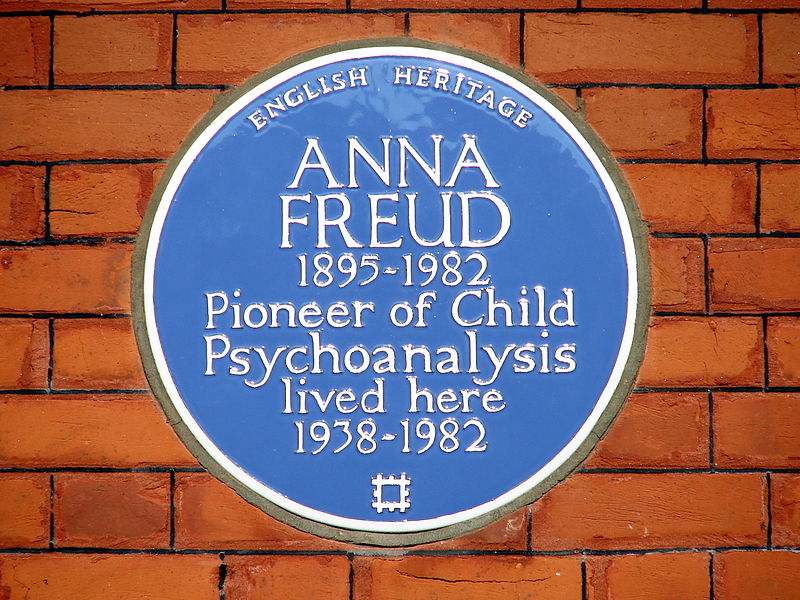
Anna Freud
(3 December 1895 – 9 October 1982) Anna Freud was born in Vienna, the sixth and youngest child of Sigmund Freud and Martha Bernays. She is reported to have had an unhappy childhood, and she did not have a close relationship with her mother. Her older sister Sophie was the family beauty; Anna the one with brains. She may have suffered from depression, and she went to health farms to rest, exercise, and gain weight, implying eating disorders. At the same time, Anna was a lively child with a reputation for mischief.
Contrary to other members of her family, she had a close relationship with her father—something both of the psychoanalytic Freuds must have had thoughts about! Anna made good progress in most subjects, apparently mastering English and French and basic Italian easily.
Anna left her teaching career to care for her father. Sigmund Freud was diagnosed with cancer of the jaw in 1923. He underwent many operations and required long-term nursing assistance, which Anna provided. She also acted as his secretary and spokesperson, notably at the bi-annual congresses of the International Psychoanalytical Association, which her father was unable to attend.
Ultimately, she followed in her father’s footsteps into psychoanalysis. Alongside Hermine Hug-Hellmuth and Melanie Klein, Anna Freud may be considered the founder of psychoanalytic child psychology. She is credited with expanding interest in child psychology.
Anna expanded on her father’s work. Although Sigmund Freud recognized the id, ego, and superego, Anna’s work emphasized the importance of the ego. Among her many accomplishments, my favorite is her development the concept of defense mechanisms.
Anna Freud never married. Her only partner of record (as far as I know) was Dorothy Burlingham.
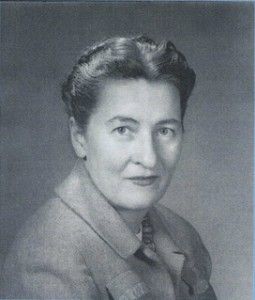
Mary Salter Ainsworth
(December 1, 1913 – March 21, 1999) Mary Dinsmore Salter Ainsworth was an American-Canadian feminist, army veteran, and developmental psychologist who specialized in child psychology. Ainsworth devised an experiment called the “Strange Situation” in reaction to John Bowlby’s initial finding that infants form an emotional bond to its caregiver.
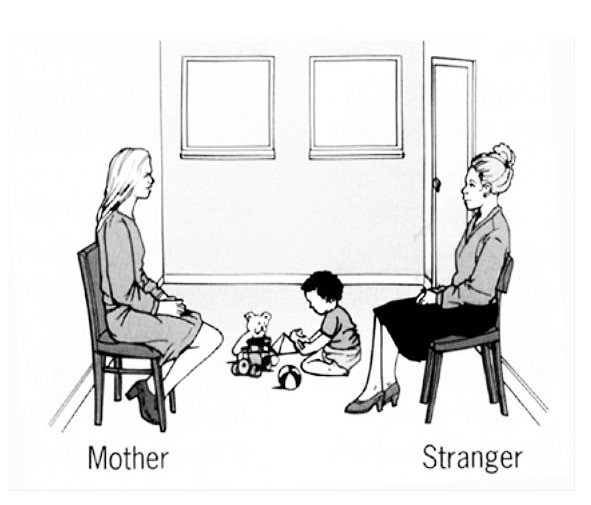
In Ainsworth’s experiments, the infant was placed in scenarios with or without the mother as well as with or without a stranger. The child’s behavior was observed in these “anxious” conditions. Ainsworth stated that infants react in 4 different attachment patterns (secure, ambivalent, avoidant, or disorganized) based on the extent of their bond to their primary caregiver.
The “Strange Situation”
The eldest of three daughters, Mary Dinsmore Salter was born in Ohio to Mary and Charles Salter. Although he possessed a master’s degree in history, her father worked at a manufacturing firm in Cincinnati. Her mother, who was trained as a nurse, was a homemaker. Both valued education highly. In 1918, her father’s manufacturing firm transferred him to Toronto, Ontario, Canada, where Salter spent the rest of her childhood.
Salter was a precocious child. She began reading by the age of three. Similarly to Anna Freud, she was close with her father, who tucked her in at night and sang to her. Also like Anna Freud, Salter did not have a warm relationship with her mother.
Mary Salter excelled in school, and decided to become a psychologist at the age of 15. She began classes at the University of Toronto at age 16, where she was one of only five students admitted to the honors course in psychology. She earned her bachelor’s degree in 1935, her master’s degree in 1936, and her PhD in 1939, all at the University of Toronto.
Salter’s dissertation, “An Evaluation of Adjustment Based on the Concept of Security,” shaped her subsequent professional interest. Her dissertation stated that “where family security is lacking, the individual is handicapped by the lack of a secure base from which to work.”
In 1942, Salter left teaching to join the Canadian Women’s Army Corps. She left the military in 1945 with the rank of Major. She married Leonard Ainsworth, a graduate student in psychology, in 1950. They divorced in 1960.
While working at Johns Hopkins, Ainsworth did not receive the proper treatment considering her skills and expertise: she was paid less and had to wait two years for an associate professor position even though her qualifications surpassed the job description. At the time, women and men had to eat in separate dining rooms, which ultimately meant women could not meet powerful male faculty members in the same informal way men could.
She eventually settled at the University of Virginia in 1975, where she remained until her retirement in 1984. As a professor emerita she remained active 1992.
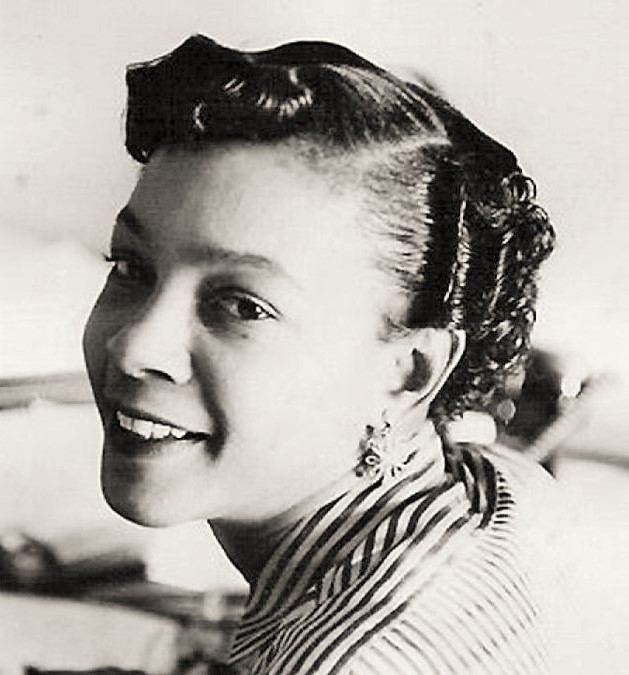
(April 18, 1917 – August 11, 1983) Mamie Phipps was born in Hot Springs, Arkansas and died of cancer in New York City in 1983. She was the first Black woman to earn a degree from Columbia University, and the second Black student to earn a doctorate (after her husband Kenneth).
She entered Howard University in 1934 to study math and physics. While still an undergrad, she met her future husband. Kenneth Clark was a master’s student in psychology and urged her to switch to psychology. Both her B.A. and M.A. degrees were from Howard. After graduating magna cum laude, she worked in a law office for a time before matriculating at Columbia. Before graduating in 1943, she had had two children!
While working as a testing psychologist at an organization for homeless Black girls, Clark noted how limited mental health services were for minority children. In 1946, Clark and her husband founded the Northside Center for Child Development, which was the first agency to offer psychological services to children and families living in the Harlem area of New York City. Mamie Clark served as the Northside Center’s director until her retirement in 1979.
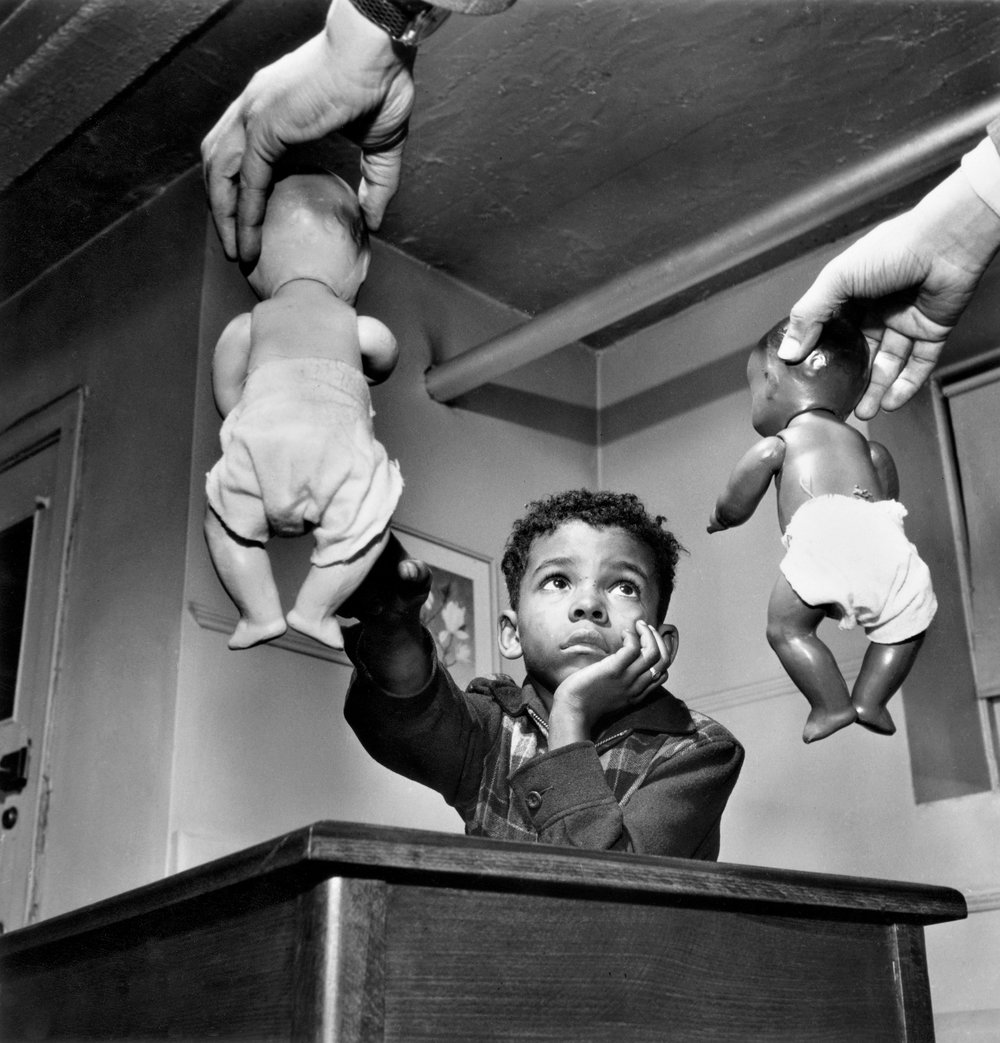
In her now-classic experiment, the Clarks showed Black children two identical dolls, one Caucasian and one Black. The children were then asked a series of questions including which doll they preferred to play with, which doll was a “nice” doll, which one was a “bad doll,” and which one looked most like the child.
The researchers discovered that not only would 59% the children identify the Black doll as the “bad” one, nearly 33% selected the white doll as the one they most resembled. Her research was central to demonstrating that separate is not equal.
Yes, she faced prejudice based on both her race and sex, but she went on to become an influential psychologist. She developed the Clark Doll Test as a tool for her research on racial identity and self-esteem. Her research on self-concept among minorities was ground-breaking. She played a role in the famous 1954 Brown vs. Board of Education case.
Clark’s work on racial discrimination and stereotypes were important contributions to developmental psychology and the psychology of race. Her effort on the identity and self-esteem of Blacks expanded the work on identity development.
Clark is not as famous as her husband. It has been noted that she adhered to feminine expectations of the time and often took care to “remain in the shadows of her husband’s limelight.” She often seemed shy. She achieved professional success while maintaining a fulfilling home life. She received a Candace Award for Humanitarianism from the National Coalition of 100 Black Women in 1983.
Leta Stetter Hollingworth
(May 25, 1886 – November 27, 1939, of abdominal cancer) An early pioneer in U.S. psychology, Leta Stetter Hollingworth made her mark by her research on intelligence testing and giftedness. In particular, contrary to her contemporaries beliefs in genetic determination, she believed that education and environment were important factors.
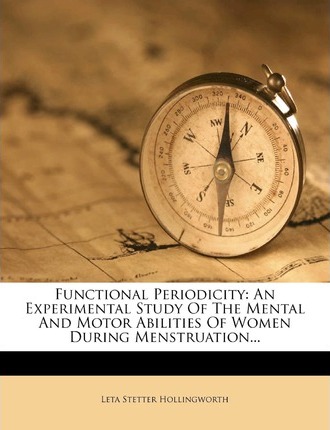
Important as that work was, I admire her especially for her research on the psychology of women! At the time, women were believed to be inferior to men, and their intellect and emotions were at the mercy of their menstrual cycle. Hollingworth’s research demonstrated that women are as intelligent and capable as men, no matter where they are in their monthly cycles.
When her mother died giving birth to her third child, her father abandoned the family. The children were reared by their mother’s parents for a decade, until her father reclaimed the children and forced them to live with him and his new wife. Stetter later described the household as abusive, plagued by alcoholism and emotional abuse. Her education became a source of refuge.
Stetter left home when she graduated high school in 1902, at the age of 16, and enrolled at the University of Nebraska at Lincoln. Leta completed her bachelor’s degree and teaching certificate in 1906 and married Harry Hollingworth in 1908. She moved to New York so that her husband could pursue his doctoral studies. Originally she planned to continue teaching, but New York did not allow married women to teach high school at that time!
As a prime example of “when life gives you lemons, make lemonade,” she enrolled at Columbia University and earned a master’s in education in 1913. Leta Hollingsworth took a position at the Clearing House for Mental Defectives where she administered and scored Binet intelligence tests (testing for IQ). She completed her Ph.D. in 1916 and took a job at Columbia’s Teachers College, where she remained for the rest of her career.
She is also known for her work in the first two decades of the twentieth century that contributed in a small way to changing the views toward women that led to women having the right to vote in a nation that had too long denied them that right. One of her students who became well known is Carl Rogers.
Although she died at age 53, her influence on psychology has been impressive.
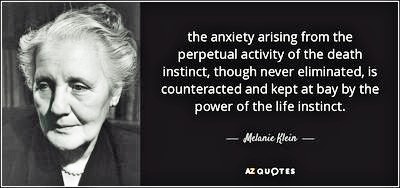
Melanie Klein
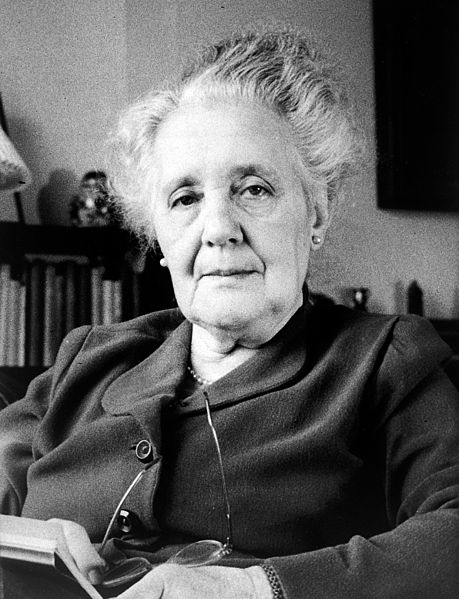
(30 March 1882-22 September 1960) Melanie Klein was a psychoanalyst who was pivotal in developing play therapy. Working with children, she observed that they often utilize play as one of their primary means of communication. Play therapy is commonly used today to help children express their feelings and experiences. Young children aren’t able to participate in some of the more commonly used Freudian techniques, such as free association. Klein used play as a way to study children’s unconscious feelings, anxieties, and experiences.
Note: This was a major disagreement with Anna Freud, who believed younger children could not be psychoanalyzed. Today, Kleinian psychoanalysis is one of the major schools of thought within the field of psychoanalysis.
At the age of 21 Melanie Reizes married an industrial chemist, Arthur Klein, and soon after gave birth to their first child; subsequently, she had 4 more children. She suffered from clinical depression, and these pregnancies taking quite a toll on her. This and her unhappy marriage led Klein to seek treatment. She began a course of therapy with psychoanalyst Sándor Ferenczi, during which she expressed interest in studying psychoanalysis.
In 1921, Klein moved to Berlin and joined the Berlin Psycho-Analytic Society under the tutelage of Karl Abraham. Even with Abraham’s support for her pioneering work with children, neither Klein nor her ideas received general support in Berlin. As a divorced woman who did not even hold a bachelor’s degree, Klein was a clear outsider within a profession dominated by male physicians. Nevertheless, Klein’s early work had a strong influence on the developing theories and techniques of psychology.
As I said in the beginning, these are just a few examples of women who deserve more recognition and credit. There are many.
For example, Mary Whiton Calkins attended Harvard without being formally admitted. Although she had completed all of the requirements for a doctorate, Harvard refused to grant her the degree on the grounds that she was a woman. Even so, she became the first female president of the American Psychological Association in 1905.
Similarly, Christine Ladd-Franklin studied at John Hopkins and completed a dissertation, but the school did not grant women Ph.D.s at the time. Finally, in 1926, nearly 44 years after completing her degree work, John Hopkins awarded her a doctorate.
Bottom line: Choose any profession that interests you, look for members who made significant contributions to that profession but are under appreciated, and you will find women!
Editor’s Note: One of the reasons women are under appreciated for their work is that they are missing from the historical record. To correct that problem, Suw Charman-Anderson declared the second Tuesday of every October to be Ada Lovelace Day, an opportunity to raise the profiles of women in STEM fields. One of the ways everyone can participate is by creating or improving the Wikipedia pages of significant women who are not as well-known as they should be.
I’m not sure if this counts as photoshop or forced perspective.
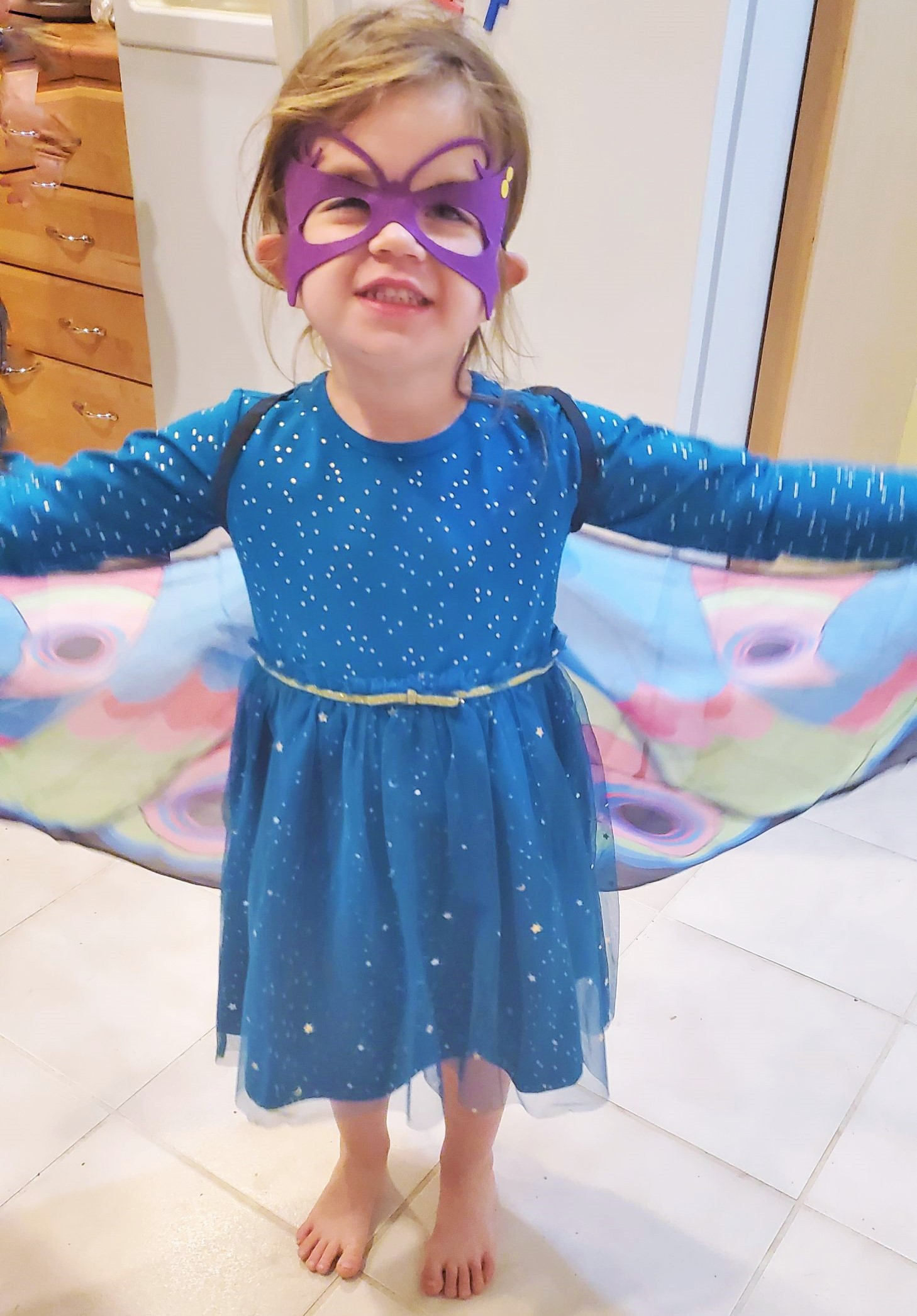
Sprouting wings and antlers may be a side effect of quarantine, but doctors haven’t established a link with the coronavirus.
Because this is Women’s History Month, women will be the focus of all my March blogs. Unfortunately, COVID isn’t yet history—but it will be! And history may fail to note some of the lesser-known side-effects of the pandemic.
All of the examples of non-medical pandemic side effects are from women I actually know.
Newly Discovered (or Re-Discovered) Interests and Skills
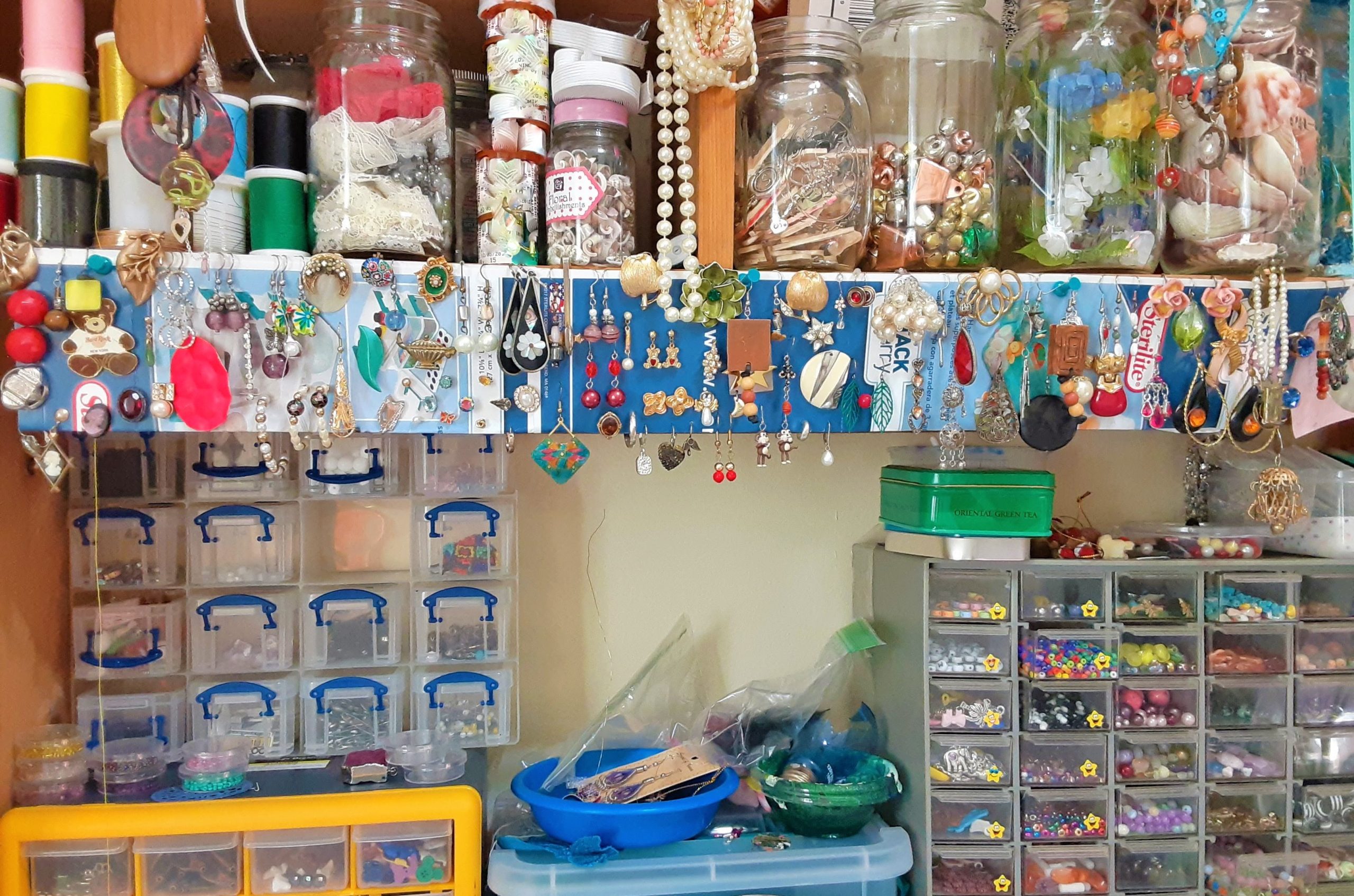
1) She found her old jewelry-making supplies and started making necklaces and earrings to sell online.
2 & 3) Sisters who have undertaken plant therapy, focusing on (obsessing about) caring for their houseplants.
Why the Christmas cactus leaves are yellow and how to fix it.
Why the leaf edges are crispy.
The best placement for each plant in terms of light, heat, and moisture.
Also buying new plants
Western fern
Aluminium
Garden croton
Ponytail palm
Stag horn fern
Aloe
Air plants
Jade…
Plant containers and accessories, such as ceramic pots, macramé holders for hanging plants and geometric air plant holders.
4)She has greatly improved her equestrian skills.
5) She learned how to make chainmail.
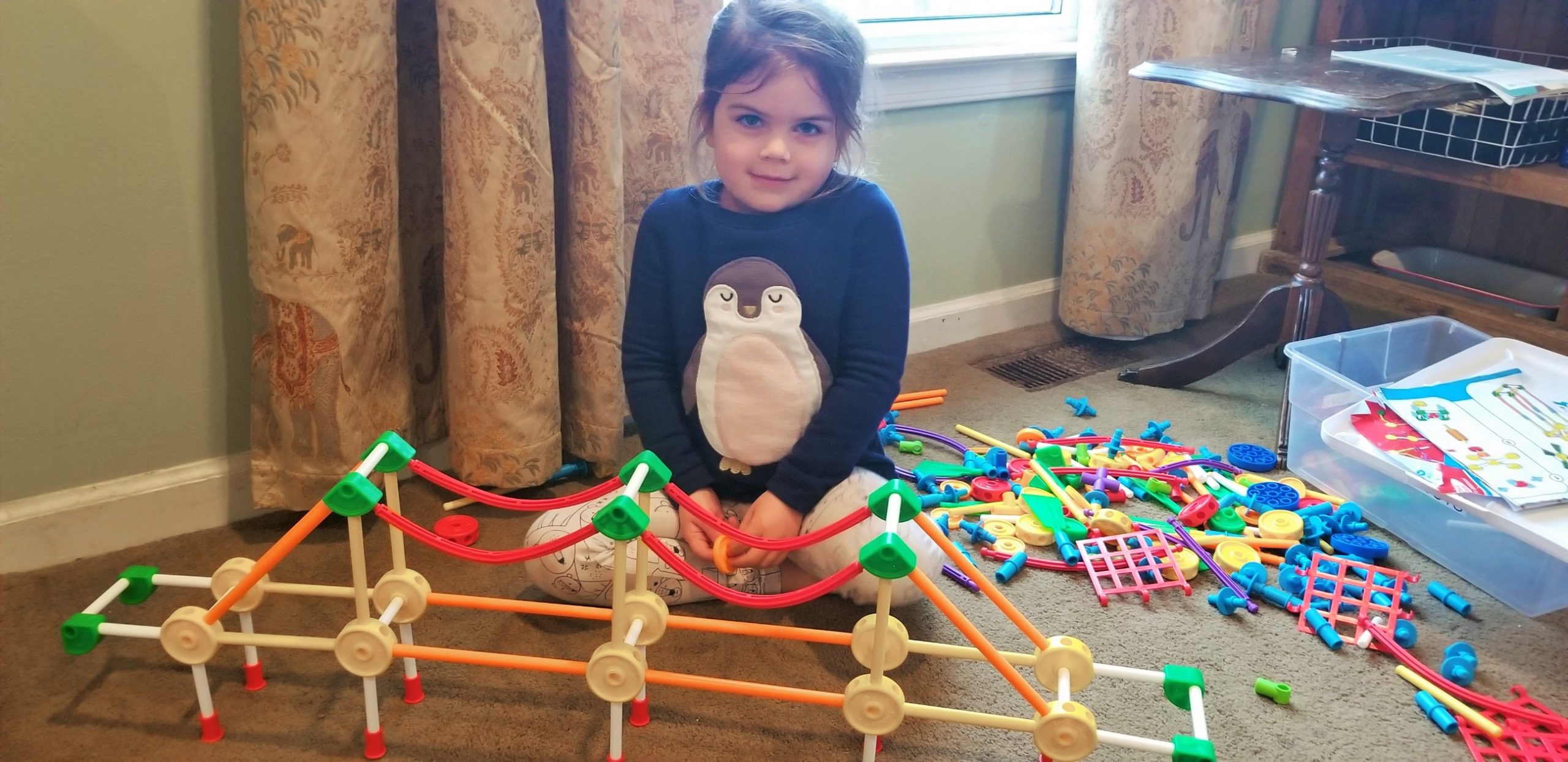
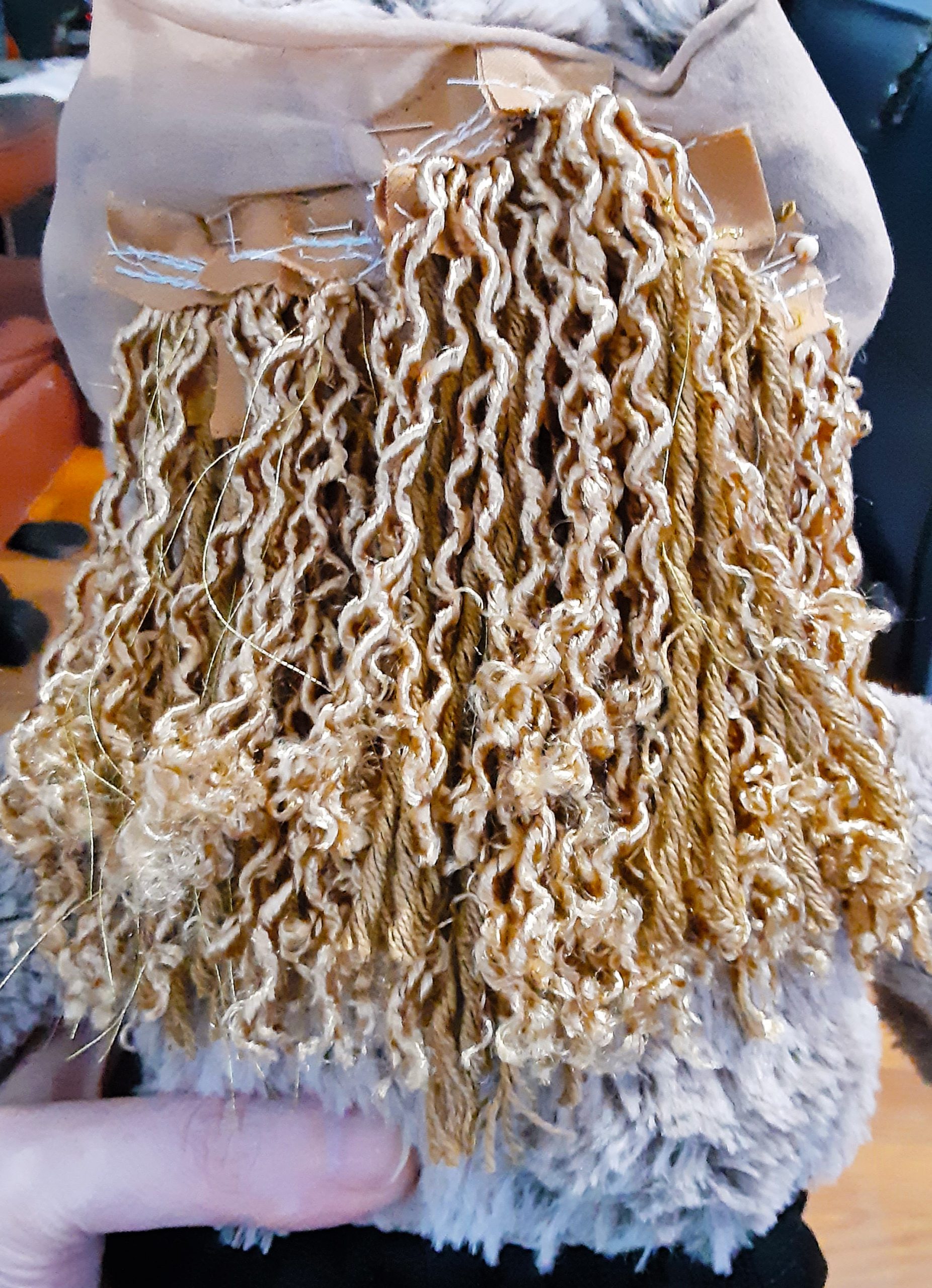
10) She started turning leftovers into crafts for her young nieces, such as unraveling upholstery trim to make a wig for a teddy bear.
6) She found working from home in yoga pants to be so comfortable that she decided never to wear regular waistbands again.
7) She has started creating digital learning modules for elementary grades as a way to help students whose parents are not able to stay home and supervise their children’s online classes.
8) She’s taken up needlework and sewing.
9) She plays online games and crossword puzzles.
Certain Habits (Obsessions?) That Reassure Some Women That They Are “Still Okay”
11) Every day the weather allows, she goes outside for at least ten minutes.
12) She makes a point of wearing a clean T-shirt every day.
17) She eats a regular, balanced diet, with food in each hand.
13) She set herself a strict schedule and sticks to it, eating, working, cleaning, etc. at the same time every day.
14) She gets fully dressed every day, including a complete array of jewelry.
15) She bought 23 masks so she can coordinate them with her outfits.
16) Every day, she has a video chat with at least one friend or family member, and they talk about anything except work, the pandemic, and politics.
Side Effects of Being Home All Day, Every Day
18) She has been deep-cleaning everything in the house: scrubbing the ceiling, re-grouting the bathroom tiles, disinfecting under furniture, etc.
19) She spends extra time training her dog, going way beyond basic obedience. They can do dance routines together now.
20) She’s going through the house room by room and getting rid of things. In the kitchen, it’s old herbs, spices, and condiments plus everything past its “best by” date. In the bathroom, it’s old OTC products and half-used grooming supplies. She’s purging the bookshelves of 1/3 of the books. You get the idea.
21) She built a gym in her back yard and got super strong.
22) She planted and harvested way more produce than usual and canned the extra.
23) She painted all the woodwork, refinished the stairs, replaced the drafty windows, and more home improvements are on the horizon.
24) She is having both bathrooms and the kitchen remodeled.
25) Pulling every single weed in the flowerbeds, deadheading every couple of days, pruning, etc.
26) Every time she cooks, she makes double and freezes half so the family won’t have to worry about grocery shopping or cooking in case someone in the family gets sick or has to quarantine.
Self-Soothing Behaviors (i.e., Doing Things to Reduce Anxiety) Can Get Out of Hand
27) Instead of following the story while playing Skyrim, she spent far too many hours burying a dragon in sweet rolls.
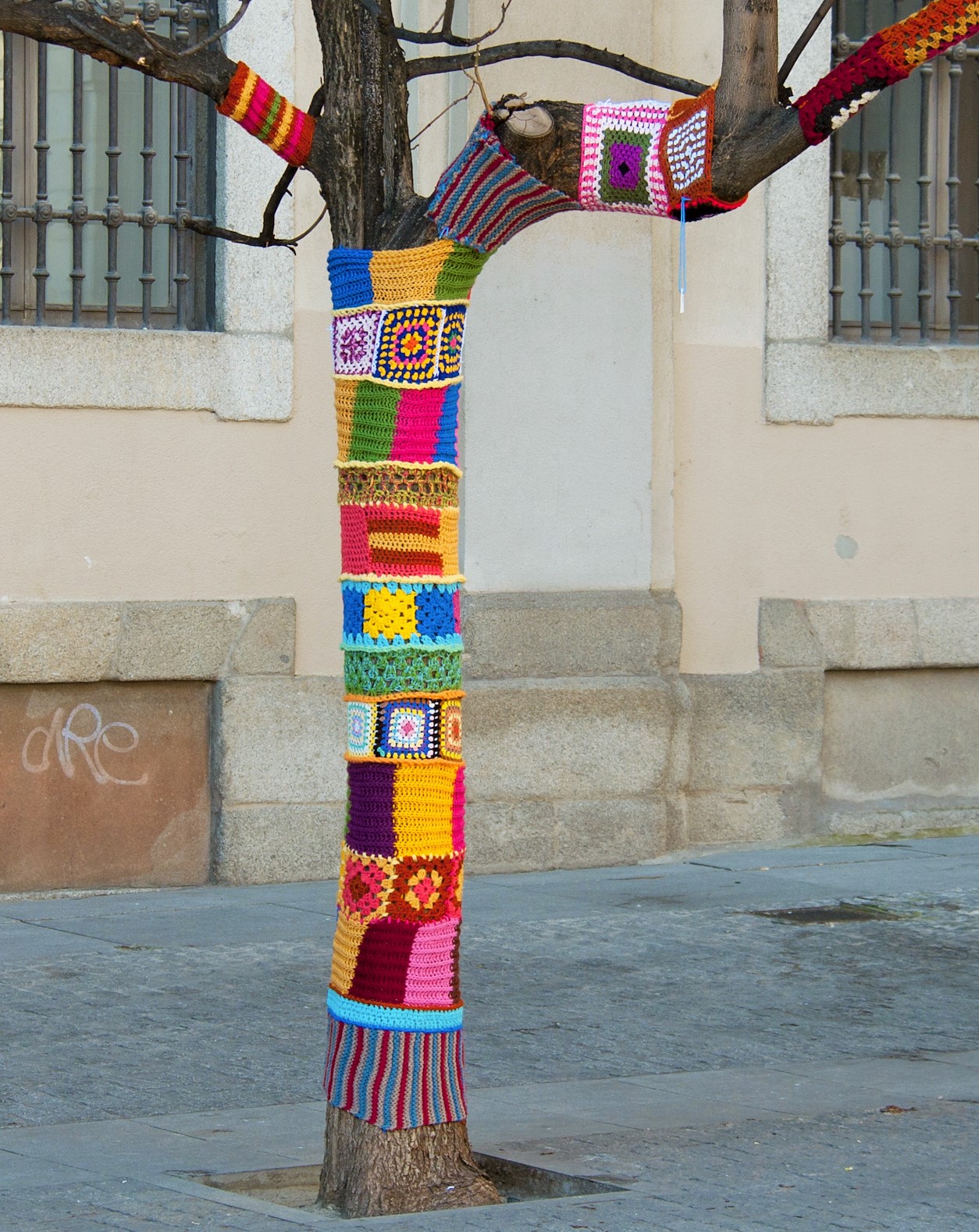
32) Her knitting habit spread out of the house.
28) She makes soup, sometimes having five different kinds in the refrigerator at the same time.
29) She walks 3 miles around the neighborhood every morning.
30) Compulsive shopping on-line.
31) Baking elaborate (or simply large) chocolate desserts and eating the entire result by herself.
Harmful Coping
The media have made clear that smoking, drinking, drugs, and other bad habits are up during the pandemic. Fortunately, I don’t personally know anyone relying on these bad habits.
Bottom Line: changing behaviors because of COVID often lead to changes that seem totally unrelated.
33) She was bored. I’m pretty sure she’s going to take apart my cell phone next….
Did you celebrate Galentine’s Day this year? February 13th has been set aside for celebrating your gal pals. Friendship is an incredibly important part of a healthy support group, and it so often gets overlooked in the media.
Similarly, family relationships (blood or otherwise) are necessary for having a healthy mental support structure. Fiction tends to minimize these relationships unless they fall into specific tropes: controlling or absent parents, in-laws causing friction, siblings held up as an example (positive or negative), eccentric aunts and uncles, siblings in competition for resources.
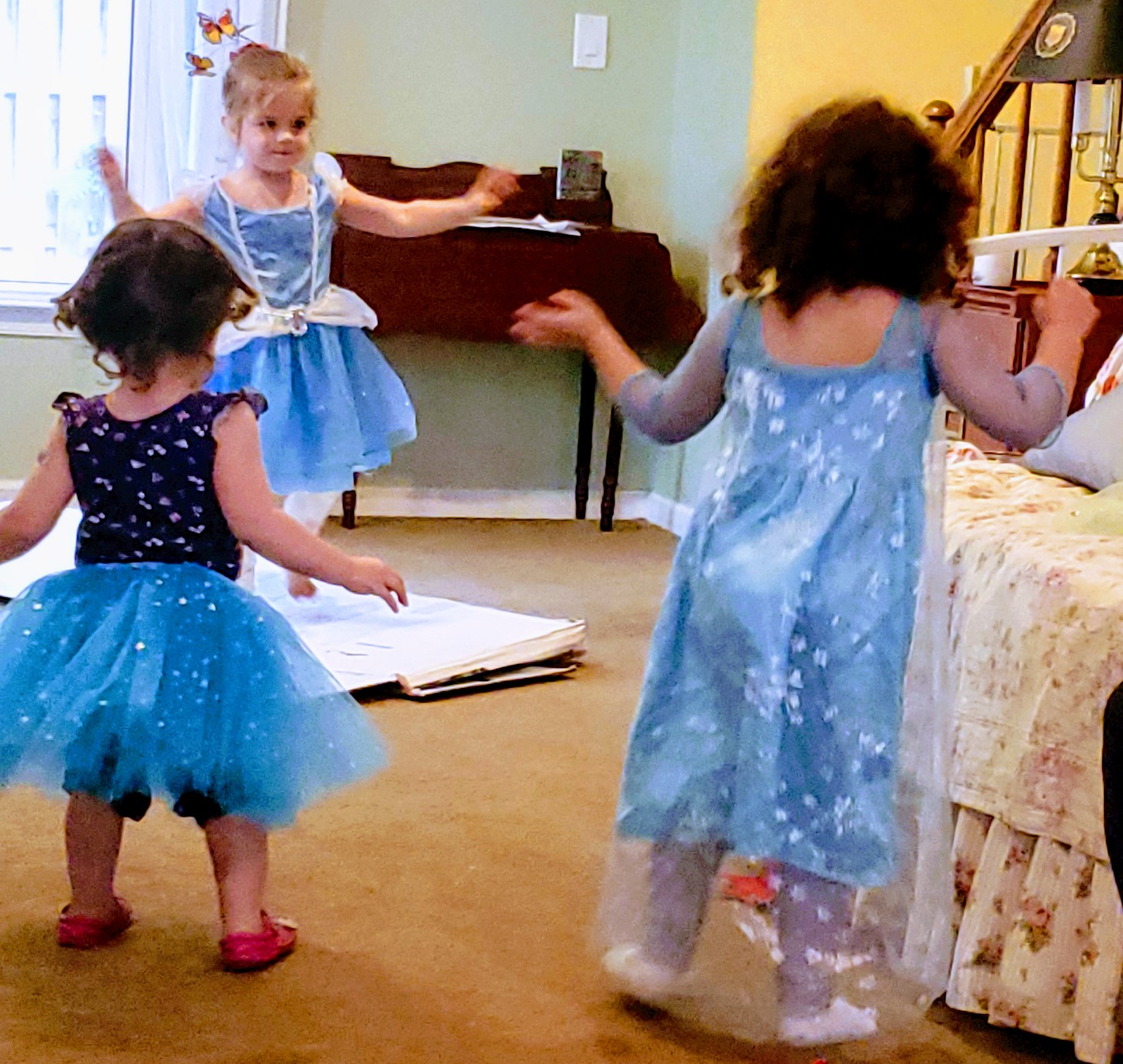
The updated Frozen, with cameos from Cinderella and The Blue Fairy
One of the most popular films that breaks this custom is Disney’s Frozen. The relationship between sisters is stronger than that with any potential romantic interests. Ultimately (spoilet alert), the power of True Love’s Kiss comes from a sister rather than a convenient prince.
By itself, “love” is another of those weasel words—like rose, dog, snow, beautiful—words that can mean so many different things that it communicates very little. This is clear in the dictionary definition of love.
noun
noun: love
plural noun: loves
An intense feeling of deep affection.
“Babies fill parents with feelings of love.”
verb
verb: love
3rd person present: loves
past tense: loved
past participle: loved
gerund or present participle: loving
Feel deep affection for (someone).
“He loved his sister dearly”
So, in English at least, the meaning of the word must be established by modifying words or phrases, or inferred from context.
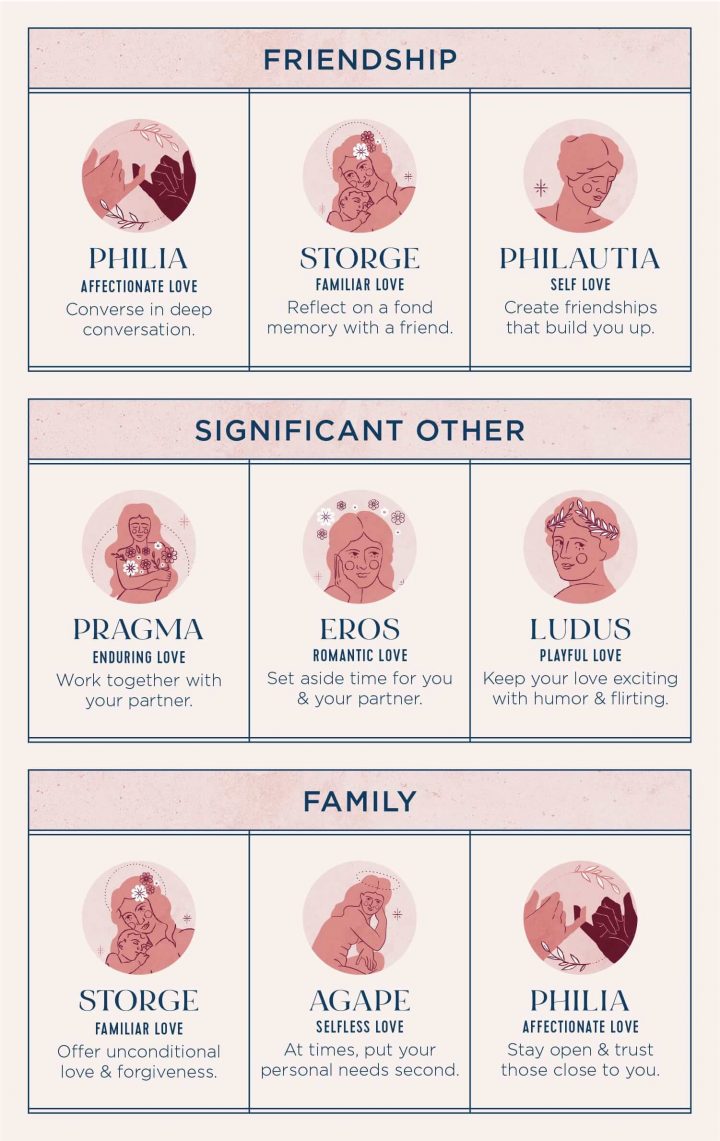
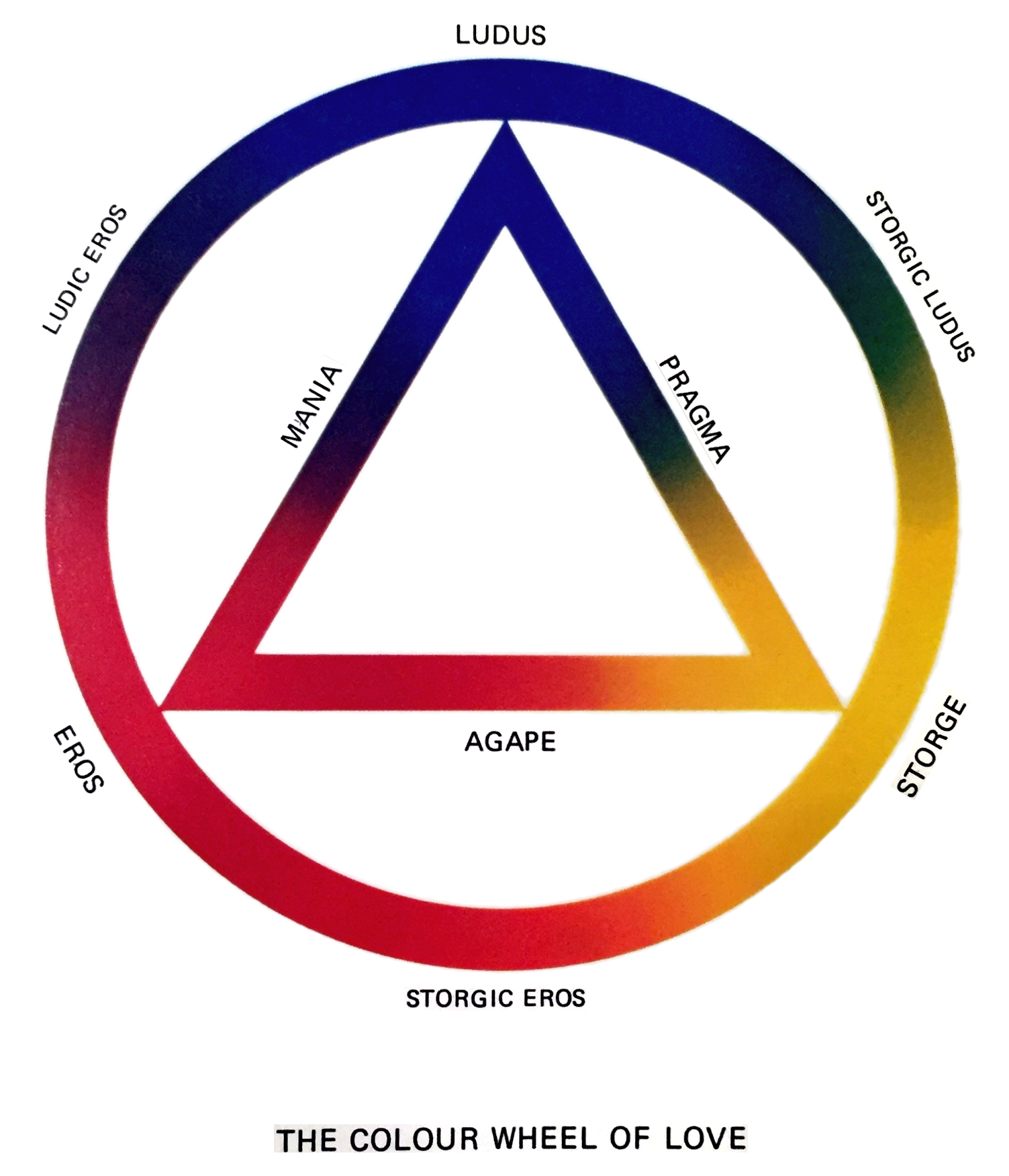
Not so for the Greeks. Some of these are more familiar than others, for example, Eros. Particularly at this time of year, the “love” that is celebrated with flowers, cards, and gifts is almost exclusively Eros.
Eros — Romantic Love—illustrates sexual attraction, physical desire, and a lack of control. It is powerful, passionate, and can fade quickly. Relationships built solely on Eros love tend to be short-lived.
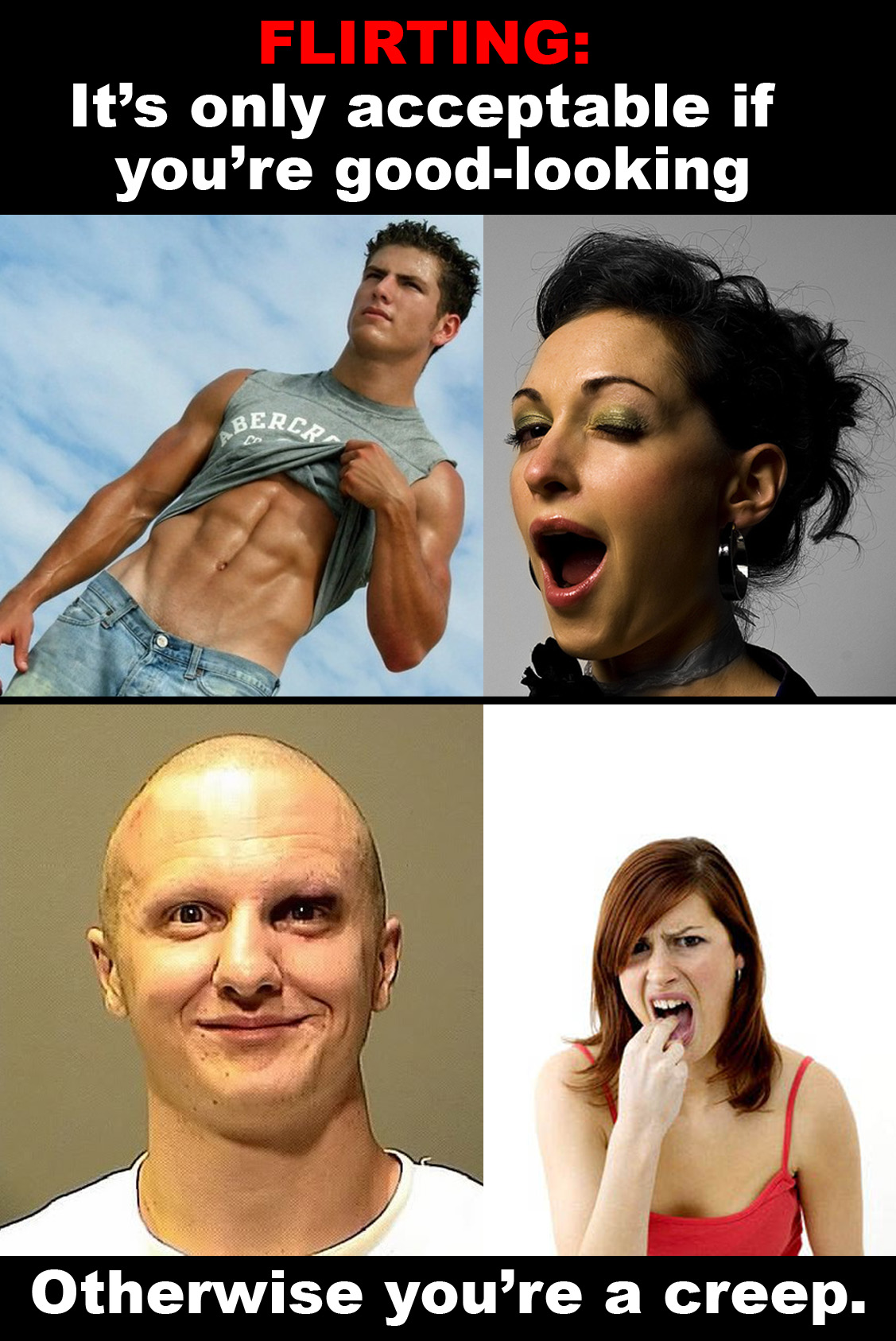
Ludus — Playful Love—is defined by flirtatiousness, seduction, and sex without commitment. The focal point of this love is on the experience rather than attraction or feelings. Ludus is evident in the beginning of a relationship and includes elements of play, teasing, and excitement.
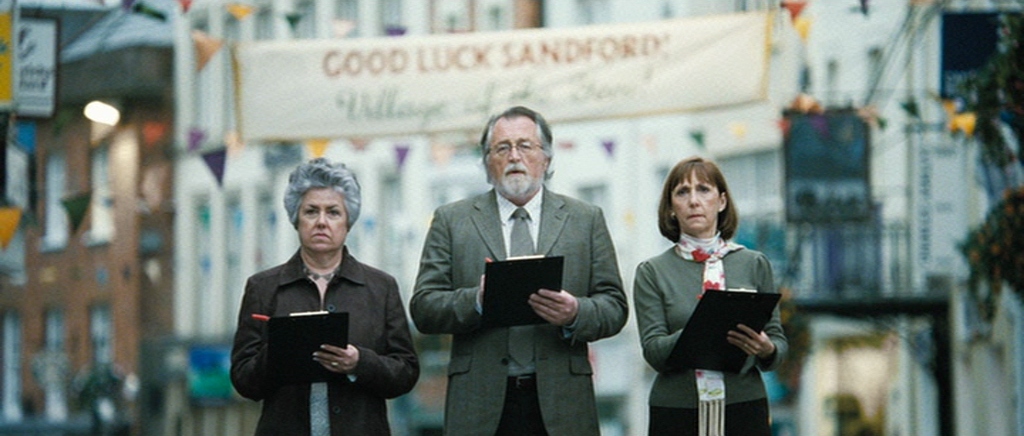
Owning a country has often been cited by relationship experts as the glue that holds a marriage together.
Pragma — Enduring Love—is evident in couples who have been together for a long time. This type of love continues to develop throughout the years and portrays synchronization and balance. This type of love can only survive with constant maintenance and nurturance.
Storge —Love of the Child—describes the unconditional love that (ideally) parents have for their children. It is defined by unconditional approval, acceptance, and sacrifice. It helps a child to develop through attachment, encouragement, and security.
Grandparents often add cookies to storge!
When it is between friends, this type of love is sometimes referred to as phyllia.
Aristotle defined phyllia in Rhetoric as “wanting for someone what one thinks good, for his sake and not for one’s own, and being inclined, so far as one can, to do such things for him.”(1380b36–1381a2)
No one can ever match the selfless love of a dog
Agape — Selfless Love—Agape love is representative of universal love. Greek philosophers felt that this is the type of love that people feel for other humans, for nature, and for a higher power. This love can be most easily expressed through meditation, nature, intuition, and spirituality. Agape love can be used interchangeably for charity and care for others.
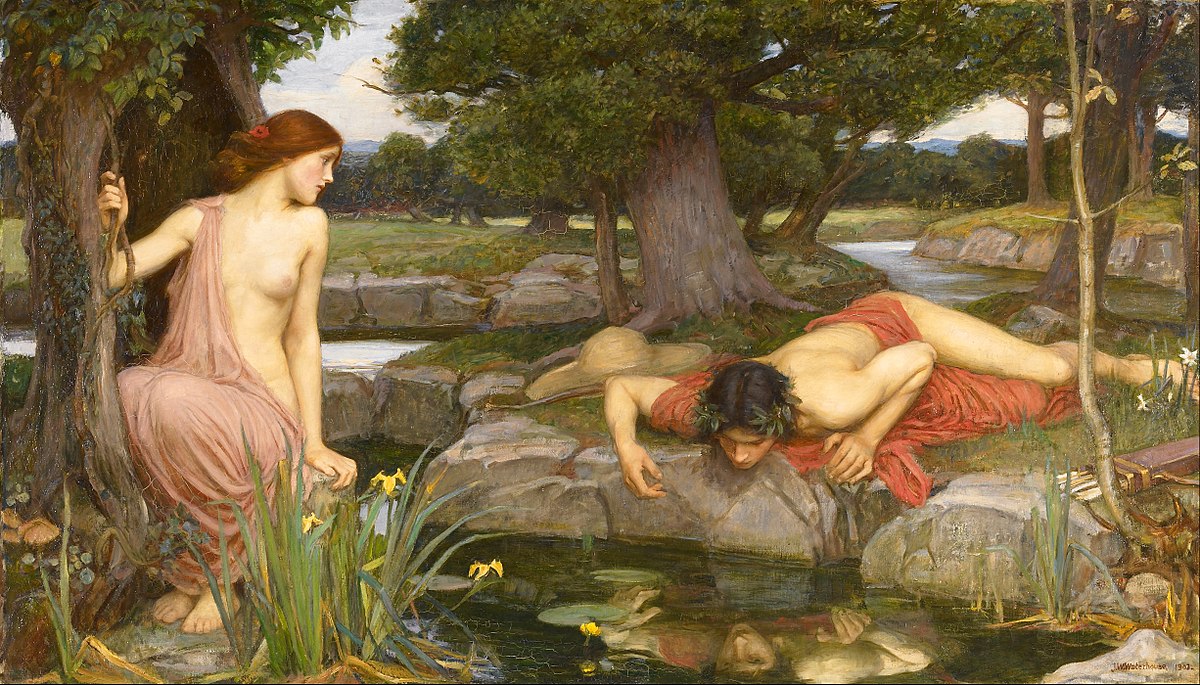
Philautia — Self Love—is linked with confidence and self-worth and is necessary for a sense of purpose and fitting in. Philautia can be unhealthy and linked to narcissistic behaviors and arrogance, or can be healthy in the sense that we love ourselves before we learn how to love others. Greek philosophers believed that true happiness could only be achieved when one had unconditional love for themselves.
The myth of Narcissus and Echo illustrates unhealthy extremes of philautia and mania
Mania — Obsessive Love—Stalking behaviors, co-dependency, extreme jealousy, and violence are all symptoms of Mania. Clearly, this is the most dangerous type of love.
Triangular Theory of Love
What is the Triangular Theory of Love? As with so much of human behavior and emotion, psychologists have studied love.
Renowned psychologist Robert J Sternberg, at Yale University,first put forward his Triangular Theory of Love in 1985.
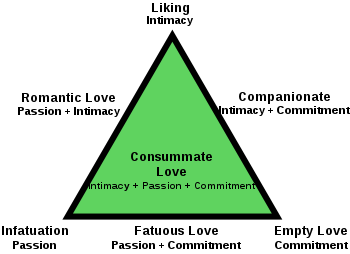
The three main components that Sternberg says lie at the heart of most human relationships are passion, commitment, and intimacy. These are the three simplest forms of love – passion alone brings infatuation, intimacy alone equals liking, and commitment alone means empty love. Depending on how these three combine, they form the seven types of the thing we call love.
The triangular part of the theory comes from the fact that you can combine any two of these components to form more complex types of love – each combination forming a different side of a triangle. Combining passion and intimacy for instance, makes romantic love. Intimacy plus commitment yields companionate love, while fatuous love comes when commitment meets passion.
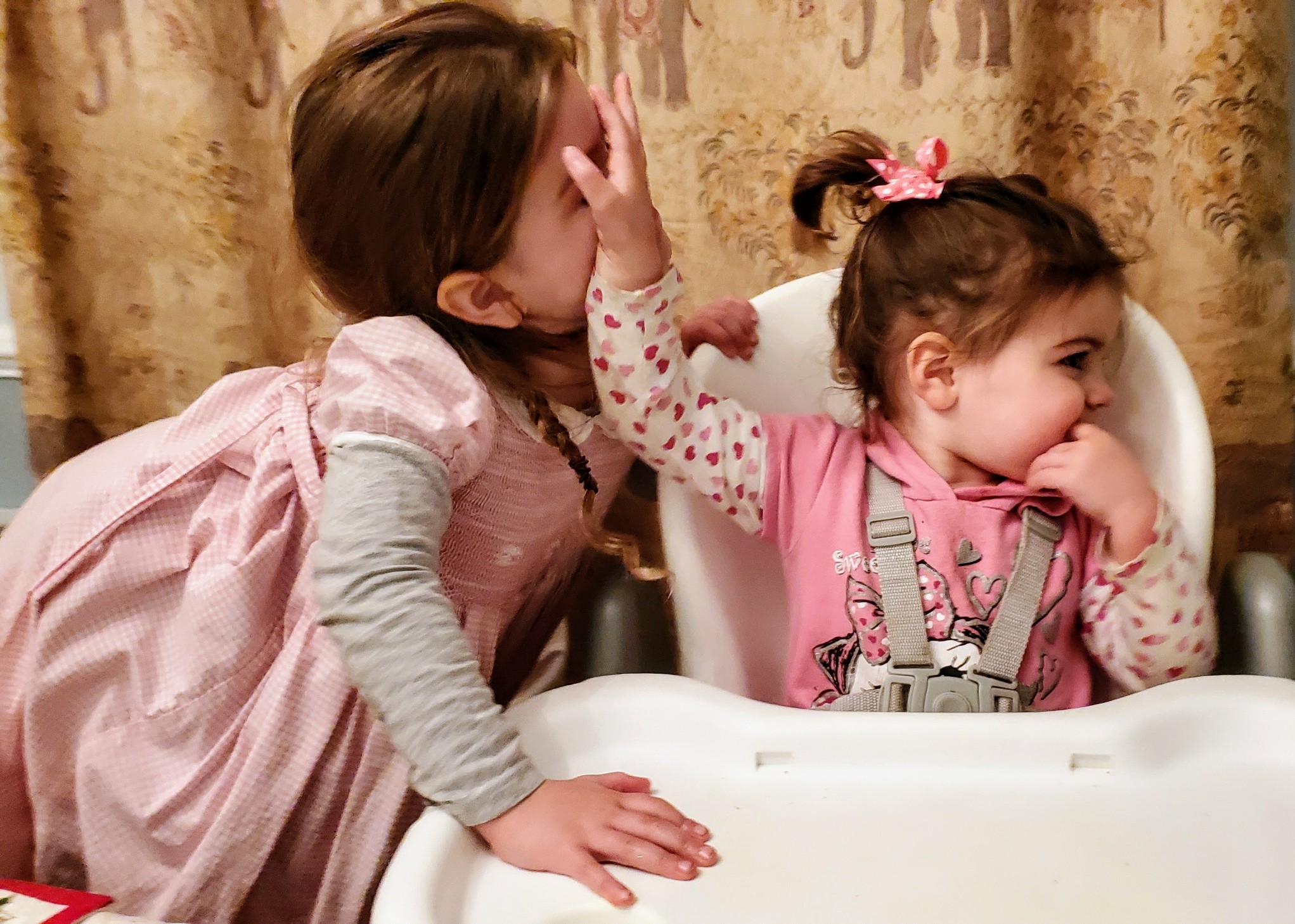
Sisterly love falls somewhere between love and irritation.
And then there’s consummate love, which is the combination of all three components. It’s often seen as the ideal form of love, for by mixing the fire of passion, the comfort of intimacy, and the security of commitment, you can form a healthy, happy, lasting romantic relationship. It’s important to note that this triangle doesn’t have to be an equilateral shape (indeed, the three components are rarely present in equal measures.)
Friendship is often more committed than dating and more intimate than marriage.
Even consulate love may not last forever – one of the caveats of the Triangular Theory of Love is that relationships can move from one point to another over time – but it is something that can be worked towards, or that you can work to recover. And it’s worth working for – consummate love is a special type of bliss; the kind of connection that sees people continue to adore each other long into a partnership.
Bottom line: Love is not a unitary emotion. The first association with the word “love” by itself likely to be Eros. But consider the strength of other forms of love.
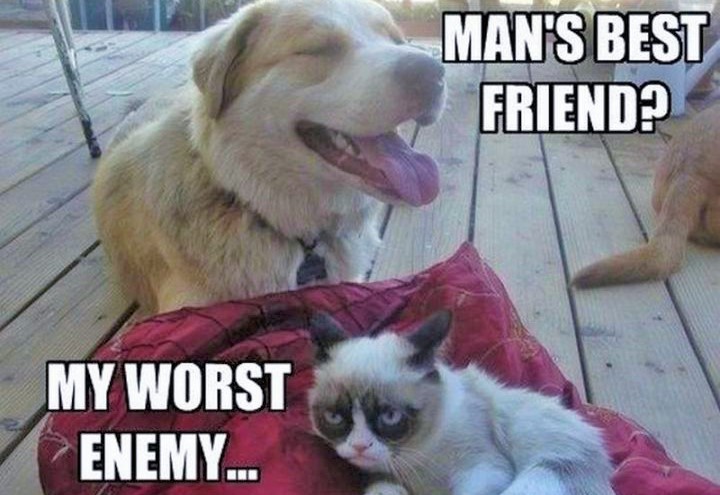
Cats and dogs have notoriously different needs and characteristics, but either can be good models for characters.
The first large dogs appeared in Russia about 15,000 years ago. There were smaller dogs in Western Europe at about the same time, and other wolves were domesticated in China a little later. Modern dogs are mostly a mixture of all three types. Worldwide, there are 360 recognized breeds, not counting those being created but not yet recognized.
There are 40 recognized cat breeds. Domesticated cats have been around since 3600 B.C., 2000 years before Egypt’s pharaohs.
Question: Is your character from an old/first family? A pillar of society? A mix of different cultures and upbringings?
Athleticism
Speed: On average, cats run 50 kph and dogs run 32 kph. In other words, house cats can run at a speed of 30 miles per hour.
Flexibility: Cats have free-floating bones (clavicles) which allows them to move more freely, making them more flexible. Cats are able to get through any openings they can get their heads through.
Appetite: Dogs win hands-down in eating contests, sometime gorging a whole meal in just a couple of bites; cats tend to eat more gracefully, and slowly. (FYI, this is because cats cannot move their jaws horizontally; they can only open and close.)
Agility: Unlike dogs, cats are able to jump (up to six times its length) and climb, which aids them in hunting and makes it easier to flee from danger. Their sharp, retractable claws provide a distinct advantage when it comes to catching prey and defending themselves from bigger predators. Because of this, cats have no need to work together to care for themselves. It also makes them territorial.
Balance: Most female cats prefer using their right paw, while males are more likely to be “left-pawed”.
Lifespan: Cats live 25% longer than dogs (15 vs. 12 years).
Question: Are your characters’ strengths and/or weaknesses more cat-like or more dog-like?
Brain Power
Memory: Research under controlled laboratory conditions have demonstrated that both dogs and cats exhibit what’s called episodic memory—i.e., their brains make possible the conscious recollection of events as they were previously experienced. It’s a rare trait in animals.
Cats have a longer-term memory than dogs, especially when they learn by actually doing rather than simply seeing.
Training: Dogs are generally the easier of the two to train. A dog’s pack mentality makes him ready to follow a leader and makes him generally more obedient by nature. You can teach an old dog new tricks. Although eager puppies soak up information (just like human children), dogs can learn at any age (also like humans).
Cats can be trained, but not as thoroughly as dogs. It requires a lot of patience and consistent practice to get past their willful nature. With cats, it’s best to focus training on establishing boundaries.
A cat’s cerebral cortex (the part of the brain in charge of cognitive information processing) has 300 million neurons. That’s almost double a dog’s.
Emotion: A cat’s brain is 90% more similar to a human’s than to a dog’s. Cats and humans have nearly identical sections of the brain that control emotion.
Dogs don’t feel guilty. They might look guilty at having done something wrong, it’s just their reaction to being reprimanded. Over the millennia, dogs have evolved to mimic human facial expressions to ingratiate themselves and get more treats. However, dogs do feel intense affection for their favorite people. Researchers demonstrated that dogs’ heart rates increase when their owners speak to them or call their name.
Dreaming: Both cats and dogs dream, as evidenced by brainwave patterns similar to humans.
Questions: Is your character more a pack animal or a loner? What are his/her strongest brain functions?
Character/ Personality
Pack or Solitary: Dogs are hardwired with pack instinct that generally makes them social, friendly, and all too happy to belong to a group. Dogs instinctively go wherever their pack goes, which makes them more readily accepting of new experiences, such as travel or moving. Dogs are good followers.
By contrast, with the exception of lions, most cats in the wild are solitary nocturnal hunters. Cats have no need to work together to thrive. As solitary animals, they are okay alone all day. Their independence may make them seem aloof. Cats can be content as long as they have the essentials. They do enjoy social interaction, though.
Stimulation: Cats would do much better in COVID lockdown or other confinement than dogs!
Dogs need lots of stimulation, fresh air and regular exercise. Dogs enjoy days out and traveling. Dogs often tend to be more expensive to care for than a cat (food, toys, accessories, grooming, etc.).
Schedule: Dogs are diurnal; cats are nocturnal and like to roam the house at night. Cats sleep 70% of the times.
Question: what is hard-wired in your character?
Communication
Body Language: A cat’s whiskers pointed forward is a sign of inquiry or curiosity; pointed back is a sign of fright/not wanting whatever is coming its way.
The way a dog wags its tail can tell you its mood. It’s suggested a wag to the right means happy and to the left means frightened. Low wags indicate they’re insecure.
Within a pack, dogs communicate almost entirely through body language. Much of this body language can be copied by humans to communicate with dogs, including eye contact, head position, torso angle, and invading or conceding personal space.
Vocalization: Dogs are able to understand 200 words, the same number as a two-year-old human.
Cats make more than 100 different sounds whereas dogs make around 10. The basenji is the only breed of dog that can’t bark. However, they can yodel!
One study indicated that hungry cats ‘meow’ in the same frequency as a crying baby, hitting the human brain right in the obnoxious evolutionary hindbrain (especially in the middle of the night).
Question: Does your character communicate (send and/or receive) better with verbal, non-verbal, or paraverbal skills?
Sensitivity
Smell: A dog’s sense of smell is up to 100,000 times more than humans. Bloodhounds are able to trace scents that are over 300 hours old.
Vision: Cats see more colors than dogs do. Dogs see primarily on a blue and yellow scale; they can’t tell the difference between green and red. Visual acuity is better for dogs, but cats see better in the dark.
Cats’ whiskers help them detect motion changes.
Hearing: Cats can hear almost a full octave higher than dogs (sounds as high as 64 kHz), and both can hear in the ultrasonic level. Hearing is the strongest of a cat’s senses.
The ability of a cat to find its way home is called “psi-travelling.” Experts think cats either use the angle of the sunlight to find their way or that cats have magnetized cells in their brains that act as compasses.
Question: Which of your characters’ senses are most highly developed? Did that come naturally? Was it/them honed on purpose?
Bottom line: Considering your characters’ physical and psychological traits will contribute to a richer, more compelling character.
Join The Belly Laugh Bounce Around the World: on January 24 at 1:24 p.m. local time, smile, throw your arms in the air and laugh out loud.
Suggestions for acts and activities can be found at bellylaughday.com. Why bother? Because laughter is good for your physical and mental health!
According to the Mayo Clinic: When it comes to relieving stress, more giggles and guffaws are just what the doctor ordered. Here’s why.
[NB: I’ve changed some formatting and left out some bits, but you can fill those in by going to the Mayo Clinic website.]
Short Term
A good laugh has great short-term effects. When you start to laugh, it doesn’t just lighten your load mentally, it actually induces physical changes in your body.
Stimulate many organs.
Laughter enhances your intake of oxygen-rich air, stimulates your heart, lungs, and muscles, and increases the endorphins that are released by your brain.
Activate and relieve your stress response.
A rollicking laugh fires up and then cools down your stress response, and it can increase and then decrease your heart rate and blood pressure. The result? A good, relaxed feeling.
Soothe tension.
Laughter can also stimulate circulation and aid muscle relaxation, both of which can help reduce some of the physical symptoms of stress.
Long Term
Laughter isn’t just a quick pick-me-up, though. It’s also good for you over the long term.
Improve your immune system.
Negative thoughts manifest into chemical reactions that can affect your body by bringing more stress into your system and decreasing your immunity.
By contrast, positive thoughts can actually release neuropeptides that help fight stress and potentially more-serious illnesses.
Relieve pain.
Laughter may ease pain by causing the body to produce its own natural painkillers.
Increase personal satisfaction.
Laughter can also make it easier to cope with difficult situations.
It helps you connect with other people.
Improve your mood.
Many people experience depression, sometimes due to chronic illnesses. Laughter can help lessen your depression and anxiety and may make you feel happier.
How’s Your Sense of Humor?
Ask the professionals.
Find a few things that make you chuckle, such as photos, greeting cards or comic strips, and hang them up at home or in your office.
Keep funny movies, books, magazines or comedy videos on hand for when you need an added humor boost.
Look online at joke websites.
Go to a comedy club.
Find a way to laugh about your own situations and watch your stress begin to fade away.
Even if it feels forced at first, practice laughing. It does your body good.
Consider trying laughter yoga: people practice laughter as a group. Laughter is forced at first, but soon turns spontaneous.
Share a laugh.
Make it a habit to spend time with friends who make you laugh.
And then return the favor by sharing funny stories or jokes with those around you.
Knock, knock.
Browse through your local bookstore or library’s selection of joke books and add a few jokes to your list that you can share with friends.
Retelling jokes or anecdotes that are stale or dated could be a good indicator of a character’s age or social awkwardness.
Know what isn’t funny.
Don’t laugh at the expense of others.
Some forms of humor aren’t appropriate.
Use your best judgment to discern a good joke from a bad or hurtful one.
A hurtful sense of humor might indicate a character’s villainous nature before any deliberately villainous acts.
Go ahead and give it a try. Turn the corners of your mouth up into a smile and then give a laugh, even if it feels a little forced. Once you’ve had your chuckle, take stock of how you’re feeling. Are your muscles a little less tense? Do you feel more relaxed or buoyant? That’s the natural wonder of laughing at work.
Still not convinced? Go online and read for yourself!
And while you are at it, better know your laughter! There are as many words for laughter as there are for types of laughter. Consider the positive and negative connotations of the following:
Guffaw
Giggle
Snigger
Chuckle
Chortle
Titter
Howl
Roar
Snicker
Cackle
Shriek
Snort
Bottom line: When it comes to laughter, too much of a good thing is still a good thing!
Cults are nothing new. Indeed, if asked to name a cult, you could probably name a few. In ancient Greece and Rome, a cult was simply the care owed to a deity, the rituals carried out at a shrine or temple. A mystery cult was a religious group that celebrated a minor god or goddess or a lesser-known aspect of a deity’s history. The word “cult” has different connotations today.
Janja Lalich, Ph.D., professor emerita of sociology at California State University, Chico, is a big gun in cult research. Her website, Cult Research, provides extensive information about the mental mechanics involved in cults. She has also included resources for recognizing signs of a cult and how to help others who may have been impacted by a cult.
Modern Cults
There have been too many cults to count throughout history, but the vast majority have been small and soon forgotten. A post on Insider.com listed the six most notorious cults in history. (These cults have been extensively discussed and researched by people who were kind enough to share their findings online.)
The (Charles) Manson Family famously murdered seven people over the course of two nights. Their stated intention was to start a race war. The Manson Family was formed in the late 60s.
Members of Heaven’s Gate were told that their leader was the reincarnation of Jesus, that God was an alien, and that the end of the world was near. In 1997, 39 members died after ingesting barbiturates and putting plastic bags over their heads. It is the largest mass suicide on US soil.
The cult Aum Shinrikyo (“Supreme Truth”) was founded in the ’80s by Shoko Asahara. He claimed to be Christ and — at one point — garnered tens of thousands of followers across the world. Asahara’s teachings started out spiritual and then became increasingly violent. Cult members even paid money to drink Asahara’s blood. In 1995, members of Aum Shinrikyo killed at least thirteen people when they left five bags filled with a toxic nerve agent on three Tokyo train lines during rush hour.
In 1993, the Branch Davidians had a 51-day standoff with the FBI. The leader, David Koresh, believed that he could talk to God, and that the world was ending. He convinced more than 100 people to move to a compound outside of Waco, Texas, and follow his teachings (which included his belief that men could have multiple wives, including girls as young as 10).
The Children of God was founded in 1968 as a system of communal living under the strict teachings of preacher David Berg. Multiple former members have testified that the church used prostitution as a recruitment tool and engaged in widespread child trafficking and sexual abuse. The organization later rebranded to The Family of Love International, and it is still active online.
Jim Jones founded The People’s Temple in Indianapolis in 1955 but moved the band to Guyana, and called the place Jonestown, in 1977. Reports of member abuse followed the group from place to place. In 1978, Jones instructed all of his followers to drink cyanide-laced Flavor Aid. More than 900 people died. This is the origin of the slang expression “Drinking the Kool-Aid,” meaning a person who believes in a possibly doomed or dangerous idea.
From the Wikipedia entry on cults:
“In modern English, a cult is a social group that is defined by its unusual religious, spiritual, or philosophical beliefs, or by its common interest in a particular personality, object, or goal. This sense of the term is controversial, having divergent definitions both in popular culture and academia, and has also been an ongoing source of contention among scholars across several fields of study. The word ‘cult’ is usually considered pejorative.”
Cults are attractive because they promote a feeling of comfort, and because they satisfy the human desire for absolute answers.
Characteristics Common to Cult Leaders
Lists of characteristics vary in inclusiveness and contain both personality and behavioral characteristics.
Personality
Narcissism shows up on every list
Charisma is an essential quality
Personal proclivities that shape what’s expected of group members
Need for control/maintain power imbalance
Psychopath
Often delusional, believing their own teachings
Behavior
Offer tantalizing promises
Be unpredictable (reactions, appearances, next demands)
Organize “love bombs” for new recruits
Promote an us vs. them mentality, feelings of superiority
Isolate members from family, former friends
Public humiliation of established members
Demand detailed acknowledgment of individual fears and mistakes
Repeat various lies and distortions till members can’t recognize reality
Promote paranoia: a group, family or government is out to get members
Encourage members to spy on each other
Writing inPsychology Today in 2012, Joe Navarro, M.A., presented his personal list of 50 clues to identifying cult leaders. Listed below are several of his items.
A grandiose idea of who he is and what he can achieve
Preoccupied with fantasies of unlimited success, power, or brilliance
Demands blind, unquestioned obedience
Requires excessive admiration
Has a sense of entitlement or power
Expects to be treated as special at all times
Expects to be able to bend rules and break laws without repercussion
Arrogant and haughty
Hypersensitive to how he is seen or perceived by others
Is highly dependent on tribute and adoration and will often fish for compliments
When criticized, lashes out with rage
Anyone who criticizes or questions him is called an “enemy”
Hates to be embarrassed or fail publicly; often reacts with rage
Publicly devalues others as being inferior, incapable, or not worthy
Habitually puts down others as inferior
Ignores the needs of others, including biological, physical, emotional, and financial needs
Behaves as though people are objects to be used, manipulated, or exploited for personal gain
Is deeply offended by signs of boredom, being ignored, or being slighted
Doesn’t seem to feel guilty for anything he has done wrong, nor does he apologize
Believes he possesses the answers and solutions to world problems
Works the least but demands the most
Sees self as “unstoppable” and perhaps has even said so
Characteristics Common to Cult Members
Female: world-wide, 70% of cult members are women
Explanations for this vary
Generally average sorts of people. No trends in location, income, etc.
Suffer low self-esteem, making them especially susceptible to love bomb (compliments, etc.)
Many have rejected standard religions
Intelligent
From sheltered environments
Blame others for their failures
Strive for perfectionistic goals
Often have no idea they are in a cult!
Characteristics Common to Religious Cults
It opposes critical thinking
Isolates members and punishes them for leaving
Emphasizes special doctrines outside accepted scriptures
Seeking inappropriate loyalty to leaders
Devalues the family unit
Crossing boundaries of behavior (especially sexual) set in accepted religious texts
Separation from the main religious structure
Common Recruiting Tactics
Target people who are stressed, emotionally vulnerable, have tenuous or no family connections, or are living in adverse socioeconomic conditions.
People who were neglected or abused as children may be easily recruited because they crave the validation denied them in their childhood
High school and new college students are good targets for cult recruitment since they’re still forming their identity and (in the case of college students) have recently been separated from their families
One old (1980) study of 1000 high school students in the San Francisco Bay Area found that 54% reported at least one recruitment attempt by a cult member, and 40% reported 3 to 5 contacts
I can only imagine that the rise of various social media platforms would have exploded those numbers.
Damage to Cult Members
Various research has established that former cult members suffer long-term negative effects. Dr. John G Clark, Jr, of Harvard University works with former cult members and their families identifies the following
Increased irritability
Loss of libido or altered sexual interest
Ritualism
Compulsive attention to detail
Mystical states
Humorlessness
Heightened paranoia
Because these are symptoms similar to temporal lobe epilepsy, it’s reasonable to assume that membership in a cult is a brain-changing experience.
Bottom line: There is much we can and should learn about cults—possibly in our lives, certainly in the world around us. Many of these qualities and behaviors are present to some degree in people who aren’t actual cult leaders or members. Still, they provide fodder for compatible/consistent constellations of attitudes and behaviors. Think character creation!
Hot Fuzz, in addition to being a great movie, provides an example of two cults working against each other and destroying individuals in the way.
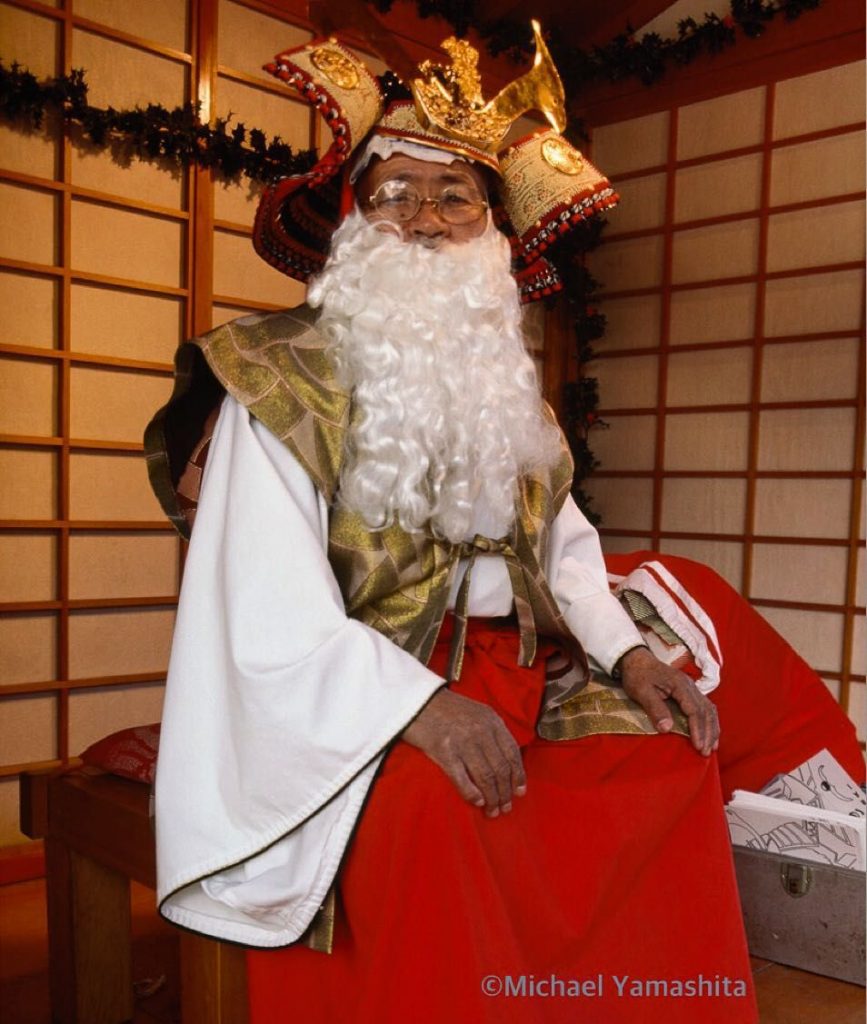
Chocolate Santas with marzipan masks made by Hungarian chocolatier Laszlo Rimoczi.
The Charles W. Howard Santa Claus School is the oldest in existence. Before 1937, Santas were pretty much on their own, and any man with a red suit would do.
Charles W. Howard Santa Claus School
OUR MISSION: To uphold the traditions and preserve the history of Santa Claus while providing students with the necessary resources to improve and further define their individual presentations of Santa and Mrs. Claus, allowing them to enter the hearts and spread the Christmas spirit to everyone they meet.
At the Charles W. Howard Santa Claus School, more than 200 aspiring Santas gather each year to attend a three-day series of classes where they learn everything from the history of Saint Nicholas to reindeer habits.
Each year, about 200 Santas (including a handful of Mrs. Clauses) attend class in Midland—but not everybody who applies gets accepted. Co-Dean Holly Valent rejects Santas who don’t seem interested in children or singing. (In other words, Santas who appear to be in it only for the money.) Additionally, she has to place around 40 prospective Santas on a waiting list each year. Thankfully, the workshop in Midland is not the only Santa school under the North Pole.
Child Psychology is the Name of the Game
The most important aspect of being a good Santa is learning how to genuinely listen to all kinds of children. “[Y]ou have to be on your toes all the time, because you never know what the children are going to ask you,” Mary Ida Doan, who plays Mrs. Claus, told WJRT. (Doan would know: She’s a member of the International Santa Claus Hall of Fame.)
During the workshop, the Santas get schooled in child psychology and learn handy tricks from experts and each other: How to deal with squirmy children, crying children, children who are afraid of you, and more. The Santas even learn basic sign language. “It’s important to be able to spread Christmas cheer to all children,” a Santa named Bill told Reuters.
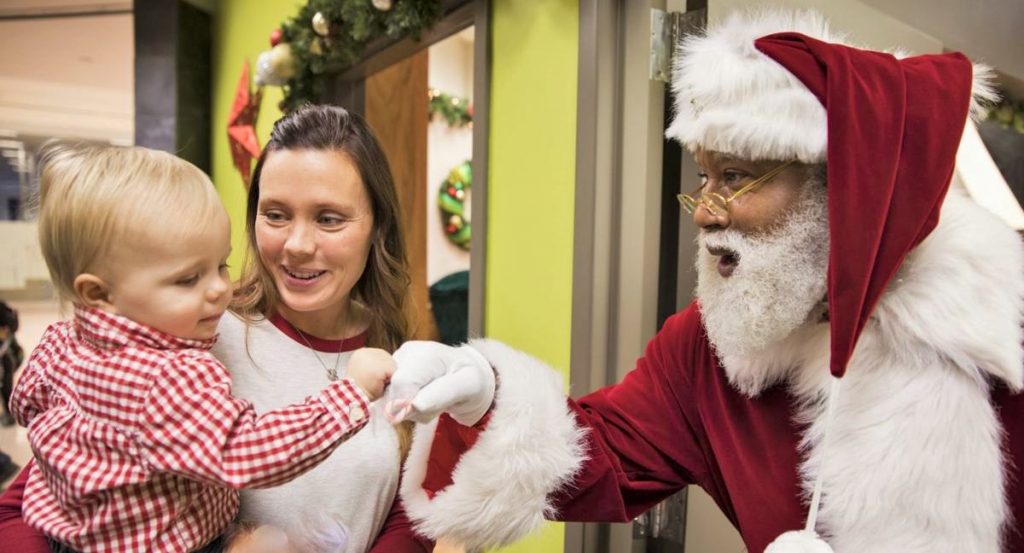
An organization called Santa America provides extra training for Santas to connect with children who need a different kind of communication to reach all that Christmas cheer. The frenetic atmosphere at a typical Santa’s Grotto can be overwhelming and terrifying for any child. Santas who have trained with Santa America can create a quieter, calmer, slower space. These “Sensitive Santas” are in demand at Christmas for hospitals, very young children, children on the autism spectrum, and many others.
Santa America also connects local Santas and their companions with people who might need a visit from Santa Claus any time of the year: during a hospital stay, after major disasters, when a parent is deployed overseas. Part of their mission is to prove that Santa Claus, Mrs. Claus, and the elves never go off on vacation when children need them.
Gaining Background Knowledge Means Meeting Real Reindeer
Since kids are apt to ask Santa anything, it’s best that Santa draws his answers from real experience. What are the reindeer like? To find out, Santa students study reindeer habits and get to meet real reindeer.
How are toys made? The Santas spend quality time learning how to make wooden playthings.
The Santas also attend lectures about St. Nick’s backstory and the North Pole. “Know who you are,” Valent tells an assembly of Santas, according to CNN. “Know your legend. Know where you came from.”
They Have to Practice Their “Ho-Ho-Hos” and Their “Do-Re-Mis”
Despite being blind, this boy was able to see Santa during his visit.
Since each Santa must prepare for radio and TV interviews, much of Santa school focuses on teaching students how to craft an accurate and authentic persona. “For example, they’re advised to create a backstory for their ‘elves,’ pulling names and characteristics from kids and grandkids in their own circles,” Kathleen Lavey reported for the Lansing State Journal. It also means learning how to deliver a hearty but balanced Ho Ho Ho. “You have to do it mild,” Tom Valent explained. “It’s got to be a laugh.” (And to ensure the Santas are really in the Christmas spirit, they’re also taught how to sing with cheer.)
There’s More Dancing Involved Than You Might Think
It’s not enough to nail the laugh. Being Santa requires you to be a full-body actor—and that means perfecting the big man’s jolly, bouncing swagger. The school is stuffed with movement lessons. “The school fitness teacher had them dance as if they were wrapping presents, baking cookies and filling stockings to classic Christmas tunes,” Christinne Muschi wrote for Reuters.
Santas also learn how to properly ease in and out of a sleigh and learn yoga and breathing exercises to keep limber. (It’s important work: Hoisting kids up and down from your lap for hours takes its toll.) As Tom Valent told CNN, “Santa is a healthy outdoorsman.”
Being Santa is not for the faint of heart or the faint of sinus. Pet photos with Santa are increasingly popular, often as part of a fundraiser. The Humane Society, Paws for a Cause, Sidewalk Dog, and many local animal shelters ask Santas to pose for photos with dogs, cats, hamsters, snakes, turtles, and any other pet they can safely hold. Better take that Benadryl!
They Receive Financial Advice
The cardboard versions are much cheaper!
At Santa school—which costs $550 for new students—they teach classes on marketing, accounting, and taxes. That’s because being a freelance Santa is not cheap. A Santa with a bare chin is advised to buy a custom beard and wig that can cost up to $1800. And while a generic suit costs about $500, a personalized one can run over $2000. Add to that $700 for a pair of authentic boots. And then grooming expenses. Oh, and makeup.
Santas Get Lessons in Grooming
I don’t think this Yugoslavian Santa was paying attention to the make-up lesson.
At school, Santas also learn how to curl their mustaches and groom their hair and beards (or wigs) to create a windblown I-just-got-out-of-the-sleigh look. They receive lessons in bleaching their hair to get a snow-white glisten as well as lessons in applying makeup.
According to Lavey, teachers show other Santas all the insider secrets: “How to take the shine off their foreheads with powder, pink up their cheeks with rouge, and add stardust to their beards with hairspray that contains glitter.”
The big secret to making Santa’s beard smell magical? Peppermint oil.
Santa Day School
The Simpsons offer a reasonably priced alternative, but it is only open to two-dimensional Santas with three fingers.
For those who can’t—or won’t—spend three intensive days and nights in Midlands, Michigan, there are options! In-person schools around the country and online for DYIers.
In November, 2018, Business Insider did an article on Santa schools, particularly the finances involved. Here are several quotes from that article.
Santa Doug Eberhardt of the Northern Lights Santa Academy displaying a variety of historical Santa trends.
“There’s two kinds of Santas: There are professional Santas and there are guys in red suits,” Santa Rick, a former mediator and divorce arbiter who runs the Northern Lights Santa Academy in Atlanta, Georgia, told Vox. “And the difference for me is there are those who want to better themselves and learn and master the trade, and there are the others.” This Santa school also has classes for Mrs. Claus and elves.
“I’m very high-energy, so I tend to put on a little bit of a show: The Night Before Christmas, and caroling, and magic,” said Santa Jim Manning, who is the official Santa Claus for Boston’s tree lighting and has covered the Red Sox Christmas card. “A lot of people think being Santa Claus means just showing up, sitting on the couch, and letting kids sit in your lap. But what I do is a lot more.” To the right, see Santa Jim jumping out of an airplane.
Fashion Santa of Toronto has a slightly different take on the traditional red suit and jolly belly.

“Rick, of the Northern Lights Santa Academy, told Vox that high-end Santas can earn up to $25,000 a season, but the cost of travel, lodging, and garb can eat into the pay. A quality Santa costume and accessories costs at least $1,000 and a beard set made of human hair can range from $1,800 to $2,500, he said.”
Only the very bravest Santas are willing to risk turtle bites at the same time as dog fur on their suits.
Not only does the IUSC offer courses around the world, they have a degree program recognizing a student’s years of dedication. A Santa or Mrs. Claus can earn a Doctorate of Santaclausology (PhD), with options for further advanced study.
Unfortunately, all 2020 International University of Santa Claus in-person classes have been cancelled. Online courses are available, so aspiring Santas can ask their grandkids for help logging in to Zoom classes!
Santa is a Super-Spreader
2020 is an atypical year. (You heard it here first!) And this is true for Santas and Santa schools as well. Dr. Fauci has assured the public that Santa Claus is naturally immune to COVID-19, but Santa can still spread the virus. Santa Claus, Father Christmas, Grandfather Frost, Sinterklaas, and all other Christmas gift-bringers have been declared essential workers and therefore exempt from quarantine or isolation rules.
Some Santas are adapting with smaller grottos, shorter visits, and lots of hand sanitizer. Others are setting up plexiglass barriers or arranging for children to stay more than six feet away. A few mall Santa Grottos are even setting up holographic Santas for photos.
However, possibly the safest option for Santa and for kids is to visit Santa digitally.
JingleRing will allow Santa and Mrs. Claus to speak to kids one-on-one with their very own North Pole TV platform.
AirBnBhas created virtual visits with Santa as well as the opportunity to tune in to Story Time with Mrs. Claus or with Santa and a rotation of children’s book authors.
Macy’s Santaland has gone virtual this year, though there will be no real Santas in their stores. There are pre-recorded video messages from Santa Claus, games to play with the elves, and the option to sign up for a real-time video chat with Santa himself.
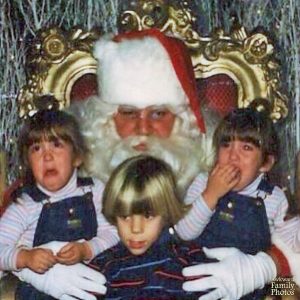
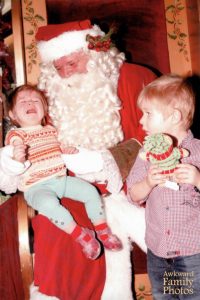
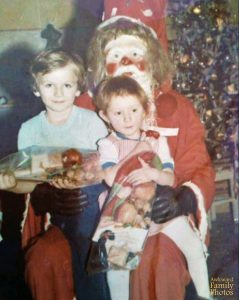
Editor’s Note: Special thanks to Awkward Family Photos for sharing the very best of the very worst photos with Santa Claus.
Bottom Line: There’s more to being a good Santa than putting on a red suit! Consider how Santas and Santa schools might broaden your cast of characters and/or plots.
As the Winter Solstice approaches, many people are feeling a little low—or a lot. Fortunately, there are several holidays and celebrations around this time of year to add a little light to your schedule. Here are just a few:
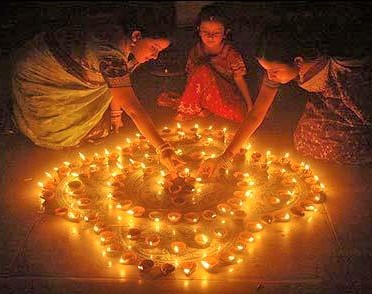
Diwali or Deepawali is a festival of lights celebrated by Hindus, Sikhs, and Jains. It is celebrated in mid-October to late November, according to a lunar calendar.
Hanukkah is a Jewish festival of lights celebrated in November or December, according to the Gregorian calendar.
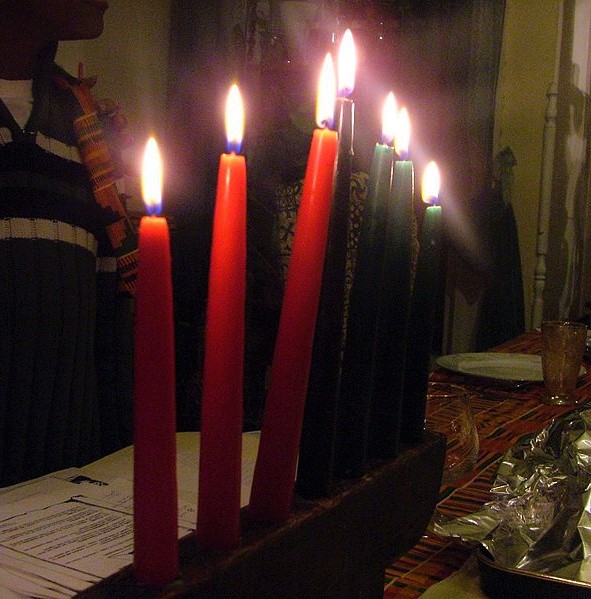
Kwanzaa is a celebration of culture and community celebrated in late December. An important part of the celebration involves lighting the kinara.
Lussevaka or Santa Lucia Day is a celebration of light, community, and the triumph of good over evil. It is primarily celebrated in Sweden, but St Lucia festivals are also held in Croatia, Italy, France, Germany, and Norway on December 13.
Yule is celebrated in many different ways by Pagans and Wiccans. It is the celebration of the Winter Solstice, the return of the sun. This is often symbolically represented by burning a Yule log, signifying the rebirth of the Oak King and waning of the Holly King.
There is a term for those who suffer most when the days grow short: SAD (Seasonal Affective Disorder). SAD increases in higher latitudes where the winter days are short. Light therapy, where you arrange a special wide-spectrum light therapy box device at an angle to your face. Using such a device for several hours at the same time every day can be used to treat SAD. It can also help treat those who have depression all year round, improving their overall well-being.
Anger management therapy can sometimes be combined with light therapy.
Scientists have also discovered that light therapy can lower nighttime agitation in Alzheimer’s patients and reduce symptoms in Parkinson’s patients, including sleeping problems and tremors.
Whether sick or healthy, light definitely affects your mood. According to research, one in four people in Alaska suffers from depression – and it’s mainly caused by a lack of sunlight.
Sunshine Cures Everything
Superman may have had a bit too much sunlight. “No One Can Save Us Now” by Mojoko and Eric Foenander Singapore Art Museum
Sunshine can also help with pain control. Research shows that patients whose beds are on a sunny side of a hospital experience less pain than those whose rooms are in the shade. As well as reduced pain, patients in sunny rooms tend to recover sooner, use fewer painkillers, and feel less stressed. One theory is that exposure to sunlight releases serotonin: a feel-good chemical in the brain.
High solar activity has been found to increase fertility rates. Furthermore, light can also give men a boost in the bedroom. Research has shown that higher testosterone is boosted by Vitamin D. The biggest source? The sun. A light box would have the same affect, but is possibly less romantic than a sunny picnic or stroll along the beach.
As far as I can tell, the health benefits of sunlight are all attributed to Vitamin D effects on/in the body.
Fake Light
Aside from the health benefits of light, many practical applications have lead to the creation of light when there is no sun—primarily the benefits of being able to see in the dark!
Over the centuries, we’ve seen many advances in created light.
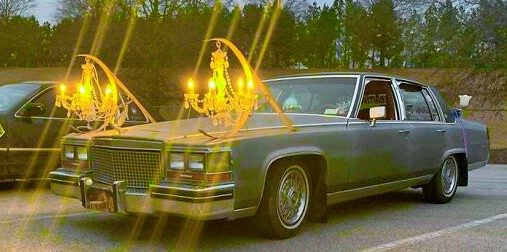
Campfires really create a sense of community! (Thanks to H.R.Joe Photography)
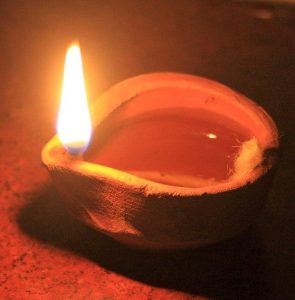
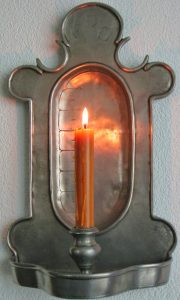
Until the 20th century, candles were most common in Northern Europe. In Southern Europe and the Mediterranean, oil lamps predominated.
Besides providing light, candles were used for the purpose of measuring time, usually in hours. The Song Dynasty in China (960-1279) used candle clocks.
A version of a candle clock is often used to mark the countdown of the days leading to Christmas. This is called an Advent candle.
Note: This term is also used for candles that decorate an Advent wreath.
Among the earliest forms of created light, candles have had the greatest staying power into modern times for numerous uses. An estimated 1 billion pounds of wax are used in the candles sold each year in the United States.
FYI: No candle wax has ever been shown to be toxic or harmful to humans.
Advent Wreath
Holiday decorations
Shaped candles for specific holidays
Candles for tree decorations
Menorah candles for Hannukah
Kinara candles for Kwanzaa
Nine candles in a lingonberry wreath for Santa Lucia Day
Advent wreath candles (marking the four Sundays leading up to Christmas)
Candles for windowsills (to guide the Holy Family in their flight to Egypt)
Loy Krathongs – Thai Floating Lanterns
Lighting paper lanterns
Lighting and lifting sky lanterns
To produce a romantic mood
To make a dinner table more formal
As backup for a power failure
To dispel unpleasant household odors
To test for drafts
Scented candles for pleasure and/or aroma therapy
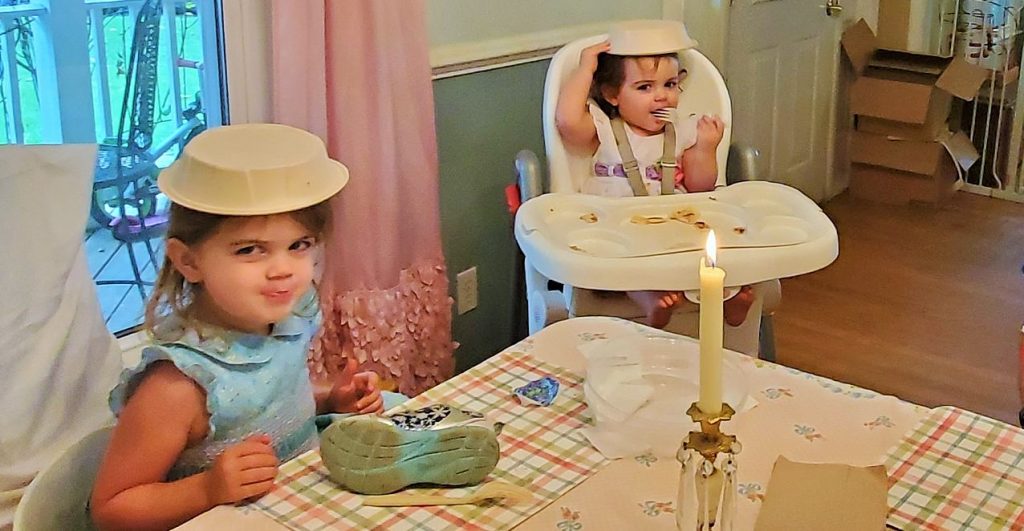
Very Formal Dining Table
As the days grow shorter and night falls like a rock earlier and earlier, many people light candles around the house, even when they have electric lights, simply because the warm glow is cheerful. Which brings us back to human craving for light!
Cold Light
Gas lights were developed in the 1790s and were in common use in large cities by the middle of the nineteenth century. Streetlamps made the night safer (in wealthy areas) and gas piped into houses allowed (wealthy) homeowners to ignore the setting sun.
Too bright!
The invention of the electric-powered incandescent light bulb was even more effective in making the sun obsolete. Since electric lights have become nearly universal, ideas like a 24 hour workday and cutting sleep to work more have become nearly as universal.
Newborn incubators, refrigeration, pacemakers, surgical lighting, heated houses, underground ventilation, and electric harp string tuning meters are undoubtedly beneficial to human society. However, humans in general have become increasingly sleep-deprived and overworked since the spread of electricity. Heated and lighted houses have also made humans more likely to stay indoors all winter, avoiding direct sunlight. This leads right back to the beginning of this blog – Seasonal Affective Disorder.
It’s a well-known scientific fact that dogs create rainbows.
Bottom line: Humans need light for a multitude of reasons, and in a multitude of forms.
Massive forest fires can’t stop Oregoners from playing golf. Maybe it’s not giving off enough light.
Folk wisdom would have us believe that we all should be early birds: they get the worm, after all, and they are healthy, wealthy, and wise. Indeed, research indicates that there are real differences between the early-to-bedders and the late-to-bedders.
Being up and ready for the day correlates with EBs getting better grades and having a better chance of getting a good “regular” job.
More coffee, please!
In one way, at least, early birds (EBs) have a big advantage: most social life takes place during the day, and EBs can take full advantage of that. Getting to medical appointments, grocery stores, and business breakfasts are not hardships.
In addition, at least one study found that EBs anticipate problems and try to minimize them. Being proactive in this way is linked to better job performance, greater career success, and higher earnings. They set goals and plan to meet them.
Mixing coffee with beer makes it perfect for breakfast! Thanks, Coronado Brewing!
Overall, EBs are much more likely to exercise, and as a result are less prone to health problems, everything from obesity to depression. Perhaps that’s partly because most outdoor activity takes place during the day anyway!
However, not everything is roses for EBs. For one thing, their days are all downhill. They get no “second wind” late in the day. As sleepiness pulls, an EB’s performance lags. In addition, EBs need more sleep, and if they don’t get enough, it really drags them down. Still, it seems a small price to pay for all the good stuff I just talked about.
So why wouldn’t everyone want to be an EB? First of all, what one wants isn’t always what one gets. People are biologically predisposed to be either an EB or a Night Owl (NO). Frederick Brown (Penn State psychologist) refers to EBs as early risers and NOs as late setters and comes out strongly on the side of genetic determination. In fact, in 2003, researchers discovered a “clock “ gene. EBs were more likely to have a longer version of this Period 3 gene.
And there is a real downside to being a NO—including being more prone to a whole host of mental and physical health problems, especially depression and obesity. Not surprisingly, they tend to die sooner than EBs.
Not bedtime. We’re not tired. Definitely not… tired…
Perhaps the increased likelihood of mental health issues are a byproduct of being generally and literally out of sync with society’s rhythms.
NOs struggle with social activities. Yes, there are all night restaurants, gyms, and movies, but if NOs’ family and friends are on a different schedule, they face the choice of pressing/stressing themselves to accommodate or suffer from self-imposed isolation and loneliness.
It sounds like being a NO is a total bummer, but not so! Research has discovered several benefits to getting up with the owls.
Changing one’s sleep pattern often requires large amounts of caffeine.
Likely to pick up energy as their waking hours move along
Somewhat surprisingly (to me), NOs have more sex—which could lead to being productive in non-work-related ways!
“It’s almost midnight. Let’s order pizza!”
One’s sleep patterns and preferences are expressions of one’s circadian rhythm: this is the rhythm of one’s body processes over the course of approximately 24 hours. In fact, the word “circadian” comes from the Latin words circā (approximately) and diēs (day). All living things—even plants—have them. (If there is life on Mars or Venus, then all bets are off!)
Left to their own devices (i.e., with no external cues as to time of day), humans tend to settle into a “natural” cycle of about 25 hours within a waking/sleeping day.
Fortunately, adjusting by an hour is fairly easy.
On the issue of enduring wake/sleep rhythms, there is lots of variability. Approximately 1% are diehard EBs and another 17% are diehard NOs, with everyone else being somewhere in between. The “tweeners” have an easier time making bigger adjustments in their sleep cycles.
It’s 2am. Time for everyone to wake up because I’m hungry!
There are age-clustering effects, too. High school and college age people, regardless of bio-rhythms, tend to stay up late and sleep in. The opposite is true of the elderly.

All sorts of outside factors have major chunks of control over when we wake and sleep, regardless of preferences. Many NOs must adapt to workplace schedules, or demands due to spouse or children. Consider how one’s body’s preferences would adapt to these work schedules.

9-5:00ers
Night shift workers
Swing-shift workers
Parents
Sleep deprivation in fire fighters can be very dangerous. They get cranky when they’re tired.
People do what they have to do, sometimes for years at a time. Not surprisingly, swing-shift workers have the hardest time of it, and the more often their shifts change, the more disruptive it is. (If one’s work shifted by an hour a day, it would be easy to handle… but I don’t know of any examples.) If one works 7-3:00 followed by 3-11:00 followed by 11-7:00 and then repeats the cycle at lengthy intervals, the adaptation is easier than random shifts and/or short intervals.
At least the ambulances are pretty comfy for a nap.
Sleepers following a swing-shift work schedule face additional mental and physical hurdles. Researchers have identified a sleep disorder specific to employees on these schedules: Shift Work Sleep Disorder.
Prone to chronic sleep deprivation
Slower reaction time
Decreased focus
Impaired decision making
Many of the people whose jobs require focus, speed, high-level decision making, and operating under extreme stress also have to work on swing shift schedules.
Plus, hospitals are super creepy at night. So are power plants.
Power plant operators
Emergency medical technicians and paramedics
Doctors and nurses
Emergency room staffers and residents are more likely to work night shifts and swing shifts
Emergency hotline operators (911)
Police
Military personnel
Whatever structures are imposed, our NO or EB tendencies endure, even into old age. Remove external structural constraints/demands and one’s true nature comes to the fore again.