You can find a gazillion fun and not-so-fun facts about teeth online. Herewith, I save you the trouble of searching.
And why should you care? Because 50% of people report that a person’s smile is the first physical trait they notice. 61% of adults are attracted to somebody by their smile alone.

- And if you care about wrinkles: it takes 43 muscles to frown. It only takes 17 to smile.
- The average woman smiles 62 time a day. The average man? Only 8 times.
- Kids laugh roughly 400 times a day. The average adult laughs only 15 times per day.
- 48% of young adults have untagged themselves from a photo on Facebook because of their smile.
- Smiling isn’t just a sign of happiness—it actually makes you feel happier by releasing endorphins, the body’s feel-good chemicals.
Toothy Anatomy
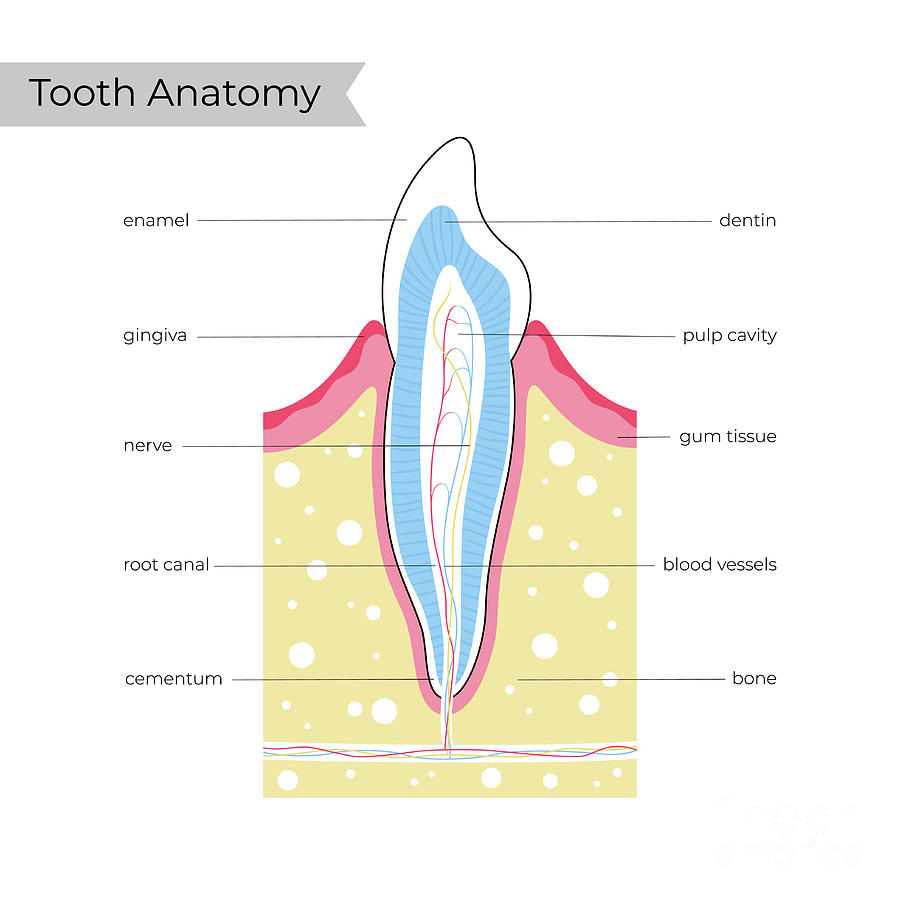
Tooth enamel is the hardest part of the entire body; even harder than bone.
In fact, tooth enamel is actually stronger than steel! Though it breaks much easier.
The next layer down, dentin, is also stronger than bone.
- Teeth are the only parts of the human body that can’t repair themselves. Their enamel coating is not a living tissue.
- One third of teeth are underneath the gums.
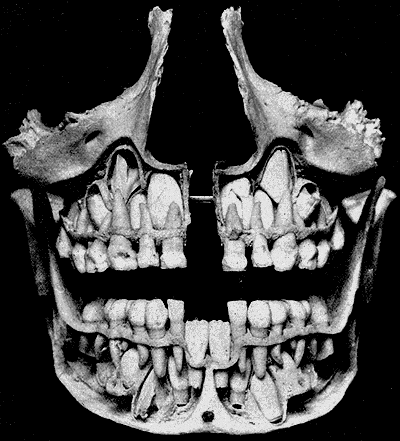
- Baby teeth start to form when the baby is still in the womb, but don’t begin to erupt until a child is between 6-12 months old.
- However, about 1 in every 2000 babies are born with ‘natal’ teeth. Natal teeth usually erupt on the bottom gums and tend to have weak roots. Doctors often remove them to prevent problems with breastfeeding.
- The first set of teeth (baby teeth or milk teeth) has 20 teeth. Baby teeth usually fall out in the same order they came in. The bottom front teeth are usually the first to go, followed by the top front teeth.
- The second set of teeth (adult teeth) has 32 teeth.
- Humans get only 2 sets of teeth in their lifetime, whereas some animals like dolphins only get one (monophyodont), and others (polyphyodont) grow multiple sets (e.g., sharks grow around 40).
- Human teeth do not keep growing once the second set have fully erupted. Rabbits and horses’ teeth, among others, grow continually and have to be worn or filed down.
Toothy TLC
- Dentists recommend brushing 2 minutes twice a day.
- The average person only brushes for 45 to 70 seconds a day.
- If you brush your teeth for two minutes twice a day, you will spend more than a month of your life brushing, about 38.5 days.
- 25% of adults DO NOT brush twice a day. This increases their risk of developing tooth decay by 33%.
- If you don’t floss, you miss cleaning 40% of your tooth surfaces.
- People who drink 3 or more glasses of soda each day have 62% more tooth decay, fillings, and tooth loss than those who do not. There are 10-12 teaspoons of sugar in a single can of soda.
- Tooth decay is among the most common health problems in the United States, only after the common cold!
- Just one cavity can cost $2,000: dollars over a lifetime.
- 90% of diseases affecting multiple systems of the body also have oral symptoms.
- There are more bacteria in the human mouth than there are people on the Earth. More than 300 types of bacteria make up dental plaque.
- Replacing a toothbrush after illnesses helps prevent the potential for re-infection.
Teeth- and Mouth- Related Facts
Today, Americans buy more than 14 million gallons of toothpaste every year.
- No two people have the same set of teeth, not even identical twins; they are as unique as fingerprints due to the shape, size, and alignment of each set of teeth.
- No two people have the same tongue print either, each unique as fingerprints
- The longest human tooth officially documented was in Singapore and was extracted in 2009. It measured 3.2cm (about 1.26 inches) long.
- People chew more on the dominant side of their bodies: right handers chew right sided;. left handers tend to chew left sided.
- More people use blue toothbrushes than red ones. Not surprising, given that blue is the most popular color.
- 78% of Americans have had at least 1 cavity by age 17.
- Roughly 25% of American adults have no teeth.
- The average North American can exert 30-40: pounds per square inch of pressure with their jaws. Some Inuit people can exert 350 lbs. per square inch of pressure!
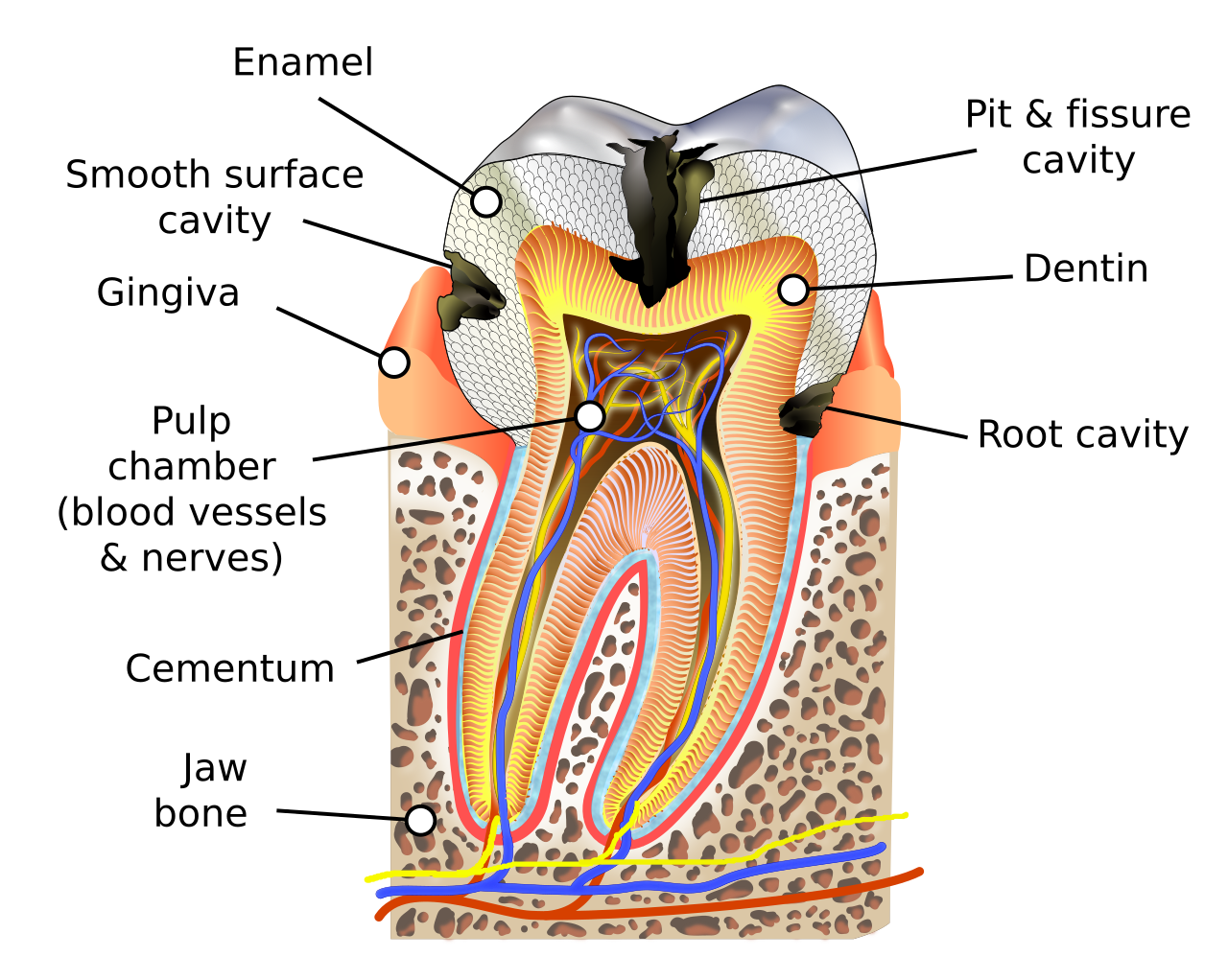
- An apple a day may keep the doctor away, but it also makes you 3X more likely to develop dental decay.
- Kids miss 51 million school hours a year due to dental related illnesses.
- In North America, shoppers purchase over 3 million miles of dental floss annually.
- Toothpicks are the object most often choked on by Americans.
- The stone-faced farmer in artist Grant Wood’s famous “American Gothic” painting was actually the artist’s dentist.
- Sports-related injuries account for approximately 5 million missing teeth per year.
- Americans spend $100 billion a year on hair care products, and only $2 billion a year on dental care products.
Historic Dental Care
- The first “toothbrushes” were tree twigs. Chewing on the tips of the twigs spread out the fibers, which people then used to clean the teeth.
- The earliest known dentist was Hesi-ren, an Egyptian “doctor of the tooth” who lived around 3000 B.C.
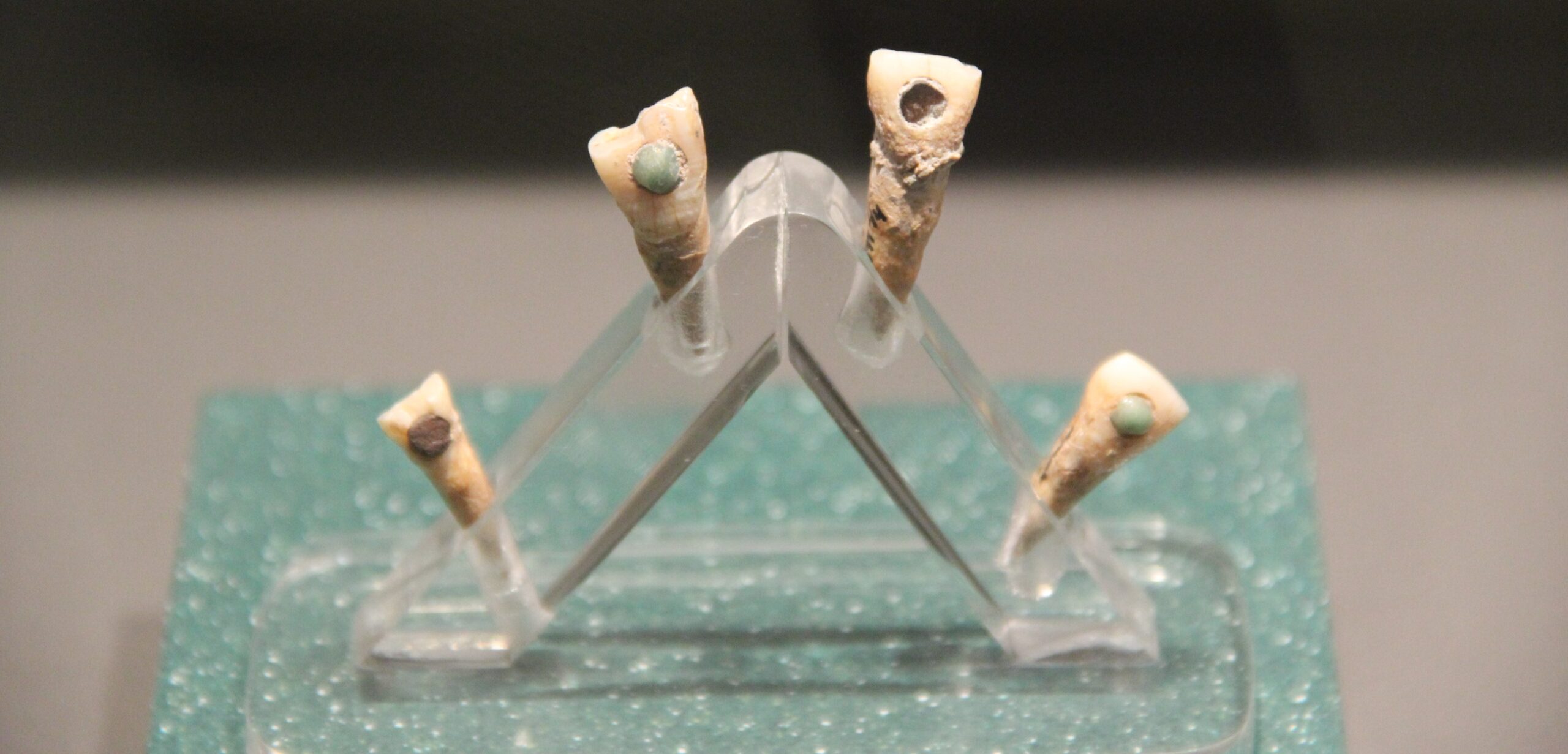
- Humans have been filling cavities in teeth since the earliest of times with a variety of different materials, including gum, stone chips, and even turpentine resin. A Neolithic man, who lived 6,500 years ago in modern-day Slovenia, had a tooth filling made out of beeswax! This simple wax cap applied to a broken tooth is the oldest known example of a dental filling.
- Tooth pulling existed long before anesthetics. The pullers included blacksmiths and wigmakers; also “tooth-drawers,” who publicly pulled teeth for sideshow entertainment; and more privately, in the 18th and 19th centuries, a “barber-surgeon” removed a tooth with a “key,” which was a clawed device that looked a little like a broken corkscrew.
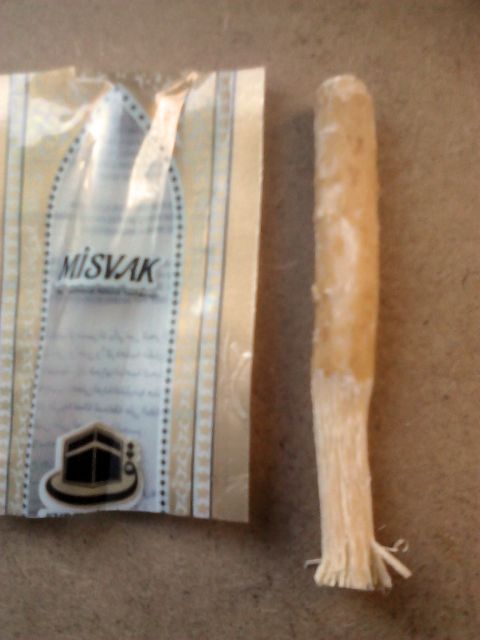
- The earliest manufactured toothbrushes were made in China in 1498. Crafstmen embedded bristles from hogs, horses, and badgers in ivory or bamboo handles.
- Modern toothpaste has only been available for around the past hundred years. Before the invention of what we call toothpaste, humans used all kind of mixtures such as crushed oyster shells, ground chalk, charcoal, pulverized brick, lemon juice and salt. Ancient Greeks used pumice, talc, alabaster, coral powder or iron rust as toothpaste. Yuck.
- Then there were toothpicks and tooth cloths. Not all toothpicks were intended for disposal; e.g., King Charles I of England had a gold toothpick. Disposable toothpicks became popular in the 19th C, particularly after the establishment of the first toothpick factory in 1869.
- In colonial days, many people didn’t know how to sign their own names. Instead of signing a contract, indentured servants sometimes sealed their agreement by leaving their dental imprint in wax.
- Contrary to popular belief, George Washington’s famous dentures were not made from wood. Dentists made him four pairs of custom choppers from gold, ivory, lead, and a mixture of human, donkey, and hippopotamus teeth.
- In the 1800s, people who had false teeth in England ate in their bedrooms before gatherings and events at the dinner table. This uniquely Victorian tradition protected them against the embarrassment of having their teeth ‘fall off’ while dining.
- Not too long ago, dentures were common wedding gifts in the British Isles. At that time, many people expected to lose all their teeth and had their teeth extracted at an early age.

- Tooth brushing didn’t become a standard part of everyday American life until the 1940s! Rudimentary tooth care was taught as early as the 1910s. Some schools introduced dental hygiene programs like toothbrush drills, in which children practiced brushing their teeth with their teachers. But it was slow to catch on. American soldiers during WWII were required to brush their teeth every day, and returning soldiers brought the habit back home with them.
- In 1866, Lucy Beaman Hobbs became the first licensed female dentist.
- 1882 was the year commercial floss was first manufactured.
- In 1905, Dental Assistant Irene Newman trained to clean teeth. She became the first Dental Hygienist.
- Plastic handled toothbrushes came along in the early 1900s, and nylon bristles followed in 1938
- In 1994, a West Virginia prison inmate braided dental floss into a rope, scaled the wall, and escaped!
- The most valuable tooth belonged to Sir Isaac Newton. In 1816, one of his teeth was sold in London for $3,633, or in today’s terms $35,700. The tooth was set in a ring! (source: Guinness World Records).
Not Just Teeth, but Teeth Related
- Your mouth can produce up to 730 litres of saliva per year. That’s 192.8 gallons. Another estimate is that the average human being produces 100,000 gallons of saliva during their lifetime.
- Not precisely teeth, but FYI: although people regularly swallow saliva from the mouth, they become disgusted when asked to spit into a glass and then drink the saliva.
- In 1986, the winner of the National Spelling Bee won by spelling ODONTALGIA (which means toothache)
- The average amount of money left by the tooth fairy in 1950 was 25 cents. In 1988 it was $1.00, the going rate now is $2.00.
- People who smoke are 2-7 times more likely to develop periodontal disease than non-smokers.
- Almost 65 million American adults have some form of periodontal disease; 38.4% are women, 56.4% are men.
- Expectant mothers with poor oral hygiene are 7X more likely to deliver premature and low birth weight babies.
- 95% of American adults with diabetes also have periodontal disease.
- People with periodontal disease are 2X more likely to develop heart disease.
- The lifespan of a taste bud is about 10 days. The five known tastes detected by taste buds are bitter, sour, salty, sweet, and umami.
- 60% of people don’t known that a sore jaw, when combined with chest pain, can signal a heart attack – especially in women.
- Every year, kids in North America spend close to half a billion dollars on chewing gum.
- 90% of system diseases have oral manifestations.
- According to a recent survey by Time magazine, 59% of people would rather have a dental appointment than sit next to someone who is talking on a cell phone.
Sources
Not surprisingly, a lot of facts show up in more than one place. All of the above are in one or more of the following websites:
VC Dental — Fun Facts About Teeth
Children’s Dental Village — Interesting Facts About Teeth and Dentistry
Smiles Change Lives — Fun Facts About Teeth, Number by Number
Affinity Dental of La Mesa — Five Interesting (and WEIRD!) Facts About Teeth
Pediatric Dentistry of Alaska — Fun Tooth Trivia: 20 Facts Kids Will Love About Their Teeth