Once Halloween is over, it’s all about Thanksgiving. The shift of focus from goblins to gobblers is instantaneous. Although officially called Thanksgiving, for many it’s really Turkey Day. But beyond dinner, what do people really know of Meleagris gallopavo, the wild turkey that gave rise to the one likely to be on the platter?
Turkeys in North America
Turkeys are native to North America, as are all the subspecies. M. gallopavo silvestris, sometimes called forest turkeys or eastern wild turkeys, are the most numerous of the subspecies, more than five million.
Archaeological evidence suggests that Native Americans domesticated turkeys more than 1500 years ago, before Europeans set foot on the continent. Archaeologists have found turkey bones in burial mounds in Tennessee, Kentucky and some other parts of the South. Turkey relics have surfaced in Arizona dating as far back as 25 C.E., and turkey-raising may well be one of the oldest forms of organized meat production in the Northern Hemisphere.
Indigenous farmers raised turkeys in Mexico and Central America more than 500 years before the Spanish arrived. Evidence of turkey bones at religious sites and burial mounds suggests that turkeys served a ceremonial role as well as providing meat. Although native to North America, the turkey’s range extended into Mexico.
Central Mexico once acted as a center of turkey domestication. Archaeologists have found bones of Meleagris gallopavo from as early as 8000 B.C.E. in what was once Maya territory. Remains of turkey pens and fossilized poop containing traces of corn suggest ancient Mayans kept and fed turkeys, trading them throughout Central America.
A 1980s archaeological dig at the El Mirador assemblage in Guatemala unearthed seven turkey skeletons. The bones were from more than 2000 years ago and more than 400 miles from their native range in Central Mexico.
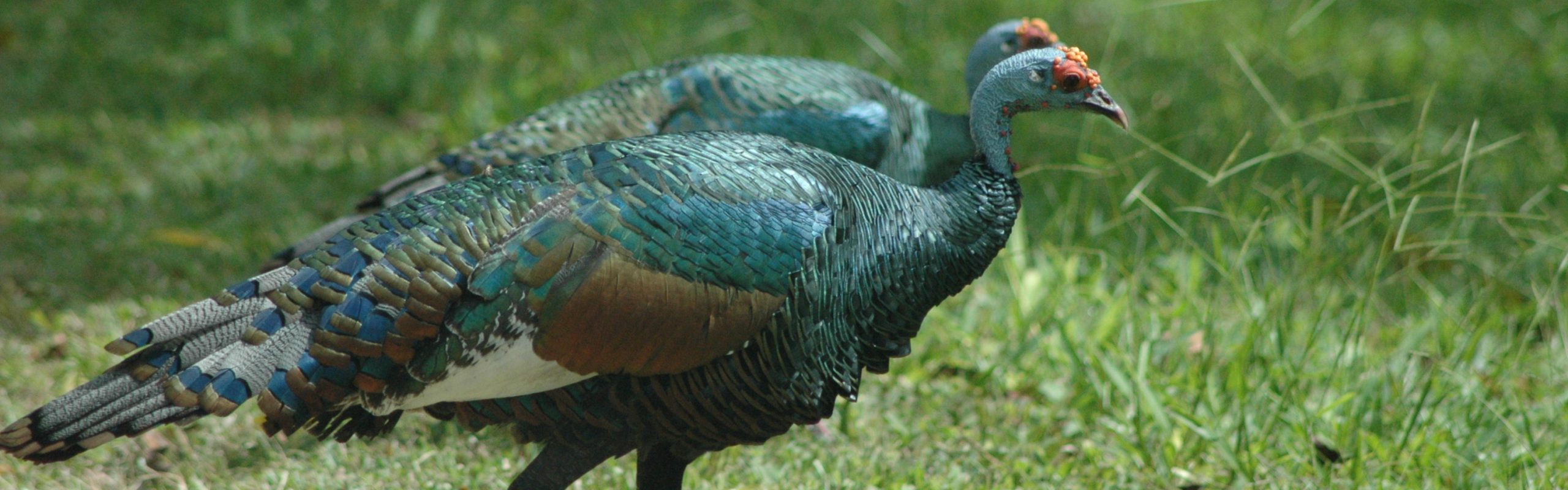
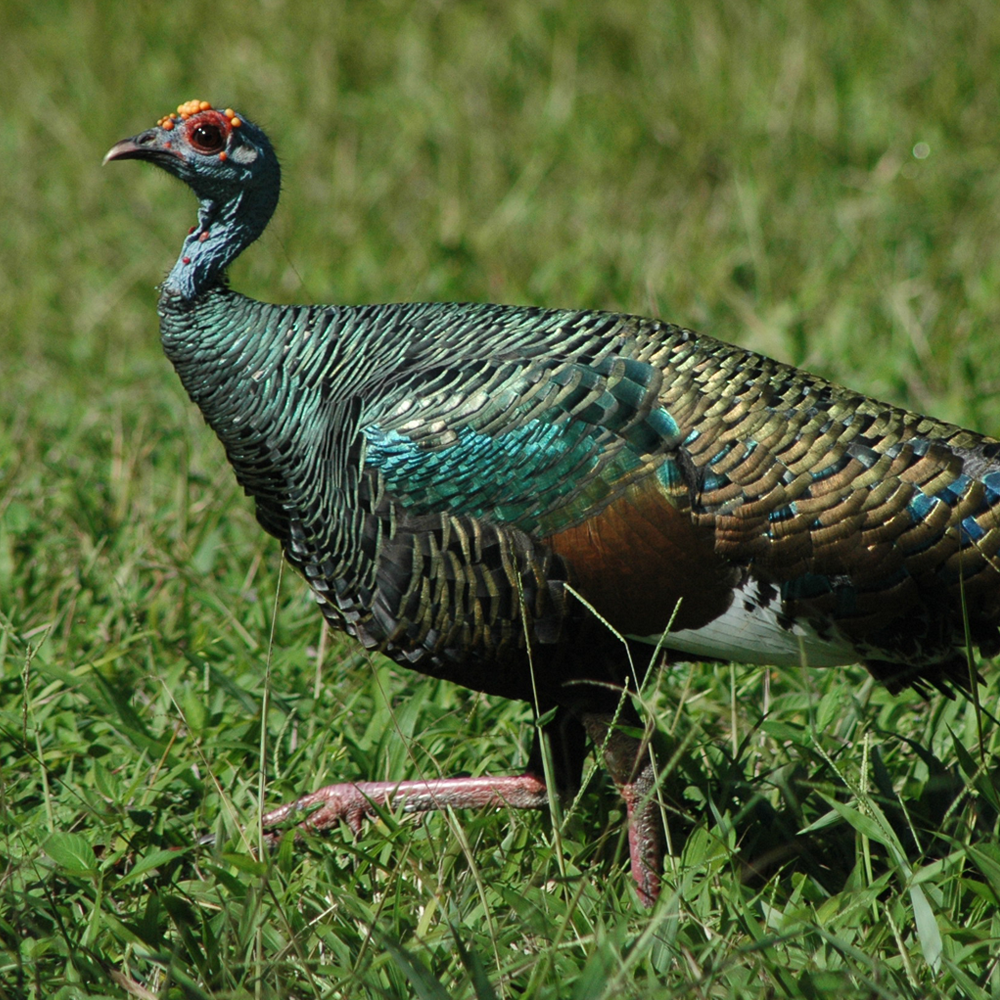
Ocellated Turkey – no wonder Hernán Cortés confused them with peacocks in 1519!
Thornton studied the bones, and concluded they did not belong to the indigenous ocellated turkeys that roamed Mayan territory. Those birds are small, with blue heads and iridescent blue, green, and copper feathers, she says,”almost like a cross between a turkey and a peacock.” The bones found in the temple appeared to belong to the larger, duller Mexican turkey.
After reexamining the bones, Thornton collaborated with archaeologist Camilla Speller, an expert in ancient DNA analysis at the University of Calgary in Canada, to confirm that the bones belonged to M. gallopavo. Only one of the bones yielded enough replicable DNA for analysis. That DNA was an exact match with M. gallopavo, and not the ocellated turkey.
Mayan traders maintained long-distance exchange networks between northern Mesoamerica and Mayan territory. They moved many objects such as jade, obsidian, and pottery throughout these networks between 300 B.C.E. and 200 C.E., when the bones likely originated, says Thornton. However, she says, this is the first sign that Mayan traders may have transported living animals as well.
As early as 300 B.C.E, people transported Mexican turkeys between 650 and 950 kilometers outside of the their natural range. In a study Thornton and others published, they argued that this distribution suggests turkey domestication in Mexico may have begun centuries earlier than scientists previously thought.
“I think they did a good job of making the case that the Meleagris gallopavo birds at El Mirador were derived from Central Mexico and were probably being confined,” says William Lipe, an archaeologist at Washington State University, Pullman. However, the small sample of DNA concerns him, and he agrees with Thornton that scientists need to do more research. “My guess is that the history of turkey domestication in the New World is fairly complex and that we are just beginning to see some of the outlines of it.”
Turkeys in Europe
Turks call this bird a “Hindi.” Hindi speakers call it a “Peru.” Arabic speakers call it a “Greek chicken.” Greeks call it a “French chicken.” The French call it an “Indian chicken.”
So, it’s likely that the Mayans of southern Mexico domesticated turkeys, maybe 2000 years ago. Spanish explorers took Mexican wild turkeys domesticated by the Aztecs back to Europe about 1519. These turkeys spread rapidly throughout Europe, and traders introduced them to England between 1524 and 1541. There, they became a highly sought-after element of gourmet dinners.
After those early domestic turkeys spread across Europe in the 1500s, European colonists brought them back. When colonists set off for the New World, they brought turkeys back across the Atlantic, to the land of their origin. At the time, the turkey was already one of the most plentiful foods of Native Americans. The wild cousin is slim, tall and long-legged. It possesses keen eyesight, hearing, and native cunning, making it a difficult target for human and animal hunters alike.
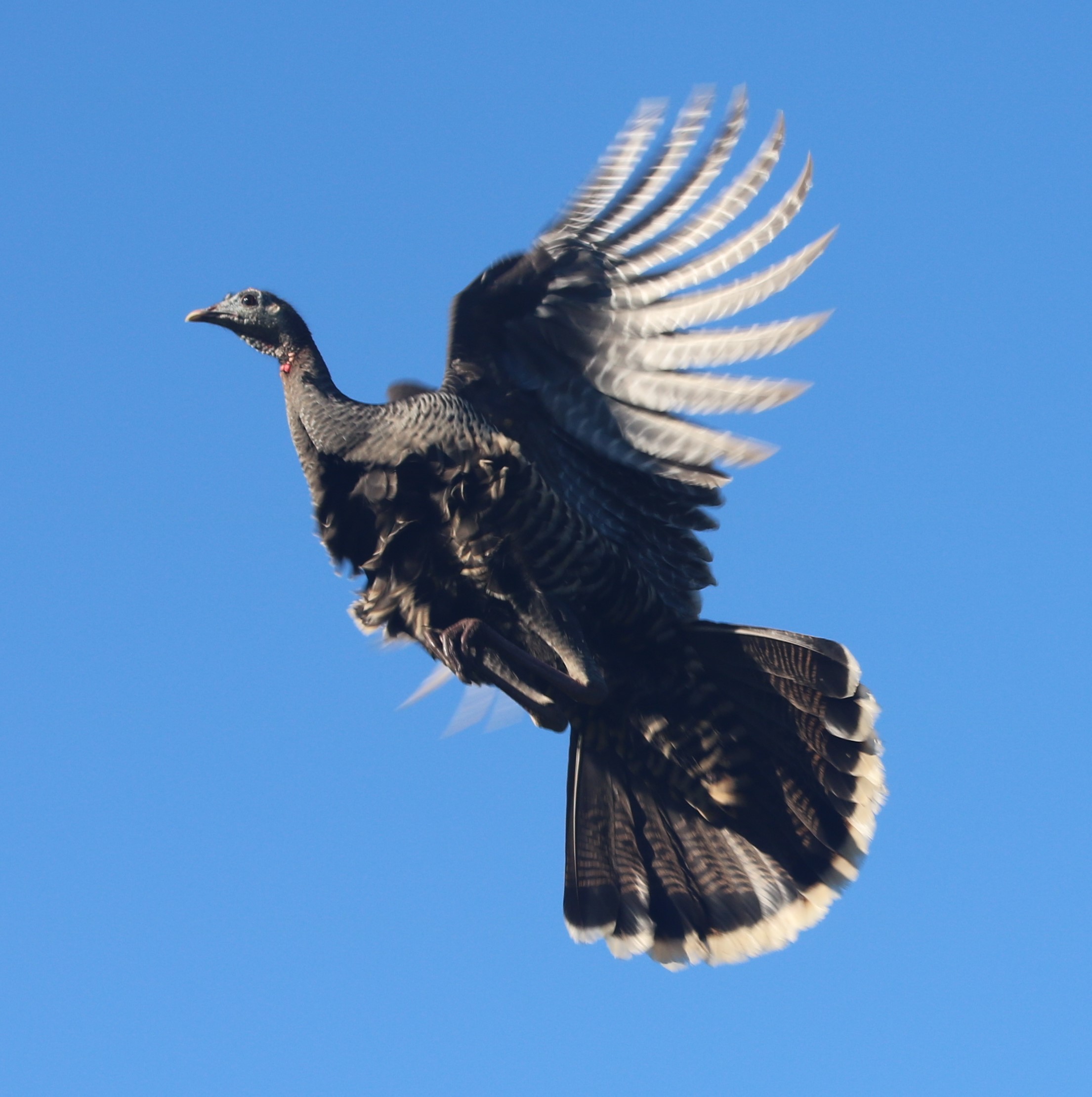
“The wild turkey in a sprint can outrun a galloping horse for a short distance,” said Charles Ruth, Big Game Program coordinator for the S.C. Department of Natural Resources (SCDNR). “Although it is one of the largest game birds, weighing up to 25 pounds, it can fly distances of more than a mile, sometimes at speeds of 55 miles per hour.”
The Modern Turkey
Despite these survival traits, by the early 20th century, wild turkey numbers had plummeted because of overhunting and loss of habitat. In the early 1900s, the population reached a low of around 30,000 birds.
Fortunately, game managers stepped in, re-introducing wild-caught birds to areas where turkeys had disappeared. Thanks to these efforts, since the 1940s, wild turkeys have been prospering. There are now wild turkeys in all of the lower 48 states and even Hawaii, far beyond their original range. They number more than seven million.
Restoration of the wild turkey in South Carolina is one of the Palmetto State’s most noteworthy conservation success stories. In the early 1900s, only small pockets of wild turkeys survived in South Carolina. They lived primarily in the Lowcountry’s Francis Marion National Forest and along the Savannah River swamps. Today, the wild turkey is widespread throughout South Carolina. All 46 counties hold a spring hunting season (there is no fall season). Wild turkey restoration was made possible through the efforts of the SCDNR, the National Wild Turkey Federation, the forest products industry, private landowners, and South Carolina sportsmen and sportswomen.
Myths Busted
The name of the Republic of Turkey (now spelled Türkiye) and the funny-looking bird we eat in November are actually related (maybe). In the 1550s, merchants brought the birds to England by way of Spain and North Africa. People associated the new delicacy with the Ottoman Empire, particularly with the Turkish people.
Myth:Benjamin Franklin suggested the turkey as a national symbol or part of the Great Seal for America.
Fact: In 1784, Benjamin Franklin did praise the turkey. He wrote that compared to the bald eagle, the turkey is “a much more respectable Bird, and withal a true original Native of America.” But he never actually proposed the turkey as a symbol for America.
Myth: Turkeys are just big chickens.
Fact: More than 45 million years of evolution separates the two species. However, both are more closely related to dinosaurs than most modern birds!
Myth: Turkeys are so dumb, they’ll stare at the sky during a storm and drown in the rain.
Fact: Some turkeys have a unique genetic condition called tetanic torticollar spasms. This condition can result in some strange behaviors, like staring at the sky. No turkeys with this condition have been reported dying from looking up in the rain.
Myth: Turkey is high in tryptophan. Eating turkey makes you sleepy.
Fact: Turkey is just one of many foods that contain tryptophan. In order to feel the effects, you’d need to eat nearly 8 pounds of turkey in one sitting.
Bottom Line: When you think turkey, think beyond the supermarket.
Bananas: feeding toddlers and entertaining onlookers!
Commercially available bananas are far from my favorite fruit: too soft, too sweet. I may well be in the minority here. In the U.S., they outsell oranges and apples combined.
Just look at the numbers!
Bananas are one of the most consumed and cheapest fruits worldwide: they are the most traded fruit and the fifth most traded agricultural product. In 2022, the global export value of the banana trade totaled US$12.5 billion. Banana growers exported 19.6 billion metric tonnes of bananas (with the exception of plantains) in 2022. Cavendish bananas alone had a retail value of approximately US$ 25.74 in 2022. They are the fourth most important crop in the world, behind wheat, rice, and corn.
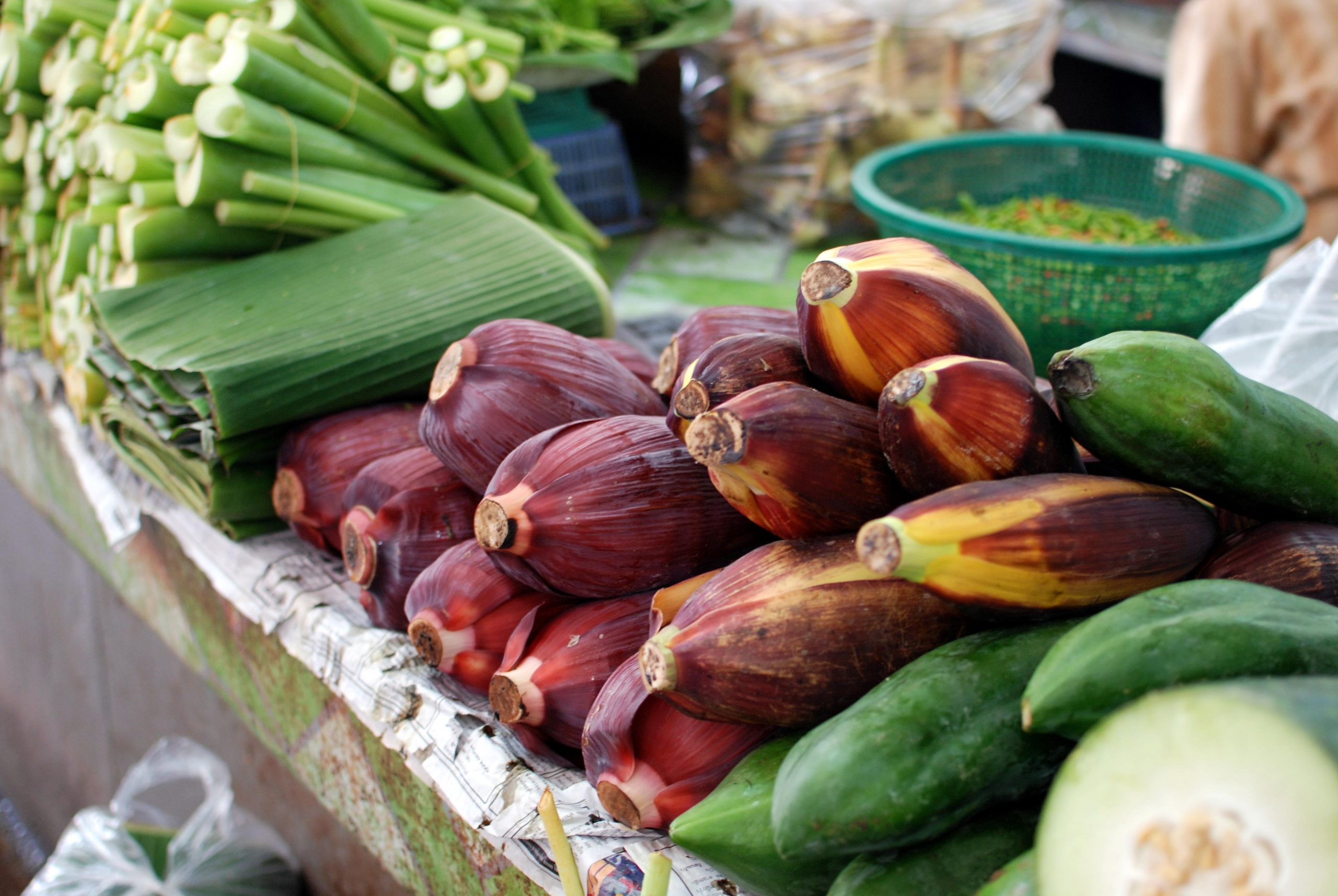
Red bananas in Thailand
The U.S. imports bananas primarily from Guatemala, Ecuador, Costa Rica, Columbia, and Honduras. Chiquita-Fyffes, Del Monte, Dole, Grupo Noboa S.A. own or subcontract the majority of banana plantations around the world. According to World Top Exports, “The biggest 5 exporters of bananas (Ecuador, Philippines, Guatemala, Costa Rica then the Netherlands) accounted for three-fifths (60%) of all banana sales on international markets.”
Many banana growing countries don’t export them; banana growers sell them for domestic consumption.
A Brief History of Bananas
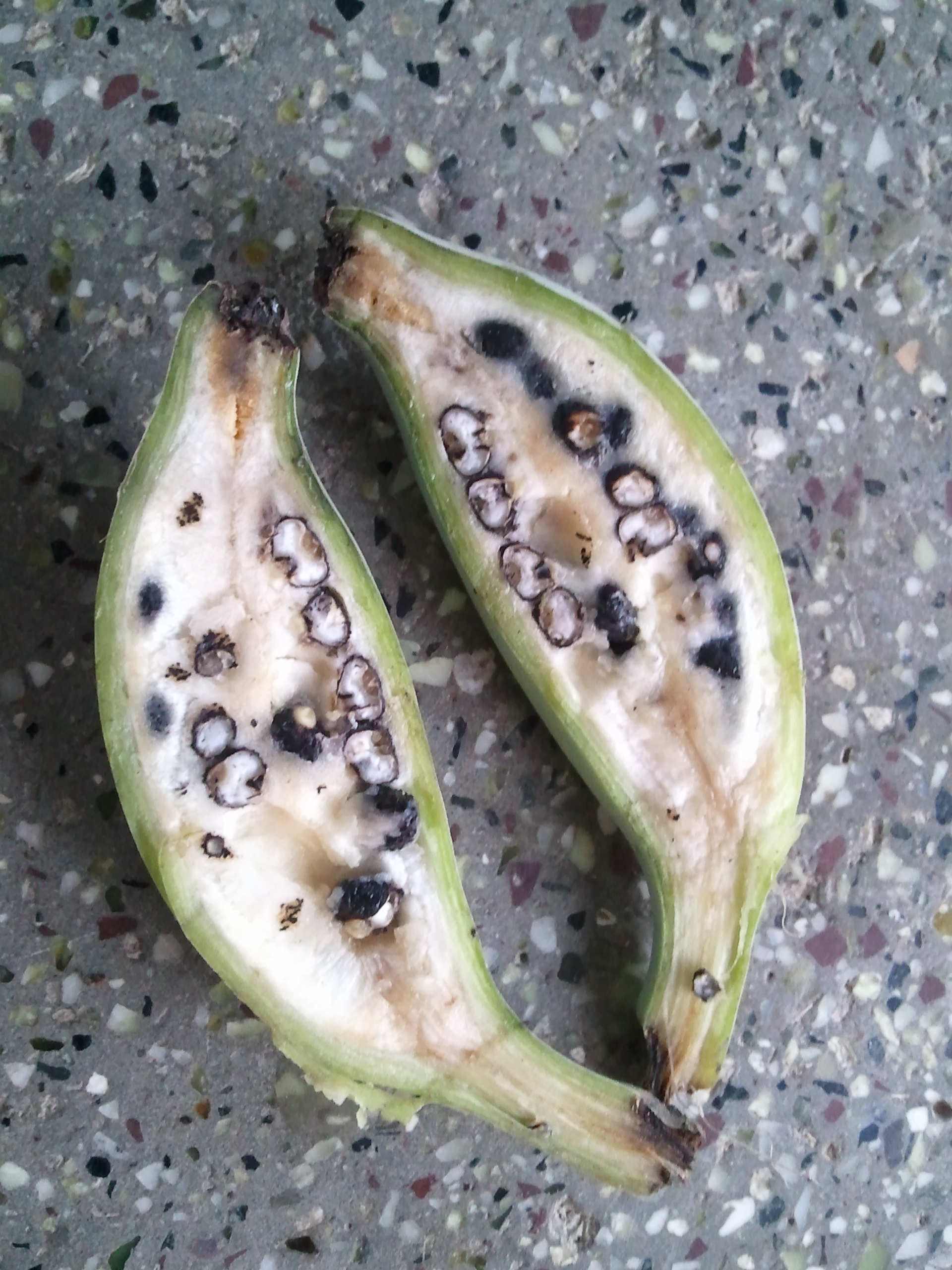
Wild bananas have lots of hard seeds.
But what are we talking about, really? Botanically, a banana is a berry that grows on several kinds of large herbaceous flowering plants in the genus Musa. These plants look like trees but are actually giant herbs. The Latin name for banana, musa sapientum, translates to “fruit of the wise men.”
Food historians believe the first wild bananas grew in jungles in regions of Asia such as the Philippines and Indonesia. Researchers have found domestication projects of the fruit in Southeast Asia and the South Pacific. Based on archaeological evidence, the cultivation of bananas in the highlands of New Guinea dates back as far as 8000 BCE.
Alexander the Great first discovered the taste of bananas while campaigning in India in 327 BCE. Islamic conquerors brought the banana back to Palestine in 650, and Arab merchants eventually spread them around Africa.
Portuguese sailors brought bananas from West Africa, introducing them to the Americas in the 16th century. Its Guinean (Wolof) name was banema, which later became banana in English. From Guinea, we also get the word guineo for an unripe banana.
Merchants introduced bananas to North America in the 1880s. Fashionable people ate them with a knife and fork.
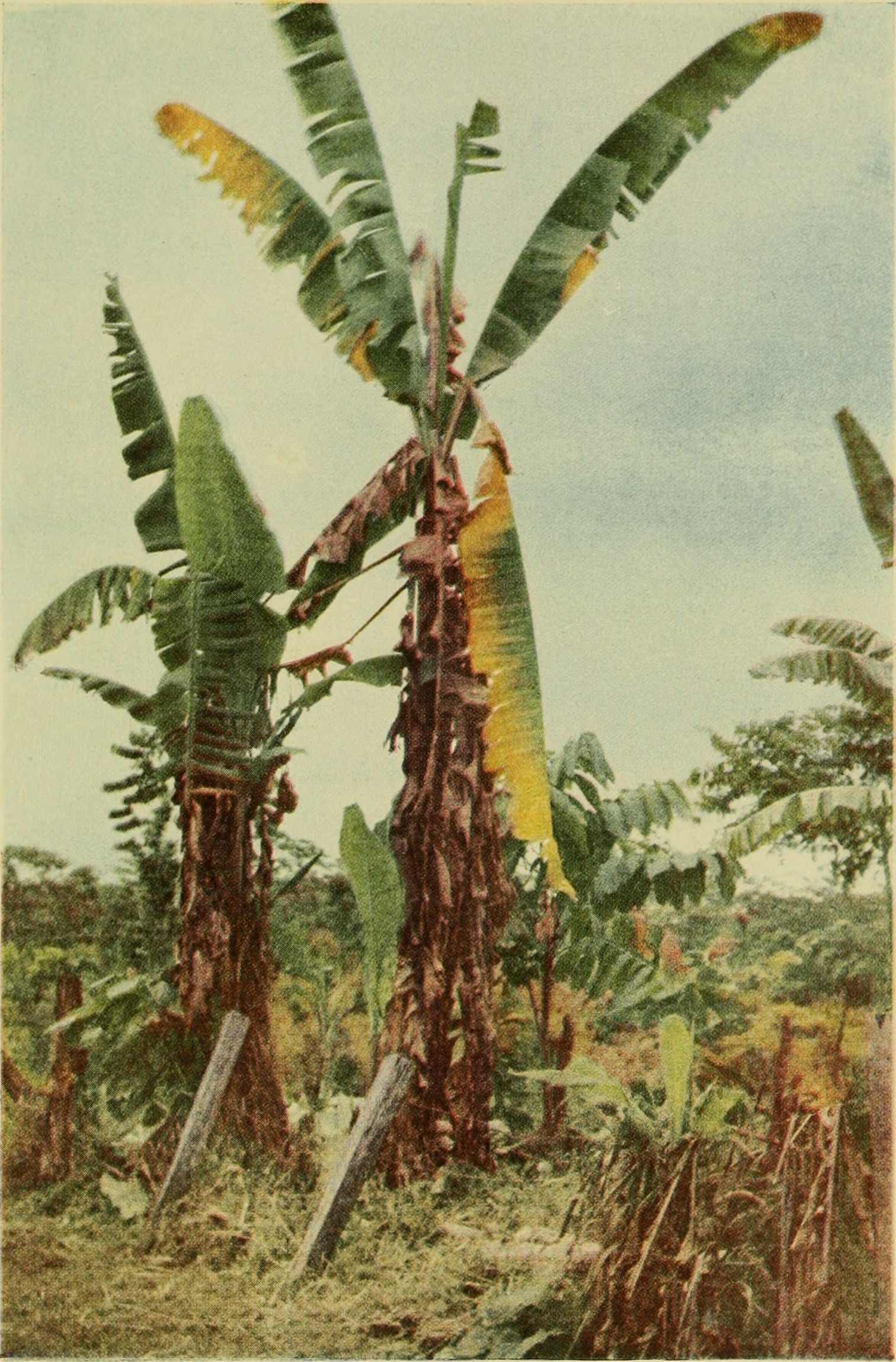
Gros Michel banana plants affected by banana wilt(1919)
What we eat in the U.S. today is almost exclusively the dessert banana Cavendish. Prior to the 1950s, the Gros Michel variety dominated the US market. However, a combination of fungal plagues, particularly Panama disease, wiped out nearly all of the Gros Michel plantations.
Artificial banana flavoring actually tastes like a Gros Michel banana (or an English pear, depending on who you ask). When you eat banana flavored candy, you’re getting a taste of the past!
The Cavendish banana variety is now under threat from the same disease that struck its predecessor. Panama disease has evolved into a new strain (Tropical Race 4), which can resist many of the quarantine and anti-fungal measures of farmers. Since researchers first identified Tropical Race 4 in Australia in 1997, they have traced its spread across Oceania, South-East Asia, and the Middle East. In 2021, the Peruvian government declared a phytosanitary emergency for the whole country after detecting the new strain of Panama disease. (Researchers think Panama disease actually originates in South-East Asia, not Panama or anywhere in South America.)
And then there’s banana ketchup. During World War II, ketchup producers in the Philippines faced a shortage of tomatoes but had plenty of bananas on hand. Maria Orosa, a Filipino chemist and food scientist, created banana ketchup to solve both problems. She made a paste of bananas, vinegar, sugar, and spices, and added red food coloring. People who have tried it claim it tastes just like the ketchup you’d find in any fast food restaurant in America.
But How Much Do You Really Know About This Fruit?
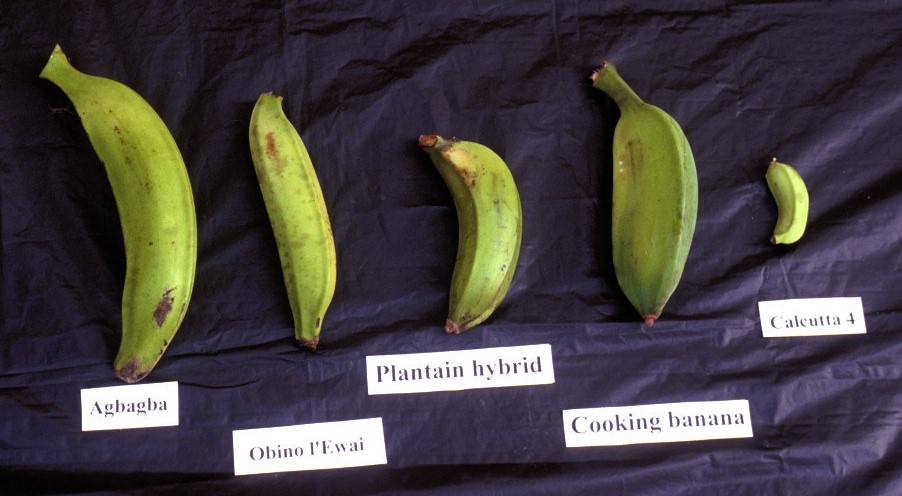
One might think that a banana is a banana, but there are between 500 to 1000 different varieties of bananas growing around the world, subdivided into 50 groups. Some are sweet, like the Cavendish banana, which is the most common and most widely exported. In many countries, people differentiate between bananas (sweet and eaten as a snack or dessert) and plantains (starchy and used in cooking).
Banana Varieties
Cultivated bananas reproduce asexually. Each plant basically grows as a clone of its elder, starting from suckers or pups growing out of its base. The lack of variety and adaptation leads to extreme vulnerability, such as from Panama disease.
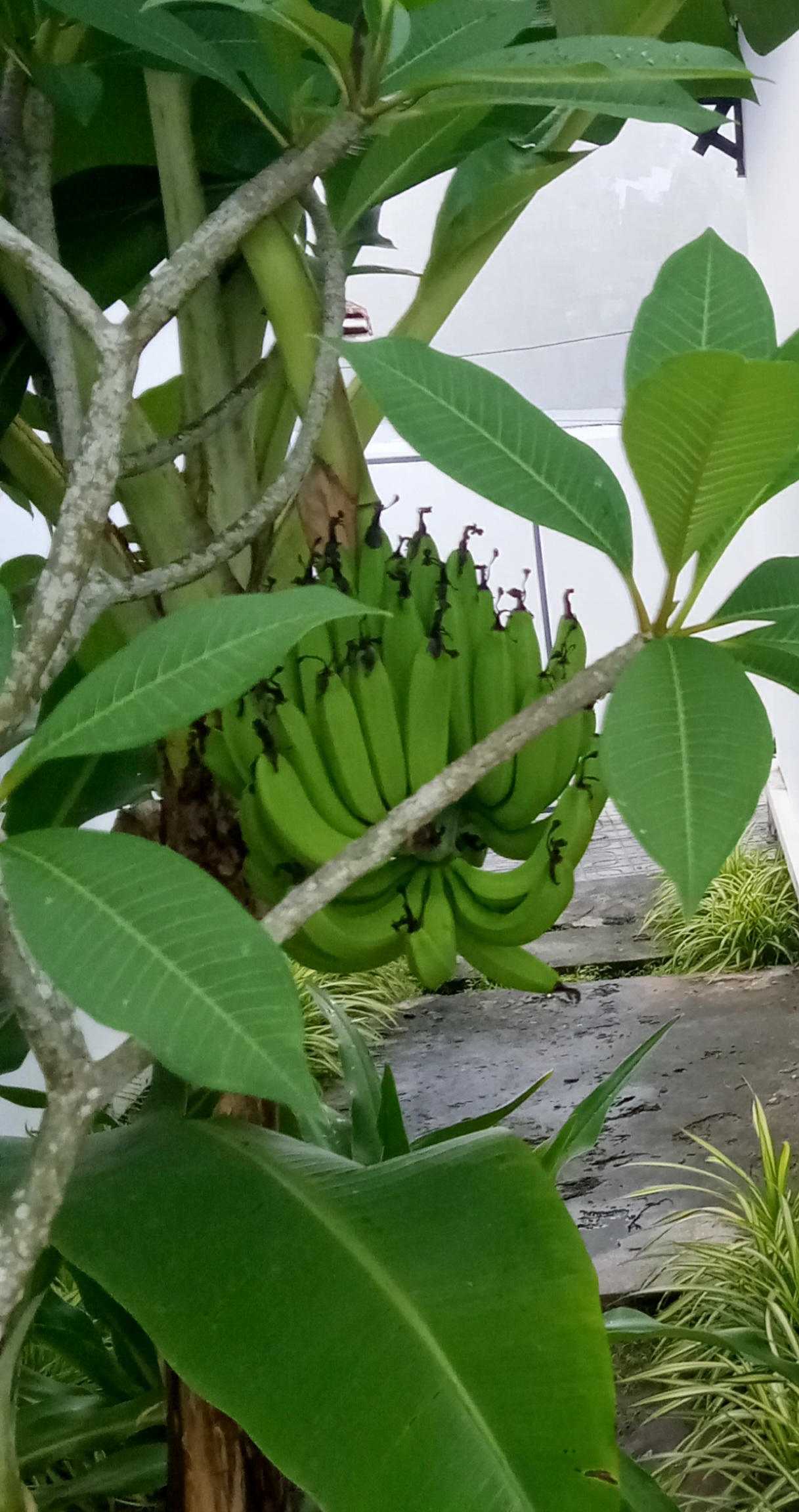
Banana Tree in Vietnam
Due to their need for a warm, tropical climate, bananas can not grow easily in most of the United States. Many farmers in Hawaii grow some of the lesser well-known varieties of banana, such as Blue Java bananas, which purportedly taste like vanilla ice cream. Small groves of banana trees grow throughout the American south, in Florida yards and along Louisiana highways.
Banana bunches grow pointing up. Growers call these bunches “hands.” Each hand typically has about 20 “fingers”.
In 2001, a banana cluster took the title of the “largest bunch of bananas.” It held 473 individual bananas or “fingers” and weighed a whopping 287 lbs (130 kg). Kabana SA and Tecorone SL grew the bunch in the Canary Islands.
Consider health benefits in particular. Bananas are nutritious. They have approximately 89 calories per 100 grams (3.5 oz). Bananas are most known for their potassium content but also contain B vitamins, vitamin C, magnesium, and fiber. These support heart health and digestive health. According to research, eating bananas can lower the risk of strokes and heart attacks. Foods that are high in potassium might stop fatal blockages from occurring and can also inhibit the hardening and narrowing of arteries.
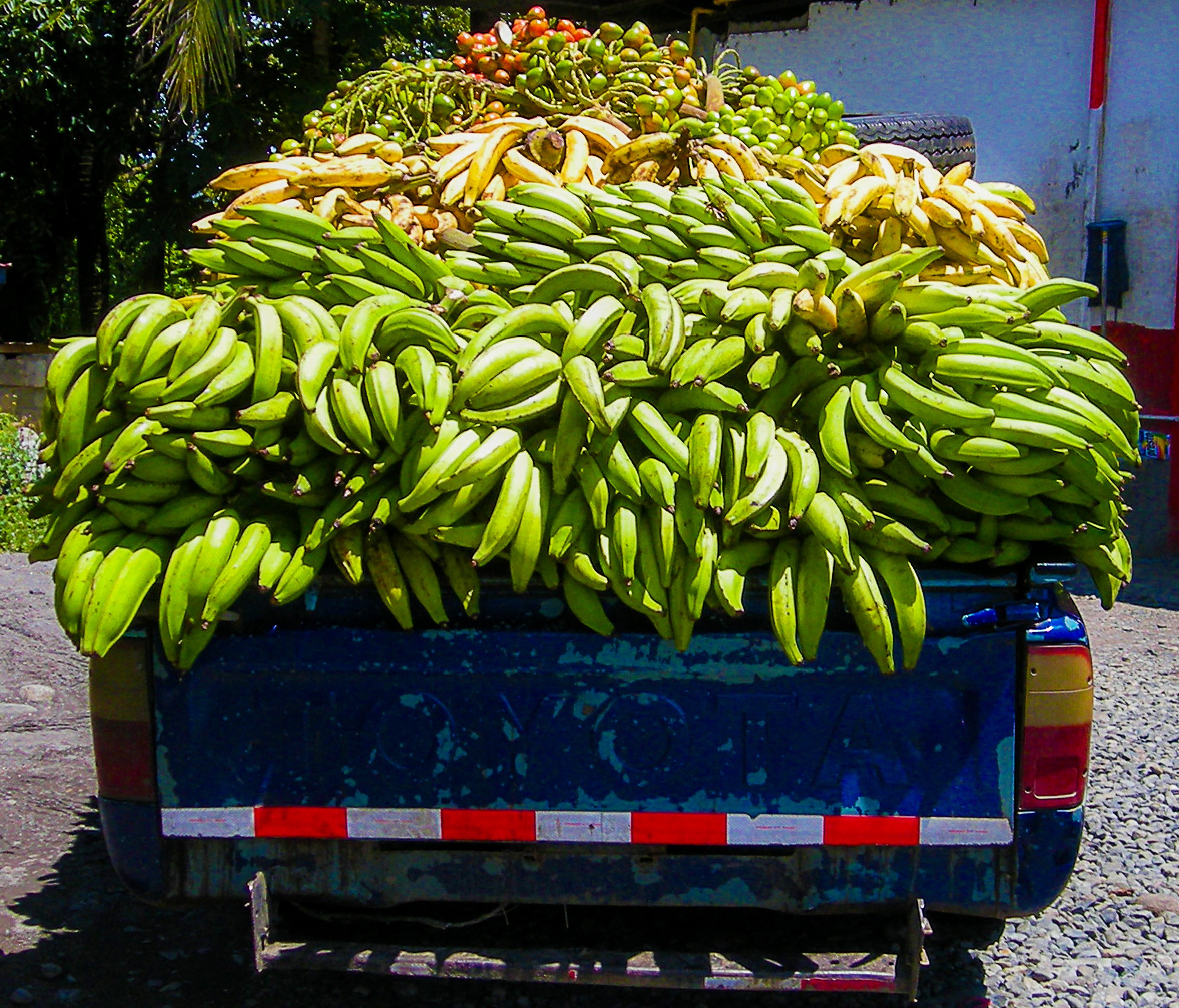
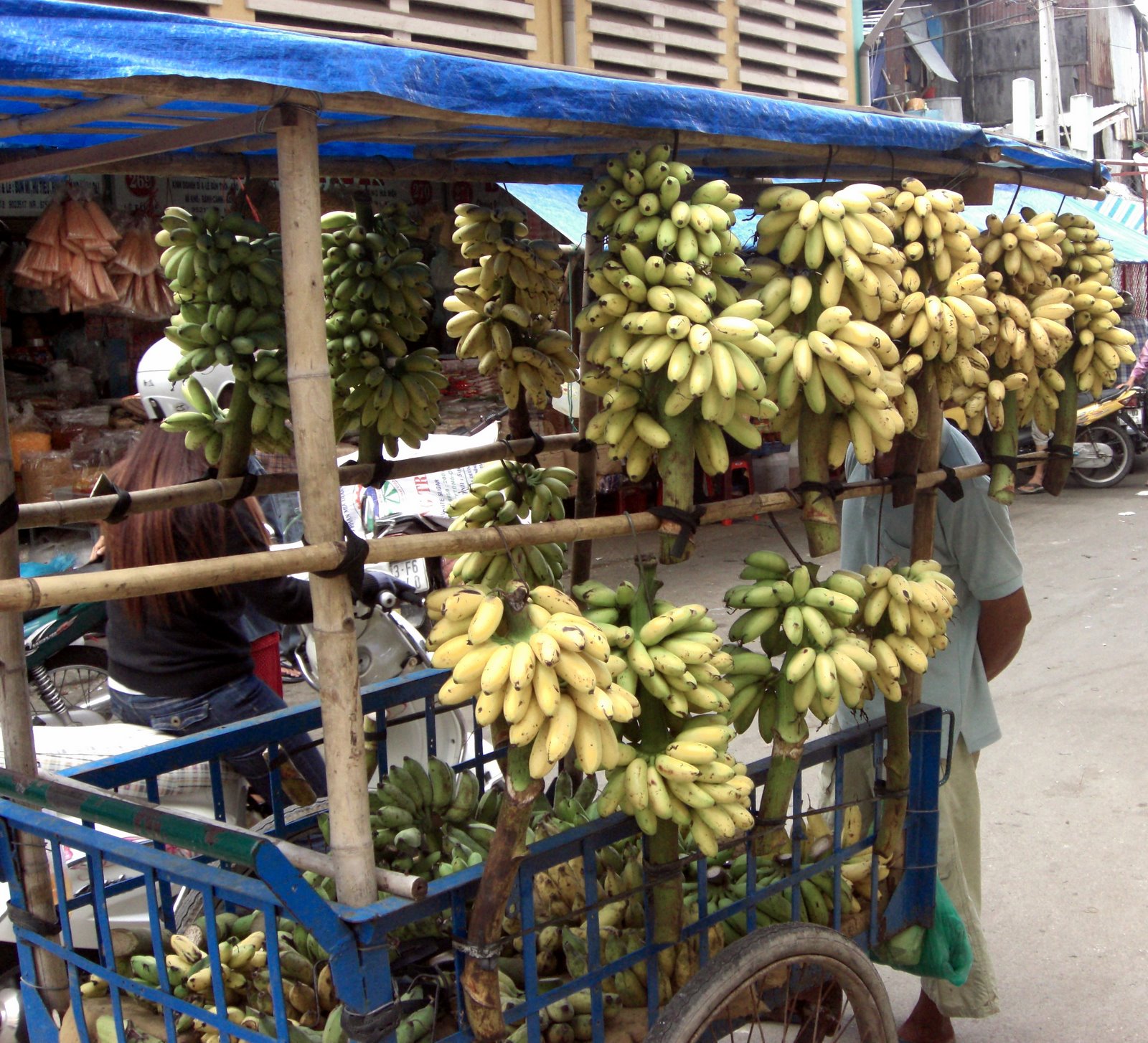
Banana cart in Vietnam
Bananas contain serotonin, a natural substance that alleviates depression and balances other moods. This form of serotonin cannot cross the blood-brain barrier, so bananas don’t act as a kind of natural antidepressant. However, a banana’s high concentration of vitamin B6 can help the body to produce its own serotonin naturally. This chemical also contributes to an overall well-balanced feeling amongst consumers.
If you have a bug bite, the inside of a banana peel can relieve itching. The natural oils found in the banana skin contains a chemical that helps alleviate irritation from mosquito bites and poison ivy.
Fun Facts
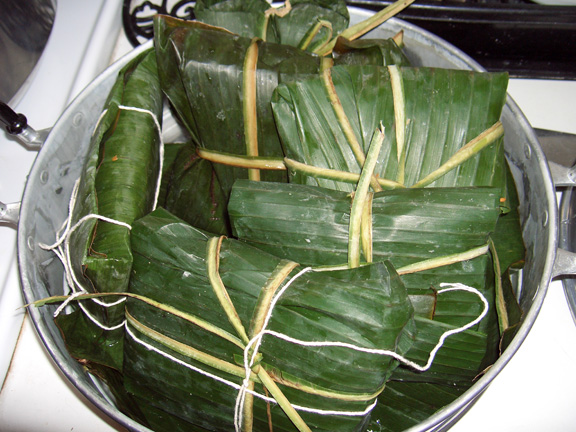
Banana leaves make versatile, biodegradable, and very handy packaging!
If bananas are too green to eat, put them in a paper bag with an apple or tomato. The banana’s ripening will speed up overnight. These helpers release more ethylene than others. This is the chemical that helps fruits ripen over time.
For the same reason, don’t keep fresh flowers on a counter or table next to bananas. The released ethylene will make the flowers wilt more quickly.
In 2016, police in Mumbai forced a thief to eat 48 bananas so that they could retrieve the gold chain he stole and swallowed.
Authorities in China have banned seductively eating a banana during a live stream, as of 2016. This is to keep under-aged women from attracting older male audiences. The Chinese government deems such acts harmful to social morality. Wearing suspenders on a live stream is also illegal.
Because of its familiarity and relatively standard size, people online have been using “banana for scale” as a visual marker of size since 2005.
Jordan Maddocks set a record for running the fastest marathon while dressed as a fruit in 2020. He ran the Rock n’ Roll Arizona Marathon in 2 hours and 41 minutes.
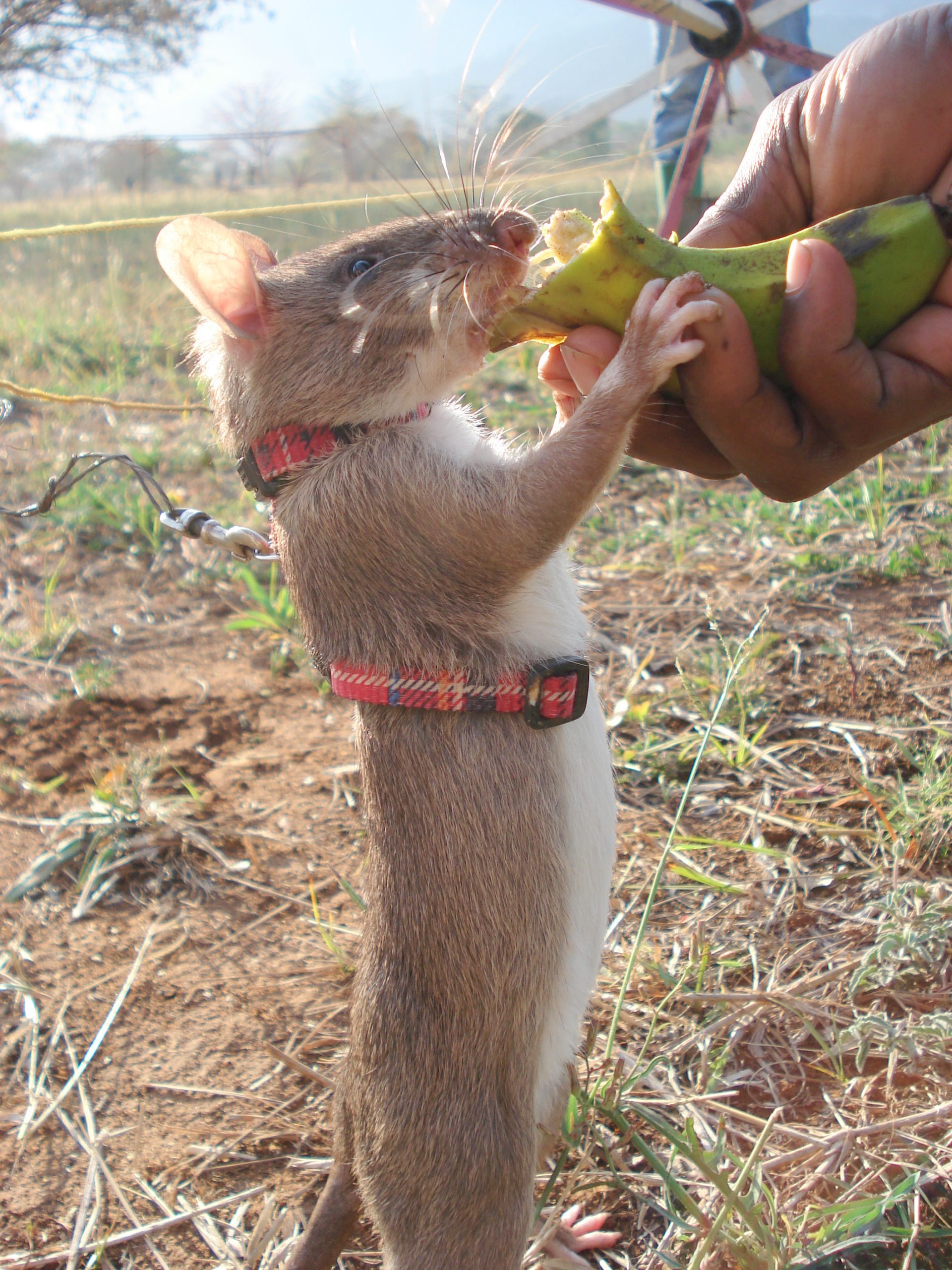
APOPO trains African giant pouched rats to identify landmines and tuberculosis, often by rewarding these HeroRATS with bananas, one of their favorite foods.
Banana fruits are naturally radioactive! This radioactivity is present in fruits containing potassium and potassium decays. You could die of banana radiation poisoning if you were able to eat 10 million bananas at once. You might experience chronic symptoms if you were to eat 274 bananas every day for 7 years. What are the chances?
The Guinness Book of World Records recognized Patrick Bertoletti as the man who could eat the most bananas in one minute. He peeled and ate eight bananas on the 14th of January in 2012 at Sierra Studios, Illinois, USA. In 2015, Pedro Aguilar from Mexico City, Mexico matched the record on July 26, 2015. You can do the math!
If a child hands you a banana, you are legally obligated to hold it to your ear and answer it like a phone.
Fifty percent of people who are allergic to latex are allergic to bananas as well. The term for this phenomenon is latex-food syndrome or latex-fruit allergy. While few people are born with allergy, it can be developed later on in life.
Bananas can float on water. They have relatively low density and multiple air pockets. Similar fruits such as watermelons, oranges, and apples are also naturally buoyant.
Bananas are approximately 75% water, which seems like a lot. By comparison, cucumbers or radishes have 96% and 95% water respectively.
A team at Kitasato University in Minato, Japan won the 2014 Ig Nobel Prize in Physics for calculating precisely how slippery a banana peel is. As it turns out, it is all down to the polysaccharide molecules in the peel, a substance also found in our joints. When crushed, the cells in a banana peel release these polysaccharide molecules as a gel, coating whatever surface they touch.
Rubbing the inside of banana peels on leather products like handbags or shoes works like shoe polish. The potassium in bananas, just like the potassium in leather polish, conditions and shines leather. Just rub the banana peel on the surface needing a polish and wipe off any residue with a cloth.
A monkey peels a banana upside down compared to our method: they pinch the nub at the floral end and split the skin to peel it down toward the stem. The most nutrient-dense part of a banana is opposite the stem, the part that would be pointed up when a banana was growing on the tree. Peeling a banana from this end allows the monkey (or you) to reach the best part of the banana first. People who peel a banana from the floral top are also slightly less likely to contaminate the fruit with bacteria from the stem. Hungry monkeys will sometimes just eat the whole banana, peel and all!
Banana leaves have nearly as many uses as the fruits. When cooked, they have many nutritious benefits. People use them as a building material or for rain protection. They can be formed into biodegradable cooking or eating utensils. Weavers can process fibers from banana leaves and stems into rope and fabric.
The Dark Side of Bananas
I don’t like to write downer blogs, but be aware. There is evidence of price fixing on bananas, keeping them at 79 cent a pound. This is possible because of the concentration of banana plantations and export under the control of just a few companies. The cost savings to consumers means that those actually growing and harvesting the fruit often live on subsistence earnings.
Bottom Line: Bananas are popular and convenient and more complicated than you probably knew.
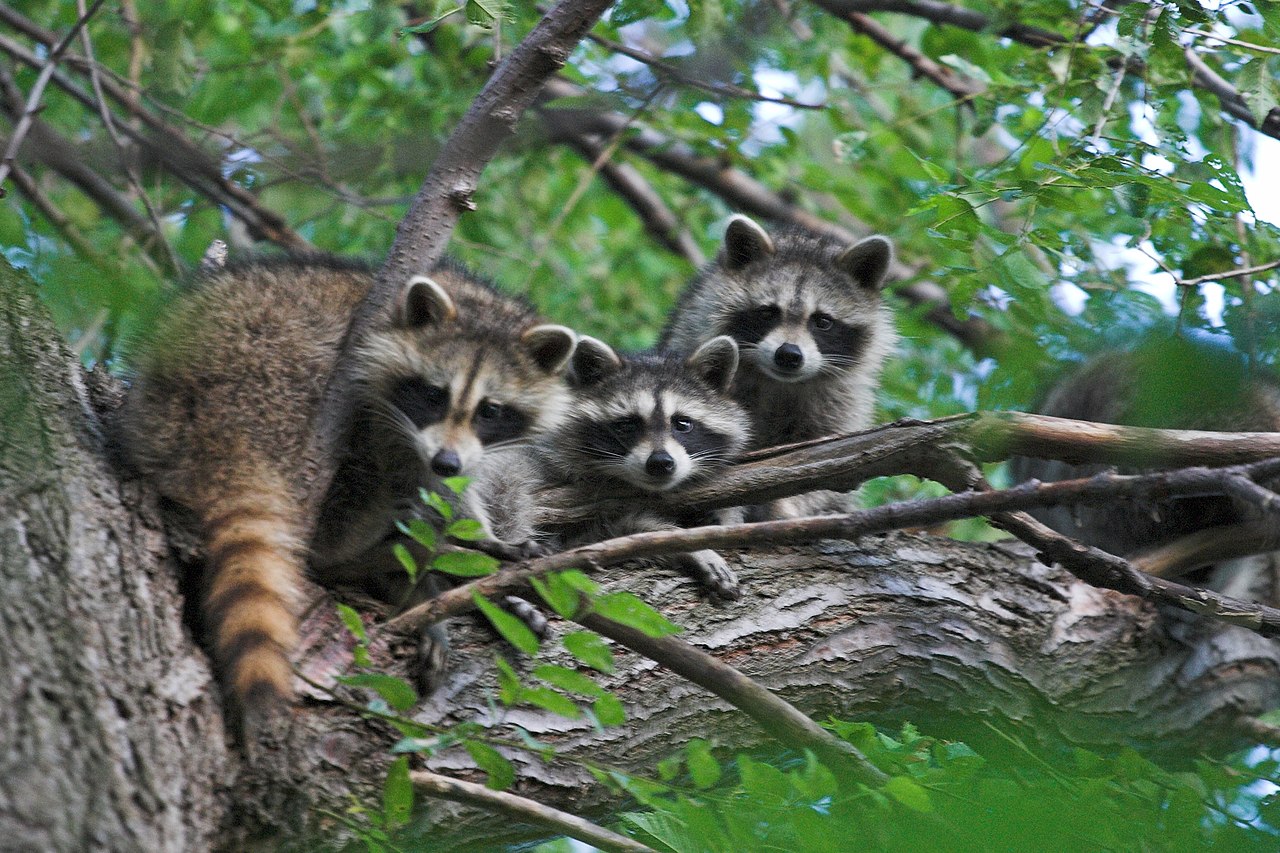
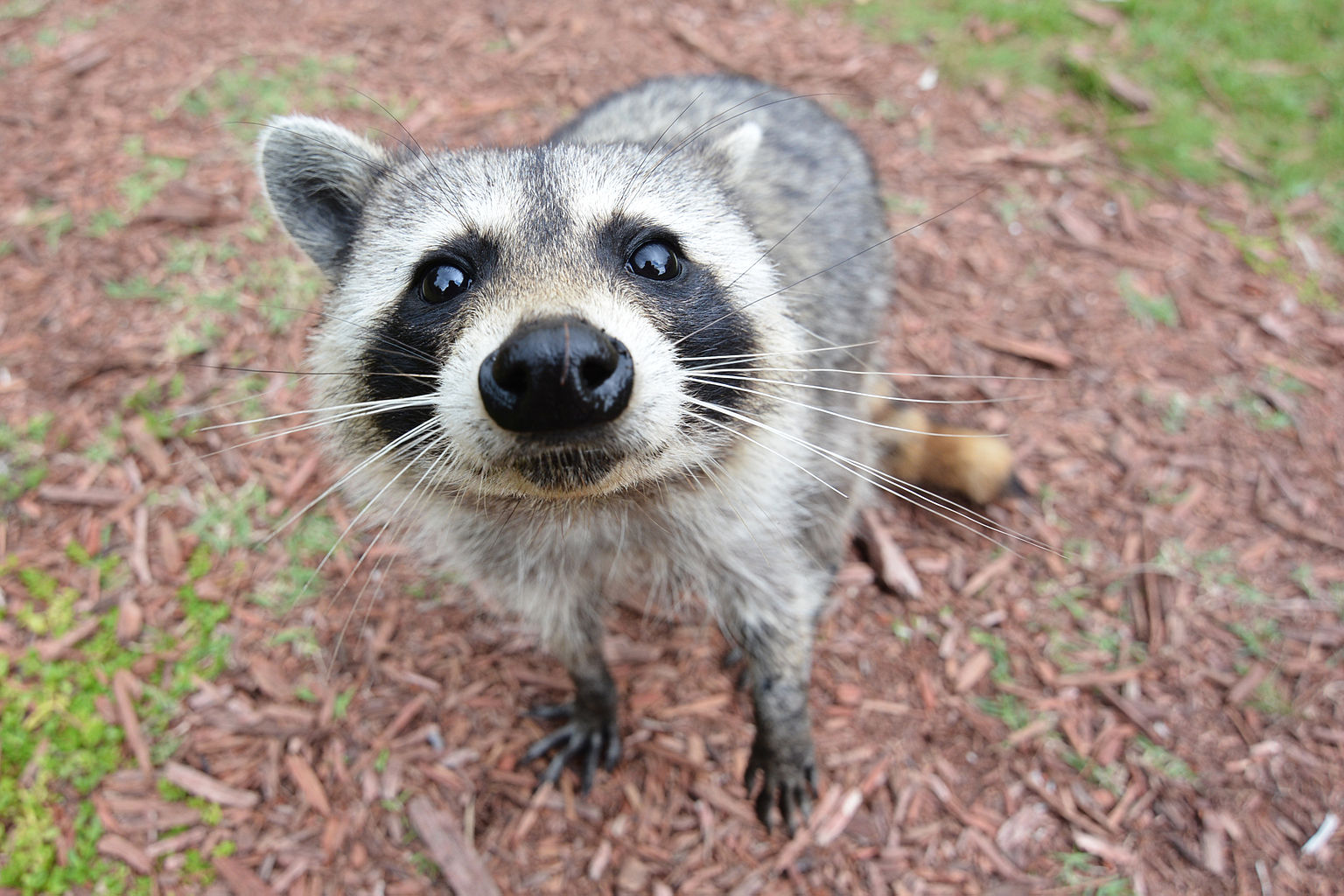
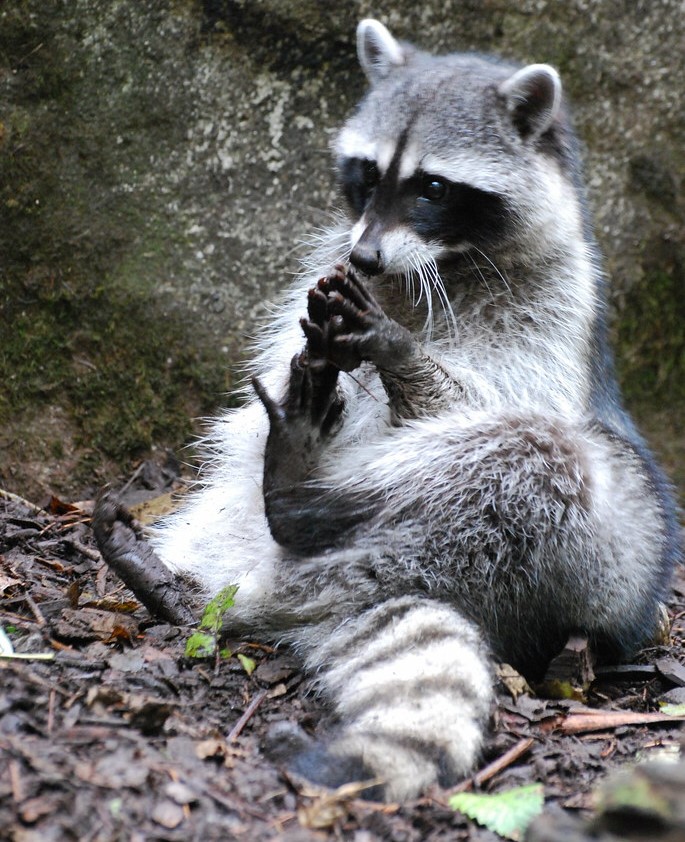
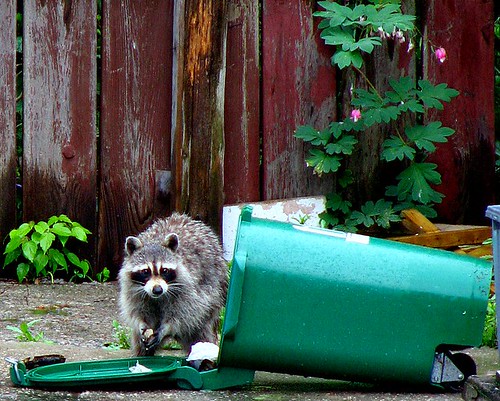
Fluffy bandits a.k.a. trash pandas a.k.a Pyroton lotor a.k.a raccoons are infamous for raiding garbage cans, even those with weighted lids. They are reputed to eat almost anything.
They look like cute, cuddly bandits, but they can be quite fearsome when approached. (More about that later.)
What Do Raccoons Eat
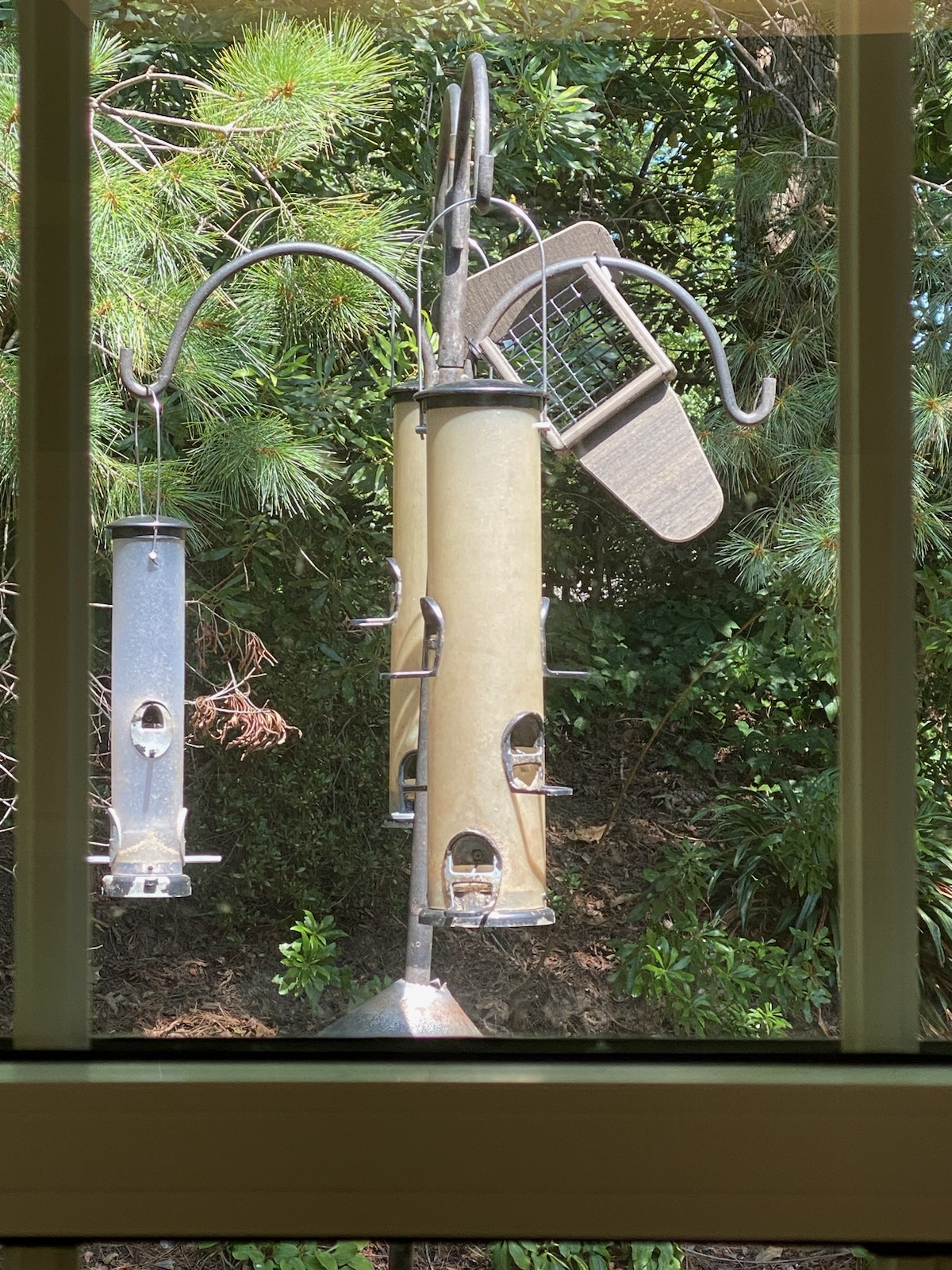
They also ate every single seed and the entire suet cake out of the bird feeders in my backyard.
Raccoons are truly omnivorous, and in the wild they eat about 40% invertebrates, 33% plants, and 27% vertebrates.
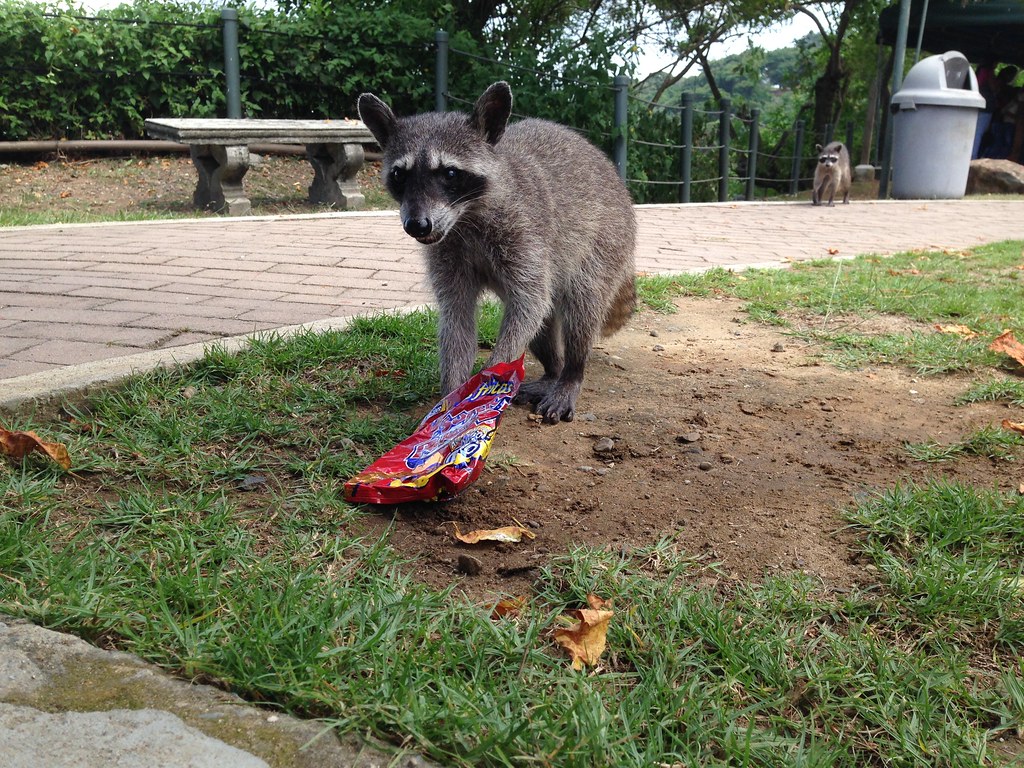
More specifically, when it comes to meat, raccoons eat more invertebrates than vertebrates. Some of the raccoon’s favorites are frogs, fish, crayfish, insects, rodents and bird eggs. Their voracious appetites allows raccoons to help control the populations of some pests, like yellow jackets and mice. When food is scarce (or they’re feeling lazy), raccoons will scavenge human trash or eat roadkill.
For plants, they like cherries, apples, acorns, persimmons, berries, peaches, citrus fruits, plums, wild grapes, figs, watermelons, beech nuts, corn, and walnuts. And they raid bird feeders whether food is scarce or not!
In more urban environments, raccoons will eat pretty much anything.
In fact, urban raccoons suffer some of the same consequences as humans when they share the unhealthy parts of human diets. Their access to drive-thru dumpsters and grocery store bins provide raccoons with plenty of fried, sweetened, and highly processed foods. A research team in Canada has found that raccoons in urban areas have higher blood glucose levels and higher weight than those living in wildlife preserves.
Raccoons in Cultural History
Long before Europeans came to North America, raccoons played a vital role in the lives of Indigenous people who already lived here. Our names for these animals today reflects this history. The English name “raccoon” comes from the Powhatan word aroughcun, meaning “hand-scratcher.” Further south, the Nahuatl/Aztec word mapachtli led to the modern Spanish word “mapache” or “one that takes everything in its hands.”
In many mythologies, Raccoon played the part of a trickster spirit, spreading mischief or using cleverness to escape danger. The Abenaki told stories of how the raccoon Azeban tricked other animals into giving him food or lost a shouting match with a waterfall. A Menominee story of a raccoon tricking blind men served as a morality tale for children. A Seneca legend of raccoons disguised as humans illustrated their intelligence escaping from an evil magician.
In addition to starring in many American stories, raccoons have also starred in the American diet! Until the middle of the 20th century, people commonly trapped and ate raccoon along with many other small game animals that adapted to survive near humans.
Raccoons require very clever traps to outwit their nimble paws. According to historian Michael Twitty, enslaved people from West Africa adapted traps they had used for grasscutters, a West African bush rodent, to catch raccoons. Those traps were nearly identical to the traps Native Americans had been using to catch raccoons for centuries. The cooking methods both groups used for raccoon meat also greatly resembled West African culinary traditions.
In addition to providing people with a ready source of protein, hunting and trapping raccoons also helped to control the population of animals that would otherwise eat crops. Selling pelts also brought in some extra income. In some places, particularly in the North where raccoon fur is thicker, raccoon meat for the table was more of a byproduct of the practice of selling pelts. Mark Twain listed raccoon as one of the foods he missed most while traveling in Europe in the 1870s.
At one point, discerning consumers could find raccoon meat on the menu from cookbooks in Colorado to fancy restaurants in Maine. The spread of factory farming in the 20th century made beef, chicken, and pork more affordable and more popular in the American diet. There are some places where you can still find raccoon in the kitchen. I hear the best meat is in the hind-quarters.
Habitat (Natural and Otherwise)
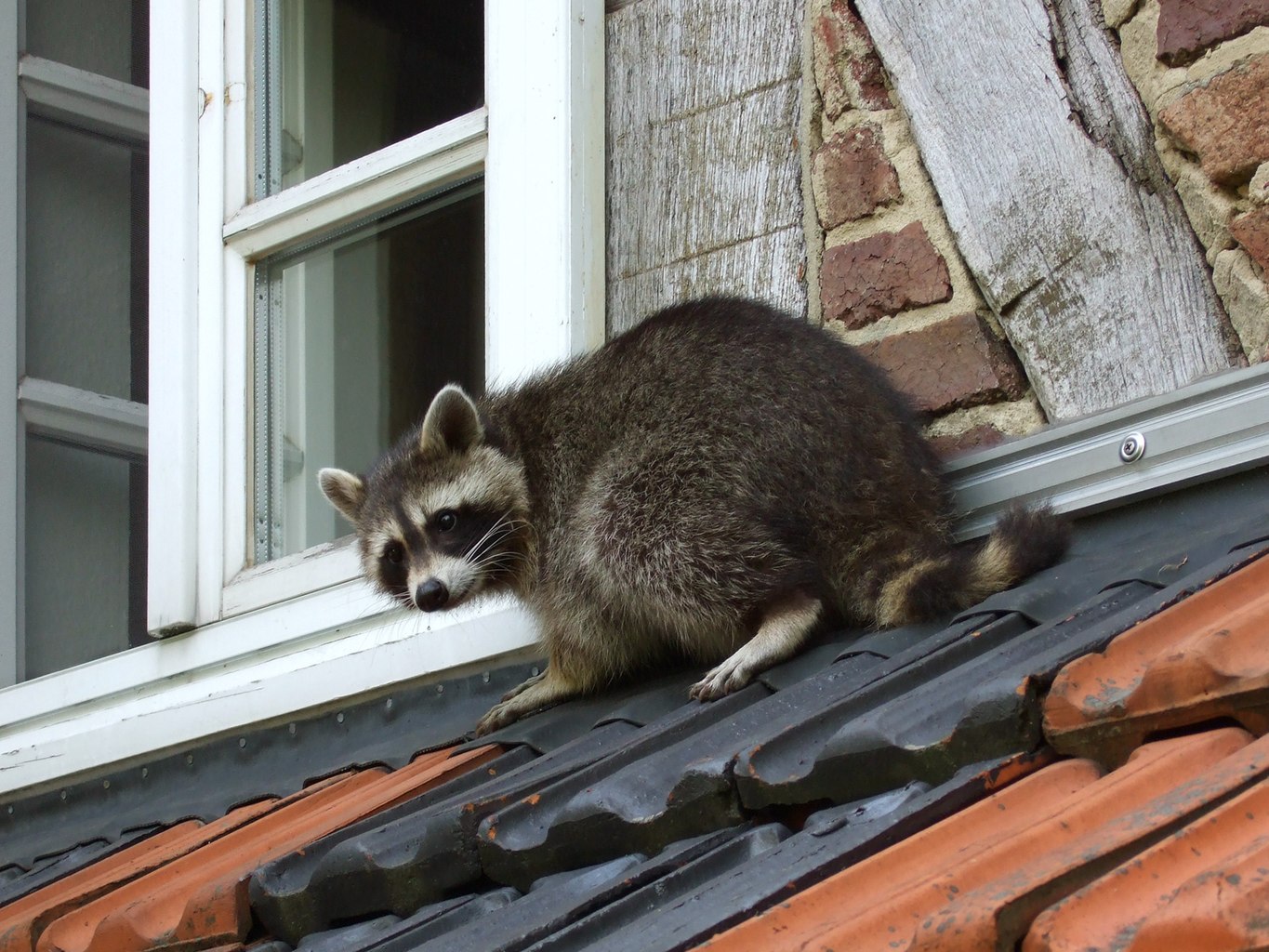
Raccoons are very adaptable, living in a wide range of climates and habitats. They live quite happily in forests, marshes, prairies, and cities. Historically, raccoons ranged from Central America all the way up to what is now southern Canada. They typically make their dens in trees or caves, though they will also make homes in barns, abandoned vehicles, and other human-made locations.
A waschbaer in Albertshausen Germany
Raccoons have made themselves right at home in Germany, much to the dismay of German homeowners and wildlife control. Back in the early 20th century, a few people in German started raising raccoons for their fur. Bombs struck one of these farms during World War II, releasing dozens of raccoons into the surrounding countryside. In 1934, forestry officials released several pairs of raccoons into the wild in an attempt to increase wildlife diversity. Today, there are as many as a million of these waschbären (“washing bears”) in Germany, devastating local bird and turtle populations, destroying vineyards, and causing traffic accidents. German raccoons seem to be especially attracted to stealing beer, wine, and hard cider, getting noticeably drunk at festivals or breaking into kitchens and targeting beer.
Germany isn’t the only place in Europe where raccoons are making a nuisance of themselves. A similar story of fur farms and war has caused an invasion of raton laveur (“little washing rats”) in France. Authorities in Madrid called for a raccoon culling in 2013 “to control and eradicate this unwelcome invasive species” that has made itself unwelcome in Spain. Scotland lists raccoons as one of the top 50 invasive, non-native species. The European Union has classified Pyroton lotor, the North American raccoon as an invasive species and banned their sale and import.
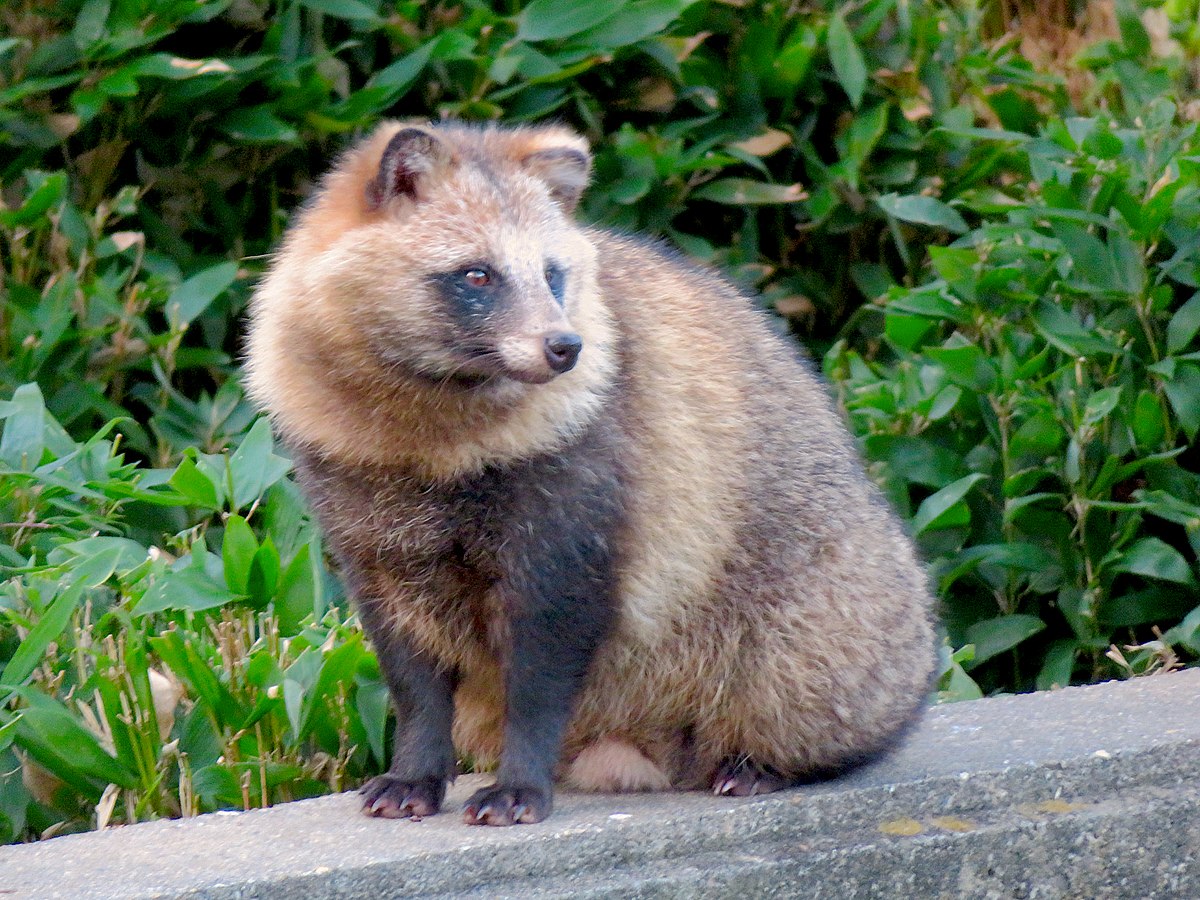
Though they look similar and share many of the same habits and dietary preferences, North American raccoons and Japanese raccoon dogs (tanuki) are not related.
In 1977, the anime Araiguma Rasukaru, telling the story of a man who adopted a pet raccoon, became a massive hit in Japan. Fans of Rascal the Raccoon began importing at least 1,500 raccoons a month to Japan. After realizing that raccoons don’t make good pets, many people then released them into the wild. The descendents of those raccoons today have spread to 42 of the 47 prefectures in Japan. They destroy crops, damage historic shrines, spread disease, and steal from fish and produce vendors. North American raccoons have begun to displace native Japanese “raccoon” dogs, tanuki.
Cohabitation with Humans
Though raccoons are more than happy to live in human areas, they can be vicious when defending themselves or their kits. But generally, even if people try to scare them off with noise or lights, raccoons are bold and simply back off to return later.
Humans should be particularly cautious of approaching raccoons in North America because they are common carriers of rabies, roundworms, and leptospirosis, according to The Humane Society. Having a raccoon as a pet is not recommended, even if you’re the President.
Grace Coolidge with Rebecca the raccoon at the 1927 White House Easter Egg Roll
In 1926, Vinnie Joyce in Mississippi sent a raccoon to the White House, promising the Coolidges that it had “a toothsome flavor” and would make a wonderful Thanksgiving dinner. Rather than eating the furry gift, Calvin and Grace Coolidge named the raccoon Rebecca, gave her an embroidered collar, and invited her to participate in the White House Easter Egg Roll. At the end of Coolidge’s presidency, Rebecca went to live in Rock Creek Park in Maryland.
Physiognomy
Raccoons are round, fuzzy creatures with bushy tails and a black fur mask around their eye area. They are about as big as small dogs, about 23 to 37 inches and 4 to 23 lbs., according to National Geographic.
They are adaptable and use their dexterous front paws and long fingers much like human hands to climb and manipulate things. These front paws are hyper-sensitive, particularly when wet. Raccoons in the wild use this extreme sensitivity to search for food underwater from the banks of streams.
Even in captivity, raccoons will often rub their food underwater before eating it. Scientists believe that, rather than washing their food, raccoons are softening the vibrissae on their paws, allowing them to feel their food more carefully to ensure it is safe.
With their clever paws and intelligent brains, raccoons can open locks, figure out traps, solve puzzles, and get into almost anything containing food. In studies, raccoons successfully opened complex locks 11 out of 13 times and then remembered the solutions when presented with the same locks later.
Raccoons live around 2 to 3 years in the wild, though raccoons in captivity can sometimes live as long as 20 years. But they are always with us.
Rocket is not actually a raccoon. He is a cybernetically-enhanced alien species from a planet in the Keystone Quadrant. Unlike Earth raccoons, he has opposable thumbs!
Baby raccoons are called kits or cubs and are usually born in the early summer. Females have one to seven offspring and are only pregnant for 2-2.5 months. A mother and her baby raccoons are called a nursery.
At birth, raccoon kits are blind and deaf. For the first two months of their lives, babies live in their den and nurse from their mothers. At 12 weeks, they will start to roam away from their mothers for whole nights at a time. They become completely independent at 8 to 12 months of age.
Coonpath Road is near the town where I grew up. The implication that coons follow a circuit or path is accurate. They are active from dusk to dawn, and when they raid my bird feeder, it is near the same time every night.
Bottom Line: Raccoons are fascinating creatures, but best observed from a distance.
King Richard III, or (as Shakespeare called him) “Thou toad, thou toad” (Richard III, 4.4.149)
Toads have had a bad rap in the west. At least as far back as Shakespeare the toad’s ugliness had become a synonym for anything loathsome. And then there is the poisonous nature of toads. Could anything so repulsive and toxic not be evil? And let’s not forget the association of toads with witchcraft, and even Satan himself.
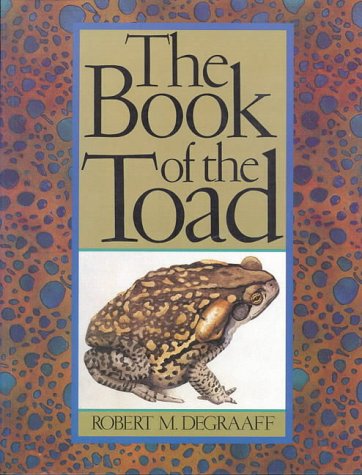
On the other hand, according to Robert DeGraaff (The Book of the Toad), “There is a great deal of evidence that in early Asiatic cultures and in the pre-Columbian civilizations of the Americas the toad was regarded as a divinity, the great primeval Earth Mother, the source and end of all life.”
Most toxic compounds of these toxin are steroids similar to digoxin. Patients who have inadvertently ingested toad toxins usually have gastrointestinal symptoms consisting of nausea, vomiting, and abdominal discomfort.
Toad secretions and cake have been used as a drug for its cardiotonic, anti-inflammatory, and analgesic (pain relief) effects since ancient times. Doctors in China have used Bufo genus toad cake dissolved in water to treat heart disease and slow the spread of cancerous cells for centuries.
The mild poison of most toads in the U.S. is not lethal to humans, but it can cause allergic reactions. It is important to wash your hands after touching a toad.
“If you bite it and you die, it’s poisonous; if it bites you and you die, it’s venomous.” Toads are not venomous. They secrete toxins rather than injecting it.
Two Poisonous Toads in the U.S.
Cane toads
The glands of American toads secrete bufotoxin, a poisonous substance meant to make the toad unpalatable to potential predators. Although most toads in the United States are only mildly toxic, their secretions can cause serious damage when smaller pets (such as dogs or cats) eat one of these toad varieties.
I’m going into some detail here because these two species pose a real danger as opposed being a nuisance or discomfort, like most toads in this country.
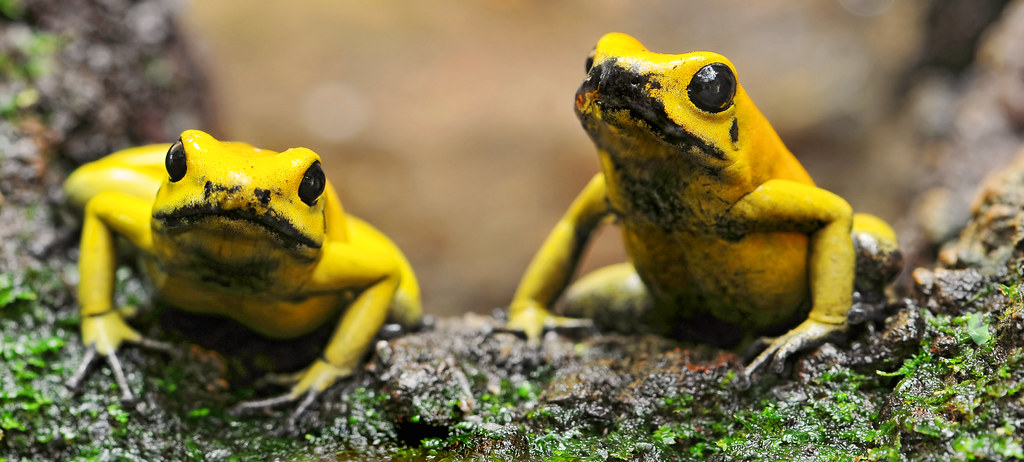
FYI, the most poisonous toad in the world is the golden poison frog (Phyllobates terribilis), also known as the golden dart frog or golden poison arrow frog, is a poison dart frog endemic to the rainforests of Colombia. Think curare.
Avoiding toads is relatively easy for most of us: they are nocturnal, and they hibernate underground during cold weather.
There is no specific antidote for toad toxins, so pay attention!
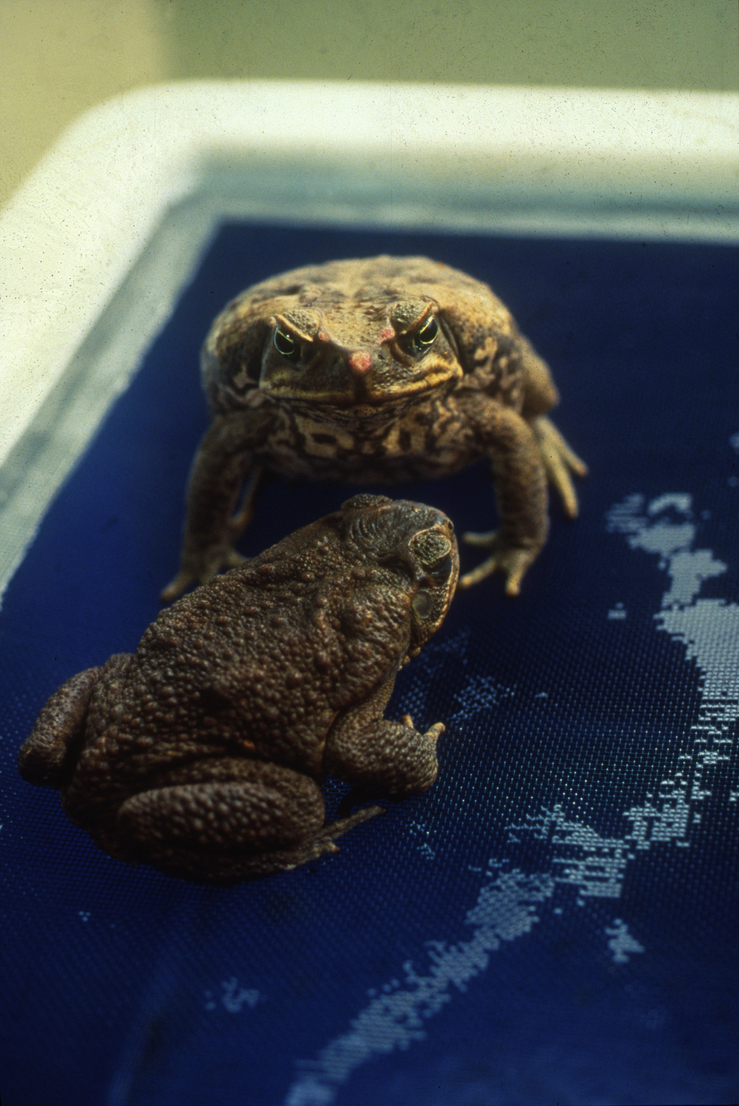
Rhinella marina (Cane Toad)
Cane toads’ native stomping ground ranges from to the Amazon basin in South America all the way north to the lower Rio Grande Valley in southern Texas. They have established habitats in Florida, Hawaii, Puerto Rico, U.S. Virgin Islands, Guam (including Cocos Island) and Northern Mariana Islands, American Samoa, and Republic of Palau. In Australia, where farmers originally introduced them to help control scarabs eating sugarcane, cane toads have become one of the worst invasive species in the world.
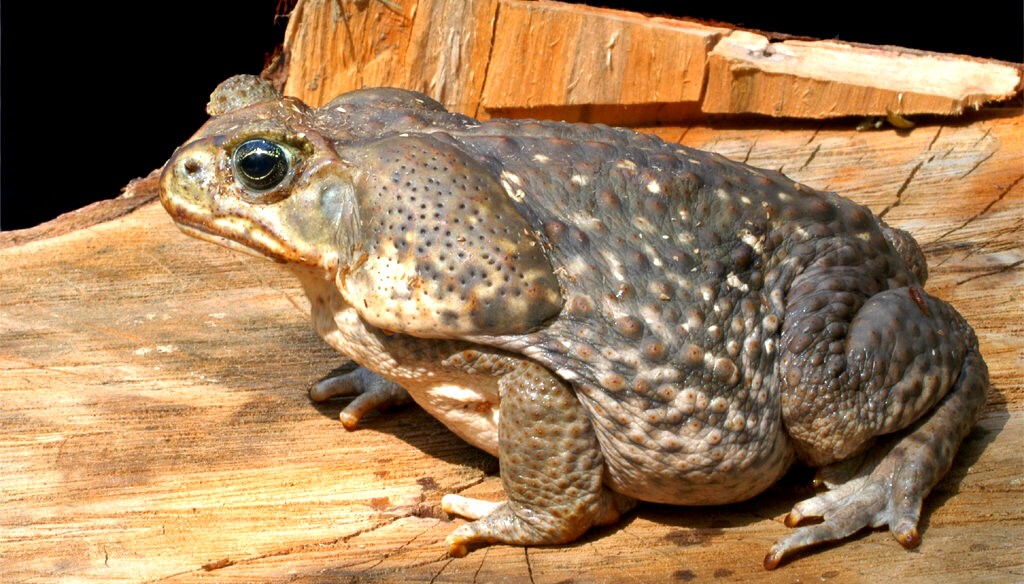
Adult Cane Toad
The skin-gland secretions of cane toads (bufotoxin and bufotenin) are highly toxic and can sicken or even kill animals that bite or feed on them, including native animals and domestic pets.
When swallowed, cane toad toxin can affect the heart and central nervous system. People may experience blood pressure swings, breathing problems, paralysis, seizures, salivation, twitching, vomiting, and crying. Adult cane toads can secrete enough toxin to kill a small child. In severe cases. exposure can cause death through cardiac arrest, sometimes within 15 minutes. At the least, the skin secretions irritate the skin or burn the eyes of people who handle them.
Humans can also use this toxin as a weapon. The Emberá and Wounaan people of Panama have traditionally used Cane Toad toxins on the tips of their arrows.
The prevalence of a toxin resistance gene makes it possible for some snakes of the sub-family Natricinae to consume native toads. In a 2021 article from the Journal of North American Herpetology, researchers Jordan Donini and Sean Doody said, “We documented successful consumption of the invasive cane toad by the Southern Watersnake (Nerodia fasciata) in southwest Florida, both in the wild and in the laboratory.”
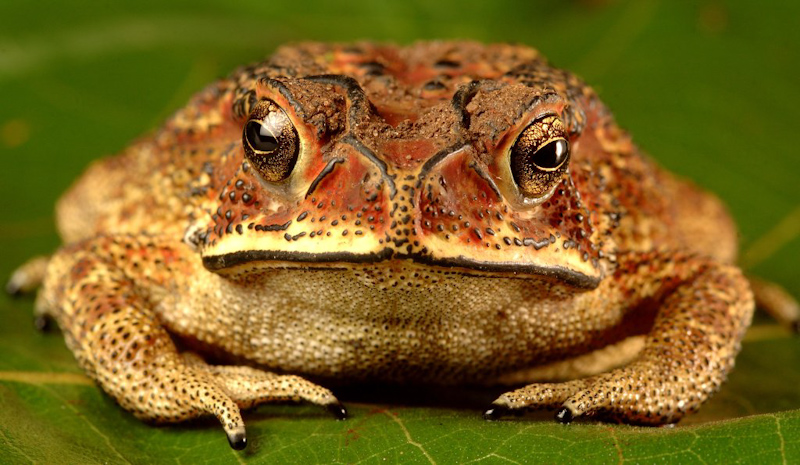
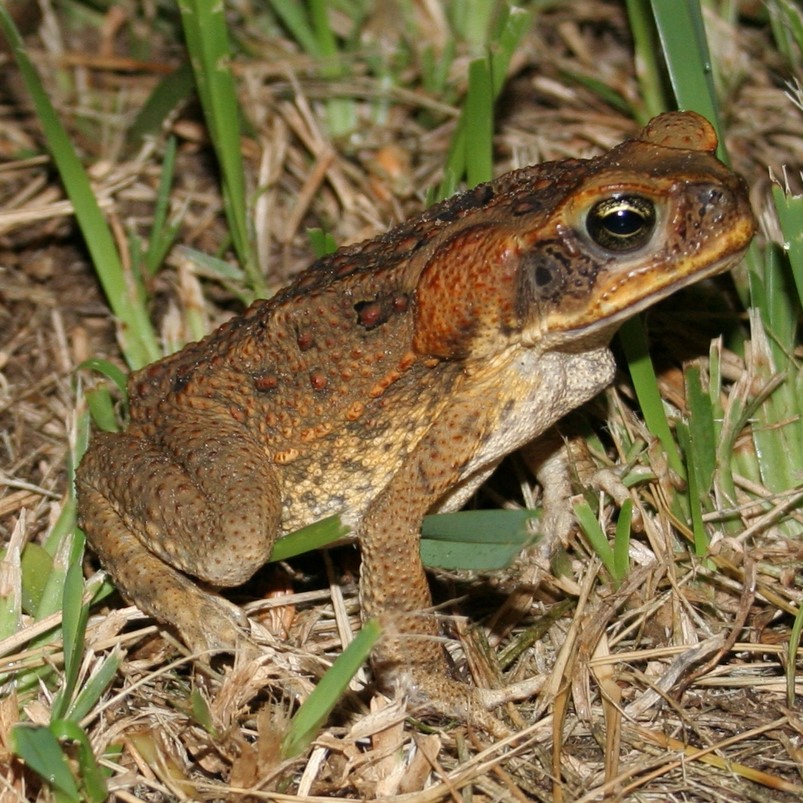
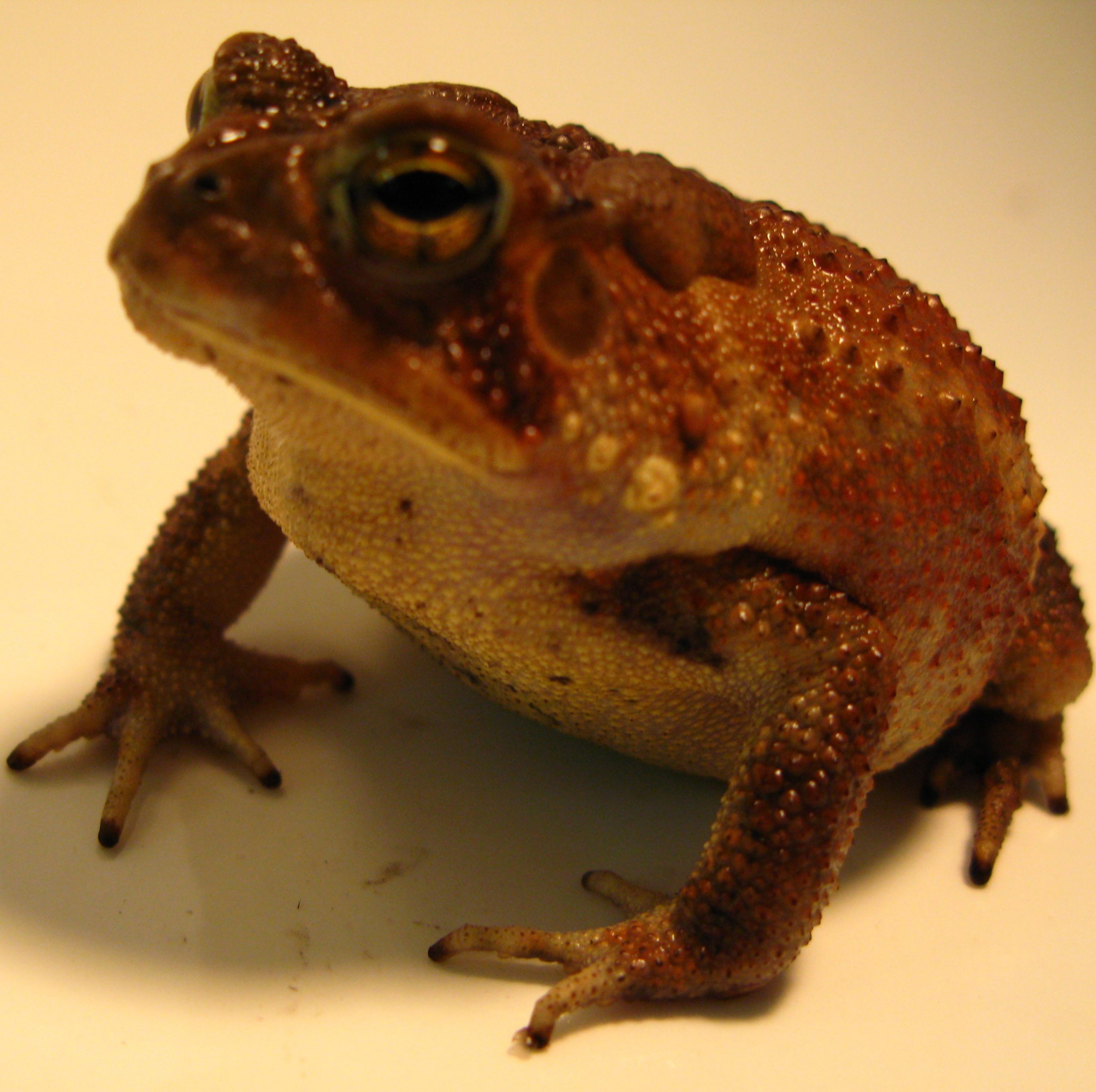
Depending on where you live/travel, it can be important to know the difference between a cane toad and a native southern toad (Anaxyrus terrestris). Adult cane toads are much larger than adult southern toads, which only grow to a maximum of approximately 3 to 4 inches. Cane toads do not have ridges across the head, as seen in the southern toad.
Cane Toad Appearance:
Tan to reddish-brown, dark brown or gray
Creamy yellow belly
4”-6” long (sometimes 9 inches)
Backs are marked with dark spots
Warty skin
Triangular parotoid glands on shoulders that secrete a milky toxin substance (native southern toads have oval glands)
No ridges on top of head unlike native southern toad
Incilius alvarius (Sonoran Desert Toad)
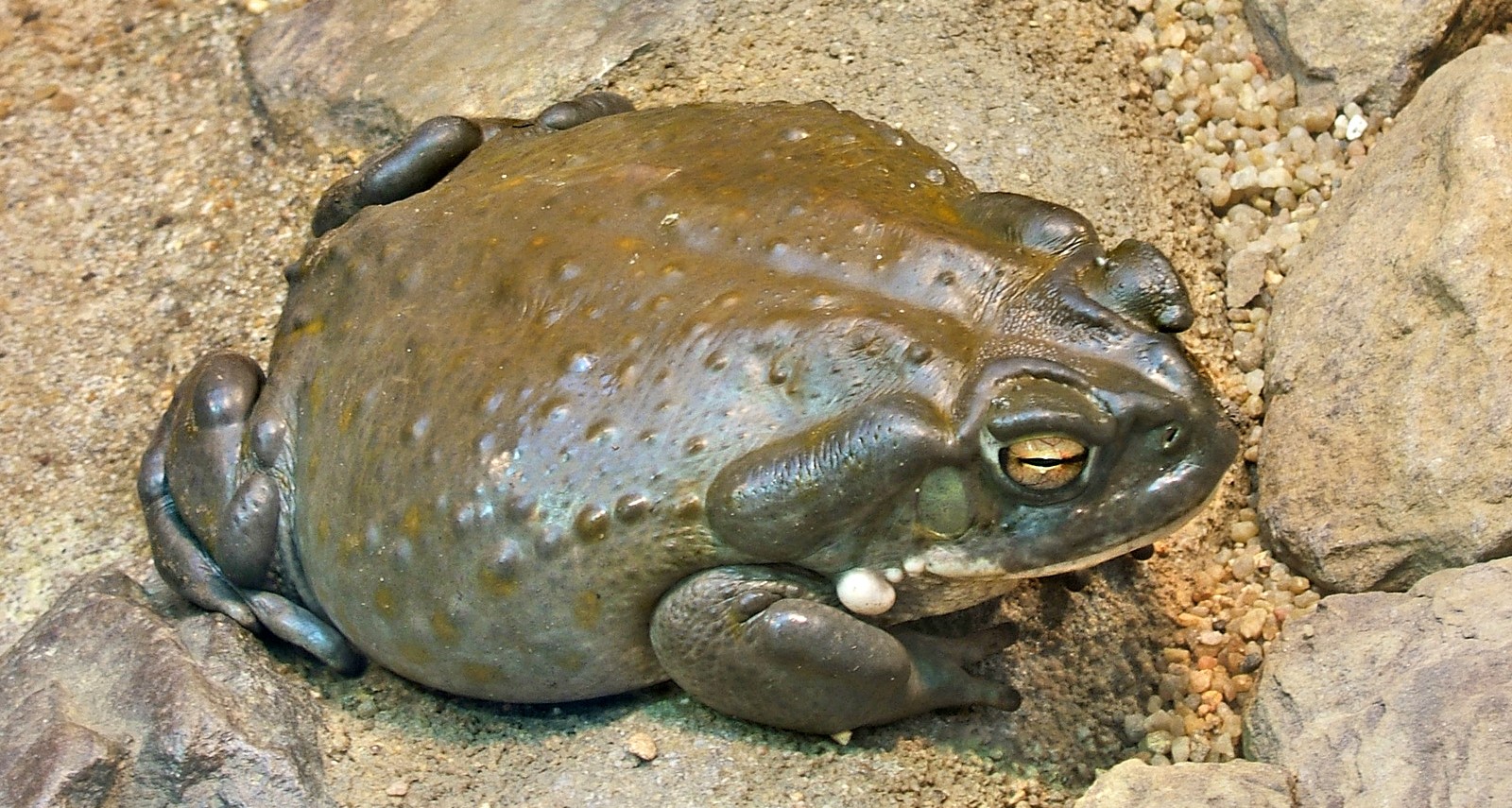
The Sonoran Desert Toad – previously known as the Colorado River Toad – is native to the United States and Northwestern Mexico. Like the Cane Toad, the Sonoran Desert Toad secretes bufotoxins that can seriously injure humans and kill smaller animals such as dogs.
Sonoran Desert Toad
Their native habitat in the US includes Arizona, New Mexico (where they are a threatened species), and California (where they are a species of special concern). Because these toads are native, they cannot be legally killed in those areas. That hasn’t stopped people from trying to harvest their toxins.
Both Family Guy and The Simpsons have made episodes about this bizarre (and not quite accurate) fad.
The smoke from dried toad cake of both Cane Toads and Sonoran Desert River Toads causes hallucinations. Licking a toad will likely just cause extreme discomfort for both yourself and the toad.
Cane Toad secretions contain bufotenine, a tryptamine that can have hallucinogenic effects in large enough doses. Several religious traditions have used this toxin for ceremonial purposes. The Olmec obtained bufotenine by milking toads over hot rocks and then using the toxin as a narcotic. Chemical analysis of seven Haitian “zombie powders” found secretion glands from Cane Toads, along with puffer fish and hyla tree frogs.
Smoking dried toad toxin may cause you to see them stand up and play musical instruments.
Sonoran Desert toads secrete an enzyme known as O-methyl-transferase, which converts bufotenine into the extremely potent psychedelic 5-MeO-DMT. When a human inhales smoke from 5-MeO-DMT, they experience hallucinations many have called “religious.” Researchers are developing treatments for depression, anxiety, and addiction from the psychedelic properties of Sonoran Desert toad secretions. Dr. Alan K. Davis, a clinical psychologist at Johns Hopkins University warns, “It’s such an intense experience that, in most cases, doing it at a party isn’t safe. It’s not a recreational drug. If people get dosed too high, they can ‘white out’ and disassociate from their mind and body.”
Ingesting Sonoran Desert Toad toxin orally does not cause hallucinations, but that hasn’t stopped people from trying. According to the National Poison Center, “Licking toads (typically cane toads) can be dangerous, however, and may cause muscle weakness, rapid heart rate, and vomiting.”
The Toad Pharmacy
All Bufo species of toads have parotid glands that release toxic substances when the animals are threatened. These toxic substances are biologically active compounds, such as dopamine, norepinephrine, epinephrine, serotonin, bufotenine, bufogenin, bufotoxins, and indolealkylamines. You might notice that the first four listed here are familiar!
In traditional Chinese medicine (TCM), processed toad toxins have been used for treating various diseases for hundreds of years. Modern studies have revealed the molecular mechanisms that support the development of these components into medicines for the treatment of inflammatory diseases and cancers.
Recently there have been studies that demonstrated the therapeutic potential of toxins from other species of toads, such as Australian cane toads.
Toxins from toads have long been known to contain rich chemicals with great pharmaceutical potential. Recent studies have shown more than 100 such chemical components, including peptides, steroids, indole alkaloids, bufogargarizanines, organic acids, and others, in the parotoid and skins gland secretions from different species of toads.
Frogs or Toads?
Many people confuse frogs and toads. After all, they are biologically related and share many characteristics. Scientifically, frogs and toads belong to the same taxonomical group. Both have glandular skin and similar diets, which they swallow whole. Additionally, both are amphibians and periodically shed their skin.
Toads
Frogs
Live on land
Live near water
Warty-looking skin
Sleek, smooth skin
Dry skin
Mucus-covered skin looks wet even when dry
Short legs
Legs longer than head and body
Get around by crawling
Hop instead of crawl
Broad, flat nose
Pointed nose
Spawn in chains
Spawn in gooey clumps
Solid black, round shaped tadpoles
Gold-flecked, slim shaped tadpoles
Toad Miscellany
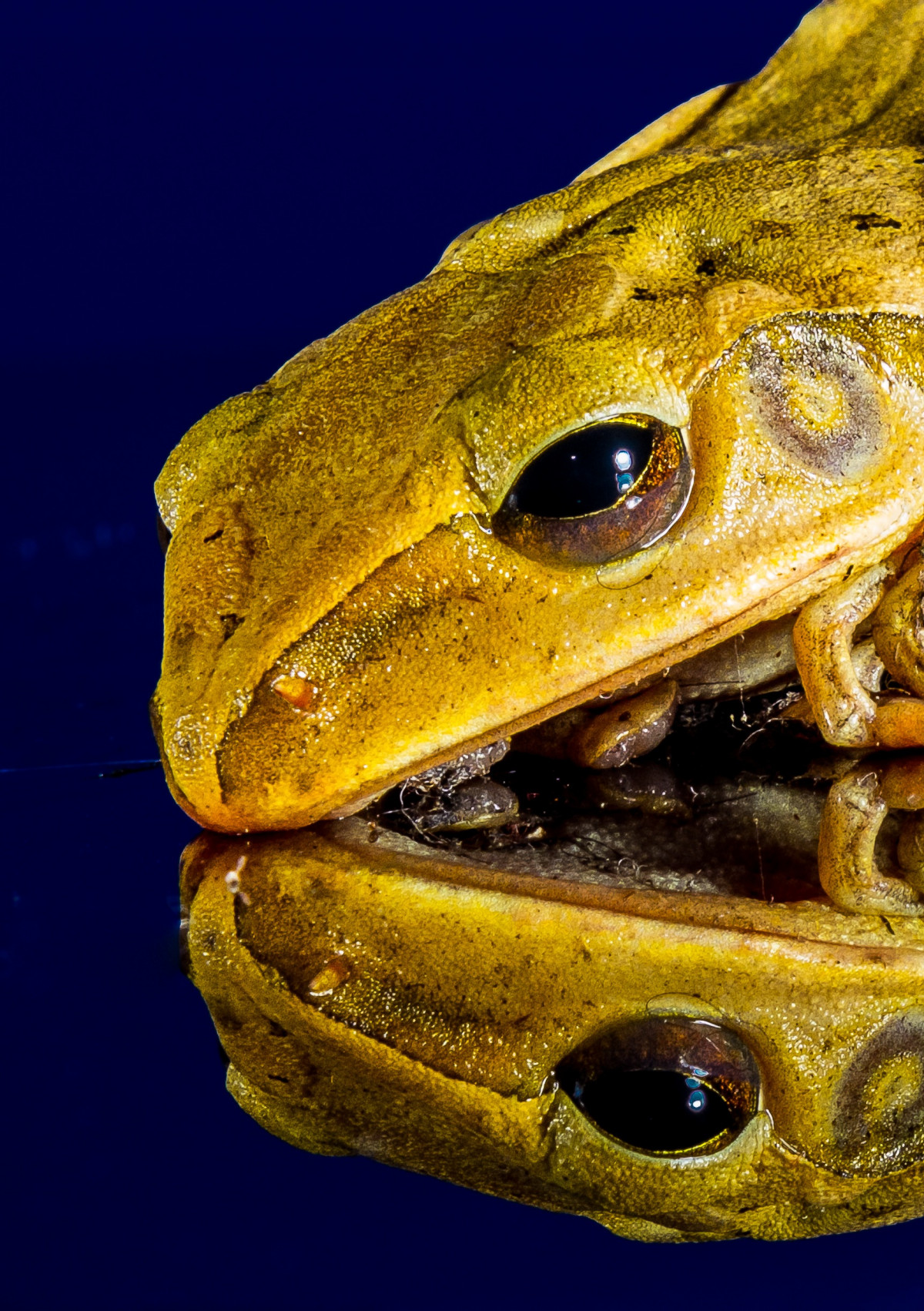
This is clearly not a toad; it’s a frog. Note the green skin and long legs.
Among amphibians, the anurans, or frogs and toads, are perhaps the most intelligent, and have the largest brain-to-body ratio of the amphibians.
By and large, the brighter the toad’s coloration, the more toxic it is.
American toads hibernate during the winter. They will usually dig backwards and bury themselves in the dirt of their summer home. However, they may also overwinter in another area nearby.
You can find toads in all but the coldest parts of the world.
Adult toads eat insects, snails, slugs and earthworms.
Toads do not drink water. Instead, they absorb it through their skin.
Toads in the Super Mario Brothers franchise do not have the same physical characteristics of other toads. They are staunch protectors of the Mushroom Kingdom!
Despite spending most of its life on land, a toad will return to the water during the mating season. They lay their eggs in water.
Being carnivores, toads prefer eating live meat. They do not consume dead meat or previously killed animals. Technically, they are able to consume fruits and vegetables, but it might not make them happy.
A toad will also eat its own skin after shedding it. However, they do this to hide from predators rather than for any nutritional value.
Toads live approximately 5-10 years in the wild. However, a toad in captivity can live up to 40 years.
Collective nouns for a group of toads includes a knot, nest, array, knob, knab, lump, and squiggle.
Toads can carry salmonella, which they can transfer to humans or other animals handling them.
Besides the actual labor and costs involved, “taking care of” the out-of-doors can be harmful to the environment. Creating the beautiful, healthy gardens we love can have less than ideal side effects on the planet and on our own bodies.
Take Care of the Environment
Many tasks that were formerly done by hand, now performed with the help of machinery or strong chemicals, can cause long-term damage even as they make life easier in the short run.
Proper ear protection is nearly as important for safe operation as being able to reach the pedals
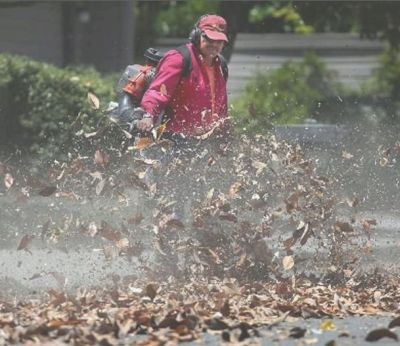
Here’s one specific example. More than 11 million gas powered leaf blowers (GLB) operate in the US. Most are powered by inefficient 2-stroke engines. According to a study by Erica Walker and Jamie L. Banks, noise from this equipment was found to exceed WHO outdoor daytime standards (55 dB) up to 800 feet away from the source. The ability of this sound to travel over long distances (because of strong low frequency components) suggests that GLB sound has wide ranging impact on surrounding communities. The noise is intolerable to some and many communities have enacted ordinances restricting their use.
Ear protectors can help save your hearing, but also consider your neighbors!
Better alternative: A lawn mower that mulches leaves and clippings, thus using a natural fertilizer to enrich the soil
Air Pollution
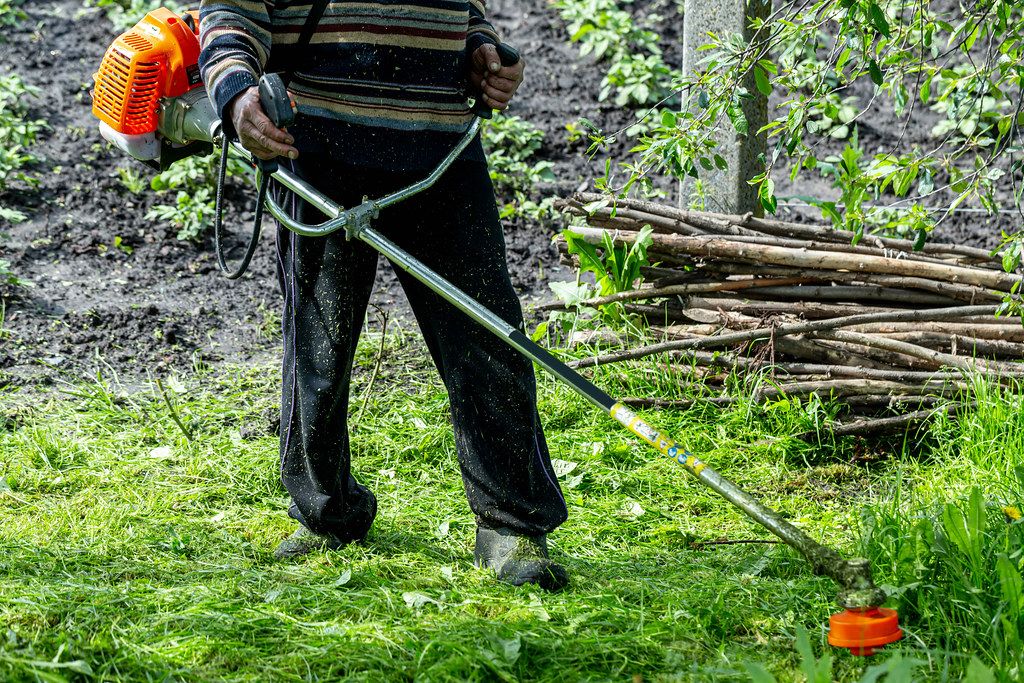
Small-motor, gasoline-powered equipment is a significant contributor to climate change. According to the EPA, off-road gasoline-powered equipment, such as lawn mowers and leaf blowers, emit approximately 242 million tons of pollutants annually, just as much as cars and homes.
Chemical fertilizers also create substantial amounts of air pollution. Only about half of the ammonia used to make nitrogen fertilizer contributes to crop growth, while the remaining ammonia is returned to the atmosphere as nitrogen gas, causing an increase in greenhouse gas and the eutrophication of rivers.
Better alternative: Electric or hand powered tools are quieter and create much less air pollution
Soil and Water Pollution
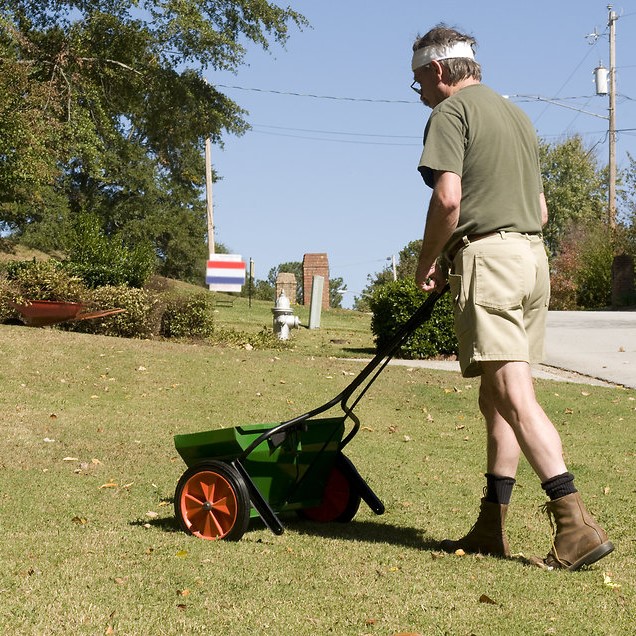
Fertilizers contain high levels of nitrogen and phosphorus, which can lead to oxygen depletion, overgrowth of vegetation, and fish kills.
Excess nutrients can cause harmful algal blooms in freshwater systems, which not only disrupt wildlife but can also produce toxins harmful to humans.
Fertilizers can also leach through soil into groundwater, which is very harmful to the surrounding ponds, streams, rivers, and oceans.
Better alternative: Compost kitchen scraps and yard waste to fertilize plants naturally.
Pesticides and Herbicides
Is it best to live and let live?
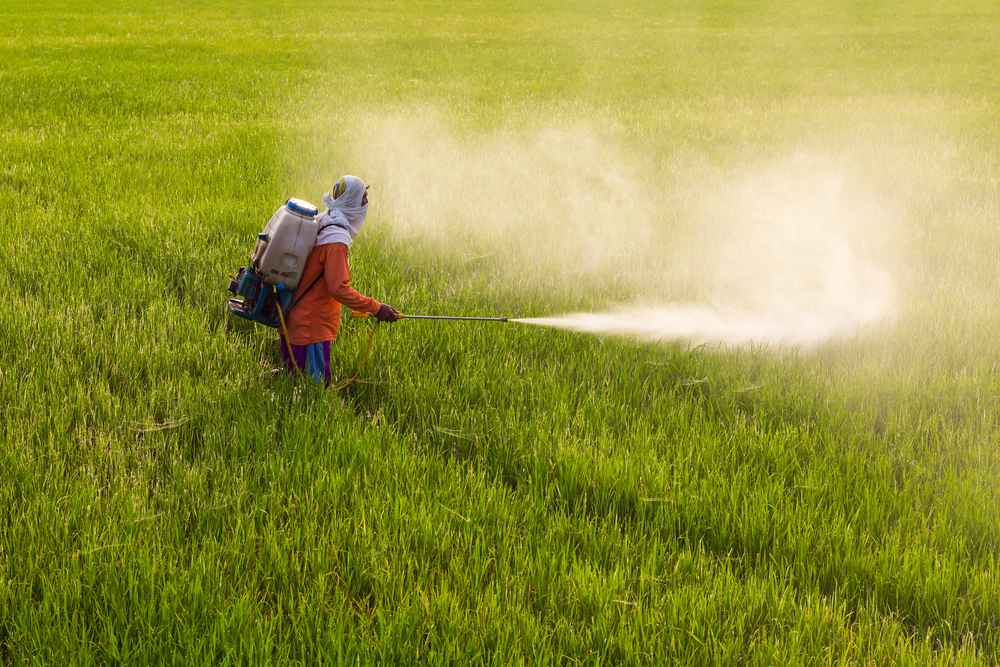
Chemical herbicides and pesticides can contaminate soil, water, turf, and other vegetation. In addition to killing the targeted insects or weeds, they can be toxic to a host of other organisms including pets, birds, fish, beneficial insects, and non-target plants.
Better alternative: Pulling unwanted plants, creating physical barriers with mulch, or using less harmful alternatives such as vinegar or soap
Ecosystem Disruptors
Sometimes non-native or non-adaptive species in the garden can wreak havoc on the local ecosystem.
I recently wrote about invasive species that started out as garden ornaments, including kudzu and Japanese honeysuckle. Different growth patterns and the lack of local predators allow these plants to grow out of control in their new environments, often displacing native species.
Lush green lawns actually create what scientists call “ecological deserts.” Grass monocultures wear out soil nutrients quickly and provide nothing for local insects and other wildlife to eat. The lack of flowering plants contributes further to declining pollinator populations. Grass lawns also require more water than any other type of ground cover, a growing concern in many drought-prone regions.
Better alternative: Try local plant varieties that are already adapted to regional conditions or replacing grass with “pollinator lawns“
Take Care of Your Physical Well-Being
Gardening requires physical exertion, including lots of bending, stooping, digging and carrying. The repeated gardening actions put strain on your back and joints like your knees. If you already have problems with pain or limited mobility, taking care of your garden can worsen those symptoms. Distribute the work rather than having marathon days or weekends. Also, some equipment can be helpful, such as stand-up weeders and kneeling benches.
Participating in lawn mower racing also greatly increases the dangers of injury from crashes or flips. Better wear a helmet!
BOTTOM LINE: Choose your tools and products carefully and use sparingly. Despite the negative impact gardening can have on the environment, with a little thought, and perhaps a little behavior change, gardening can truly benefit the earth.
Didn’t know that artichokes are members of the daisy family? Lots of people don’t. There are many surprises in this enormous plant family. It boasts 1,911 genera and over 32,913 species! But even so, so what?
Note: The lists that follow are illustrative, not exhaustive!
Delicious Daisies
Have you had your daisy today? Dandelion greens? Probably not. Perfectly edible, they were introduced into the New World by European immigrants in the 1700s as a food source.
Artichokes are surprisingly pretty in the garden
Today, not so much. But what about the following?
Lettuce (various varieties, cultivated for the last 5,000 years)
People use daisies to make all sort of medicines: antioxidant, anti-inflammatory, antimicrobial, diuretic, wound healing, and more. According to the World Health Organization, over 80% of the world’s population depend on traditional and folk medicine. Agata Rolnik and Beata Olas have written a fascinating study of the many ways plants in the daisy family can protect human health. Some daisies frequently used for health purposes include the following:
Wormwood
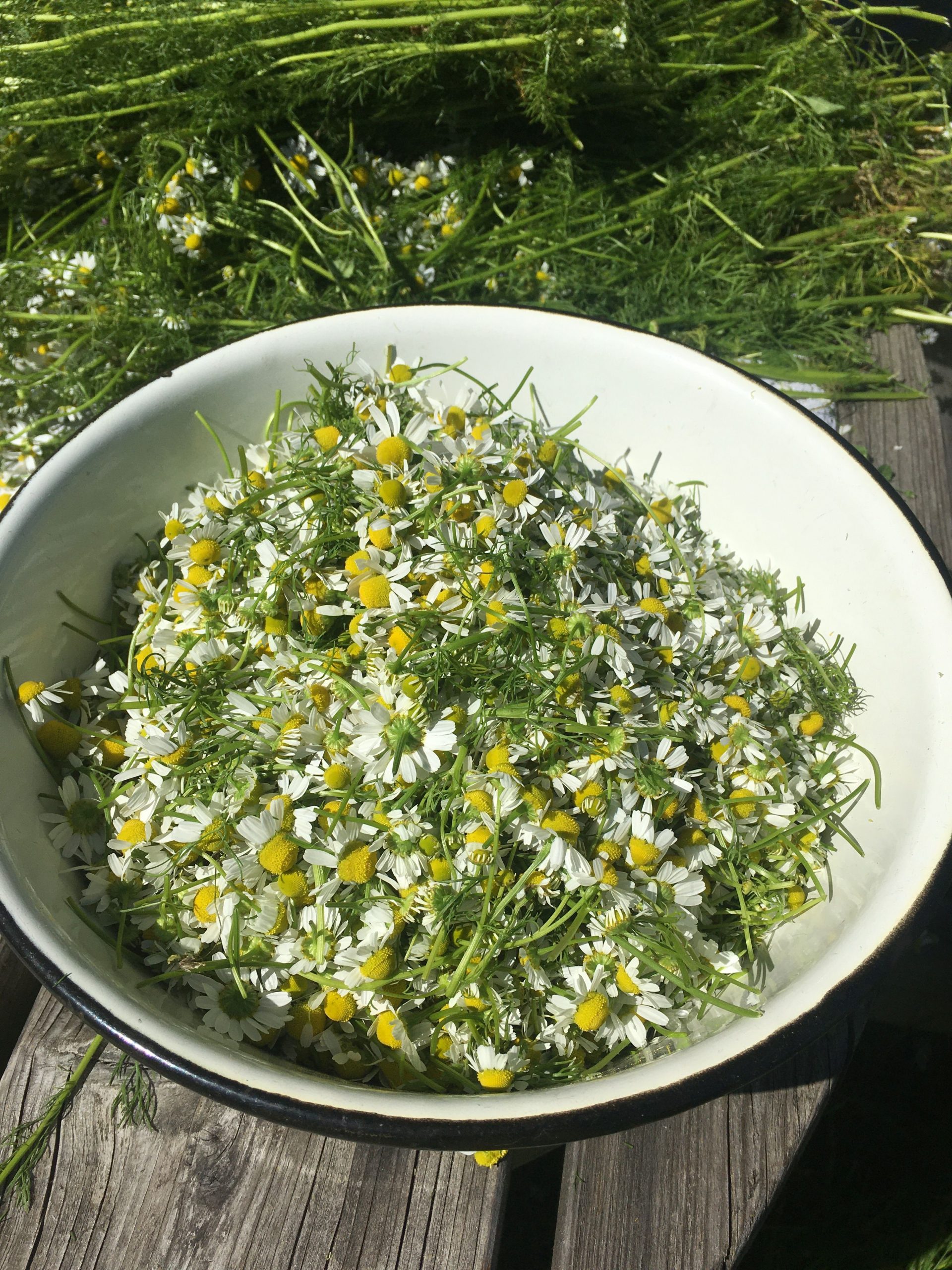
Camomile
Dandelion
Yarrow
Tansy
Milk thistle
Echinacea
Beautiful Daisies
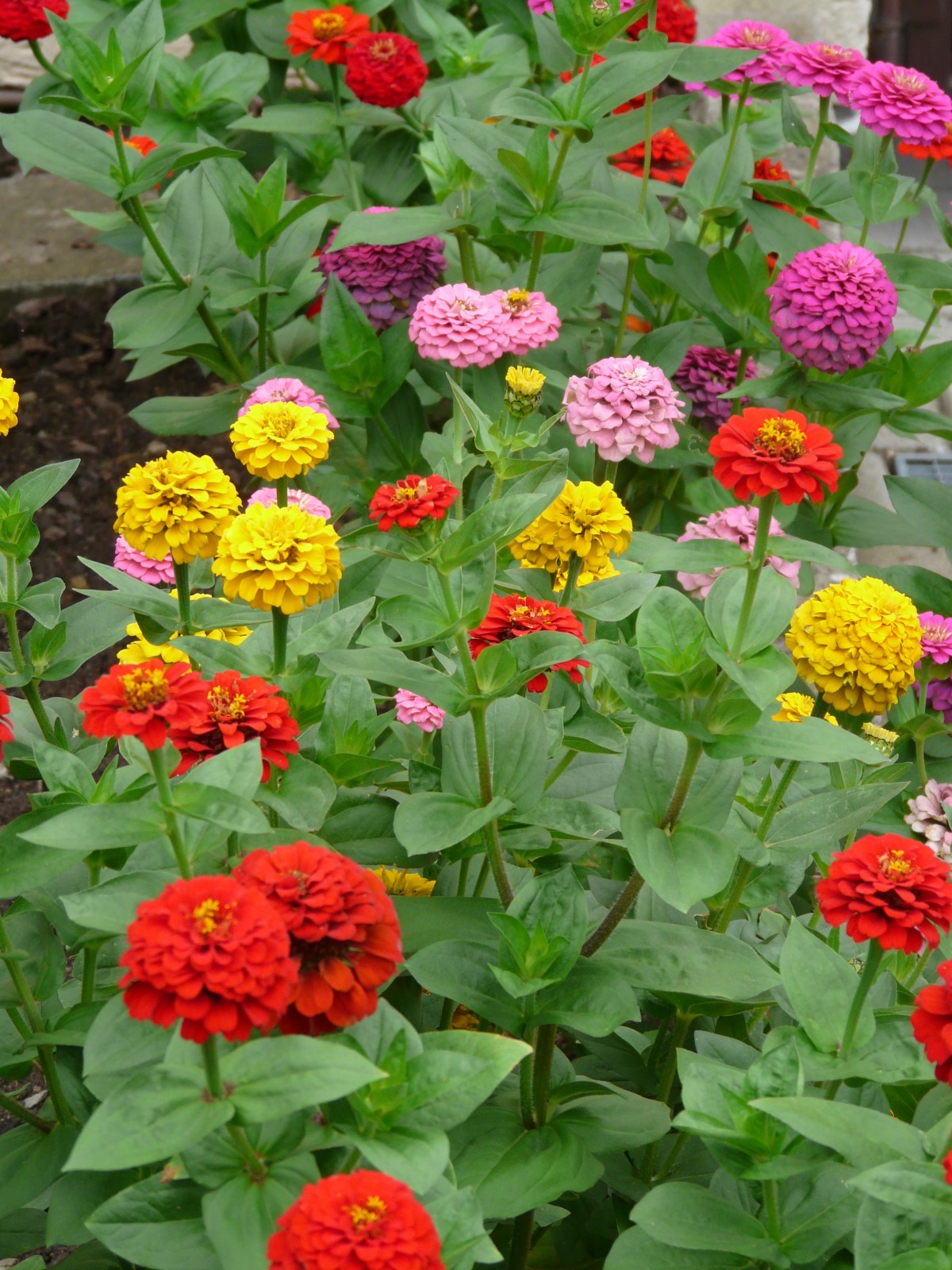
Zinnias
Though plants in the daisy family are often also edible or medicinal, many people know them primarily for their beauty, for example daisies, dahlias, and coreopsis. But also including:
Gerbera daisies
Shasta daisy
Asters
Calendula
Zinnia
Chrysanthemum (also has insecticidal properties)
Marigold (a.k.a. German stinkblumen)
Carnation
Coreopsis
Brown/black eyed daisies
Commercially Important Daisies
French Marigold
A wide array of plants in the daisy family are grown for commercial use. They’re everywhere, including food crops, cooking oils, sweetening agents, coffee substitutes, and herbal teas, as well as all the members of the asteraceae family that florists rely on. One that surprised me is the French marigold, used in commercial poultry feed and produces oils used in colas and the cigarette industry.
Common marigolds – insect repellent
Chrysanthemum – produces insecticides
Guayule – hypoallergenic latex
Daisies for Beekeepers
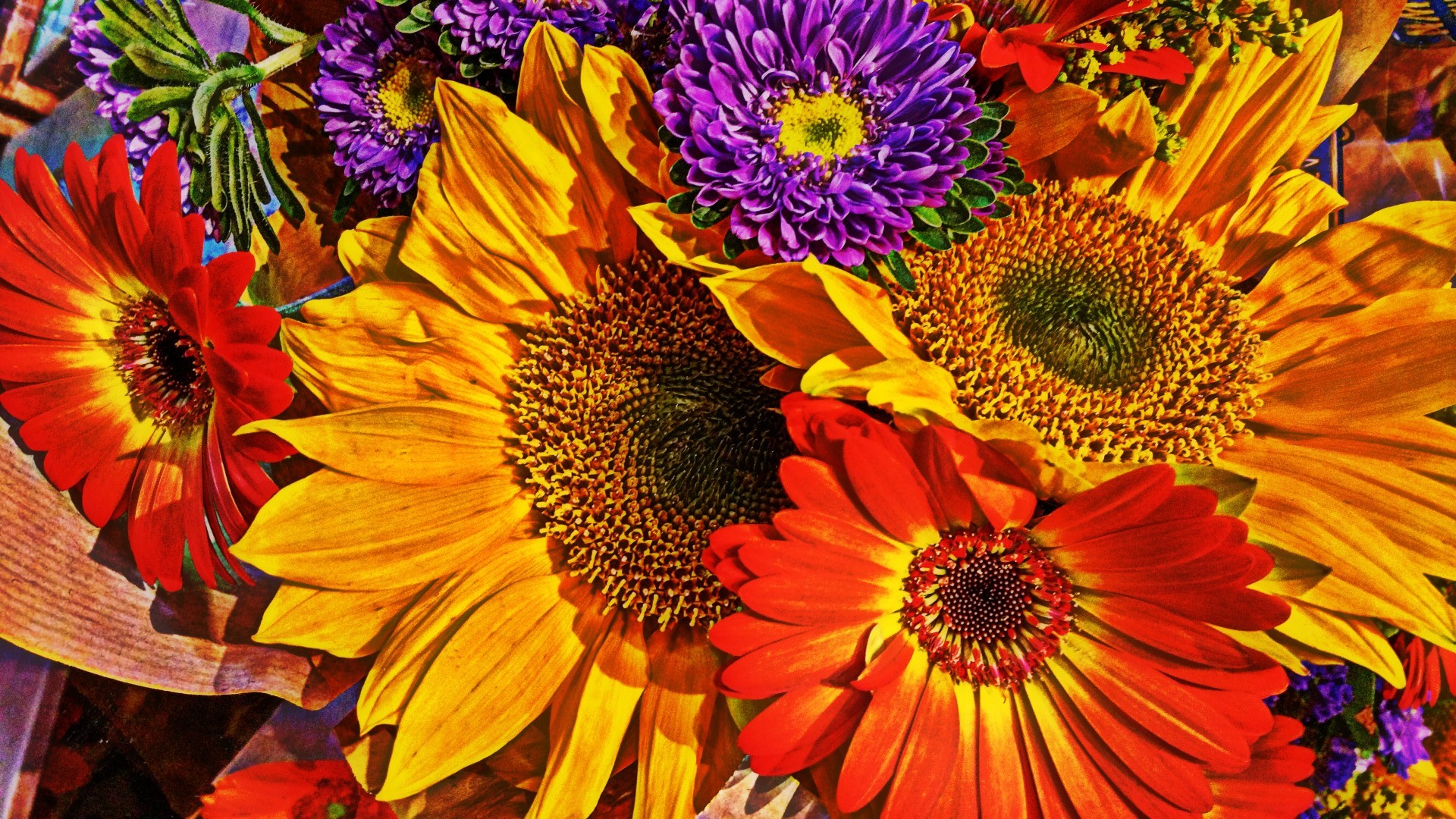
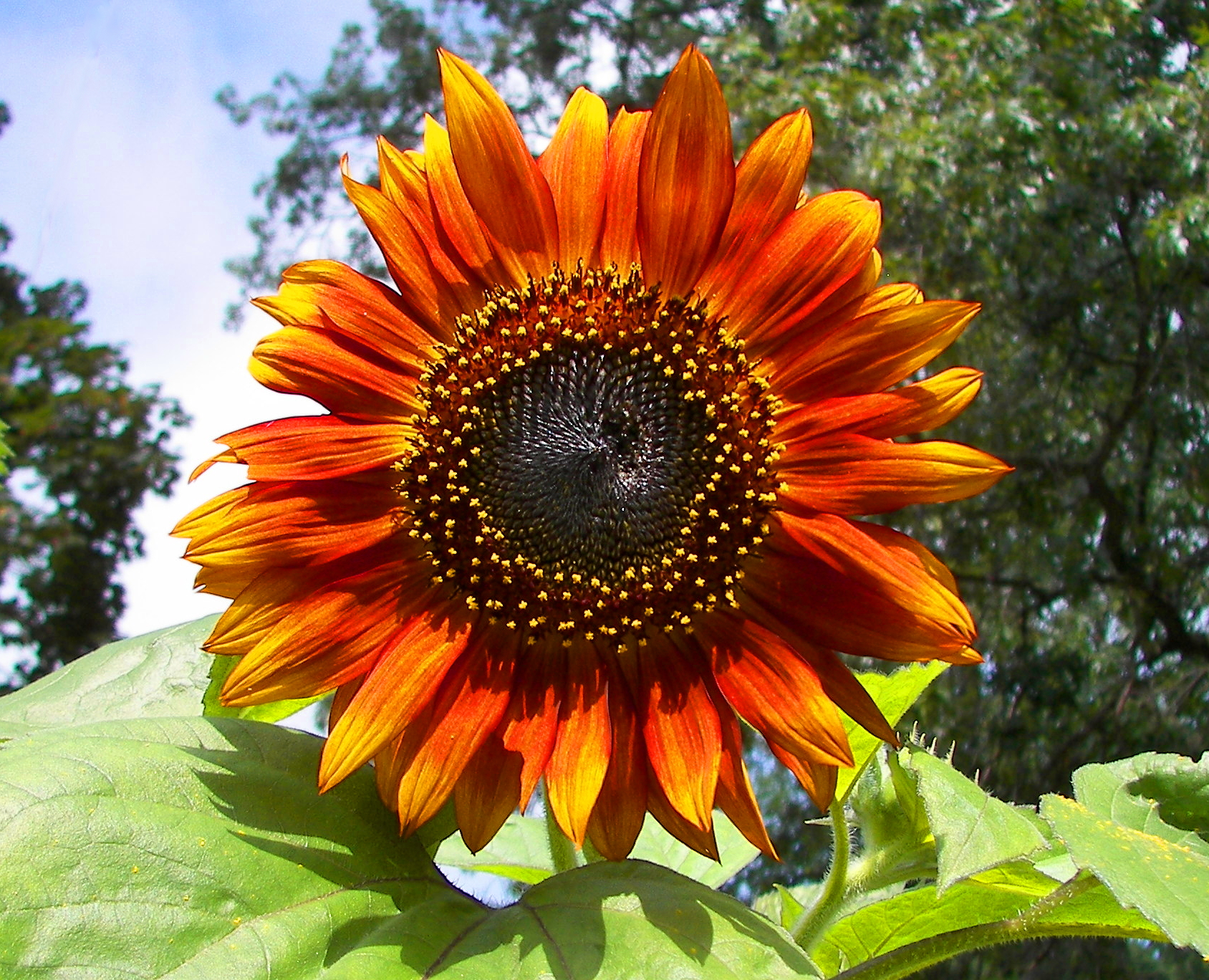
Red Sunflower
Colorful, fragrant daisies attract all manner o pollinators, particularly bees. Beekeepers often plant members of the asteraceae family to keep their bees happy.
Sunflowers
Knapweed
Some species of goldenrod (for an especially high protein pollen)
Daisy Black Sheep
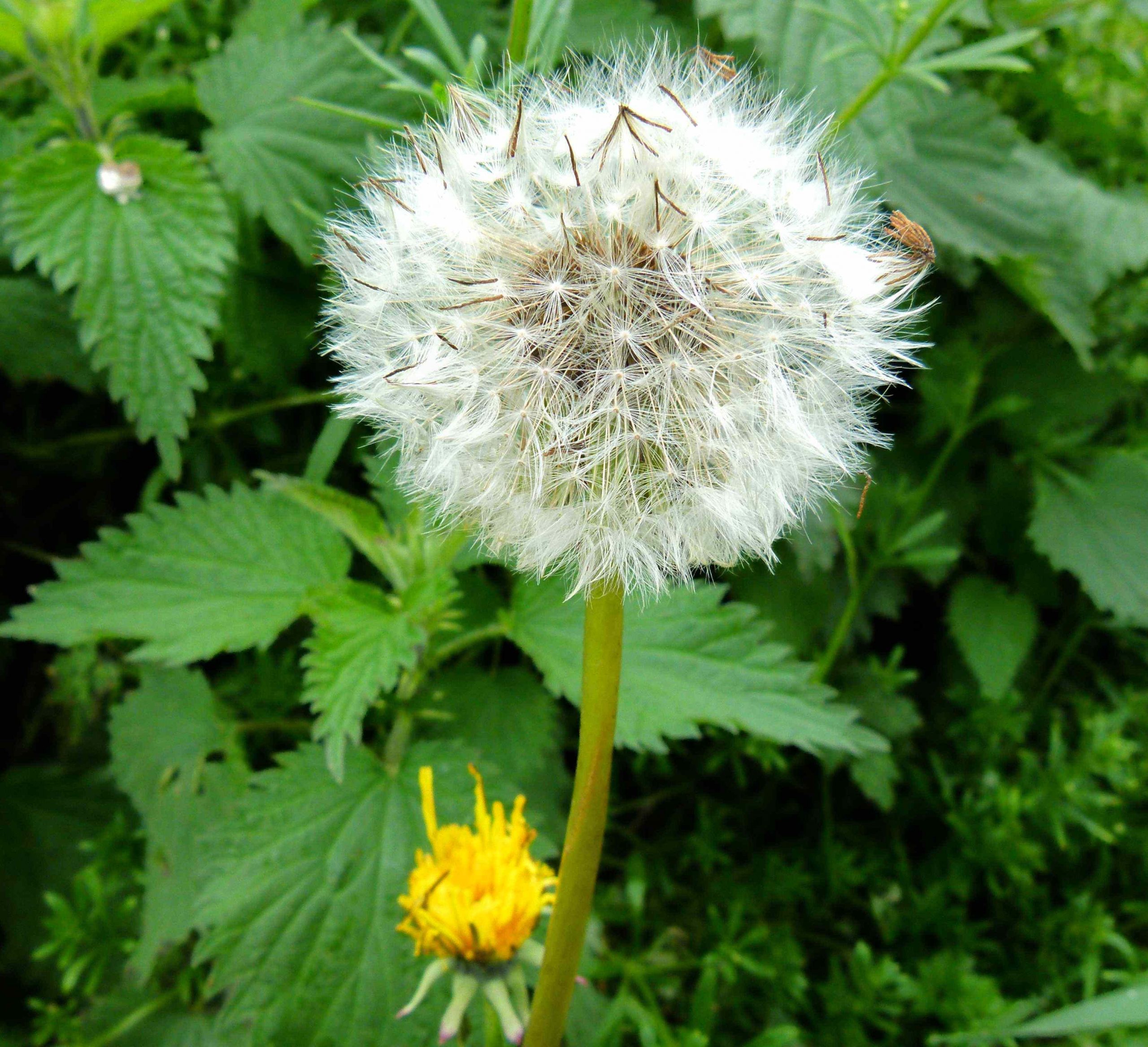
Dandelion
Not every variety of the daisy family finds a warm welcome, for various reasons.
Dandelions, as a robust weed and cause of contact dermatitis
Ragweed causes so-called hay fever
Ox-eye daisy, causes both contact and inhalant allergy
Any-pollen heavy plant can aggravate rhinitis for allergy sufferers
Overall
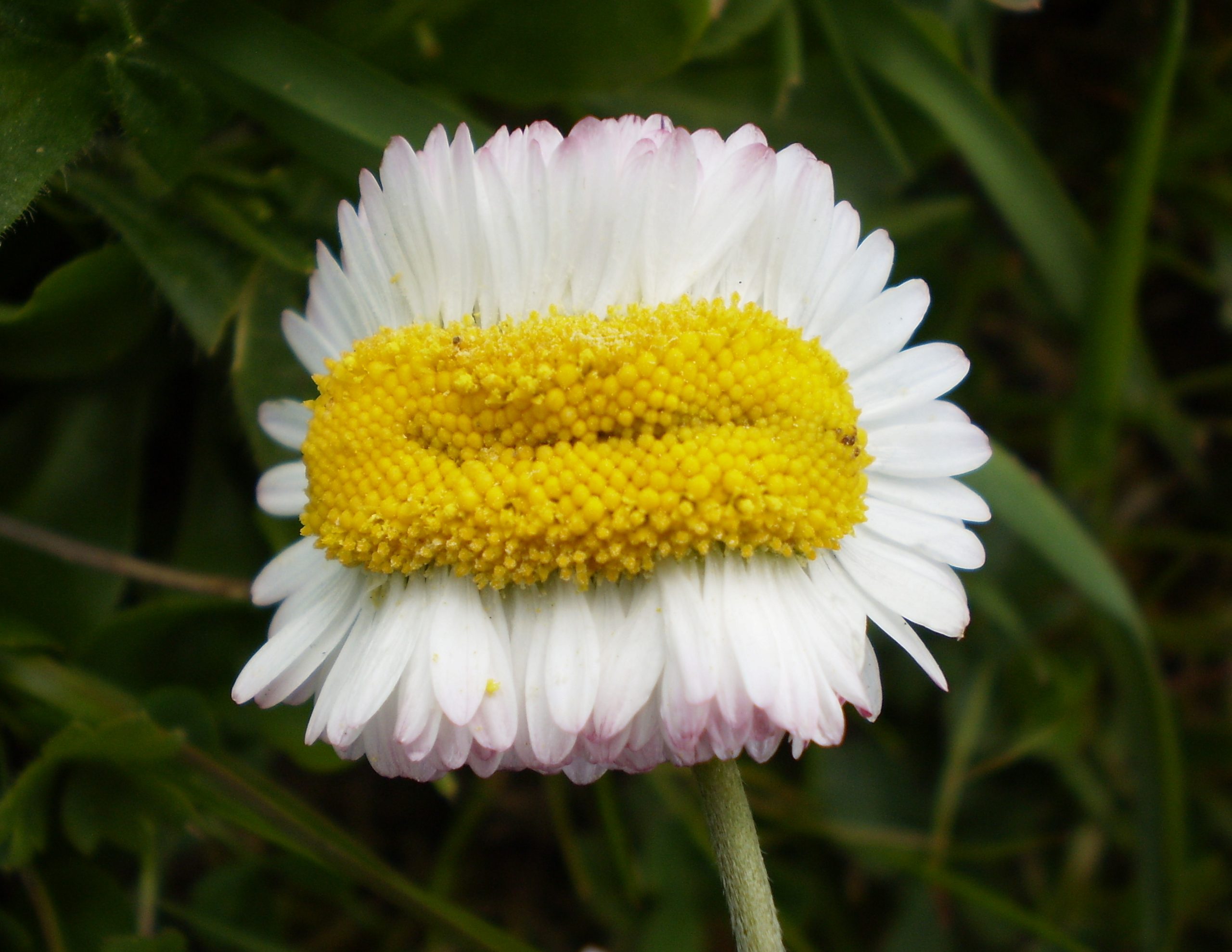
Some daisies are just weird.
Daisies are old: they were first described in 1740. But the oldest known fossils are pollen grains dated to c. 76-66 million years ago. The family is huge: 1911 genera and at least 32,913 named species. It is arguably the largest plant family, possibly rivaled by orchids. Both families are too big to count. They’re everywhere, on every continent except Antarctica. I’ve focused on flowers and herbs, but it also includes shrubs, vines, and trees.
Bottom line: Whatever the garden needs, consider the Daisy family!
April is National Garden Month, packed with garden tours and garden shows, and it’s almost all about flowers. But 35% of U.S. households grow vegetables, fruits and, “other food”—whatever other might mean. I was pleased to find these great garden statistics at Ruby Home and Cooped Up Life. (Please note: garden plants can be poison!)
Who Gardens?
Gardening by Gender:
Male 52.5%
Female 47.5%
Gardening by Age: More than half of all gardeners are under forty-five.
Ages 29-34 (millennials) – 29%
Ages 35-44 – 35%
Other – 36%
Gardening by Marital Status: Married people are by far more likely to garden.
Married – 71.6%
Single – 11.6%
Widowed – 6.8%
Divorced – 5.6%
Other – 4.5%
Gardening by Income: The 2021 national median annual income was $79.9K, but here’s the breakdown among gardeners.
$100K and higher – 34.1%
$75-$99K – 20.5%
$50-$74K – 2.6%
$25-$49K – 17.1%
$25K and lower – 5.8%
(And I don’t know why the total is less than 100%!)
Gardening by Education Level:
I was surprised that 79% of people who garden attended college or are college graduates.
Balcony Garden
Gardening by Dwelling:
91% of people who garden live in a single-family dwelling and garden in their backyards
2 million (5%) – grow food at neighbors, family or friends
Some homeowners as well as apartment dwellers—1 million (3%) – grow food in a community garden, aka urban farms.
Only 1% grow food at other (unknown) locations. That 1% is still significant. Condominium or apartment owners and renters often grow herbs indoors, on window sills or with the help of grow lights. Plants grown in containers or hanging pots on patio or balcony, and rooftop gardening are becoming more popular options.
Terraced Roof Garden, Fukuoka, Japan
Why Garden?
Overall, 55% of U.S. households (71.5 million households) garden. Of those who garden, 55% garden primarily to create a beautiful space, and 43% garden primarily to grow food.
Growing Activity
Percent of Gardeners
Flowers
72.90%
Vegetables
51.40%
House plants
47.00%
Shrubs
43.70%
Ornamental/perennials
38.20%
Fruit trees
18.80%
Clearly, gardeners often garden in more than one way! But growing food (fruits, vegetables, berries, and others) has been the fastest-growing gardening category in the past five years.
According to the National Gardening Association, 35% of U.S. households, or 42 million households total, grew vegetables, fruits, and other foods in 2021, an increase of 6 million from five years prior. Having 1 in every 3 American households growing food is a massive 200% increase since 2008. Most of the growth came from millennials and families with children.
The average U.S. garden is 600 sq.ft. but the median garden is 96 square feet (12 feet X 8 feet). In other words, 50% of the U.S. gardens are 96 square feet or smaller.
Garden Size
Hours/Week
People Fed/Year
100-199 sq.ft.
0.5-1 hr
1 person
200-399 sq.ft.
1-2 hrs
1-4 people
400-799 sq.ft.
3-5 hrs
2-6 people
800-1499 sq.ft.
4-6 hrs
4-8 people
1,500-2,000 sq.ft.
6-8 hrs
6-10 people
Community Gardens
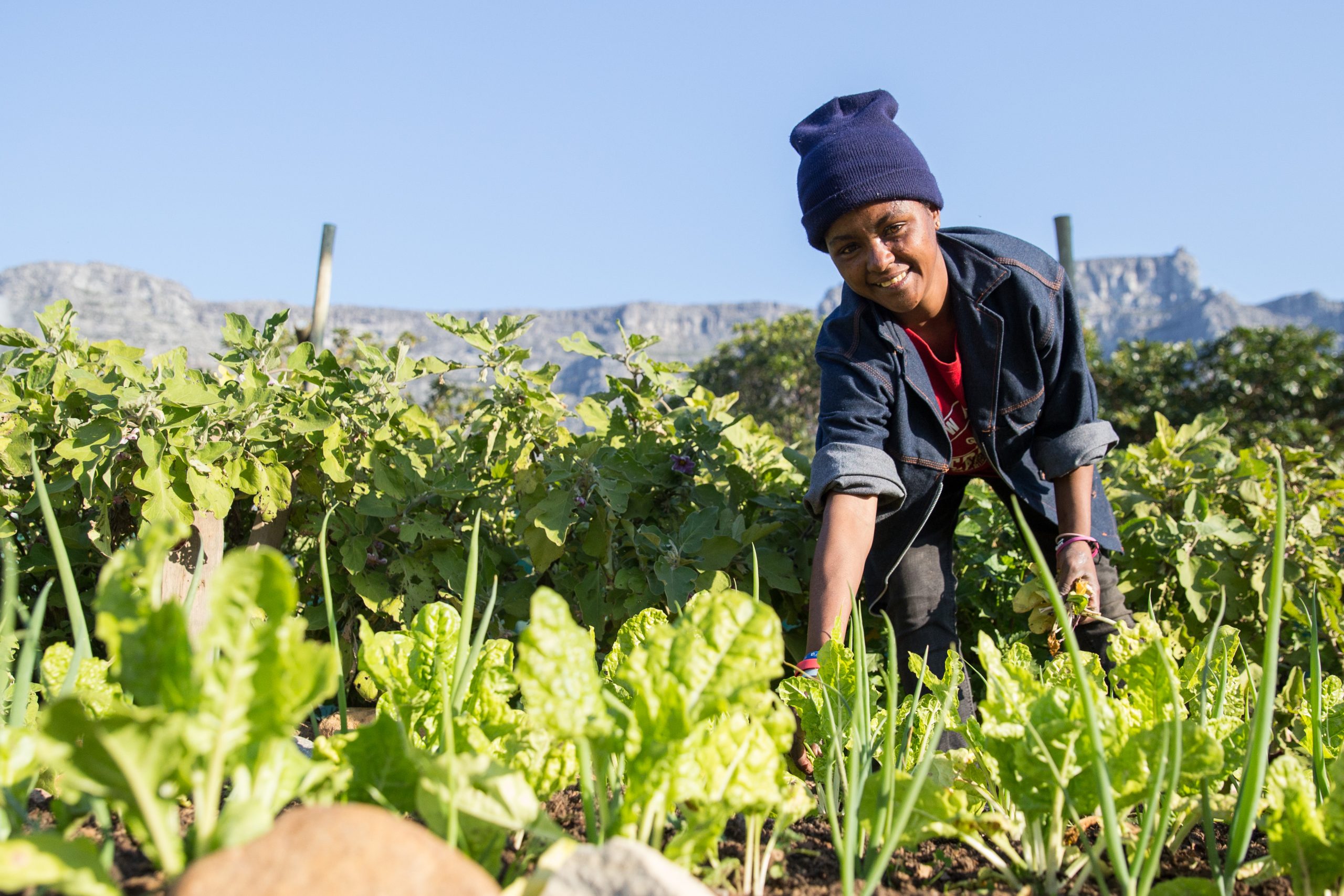
Kaylin Mrbral grows produce with StreetScapes, an organization in South Africa that creates urban gardens as a method of creating work for those living on the streets, providing food for people facing food insecurity, and beautifying the urban landscape.
Humans have worked together as communities to grow food since our very early ancestors first started experimenting with agriculture. People in small groups grazed animals or raised food plants on communally-held land. Even when humans began to divide up land and consider property to be a privately-held commodity, groups of people still worked together to perform tasks that were very labor intensive or time-sensitive, such as harvesting crops.
Community Garden in South Beach, Miami
In the US, community gardens started to regain popularity in the 18th century. Moravians created a community garden for Bethabara, Winston-Salem, in North Carolina to encourage families to come together and grow their crops on shared land. Since 2012, the number of community gardens has increased 44%. Today there are 29,000 community gardens in the 100 largest U.S. cities.
Community gardens play an important role in addressing food insecurity and food deserts in urban areas. According to the USDA, approximately 13.5 million people in the US live in an area with little to no access to grocery story or supermarket; some researchers put the estimate as high as 19 million. In such areas, community gardens provide residents with critical access to fresh produce as well as simply having more food in general.
School Garden
Community gardens in schools or on school grounds provide even more benefits. In addition to improving students’ diets and the quality of school lunches, these gardens provide students with hands-on lessons about biology, plant life cycles, nutrition, and patience. Children who garden regularly come into contact with beneficial soil microbes that improve their immune systems. They also practice self-regulation, experimental mindsets, empathy, and observational skills. When students grow food in a school garden, research suggests that the entire neighborhood benefits from cross-generational learning, community involvement, and better health.
Why Grow Food?
Because the average garden produces $600 worth of food, and the average return on investment is enormous: it was 757% in 2021. Even a small food garden of 100-200 sq.ft. can feed one person year-round.
Within the food category, growing vegetables was the most popular trend. And what are the most popular vegetable to grower?
Vegetables by Percentage of Gardens
Tomatoes 86%
Cucumbers 47%
Sweet peppers 46%
Beans 39%
Carrots 34%
Summer squash 32%
Onions 32%
Hot peppers 31%
Lettuce 28%
Peas 24%
Food gardening is pretty evenly distributed across regions of the U.S. This somewhat even distribution per region demonstrates people’s willingness to garden no matter where they are – in Florida, where the growing season is year-round, or New York, where gardening is limited to just five months a year due to the weather conditions.
South 29%
Midwest 26%
West 23%
Northeast 22%
Sustainable Gardening Instruction at the University of Hawaii
Other Benefits of Gardening
But what if you don’t need to garden to put food on the table?
Of the entire U.S. population who grow vegetables, 25% do so because it tastes better, and they prefer their products to be as fresh as possible. A lot of produce has a higher nutrituonal content when eaten shortly after being harvested than when it sits in transit and on store shelves for days or weeks before being eaten.
And if you are fine with supermarket taste and freshness? Do it for your health and well-being! As an exercise, gardening is comparable to biking, walking, or jogging. Gardening activities, such as pulling weeds, strengthen cardiovascular health and increase muscle tone and dexterity.
Additionally, multiple scientific studies linked gardening to emotional well-being and an increased sense of accomplishment and happiness. Here are some of the key findings from research studies by UNC Health and Princeton University:
Gardening fosters self-esteem and a sense of accomplishment.
Gardening relieves stress, anxiety, and depression.
Gardening increases the level of vitamin D, vital for the normal functioning of the immune system.
Gardening increases the level of serotonin, a brain chemical responsible for the feeling of happiness.
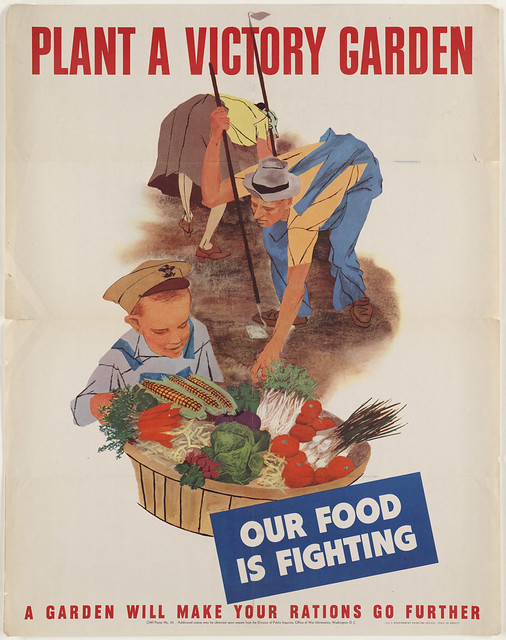
During WWII, many Americans grew food in Victory Gardens as part of the war effort.
Gardens of any sort are good for the environment! Plants act as highly effective air cleaners, absorbing carbon dioxide, plus many air pollutants, while releasing clean oxygen and fragrance. Also, a dense cover of plants and mulch holds soil in place, reducing erosion and keeping sediment out of streams, storm drains, and roads. Gardens create an ecosystem for birds and insects. Increasingly, gardeners choose plants and locations with an eye to incorporating native species, attracting pollinators, or reducing watering cost.
Bottom line: Gardening is good for what ails you—and if nothing is ailing you, it’s good for you anyway!
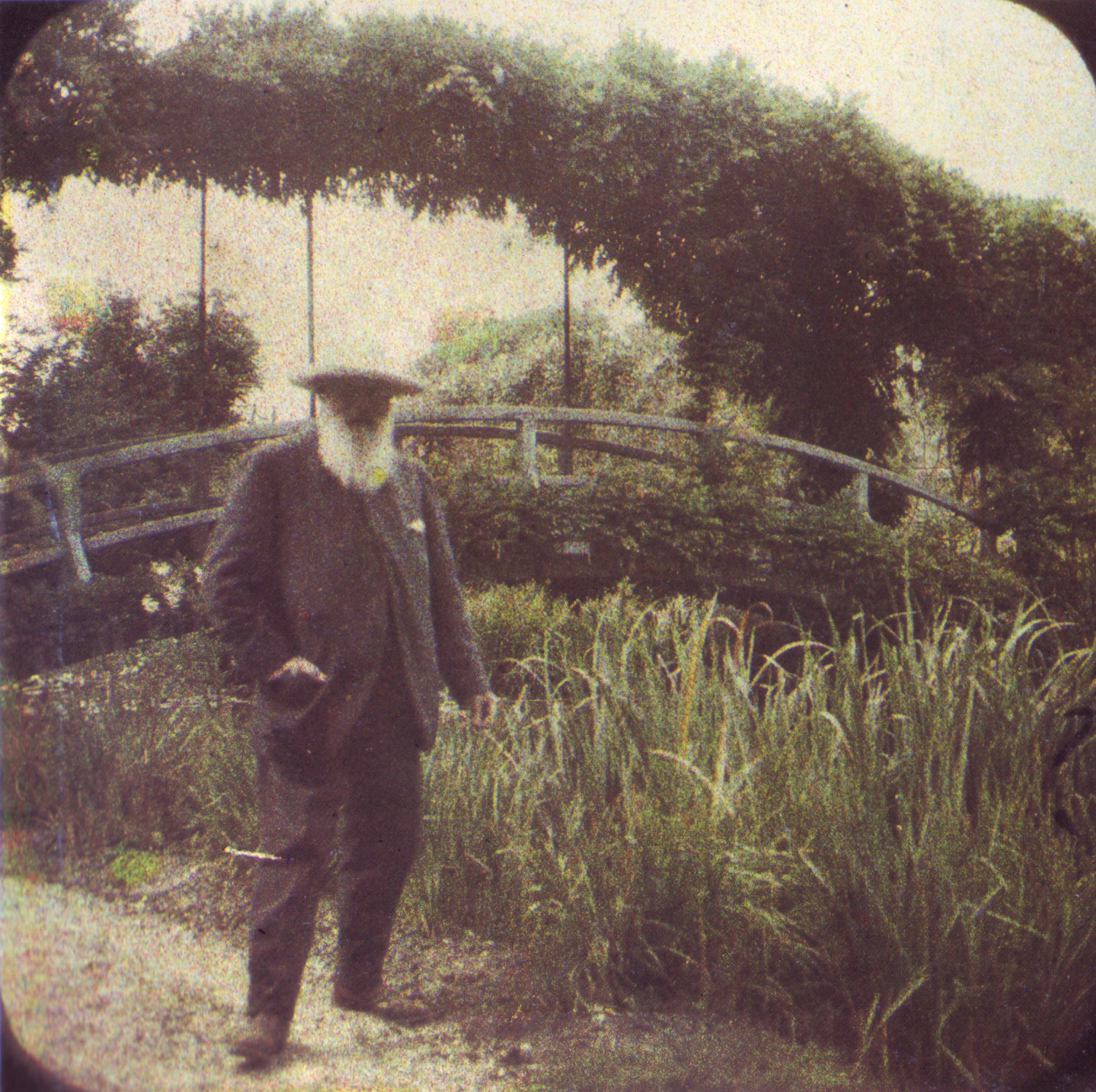
Claude Monet in the garden at Giverny, an inspiration for many of his paintings.
I’m not talking people. One of my distant, distant ancestors, George Soule, was part of the first wave of immigrants arriving on the Mayflower. (Personal aside: I find it ironic that my descent from George Soule is through my half-Native American great-grandmother.)
No, this blog isn’t about people who’ve come here, or who might come here in the future. But beware the plant and animal come heres!
The National Park Service defines an invasive species as a non-native species that causes harm to the environment, economy, or human, animal, or plant health (Executive Order 13751, Dec 3, 2020). Invasive species are one of the leading causes of global biodiversity loss. They can damage native habitats, spread diseases, cause extinctions, and leave massive cleanup bills in their wake.
The Best of Intentions
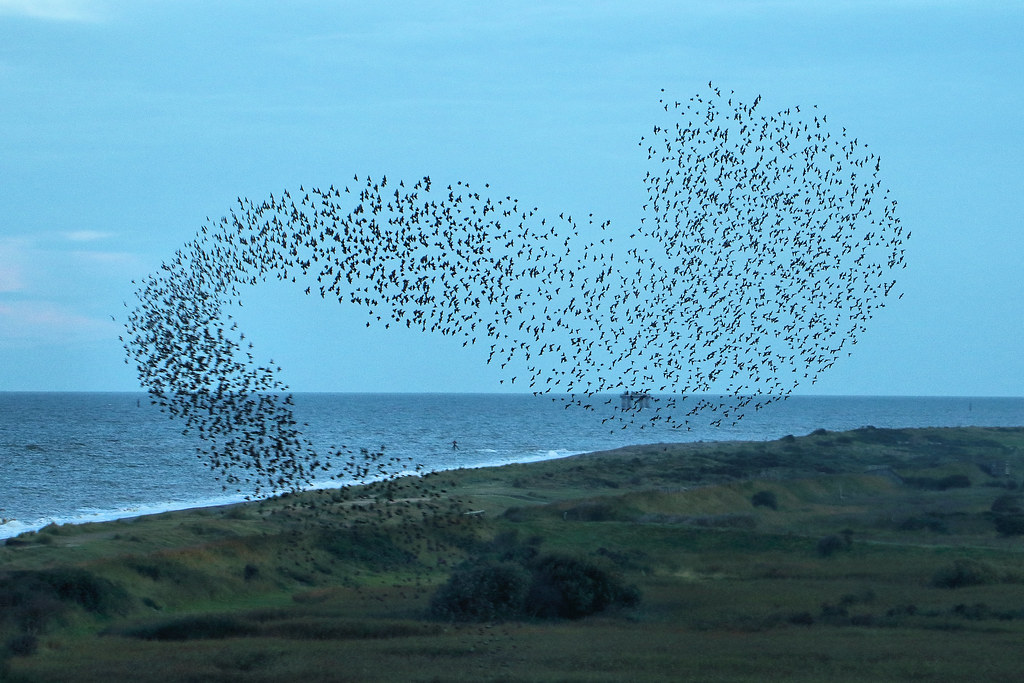
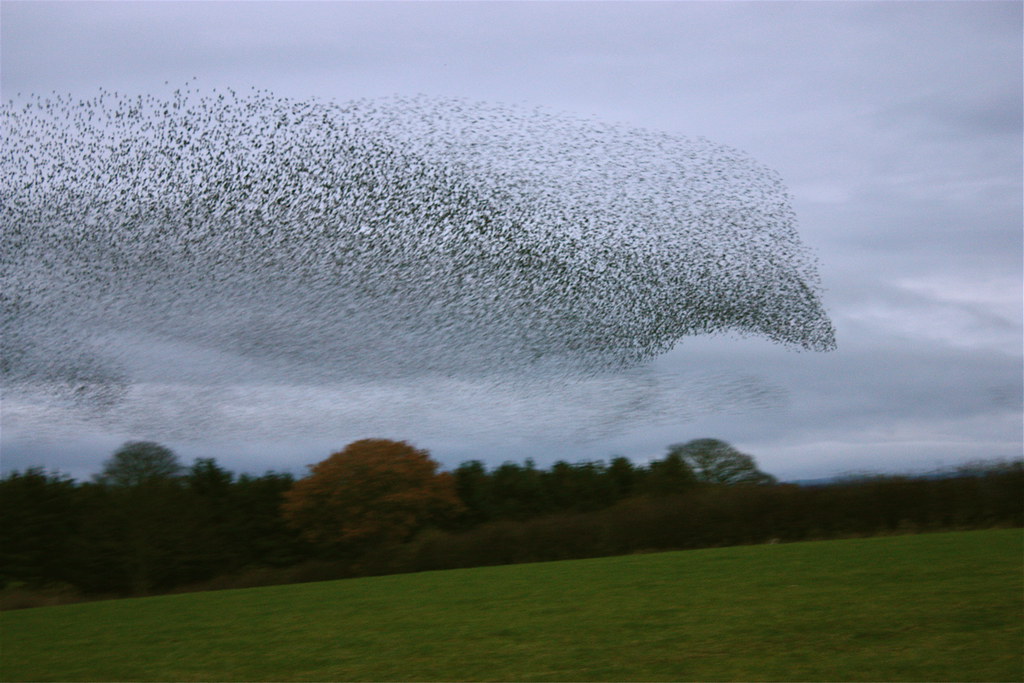
A Murmuration of Starlings
I recently wrote a blog about starlings, introduced to Central Park, NYC. One story is that Shakespeare lovers brought them to North America to benefit homesick European immigrants. Another is that an avid gardener imported starlings to eat a particular caterpillar invading his garden. Regardless of intentions, estimates of the devastation caused by starlings to crops and livestock range from $800 million and $1.6 billion per year.
Starlings are one example of a species brought to a new area on purpose. People and businesses that import these species often do not anticipate the consequences.
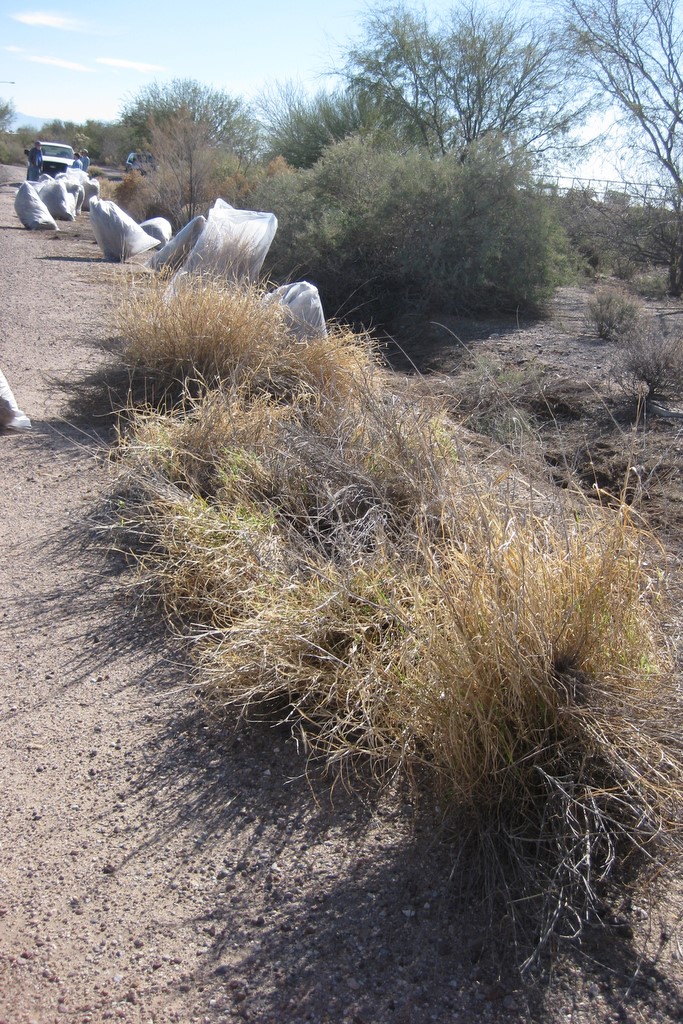
Bufflegrass
Buffelgrass, a hearty, drought-tolerant grass, originally comes from eastern Asia, southern Europe, and most of Africa. Ranchers introduced buffelgrass in Arizona in the 1930’s as livestock forage. Later, soil conservationists planted it for erosion control and soil stabilization. It has spread rapidly across the desert Southwest since the 1980s. Today, however, its rapid spread has converted fire-resistant desert into flammable grassland, threatening saguaro cacti and other indigenous species. Buffelgrass fires can reach 1600F and spread between 3 and 9 mph, depending on wind speeds.
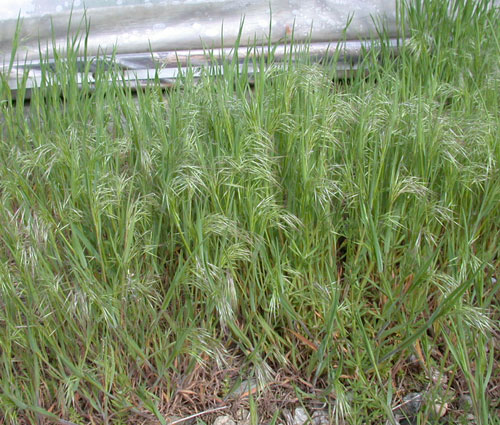
Cheatgrass / Downy Brome
A similar example is cheatgrass, or downy brome, a Eurasian native that now infests vast reaches of sagebrush steppe in the Intermountain West (including wilderness acreage). Cheatgrass ignites at a lower temperature, promoting hotter and more frequent fires that can reduce or eliminate native sagebrush and negatively impact shrub-steppe species, such as the greater sage grouse.
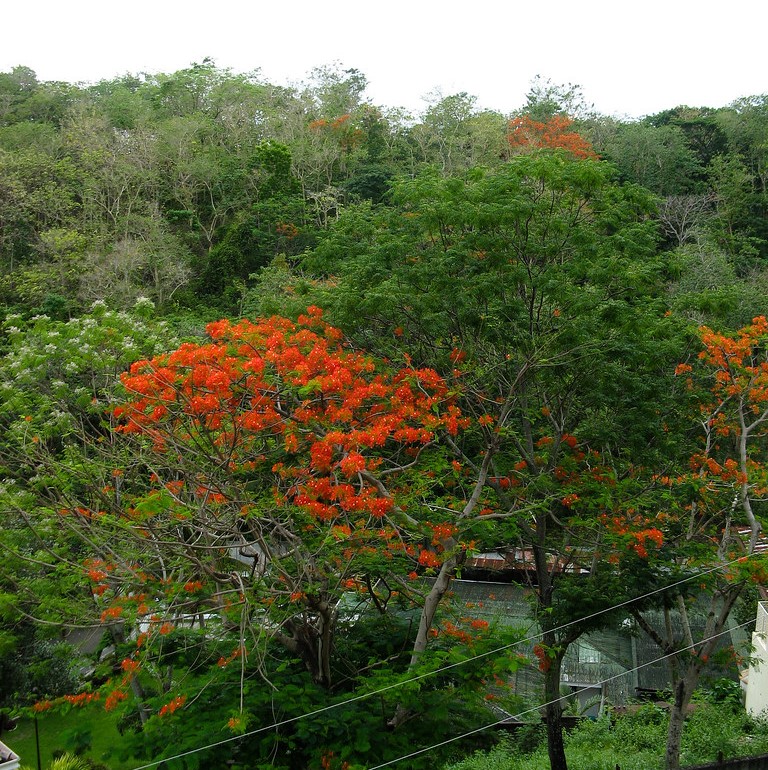
Faya Bush / Fire Tree
The Portuguese introduced the faya tree (also called the faya bush or fire tree), native to the Azores and the Canary Islands, to Hawaii for both practical and ornamental reason. This aggressively invasive exotic now displaces native forest trees in the Hawaii Volcanoes Wilderness and elsewhere on the Big Island. In addition to competing with native species for habitat, faya trees add significant amounts of nitrogen to soil, which has the double impact of making it impossible for native species to grow and encouraging other invasive species in the area.
Arctic Fox
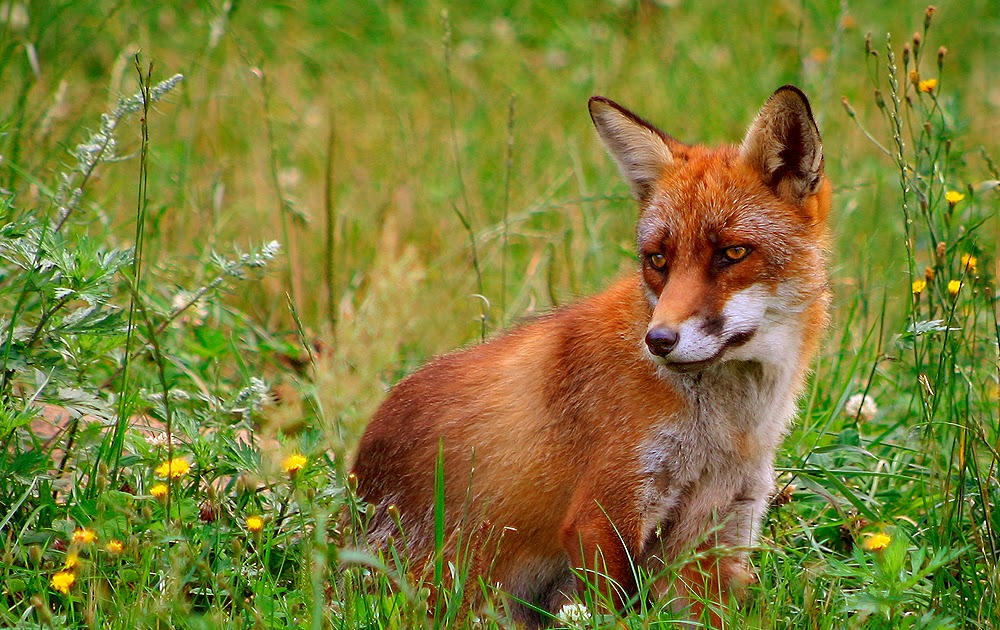
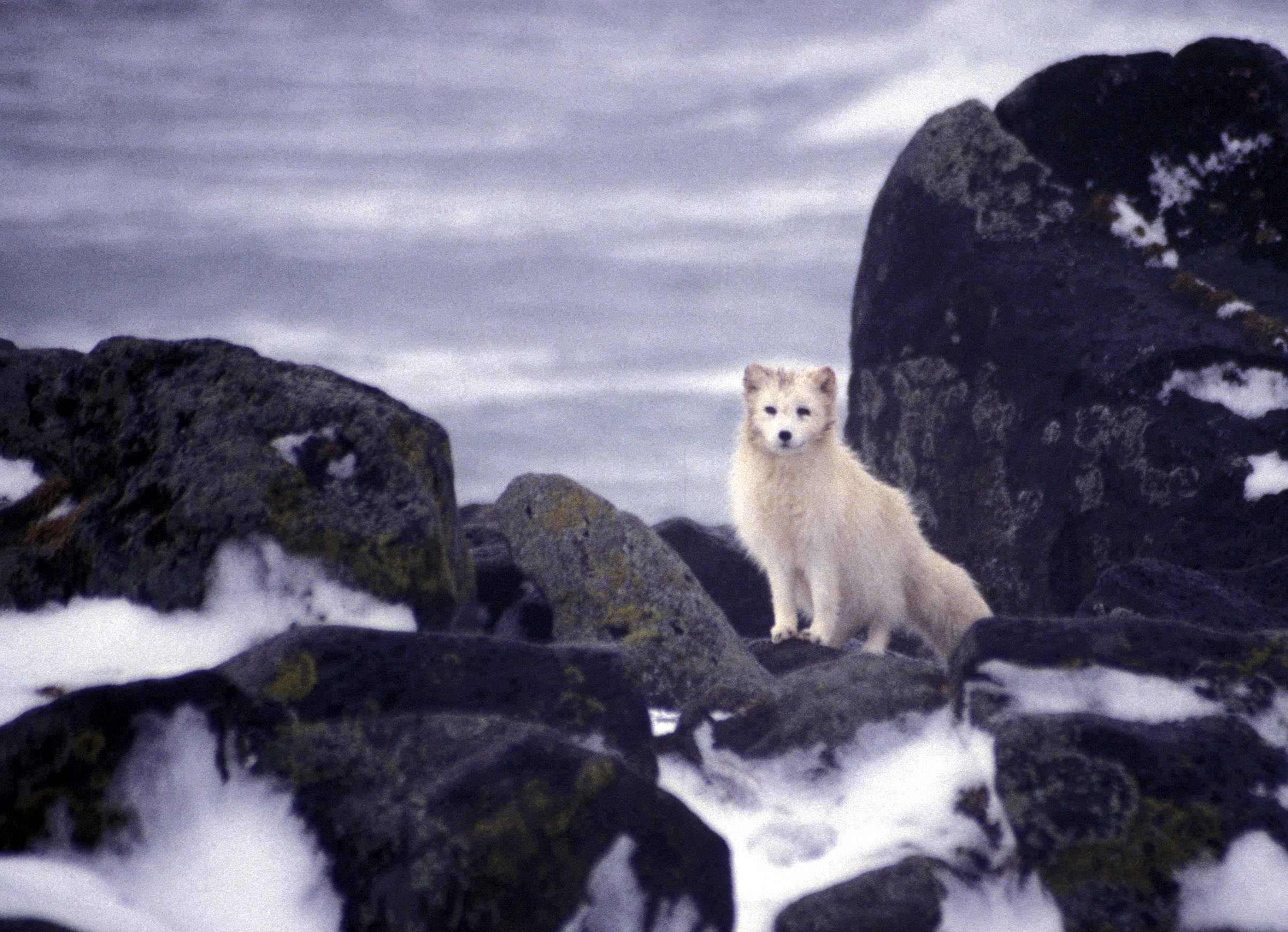
Although Arctic foxes are native to Alaska’s mainland, fur farmers introduced Arctic foxes on more than 450 Alaskan islands between 1750 and 1950. There, they threaten native seabirds by stealing eggs. (Ironically, human misbehavior may now be having the opposite effect in Norway, where littering motorists are attracting red foxes, which displace the formerly invasive Arctic foxes!)
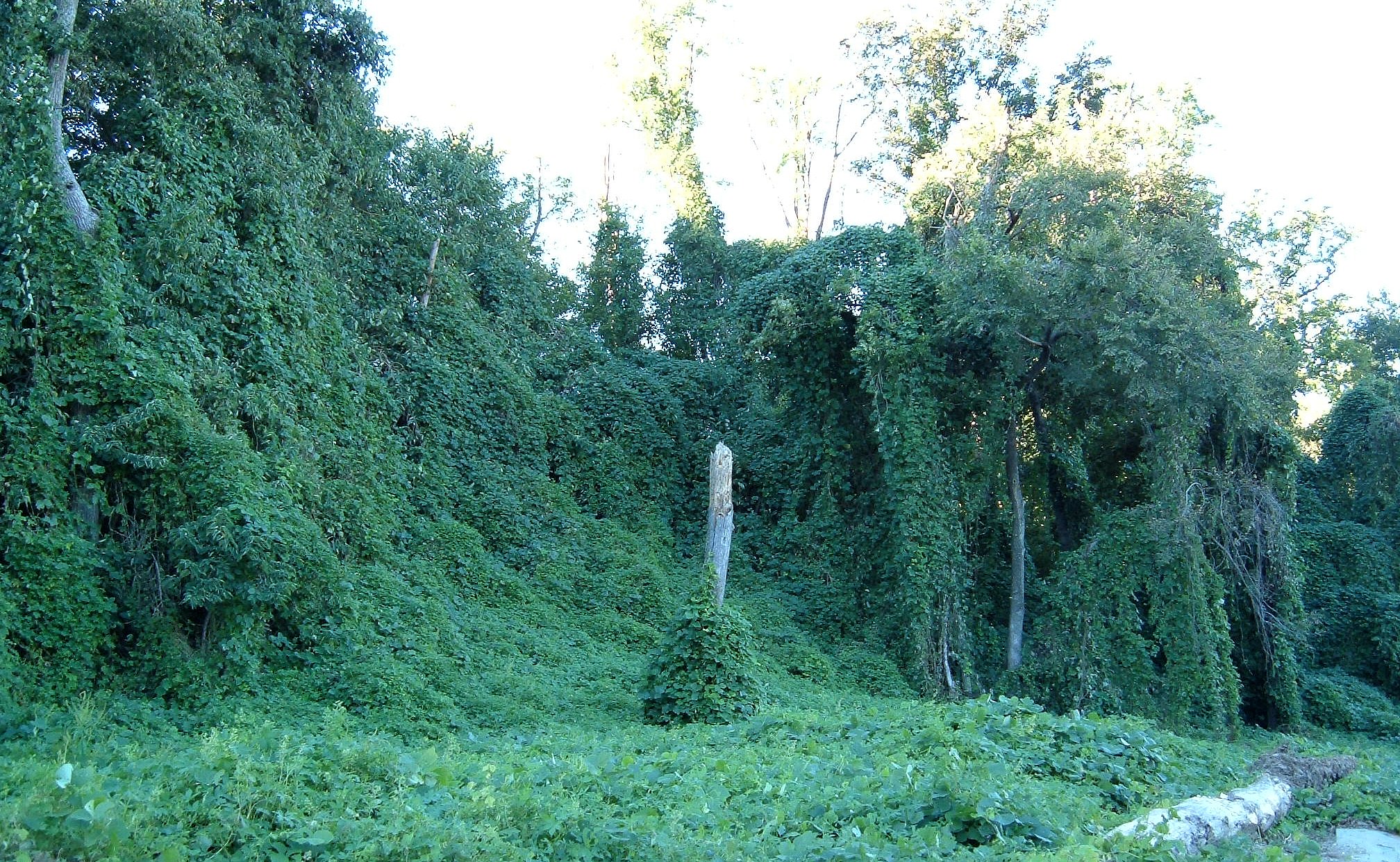
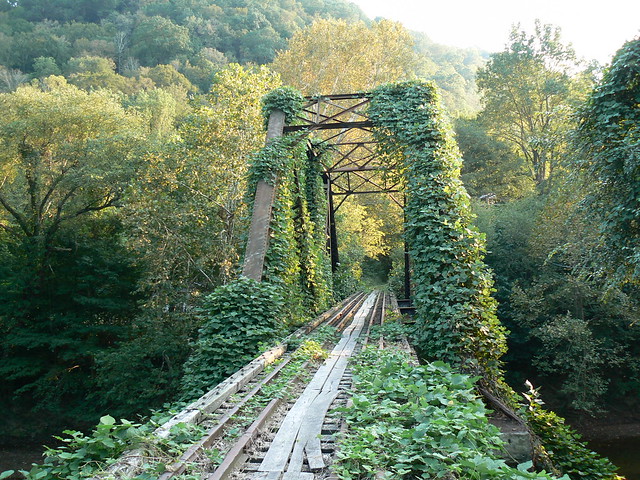
The US Soil Conservation Service introduced kudzu, a climbing perennial vine native to Japan and south-east China, during the Centennial International Exhibition of 1876, the first official World’s Fair in the U.S. Farmers and soil biologists first considered kudzu a great forage and ornamental plant because of its high-protein, starchy roots, sweet blooms, medicinal value, and impressive leaves. At first, people kept kudzu corralled to small pastures and in decorative pots.
Kudzu Overgrowing a Railroad Bridge in Arkansas
However, between the 1930s and 1950s, the Civilian Conservation Core promoted kudzu as a tool to prevent soil erosion. Botanists and nurseries distributed kudzu seedlings, and kudzu planting societies paid bounties to schools, farmers, highway maintenance, and even whole towns to plant kudzu all over the American South.
Highway and railroad developers planted kudzu seedlings to cover landscape gashes left bare by driving rail beds and road beds through formerly undeveloped land. Without grazing to keep growth in check, kudzu grows over anything in its way, killing other flora and foliage. An invasion of kudzu means leaf litter changes and decomposition processes alter, with a 28 per cent reduction in stocks of soil carbon, so the spread of the vine could contribute to climate change.
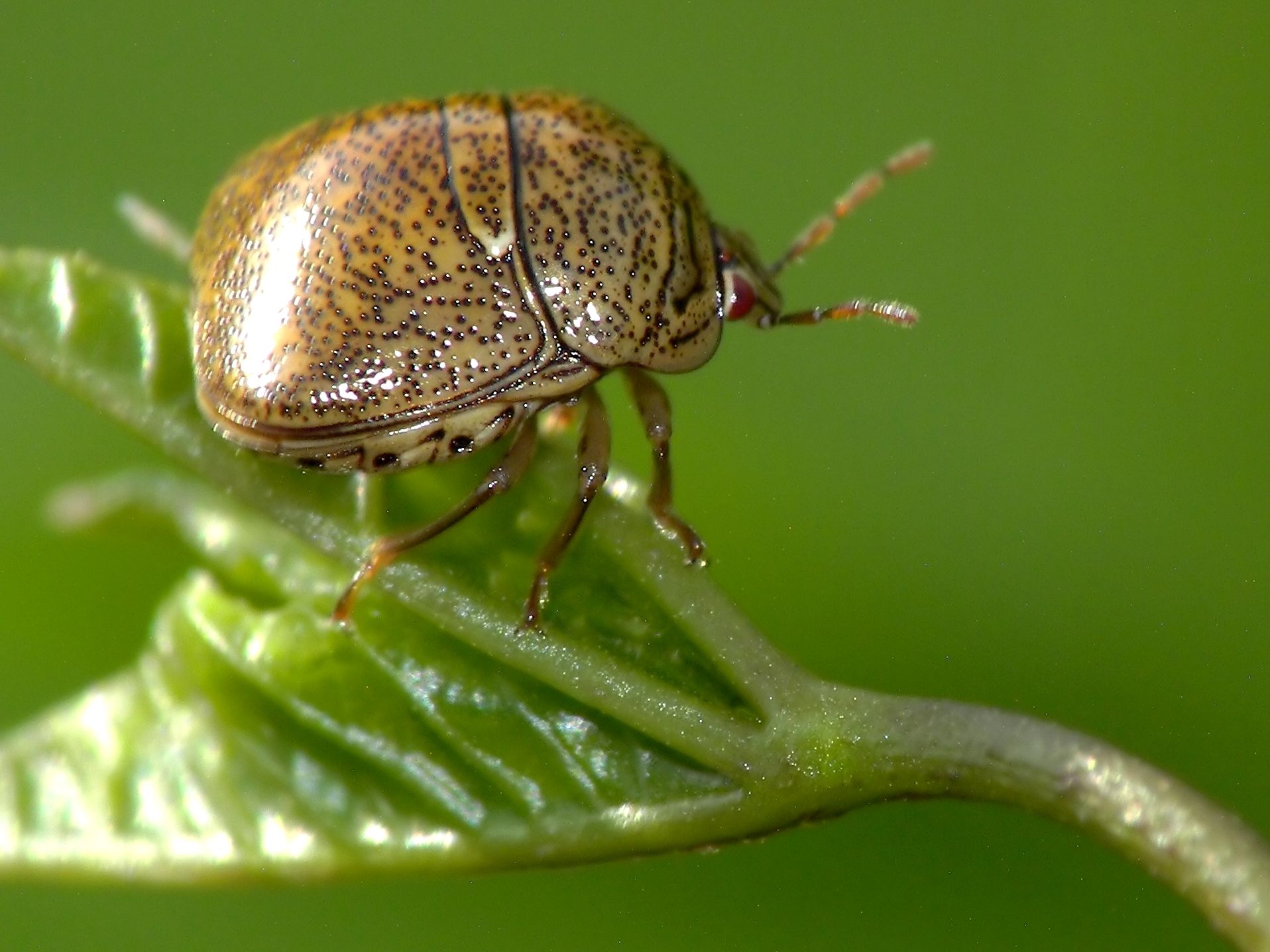
Kudzu Bug (Megacopta cribraria)
Kudzu may not be as serious a problem as it appears today. For one thing, kudzu often seems more ubiquitous than it really is because it grows most unchecked in areas where it is also most visible – along highways and railway embankments where passersby frequently encounter it. Some highway maintenance groups have brought small flocks of pigs and goats to graze in these areas, bringing some measure of control to the spread of the vines. For another, the kudzu bug, another recent “come-here” species, has been happily devouring kudzu vines all along the Atlantic seaboard, also eating many other legume plants they encounter. Perhaps we’ll soon be facing an infestation of wild pigs and kudzu bugs instead of kuduzu!
Control a Pest with Another Pest
Often, a species is introduced as a form of pest control. (See the above paragraph on starlings.)
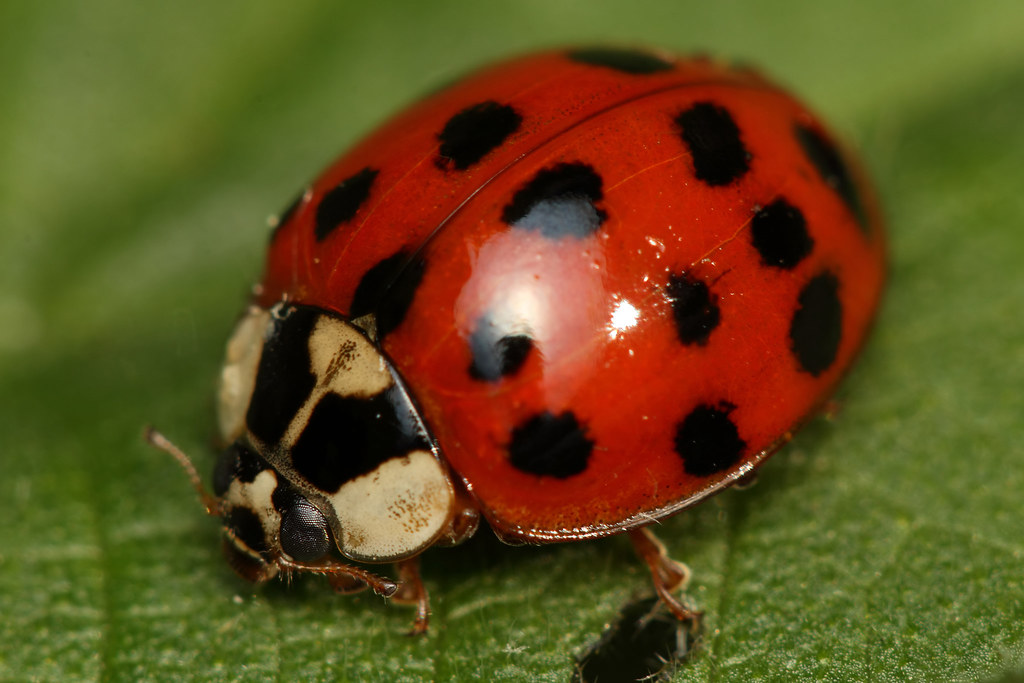
Harlequin Ladybird
One of the most invasive insect species is the harlequin ladybird (Harmonia axyridis), which tends to out-compete and eat native ladybirds. Agriculturalists introduced harlequin ladybirds, originally from central Asia, to Europe and North America in 1916 to control scale insects and aphids. Not until 1988 did these ladybirds manage to establish themselves in the wild, after which their populations exploded. They still provide valuable pest-control services to farmers, but they also breed prolifically, displace and consume native insect species, potentially spread parasites, and invade homes.
Mosquitofish
Unlike the other invasive species on this list, the mosquitofish is native to North America, inhabiting shallow water away from larger fish in southern parts of Illinois and Indiana, throughout the Mississippi River. It has become an invasive species in other parts of the world, where scientists have intentionallly introduced the little creature to areas with large populations of mosquitoes to decrease the number of bugs by eating their larvae. In areas of South America and along the Black Sea, environmentalists estimate that the introduction of the mosquitofish has effectively eliminated malaria. However, native fish were already good at supplying ‘maximal control’ – introducing the mosquitofish has turned out to be more damaging to aquatic life. Mosquitofish are aggressive and injure or kill other small fish. They are also very good at breeding, taking over natural habitats.
Asian mongoose
Sugar cane farmers introduced the small Asian mongoose to Hawaii in 1883 after hearing about Jamaican plantations unleashing the predator to control rat populations. It was a mistake of epic proportions. Unfortunately, the targeted rats are nocturnal and the exotic mongooses are diurnal, so they never crossed paths. Rather than rats, the mongoose began eating the native birds instead. Mongoose threaten several sea turtle species and at least eight endangered bird species, including the Hawaiian state bird, the nēnē. They breed prolifically and reach sexual maturity early
The Ones That Got Away
Several invasive species descended from pets that escaped or were released into the wild.
Burmese Python Fighting an Alligator
Many people have released pet Burmese pythons into the Everglades in Florida. These snakes can grow to 20 feet (6 meters) long. Pythons, native to the jungles of southeast Asia, have few natural predators in the Everglades. They feast on many local species, including rabbits, possum, raccoons, deer, foxes, and even alligators. The Florida Fish and Wildlife Conservation Commission now hosts an annual Python Challenge, offering bounties and sometimes employing professional bounty hunters to encourage hunters to help control this invasive predators.
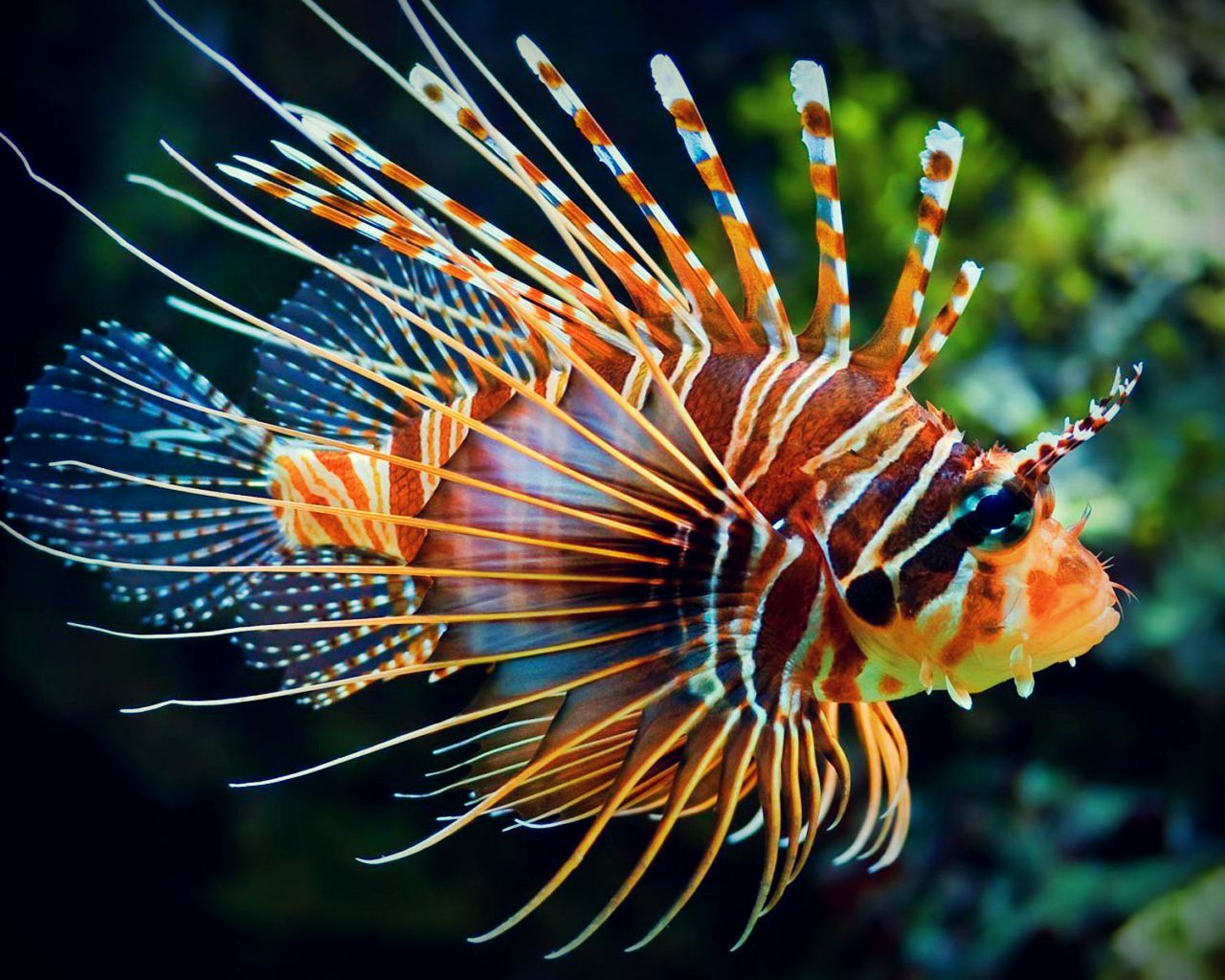
Lionfish
Lionfish are popular for aquariums, so it’s plausible that repeated escapes via aquarium releases are responsible. Native to the Indo-Pacific ocean region, first detected along the Florida coast in the 1980s, lionfish are now quickly spreading throughout the coasts and coral reefs of the East Coast. Lionfish are voracious eaters and their venomous dorsal spines have helped to protect them, and they have very few natural predators in the Atlantic.
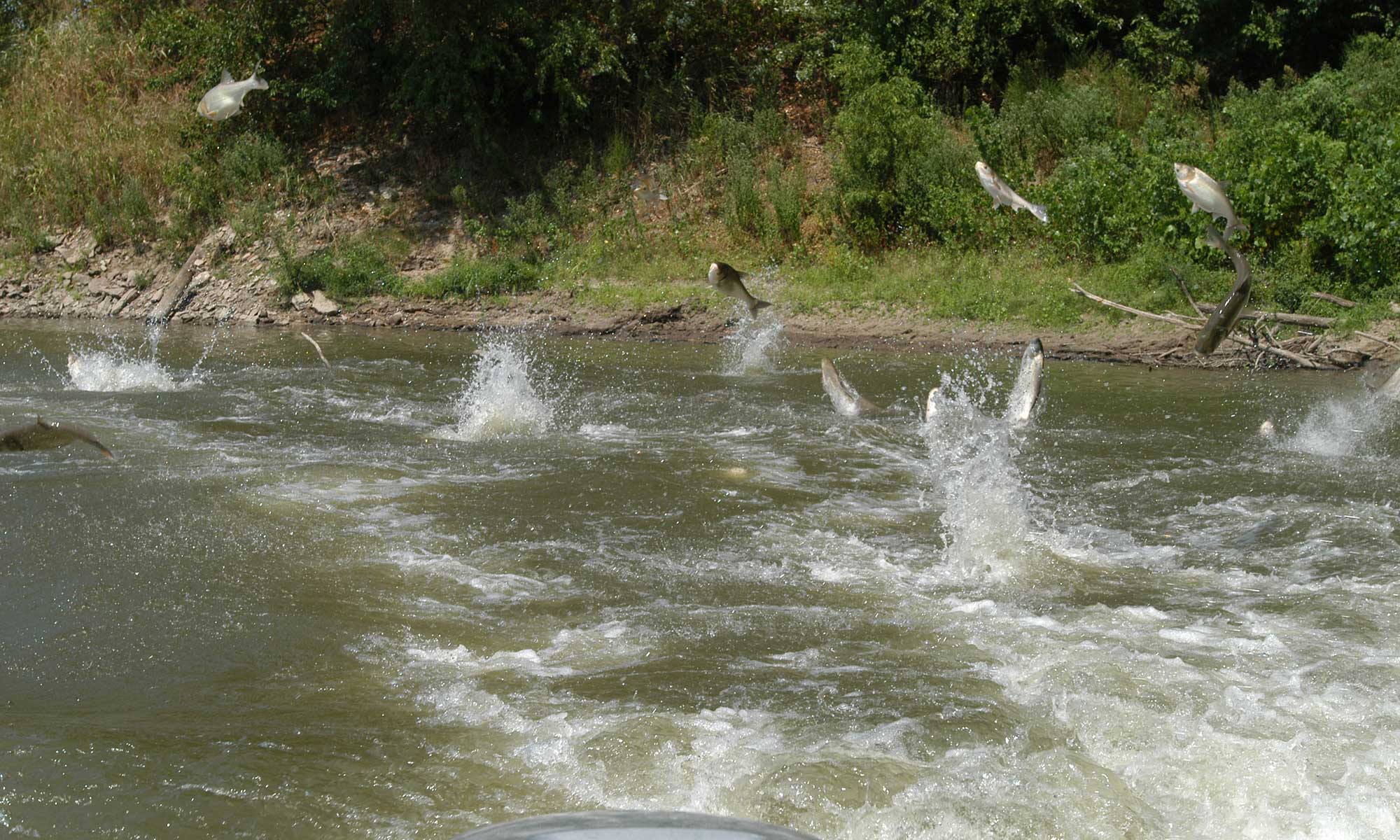
Silver Carp
Bighead carp and silver carp (native to China, also called Asian carps) are two large species of fish that escaped from fish farms in the 1990s and are now common in the Missouri River. They feed on plankton, floating in the water. They have become invasive by out-competing local species for food. For example, the feeding cycle of paddlefish is slower than that of the carp. There are now so many invasive carp in the lower Missouri River that paddlefish do not have enough food.
Many invasive species destroy habitat, the places where other plants and animals naturally live.
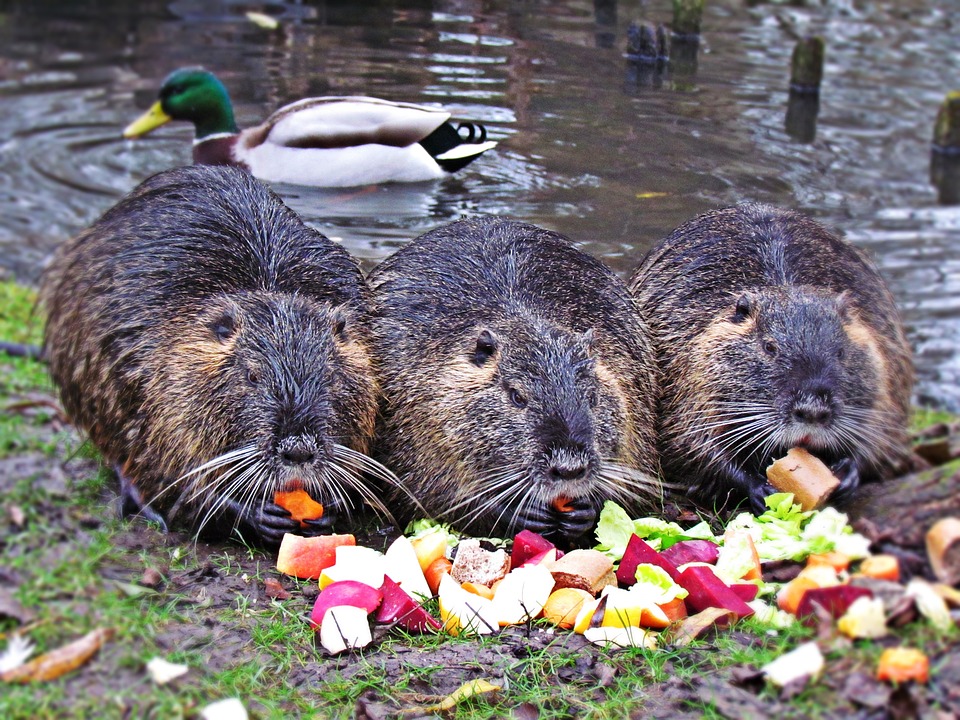
Nutria
Ranchers brought Nutria (large rodents native to South America) to North America in the 1900s, hoping to raise them for their fur. Some ranchers released the stock of Nutria into the wild when they failed to bring in the expected revenue. Today, they are a major pest in the Gulf Coast and Chesapeake Bay. Nutria eat tall grasses and rushes, vital to the regions’ marshy wetlands. They provide food, nesting sites, and shelter for many organisms. They also help secure sediment and soil, preventing the erosion of land. Nutria destroy the area’s food web and habitat by consuming the wetland grasses.
Paper Mulberry Tree
A silkworm’s favorite food is the leaves of the paper mulberry tree. US entrepreneurs thought that if they introduced the foliage, they could start their own silk industry. Unfortunately, the climate was not appropriate for the silkworm and the mulberry is a highly invasive species. Rather than feeding silkworms, paper mulberry trees began disrupting the natural ecosystem. The mulberry tree consumes an extremely high amount of water, which chokes the native foliage. Its root systems are also very strong and fast-growing – they tend to cause problems with drainage pipes.
Let’s Not Overlook Ornamentals
Kudzu was not the only plant originally introduced as an ornament.
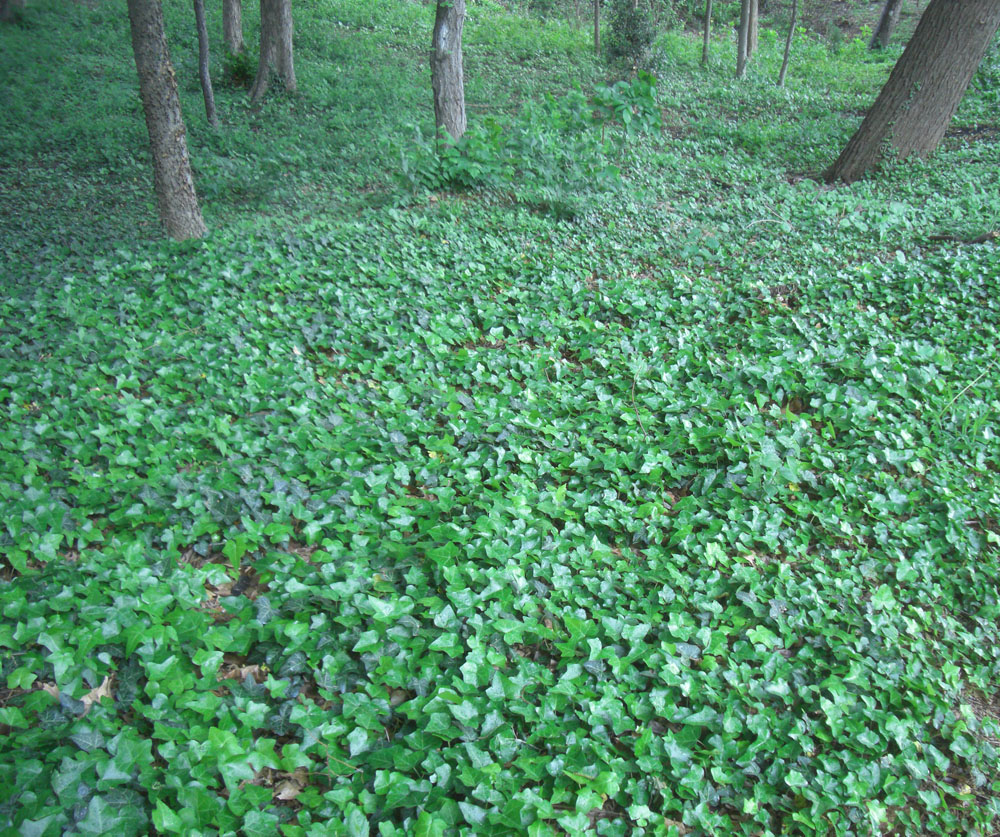
The introduction of English ivy dates back to the early 1700s when European colonists imported the plant as an easy-to-grow evergreen groundcover. Today, people continue to sell and plant English ivy in the United States even though it is one of the worst spread-invasive plants because it can handle a wide range of conditions, particularly on the east and west coasts. English ivy is an aggressive-spreading vine which can slowly kill trees by restricting light. It spreads by vegetative reproduction and when its seeds hitch a ride in the digestive systems of birds.
Purple Loosestrife
Horticulturists introduced purple loosestrife to the United States in the early 1800s for ornamental and medicinal uses. Now growing invasively in most states, purple loosestrife can become the dominant plant species in wetlands. One plant can produce as many as 2 million wind-dispersed seeds per year and underground stems grow at a rate of 1 foot per year. Beginning in the 1980s, biologists encouraged several species of leaf beetles and moths to build habitats in areas overrun with purple loosestrife, creating what scientists are hailing as a model of biological pest control.
Japanese Honeysuckle
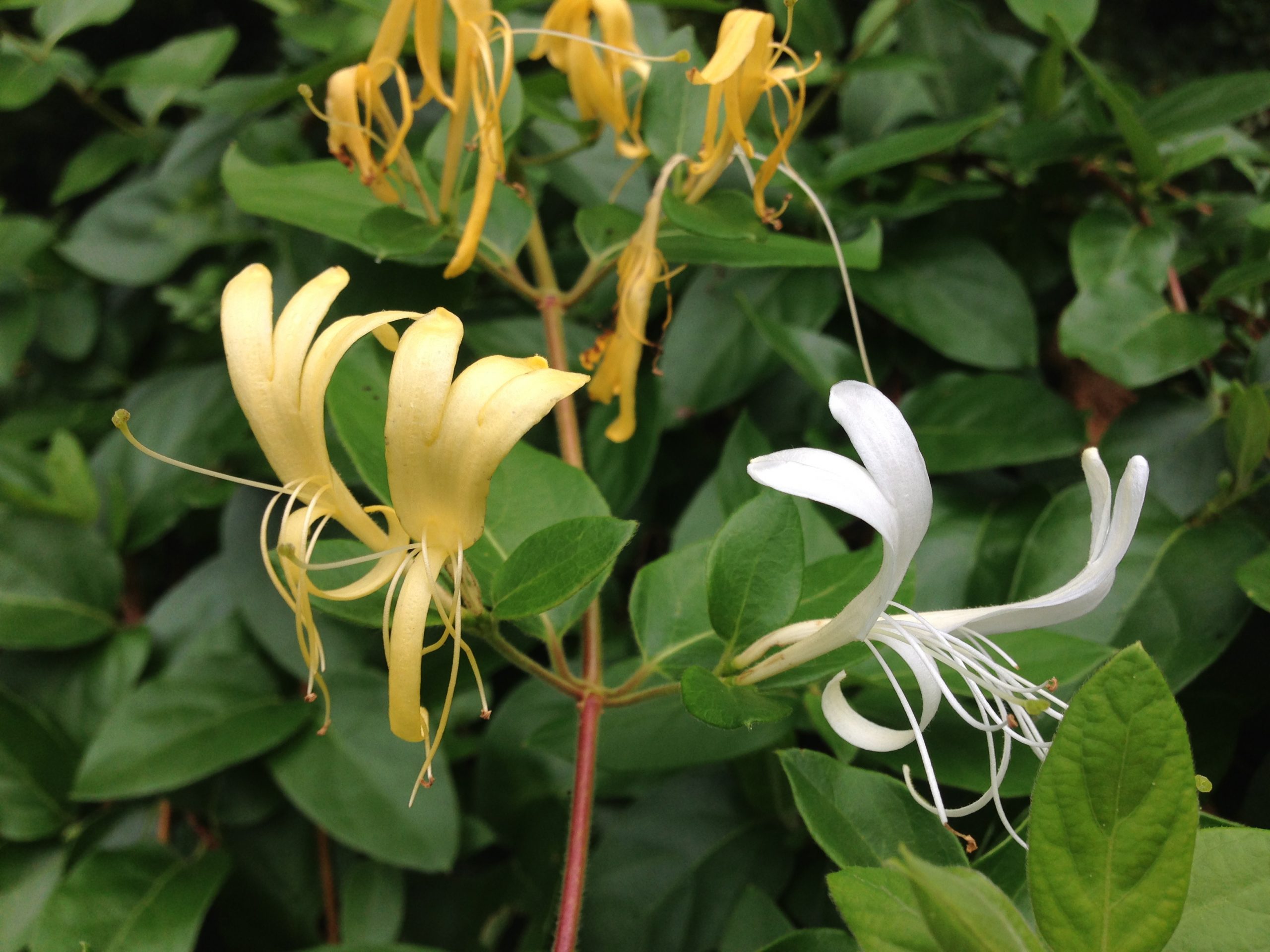
One of many invasive varieties of honeysuckle in the United States, Japanese honeysuckle (Lonicera japonica) first came to Long Island, NY, in 1806 for ornamental use and erosion control. The Japanese honeysuckle has can grow in deep shade and is particularly detrimental to forest lands in the Northeast. The heavily fruiting plant forms a dense thicket, crowding out native plants, and birds spread the seeds far and wide. The plant has become prolific throughout much of the East Coast as it adapts to a wide range of conditions. Japanese honeysuckle is an aggressive vine that smothers, shades and girdles other competing vegetation. Many birds eat the fruit of this plant, thereby spreading the honeysuckle’s seeds.
Japanese Barberry
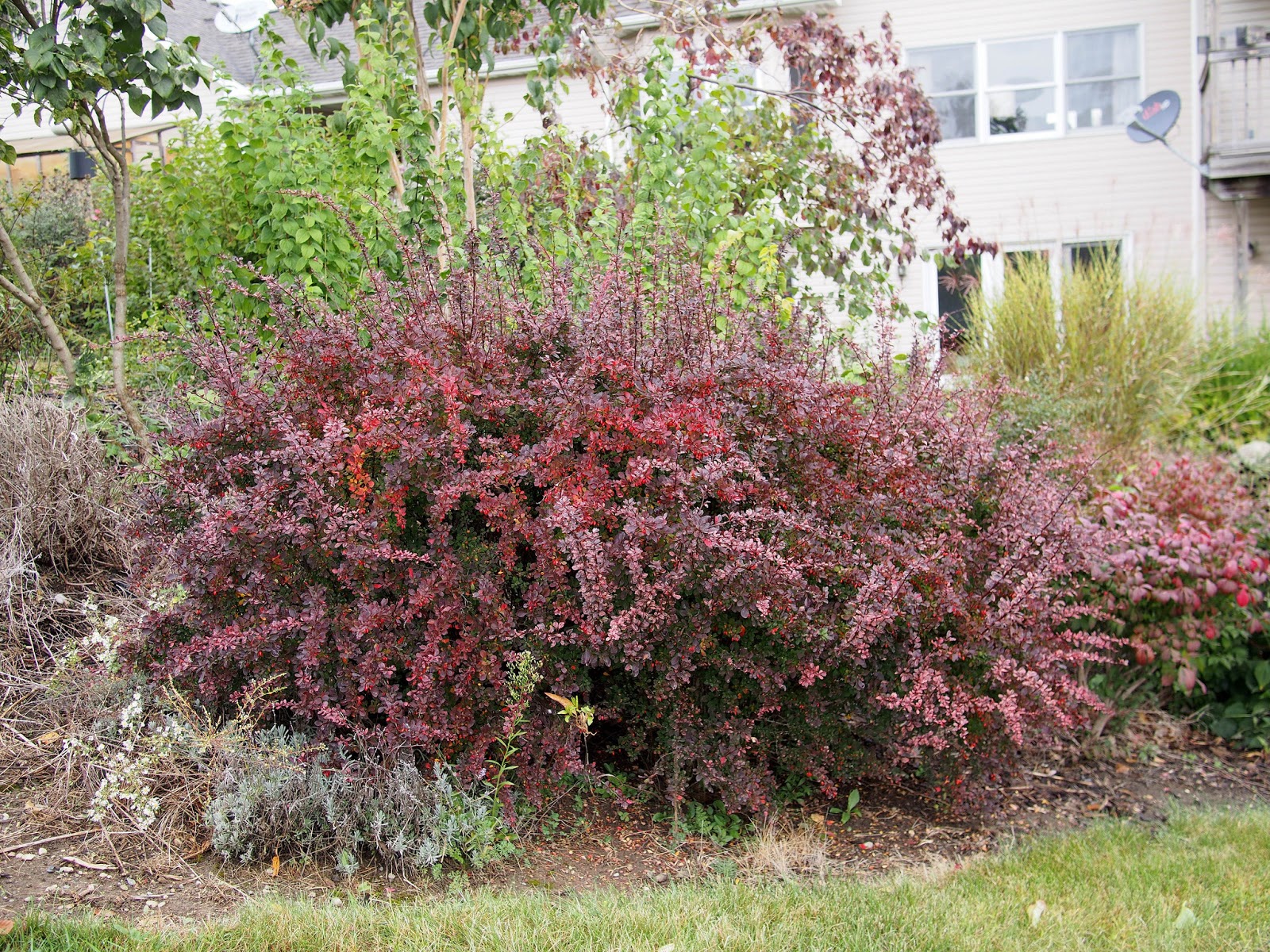
Japanese barberry was introduced to the United States in the 1800s as an ornamental. Growers shipped seeds of Japanese barberry from Russia to the Arnold Arboretum in 1875 as an alternative to European barberry (Berberis vulgaris), which had fallen out of favor as it was a host to Black Rust Stem—a serious fungus effecting cereal crops. In addition to forming such dense growth thickets that they crowd out other plant species, Japanese barberry plants provide ideal shelters for the black-legged ticks carrying lyme disease.
Norway Maple
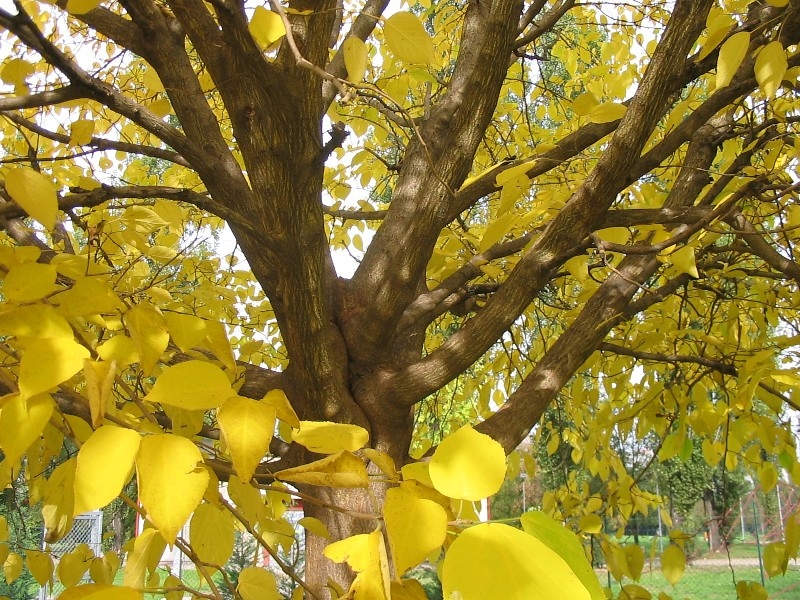
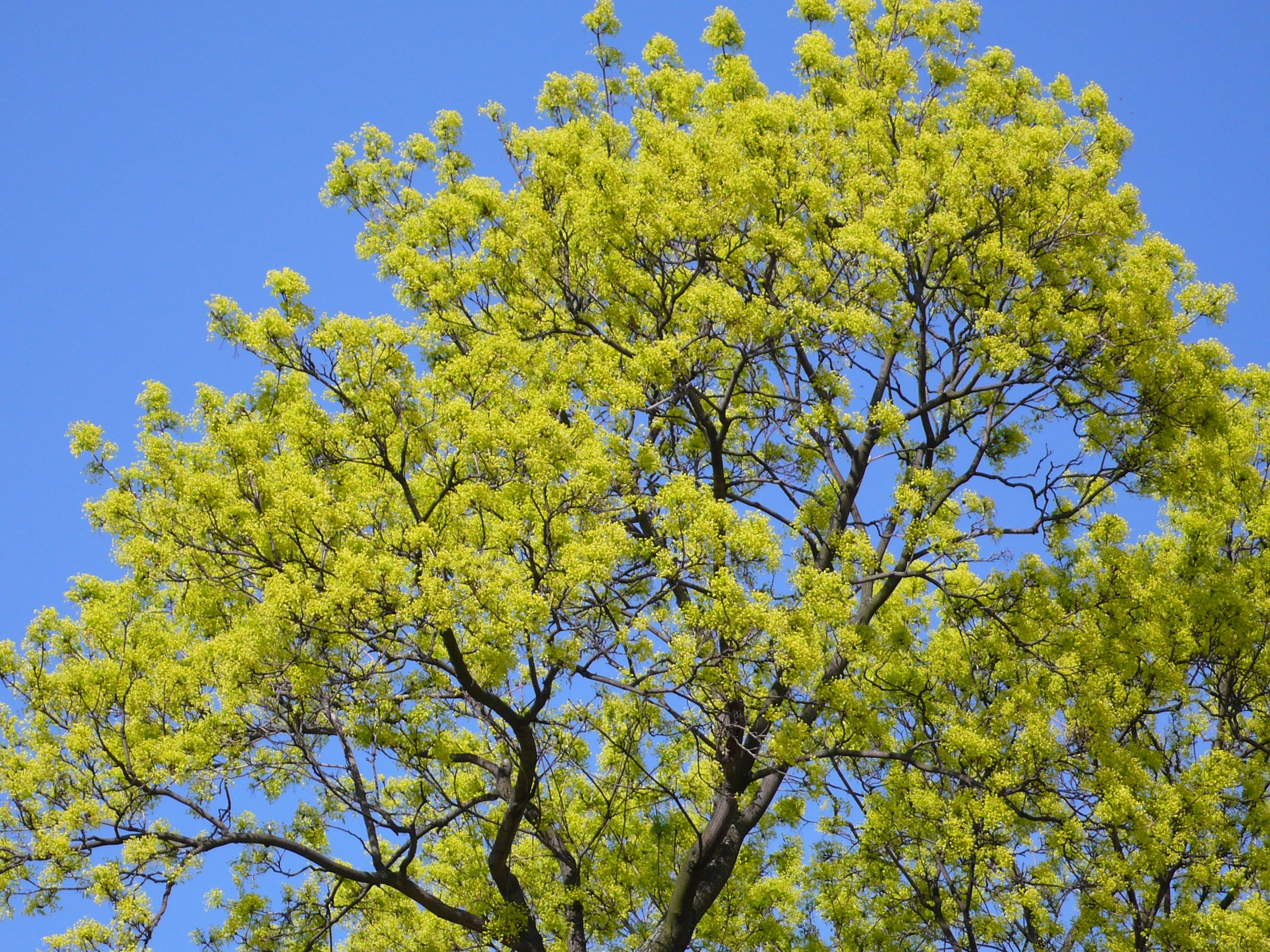
The plant explorer John Bartram introduced the Norway maple to the United States from England in 1756. Its widely adaptable growth pattern led to a rapid rise in popularity, particularly in towns and in rural communities. The Norway maple displaces native trees and has the potential to dominate a landscape in both the Northeast and Northwest. It displaces native maples like the sugar maple and its dense canopy shades out wildflowers.
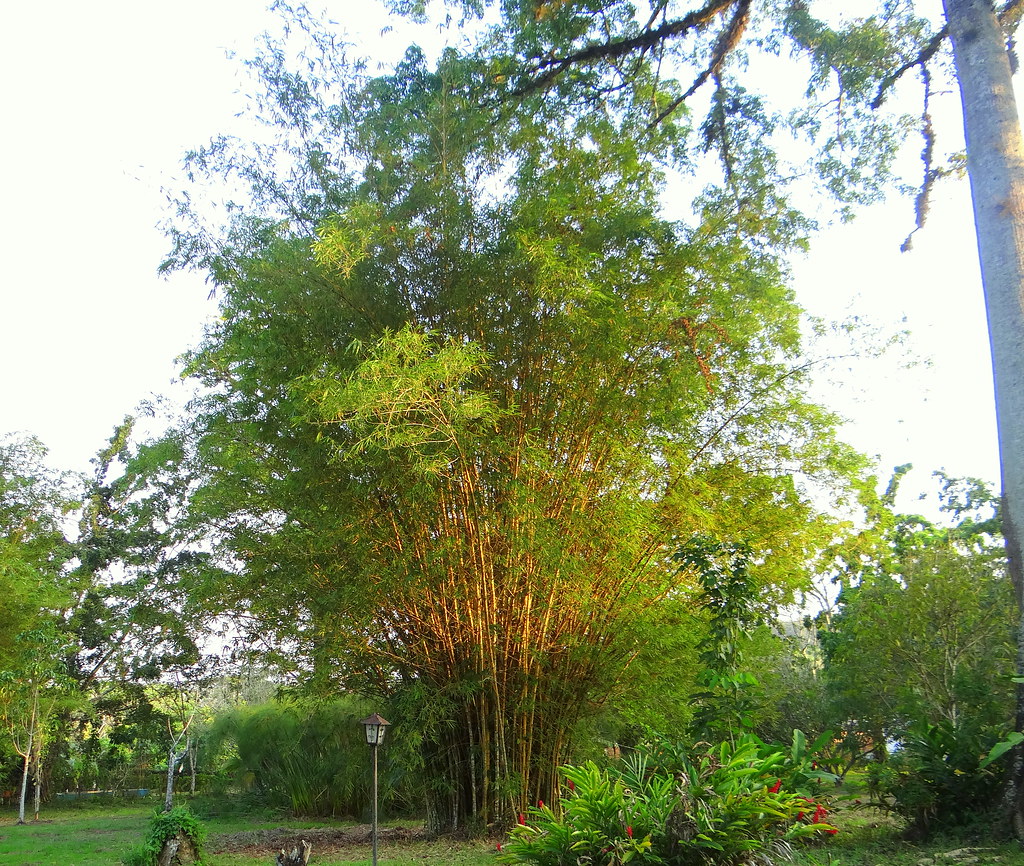
Golden Bamboo
Bamboo native to Asia is highly invasive and damaging in the United States thanks to its aggressive spreading abilities. There are two species that are especially problematic in Virginia: Phyllostachys aurea (Golden Bamboo) and Phyllostachys aureosulcata (Yellow Groove Bamboo). Once this plant is established, it is difficult to remove. It can grow up to a foot a day and crowd out other plants. Underground runners choke the root systems of native plants, sending up new shoots beyond the original planting area. If you really want to grow ornamental bamboo, consider one of the three bamboo species native to the U.S.: hill cane (Arundinaria appalachiana), river cane (Arundinaria gigantea), and switch cane (Arundinaria tecta).
International Hitchhikers
Brown Norway Rat
Invasive species are primarily spread by human activities, often unintentionally. People, and the goods we use, travel around the world very quickly, and they often carry uninvited species with them. One of the most famous historical hitchikers may be the fleas that spread the Black Death in the 14th Century.
Modern international shipping still unwittlingly spreads invasive species. Rats from Norway have escaped from ships and endanger Alaska’s island-nesting seabird populations. Many ships carry aquatic organisms in their ballast water, while smaller boats may carry them on their propellers.
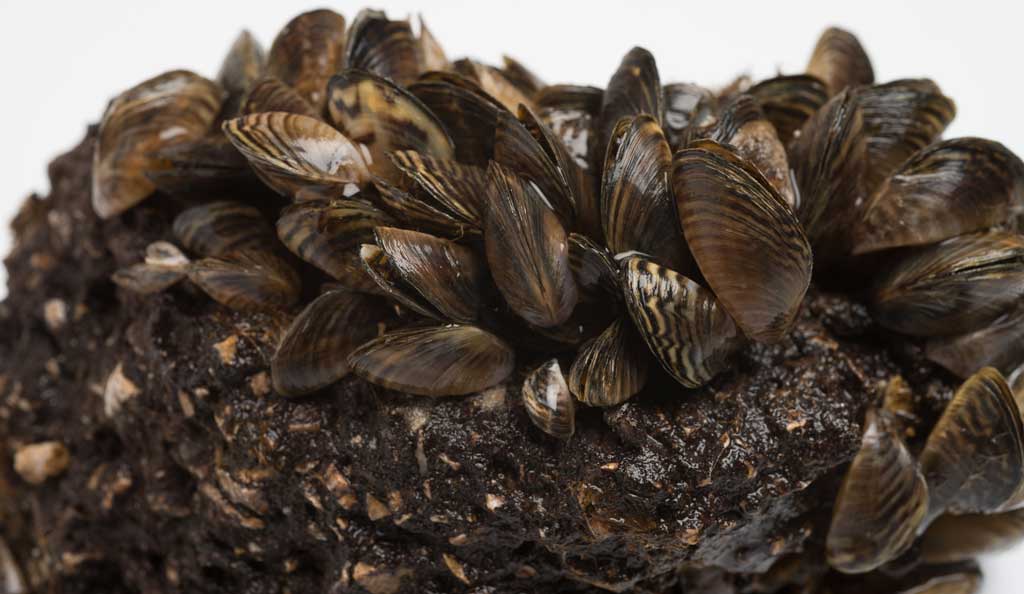
Zebra Mussels
“Many invasive species are introduced into a new region accidentally. Zebra mussels are native to the Black Sea and the Caspian Sea in Central Asia. Zebra mussels arrived in the Great Lakes of North America accidentally, stuck to large ships that traveled between the two regions. There are now so many zebra mussels in the Great Lakes that they have threatened native species.”
In addition, small zebra mussels clog the cooling systems in boat engines, while larger ones have damaged water pipes at power plants throughout the Great Lakes. This isn’t the only invasive species that causes property damage.
Insects can get into wood, shipping palettes, and crates that are shipped around the world.
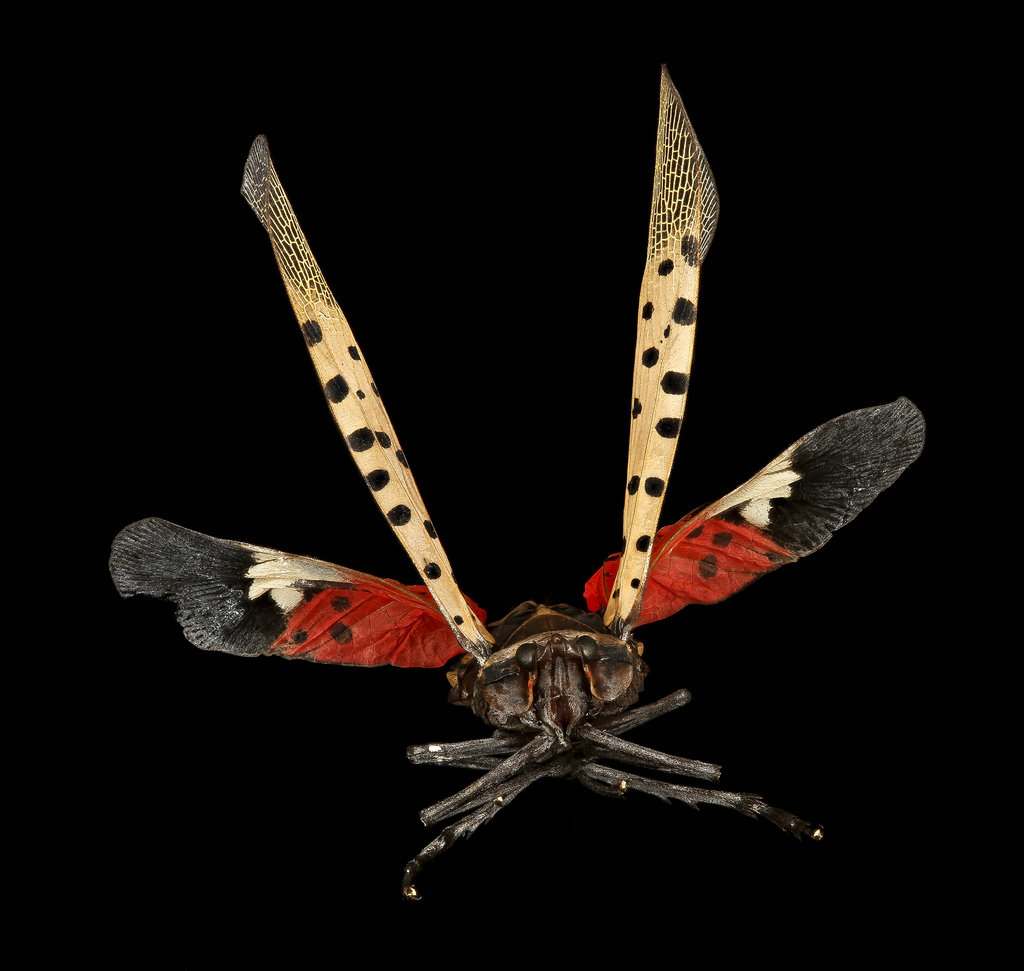
Spotted Lanternfly
Borwn marmorated stink bugs feed on crops and ornamental plants. They stowed away, probably in shipping containers, coming to North American at some point in the 1990s.
Spotted wing drosophila, rather than feeding on overripe fruit like most flies, targets and damages unripe or barely ripe fruit, making it extra destructive. They likely hitched a ride on fruit imported to Hawaii from their native Asia in the 1980s and into the continental US in 2008.
The khapra beetle attacks stored grain and can cause it to lose 70 percent of its weight or value. The Invasive Species Specialist Group ranks it among the 100 worst invasive species of all time.
The spotted lanterfly hitched a ride to Pennsylvania in 2014, most likely by attaching its eggs to something imported from southern China or Vietnam. It is not quite invasive yet, but it looks inevitable that it will be soon.
Beware climate change
In addition, higher average temperatures and changes in rain and snow patterns caused by climate change will enable some invasive plant species—such as garlic mustard, kudzu, and purple loosestrife—to move into new areas. Insect pest infestations will be more severe as pests such as mountain pine beetle are able to take advantage of drought-weakened plants.
Rising Temperatures Thawing Arctic Sea Ice Bring New Invasive Species to the Area
Note: Not all non-native species are invasive. For example, most of the food crops grown in the United States, including popular varieties of wheat, tomatoes, and rice, are not native to the region. Personally, I’m delighted by the availability of hellebores.
In conclusion: Only a small percent of introduced species become invasive. However, it is nearly impossible—even for scientists—to predict which species will become invasive. Some species are present for many years before they exhibit invasive characteristics. And new species are being introduced every day.
Bottom Line: Invasive species are among the leading threats to native wildlife. Approximately 42 percent of threatened or endangered species are at risk due to invasive species. Be aware!
Collective nouns fascinate me, as I’ve mentioned before. I’ve heard a group of starlings called a “murmuration” most often, but I’ve also seen
Murmuration of Starlings in France
A chattering of starlings
A cloud of starlings
A clutter of starlings
A congregation of starlings
A flock of starlings
A scintillation of starlings
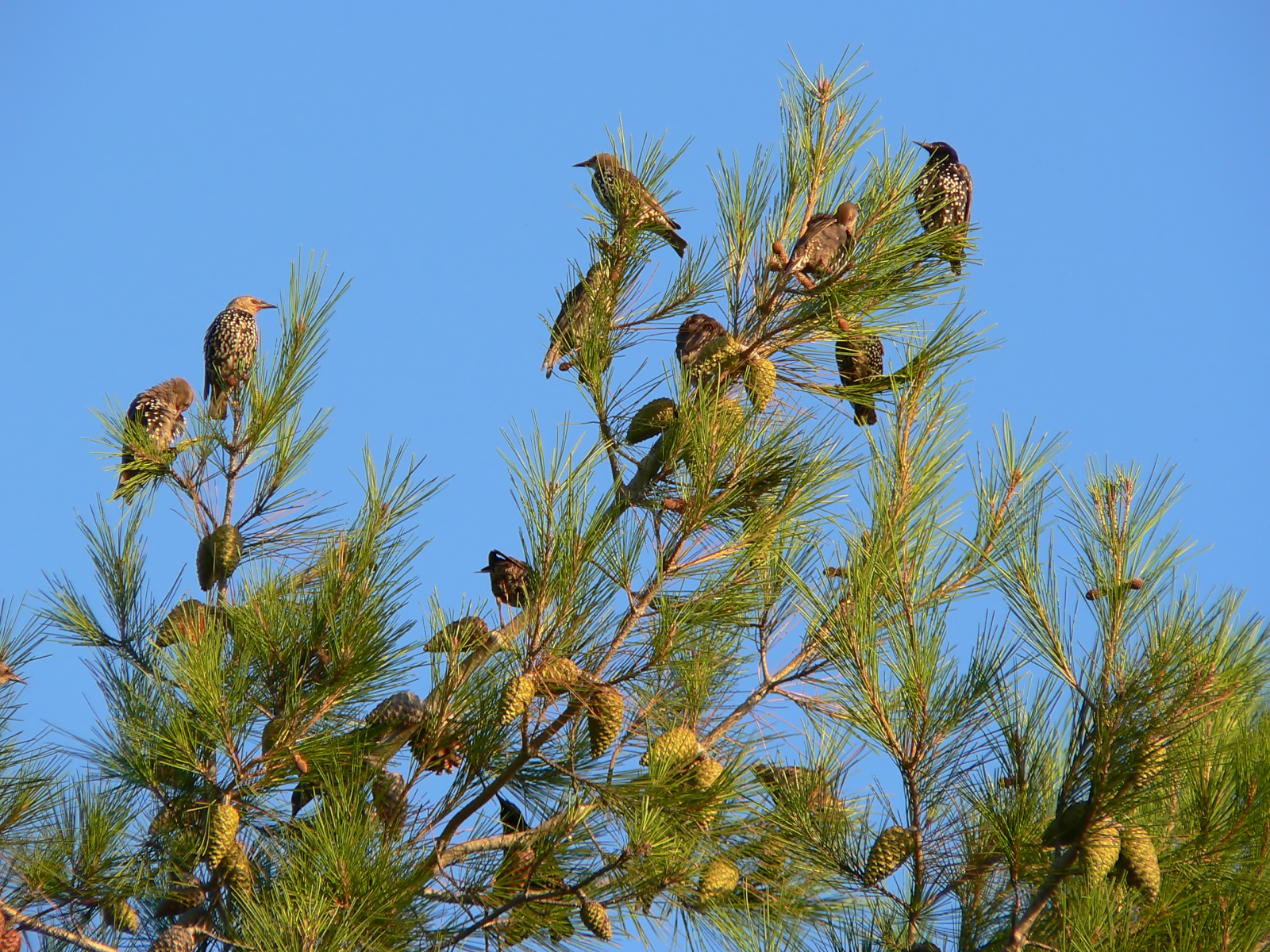
In mid-January, a starling showed up at our bird feeder. A week or so later, we saw two. A few days ago, we had a whole clutter of them!
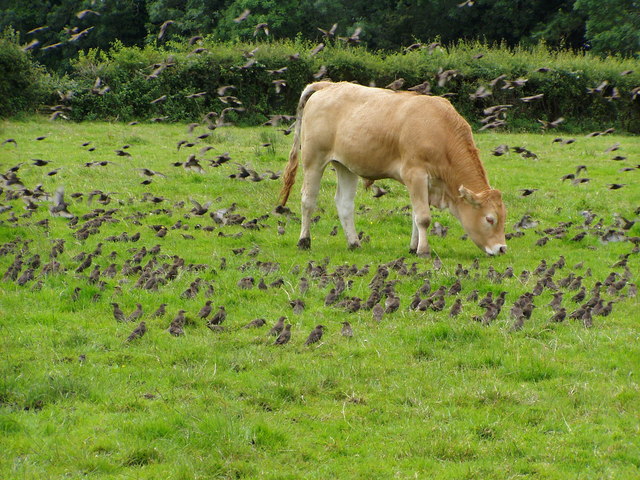
Starlings are boisterous, loud, and they travel in large groups (often with blackbirds and grackles).
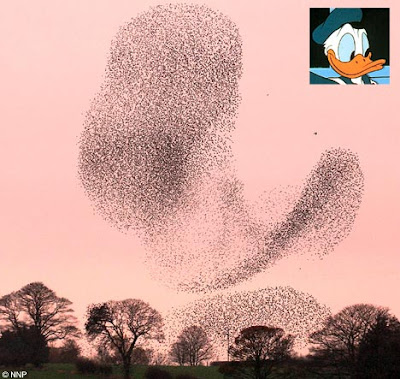
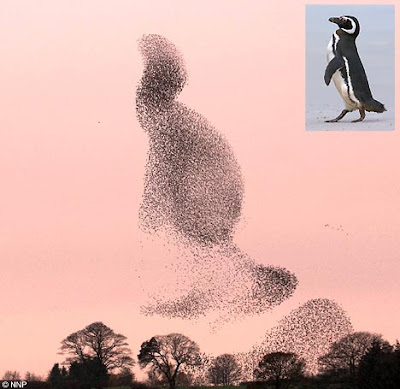
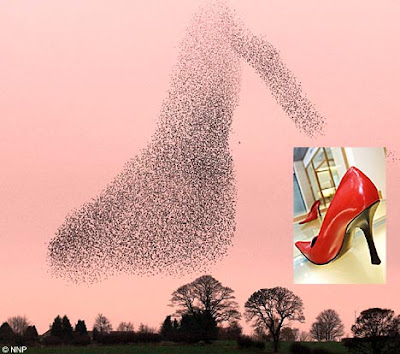
Some starling watchers have created a game of finding shapes in the swirling s of flying starlings
Attractive Starlings
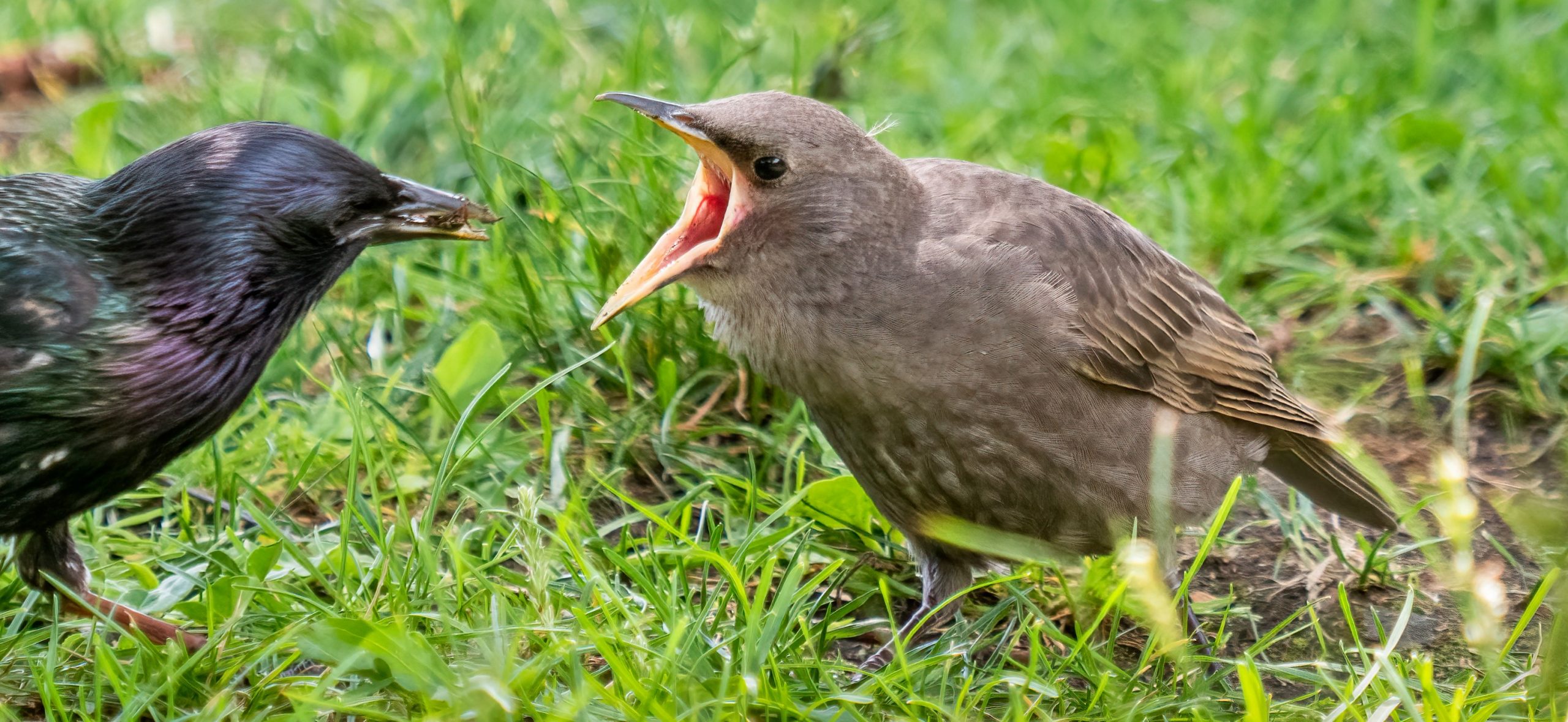
Adult European starling feeding a juvenile
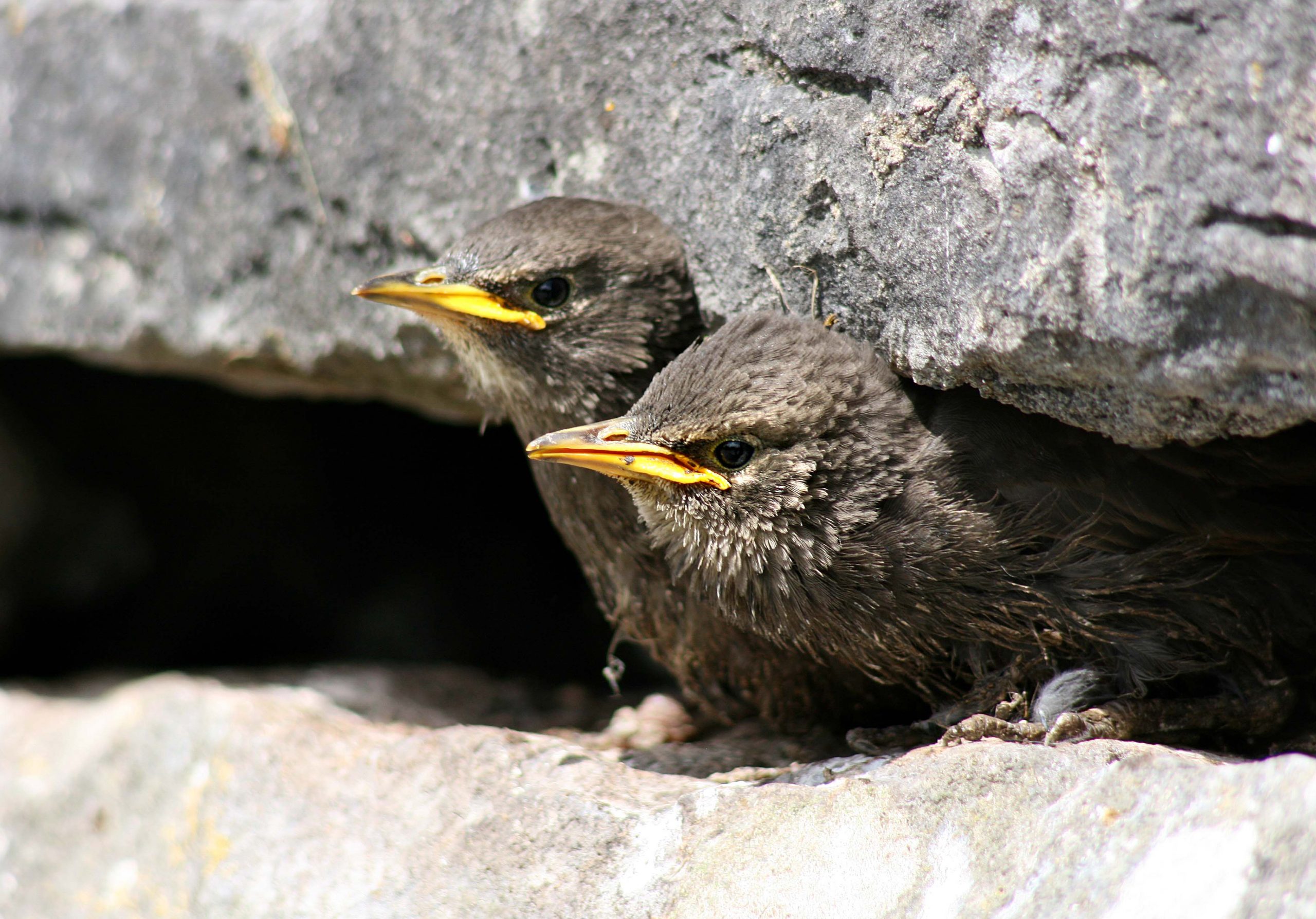
Their appearance changes with age and seasons. Young ones are more brown than black.
Starling plumage in summer
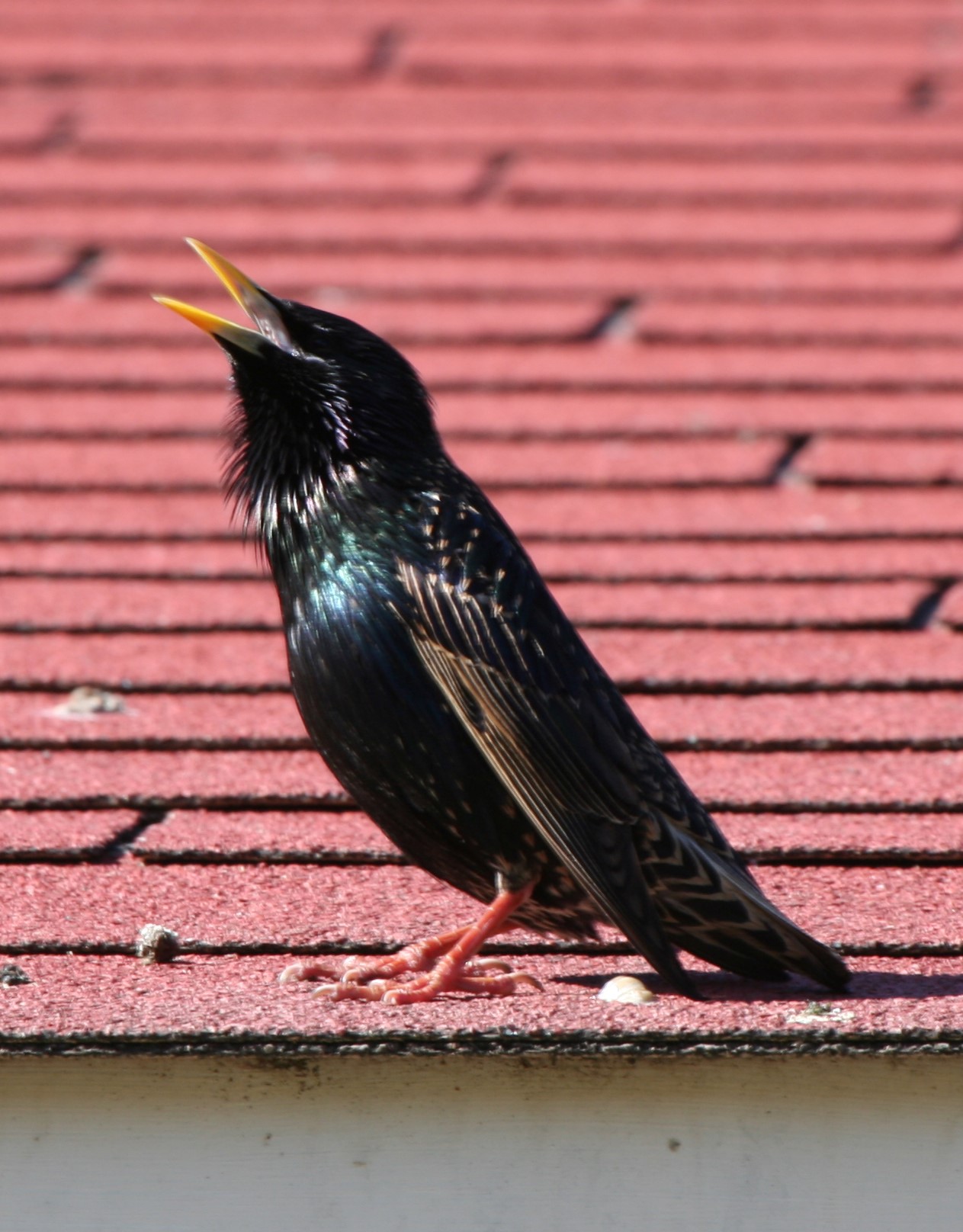
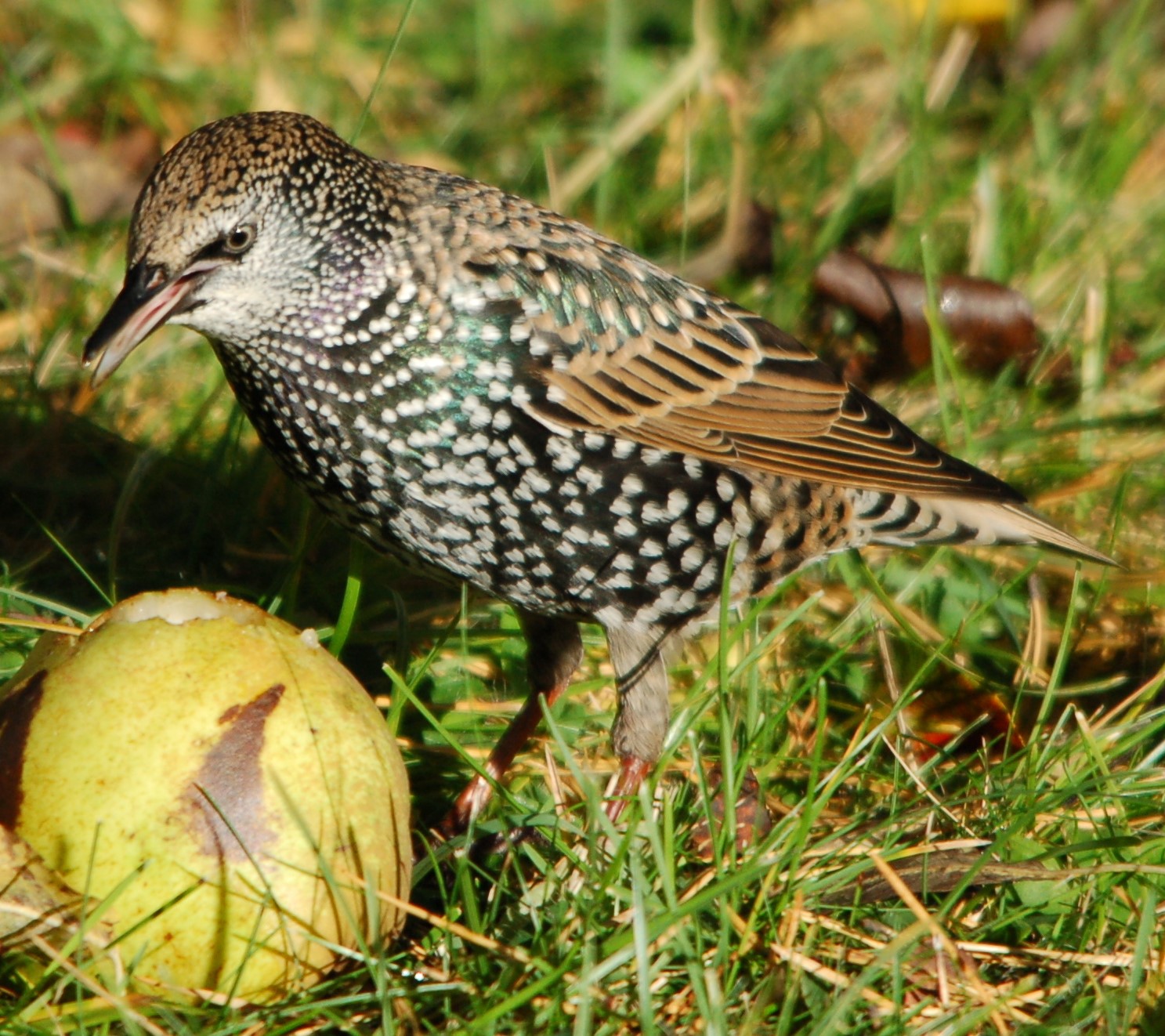
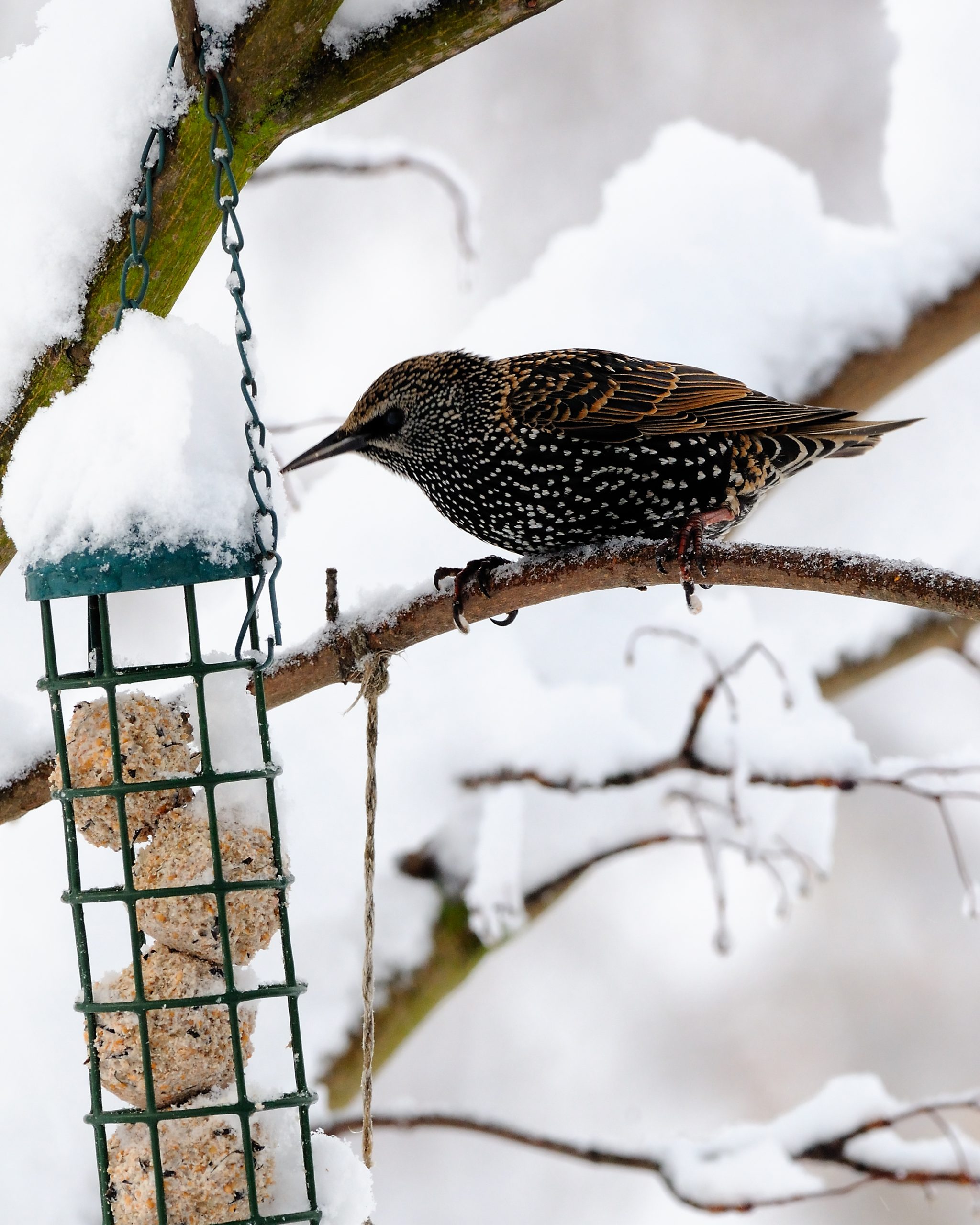
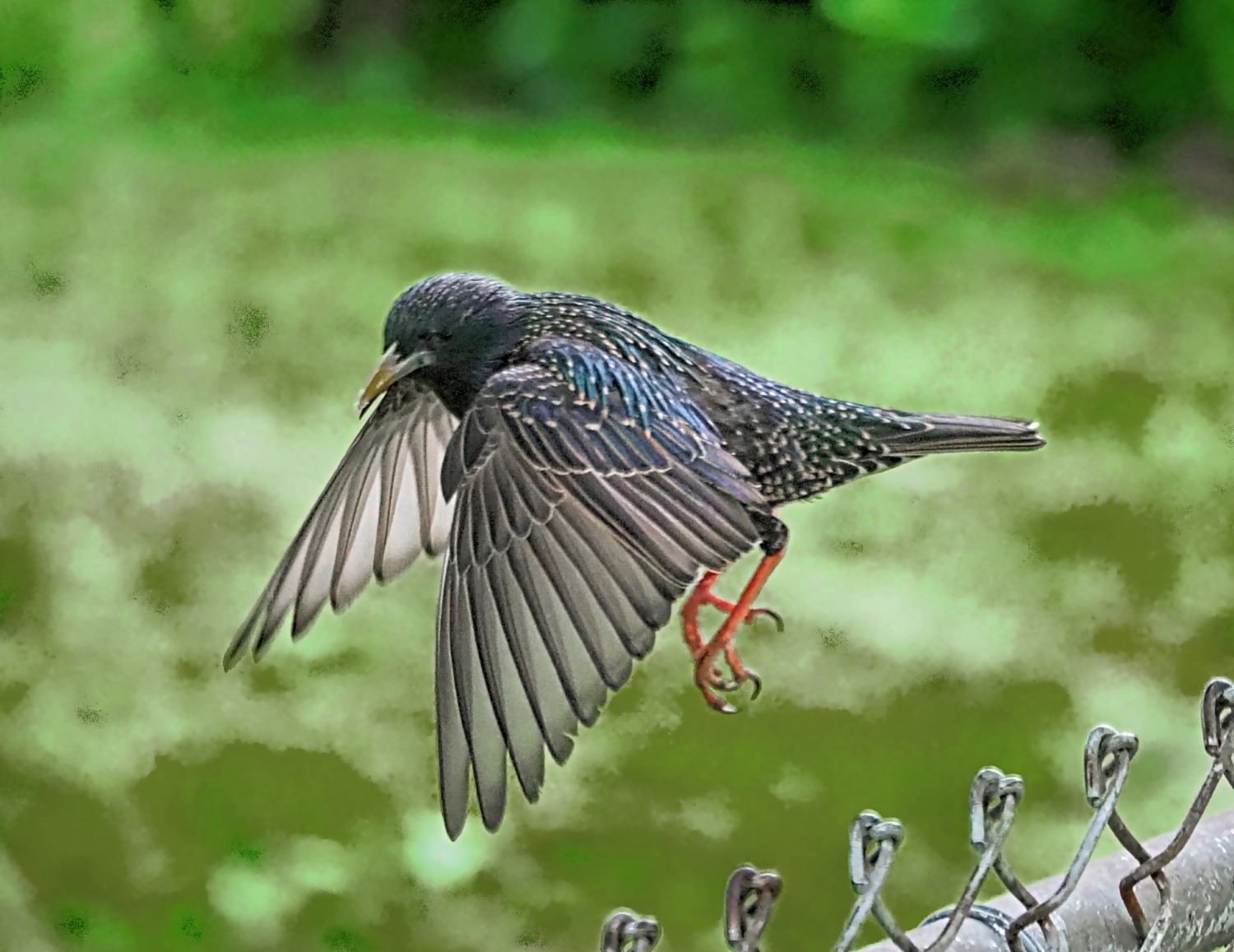
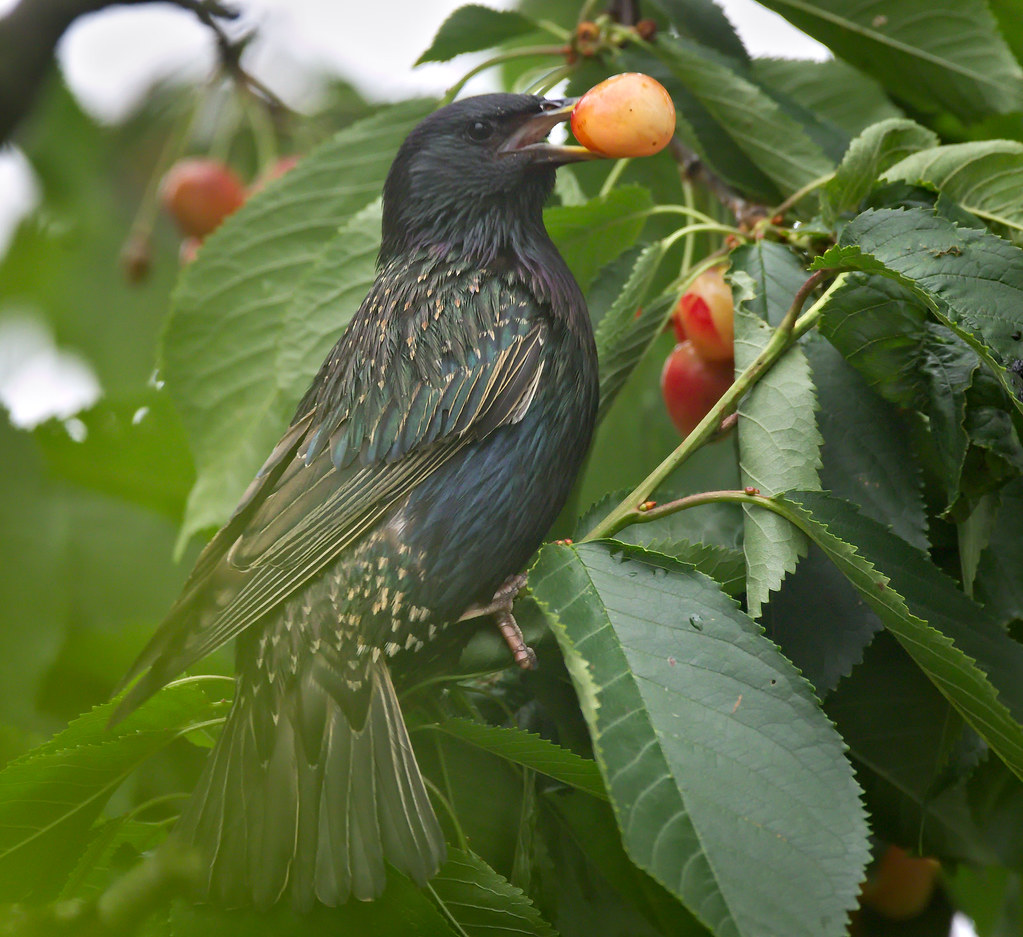
In fresh winter plumagethey are brown, covered in brilliant white spots. In summer they are purplish-green iridescent—but not as blue-black iridescent as grackles.
Their legs are officially pink, though I’ve always thought they look more yellow. The bill is black in winter and yellow in summer.
Bigger than chickadees, smaller than blue jays, starlings seem to me to be about the size of cardinals.
Starling plumage in winter
Starlings have diverse and complex vocalizations and have been known to embed sounds from their surroundings into their own calls,including car alarms and human speech patterns. The birds can recognize particular individuals by their calls and are the subject of research into the evolution of human language.
Starlings are active, social birds. Pet starlings notoriously bond closely with their caretakers and seek them out for companionship. Although wild birds, they are easy to tame and keep as pets. Their normal lifespan is about 15 years, possibly longer in captivity.
Wolfgang Amadeus Mozart kept a pet starling for several years. He may have written his Piano Concerto No. 17 in G, (K. 453) as an adaptation of the bird’s song. When it died, Mozart held an elaborate funeral for it, calling on all the mourners to sing the bird a requiem in procession.
Mozart’s notation of his starling’s song, written in his expense book in 1784, to which he added the note “Vogel Stahrl 34 Kr. … Das war schön!”(Starling’s song, 34 Kreuzer… That was beautiful!)
“Come Here” Starlings
Starling foraging
As the story goes, Eugene Schieffelin—an eccentric pharmacist in the Bronx—was an Anglophile and a Shakespeare aficionado. As deputy of a group whose goals included introducing European species that would be “interesting and useful” and benefit homesick immigrants. Schieffelin, it is believed, latched onto the goal of bringing every bird mentioned in the works of Shakespeare to Central Park, and he zeroed in on the Bard’s single reference to a starling in Henry IV.
HOTSPUR: He said he would not ransom Mortimer, Forbade my tongue to speak of Mortimer. But I will find him when he lies asleep, And in his ear I’ll hollo “Mortimer.” Nay, I’ll have a starling shall be taught to speak Nothing but “Mortimer,” and give it him To keep his anger still in motion.
Henry IV, Part 1 (Act I, Scene 3, Line 228)
However, according to Eugene Schieffelin’s obituary in 1906, he imported starlings for an entirely different reason — to wage war on a particular type of caterpillar that was invading his garden. In fact, researchers at Alleghany College published an article in 2021 arguing that the story of Schieffelin’s obsession with Shakespeare grew out of social and political anti-immigrant sentiments common at the end of the 19th and early 20th centuries.
In any case, starlings are an introduced species to America and have adapted well to urban life, which offers abundant nesting and food sites. It took them just 80 years to populate the continent. They are a ubiquitous, nonnative, invasive species. There are so many that no one can count them—estimates run to about 200 million. Genetic research shows that all of these millions of birds descended from the original 80 or so birds Eugene Schieffelin released in Central Park. They’ve behaved atrociously in their New World.
Despised Starlings
Starlings can damage grass turf as they search for food. While looking for worms, the extremely strong beaks of these birds often damage the root systems of the grasses they pull up. Large flocks can destroy crops in your garden and disturb your newly seeded lawn when the birds feed on seeds and berries.
The US Department of Agriculture officially classifies European starlings as an invasive species. Many biologists despise starlings for their reputed ability to outcompete native birds for food and a limited number of nest sites.
Starling chicks in their crevice nest
They nest in cavities, and each spring they seek crevices in buildings, homes, and birdhouses, as well as holes that have been carved into trees and poles by woodpeckers. They compete for these sites with other cavity nesters, including chickadees, bluebirds and swallows. Because starlings do not have to migrate south for the winter, they are able to claim the best nesting sites before breeding season begins.
This is my major concern: that a clutter of starlings will drive out native Virginia birds currently in our backyard (goldfinch, cardinal, blue jay, tufted titmouse, house finch, blue birds, woodpeckers, chickadee, flicker, wren, brown thrush, even the occasional sharp-shinned hawk and (a few) mockingbirds.
One hopeful possibility: “The evidence that this competition has led to significant population declines is pretty slim, at best,” says Walter Koenig, ornithologist and researcher.
Also, one significant point to remember: starlings thrive in areas that are disturbed by human presence, including dense urban environments, places where more sensitive species cannot survive in the long term. Maybe native birds are simply finding more hospitable locations.
From the same article: “After that crash, officials tested seasoned pilots on flight simulators to see if any could have saved the plane in such a scenario. All failed. In subsequent tests, live starlings were thrown into running engines. It was found that just three or four birds could cause a dangerous power drop.”
Although starlings’ ecological sins might be overstated, their devastating effects on agriculture are beyond doubt.
Starlings damage apples, blueberries, cherries, figs, grapes, peaches, and strawberries. Besides causing direct losses from eating fruits, starlings peck and slash at fruits, reducing product quality and increasing the fruits’ susceptibility to diseases and crop pests. They also lurk around farmyards and lots where they binge on feed in the troughs of cattle and swine.
The US Department of Agriculture counts the devastation as high as $800 million annually. Some researchers estimate that starling cause approximately $1.6 billion of damage to crops and livestock every year.
Dealing with Starlings
The good news is that for the last thirty years or so starling populations have been stable. Every species has a carrying capacity, the number of individuals that can thrive in a given place without exhausting resources, and perhaps starlings are there.
Ecologically, starlings’ presence lies somewhere between highly unfortunate and utterly disastrous.
Starlings are not protected in Virginia or by the federal government, which means that we can remove the starlings and their nests at any time of the year. We might also fill the bird feeders with food they don’t like, block potential nesting sites, and prune trees to deny cover for flocks. If these starlings turn out to be particularly stubborn, we might even play recordings of hawks and predator calls or simply bang pots outside to drive them off.
Bottom Line: Whatever a bunch of starlings are called, they are definitely a nuisance—maybe even a disaster!
Rosy starling (Pastor roseus)Cape starling (Lamprotornis nitens)Violet-backed starling (Cinnyricinclus leucogaster)Emerald starling (Lamprotornis iris)Some variations of starlings have even more flamboyant plumage than the common European starling we see here in North America.
AKA Butterflies. When my grandson was two, I took him to a butterfly garden. I carried him for the entire visit hiding his eyes against my neck, whimpering. I guess the flashes of color were too surprising, too unfamiliar.
Adult butterflies of most species only live for a few weeks, although the caterpillar may take months to develop.
Exceptions include migratory species, which may live up to 10 months.
In warm climates there are continuous generations, producing adult butterflies year-round.
Butterflies have a liquid diet using a flexible tongue called the proboscis, which resembles a tube.
In addition to nectar, butterflies seek out nutrients in moist environments, such as mud, tears, and puddles. Scientists call this behavior “puddling.”
Black HairstreakButterfly
Butterflies will happily drink blood if they come across it, though they do not seek it out.
Butterflies have three body sections- head, thorax and abdomen. Other than this, they have two antennae, complex eyes, and an exoskeleton just like all other insects.
Pink Cottontail Butterfly
Butterfly wings are transparent.
Scales called lamellar cover a butterfly’s wings, giving them the patterns and colors we see.
The dust you may see on your finger after touching a lepidopteran wing is actually made up of tiny wing scales (modified hairs). If too many scales are rubbed away, the wing is more likely to tear or fail.
At night, or when the day is cloudy, adult butterflies rest by hanging upside down from leaves or twigs, where they are hidden among the foliage.
They become quiescent but do not sleep like mammals do.
Butterflies are able to learn signs that nectar is present.
Adult butterflies communicate mostly through chemical cues—the males produce chemicals called pheromones to seduce the females.
Additionally, a few species communicate with sound. The male Cracker butterfly (Hamadryas) can make loud noises with his wings.
Tiger SwallowtailButterfly
Size varies greatly:
One of the smallest butterflies is the Eastern Pygmy Blue (Brephidium isophthalma), from the coastal southeastern United States, with a wingspan of about 5/8 of an inch.
Among the largest are the Queen Alexandra Birdwing butterflies (Ornithoptera alexandrae) from New Guinea, with wingspans of up to 12 inches.
Butterflies have the ability to go through a full metamorphosis; their life cycle includes four stages – egg, larva, pupa, and adult.
If you see two adult butterflies with their abdomens linked tail-to-tail, they are mating. The male grasps the female and deposits a sperm packet, which fertilizes the female’s eggs.
Butterflies can fly while mating, but they usually avoid moving unless they are disturbed.
Blue Spotted Butterfly
Tiny sensory hairs called tactile setae cover a butterfly’s body.
Butterflies have huge compound eyes with numerous light-sensitive lenses, both of which have their own refractive systems and which together contribute to the formation of the image.
Butterflies have a long chambered heart that runs the length of its body on the upper side.
Butterflies must have a body temperature of 86F or above in order to fly.
Some species of butterflies can fly at speeds of up to 3, 4.9-12.4, 25,or 30 mph depending on the source cited.
According to entomologists, butterflies do not feel pain.
Butterflies (and moths) can remember what they learned as caterpillars.
Some butterflies protect themselves through camouflage—by folding up their wings, they reveal the undersides and blend in with their surroundings.
If you want a butterfly to land on you, stand still and don’t wear perfume, aftershave, etc.
Common Brimstone ButterflyParthenos Sylvia ButterflyYellow Apoidic ButterflyLeopard Lacewing Butterfly
Pilots have reported seeing monarch butterflies as high as two miles up.
Monarch larvae are picky eaters, thriving on a diet of milkweed, which is poisonous to most animals.
Males release pheromones from scent glands on their back wings to attract females.
They migrate from the Great Lakes to the Gulf of Mexico, a distance of about 2,000 miles, and return to the north again in the spring.
Overwintering monarchs live up to eight months, while other generations only live about two to six weeks.
Save the Flutterbies!
Aile Violette Butterfly
So why am I writing about butterflies in January? Because the Environmental Defense Fund sent a flyer, “Butterflies are disappearing,” that cites pretty alarming statistics.
“Across the country, the entire monarch butterfly population has collapsed by nearly 1 billion since 1990.” It is now officially endangered. Many species of butterflies have already gone extinct.
Of course the point was to solicit donations to help restore butterfly habitats. But besides being eye candy, why bother about butterflies?
Like bees, they are plant pollinators for many veggies and herbs, such as carrots, legumes, and mint
About 1/3 of our food supply depends on butterflies as well as other pollinators
They control the populations of insects like aphids
They are food for birds and small mammals
Rhetus Butterfly
Butterfly personality is a thing! We all know the social butterfly! This personality is social and influencing. They need to interact with others and are friendly, charming, persuasive, talkative, impulsive, and optimistic. They are usually good leaders and can motivate others.
Butterflies represent new beginnings, giving us hope for what the future has to bring. Their fluttering wings bring beauty to many! All across the globe, butterflies are viewed as symbols of rebirth, representing change, hope, endurance, and life!
“[Butterflies] represent strength, endurance, spirituality, trust, sustaining what they believe, transformation, and evolution.”