
EVERY CLOUD HAS A SILVER LINING

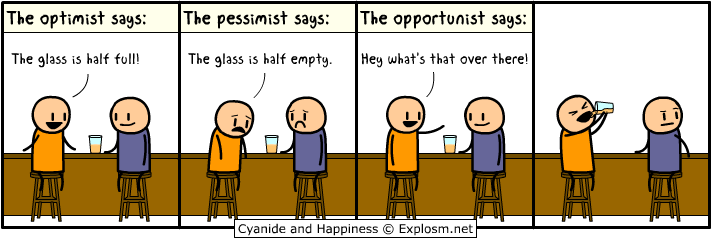
That pretty much sums up an optimist’s way of life. More formally, an optimist tends to be hopeful and confident about the future or the success of something. But is optimism truly a good thing? Or is it just for suckers?

Optimist optimism
“Optimist: Someone who figures that taking a step backward after taking a step forward is not a disaster, it’s a cha-cha.”
~ Robert Brault

I recently blogged about pessimism, and found that, indeed, entrepreneurial pessimists earn lots more money than optimistic ones. Pessimists tend to avoid risks, and in finances, that’s a good thing. Why? Because being overly optimistic can blind you to the costs and consequences of a situation. You can overestimate the benefits, and underestimate the costs. And you can make poor decisions because you fail to make an accurate assessment of the number and magnitude of the risks.

But Overall?

fortune cookie optimism

It turns out that optimism is a good thing. An optimistic attitude helps us be happier, more successful, and healthier. Optimism can protect against depression — even for people who are at risk for it. An optimistic outlook makes people more resistant to stress.

Research tells us that people who are optimistic are more committed to their goals, are more successful in achieving their goals, are more satisfied with their lives, and have better mental and physical health when compared to more pessimistic people. Optimistic people live longer.

The Bethany School in the UK published detailing The Benefits of Optimism:

1. Optimists feel healthier.

  • A 2013 study of 150,000 people in 142 countries found that optimists feel healthier overall. The research shows that, if people think the world is inherently good and things will generally turn out well, they will rate their personal sense of well-being higher.

2. Optimists are healthier.

  • Not only do optimists feel healthier, a study by the Harvard School of Public Heath shows that optimists really are healthier. They have fewer heart problems, better cholesterol readings, and (as another study found) lower levels of triglycerides in the blood.

“Lifestyle factors, such as regular exercise and healthy eating, accounted for less than a quarter of the optimism-lifespan association in the study, indicating that other factors may be at play.”
The Harvard Gazette

3. Optimists live longer.

Optimism 
Dalai Lama
“Choose to be optimistic; it feels better.”
~The 14th Dalai Lama
  • Those feelings of well-being and improved health outcomes carry over into longevity. Researchers at the University of Pittsburgh found that optimists tend to live, on average, 11% to 15% longer than cynics. People who expect to live longer wind up actually living longer!

4. Optimists are better at fighting illness.

  • Suzanne Segerstrom and Sandra Sephton demonstrated that students who received positive news were better able to fight off infection than students who were given negative news. Optimism may not miraculously cure cancer, but research shows that optimists are generally better at shrugging off illness and then recovering if they do get sick.

5. Optimists experience less stress.

  • Optimists tend not to bother too much about minor mishaps and — when they do — they don’t bother as much as pessimists. Researchers at Concordia University in Quebec found that people with optimistic outlooks produce less of the stress hormone cortisol when they are in stressful situations. In addition to regulating stress better than pessimists, optimists don’t subconsciously perceive as many situations to be stressful and worthy of releasing cortisol.

6. Optimists form better relationships.

  • Sanjay Srivastava at the University of Oregon found that optimists tend to have happier and longer intimate relationships. In a 2006 study, researchers found that optimists report receiving more support, encountering fewer incidences of conflict, and resolving conflict more quickly than pessimists. Even relationships between an optimist and a pessimist were happier and lasted longer than those between two pessimists.

7. Optimists enjoy working more.

8. Optimists get more job offers and promotions.

  • Optimists also have an better experience when they look for jobs. Research from Duke University shows that optimistic MBA graduates found jobs more quickly and with less effort than their pessimistic peers. Employees who expect good things to happen also earn higher starting salaries and receive more frequent promotions.

9. Optimists adapt better.

  • During times of change, optimists are better able to adapt to new circumstances. Incoming students at the Queensland University of Technology participated in a study showing that more optimistic students reported lower levels of stress, depression, and anxiety while transitioning from high school to university life. A study of students at three universities in Ghana found that participants who more successfully overcame obstacles also reported higher levels of optimism, among other factors. Another study in Ghana reported that optimistic students in an MBA course better adapted to changes later in their careers and displayed stronger leadership skills.

10. Optimists make better athletes.

  • The University of Pennsylvania Positive Psychology Center ran an experiment on college-level varsity swim teams, adding several seconds when they told swimmers how well they had performed in timed trials. In subsequent swims, optimistic athletes responded to the negative feedback by performing even faster; pessimistic athletes swam more slowly than they had initially. In another study, collegiate soccer and basketball players who had an optimistic outlook performed significantly better even when losing than their more pessimistic teammates. Athletes of any age who display optimistic personality traits tend to be better at planning effective exercise strategies and experience lower rates of athletic burnout.

Surprise Benefits of Optimism

Happiness is a sign of high intelligence, research finds. People who are more satisfied with their life and their job score higher on tests of general mental ability.

Optimism
Colin Powell
“To think in terms of either pessimism or optimism oversimplifies the truth. The problem is to see reality as it is.”
Thich Nhat Ha
nh

And then there is attractiveness: research indicates that most people find optimists more socially attractive. However, people who were themselves optimists liked the other optimist even more. On the other hand, people who were pessimists were not quite as keen on the optimist, but still preferred them to the pessimist.

Optimism, as opposed to blind positivity, equips us to face our problems, recognizing the dangers and difficulties, which makes us much more likely to avoid them, and achieve a positive outcome.

So how do you spot an optimist? Jason Wachob, CEO of MindBodyGreen, and David Mezzapelle, author of Contagious Optimism, identify seven traits optimists share:

  • They Express Gratitude.
  • They Donate Their Time And Energy.
  • They’re Interested In Others.
  • They Surround Themselves With Upbeat People.
  • They Don’t Listen To Naysayers.
  • They Forgive Others.
  • They Smile.

“To be strong so that nothing can disturb your peace of mind, to be just as enthusiastic about the success of others as you are about your own, to be too large for worry, too noble for anger, too strong for fear, and too happy to permit the presence of trouble.”
The Optimist Creed
~Jake Fratangelo

Optimists are bred, not born. Although optimism almost always starts early, it is cultivated from childhood— usually the result of having positive relationships with optimistic parents. But, as in Pretty is as pretty does, you can cultivate your own optimism by adopting the habits listed above.

“Perpetual optimism is a force multiplier.”
~Colin Powell

You might also join an Optimist Club. Founded in 1919, Optimist International connects 80,000 members across 20 countries in local Optimist Clubs. Their mission statement: “By providing hope and positive vision, Optimists bring out the best in youth, our communities and ourselves.”

Antonyms for optimistic include dejected, depressed, doubtful, gloomy, hopeless, pessimistic, and sorrowful—and who wants that?

Bottom Line: Curb your financial risk taking but choose optimism!

IF IT CAN GO WRONG, IT CAN GET WORSE

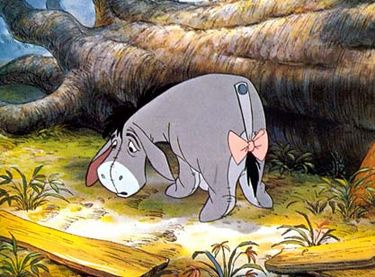
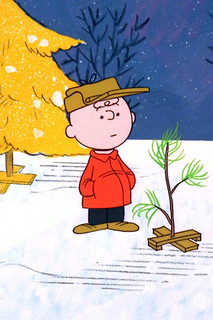
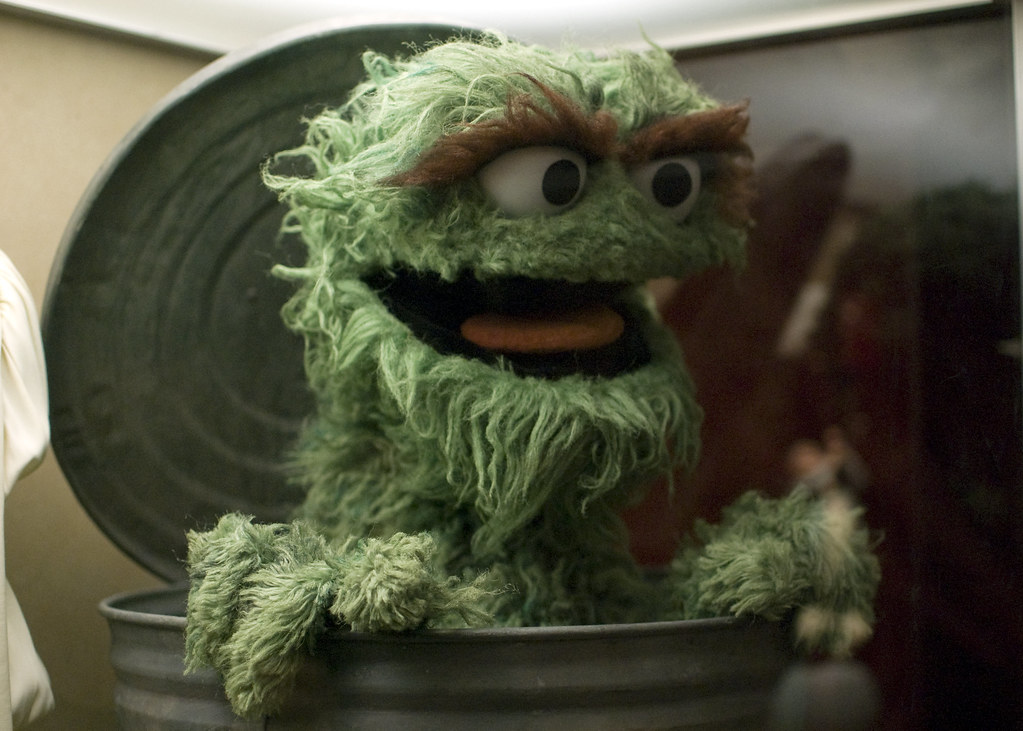
A pessimist tends to see the worst aspect of things, to believe that the worst will happen, often accompanied by a lack of hope or confidence in the future. Sometimes I think watching the news is enough to make anyone pessimistic—and the more we watch, the more hopeless everything seems!

But then, again, everyone is different.

A pessimist knows this to be true in their soul.

What’s So Bad About Pessimism? Let Us Count the Ways!
One article at BetterHelp discusses five ways pessimism can harm you—and here they are.

  • A Pessimistic Attitude Can Hurt Relationships. Pessimists often have a hard time trusting other people. They assume the worst in others, sometimes making unfair accusations. They usually expect a relationship to fail, so planning a future together seems pointless.
  • Pessimism Can Hurt Physical Health. The mind/body connection is well established in science. In the case of pessimists, their behaviors often don’t support good health. “For example, studies have found that pessimistic people are less likely to diet, exercise, or see a doctor when they need. They are also more likely to smoke.”
  • A Pessimistic Mentality Can Hurt Your Career. Pessimistic people are more likely to give up when they encounter a difficult situation at work, are less likely to learn valuable lessons from their mistakes at work, and are more likely to create unwanted workforce drama.
  • Pessimism Affects Self-Esteem And Confidence. It seems to me that the connection here is obvious and needs no elaboration.
  • Pessimism Is Harmful To Mental Health. Although, technically, it isn’t a mental health disorder, pessimistic thoughts can closely mimic symptoms of some disorders. Pessimistic thoughts and emotions—such as anxiety, worry, anger, rage, or depression—cause the pessimist to suffer.

A study published in 2020 found that people who are strongly pessimistic about the future are at greater risk of dying earlier than those who are not pessimists, on average two years earlier—but contrary to previous studies, being an optimist didn’t extend life expectancy.

Another study found that the most pessimistic people are 21.8 percent less happy than realists.

Symptoms of a Pessimist

Although not a mental illness, pessimism (having a generally negative view of life and the world around them) is a personality trait—that is, it endures. The following list of ways to determine whether you are a pessimist comes from VeryWellMind. Clearly, you can also use these “symptoms” to identify pessimists around you.

  • You feel surprised when things actually work out.
  • You don’t go after what you want because you think you will probably fail.
  • You tend to focus on what can go wrong in a situation.
  • You think that the risks almost always outweigh the benefits.
  • You experience imposter syndrome and undervalue your abilities.
  • You tend to concentrate on your flaws or weaknesses rather than your strengths.
  • You often feel annoyed by people who have an optimistic demeanor.
  • You often engage in negative self-talk.
  • You assume that all good things will eventually come to an end.
  • You find it easier to live with the status quo than change things for the better.

And bad news for smart people: intelligent people tend to be more aware of situational complexities and so are more likely to worry and/or be pessimistic. As philosopher Antonio Gramsci said, “I’m a pessimist because of intelligence, but an optimist because of will.”

On the Other Hand: The Up Side of Pessimism

The pessimistic realization that not everything is moving in the right direction helps one rationalize the personal shortcomings we all have. Realizing that things outside one’s control could be the cause of problems is a comforting feeling, so people are attracted to it.

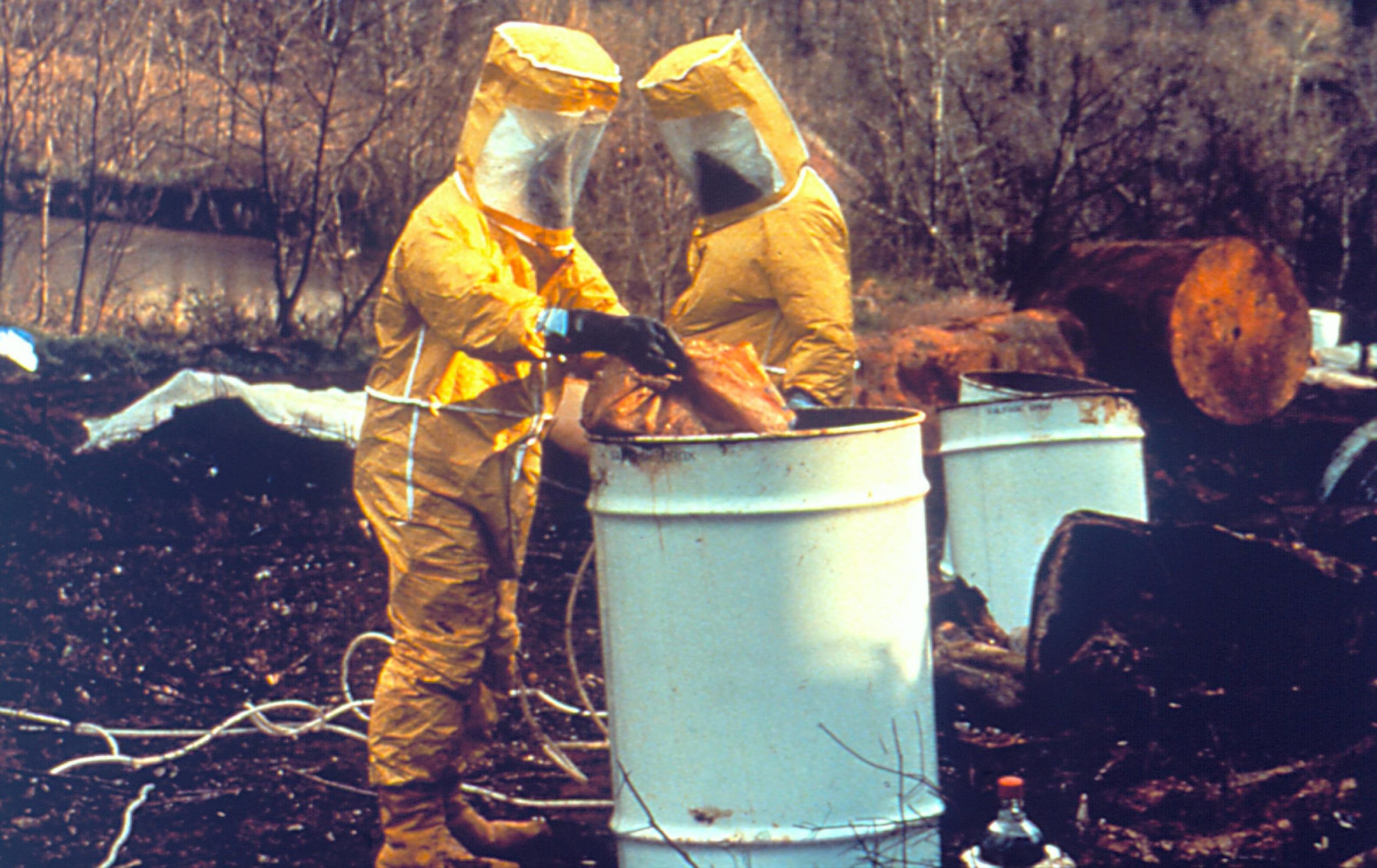
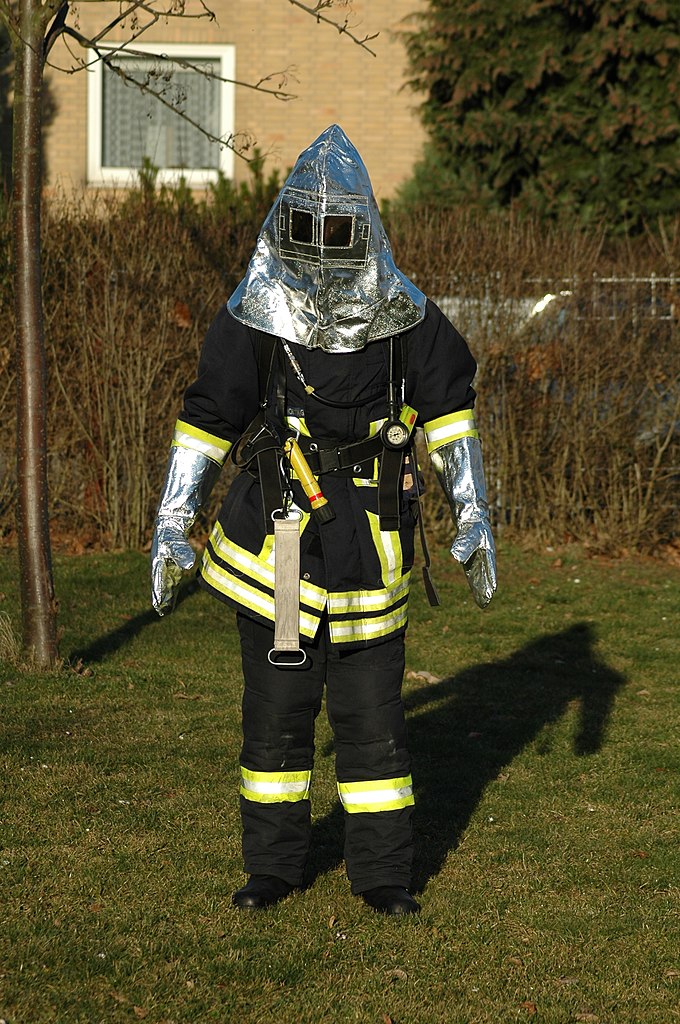
A true pessimist is never without a full hazmat suit.

Pessimists are often better prepared for tough times and may avoid risks that more optimistic thinkers might take.

Research has shown that pessimists tend to foresee obstacles more readily because they expect things to go wrong, meaning that they are more likely to plan for difficulties.

Pessimism can actually be a positive thing when it helps identify — or even anticipate — problems at work.

Also, being pessimistic can be helpful in that one won’t feel shocked when challenges arise; rather, they will be expected and can be prepared for.

A pessimist is a good choice for a leader when making financial forecasts in a challenging season. Any leader who has led through tough times will tell you the first step to stop the bleeding is by taking a worst-case scenario approach to budgeting.

One sort-of-related study found that while most successful entrepreneurs will call themselves optimists, optimistic entrepreneurs earn 30% less than pessimistic ones on average.

Defensive pessimism is considered a coping technique used by individuals who set low expectations for situations regardless of prior success. These negative expectations are used to alleviate anxiety about situations by motivating them to plan ways to avoid the chances of poor outcomes. Essentially, defensive pessimists expect and plan for the worst case scenario as a means to avoid it. And it works.

Advantages of Defensive Pessimism

  • Increased levels of self-esteem
  • More satisfaction
  • Better academic performance
  • More support
  • Better progress towards their goals

Optimism is considered by many to be the opposite of pessimism. And although there are some benefits to pessimism, I don’t recommend it as a life choice.

  • Optimists experience less distress than pessimists when dealing with difficulties in their lives.
  • Optimists suffer much less anxiety and depression.
  • Optimists adapt better to negative events (including coronary artery bypass surgery, breast cancer, abortion, bone marrow transplantation and AIDS).

(Watch this space for an upcoming blog on optimism!)

Bottom Line: Be aware of pessimistic tendencies and assess their helpfulness in a given situation.

SAY WHAT YOU MEAN AND MEAN WHAT YOU SAY

Pretty much everyone talks. And pretty much everyone writes, whether it’s a novel, a report, or an email. Probably you have realized that one of the limitations of spellcheck is that it doesn’t notice missed words or stray extraneous words. Perhaps more problematic is that it doesn’t do away with word confusions.

Although you might get by with some of these in conversation, even verbally, a speaker misusing these words is like fingernails on a chalkboard! And word confusion calls into question the speaker/writer’s intelligence, education, and/or attention.

For each of the following word pairs, read the following sentences using each word correctly.

Spoken and Written Word Confusion

They may behave similarly, but they’re actually quite different on the inside!
  • Farther/Further (“farther” has “far” in it and only refers to distances)
    • Don’t go any farther—there’s a cliff ahead!
    • We’ll discuss this further at next month’s meeting.
  • Who/Whom (remember the M—if you can substitute “him” or “them” for the word in question, use “whom”)
    • Who is coming to the party tonight?
    • You gave the award to whom?
  • Anxious/Eager (anxious is akin to nervous, much less pleasant than eager)
    • I’m anxious about catching a cold before the concert.
    • My dog eagerly awaits breakfast every morning.
  • Between/Among (between distinguishes separate items; among refers to elements within a group)
    • The difference between an amateur and a professional musician might make your ears bleed.
    • The disease spread among the flowers and wiped out all the roses.
  • Bemuse/Amuse (to “bemuse” is to bewilder; to “amuse” is to entertain)
    • The conflicting signs completely bemused the lost tourist.
    • She can amuse herself for hours with a few crayons.
  • Sit/Set (to “sit” is an action of one’s body; to “set” is to act on an object)
    • The dog sits for treats.
    • I set the candle in the candle holder when I set the table for dinner.
  • Can/May (even the Oxford English Dictionary has admitted that, in informal settings, “can” is acceptable when asking permission, but technically/ formally “can” is a matter of ability while “may” is matter of permission)
    • The parrot can imitate the dog barking.
    • You may keep any fossils you may find in the sand.
  • Accept/Except (“except” has an X for all the things it excludes)
    • My landlord accepts pumpkin pie in lieu of rent every fall.
    • He liked everything about the shirt except the size, shape, cut, color, style, fabric, and price.
  • Affect/Effect (“affect” is a verb; “effect” is a noun)
    • The arrow affected the aardvark.
    • The effect was extraordinary.
  • Adverse/Averse (“adverse” is a modifier meaning negative, while “averse” is a feeling)
    • The medication had adverse side effects.
    • I’m not averse to a little risk with my pizza.
  • Elicit/Illicit (“elicit” is a verb; “illicit” is an adjective)
    • The professor tried to elicit some kind of response from the class.
    • The student’s illicit behavior resulted in his expulsion.
  • Advice/Advise (“advice” is a noun; “advise” is a verb)
    • My advice to you is to start drinking heavily. ~Animal House
    • I’ve advised my client not to answer that question, Your Honor.
  • Eminent/Imminent (“imminent” is very similar to “immediate”)
    • The eminent researcher commands respect in her field.
    • I’m afraid your demise is imminent.
  • Fewer/Less (“fewer” is a number; “less” is an amount)
    • My mother made fewer deviled eggs for last month’s potluck.
    • My father made less potato salad for this month’s potluck.
  • If/Whether (use “whether” when showing that two alternatives are possible)
    • If you leave the door open, the dog might run out.
    • Let me know whether or not you’re going to come next week.
  • Imply/Infer (Sherlock Holmes infers information from what clients imply)
    • My dog yawned, implying that she was tired.
    • I inferred that it was time for everyone to go to bed.
  • Nauseous/Nauseated (something “nauseous” causes a feeling of nausea)
    • I was so nauseous that no one would sit near me on the bus.
    • I felt nauseated after drinking a gallon of water in one sitting.
  • Morale/Moral (“morale” is a way of expressing enthusiasm, and it has an e)
    • Reducing working hours instantly raised staff morale.
    • The doctor recommended a treatment in keeping with her moral code.
  • Precede/Proceed (pre means before; pro means forward)
    • A loud rumbling noise preceded the earthquake.
    • Everyone, please proceed to the designated earthquake safety zones.
  • That/Which (if you can change the meaning of the sentence by removing the words that follow, use “that”)
    • Dogs that learn how to dance are always fun at parties.
    • Boxes of books, which can be very heavy, are not fun when moving house.

Triple Word Confusion

A triple threat!
  • Apt/Liable/Likely
    • “Apt” suggests that the subject has a natural tendency to the outcome
      • The cookies are apt to run out before the party even starts.
    • “Liable” has a negative connotation for the subject
      • He’s liable to fail the class if he shows up drunk for the final exam.
    • “Likely” is more neutral
      • They’re likely to be early for the appointment.
  • Lie/Lay/Lie
    • In the present tense, “lay” requires an object and “lie” does not
      • I lay the book on the table as I take off my shoes.
      • I lie on the sofa when I have a headache.
    • In the past tense, “lie” becomes “lay”
      • Last week, I had a headache, so I lay on the sofa all afternoon.
    • To tell an untruth is also to lie.
      • Father, I cannot tell a lie; I chopped down the cherry tree. ~George Washington (apocryphally)
  • Raise/Rear/Rise (determine what is being moved and who is doing the moving)
    • Use “rise” when the subject is lifting itself
      • My dog rises early every morning and loudly demands breakfast.
    • Use “raise” when one thing lifts another
      • If we all work together, we can raise this barn before the rain comes.
    • Use “rear” to mean caring for children
      • Often royal nannies rear the noble princes and princesses, rather than their parents.

Written Word Confusion

They might look similar, but they behave very differently!
Don’t mix them up!
  • Mantel/Mantle (“mantel” can only refer to the structure above a fireplace)
    • My grandmother has pictures of all her grand-dogs displayed on her mantel.
    • The storm last night left the lawn covered in a mantle of fresh snow.
  • Stationary/Stationery (“stationary” has an a because it is an adjective)
    • I ride my stationary bike every day, but I never seem to get anywhere.
    • The boss just ordered new stationery with the company logo on the letterhead.
  • Complement/Compliment (“complement” a thing to make it complete)
    • My doctor suggested I take a multivitamin to complement my prescriptions.
    • The teacher complimented the student on her lovely handwriting.
  • Principal/Principle (a principal is either an adjective or a pal)
    • Principal Trunchbull was the principal bully at Matilda’s school.
    • My dog has no principles; she’ll do anything for a treat.

Try your hand at creating the sentences. Check your sentences against a dictionary. Learn the differences. Even one misuse from this list is likely to elicit eye-rolls from at least some (more knowledgeable) people.

There are plenty of resources online to help you figure out which word you should be using in a given situation. One of my favorites in Grammar Girl’s Quick and Dirty Tips. The Merriam Webster Dictionary and Cambridge Dictionary also have helpful guides to avoiding word confusion.

If you have pet peeves about word confusions, let me know!

Bottom line: Make sure you’re saying what you mean!

YARDS AND GARDENS: NOT A BED OF ROSES!

Besides the actual labor and costs involved, “taking care of” the out-of-doors can be harmful to the environment. Creating the beautiful, healthy gardens we love can have less than ideal side effects on the planet and on our own bodies.

Take Care of the Environment

Many tasks that were formerly done by hand, now performed with the help of machinery or strong chemicals, can cause long-term damage even as they make life easier in the short run.

Noise Pollution

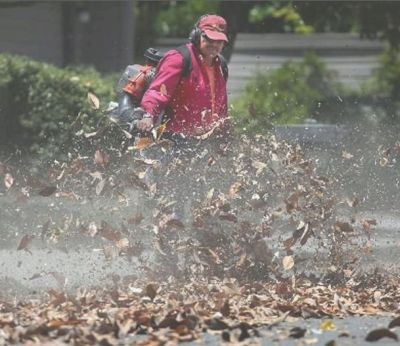
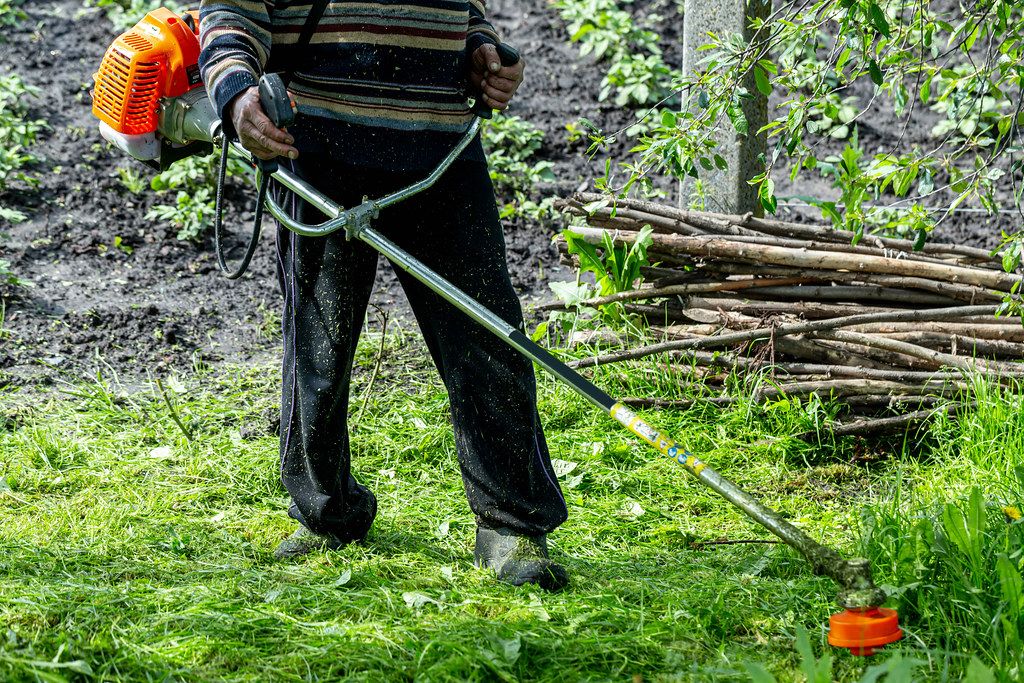
Gas-powered lawn mowers range from 82 to 90 decibels. Weed whackers make 96 decibels of noise. Hedge trimmers can blast away at 103 decibels. Gas-powered leaf blowers make 80 to 92 decibels of racket.

Proper ear protection is nearly as important for safe operation as being able to reach the pedals

Here’s one specific example. More than 11 million gas powered leaf blowers (GLB) operate in the US. Most are powered by inefficient 2-stroke engines. According to a study by Erica Walker and Jamie L. Banks, noise from this equipment was found to exceed WHO outdoor daytime standards (55 dB) up to 800 feet away from the source. The ability of this sound to travel over long distances (because of strong low frequency components) suggests that GLB sound has wide ranging impact on surrounding communities. The noise is intolerable to some and many communities have enacted ordinances restricting their use.

Ear protectors can help save your hearing, but also consider your neighbors!

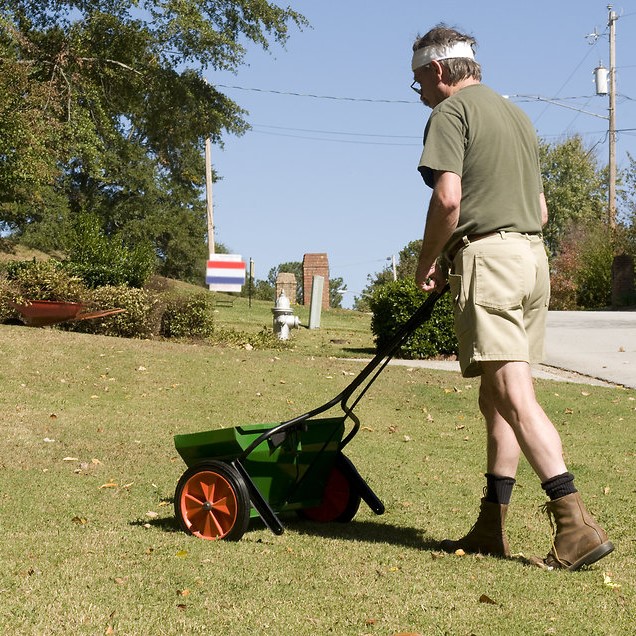
Better alternative: A lawn mower that mulches leaves and clippings, thus using a natural fertilizer to enrich the soil

Air Pollution

Small-motor, gasoline-powered equipment is a significant contributor to climate change. According to the EPA, off-road gasoline-powered equipment, such as lawn mowers and leaf blowers, emit approximately 242 million tons of pollutants annually, just as much as cars and homes.

Chemical fertilizers also create substantial amounts of air pollution. Only about half of the ammonia used to make nitrogen fertilizer contributes to crop growth, while the remaining ammonia is returned to the atmosphere as nitrogen gas, causing an increase in greenhouse gas and the eutrophication of rivers.

Better alternative: Electric or hand powered tools are quieter and create much less air pollution

Soil and Water Pollution

Fertilizers contain high levels of nitrogen and phosphorus, which can lead to oxygen depletion, overgrowth of vegetation, and fish kills.

Excess nutrients can cause harmful algal blooms in freshwater systems, which not only disrupt wildlife but can also produce toxins harmful to humans.

Fertilizers can also leach through soil into groundwater, which is very harmful to the surrounding ponds, streams, rivers, and oceans.

Better alternative: Compost kitchen scraps and yard waste to fertilize plants naturally.

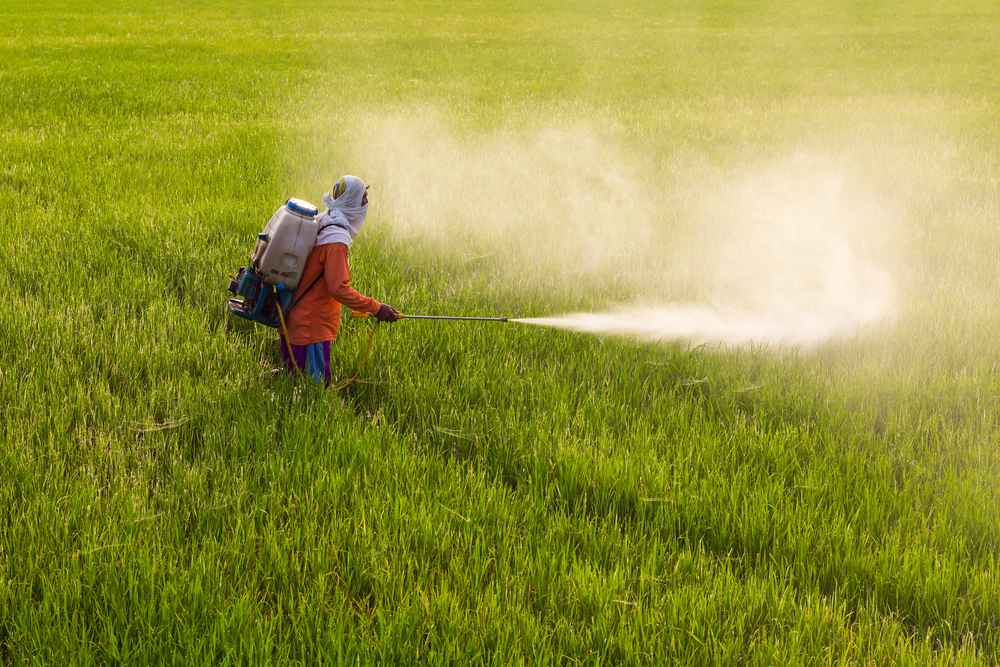
Pesticides and Herbicides

Is it best to live and let live?

Chemical herbicides and pesticides can contaminate soil, water, turf, and other vegetation. In addition to killing the targeted insects or weeds, they can be toxic to a host of other organisms including pets, birds, fish, beneficial insects, and non-target plants.

Better alternative: Pulling unwanted plants, creating physical barriers with mulch, or using less harmful alternatives such as vinegar or soap

Ecosystem Disruptors

Sometimes non-native or non-adaptive species in the garden can wreak havoc on the local ecosystem.

I recently wrote about invasive species that started out as garden ornaments, including kudzu and Japanese honeysuckle. Different growth patterns and the lack of local predators allow these plants to grow out of control in their new environments, often displacing native species.

Lush green lawns actually create what scientists call “ecological deserts.” Grass monocultures wear out soil nutrients quickly and provide nothing for local insects and other wildlife to eat. The lack of flowering plants contributes further to declining pollinator populations. Grass lawns also require more water than any other type of ground cover, a growing concern in many drought-prone regions.

Better alternative: Try local plant varieties that are already adapted to regional conditions or replacing grass with “pollinator lawns

Take Care of Your Physical Well-Being

Gardening requires physical exertion, including lots of bending, stooping, digging and carrying. The repeated gardening actions put strain on your back and joints like your knees. If you already have problems with pain or limited mobility, taking care of your garden can worsen those symptoms. Distribute the work rather than having marathon days or weekends. Also, some equipment can be helpful, such as stand-up weeders and kneeling benches.

Gardening can also seriously injure your skin. Fertilizers, pesticides, and herbicides can cause skin irritation and even chemical burns. Without proper sun protection, gardeners run the risk of sunburns and sun stroke. Exposure to irritants in plants like rue, celery, geraniums, and daffodils can result in reactions ranging from rashes to serious illness.

Participating in lawn mower racing also greatly increases the dangers of injury from crashes or flips. Better wear a helmet!

BOTTOM LINE: Choose your tools and products carefully and use sparingly. Despite the negative impact gardening can have on the environment, with a little thought, and perhaps a little behavior change, gardening can truly benefit the earth.

DAISIES: USEFUL AS WELL AS ORNAMENTAL!

Didn’t know that artichokes are members of the daisy family? Lots of people don’t. There are many surprises in this enormous plant family. It boasts 1,911 genera and over 32,913 species! But even so, so what?

Well, it’s National Garden Month, and it turns out that the daisy family—a.k.a., the Asteraceae family and the Sunflower family—has gardeners covered for both food and beauty.

Daisy chain

Note: The lists that follow are illustrative, not exhaustive!

Delicious Daisies

Have you had your daisy today? Dandelion greens? Probably not. Perfectly edible, they were introduced into the New World by European immigrants in the 1700s as a food source.

Artichoke
Daisy
Artichokes are surprisingly pretty in the garden

Today, not so much. But what about the following?

  • Lettuce (various varieties, cultivated for the last 5,000 years)
  • Endive
  • Chicory
  • Artichokes
  • Jerusalem artichoke (a.k.a. sunchoke, sunroot, earth apple)
  • Sunflowers
  • Safflower
  • Tarragon
  • Salsify
  • Stevia
  • Camomile
  • Sage
  • Absinthium

Medicinal Daisies

Chamomile
Daisy
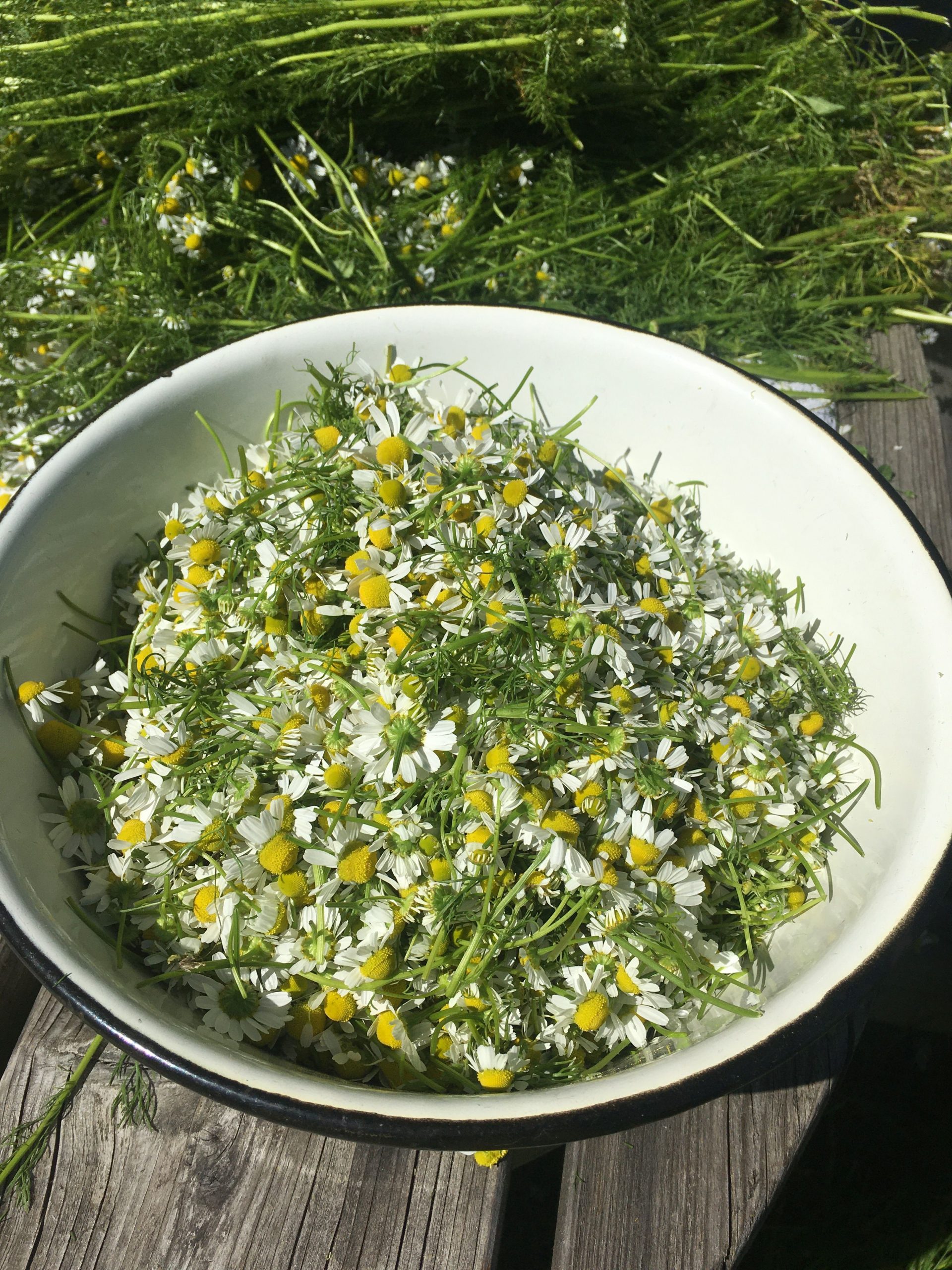
Chamomile being harvested for tea

People use daisies to make all sort of medicines: antioxidant, anti-inflammatory, antimicrobial, diuretic, wound healing, and more. According to the World Health Organization, over 80% of the world’s population depend on traditional and folk medicine. Agata Rolnik and Beata Olas have written a fascinating study of the many ways plants in the daisy family can protect human health. Some daisies frequently used for health purposes include the following:

  • Wormwood
  • Camomile
  • Dandelion
  • Yarrow
  • Tansy
  • Milk thistle
  • Echinacea

Beautiful Daisies

Zinnia
Daisy
Zinnias

Though plants in the daisy family are often also edible or medicinal, many people know them primarily for their beauty, for example daisies, dahlias, and coreopsis. But also including:

  • Gerbera daisies
  • Shasta daisy
  • Asters
  • Calendula
  • Zinnia
  • Chrysanthemum (also has insecticidal properties)
  • Marigold (a.k.a. German stinkblumen)
  • Carnation
  • Coreopsis
  • Brown/black eyed daisies

Commercially Important Daisies

French Marigold
Daisies
French Marigold

A wide array of plants in the daisy family are grown for commercial use. They’re everywhere, including food crops, cooking oils, sweetening agents, coffee substitutes, and herbal teas, as well as all the members of the asteraceae family that florists rely on. One that surprised me is the French marigold, used in commercial poultry feed and produces oils used in colas and the cigarette industry.

  • Common marigolds – insect repellent
  • Chrysanthemum – produces insecticides
  • Guayule – hypoallergenic latex

Daisies for Beekeepers

Red Sunflower
Daisy Family
Red Sunflower

Colorful, fragrant daisies attract all manner o pollinators, particularly bees. Beekeepers often plant members of the asteraceae family to keep their bees happy.

  • Sunflowers
  • Knapweed
  • Some species of goldenrod (for an especially high protein pollen)

Daisy Black Sheep

Dandelion
Daisies
Dandelion

Not every variety of the daisy family finds a warm welcome, for various reasons.

  • Dandelions, as a robust weed and cause of contact dermatitis
  • Ragweed causes so-called hay fever
  • Ox-eye daisy, causes both contact and inhalant allergy
  • Any-pollen heavy plant can aggravate rhinitis for allergy sufferers

Overall

Mutant Daisies
Some daisies are just weird.

Daisies are old: they were first described in 1740. But the oldest known fossils are pollen grains dated to c. 76-66 million years ago. The family is huge: 1911 genera and at least 32,913 named species. It is arguably the largest plant family, possibly rivaled by orchids. Both families are too big to count. They’re everywhere, on every continent except Antarctica. I’ve focused on flowers and herbs, but it also includes shrubs, vines, and trees.

Bottom line: Whatever the garden needs, consider the Daisy family!

GARDEN SOMETIMES MEANS VEGETABLES!

April is National Garden Month, packed with garden tours and garden shows, and it’s almost all about flowers. But 35% of U.S. households grow vegetables, fruits and, “other food”—whatever other might mean. I was pleased to find these great garden statistics at Ruby Home and Cooped Up Life. (Please note: garden plants can be poison!)

Who Gardens?

  • Gardening by Gender:
    • Male 52.5%
    • Female 47.5%
  • Gardening by Age: More than half of all gardeners are under forty-five.
    • Ages 29-34 (millennials) – 29%
    • Ages 35-44 – 35%
    • Other – 36%
  • Gardening by Marital Status: Married people are by far more likely to garden.
    • Married – 71.6%
    • Single – 11.6%
    • Widowed – 6.8%
    • Divorced – 5.6%
    • Other – 4.5%
  • Gardening by Income: The 2021 national median annual income was $79.9K, but here’s the breakdown among gardeners.
    • $100K and higher – 34.1%
    • $75-$99K – 20.5%
    • $50-$74K – 2.6%
    • $25-$49K – 17.1%
    • $25K and lower – 5.8%
    • (And I don’t know why the total is less than 100%!)
  • Gardening by Education Level:
    • I was surprised that 79% of people who garden attended college or are college graduates.
Balcony Garden
  • Gardening by Dwelling:
    • 91% of people who garden live in a single-family dwelling and garden in their backyards
    • 2 million (5%) – grow food at neighbors, family or friends
    • Some homeowners as well as apartment dwellers—1 million (3%) – grow food in a community garden, aka urban farms.

Only 1% grow food at other (unknown) locations. That 1% is still significant. Condominium or apartment owners and renters often grow herbs indoors, on window sills or with the help of grow lights. Plants grown in containers or hanging pots on patio or balcony, and rooftop gardening are becoming more popular options.

Terraced Roof Garden, Fukuoka, Japan

Why Garden?

Overall, 55% of U.S. households (71.5 million households) garden. Of those who garden, 55% garden primarily to create a beautiful space, and 43% garden primarily to grow food.

Growing Activity Percent of Gardeners
Flowers 72.90%
Vegetables 51.40%
House plants 47.00%
Shrubs 43.70%
Ornamental/perennials 38.20%
Fruit trees 18.80%

Clearly, gardeners often garden in more than one way! But growing food (fruits, vegetables, berries, and others) has been the fastest-growing gardening category in the past five years.

According to the National Gardening Association, 35% of U.S. households, or 42 million households total, grew vegetables, fruits, and other foods in 2021, an increase of 6 million from five years prior. Having 1 in every 3 American households growing food is a massive 200% increase since 2008. Most of the growth came from millennials and families with children.

The average U.S. garden is 600 sq.ft. but the median garden is 96 square feet (12 feet X 8 feet). In other words, 50% of the U.S. gardens are 96 square feet or smaller.

Garden Size Hours/WeekPeople Fed/Year
100-199 sq.ft.0.5-1 hr1 person
200-399 sq.ft.1-2 hrs1-4 people
400-799 sq.ft.3-5 hrs2-6 people
800-1499 sq.ft.4-6 hrs4-8 people
1,500-2,000 sq.ft.6-8 hrs6-10 people

Community Gardens

Kaylin Mrbral grows produce with StreetScapes, an organization in South Africa that creates urban gardens as a method of creating work for those living on the streets, providing food for people facing food insecurity, and beautifying the urban landscape.

Humans have worked together as communities to grow food since our very early ancestors first started experimenting with agriculture. People in small groups grazed animals or raised food plants on communally-held land. Even when humans began to divide up land and consider property to be a privately-held commodity, groups of people still worked together to perform tasks that were very labor intensive or time-sensitive, such as harvesting crops.

Community Garden in South Beach, Miami

In the US, community gardens started to regain popularity in the 18th century. Moravians created a community garden for Bethabara, Winston-Salem, in North Carolina to encourage families to come together and grow their crops on shared land. Since 2012, the number of community gardens has increased 44%. Today there are 29,000 community gardens in the 100 largest U.S. cities.

Community gardens play an important role in addressing food insecurity and food deserts in urban areas. According to the USDA, approximately 13.5 million people in the US live in an area with little to no access to grocery story or supermarket; some researchers put the estimate as high as 19 million. In such areas, community gardens provide residents with critical access to fresh produce as well as simply having more food in general.

School Garden

Community gardens in schools or on school grounds provide even more benefits. In addition to improving students’ diets and the quality of school lunches, these gardens provide students with hands-on lessons about biology, plant life cycles, nutrition, and patience. Children who garden regularly come into contact with beneficial soil microbes that improve their immune systems. They also practice self-regulation, experimental mindsets, empathy, and observational skills. When students grow food in a school garden, research suggests that the entire neighborhood benefits from cross-generational learning, community involvement, and better health.

Why Grow Food?

Because the average garden produces $600 worth of food, and the average return on investment is enormous: it was 757% in 2021. Even a small food garden of 100-200 sq.ft. can feed one person year-round.

Within the food category, growing vegetables was the most popular trend. And what are the most popular vegetable to grower?

Vegetables by Percentage of Gardens
  • Tomatoes 86%
  • Cucumbers 47%
  • Sweet peppers 46%
  • Beans 39%
  • Carrots 34%
  • Summer squash 32%
  • Onions 32%
  • Hot peppers 31%
  • Lettuce 28%
  • Peas 24%

Food gardening is pretty evenly distributed across regions of the U.S. This somewhat even distribution per region demonstrates people’s willingness to garden no matter where they are – in Florida, where the growing season is year-round, or New York, where gardening is limited to just five months a year due to the weather conditions.

  • South 29%
  • Midwest 26%
  • West 23%
  • Northeast 22%
Sustainable Gardening Instruction at the University of Hawaii

Other Benefits of Gardening

But what if you don’t need to garden to put food on the table?

Of the entire U.S. population who grow vegetables, 25% do so because it tastes better, and they prefer their products to be as fresh as possible. A lot of produce has a higher nutrituonal content when eaten shortly after being harvested than when it sits in transit and on store shelves for days or weeks before being eaten.

And if you are fine with supermarket taste and freshness? Do it for your health and well-being! As an exercise, gardening is comparable to biking, walking, or jogging. Gardening activities, such as pulling weeds, strengthen cardiovascular health and increase muscle tone and dexterity.

Additionally, multiple scientific studies linked gardening to emotional well-being and an increased sense of accomplishment and happiness. Here are some of the key findings from research studies by UNC Health and Princeton University:

  • Gardening fosters self-esteem and a sense of accomplishment.
  • Gardening relieves stress, anxiety, and depression.
  • Gardening increases the level of vitamin D, vital for the normal functioning of the immune system.
  • Gardening increases the level of serotonin, a brain chemical responsible for the feeling of happiness.
During WWII, many Americans grew food in Victory Gardens as part of the war effort.

Gardens of any sort are good for the environment! Plants act as highly effective air cleaners, absorbing carbon dioxide, plus many air pollutants, while releasing clean oxygen and fragrance. Also, a dense cover of plants and mulch holds soil in place, reducing erosion and keeping sediment out of streams, storm drains, and roads. Gardens create an ecosystem for birds and insects. Increasingly, gardeners choose plants and locations with an eye to incorporating native species, attracting pollinators, or reducing watering cost.

Bottom line: Gardening is good for what ails you—and if nothing is ailing you, it’s good for you anyway!

Claude Monet in the garden at Giverny, an inspiration for many of his paintings.

THE MATING GRADIENT

Overall, husbands in heterosexual marriages tend to be older, taller, better educated, and financially better off than their wives. This is the mating gradient: in mate selection, women marry up and men marry down. This pattern is socially and culturally approved to such an extent that often this configuration is perceived as what mates “should” be.

Anti-suffragist political cartoons often played on this perception by depicting caricatures of female voters who were physically larger and more prosperous than their husbands.

What Women (and Men) Want

Sometimes it helps to lower expectations

Traditionally, members of couples are similar in age, race, class, appearance, and education. But within that common background, men tend to marry women slightly below themselves, per the marriage gradient discussed above. To determine the extent to which students were comfortable with unequal relationships, and with traditional and untraditional inequalities, 277 predominantly white, middle and upper middle class students (140 male, 137 female), between the ages of 18-23, completed an attitude questionnaire. Two hypothetical situations were presented, one in which the “spouse” was older, taller, more intelligent and richer, and a second scenario in which the “spouse” was younger, shorter, less intelligent, etc. Students rated their degree of comfort with each hypothetical spouse on a Likert-type scale and then explained their ratings. An analysis of the results showed that students were most comfortable with the traditional inequalities of the mating gradient. College men wanted women who were shorter and better looking than themselves; however, they also wanted similarity in earnings, intelligence, age, and education. Women wanted spouses who earned more, were older, better educated, and taller. (V. P. Makosky and B. K. Sholley, 1983)

When I conducted that research forty years ago, I thought that the mating gradient would be less powerful than it had been in the 1950s—but it wasn’t. And as best I can determine, it’s alive and well today.

Some maintain that the mating gradient is derived from biology: men are attracted to women who can bear their children, and women are attracted to men who can provide for them and their children.

Historically, the husband’s status determined the family’s status. And family wealth often passed to male heirs. Primogeniture laws in England required that noble titles (and sometimes estates) could only pass to male heirs, a state of affairs that caused great consternation for the Bennet sisters in Pride and Prejudice.

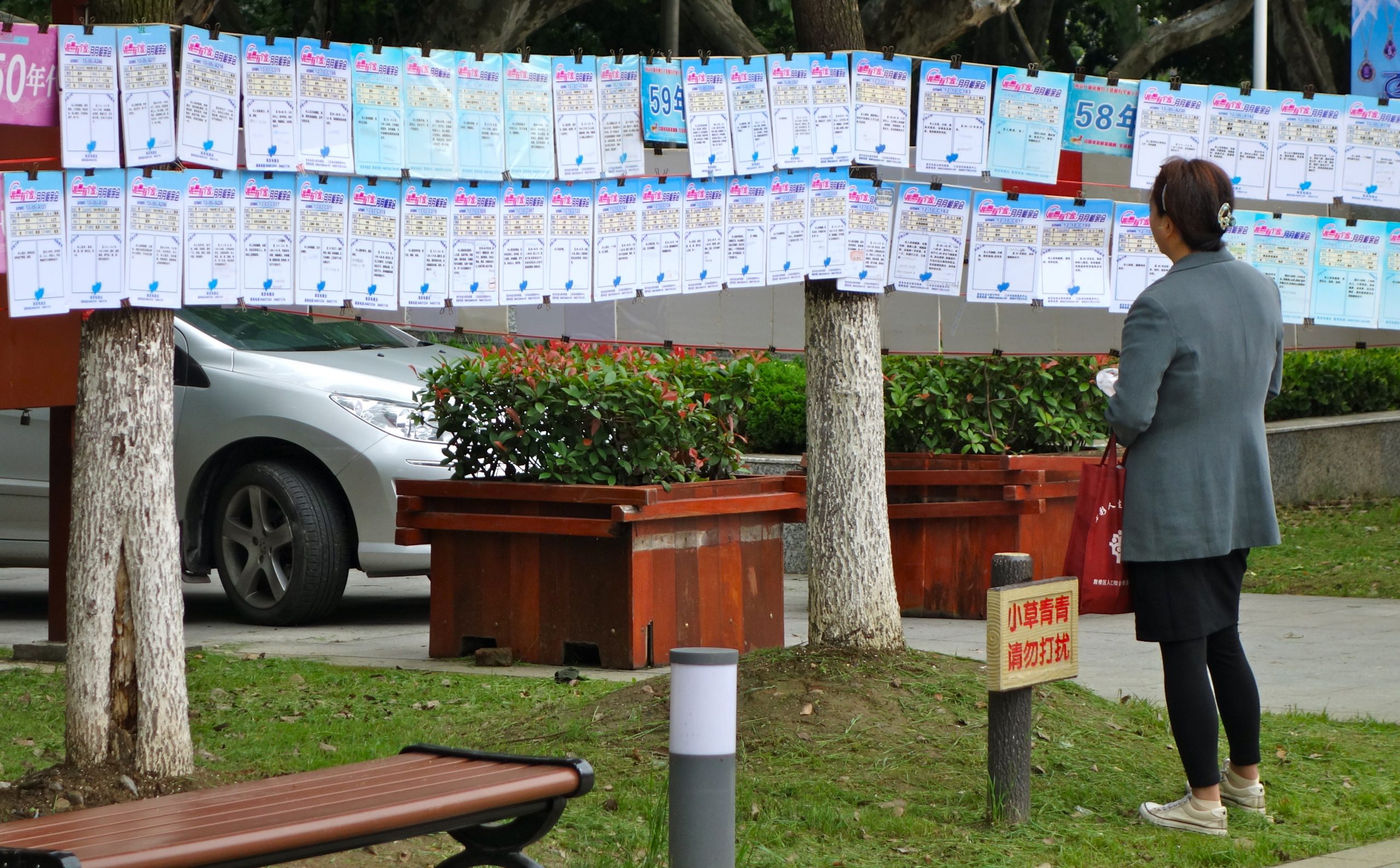
The growing popularity of online dating has reflected the continuation of these trends. Researchers have demonstrated that, although everyone (53% of US respondents and 44% of British respondents) seems to lie on the their dating profiles, men and women lie about different things. Women often list their age as younger, often going so far as to post heavily manipulated photos or photos of themselves when they were younger. Men are more likely to present themselves as taller, better educated, and wealthier than reality. Everyone lies about their weight or level of physical fitness.

Effects on Women

So, it may seem that women gain greater benefits from marriage than men do. But do they really?

An article in a 1938 issue of Parade offered women tips for convincing a man to propose marriage, mostly centered around being meek and mysterious.

This prescribed pattern for husbands and wives carries profound implications at a societal level. For example, higher status females have difficultly finding males of even higher status and lower status males have difficulty finding females of even lower status, as deemed suitable by the mating gradient. Times are changing, but it is still the case that the “best” women at the top of the gradient are likely to produce fewer children.

The actor Leonardo DiCaprio is notorious (and widely mocked) for dating women increasingly younger than himself. Perhaps the availability index no longer applies to multi-millionaire movie stars.
(image by Sarah Lerner)

Although changes in fertility and in mortality are contributing factors, the ubiquitous norm that husbands should be older than their wives is paramount. This mating gradient is the most significant determinant of the competition for mates as it is experienced by older unmarried women compared with older unmarried men. Some app creators have capitalized on this state by marketing online dating apps specifically tailored to older people.

Jean E. Veevers created “availability indices” to estimate the number of unmarried persons of the opposite sex potentially available for every 100 unmarried persons. For men, availability indices are low in the 20s, and they increase with advancing age to about one-to-one in their 50s. For women, access to potential grooms is highest in the 20s and decreases with advancing age until, in their 50s, there are only 50 potential grooms per 100 unmarried women. (The “Real” Marriage Squeeze: Mate Selection, Mortality, and the Mating Gradient, Jean E. Veevers, University of Victoria.)

Effects on Society

Where does ketchup fall on the mating gradient?

Consider the implications for women’s mental health of always being the lesser partner. Who makes decisions for the family? Whose job/work/profession takes precedence? Who has the power? At least historically, some states had laws concerning the right of domicile, such that if a wife refused to relocate with her husband, he could divorce her on grounds of desertion.

Consider the implications for men. How can a man respect his wife? Can he trust her to problem solve? To handle finances, car repair, etc., as he ages? What happens to that dynamic in the face of developing illness or disability?

Women have a significantly higher frequency of depression and anxiety in adulthood, while men have a higher prevalence of substance use disorders and antisocial behaviors. In my opinion, the roles that accompany the mating gradient contribute to these mental heath issues.

Women are more likely to internalize emotions, which typically results in withdrawal, loneliness, and depression. Men are more likely to externalize emotions, leading to aggressive, impulsive, coercive, and non-compliant behavior.

Gender inequality has a significant impact on mental health for men and women. Women and persons of marginalized genders exhibit higher levels of stress, anxiety, depression, and post-traumatic stress disorder.

Bottom Line: In my opinion, each partner should be “superior” on some but not all of the mating gradient factors.

THAT JUST ISN’T NORMAL!

I’m not talking crazy or aberrant or clownish. No, I’m talking about the paranormal, events or phenomena that are beyond the scope of normal scientific understanding.

Storytellers have always been fascinated by characters with superhuman abilities. Throughout human history, such paranormal abilities have appeared in nearly every culture in the world. They are sometimes attributed to historical figures and sometimes relegated to mythical figures (though history and myth often overlap).

Mind Over Matter

Telekinesis or psychokinesis is the (supposed, or hypothetical) psychic ability to move objects at a distance by mental power or other nonphysical means. A 2006 survey of American adults found that 28% of male and 31% of female respondents believe in the possibility of telekinesis. (WikiHow offers a 14 step guide to developing your own telekinetic abilities here!)

Rama, avatar of Vishnu, in battle against Ravana

In ancient myths, characters often had paranormal control over elements of the natural world (such as storms or animals) rather than direct control of materials. There are a few notable exceptions. The Norse god Thor and the Greek hero Perseus controlled their weapons through limited telekinesis. Thor could make his hammer Mjölnir fly around, entirely independent of gravity. Perseus was able to make his sword fly further and more accurately than he could throw it to strike Medusa. Vishnu had broader telekinetic abilities, which he used to control the movement of his enemies in battle.

Franklin Richards (Ultraman) with parents Sue Storm (Invisible Woman) and Reed Richard (Mr Fantastic)

In the comic book world (specifically, in Marvel comics), Franklin Richards, omega-level mutant and son of Reed and Sue, is probably one of the most powerful beings in the Marvel Universe let alone just the most powerful telekinetic.

Extra Sensing

By definition, clairvoyance is the ability to predict future events. If you are clairvoyant, you know about things that you did not actually see happen or hear about.  Some clairvoyants even claim to be able to speak to the dead. 

Psychics, palm readers and fortune tellers all claim to have clairvoyant power. Some use a crystal ball for information. Others read tea leaves, tarot cards, marked sticks, bird movements, animal entrails, clouds, stars, bones or dice, dreams, water, smoke, and almost anything else they encounter to tell the future.

Extrasensory perception, or ESP, means the ability to “know” or “experience” something one isn’t able to see, hear, touch, smell, or taste in the usual way.  So, such people are said to have an extra sense, a “sixth sense” to perceive the world. 

Sometimes people refer to this paranormal ability as second sight. People use their eyes to see the world around them. But those with “second sight” claim to see things that are not there (remote viewing), or to see future objects or events.

ESP in History

The Oracle
Camillo Miola (1880)

Many leaders have consulted those with paranormal abilities throughout history. The ancient Greeks communed with the gods through the oracles. Priests in the Mali Empire advised emperors and military leaders on the wishes of the ancestors. Vedic astrologers read complex charts of the stars to provide Hindu rulers with specific dates and times on which to hold major events.

Joan Quigley

But our ancient ancestors are not the only ones who consulted clairvoyant experts when making decisions.

Nancy Reagan frequently consulted with Joan Quigley throughout Ronald Reagan’s presidency. After John Hinckley Jr shot and nearly killed her husband in 1981, Nancy Reagan enlisted Quigley’s help to prevent future assassination attempts. Quigley used astrology charts to determine the best times for public appearances, traveling, and even signing the intermediate-range nuclear forces treaty with Mikhail Gorbachev.

About ten years ago, a scandal erupted in China when Liu Zhijun, the Railway Minister, confessed to consulting a feng shui master to determine the most auspicious days to break ground on new projects.

Nechung Oracle in Ladakh, 2014
Christpher Michele

Tibet has a State Oracle, the Nechung Oracle, whom the Dalai Lama consults before making major decisions. The Oracle enters a trance state to act as a medium between the natural world and the spirit world. While in this trance state, the Nechung Oracle provides guidance to observers, sharing the knowledge and wishes of kuten, the spirit world.

In the US, one of the most famous psychics in recent history is Youree Dell Harris, better known as Miss Cleo, spokeswoman for the Psychic Readers Network. On late-night infomercials for the pay-per-view paranormal service promised millions of insomniacs psychic help.

ESP in Fiction

Paranormal abilities present a world of possibilities to fiction writers as well. Stephen King’s books are full of characters with psychic talents, such as reading minds (The Shining), predicting the future (Doctor Sleep), pyrokinesis (Firestarter), psychic surgery (Green Mile), and necromancy (Pet Semetary).

Macbeth and the Witches
Johann Heinrich Füssli (1741–1825)

Clairvoyants abound in Shakespeare’s plays, warning characters about things that will come and providing foreshadowing to the audience. Three witches guide Macbeth in his quest to become king, ultimately causing his downfall. A soothsayer tries to warn Julius Caesar of his impending death.

Jean Grey as Phoenix
Alan Davis, 2019

Comic books frequently star characters with a wide variety of paranormal abilities, some more useful than others. Nearly every character in Marvel’s X-Men universe has some form of psychic or telekinetic ability. They range from the extremely powerful telepath Jean Grey (Phoenix) to Eye Scream, a mutant with the amazing ability to turn himself into any flavor of ice cream.

Types of ESP

Wikipedia breaks down Extra Sensory Perception into specific categories, though there is some overlap.

Clairvoyance — The ability to see things and events that are happening far away, and locate objects, places, people, using a sixth sense.

Divination – The ability to gain insight into a situation using occult lists.

Dowsing for metal ore, from 1556 “De re metallica libri XII” book

Dowsing – The ability to locate water or other resources underground, sometimes using a tool called a dowsing rod.

Dream telepathy – The ability to telepathically communicate with another person through dreams.

Dermo-optical perception – The ability to perceive unusual sensory stimuli through one’s own skin.

Psychometry or psychoscopy – The ability to obtain information about a person or an object by touch.

Precognition (including psychic premonitions) – The ability to perceive or gain knowledge about future events, without using induction or deduction from known facts.

Remote viewingtelesthesia or remote sensing – The ability to see a distant or unseen target using extrasensory perception.

Retrocognition or postcognition – The ability to supernaturally perceive past events.

Telepathy – The ability to transmit or receive thoughts supernaturally.

And so we come to psychics, people who have one or more of these paranormal mental powers and abilities (such as the ability to predict the future, to know what other people are thinking, or to receive messages from dead people.)

Psychic Abilities

Wikipedia presents a list of alleged psychic abilities that real-world people have claimed to possess. 

“The Separation of the Spirit Body” from The Secret of the Golden Flower, a Chinese handbook on alchemy and meditation
  • Astral projection or mental projection – The ability to voluntarily project an astral body or mental body, being associated with the out-of-body experience, in which one’s consciousness is felt to separate from the physical body temporarily.
  • Atmokinesis – The ability to control the weather such as calling rainfall or storms.
  • Automatic writing – The ability to draw or write without conscious intent.
  • Bilocation — The ability to be present in two different places at the same time, usually attributed to a saint.
  • Energy medicine – The ability to heal with one’s own empathic, etheric, astral, mental or spiritual energy.
  • Ergokinesis – The ability to influence the movement of energy, such as electricity, without direct interaction.
  • Iddhi – Psychic abilities gained through Buddhist meditation.
  • Inedia – The ability to survive without eating or drinking, multiple cases have resulted in starvation or dehydration.
An advertising poster depicting magician Harry Kellar performing the “Levitation of Princess Karnac” illusion, 1894
  • Levitation or transvection – The ability to float or fly by mystical means.
  • Materialization — The creation of objects and materials or the appearance of matter from unknown sources.
  • Mediumship or channeling – The ability to communicate with spirits.
  • Petrification — The power to turn a living being to stone by looking them in the eye.
  • Prophecy (also predictionpremonition, or prognostication) — the ability to foretell events, without using induction or deduction from known facts.
  • Psychic surgery – The ability to remove disease or disorder within or over the body tissue via an “energetic” incision that heals immediately afterwards.
  • Psychokinesis or telekinesis – The ability to influence a physical system without physical interaction, typically manifesting as being able to exert force, control objects and move matter with one’s mind.
  • Pyrokinesis – The ability to control flames, fire, or heat using one’s mind.
  • Shapeshifting or transformation — The ability to physically transform the user’s body into anything.
  • Thoughtography – The ability to impress an image by ‘burning’ it on a surface using one’s own mind only.
  • Xenoglossy — The ability of a person to suddenly learn to write and speak a foreign language without any natural means such as studying or research, but that is often rather bestowed by divine agents.
  • Witnessing – The gift of being visited by high profile spiritual beings such as Mary, Jesus or Fudosama (Acala) from Buddhist Traditions.

BOTTOM LINE: Who knew there were so many ways to be not normal? Surely one appeals to you—or maybe more than one!

I’M NOT WHO YOU THINK I AM!

Imposter Syndrome
(not to be confused with Syndrome, the imposter superhero from Disney’s The Incredibles)

Imposter syndrome is that gnawing feeling of self-doubt and incompetence coupled with the dread of being exposed as a fraud. Impostor syndrome (also known as impostor phenomenon, impostorism, or perceived fraudulence), involves feelings of self-doubt and personal incompetence that persist despite education, experience, and accomplishments.

Famous “Imposters”

Phoenix Performance Partners listed 18 famous people who suffer imposter syndrome. They discussed it openly, and I’ve quoted them here.

“The exaggerated esteem in which my lifework is held makes me very ill at ease. I feel compelled to think of myself as an involuntary swindler.”
Albert Einstein: Nobel Prize-winning Physicist

“I have written 11 books, but each time I think, ‘uh oh, they’re going to find out now. I’ve run a game on everybody, and they’re going to find me out.’”
Maya Angelou: Nobel Laureate, poet, author

“I still have a little impostor syndrome… It doesn’t go away, that feeling that you shouldn’t take me that seriously. What do I know? I share that with you because we all have doubts in our abilities, about our power and what that power is.”
Michelle Obama: lawyer, author, former First Lady

“Very few people, whether you’ve been in that job before or not, get into the seat and believe today that they are now qualified to be the CEO. They’re not going to tell you that, but it’s true.” 
Howard Schultz: former CEO of Starbucks

“Every time I took a test, I was sure that it had gone badly. And every time I didn’t embarrass myself — or even excelled — I believed that I had fooled everyone yet again. One day soon, the jig would be up.”
Sheryl Sandberg: Harvard graduate, Facebook COO, author of Lean In

“There are an awful lot of people out there who think I’m an expert. How do these people believe all this about me? I’m so much aware of all the things I don’t know.”
Dr. Margaret Chan: former Director General of the World Health Organization

“Today, I feel much like I did when I came to Harvard Yard as a freshman in 1999. I felt like there had been some mistake, that I wasn’t smart enough to be in this company, and that every time I opened my mouth I would have to prove that I wasn’t just a dumb actress.”
Natalie Portman: Harvard graduate, Academy Award winning actress

“No matter what we’ve done, there comes a point where you think, ‘How did I get here? When are they going to discover that I am, in fact, a fraud and take everything away from me?’”
Tom Hanks: Academy Award winning actor and filmmaker

“I’d been obsessed with going to Cambridge even before I’d learned English, and my mother had somehow helped make it happen from our one-bedroom apartment in Athens. I felt like there I finally was, but the minute I opened my mouth, people would know I didn’t really belong. My mother taught me that fearlessness isn’t the absence of fear, but the mastery of it. I leaned into my fear by trying to get into the Cambridge Union (the debating society,) where I eventually became the first foreign president. What I learned was that what you have to say is more important than how you sound, which is to say that that feeling that we don’t belong is much more likely to come from us — from that obnoxious roommate inside our heads — than it is from someone else (who is likely dealing with their own forms of imposter syndrome).”
Arianna Huffington: author, columnist, founder of Huffington Post

“Yes, you’re an impostor. So am I and so is everyone else. Superman still lives on Krypton and the rest of us are just doing our best.”
Seth Godin: author, lecturer, teacher, business owner

“The beauty of the impostor syndrome is you vacillate between extreme egomania, and a complete feeling of: ‘I’m a fraud! Oh god, they’re on to me! I’m a fraud!’ So you just try to ride the egomania when it comes and enjoy it, and then slide through the idea of fraud.”
Tina Fey: comedian, author, and actor, winner of Emmy Awards, Golden Globe Awards, Screen Actor’s Guild Awards, and the youngest ever recipient of the Mark Twain Prize for American Humor

“I have spent my years since Princeton, while at law school and in my various professional jobs, not feeling completely a part of the worlds I inhabit. I am always looking over my shoulder wondering if I measure up.”
Sonia Sotomayor: Supreme Court justice

“I go through acute imposter syndrome with every role. I think winning an Oscar may in fact have made it worse. Now I’ve achieved this, what am I going to do next? What do I strive for? Then I remember that I didn’t get into acting for the accolades, I got into it for the joy of telling stories.”
Lupita Nyong’o: Academy Award winning actress

“It’s almost like the better I do, the more my feeling of inadequacy actually increases, because I’m just going, ‘Any moment, someone’s going to find out I’m a total fraud, and that I don’t deserve any of what I’ve achieved.”
Emma Watson: actress, UN Women Global Goodwill Ambassador, founder of the United Nations HeForShe campaign

“On the first season of Top Chef, I suffered from impostor syndrome.”
Padma Lakshmi: author, model, host of Top Chef, UN Goodwill Ambassador, founder of the Endometriosis Foundation of America

“I think even being an actress for over a decade now, I still have imposter syndrome. Where you’re asking yourself, ‘Oh, is this really what I’m supposed to be doing?’”
Maisie Williams: award winning actress and producer

“Who doesn’t suffer from imposter syndrome? Even when I sold my business for $66 Million, I felt like an absolute fraud!”
Barbara Corcoran‍:‍‍ real estate mogul and long-time judge on Shark Tank

“There were two Venus Williamses in our family. It was crazy… my parents would make me order first, but once she ordered, I’d change my mind. It was tough for me to stop being Venus and become the person I am.”
Serena Williams: considered the grestest women’s tennis player of all time, winner of 23 Grand Slam singles titles

.

Conclusion: how one sees oneself may defy all sorts of external validation.

What is Imposter Syndrome?

According to a 2020 review featured in Medical News Today, 9%–82% of people experience impostor syndrome— a range so broad as to be almost meaningless! But whatever.  The numbers vary depending on who participates in a study. 

Imposter syndrome is prevalent within the tech industry, with about 58% of tech employees stating that they currently experience some form of the condition within their careers. It’s especially common in software engineers, developers, and designers.

Many people experience symptoms for a limited time, such as in the first few weeks of a new job.  For others, the experience can be lifelong.

Imposter syndrome is likely the result of multiple factors, including personality traits (such as perfectionism) and family background. One theory is that imposter syndrome is rooted in families that value achievement above all else.

Women Beware!

In their Women’s Leadership Summit Report (2022), international financial auditing firm network KPMG announced some interesting findings

  • 75% of executive women report having personally experienced imposter syndrome at certain points in their career 
  • 85% believe imposter syndrome is commonly experienced by women in corporate America 
  • 74% percent of executive women believe that their male counterparts do not experience feelings of self-doubt as much as female leaders do 
  • 81% believe they put more pressure on themselves not to fail than men do

What might explain these gender differences? In studies of how women and men explain their successes and failures, women tend to attribute their successes to luck or other external factors while blaming themselves for failures. Men are the opposite: they attribute their successes to talent and hard work and blame failures on luck or other external factors.

Some women are genuinely imposters!

However, a report published in Harvard Business Review suggests that women experiencing self-doubt in the workplace may be facing systemic discrimination and exclusion rather than imposter syndrome. When accomplished, capable, intelligent women are consistently reminded, both subtly and overtly, that they do not belong in the upper echelons of power, it is inevitable that some of them will begin to internalize this message.

Recognizing Imposter Syndrome

Symptoms of impostor syndrome can look different for different people, though there are some consistent and tell-tale red flags. Symptoms might include

Holy stunt doubles, Bat Man! …er, Spider Man!
  • Extreme lack of self confidence
  • Feelings of inadequacy
  • Constant comparison to other people
  • Anxiety
  • Self doubt
  • Distrust in one’s own intuition and capabilities
  • Negative self-talk
  • Irrational fears of the future

In professional settings, efforts to counter these feelings might include taking on extra work to make sure you’re “doing it all”; shrugging off accolades; not responding to job postings unless you meet every single requirement; working harder and holding yourself to ever higher standards.

Though the impostor phenomenon isn’t an official diagnosis listed in the DSM, psychologists and others acknowledge that it is a very real and specific form of intellectual self-doubt. Besides anxiety, impostor feelings are often accompanied by depression. FYI, women are nearly twice as likely as men to be diagnosed with depression. 

The Flip Side of Imposter Syndrome

Imposter Syndrome
Coach and NASM trainer Ben Meer

On the opposite side of imposter syndrome sits overconfidence, otherwise known as the Dunning-Kruger Effect. It derives its name from a study published in 1999 by David Dunning and Justin Kruger in the Journal of Economic Psychology. While imposter syndrome develops when one underestimates their own values, skills, and accomplishments, those experiencing the Dunning-Kruger effect do the reverse. Some say this syndrome is much more harmful because people without competence are extremely confident.

Bottom line: Note your own tendencies toward imposter syndrome and stay in touch with reality.

Something tells me these Disney heroines may be imposters.

FANNIE FARMER: NOT MY USUAL BLOG

My Fanny Farmer Collection
Fanny Famer
Fanny Merritt Farmer

Because this is Women’s History Month, every day I’ve been spotlighting a woman on my Facebook page. But Fannie Merritt Farmer (1857-1915) deserves more than a paragraph!

(Note: Though she sometimes spelled her first name “Fanny,” Fannie Merritt Farmer was not affiliated with the Fanny Farmer candy company. Frank O’Connor named his candy company after the chef and food scientist in part to ride the wave of her fame in 1919.)

Early Culinary Training

Fannie Farmer was born on March 23, 1857, in Boston, Massachusetts. The oldest of four daughters in a family that highly valued education, she was expected to go to college, but suffered a paralytic stroke at the age of 16. Some say she contracted polio that permanently affected her left leg. In any case, for the next several years she was unable to walk and was cared for in her parents’ home.

Once she was able to walk again, she did so with a pronounced limp. At the end of her life, she was again confined to a wheelchair. And none of this kept her from achieving much and influencing virtually every household in the United States even today.

During the time she was homebound, Fannie took up cooking for guests in her mother’s boarding house. Not until the age of 30 did she enroll in the Boston Cooking School. The Women’s Education Association of Boston founded the Boston Cooking School in 1879 “to offer instruction in cooking to those who wished to earn their livelihood as cooks, or who would make practical use of such information in their families.”

Fannie enrolled during the height of the domestic science movement. The curriculum covered all the basics, including nutrition and diet for the well, convalescent cookery, techniques of cleaning and sanitation, chemical analysis of food, techniques of cooking and baking, and household management.

Fannie was one of the school’s top students. She graduated in 1889 and stayed on as assistant to the director, and in 1891, she became school principal. The school became famous after the publication of The Boston Cooking School Cookbook by Fannie Merritt Farmer in 1896.

Fannie Farmer Cookbook

The publisher, (Little, Brown & Company) did not expect good sales and printed a first edition of only 3,000 copies—at Fannie Farmer’s expense! Thus she became an early “self-published” authors who made good. Subsequent editions were published as The Fannie Farmer Cookbook (or The Fanny Farmer Cookbook).

The cookbook was titled The Boston Cooking-School Cook Book through the eighth edition, published in 1946. The ninth edition, published in 1951, was titled The New Fannie Farmer Boston Cooking-School Cook Book. Not until the eleventh edition, 1965, did it become The Fannie Farmer Cookbook.

You can now read the entire 1918 edition of The Fannie Farmer Cookbook online!

Farmer’s book eventually contained 1,850 recipes. As was the custom for cookbooks of the day, she included essays on housekeeping, cleaning, canning and drying fruits and vegetables, and nutritional information. Farmer also provided scientific explanations of the chemical processes that occur in food during cooking,

The Mother of Level Measurements
Photo: Bettmann/Getty

And (in my opinion) the most important contribution for cooks today: she standardized measurements used in cooking throughout the US. I’m not alone in this; food historians have called her the “mother of level measurements.” Prior to Fannie Farmer, recipe authors listed ingredients as a lump of butter, a teacup of milk, a goodly amount of honey, … Level cups and teaspoons (or fractions thereof) as we know them today are thanks to Fannie Farmer.

Fannie Farmer’s Impact

What to Have for Dinner by Fanny Famer

Her cookbook was so popular in the United States—so thorough, and so comprehensive—that The Fannie Farmer Cookbook, went through twelve editions. By 1979, the Fannie Farmer Cookbook Corporation copyrighted and published The Fannie Farmer Cookbook, and Marion Cunningham updated the thirteenth edition.

Farmer left the School in 1902 and created Miss Farmer’s School of Cookery. She began by teaching women plain and fancy cooking, but her interests eventually led her to develop a complete work of diet and nutrition for the ill, titled Food and Cookery for the Sick and Convalescent which contained thirty pages on diabetes.

Food and Cookery for the Sick and Convalescent by Fannie Farmer

Farmer gave lectures at Harvard Medical School, teaching convalescent diet and nutrition to doctors and nurses, and taught a course on dietary preparation at Harvard Medical School. She felt so strongly about the significance of proper food for the sick that she believed she would be remembered chiefly for her work in that field.

During the last seven years of her life, Farmer always used a wheelchair. Even so, she continued to write, invent recipes, and lecture, until ten days before her death. The Boston Evening Transcript published her lectures, which were picked up by newspapers nationwide. Farmer died in 1915 at age 57 of complications related to her stroke/polio.

She is interred in Mount Auburn Cemetery, Cambridge, Massachusetts. (Mount Auburn is my favorite cemetery and was the prototype for Hollywood Cemetery in Richmond, VA.)

Fannie Farmer’s Works

As far as I can tell, this is a complete list of her books:

  • Farmer, Fannie Merritt (1896). Boston Cooking-School Cookbook. Boston, MA: Little, Brown, and Company. A complete list of editions may be found at Boston Cooking-School Cook Book.
  • Farmer, Fannie Merritt (1898). Chafing Dish Possibilities. Boston, MA: Little, Brown, and Company.
  • Farmer, Fannie Merritt (1904). Food and Cookery for the Sick and Convalescent. Boston, MA: Little, Brown & Co.
  • Farmer, Fannie Merritt (1905). What to Have for Dinner: Containing Menus with Recipes for their Preparation. New York, NY: Dodge Publishing Company.
  • Farmer, Fannie Merritt (1911). Catering for Special Occasions, with Menus and Recipes. Philadelphia, PA: D. McKay.
  • Farmer, Fannie Merritt (1912). A New Book of Cookery: Eight-hundred and Sixty Recipes Covering the Whole Range of Cookery. Boston, MA: Little, Brown, and Company.
  • Farmer, Fannie Merritt, ed. (1913). The Priscilla Cook Book for Everyday Housekeepers. Boston, MA: The Priscilla Publishing Company.
  • Farmer, Fannie Merritt (1914). A Book of Good Dinners for My Friend; or “What to Have for Dinner”. New York, NY: Dodge Publishing Company.
    • [Republication of What to Have for Dinner: Containing Menus with Recipes for their Preparation (1905).]
Fannie in the Kitchen 
Fannie Farmer biography

One hundred and three years after her death The New York Times published a belated obituary for Fannie Merritt Farmer. This obituary and Wikipedia are the primary sources used for this blog. I finally found a biography for her, but I don’t have it and don’t know how comprehensive it is.

Bottom line: People should know that Fannie Merritt Farmer was more than a compiler—or even a creator—of recipes.

from the 1920 Edition

For other extraordinary women I’ve highlighted on my blog, check out