KIDS SAY THE DARNEDEST THINGS!

Art Linkletter’s Kids Say the Darndest Things!

1. Don’t change horses———until they stop running.

People of a certain age will remember this week’s title from a feature segment on Art Linkletter’s radio and television program, House Party. Linkletter hosted the segment on the program’s CBS adaptation from 1959 to 1967. Sometimes amazing, sometimes outrageous, often surprising, always humorous.

It’s in that spirit that I offer this week’s blog. I thank Mariann Fitzpatrick for sharing this years ago. I have no idea where she got it. But it purports to be from a first-grade school teacher. She presented each of the 26 kids in her class with the first part of a well-known proverb and asked them to finish it. Here are the other 25.

Strike while———the bug is close.

It’s always darkest before————Daylight Savings Time.

Never underestimate the power of————termites.

You can lead a horse to water but————how?

Don’t bite the hand that————looks dirty.

No news is————impossible.

A miss is as good as————a Mr.

You can’t teach an old dog new————math.

If you lie down with dogs————you’ll stink in the morning.

Love all, trust————me.

The pen is mightier than the————pigs.

An idle mind is————the best way to relax.

Where there’s smoke, there’s————pollution.

Happy the bride who————gets all the presents.

A penny saved is————not much.

Two’s company, three’s————the Musketeers.

Don’t put off till tomorrow what————you put on to go to bed.

Laugh and the world laughs with you, cry and————you have to blow your nose.

There’s none so blind as————Stevie Wonder.

Children should be seen and not————spanked or grounded.

If at first you don’t succeed————get new batteries.

You get out of something only what you————see in the picture on the box.

When the blind lead the blind————get out of the way.

A bird in the hand is————going to poop on you.

Better late than————pregnant.

Bottom Line: You may find it difficult to believe that these actually came from 6-year-olds. Nevertheless, enjoy the insights and the humor.
Kids Say the Darndest Things!

kids say darndest things vivian lawry
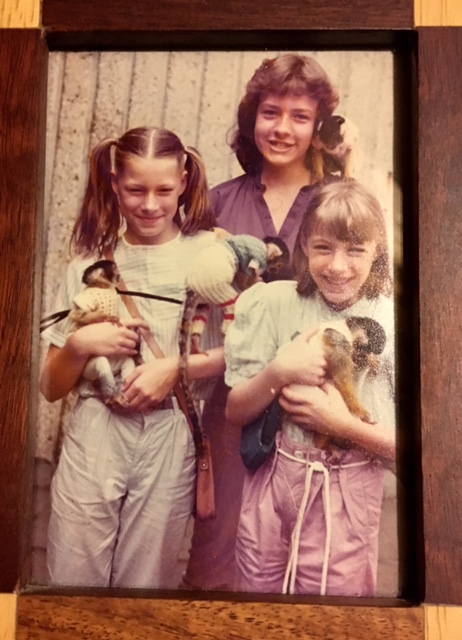
I have two favorite anecdotes about my children’s language. The first was when Helen was four and Sara was three weeks old. Helen had an appointment for her annual check-up and Sara had a terrible diaper rash, so we were on our way to the pediatrician’s office. Helen was anxious and asked question after question about what was going to happen. Eventually she asked whether he would see her first or Sara. I said, “I don’t know—whichever he chooses.” She said, “Oh. It’s his prerogative.” Yes, this really happened.


Time passed. When Sara was four and Helen was eight, I scolded Helen for hitting her sister and sent her to her room. Helen ranted about it not being fair, Sara had grabbed her book. Sara said, “But you hit me. You know the contingencies!”


Truth: I’ve sometimes told these anecdotes for their entertainment value. But I’ve recounted them here for different reasons. First: just because it really happened doesn’t make it believable. If you were to use this dialogue in a scene, you would have to lay the groundwork carefully. Let the reader know the parents are Ph.D.s who never talked baby talk to their children.You might want to let readers know that the father is an English professor and the mother a psychologist.


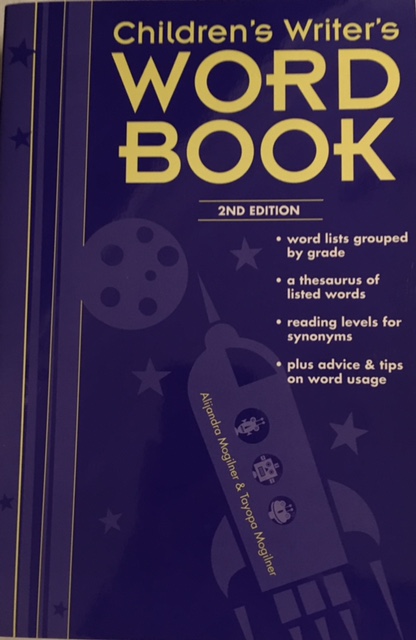
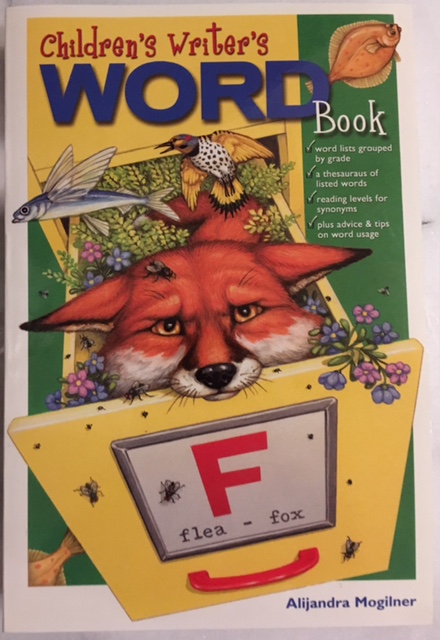
children's writer's word book
If you are writing stories for children or scenes involving children, choose your words carefully. There’s help out there. Although this reference is for people writing books for children, it’s a great resource for words children would understand and/or use. The words are grouped by grade level, beginning with kindergarten. It also includes synonyms.


children's writer's word book
Use the most recent word book you can find. A lot of words enter the language in fifteen years. Keep up.


These particular books start with kindergarten. For younger children, consult Dr. Spock or a good child development textbook. The usual tendency is to have children speaking too old for their years. But writers missing the target of believability ruins their credibility.