Dulcimer Lesson for Writers

dulcimer lesson writers
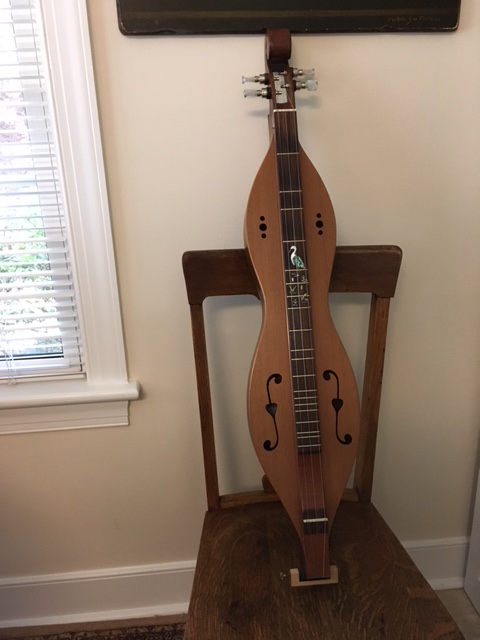
In high school I played percussion, but I never mastered a tuneful instrument–which I’ve always regretted. So, I recently started taking dulcimer lessons. The instrument and the music are rooted in Appalachia, as am I. In short, it’s important to me.

But so far, I’ve managed only one lesson and one practice per week– usually the morning of the lesson. This is not the road to proficiency!

clock face
I truly intend to practice, but there’s always something else to do first. Make the bed. Empty the dishwasher. Celebrate my birthday with my bridge buds.

washing dishes
Write my twice-weekly blogs. Submit a short story. Come up with and deliver a couple of tattoo stories to honor Amy Black. Spend Easter with my family in New England. And on and on.

AND THAT BRINGS ME TO FIRST THINGS VS. IMPORTANT THINGS.

It’s easy to fill your life with things that are right in front of you–or that have a date certain–and never get around to some things that are truly more important.

kids room
When my children were little I often lamented the clutter and mess in my house. (I was a psychology professor at the time.) One day a friend with four children just older than mine said, “If they aren’t doing structural damage, don’t worry about it.”

Which brings us to the point: LOOK AT HOW YOU SPEND YOUR TIME AND DECIDE WHICH FIRST THINGS CAN BE MOVED TO LAST. If writing is truly important to you, make time for it.

And so, off to practice dulcimer!


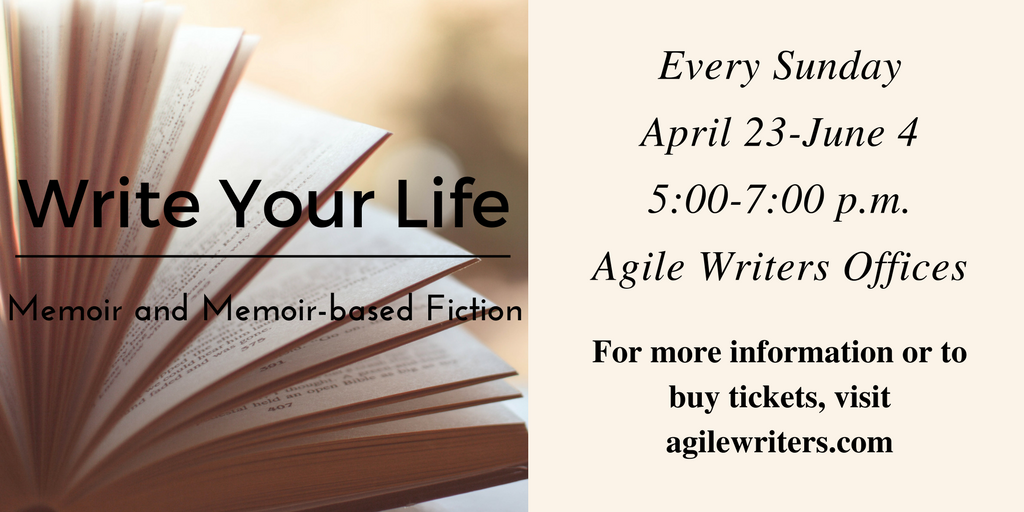
Interested in learning more about writing? Join me at Agile Writers for my class on Write Your Life: Memoir and Memoir-Based Fiction. For more information, visit the Agile Writers website.

Vivian Lawry Agile Writers

Antoinette O’Malley? Really?

And never an explanation or even a mention of the jarring juxtaposition of ethnic heritages. Perhaps it is time to revisit issues around character naming.

I wrote a blog post in October 2015 about character naming. Let’s review:

What’s in a name? Perhaps a rose by any other name would not smell as sweet.

Consider your name.

How was it chosen? What does it mean? How does it look? How do you feel about it?

My father John shared his name with a brother of his mother. My mother’s, Alta Wavalene, came from her father’s youngest sister and her mother’s youngest sister. There are no Vivians on either branch of the family tree. Were my parents consciously striking out in a different direction?

One story I heard growing up is that Vivian was the name of my father’s first girlfriend, and he liked it. So, does this reflect my father’s dominance or my mother’s confidence?

Vivian means lively, and likes bright or vivid colors. The latter definitely applies, and I like to think the former does as well. As for appearance, Vivian is all spikes and angles, especially when written in caps: VIVIAN. Hmmmm. No comment. But I do know I felt out-of-place among the Sharons and Shirleys and Barbaras. As a child, I wanted a nickname and it was never forthcoming. As an adult, I like that I have seldom come across another Vivian, and only an Italian chef ever called me Vi.

Consider character names.

Your characters’ names are as important to them as yours is to you. Give them some thought. As with everything, there are books out there to help. My personal favorite is Character Naming Sourcebook by Sherrilyn Kenyon. For one thing, it starts with an overview of things to consider. In brief, and paraphrased, the ten guidelines are:

  1. Capture the persona
  2. Consider heritage, personality, and trade/profession
  3. Make the name harmonious
  4. Choose names consistent with time period (The Social Security Administration is good for US names)
  5. Consider the character’s social status
  6. Use nicknames
  7. Vary the names of characters
  8. Be aware of your genre
  9. If you choose a name that breaks the rules, make a point of it
  10. Avoid names that others have made famous

Your character’s name is the usual introduction to the reader. Lydia is harder than Nora. Cynthia is more upscale than Bertha. Bart is stronger than most two-syllable male names.

In deciding on names, avoid not only the beginnings, but the endings. Alex, Alice, Amy, and Andrew will confuse readers and turn them off. At the same time, choose nicknames and/or endearments with care. I recently critiqued a manuscript in which William was Billy to the family, Victoria was Vickie,
Margaret was Maggie, Susan was Suzie, and endearments were honey and sweetie. Not a big deal, but if the reader notices, it’s too much.

I like Character Naming because of its breadth, and because it separates names by ethnic roots and meaning. But it isn’t the only book out there. Indeed, you can go to a local telephone directory and mix first and last names.

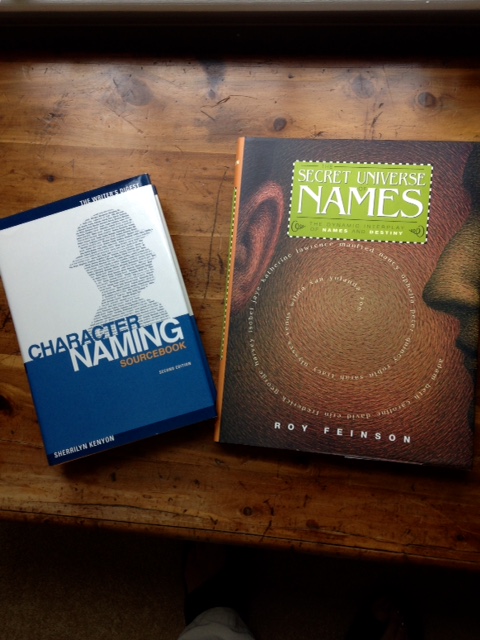
book covers of Character Naming by Sherrilyn Kenyon and The Secret Universe of Name by Roy Feinson
Character Naming and The Secret Universe of Names

And if you are interested in the humorous side of writing, consider these:

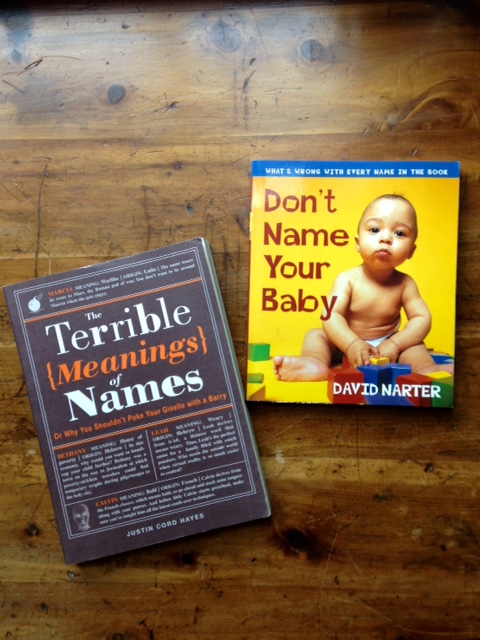
book covers of The Terrible Meaning of Names by Justin Cord Hayes and Don't Name Your Baby by David Narter
The Terrible Meaning of Names and Don’t Name Your Baby

That way you won’t inadvertently name two friends Barbara Smith and Barbara Morton and end up with BS and BM!

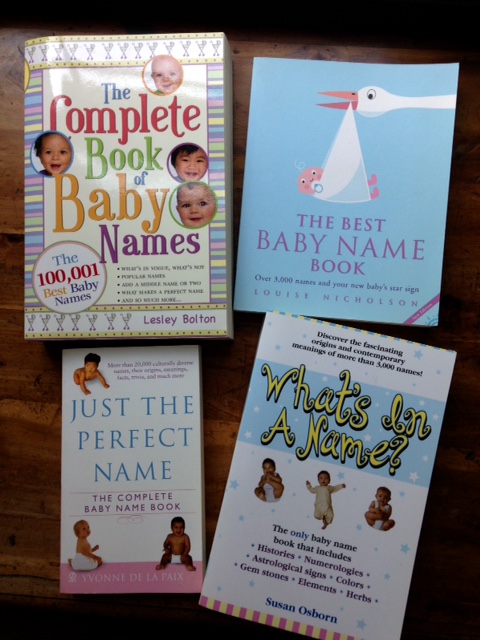
character names Book covers of four books on baby names you can use as character names
More books on baby names

Consider perception.

Consider the article “13 Surprising Ways Your Name Affects Your Success” by Maggie Zhang and Jenna Goudreau.  The main points of their article are highly relevant to writers. If your name is easy to pronounce, people will favor you more. If your name is common, you are more likely to be hired. If your name is uncommon, you are more likely to be a delinquent. If you have a white-sounding name, you’re more likely to get hired. If your name is closer to the beginning of the alphabet, you might get into a better school. If your last name is closer to the end of the alphabet, you’re more likely to be an impulse spender. You are more likely to work in a company that matches your initials. Using your middle initial makes people think you’re smarter and more competent. If your name sounds noble, you are more likely to work in a high-ranking position. If you are a boy with a girl’s name, you are more likely to be suspended from school. If you are a woman with a sexually ambiguous name, you are more likely to succeed. Men with shorter first names are overrepresented in the c-suite. Women at the top are more likely to use their full names (e.g., Deborah, Cynthia).
And one final point for authors: Think carefully before giving your main characters long or hyphenated names. You are going to be typing those names a gazillion times!

What are your favorite character names?


Interested in learning more about writing? Join me at Agile Writers for my class on Write Your Life: Memoir and Memoir-Based Fiction. For more information, visit the Agile Writers website.
Vivian Lawry Agile Writers

Attributing Words to Characters

We are often in need of indicating who is speaking and/or how. In doing so, beware of distracting—or irritating—your reader. Here are my personal Rules of Thumb for making attributions.
attributing words characters
Use “said” 99.44% of the time. It calls least attention to itself. If you are desperate to find an alternative, it may mean that you are making too many attributions. When only two people are talking, you need only the occasional attribution to help the reader keep track of who is speaking. Also, if you embed dialogue in a paragraph of narrative, the subject of the narrative is—and should be—the speaker, so no attribution is needed. For example, Sarah turned to the window. “Whatever do you mean?” N.B. that in this instance, you needn’t add she asked; the question mark says that.


Use an alternative only when it clarifies delivery—and then sparingly. Personally, I’ve been known to have a character murmur, whisper, or mutter.


Let punctuation do its job. When you’ve used a question mark, you needn’t say the character asked. When you’ve used an exclamation point, you needn’t add that the character shouted, exclaimed, etc. Using ellipses at the end of an incomplete sentence conveys that the speaker trailed off.


If you must use an alternative to “said,” make it the most common alternative available.


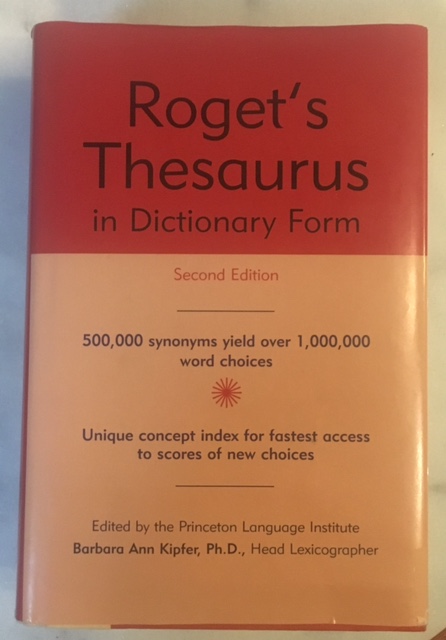
attributing words characters thesaurus
say,  acknowledge, aver, babble, badger, bemoan, brag, comment, enunciate, express, harangue, interject, interrupt, moralize, observe, pontificate, preach ramble, spout, state, vent, voice, articulate, blab, recite, relate, unfold, utter
accuse, blame, charge, impute, rant, rebuke, reprimand, reproach, reprove, upbraid
answer, agree, acknowledge, deny, react, reply, respond, retort
ask, appeal, beg, beseech, inquire, entreat, implore, interrogate, pester, plead, pump, query, question, quiz
assert, adduce, affirm, allege, announce, attest, avow, bemoan, boast, brag, crow, declaim, declare, deny, emphasize, exclaim, gloat, gush, insinuate, insist, intimate, justify, maintain, mock, plead, proclaim, profess, pronounce, purport, rave, refuse, retract, spout, state, swear, testify, voice, vouch
demand, beg, bid, charge, command, enjoin, entreat, importune, insist, order
deny, blame, contradict, demur, deride, disclaim, minimize, protest, refute, scoff, scold,tattle, taunt
describe, define, delineate, denote, detail, outline, paraphrase, portray, recite, recount, relate, state, summarize, tell
discuss, argue, belabor, communicate, consult, debate, deliberate, gossip, jabber, jaw, rehash, talk
explain, account for, admit, apprise, clarify, confide, elaborate elucidate. enlighten, excuse, illuminate, own, prove, rationalize, specify


These examples are substantially fewer than half of those listed in a thesaurus. Use them seldom, if ever. As I said before, they call attention to themselves. In addition, using many different words to replace “said” creates a pathetic tone of an amateur just trying too hard. And, finally, most of these variations in meaning are better handled by the dialogue itself, the setting, the narrative, and the punctuation.


Last but not least, don’t replace said with words like giggled, snorted, groaned, moaned, etc. These are separate actions, not the method of delivery.


attributing words characters
Bottom line: Use your thesaurus and dictionary as aids to narrative and dialogue, not for varying attribution.
Interested in learning more about writing? Join me at Agile Writers for my class on Write Your Life: Memoir and Memoir-Based Fiction. For more information, visit the Agile Writers website.
Vivian Lawry Agile Writers

Write Your Life: Memoir and Memoir-based Fiction

write life memoir based fiction vivian lawry

Exciting news! I will be leading a class at Agile Writers, called Write Your Life: Memoir and Memoir-based Fiction. Anyone interested in writing about their life events is welcome to join. You can be any age, at any writing level; however, we will not be writing novels or poetry, so if those are your interests, try one of the other great classes Agile Writers has to offer!

The class will run for six weeks, April 23 to June 4, from 5-7 p.m. By the end of the six-week class, you can expect to have five short pieces ready to develop, one of which has been revised based on class critique. Each assignment will be crafted for this specific class. All members of the class will be expected to write for each class (up to 3 typewritten pages, double spaced) and to participate in the critiques. All assignments will be handed out the first day, so missing one class won’t put people off-track.

Date and time: 

Sun, April 23, 2017 to Sun, June 4, 2017

5:00 PM – 7:00 PM

Location: 

Agile Writers Offices

221 Ruthers Road #204

Richmond, VA 23235

Price: $180

Tickets available here!

Writing that Irritates Readers

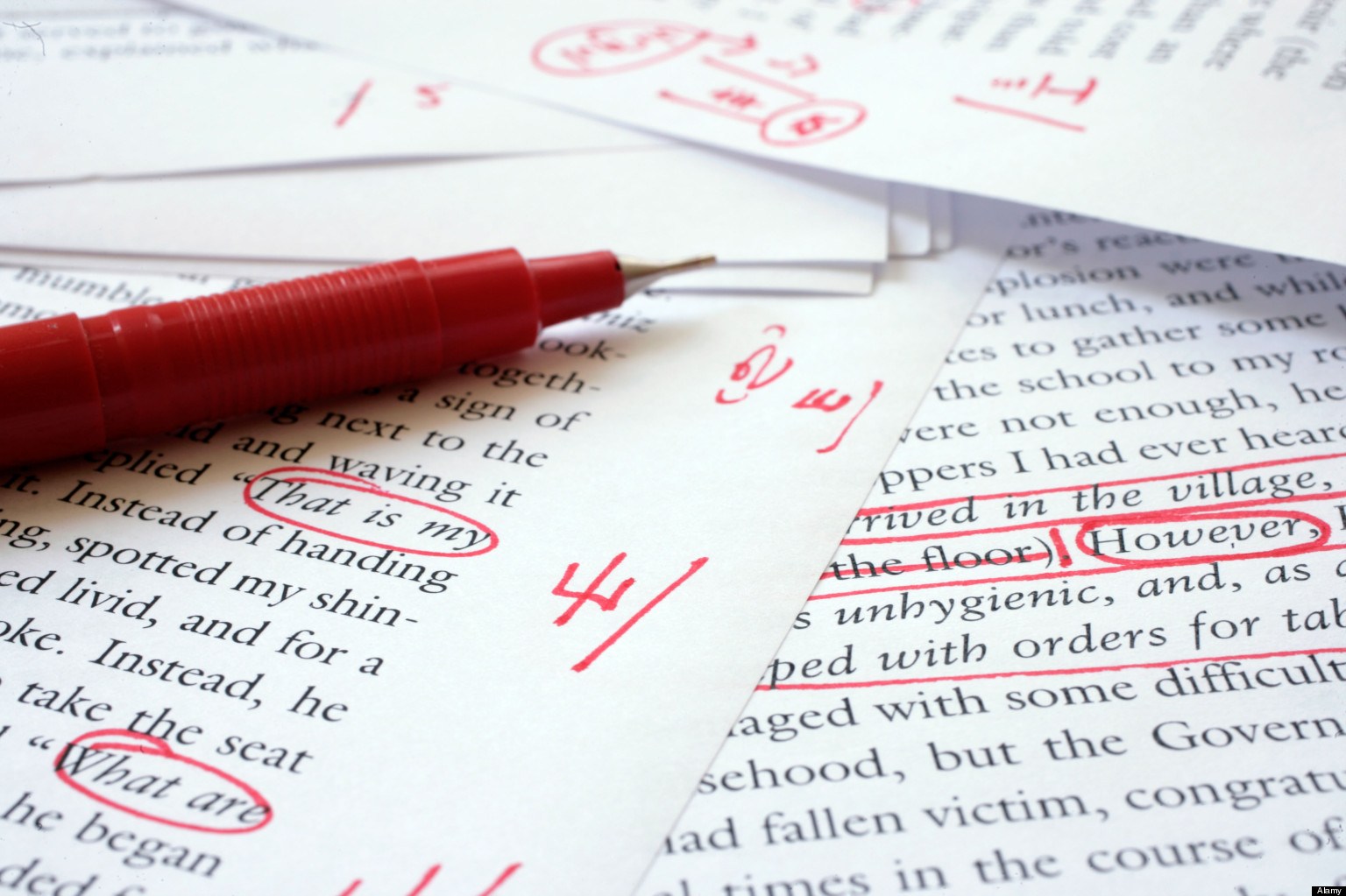
I recently wrote a blog on CUT THE FLAB and since then, I’ve been noting the various and sundry ways writers irritate readers—or perhaps I should say, this reader.


Going off-key on tone. This is when something just doesn’t feel right. It is especially likely when reading something supposedly set in an early time which contains language that is too modern. For example, a story is set in 1812 that contains references to teenagers and babysitting. It’s also common when using slang that is inappropriate to the time of the story or the age of the character: totally awesome, gag me with a spoon, and grody to the max scream the 1980s. An important part of tone is choosing the right form of a word—as in spittle if you want it to seem older, spit if you want it to be more modern.


writing irritates readers
Close but no cigar: Using the wrong word. Fiancé (masculine) versus fiancée (feminine). Blond (masculine) versus blonde (feminine)—although recently there is a trend toward going with blond for both. That/who: Use who for humans. “The man that walked in” is totally wrong. That should be for objects or animals, as in “The cat that ate the cream.” And/but: and connects two things that are in the same vein while but signals a turn. “She stifled a grin and spoke sympathetically” gives a different impression from “She spoke sympathetically but stifled a grin.” The former sounds sympathetic, the latter hypocritical.


Who/whom: whom always needs to be preceded by a preposition, such as by, for, of, to, etc. Who is without a preposition. So, “The man who came to dinner,” but “For whom the bell tolls.” Imply/infer: a speaker implies something but it’s the listener or observer who infers. Sit/set: a person, animal, or object sits in a resting position; sets is the act of putting something in that position. She sets the vase on the table and then it just sits there. What/which: “That what he would not dare” is wrong.


writing irritates readers
Redundant verbiage: I talked about this in the blog on flab, but here are some recent versions. Minutes/seconds don’t need modifiers: A brief second or a long minute are no-no’s. Expansive in the large magnitude. I resumed the previous ideas that…  I wanted to stomp the floor with my foot.


This sort of irritation can do much to undermine what is basically a good storyline or plot. On the other hand: This is Act Happy Week, so maybe it’s time to put irritation aside!

Cut the Flab

Earlier this week a writing friend of mine, Fiona Quinn, invited people on Facebook to share their pet peeves. I shared two, one of which was characters who nod their heads. Perhaps I lack imagination, but I can’t think what else a person might nod. Shaking one’s head is a completely different matter, for all sorts of things—some of them body parts—can be shaken.


Which brings me to today’s blog. I get really annoyed with flabby writing—writing that includes unnecessary words or phrases. I’ll talk about four common types of flab: stating something for which there is no alternative, saying the same thing twice, naming characters or relationships already known, and stating an action that is inherent in another action.


Stating something for which there is no alternative. A character nodding his head is one of these. Here’s more flab.


cut flab edit
She rose to her feet. She stood up. She sat down. A bouquet of flowers he had gathered himself, by hand. He thought to himself. Who else could he think to? The usual or inevitable need not be stated, only the exceptions.  For example, if she stood aside it isn’t redundant.


 Writing redundantly. In such a short span of time. At this point in time. He hesitated for a quick minute. With sudden haste. She quickly tore open the letter. Bickering back and forth. Opening a letter, “Now I shall see what my father thinks in his letter.”


Naming characters or relationships known to the characters and the readers. “The toll taken on him, her father, a man who…”  “Your invitation to my sister, Kitty…”  “Boasted to Mrs. Johnson, your mother…”  “Turned to her husband, David…”


Writing an action that is inherent in another action. “He stood and walked to the door.” Can one walk to a door without standing? “She started the car and drove away.” “He took the pot from the stove and served the potatoes.”


And then there is writing that just makes no sense. He inwardly exhaled?


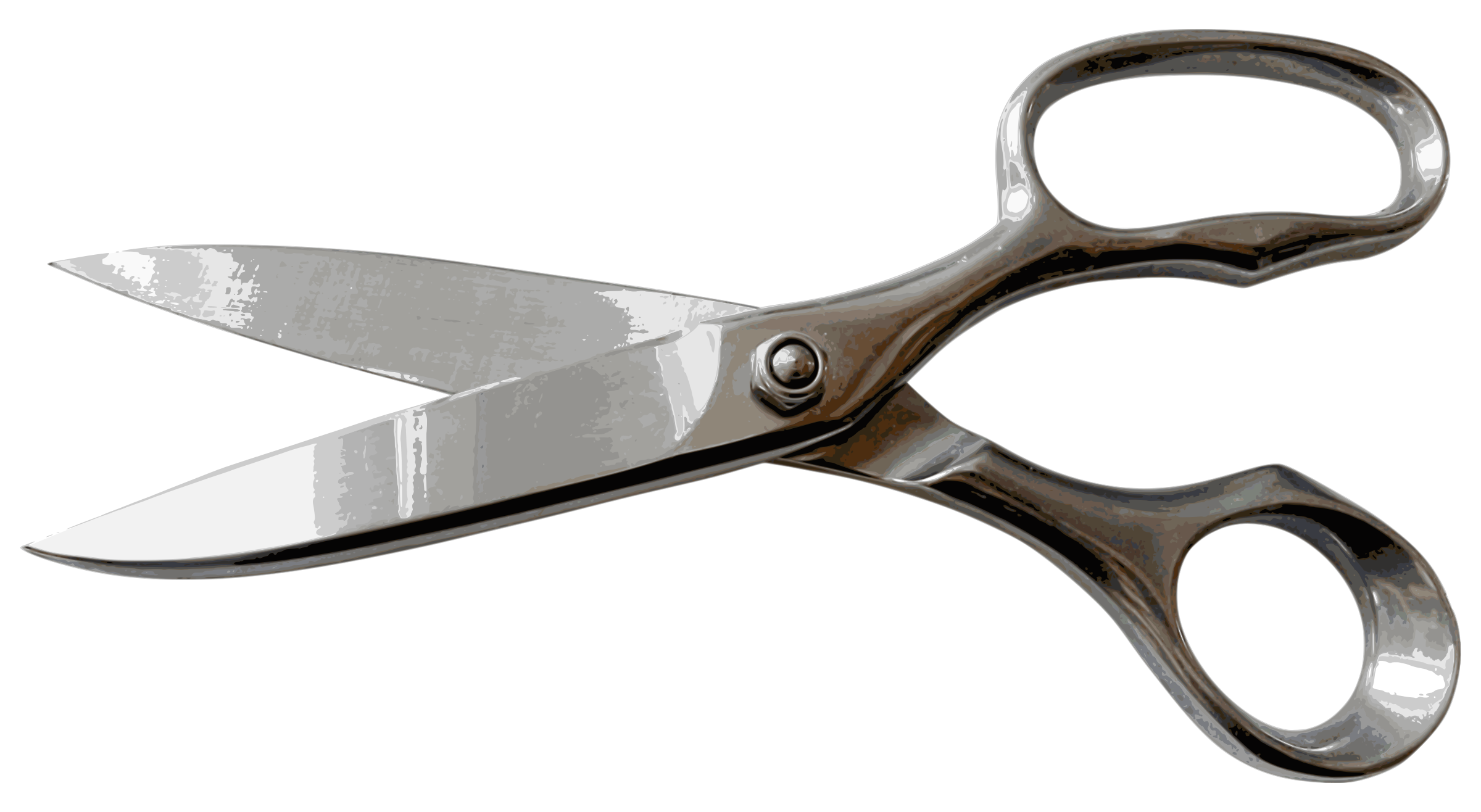
cut flab scissors
[Source: openclipart (Public Domain)]
The bottom line: All sorts of unnecessary words and actions slip into writing, especially first drafts. Cut them mercilessly. One good exercise is to try to shorten every paragraph by a line, or every sentence by a word. He rushed to the door is much stronger than he walked quickly to the door—and it’s more concise.

The Value of Writing Classes and Workshops

One of the best things you can do for yourself as a writer is to join a writing group or workshop. The people you meet can offer fresh perspectives on your writing and help you evolve in your genre and beyond. Not only is it great to have another set of eyes look over your work, but going to a workshop every week helps you stick to a regular writing schedule. That discipline, coupled with the skills you pick up, are a great way to bring your writing to the next level.


value writing classes workshops
I had no formal writing instruction from high school through retirement, but after I retired I began to take classes at the VMFA Studio School. In addition to all sorts of arts classes– drawing and painting, photography, pottery, printmaking– they offer creative writing courses. Coming up soon are two such courses: one in memoir writing, and another in blog writing.


Besides the classes at the VMFA, I’ve had classes and/or workshops at the University of Richmond and, of course, Nimrod Hall Summer arts programs. Registration for Nimrod is already open for week-long or weekend workshops, if you’re interested.


I’ve also had friends who’ve taken classes at VCU. They are difficult to get into for non-degree students, but it doesn’t hurt to try. While the types of courses vary from semester to semester, here is a list of upcoming courses they will be offering.


value writing classes workshops
A writing friend took a seminar with Agile Writers which she said was excellent. You can take their mini-tutorials online, or become a member for more benefits. Still others have taken classes at the Visual Arts Center. They currently have a couple of open classes: Writing from Your Senses and Writing the Memoir. Sometimes you can find classes or workshops at local libraries. I once taught a 6-week class at the Tuckahoe Branch of Henrico County Library. Such opportunities are catch-as-catch-can, but be aware!


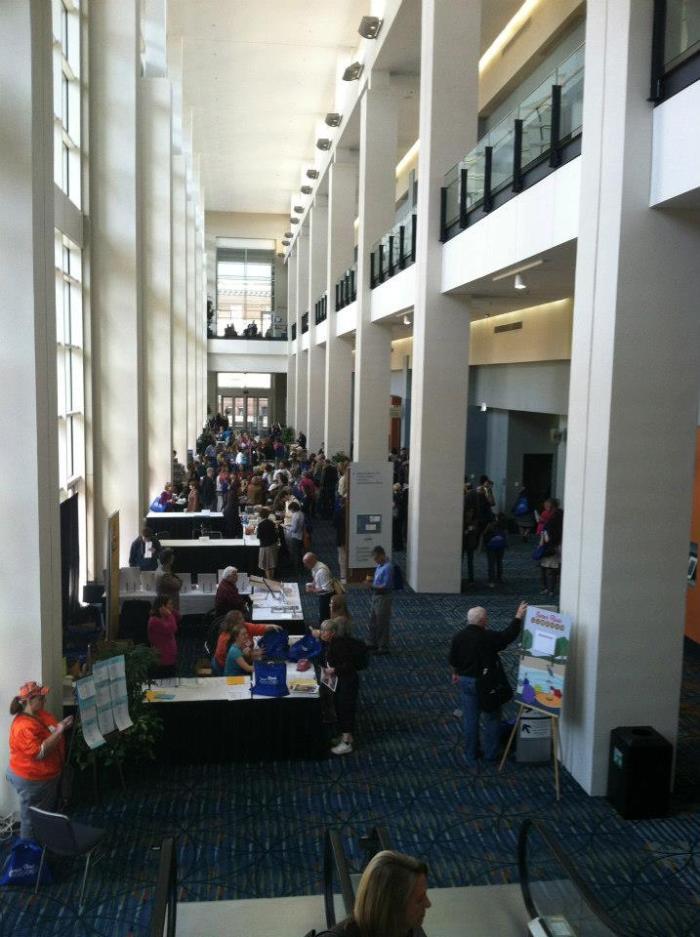
There are also workshops set up for you to make contacts within the writing community and to help you get feedback on your writing. One such event is Writers Wednesdays through the James River Writers, where on the second Wednesday of every month writers in Richmond have a casual meet-and-greet at Ardent Craft Ales. Similarly, Writers Farmhouse invites authors to the Midlothian Urban Farmhouse Market & Cafe to write, read, and motivate.
james river writers annual conference
At the James River Writers Conference in 2012
These are all in the local Richmond area, but opportunities abound. Many schools with MFA programs offer non-degree classes in the summers. For example, I know that Hollins College has an annual offering. Poets & Writers magazine gives a national listing annually as well.


If you start taking writing instruction, you are likely to fall in love with your teacher. By all means, continue to take classes with her/him. But also branch out. I’ve taken classes with Douglas Jones, Susan Hankla, Sherri Reynolds, Cathy Hankla, Charlotte Morgan, and others. Valley Haggard is also a local writer who offers classes. James River Writers has a list of classes, workshops, and writing groups for you to get more info about these opportunities.
value writing classes workshops
Each teacher offers something; they all have their strengths. Some light a creative spark. Some provide structure to get started and/or finish a specific project. Some sharpen specific writing skills. Some offer assignments and deadlines that make you keep BIC (Butt in Chair) and actually put words on paper. All should offer encouragement and support!

March: A Cornucopia for Writers

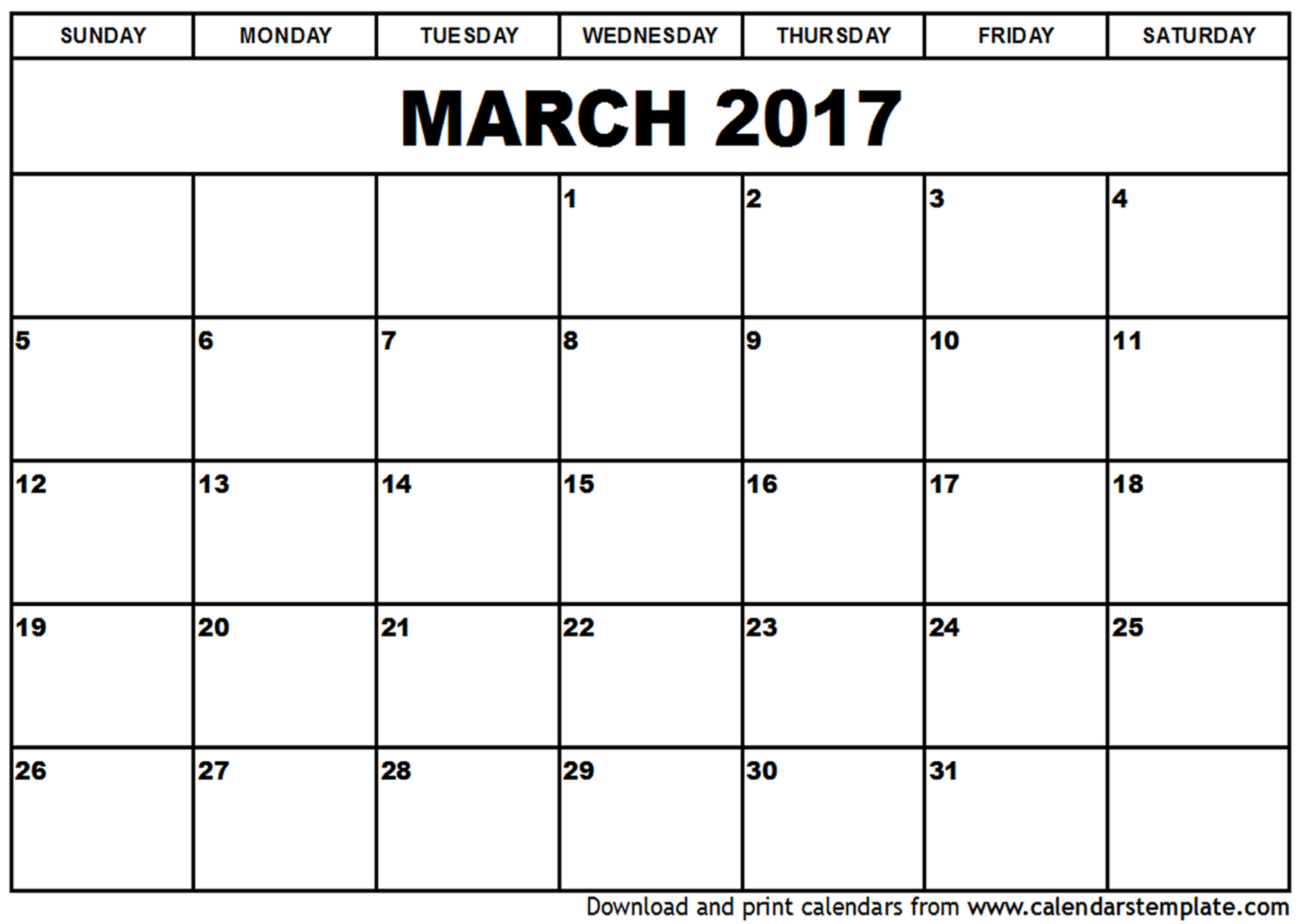
march 2017 calendar
[Source: printablecalendar.com]
Yes, March 3 is International Ear Care Day. It’s also Bonza Bottler Day—the day of the month when the number of the day is the same as the number of the month—which is as good an excuse for a party as any. But it is so much more than these! March is rife with awareness and celebration, and these are golden opportunities for writers. Celebrations make excellent background for conflict, humor, intrigue, and the revelation of character.

Here, for your writing and partying pleasure, is a list:

Allport Syndrome Awareness Month coincides with National Kidney Month to raise awareness of kidney disease and the benefits of organ donation.

American Red Cross Month, to make people aware of the activities and programs of approximately 600 offices nationwide.
Celebrate Your Name Week (first full week in March), to honor your name and make sure it is a respected part of your personhood.


baby crying
Colic Awareness Month, to educate parents on safer soothing techniques. Colic is defined as an otherwise healthy baby crying for three or more hours a day, three or more days a week, for three or more weeks in a row.
Colorectal Cancer Education and Awareness Month, focusing on the need for early diagnosis, education, and treatment.
Credit Education Month, designed to remind people of the need to develop skills needed to manage their finances efficiently and effectively.
Employee Spirit Month urges employers to do things to raise the spirits of their employees. Duh! Apparently holiday office parties aren’t enough.


diverse female scientists
[Source: mladi]
Expanding Girls’ Horizons in Science and Engineering Month is exactly what it sounds like, focusing on middle- and high-school age girls.
Humorists Are Artists Month (HAAM) is, basically, asking people to appreciate the role of humor in their lives.
International Ideas Month, to encourage people to develop the skills needed to communicate their ideas for consideration and/or action.
International Listening Awareness Month, to promote the study, development, and teaching of effective listening in all settings.
International Mirth Month encourages more mirthful moments to help people deal with not-so-funny stuff.


shamrocks
Irish-American Heritage Month is self-explanatory.


kilts
[© James F. Perry (Creative Commons)]
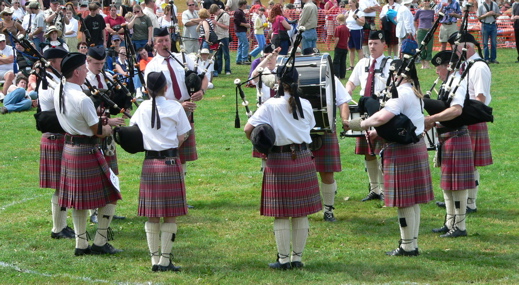
Mad For Plaid Month: We think of plaid as originating in the British Isles, but it was really in Central Europe in the sixth century BCE. Consider more than Black Watch. Go for madras, gingham, check, as well as tartan.
Malignant Hypothermia Awareness and Training Month: Malignant hypothermia is is a reaction to commonly used volatile gaseous anesthesia, and untreated can kill a person within minutes.
Music in Our Schools Month to increase public awareness and support of music as part of a balanced curriculum.
National Caffeine Awareness Month is intended to reduce dependence on caffeine.


cheerleader
National Cheerleading Week (1-7)—exactly what the name says.
National Clean Up Your IRS Act Month is to focus on resolving problems with the IRS.
National Colorectal Cancer Awareness Month—exactly what the name says.
National Craft Month lauds the fun and creativity of crafts and hobbies.
National Eye Donor Month: You can figure this one out! Coincides with Save Your Vision Month and Workplace Eye Wellness Month.
National Frozen Food Month touts convenience, quality, and nutrition.
National Multiple Sclerosis Education and Awareness Month: The aim is compassion as well as awareness.
National Nutrition Month—as if anyone doesn’t know about the importance of nutrition for good or ill!
peanut cookbook
[Source: Amazon]
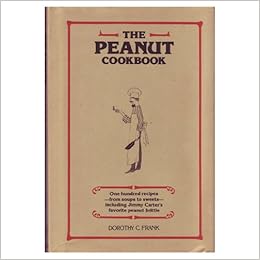
National Peanut Month promotes peanuts in all their glory, from in the shell to pie. (I have an excellent recipe for peanut pie from The Peanut Cookbook.)
National Procrastination Week (1-7) celebrates the benefits of procrastination—but might also interfere with other activities of the month!
National Umbrella Month honors one of the most versatile and underrated inventions of all time.


march women's history month
[Source: CSCC]
National Women’s History Month celebrating women’s contributions and achievements that are too often overlooked or ignored.
National Write A Letter of Appreciation Week (1-7), though I suppose in this day and age, an email of appreciation is more likely.
Optimism Month: Research documents that optimists have better health, greater prosperity, and are happier than pessimists.
Play-The-Recorder Month brings public performances in places such as libraries, bookstores, museums, and shopping malls. You might even find a workshop on playing the recorder.
Poison Prevention Awareness Month is for the prevention of accidental poisoning.
Professional Pet Sitters Week (first full week in March): Yes, people really do make a living this way. Imagine the opportunities for everything, from romance to murder!
Read an E-Book Week: Self explanatory. Why not try Different Drummer?
 
Return the Borrowed Books Week: Think personal loans as well as libraries.
Sing With Your Child Month promotes families singing, dancing, and making music together.
Social Work Month celebrates the services social workers provide to vulnerable populations.
Telecommuter Appreciation Week focuses on the benefits to workers, families, employers, and society.
Vascular Anomalies Awareness Month includes hemangioma, malformations, and tumors. Who knew?
Youth Art Month promoting the value and importance of art and art education for children and youths.


kid art
Should you accept the challenge of writing a March scene, story, or poem based on something in this list, you can find out more about any or all of them online. Cheers!

Kids Say the Darndest Things!

kids say darndest things vivian lawry
I have two favorite anecdotes about my children’s language. The first was when Helen was four and Sara was three weeks old. Helen had an appointment for her annual check-up and Sara had a terrible diaper rash, so we were on our way to the pediatrician’s office. Helen was anxious and asked question after question about what was going to happen. Eventually she asked whether he would see her first or Sara. I said, “I don’t know—whichever he chooses.” She said, “Oh. It’s his prerogative.” Yes, this really happened.


Time passed. When Sara was four and Helen was eight, I scolded Helen for hitting her sister and sent her to her room. Helen ranted about it not being fair, Sara had grabbed her book. Sara said, “But you hit me. You know the contingencies!”


Truth: I’ve sometimes told these anecdotes for their entertainment value. But I’ve recounted them here for different reasons. First: just because it really happened doesn’t make it believable. If you were to use this dialogue in a scene, you would have to lay the groundwork carefully. Let the reader know the parents are Ph.D.s who never talked baby talk to their children.You might want to let readers know that the father is an English professor and the mother a psychologist.


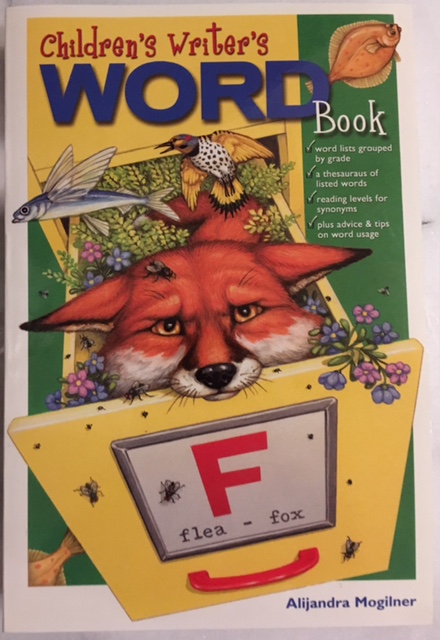
children's writer's word book
If you are writing stories for children or scenes involving children, choose your words carefully. There’s help out there. Although this reference is for people writing books for children, it’s a great resource for words children would understand and/or use. The words are grouped by grade level, beginning with kindergarten. It also includes synonyms.


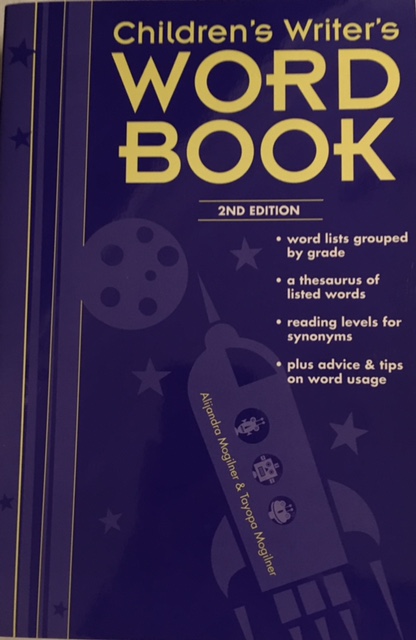
children's writer's word book
Use the most recent word book you can find. A lot of words enter the language in fifteen years. Keep up.


These particular books start with kindergarten. For younger children, consult Dr. Spock or a good child development textbook. The usual tendency is to have children speaking too old for their years. But writers missing the target of believability ruins their credibility.

Musings on Memoir

hillbilly elegy jd vance
I recently started reading Hillbilly Elegy by J. D. Vance. Change the names, and it could be my memoir!


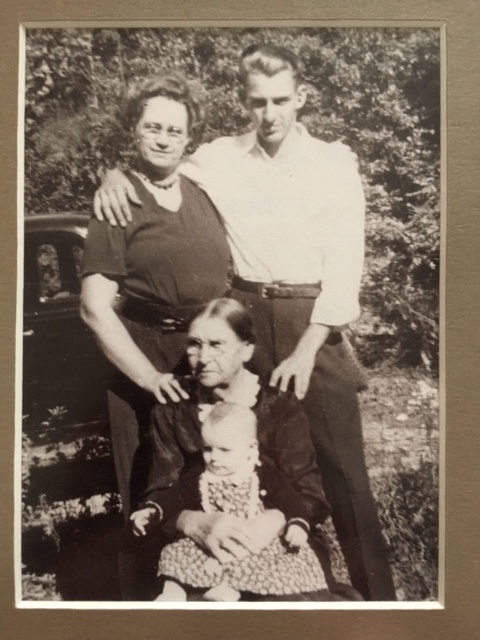
Yep. Roots in the hills of Eastern Kentucky. An old home place—where my paternal grandparents lived—in the holler at the head of Old House Creek. Granny Butcher, Granny’s mother, lived there, too. Here’s a picture taken in the yard there when I was a baby, me in Granny Butcher’s lap, with Dad and Granny standing.


musings memoir
To make Vance’s memoir my own would require a lot of tweaks. For example, it was my parents who didn’t finish high school. We both graduated from state universities in Ohio, but he went on to become a lawyer while I got a Ph.D. in psychology. Still, the broad picture is the same: unbreakable family ties, work-related migration from Kentucky to Ohio, and the emotional upheaval of upward mobility.


Which brings me to the point: good memoir evokes a strong emotional response in the reader. The basis of my response to Hillbilly Elegy is obvious, but there must be more to it than personal relevance. It didn’t become a bestseller on the basis of me alone! I was strongly affected by West With The Night (Beryl Markham) and Glass Castle (Jeanette Wall) without nearly so much shared history.


When you sit down to write memoir, start by asking yourself, “Why would anyone else care?” What is the emotional chord I am trying to strike? Horror or humor? Nostalgia or dysfunction?


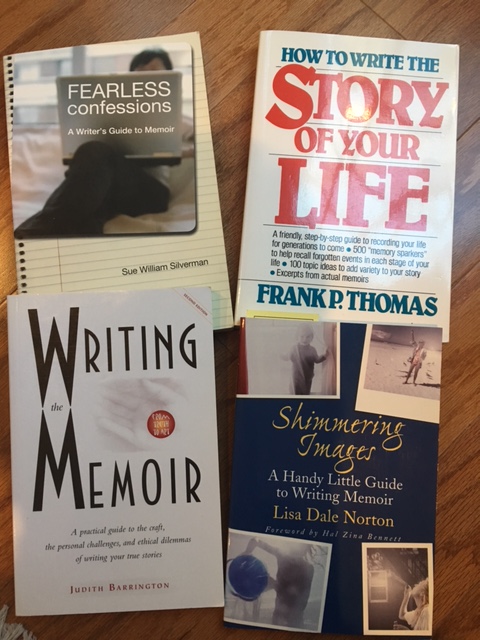
And then, get some guidance. Writing good memoir draws on many of the same skills required for writing good fiction. But there are some issues and concerns unique to telling one’s life story. There are tons of good books out there. Here are a few samples.


musings memoir
Memoir is the fastest growing genre among writers today. But if writing it isn’t for you, at least read some. And ask yourself, “Why do I care?”