This post is part of a series that might be characterized as Darwin’s Christmas. I will be taking a number of our current traditions and tracing their evolution.
There are those, for example David C. Pack writing in The Real Truth magazine, who denounce the pagan origins of Christmas trees and other greenery. Pack cites Jeremiah 10:2-5 to support his assertion that we should have nothing to do with Christmas trees.
I am not among those. The reality of the world is that things morph and change—the meaning of words, clearly, but other symbols as well. So let’s take a look at the consensus around the evolution of the Christmas tree.
Long before the advent of Christianity, evergreen plants had a special meaning for people in winter. Ancient people hung evergreen boughs over their doors and windows. In many countries, people believed that these would keep away witches, ghosts, evil spirits, and illness. The Romans used fir trees to decorate their temples at the festival of Saturnalia. Today, Christians use it as a sign of everlasting life with God. Why can’t it symbolize all those things?
Although evergreen trees are the through-line, in parts of northern Europe, cherry or hawthorn plants or branches were brought inside in hopes they would bloom in time for Christmas.
Many early Christmas trees were hung upside down from the ceiling.
The first documented use of tree at Christmas and New Year celebrations was in 1510, in Riga, the capital of Latvia. After the ceremony (involving men wearing black hats) the tree was burned. This is sometimes associated with the yule log.
The first person to bring a tree into the house, in the way we know it today, is thought to have been the German preacher Martin Luther in the 1500s. The lore goes that he was walking home in winter, was impressed with the stars shining through tree branches, and cut a tree to take home. He put small lit candles on the branches to share his vision with his family. There are other stories, for example about St. Boniface of Crediton leaving England to travel to Germany. But this isn’t an encyclopedia, so I’ll move along.
But another point of consensus seems to be that Christmas trees took hold in Germany and spread across the world from there. In Germany, early trees were decorated with edible things like gingerbread and gold-covered apples. But by 1605, they were decorated with paper roses, apples, wafers, gold foil, and sweets.
The Christmas tree came to Britain sometime in the 1830s, and became popular in 1841 when Queen Victoria’s German husband had a Christmas tree at Windsor Castle. From England to the United States, from candles to electric lights, the evolution continued. Artificial Christmas trees have long been popular, from the trees made from colored ostrich feathers in the Edwardian period on. Over the years, artificial trees have been made from feathers, papier mâché, metal, glass, and lots of plastic. Now lawns sometimes sport inflatable trees!
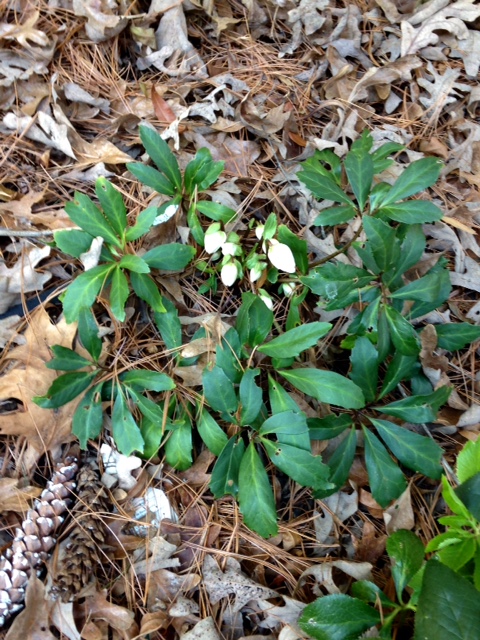
So, if pre-Christians and Christians both found good in the green of midwinter, fine with me! I plant hellebores and other evergreens where I can see them on the shortest days of the year.
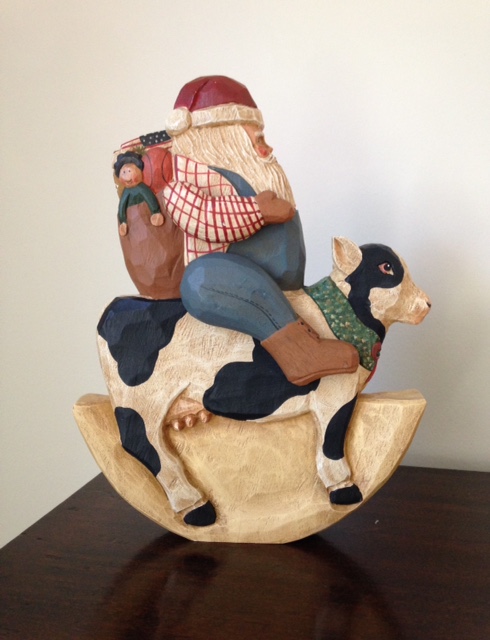
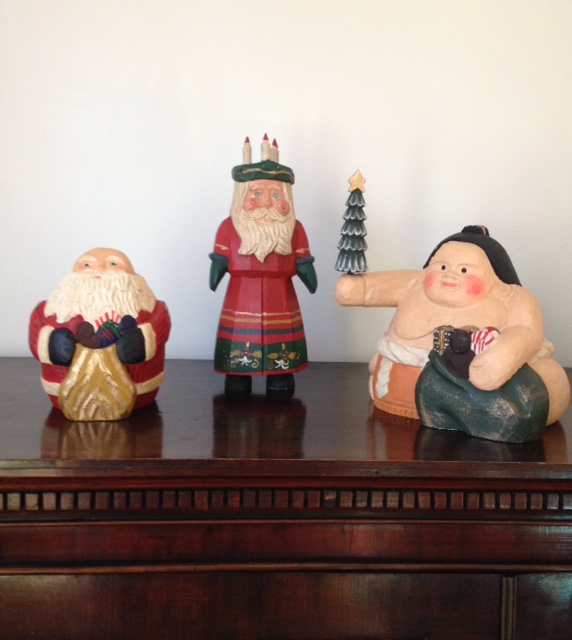
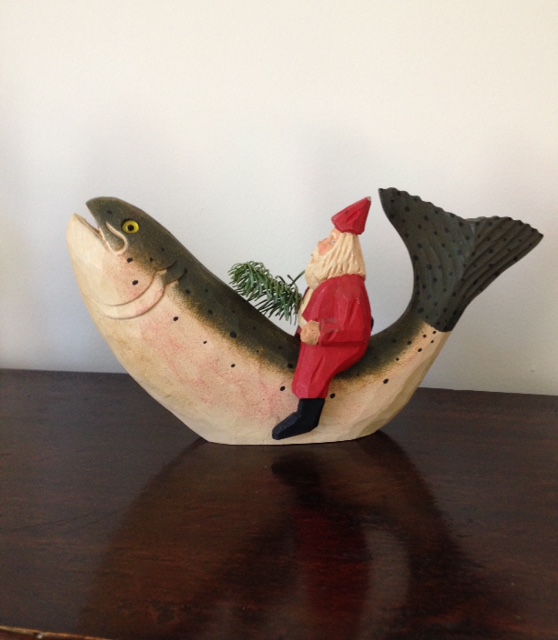
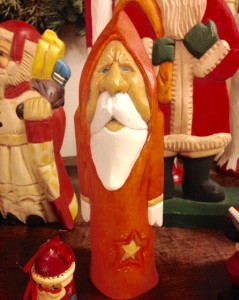
What do these five carved wooden Santas have in common?
The creativity of James Haddon
All were carved by James Haddon! I’ve had the trio for awhile. Last Christmas season, I noticed that all were by the same carver. So this year, I searched on-line and found the Santa on a rocking cow and the Santa riding a trout. I believe James Haddon is creative. Synonyms for creative include clever, ingenious, innovative, inventive, and original. Perhaps most importantly, he seems to me to be a divergent thinker.
Creativity and Divergent Thinking
Veering into psychology for a moment: a convergent thinker draws everything together to come up with the one perfect solution; a divergent thinker starts at point A and goes any number of places. There are approximately a gazillion definitions of creativity (forgive the high degree of technicality and precision) depending upon whether you are a visual artist, a mathematician, a musician, a chef, or an educator—or a researcher in any number of other fields. But the requirement for divergent thinking comes up again and again.
Ancient cultures—including Greece, China, and India–had no concept of creativity. They saw art as a form of discovery or imitation, not creation. In Judaeo-Christian tradition, creation was the sole province of God, and anyone creating something was assumed to be acting as a conduit from God. The modern concept of creativity began in the Renaissance, when the idea that creation might originate from the individual, not God—so I read. Think Leonardo da Vinci. The idea gradually took hold, really digging in during the Enlightenment.
It wasn’t until 1927 that Alfred North Whitehead coined the term “creativity.”
Have you ever thought, “If only. . .”? If so, you are imagining alternatives to reality, and such counterfactual thinking is one example of everyday creativity.
In 1967, J.P. Guilford and his associates constructed several tests to measure creativity. How would you do?
Plot Titles: participants are give a story plot and instructed to write original titles
Quick Responses: a word-association test scored for uncommonness
Figure Concepts: participants get simple drawings of objects and individuals and are asked to find commonalities in two or more drawings
Remote Association: participants are asked to find a word between two given words (e.g., Hand Call)
Remote Consequences: participants generate a list of consequences of unexpected events (e.g., loss of gravity)
Unusual Uses is finding unusual uses for common objects, such as bricks.
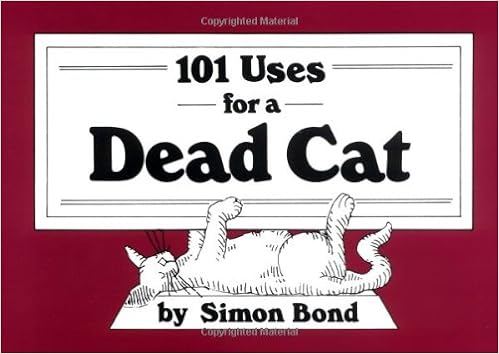
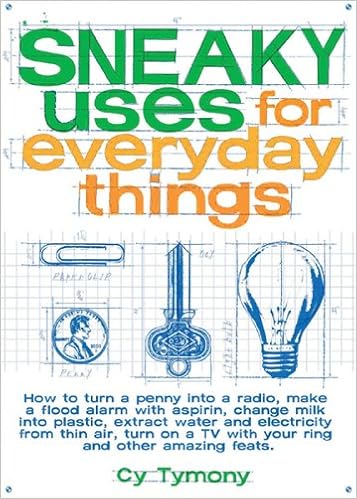
If you check out books on Amazon, you can find Sneaky Uses for Everyday Things, 101 Uses for a Dead Cat, and other books on uses for everything from baking soda, coconut oil, and vinegar to duct tape. Who knew we could reap the benefits of all that creative thinking!
101 Uses for a Dead Cat by Simon BondSneaky Uses for Everyday Things by Cy Tymony
Gregory Feist did a meta-analysis of data on creative people and found the strongest related traits were openness to new experience, conscientiousness, self-acceptance, hostility and impulsivity. Besides these traits, other research has identified additional traits associated with creativity: self-confident, ambitious, impulsive, driven, dominant, and hostile.
And what about mental health? Many people equate creativity with genius—and traditional wisdom says genius is akin to insanity. A Swedish study involving more than a million people reported a number of correlations between creative occupations and mental illnesses—do remember that correlations mean a relationship, not in any way causation. Writers had a higher risk of anxiety and bipolar disorders, schizophrenia, unipolar depression, and substance abuse, and were almost twice as likely as the general population to kill themselves. Dancers and photographers were also more likely to have bipolar disorder. However, as a group, people in creative professions were not more likely to suffer psychiatric disorders that the population at large, though they were more likely to have a close relative with a disorder, including anorexia and autism.
So, I started with jolly Santas and ended up with mental illness. Is this divergent thinking??
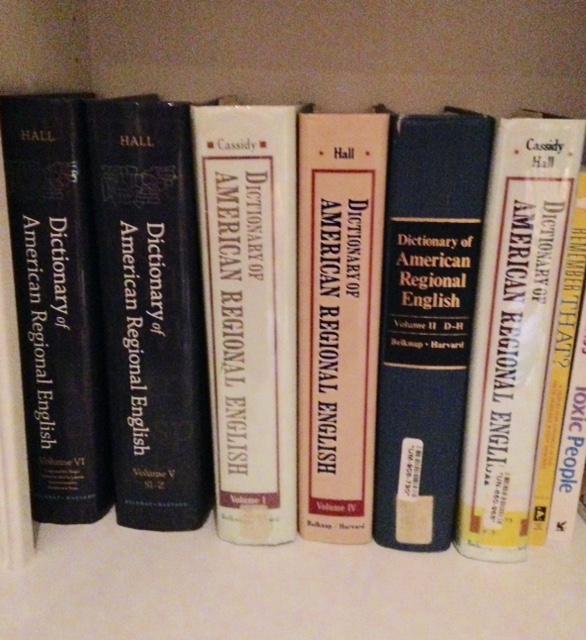
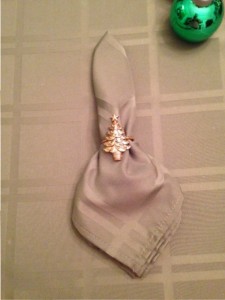
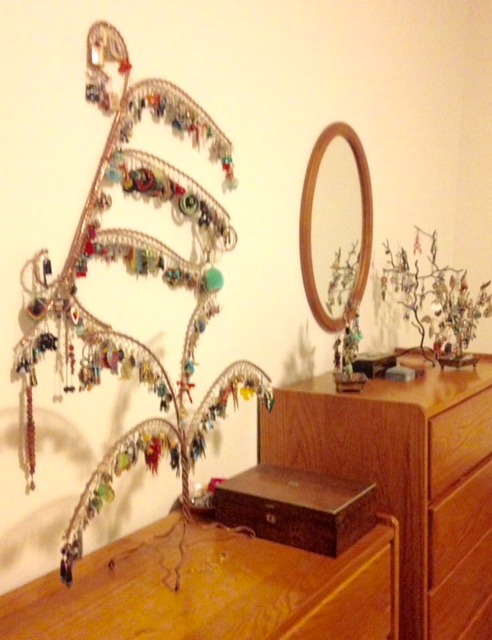
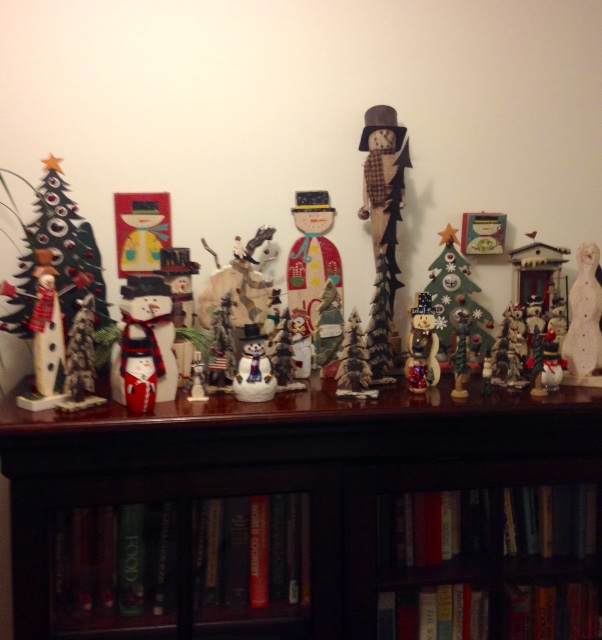
I’ve mentioned here and there that I collect things: dictionaries, carved wooden Santas, napkin rings, funky earrings, and mah jongg sets, among other things.
I’m not alone here. Indeed, I’m not not even close to making it into the The Mammoth Book of Weird Records.
There are people out there collecting
love dolls
dolls dressed as nuns
aluminum can pull tabs
belly button fluff
airsick bags
banana labels
nail clippings
already chewed Nicorette Gum
wooden toilet seats
cow hairballs
pictures of cement mixers
toothpaste tubes
vacuum cleaners
key chains
back scratchers
beds
empty pizza boxes
clothing tags
Walmart receipts
husbands (or wives)
traffic cones
umbrella covers
teabag labels
autographed drumsticks
dildos
AND THE LIST GOES ON!
Think about the sort of person who might collect these things. And why. Who is comforted by plenty? Who wants to be distinctive, not one of the masses? Who sees it as a mark of economic superiority? Or maybe there’s a family competition going on.
Most of these are pretty obvious, but Rising Star Month urges people to reach for the stars by designing a personal life plan: review the past year and design—or revise or redesign—a life plan for the year ahead. If you’re interested, you can view www.RisingStarMonth.info or email info@RisingStarMonth.info.
Spiritual Literacy Month promotes respect for and among the world’s religions by engaging people to explore the sacred texts of humankind. People committed to this month organize discussions at libraries, community centers, coffee houses, houses of worship, and private homes. You can get free booklets containing selections from a text under study and open-ended questions related to the text to encourage dialogue.
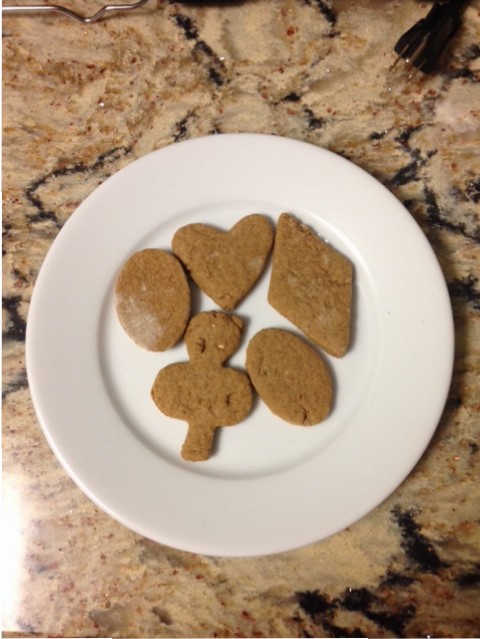
I wonder how many people are involved with these numerous (and varied) organizations, how much time they spend on them, how much their identities are tied up in these activities. And FYI, if you didn’t know about National Cookie Cutter Week (Dec. 1-7) join the Cookie Cutter Collectors Club. Really. You can look it up!
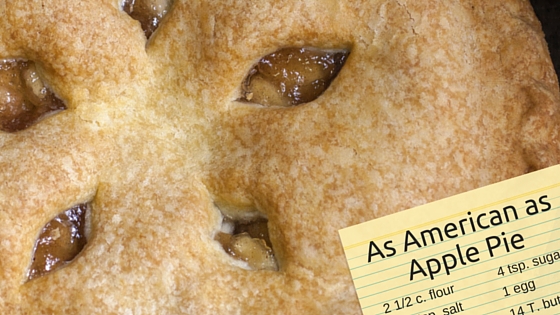
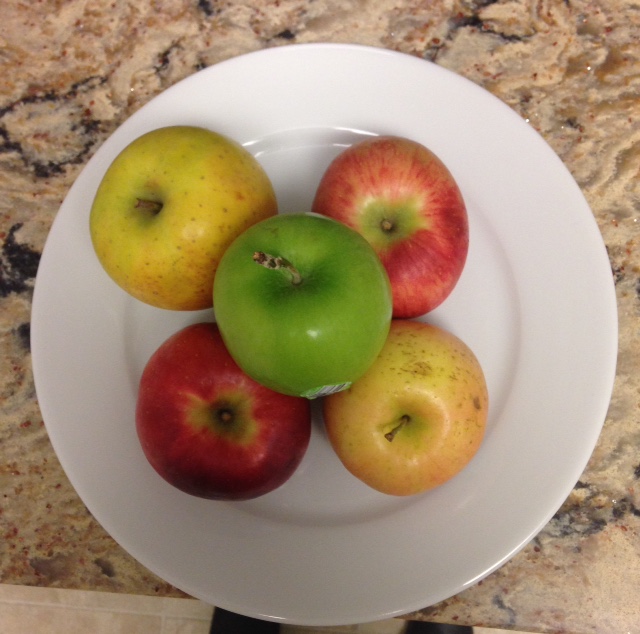
First of all, with the sour exception of crabapples, apples themselves aren’t American. Apples as we know and love them probably originated in Asia and migrated to Europe.
Apples and apple pie were brought to the colonies by British, Dutch, and Swedish immigrants during the 17th and 18th centuries. In fact, that was pretty late in the history of apple pie.
Fossilized evidence of apples date as far back as the Iron and Stone Ages in Switzerland and other parts of Europe. Although most sources trace apple pie to Europe, there is a minority view that the first apple pie was made in Egypt, 9500 B.C.E.
English apple pie recipes go back to the time of Chaucer. A 1381 recipe calls for good apples, good spices, figs, raisins, and pears in a pastry casing. It is the first known written recipe for apple pie. Fruit sweeteners were typical of the times. Early apple pies had no sugar because of the expense but were sweetened with fruits such as these.
Apple pie was a prized dessert in England by 1577. The first mention of a fruit pie in literature was apple-pyes in Robert Greene’s Arcadia. Greene wrote between 1580 and 1592. A medieval Dutch cookbook (around 1514) has a recipe for apple pie that is almost identical to modern recipes. Such a pie was featured in a Dutch Golden Age painting from 1626.
In 1941, newspaper reporters talked about GI’s fighting for Mom and “good old American apple pie.” This seems to be the origin of apple pie attached to American identity—even though apple pie did not originate here. Vermont even made apple pie the official state pie in 1999.
The history of Mock Apple Pie (made with crackers instead of apples) is a bit murky. It may have been invented by pioneers on the move in the 19th century, or possibly in the South during Civil War food shortages. But in the 1930s, Ritz Crackers provided a recipe using Ritz Crackers, water, sugar, cream of tartar, lemon juice, grated lemon peel, margarine or butter, and cinnamon. The one thing that’s clear is that anything that leads to an imitation must be very popular indeed.
According to the American Pie Council, Apple pie is the most popular pie in the U.S., the favorite of 19% of Americans (approximately 36 million people at the time of the survey).
And now we get to the downside. Although homemade apple pie hasn’t changed much over centuries, anything that popular has to go commercial, including fast-food chains. McDonald’s started in California in 1940. In 1969, McDonald’s opened 211 new franchises, and the first Wendy’s was born in Columbus, Ohio.
Welcome to the world of food additives. L-cysteine, an amino acid used to condition dough for increased pliability, is derived from human hair and/or duck feathers. It’s used in McDonald’s Baked Hot Apple Pie (among other offerings). McDonald’s is only one of many fast-food providers who rely on L-cysteine in bakery products.
Bonus facts: Sand (silica dioxide) is an anti-caking agent that shows up in chili and other processed beef and chicken products on the menus of Wendy’s and Taco Bell; processed wood pulp (cellulose), used to thicken and stabilize everything from cheese to strawberry syrup, is on the rise because products can boast less fat and more fiber. For more disturbing food additives, go to mnn.com.
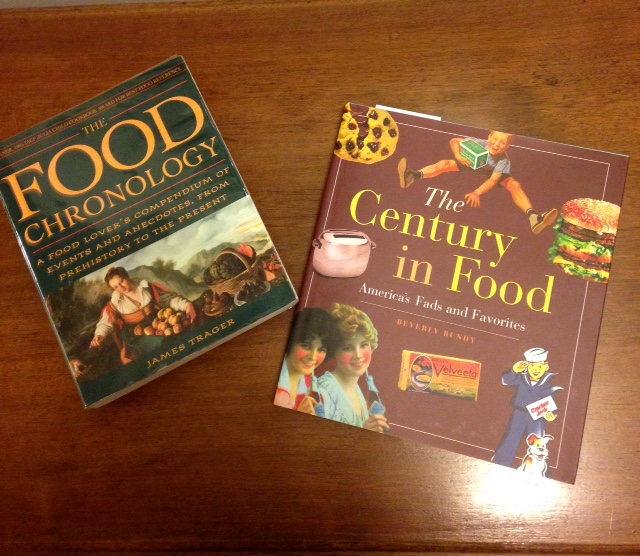
And to know what happened when with food, go to good books!
Saturday and Sunday were two great, packed, informative days! By the end of the Library of Virginia’s Annual Literary Luncheon, I was too caught up in events to write much, but that dam is about to break.
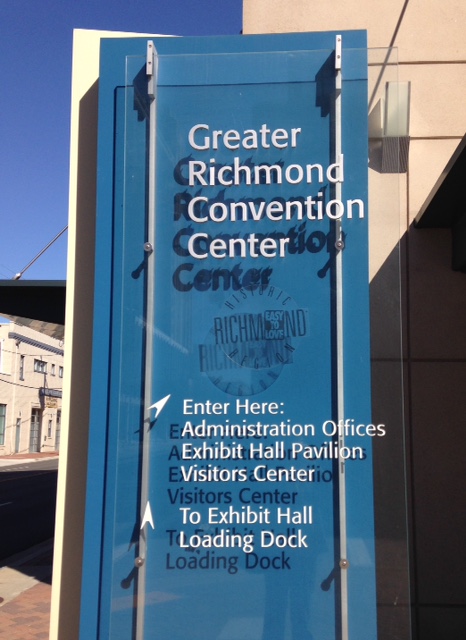
I’ve attended JRW Conferences since the earliest days, back when they were held at the Library of Virginia. I really liked that venue, the ambience, the close, personal feel of it. But the annual meeting outgrew the Library’s space. This year we met at the Greater Richmond Convention Center. It feels much more sterile, but there is plenty of room for meetings, plenary sessions, book signings and sales, plus convenient parking. Plenty of room for growth!
Let me say up front that the absolutely worst thing about JRWC is that I couldn’t attend every session. For example, on Saturday the concurrent sessions offered from 3:30-4:30 were How to Locate, Lure, and Land the Right Agent; To MFA or Not to MFA (virtues and vices of the academic route); Writing Diversity into Your Fiction (representing the larger world in your fiction, how and why); and 50 Shades of Red (on various aspects of writing erotica). What writer wouldn’t want to know all of that? (Well, maybe the kids/YA writers could skip the erotica.)
On the other hand, last week I mentioned that JRW classifies sessions by track. This year’s tracks were Diversity in Writing, Writing for Kids/YA, Poetry, The Pillars of Story, and Writing as Career 2.0. I tended toward The Pillars of Story, but not exclusively. Freedom to jump the tracks is one of the delights of the conference.
Hoping to find an agent for Nettie’s Books soon, I attended the session on getting the right agent (David Henry Sterry, Arielle Eckstut, Heather Flaherty, and Helen Heller, Bill Blume moderating). Although there was a lot of diversity on many things, (e.g., appropriate level of formality/informality) two areas of unanimity stand out: (1) research agents you intend to query; and (2) follow their online submission guidelines to the letter! The diversity of personalities on the panel was evidence that you (the writer) really should try to get a handle on your prospective agent as a person. Places to look are Facebook, blogs, Twitter, and any books the agent might have written. It also helps to hear them speak at a conference such as JRW, or meet them in a one-on-one session.
I’m currently working on a new novel, and the first 30 pages or so are pretty ho-hum. The presentation on conflict and tension was excellent (Raising the Stakes with Leah Ferguson, Valley Haggard, and Amy Sue Nathan, moderated by Jon Sealy). They reminded me of multiple aspects of tension and conflict: stakes can be personal or universal; conflict can be internal or external; a blocked goal = conflict; focus on physical or emotional danger; in every case, imagine the worst possible thing that could realistically happen in this situation and write it—you can always dial it back later for nuance. One thing I found especially helpful was Valley Haggard’s comment that readers connect with shame, pain, vulnerability, failure, and flaws. I wish I had a picture!
A Fine Romance (Leah Ferguson, Mary Chris Escobar, Amy Sue Nathan, moderated by M.M.Finck) brought genre into focus—women’s fiction vs. romance, into particular—and endings (happily ever after, happily for now, together but bittersweet because one or both had to sacrifice for it). Beyond that, what struck me is that their advice for writing a good romance or book of women’s fiction sounded just like the advice for good writing in general! Which reminds me: at the Festival of the Written Word, I’m on a panel with a title something like When Romance Meets Mystery. We shall see. Again, I wish I had a photo, but I was too far back in the hall.
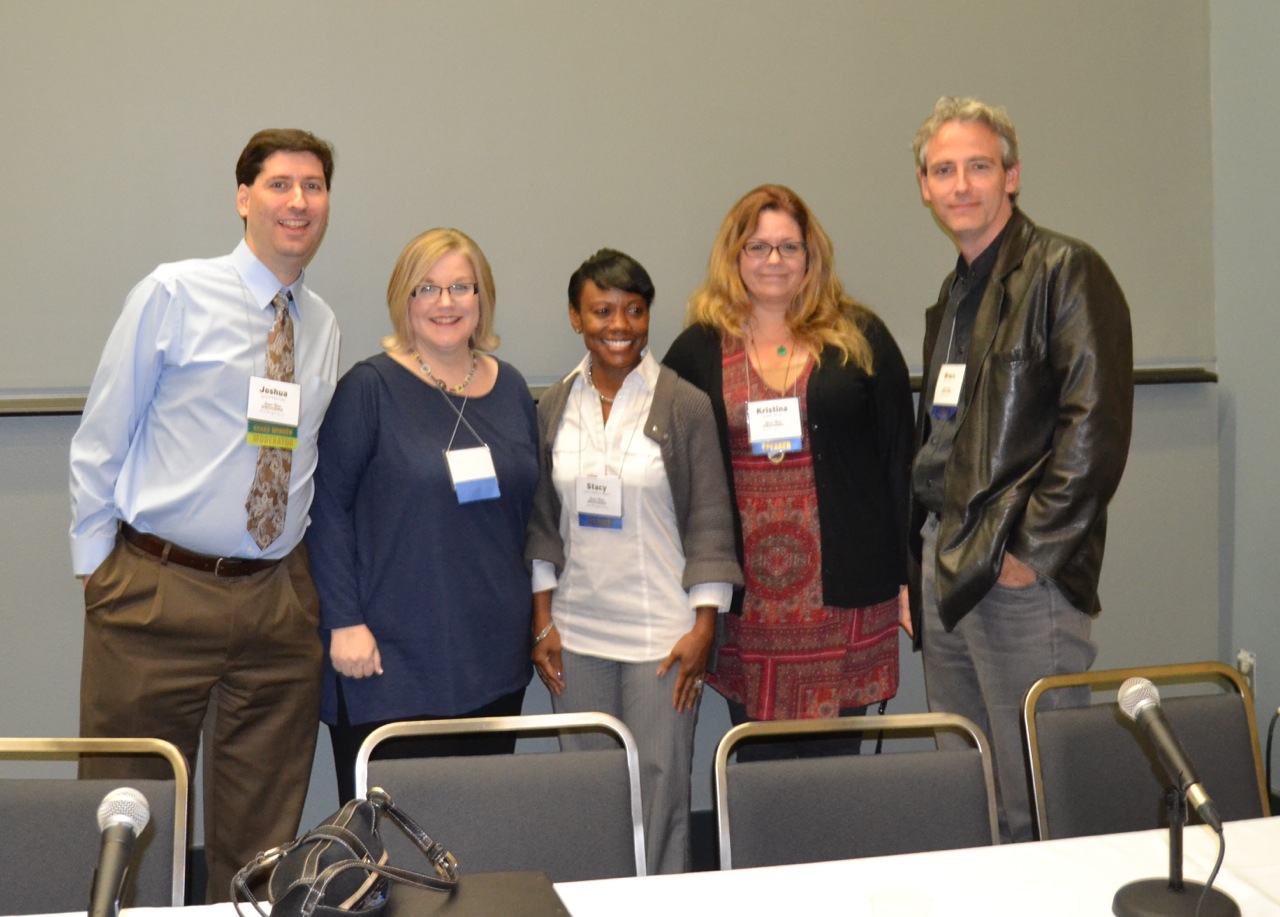
But I did get a picture of the panel for Writing Memorable Characters: Stacy Hawkins Adams, Bruce Holsinger, Amy Sue Nathan, Kristina Wright, moderated by Josh Cane.
L-R: Josh Cane, Amy Sue Nathan, Stacy Hawkins Adams, Kristina Wright, Bruce Holsinger
The variety of writing represented—inspirational women’s fiction and non-fiction, historical fiction, women’s fiction and romance, erotica—underscored the over-all rule that every type of writing (including memoir) needs memorable characters, and characters the reader cares about. The heroes and heroines need flaws. The bad characters need a good side. And one effective way of establishing both is to give readers the backstory.
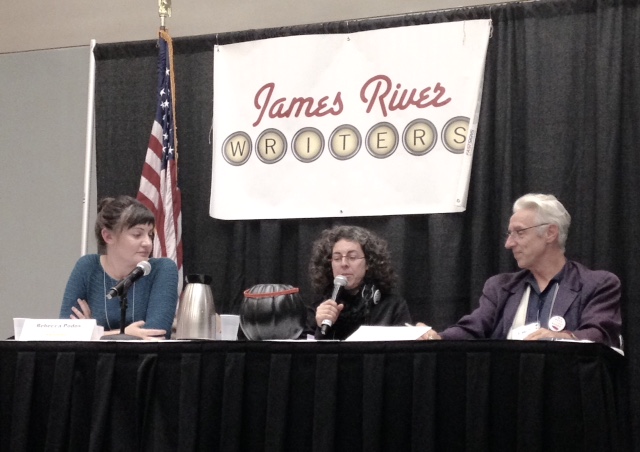
The last plenary session was the Pitchapalooza (David Henry Sterry, Arielle Eckstut, and Rebecca Podos) during which the names of volunteers were drawn from a plastic pumpkin and each had 1 minute—precisely one minute!—to pitch his/her book. Great fun, and very informative as the panel commented on the stronger and weaker aspects of each pitch.
L-R: Rebecca Podos, Arielle Eckstut, David Henry Sterry
The closing was brief, but celebrated the winners of the Best Unpublished Novel Contest, the Emyl Jenkins Award, and Pitchapalooza. Although not a winner, I was recognized as a finalist in the Best Unpublished Novel Contest. Very gratifying. But egocentric being that I am, I wish the awards (except Pitchapalooza, of course) had been announced a the beginning of the conference. Maybe people I didn’t know before would have congratulated me!
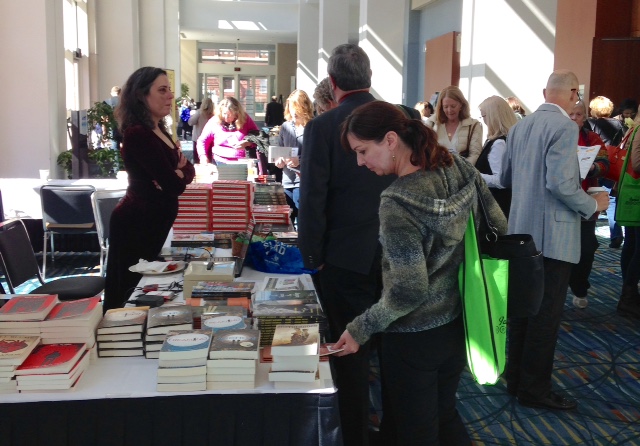
Alas, the conference wasn’t all about me. It was mostly about the books—and there were many to be had, and signed. Fountain Bookstore sold the books of all the presenters.
Fountain Bookstore selling speakers’ books at James River Writers Conference
I usually come away from the JRWC feeling that I got more than I paid for. Unfortunately, this year, that included a raging cold, including coughing and congestion, that laid me low as of Monday morning. I assume it was all the back-slapping, handshaking, and hugging.
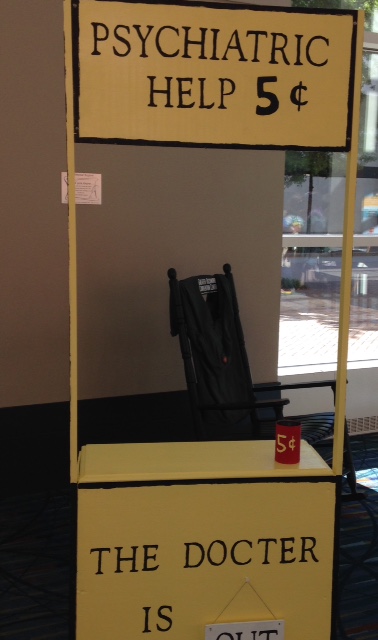
The “Lucy Booth” at the James River Writers Conference where writers could meet with a professional psychologist
On the other hand, a nasty cold was a great reason to put my feet up, review my notes, and enjoy the contents of my conference bag. I checked the writing classes offered by VMFA Studio School and the Visual Arts Center; considered invitations to submit to the next Poetry Virginia Annual contest and join the Virginia Writers Club; and I could browse the free issues of Richmond Magazine and Broad Street. Already looking forward to next year! Though I did suggest to Katharine Herndon (JRW Executive Director) that next year they try to get a bright colored conference bag!
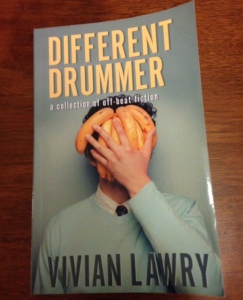
James River Writers Conference tote bag with Different Drummer postcard
The answer depends on what you are looking for, of course. In my experience, there are essentially two types of writers conferences: those that focus on fans and writers meeting-and-greeting, and those that focus on the craft of writing.
Virginia Festival of the Book is an annual conference for fans that lasts a week, cuts across genres, and most events are free!Bouchercon and Malice Domestic are two examples of fan conferences for mystery writers and fans. (Romance, fantasy, Sci-Fi, horror—all genre writers—have similarly dedicated conferences.) Bouchercon rotates worldwide (New Orleans in 2016), but Malice Domestic is always in the greater DC area. They spotlight big-name writers who address plenary sessions, receive honors, are interviewed, and sign books. Selfie opportunities vary. Lesser-known writers present panels and sign books. Everyone on the program has a book-signing slot. Lots of books get signed. There’s an area for exhibitors, everything from Sherlock Holmes deer-stalker hats to clothes and jewelry. At a conference such as this, I rode in the elevator with Sue Grafton, met Nevada Barr, and honored Dick Francis. They can be quite fun.
The annual James River Writers Conference (always in Richmond, Virginia) is of the improve-your-craft sort. Although awards are given and books are signed, the focus is on helping and supporting writers at all levels. All genres are welcome. JRW develops tracks so that attendees can easily identify related presentations over the two-day conference (e.g., Diversity in Writing, Poetry, Writing as a Career). Presentations are informative. Besides connecting with (relatively) local writers, there are options for meeting with agents, and learning to make more powerful first impressions.
For example, in the Richmond area, RavenCon (mostly fantasy an sci-fi) meets in the spring, and the Suffolk Mystery Writers Festival is in August. Still to come is Midlothian Festival of the Written Word, which crosses genres, is free for attendees, and will last for several hours on Nov. 7. (I’ll be there, by the way, on a panel with a title something like “When Romance Meets Mystery.”) These events are pretty casual. Attendance is much smaller, so it’s easier to get up-close-and-personal with the writers in attendance. Surely there are similar opportunities in other regions. Check local libraries. And as always, search online.
Whether you are a writer, a reader, or both, there’s a conference out there for you!
We all know about procrastination: doing less urgent/important things instead of more important/urgent ones—or doing more enjoyable tasks when less appealing tasks are more needful; deliberately looking for distraction from the task at hand. Virtually everyone procrastinates sometimes, and 20% of people are chronic procrastinators. Some people boast that they “work to deadlines,” often hustling or cramming at the last minute. Another catch-phrase is, “I work better under pressure.” Really?
Some types of procrastination are common for writers: organizing the workspace and writing implements so thoroughly that the writing time’s compressed or obliterated; editing for the umpteenth time, so long that the piece is never really finished; immersing themselves in one more bit of research, perhaps going off on a tangent into something interesting, possibly useful for some other work in the future; even reading broadly for pleasure and muttering excuses that all reading is good for a writer. Let me be clear: organization, preparation, editing, research, and reading are not evil in and of themselves, only when they block actual forward movement in the manuscript.
Writers are people. And people suffer from procrastination. Late payment fees, lower grades, anger or disappointment from friends and family are immediate outcomes of some kinds of procrastination. But who cares if a writer puts off writing? If writing puts food on the table, it threatens livelihood. But whether that’s the case or no, not meeting one’s goals/commitments leads to guilt, depression, and low self-esteem.
According to one accessible source, Psychology Today, “procrastination reflects an on-gong struggle with self-control as well as an inability to know how we’ll feel tomorrow or the next day.” They have articles on everything from the history of procrastination to its relationship to morality, from ways to overcome procrastination to boredom at work. Some claim that procrastination is a defense mechanism against fear of failure: if the last-minute product isn’t perfect, the creator can take comfort in the knowledge that working on it more, it would have been better, could have been great. Then there is the positive side of procrastination: it reveals what one’s real motives and value are.
Takeaway one
Acknowledge whether/when/why you procrastinate in your writing life. Consider what that tells you about the importance of writing—for you.
Takeaway two
If writing is truly important, sweep aside the hurdles. Take baby steps—a page or two a day, no editing till there’s one complete draft. Don’t doubt yourself. Just do it. And if you need help with that, read all the on-line tips on overcoming procrastination. And if that doesn’t work, and you truly care, seek therapy. Help is out there.
I’m delighted to have a guest post on Buried Under Books. Many thanks to Lelia Taylor for welcoming me to her fantastic blog.
The Great Escape
Excerpted from Buried Under Books
When I was a young child, the only books in our house were several Bibles and a two-volume pictorial history of World War II. My father, who had an eighth grade education, subscribed to Field and Stream. My mother (tenth grade education) subscribed to Modern Romance and True Confessions. Besides the Dick-and-Jane readers, the first books I remember clearly are The Littlest Mermaid (not the Disney version) and my fourth grade geography book. The former showed me beauty, magic, and sorrow. The latter showed me wonders of the world beyond my small Ohio town. I can still see the pictures of African tribes—pigmies; women with elongated necks, their heads resting on a column of rings; men with artistic scarring.
Neither my school nor my town was big enough to boast a library. Instead, we had a bookmobile that came every two weeks. I had special dispensation from my teachers to take out more than two books at a time. I walked home with all the books I could carry between my cupped hands and chin. On the shelves of that bookmobile I discovered my first serialized love: the Cherry Ames nurse books, 27 of them written between 1943 and 1968 (by Helen Wells (18) and Julia Campbell Tatham (9)). Every book involved a medical mystery. My second serial love was the Ruth Fielding series, 30 volumes produced by the Stratemeyer Syndicate, between 1913 and1934. Ruth Fielding volumes and several books of fairy tales filled a small bookshelf at the foot of my Aunt Mary’s bed. Mary was (and is) five years older than I. When I stayed with my grandparents in the summer, I devoured Aunt Mary’s books. Ruth Fielding also solved mysteries. And the fairy tales? Only a step from The Littlest Mermaid.
This is a sequel to “Death Comes to Hollywood Cemetery,” which appears in Virginia Is For Mysteries. It follows Clara as she escapes war-torn Richmond in 1862 only to encounter wounded soldiers and spies in Bath County.
Preorders are the way that the big stores judge how many to order. It’s an opportunity to support local authors and reserve your copy. Virginia is for Mysteries, Volume II releases on February 1, 2016.



 . On the shelves of that bookmobile I discovered my first serialized love: the Cherry Ames nurse books, 27 of them written between 1943 and 1968 (by Helen Wells (18) and Julia Campbell Tatham (9)). Every book involved a medical mystery. My second serial love was the Ruth Fielding series, 30 volumes produced by the Stratemeyer Syndicate, between 1913 and1934. Ruth Fielding volumes and several books of fairy tales filled a small bookshelf at the foot of my Aunt Mary’s bed. Mary was (and is) five years older than I. When I stayed with my grandparents in the summer, I devoured Aunt Mary’s books. Ruth Fielding also solved mysteries. And the fairy tales? Only a step from The Littlest Mermaid.