It seems like everyone is watching television and movies through streaming services now — especially Netflix. Each of those streaming services boasts a wide array of original shows and movies, and of course some of those are born from books.
So many of those book-to-movie adaptations (or book-to-tv adaptations) are taking the world by storm. Here are a few to check out (keeping in mind I’m not counting comics like Riverdale or The Defenders). These are in alphabetical order by Netflix show/movie name.
Television shows/miniseries
A Series of Unfortunate Events, based on A Series of Unfortunate Events by Lemony Snicket
Alias Grace, based on Alias Grace by Margaret Atwood
Altered Carbon, based on Altered Carbon by Richard K. Morgan
Anne With an E, based on Anne of Green Gables by L.M. Montgomery
Girlboss, based on #Girlboss by Sophia Amoruso
Hemlock Grove, based on Hemlock Grove by Brian McGreevy
House of Cards, based on House of Cards by Michael Dobbs
Kiss Me First, based on Kiss Me First by Lottie Moggach
Mindhunter, based on Mindhunter: Inside The FBI’s Elite Serial Crime Unit by John Douglas
Orange is the New Black, based on Orange is the New Black by Piper Kerman
Shadowhunters, based on City of Bones by Cassandra Clare
The Last Kingdom, based on The Saxon Stories by Bernard Cornwell
13 Reasons Why, based on 13 Reasons Why by Jay Asher
Movies/Documentaries
A Wrinkle inTime, based on A Wrinkle in Time by Madeleine L’Engle
The Guernsey Literary and Potato Peel Pie Society, based on The Guernsey Literary and Potato Peel Pie Society by Mary Ann Shaffer and Annie Barrows
The Lovely Bones, based on The Lovely Bones by Alice Sebold
To All the Boys I’ve Loved Before, based on To All the Boys I’ve Loved Before by Jenny Han
I’m sure there are movies and shows I’ve forgotten. Don’t see your favorite on the list? Let me know in the comments or on Facebook!
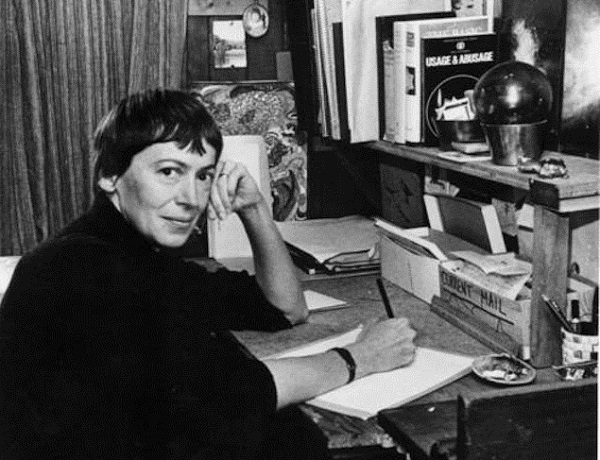
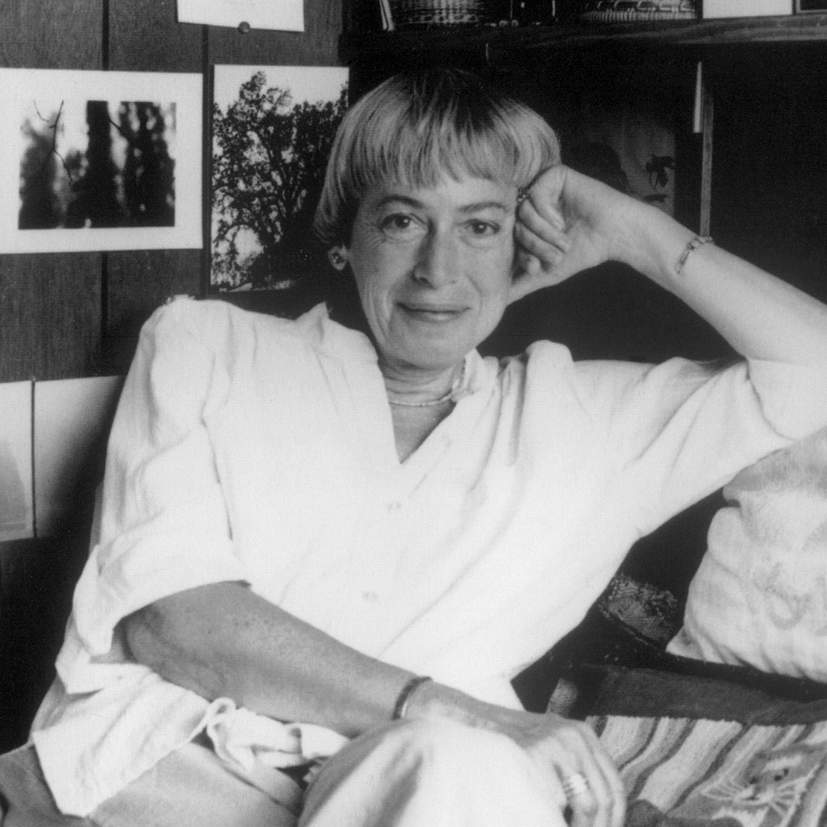
Ursula K. Le Guin reading from Lavinia at Rakestraw Books, Danville, California, on June 23, 2008 [Source]
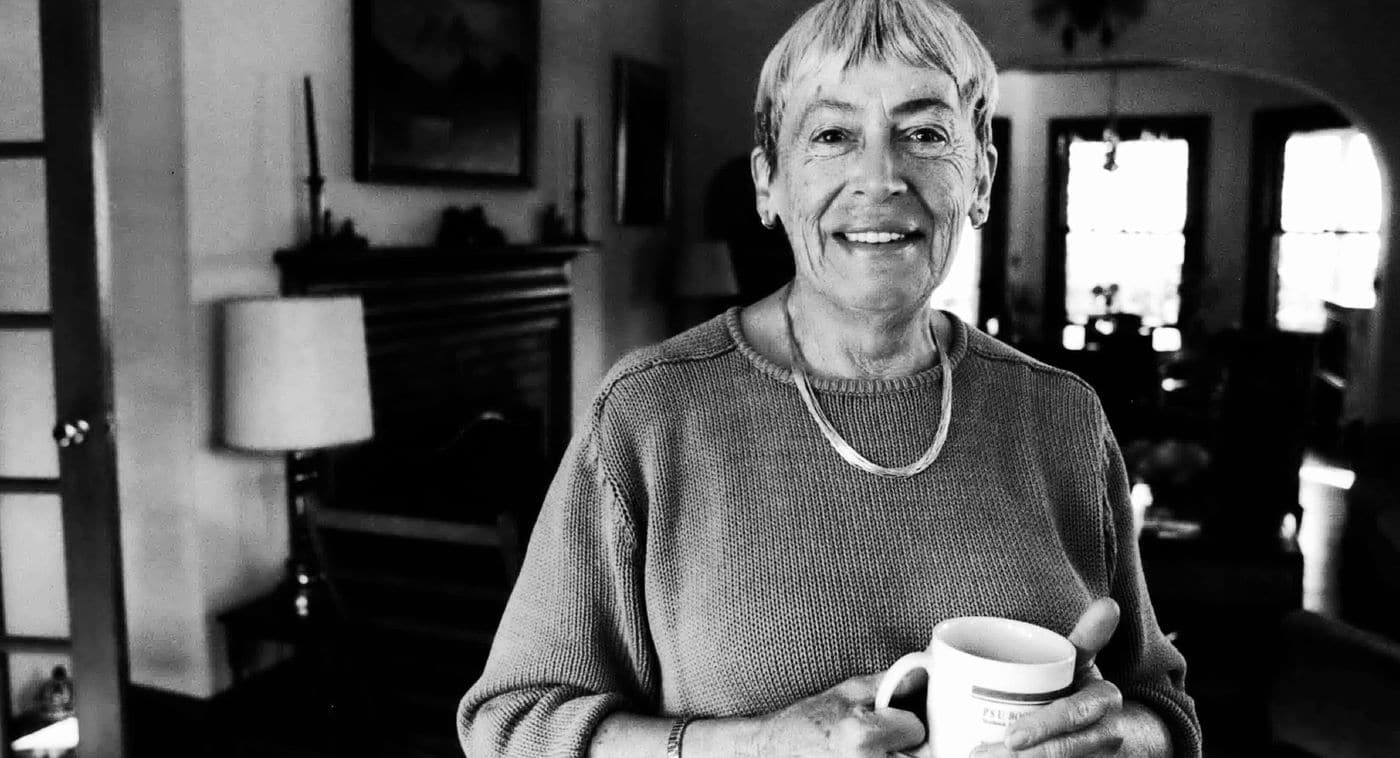
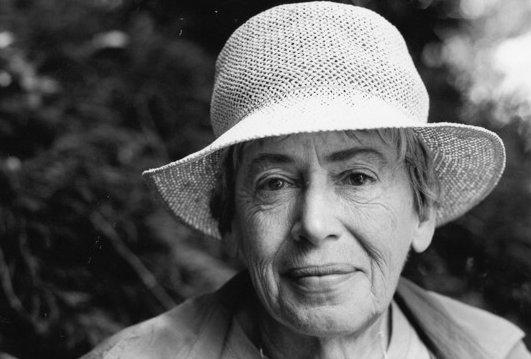
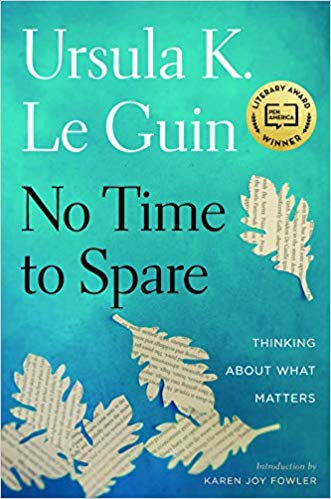
On several dimensions important to me—and to most writers—Ursula Le Guin has excelled almost beyond comprehension. One thing I admire, which doesn’t fit into any particular category, is that Le Guin’s writing is a spiral rather than a line, i.e., she didn’t write one way and then move on to another, never looking back. When you examine the list of her publications at the end of this blog, you’ll see that in any given year, she was writing in several directions, and in later years she circled back to earlier series.
Wonder Woman for Breadth
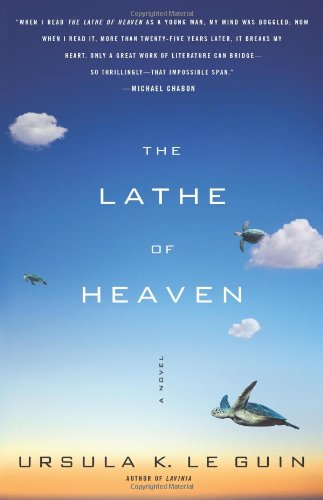
Although best known for science fiction and fantasy, over a writing career that spanned more than half a century, she wrote all sorts of things for all sorts of readers, across genres and formats. Her first publication was a poem, “Folksong from the Montayna Province,” in 1959. She continued to write poetry over the decades, but she would never have labeled herself a poet. The New York Times (2016) called her “America’s greatest living science fiction writer,” but she preferred to be known as a novelist.
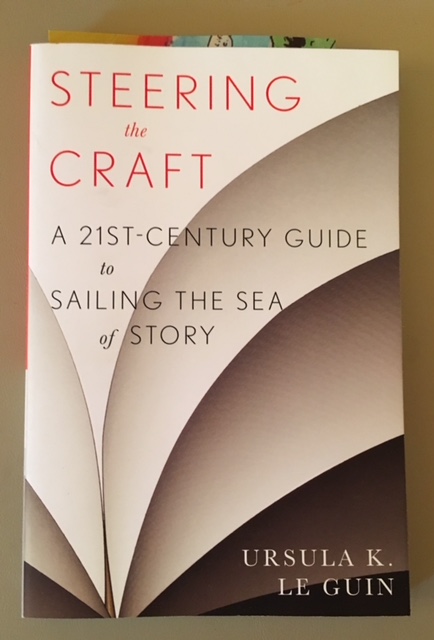
Besides poetry, science fiction, and fantasy, she wrote children’s books, short stories, literary fiction, non-fiction, literary criticism, and blogs. Among her non-fiction writings are books of advice for writers, which grew out of her work as an editor and teacher (at Tulane, Bennington, and Stanford, among others), the best known of which is Steering the Craft. BTW, within the last nine months, this guide has been recommended to me by two separate and independent writing teachers.
Writing during years when what was socially accepted was evolving, her fiction often depicted alternatives seldom spoken of regarding gender options and alternatives, religion, race, sexuality, politics, the natural environment, and culture. Perhaps this was the legacy of having an anthropologist father and a mother trained in psychology who later turned to writing. According to Wikipedia, her writing contains many recurring themes and ideas: the archetypal journey, cultural contact, communication, the search for identity, and reconciling opposing forces. This is as I remembered her fiction from years ago. I think it’s about time to revisit Le Guin!
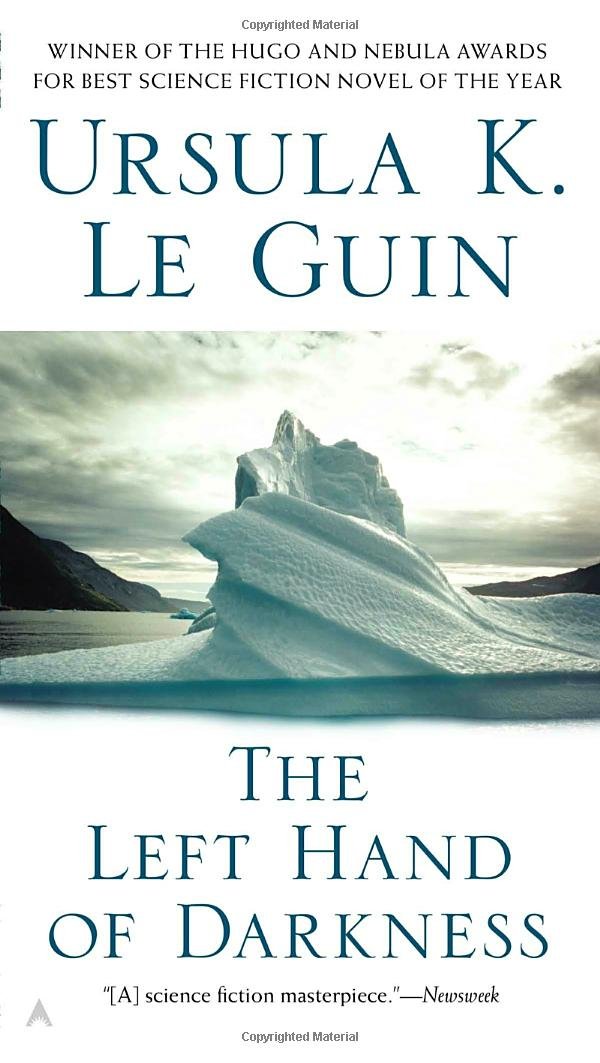
Her novel The Left Hand of Darkness (1969) has been called her first contribution to feminism. Le Guin created, for example, a planet where humans have no fixed sex. Her work brings to the foreground on an ongoing basis equality, coming-of-age, and death.
What I call her “sociological/cultural” approach is what appealed to me, as opposed to sci-fi/fantasy that depends on technology, genetic modification, mind control, robots, and similar machines of domination.
Le Guin graduated Phi Beta Kappa from Radcliffe and was awarded three Fulbrights. In 2002 the U.S. Library of Congress made Le Guin a Living Legend in the “Writers and Artists” category.
A PEN/Malamud Award
American Library Association honors for young adult literature and for children’s literature
Pacific Northwest Booksellers Association Lifetime Achievement Award
The Maxine Cushing Gray Fellowship for Writers from the Washington Center for the Book
The Emperor Has No Clothes Award from the Freedom From Religion Foundation
National Book Foundation Medal for Distinguished Contribution to American Letters (a lifetime Achievement award)
Gandalf Award Grand Master of Fantasy
Pilgrim Award from the Science Fiction Research Association
Induction into the Science Fiction and Fantasy Hall of Fame.
Grand Master of The Science Fiction and Fantasy Writers of America
North American Society for Utopian Studies Lyman Tower Sargent Distinguished Scholar Award
See for yourself below. And this is only an approximation! I’ve marked award winners by *. For more than one award, multiple asterisks. Disclaimer: I’ve done my best but I’m sure I’ve missed both publications (particularly short stories and novellas, which often don’t make lists) and awards. Still, it’s pretty impressive!
This book is a collection of the best of Le Guin’s blogs—the newest frontier of writing. If she had not died January 22, 2018, who knows where she might have gone next?
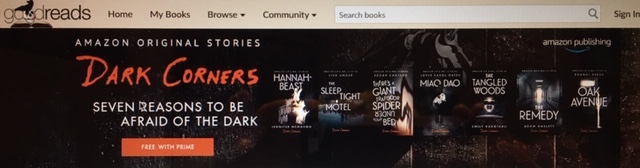
Celebrate it on Goodreads! Here you will find their list of the 50 most popular horror books on Goodreads, “From Mary Shelley to Stephen King.” You can also read the Ghastly Horror Subgenres (sic), Book-to-Scream Adaptations, 13 True Tales of Terror, and—just for fun—The Nightmare Generator. My worst nightmare is supposed to be an incompetent vampire in the nursery. For my husband, it’s supposed to be a paranoid cannibal in the attic. FIND YOUR WORST NIGHTMARE!
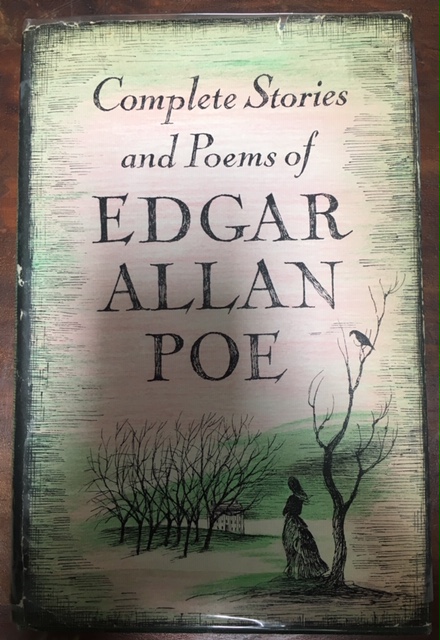
Edgar Allan Poe is only one proof that well-written horror is well-written literature. It’s timeless. And every set of tips on how to write horror includes the observation that good writing, and all the elements thereof, are the foundation with horror being an add-on. “Horror” means an intense feeling of fear, shock, or disgust.
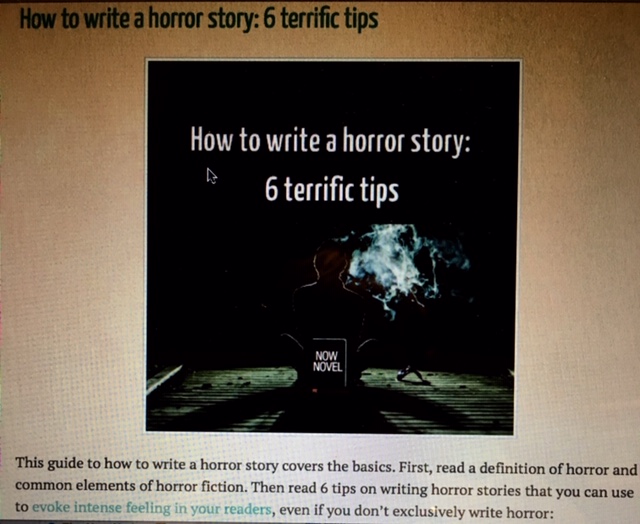
Now Novel is a good place to start if you are thinking of dipping your toe into this genre. According to this blog, the 5 common elements of the best horror stories are these:
They explore malevolent or wicked characters, deeds, or phenomena.
They arouse feelings of fear, shock, or disgust as well as the sense of the uncanny.
They are intense.
They contain scary and/or shocking and scintillating plot twists and story reveals.
They immerse readers in the macabre.
The blog then goes on to discuss six tips:
How to write horror using a strong, pervasive tone.
The importance of reading widely in your genre.
Giving wicked characters credible motives
Using the core elements of tragedy
Writing scary novels by tapping into common human fears.
The difference between terror and horror.
If you want even more advice, you can find it at The Ramble. According to Chuck Wendig, horror is best when it’s about tragedy. It contains subversion, admonition, and fear of the unknown. Horror works on our minds, our hearts, and our gut. It can be gross, but that isn’t necessary. What is necessary is for characters you love to make choices you hate. “SEX AND DEATH ALSO PLAY WELL TOGETHER.” You should never tell readers they should be scared. He writes much more than this, of course.
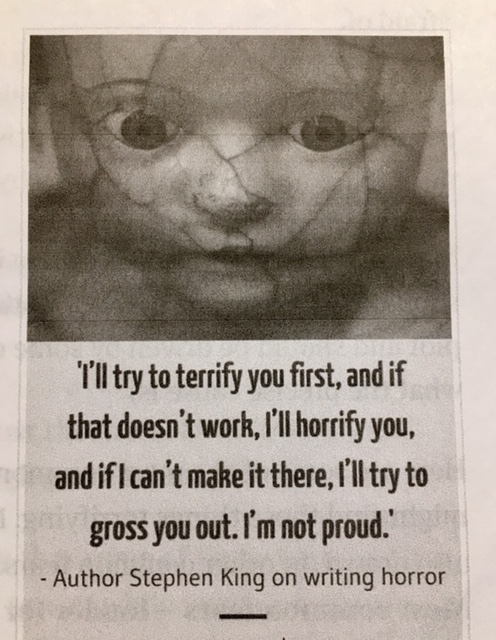
In my opinion, one of the best sites is Bustle. It includes comments from ten authors, including Stephen King, who discusses gross-out, horror, and terror.
Advice from others includes:
Shirley Jackson: Use your own fear.
R.I. Stine: Get inside your narrator’s head.
Tananarive Due: Don’t worry about being “legitimate.”
Ray Bradbury: Take your nonsense seriously.
Anne Rice: Go where the pain is.
Clive Barker: The scariest thing is feeling out of control.
Linda Addison: Just start writing and fix it later.
Neil Gaiman: Tell your own story.
Helen Oyeyemi: Keep it real (kind of).
And the advice goes on. Bottom line: This is the week to read and/or write a little horror!
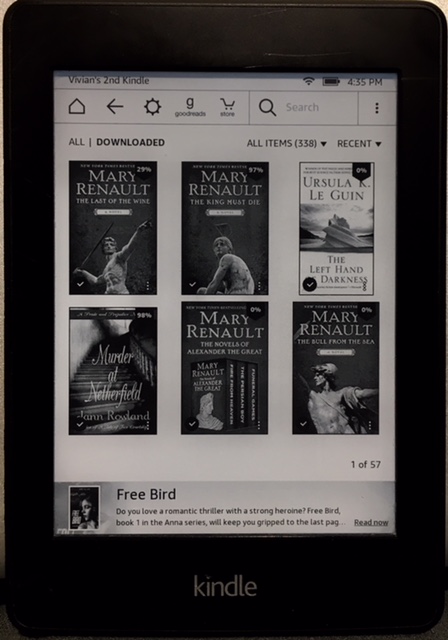
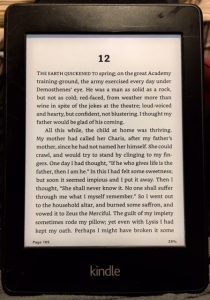
I’m picturing and talking about Kindle here because that’s what I have, but I assume other e-readers have the same characteristics. No doubt some of the points I make will be already known to you—for example, portability and convenience. As you can see in the above picture, my Kindle currently contains 338 books. That’s hundreds of books at my fingertips—i.e., hundreds of choices, virtually anytime, anywhere.
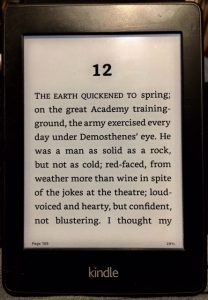
Then, too, any book can be read in large print. Sometimes, depending on fatigue, people who don’t usually need larger print temporarily do! Then, too, one can control the brightness to read comfortably in varying ambient light. And, not insignificantly, new e-books cost considerably less than their physical counterparts. (One can often find great prices on old books, overstocks, books in library book sales, etc. The downside is often not being able to get the book you want, when you want it.)
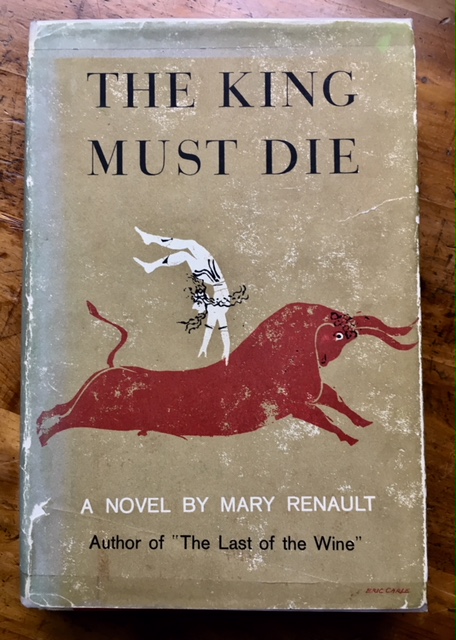
I recently started rereading Mary Renault. She was a favorite of mine years ago, and I decided to revisit her work and see what I think of it now that I write fiction myself. I’m not disappointed! She writes well: strong verbs, vivid action, good sensory appeal (especially visual), a well-rounded protagonist, and excellent weaving together of myth and archaeological evidence.
But, frankly, I don’t know how I made it through the physical books! For example, The King Must Die has a cast of thousands (only a slight exaggeration), references to gods who are (to me) only vaguely familiar, complex family relationships, unfamiliar geography, and lots of references to antique items and geology. KINDLE TO THE RESCUE! By holding my finger on an unfamiliar word, I learned that keeking means peeping surreptitiously, porphyry is a reddish igneous rock, greaves are shin armor, and hundreds more! Where in the past I would have skimmed the unfamiliar or approximated meaning from context, my e-reader gave me a much richer read.
The King Must Die was such a joy, I’m now on the next. Indeed, I’ve downloaded every Renault Amazon has available. (FYI, I binge read authors I really like.) And I believe every reader of the unfamiliar, whether fiction or nonfiction, can have an enhanced read on an e-reader.
Bottom line: Reading on an electronic device is an opportunity to broaden vocabulary, deepen general knowledge, and make the esoteric available to the non-expert!
I’ve recently read several novels by a U.S.A. Today best selling author, and the quality of the writing/editing drove me nuts. How can someone who does these things be a bestseller? These are Regency Romance novels, if that helps put my complaints in context.
What’s wrong with these books?
Across novels, the following happens repeatedly.
The women step so fast that their skirts flutter about their ankles.
A curl is forever falling over her eye (or sometimes his).
The male love interest is invariably over six feet tall (in the early 1800s) with a chiseled body to rival Greek statues.
Someone is often willing to “trade her [littlest] finger for . . .”
Fingerfuls of brandy are splashed into glasses, which are usually then filled to the brim.
Oh, so often, something really isn’t well done.
Someone (usually male) often rubs a lock of hair between thumb and forefinger.
Stray locks are often tucked behind her ear.
People turn their heads so fast they wrench the muscles of their necks.
Tense characters grip the edge of a table or the arm of a chair hard enough to leave crescent marks. (Sometimes those crescent marks are on palms.)
People have thick dark hooded lashes.
When angry, characters often grit their teeth or clench their teeth so hard that pain radiates or shoots up their jaws.
And then there are the awkward or erroneous constructions.
his head reeling to the side
eldest vs. elder when there are only two
to not get
two very entirely different
where she was far safer to his senses
there, with but the risk of a patron passing by away from ruin, he kissed her
most unfavorable of light
to their respective box (or chair)
there is nothing unordinary
little expectations
still bore the blunt of his fist
as always, entirely, too cheerful
I came tonight at the bequest of my sister
So why is this a bestselling author?
The heroines are NOT universally gorgeous, perfectly proportioned, and virtuous.
Heroines are smart, active, resourceful, and brave.
Often minor characters in one book become the principles in subsequent books, offering continuity.
And there are usually breaches of the class lines of the period.
So maybe this is a case of readers reading for story, not for style. Oh, sigh.
Perhaps you already know that I enjoy the odd, unusual, bizarre, and humorous. You surely know that if you’ve read Different Drummer! But it goes beyond my writing. Over the years, I’ve read a lot of weird stuff!
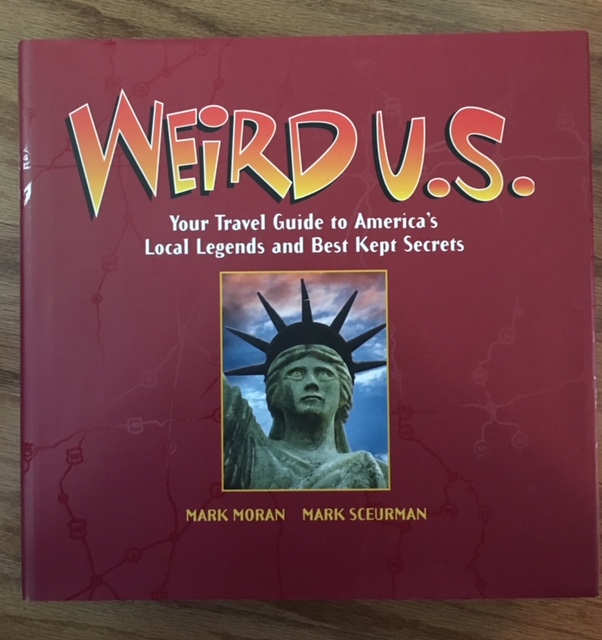
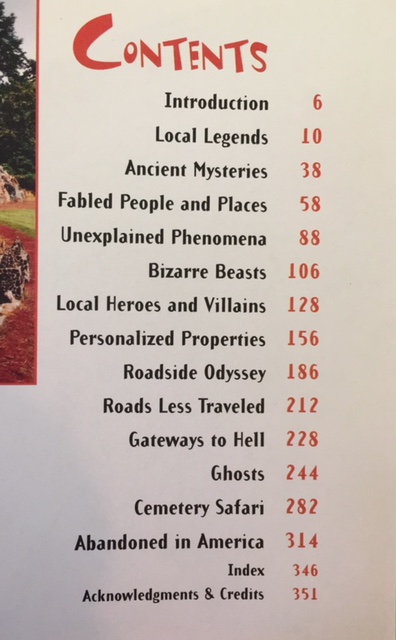
One really good overview of weird is this book by Mark Moran and Mark Sceurman, first published in 2004. In it, you can read about The Mutter Museum, part of the College of Physicians of Philadelphia, which is filled with medical oddities. Such exhibits as outdated medical tools (e.g., a brain slicer), a wall of wax reproductions of eye injuries, and actual skeletons abound.
Open the book at random and you can read about The Paper House in Massachusetts, built in the 1920s, or The Goat Man of Prince George’s County. The book is organized by topic, so whatever sort of weird phenomenon fits your story line, you can find several examples here.
The main drawback to this collection of weird is that if you want weird-by-location, that info is hard to come by. The index is alphabetical by name with the state location in parentheses, but there are no listings by state, per se. But not to worry! There are dozens of books out there to fill the geographical gap.
I have the books about the three places where I’ve lived most of my life, but there are tons more out there. In this particular series (in no particular order): Louisiana, Oklahoma, California, New Jersey (2 volumes), Kentucky, Michigan, Massachusetts, Indiana, the Carolinas, Colorado, Tennessee, Texas, Florida, Pennsylvania, Georgia, Washington, Illinois, Oregon, and New England, plus Hollywood, Las Vegas, and England.
Based on the three I own, I believe all are organized in the same way, so here again, it’s difficult to narrow the geographic location based on the index. Although there are a ton of books out there containing esoteric information, most of these are organized by topic, also. If you go to Amazon you will find whole sets of “strange but true” and “weird but true” books in which the book is devoted to a particular topic, such as sports, animals, the human body, history, etc.
But persevere! If geography is what you want, it’s out there.
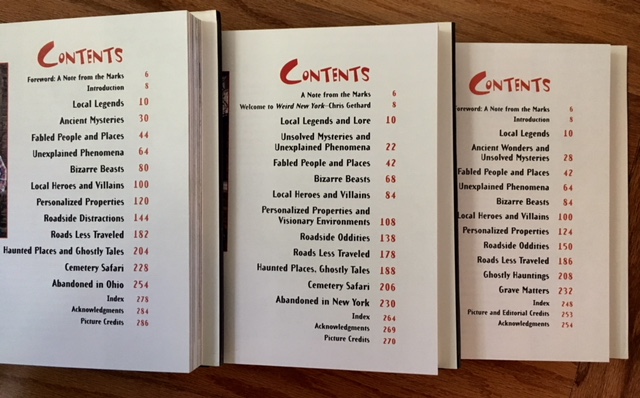
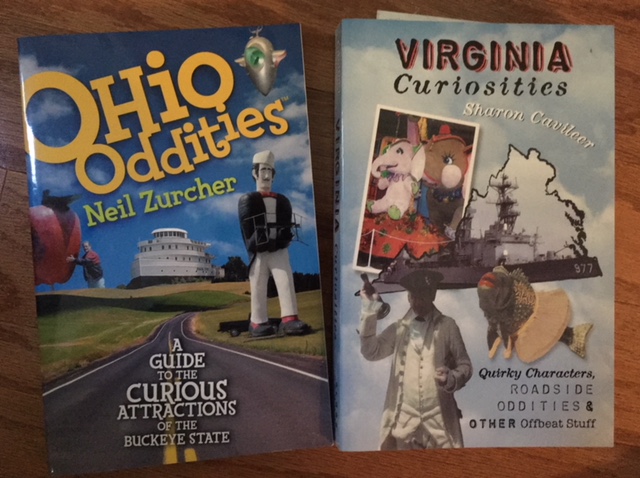
These two books by Neil Zurcher and Sharon Cavileer are organized by geographic areas within Ohio and Virginia, respectively. I’m sure there are other states as well.
If you’re at all inclined to write and/or read about the offbeat, there’s a book for you!
Summer is a big season for literary magazines to publish big work. Many publications take submissions in the spring and fall, and post their issues in the summer and winter. That being said, so many great literary magazines have put out new issues this season. Here are just a few:
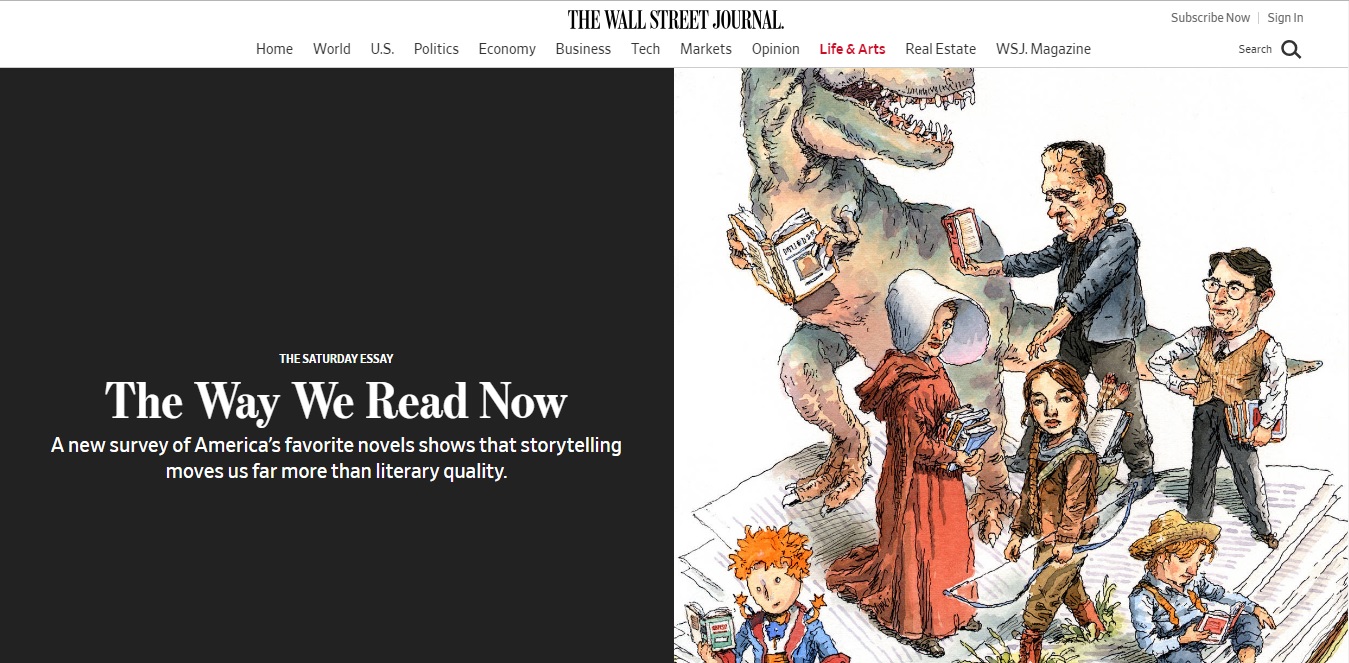
A friend sent me an excerpt from this article by Adam Kirsch, published August 3, 2018. Does this apply to you?
“Another way of putting it is that when Americans read, we mostly read for story, not for style. We want to know what happens next, and not to be slowed down by writing that calls attention to itself. According to one familiar indictment of modern literature, today’s literary writers are unpopular precisely because they have lost interest in telling stories and become obsessed with technique. In the 20th century, this argument goes, literature became esoteric, self-regarding and difficult, losing both the storytelling power and the mass readership that writers like Balzac, Dickens and Twain had enjoyed.”
Do you agree? Why or why not? Let me know, please.
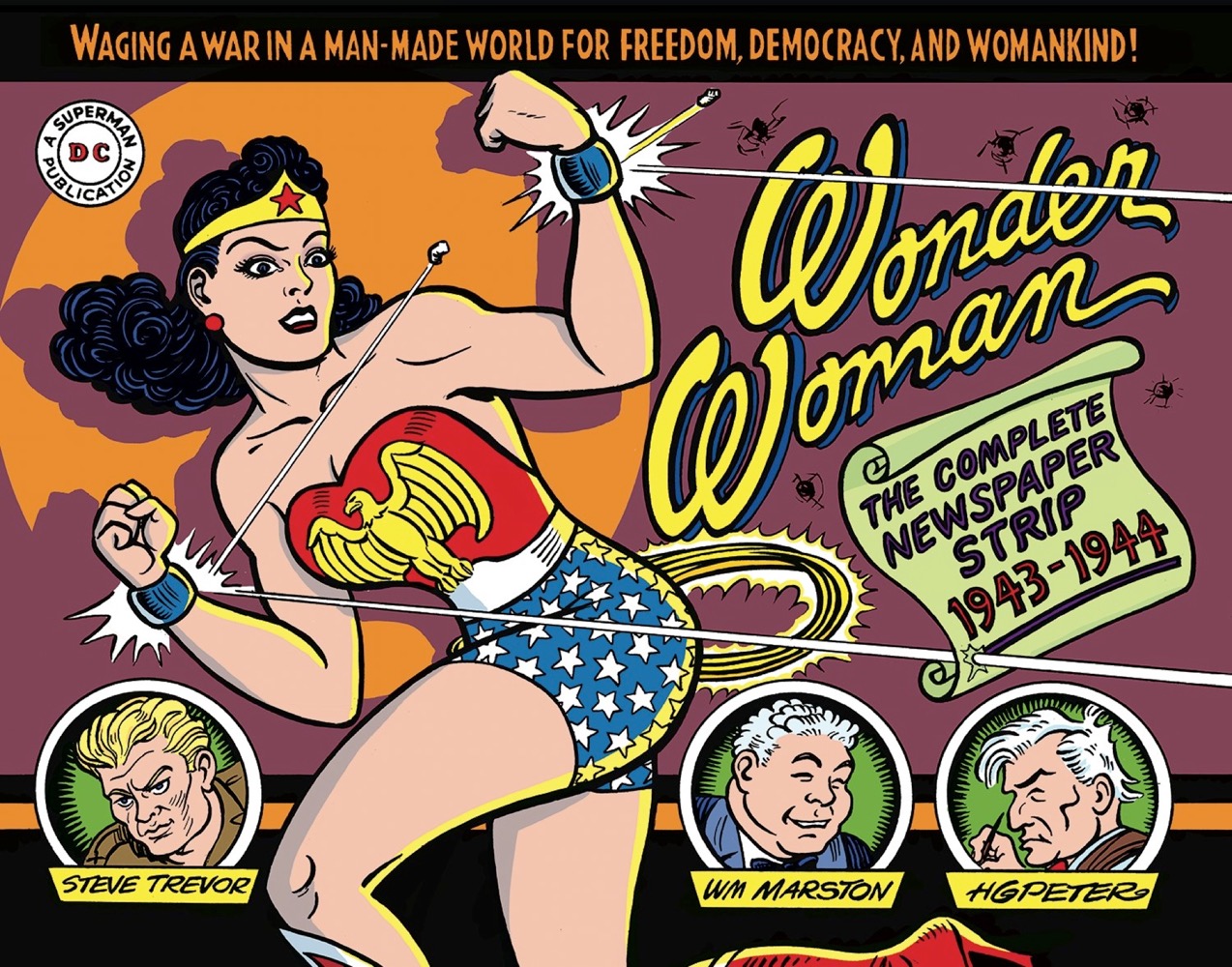
There were comic books, periodicals geared mostly for older children and teens, pretty much equal parts drawings and text. They were/are fast reads, typically 22 pages. Although all are called comics, many were action/adventure, super hero series. Advertisements abound.
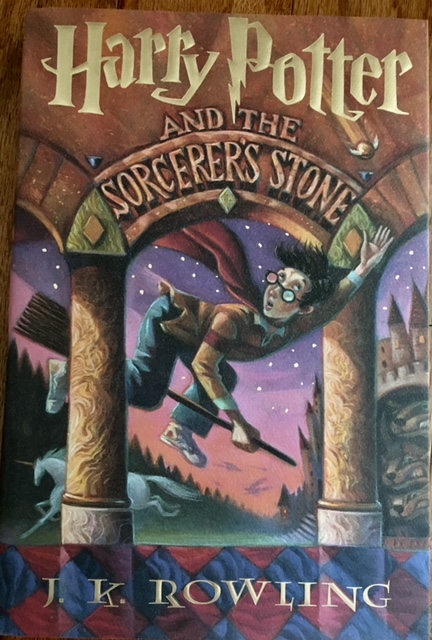
Then there were “real” books, hundreds of pages of text, complicated plots, and virtually never with pictures. (Oh, yes, I must give a nod to so-called coffee table books, in which photographs are their reason to be. Such books tend to be incredibly expensive. I don’t think their existence undermines my general point here.)
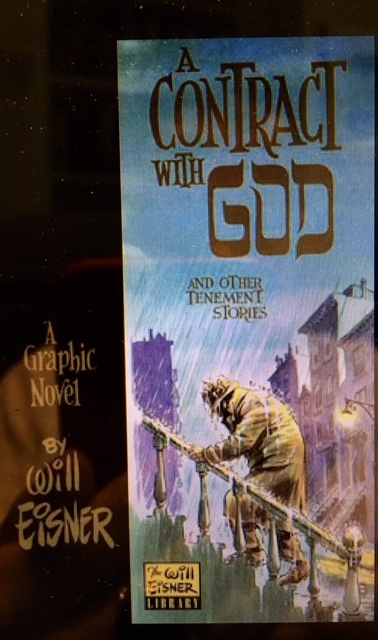
Graphic novels are cartoon drawings that tell a story and are published as a book. Will Eisner is typically credited with popularizing the label “graphic novel” after the publication of his book in 1978. By the mid 1980’s, the public was generally aware of that genre.
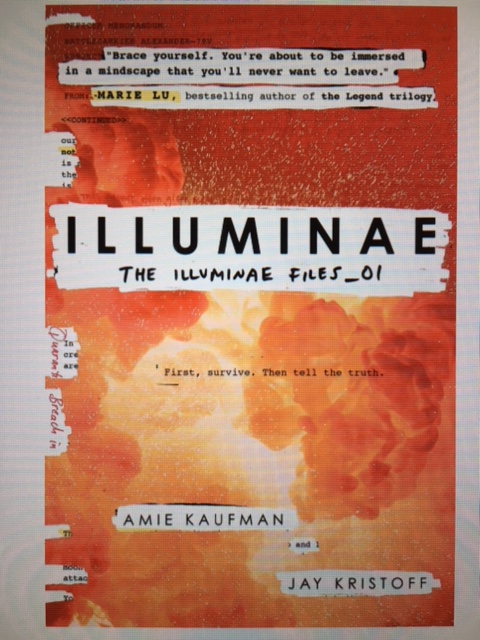
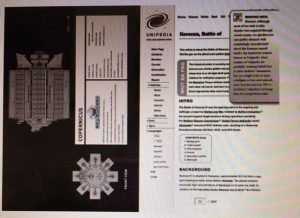
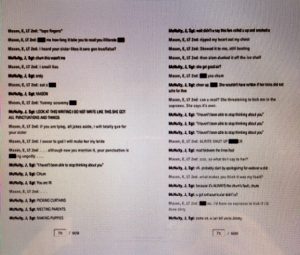
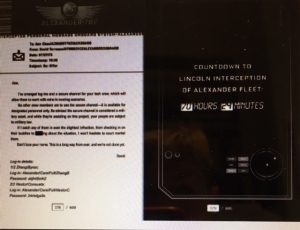
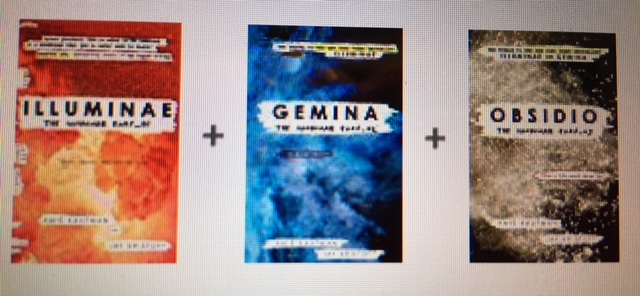
Last week, at the beach, I was introduced to yet another emerging book format. Illuminae is bestselling science fiction that tells the story through a mix of realistic graphics, ships logs, text messages, lists of the dead, etc. Unlike cartoon drawings, these are ultra-realistic, from the use of acronyms and abbreviations right down to the occasional typo in text messages. Here are what some of those pages look like.
This format continues in two subsequent books in the series. Perhaps people are embracing the visuals. Th the very least, readers are not deterred.
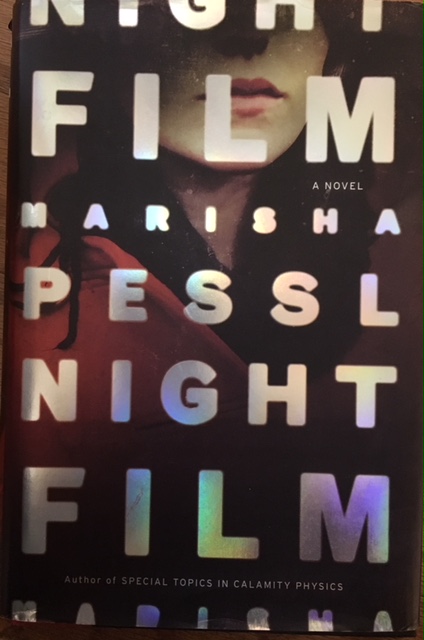
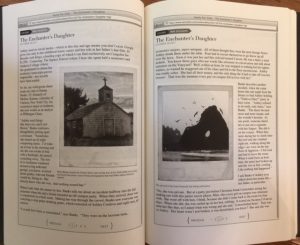
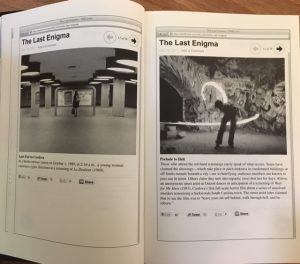
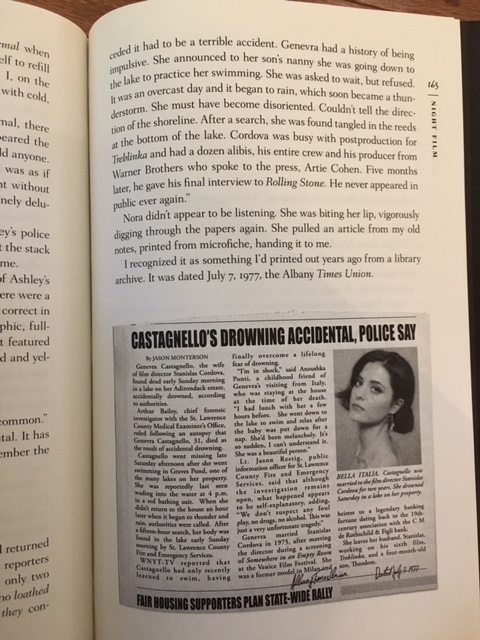
Another example of the changing looks of books is Night Film, touted as a gorgeously written, spellbinding literary thriller.
A friend read, recommended, and gifted the book to me. I haven’t read it yet, but just opening it at random I find large chunks of narrative and dialogue interspersed with realistic images representing everything from the results of on-line searches to purported magazine covers to newspaper articles.
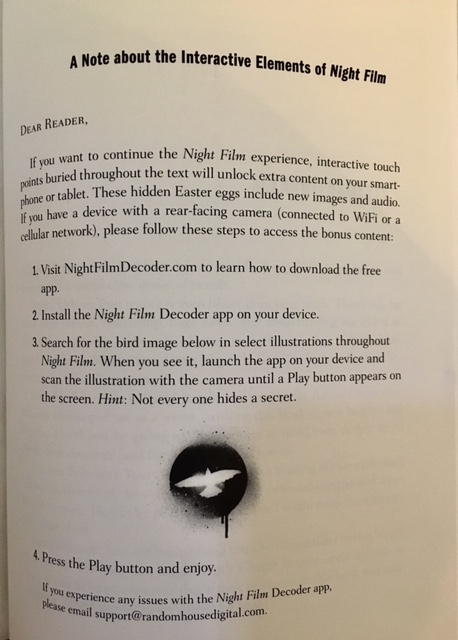
And just to add another little twist, at the end of the book one finds the following page. It begins, “If you want to continue the Night Film experience, interactive touch points buried throughout the text will unlock extra content on you smartphone or tablet.”
All the traditional formats of books are still out there. Cathryn Hankla’s lost places was published earlier this year and is completely in traditional text format. It is being very well-received.
BOTTOM LINE: The visual appearance of books is evolving. I suspect it’s the massive moves in technology which allow such printing diversity. Readers have more choices than ever before. And so do writers!
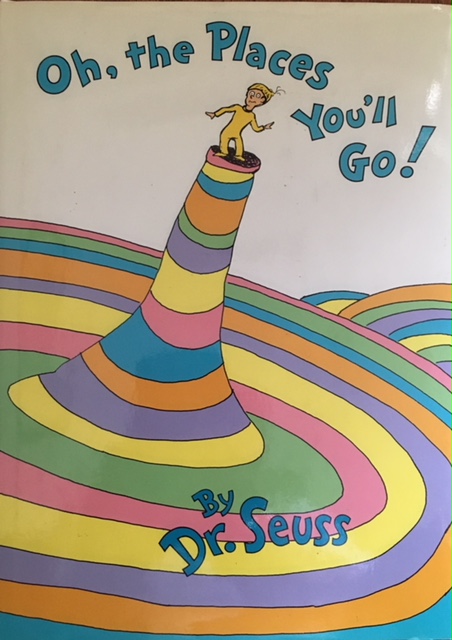
I’ve already said that by my definition, whatever one reads at the beach is a beach read. So, having just returned from a beach week with family—13 people ranging in age from 10 to 87—and without comment, here are the books people were reading.
I said no comments, BUT: 4 people there had read Illuminae and/or started reading it during the week!