“Self-soothing” refers to behaviors people use to regulate their emotional state by themselves. It’s a strategy used to regain equilibrium after an upsetting event, or when facing a stressful situation. (For example, when a child’s parents argue, or an older person has to make a public presentation.)
Self-soothing behaviors are often apparent early in life, and are calming or comforting for a child or adolescent. Infants, for example, may be seen repeatedly sucking fingers or thumbs, hugging a toy or blanket. These habits may continue for years.
Self-soothing behaviors are repetitive/habitual in nature—and are often not consciously applied. Do you touch your hair, twist a ring, straighten your tie, etc.? Noticing when you engage in such behaviors can help you recognize mildly tense or stressful situations. It’s another form of self-awareness.
Following a shock, a traumatic or upsetting event, all people need soothing. In these more intense situations, two common self-soothing behaviors include reaching for an alcoholic drink or a tub of ice cream or other emotional eating. However—as you no doubt know—these kinds of self-soothing behaviors can cause additional problems.
Several self-soothing behaviors can lead to other problems: binge-watching TV, compulsive gaming, or internet surfing. Many superheroes have unhealthy self-soothing behaviors, including Jessica Jones and Iron Man.
If possible, just change the environment for a few minutes. Go outside and focus on greenery or find a soothing indoor space with a pleasant view or ambiance.
(The origin of the “Green Room” in theaters may stem from Elizabethan actors resting “on the green” between scenes to calm their eyes and their nerves. As the wavelength of green light causes the least strain on the human eye, those Elizabethans may have been on to something!)
2. Stretch for Five Minutes to Move Any Blocked Energy
For best results, try to put your chin between your heels.
Often, after upsetting news or a shock, our bodies respond by freezing and energy gets blocked. A few simple trunk twists, neck rotations, or bends at the hip to touch the toes can help shift stagnant energy.
(Even without a shock, our bodies tend to store tension and stress in our backs, shoulders, and necks. Stretching these areas can prevent headaches and improve circulation.)
3. Take a Warm Shower or Bath
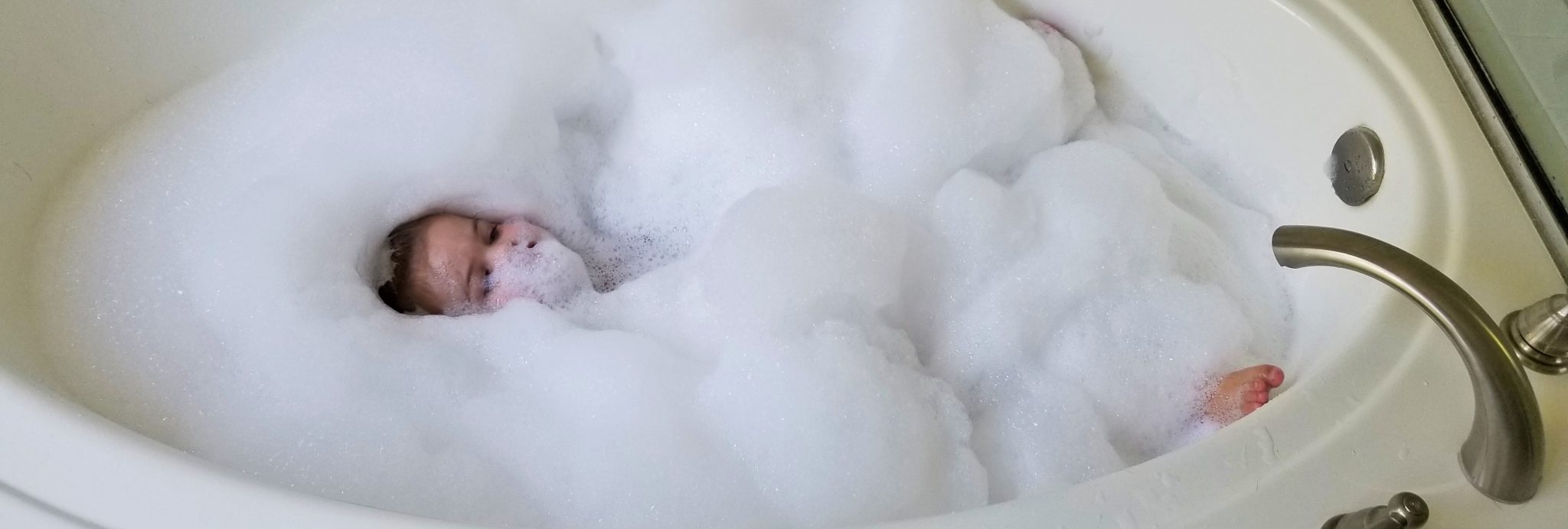
Treat yourself with soothing body wash or bubbles and a fresh, soft towel afterward.
(For best results, do not use overly hot water and avoid scrubbing too hard. If hot water is not available, you can turn to oil, smoke, some types of mud, or simple cold water to achieve cleanliness and promote peace of mind.)
4. Soothing Imagery
Find soothing things to look at such as a burning candle, soft lights, pictures of loved ones, favorite places, or perhaps some framed inspirational resilience quotes or affirmations.
(The color green is most restful to the human eye, but some evidence suggests that other colors may have a calming effect on stress and mood. According to the principles of chromotherapy, surrounding oneself with blue, purple, or white can calm, soothe, and relax the central nervous system.)
Listen to favorite tracks that have a calming effect or one of the many relaxing music videos for stress relief that are available online.
(Harp music in particular has a soothing effect on the body as well as the mind. Research has shown that listening to harp music improves pain management, blood pressure, and heart rate regularity.)
6. Soothing Smells
Create pleasant smells by using an essential oil diffuser, scented candle, or incense. Also, try using scented hand lotion.
(The most soothing scent of all!)
7. Self-Compassion
Speak compassionately to yourself aloud. Talk to yourself like a good friend would. Give yourself the grace to be off-balance and the space to just be as you are for a while.
Soothing Every Sense
When people experience high levels of stress or discomfort often, some therapists recommend making a self-soothing box that includes objects or reminders of how to soothe all five senses:
Comforting smells such as scented candles, essential oils, or body lotion
Pleasant tastes such as herbal teas or favorite snacks
Soothing things to touch such as a favorite sweater, wrap, or stress ball
Comforting sights such as photos of loved ones, pets, or favorite places
Soothing sounds such as a favorite piece of music or guided meditation track
Most of us are familiar with people soothing other people—a hug, a back-rub, a shoulder to cry on. During COVID, when interpersonal soothing was less available, researchers studied the benefits of self-touching (Dreisoerner et al., 2021). They found that both self-soothing touch (in this study, most participants chose to place their right hand on their heart and their left on their abdomen while focusing on the rising and falling of their breath) and receiving a hug from another person were equally effective at lowering stress levels.
When adults are distressed, it’s difficult to regulate potentially disruptive emotions like anger, fear, and sadness, especially in a public space such as the workplace. If you want to explore self-soothing further, just look online. You will find lists of techniques from 8 to 100. Surely there’s something there for everyone.
Bottom Line: Everyone experiences distress of various sorts and at various levels. Self-soothing is a life skill worth learning.
So, you look in the mirror and mutter, “What you see is what you get.” But is it? Not really. We have at least two, and I would argue three, faces.
In 1932, W.H. Auden wrote, “Private faces in public places are wiser and nicer/ Than public faces in private places.” (Dedication, The Orators)
PUBLIC
A noble hound, loyal and fierce! (Picture by fotomorgana)
A public face refers to the image an individual, a company, political party, or any institution presents to outsiders or the public in general. As with any image, a public face is composed of a mixture of reality, myth, and lie. For purposes of this blog, I’ll focus on individuals.
For people, the face shown to the world everyday is projected by eye contact, tone of voice, a smile or an expressionless face. It’s who we are in the daily commute sitting next to someone on the train, standing in the checkout line, walking in a botanical garden. Some people talk, are cordial or engaging, while others avoid engaging and stay heads down.
The Japanese refer to this as omote (表), literally surface or exterior. Omote governs etiquette in public, personal grooming, patterns of speech, and even levels of social conformity.
PERSONAL
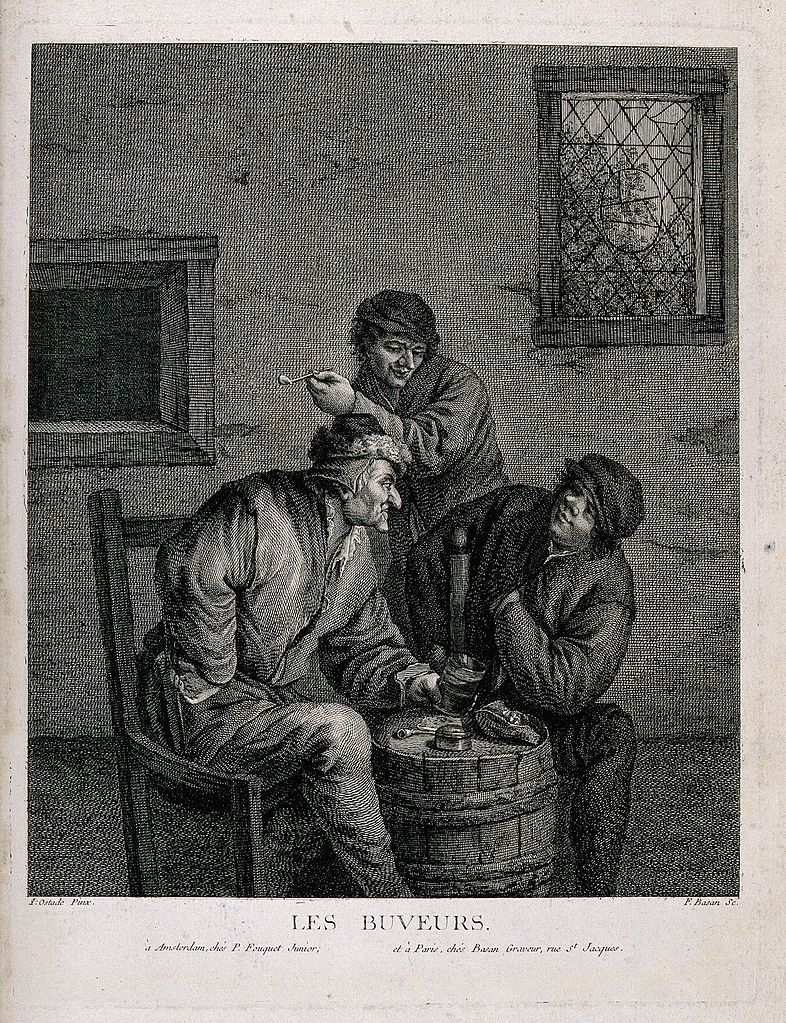
Just a couple of buddies chilling…. (Picture by Dllu)
Our personal face is the one we show to the people we know and care about the most. We might feel comfortable enough to show it to our family, friends, maybe some co-workers. Depending on the level of these relationships and how deep or trusting they are, one’s personal face—via behavior—can display character, integrity, and even flaws.
PRIVATE
A private face isn’t shown to anyone—at least not willingly—with the possible exception of a therapist—and is sometimes unclear even to the individual. It is the most honest and truest reflection of who we are. It includes our deepest and darkest secrets. It carries weight because it includes raw experiences from the past, things we are ashamed of, self-doubt, fears and insecurities, things people cover up and pretend don’t exist. Although private, this face influences decisions, relationships, and how one lives life each day.
Derpity derpity derp…
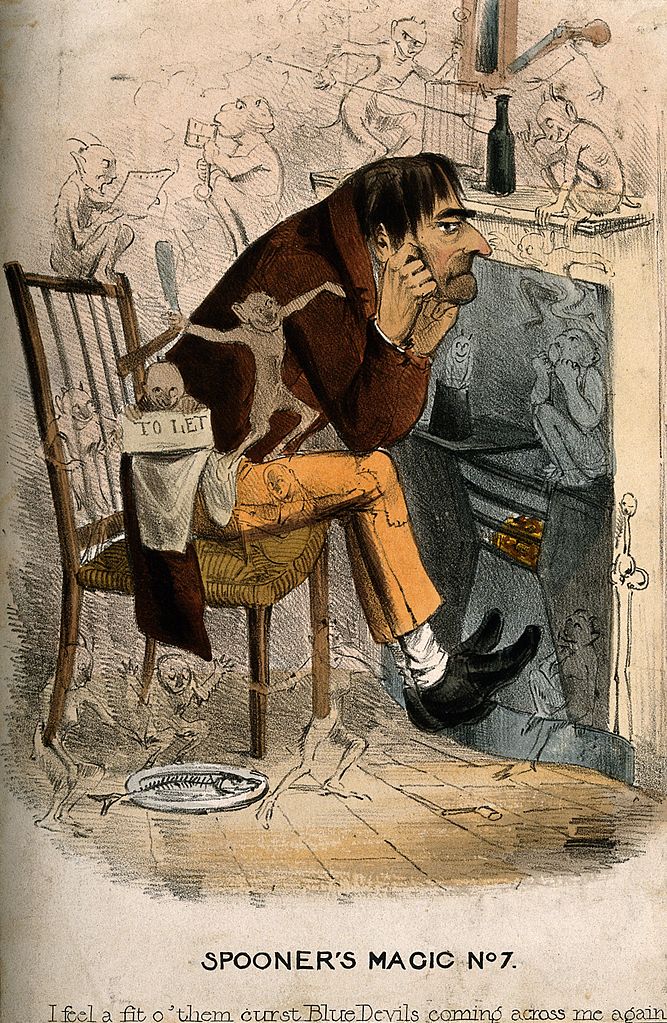
“A wretched man with an approaching depression; represented by encroaching little devils“ W. Spooner, c. 1930, Wellcome Library no. 11872i
In Japan, ura (裏, literally bottom or rear) is the opposite of omote. It is the reality behind the omote image with the myth and lies of the image stripped away. Ura is the wrangling behind the scenes, the tensions among family members, or the outpourings of a drunk on a late night commuter train. Omote usually covers ura. Unexpectedly exposing ura comes with a sort of danger. There might be great damage or embarrassment or both because the unreality of the omote is revealed for all to see.
Similarly, when one reveals one’s private self, sometimes even to family or friends, the results can be hurtful, ending, or damaging relationships. Etiquette, or manners, are an aspect of public and personal faces which the individual puts on. Although what is appropriate differs in these two instances—generally looser and less formal in our personal lives—nevertheless it is extremely important.
MODERN FACES
“It’s the latest style! You wouldn’t understand.”
Times change, of course. Check a bit of classic Miss Manners advice for enlightenment and laughs. Though her overall message of using etiquette to show respect for others has remained the same, her prescribed methods have certainly changed over time.
Then, too, there are fads, and what is cool becomes rad becomes bad, etc. Content and acceptable public behavior, not just words, change with time.
John Broening (of the New English Review) makes the case that the breakdown between public and private is everywhere, across all types of media.
“The private face has made itself at home in the public place, loudly sharing intimate details on its cell for everyone within earshot to share, wearing its laundry day clothes every day of the week, eating and drinking with an admirable lumpen unselfconsciousness that Rousseau would have approved of, treating the entire world as its living room.”
Some people don’t even wear swimsuits at the beach! (Picture by Nikki Attree)
“In the world of literature, the private face has dominated the public space for some time now. What is called either the personal memoir, or misery lit, or—my favorite—autopathography, has become the defining genre of our time. Autopathography can be about addiction to alcohol (Happy Hours, Dry), pills (Pillhead), heroin (Permanent Midnight) or meth (Tweaked). There are also misery-lit memoirs on anorexia (Wasted), depression (Prozac Nation), bipolar disorder (An Unquiet Mind) and sex addiction (Love Sick, The Surrender).”
But even in these times of show and tell all, and do it publicly, I believe there’s always some secret corner of oneself that is not/cannot be shared with anyone.
Bottom Line: What are your public, personal, and private faces? How different are they?
Today’s guest blog post was written by Kathleen Corcoran.
Mental health and cognitive decline can have a serious impact on a person’s ability to maintain regular hygiene and grooming routines. At the same time, changes or lack of regular hygiene and grooming routines can seriously impact a person’s mental health. Today is World Mental Health Day, a good day to consider how hygiene and mental health are woven together.
You’ve probably heard the saying “cleanliness is next to godliness” at some point. Many people subconsciously apply this moral judgement to the personal hygiene of those around them. As society’s standards of hygiene and grooming have changed over the centuries, so have the judgements on those who do not meet those standards.
This can have deleterious impacts on people already struggling with mental health or cognitive ability. Social stigma can deter people from reaching out for help, whether to mention their struggle to a therapist or ask for physical assistance. Self-consciousness about grooming standards may then contribute to isolation and loneliness.
“Unfortunately, at both ends of the spectrum, a lack of personal hygiene or an obsession with personal hygiene create additional stress and anxiety for the sufferer,” says Carla Manly, PhD, a clinical psychologist and author.
When mental health issues get in the way of regular showering or bathing, many people turn to alternative methods of maintaining hygiene.
Depression
Maybe chicken flavored toothpaste makes oral hygiene easier?
The fatigue and lack of motivation that often characterize depression make otherwise routine tasks monumentally impossible. Executive dysfunction can be paralyzing in the face of all the minor steps needed to shower or bathe.
Additionally, depression sometimes causes sensory issues that make bathing physically painful. The temperature changes, scents, or lights can be overwhelming for someone with severe depression.
Instead of traditional bathing practices, those with mental health challenges might turn to alternative methods of hygiene. Dry shampoo, mouthwash, and wipes can enable someone with depression to stay clean when everything is difficult.
Alzheimers and Dementia
People with cognitive decline issues, such as Alzheimer’s and dementia, often have trouble maintaining regular bathing and grooming routines. They may bathe repeatedly, forgetting that they have already done so. Or they may forget to bathe entirely. Alternatively, they may have physical issues that prevent them from bathing. Issues with regular bathing can lead to health complications, such as skin infections or gum disease.
People who can live alone may be able to address this by setting alarms or writing reminders. Maintaining a routine for daily grooming and hygiene can help it become automatic rather than something to remember. Adjustments like hose attachments and rubber mats can remove some of the physical impediments to routine bathing.
People in advanced stages of dementia may require help from caregivers to perform regular bathing and grooming.
Nurses, caregivers, and health aides can help patients who need more assistance with bathing. Keeping up habits established over the course of a lifetime can make assisted bathing easier. Bathing at the same time, using the same products or scents, might make a patient less agitated. Focusing on hygiene rather than grooming can help eliminate stress.
Ablutophobia
Humans with ablutophobia are not alone in the animal kingdom.
Many young children fear taking a bath or shower, but they generally grow out of it as they become more familiar with the routine or associate the bath with pleasant sensations. However, some people develop ablutophobia, an extreme fear of bathing or washing. This may be due to a sensory processing disorder, a traumatic experience, changes in brain function, or an underlying anxiety disorder.
When people with ablutophobia try to perform routine hygiene or grooming rituals, they may experience the symptoms of a panic attack or dissociation.
In the short term, people with ablutophobia can use alternative forms of cleaning, such as wipes or dry shampoo. However, treating ablutophobia will ultimately require psychotherapy or medication, which may allow a patient to uncover and address an underlying cause.
PTSD and Anxiety Disorders
Both post traumatic stress disorder (PTSD) and anxiety disorders can cause difficulties with regular standards of cleanliness. These mental health challenges can cause people to go to either extreme of hygiene and grooming. Sometimes people avoid bathing entirely because it triggers traumatic memories or causes a spike in anxiety. At other times, people fixate on removing dirt, performing ritualized grooming behaviors, controlling elements of their environment, or perfecting their outward appearance.
At either extreme, a person will likely feel an increased sense of social stigma and isolation, compounding the pain from mental illness.
Some people may prefer to take dust baths rather than water baths.
Short-term solutions may include changing the method of bathing, such as cleaning body parts individually to limit vulnerability, or switching from baths to showers. Changes to the bathing environment may also help, such as removing or installing locks on doors, turning down the temperature of the water heater in the home, or removing harsh scrubbers.
“The ultimate goals with such behaviors are to reduce a sense of being violated and ‘dirty’ and to increase a sense of safety,” says Carla Manly.
Schizophrenia
People struggling with schizophrenia often have difficulty maintaining regular routines and lose interest in daily activities. This includes habits like showering, brushing teeth, or changing into clean clothes.
Additionally, many medications to treat schizophrenia have side effects that contribute to problems with hygiene or grooming. Antipsychotic drugs often cause dry mouth, which can lead to gum disease, cavities, and halitosis. These medicines may also cause incontinence, which makes maintaining hygiene very difficult.
Some people find written reminders or alarms helpful to encourage regular hygiene or grooming rituals. Adjusting medications or dosages may help with side effects. Chewing gum and drinking lots of water can help with dry mouth, improving oral hygiene.
Bottom Line: Hygiene and grooming serve two different functions in our lives. When mental health issues make everything more difficult, focus on hygiene rather than grooming.
Athens, Ohio, as Dean Winchester mentions in the “Route 666” episode of Supernatural (Season 1, Episode 13), is one of the most haunted areas in the U.S. I lived in Athens for seven years during my undergraduate and graduate years, and if ghosts roamed the area, I never noticed them. Or maybe they didn’t notice me?
Or maybe I’m generally oblivious to such things? I’ve been enlightened recently by reading “The Most Haunted Places in the Athens Area” by Alicia Szczesniak, published just a year ago, October 24, 2022. She discussed the following five locations. The quoted material is from this article.
The Ridges
The former Athens Lunatic Asylum now houses the Kennedy Museum of Art and some Ohio University offices.
On a hillside near the Hocking River are the grounds currently known as The Ridges. At one time, this was site of the Athens Lunatic Asylum, later renamed The Athens Hospital for the Insane. The stately brick buildings served as a mental hospital from1874 to 1993. With over a hundred years of patients, and over 1,700 identified people buried in its cemeteries, it’s prime real estate for ghost stories.
“The most well-known ghost story of The Ridges centers around Margaret Schilling, a patient who was accidentally locked into a seldom used building during a game of hide and seek. After being missing for a month, a janitor found her remains on the floor. Due to the decomposition, a massive stain was left. As a result of this, stories surrounding both the stain and Margaret Schilling’s ghost circulate around the former asylum.”
In addition, stories abound of apparitions, disembodied voices, and objects moved by unseen hands.
Much of this and what follows is recent urban legend. As a doctoral student in psychology, I worked for a time at what was known colloquially as “the state hospital.” And although I could testify to the use of electroconvulsive therapy (ECT) and have no reason to doubt the performance of lobotomies, as far as I know, there were no ghosts or other spirits roaming the halls while the hospital was in operation. So much of this has arisen in the last thirty years.
Wilson Hall (Ohio University)
Wilson Hall is one of several buildings that make up West Green dormitory complex. In the 1970s, a male student died in room 428. I don’t know the circumstances, but a few years later, another the student committed suicide in that room. He was rumored to have chosen the room for its energy. Ohio University officials sealed the room.
“Students have reported demonic faces scratched into the wood, apparitions of the students who passed away, objects flying across the room and disembodied voices that ranged from whispering to shouting.
“The dorm room’s closing makes it the only dorm officially sealed off for paranormal activity in the nation.”
Here again, until relatively recently, West Green’s claim to fame on campus was that the women who lived there had exceptionally muscular legs from hiking uphill to the main campus!
There are graves there dating back to the 1800s. Many of these burial sites are for soldiers who fought in the Civil War—including Athens residents who joined the army—and those who died in a battle just north of the city.
A statue in the cemetery known as “The Angel of the Unknown Soldiers” memorializes these unidentified soldiers. “Many visitors have reported seeing the angel flutter its wings, blink or shed tears, adding an even creepier ambiance to an already creepy place.”
I lived on West State Street for a time, completely unaware of the cemetery—and never before heard of the statue or its manifestations.
A coal mining town in that area was abandoned in the 1940s. A few structures remained: the supports of a bridge, a cemetery and the tunnel. The basic story is that a ghost haunts the tunnel after being killed by a train.
“There are variations in the story, with some saying the victim was a pregnant woman, others saying it was an 8-foot-tall man and more. However, the most common variation centers around a railroad worker who was struck by the incoming train, then doomed to haunt the tunnel.”
Prior to the alleged train death, multiple deaths occurred in the area, from accidents in the tunnel, accidents from the bridge or unknown causes. The ghosts of these dead people are said to haunt the area, “taking the forms of apparitions or ghostly orbs of light floating in the tunnel and the surrounding woods.”
Suffice it to say, I never heard of the Moonville Tunnel before reading this article.
Mount Nebo
Located northeast of The Plains is Mount Nebo, a hilltop that once served as the grounds of a cabin owned by Johnathan Koons in the 1850s. For a time, many people knew of the area because of its importance in the early American Spiritualism movement. I never heard of Mount Nebo when I lived in Athens, let alone know that it had been a hotbed of spiritualism. That changed when a friend gave me a copy of Enchanted Ground: The Spirit Room of Jonathan Koons, by Sharon Hatfield (2018).
Note: For the short version of the Koons legends, see the Alicia Szczesniak article. For the long version, see the Hatfield book.
Koons was a fairly prosperous farmer in the hills outside Athens. The story goes that upon arriving at Mount Nebo, the Koons family began to experience strange phenomena, such as paranormal activity and otherworldly sensations. He became interested in Spiritualism in 1852 and was told at a séance that he was “the most powerful medium on Earth” and that all of his eight children had psychic gifts. Acting on spirit instructions, he built a “spirit room” for the use of visiting spirits. Koons built a log house, 16 X 12 feet, and equipped it with all kinds of musical instruments.
The family quickly gained acclaim as spiritualists in the area, with people visiting to experience the Koons’ séances and commune with the dead in their “spirit room.” Soon the place became famous, and people traveled great distances—at least as far away as New Orleans— to see the curious phenomena.
The eldest boy, Nahum, age18, sat at the “spirit table,” the audience on benches beyond, twenty to thirty people at a time. The lights would go out, and visitors experienced a variety of otherworldly sensations. Spectral faces appeared. Objects flew through the air. Floating pistols shot targets across the room. Disembodied hands, lit by phosphorescence, touched participants. A trumpet floated around the ceiling and called out the names of guests, passing on messages from deceased loved ones.
J. Everett of Athens County, Ohio, who investigated the Koons’ phenomena, published the messages of the spirits under the title A Book for Skeptics: Being a Communication from Angels (1853). He also printed a number of documents describing occurrences in the spirit house, including a chart of the spheres Nahum Koons drew while in a trance. Charles Partridge wrote of his visit in the American Spiritual Telegraph of 1855.
Mount Nebo and the The Plains area of Ohio has several earthen mounds presumably built by the Adena people (1000-1750 AD). Many early Spiritualists claimed the sacred influences of these mounds contributed to the supernatural occurrences in the area.
Neighbors of the Koons family were more disapproving. Mobs attacked the Koons house, set fire to their crops and barns, and beat their children. Finally, the Koons left the area and began missionary wanderings, which lasted for many years. They provided free medium services to the public, and they greatly advanced the cause of early American Spiritualism.
While the actual spirit room has long since weathered away, this story is still more truth than fiction. Archaelogists have found graves of deceased Koons children in the area. Historians have records and documents detailing the trek to the spirit room. Some descendants of Johnathan Koons still possess the artifacts the dead told him to find.
Much less famously, two or three miles from the Koons’ farm was another lonely farmhouse, belonging to John Tippie, where another “spirit room” was laid out on the same plan. The manifestations in the Tippie family were identical to those in the Koons’ log house. Each had a “spirit machine” that consisted of a complex arrangement of zinc and copper for the alleged purpose of collecting and focusing the magnetic aura used in the demonstrations. The Tippies had ten children, all mediums.
So there you have it! Hatfield’s written a well-documented non-fiction book as entertaining as a novel, and I highly recommend it.
Supernatural in America
Mary Todd Lincoln (photographed here with the ghost of Abraham Lincoln) was a strong believer in spiritualism, holding séances in the White House and communicating regularly with her husband after his death.
Apparently, I lived in near proximity to all sorts of supernatural phenomena for years, completely unaware. Perhaps I was focused on classes and jobs to the point of oblivion. Or perhaps I’m just not psychically receptive.
Forty-one percent of Americans believe in ghosts, according to a YouGov study in 2021. (Twenty percent polled were unsure if they believe in ghosts.) Simultaneously, 43% of Americans polled believe demons exist.
Eighteen percent of adult Americans claim they’ve seen or been near a ghost, according to a 2009 Pew Research Center survey. Twenty-nine percent claim they have been touched by someone who died.
Older Gallup polls found that about three-fourths of Americans profess at least one paranormal belief. The most popular was extrasensory perception (ESP), mentioned by 41%, followed closely by belief in haunted houses (37%). A special analysis of the data shows that 73% of Americans believe in at least one of the 10 items listed, while 27% believe in none of them.
Last week, I wrote about the difference between cleanliness and personal grooming habits. Hygiene refers to cleaning habits performed to remove pathogens and keep yourself healthy (such as flossing). Doctors and researchers provide guidelines for how and how often to clean yourself for hygiene’s sake. On the other hand, people determine how and how often to groom themselves based on cultural norms and personal identity (think shaving facial hair).
Involving an elephant in your daily hygiene ritual makes everything better.
But there is more to the human body than the head, no matter what science fiction might dream up. How to determine grooming and hygiene standards below the neck?
Clean Hands
The effectiveness of any handwashing technique is directly related to the amount of splashing.
Correct hand washing plays a major role promoting health and hygiene. Even Louis XIV of France, who took only two baths in his adult life, washed his hands daily. In the past few years, we’ve all (hopefully) become more conscientious about keeping our hands clean to prevent the spread of disease.
So how many times a day should you be washing your hands? According to experts, aiming for six to 10 washes a day can make a big difference when it comes to keeping viruses and bacteria at bay. Up to 80% of communicable diseases are transferred by touch.
One USDA study found that up to 97% of people don’t wash their hands correctly when cooking at home. While 58% of people wash with soap and water, very few people wash their hands for long enough. Most people only wash their hands for 6 seconds. Around 33% of people don’t even use soap when washing their hands.
The CDC recommends always washing your hands after you use the toilet, whether it is in your home or somewhere else. Germs in feces (poop) can make you sick. These germs can get on your hands after you use the toilet or change a diaper.
A pre-Covid study by the CDC showed that only 31% of men and 65% of women washed their hands after using a public restroom. That number has risen since the pandemic, but still not enough.
Extremely sterile locations, like hospitals, might require infra-red sanitization in addition to regular hand washing.
According to one bit of research in 2009, 69% of men don’t wash their hands every time they use a toilet or urinal. Another study from 2019 suggests that 6% of men only wash their hands after having a bowel movement.
Nearly twice as many bacteria are transferred during a handshake compared with a high five, whereas the fist bump consistently gave the lowest transmission.
The average human hand houses 150 different kinds of bacteria. There are typically between 10,000 and 10 million bacteria on each of your hands. Most germs can survive on your hands for three hours. Besides coughing and sneezing, door handles are the most likely way that cold viruses spread.
Showering and Bathing
As I’ve discussed before, washing the entire body tends to be more a question of social norm than actual hygiene. In Australia, 80% of people say they shower every day. In China, half the population regularly bathes only twice a week. A majority of Brazilians shower twice a day!
In many areas, particularly those with naturally occurring hot springs, bathing is a communal activity.
Approximately two-thirds of Americans shower daily, according to a 2021 survey. In the US, the habit of daily showering tends to start around puberty and becomes lifelong.
Women are more likely to shower or bathe less than once a day (38% compared with 29% of men); they are more likely to shower every other day (23% of women doing this compared with 14% of men). More men also admit that they never shower or bathe – 3% saying so (compared with 0% of women).
A recent survey showed only 60% of American men showered daily, but 12% of those men showered more than once a day. (Maybe these guys all lived in a tropical rainforest?) 15% of guys showered every other day, 9% every few days, and a particularly stinky 2% showered once a week or less.
While the majority of Americans shower every day, some experts say it is probably not necessary. Although many doctors say a daily shower is fine for most people, more than that could start to cause skin problems. But for many people, two to three times a week is enough and may be even better to maintain good health. It depends in part on your lifestyle.
Keep in mind that showering twice a day or frequently taking hot or long showers can strip your skin of important oils. This can lead to dry, itchy skin. Additionally, dry, cracking skin can provide gaps for infectious bacteria.
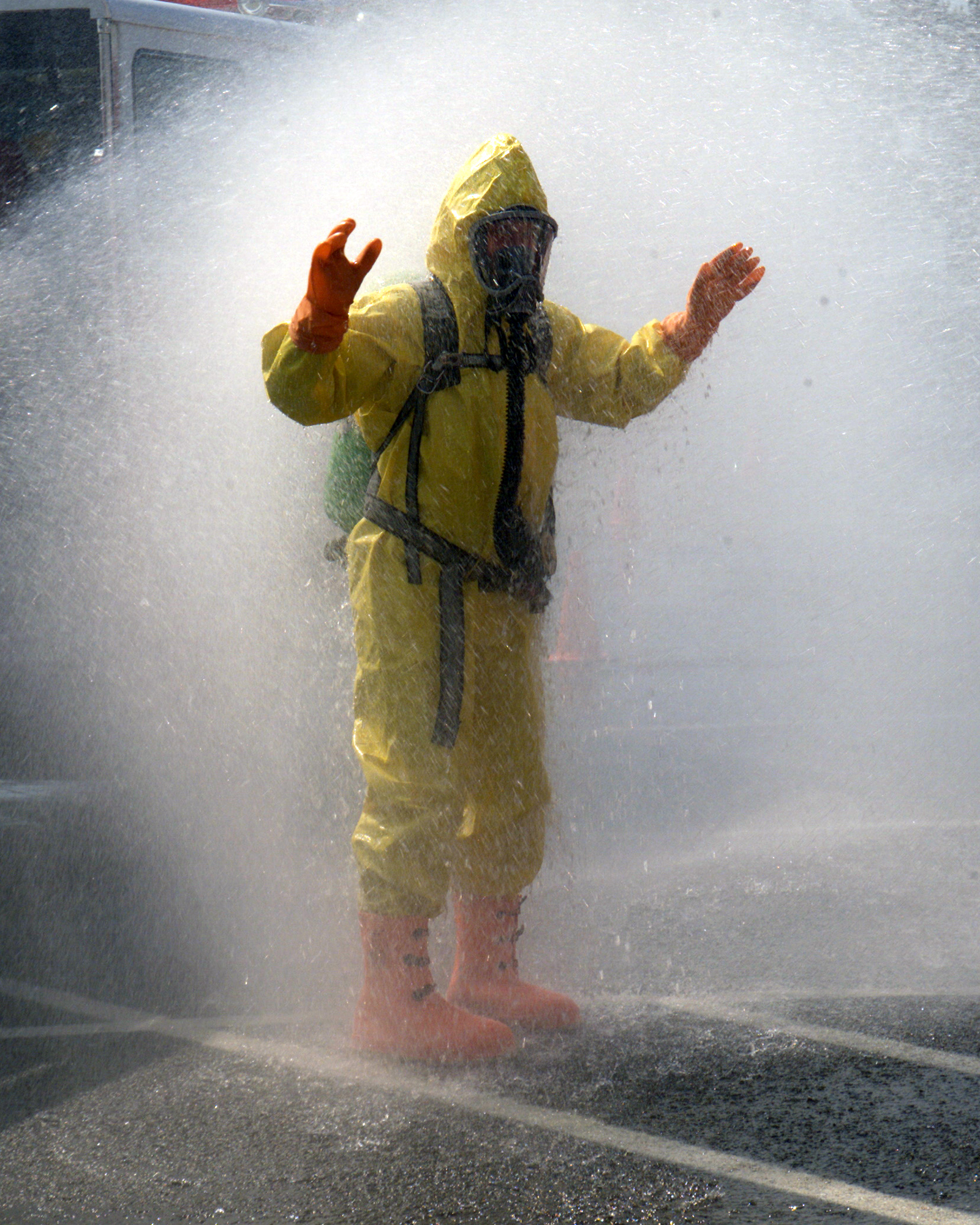
Wear a full hazmat suit to protect skin while showering.
Dr. C. Brandon Mitchell, a professor of dermatology, suggested showering or bathing once or twice a week. In general, experts say a few times a week rather than daily is plenty. Also, keep showers short and lukewarm, as too much water, particularly hot water, dries out the skin. Showering less often in winter makes sense, dermatologist Dr. Jennifer Herrmann noted.
Americans have voted with their tweets, overwhelmingly in favor of the bath. People in 44 states preferring a bath over a shower. Only people in Idaho, North Dakota, Maine, New Hampshire, Rhode Island, Alabama prefer showers over baths. I find this hard to believe, and tweeting hardly constitutes a scientific study.
Industry experts noted that most people who renovated their bathrooms in 2022 added or adapted a shower.
How do you know when you need to shower or bathe? Perhaps the most immediate (and obvious) clue is odor. It’s not just sweat that makes you stink. The bacteria multiplying on your body produce gasses as they consume proteins and fatty acids.
Baths are more fun than showers!
Deodorant and Antiperspirant
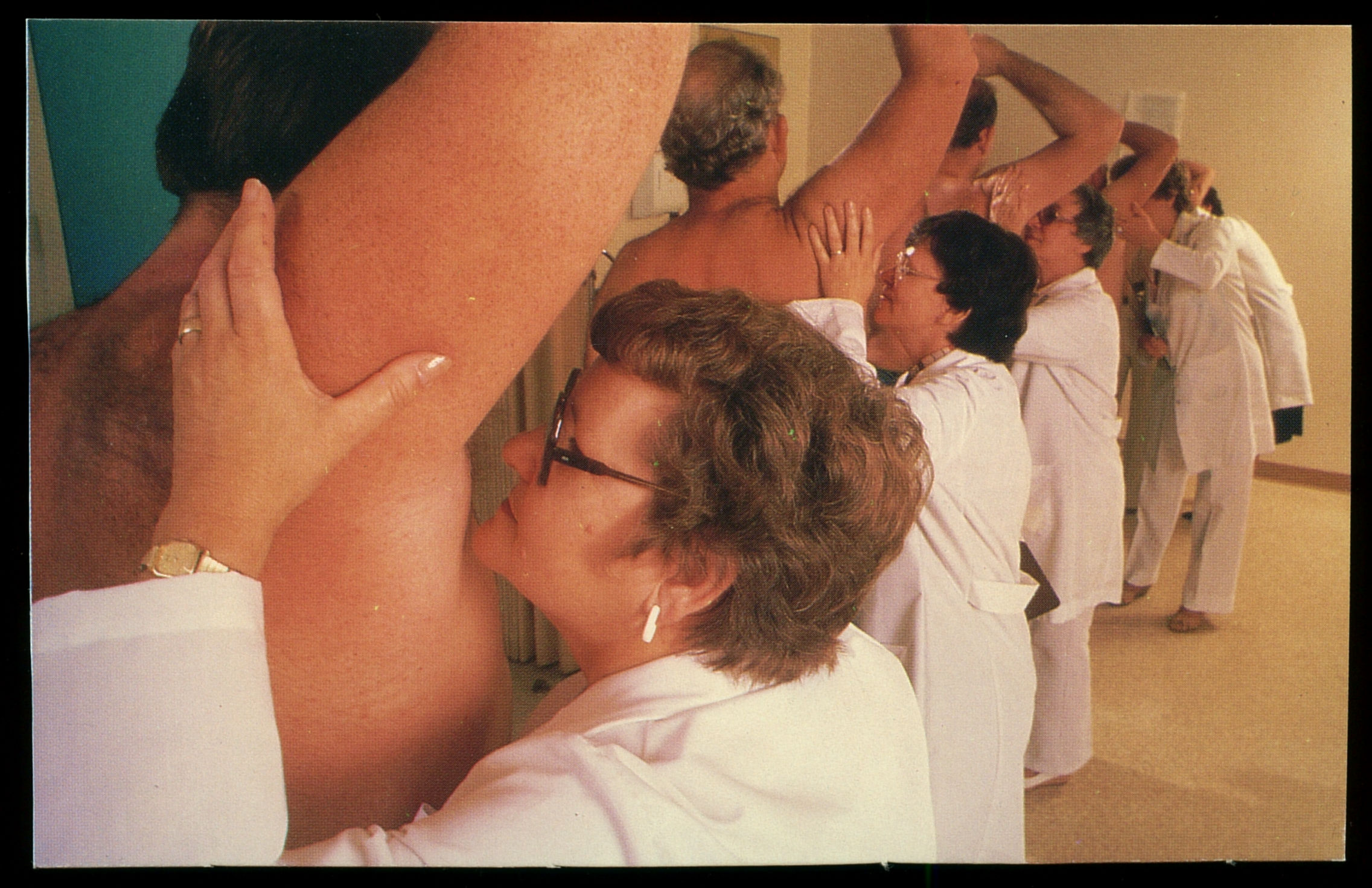
Deodorants and antiperspirants don’t serve any medical purpose. People use them strictly for grooming purposes rather than hygiene.
Sometimes, your coworkers might insist you wear deodorant.
Young Americans make up the largest group of deodorant users worldwide. 90% of Americans age 18-29 use deodorant daily, as opposed to only 78% aged 60 and over. The United States of America is the largest market for deodorant use, with nearly $5 billion in sales.
Like brushing your teeth or washing your face, putting on deodorant or antiperspirant every day might seem like one of those rituals crucial for basic hygiene. But your decision is most likely based more on personal and cultural preferences than any potential medical necessity, dermatology experts say.
Dr. Joshua Zeichner is a dermatologist and associate professor of dermatology at Mount Sinai Hospital in in New York City. “We live in a society where body odor is not universally accepted, making deodorant a part of your daily hygiene routine. There’s also a stigma surrounding wetness of the clothes because of sweat, which has pushed antiperspirants into daily skincare routines.”
Antiperspirants are deodorants, but not all deodorants are antiperspirants.
Dr. Jeannette Graf, is a dermatologist, assistant clinical professor of dermatology at Mount Sinai Hospital, and author of Stop Aging, Start Living. “If you’re trying to stay dry and control sweat, you’ll need an antiperspirant with aluminum salts to target your sweat glands. If odor is your only concern, deodorant will offer odor protection.”
Every job has its perks!
Not everyone wants their glands to be plugged by anything at all, much less by aluminum and/or other related ingredients.
There’s no reason to limit your use of deodorant to armpits. Lume describes itself as “whole body deodorant.” Their website suggests, “Think pits, underboobs, belly buttons, tummy folds, butt cracks, thigh creases, vulvas, balls, and feet!”
And Last but not Least: Body Hair
Competitive swimmers and divers often remove all body hair to improve performance.
By and large, removing body hair is more a matter of culture and personal preference than of health and hygiene.
Any place that grows hair is shaved by somebody. Skipping lightly over arm pits, legs, chests, backs, etc., and going straight to the most private body hair, here’s what’s happening.
A recent study by JAMA Dermatology surveyed 3372 American women and found that more than 80 percent groom their pubic hair regularly. About 5 percent groom daily, but a monthly regimen is more common. About 75 percent stick to removing hair from the front and the bikini line. More than 60 percent have gone completely bare.
Some work uniforms draw more attention to your grooming habits.
About 50 percent of men reported regular manscaping, according to a 2017 study. Of those who groom, nearly 90 percent take away hair that’s front and center, and more than half remove hair from the scrotum and shaft as well. And, FYI, it’s totally normal to have hair on your penis.
Those who groom are more likely to engage in or receive oral sex. How you choose to groom your pubic hair — or if you choose to trim at all — is a matter of personal preference. And your choice won’t have a direct impact on your orgasm or fun.
The majority of women who groom (59%) cite hygiene as a reason. And about 60 percent of men (age 25 to 34) report the same motivation. According to Dr. Tami Rowen, professor of gynecology at UCSF, “It’s a misconception that pubic hair is unhygienic.”
The presence of pubic hair doesn’t make you smell bad. Yes, more of your natural scent might cling to your hair, but that might be a good thing. Those pheromones produced by our apocrine glands are part of the science behind attraction.
Bottom Line: Clean and well-groomed are two very different things.
When we talk about cleanliness, we often combine grooming habits with hygiene. Society dictates certain standards of personal grooming, such as combing hair or masking body odor, that we unconsciously absorb. These habits might contribute to health, but they might simply be the result of doing it the way you’ve always done it.
Hygiene, on the other hand, refers to grooming practices that contribute to health or prevent the spread of disease. Habits like regularly flossing and washing your face can help you to stay healthy.
Personal grooming is largely a matter of personal preference, but researchers have determined the ideal levels of cleanliness for best hygiene.
So, how clean should you be keeping everything above your neck?
Note: Grooming patterns, hygiene standards, and social expectations of cleanliness vary wildly around the world, but this blog will focus on America.
Wash Your Face
Experts do not recommend using a squirt gun to wash your face. Or your sister’s face.
When it comes to cleanliness—to hygiene—one of the first activities that comes to mind is washing hands and faces.
In general, wash your face twice a day. According to Nazanin Saedi, MD, a board-certified dermatologist based in Philadelphia, “I tell patients that it’s important to wash your face in the morning and at the end of the day.”
Washing your face is an important tool to keep yourself healthy, especially during cold and flu season. In addition to removing dirt and sweat from your skin, proper face-washing removes germs that could spread illness. In particular, you can help stop the spread of airborne, respiratory infections (like Covid-19 and the common cold) by regularly washing off droplets from coughing and sneezing. Washing your face is particularly effective in removing allergens, bacteria, and viruses that spread through contact with mucous membranes (like pink eye).
If you’re not doing it frequently enough you might notice a buildup of skin cells and clogged pores, which could result in acne. How often you wash your face often depends on your skin type, your goals, and (to some extent), your environment. On average, you should be washing your face one to two times per day. But do we?
According to a recent study, 55 percent of people say they don’t cleanse their faces each day, a statistic that most dermatologists would shake their heads at. The study found that 48 percent of Americans don’t use cleanser when they do wash their faces—and almost half admit to using shampoo or conditioner or hand soap instead. Not only are people choosing the wrong products (a.k.a., ones that aren’t meant for facial skin), but many are also using the same washcloth up to four times before washing it. (For reference, experts say you should use a clean cloth every single time.)
Note: Splashing one’s face with water in the morning isn’t washing at all.
A 2017 survey showed that 60% of men don’t wash their faces at all. Most men, along with 48% of women, admitted to often skipping facial cleansing before bed.
Which Brings Us to Oral Hygiene
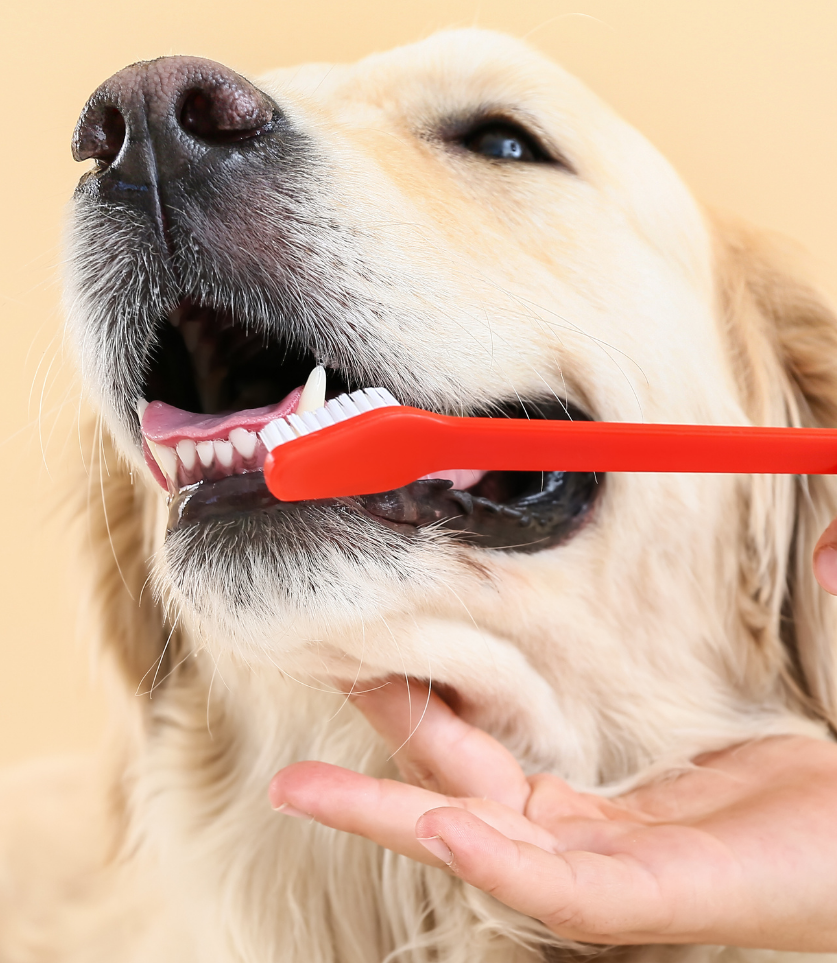
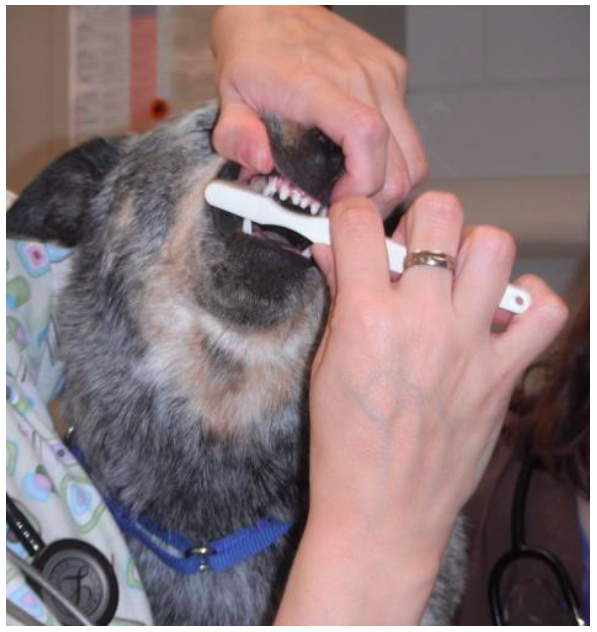
Veterinarians recommend brushing your dog’s teeth as often as you brush your own. Instead of mint, dog toothpaste often tastes like meat or peanut butter!
Good oral hygiene plays a surprisingly large role in maintaining overall health. It can help prevent endocarditis, periodontitis, and pneumonia. People with good oral hygiene habits have lower incidences of cardiovascular disease and fewer pregnancy complications.
The American Dental Association recommends brushing your teeth at least twice a day. However, fewer than 70% of Americans report meeting that standard. This means that more than 30% of Americans don’t brush enough.
Additionally, only 1 in 10 Americans brush their teeth correctly. Most people spend only about fifteen seconds per round of brushing. Studies have shown that you need a full two minutes of brushing to properly clean all tooth surfaces.
Frayed bristles can’t clean correctly, and even worse — they harbor all kinds of nasty germs. The American Dental Association suggests changing your toothbrush every three or four months.
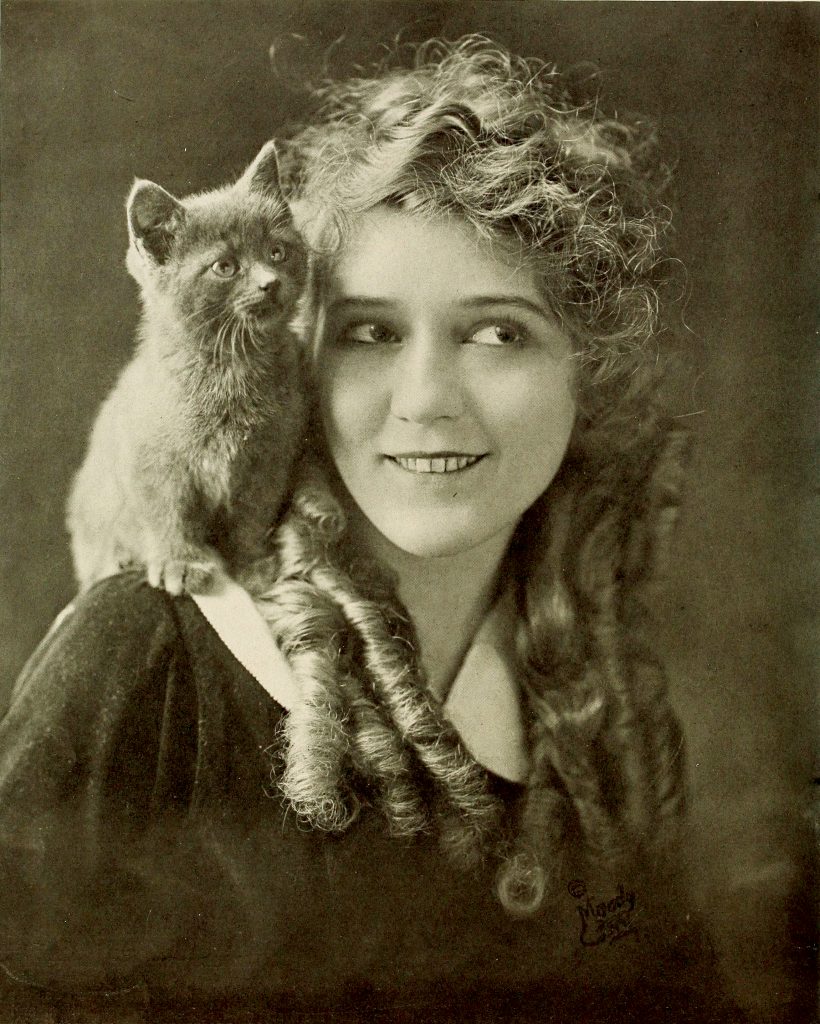
Our modern standard of having perfectly white, even, straight teeth stems from black and white films. Because naturally-colored teeth showed up as gray on screen, many stars whitened their teeth or wore veneers. Ordinary people soon began to follow the fashion of bleaching and straightening their teeth for cosmetic reasons. Today, the American smile has become a $29.6 billion industry.
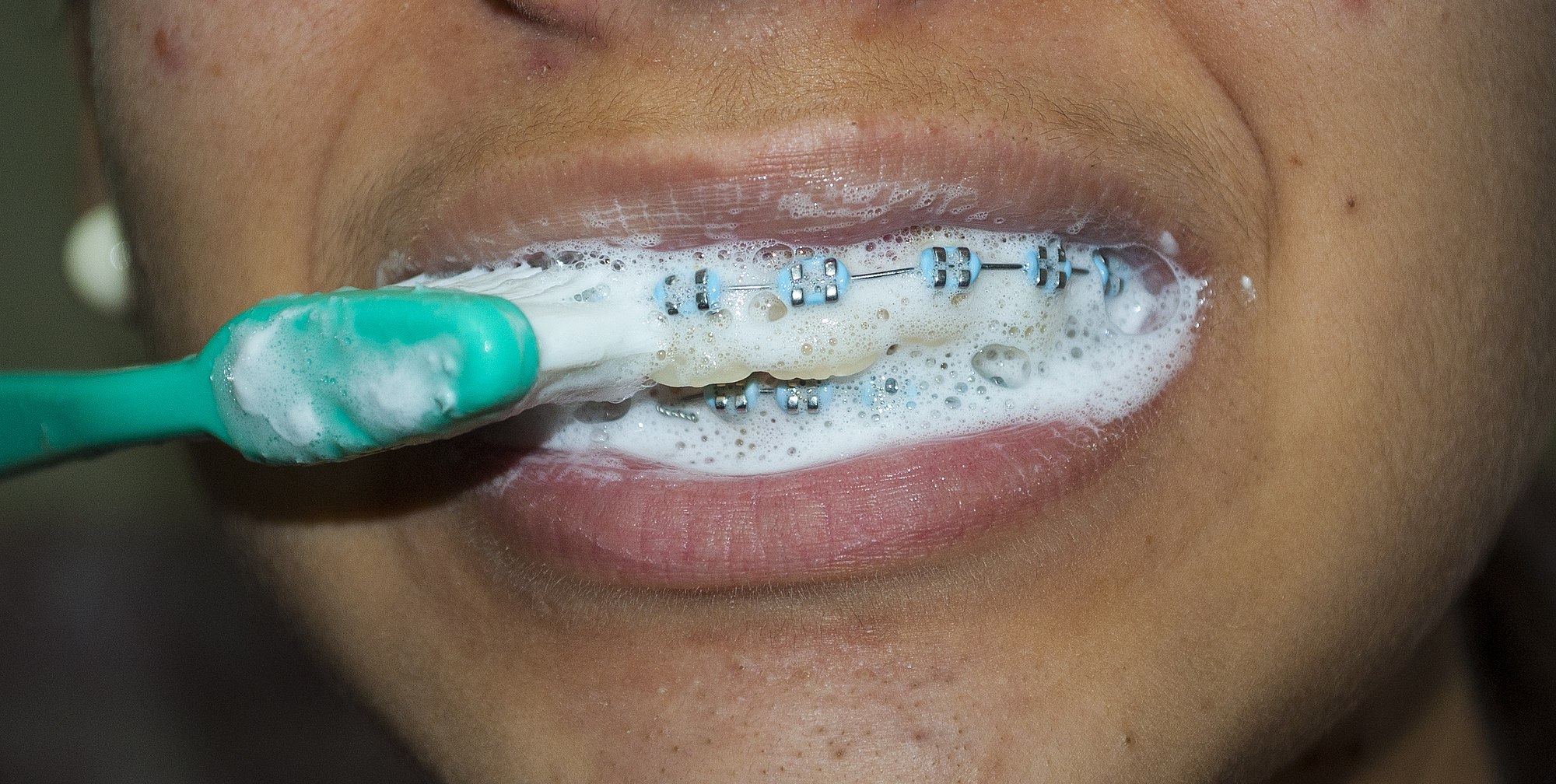
Electric toothbrushes may clean teeth and gums much better than a manual toothbrush. Either sort of toothbrush can be effective, though electric toothbrushes are easier to use effectively. People who use an electric toothbrush generally have healthier gums and less tooth decay. They also keep their teeth for longer, compared with those who use a manual toothbrush. But electric toothbrushes can be messy!
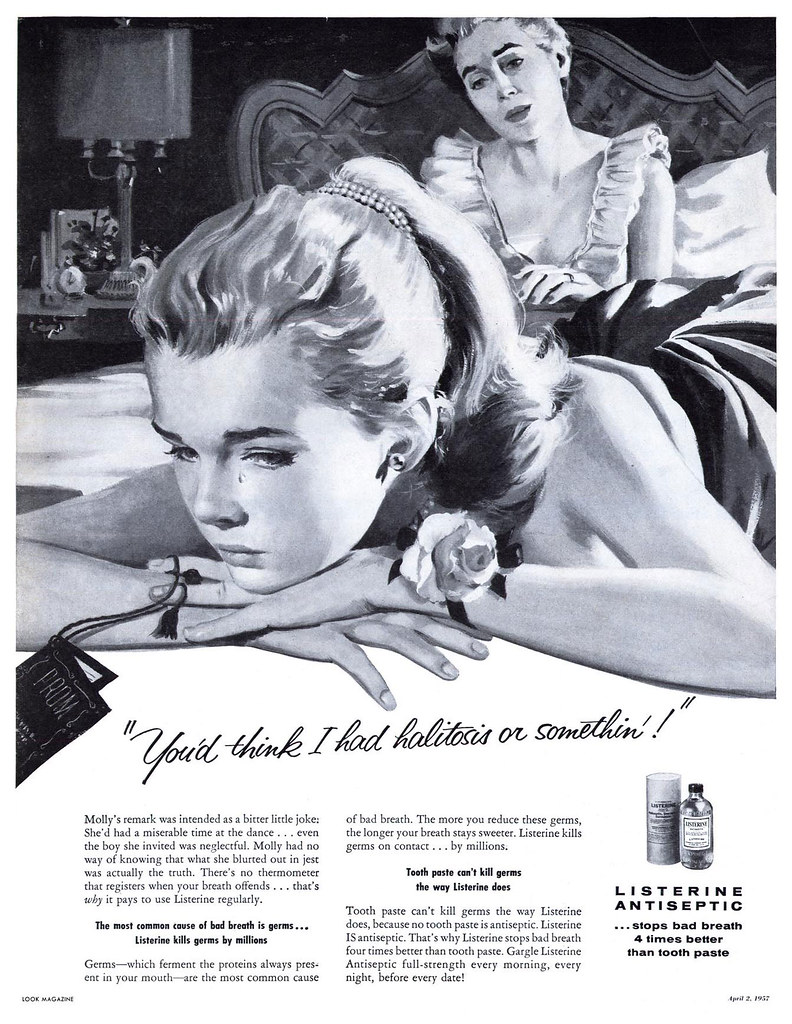
Listerine created the word “halitosis” as part of a marketing campaign to sell mouthwash. Humans have had bad breath for as long as we’ve had teeth, but a Listerinecampaign in the 1920s turned it into a social problem. By gargling with Listerine, people could remove an invisible barrier to popularity, sex appeal, marriage, and career advancement. (Listerine also worked as a dandruff shampoo, cold remedy, and floor cleaner!)
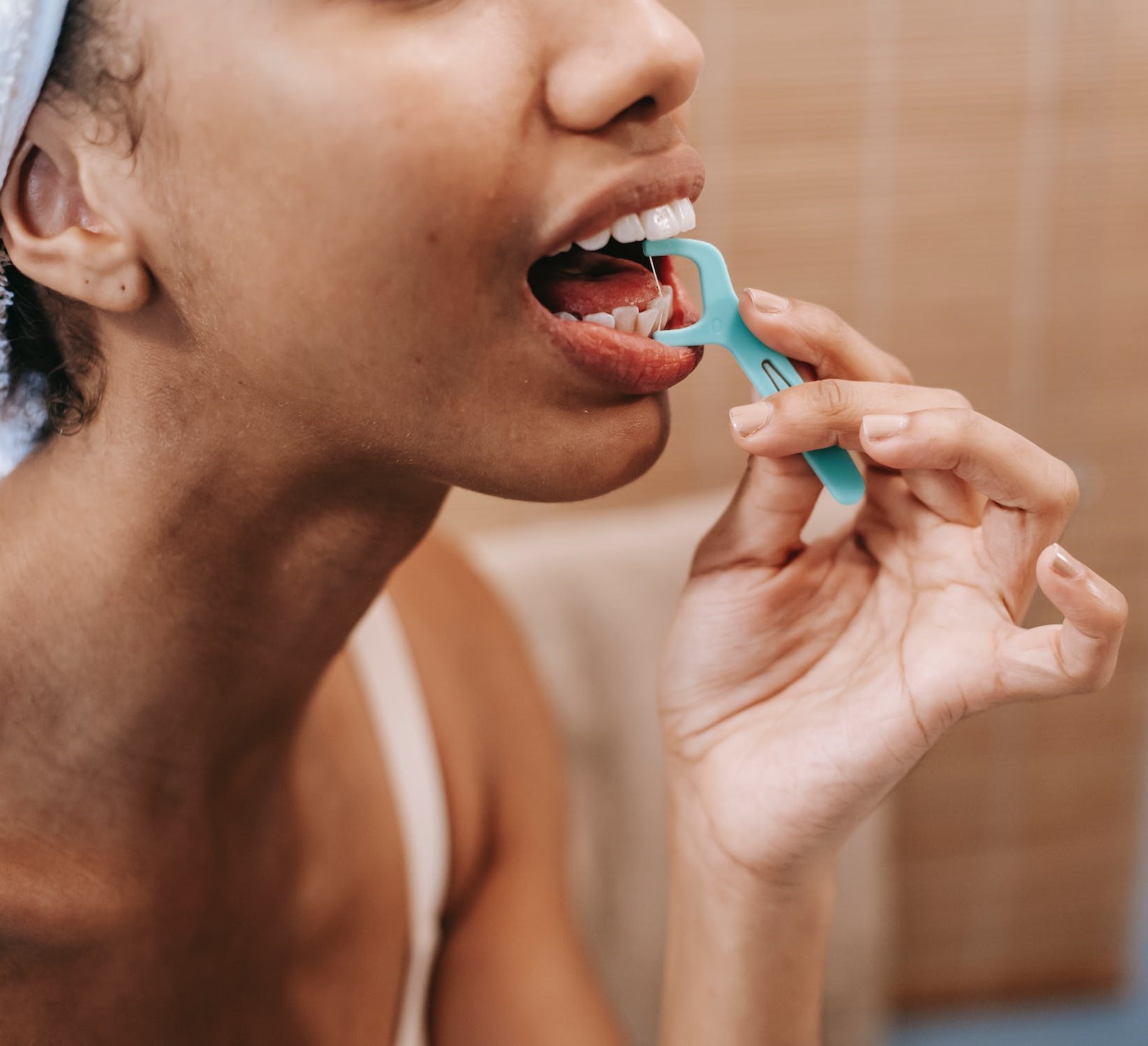
Daily flossing prevents cavities and helps to keep our gums in good shape.
Surveys conducted by the American Dental Association have shown that less than 50 percent of adults in the U.S. floss on a daily basis. In fact, studies show that only 30% of Americans floss at least once a day.
The majority of adults, about 68%, reported flossing at least once weekly. A 2023 Delta Dental national public opinion poll of 1,003 adults found that 20% of Americans never floss. A report published in the Journal of Periodontology found that 32% of adults reported no flossing in the past week.
What About Hair Care?
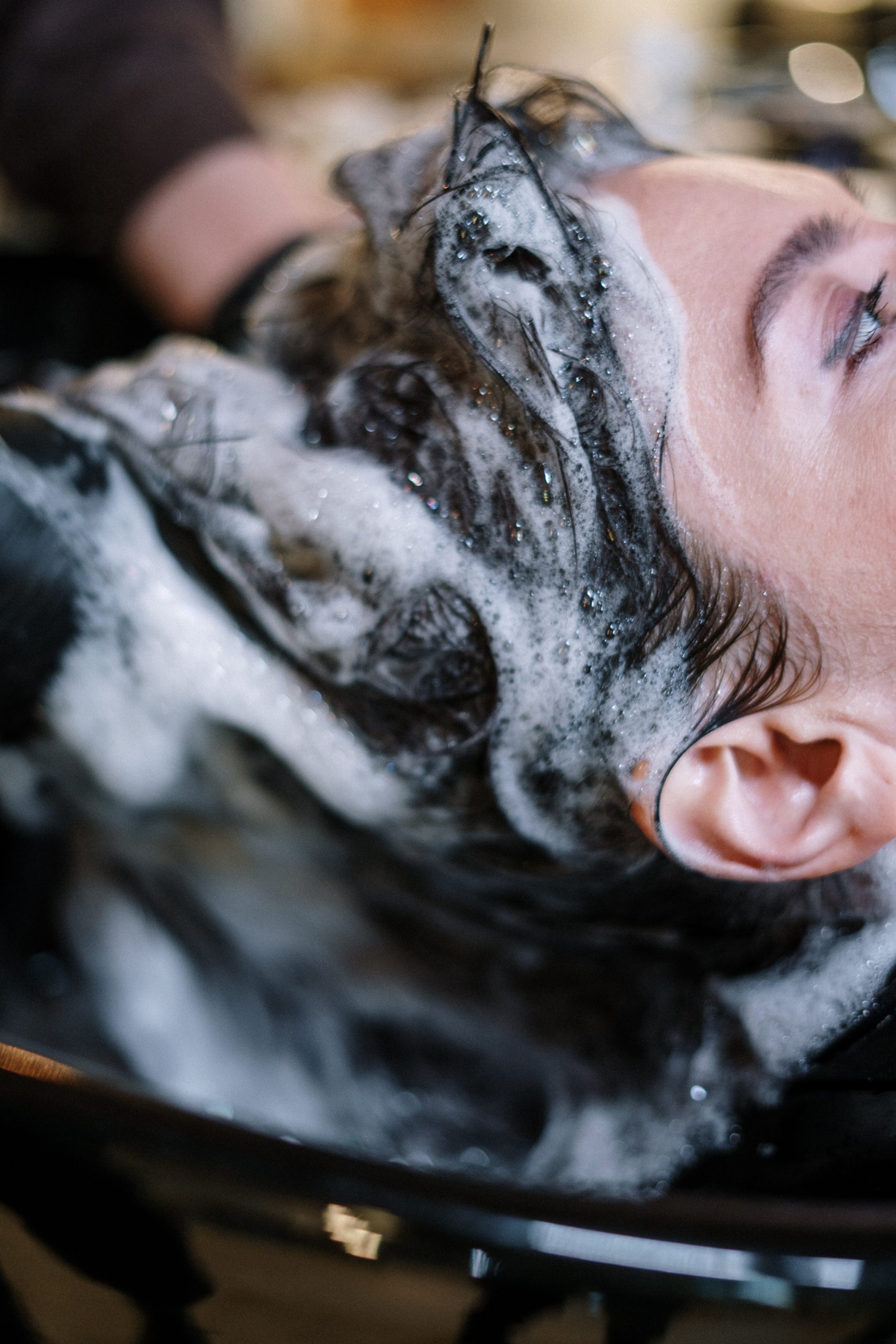
“Shampoo” comes from the Hindi word chapo (चाँपो), meaning “to press, knead the muscles.” It was first used in English as a cleanser for hair in 1860.
With the exception of treating certain conditions like head lice or ringworm, regular hair washing is not medically necessary. The scalp naturally produces sebum, an oil that protects against infection as well as moisturizing the skin. In fact, washing hair too frequently can strip the sebum from the scalp and cause itchiness and flaking.
Today, most people’s hair hygiene routine stems from social or cosmetic reasons rather than health concerns. A recent survey conducted by LookFantastic found that 49% of women polled reported washing their hair every day.
Carolyn Goh, MD, assistant clinical professor of medicine at the David Geffen School of Medicine at UCLA says, “There is no blanket recommendation. If hair is visibly oily, scalp is itching, or there’s flaking due to dirt,” those are signs it’s time to shampoo.
Hair texture plays a huge role in determining hygiene routines. People with thin or fine hair may need to wash more often. Those with thick, curly, or coiled hair might be more comfortable waiting longer between washes.
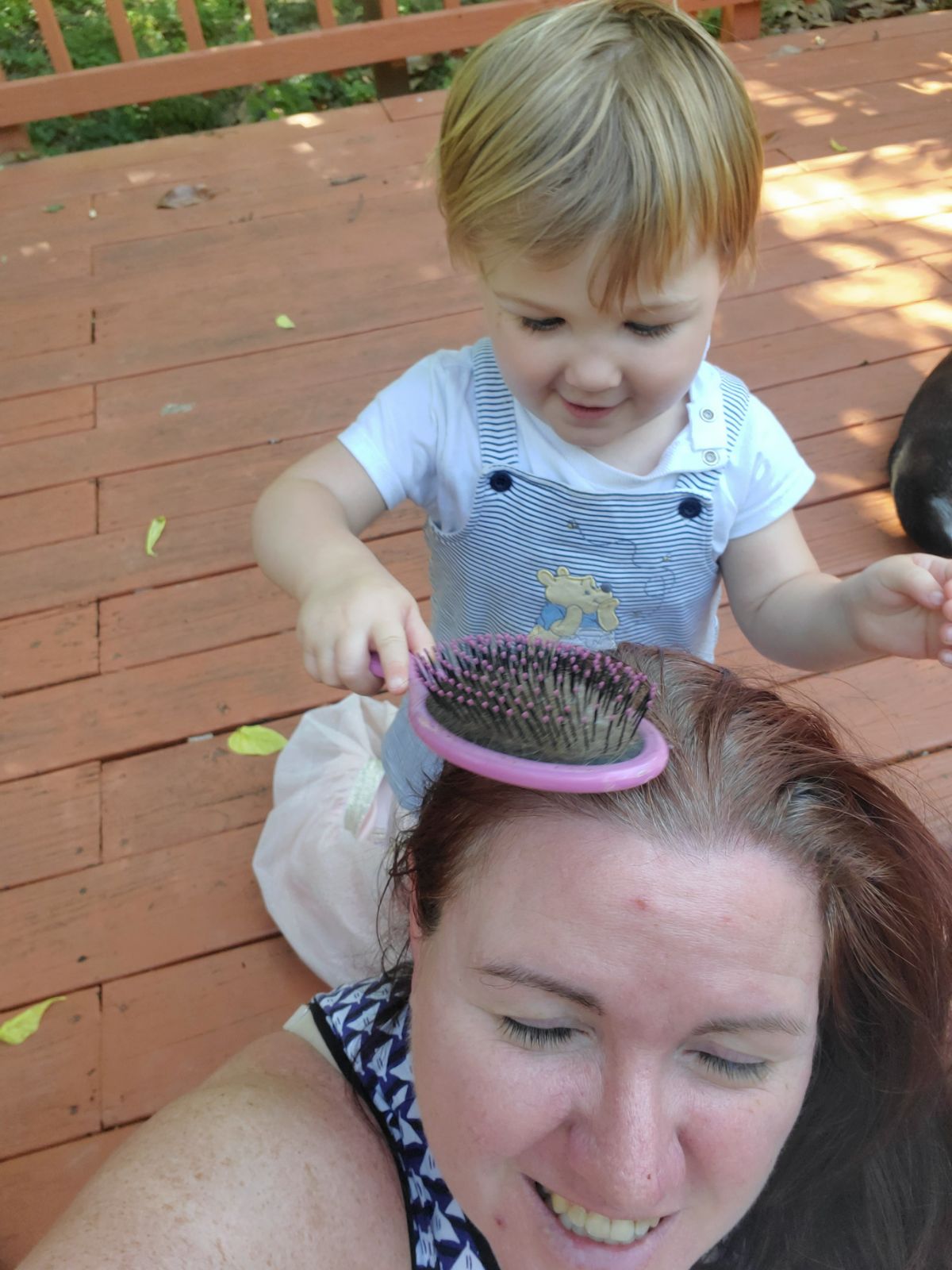
Experts recommend using the flat side of a hairbrush rather than the bristles to avoid breakage and split ends.
For the average person with straight hair, shampooing every other day, or every 2 to 3 days, is generally fine. Hair with a very straight texture is likely to start looking oily and limp faster, calling for more frequent washing.
People with curlier or wavier hair may be able to go longer between washing before their hair starts to look dirty. Some dermatologists recommend washing hair no more than once a week or even every other week. This will help prevent build-up of hair care products, which can be drying to the hair.
The scalp can produce varying levels of sebum, which also affects how often hair needs to be washed. Washing too often can cause the scalp to overproduce oil as well as upsetting the pH balance of the microbiome on the skin. According to dermatologist Blair Murphy-Rose, MD, “Too frequent washing of the scalp with harsh cleansers can upset that microbiome, and an imbalance in the microbiome can lead to scalp problems.”
Like washing the hair on your head, shaving the hair on your face generally serves no medical purpose. However, the presence or lack of facial hair is highly important to a sense of self-identity and social acceptance. Grooming or removing facial hair is an integral part to many people’s hygiene routines.
Having hair and not wanting it leads many people to bleach, shave, or wax to remove or disguise hair temporarily. Laser hair removal or electrolysis treatments kill hair cells below the skin surface for permanent hair removal.
Facial shaving in women is more common than you might think. It’s done to remove vellus and terminal hairs from the cheeks, chin, upper lip, and side burn areas. Facial shaving also provides mechanical exfoliation, which can help skin look brighter and cleaner.
Many women wax their chins or upper lips to remove unwanted facial hair. Using warm or cool wax to pull hairs out by the roots gives a longer-lasting smoothness, but the risk of side effects is higher. People have reported pain, rashes, sun sensitivity, or even scarring after facial waxing.
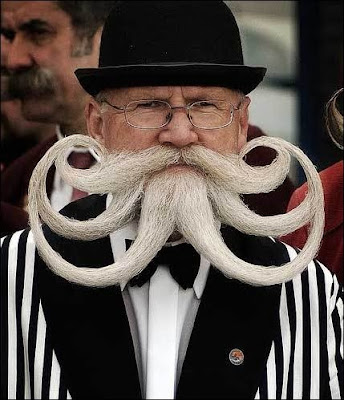
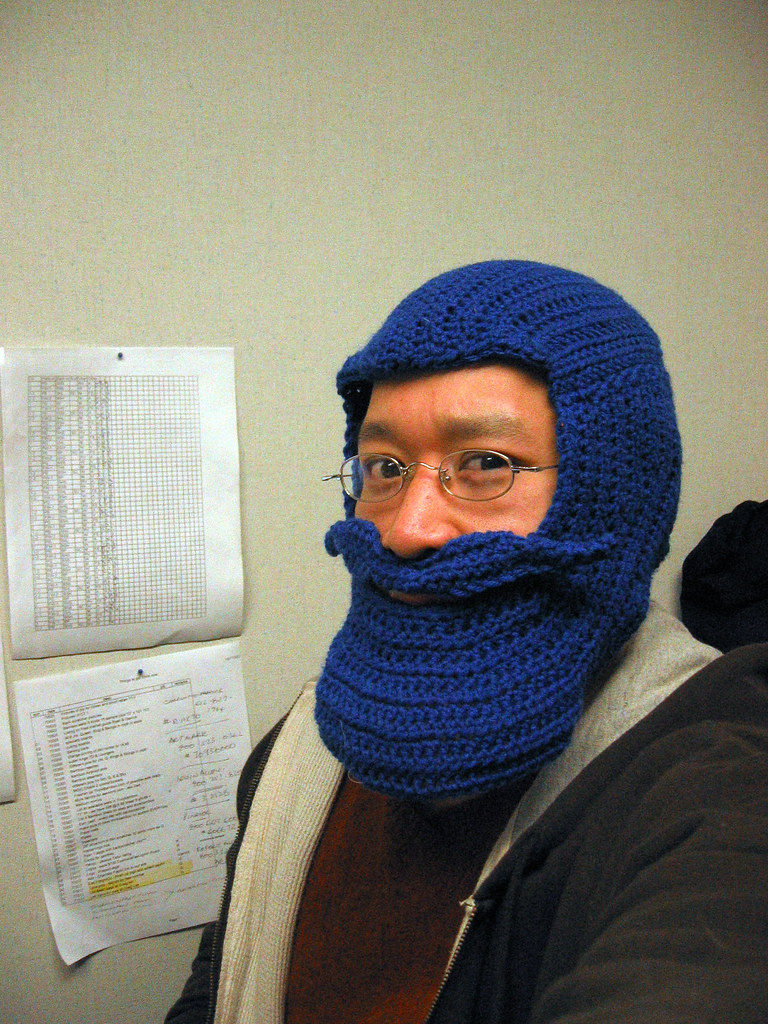
Some facial hair can be cleaned in the dishwasher!
Rather than removing unwanted facial hair, some people choose simply to bleach it. Lightening hair follicles reduces the appearance of facial hair but leaves it in place. Though generally easier and cheaper than waxing, bleaching hair still runs the risk of irritating skin.
Three out of four American women ages 18 to 34 have had facial hair removed or done it themselves in the last year. Most common removal locations are eyebrows (58 percent), upper lip (41 percent) and chin (21 percent), according to a 2014 survey by Mintel, which did not track removal methods.
How often a woman shaves her face is usually down to genetics and personal preferences. In general, the recommendation is that women shave their faces every 2-3 days if they like a clean shave and every 3-5 days if they’re just looking to style or trim.
The presence or absence of facial hair serves as strong indicator of gender in our society. For many transgender people, transitioning begins with the daily application or removal of facial hair. Hormone therapy can eventually help people to grow or stop growing facial hair on their own. Transgender women report laser hair removal as the most common form of facial procedure. Transgender men may turn to hair transplants to fill in hairlines and eyebrows as well as beards and moustaches.
Some cisgender men also use hair transplants to achieve their desired facial hair. Doctors move strips of hair or individual hair follicles from the back of a patient’s head to the jaw, cheek, or upper lip. Because this is such an expensive procedure, many medical tourists travel to Turkey for hair transplants.
During a June 2017 survey, 29 percent of men reported trimming or shaving their beard every day.
Bottom Line: Too clean or not clean enough? YES!
Sometimes you might need a little hygiene help from a friend for those hard-to-reach places.
I’ve been watching the U.S. Open tennis matches, and of course hearing lots of sports talk and announcements about various elite athletes—tennis and otherwise—past, present, and future. And I asked myself, “Who are these people?”
The World Sheepdog Trials will take place this weekend in Northern Ireland. The elite athletes in this competition display many of the same mental traits as those identified in human athletes.
I’ve written before about underlying mental traits that contribute to common personality types (such as optimists, pessimists, addicts, and cult members). As it turns out, whatever your favorite sport, your “heroes” are much the same.
Mental Traits of Elite Athletes
Coco Gauff
New sports science research reveals that there are consistent similarities among athletic super achievers, showing that it’s a lot more than sheer talent. Here are 7 of the top traits that help phenomenal sports stars thrive, that separate the best from the rest. According to the latest sports science research published in the Journal of Applied Sport Psychology and summarized by neurotrackerx.com, here are excerpts of their points.
1. Supreme Concentration
Truly great athletes get into the zone when they need to. A mental state of total focus allows them to channel all their skills into competition when it matters most.
As sports psychologist Dr. Daniel Brown put it, “To concentrate on being a champion, your mind has to be developed to such an extent that you can really stay very tuned in to what you’re doing.”
Patrick Mahomes
2. Commitment to Excellence
Being a perfectionist can be seen as a flaw, but for elite athletes, an obsession with getting it right is a key ingredient to success.
Roy McIlroy
3. Desire and Motivation
To get to the top of their game, it’s often a long hard road that started with an enduring passion to make it happen. As NFL football player and coach Vince Lombardi put it, “Winning isn’t everything, but wanting to win is.”
Michelle Wie
4. Goal Setting
Super-elite athletes always have goals beyond what they have currently achieved. As Michael Jordan said, “You have to expect things of yourself before you can do them.”
5. Positive Mind-state and Optimism
High-achieving athletes are optimistic about their own growth and untapped potential. Sports stars have a great need to work on deficiencies, seeing weaknesses as golden opportunities for improvement. They can imagine success against the odds, envisioning achievement and reward. As soccer super-star Pelé said “The more difficult the victory, the greater the happiness in winning.”
6. Confidence and Self-Belief
Ben Shelton
Professionals in athletics possess a steely inner strength and an unshakeable faith in numero uno. On the flipside, the greater an athlete’s confidence, the more willing they are to keep trying even when failing. Michael Jordan exemplified this belief in learning from failure, because without failure there’s little room for evolving new abilities.
7. High-Quality Relationships and Support
Last but not least, sports stars build strong relationships with people who have their backs. This can be the emotional support from friends and family, the deep camaraderie from training partners or teammates, or a great coach. As Los Angeles Lakers’ Kareem Abdul-Jabbar explained, “One man can be a crucial ingredient on a team, but one man cannot make a team.”
Further Mental Traits of Great Athletes
Katie Ledecky
The Sports Management Degree Guide also lists 20 characteristics of high performing athletes. There’s a lot of overlap with the above, of course. Here’s the list. (I’ve elaborated only on the ones that might not be clear in the previous list.)
1. Self Confidence
2. Strong Sense of Motivation
3. Inner Desire to Succeed
4. Natural Goal Setter
5. Self-Discipline
6. Optimism
7. Sense of Belonging
8. Natural Leader
Madison Keys
High-performing athletes tend to be natural leaders both on and off the field. Besides their focus and sense of motivation, they bring out the best in both themselves and those around them.
9. Willingness to Take Criticism
Top-tier athletes understand the importance of remaining “coachable” — that is, taking criticism at every opportunity and learning from it.
10. Humility
11. Ability to Manage Stress
The stress of losing, the stress of injury, the stress of embarrassing themselves, their coaches, their families — the list never ends—but high-performing athletes manage their stress. Whether that ability comes naturally or has been learned, these athletes are able to compartmentalize their worries to focus on the task at hand.
Mia Hamm
12. Low Anxiety
Related to (11): top-tier athletes tend to be low anxiety. They can change strategy or face a challenge without the debilitating nerves that have ruined many other talented people. For some, this is natural. For others, it’s the result of years of hard work spent learning to compartmentalize their greatest fears.
13. Strong Sense of Focus
14. Trust in the Process
15. Resiliency and the Ability to Learn from Setbacks
16. Vulnerability
Breanna Stewart
Vulnerable athletes realize that failure is inevitable, and that they can learn more from that failure than they do success. Each time a vulnerable athlete falls, or loses, or makes a game-ending mistake, their resolve to get stronger and better grows.
17. Perfectionism
18. Killer Instinct
Many wins come down to a corner cut, a gutsy pass, a risk taken. They have the courage to make tough, spur-of- the-moment decisions that often mean the difference between winning and losing.
19. Willingness to Fight
A final push of effort, even when the tank is empty, often separates the winner from the losers. High-performing athletes always cross the finish line having given their all.
20. Appreciation
Devon Singletary
High-performing athletes appreciate everything involved in their professions—the good, the bad, and the boring—because they get to continue chasing the goals and the dreams which consume them.
So there we have it: Those who claim to know these things agree that elite athletes are more alike than different. In terms of the most influential of agreed-upon traits, many experts believe that focus and concentration are the most important.
Bottom Line: October has more opportunities for sports lovers than any other single month. Get ready to appreciate what’s behind those great performances.
For more elite athletic performances, check out agility competitions, working dog trials, or dock jumping!
We are all decision makers. It’s inescapable. One of the primary dimensions on which decision makers differ is decisiveness/indecisiveness.
According to Merriam-Webster, decisive means having the power or quality of deciding; resolute, determined; purposeful.
During the first stage in any decision making situation, everyone experiences a transitory level of indecision. In the second stage, the more stable proneness regarding decision-making tasks comes into play.
Teeter-totter… which way to go?
Decisiveness
Decisive people are confident decision-makers. They tend to make up their minds quickly and stick with their chosen course of action. What are the characteristics of a decisive person?
The paradox of choice: having too many options can make it more difficult to choose one.
They make decisions relatively quickly and don’t seem to stress over them.
They’re confident making decisions.
They tend to be more comfortable with risk, especially if it’s an informed risk.
They can be resistant to change once they’ve made a decision.
The decisive person is really good at being curious and asking the right questions, evaluating all of the relevant information available, and looking at it from multiple angles to determine the best decision and course of action.
Such people understand that deciding is only half the battle. They are also determined people who see their decision through. They act on it, and upon completion, analyze the results to determine how effective their decision was at solving the issue.
Other character traits might contribute to a person’s decisiveness.
Brave
Confident
Curious
Determined
Focused
Motivated
Perceptive
Responsible
Steadfast
Resilient
Indecisiveness
Someone who is indecisive has trouble making decisions. People who are only somewhat indecisive may take their time with decisions and want to consider their options before moving ahead. Extremely indecisive people may put off making decisions for so long that they run out of time, or keep waffling on choices they’ve already made.
They have a hard time making decisions and may be very stressed when they have to do it.
They’re easily influenced by others with strong opinions (and may even prefer that someone else make the final call).
They may lack confidence in their decisions, even after the choice is made.
They carefully consider all the options and weigh the pros and cons of each.
Sometimes, everyone wants to go in a different direction…
Difficulty in making decisions can be caused by several factors, such as a fear of failure and a lack of confidence or information. Perfectionists often struggle with indecisiveness, putting off making any choice until they can be sure they’ve made the best one.
Too much information can also contribute to indecisiveness. When a family member suggests one course of action, a friend recommends another, and a coworker thinks a third path is best, it can be difficult to decide which advice to follow.
Having too many choices can also contribute to indecisiveness. When faced with choosing from forty varieties of coffee, a cafe patron is likely to be less satisfied with whatever drink they choose.
An indecisive person is deeply insecure and hardly ever takes chances. Leaps of faith are nearly impossible because they do not trust themselves to choose. Depression and anxiety lead the way to negative predictions and living in limbo.
A hallmark feature of being indecisive is struggling with self-doubt. Doubt can pervade and disrupt any aspect of life, be it careers, relationships, worldview, or identity.
Difficulties with working memory, cognitive flexibility, and inhibition control can cause an inability to make decisions. In extreme cases, executive dysfunction can be paralyzing. Even minor decisions like when and what to eat for dinner become insurmountable obstacles. A person may experience time blindness, inability to focus, or difficulty determining which steps need to be implemented in order to complete a task.
In cases like these, a person may require extensive therapy and even medication to regain the ability to make rational decisions.
Some decisions are harder than others.
False Decisiveness
But decisiveness isn’t always smooth sailing. Consider the following decision-making traps:
Disregarding new information and making biased inferences. This closed-mindedness can manifest, for example, in poorer short-term memory.
Suffering confirmation bias—the tendency to rely on information that confirms what we already believe, and to discount data that may contradict our pre-existing positions.
Jumping from decision to rapid implementation seems to be what underpins the problems. When asked to consider the advantages and disadvantages of a course of action, those in an implemental mindset report few, if any, downsides.
The illusion of control. This is overestimating one’s amount of control regardless of feedback.
Everyone is susceptible to illusions of invulnerability (especially teenagers), which leads to downplaying risk.
According to research, business leaders are no less vulnerable than other research subjects to overconfidence. Using massive, multi-year surveys of CFOs, researchers found that respondents significantly underestimated the volatility of an overall stock index and the share performance of their own company.
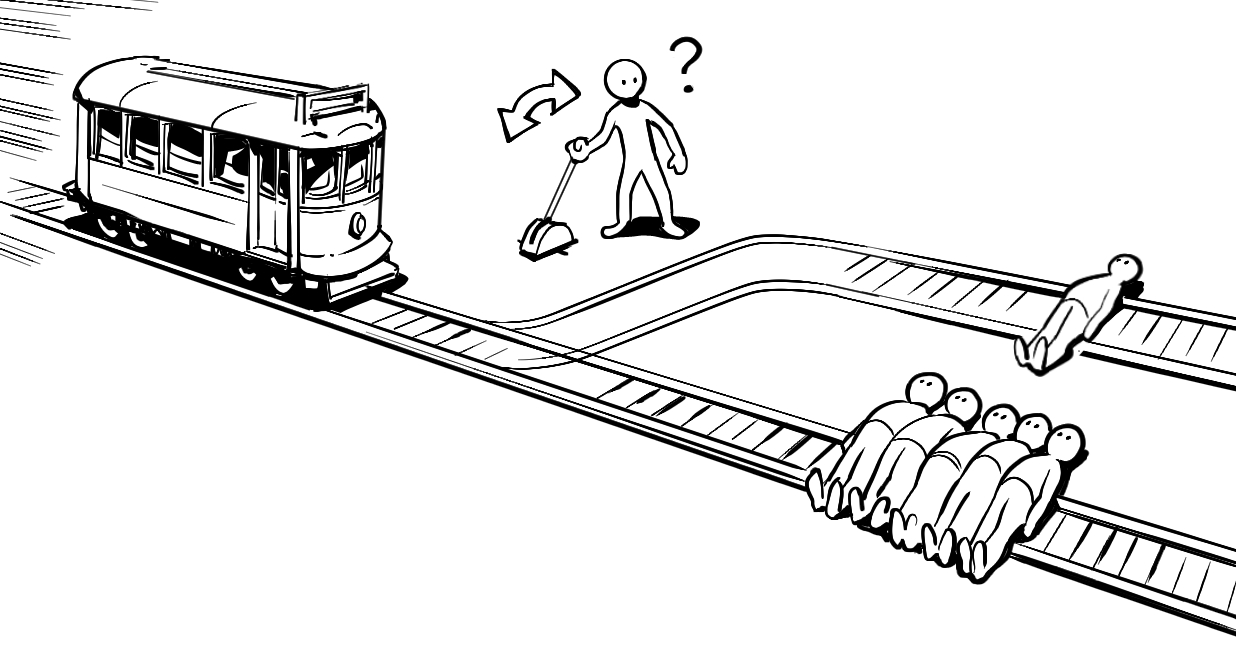
The Trolley Problem
Downsides to Decisiveness
Sometimes decisiveness is dangerous. In business, the biases outlined above contribute to under-performing deals, cost overruns, and failed product launches. These shortfalls can be amplified by other biases. For example, if a decision-maker already believes in the merits of a particular course of action, the previously mentioned confirmation bias can skew how new information is interpreted.
Research by Jana-Maria Hohnsbehn and Iris Schneider at Technische Universitat Dresden indicates that “trait ambivalence” may actually lead people to overcome confirmation bias and correspondence bias. People who stop to evaluate all available options tend to make decisions or evaluations rooted in fact rather than leaping to conclusions.
Parallel dangers exist for decisive military leaders, politicians, doctors, lawyers, etc. In personal/friendship/family relationships:
Decisiveness may come across as domineering, pushy, uncaring, impulsive, stubborn, closed-minded, and more.
Indecisiveness seems wishy-washy, lacking in passion, lacking in spontaneity, unsupportive, dependent, clingy, and more.
While decisiveness is usually perceived as a virtue (and indecisive as a weakness), it’s important to remember that these traits exist on a spectrum. Extreme indecisive personalities and extreme decisive personalities can both create problems. Some situations do require more decisiveness. In others, indecision won’t present a problem, especially if the risks are high.
Bottom line: Remember that decisiveness (or indecisiveness) as a personality trait doesn’t necessarily correlate with good judgment.
These phrases are loaded with emotional meaning. Pretty much any English speaker would agree that friends of the heart must be better than friends of the road. I beg to differ.
Just so we’re on the same page:
Friends of the Road change as we move along the road of life.
Friends of Heart remain close regardless of distance and circumstances.
Why do friendships come and go? How does a once-bosom buddy wind up erased from your address book? Is a friendship that fades away necessarily a bad thing?
No. Some friendships are meant to be fleeting. A line from the novel Centennial says it perfectly:
“God, he wished he could ride forever with these men… But it could not be. Trails end, and companies of men fall apart.” (Photo from the National Archives)
In other words, some friendships are meant to be transitory. Like college roommates coworkers, or people in military boot camp, sharing secrets and experiences, sometimes threats or dangers. When those life times come to a natural end, it’s time to move on.
Life is rich with friends of the road who join us for a part of our journey, friendships formed due to time, place and circumstance. These brief—i.e., not lifelong—friendships can last for years. They are intense, necessary, and worth treasuring. In that time and place, you can’t survive without them.
Drifting apart from these friends can feel like failure. But a friend of the road is someone who is “walking the same road as you” in one way or several. Examples include neighbors, families from your child’s school, co-workers, etc. You spend a lot of time with them, share great memories, and genuinely enjoy your time with them. But if and when these friends take a different “road,” your time together ends. You lose touch. Your motivation and effort to do what it takes to maintain the relationship drifts off. Often these friends end up as fond memories and social media connections.
Is a friendship that doesn’t survive changed circumstances a “real” friendship? Yes. You genuinely love each other. Not forever is okay.
Friends of the Heart
Friends of the heart are the traditional, everlasting ideal.
Please note: every friend of the heart starts as a friend of the road. But when the common road ends, the friendship continues. It makes no difference if you are 10,000 miles apart or haven’t seen one another for years, when you get together, it is as though no time had passed.
A friend of the heart is one who “strikes” you. You connect on a level that has depth. Even if your journeys take different paths, you remain connected. The friends of the heart live in your heart. They have touched your life in such a way that you will be different for having known them.
Lillian Rubin wrote a whole book on friendship (Just Friends: The Role of Friendship in our Lives). She says that the depth of a friendship – how much it means to us – depends, at least in part, upon how many parts of ourselves a friend sees, shares, and validates.
Friends of the road, friends of the heart, friends of the belly…
Friends of the heart are people you meet along the road whose paths end up forever intertwined with yours. They are not your family, but friends you can turn to in a moment’s notice, in joy and in sorrow, in illness or trouble. They see you, know you, and love you just the way you are.
Bottom Line: Make as many friends of the road as possible, enjoy them all, and treasure those friends who step off of the road and into the heart.
Is that even a thing? I asked myself that question after the night I slept more than eleven hours. First, I looked up what’s typical.
The Seven Sleepers, according to medieval Christian and Islamic legend, slept in a cave for 300 years to escape religious purges. (Illustration from the Menologian of Basil II)
So, either I’m back to my middle school years, or I’m beyond the pale. No doubt the latter, but is that a bad thing?
Why Do People Sleep Too Much?
Reportedly, Albert Einstein regularly slept ten hours every night and napped frequently.
For people who suffer from hypersomnia, oversleeping is actually a medical disorder. The condition causes people to suffer from extreme sleepiness throughout the day, which is not usually relieved by napping. It also causes them to sleep for unusually long periods of time at night. Many people with hypersomnia experience symptoms of anxiety, low energy, and memory problems as a result of their almost constant need for sleep.
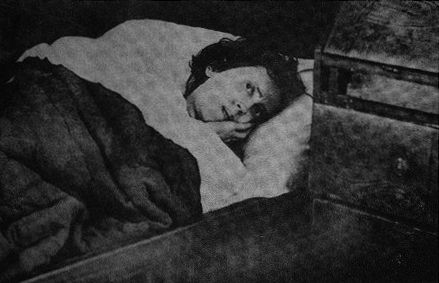
Author Anne Rice suffered for years with obstructive sleep apnea, which may have inspired her interest and affinity in other creatures of the night, such as vampires.
Obstructive sleep apnea occurs when something blocks part or all of your upper airway while you sleep. Your diaphragm and chest muscles have to work harder to open your airway and pull air into your lungs. Your breath can become very shallow, or you may even stop breathing briefly. You usually start to breathe again with a loud gasp, snort, or body jerk. You may not sleep well, but you probably won’t even know that it’s happening. This condition can also lower the flow of oxygen to your organs and cause uneven heart rhythms.
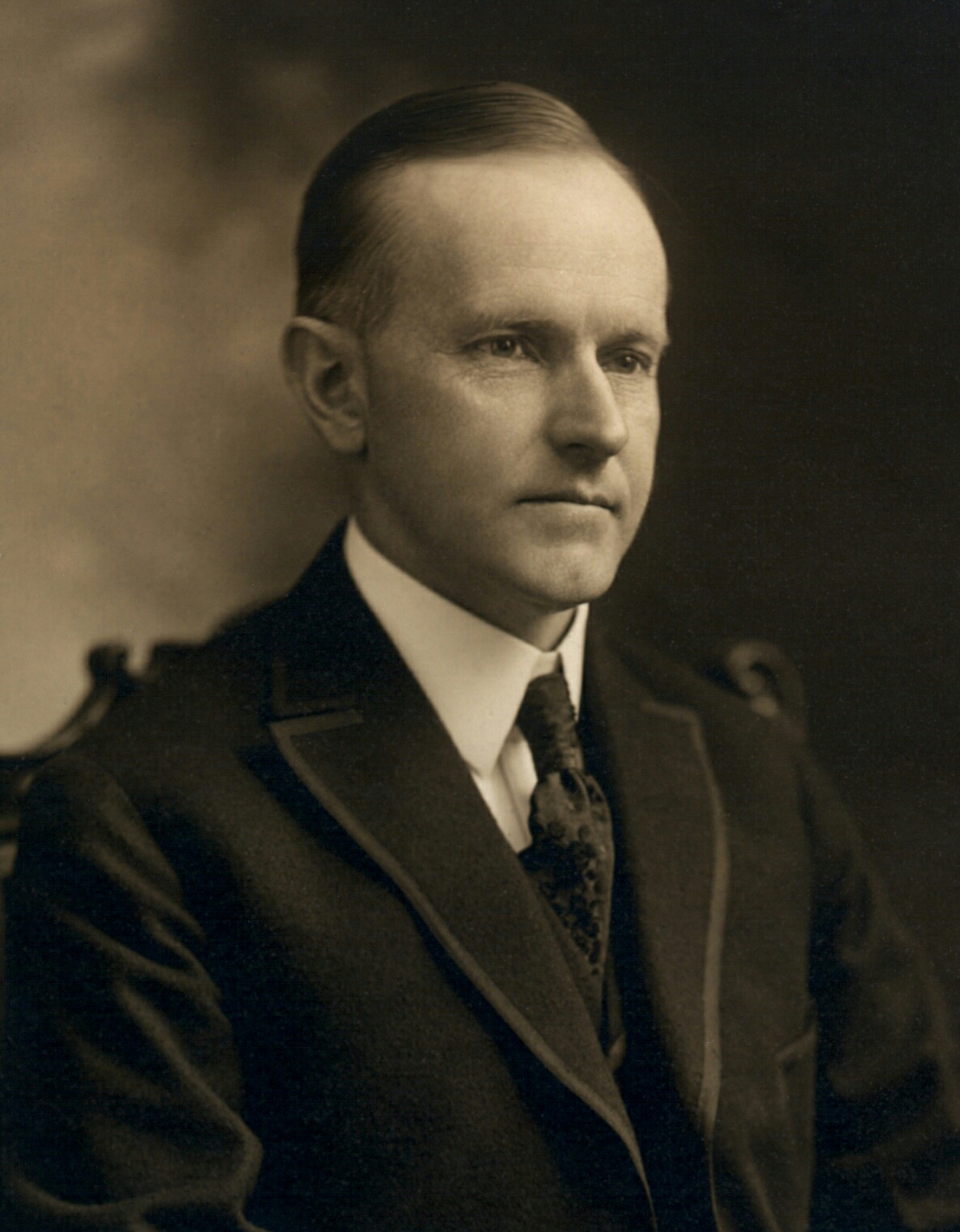
Calvin Coolidge took a nap nearly every day in addition to sleeping ten or eleven hours every night.
Not everyone who oversleeps has a medical sleep disorder. Other possible causes of oversleeping include:
Alcohol
Prescription medications
Jet lag
Illness, such as a cold or flu
Extreme athletic exertion
Depression
Besides the conditions mentioned above, too much sleep — as well as not enough sleep — raises the risk of: heart disease, diabetes, depression, and obesity in adults age 45 and older. Any of these can carry an increased risk of death.
Sleeping Preference
Mariah Carey credits her fantastic singing voice to her habit of sleeping 15 hours every night.
And then there are people who simply want to sleep a lot. Individual sleep needs vary as widely as individual dietary needs, but “anything worth doing is worth overdoing” (as Mick Jagger, Ayn Rand, or possibly G. K. Chesterton famously said).
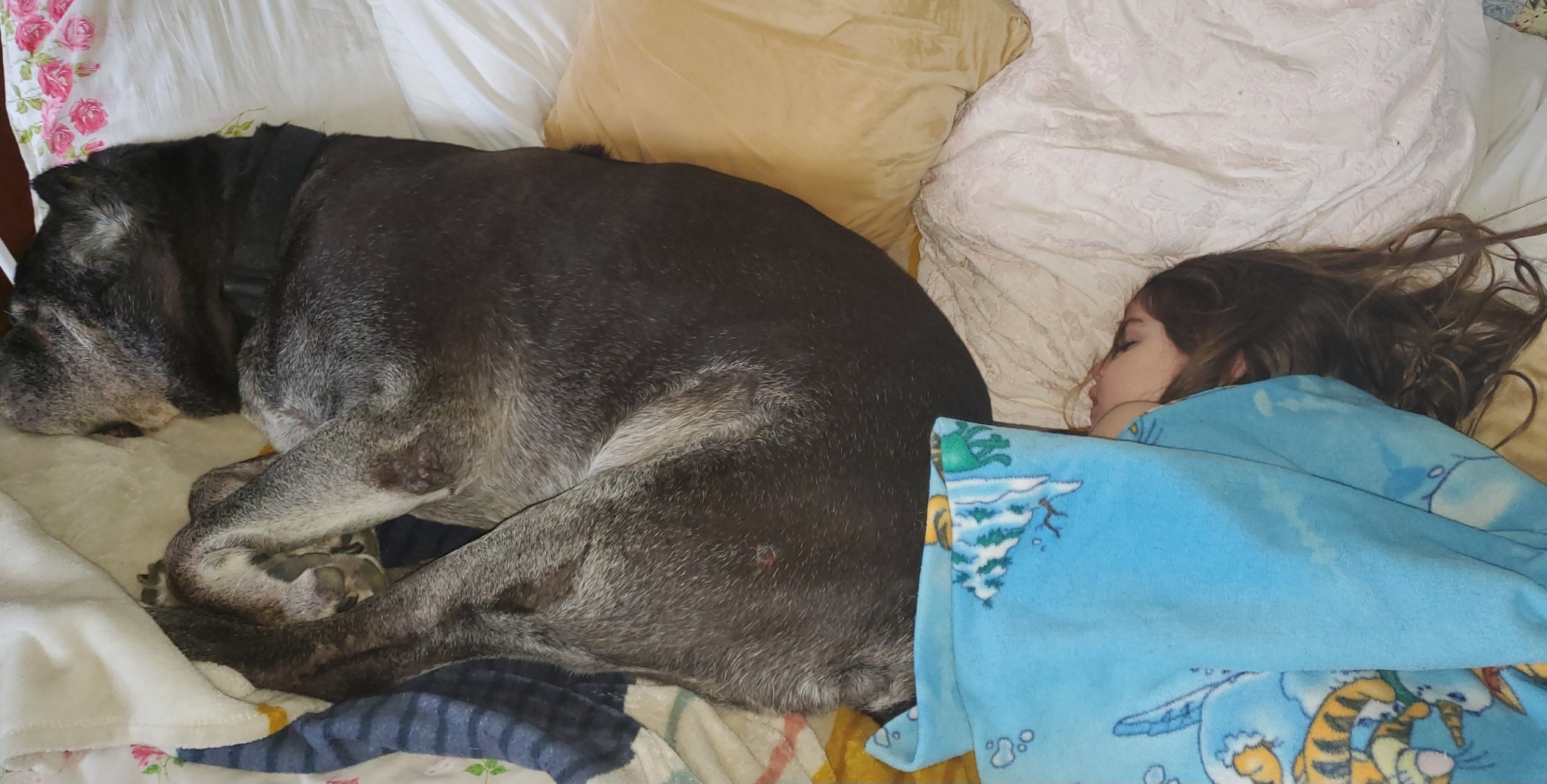
If long-term risks are too distant to motivate stopping, consider this: if you sleep more than you need to, you’re probably going to wake up from a later sleep cycle, meaning you’ll feel groggy and tired even though you’ve slept more. Research bears out the connection between too much sleep and too little energy.
LeBron James reports sleeping twelve hours a night for his best athletic performance.
According to Harvard Health, it appears that any significant deviation from normal sleep patterns can upset the body’s rhythms and increase daytime fatigue. The best solution is to figure out how many hours of sleep are right for you and then stick with it — even on weekends, vacations, and holidays.
The “Sleeping Beauty of Oknö” Karolina Olsson reportedly fell asleep in 1876, aged 14, and didn’t wake up until 1908, aged 46. (She may have been in a coma, kept unconscious by her parents, suffering from a head injury, or simply faking, but medical reporting in Sweden at the time never seemed to reach a definitive conclusion.)
During a golf tournament, Michelle Wie once slept more than sixteen hours. She regularly sleeps ten hours a night but prefers to get twelve hours or more.
According to the Cleveland Clinic, when you’re sleep drunk, your brain doesn’t make the transition to wakefulness. Your conscious mind isn’t fully awake, but your body can get up, walk, and talk. “People who have confusional arousal might act confused or have trouble speaking,” says Dr. Martinez-Gonzalez. “They might appear to be drunk, but they’re not.”
The CDC discusses sleep inertia. It is a temporary disorientation and decline in performance and/or mood after awakening from sleep.
People with sleep inertia can show slower reaction time, poorer short-term memory, and slower speeds of thinking, reasoning, remembering, and learning.
Bottom Line: Inviting as a warm bed can be on a winter night, as comfortable as it feels during a pounding rain, as luxurious as it can feel to just not get up, consider the price you may pay.
Robert Douglas Spadden (center) slept through the sinking of the Titanic when he was six years old. He woke briefly while being carried to a lifeboat, but his nurse told him they were going to look at the stars. So he went back to sleep.