
A Healthy Minds Monthly Poll reported by the American Psychiatric Association (APA) in early in 2024 found that 30% of adults said they experienced feelings of loneliness at least once a week while 10% said they felt lonely every day over the past year. Unless otherwise noted the following assertions are from this poll.
What do I mean by lonely? “Feeling like you do not have meaningful or close relationships or a sense of belonging.” This is the Centers for Disease Control and Prevention (CDC)’s definition of loneliness.
Who are All These Lonely People?

They’re young. People aged 18-34 were the loneliest, with 30% saying they felt lonely every day or several times a week.
They’re single. Singles were nearly twice as likely as married adults to say they had been lonely on a weekly basis over the past year (39% vs. 22%).
Overall, 63% of men reported feelings of loneliness in this year’s survey, a ten-point increase from a year ago. For women, the increase was not as sharp; 58% of women reported loneliness this year, up from 54% a year ago.
In May 2023, U.S. Surgeon General Vivek Murthy, M.D., M.B.A., called loneliness a public health epidemic. APA President Petros Levounis, M.D., M.A. said, “The U.S. Surgeon General is correct to label it as a public health problem with troubling outcomes…”
Where are We not Lonely?
The 2200 survey respondents ranked areas where they felt the highest sense of community and belonging:

- Among their family (65%)
- With friends (53%)
- In their neighborhoods (20%)
- At work (17%)
- On social media (16%)
- At the gym or fitness classes (5%)
- With sports and recreational teams (4%)
- In online communities and discussion forums (3%)
Responses to many options hovered toward the middle (full details available in the report).
How Do People Cope?
Respondents reported easing their loneliness many ways (selected from a list of choices provided) most notably:
- Younger adults are more likely than older adults to say they use drugs or alcohol when feeling lonely.
- Females are 1.5 times more likely than males to say they reach out to a friend or family member.
Is Technology a Help or a Hindrance?
Technology, when used carefully, can help alleviate loneliness. Many survey participants reported that technology…
- “Helps me form new relationships” (66%)
- “Helps me connect with others more frequently” (75%),
- “Is beneficial for forming and maintaining relationships” (69%)
However, respondents were split on the types of relationships technology fosters, “meaningful (54%)” or “superficial (46%).”
“Clearly we believe technology can be used to connect with others. In some cases, it seems to be helping us reach people who become part of our inner circles or to communicate with those who already are. However, distracting yourself when you’re feeling lonely with social media might be a double-edged sword: while it can connect, it can also lead to feelings of missing out, and we need to make sure we remain conscious of its effects on our mood. In this tech-heavy world, we should not forget the value of in-person interaction.”
Saul Levin, M.D., M.P.A., APA CEO and Medical Director
Age and Technology
Various sources slice the pie differently, but basically support the conclusions of the APA report. According to a CNBC report of January, 2023 a survey of 10,000 adults found:
- Three out of every five adults, or 61%, report that they sometimes or always feel lonely, according to the Cigna U.S. Loneliness Index. That’s up 7 percent from the previous year.
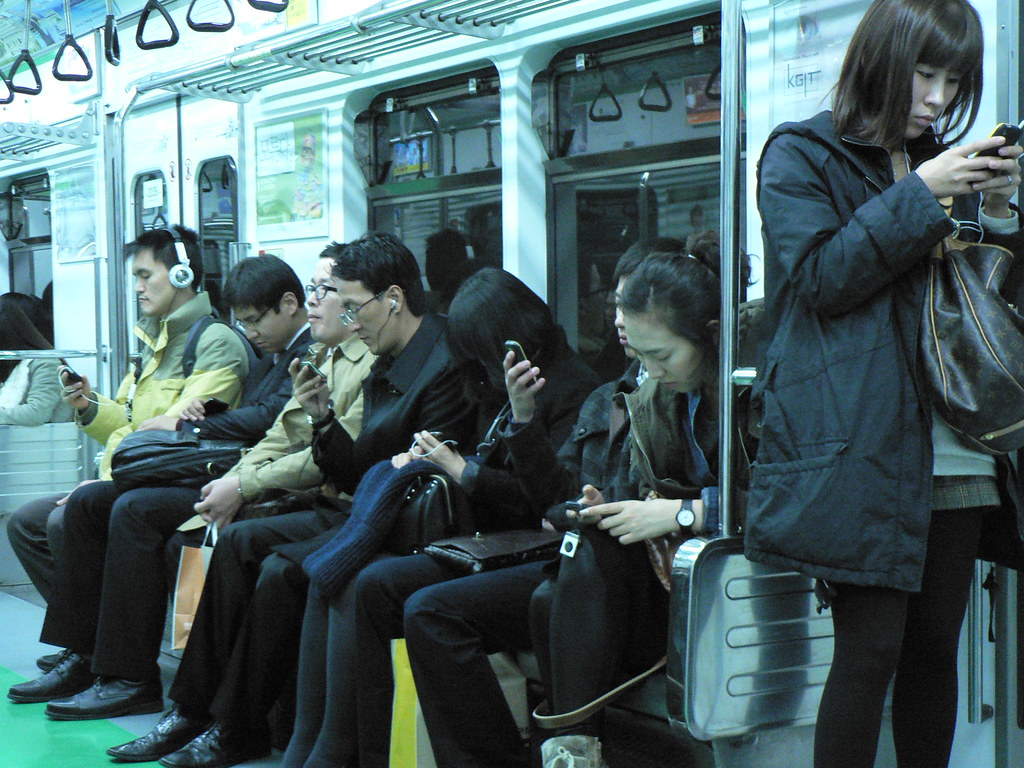
- Among workers aged 18-22, 73% report sometimes or always feeling alone, up from 69% a year previously.
There is a greater feeling of loneliness among people who use social media more frequently, the study found. One reason younger people feel more isolated may be their greater tendency to use social media. The study found an increasing correlation between social media usage and feelings of loneliness. Seven out of 10 heavy social media users, 71%, reported feelings of loneliness, up from 53% a year ago. That compares to 51% of light social media users feeling lonely, up from 47% a year ago.
Lonely on the Job
At work, men appear to feel much more isolated than women. Forty percent of men reported feeling a general sense of emptiness when they’re at work, compared to 29% of women.
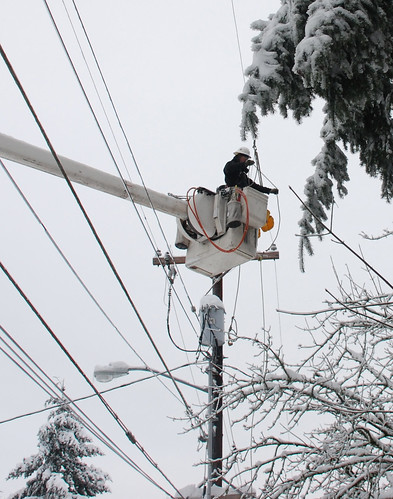
Another reason younger people may feel more alienated could have to do with being at the bottom rung of the employment ladder. Entry-level workers scored significantly higher on the Cigna Loneliness index than experienced workers, middle managers and executives. More than half felt there’s no one at work they can turn to.
Nearly two-thirds of workers who’d been at a job less than six months reported experiencing isolation, compared to just 40% workers who’ve been with a firm for 10 years or more.
But it is just as lonely at the top of the ladder. Fifty-six percent of senior executives reported feeling there’s no one they can talk to, with 69% saying that no one really knows them well.
Baby Boomers and workers older than 72 are the most likely to feel that they generally have people they can turn to at work and really understand them, with only 18% reported feeling alienated on the job.

Cigna researchers estimate that employees who feel socially isolated miss work as much as five times more than their connected co-workers due to stress, and are twice as likely as to think about quitting their jobs.
Health Risks of the Lonely
Social isolation and loneliness can increase risk for health and work problems:
- Heart disease and stroke
- Type 2 diabetes
- Depression and anxiety
- Suicidality and self-harm
- Dementia
- Earlier death
Cost of Loneliness
As with so much in the healthcare system, cost is often what triggers getting help. The hope is that by addressing some of the so-called social determinants of health that contribute to isolation among seniors, Medicare can reduce spending. To this end:
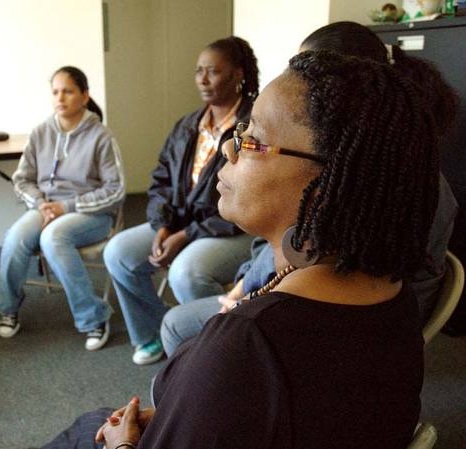
- Medicare plans are offering greater flexibility to focus on the impact of social isolation on the health of older adults.
- Researchers from AARP and Stanford University found that the government spends more than $6.7 billion annually on additional medical costs for Medicare recipients who lack social contact.
- Cigna is advising companies to do greater outreach about mental health counseling to help workers deal with stress.
- Cigna also offers expanded virtual mental health services to make accessing care more convenient and attractive for younger workers.
- Employers should also look for ways to promote greater in-person communication among workers, including programs that foster more connections like affinity groups and volunteer activities.
- The Cigna study found that people who get more time interacting face to face with others at work feel less lonely or alienated. More than half of remote workers who telecommute, 58%, reported feeling left out at work.
How to Deal With Loneliness
Please note: the following are on-line suggestions, offered for information only, not as professional advice.
Alone vs Lonely
Know your loneliness is normal. Everyone goes through lonely periods in life. Feeling lonely does not mean there’s something wrong with you. Feelings of loneliness often come and go during life. Sometimes the best thing to do is accept you feel lonely in the current circumstances and that this is okay.

- Boost your self-esteem by finding things to do that are achievable and building on them little by little.
- Enjoy your own company. Spending time alone can be liberating and being alone with your thoughts can be a great way of winding down.
- Often we like the company of people who are comfortable in themselves. Learning to be on your own and like your own company is a step towards this kind of confidence.
- Online communities can be a great social outlet, but do not rely on them too much. Make sure you balance your social life and make the effort to talk to people in person.
- Take what you see online with a pinch of salt. People often publish the best of themselves online. Try not to compare yourself to other people’s photos and posts. And don’t spend too much time online.
Meeting New People
Keeping yourself busy is a good way to deal with loneliness.
- Parenting alone can also feel isolating, especially when your children are younger. It may be helpful to seek out adult company and maintain existing friendships.
- If you’re on your own in a new place, a hobby can be a great way of meeting new people and making new friends.
- If you’re feeling lonely for no obvious reason, doing an evening class or sport can help take your mind off it. Consider activities to do with others.
- Being unemployed can also can cause you to feel isolated. If you’re bored or cannot find a job, volunteer with an organization you care about or an event you might be interested in. Feeling needed and useful is important sometimes.
- When you’re lonely, you may place too much weight on new friendships and relationships. Build trust gradually, take it slow and accept your new friends as they are. Take your time with new relationships.
- Be wary of certain groups. Cults and gangs often target lonely people, knowing they might be vulnerable. Make sure the group you join is a positive influence and makes you feel good about yourself.
Getting Support
If you’re constantly lonely for no obvious reason, it could be a sign of depression. This is something you should talk about to family, friends, a counsellor, or your GP.
CrisisTextLine offers free, confidential support via text or chat. (Text 741741)
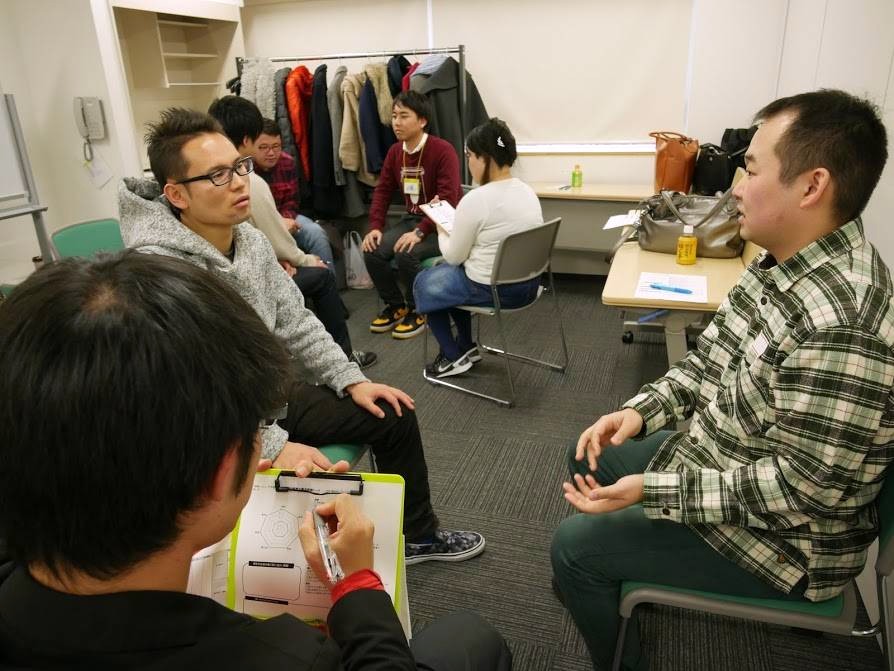
The AARP has initiatives to help people build community and volunteer. The also have a Friendly Voice helpline to call if you’re looking for a friendly person to talk to.
Just like dating apps, friendship apps allow people the opportunity to match with potential new friends online. Two examples are BumbleBFF and MeetMyPaws.
MeetUp is a social networking website that allows users to organize in-person activities to meet others who share their interests or hobbies.
Bottom Line: Loneliness is pervasive, normal, and problematic for good health and work success. Choose a way to cope that works for you;

































#/media/File:131025-A-RY828-212_(10556997386).jpg)