Putting Christmas into Carols

christmas carols - Darwinian Christmas

This post is part of a series that might be characterized as Darwin’s Christmas. I will be taking a number of our current traditions and tracing their evolution.


Christmas Carols have always been around, right? No, not exactly.
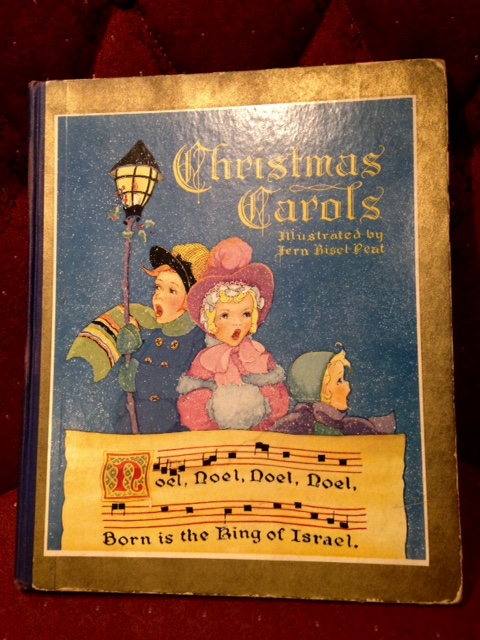
 
Christmas carol book


Carols were sung in Europe thousands of years ago. The word “carol” means dance or song of praise and joy, and they used to be common during all four seasons. Pagan carols at Winter Solstice celebrations were sung as people danced around stone circles. The Winter Solstice is the shortest day of the year, usually falling around Dec. 22. Carols at other seasons of the year have largely disappeared. Perhaps winter carols have survived because early Christians took over the pagan solstice celebrations for Christmas and gave people Christian songs to sing instead of pagan ones.
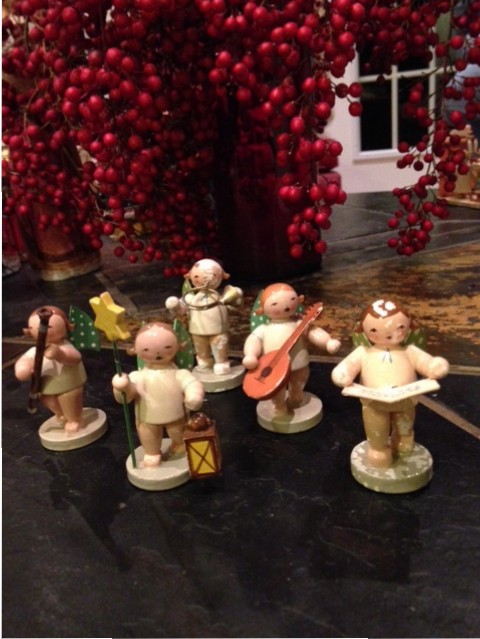
 

angel carolers figurines


In AD 129, a Catholic Bishop said that a song called Angel’s Hymn should be sung at a Christmas service in Rome. Another early Christmas Hymn was written in AD 760, by Comas of Jerusalem for the Greek Orthodox Church. In subsequent years, composers all across Europe wrote such hymns. They never became popular, some say because they were written in Latin, which common people didn’t understand.


In AD 1223, St. Francis of Assisi started Nativity Plays in Italy. The people in the plays sang canticles that told the story during the plays, normally in a language that the audience could understand and join in. The new carols spread across Europe. In AD 1426, John Awdlay, a Shropshire chaplain, listed twenty-five “caroles of Cristemas,” the first written record in English. During the 15th century and through the Elizabethan Era (ending 1603), these carols were untrue stories loosely based on the Christmas story and intended as entertainment rather than worship. They were sung in homes, not churches. Traveling minstrels freely changed the words to suit the local people wherever they were. For example, I Saw Three Ships might first have represented ships taking the skulls of the three wise men to the Cologne Cathedral, but over time and venues, the travelers on the three ships were sung to be many different Biblical characters.
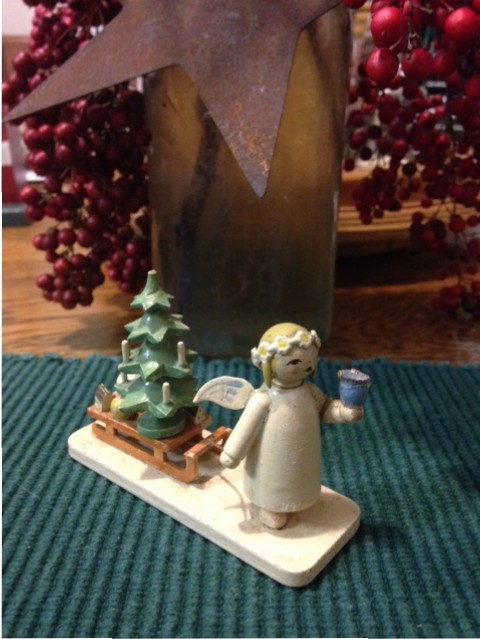
 

traveling angel caroler


When Oliver Cromwell and the Puritans came to power in England in 1647, the singing of carols was banned. Carols survived because people sang them in private. During the Victorian period, many new carols were written including Good King Wenceslas. Hark! The Herald Angels Sing (originally Hark! How All the Welkin Rings), The First Noel, and God Rest You Merry, Gentlemen were popularized. The custom of singing carols in the streets became popular and remains so today.


Martin Luther authored carols and encouraged their use in worship. Adeste Fideles had attained it’s modern form in the mid-18th century, although the words might date to the 13th century. God Rest Ye Merry, Gentlemen, The First Noel, I Saw Three Ships, and Hark! The Herald Angels Sing appear in a collection assembled by William Sandys in 1833. It Came Upon a Midnight Clear also dates from this period. In 1865, Christmas-related lyrics were sung to the melodies of traditional English folk songs, such as Greensleeves—think What Child is This.


Good King Wenceslas and The Holly and the Ivy can be traced directly back to the middle ages, and are among the oldest musical compositions still sung regularly.
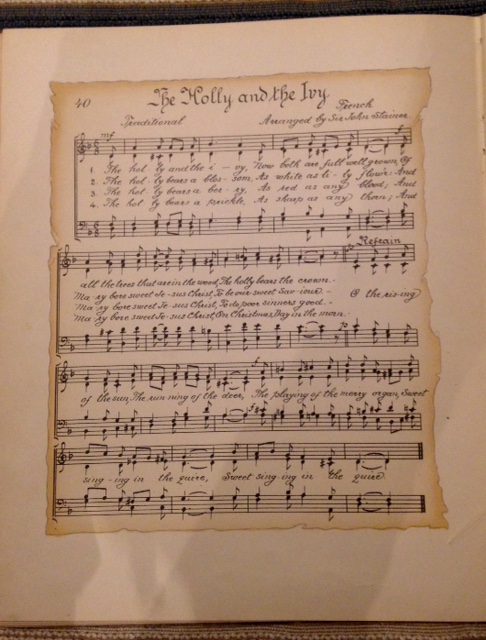
 

sheet music of Christmas carol "Holly and the Ivy"


In older times, caroling children asked for (and were given) edible gifts such as dried fruit, eggs, nuts or sweets. By the 20th century, the edible gifts had been replaced my money. Caroling is also done by choirs, marching bands, groups trying to raise money for trips, projects, or charity, folk societies, neighbors and well-wishers.
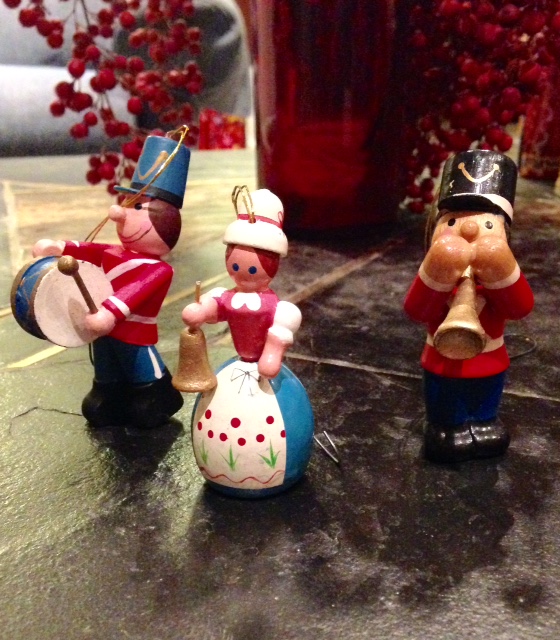
 

three carolers figurines


Now caroling often includes secular as well as religious music. Such songs written in the United States range from Jingle Bells and Frosty the Snowman to O Little Town of Bethlehem to Away in a Manger. So gather round the old piano and celebrate the season with songs of your choice!
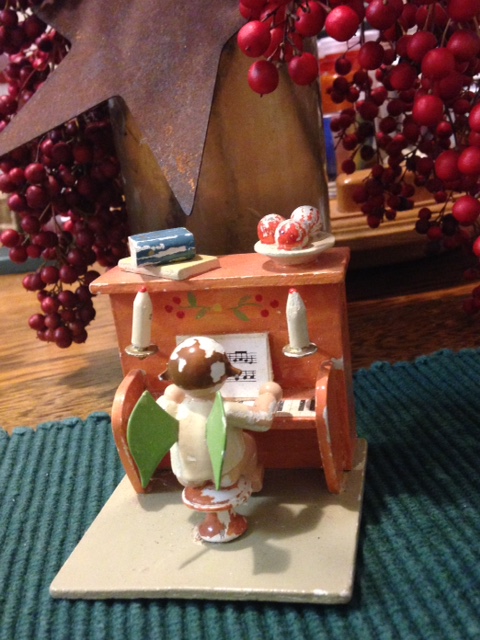
 

piano player figurine

A Darwinian View of Christmas Trees and Greenery

darwins christmas greenery

This post is part of a series that might be characterized as Darwin’s Christmas. I will be taking a number of our current traditions and tracing their evolution.

There are those, for example David C. Pack writing in The Real Truth magazine, who denounce the pagan origins of Christmas trees and other greenery. Pack cites Jeremiah 10:2-5 to support his assertion that we should have nothing to do with Christmas trees.

I am not among those. The reality of the world is that things morph and change—the meaning of words, clearly, but other symbols as well. So let’s take a look at the consensus around the evolution of the Christmas tree.

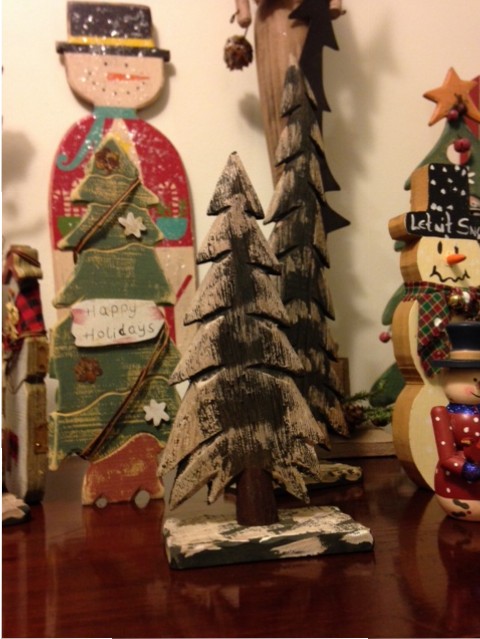
collection of wooden christmas trees, greenery

Long before the advent of Christianity, evergreen plants had a special meaning for people in winter. Ancient people hung evergreen boughs over their doors and windows. In many countries, people believed that these would keep away witches, ghosts, evil spirits, and illness. The Romans used fir trees to decorate their temples at the festival of Saturnalia. Today, Christians use it as a sign of everlasting life with God. Why can’t it symbolize all those things?

Although evergreen trees are the through-line, in parts of northern Europe, cherry or hawthorn plants or branches were brought inside in hopes they would bloom in time for Christmas.

Many early Christmas trees were hung upside down from the ceiling.

The first documented use of tree at Christmas and New Year celebrations was in 1510, in Riga, the capital of Latvia. After the ceremony (involving men wearing black hats) the tree was burned. This is sometimes associated with the yule log.

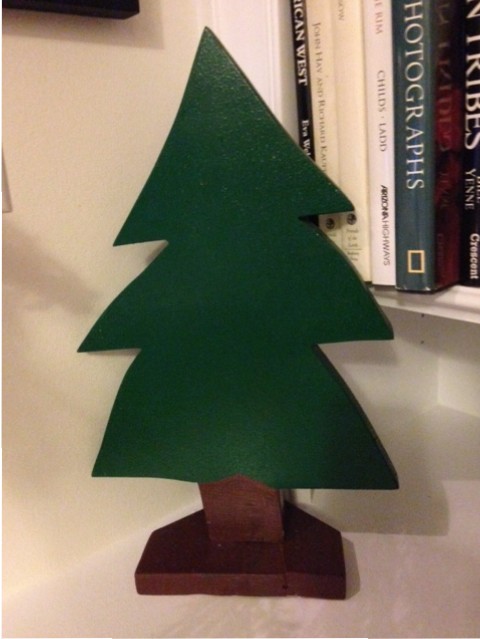
wooden cutout christmas tree

The first person to bring a tree into the house, in the way we know it today, is thought to have been the German preacher Martin Luther in the 1500s. The lore goes that he was walking home in winter, was impressed with the stars shining through tree branches, and cut a tree to take home. He put small lit candles on the branches to share his vision with his family. There are other stories, for example about St. Boniface of Crediton leaving England to travel to Germany. But this isn’t an encyclopedia, so I’ll move along.

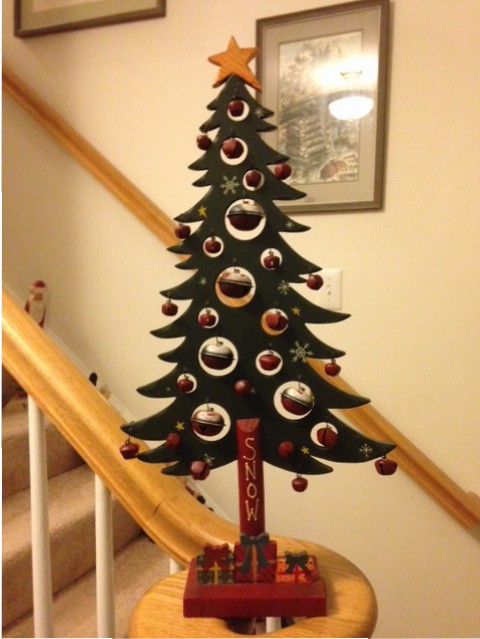
christmas tree wooden cutout with bells

But another point of consensus seems to be that Christmas trees took hold in Germany and spread across the world from there. In Germany, early trees were decorated with edible things like gingerbread and gold-covered apples. But by 1605, they were decorated with paper roses, apples, wafers, gold foil, and sweets.

The Christmas tree came to Britain sometime in the 1830s, and became popular in 1841 when Queen Victoria’s German husband had a Christmas tree at Windsor Castle. From England to the United States, from candles to electric lights, the evolution continued. Artificial Christmas trees have long been popular, from the trees made from colored ostrich feathers in the Edwardian period on. Over the years, artificial trees have been made from feathers, papier mâché, metal, glass, and lots of plastic. Now lawns sometimes sport inflatable trees!

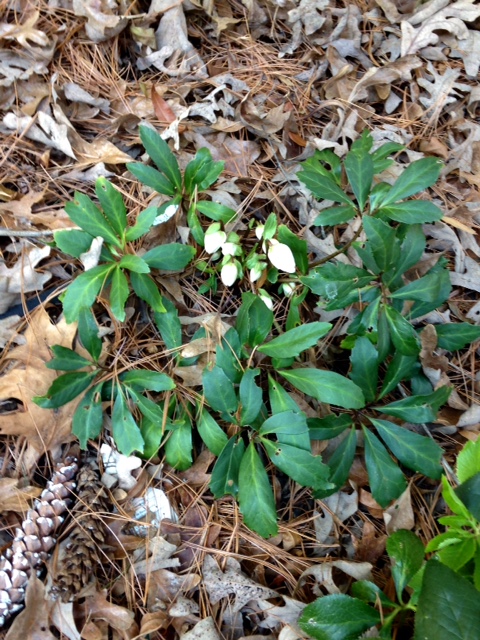
So, if pre-Christians and Christians both found good in the green of midwinter, fine with me! I plant hellebores and other evergreens where I can see them on the shortest days of the year.

hellebore-niger-christmas-rose

Considering Creativity

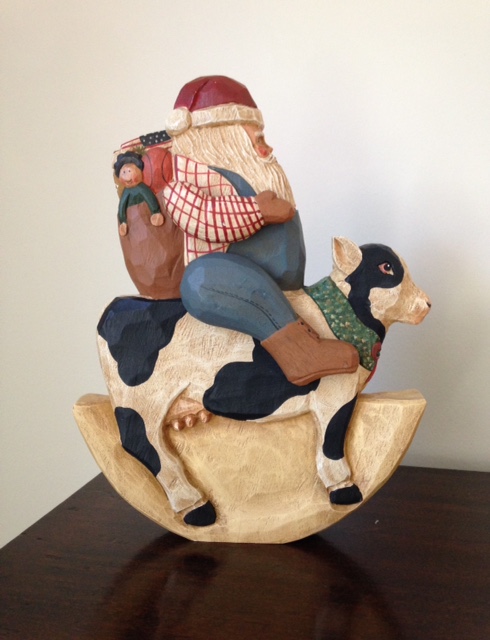
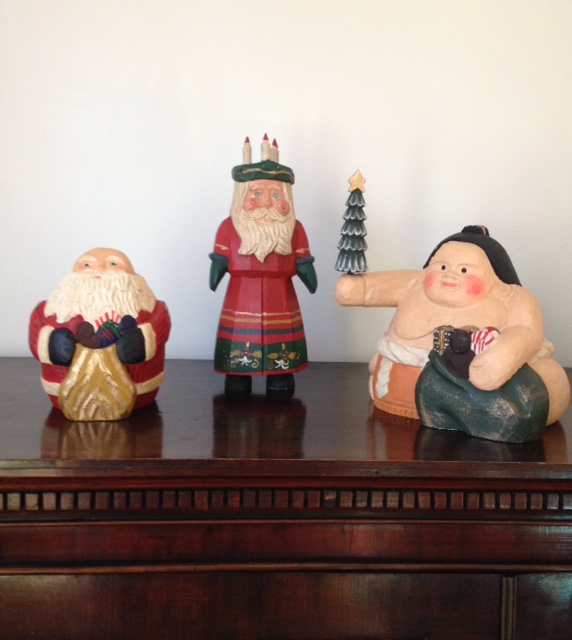
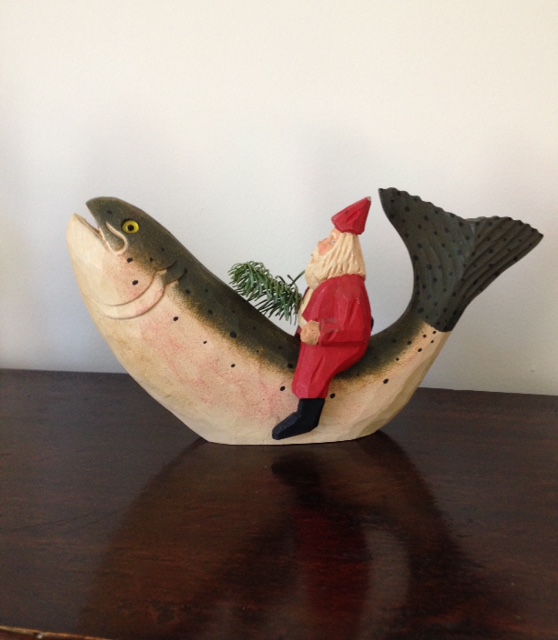
What do these five carved wooden Santas have in common? 

All were carved by James Haddon! I’ve had the trio for awhile. Last Christmas season, I noticed that all were by the same carver. So this year, I searched on-line and found the Santa on a rocking cow and the Santa riding a trout. I believe James Haddon is creative. Synonyms for creative include clever, ingenious, innovative, inventive, and original. Perhaps most importantly, he seems to me to be a divergent thinker.


Creativity and Divergent Thinking

Veering into psychology for a moment: a convergent thinker draws everything together to come up with the one perfect solution; a divergent thinker starts at point A and goes any number of places. There are approximately a gazillion definitions of creativity (forgive the high degree of technicality and precision) depending upon whether you are a visual artist, a mathematician, a musician, a chef, or an educator—or a researcher in any number of other fields.  But the requirement for divergent thinking comes up again and again.


Ancient cultures—including Greece, China, and India–had no concept of creativity. They saw art as a form of discovery or imitation, not creation. In Judaeo-Christian tradition, creation was the sole province of God, and anyone creating something was assumed to be acting as a conduit from God. The modern concept of creativity began in the Renaissance, when the idea that creation might originate from the individual, not God—so I read. Think Leonardo da Vinci. The idea gradually took hold, really digging in during the Enlightenment.


It wasn’t until 1927 that Alfred North Whitehead coined the term “creativity.”


Have you ever thought, “If only. . .”? If so, you are imagining alternatives to reality, and such counterfactual thinking is one example of everyday creativity.


In 1967, J.P. Guilford and his associates constructed several tests to measure creativity. How would you do?
  • Plot Titles: participants are give a story plot and instructed to write original titles
  • Quick Responses: a word-association test scored for uncommonness
  • Figure Concepts: participants get simple drawings of objects and individuals and are asked to find commonalities in two or more drawings
  • Remote Association: participants are asked to find a word between two given words (e.g., Hand           Call)
  • Remote Consequences: participants generate a list of consequences of unexpected events (e.g., loss of gravity)
  • Unusual Uses is finding unusual uses for common objects, such as bricks.
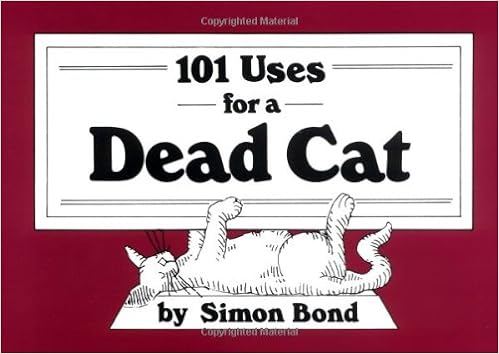
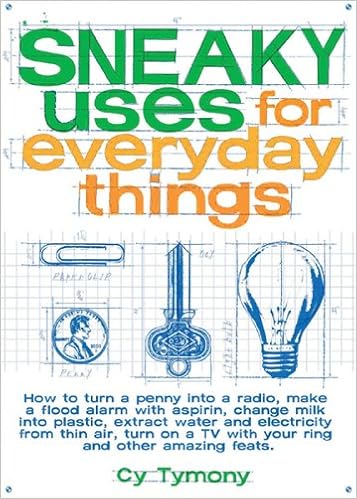
If you check out books on Amazon, you can find Sneaky Uses for Everyday Things, 101 Uses for a Dead Cat, and other books on uses for everything from baking soda, coconut oil, and vinegar to duct tape. Who knew we could reap the benefits of all that creative thinking!


101 Uses for a Dead Cat by Simon Bond
Sneaky Uses for Everyday Things by Cy Tymony

Gregory Feist did a meta-analysis of data on creative people and found the strongest related traits were openness to new experience, conscientiousness, self-acceptance, hostility and impulsivity. Besides these traits, other research has identified additional traits associated with creativity: self-confident, ambitious, impulsive, driven, dominant, and hostile.


And what about mental health? Many people equate creativity with genius—and traditional wisdom says genius is akin to insanity. A Swedish study involving more than a million people reported a number of correlations between creative occupations and mental illnesses—do remember that correlations mean a relationship, not in any way causation. Writers had a higher risk of anxiety and bipolar disorders, schizophrenia, unipolar depression, and substance abuse, and were almost twice as likely as the general population to kill themselves. Dancers and photographers were also more likely to have bipolar disorder. However, as a group, people in creative professions were not more likely to suffer psychiatric disorders that the population at large, though they were more likely to have a close relative with a disorder, including anorexia and autism.


So, I started with jolly Santas and ended up with mental illness. Is this divergent thinking??

Collectors

Not to be confused with The Collector movie

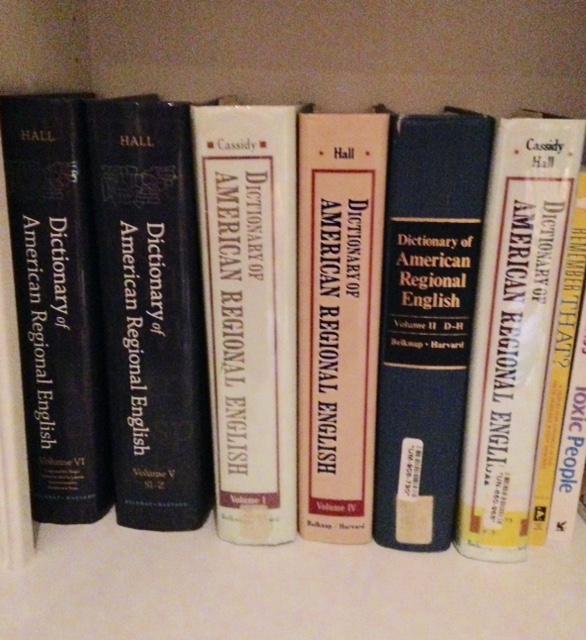
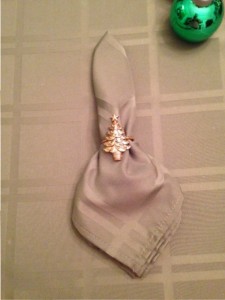
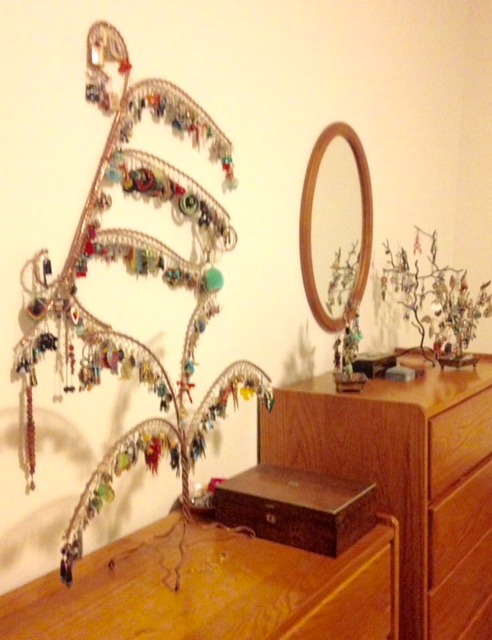
I’ve mentioned here and there that I collect things: dictionaries, carved wooden Santas, napkin rings, funky earrings, and mah jongg sets, among other things.collector, collection of dictionaries

I’m not alone here. Indeed, I’m not not even close to making it into the The Mammoth Book of Weird Records.

There are people out there collecting

  • love dolls
  • dolls dressed as nuns
  • aluminum can pull tabs
  • belly button fluff
  • airsick bags
  • banana labels
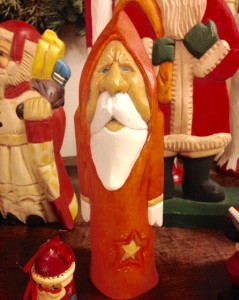
  • nail clippingscollector, collection, wooden Santa
  • already chewed Nicorette Gum
  • wooden toilet seats
  • cow hairballs
  • pictures of cement mixers
  • toothpaste tubes
  • vacuum cleaners
  • key chains
  • back scratchers
  • beds
  • empty pizza boxescollector, collection, napkin ring
  • clothing tags
  • Walmart receipts
  • husbands (or wives)
  • traffic cones
  • umbrella covers
  • teabag labels
  • autographed drumsticks
  • dildos

AND THE LIST GOES ON!collector, collection, earrings

Think about the sort of person who might collect these things. And why. Who is comforted by plenty? Who wants to be distinctive, not one of the masses? Who sees it as a mark of economic superiority? Or maybe there’s a family competition going on.

Are you a collector? What and why?

When Characters Are in Conflict with Themselves: Psychology & Folk Wisdom

writing conflict with self "When Characters Are in Conflict with Themselves"

The basis of conflict and tension are obvious when two (or more) characters are competing for the same goal, such as a promotion, or when a character is beset by physical danger such as a life-threatening cancer or an approaching hurricane. A threat of any sort to the character or to someone (or something) the character cares about is an excellent source of conflict and tension. But using internal conflicts can add just as much power to your plot.

You can’t have your cake and eat it, too = approach-approach conflict

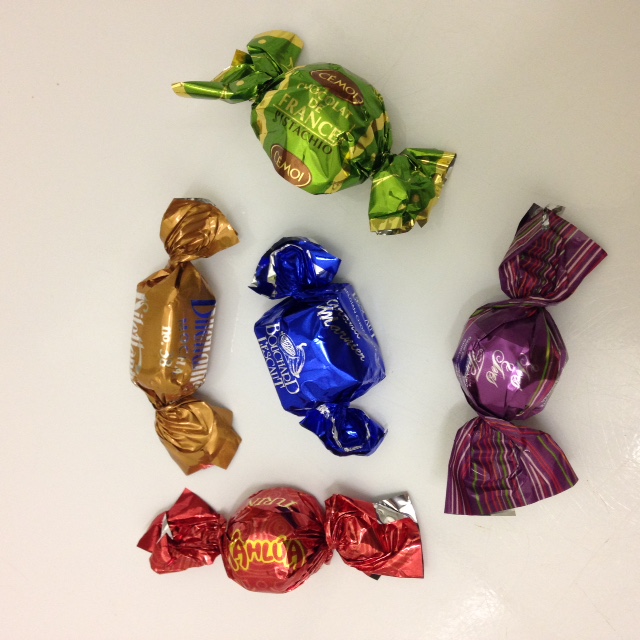
The character has multiple appealing options but can take only one—e.g., two marriage proposals, only one dessert from a tray of twelve, only one new car, etc. This type of conflict creates the least tension because there is no real downside. It’s all good.

candies to represent approach-approach
Approach-approach conflict: the character has multiple appealing options

Between a rock and a hard place = between the devil and the deep blue sea = an avoidance-avoidance conflict

Will the character get back surgery or live with the pain? Wash the car or rake leaves? Stay in an unhappy marriage or get a divorce? The reader may feel more sympathy than tension. The level of tension depends partly on the pain the character suffers while weighing the alternatives, and partly on how bad the options are. For example, Sophie’s Choice: to save herself and one child at the price of choosing to send one child to the gas chamber, or refuse to choose and sentence all three of them to death.

Take the bitter with the sweet = an approach-avoidance conflict: one goal with both positive and negative aspects, ultimately resolved in favor of the stronger

Virtually all relationships as well as many other aspects of life fall into this category. One factor affecting the amount of conflict or tension is how nearly the positive and negative aspects are matched (the closer they are in strength, the greater the tension). If an otherwise perfect spouse has one annoying habit, probably no big deal, the marriage is solid; if a buyer is drawn to a white picket fence but the house is practically falling down and overpriced, no-sale is a pretty safe bet. But if a deeply flawed spouse has nearly as many annoying habits as good ones—if the house is in a perfect location with a great school district and enough yard for the seven dogs—it could be a game changer. Comparable positives and negatives will create lots of tension.

A second factor is how important the ultimate outcome is. If I want a Ph.D. to qualify for a college professorship but don’t want to spend the time, effort, and money to go for it—not to mention the risk of failure—big decision, lots of tension potential. If I want a bag of chips from the vending machine but think $2 is an outrageous price—not much tension.

The positive (which pulls the character to approach) and the negative (which pushes the character to avoid) are what psychologists call “valences.” Both diminish with distance—time, physical distance, space. Something far away will affect the character’s immediate behavior and feelings less than something that is imminent.

Love and approach-avoidance conflicts

Love is always a high-voltage relationship, so let’s consider the special instances of approach-avoidance conflicts reflected in absence makes the heart grow fonder; out of sight, out of mind; and can’t live with ’em, can’t live without ’em.

Absence makes the heart go fonder when, with distance, the negative qualities or aspects of the date/lover/spouse exert less influence and the push-away diminishes; the person doesn’t seem so bad. If you aren’t actually hearing the obnoxious laugh, smelling the bad breath, or arguing about politics, the heart grows fonder—though maybe not fond enough to renew the relationship.

Out of sight, out of mind is the opposite: positive value diminishes with distance until the original attraction may have no more pull at all. The sweet kisses don’t mean so much when you aren’t getting any! Ditto sense of humor, help with chores, being a good listener. This is often the source of the “Dear John” letters received by people in the military, in prison, in college far away, etc.

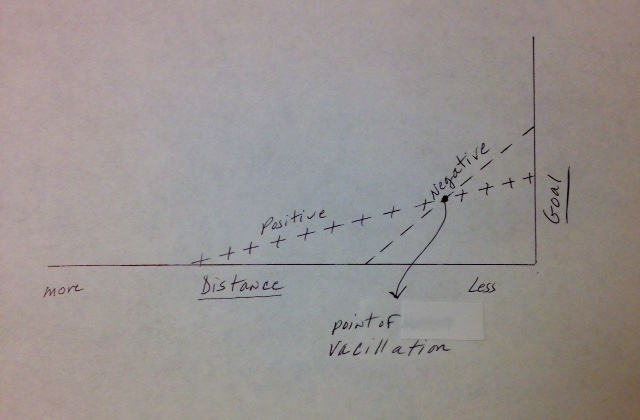
In terms of conflict and tension, can’t live with ’em and can’t live without ’em is the best. One brief detour into psychology: negative valence declines more sharply than positive valence. Soooo, when both valences are significant, the case sometimes evolves in which the sharp decline in the negative crosses the slower decline in the positive valence.

Approach-Avoidance Illustartion
Approach-avoidance conflict: the character must weigh the positive and negative aspects

The point where the valences cross is the point of vacillation: closer, and the relationship is so negative that one or both parties withdraw. With greater distance, the positive stays strong longer than the negative and the couple gets back together. These yo-yo relationships can go on for years. This could happen with any type of relationship—playmates to spouses. Whole books have been written by and about couples who marry, divorce, and remarry.

Takeaway for writers

Good writers need to be good psychologists whether or not they ever studied the discipline or use the lingo, just be sure the positives and the negatives are believable for the character and appropriate to the conflict.

Second takeaway

Characters in conflict within themselves can provide plenty of page-turner tension!

Related Posts

Psychology For Writers series

Writing Relationships: Why Not Get the Hell Out of Dodge?

Toxic People Are Great

Writers Need Toxic Relationships

Psychology of Uncertainty 

The Principle of Least Interest

Why Writers Need Empathy

Why Women Have Sex: Character Motivation Matters

Rational and Irrational Behavior in Your Characters: Guest Post on Thrill Writers

More on Characters

Frangible Characters

Quirking Your Characters

Writers on Writing

What’s in a Character Name?

Books for Writers: Deborah Tannen

December: Who Knew?

Maybe I’m alone here, but I was surprised to find how much more there is to December than the Winter Solstice, Hanukkah, Christmas, snow, and snowmen.

snowmen

For one thing, it’s the birth month of both basketball (1891) and Bingo (1929). It’s also, Colorectal Cancer Education and Awareness Month, National Drunk and Drugged Driving Prevention Month, National Tie Month, National Write a Business Plan Month, Rising Star Month, Safe Toys and Gifts Month, and Spiritual Literacy Month.

Most of these are pretty obvious, but Rising Star Month urges people to reach for the stars by designing a personal life plan: review the past year and design—or revise or redesign—a life plan for the year ahead. If you’re interested, you can view www.RisingStarMonth.info or email info@RisingStarMonth.info.

Spiritual Literacy Month promotes respect for and among the world’s religions by engaging people to explore the sacred texts of humankind. People committed to this month organize discussions at libraries, community centers, coffee houses, houses of worship, and private homes. You can get free booklets containing selections from a text under study and open-ended questions related to the text to encourage dialogue.

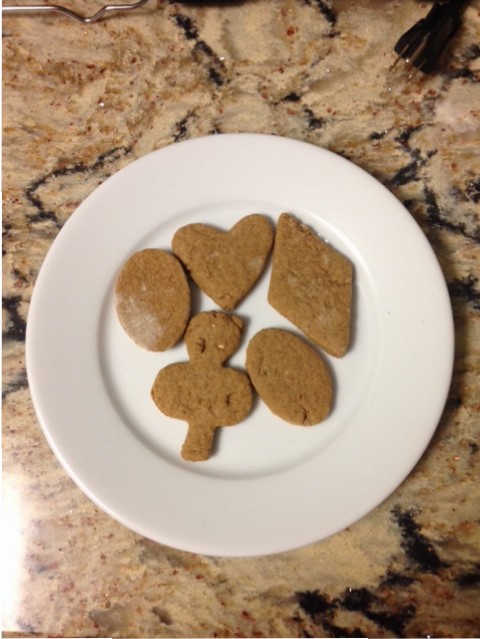
I wonder how many people are involved with these numerous (and varied) organizations, how much time they spend on them, how much their identities are tied up in these activities. And FYI, if you didn’t know about National Cookie Cutter Week (Dec. 1-7) join the Cookie Cutter Collectors Club. Really. You can look it up!

cookies

Writing Relationships: Why Not Get the Hell Out of Dodge?

Writing Relationships: Why Not Get the Hell Out of Dodge?
In recent blogs, I talked about toxic mother-daughter relationships, toxic relationships in general, and toxic people.Toxic anything is good for writers! But once you’ve introduced these negative relationships and people, you cannot—satisfactorily—leave your reader wondering why s/he puts up with that. After all, there are planes, trains, and automobiles—not to mention boots that are made for walking!
Even if your characters don’t recognize their motives, you—their almighty creator—should know what they are AND should let the reader know.


So, why does s/he put up with it? The short answer is, it’s the best perceived alternative! People are very rational creatures, and they always make that choice. The complexity here is in the word perceived. Not everyone sees a situation the same way.


For example, the objective reality might be that a battered woman would be better off out of that marriage. But if she doesn’t see that, it ain’t gonna happen. So consider what her point of view might be. Suppose she came from a family with spousal abuse and accepts it as part of the package. Perhaps she fears for her life, or the safety of her children, if she leaves and he finds her. What if he threatened to commit suicide if she leaves and she couldn’t stand the guilt? Maybe she thinks it’s her fault—and/or, her self-esteem is so low that she thinks she deserves it. Maybe she doesn’t see a way to keep a roof over her/their children’s heads and food on the table single. Perhaps she loves him and lets him beat her because for his own twisted reasons, he needs to do so. Perhaps leaving/divorce goes against her religious beliefs. Etc. All of these reflect beliefs or values not universally held—and beliefs or values not universally held often apply to perceptions about leaving a toxic situation or relationship.


Additionally, consider the legal constraints on minors, military personnel, prisoners, employees, etc.


Perhaps your character is highly motivated to avoid conflict, criticism, gossip, embarrassment, rejection by family or peers—or even fears the unknown.


Takeaway for writers

Show the reader your character’s perspective.


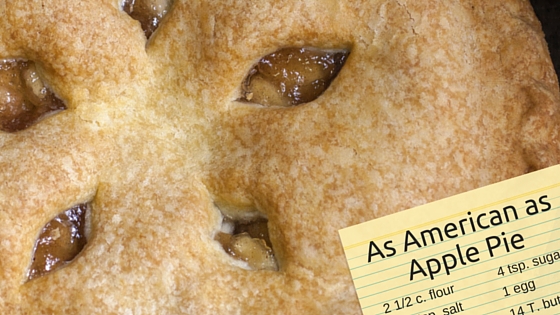
As American as Apple Pie

apple pie

What’s wrong with that?

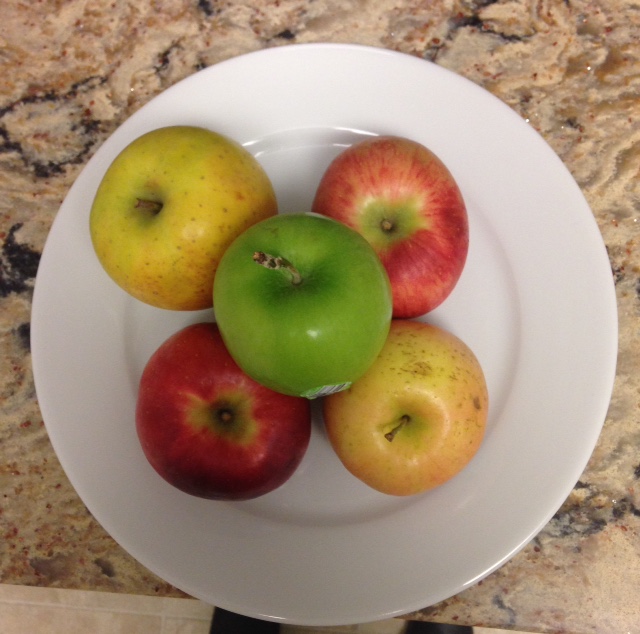
First of all, with the sour exception of crabapples, apples themselves aren’t American. Apples as we know and love them probably originated in Asia and migrated to Europe.


apples in bowl


Apples and apple pie were brought to the colonies by British, Dutch, and Swedish immigrants during the 17th and 18th centuries. In fact, that was pretty late in the history of apple pie.


Fossilized evidence of apples date as far back as the Iron and Stone Ages in Switzerland and other parts of Europe. Although most sources trace apple pie to Europe, there is a minority view that the first apple pie was made in Egypt, 9500 B.C.E.

English apple pie recipes go back to the time of Chaucer. A 1381 recipe calls for good apples, good spices, figs, raisins, and pears in a pastry casing. It is the first known written recipe for apple pie. Fruit sweeteners were typical of the times. Early apple pies had no sugar because of the expense but were sweetened with fruits such as these.

Apple pie was a prized dessert in England by 1577. The first mention of a fruit pie in literature was apple-pyes in Robert Greene’s Arcadia. Greene wrote between 1580 and 1592. A medieval Dutch cookbook (around 1514) has a recipe for apple pie that is almost identical to modern recipes. Such a pie was featured in a Dutch Golden Age painting from 1626.


In 1941, newspaper reporters talked about GI’s fighting for Mom and “good old American apple pie.” This seems to be the origin of apple pie attached to American identity—even though apple pie did not originate here. Vermont even made apple pie the official state pie in 1999.

 
The history of Mock Apple Pie (made with crackers instead of apples) is a bit murky. It may have been invented by pioneers on the move in the 19th century, or possibly in the South during Civil War food shortages. But in the 1930s, Ritz Crackers provided a recipe using Ritz Crackers, water, sugar, cream of tartar, lemon juice, grated lemon peel, margarine or butter, and cinnamon. The one thing that’s clear is that anything that leads to an imitation must be very popular indeed.
 

According to the American Pie Council, Apple pie is the most popular pie in the U.S., the favorite of 19% of Americans (approximately 36 million people at the time of the survey).


And now we get to the downside. Although homemade apple pie hasn’t changed much over centuries, anything that popular has to go commercial, including fast-food chains. McDonald’s started in California in 1940. In 1969, McDonald’s opened 211 new franchises, and the first Wendy’s was born in Columbus, Ohio.


Welcome to the world of food additives. L-cysteine, an amino acid used to condition dough for increased pliability, is derived from human hair and/or duck feathers. It’s used in McDonald’s Baked Hot Apple Pie (among other offerings). McDonald’s is only one of many fast-food providers who rely on L-cysteine in bakery products.


Bonus facts: Sand (silica dioxide) is an anti-caking agent that shows up in chili and other processed beef and chicken products on the menus of Wendy’s and Taco Bell; processed wood pulp (cellulose), used to thicken and stabilize everything from cheese to strawberry syrup, is on the rise because products  can boast less fat and more fiber. For more disturbing food additives, go to mnn.com.


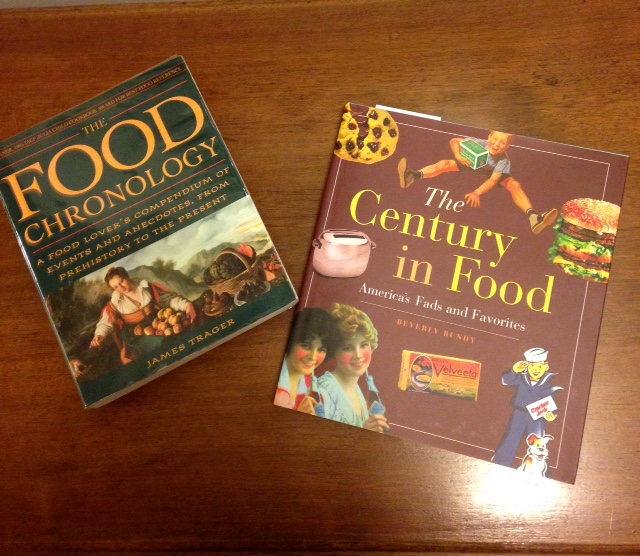
And to know what happened when with food, go to good books!


The Century in Food and The Food Chronology

Toxic People Are Great

Toxic people are great

True? True—in your writing if not in your life. You may recall that last month I wrote about the types of toxic mother/daughter relationships, and how the patterns could hold regardless of who the two people are. You’ll find that this blog is related.

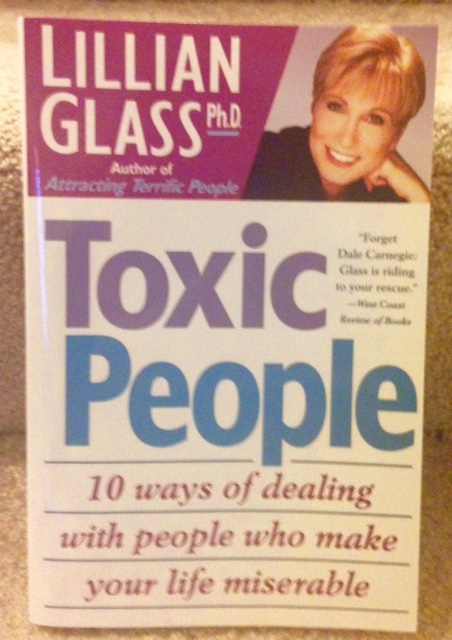
Lillian Glass profiled 30 types of toxic terrors, and just the labels are thought-provoking: cut-you-downer, chatterbox, self-destroyer, runner, silent but deadly volcano, gossip angry pugilist, gloom and doom victim, smiling two-faced backstabber, wishy-washy wimp, opportunistic user; bitchy, bossy bully; jokester, unconscious social klutz, mental case, bullshitting liar, meddler, penny-pinching miser, fanatic; me, myself, and I narcissist; Eddie Haskell, self-righteous priss, snooty snob, competitor, control freak, accusing critic, arrogant know-it-all, emotional refrigerator, skeptical paranoid, instigator.

Toxic People by Lillian Glass

Translating this into writing: the presence of a toxic character immediately raises tension and conflict. That is their role, to make other people’s lives miserable. But spread the glory: don’t make one character carry the entire burden of toxicity. Consider a couple, apparently happy together but each toxic to other people in different ways.

Glass’s book is basically a self-help book, so she also offers 10 techniques for handling toxic people: tension-blowout (deep breathing), humor, stop-the-thought, mirror (reflecting the behavior back), direct confrontation, calm questioning, give-them-hell-and-yell, give-them-love-and-kindness, vicarious-fantasy, unplug (the person from your life).

Translating this into writing: have your characters deal with the toxic person(s) in different ways, with varying degrees of success. And the inappropriate behaviors that she advises you never to do in real life (e.g., physical violence) are perfectly appropriate—and often effective—in achieving your writerly goals.

Glass offers an exercise for identifying the types of people who drive the reader nuts. As the author, you could complete this exercise for your main characters. Identifying the consistencies might even provide insights about how to make your character(s) richer and more real.

My edition of the book was published in 1997, but toxic people are timeless! This and several of her other books are available on Amazon, and I urge you to consider whether it would be helpful to you.

Related Posts

Psychology For Writers series

Writers Need Toxic Relationships

Psychology of Uncertainty 

The Principle of Least Interest

Why Writers Need Empathy

Why Women Have Sex: Character Motivation Matters

Rational and Irrational Behavior in Your Characters: Guest Post on Thrill Writers

More on Characters

Quirking Your Characters

Writers on Writing

What’s in a Character Name?

Books for Writers: Deborah Tannen


Beware Beautiful Words

Beware Beautiful Words
Writers are readers, by and large, and also word collectors. We tend to fall in love with words. Some writers make a career of writing about words as well as with them.
The Word Museum by Jeffrey Kacirk
One of my personal favorites is dudgeon. In the Chesapeake Bay Mysteries, Van reflected on Nora being truly formidable when in high dudgeon. And from my rural Ohio roots, I like caddywampus and whopperjawed (both of which mean, basically, out of kilter or poorly constructed) as well as redd, as in redd up the table (meaning clear away or make ready).


Belly-pinched, meaning starving


Blutterbunged, meaning confounded or overcome by surprise


Brownstudy, meaning gloomy meditation or distraction


Bruzzle, to make a great to-do


Cabobble, to mystify, confuse, or puzzle


Davering, wandering aimlessly or walking dazed


Fabulosity, meaning  being fabulous or telling lies


Falling-weather,rain, snow, or hail


Flamfoo, a gaudily dressed woman, a clothes horse


Flurch, a great many (things, not people)


Fuzzle, to make fuzzy or indistinct with drink


Greasy tongue, a flatterer


Heart-quakes, exactly what it sounds like


Hipshot, sprained or dislocated him


Nightfoundered, lost the way in the dark


Noggle, to walk awkwardly


Prinkle, a tingling sensation in the skin, gooseflesh?


Quanked, overcome by fatigue


Smoothery, ointment or medicine to take away hair


Squiggle, to slosh liquid around the mouth with the lips closed


Stepmother-year, a cold, unfavorable year


Tazzled, rough untidy hair


Teaty-wad, a lump of damp sugar in a twist of cloth to quiet an infant when the mother is unavailable to feed


Thinnify, to make thin


Thrunched, very angry or displeased


Unlicked, unpolished or unkempt


Woman-tired, henpecked


Advice to Writers

If you choose to use colorful, unusual words such as these, use each only once in a given story or novel. They will be noticed. The only exception is would be when a given word is a speech tag for a given character.


Not to worry. The world is full of rich language, plenty to go around!