PUMPKINS: THE MEATIEST FRUIT

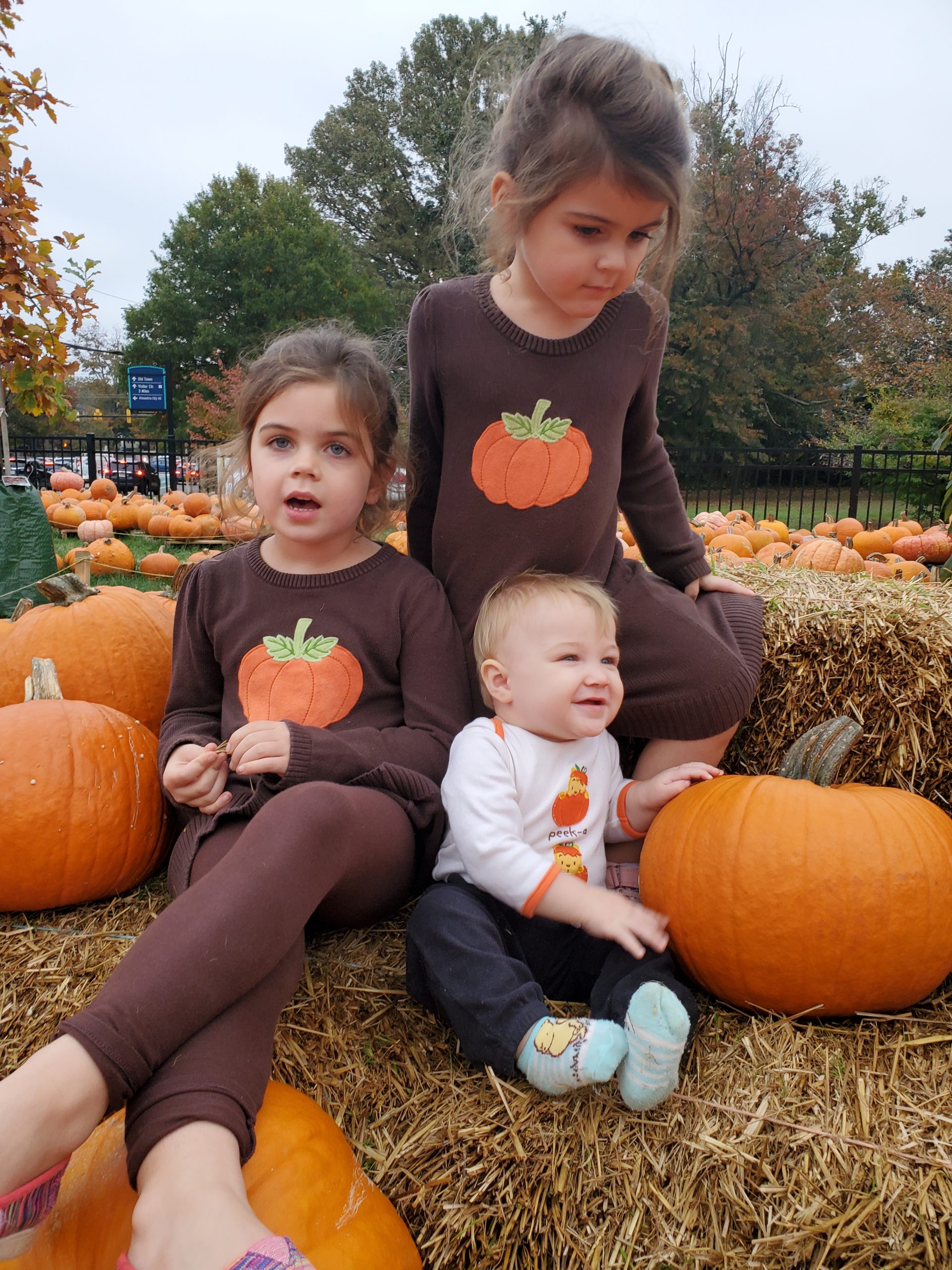
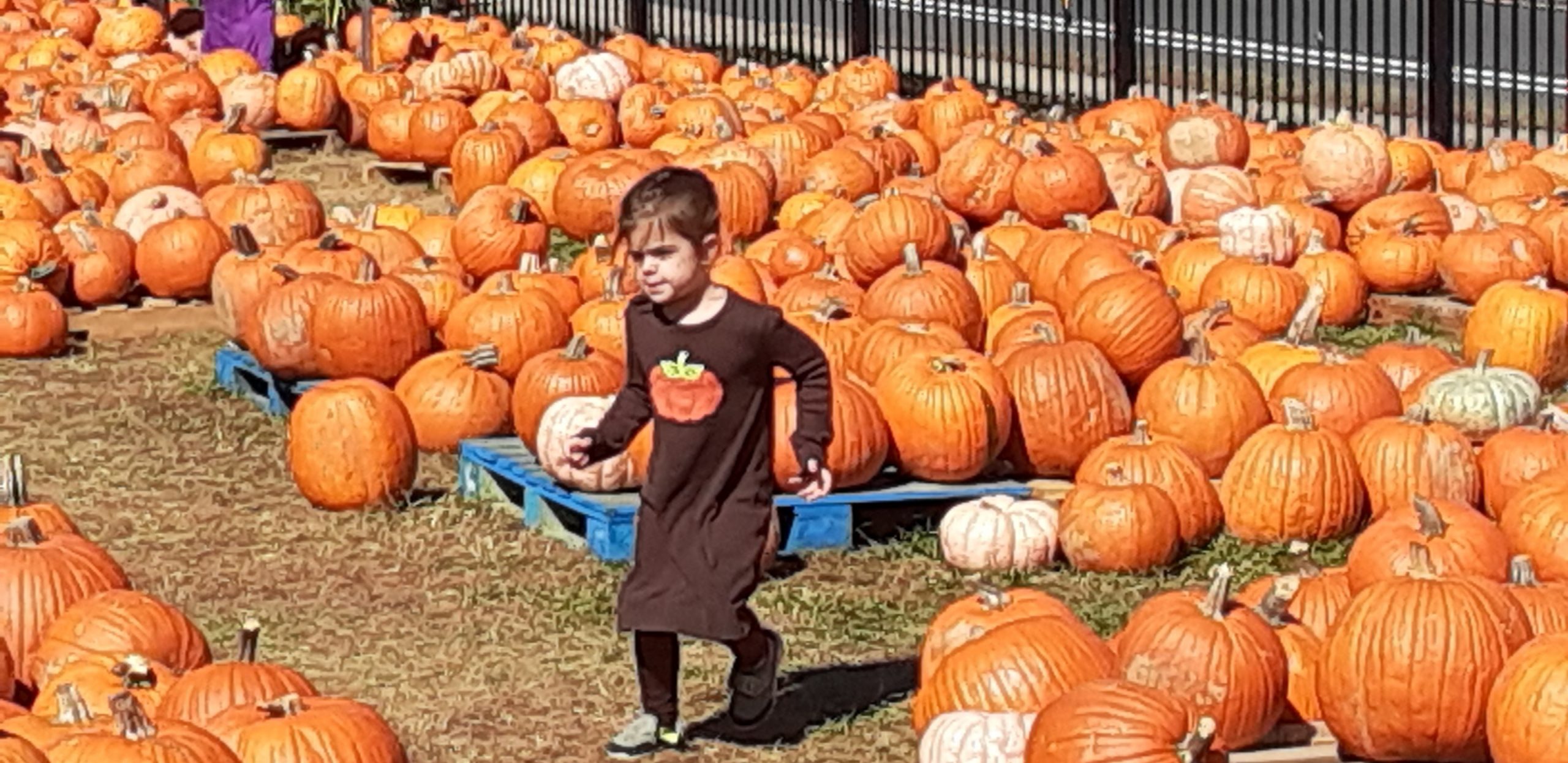
Pumpkin patch

Having consumed all the pawpaws, I’ve turned to pumpkins. Pumpkins, too, are a native fruit. (Yes, botanically, pumpkins are fruits, a type of berry known as a pepo, to be precise. But cooks and diners commonly class pumpkins with vegetables—along with squash, tomatoes, eggplant and other “vegetables” that have their seeds on the inside—allowing pawpaw to be the largest native food that is considered and eaten as fruit.)

Pumpkin History

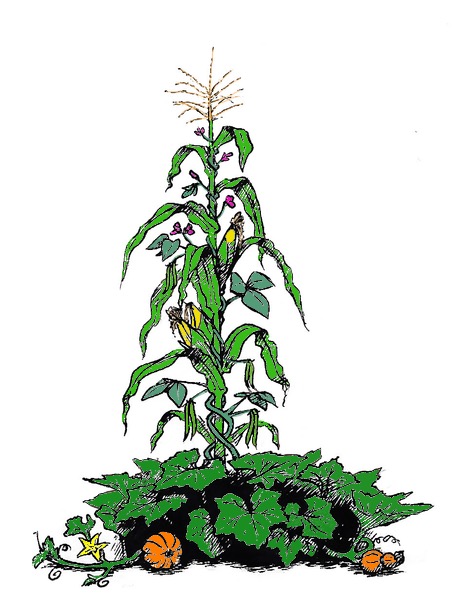
Three sisters: pumpkins, corn, and beans
Three Sisters by Garlan Miles

Pumpkins and winter squash are native to the Americas, from the southwestern part of what is now the United States through much of central and South America.  People have cultivated pumpkins at least since 3500 B.C.E. Corn and pumpkins are the oldest known crops in the western hemisphere. 

And who hasn’t heard about the Cahokian, Muscogee, and Iroquois “three sisters” system of companion planting: corn, beans, and squash/pumpkins grown together to the benefit of all.

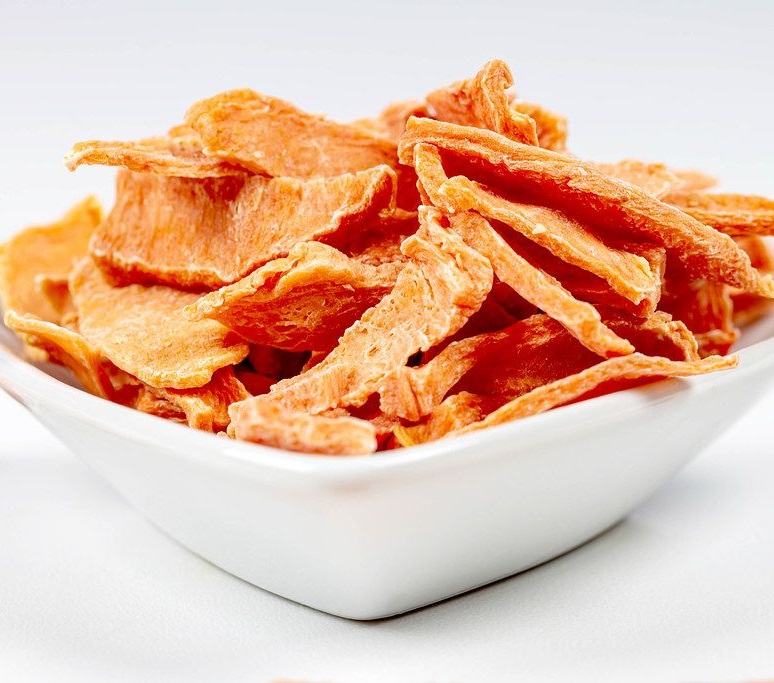
Native peoples baked pumpkins whole in wood ashes, stewed them, and sometimes made a sort of succotash with beans and corn. Pumpkin was a popular ingredient in meat stews. They roasted long strips of pumpkin on an open fire until edible 

Dried pumpkin
Dried pumpkin

Roasted seeds were (and are) eaten as a delicacy.  In fall, people cut pumpkins into rings and hung up the strips to dry, later to grind the strips into flour to add to bread. 

Perhaps more unexpectedly, Native Americans dried strips of pumpkin flesh and wove them into mats.  And, they made a fermented drink from pumpkins. (Researchers have recently found that fermenting pumpkin reduces insulin-dependent sugars, making it a particularly suitable beverage for diabetics.)

Native Americans introduced colonists to pumpkins and they, too, relied heavily on pumpkin for food as evidenced by this poem (circa 1630):

For pottage and puddings and custard and pies,
Our pumpkins and parsnips are common supplies:
We have pumpkins at morning and pumpkins at noon,
If it were not for pumpkins, we should be undoon.

Anonymous Plymouth Plantation colonist

Early colonists used pumpkins as the Native Americans taught them, also making pumpkin butter (similar to apple butter) and pumpkin syrup (as a substitute for molasses). 

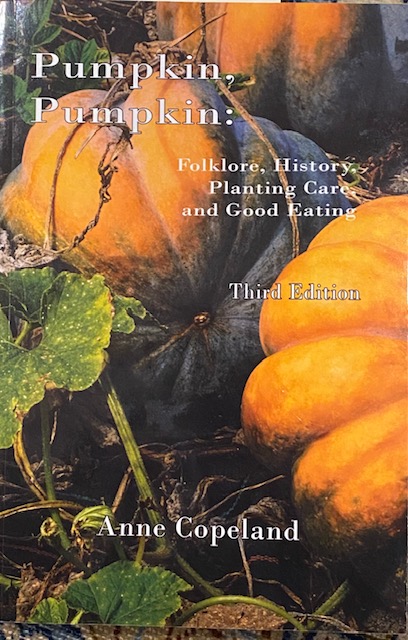
During the Revolutionary War, they made pumpkin sugar! (Pumpkin, Pumpkin, Anne Copeland) FYI: at one time, the Port of Boston was called Pumpkinshire.
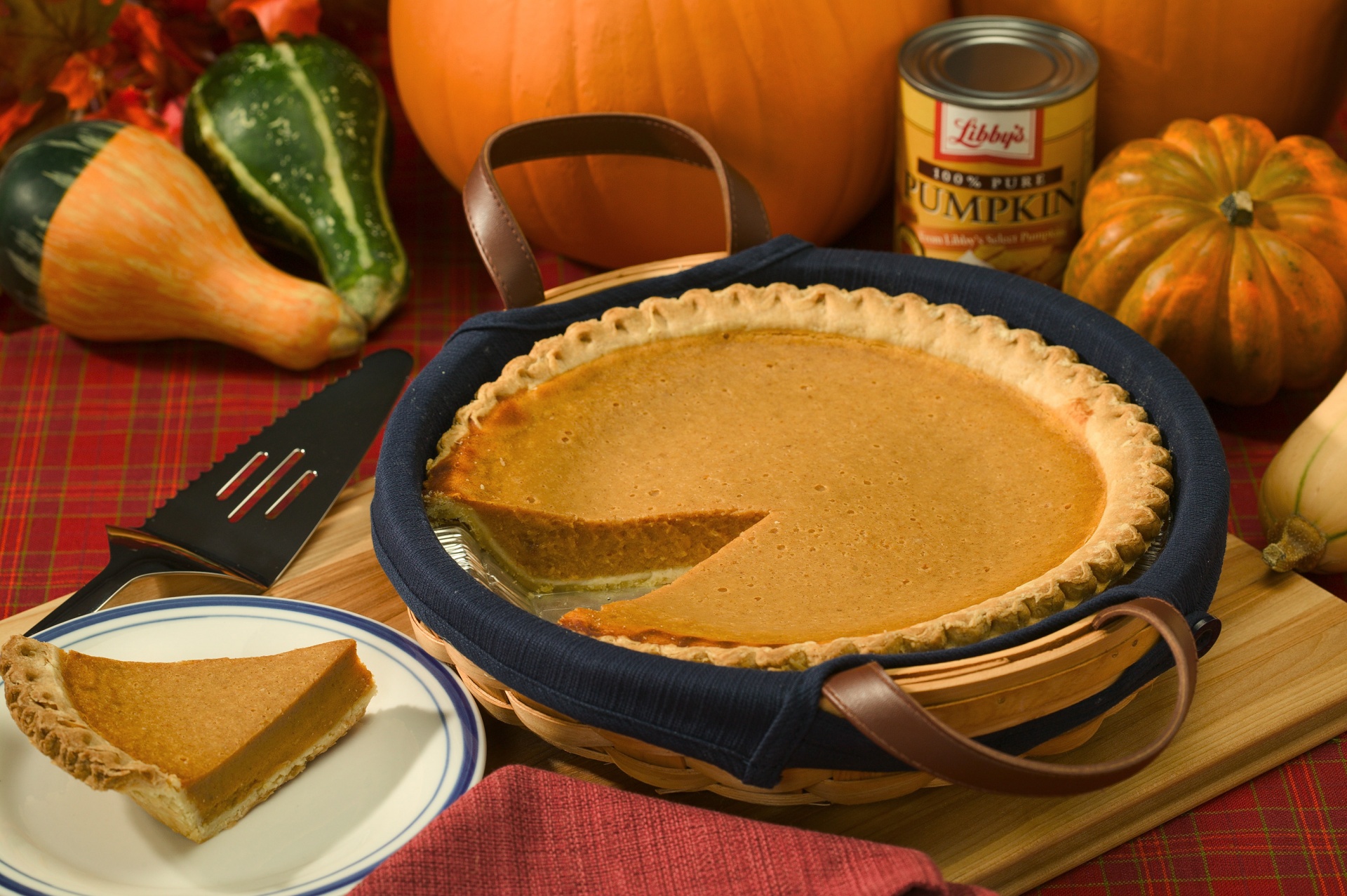
Pumpkin pie

Now, eating pumpkin is more seasonal. Come October, one can easily find pumpkin muffins, bread, meatloaf, soup, ice cream, and drinks. Thoughts of pumpkin pie stir. (FYI, the canned product sold for making pumpkin pies actually is Cucurbita moschata, a species of winter squash. The FDA does not distinguish among varieties of squash when labeling canned foods.) 
Pumpkin Folklore

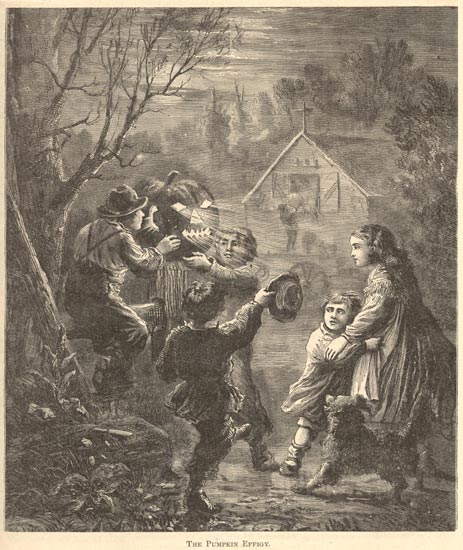
The Pumpkin Effigy 1867
The Pumpkin Effigy“, from Harper’s Weekly, November 23, 1867

Although once an important food source, pumpkins are now more prominent in Halloween and Thanksgiving decorations. 

Jack-o-lanterns originated in Ireland. According to legend, Stingy Jack fooled the devil so many times that when Jack arrived at the gates of hell, the devil wouldn’t let him in. Instead he sent him off into the night with a burning lump of coal, which Jack put into a hollowed out turnip and has been roaming the Earth ever since. 

“If you knew the sufferings of that forsaken craythur, since the time the poor sowl was doomed to wandher, with a lanthern in his hand, on this cowld earth, without rest for his foot, or shelter for his head, until the day of judgment… oh, it ‘ud soften the heart of stone to see him as I once did, the poor old dunawn, his feet blistered and bleeding, his poneens (rags) all flying about him, and the rains of heaven beating on his ould white head.”

Dublin Penny Journal 1836
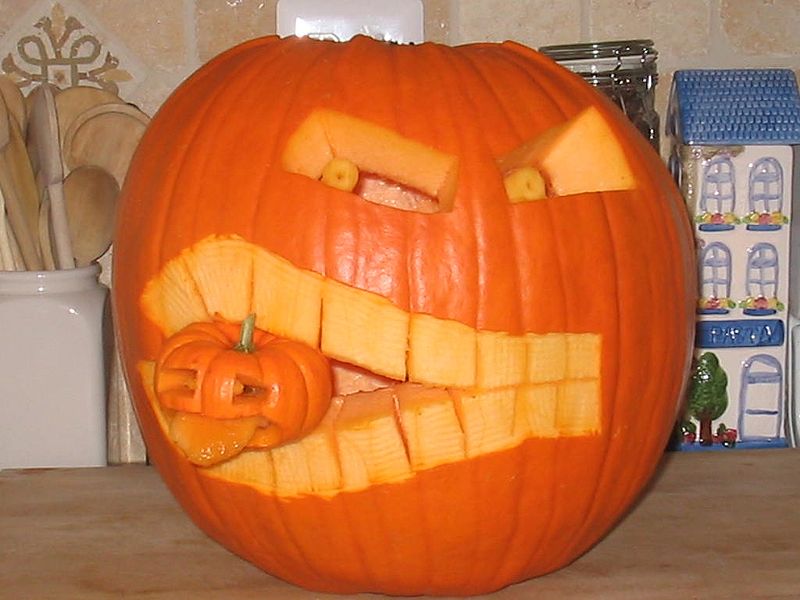
Does this count as cannibalism? Jack-ibalism?

Immigrants to America continued the tradition of making jack-o-lanterns but switched to easier to carve pumpkins.  The influx of Irish immigrants in the 18th and 19th centuries greatly increased the popularity of Halloween celebrations. They adapted the customs and traditions of Samhain to their new homes in North America, including dressing in costumes, trick-or-treating, pranking houses, and carving jack-o-lanterns.

Pumpkin Varieties

Imagine a pumpkin. Chances are, what came to mind first was a “typical” pumpkin, 12-18 pounds, oblong and orange, as commonly seen around and about in October, suitable for painting and carving. But consider the variety!

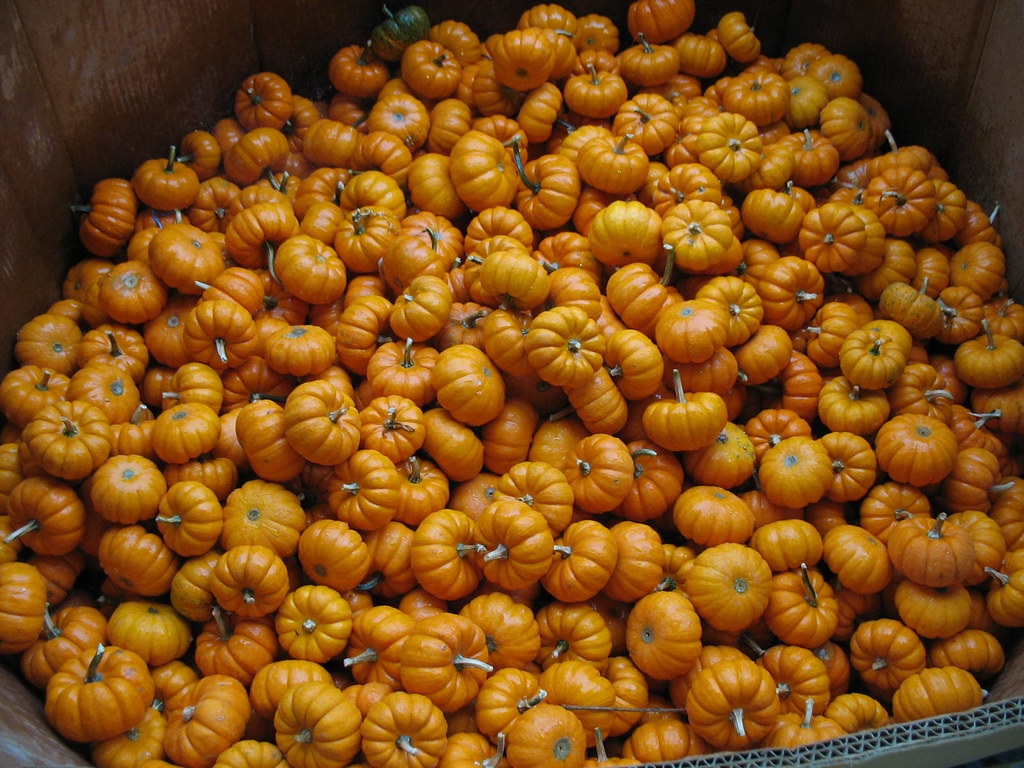
Jack Be Little Pumpkins
Jack Be Little

One of the most popular miniature pumpkin varieties is Jack Be Little, orange, about 3” in diameter and 2” high. Typically used for fall decorations, they’re also edible and grow well on trellises, making them ideal for small growing spaces.

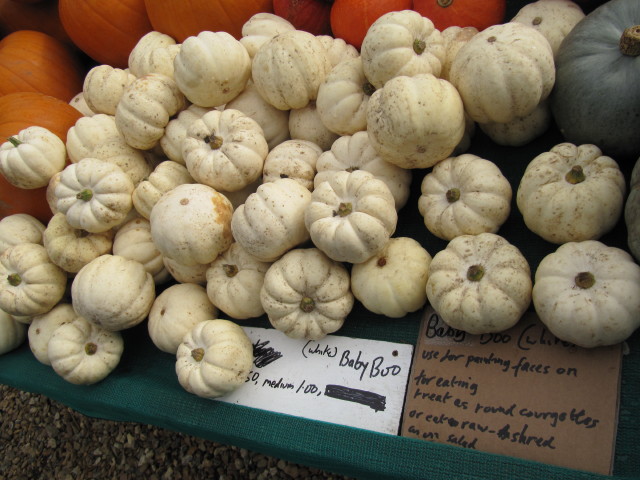
Baby Boo Pumpkins
Baby Boo

Baby Boo are small white pumpkins, also suitable for decorating and eating. Each plant produces about 10 pumpkins. Extreme sun and frost don’t affect growth adversely. 

At the other end of the continuum, you’ll find giant pumpkins: in 2022, a pumpkin set a new North American record, weighing 2,560 pounds. This was at the 49th Safeway World Championship Pumpkin Weigh-Off in Half Moon Bay, California, though Travis Gienger grew the pumpkin in Minnesota. 

Half Moon Bay considers itself the pumpkin capital of the world because local growers produce more than 3,000 tons of pumpkins each year. But in 2021, Stefano Crutupi, an Italian grower, set the world record for giant pumpkins with a 2,703 pound pumpkin.

Pumpkin Celebrations

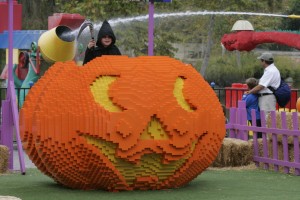
Legoland features jack-o-lanterns made of Legos at their annual Brick or Treat Halloween Festival.

To truly appreciate pumpkins, go to a pumpkin festival. My home state of Ohio hosts the Circleville Pumpkin Show—“The Greatest Pumpkin Show on Earth”—always held the 3rd Wednesday through Saturday in October. There is, of course, every pumpkin food and beverage you might want available for purchase. Plus you can enjoy a giant pumpkin weigh-in, pumpkin carving demonstrations, and the crowning of Little Miss Pumpkin Show. And concerts for music lovers (this year featuring DJ Tune Stoned and The Poverty String Band).

The New Hampshire Pumpkin Festival boasts the largest display of lit jack-o-lanterns every year. At the Great Pumpkin Farm in Clarence, NY, visitors can “hunt zombies” in paintball tournaments. Stone Mountain, GA has an annual Play By Day / Glow By Night Pumpkin Festival at the end of October. Milton, WV hosts an annual Pumpkin Park at the beginning of October.

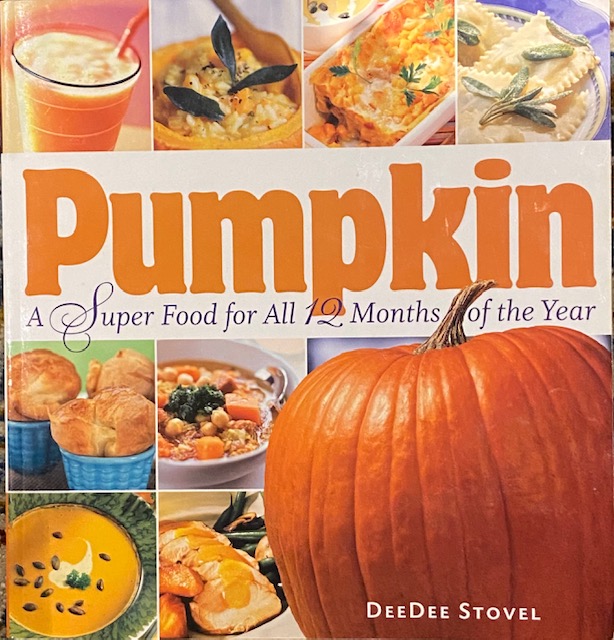
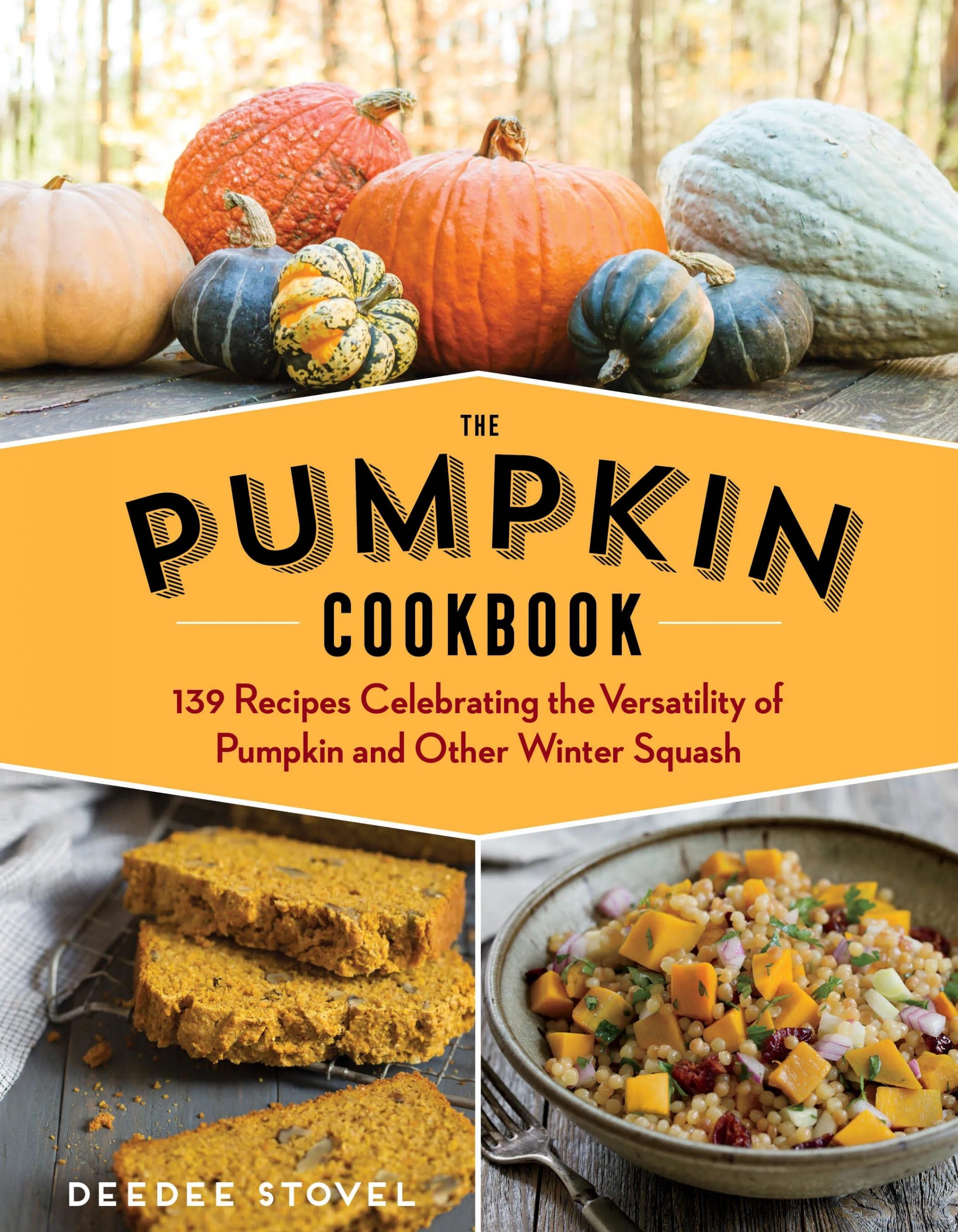
Truth be told, once upon a time, I used canned pumpkin for cooking and fresh pumpkins only for jack-o-lanterns . But when I had three daughters, and thus three pumpkins, I couldn’t bear the waste, and started collecting pumpkin recipes. I once thought of writing The Great Pumpkin Cookbook, but never got beyond a notebook full of clippings. I lost momentum when I found the following:


But I will share one pumpkin soup recipe, I made up based on a side dish my son-in-law made.

Savory Pumpkin Soup
1-2 cloves chopped garlic 
Chopped onion
Vegetable or olive oil to sauté
Equal amounts of pumpkin puree and diced canned tomatoes
Vegetable or chicken broth
Optional: your favorite herb or spice, such as basil, curry, etc.
Blue cheese or feta cheese

Gauge the garlic and onion on the basis of your taste and the amount of soup you are making. (For 15 oz. cans of tomatoes and puree, I use 1 clove of garlic and half a medium onion.) Sauté garlic and onion till soft. Add the pumpkin and tomatoes, and enough broth to make a soup of the consistency you like. If using additional seasonings, add now. Simmer to blend.  When hot, add cheese to taste and stir to melt.

BOTTOM LINE: there’s a lot more to pumpkins than decorations and pie!

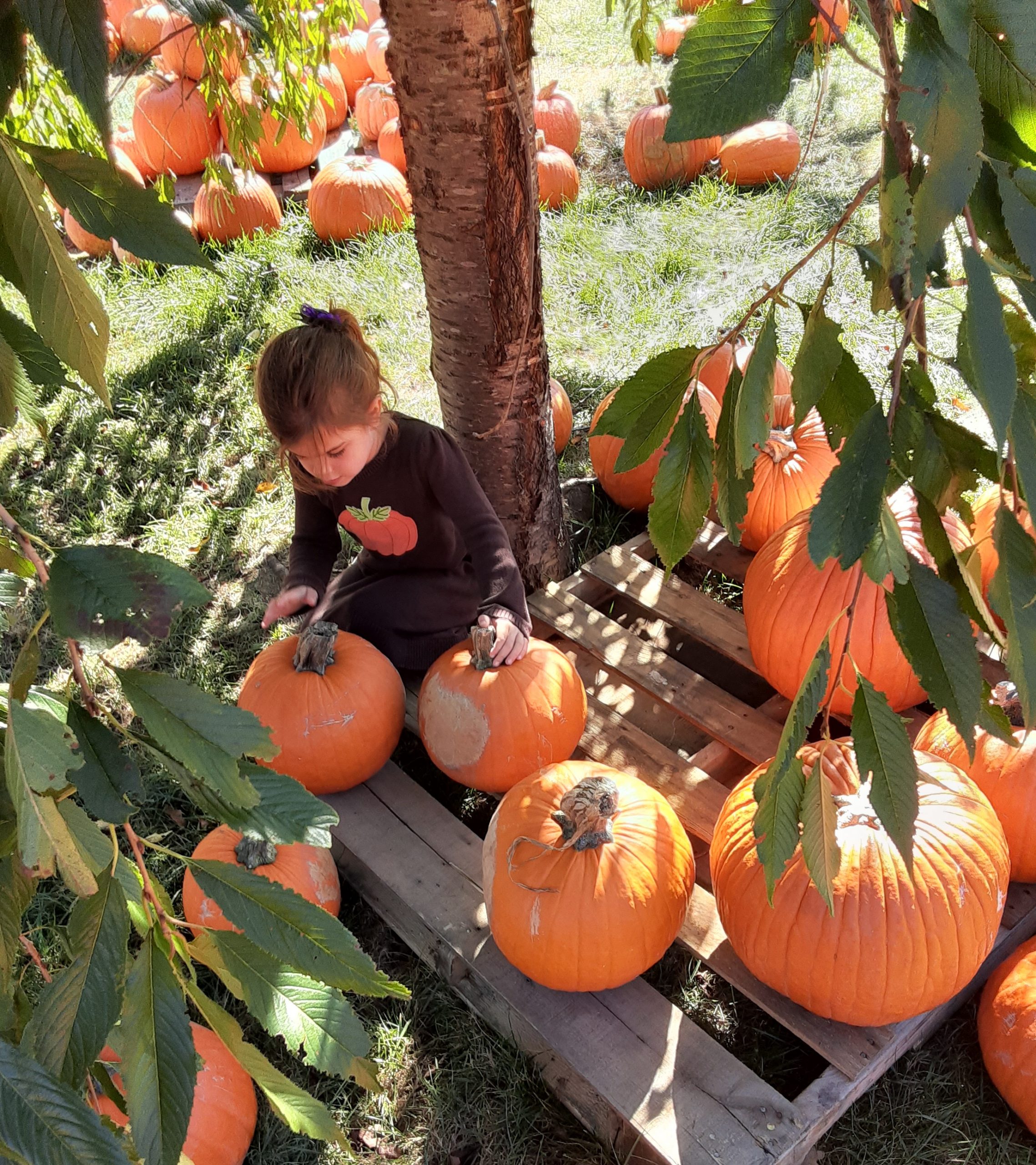
Pumpkin patch
You never know what you might find in a pumpkin patch!

HOW SWEET IT IS!

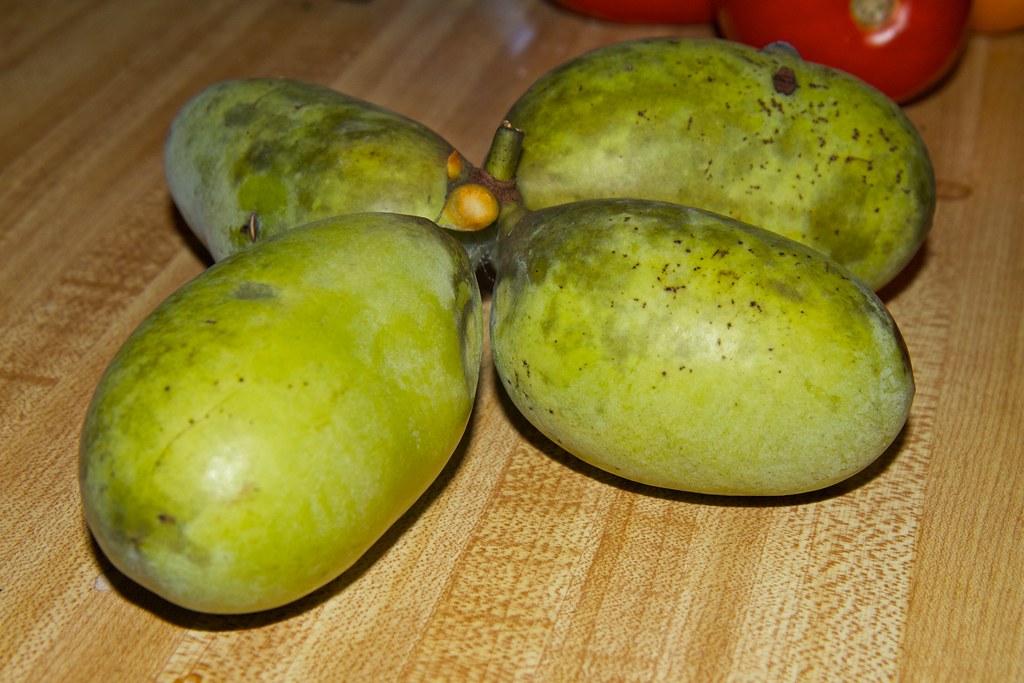
Periodically, a friend of a friend gifts me with a few pawpaws. Pawpaw (Asimina triloba) is a little known and (IMHO) not a pretty fruit. They are especially not pretty when left in the fridge during a week at the beach.

Pawpaws

These are what remain of my most recent gift, received two days before I left town. Surprisingly, five of them are not just edible after a week in the fridge; they’re delicious. Which brings me to wax poetic—or at least, try to—about this fruit native to Virginia and most of the eastern United States and southern Canada.

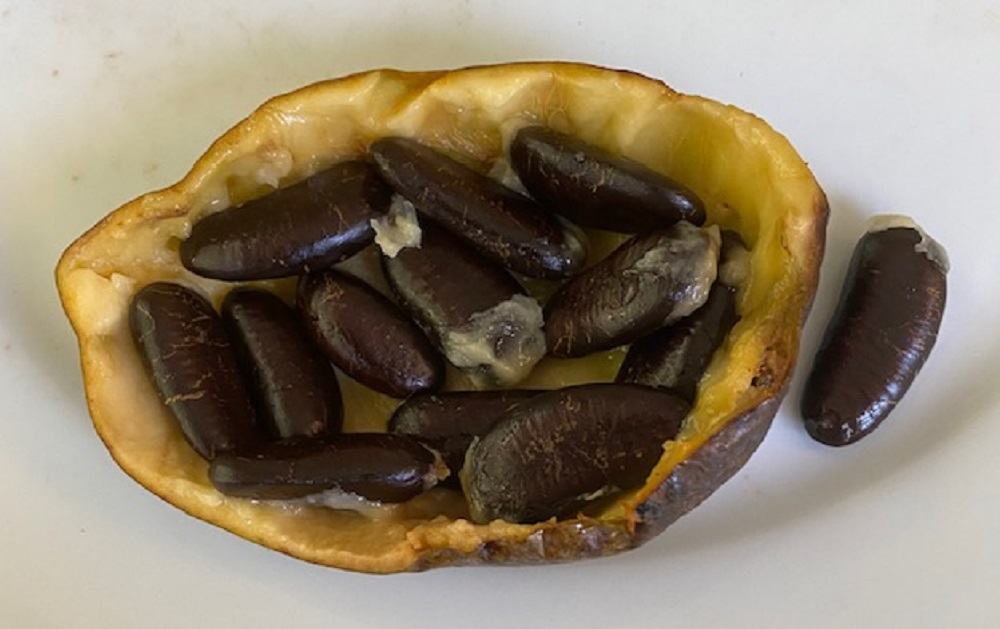
Pawpaw seeds

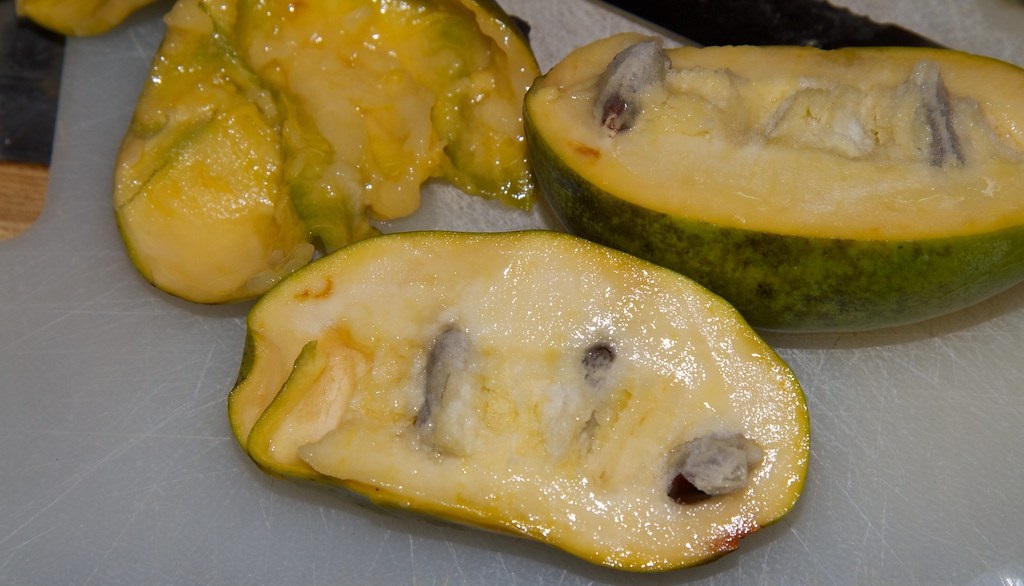
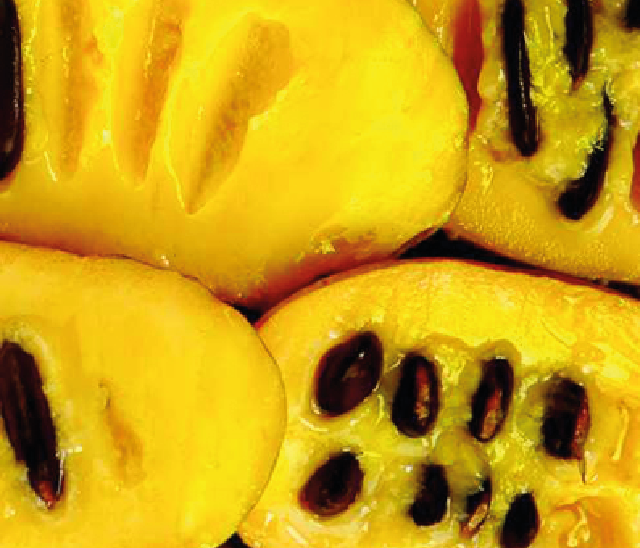
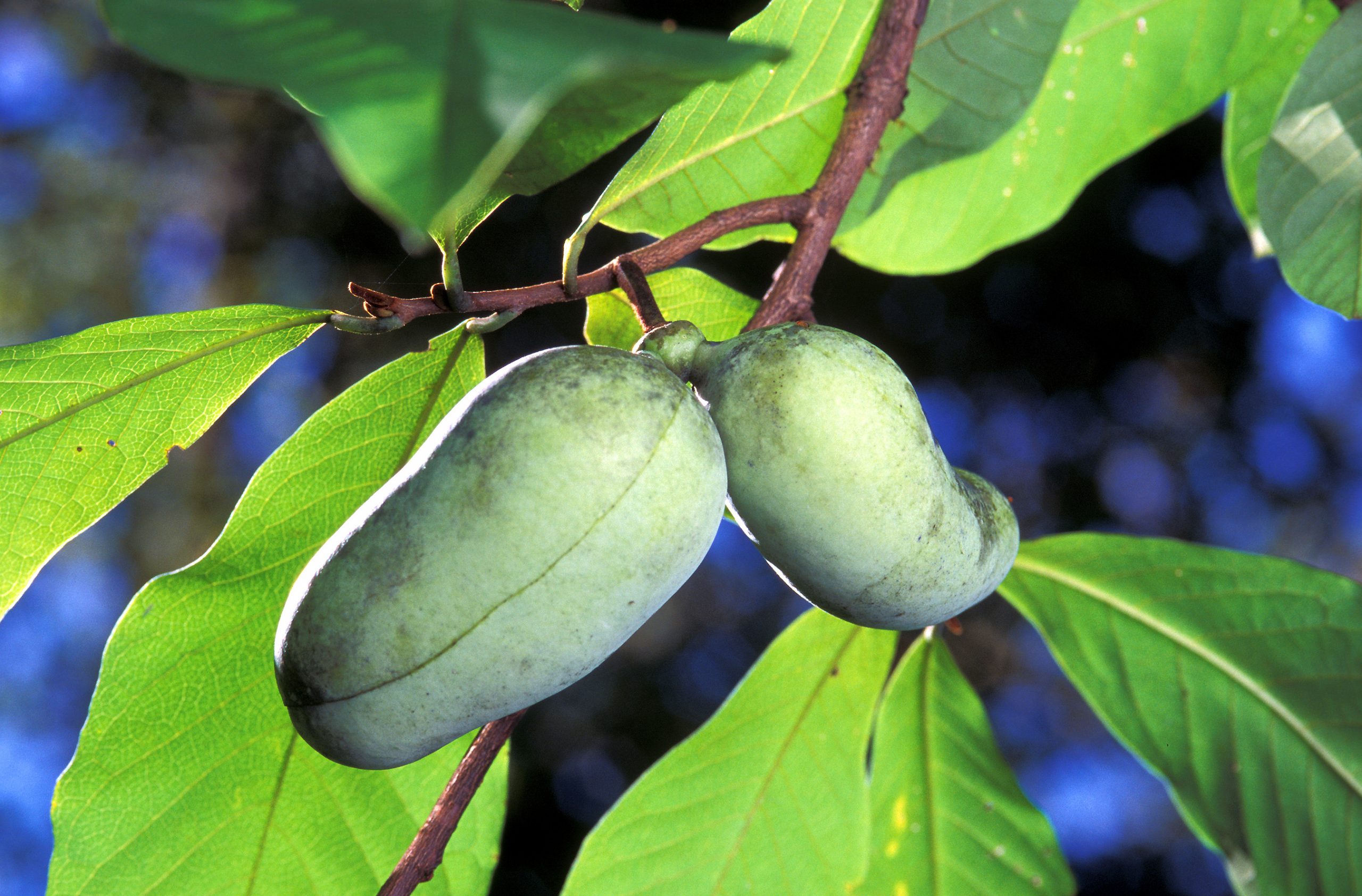
For one thing, it’s the only fruit native anywhere in North America that resembles tropical fruits. It is also the largest edible fruit native to North America. Open a pawpaw and you’ll find a sunshine-yellow pulp dotted with dark brown/black seeds. The flesh is the consistency of pudding and tastes like some combination of banana, mango, and pineapple. What’s not to love?

In 1541, a Portuguese explorer who accompanied explorer Hernando de Santo wrote, “The fruit is like unto Peares Riall [pears royal]; it has a very good smell and an excellent taste.”

Pawpaws are high in vitamin C, magnesium, iron, copper, and manganese. They are a good source of potassium and several essential amino acids, and they also contain significant amounts of riboflavin, niacin, calcium, phosphorus, and zinc.

I eat it “as is” but people who have enough to save for later can freeze the flesh for baking, or make it into preserves. Pawpaws will not ripen if plucked from the tree too early, but unripe pawpaws can ferment into a sweet wine that pawpaw connoisseurs highly prize.

Pawpaw seeds

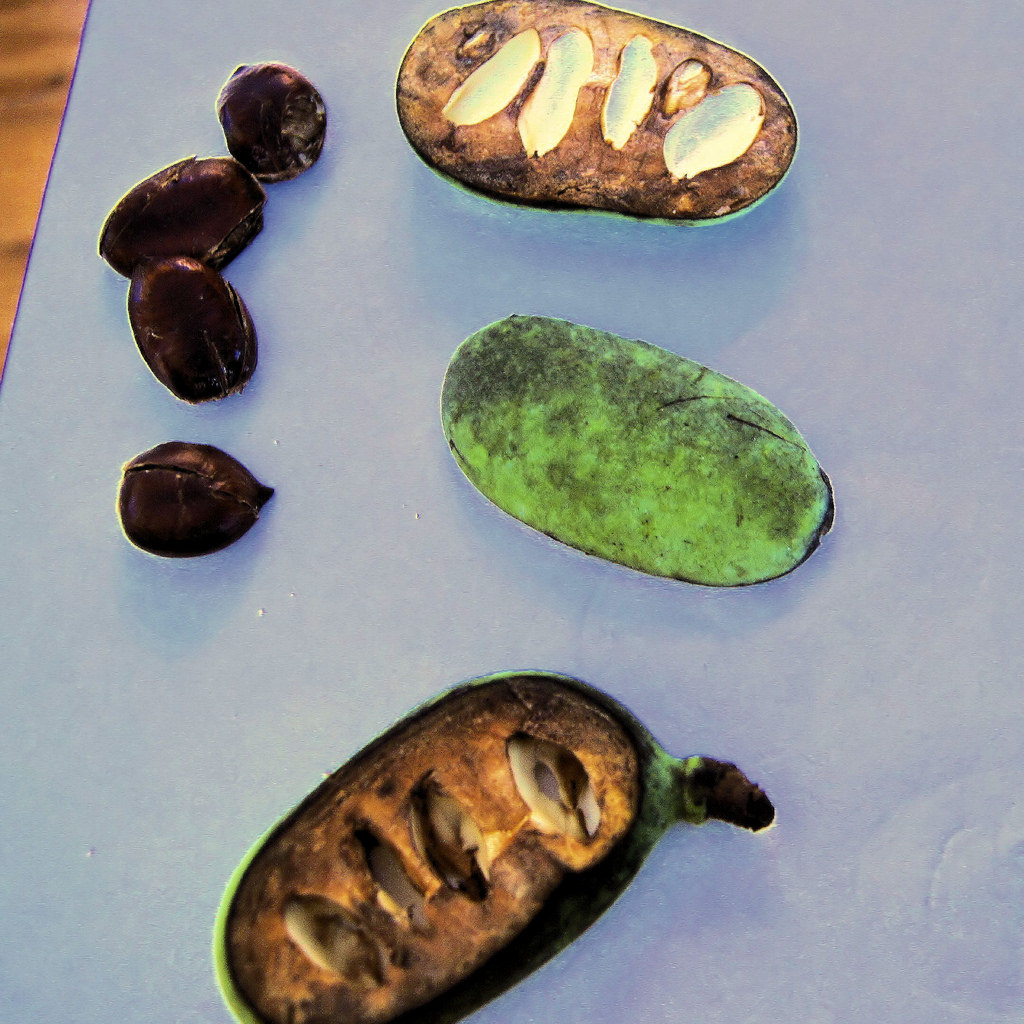
And about those seeds: as the largest edible fruit native to North America (5-16 oz., 3-6 inches long), there is plenty of room for seeds. The seeds are reminiscent of lima beans in shape, and adorn the flesh in two rows, 10-14 seeds per fruit. Each seed is 1/2 to 1-1/2 inches. Reputedly, pawpaws grow easily from seeds, but I’ve never tried. In the wild, pawpaws send out suckers, creating the “pawpaw patch” of song. Pawpaw cultivators frequently grow new trees from grafts and can produce fruit up to a pound and a half in size.

When sucked clean, the seeds feel satin smooth. One might be tempted to carry one as a lucky charm or worry “stone.”  I can imagine these seeds used in children’s games: money, tokens… But if one chooses to play with dry pawpaw seeds, be aware that dry seeds won’t germinate.

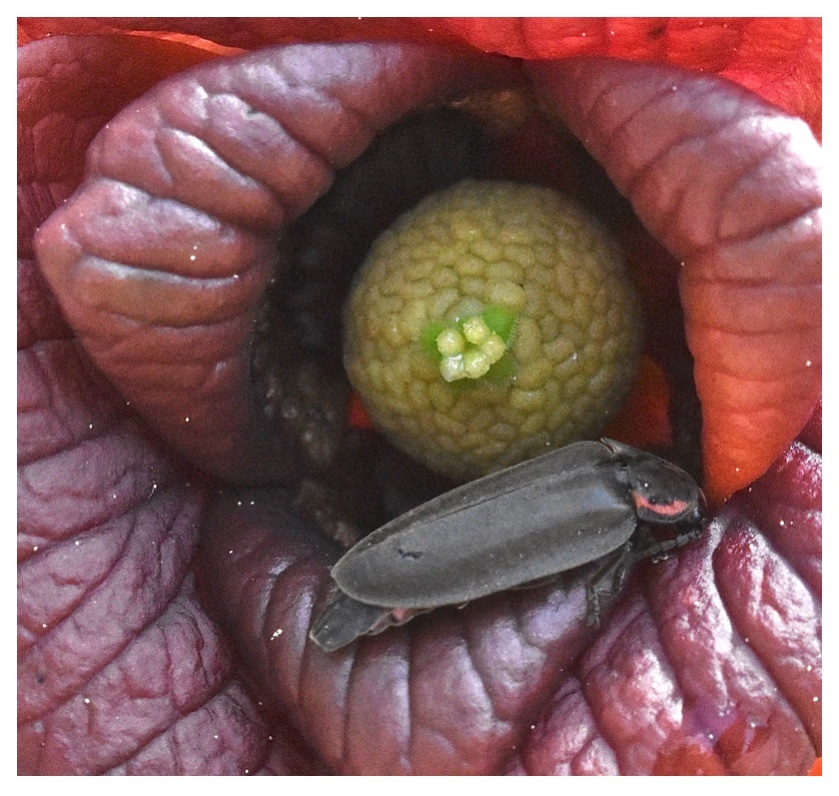
Unlike most fruit trees, pawpaws do not attract bees for pollination. The flowers attract carrion flies and beetles. Pawpaw leaves are the only host for zebra swallowtail butterfly larva.

Pawpaw History

If you aren’t familiar with pawpaws, you aren’t alone. You might know them as a poor man’s banana, Indiana banana, prairie banana, frost banana, custard apple, fetid-bush, or bandango. They aren’t easy to store or ship and so haven’t been developed as a commercial food until recently.  Food scientist Neal Peterson is one of many pawpaw enthusiasts who has spent decades breeding and cultivating pawpaws to make them commercially viable, greatly widening their availability.

Pawpaw cross-section

But they were a key component of American Indian diets; indeed, the Shawnee even had a “pawpaw month” (ha’siminikiisfwa) when they harvested and preserved pawpaws. It was a cultivated food for many tribes along the Eastern Seaboard.  Archaeologists have found huge quantities of pawpaw seeds and remnants at the sites of the earliest Native American settlements all along the east coast of North America.

A wise move, because pawpaws are incredibly nutritious. 

At least two U.S. presidents favored pawpaws: reportedly, they were George Washington’s favorite dessert. Thomas Jefferson grew pawpaws at Monticello and had the seeds shipped to friends in Paris when he was the American ambassador to France.

Journal entries document that pawpaws fed the Lewis & Clark expedition on their return trip in the fall of 1810.  In fact, pawpaw fruits and nuts saved the expedition from starvation and death when in western Missouri their rations ran low and no game was to be found. 

Our party entirely out of provisions. Subsisting on poppaws. We divide the buiskit [sic] (biscuits) which amount to nearly one buisket [sic] per man, this in addition to the poppaws is to last us down to the Settlement’s which is 150 miles.

William Clark (Lewis & CLark Expedition)

For a time, many European settlers viewed the pawpaw as a marker of racial difference, according to food historian Rebecca Earle. As ideas about racial and societal divides developed and codified, white settlers often dismissed pawpaws. Rejecting “different” foods, including pawpaws, as fit only for “different” races, became part of the colonial identity.

Their hardiness and tendency to grow wild made pawpaws a common food source along several areas of the Underground Railroad.

During the Great Depression, people often ate pawpaws as a substitute for other fruits, hence their nickname “poor man’s bananas.” Though the pawpaw continued to be an important fruit in the North American diet, interest waned after World War II with the introduction of other fruits. Racist views of the pawpaw’s place in the American diet contributed to its marginalization. As Dr. Devon Mihesuah, a scholar of Indigenous foodways, says, pawpaws haven’t been forgotten so much as “ignored, disliked, and unavailable.”

Pawpaw cultivars in Michigan
Pawpaw orchard in Michigan
Joe Grant Pawpaw
by Cbarlow

Nowadays, most pawpaws are very difficult to find outside of a few local farm markets, though some breeders are working to change that. The Cattawba Nation has started a food sovereignty program, including planting a pawpaw orchard. Every year, the Ohio Pawpaw Festival celebrates all the possibilities of this uniquely American fruit.

Although not a place name in Virginia, many states have named towns and villages after pawpaws, including Paw Paw, WV; Paw Paw, KY; Paw Paw, OK; and numerous others towns in Illinois, Ohio, and Indiana. In Michigan, the Paw Paw River drains into the Paw Paw Lake and Little Pawpaw Lake, skirting by the town of Paw Paw. Natchitoches, LA, translates to “pawpaw eaters,” a name given by the Caddo.

Folklore 

In the fall, Buck Run bananas [pawpaws] are ripe – in the frost fall, a wise man takes a wife.

Tennessee wisdom
Pawpaw cluster

Rural populations relied heavily on pawpaw fruit as a food source, so naturally other parts of the tree figured heavily in medicine and folklore traditions. In some communities, people wore pawpaw seeds as an amulet to prevent disease. Shawnee and Catawba artisans used pawpaw bark fiber to make fishing nets and lines, weaving designs for luck and good fish catches into the nets.

Pawpaws offered powerful protection against Ozark Witches. Ozarkers used many means to thwart witches, especially to protect the home. One method was driving several tiny pegs of pawpaw wood into the doorsill.

The (supposedly) powerful Pawpaw Conjure used wood from the pawpaw tree:

This charm could be employed if the witch master could obtain the witch’s nail parings, a lock of hair, a tooth, or a cloth with her blood on it. The hair, nail parings, or other personal effects were stuck to the end of a wooden peg with beeswax. The witch master took this peg out into the woods at midnight, bored a hole in the fork of a pawpaw tree, and drove the peg into the hole. The witch, and her powers, were expected to dwindle.

owennativefoods.com

BOTTOM LINE: Get thee to the pawpaw patch. I recently learned that Richmond has a pawpaw walk along the river, free for the taking!

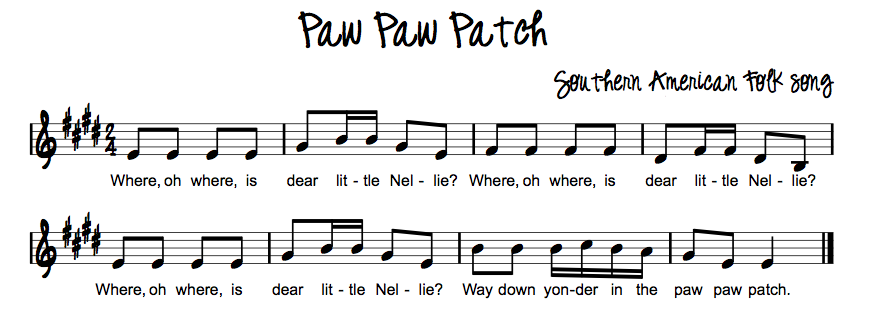
Pawpaw Patch song

THE WONDER OF WATER

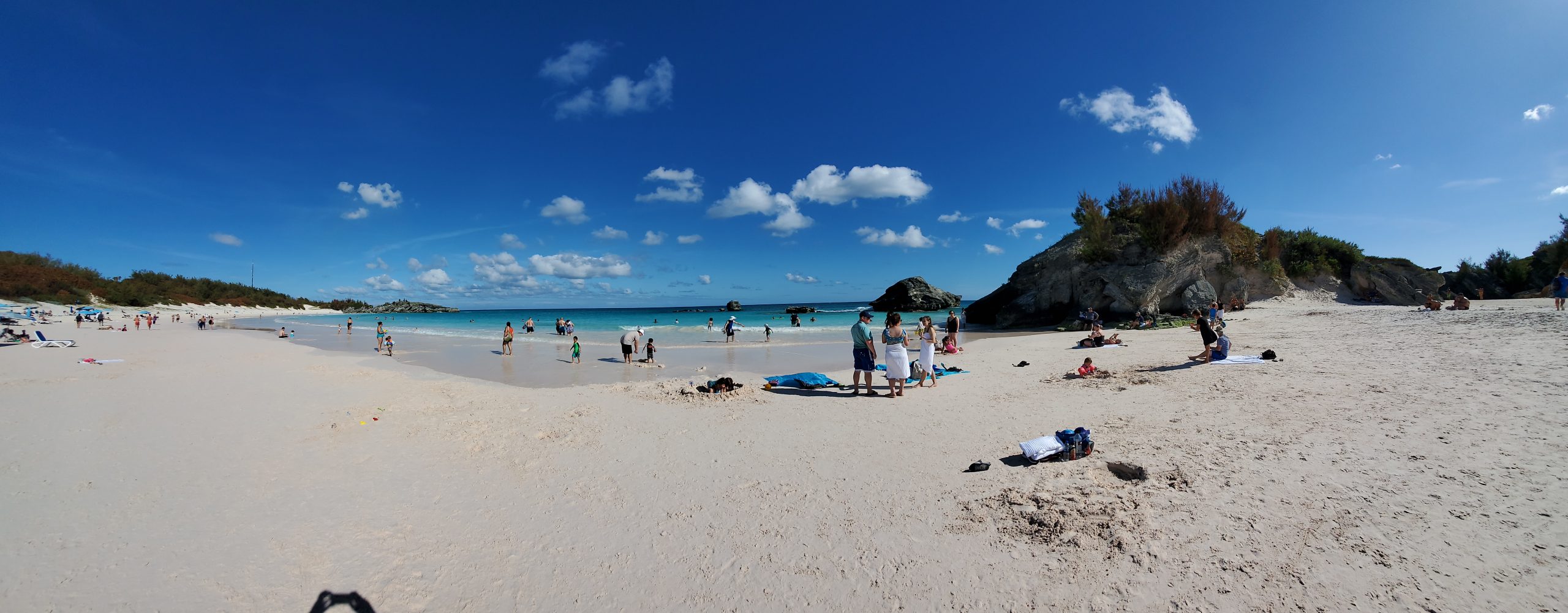
I’m in Corolla, NC now, reveling in the wonder that is water. I grew up more-or-less in the middle of Ohio—not exactly water country. I first saw the ocean at age twenty, during spring break on the east coast of Florida near Tequesta/Jupiter. It was love at first sight: soft, white sand; clear, warm water; and the sounds of moving water… 

Since then I’ve been near—or better yet, sailing on—water at every opportunity. Life is just better on water.

And this isn’t a placebo effect, specific to me! 

The Wonder of Water Outside the Body

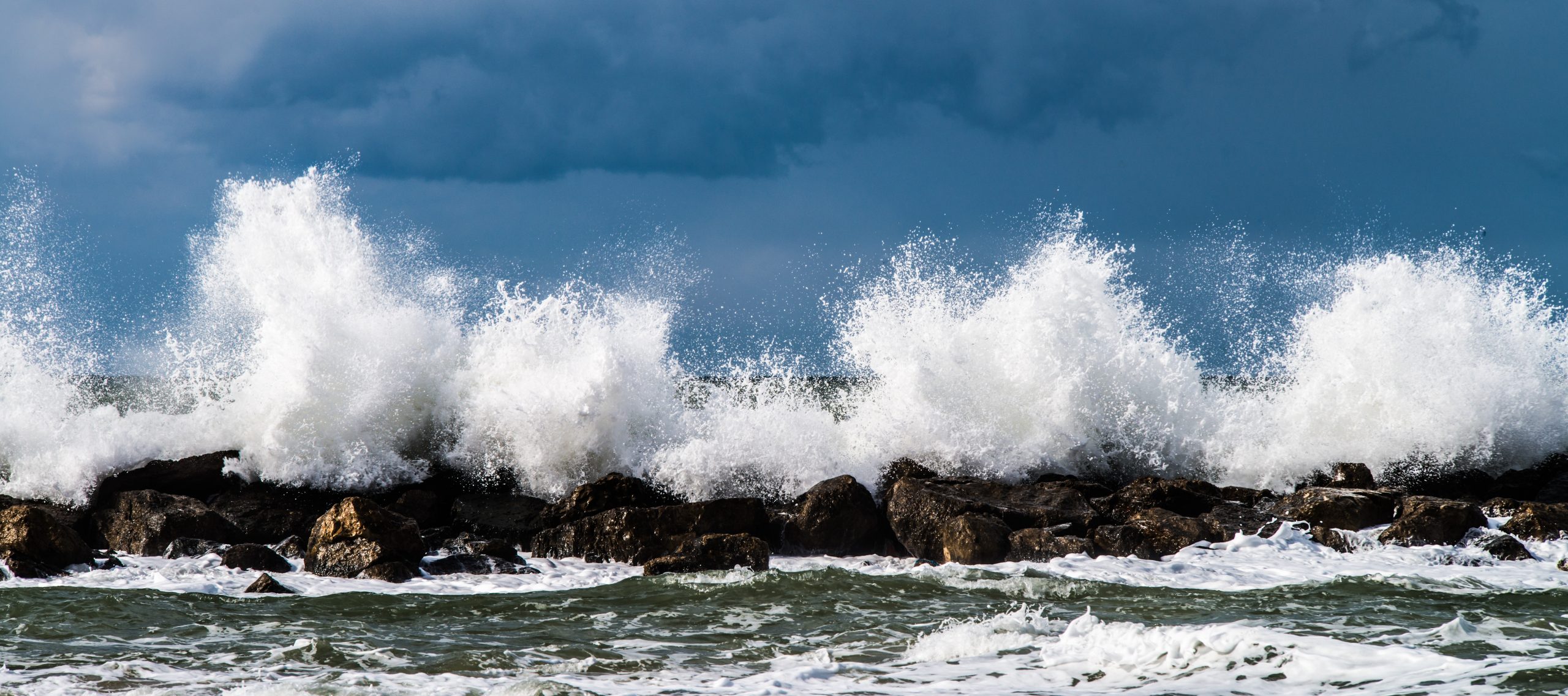
There are psychological benefits to water, especially oceans.  Research indicates that, being by the sea has a positive impact on mental health.  (Psych Central)

  • Minerals in the sea air reduce stress
  • Negatively charged ions in the sea air combat free radicals, improving alertness and concentration
  • Salt in the water preserves tryptamine, serotonin and melatonin levels in the brain, which aid in diminishing depression or increasing your overall sense of wellness
  • The sounds of waves alter the brain’s wave patterns, producing a state of relaxation

So, even the sound of water is powerful, soothing. Water sounds have long been used in meditation.  The benefits of “blue space” – the sea and coastline, but also rivers, lakes, canals, waterfalls, even fountains – are less well publicized, yet the science has been consistent for at least a decade: being by water is good for body and mind.

The Great Wave off Kanagawa (神奈川沖浪裏)
from Thirty Six Views of Mount Fuji by Hokusai

Whenever I’m near the ocean, a bay, a river, I’m awed by the vastness and the interconnectedness of water. Water makes up 71% of the Earth’s surface. I often think about cells sanded off my feet and ending up oceans away. 

And I’ve experienced nothing more awesome than being on the water in a small boat during a storm. Watching lighting go from the earth up. Furling the sails and trying to hold the tiller steady. And knowing that the water is primal, and ultimately has all the power. I’m inconsequential.

Listening to ocean sounds is a popular sleep aid:  people are able to let go of thoughts and allow sleep in.

And then there is the beneficial environmental factors, such as less polluted air and more sunlight. Also, people who live by water tend to be more physically active – not just with water sports, but walking and cycling. (The Guardian)

The Wonder of Water Inside the Body

In addition there are physiological benefits of water: reducing muscle tension and joint stress, and keeping skin moisturized, hair shiny, etc. (Fix)

When was the last time you thought about—really thought about—water? (Not counting hurricane Ian, of course.) How many times a day do you unthinkingly turn on a faucet? Water is so prevalent it’s easy to forget that life depends on it. People deprived of food and water will die of dehydration first. 

Water makes up 75% of the human brain. People who consume too much alcohol often wake so parched that their tongues stick to the roof of their mouths and their lips stick together. Imagine what has happened to your watery brain. (For the handful of you out there who have never had such an experience, think cotton balls and glue.)

The Wonder of Water and the History of the Body

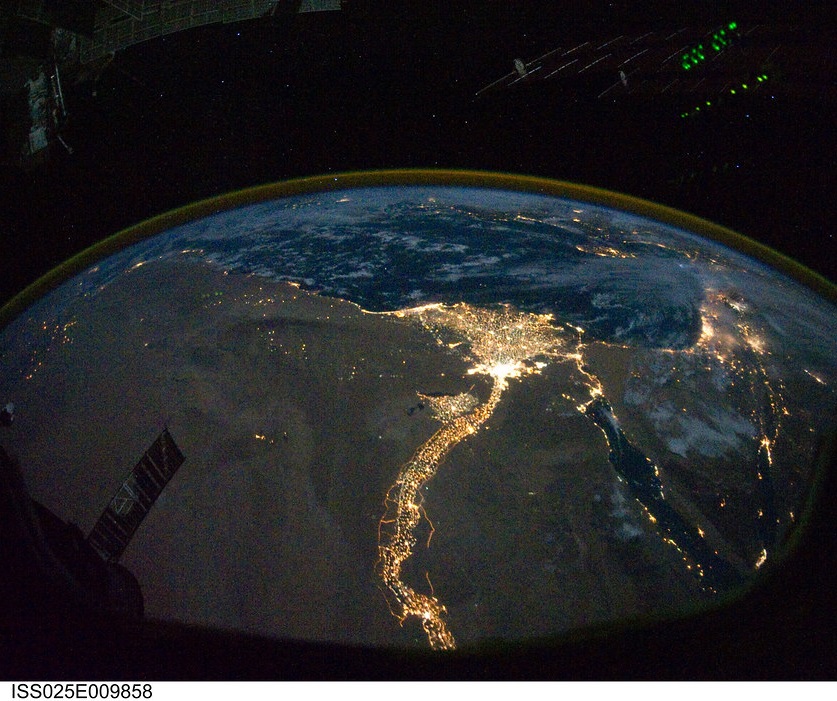
The Nile, as seen from space
Even in modern times, human settlements cluster around rivers and seashores.

Much of our nutrition comes from seafood. Waterways have long been a means of transportation and an avenue of trade. But the wonder of water goes way beyond its utility.

Once upon a time, our ancestors slithered out of the sea. People still want to live and stay by water. Water property values are consistently higher than others. Of course, which water, and whether there is access to it, etc., count for a lot, but still… 

For suggestions about how to bring more water benefits into your life, see Blue Mind: The Health Benefits of Being by the Water.

BOTTOM LINE: There’s nothing more wondrous than water.

HOG HEAVEN

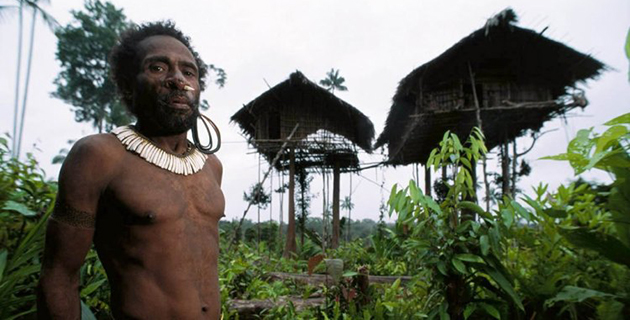
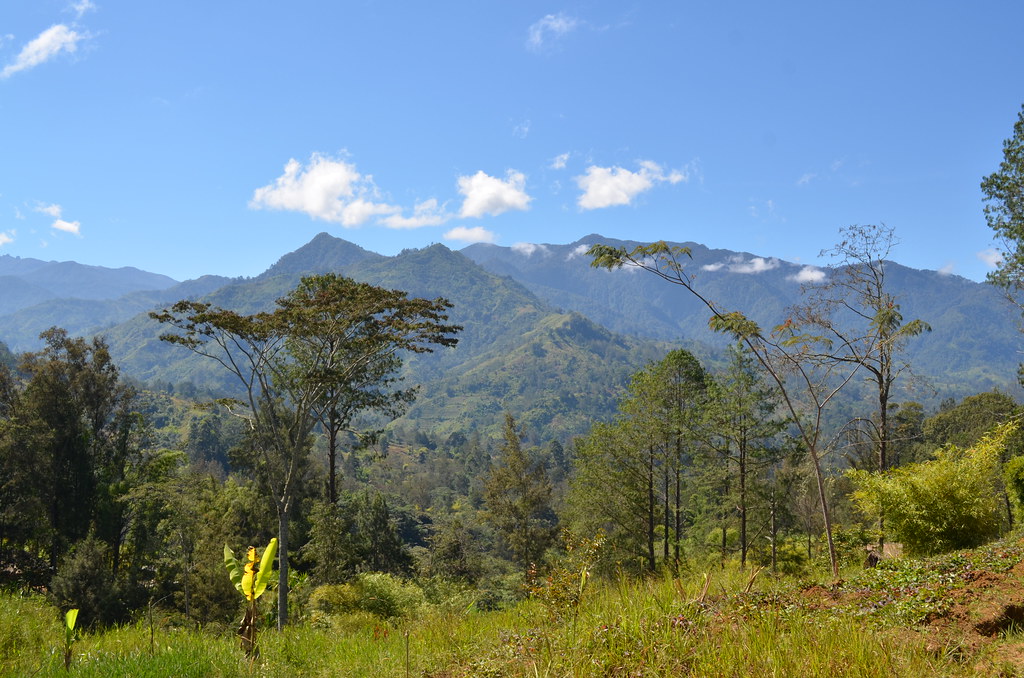
Papua New Guinea was long isolated from the rest of the world. The island is mountainous, and tribes located in tiny villages have warred with one another for five hundred generations. Even today, almost a thousand languages can be found (approximately 12% of all the languages spoken in the world). It is a wild place, where the outside world has had little influence, and cannibalism may be practiced, though there is some debate on how widespread the custom is today.

Actually, the only tribe which may still practice cannibalism is the Korowai tribe (a.k.a. Kolufu) in south-eastern Papua/south-eastern part of the western part of the New Guinea. But still, that is one marker of how very different human societies can be.

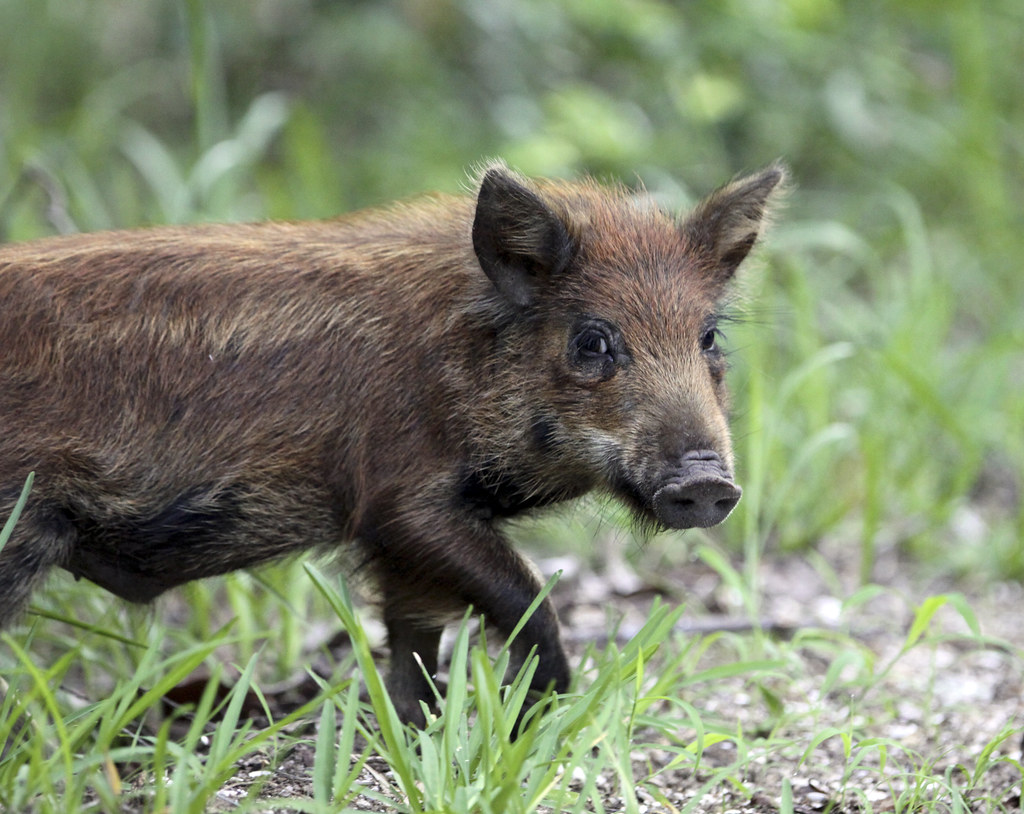
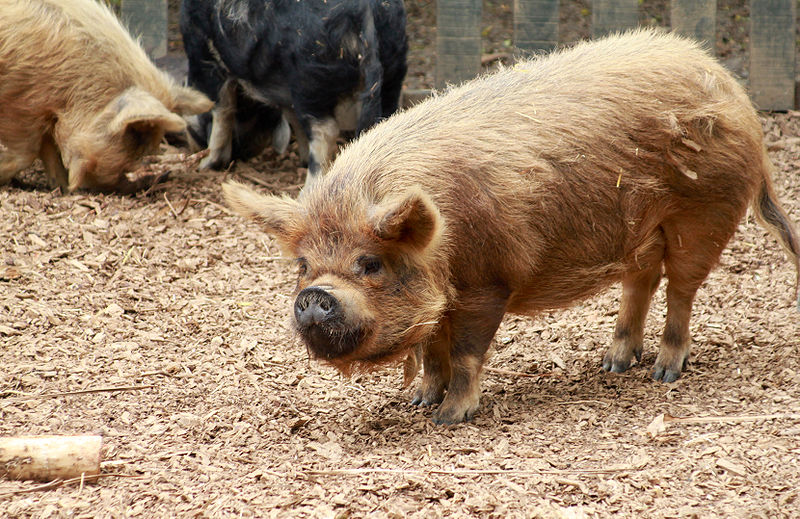
Archeological records suggest that pigs were introduced to New Guinea between 2,500 and 10,000 years ago, by way of a land bridge to Asia that has since disappeared.  Pigs play important roles among the peoples of Papua, especially so among those living in the Central Highlands. 

Apart from pigs and deer (originally brought in by the Europeans) there are not many mammals on these islands.  So, yes, pigs are bred for their meat, but they are rarely killed just for eating.  

The Pig Culture

In a section known as Kaulong, a pig culture prevails. The people believe pigs and humans are on a single continuum of existence, such that pigs may behave more or less like humans and humans may behave more or less like pigs.

Villagers say, “Pigs are our hearts!” Young pigs are treated as pets: they share their owner’s cooked food, are ritually named and baptized, are given magical treatments for illness, and women pre-chew tubers to feed to weak piglets.

The men own the pigs.  Although there is some assertion that women or children (rarely) own a pig, the counter argument is that the man has “given the pig into their care” and thus they speak of it as their own.

Raising pigs is an important responsibility, and there is no argument that women are the ones who care for these precious animals.

At birth, powdered lime is blown into the nostrils of the piglet to make it forget its natural mother and cause it to bond with its human one. 

Pigs are named, and share the women’s sleeping quarters. The women pet and handle them. Occasionally, small pigs unable to compete against siblings or orphaned piglets were breast fed by nursing mothers.

(If you search for “woman suckling pig” online, you can find images: a Huli woman breast feeding a child and a piglet the same time; and a Chimbu woman in the Eastern Highlands of Papua New Guinea breast feeding a piglet.) 

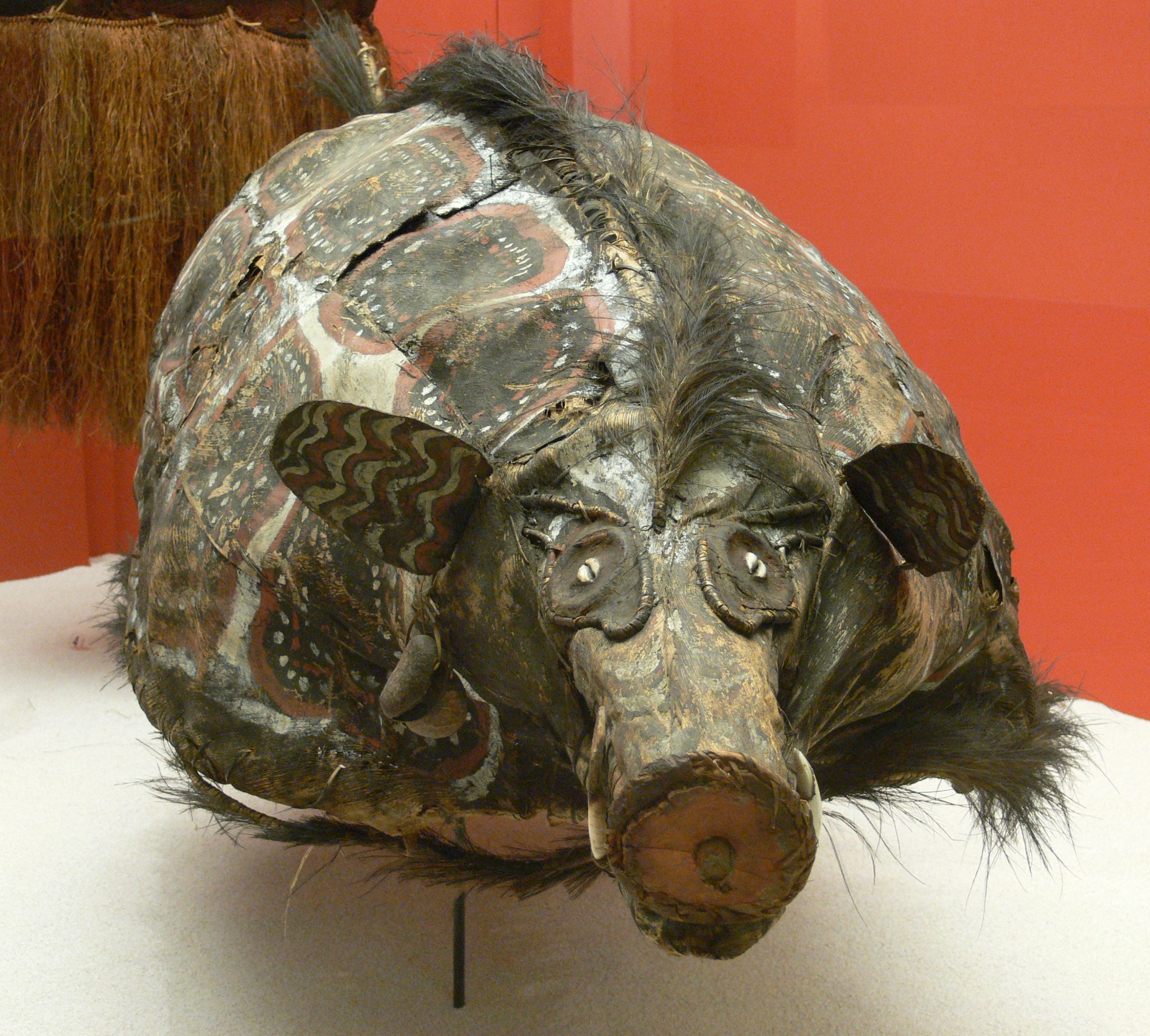
Ritual pig mask, Sepik region, Papua New Guinea

Pigs as Part of Ceremonies

Pigs are sacrificed in some places to appease the ancestral spirits, and they play central roles at major rites of passage: births, weaning of children, initiation of boys, a girl’s first menstruation, weddings, and funerals.  The most frequent occasion for eating pig meat is a funerary cremation.

Pig killing/eating accompanies many undertakings, such as house building and boat building.

The Korowai are also known for building raised houses that fascinate architects.

Much feasting accompanies festivals in which local men of influence match themselves in prestige competitions.

Pigs are exchanged at peacemaking ceremonies after violent disputes. 

A special occasion at which pig meat is eaten every day for weeks on end by men, women, and children, is during the major pig feasts, held at regular intervals. 

There are two exceptions: a pig which is sick, and a pig which has been stolen. Such pigs would be consumed as soon as possible, without the usual ceremony. 

Pigs for Status and Trade

Pigs are important symbol of political and social power.  The more pigs an individual has, the more pigs he can give away, leading to bigger feasts and a higher social status.

Pigs are the main dowry offered in exchange for brides.  

The most valuable pig to own is a “tusker.” These are pigs which have had their upper canines removed by a specialist, so that their lower canines can grow unimpeded, sometimes—after ten or twelve years—turning in a full circle to re-enter the lower jaw. After the ceremonial removal, the owner will use spells and all-night ceremonies to enhance that growth.

Adult tribe members blacken their own teeth with manganese oxide because white, visible teeth signify aggression (like a pig’s tusks). Tusks are made into ornaments, which a man must kill another man to earn permission to wear. When men are challenging another tribe in battle, they clench pigs’ tusks between their own teeth to appear more aggressive: “Watch out. I can be like a pig. I am powerful and dangerous.” 

BOTTOM LINE: Pigs are a very valuable commodity in this part of the world, because they are used to buy brides, in general commerce and trading, for feasts and important ceremonies. Pig ownership is a sign of a man’s wealth.  Thus—at (virtually) all costs—pigs are kept alive and pampered until needed. Seems like hog heaven to me!

GIVING: BETTER KNOW YOUR CHARACTER (OR YOURSELF)

Overall, Americans are giving people. According to one study, in 2009-2018, the United States was #1 among the world’s most charitable countries (#2 was Myanmar). But this is another area where one-size doesn’t fit all. Giving people vary on all sorts of dimension, especially reasons for giving and patterns of giving.

Giving Reasons

According to 16 Personalities,Some research suggests that people may be hardwired toward generosity, and life and other influences teach them selfishness. But generosity, like most human behaviors, is likely influenced by personality types and traits.”

Giving Just Because It Feels Good 
Society in general (as well as various religions) encourage giving. Most people have probably inculcated at least some of that into their personalities, and feel good about themselves accordingly. Some research (see above) suggests that just thinking about being generous can lift a person’s mood, regardless of whether one is thinking big or small. 

Giving Because It’s the Right Thing to Do 
Some people give because they feel it is the right thing to do, either practically or because of tradition. 

Paying Back
This is someone who has been the recipient of others’ giving and wants to reciprocate. For example, getting help when down and out might well lead someone to give labor and/or money to that organization in the future. 

Guilty Giving
This would be a person who feels so blessed/fortunate/lucky that NOT giving feels too selfish to tolerate.  Sentinels are practical people who are unlikely to overthink an issue like generosity. They give because they feel it is the right thing to do, either practically or because of tradition. Their reasons are usually uncomplicated.

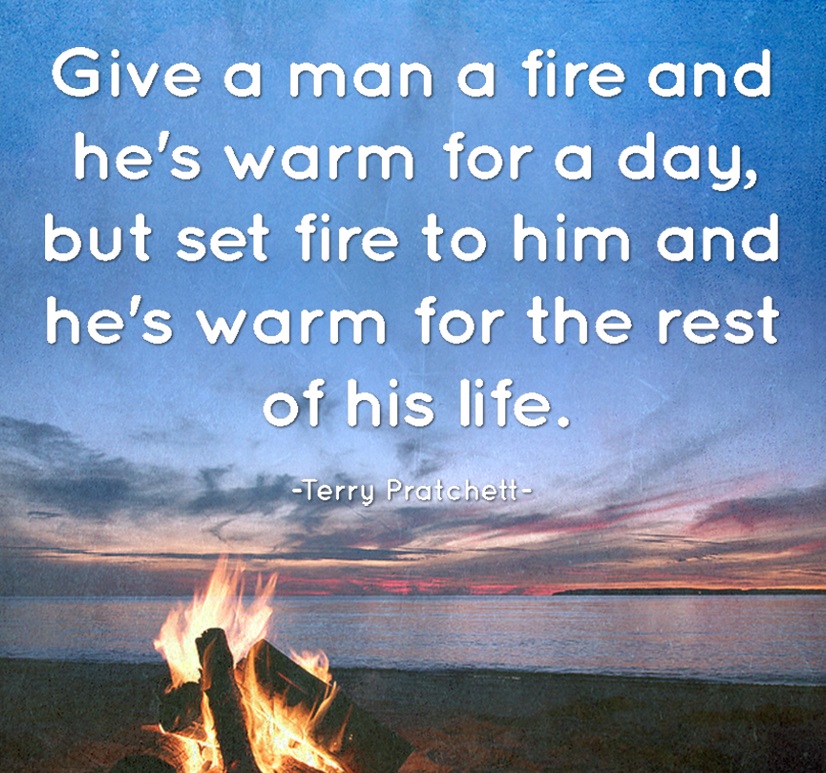
Sir Terry Pratchett
Jingo

Making the World a Better Place 
Here we tend to think of BIG money givers, like the Bill and Melinda Gates Foundation. But this reason for giving comes in all sizes and shapes. To paraphrase: give a person a fish, you give food for a day; teach a person to fish, you give food for a lifetime.

Patterns Of Giving

Membership Giving (Whether One Takes Advantage of Member Benefits or Not)

  • Botanical garden
  • Fine arts museum
  • Historical society
  • Symphony orchestra or other musical groups 
  • Public broadcasting

Regimented Giving

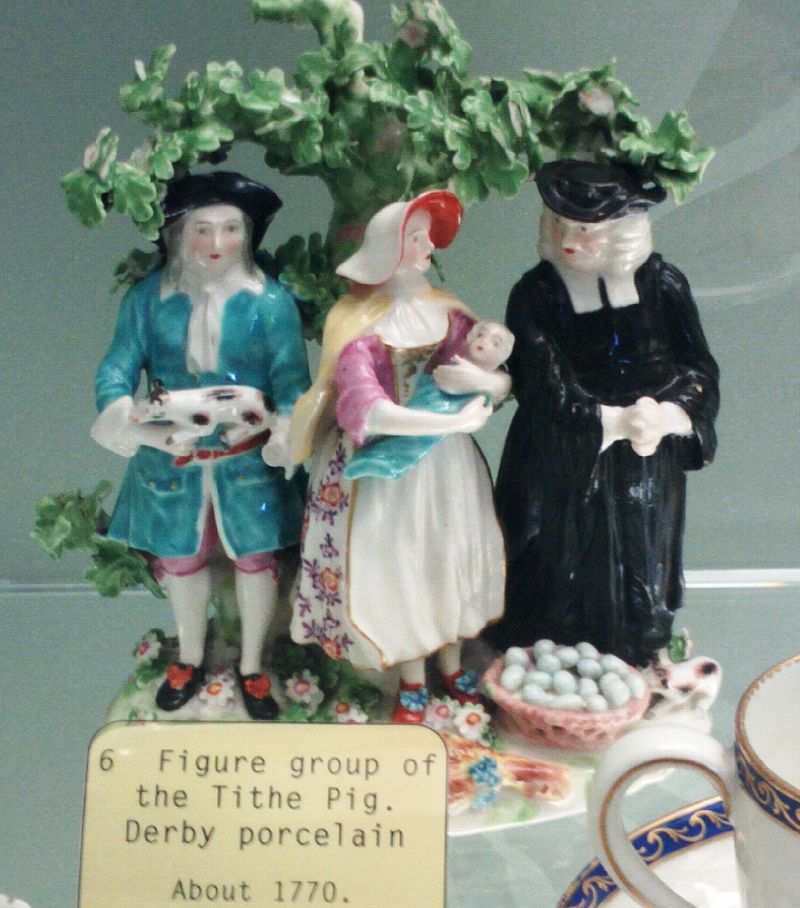
“Tithe Pig Group”
Derby Porcelain c 1770
  • Tithing to a religious organization
    • Tithe” comes from the Old English word for “tenth” and originally meant to give one-tenth of one’s possessions to support the clergy
    • Almsgiving (zakat) is the third of the Five Pillars of Islam
  • Yearly gifts, particularly at holidays or birthdays
  • Monthly commitments
    • (For example, to Shriner’s, St. Jude’s, animal rescue, etc.)

Periodic but Repeated Giving

  • Favored causes (Save the Bay, Native American education, food drive/pantry)
  • Campaign donations at election time
  • Gifts to one’s college/university/library/etc.

Impulsive/Unplanned Giving

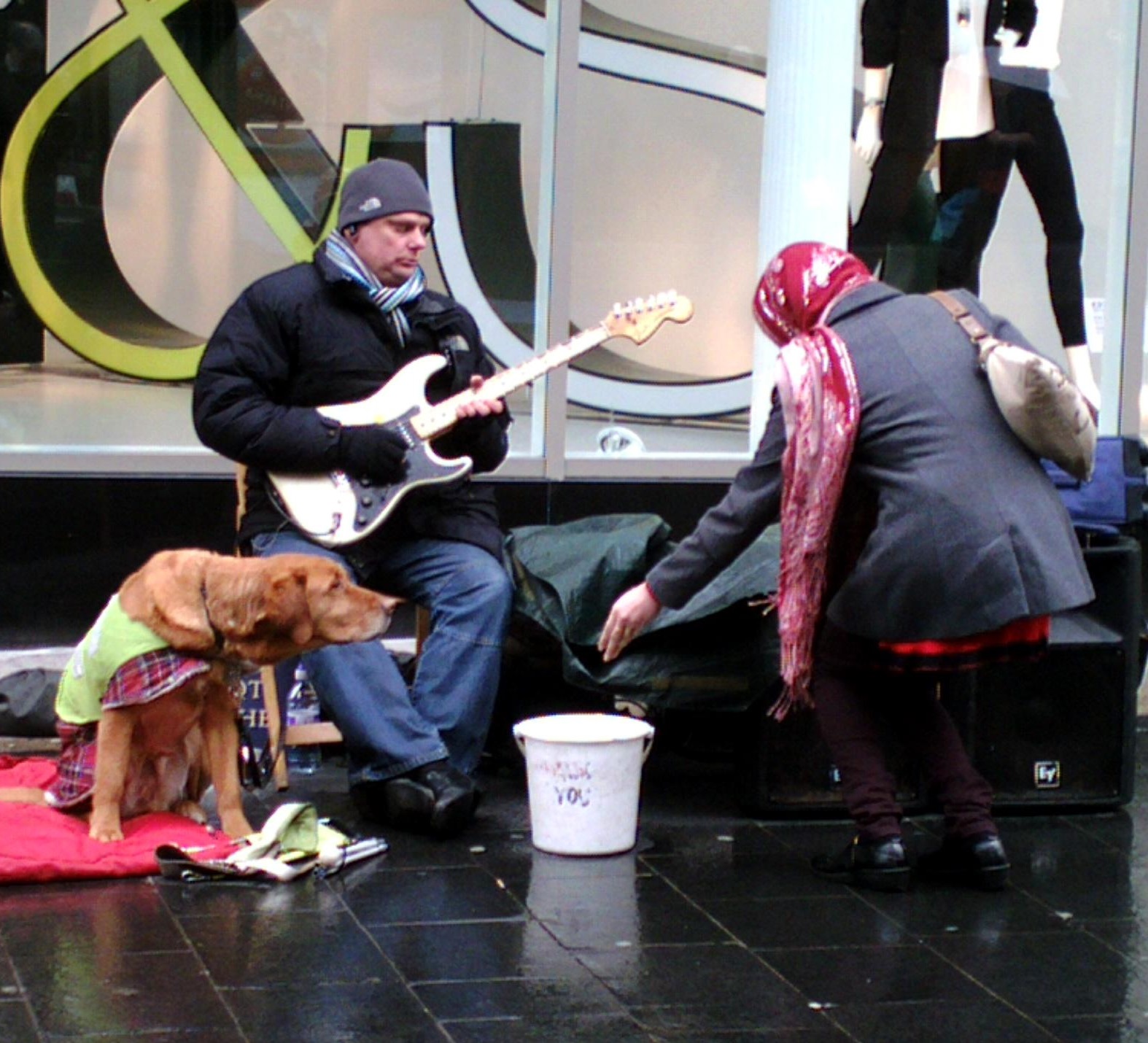
Busking
  • Street performers
  • Christmas bell-ringers
  • Panhandlers—or not
  • “Rounding up” on a purchase 

Geographic Giving

  • Local giving only
  • Giving within one’s own country
  • Giving for international causes/disasters

Giving by Cause

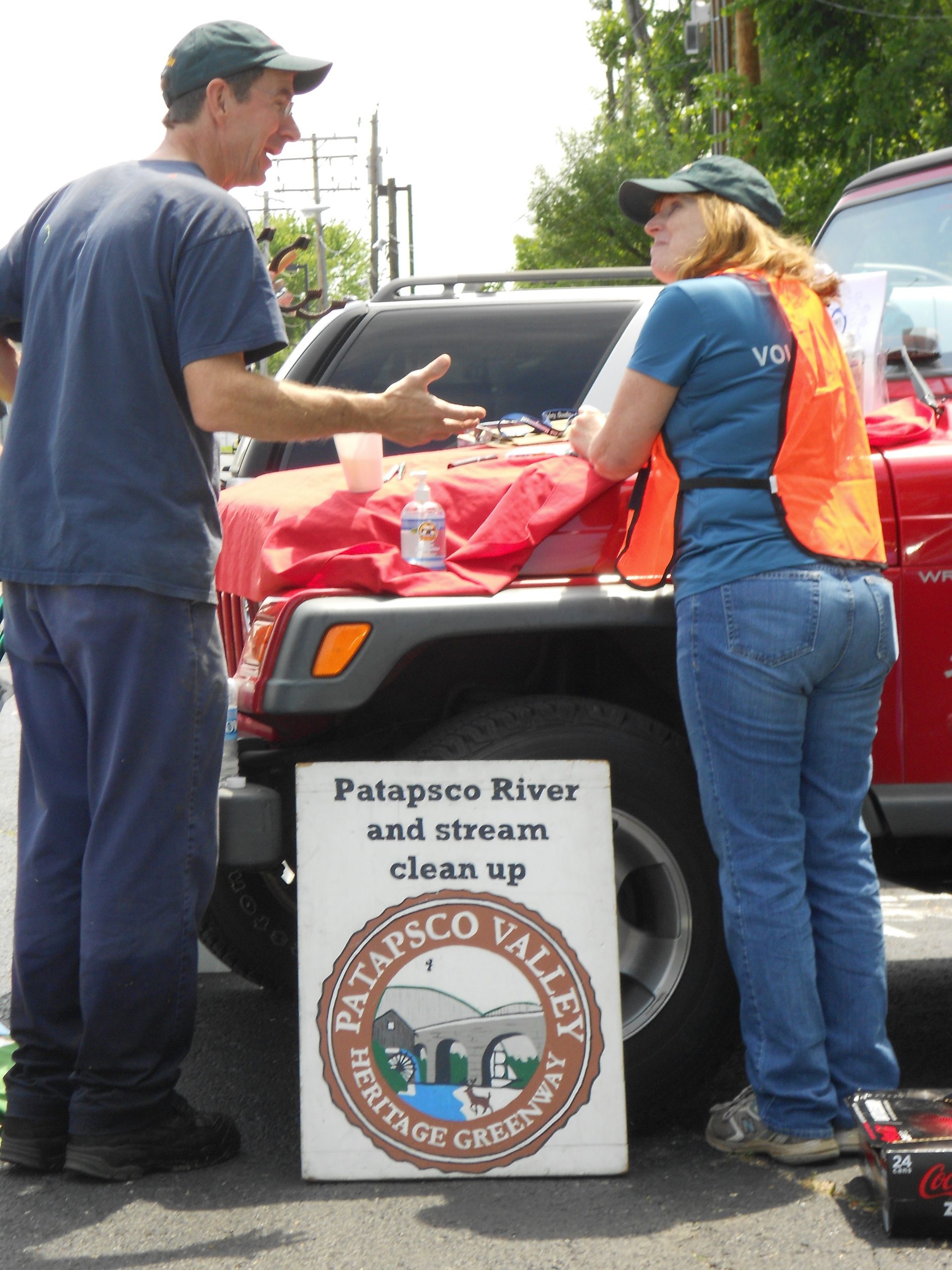
Waterway clean-up
  • Animal rescue
  • Environmental issues
  • Political parties/candidates
  • Hunger eradication
  • Medical research
  • Recycling

Strategic Giving

  • Tax-deductible giving
  • Estate planning
  • Donations as part of a company’s PR campaign
  • Participation in online fundraising trends

Socially Elicited Giving

  • Friends’ birthday fund raisers
  • Supporting one’s friends/family charities
  • Team participation in fundraising events
  • Giving to someone who’s given to you, a charity that has benefited you
    • (Such as a cancer survivor donating to a cancer support fund)

Non-Monetary Giving

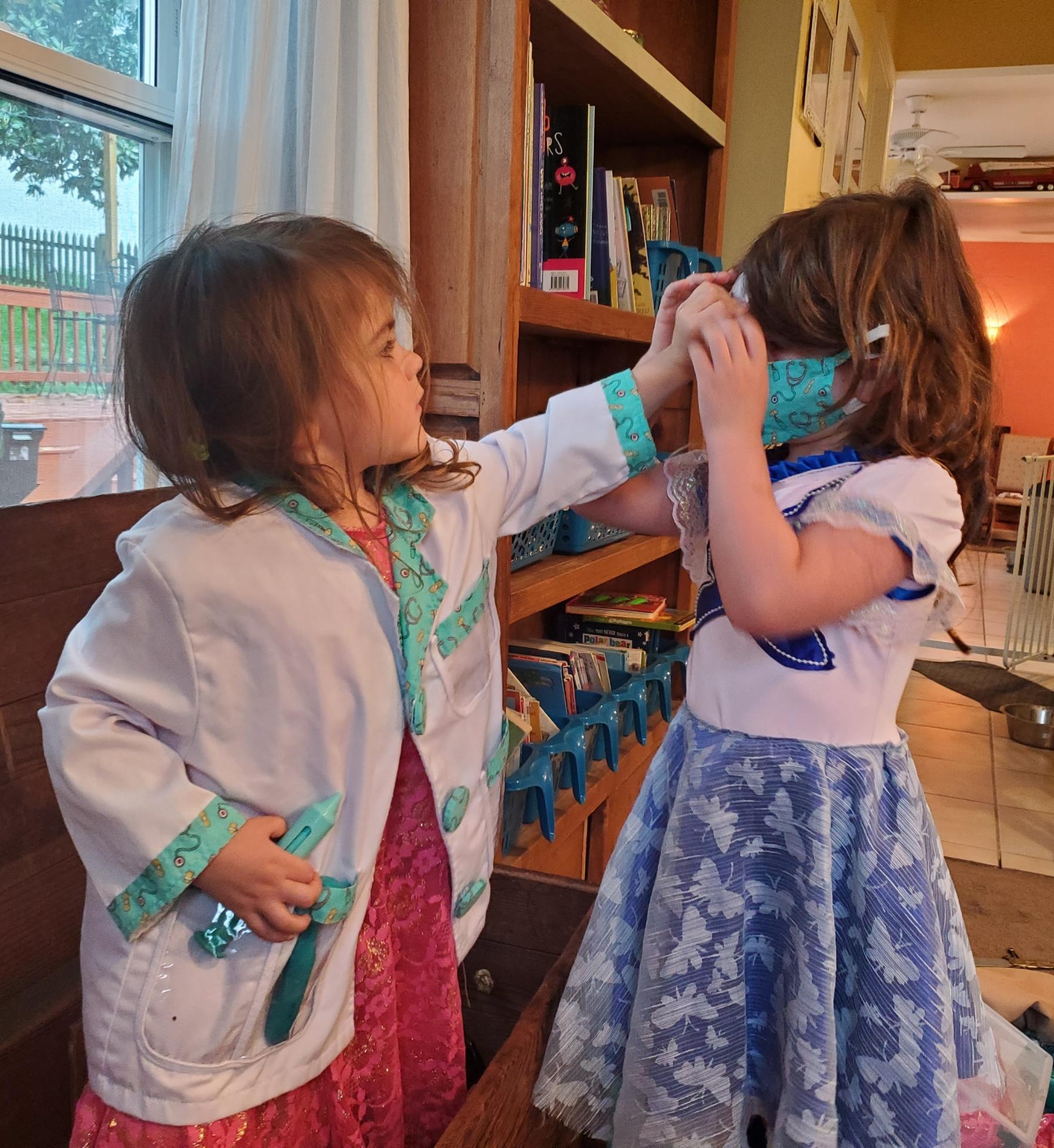
Volunteering at a medical clinic
  • Volunteering labor
    • Cleaning up lakes/oceans/rivers/bays
    • Big Brother/Big Sister
    • Poll worker -soup kitchen
    • Building Habitat houses
    • Working in a COVID vaccine clinic 
    • Community theater usher
    • Cleaning up after environmental disasters
  • Gifts of needed items
    • School supplies
    • Clothing
    • Furniture
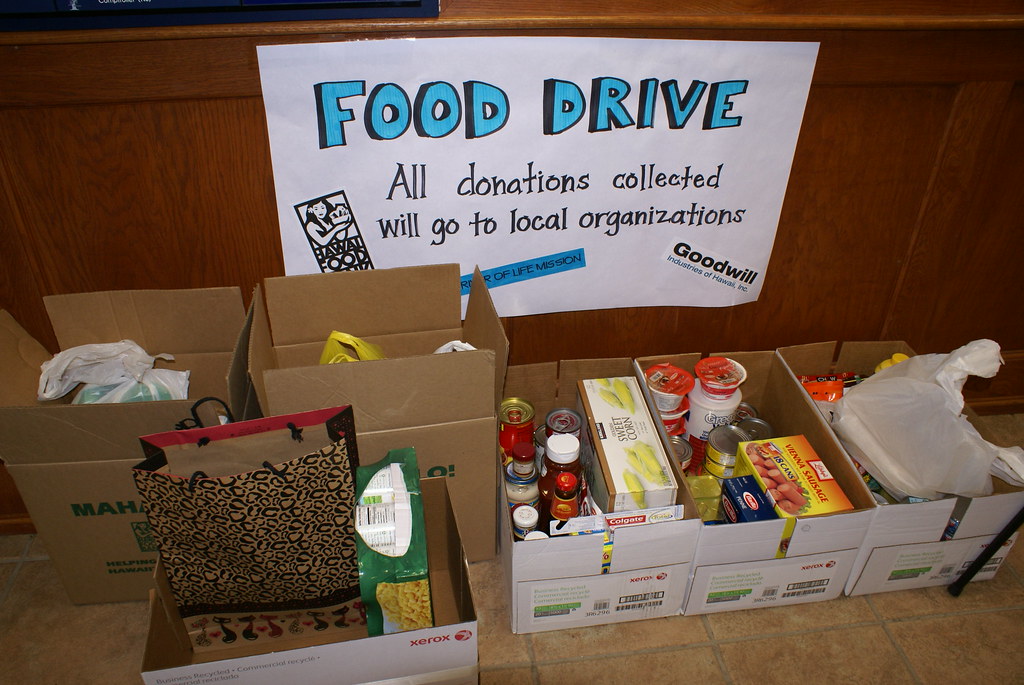
    • Food drives
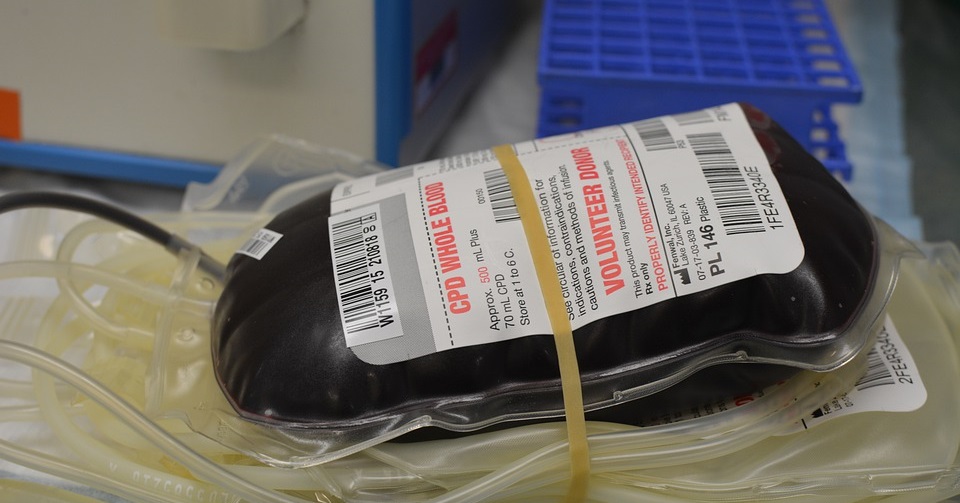
    • Blood drives

Overall

Reasons and patterns of giving are not mutually exclusive, nor are they immutable over time. 
Also, we tend to think of giving as coming from the heart, but sometimes the act is highly cerebral. 

“Thus, to give money away is quite a simple task, but for the act to be virtuous, the donor must give to the right person, for the right purpose, in the right amount, in the right manner, and at the right time.”

Aristotle

Bottom line: Consider — what’s your (character’s) style of giving? Is this too little? Too much? Or just right? How does your (character’s) personality type influence all of this?

WHY?

You and I are perfect, of course—but the people we live with? They drive us nuts all around the house, in ways too numerous to count! And some rooms are more irritating than others. Some say such minor annoyances are the signs of imploding domestic happiness. Others claim habits like these are simply what happens when people become comfortable with each other, possibly even a sign of healthy relationships. Consider the ways irritability might be bad for you. And think about ways these little things can add tension to writing scenes.

Kitchen

~Putting the peanut butter on top of the jelly or the jelly on top of the peanut butter
  • Leaving scraps in the sink, even the side that has the garbage disposal
  • Leaving empty or near-empty cups, mugs, and glasses all around the house instead of taking them to the kitchen
  • Leaving cuttings/crumbs on the counter
  • Using twice as many utensils as necessary
  • Not turning off the stove burners/oven
  • Starting a dish cooking, leaving the room, and letting the food burn
  • Never adding salt and pepper while cooking (or adding far too much)
  • Leaving herbs, spices, and other seasonings on the counter
  • Not wiping up spills
  • Not checking the vegetable drawer for partials before cutting a new pepper, onion, or cuke
  • Leaving partially eaten food out (pizza, sandwich, fruit)

Bathrooms

~Washing dishes in what is clearly the dolls’ bathtub
  • Soaking the bathmat
  • Leaving dirty clothes on the floor
  • Sprinkling the counters with grooming products
  • Not flushing
  • Not replacing a spent toilet paper roll
  • Putting new TP roll on so new sheets come from the back, when everyone knows the new sheets should come over the top. (Or vice versa!)
  • Leaving hair in the washbasin
  • Using your washcloth or towel
  • Running out the hot water
  • Leaving the cap off toothpaste, mouthwash, shampoo, whatever

Bedroom

~Kicking while dreaming of chasing squirrels
  • Restless sleeping or kicking
  • Snoring
  • Using a C-Pap machine
  • Taking too much closet and dresser space
  • Leaving clothes around
  • Hogging the covers
  • Insisting on a night light—or total darkness
  • Needing a noise masking machine
  • Eating in bed
  • Reading in bed
  • Allowing pet on the bed

Living Room/Family Room

~Taking up the whole sofa, even if they’re actually the smallest member of the household
  • Toys/games sprinkled about
  • Putting feet on furniture
  • Cluttering end tables, coffee tables, ottomans…
  • Not using coasters
  • Spilling food and drink on upholstery, carpets, curtains, etc.

Dining Room

~Eating your fingers when you’re just trying to eat your mush
  • Chewing with mouth open
  • Wolfing food or eating absurdly slowly
  • Talking with mouth full
  • Not using a napkin
  • Reaching for things that should be passed
  • Making a mess around the plate/bowl

All Around the House

~Forgetting to pay the gravity bill, leaving everyone to float upside-down
  • Squeezing tubes from the middle (toothpaste, anchovy paste, etc.)
  • Playing TV/radio/etc. too loudly
  • Controlling the TV remote/program
  • Flipping channels on TV or radio
  • Not picking up after her/himself
  • Singing, humming, whistling out of tune
  • Dominating the conversation
  • Interrupting
  • Not saying please or thank you
  • Leaving doors open/unlocked
  • Leaving lights and fans on when leaving a room
  • Not setting the alarm
  • Not watering houseplants 
  • Leaving bird feeders empty
  • Paying bills late
  • Leaving the newspaper a mess

Bottom line: These are just a very few examples of domestic minor annoyances. There are always more, especially when you’re looking for them. Is the irritating behavior really worth the irritation? Or could you make use of it?

WHAT, ME WORRY?

The occasional worry or weird thought, no problem. Not much distress, and it doesn’t usually interfere in one’s life. The problems occur when the weirdness progresses or the worry or thought becomes an obsession (often called intrusive thoughts), meaning you can’t seem to stop thinking these thoughts. These tend to fall into four categories, not necessarily mutually exclusive.

Professional

How do I convince the boss to give me more bones per sit?
  • You are giving a lecture/making a presentation and all the people are laughing, talking, and leaving.
  • If offered a promotion, would I be willing to move?
  • Which of my coworkers wants to have sex with me?
  • A coworker is trying to get me warned, fired, demoted, or transferred.
  • If I were in charge, I would . . .
  • I feel terrible but I won’t call in sick, because some people might think I’m lying.
  • How’s the best way to ask for a raise?
  • In staff meetings, I just want to stand up and scream.

Social

What if he’s only playing with me to steal my treats?
  • Thoughts of aggressive, violent, or perverse sexual acts.
  • Sometimes I go to sleep thinking thoughts of assault or murder, especially gory scenes.
  • What can I do to avoid loneliness?
  • Can others smell my breath, body odor, sweat, or feet?
  • Do people think I’m exotic or just weird?
  • Am I likable?
  • Can people love (romantically) two or more people at the same time?
  • How can I tell who I can trust?
  • The one who cares less has more power. With which of my friends do I care less?
  • Are they judging me as much as I’m judging them?
  • How many of these people aren’t wearing underwear?

Personal

Why do I keep looking up pictures of balls I will never chase?
  • I fear dying of asphyxiation when my inner scream never pauses to draw in breath.
  • What is the sound of my inner voice?
  • How do I know my brain stays in my skull when I sleep?
  • I keep thinking thoughts of religious shame, hell, and Satanism.
  • I worry about germs eating/destroying my body from the inside out.
  • What if my life were a book, available for anyone to read?
  • How do I know that my childhood memories really happened?
  • Every night I go to sleep planning my funeral.
  • What were my parents’ lives like before they married?
  • How would my life be different if I’d made just one decision differently?
  • What, if anything, would cause me to commit suicide?
  • How many ways to commit suicide can I think of?
  • If I had to lose one of my senses, which would I choose?
  • Why do I drink?
  • Should I change my wake/sleep pattern to be more typical?
  • How would the world be different if I’d never been born?
  • I think my brain is shrinking.
  • I imagine having sex with people I’m not really interested in.
  • Every time I take a business trip, I imagine awful things happening to my husband and children.

Miscellaneous

If I bury my ball and then forget it, is it still my ball?
  • If tomatoes are fruit, is ketchup jam?
  • How did humans decide how dinosaurs sounded? 
  • With climate change, insects are taking over the world.
  • Imagining unusual creatures doing unusual things.
  • Saying the same word over and over till it starts sounding weird.
  • How many life forms are there in outer space?
  • To what extent are people shaped by their names?
  • What are the side effects of various body piercings?

Bottom Line: What are your weird thoughts or worries? And what function do they serve?

What do dogs worry about?

THERE’S A WORD FOR THAT

My friend and colleague Kathleen Corcoran sent me an archaic word.

  • Spuddle (v)
    • To work feebly and ineffectively because your mind is elsewhere or you haven’t quite woken up yet.
    • To make a lot of fuss about trivial things, as if it were important.
    • To work tirelessly without achieving anything of worth. To put in a great deal of effort and achieve only very little.
    • To loosen and dig up stubble and weeds left after a harvest with a broadshare or similar device.

I took one look at it and said, “That’s got to be one of the best, most useful words ever!” Indeed, I’ve been spuddling for years.

So began my search for old, forgotten, seldom used, and archaic words and phrases that need to take (or retake) their rightful places in our written and the spoken vocabularies.

Autophoby (n) Fear of referring to oneself, usually exhibited by a reluctance to use the pronouns I or me.

Balderdash (n) Spoken or written nonsense.

Blithering (adj) Complete; utter (Used to express annoyance or contempt, as in “a blithering idiot.”)

Bloviate (v) To speak in a pompous or overbearing way. (Made popular by Pres. Warren G. Harding.)

Caddywonked (adj) Southern slang for sideways, unconventional, askew.

Caddywompus/cattywampus (adj) Variations of catawampus, meaning askew, diagonal, first recorded in the 1830-1840s.

Catty-cornered (adj) Diagonally opposite someone or something

Flagitation (n) The act of asking or demanding with great passion; begging.

Clishmaclaver (n) Idle talk; gossip.
(chiefly Scottish)

Conniption (n) Informal, meaning a fit of rage

Crackbrained (adj) extremely foolish; crazy; insanely irresponsible.

Embrangle (v) To entangle, mix up, confuse, perplex. Embranglement, the noun form.

Flapdoodle (n) Nonsense; a fool

Flexanimous (adj) Having the power to influence, move, affect

Gabble-monger (n) Gossip

Hoik (v) To move or pull abruptly; yank.
(also a wild hook shot in cricket)

Lollop (v) to move in an ungainly way, in a series of clumsy paces or bounds.
(n) A person or animal who moves in such a way.

Mizzle (n) Light rain or drizzle.

Skellington (n) A skeleton

Percolation (n) The process of something spreading slowly.

Pilgarlic (n) Literally “peeled garlic” the word is used for a bald person or a person held in amused contempt or treated with mock pity.

Runnel (n) A narrow channel in the ground for liquid to flow through; a crook or rill; a small stream of a particular liquid, e.g., a runnel of sweat.

Sitooterie (n) A summerhouse or gazebo; also an out-of-the-way place to sit with your partner at a dance (or other event).

Skiwapiddy (adj) Crooked, off-kilter

Stramash (n) Disturbance or racket.
(chiefly Scottish)

Taradiddle (n) Petty lie, nonsense.

Trug (n) A shallow basket made from strips of wood for carrying flowers or vegetables.

Ultra-crepidarian (n) A person who expresses opinions on things outside the scope of his/her knowledge or expertise. Can also be an adjective.

Whinge (v) To complain persistently and in a peevish or irritating way.

Bottom Line: Linguists say you can make any word, even an obscure or archaic word, your own by repeating it aloud five times and using it in a sentence every day for a week.

BEACH READING REALITY

Every year, recommendations for “beach reading” or “summer reading” turn up everywhere. Sometimes, it’s just a list of what’s on some famous person’s summer list (like Rashida Jones, Bill Gates, or the faculty of Harvard Law School). For example, Barack Obama’s list got a lot of attention this year, and may have given a significant boost to “Southern noir” writer S. A. Cosby’s Razorblade Tears.

But do many people really look for—or follow—such reading suggestions? I, for one, am not a seasonal—or locational—reader. And I don’t personally know such people, either.

Once again I spent a great beach week with family, thirteen people ages 13 to 91. And here—in no particular order—are the books being read.*

* The four teenagers really didn’t contribute much this year!
** Necessary when someone is enrolled in an online master’s program.
*** Evidence that a series reader was on a roll.

Bottom line: Anything can be read anywhere, any season. “Beach reading” goes well beyond the beach. What are you reading now?

Terry Pratchett’s theory on beach reading.
from The Last Continent

Behavioral Analysis for Authors

Guest blog by Kathleen Corcoran

There are lots of ways to determine how a fictional character will react in any given situation. Generally, an author has some idea of how the main characters will behave during the major plot points. However, one of the keys to making a story believable is writing actions and reactions that make sense.

To get details of a very different system of understanding motivations, I talked with Angela Johns, BCBA, LBA, about her work as a Behavior Analyst.

Four Primary Functions

When a person (or animal) performs an action, that action fulfills one of four basic functions. A behavioral analysis therapist works to change behavior patterns by identifying the function and substituting the unwanted behavior with a more acceptable behavior that meets the same function.

Attention
from Portland Center Stage

When the Bennets attend the Netherfield Ball, Mary Bennet wants attention and praise, so she takes over the piano and embarrasses her family by playing and singing rather obnoxiously. Mary gets negative attention and lukewarm praise, but her original need for attention has still been met. (Pride and Prejudice by Jane Austen)

Access to Tangible Rewards

Santiago, having finally caught a fish, would quite like to keep that fish. The story is filled with metaphor and lovely language, but Santiago ultimately holds on to the fishing line because he wants to reel in and keep the marlin that he caught. (The Old Man and the Sea by Ernest Hemingway)

Sensory or Automatic

Dr. Polyakov initially takes morphine to relieve pain in his stomach. Later, he takes morphine to alleviate the despair and heartache of his life. As the addiction becomes worse, he takes morphine because he becomes unable to function without it. (“Morphine” by Mikhail Bulgakov)

Escape or Avoidance

While waiting for Odysseus to return to Ithaca, Penelope delayed giving in to any of the suitors badgering her by claiming she had to weave a burial shroud for her father-in-law, Laertes. Every night, she unwove the portion she’d woven during the day. She managed to avoid either giving in to any of the suitors or giving any of them a pretense for starting a war. (The Odyssey by Homer)

“We Work Ourselves Out of a Job”

A behavioral analysis expert will work with a patient (and caregivers) to adjust behaviors by identifying which function an unwanted behavior fulfills and substituting another behavior that meets the same function. For example, raising a hand for attention from a teacher rather than shouting in class.

As Johns put it, “The whole point of us [behavioral analysts] is to work ourselves out of a job.”

They do this by observing the behavior (often in a patient’s home), looking at the antecedents, defining the consequences, and determining the function. Experts work with patients to reduce harmful behaviors, establish beneficial habits, focus at school, improve communications, and a variety of other goals.

Behavioral analysis experts primarily work with autistic patients, but applied behavioral analysis also serves a role in everything from fitness training to consumer spending research.

Fictional Behavioral Analysis
Sometimes behavioral antecedents are easily identified.

An author can use a similar technique to create believable motivations for a character’s actions. Identify which behavior is needed to advance the plot or set up a situation, then create circumstances that will trigger that behavior. Rather than identifying antecedents, an author has the luxury of creating antecedents.

  • If the clue to identifying a murderer is in the kitchen, make the character hungry so they’ll go in search of food.
  • If a character needs to go to jail for theft, that character first needs a reason for the theft, even if that reason is kleptomania or greed.
  • Perhaps a character spills their soul to a new acquaintance because they are looking for attention.
  • Maybe someone lights a cigarette so they don’t have to answer uncomfortable questions.

Stories don’t make much sense (and aren’t much fun to read) if characters do things for no reason.

This is, of course, a major oversimplification of the years of training and work a behavioral analyst does. For more information, check out the Kennedy Krieger Institute or The IRIS Center.