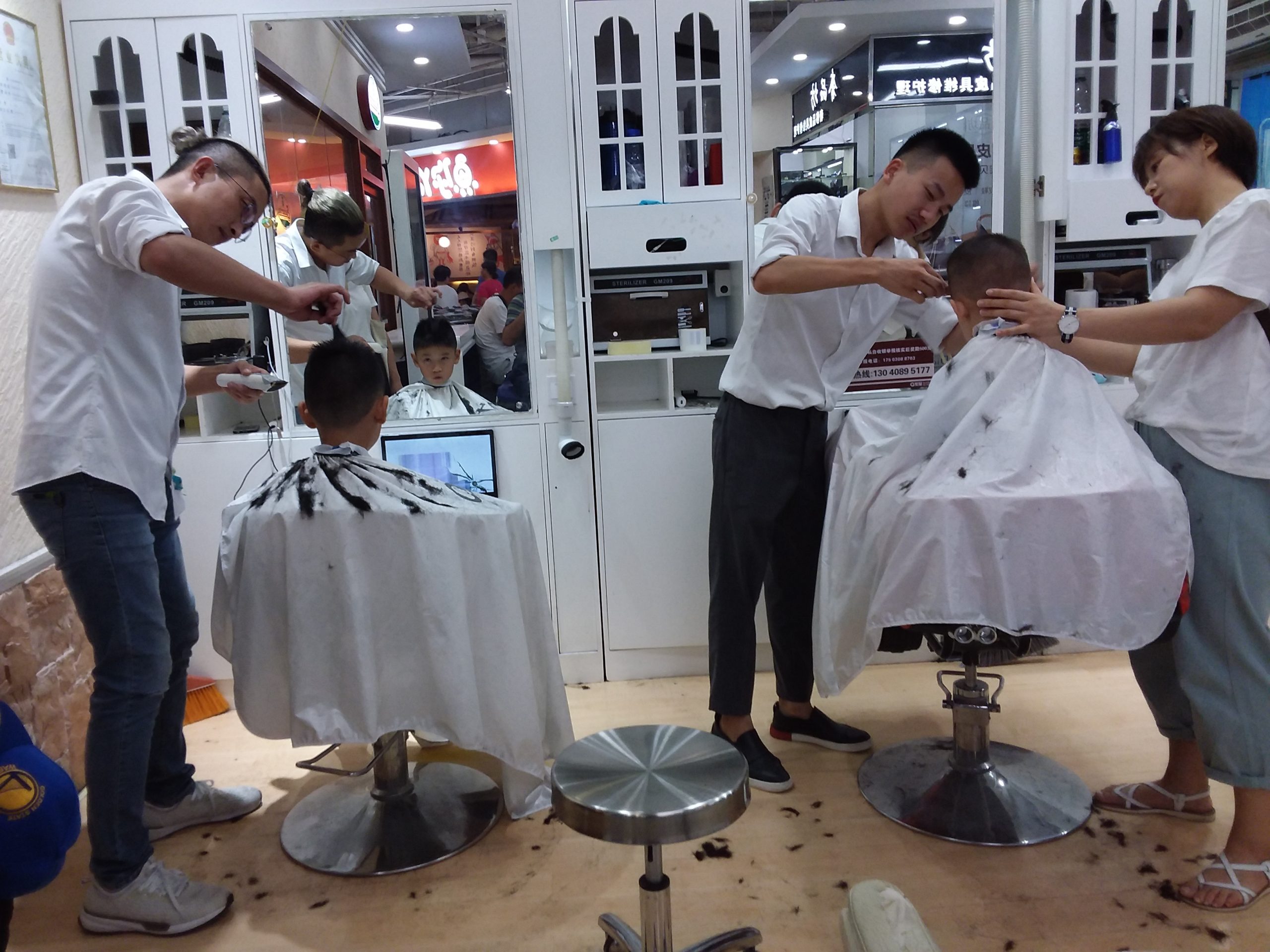
What people notice first is the visual appearance of head hair. Indeed, I wrote a whole blog about head hair (Hairy Issues, May 27, 2025). But hair is much more than grooming!
Cultural and Social Importance
Identity and Expression: Hair is a powerful tool for self-expression. Hairstyles, colors, and length often reflect personal identity, cultural heritage, and social status. Hair length and cut often signal biological sex.
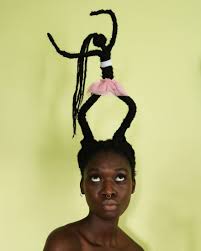
Symbolism

Hair can symbolize various traits across cultures.
Freedom and Rebellion: Long, uncut hair often signifies a desire for freedom (e.g., hippie movement) or spiritual devotion (e.g., sadhus in India).
Religion and Spirituality: In many cultures, hair holds spiritual significance. Sikhs do not cut their hair as a sign of respect for God’s creation. Buddhist monks and nuns shave their heads to symbolize detachment from worldly desires. At least 14 religions have requirements or “recommendations” about hair length, style, and/or covering.
Rituals and Rites of Passage: Haircuts or hairstyles mark significant life events (e.g., first haircut in some cultures, mourning practices where the bereaved cut their hair or leave it uncut).
Social Status and Profession: Hairstyles can indicate profession (e.g., military buzz cuts) or social rank (e.g., elaborate hairstyles in royalty or aristocracy).
Biology and Health
What comes next to mind probably relates to temperature, for example hair up (pony tail, etc.) off the neck in hot weather.
Thermoregulation: Hair helps regulate body temperature by trapping heat close to the skin in cold conditions and aiding in sweat evaporation in hot conditions. We don’t often think about it, but scalp hair may help stabilize brain temperature.
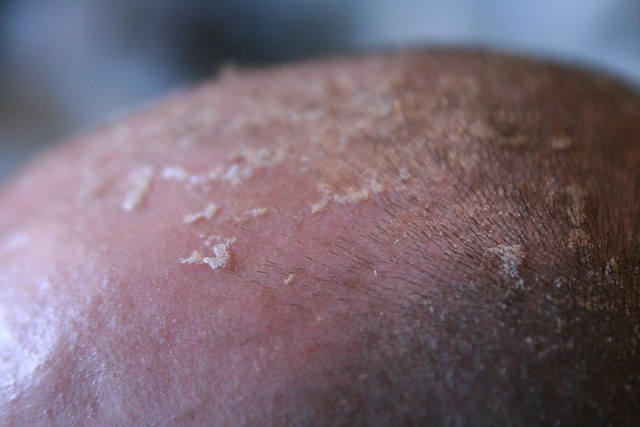
Protection: Hair on the scalp protects the head from UV radiation and minor injuries. Tightly curled hair provides more protection from solar radiation (which is particularly strong around the Equator) than straight hair. Eyebrows and eyelashes shield the eyes from sweat, dust, and other debris.
Sensory Functions: Hair follicles connect to nerve endings, making them sensitive to touch, temperature, pain, and fear.
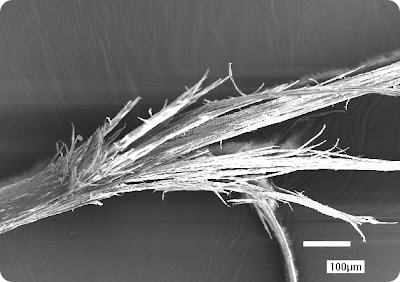
Indicator of Health: Changes in hair texture, thickness, or loss can signal nutritional deficiencies, hormonal imbalances, stress, autoimmune diseases, or underlying health conditions (e.g., thyroid disorders, alopecia). Hair is also used to assess exposure to substances.
Age: Pattern baldness and hair loss frequently advance with age. Ditto hair color/pigmentation loss.
Economic and Industrial Importance
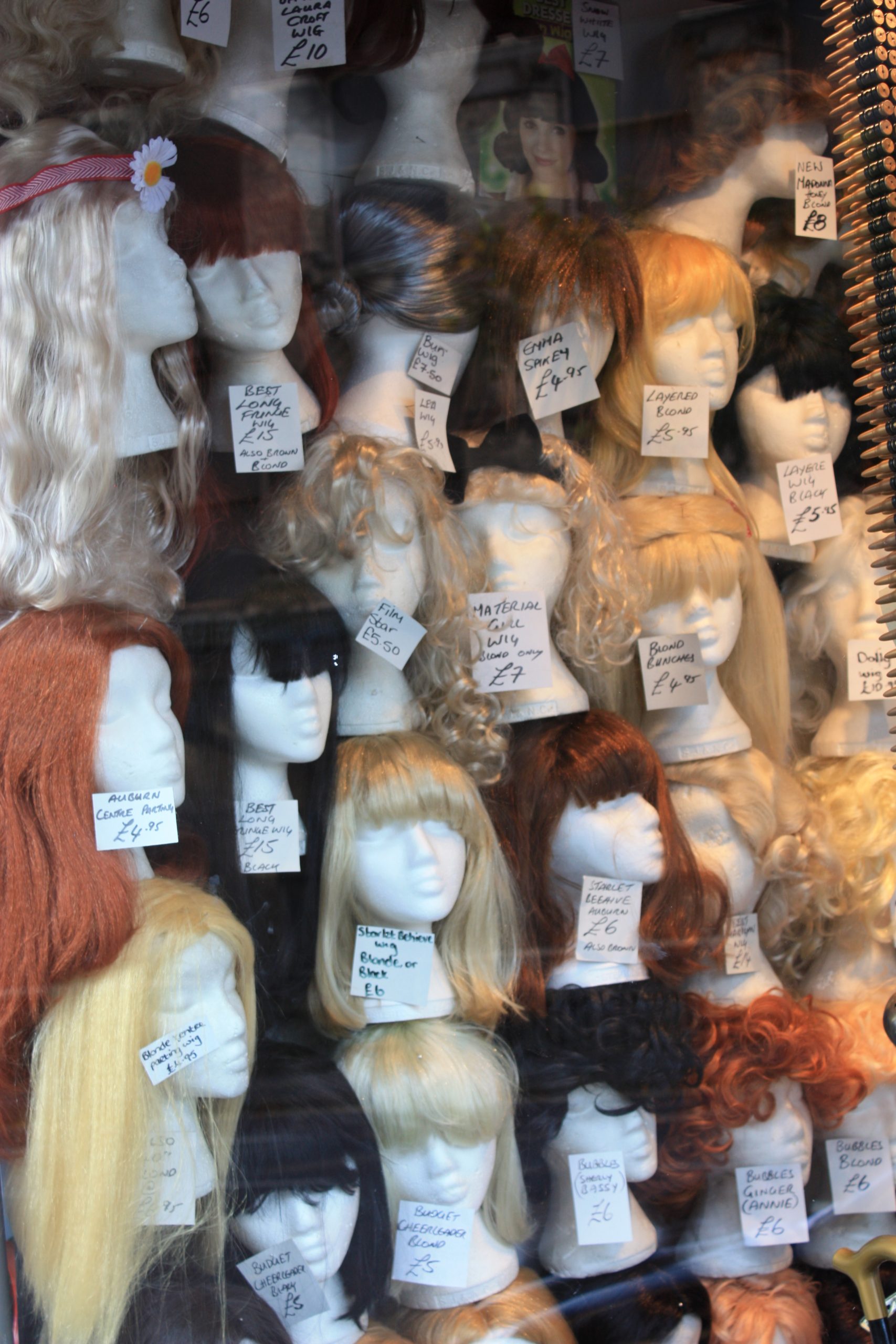
Beauty and Cosmetics Industry: Hair care is a major source of profit in the beauty industry, from such products as shampoos, conditioners, dyes, and styling tools. The global hair care market is valued at billions of dollars annually.
Wigs and Extensions: Wig makers highly prize human hair for wigs, extensions, and hairpieces for cosmetic purposes, especially for cancer patients.
Textiles and Materials: Animal hair (e.g., wool, cashmere) is used in textiles, but human hair is also repurposed in some industries (e.g., for making felt).
Recycling and Sustainability
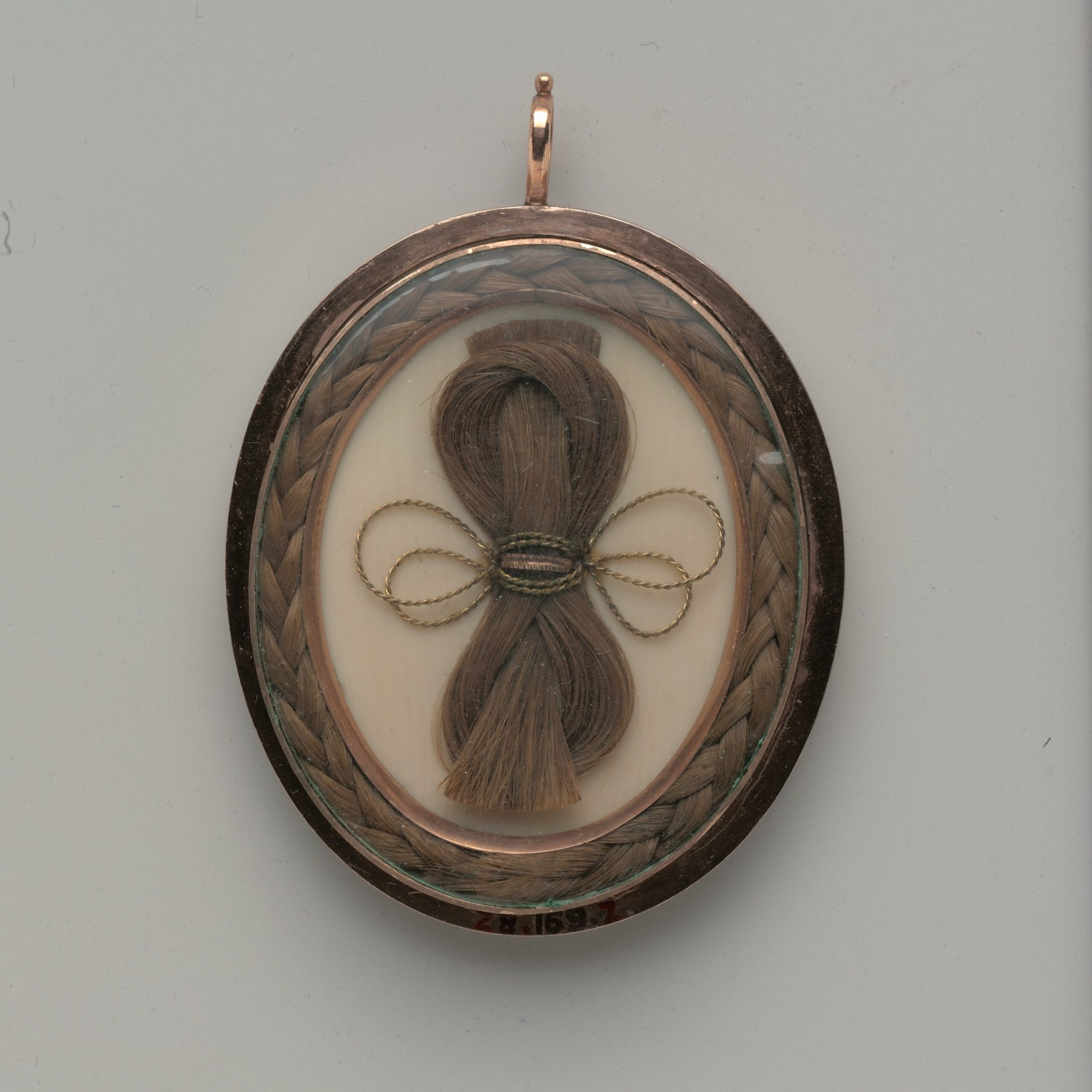
Human hair is increasingly recycled for environmental purposes.
Oil Spill Cleanup: Hair absorbs oil, making it useful for cleaning up environmental disasters.
Fertilizer and Compost: Hair decomposes slowly and adds nitrogen to compost.
Art and Crafts: Particularly creative people up-cycle human hair into jewelry, sculptures, or other art projects.
Environmental Impact
Biodegradability: Unlike synthetic fibers, human hair is biodegradable, reducing microplastic pollution when discarded. However, it takes several years to break down, so large amounts of it can still cause volume problems.
Waste Reduction: Recycling hair diverts waste from landfills and reduces the environmental footprint of industries like beauty and fashion.
Scientific Hair Uses
Forensic Uses
DNA Analysis: Forensic investigators can use hair to identify individuals or determine ancestry.
Toxicology: Hair analysis can detect drug use, poisoning, or exposure to certain chemicals over time.
Historical and Archaeological Insights

Hair can survive for thousands of years under the right conditions, providing insights into ancient diets, health, and lifestyles (e.g., analysis of Ötzi the Iceman’s hair).
Psychological and Emotional Significance
Self-Esteem and Confidence: Hair can significantly impact self-image and confidence. Hair loss or changes in hair health can affect mental well-being.
Memory and Sentiment: People often preserve locks of hair as keepsakes (e.g., baby’s first haircut, memorial locks) to commemorate loved ones or significant life events.
Ethical and Compassionate Considerations
Animal Welfare: Using human hair instead of animal-derived materials (e.g., fur) can align with ethical and compassionate values.
Sustainability: Supporting businesses that recycle or up-cycle hair contributes to a circular economy and reduces environmental harm.
Controversies and Challenges
Exploitation: The hair industry has faced criticism for exploitative practices, such as unethical sourcing of human hair without fair compensation (e.g., from underprivileged communities).
Cultural Appropriation: Hairstyles rooted in specific cultures are sometimes adopted without acknowledgment or respect, leading to debates about cultural appropriation vs. appreciation.
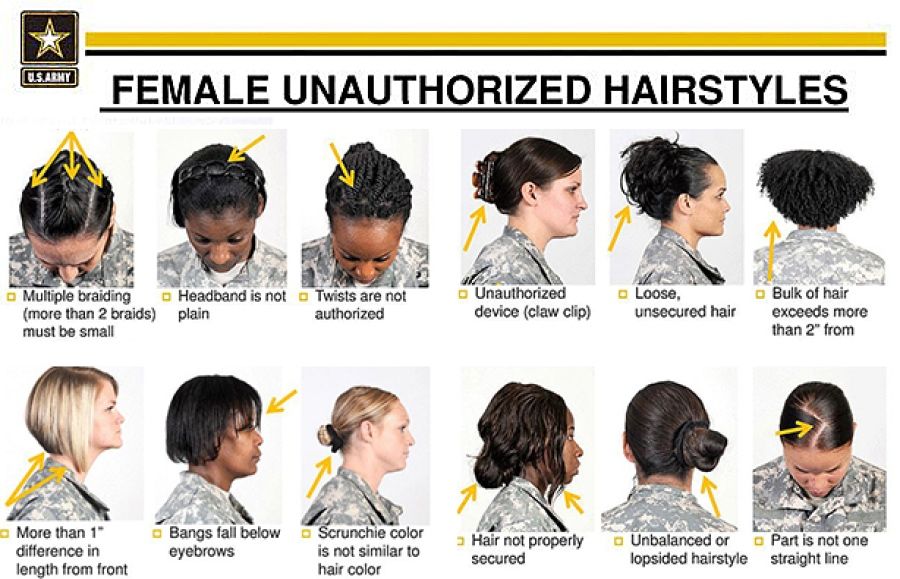
Targeted Regulations: Many organizations adopt grooming standards that ban hairstyles disproportionately used by members of a particular ethnic, racial, or cultural group.
Health Risks: Poor hair care practices or excessive use of chemical treatments can damage hair and pose health risks (e.g., scalp irritation, chemical burns).
Sustainable Alternatives and Innovations
Hair Recycling Programs: Organizations like Hair We Share and Locks of Love collect donated hair to make wigs for those in need. Hair must be at least 10 inches long, measured tip to tip, to be used in a hairpiece. Some organizations accept shorter donations, which they might sell to offset costs or repurpose for environmental projects. Many salons participate in programs that collect waste hair for recycling.
Biotechnology: Scientists are exploring lab-grown hair follicles as a sustainable alternative for medical and cosmetic uses.
Vegan and Cruelty-Free Products: Many brands now offer plant-based or synthetic alternatives to human hair in wigs and extensions.
Bottom Line: Hair is important in virtually every aspect of people’s lives—culture, biology, even environmental sustainability.