APRIL BRINGS SHOWERS; MAY BRINGS…

Celebrations, holidays, and observances! Truly, no one could possibly honor all the special days in May.

Celebratory Days in May

First there are the dailies. Only 31 days in the month, yet there are 486 (!) daily holidays and observances. If you are reading this blog the day it is posted (May 12), 224 of these opportunities have already passed you by for 2026. You are probably aware of Cinco de Mayo and Mother’s Day, maybe even celebrated them. But (probably) missed opportunities include
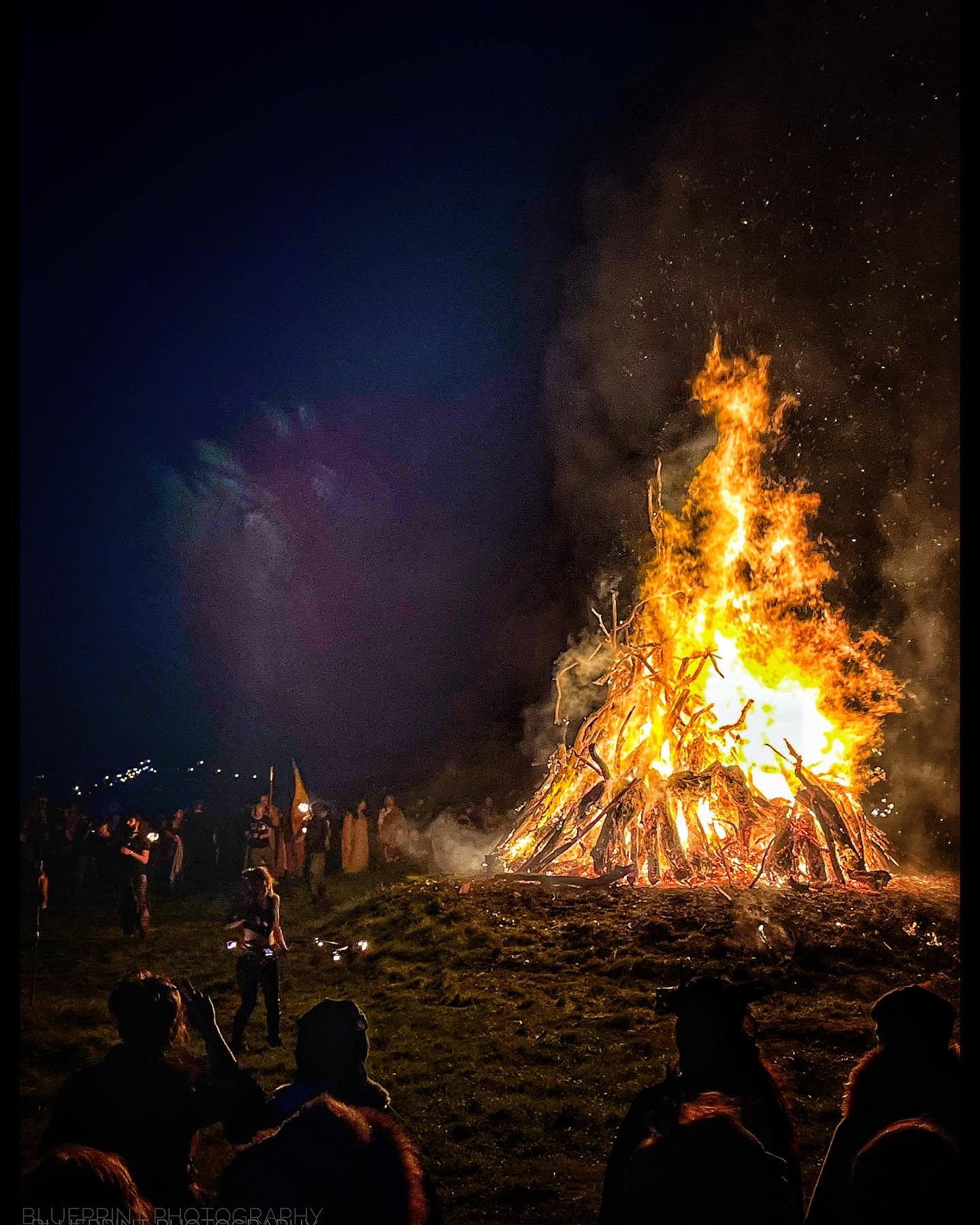
Beltane Fire on Uisneach Hill in Ireland

Beltane (or Là Bealltainn or Boaltinn or Boaldyn)
Global Love Day
Tuba Day
World Beer Pong Day AND World Naked Gardening Day, both on May 2
Paranormal Day
National Orange Juice Day
National Silence the Shame Day
Great American Grump Out Day
World Asthma Day
National Deaf Interpreter Day
Make a Book Day (Thursday of National Family Reading Week)
World Donkey Day
Mother Ocean Day

And soooo many more. Of course, there’s always next year. It pays to plan ahead (perhaps plant something soft in anticipation of Naked Gardening Day 2027).

All isn’t lost, though. There are 10 opportunities to celebrate just today (May 12) including National Nutty Fudge Day and Limerick Day. My long-time favorite limerick was composed at St Lawrence University during a graduation ceremony—every year there was some faculty challenge during that event—by a member of the Physics Department, Peter Oesper.

Peter Oesper

Try your hand at a limerick and share?

Celebratory Weeks in May

Of curse weekly celebrations and observances abound in May—130, in fact. A couple of things to note about the weekly listings: 1) several of the earliest ones actually started in April; and 2) some are not a full week, just too long to be a daily.

Here are some examples of celebrations for people who don’t want to feel pushed by a one-day limit. Of course—for you, dear reader—some must await next year. These include the 27 weekly observances that are always the first full week in May. And among others
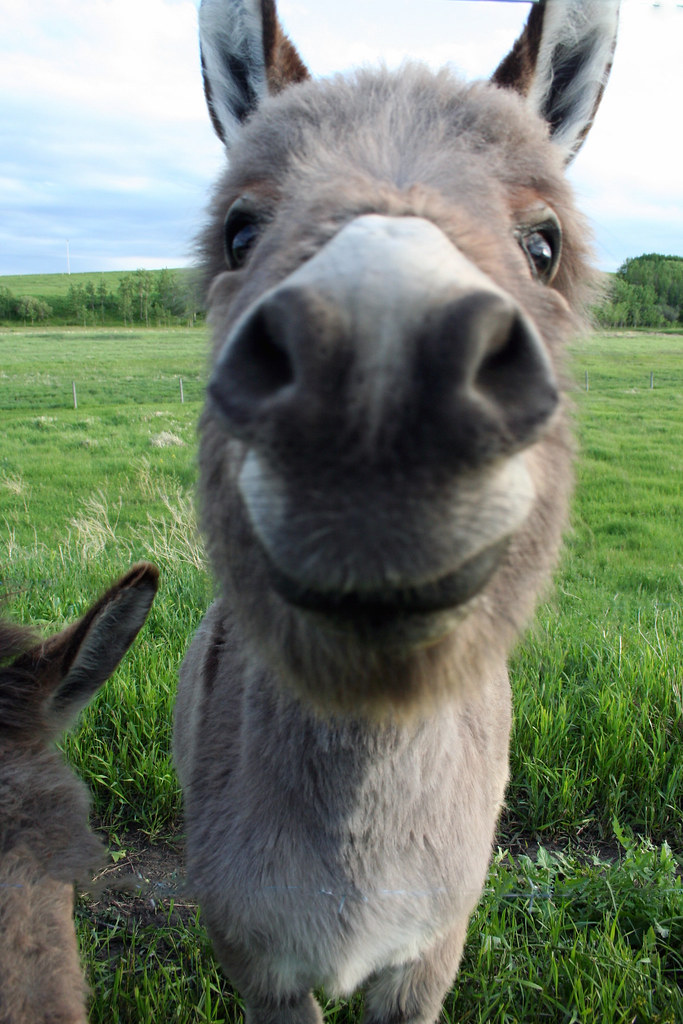
How could you not be kind to this smiling face?

Reading is Fun Week and National Children’s Book Week
Be Kind to Animals Week and National Pet Week
National Anxiety and Depression Awareness Week
National Children’s Mental Health Week
International Clitoris Awareness Week (which should be every week?)
National Wildflower Week
National Raisin Week
Root Canal Appreciation Week (Really? Really.)

But if you jump on it today, you can still celebrate worthy observances: National Nurses Week, and UN Road Safety Week through today; National Hug Holiday Week and World Cocktail Week today and tomorrow (May 13).

Paramedic students in a disaster drill on LIRR
Photo: Marc A. Hermann / MTA New York City Transit

Some might say the best is yet to come in May. You may find joy in one or more of the following in the days ahead:

The Biggest Week in American Birding (which is actually 9 days)
Reading is Fundamental Week (in case you hadn’t noticed my priorities)
National Sun Safety Week
National Polka Weekend (22-24)
Mudbug Madness Days (Shreveport, LA)
National Etiquette Week
Emergency Medical Services Week (preferably from a distance)
International Pickles Week (I celebrate dill, the others not so much)
Frog Jumping Jubilee Days (Calaveras County, CA)
National Bike to Work Week

Celebrate All Month Long

If even a week is too constraining—or just doesn’t have enough time to do it properly—go for one of the 118 Monthly Holidays and Observances. Trust me, there is something here for everyone! Just a few far-flung examples:
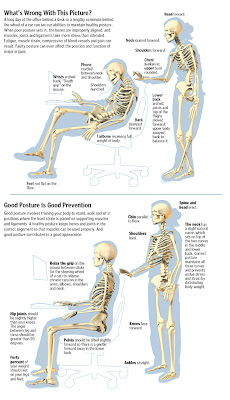
How good is your posture right now?

American Wetlands Month
Asian American and Pacific Islander Heritage Month
Arthritis Awareness Month
Be Kind to Animals Month (for when a single week isn’t enough!)
Correct Posture Month
Get Caught Reading Month
Gifts from the Garden Month
International Drum Month (though my drumming days are behind me)
National Chocolate Custard Month
National Smile Month
Women’s Health Care Month
National Vinegar Month (there are at least 15 different types.)
Personal History Awareness Month

This blog barely scratches the surface of the momentous options available for days, weeks, or all month long!

Bottom Line: All told, you have 734 opportunities to celebrate, observe and/or hone your awareness. If you don’t, it won’t be for lack of options.
THE JOYFUL SIDE OF THE SEASON: TRADING HALLOWEEN FOR THE DAY OF THE DEAD

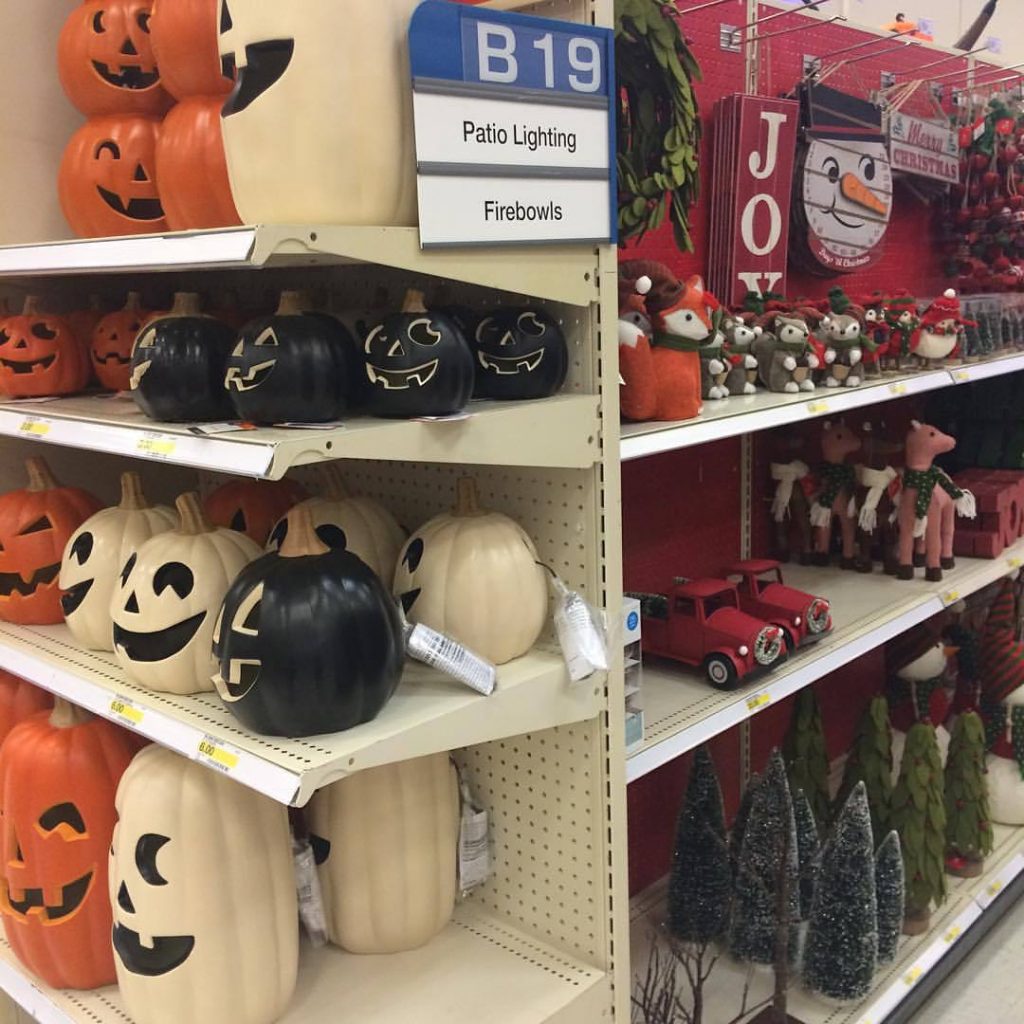
For more than a month, people have been bombarded with ads, displays, and commercials about things to buy for Halloween: costumes, candy, house decorations, yard displays, etc., etc., etc. Indeed, more money is spent on Halloween than any other holiday except Christmas—which I find pretty horrifying in and of itself. 

This insanity is what inspired Tim Burton to write Nightmare Before Christmas.

But that’s just the tip of the horror: evil witches, vampire bats, the walking dead, haunted houses, werewolves, and not-nearly-as-friendly-as-Casper ghosts. The scary side of the season is why the previous four blogs on this website have been about evil twins, being buried alive, satanism, and vampires.

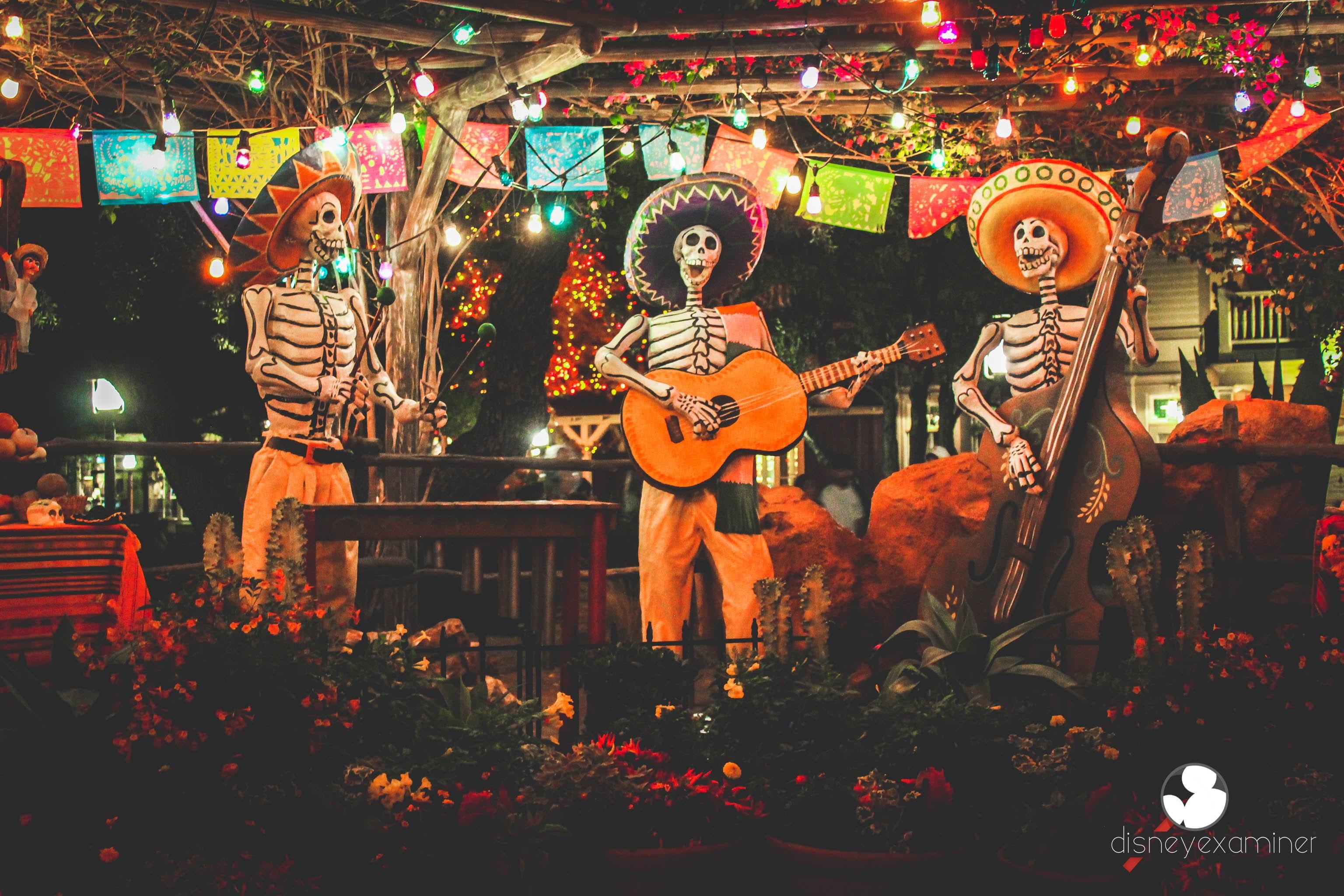
Hard on the heels of Halloween comes Dia de Muertos, The Day of the Dead (though it seems to me it ought to be Days, plural). It begins at midnight on October 31 and continues through November 1 and 2.

  • Writers please note:although November 1 and 2 coincide with the Catholic holidays of All Saint’s Day and All Soul’s Day, respectively, the Day of the Dead is not now tied to any particular religion. It is more of a cultural holiday than a religious one. 

Scholars have traced the modern holiday back hundreds of years, particularly to an Aztec festival dedicated to the goddess Mictecacihuatl. People can, and have, personalized it, integrating elements into their own cultural and/or religious practices. It is nearly opposite of all that Halloween stands for.

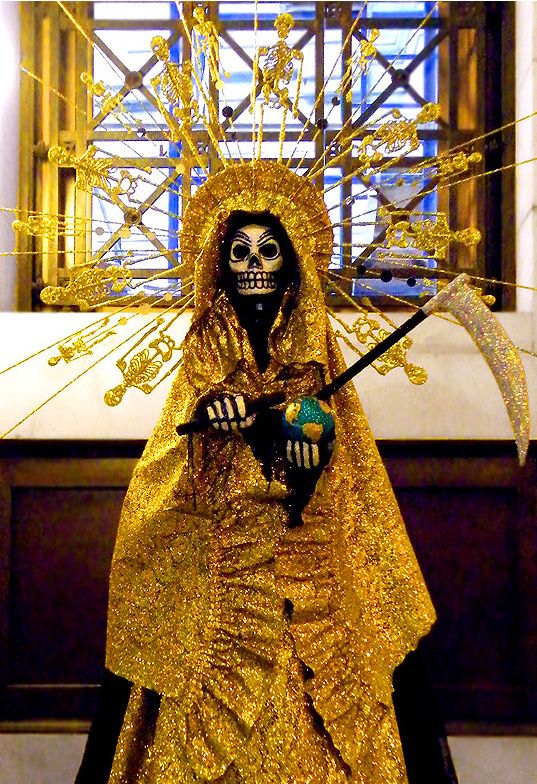
A representation of Mictlantecuhtli, also known as the Divine Mother or Santa Muerte Narco

In Aztec mythology, Mictlan was the underworld and after-death destination for the majority of people. The ruler of Mictlan was
Mictlantecuhtli, who held the bones used to create all of humanity.
Mictlancíhuatl was his wife, who watches over the souls of the dead.

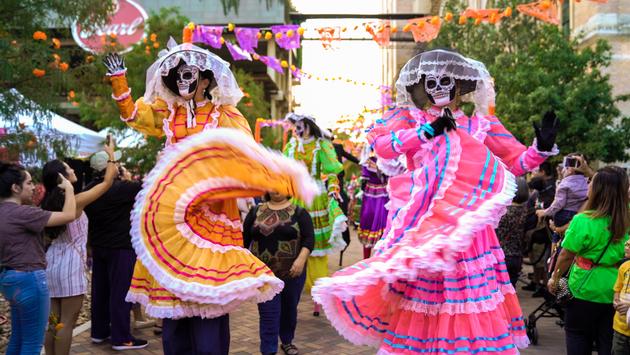
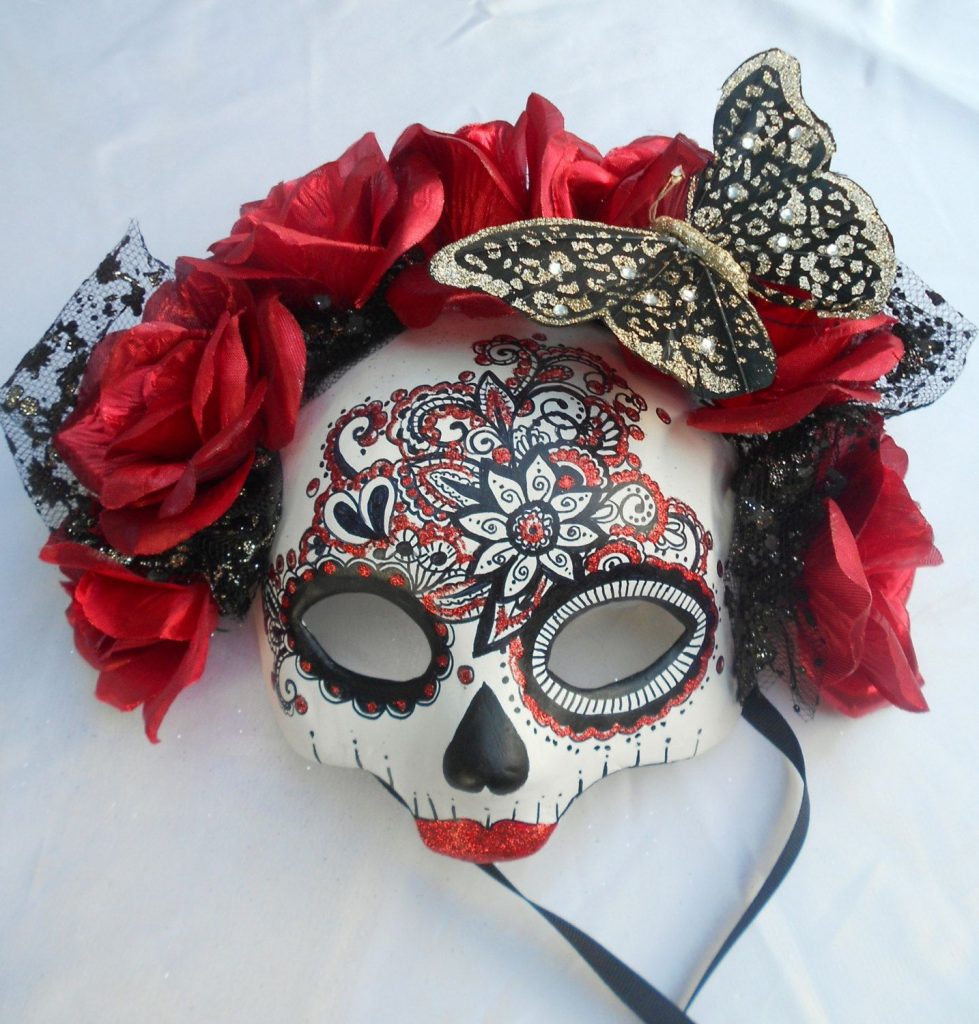
A popular costume is La Catrina, a character that was created by Mexican lithographer and illustrator Jose Guadalupe Posada (1852–1913). La Catrina is a female skeleton who is dressed in the style of upper-class women of the period.

Dio de Muertos is celebrated throughout Mexico, especially the central and southern regions. It is also celebrated by people of Mexican heritage worldwide. Although the details of the celebration vary by location, the central elements are the same: celebrating the lives of those who have died with feasting, parties, costumes, and activities the dead enjoyed in life.

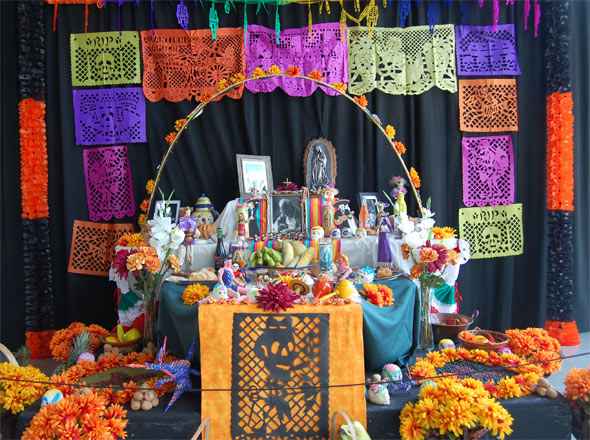
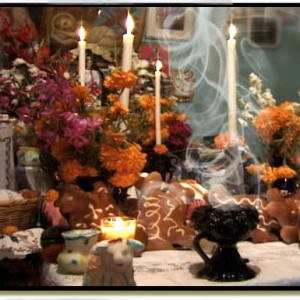
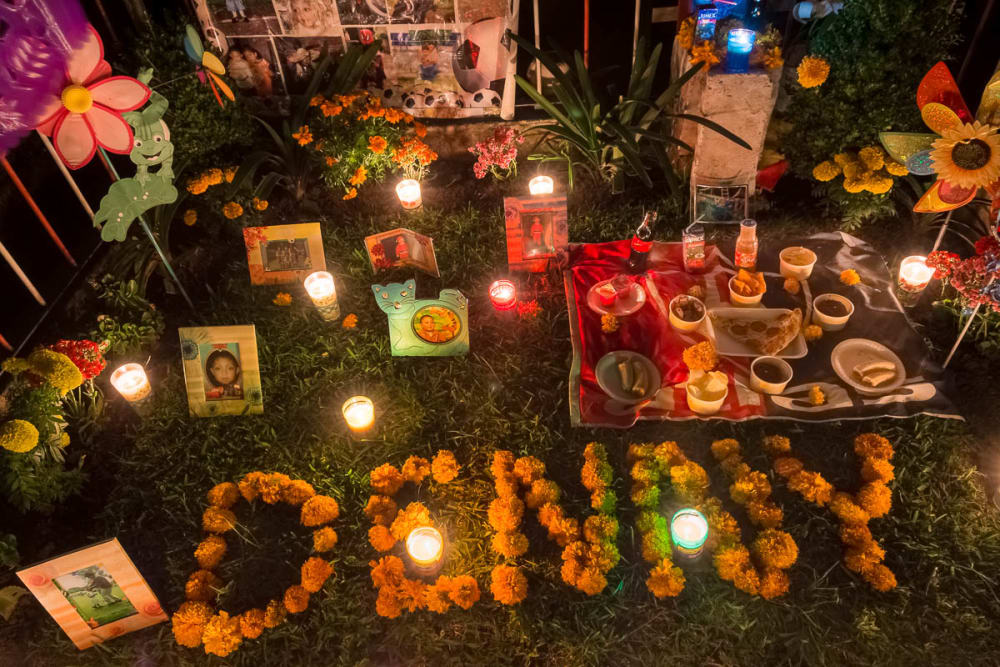
October 31 is usually devoted to preparing to welcome the souls of loved ones. A home altar is created, decorated with candles and lots of food and drink: fruits, peanuts, turkey mole, tortillas, and Day of the Dead breads (pan de muerto) ; sodas, cocoa, and water. These offerings are called ofrenda, though that can also refer to the altar itself. The breads often have icing that resembles and bones across the top. Buckets of flowers, especially wild marigolds (cempasúchitl), are used as well.


Copal incense was burned in Mesoamerica in ancient times.
The word copal is derived from the Nahuatl word copalli, which means “incense.”

Traditional altars include very specific elements, each with a distinct purpose.

  • A candle for each relative remembers, so that the light will guide them.
  • Flowers to represent the fleetingness of life.
  • Salt and water to purify and refresh the souls tired from the journey.
  • Copal incense to raise prayers to God.
  • A photo or drawing of each relative, often with a favorite piece of clothing or toy.
An ofrenda for a young child

The holiday begins when the souls of dead children and miscarried babies are allowed to return to their families for twenty-four hours, on Día de los Inocentes. Toys, candies, and miniature skulls are added to the home altars for these angelitos.  On November 2, the spirits of adults arrive. The miniature skulls are replaced by full-sized ones. For adults, the altar includes cigarettes, shots of mezcal, and/or the favorite drink of the dead person(s).

A small
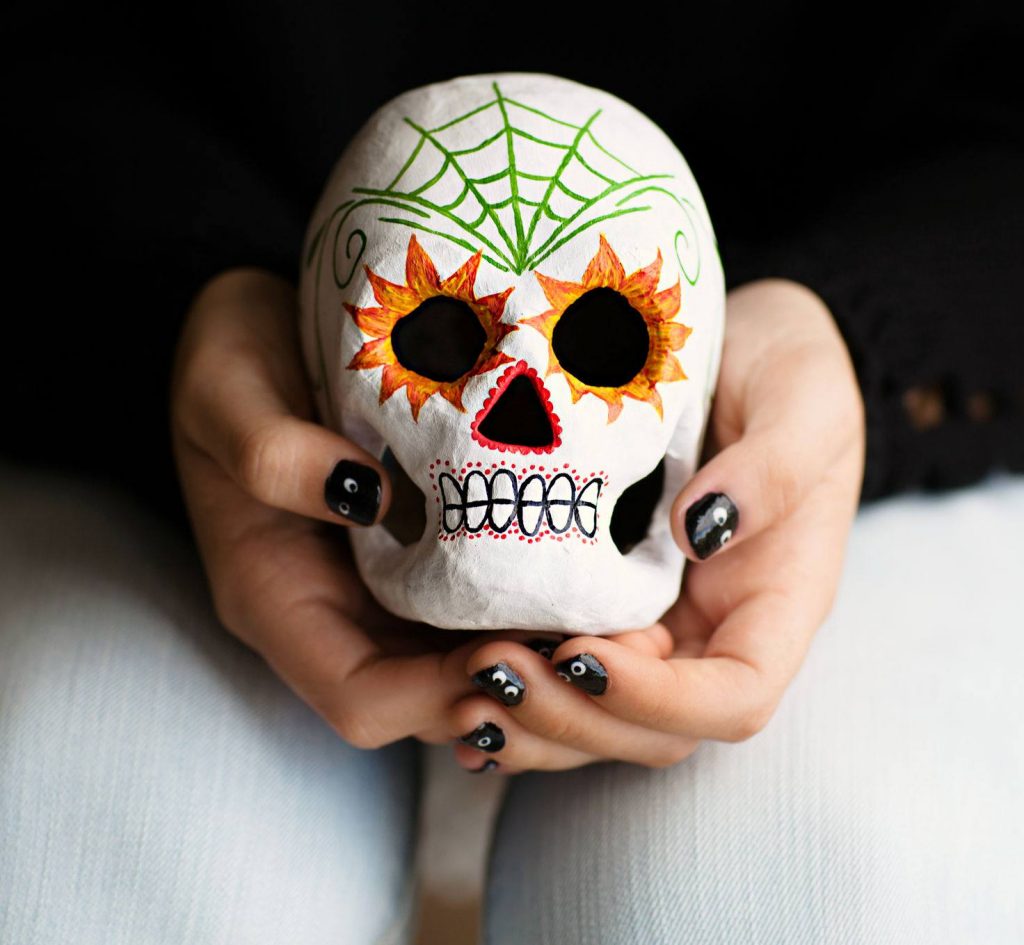
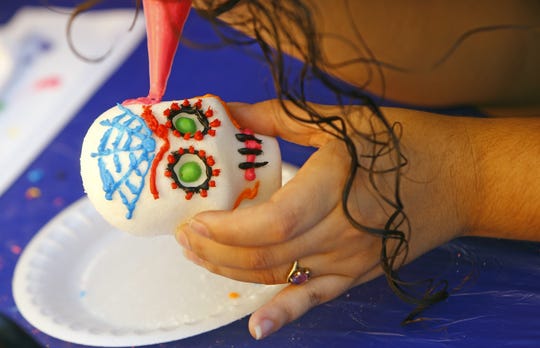
calavera de azucar (sugar skull) for a small child’s ofrenda

Sugar art was learned from Italian missionaries in the 17th century, who made sugar lambs and angels to adorn altars in Catholic Churches at Easter. Clay molded sugar skulls, angels, and sheep date back to the 18th century. As described on mexicansugarskull.com, “Sugar skulls represented a departed soul, had the name written on the forehead and was placed on the home Ofrenda [altar] or gravestone to honor the return of a particular spirit.”  According to the same source, “Sugar skull art reflects the folk art style of big happy smiles, colorful icing and sparkly tin and glittery adornments.”

Now they are represented by jewelry and masks.

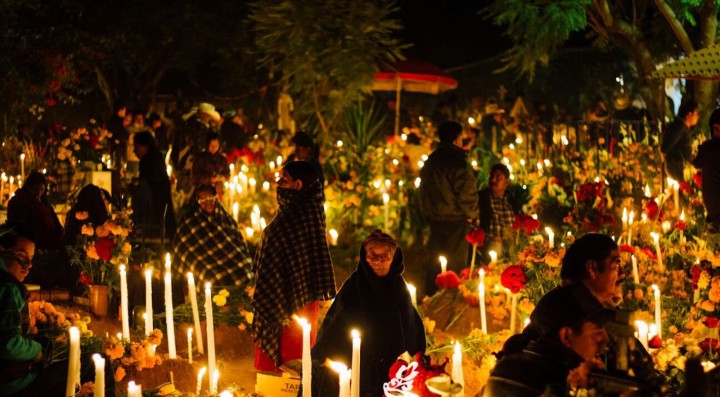
Typically, the holiday activities includes a trip to the cemetery/graveyard where loved ones are buried. Besides clean-up and maintenance of the gravesite, these visits include a party, often with local music, games, card playing, feasting, and decorating the graves.

Families at a cemetery in Oaxaca

Although a Mexican holiday, the Day of the Dead is celebrated worldwide. In the United States, Texas, New Mexico, and Arizona feature pretty traditional celebrations.

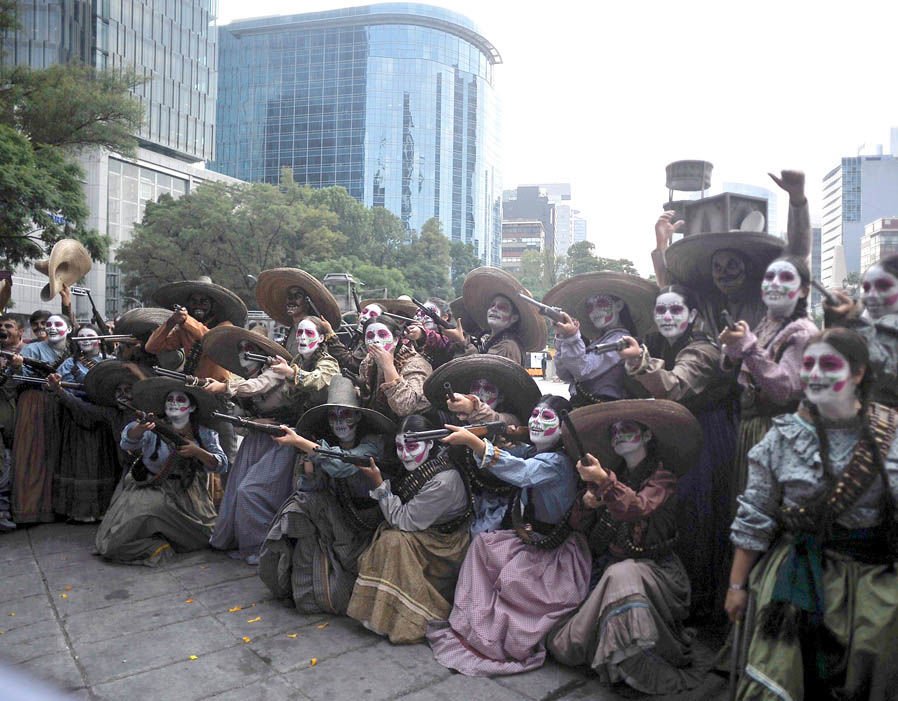
These Catrinas dressed like Adelitas, women who fought in the Mexican Revolution.

California, too, has strong historical ties to Mexico and Dia de Muertos is celebrated widely across the state—though the celebrations sometimes add a political element, such as an altar to honor the victims of the Iraq War.

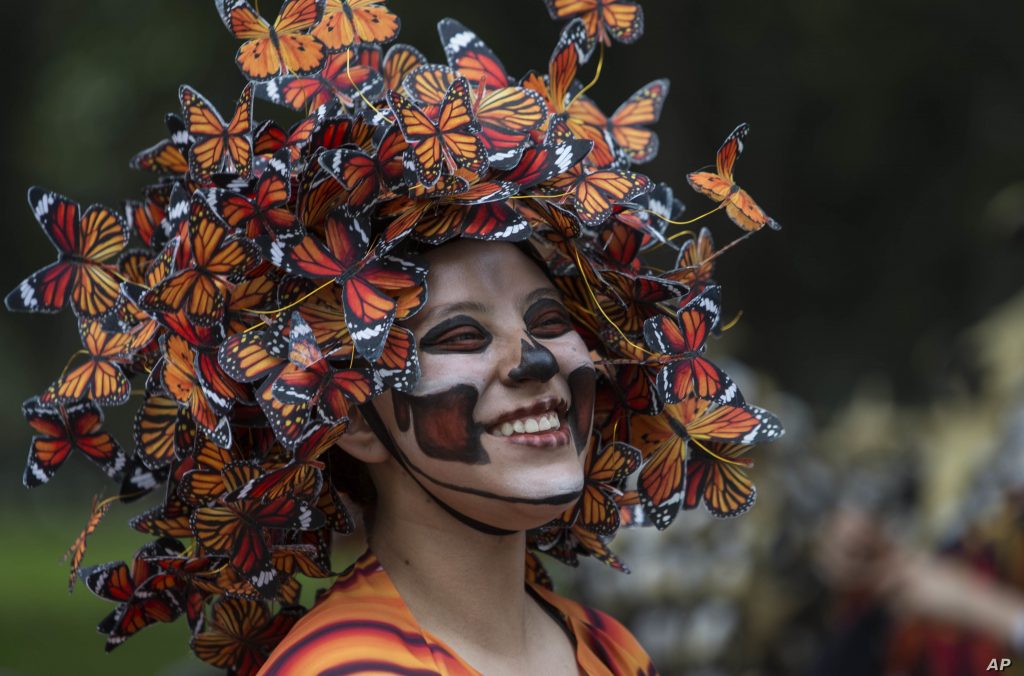
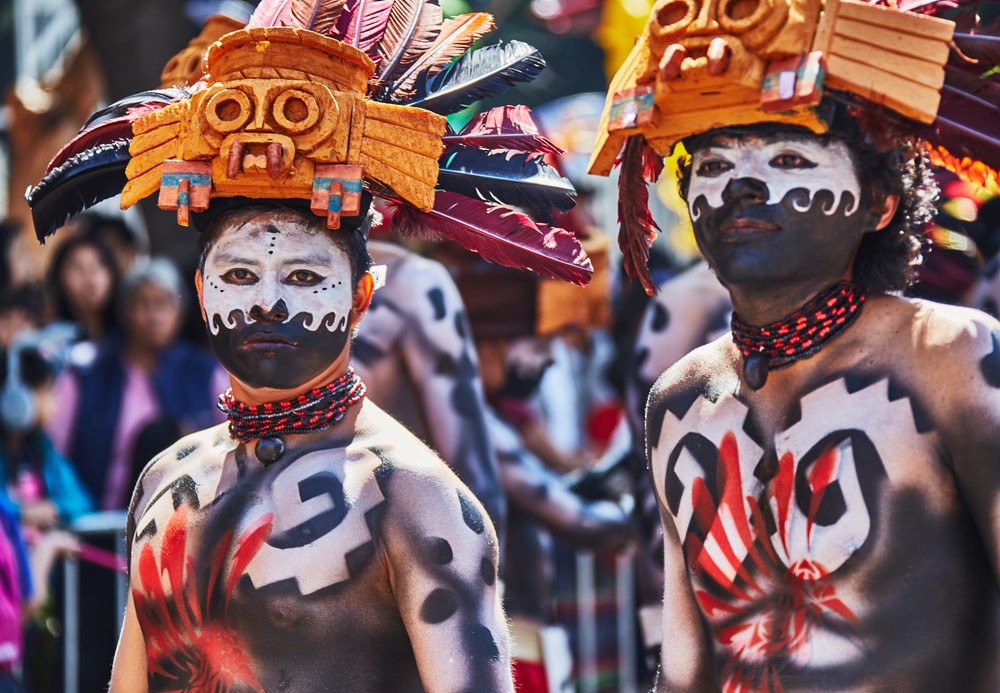
The parade in Mexico City this year honored migrants who have died.

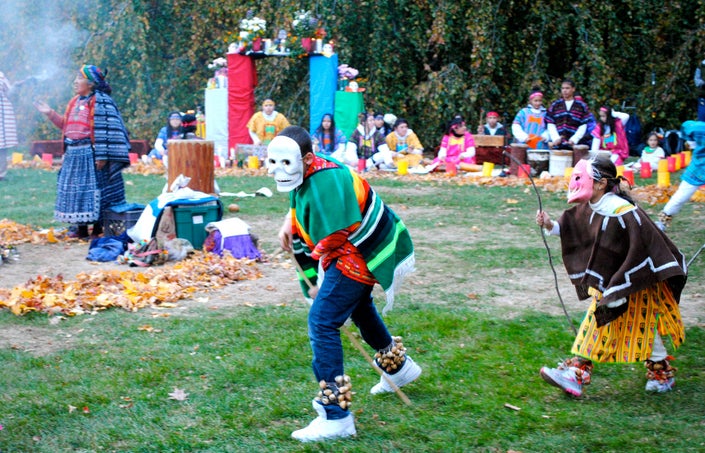
Virtually every big city has a festival and events. For example, the historic Forest Hills Cemetery in Boston’s Jamaica Plain neighborhood hosts an annual festival celebrating the cycle of life and death. People bring food, flowers, pictures, and mementos to add to a huge decorated altar. It includes traditional music and dance.

Jamaica Plain, Boston

Bottom line for writers: consider a scene involving Day of the Dead celebrations. Perhaps it is a tradition for one or more characters, or perhaps the protagonist just happens to be in a city where the celebration is taking place. Think broadly!