Is This Writers Conference for Me?

The answer depends on what you are looking for, of course. In my experience, there are essentially two types of writers conferences: those that focus on fans and writers meeting-and-greeting, and those that focus on the craft of writing.

Virginia Festival of the Book is an annual conference for fans that lasts a week, cuts across genres, and most events are free! Bouchercon and Malice Domestic are two examples of fan conferences for mystery writers and fans. (Romance, fantasy, Sci-Fi, horror—all genre writers—have similarly dedicated conferences.) Bouchercon rotates worldwide (New Orleans in 2016), but Malice Domestic is always in the greater DC area. They spotlight big-name writers who address plenary sessions, receive honors, are interviewed, and sign books. Selfie opportunities vary. Lesser-known writers present panels and sign books. Everyone on the program has a book-signing slot. Lots of books get signed. There’s an area for exhibitors, everything from Sherlock Holmes deer-stalker hats to clothes and jewelry. At a conference such as this, I rode in the elevator with Sue Grafton, met Nevada Barr, and honored Dick Francis. They can be quite fun.

The annual James River Writers Conference (always in Richmond, Virginia) is of the improve-your-craft sort. Although awards are given and books are signed, the focus is on helping and supporting writers at all levels. All genres are welcome. JRW develops tracks so that attendees can easily identify related presentations over the two-day conference (e.g., Diversity in Writing, Poetry, Writing as a Career). Presentations are informative. Besides connecting with (relatively) local writers, there are options for meeting with agents, and learning to make more powerful first impressions.

For example, in the Richmond area, RavenCon (mostly fantasy an sci-fi) meets in the spring, and the Suffolk Mystery Writers Festival is in August. Still to come is Midlothian Festival of the Written Word, which crosses genres, is free for attendees, and will last for several hours on Nov. 7. (I’ll be there, by the way, on a panel with a title something like “When Romance Meets Mystery.”) These events are pretty casual. Attendance is much smaller, so it’s easier to get up-close-and-personal with the writers in attendance. Surely there are similar opportunities in other regions. Check local libraries. And as always, search online.

Whether you are a writer, a reader, or both, there’s a conference out there for you!

Writers Conference poster: Festival of the Written Word, November 07, 11 a.m.-3 p.m., Midlothian Library

Updated October 20, 2015.

Two Ways to Stop Procrastinating and Start Writing


"Stop procrastinating. Start writing." Writers and procrastination.We all know about procrastination: doing less urgent/important things instead of more important/urgent ones—or doing more enjoyable tasks when less appealing tasks are more needful; deliberately looking for distraction from the task at hand. Virtually everyone procrastinates sometimes, and 20% of people are chronic procrastinators. Some people boast that they “work to deadlines,” often hustling or cramming at the last minute. Another catch-phrase is, “I work better under pressure.” Really?

Some types of procrastination are common for writers: organizing the workspace and writing implements so thoroughly that the writing time’s compressed or obliterated; editing for the umpteenth time, so long that the piece is never really finished; immersing themselves in one more bit of research, perhaps going off on a tangent into something interesting, possibly useful for some other work in the future; even reading broadly for pleasure and muttering excuses that all reading is good for a writer. Let me be clear: organization, preparation, editing, research, and reading are not evil in and of themselves, only when they block actual forward movement in the manuscript.

Writers are people. And people suffer from procrastination. Late payment fees, lower grades, anger or disappointment from friends and family are immediate outcomes of some kinds of procrastination. But who cares if a writer puts off writing? If writing puts food on the table, it threatens livelihood. But whether that’s the case or no, not meeting one’s goals/commitments leads to guilt, depression, and low self-esteem.

According to one accessible source, Psychology Today, “procrastination reflects an on-gong struggle with self-control as well as an inability to know how we’ll feel tomorrow or the next day.” They have articles on everything from the history of procrastination to its relationship to morality, from ways to overcome procrastination to boredom at work. Some claim that procrastination is a defense mechanism against fear of failure: if the last-minute product isn’t perfect, the creator can take comfort in the knowledge that working on it more, it would have been better, could have been great. Then there is the positive side of procrastination: it reveals what one’s real motives and value are.

Takeaway one

Acknowledge whether/when/why you procrastinate in your writing life. Consider what that tells you about the importance of writing—for you.

Takeaway two

If writing is truly important, sweep aside the hurdles. Take baby steps—a page or two a day, no editing till there’s one complete draft. Don’t doubt yourself. Just do it. And if you need help with that, read all the on-line tips on overcoming procrastination. And if that doesn’t work, and you truly care, seek therapy. Help is out there.


The Great Escape on Buried Under Books

I’m delighted to have a guest post on Buried Under Books. Many thanks to Lelia Taylor for welcoming me to her fantastic blog.

The Great Escape

Excerpted from Buried Under Books

When I was a young child, the only books in our house were several Bibles and a two-volume pictorial history of World War II. My father, who had an eighth grade education, subscribed to Field and Stream. My mother (tenth grade education) subscribed to Modern Romance and True Confessions. Besides the Dick-and-Jane readers, the first books I remember clearly are The Littlest Mermaid (not the Disney version) and my fourth grade geography book. The former showed me beauty, magic, and sorrow. The latter showed me wonders of the world beyond my small Ohio town. I can still see the pictures of African tribes—pigmies; women with elongated necks, their heads resting on a column of rings; men with artistic scarring.

Neither my school nor my town was big enough to boast a library. Instead, we had a bookmobile that came every two weeks. I had special dispensation from my teachers to take out more than two books at a time. I walked home with all the books I could carry between my cupped hands and chinCherry Ames Student Nurse book cover. On the shelves of that bookmobile I discovered my first serialized love: the Cherry Ames nurse books, 27 of them written between 1943 and 1968 (by Helen Wells (18) and Julia Campbell Tatham (9)). Every book involved a medical mystery. My second serial love was the Ruth Fielding series, 30 volumes produced by the Stratemeyer Syndicate, between 1913 and1934. Ruth Fielding volumes and several books of fairy tales filled a small bookshelf at the foot of my Aunt Mary’s bed. Mary was (and is) five years older than I. When I stayed with my grandparents in the summer, I devoured Aunt Mary’s books. Ruth Fielding also solved mysteries. And the fairy tales? Only a step from The Littlest Mermaid.
Continue reading on Buried Under Books

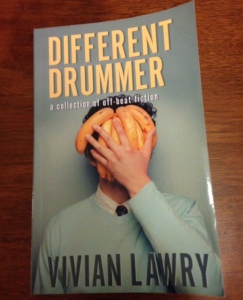
Different Drummer by Vivian Lawry cover

Virginia is for Mysteries, Volume II Preorders Available Now

Virginia is for Mysteries Volume II available for preorders
Virginia is for Mysteries, Volume II Preorders Available Now
I’m excited to share that Virginia is for Mysteries, Volume II is available for preorder. The collection includes my story “War and Murder at Nimrod Hall” and stories by a talented group of authors


This is a sequel to “Death Comes to Hollywood Cemetery,” which appears in Virginia Is For Mysteries. It follows Clara as she escapes war-torn Richmond in 1862 only to encounter wounded soldiers and spies in Bath County.


Preorders are the way that the big stores judge how many to order. It’s an opportunity to support local authors and reserve your copy. Virginia is for Mysteries, Volume II releases on February 1, 2016.


Preorder here

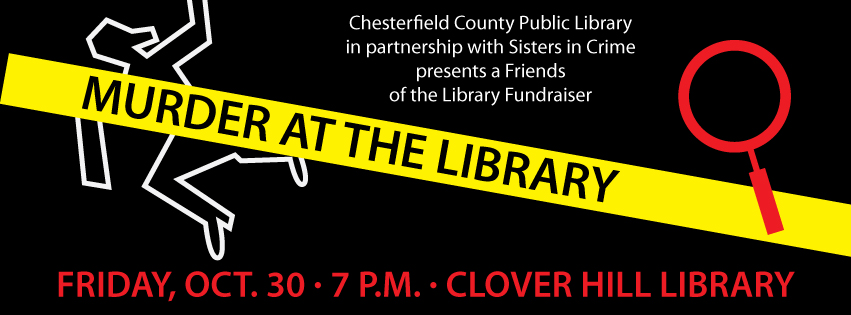
Murder at the Library

Chesterfield County Public Library Murder at the Library fundraiser October 30
Murder at the Library hosted by Chesterfield County Public Library and Sisters in Crime

Murder at the Library

Friday, October 30, 7-10 p.m. 

Clover Hill Library

It is your chance to be the detective in the latest mystery! 

Examine the crime scene, follow the clues and solve the mystery! You’re the detective in this interactive mystery night, with a script written by Sisters in Crime.

Mystery writers from the Sisters in Crime will take you behind-the-scenes with an author talk, book sale and signing.

Check out what is in the silent auction. Tickets and silent auction will benefit the Friends of the Chesterfield County Public Library.

Tickets are $25 ($40 per couple) and include two drinks and heavy hors-d’oeuvres. You can purchase tickets here.

Quirking Your Characters

Every writer wants—or should want—to create characters who are vivid, interesting, and memorable. My advice is to choose a quirky interest that will allow you to illuminate various aspects of your character’s character.

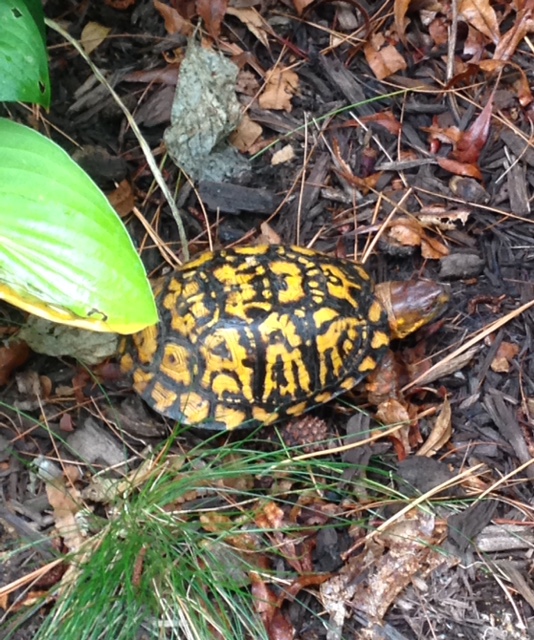
Take turtles, for example. You’ll recall from my blog posts on August 15 and August 22, I have an affinity for Eastern box turtles. I enjoy them in situ. When I discovered the male turtle I’d encountered periodically over the past few years in the middle of the cul de sac in front of my house, smooshed by a car, I went into a funk. Two days later, I found a baby turtle—about the size of a fifty-cent coin, so new its shell was still flexible—I felt both joy and concern. I picked it up from the sidewalk and released it on the bank behind my house. The next day, I saw a baby turtle smooshed in a driveway across the street. I cried. Was it “my” turtle or a clutch mate? Should I have moved it from the sidewalk to grass closer to where it might have been trying to go? More recently, I found this male turtle on the bank behind my house— younger, I think, than the one that died. Suddenly, the world looked brighter again.
male eastern box turtle

Consider a fictional character with a turtle interest, then answer a few questions. Is it a house turtle or turtles in the wild? What might either answer reveal about your character? Much can be gleaned from how a person interacts with a pet. We’re more familiar with dogs and cats, maybe birds; how might interacting with a turtle be similar and different? Where did the interest in turtles come from?

Does the turtle hold some symbolic importance for your character? Turtle symbolism includes order, creation, patience, strength, stability, longevity, innocence, endurance, and protection.

Does the turtle interest originate in cultural or ethnic roots? The symbolism of turtles varies widely around the world, so do a little research depending on the ethnic heritage of your character: Africa, Egypt, ancient Mesopotamia, Greece, ancient Rome, Malaysia, China, India, Japan, Vietnam, Taiwan, North America, South America, Tahiti, Polynesia.

Or maybe it’s an interest in turtles in specific venues: folklore, literature, children’s books, films and television, even video games. If you want to get really esoteric, make it an interest in turtles on old coins, flags, or heraldry.

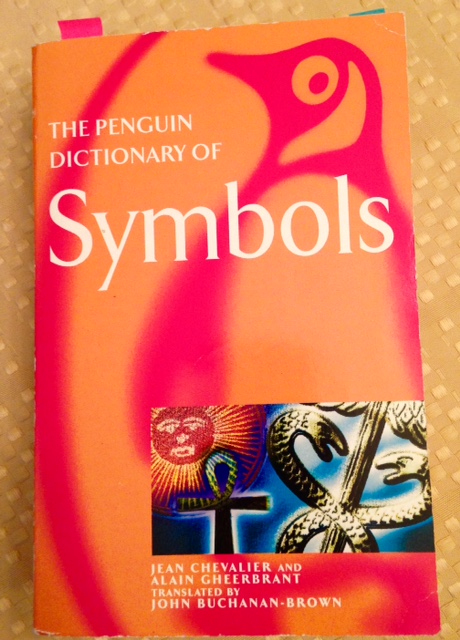
Much as I favor turtles, they are not the only rich way to quirk your character. My favorite all-purpose symbolism reference—animals, dates, numbers, plants, etc.—is The Penguin Dictionary of Symbols.

The Penguin Dictionary of Symbols book cover

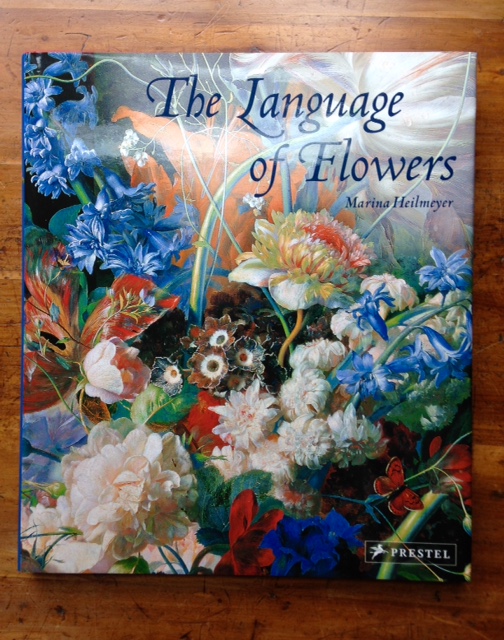
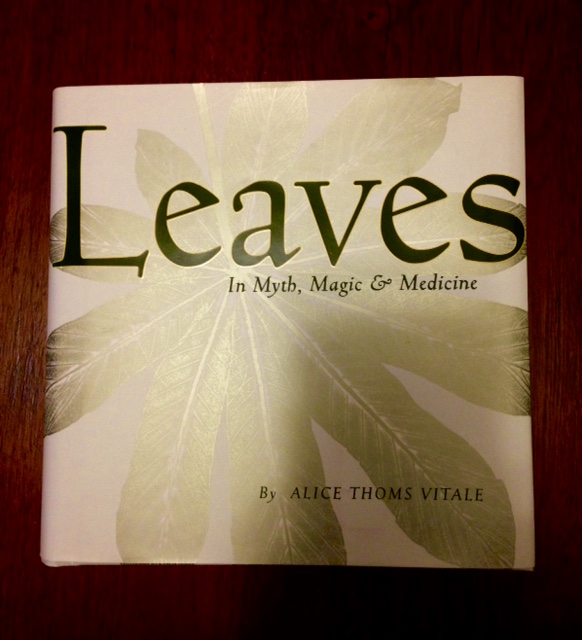
Sometimes a more specialized examination of symbols is appropriate.

The Language of Flowers book cover  Leaves in Myth, Magic, and Medicine book cover

I once wrote a short story titled “Speak to Me” in which the main character is a woman who carves grave stones and communicates with her anonymous lover through the symbols of flowers and funerary art. (This story appeared in Apalachee Review, Number 56, 2006, and is reprinted in the Different Drummer collection.)

Big take-away for writers

Get beyond fiddling with hair or popping gum and choose a rich quirk for your character. If it’s a novel, you are going to be spending a lot of time together, and if you aren’t interested, neither will your reader be!

More on Characters

What’s in a Character Name?

Psychology of Uncertainty 

The Principle of Least Interest

Why Writers Need Empathy

Why Women Have Sex: Character Motivation Matters

Rational and Irrational Behavior in Your Characters: Guest Post on Thrill Writers

Books for Writers: Deborah Tannen

Writers on Writing

You may recall that in one of my previous blogs, I mentioned talking with writers about writing as one of the best things about a writing workshop at Nimrod. Although not as interactive, there are lots of ways to get inside writers’ heads.

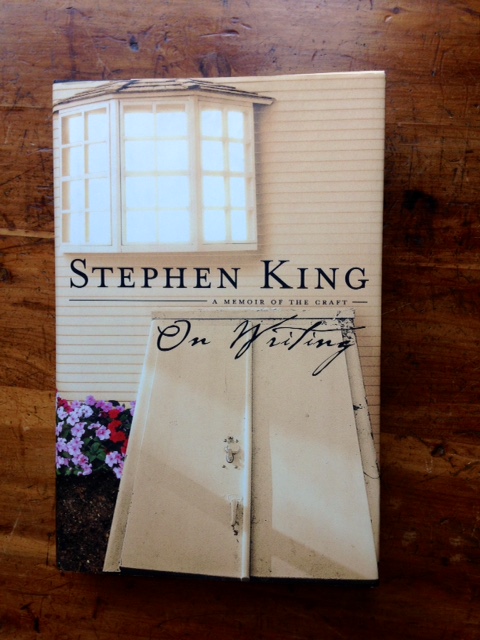
A writing friend sent me this link to a New York Times opinion piece by Stephen King on the question of whether a novelist can be too productive.

His short answer is that how much you write (publish) isn’t a reflection of how well you write. But there are many paragraphs of well-crafted opinion that are well worth reading. Of course, you already know that Stephen King wrote one of my favorite books on writing.

On Writing by Stephen King book cover
Stephen King’s On Writing

On Saturday, August 29, NPR’s Scott Simon interviewed Ursula Le Guin on Weekend Edition. Among other things, she talked about the effect of aging on her writing. She is 85. It’s well worth a listen.

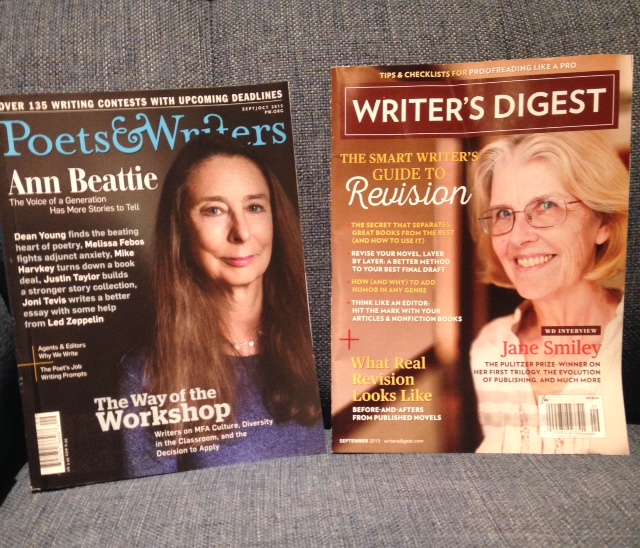
If you are a magazine person, there are many places to get insights about and from writers. Two of the most popular are Poets & Writers and Writer’s Digest.

Poets & Writers and Writer's Digest
Poets & Writers and Writer’s Digest

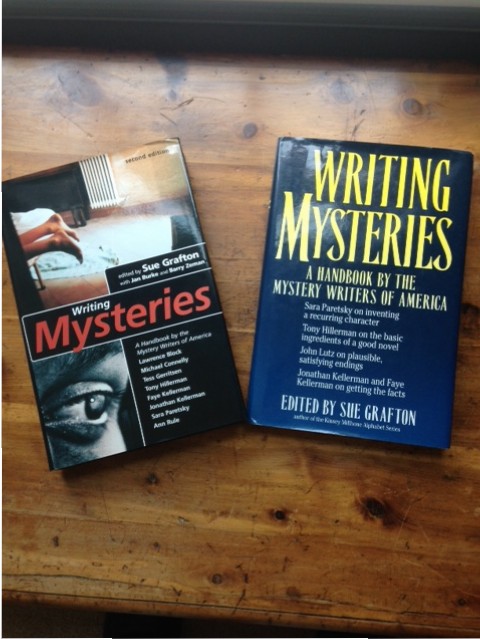
If you are more of a book person, especially if you are focused on mystery writing, you might consider Talking About Detective Fiction by P.D. James. (You can also read “Mystery Writing” Lessons on her website.) Or these.

Writing Mysteries edited by Sue Grafton book covers
Writing Mysteries edited by Sue Grafton

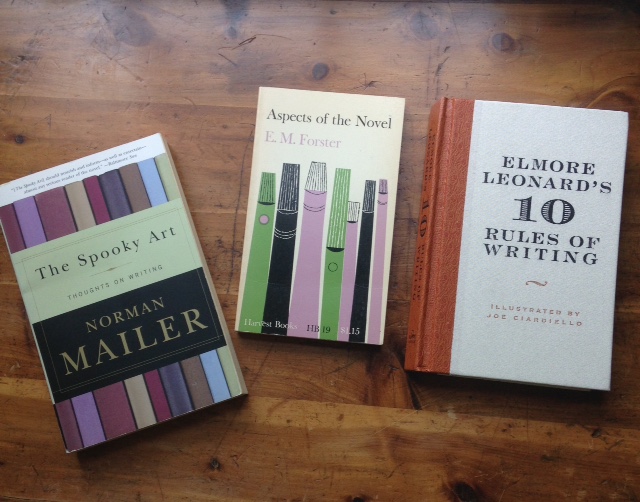
There are many books by writers about writing, both classic and modern.

classic and modern books on writing
The Spooky Art by Norman Mailer, Aspects of the Novel by E.M. Forster, Elmore Leonard’s 10 Rules of Writing

One of my favorite bits is one of Elmore Leonard‘s rules: Leave out the parts the reader is going to skip anyway. It doesn’t get much better than that.

Related Posts

Books for Writers: Deborah Tannen

Food and Fiction

What’s in a Character Name?

Dictionary of American Regional English

Writing Life: Exercise Improves Creativity

Psychology For Writers series

Psychology of Uncertainty 

The Principle of Least Interest

Why Writers Need Empathy

Why Women Have Sex: Character Motivation Matters

Rational and Irrational Behavior in Your Characters: Guest Post on Thrill Writers

UCI Road World Championships: Long-term Effects of Bicycles in Women’s Lives.

UCI Road World Championships are over and congratulations are due to all cyclists, especially Chloe Dygert and Emma White, two US cyclists who came in first and second in the women’s junior road race. Dygert and White were also 1 & 2 in the women’s junior time trial. It made me reflect again on the long-term effects of bicycles in women’s lives.


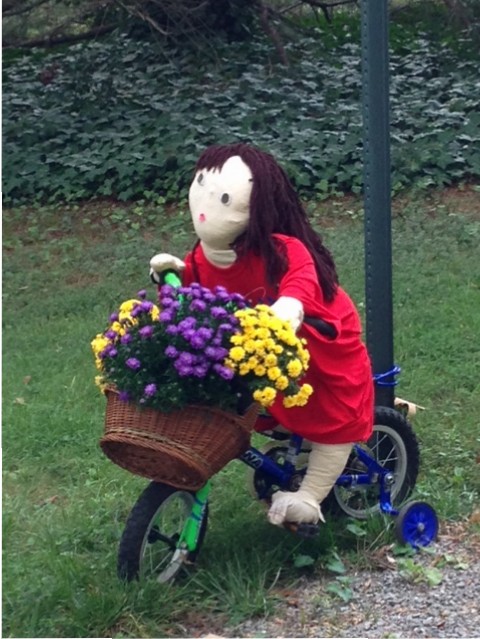
On September 17, I posted this picture on my Facebook page and mentioned that some suffragists called bicycles Freedom Machines because of all they opened up in the lives of 19th century women. I’ve been thinking about bicycles a lot this past week, and it seems this is a topic worth revisiting after the close of race week.
cloth doll on child's bike
Male domination of cycling ended as a result of the introduction of the safety bicycle in the 1880s. The safety bicycle had smaller wheels, a lower seat, a diamond frame and (soon) pneumatic tires. In 1896, Margaret Valentine Le Long garnered fame (if not fortune) by riding a safety bicycle from Chicago to San Francisco.
A 1889 Lady’s safety bicycle.
A 1889 Lady’s safety bicycle. This work is in the public domain in the United States because it was published (or registered with the U.S. Copyright Office) before January 1, 1923.
Not all women cycled for feminist reasons. Indeed, at the end of the 19th century, some cycled in order to expand Victorian moral and aesthetic tastes and sentiments into the public arena. These women cycled to feminize, domesticate, and civilize public spaces they considered masculine, loud, and rowdy.
Annielondonderry.jpg
Annie “Londonderry” Cohen Kopchovsk was the first woman to bicycle around the world. “Annielondonderry” by Unknown – http://www.annielondonderry.com. Licensed under PD-US via Wikipedia.


But regardless of why women took up cycling, the bicycle took them out of the home and into an expanded world. In addition, practical dress for women cyclists (in addition to eliminating corsets) resulted in divided skirts, bloomers, and knickerbockers. It was practical, facilitating more comfortable riding. But at the same time, it was symbolic in breaking from the dominant norms of appropriate female dress and behavior. In 1896, Susan B. Anthony told the New York World’s Nellie Bly that bicycling had “done more to emancipate women than anything else in the world.”
Bicycle suit punch 1895
Bicycle suit, 1895. By http://www.victorianweb.org/periodicals/punch/15.html [Public domain], via Wikimedia Commons
Frances Willard, suffragist and founder of the Women’s Christian Temperance Union, was one of the most famous women of her day with a mass following of independent-minded, often politically active women. At the age of 53 Willard determined to learn to ride a bicycle because she “wanted to help women to a wider world…from natural love of adventure—a love long hampered and impeded…[and] from a love of acquiring this new implement of power and literally putting it underfoot.” Her book, A Wheel Within a Wheel: How I Learned to Ride the Bicycle, was published in 1895. Bicycling magazine called it “the greatest book ever written on learning to ride.”
Frances Willard
Frances Willard by English: photo taken before 1898, author not known, Image edited Deutsch: Urheber unbekannt; Das Bild wurde vor 1898 aufgenommen; Bild wurde später (am oder vor dem 30.12.2009) nachbearbeitet. (http://memory.loc.gov) [Public domain], via Wikimedia Commons
In his novel trilogy The Forsyte Saga, John Galsworthy had this to say about cycling: “Under its influence, wholly or in part, have wilted chaperones, long and narrow skirts, tight corsets, hair that would have come down, black stockings, thick ankles, large hats, prudery and fear of the dark; under its influence, wholly or in part, have bloomed week-end, strong nerves, strong legs, strong language, knickers, knowledge of make and shape, knowledge of woods and pastures, equality of sex, good digestion and professional occupation—in four words, the emancipation of woman.” (Quoted in Dave Horton’s “Social Movements and the Bicycle.”)
 bicycle painted in rainbow colors as art
Some authorities warned against excessive cycling by women, girls, and middled-aged men. Also of concern in the 1890s was the possibility that bike riding might be sexually stimulating for women—which resulted in remodeled “hygienic” seats, high stems, and upright  handlebars that reduced the angle at which women would ride.  Even so, through cycling, doctors discovered that exercise is healthful—even for women! The bicycle caused the death of the corset and “straight laced” women, leaving only “loose” women. (FYI: during the Civil War, “loose women” were also known as “soiled doves.”)
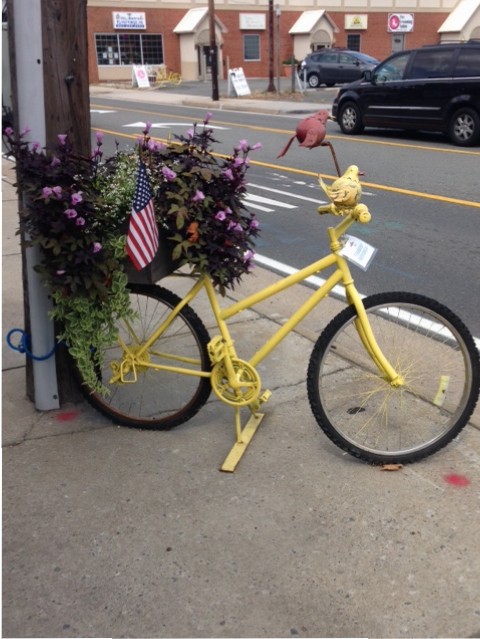
Ashland bike art, bike with birds
Willard named her bicycle Gladys, for the “gladdening effect” it had on her health and political optimism.The overall message of her book presented mastery of the bicycle as a metaphor for women’s mastery over their own lives.
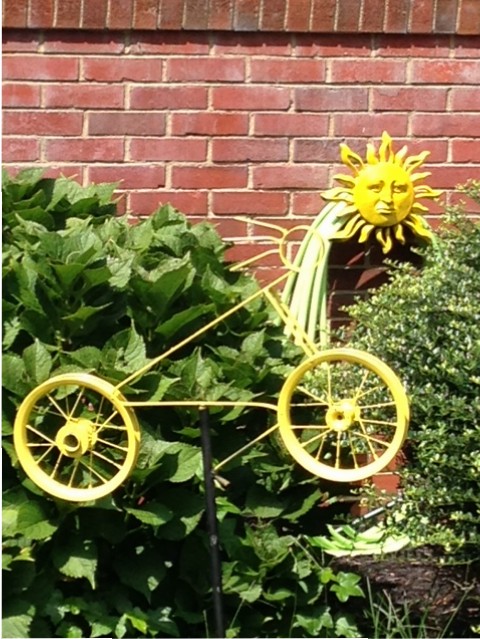
bicycle art: yellow bike with sun
bike with flowers
So, that’s all ancient history, right? None of this really speaks to women today, right? Unless you are Rosemary Shomaker—or one of the platoons of other women whose experiences still resonate with those of our foremothers. Rosemary posted on my Facebook page: “In the 1970s the bicycle was definitely a ‘freedom machine’ for one girl escaping a less-than-fabulous home life—me! I rode my bike everywhere. To softball and field hockey practices ad gaes. To my part-time job. To friends and boyfriends; houses. To Wolf Trap Farm Park. Along the W&OD bike path. To parks. To tennis courts. Early bike riding shaped my still uber-independent spirit. Go Richmond 2-15 UCI Road World Championships! Best wishes from a bike lover.”
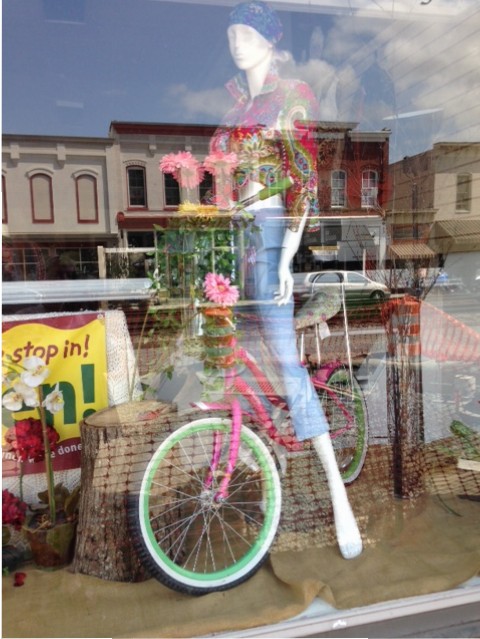
mannequin on bike
I was never a bike-for-pleasure person. But bike as transportation was a big deal. It allowed me to ride from my house a few miles along a county road to visit with my cousins. My sister and I shared that bike. When I got my first car at 16, my dear sister got sole possession of that dear bike.


Go, girls! Go!
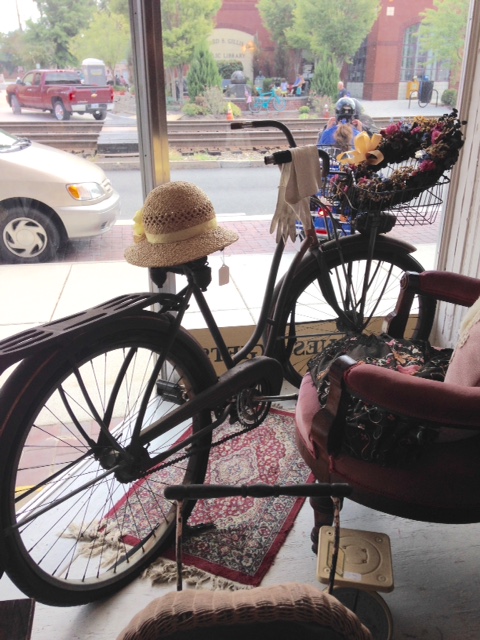
girls' bikes

UCI Road World Championships: The Beauty of Bicycles

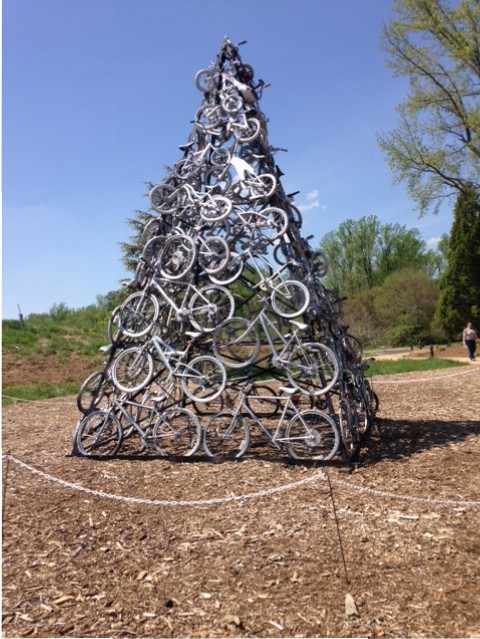
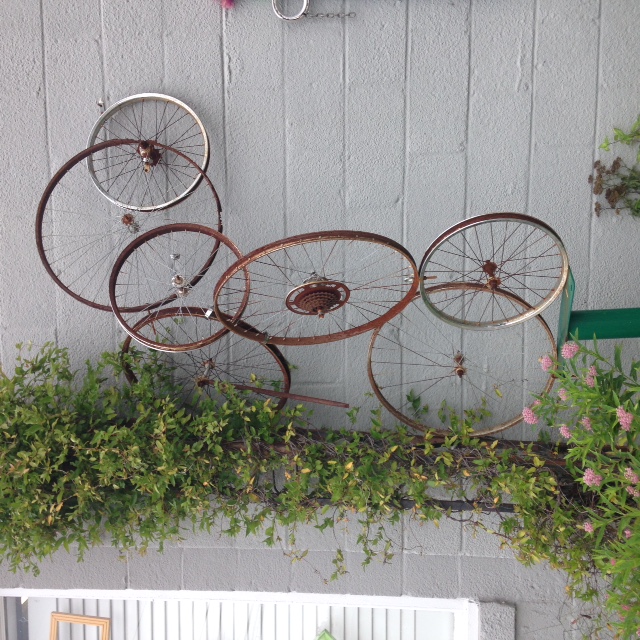
Frankly, I never thought much about bicycles as art. When I first saw this sculpture in the Lewis Ginter Botanical Garden, I thought, “What an odd thing to have here!” That was shortly before Race Week edged into my conscience.
bike sculpture in Ginter Park Botanical Gardens
Sculpture in the Lewis Ginter Botanical Garden
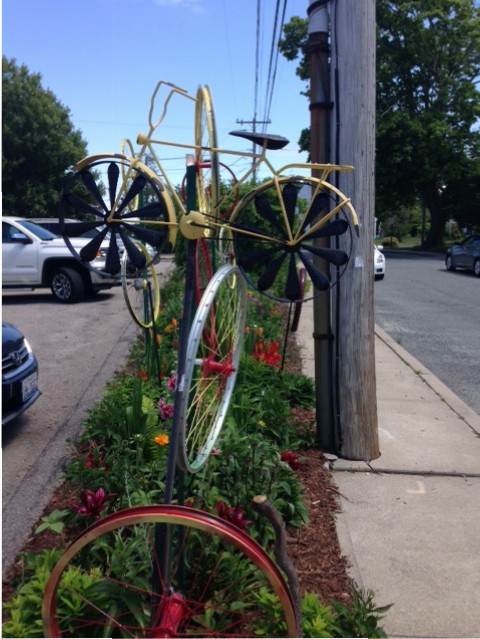
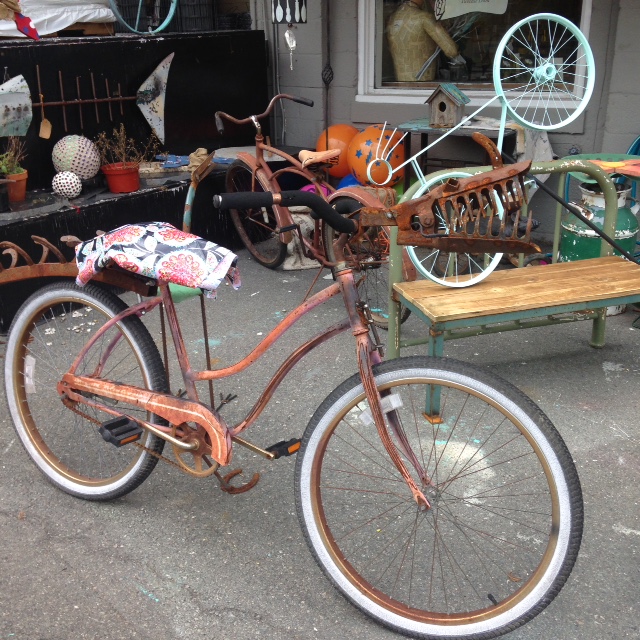
But once I started noticing, bicycle art is—if not rampant—at least frequent. I found this one while vacationing with my family.
bike sculpture in Sculpture in Narragansett, RI
Sculpture in Narragansett, RI
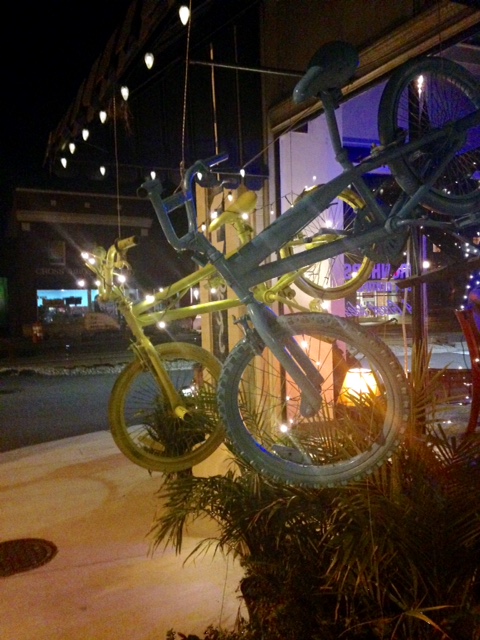
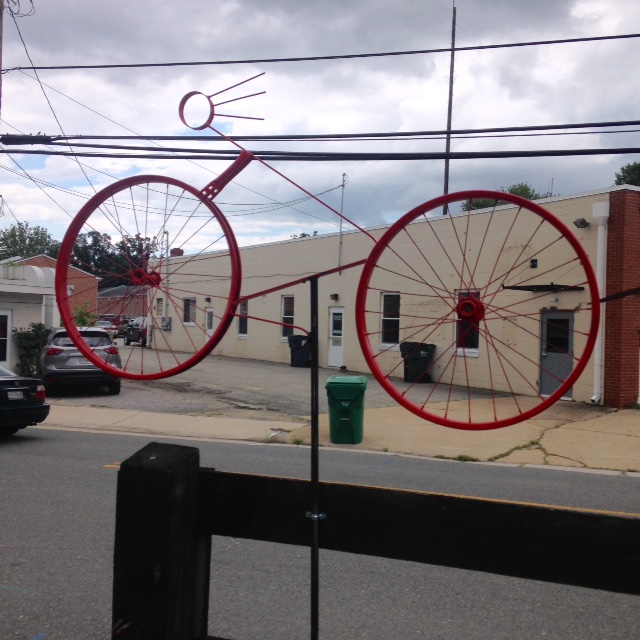
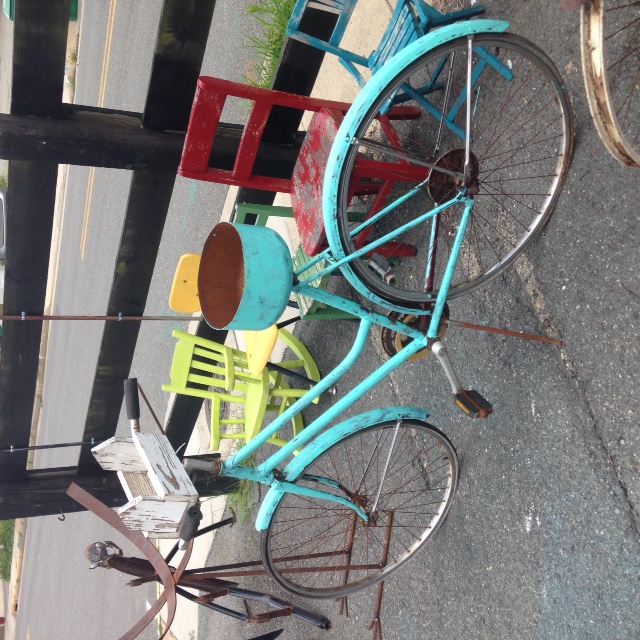
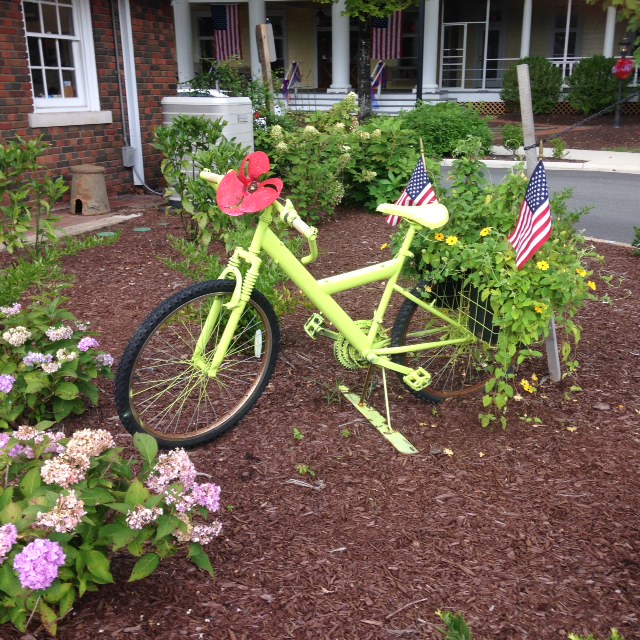
And here are several you can see if you do tour Ashland—as I certainly urged you to do in my most recent blog!
two bicycles suspended from awning in Ashland, Virginia
Art in Ashland, VA
Last but not least, consider visiting the Virginia Museum of Fine Arts. Beginning September 6, they will have a teaching program for children titled ArtCycle. It is interactive, allowing a virtual tour of museum holdings related to bicycle art as well as the opportunity to make art using bicycle parts. This program will be available for a time after race week. Check the VMFA calendar.

UCI Road World Championships

From the UCI Road World Championships Richmond 2015 website:

The Road World Championships (Worlds) is cycling’s pinnacle event, held annually in an international city as chosen by the Union Cycliste Internationale (UCI) through a competitive bidding process similar to the Olympic Games.

Worlds is a nine-day event, featuring 12 Championship races for Elite Men and Women, Under 23 Men and Junior Men and Women. It is a rare opportunity for the athletes to compete for their country, just as they do during the Olympic Games.

UCI Road World Championship: Bicycles are welcome in the Center of the Universe

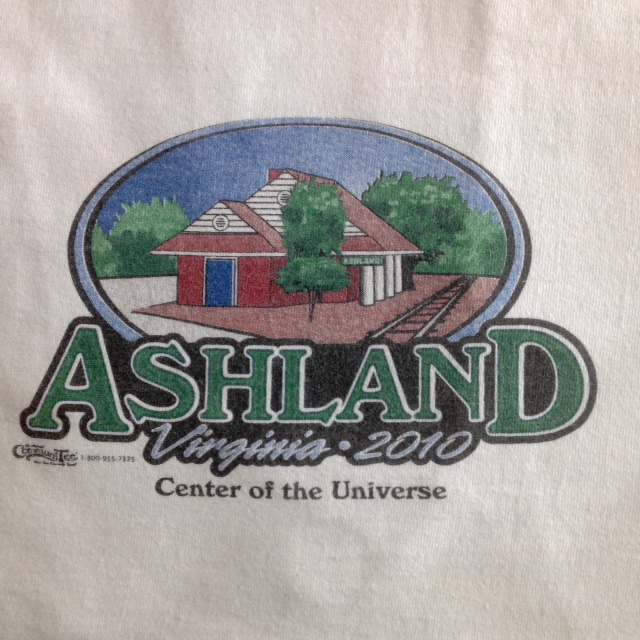
Ashland, Virginia—self-designated decades ago as the Center of the Universe—is a small town about 15 miles north of Richmond, home of Randolph-Macon College. Ashland is a railroad town predating the Civil War, originally built by executives of the RF&P Railroad.

sign reading, "Ashland, Virginia, Center of the Universe"

However, that doesn’t stop the town being very bicycle friendly. Every nice weekend day cyclists swarm at Ashland Coffee and Tea, taking breaks during their enjoyment of rural Hanover County roads.

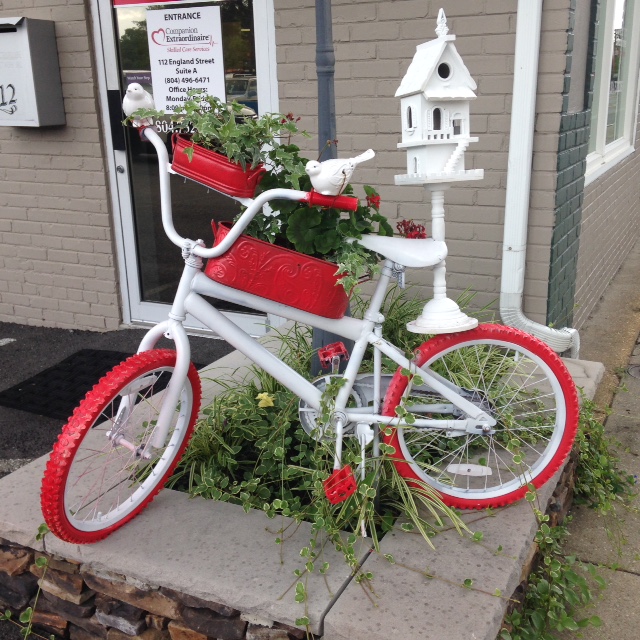
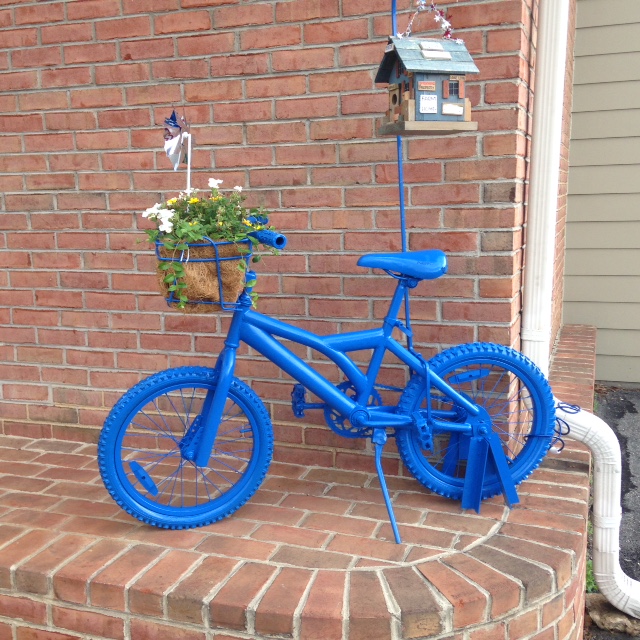
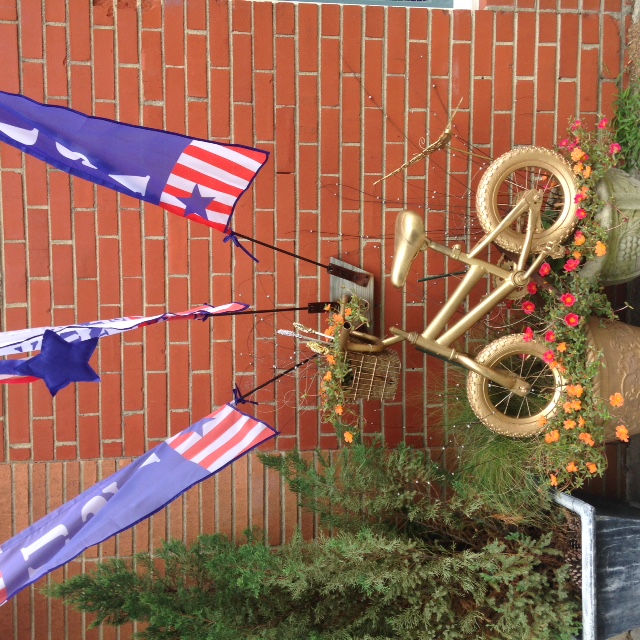
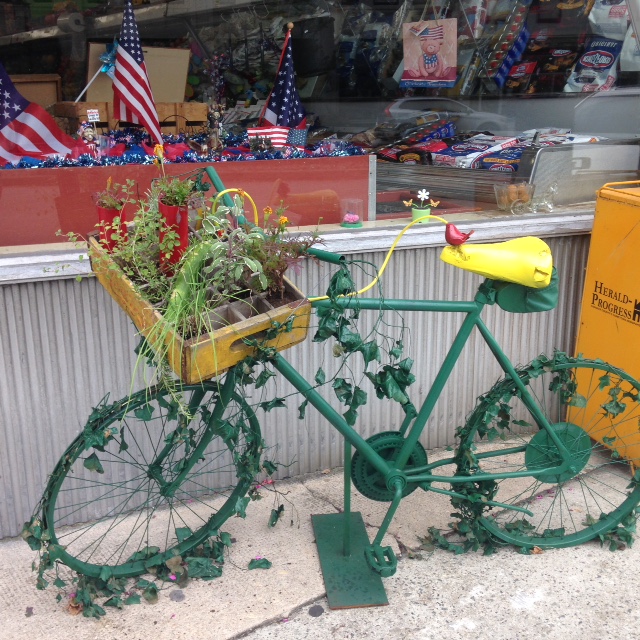
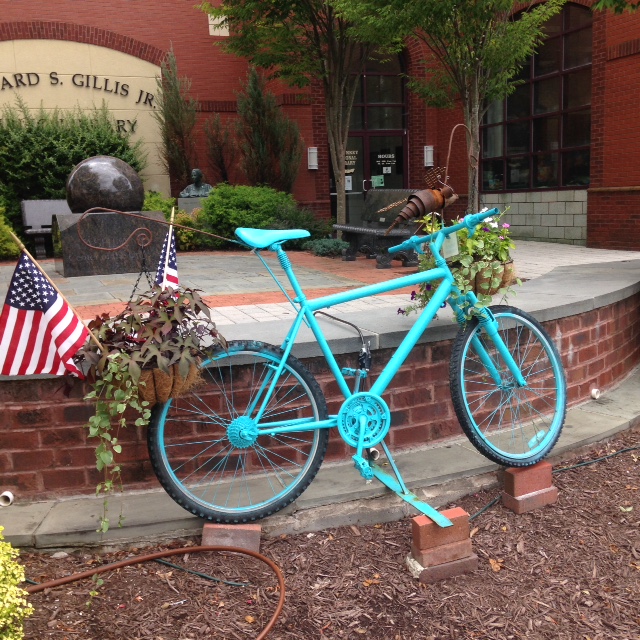
In the spirit of race week, Ashland’s Main Street Association invited merchants and residents to welcome cyclists and fans by decorating bicycles.

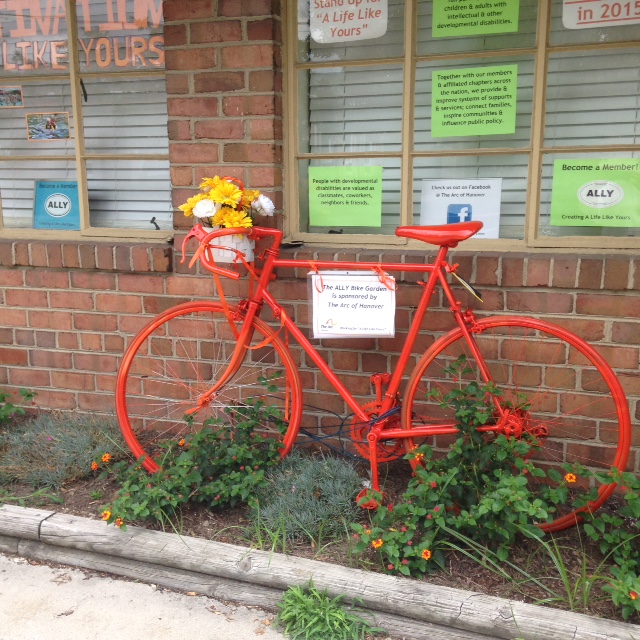
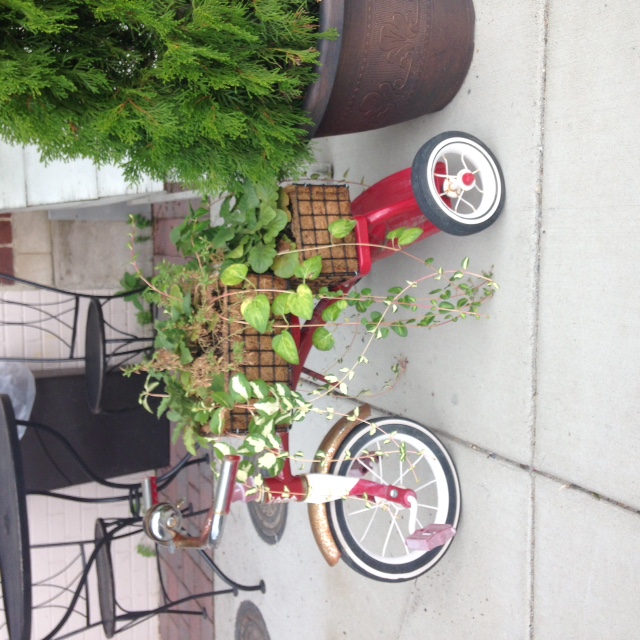
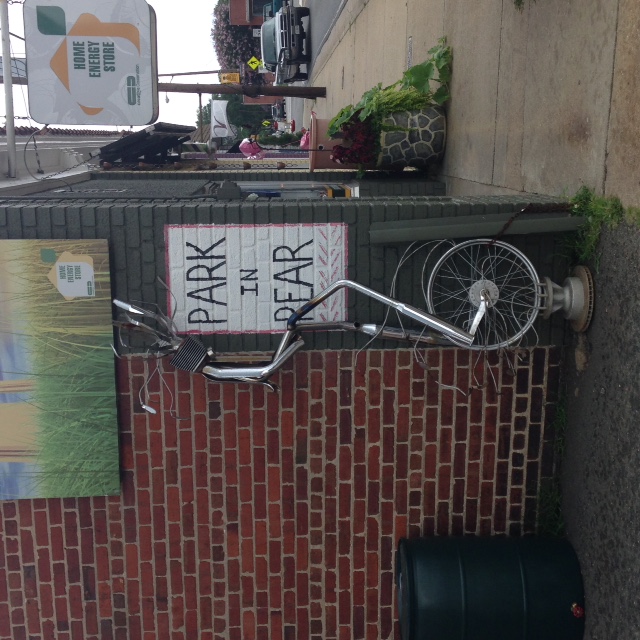
I want to share with you a sampling of what you can see if you walk around the bicycle gardens in the center of the Center of the Universe!
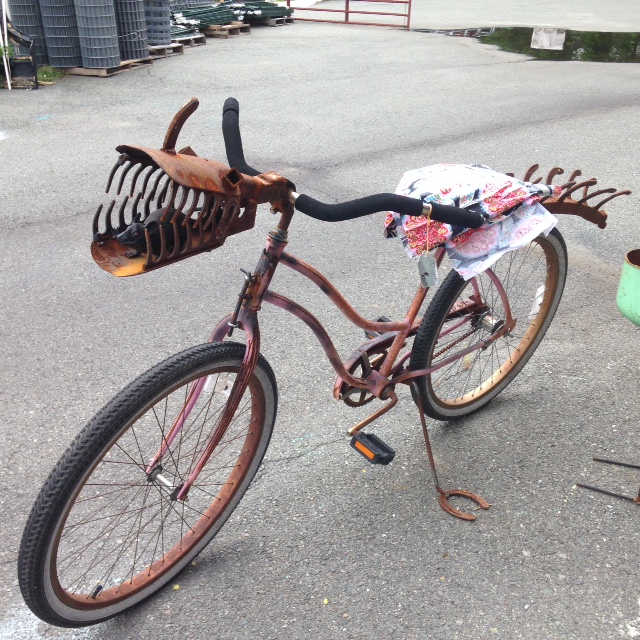
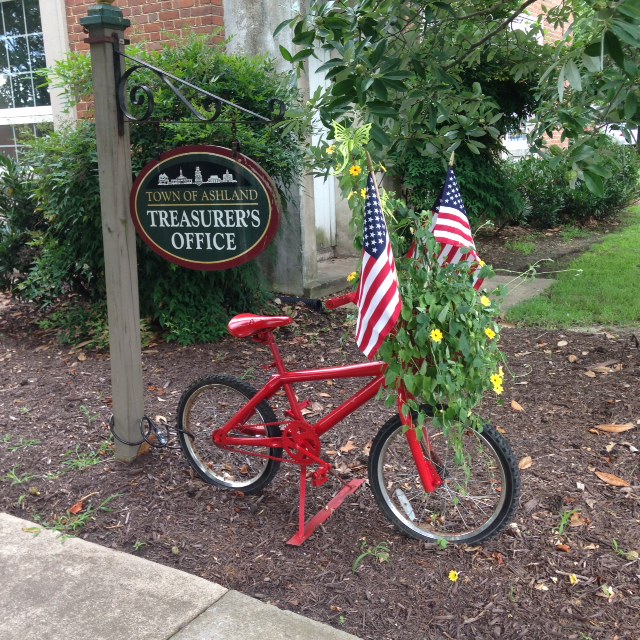
Ashland-ALLY-bike-garden Ashland-bicycle-planter Ashland-bike-art Ashland-bike-bird-box Ashland-bike-birdhouse Ashland-bike-blue Ashland-bike-flags Ashland-bike-green-and-yellow Ashland-bike-light-blue Ashland-bike-red-petunia Ashland-bike-sculpture-monster-2 Ashland-bike-sculpture-monster Ashland-bike-treasurers-office Ashland bike wall art, "Park in rear" Ashland bike wall art

Ashland offers tourist information at the Train Station Visitor’s Center. You can get a bike garden scavenger hunt map there, as well as a self-guided walking tour of historic places.

Ashland-bike-near-visitors-center

And in downtown Ashland, you can get good food that does not come from a chain restaurant! (Of course, if chains are your thing, there are bunches around the I-95 exit, and along Rt. 1 and Rt. 54, very convenient.) There are antique stores and fun shops. Bottom line: something for everyone. Y’all come!

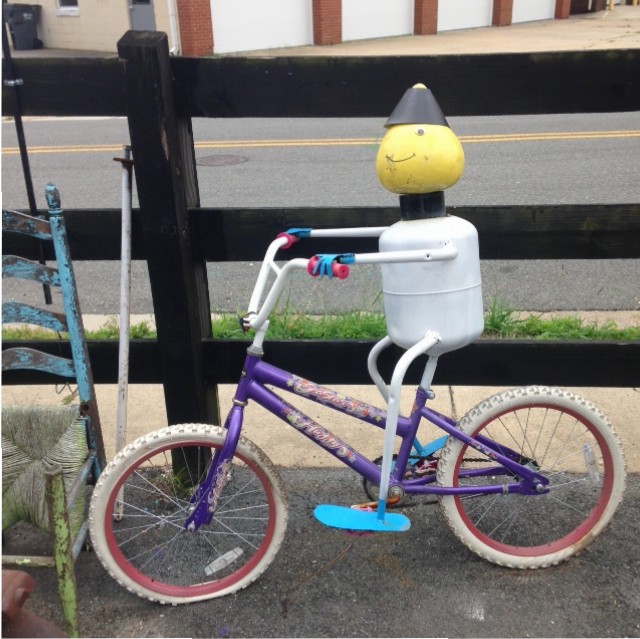
Ashland bike sculpture man on bike

UCI Road World Championships

From the UCI Road World Championships Richmond 2015 website:

The Road World Championships (Worlds) is cycling’s pinnacle event, held annually in an international city as chosen by the Union Cycliste Internationale (UCI) through a competitive bidding process similar to the Olympic Games.

Worlds is a nine-day event, featuring 12 Championship races for Elite Men and Women, Under 23 Men and Junior Men and Women. It is a rare opportunity for the athletes to compete for their country, just as they do during the Olympic Games.