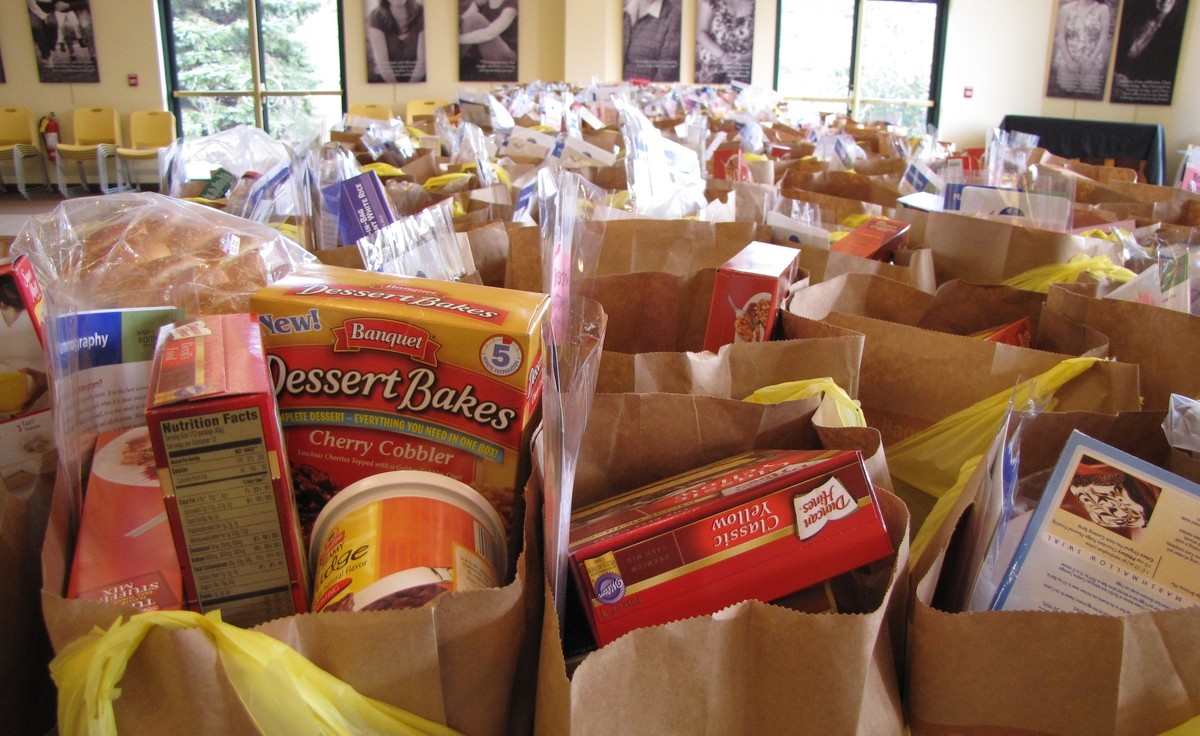
THE DOWN SIDE OF GIVING

I know it’s counter to the expectations of the season. Besides Giving Tuesday, many organizations (including our local CBS news) are in the midst of a month of giving. Culturally, giving is a good thing. But it isn’t purely positive.

Giving Opens Floodgates

My motivation for writing this blog is the deluge of text messages, emails, and snail mails asking for money. I’m steeped in the downside of giving: once you are on a list, you are doomed.

The organization or cause you originally donated to seeks more frequent and/or bigger donations.

Selling mailing lists can generate lots of revenue. Once an organization has a list of reliable donors, they often sell that list to other entities. Donors are then inundated with with requests for further donations to entirely new organizations!

Donations to political candidates trigger requests from other candidates in the same party. These can come from all over the country. Supporting a candidate at the national level opens you up to solicitations from state and local candidates—not necessarily your own state or locale!

Some solicitations come with a “free gift” to create guilt or an obligation to donate. Often these gifts are of poor quality or completely useless to the recipient. One organization sent me so many free gifts that I doubted how much of my donation was actually going to forward the stated mission. I stopped donating to that group altogether.

Responding to a mail solicitation can trigger follow-up phone calls as well.

Giving ’til It Hurts!

Once, I volunteered my time and professional know-how for a set number of hours on set days per week. That morphed into requests for special events and monetary contributions. I doubt I’m alone in this experience.

I’m currently voluntarily teaching a memoir class a few times per year. Fortunately, I enjoy it. There is considerable social pressure to continue doing so.

When I searched this topic online, I found that giving can have negative effects on the donor, including financial strain and instability, high tax burdens, loss of personal wealth, emotional guilt and anxiety, burnout and compassion fatigue, and neglect of personal relationships, potentially weakening social cohesion and exacerbating inequality if generosity creates donor-recipient hierarchies. In short, I learned that there are more serious drawbacks than the irritation factor that started me down this path.

Further Reading

Here are a few sources you might wish to pursue.
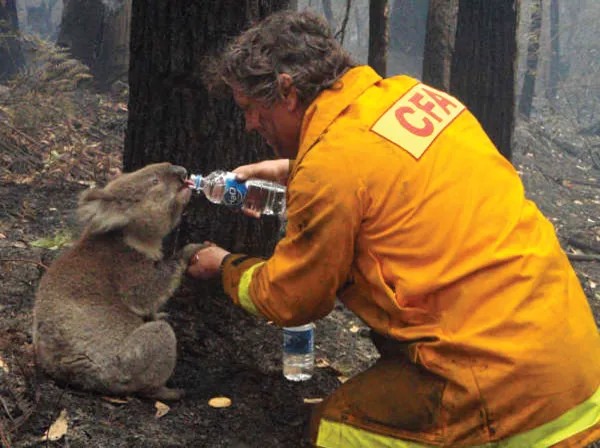
The Other Side of Charity: 10 Shocking Negative Effects of Generosity Unforeseen Consequences of Giving by Richard Wilson

The Dark Side of Being a Giver: Discussing Martyrdom, Low Self-Worth, and Giving to Get by Shoba Sreenivasan and Linda Weinberger, posted March 18, 2019

There’s A Downside To Giving (And It Has Nothing To Do With You) by Darrah Brustein
This article discusses problems giving can do to relationships, and how to avoid them.

Philanthropic Harm: How “Doing Good” Can Go Bad by Michael Moody
This article includes the following sections:

  • Malfeasance, Corruption, Fraud
  • Diversion of Resources
  • Reinforcing the Status Quo
  • Favoring Philanthropists’ Needs Over Recipients’
  • Teleopathy
  • Lack of Transparency
  • Faulty or Inefficient Strategy
  • Faulty or Inefficient Implementation
  • Lack of Measurable Impact
  • Unintended Consequences
  • Short-Term Band-Aids
  • Dependency
  • Paternalism and Cultural Insensitivity
  • Risks for Philanthropists
  • Tainted Donors and Tainted Money

According to Charities Aid Foundation 2024 World Giving Index, 76% of U.S. adults helped a stranger, 61% donated money, and 39% volunteered. This gave the U.S. a World Giving Index Score rank of #6 for 2024 (after Indonesia, Kenya, Singapore, the Republic of Gambia, and Nigeria, and just ahead of Ukraine). In short, there’s a lot of giving out there.

Bottom Line: I’d never suggest that people not give, only urge that they consider the unintended side effects.

SELFISH? VOUNTEER!

Volunteering is a positive thing, as nearly everyone agrees. A volunteer benefits not just their community but reaps a range of benefits mentally, professionally, and personally.

Maureen Sullivan and Shirley Conn, American Women’s Voluntary Services (F. Palumbo, 1941)

Words associated with volunteering include:

  • Passionate
  • Reliable
  • Team player
  • Patient
  • Creative
  • Energetic
  • Positive
  • Willing to help
  • Compassionate
  • Organized

Why to Volunteer

So, if you volunteer, you are likely to enhance your image. But if your image is “fine,“ why bother? There are many more substantive reasons for people—even selfish people—to volunteer.

Social scientist have studied the phenomenon of volunteering for years, and the benefits are clearly documented for physical benefits, a range of mental and emotional positives as well as a sense of self-worth, and social networking.

Dr. Eric Kim, psychologist, has studied the connection between psychological well-being and physical health. One study, published in the American Journal of Preventive Medicine, followed people who volunteered at least two hours per week over a period of four years. According to Kim, “Our minds and bodies are rewarded when we give to others.” Study participants showed less chance of early death and also reduced “physical functioning limitations.”

Dr. Austin Hall, medical director of the University of North Carolina Center for Excellence in Community Mental Health says, “Volunteering has been shown to have a positive effect on both mental health and cognitive abilities.” In older adults “volunteering can delay cognitive decline.”

Career Benefits

Developing confidence: discovering hidden talents that may change the volunteer’s view of their own self-worth.

Learning new/valuable skills: opportunity to develop transferable skills applicable to any position, such as interpersonal communication, time management, leadership, delegation, communication, leadership
and problem-solving.

Networking: volunteer work can demonstrate to those who may be in a position to recommend you to others or hire you for a paid position based on the kind of person you are (e.g. how you work with others, how you approach tasks, how you take initiative, how you manage your time).

Targeted volunteering gives you the opportunity to develop meaningful connections with professionals in your field of interest.

Career exploration: volunteering is also a great way to explore different career opportunities by engaging with professionals in a variety of fields to better understand your interests, likes and dislikes and determine which fields you might want to pursue further.

Other professional benefits:

  • Gaining professional experience
  • Expand your resume
  • Career advancement
  • Develop social skills

Mental Health Benefits

Mental health professionals agree that focusing on a cause outside of yourself has many benefits for mental health and well-being.

  • Interrupts tension-producing patterns.
  • Increase happiness: reduce stress, combat depression, anxiety and loneliness by releasing dopamine.
  • Moods and emotions, like optimism, joy, and control over one’s fate, strengthen the immune system.
  • Physical health (by encouraging more physical activity)
  • Gratification of giving back
  • Meet new people/make new friends
  • Finding purpose

And bring fun into your life!

Benefits to Your Community

Community cohesion: assisting in uniting people from diverse backgrounds to work toward a common goal and building camaraderie through teamwork.

Personal growth and fulfillment: through working with local non-profit agencies, learn about the functions and operations of our government, gain knowledge of local resources available to solve community needs.

Saving resources: volunteering provides valuable community services so more money can be spent on local improvements. The estimated value of a volunteer’s time in California is $26.87 per hour based on the Corporation for National & Community Service.

Cons of Volunteering

The constraints on time, funding, or manpower can make it tough for volunteers to hit their goals or create a significant impact. Such failures can cause the volunteers to lose faith in the cause or in the benefits of volunteering altogether.

In addition, you may also encounter resistance. Introducing new ideas or initiatives can face pushback, both from within the organization and the community.

Bottom Line: Weighing the pros and cons, even selfish self-interest supports volunteering.