DICTIONARY LOVE

Given the season, I was tempted to write about New Year’s resolutions. Not wanting to repeat myself, I reviewed my blogs from 12/30/16, 1/1/19, and 1/3/23. And then I realized that all sorts of commentators and media were talking about how many people make resolutions (between 34 and 62%), who makes them (younger people), how many people keep them (fewer than half), what the resolutions are about (fitness, finances)… I decided I have nothing to add this year.

In the meantime, the Wall Street Journal recently (Dec. 20-21, 2025 issue) had a long article about the Merriam-Webster’s Collegiate Dictionary. I venture to suggest that when asked about a dictionary, that’s the one most people think of. For generations, a copy has been a go-to gift for high school and college graduates, as well as miscellaneous other gift-giving occasions. In the late 1980s, Merriam-Webster’s Collegiate Dictionary was on the Times best-seller list for 155 consecutive weeks; 57 million copies were sold, a number believed to be second only to sales of the Bible in the U.S.
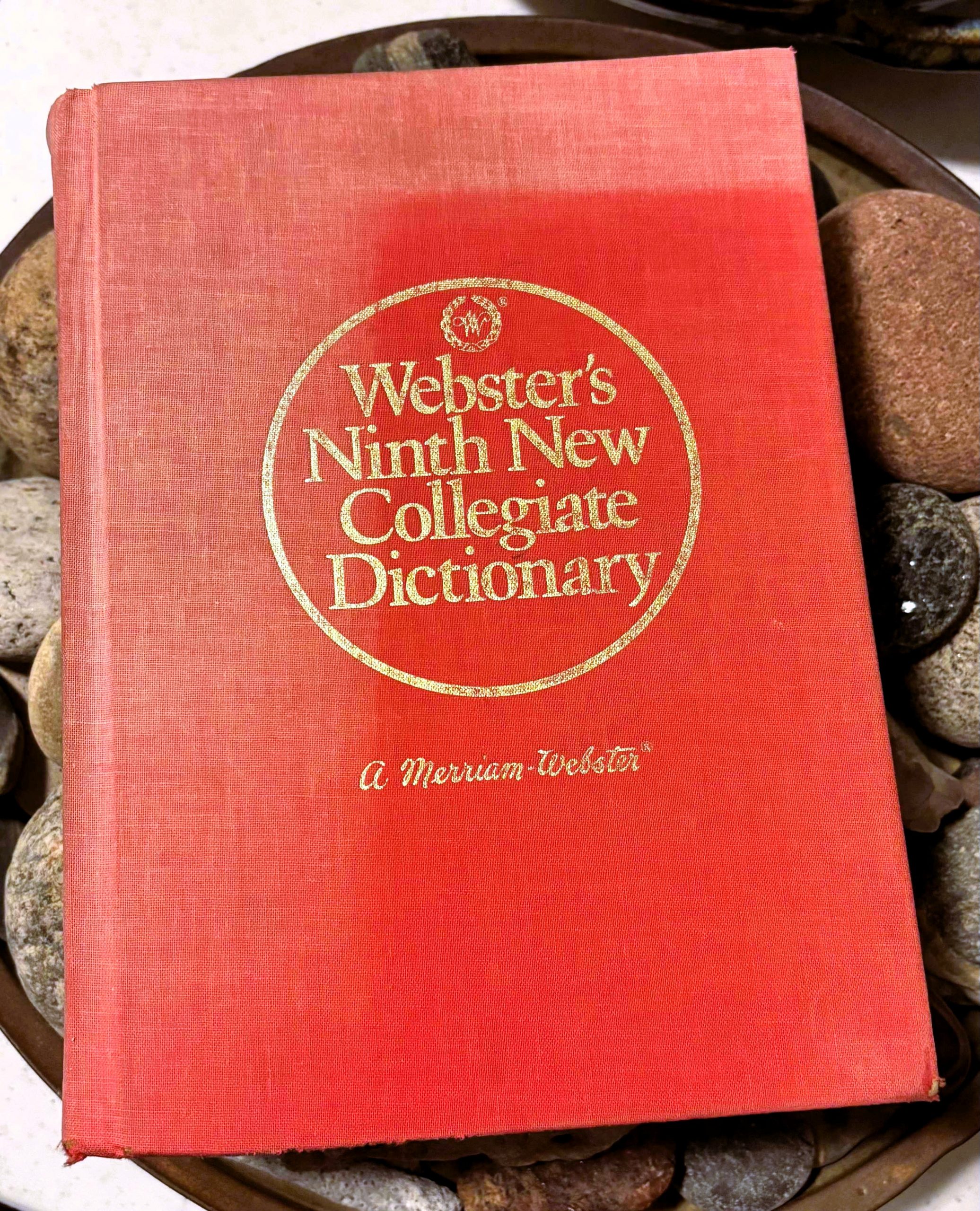
Merriam Webster Collegiate Dictionary

And people hold on to them! My husband still has one from his last year as an English professor, the 9th edition, published in 1983.

Partying with half a dozen other writers, I asked whether they still use physical dictionaries. NO! Not one. They all look online (as do I). Still, physical dictionaries haven’t yet gone the way of the dodo bird: last year Merriam-Webster sold nearly 1.5 million physical dictionaries (according to that WSJ article).

I love dictionaries, so I researched their history for this blog. They have a fascinating (to me) history that reflects the evolution of language, literacy, and knowledge organization.

Dictionary History

Dictionaries have had a long run!
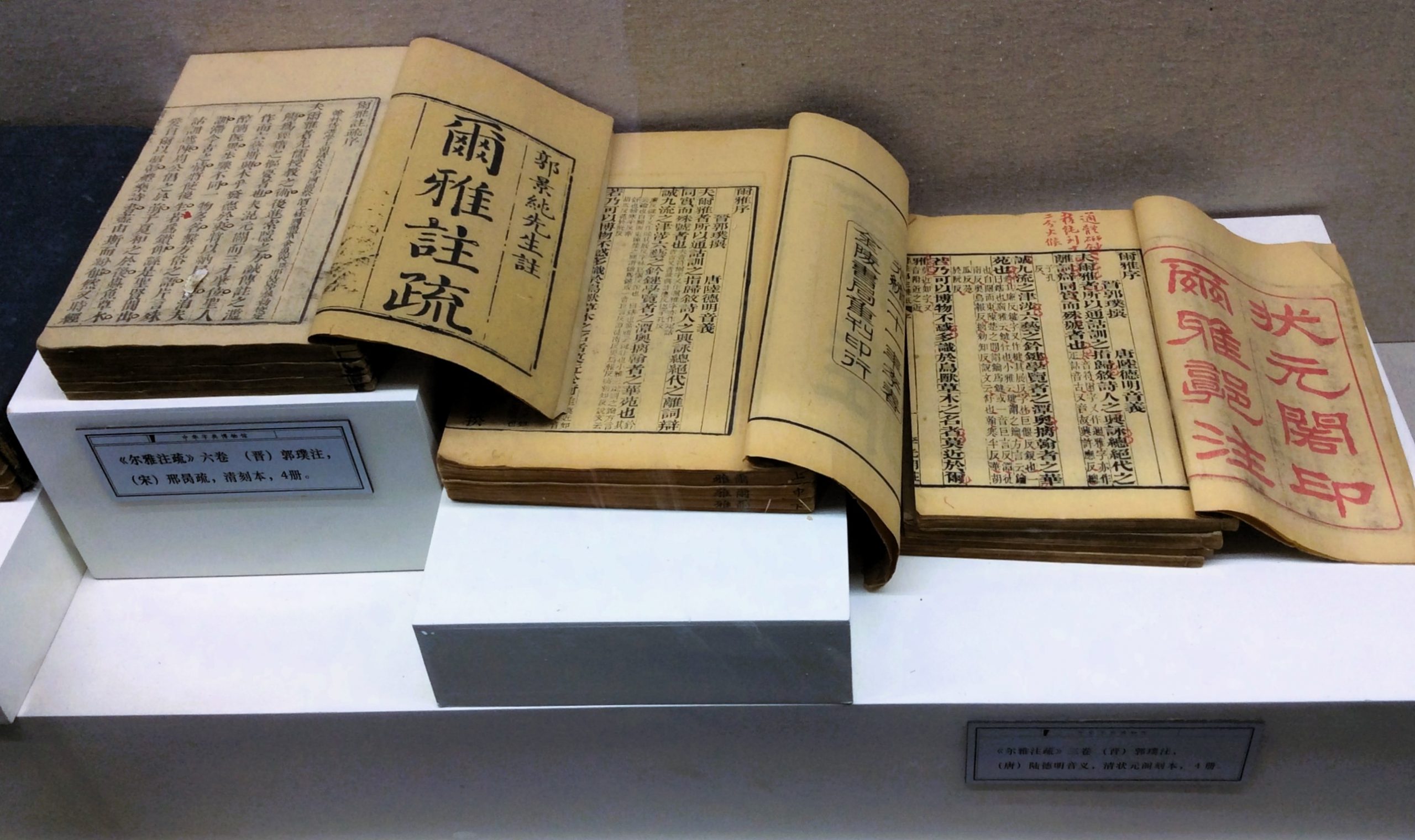
Pages from the Erya, in the Chinese Dictionary Museum

The earliest surviving monolingual dictionary is the Eyra, which Chinese scholars wrote in the 3rd century BCE. Translators have interpreted the title characters (爾雅) as “Progress Towards Correctness”, “The Semantic Approximator”, and “Approaching Elegance.”

Modern dictionaries evolved from early glossaries and bilingual word lists. Renaissance glossaries and later works like the Catholicon (1287) and Covarrubias’s Tesoro de la lengua (1611) paved the way for modern single-language dictionaries and standardized national lexicons. By the 18th–19th centuries, publishers were offering monolingual dictionaries, including comprehensive English dictionaries.

Early Beginnings

The earliest known attempts at word lists and glossaries date back to ancient Mesopotamia (around 2300 BCE). Scribes learning languages created Sumerian and Akkadian bilingual word lists.

Classical Antiquity

In ancient Greece and Rome, scholars compiled lists of difficult or rare words, often to assist with understanding classical texts. For example, Philo of Byblos and Aelius Donatus created early glossaries. Philitas of Cos wrote Disorderly Words to help his fellow Greeks decipher odd and archaic vocabulary, particularly in the works of Homer.

Medieval Period

During the Middle Ages, dictionaries were often glossaries—lists of difficult words with explanations—in Latin and vernacular languages. They were primarily tools for scholars and clergy.

The rise of vernacular languages in Europe led to more dictionaries aimed at explaining Latin terms or translating between Latin and local languages.

Renaissance and Early Modern Era
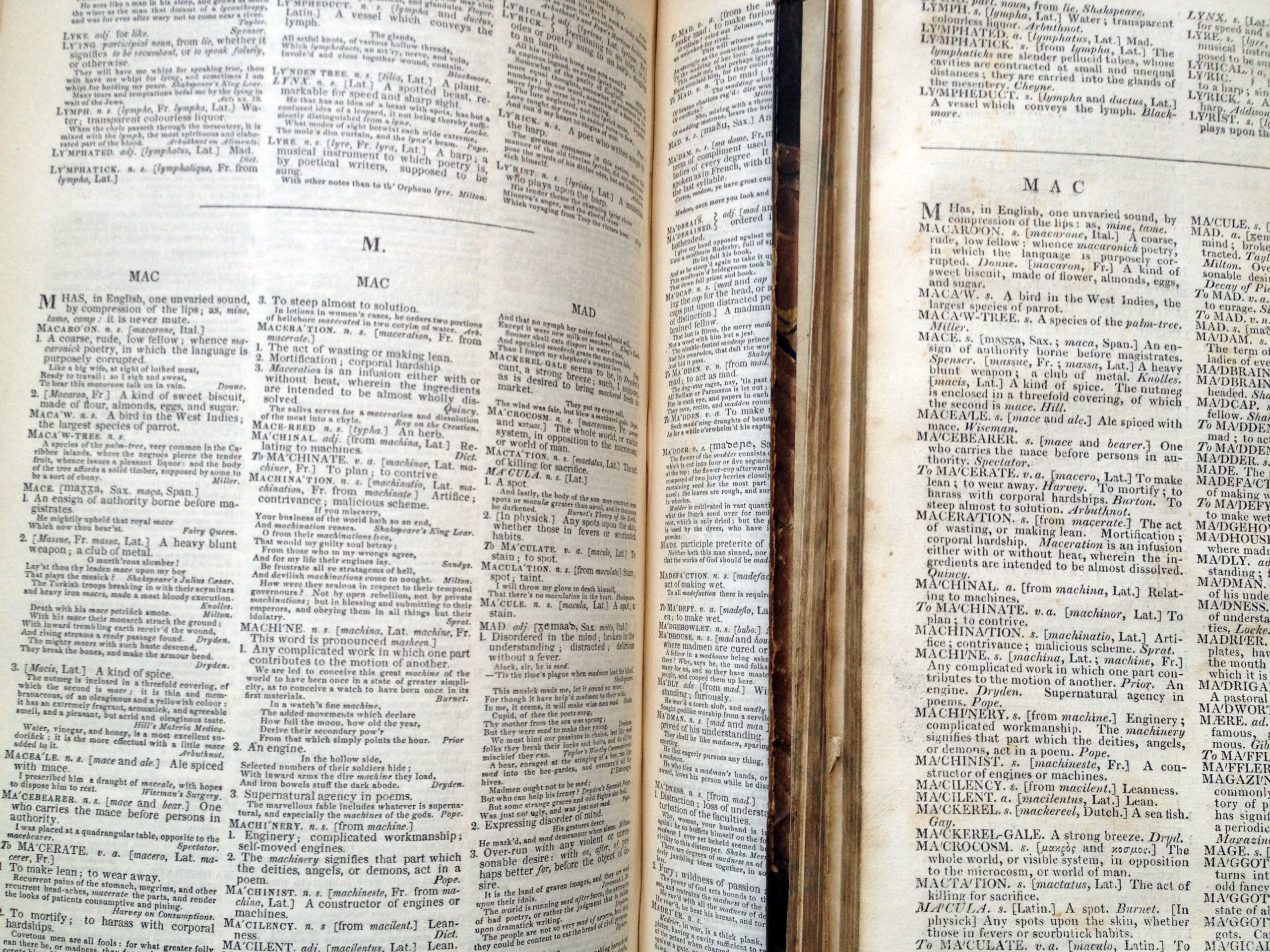
Close-up from the 1755 edition of Samuel Johnson’s Dictionary of the English Language

The invention of the printing press in the 15th century revolutionized dictionary production.

In 1604, Robert Cawdrey published the first English dictionary, titled A Table Alphabeticall, containing about 2,500 words with simple definitions.

The 17th and 18th centuries saw the rise of more comprehensive dictionaries. Samuel Johnson’s Dictionary of the English Language (1755) was a landmark work, combining definitions with literary quotations and shaping English lexicography.

19th and 20th Centuries: The Oxford English Dictionary
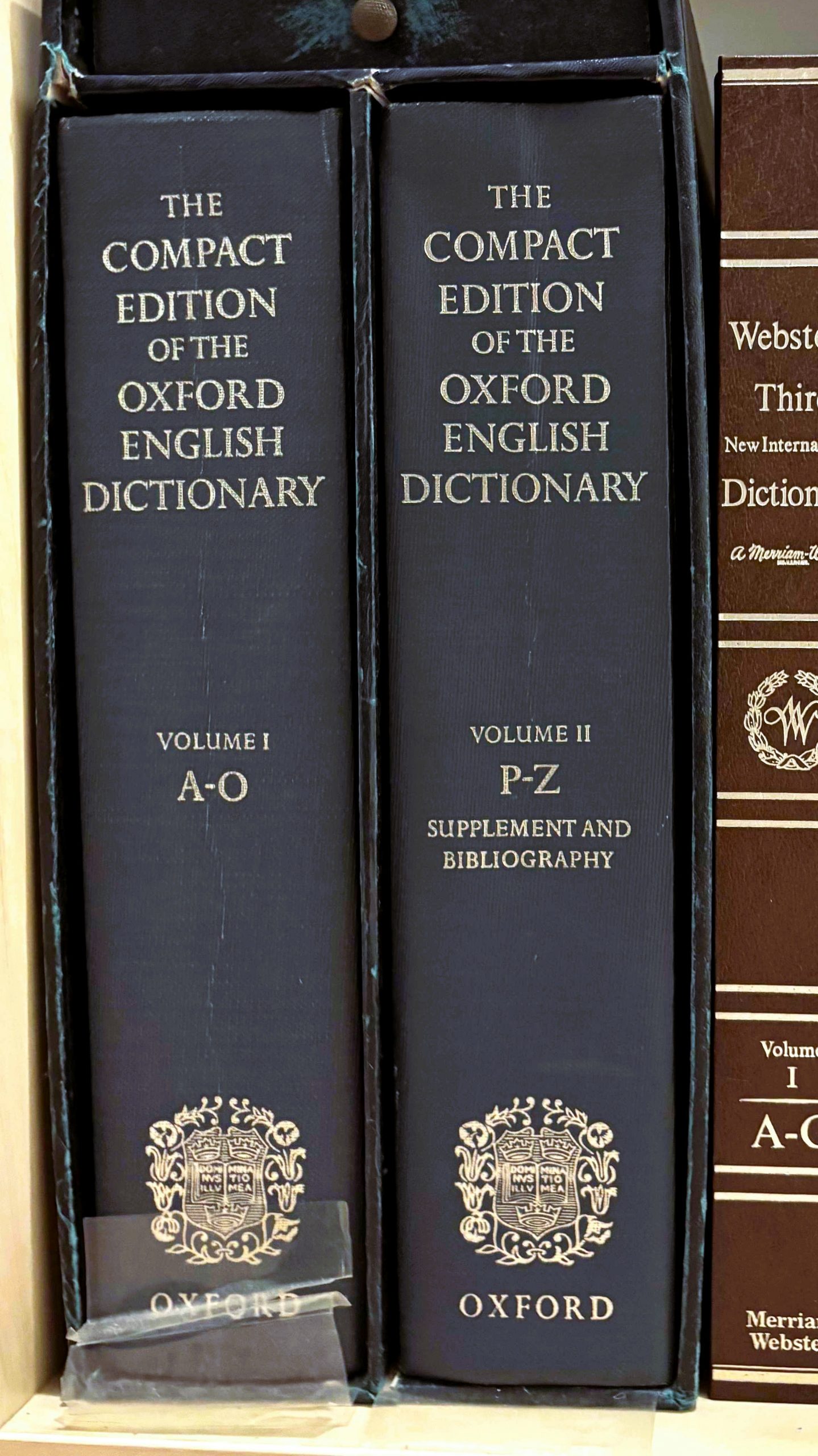
Once upon a time, when asked what one book I’d want to have if stranded on a desert island, I didn’t even have to consider: “The Oxford English Dictionary, not in the condensed form.”

Actually, that answer could be challenged. I have the compact edition, and even that is two big, fat volumes (boxed, with a magnifying glass). The hard cover edition had 20 volumes, 21,728 pages. The OED is now being completely revised to produce an updated Third Edition.

What appealed to me was both the comprehensiveness of the listings and the inclusion of the history of each word.

The 19th century brought the creation of historical and etymological dictionaries, like the Oxford English Dictionary (OED) I discussed above, which began publication in 1884 and aimed to document the history and development of every English word!

Dictionary Types
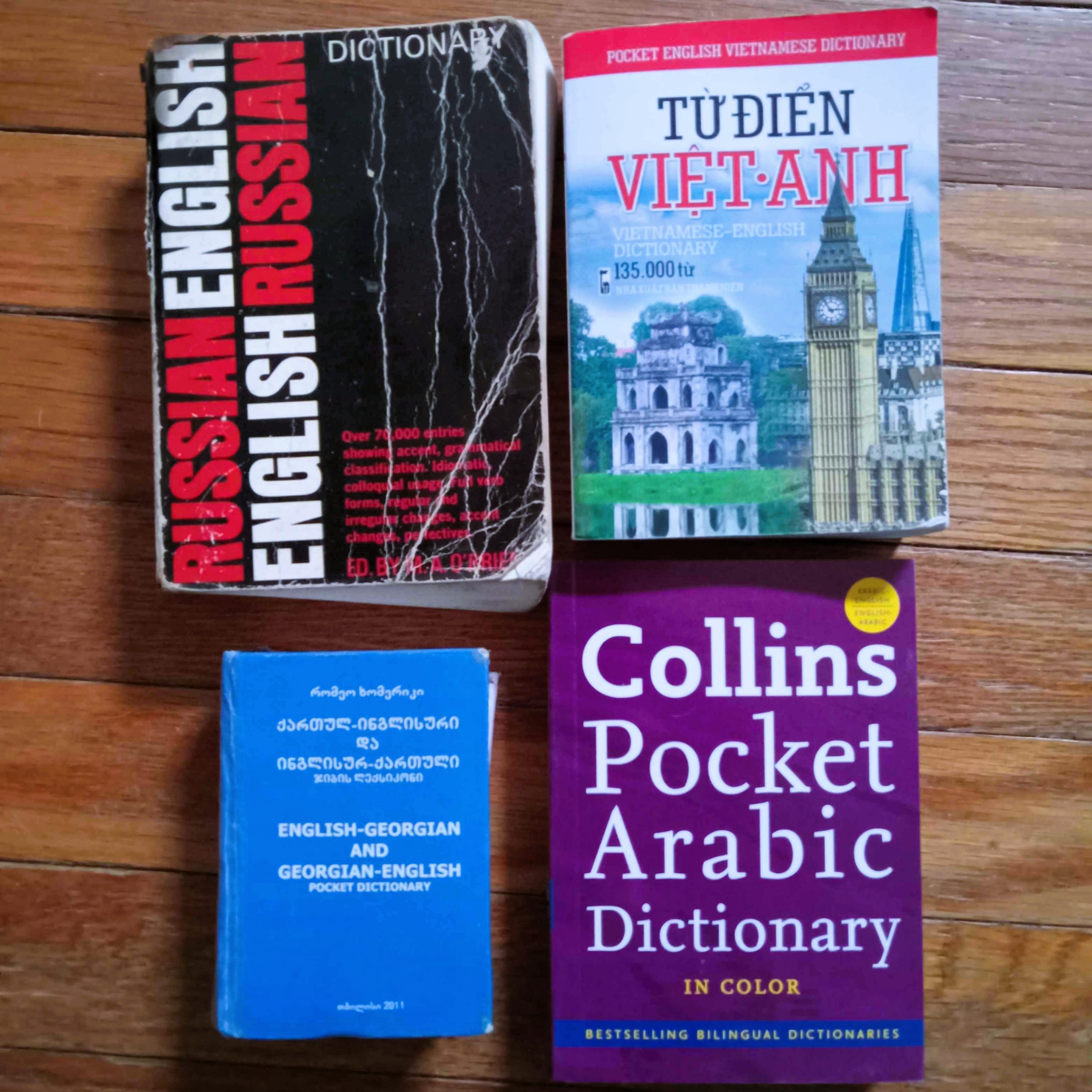
Dictionaries expanded to cover specialized fields, slang, and dialects. The 20th century saw the rise of bilingual dictionaries and learner’s dictionaries to support language education and globalization.

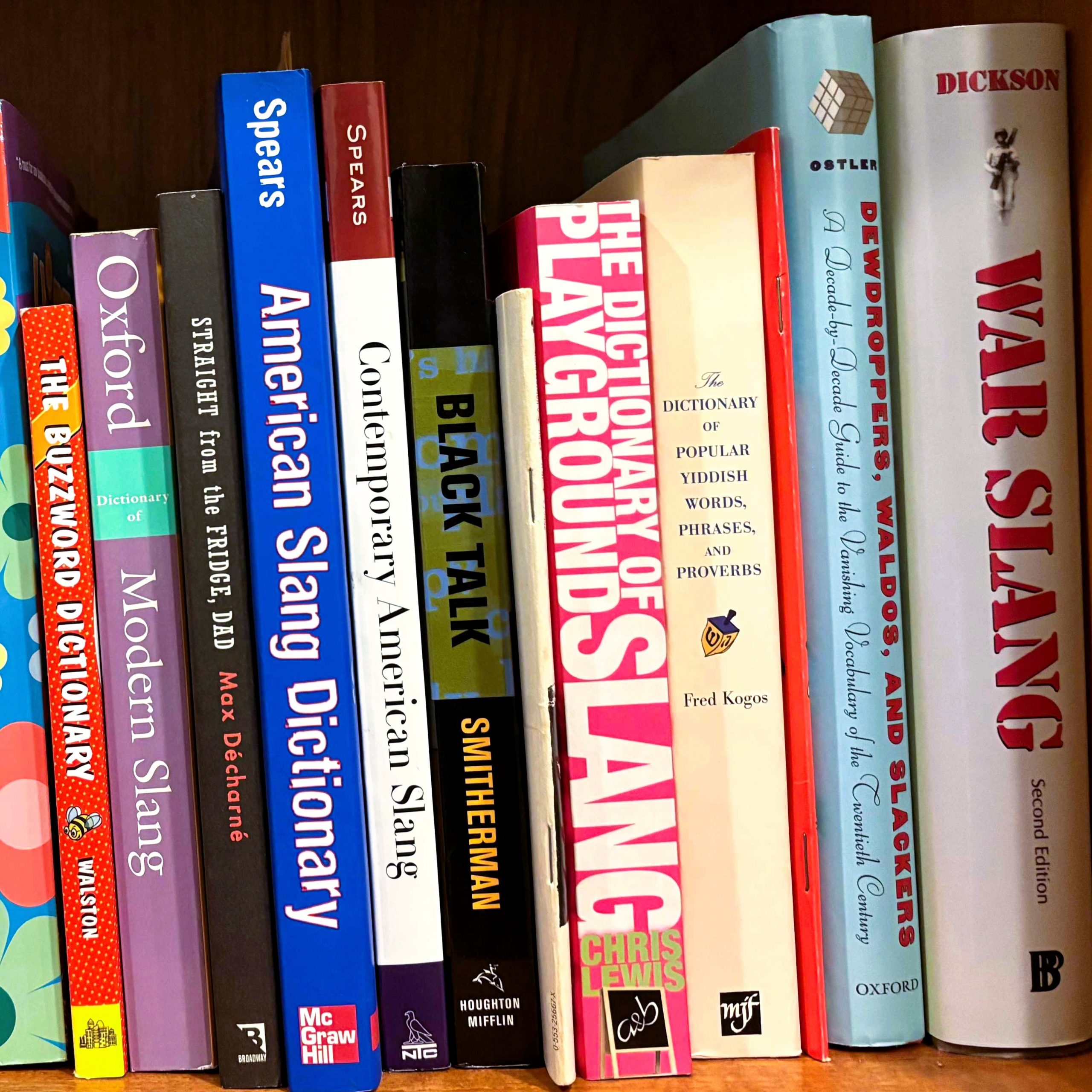
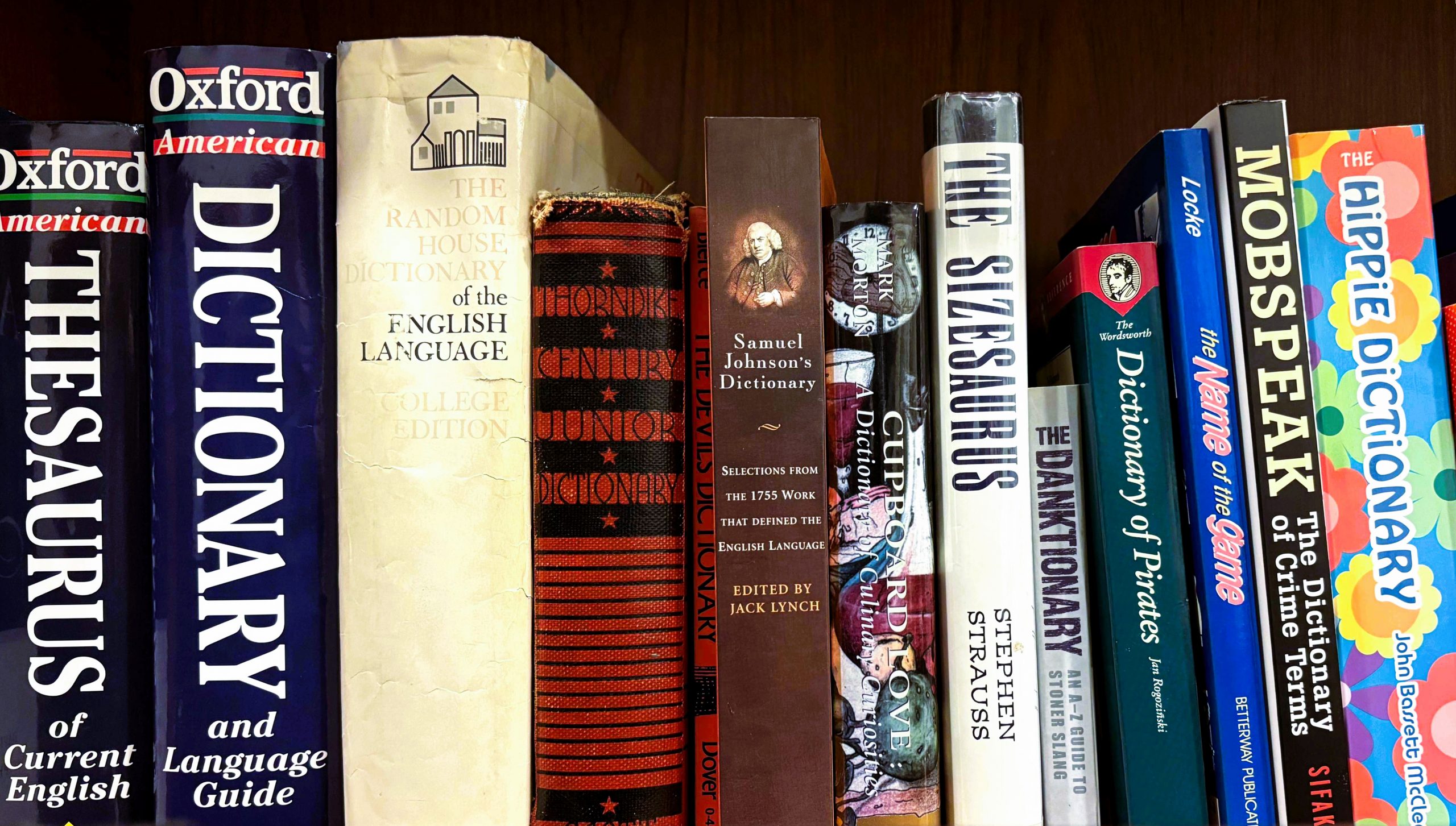
I started collecting dictionaries when I started writing fiction. I have shelf after shelf filled with them!
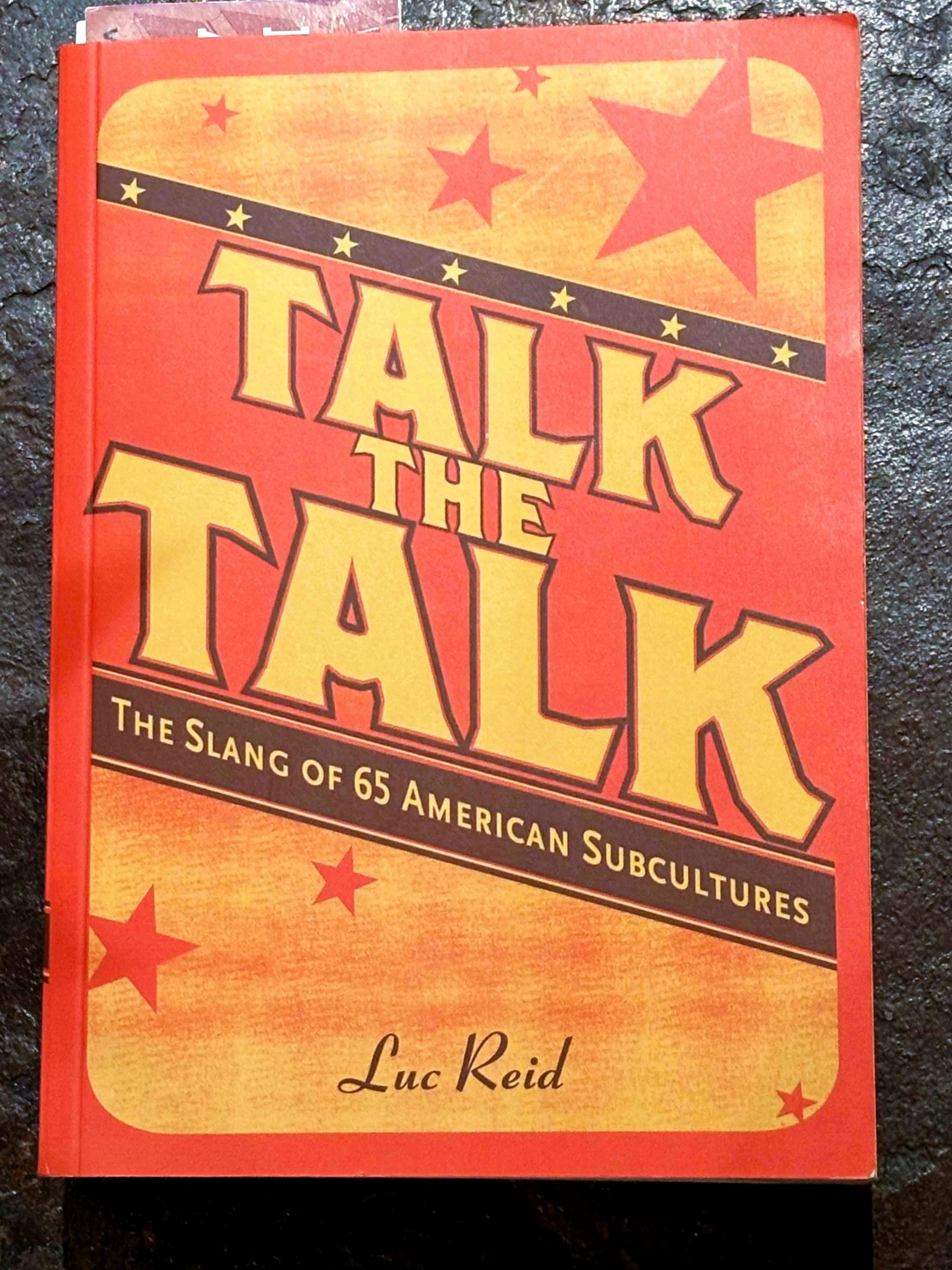
When one thinks of specialized dictionaries, medicine and law come immediately to mind. But for my purposes, I needed the common language.—i.e., slang. To seem authentic—real, if you will—the thoughts and dialogue of characters are crucial.

One of my favorite dictionaries is Talk the Talk: The Slang of 65 American Subcultures. Groups from stamp collectors to people living in Antarctica, from Birders to con artists, to Wiccans, witches, and neo-pagans are included. It’s a fun read even if you aren’t a writer!
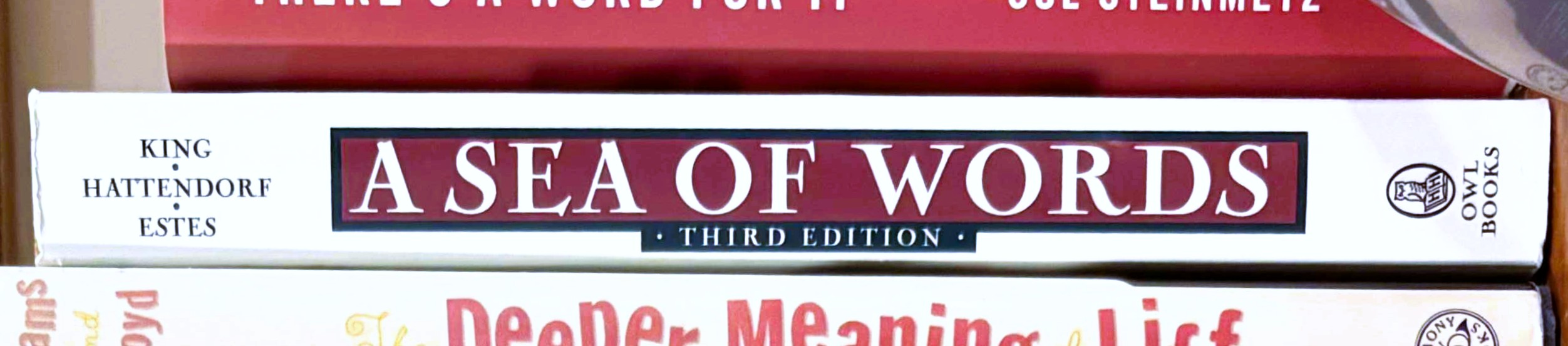
If you are a fan of Patrick O’Brien, Aubrey and Maturin series, there’s a dictionary for you!
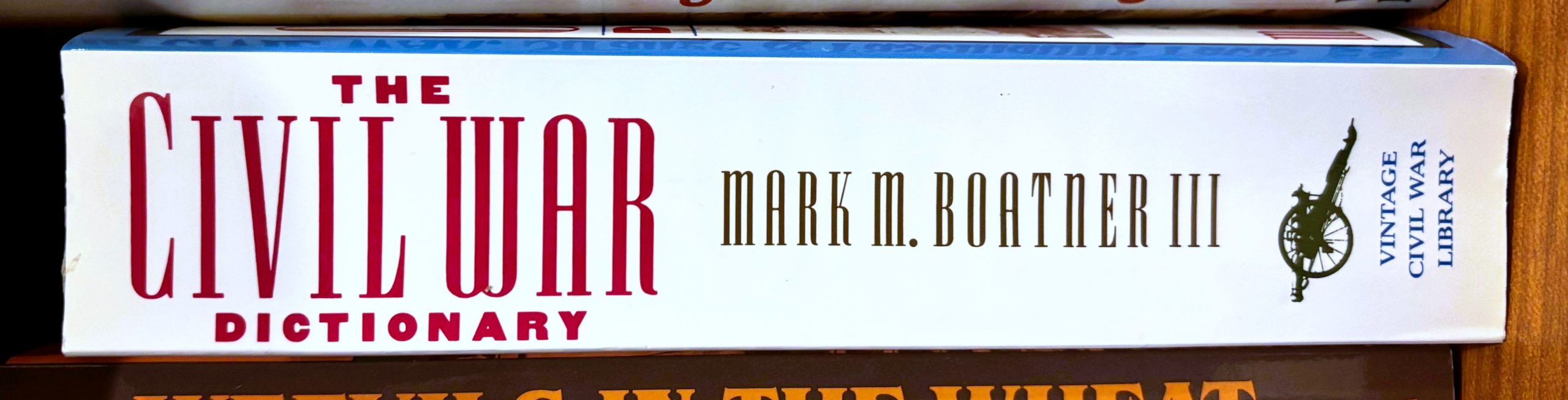
I’ve published half a dozen short stories set during the American Civil War, and the Civil War Dictionary was invaluable for everything from what women’s underwear was called to what prostitutes were called, to … whatever.
I even have a dictionary of South African English—which I’ve never actually used but love having!

The Dictionary in the Digital Age

The late 20th and early 21st centuries introduced electronic dictionaries and online databases, making dictionaries more accessible and interactive. Platforms like Merriam-Webster Online and the OED Online offer constantly updated entries and multimedia content.

Artificial intelligence and corpus linguistics have enabled dictionaries to be more descriptive and data-driven, reflecting real-world language use. But when looking for a word, a meaning, or a spelling online, that is what you will get: that one word. By contrast, according to the WSJ article cited above, “One of the pleasures of having a dictionary at hand is the serendipity of idle browsing—of progressing from ‘crankshaft’ to ‘cranky’ to ‘cranbog’…” Online, you don’t get more than you ask for.

Bottom Line: For some of us, online searches will never replace physical dictionaries in our hearts.
WORDS FROM WAR

In last week’s blog, I discussed nom de guerre, literally war name, that in current French usage has come to mean any pseudonym. Like any other in-group, soldiers develop their own jargon—which often lingers in subsequent slang, often with a morphed meaning.

This blog will showcase just a few such words/phrases.

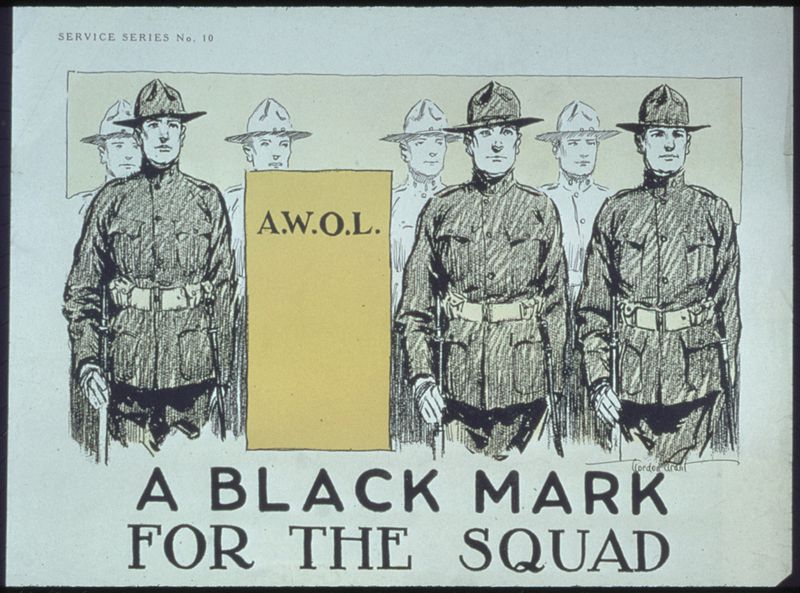
US Army poster from WWI (Gordon Grant)

A.W.O.L. (Absent Without Leave) Even before the Civil War, this meant a soldier who has gone off without permission. Now business executives, teenagers, spouses—virtually anyone—can be AWOL, pronounced A-wall. The unexplained or unexcused absence is often trivial.

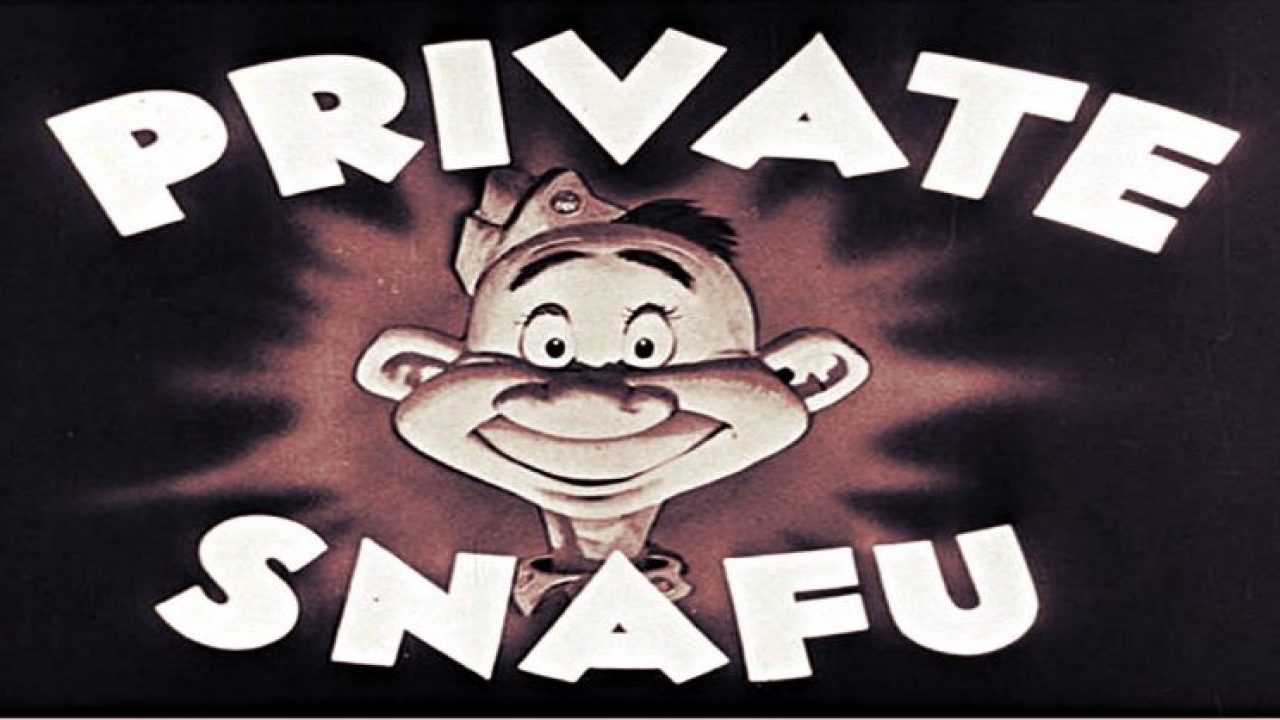
S.N.A.F.U. (Status Normal: All F*cked Up) The Marines are usually credited with this particular acronym, which originated during World War II. There is some evidence that radio operators came up with the phrase to give humorous meaning to a commonly used set of letters from coded messages. In modern usage, this acronym has essentially the same meaning, lacking only the cynical mocking of commanding officers. (S.U.S.F.U. [Situation Unchained: Still F*cked Up] was coined as a follow-up, but it has largely fallen out of use.

F.U.B.A.R. had several variations of meaning, though “F*cked Up Beyond All Repair” pretty much covers it. Occasionally, it was defined as “F*cked Up By A**holes in the Rear” to express frustration with military command issuing orders from the comfort and safety of their offices well out of harm’s way. Like SNAFU, it originated as military slang during World War II, and it has retained its original meaning in modern slang.

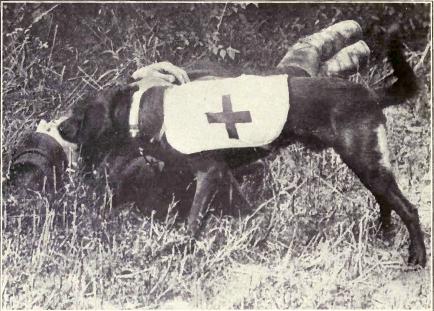
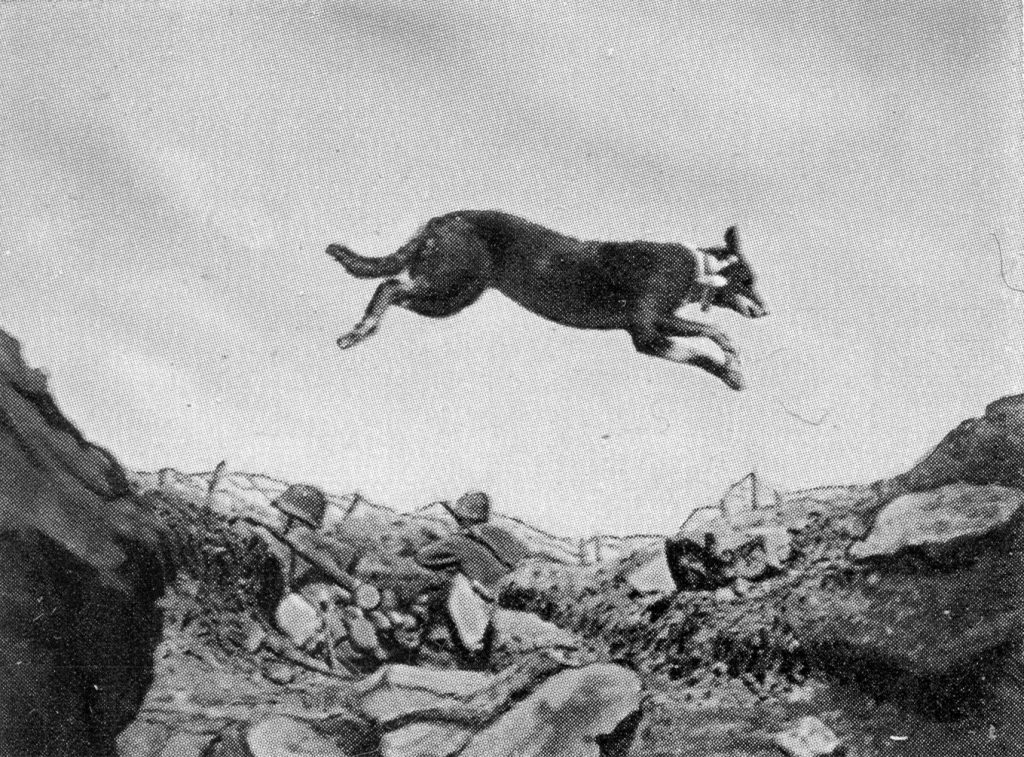
Ambulance Dogs in WWI were sent with medical supplies to find wounded soldiers who could not be otherwise reached. They were also called Mercy Dogs because, very often, all they could do was comfort the dying.

Basket case is used in a fairly lighthearted way today (often describing someone who repeatedly makes stupid mistakes, or who crumbles under pressure), but it has a strange history. Shortly after World War I, rumors circulated of multitudes of soldiers who had been so badly injured that they had to be carried from the battlefield in a barrow or basket, usually having lost all four of their limbs. This belief was so strong that it persists in the public imagination today despite direct evidence to the contrary. In 1919, the Surgeon General of the Army made a public statement that this was not the case, and only one quadruple amputee from the war is known to have survived. Ethelbert Christian lost all four limbs at the Battle of Vimy Ridge in 1917, but he learned how to walk on prosthetics and lived what appears to have been a full and happy life.

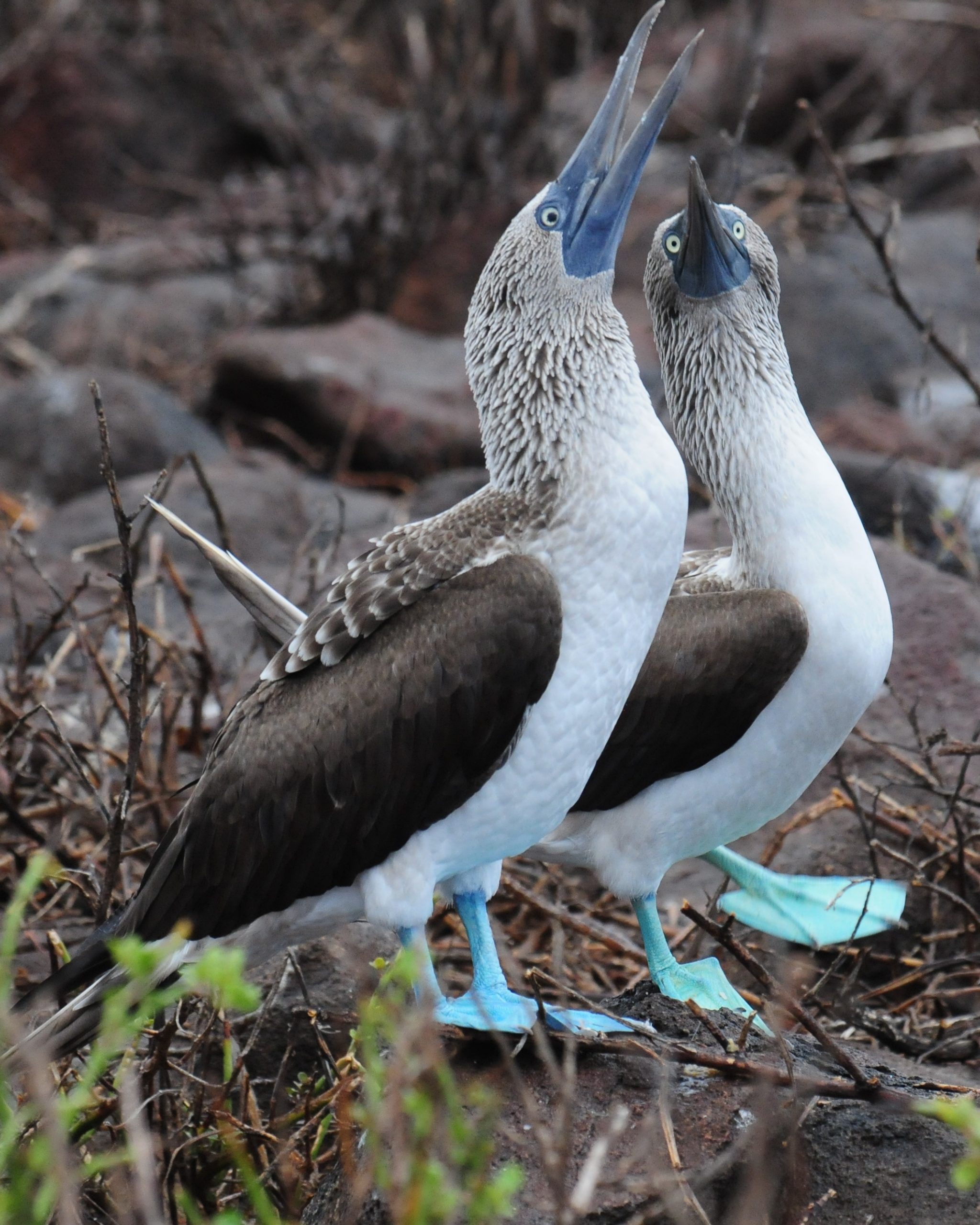
Blue-footed booby
In Spanish, “bobo” is a clown or a fool.

Booby-trap has been in use since the mid-19th century for a fairly harmless prank or practical joke. A “booby” was used in English slang to mean a stupid or gullible person as early as the late 17th century. But in WWI, it morphed into meaning an explosive device deliberately disguised as a harmless object. The English journalist Sir Philip Gibbs (1877-1962) said, “the enemy left … slow-working fuses and ‘booby-traps’ to blow a man to bits or blind him for life if he touched a harmless looking stick or opened the lid of a box, or stumbled over an old boot.”

As a nickname for body lice or head lice, cooties first appeared in trenches slang in 1915. It was presumably derived from the coot, a species of waterfowl known for being infested with lice and other parasites. Today it’s a children’s term for an imaginary germ or a repugnant quality transmitted by obnoxious or slovenly people.

In the 19th century, dingbat was used like thingamajig or whatchamacallit as a  placeholder for something or someone whose real name the speaker couldn’t come up with at the moment. It came to be used for a clumsy or foolish person during the First World War, before morphing to mean shell-shocked, nervous, or mad. Now it’s used for a stupid or eccentric person.

In British English, “to be in a flap,” meaning “to be worried,” dates from 1916. It was originally a naval expression derived from the restless flapping of birds, but quickly spread into everyday English during the First World War. The adjective unflappable, meaning unflustered or imperturbable, calm in the face of crisis, appeared in the 1950s as a reference to the British Prime Minister Harold Macmillan.

Son of a Gun is generally held to originate as a euphemism for the child of a military father away on a lengthy deployment (and thus somewhat suspicious paternity). In current usage, it is an epithet similar to “son of a bitch,” with positive or negative meanings depending on the speaker.

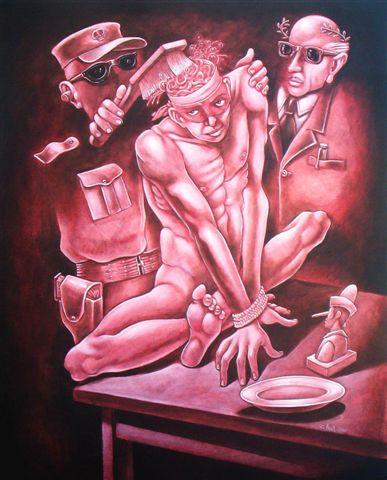
Brainwashing is a literal translation of the Chinese phrase xi nao, to wash the brain. During the Korean War, military reports estimated that 30% of American prisoners of war collaborated with their Korean and Chinese captors. To explain how this was possible, the media created the term brainwashing: systematic, intensive interrogation techniques and indoctrination procedures used by hostile forces to change allegiances of prisoners of war. The term gradually came to be used to label any change of opinion or allegiance—though it still implies unsavory, unfair, or unethical methods!

Skedaddle, meaning to run away or desert from military service, became popular during the American Civil War. Now it means to leave quickly or hurriedly, to run away. In true American fashion, the etymological origins of this word are a mix of many possible languages or perhaps none at all.

OMG (Oh My God!) is very often used as an abbreviation in electronic communication. The first appearance of OMG was in a sarcastic letter Lord Fisher, a retired Naval Admiral, sent to Winston Churchill in 1917, complaining about the number of knighthoods being bestowed upon Naval officers. It has become so common that people sometimes use it as an acronym when speaking aloud: “ohemgee!”

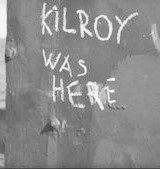
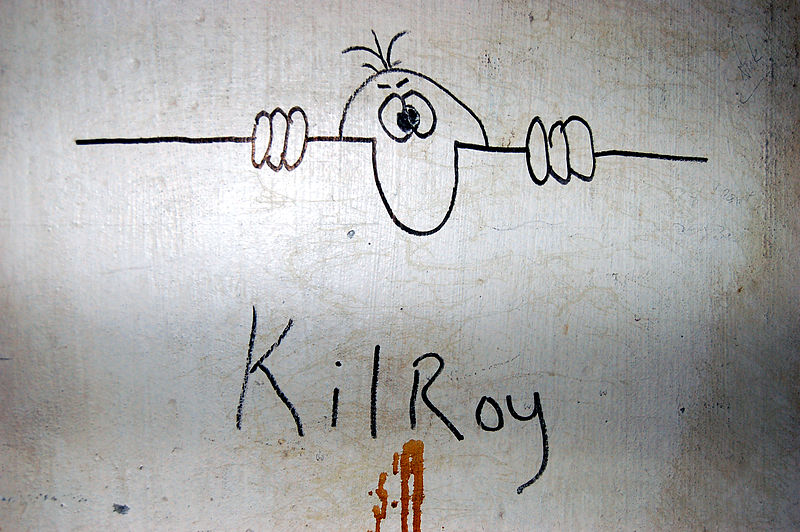
Kilroy or Kilroy Was Here might be considered a bit of visual military jargon that has made its way into common use. James Kilroy wrote his name on sections of Navy ships under construction to certify that he’d personally checked the welding. Because his name seemed to be everywhere, British and American service members took to writing it on every surface imaginable in Europe and Asia, most likely as good-luck totem. (The origins of the accompanying long-nosed, bald man are unknown, but it may have started as a British cartoon.) Kilroy is still one of the most commonly graffitied images in the world today, with or without his name.

Bottom line: Word meanings are fluid, so be aware of timeline and context in order to truly understand what the speaker is trying to communicate.

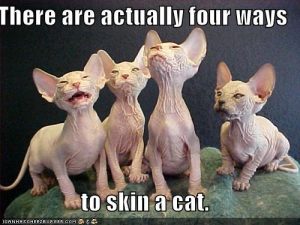
MORE THAN ONE WAY TO SKIN A CAT

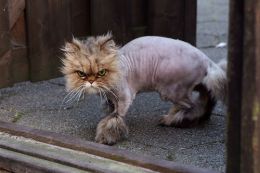
(No cats were harmed in the making of this blog.)

Which is to say, there is more than one way to say just about anything. Idioms, slang, and dialect vary greatly by geographic location and by time, so they can be a great way to ground a character in a particular time and place. Here, for your enjoyment and inspiration, are some variations on common concepts.

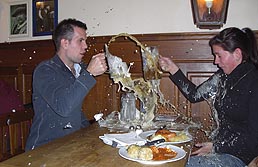
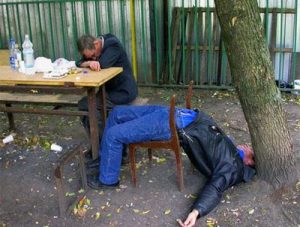
Drunk

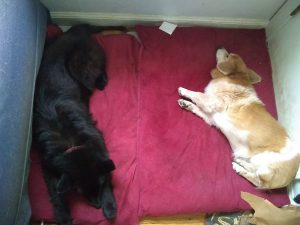
Commode-hugging drunk
  • Inebriated
  • Intoxicated
  • Buzzed
  • Blitzed
  • High
  • Knee-walkin’ drunk
  • Commode-hugging drunk
  • Boozed up
  • Feeling no pain
  • Plastered
  • Ploughed
  • Bladdered
  • Liquored up
  • Under the influence 
  • Seeing double
  • Wall-eyed
  • Goggled
Sloshed
  • Stewed
  • Pickled
  • Battered
  • Blotto
  • Pissed
  • Three sheets to the wind
  • Drinks like a fish
  • Lit up like a Christmas tree
  • Drunk as a skunk
  • Pissed as a newt
  • Tight as a tick
  • Rat-arsed
Legless
  • Under the table
  • Bend an elbow
  • In the bag
  • In his/her cups
  • On Liquorpond Street
  • Away with the fairies
  • Have a load on
  • Well oiled
  • Lush
  • Worse for wear
  • Off the wagon
  • So drunk he opened his shirt collar to piss

Evil/Mean

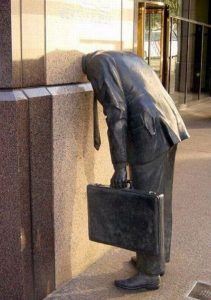
Covidiot
  • Devil
  • Scum bucket
  • Sinner
  • The second half of saints and sinners
  • Troublemaker 
  • Villain
  • Benighted
  • Snake in the grass
  • Back-biting
  • Oxygen thief
  • Lower than a snake’s belly (in a wagon rut)
  • Sonofabitch 
  • Abbreviated piece of nothing
  • Farging icehole

Frigidity/Arousal/Sex (Female)

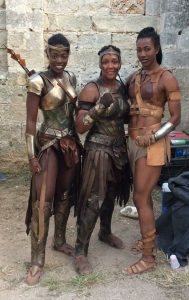
Amazons
  • Colder than a witch’s tit
  • Cold fish
  • Like making love to a corpse
  • Enough to make a man choose celibacy 
  • Built like a brick shit-house
  • Body to die for
  • Man magnet
  • Everyman’s wet dream
  • Wanton
  • On the pull
  • Always ready to ride
  • Just call her Eveready
  • Get a bit of sugar stick
  • Make a sausage sandwich
  • Give juice for jelly
  • Little Miss Roundheels
  • Celing Inspector
  • MILF/ GILF
  • No better than she should be
  • She’ll put out for anything in pants
  • She’s had more pricks than a secondhand dartboard
  • Scarlet woman  
  • Cougar
  • Cure for an Irish toothache
  • Go like a herd of turtles

Impotence/Arousal/Sex (Male)

Bro or Dude-bro
  • Can’t get it up/ can’t keep it up
  • Wilts like cut flowers in the sun
  • Drained away like an ice cube in the desert
  • Get a hard on
  • Get his rocks off
  • Carrying a woody
  • Hung like a prize bull
  • Butter her buns
  • Put his little hat on
  • He’s a regular Energizer Bunny
  • Manwhore
  • Roacher
  • Rake
  • Lounge lizard
  • Beau-nasty
  • Dipping his wick
  • Jumping her bones
  • Doing a little front-door work
  • Ring her bells/chimes
  • On the make
  • Jesuit boxer
  • Punk
  • Gym rat
  • Tosser
  • He’d fuck anything with a hole in
  • He gets more ass than a toilet seat
  • All mouth and no trousers

Incompetent

Not the sharpest tool in the shed/ brightest crayon in the box
  • All foam, no beer
  • Doesn’t have all her cornflakes in one box
  • All the cheese slid off his cracker
  • Body by Fisher, brains by Mattel
  • Can’t find his ass with both hands
  • Her sewing machine is out of thread
  • Receiver is off the hook
  • Skylight leaks a little
  • Not up to XXX
  • Not cut out for XXX
  • Out to lunch
  • Just doesn’t have it
  • Can’t walk and chew gum at the same time
  • He would fuck-up a wet dream
  • Not able to hit the ground with his hat
  • Batting zero
  • One step forward, three steps back

Lazy

Permanently set to “Stand-By”
  • Layabout
  • Do-nothing
  • Shiftless
  • Slow as molasses in January
  • Doesn’t have the gumption God gave a turnip
  • His get up and go has got up and gone
  • Too lazy to scratch an itch
  • Wouldn’t even scratch his ass if he could get someone else to do it for him
  • Laggard
  • Goldbrick
  • Freeloader
  • Sponger
  • He counts sawing logs as working

Mentally Unbalanced

Coocoo for Cocoa Puffs
  • Insane
  • Bonkers
  • Crazy
  • Berserker
  • Cracked
  • Lunatic
  • Deranged
  • Mad as a hatter
  • Nut case/job
  • Fruitcake
  • Potty
  • Psycho
  • Mental
  • Unglued
  • Batty
  • Bats in the belfry/attic
  • Looney (Tunes)
  • Has a screw loose
  • Sees the world slant/sideways
  • Has his/her own reality

Stupid

The lights are on, but nobody’s home.
  • World’s only living brain donor
  • Musclebound between the ears
  • Not enough brains to give himself a headache
  • Not the sharpest tool in the shed
  • A few clowns short of a circus
  • A few fries short of a Happy Meal
  • An experiment in Artificial Stupidity
  • A few beers short of a six-pack
  • Dumber than a box of rocks
  • A few peas short of a casserole
  • Has an IQ of 2, but it takes 3 to grunt
  • The wheel’s spinning but the hamster’s dead
  • One Fruit Loop shy of a full bowl
  • Sharp as a corner on a round table
  • One taco short of a combination plate
  • A few feathers short of a whole duck
  • Warning: objects in mirror are dumber than they appear
  • Couldn’t pour water out of a boot with instructions on the heel
  • Fell out of the Stupid Tree and hit every branch on the way down
  • An intellect rivaled only by garden tools
  • As smart as bait
  • His chimney’s blocked
  • She’s so dumb she thinks her bottom is just to sit on
  • Elevator doesn’t go all the way to the top floor
  • Forgot to pay his brain bill
  • Antenna doesn’t pick up all the channels
  • His belt doesn’t go through all the loops
  • If he had another brain, it would be lonely
  • Missing a few buttons on her remote control
  • No grain in the silo
  • Proof that evolution CAN go backwards
  • Several nuts short of a full bar
  • Surfing in Nebraska
  • Slinky’s kinked
  • Too much yardage between the goalposts
  • One of her dogs has slipped the leash
  • Dead from the neck up
  • Only 50 cards in his deck

Ugly

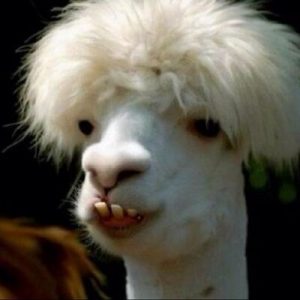
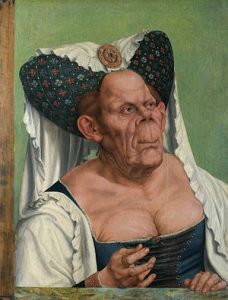
A face like the south end of a horse walking north
  • A face only a mother could love
  • A face not even a mother could love
  • Should have been drowned at birth
  • As for how s/he looks, s/he has a great personality
  • Homely
  • Ill-favored
  • Not much to look at
  • As attractive as hairs on a mole
  • Beaten with an ugly stick
  • Doesn’t need a mask for halloween
  • A face that could crack mirrors
  • Face that could scare the walking dead
  • “If my dog was as ugly as he is, I’d shave his butt and walk him backward!”
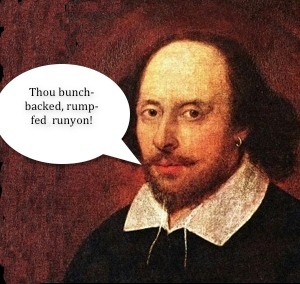
The Bard is a very useful friend to those looking for creative insults.

For more feline desquamation alternatives, browse through variations of slang used in countries where English is spoken around the world. Some of my favorites are Irish, Scottish, Jamaican, Kiwi, Australian, South African, and New York English. (Yes, New York English deserves a separate listing.) If you really want be specific about a character’s background, consider idioms and slang distinct to a particular region within a country.

Bottom line for writers: fresh phrases or clichés, take your pick.

Use Slang and Clichés Effectively

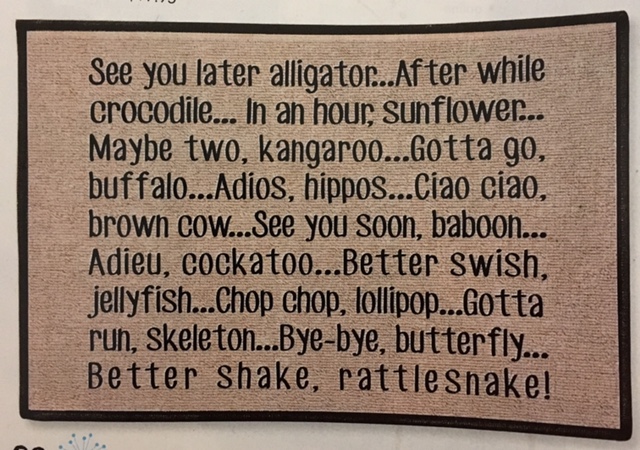
see you later alligator
In my opinion, the best use of slang is setting the time of the story. Using any of the above farewells screams the 1950s. “Gag me with a spoon” is soooo 1980s.


Slang has always been with us, evolving from docks, gutters, gambling dens, and society soirees. It changes with the times. That is its strength and its weakness. Used effectively, it lends authenticity to dialogue. But if writing about any time other than the present, tread carefully. Inappropriate slang can ruin the tone and undermine the credibility of the entire story.
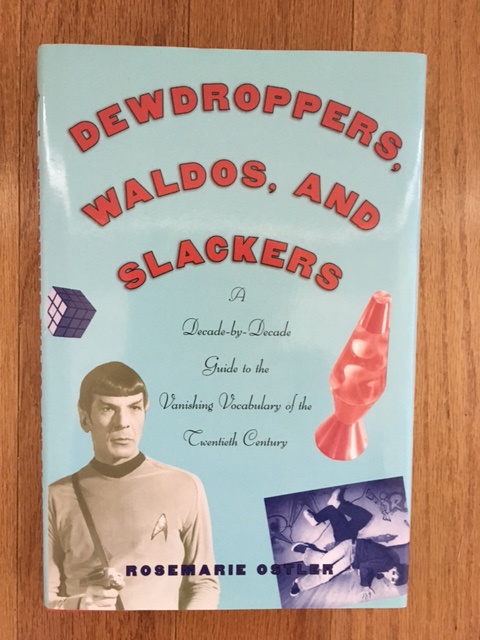
dewdroppers waldos slackers rosemarie ostler
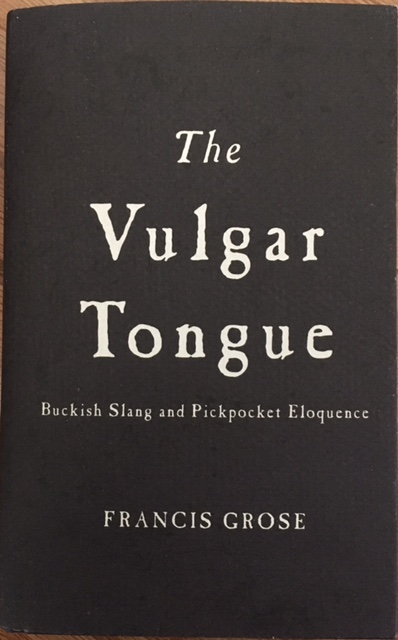
As with so many things, there are books for that! When writing “historical” fiction in any genre, books such as this should rest alongside a good dictionary and a convenient thesaurus.


A seldom recognized use for really old slang: when used judiciously, it can add freshness to writing.
The Vulgar Tongue Francis Grose
When the meaning is clear but the phrase isn’t current, it can sound creative. E.g., cow-handed to mean awkward, brazen faced to mean impudent or shameless, sugar stick to mean a penis.


When not to avoid clichés: when adding authenticity to dialogue. Some say you should avoid clichés like the plague, but at the end of the day, using them is as American as apple pie. Why reinvent the wheel when there are so many kick-ass expressions already out there? Don’t overdo it, but recognize that people really do say things like, “I’m wound tight as an eight-day clock” or “nutty as a fruitcake” or “Keep a stiff upper lip.” Sometimes a repeated cliché can be an effective speech tag for a specific character.


Last but not least, browsing a good book of clichés can be informative. Kick the bucket has meant to die since at least 1785!  And keep your shirt on, meaning to stay calm, predates 1854. On the other hand, kick up your heels, meaning show spirit or having a great time, is a far cry from 1500, when it meant to die. So, one more for the reference shelf!


use slang cliches effectively dictionary cliches james rogers