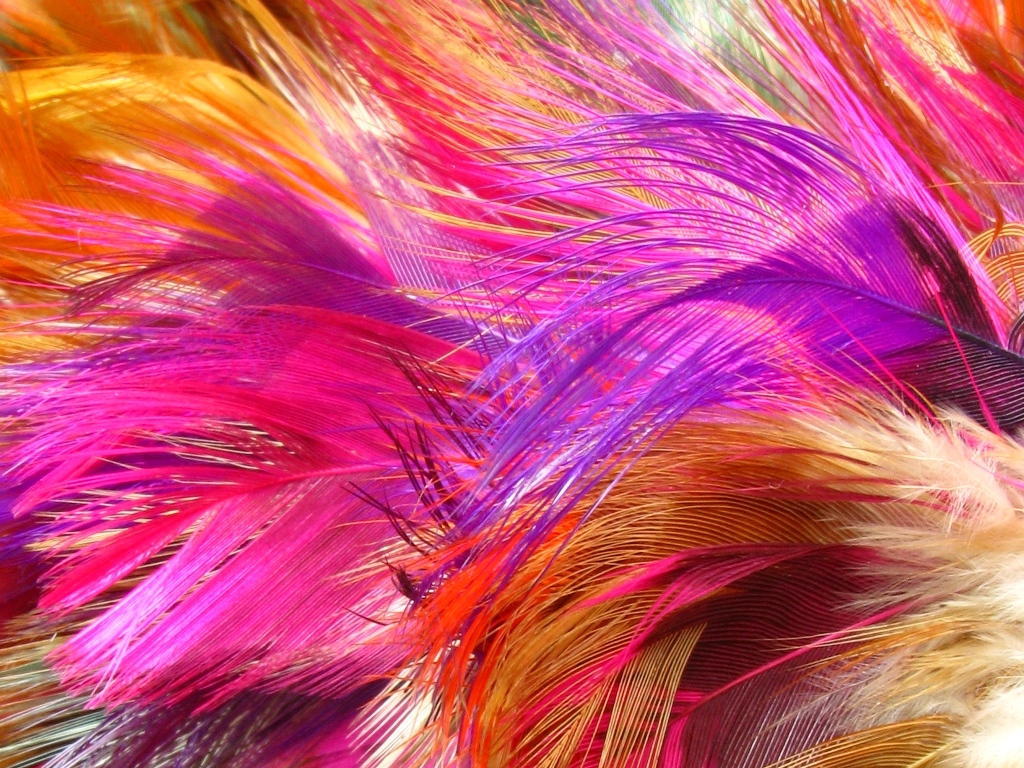
I thought I knew feathers. Researching this blog revealed the vastness of my ignorance!
Feathers have a variety of uses across history, cultures, and industries. Here are some of the most common and notable uses:
Writing
Historically, writers used feathers (especially from geese or swans) to make quill pens before the invention of the metal nib pen.
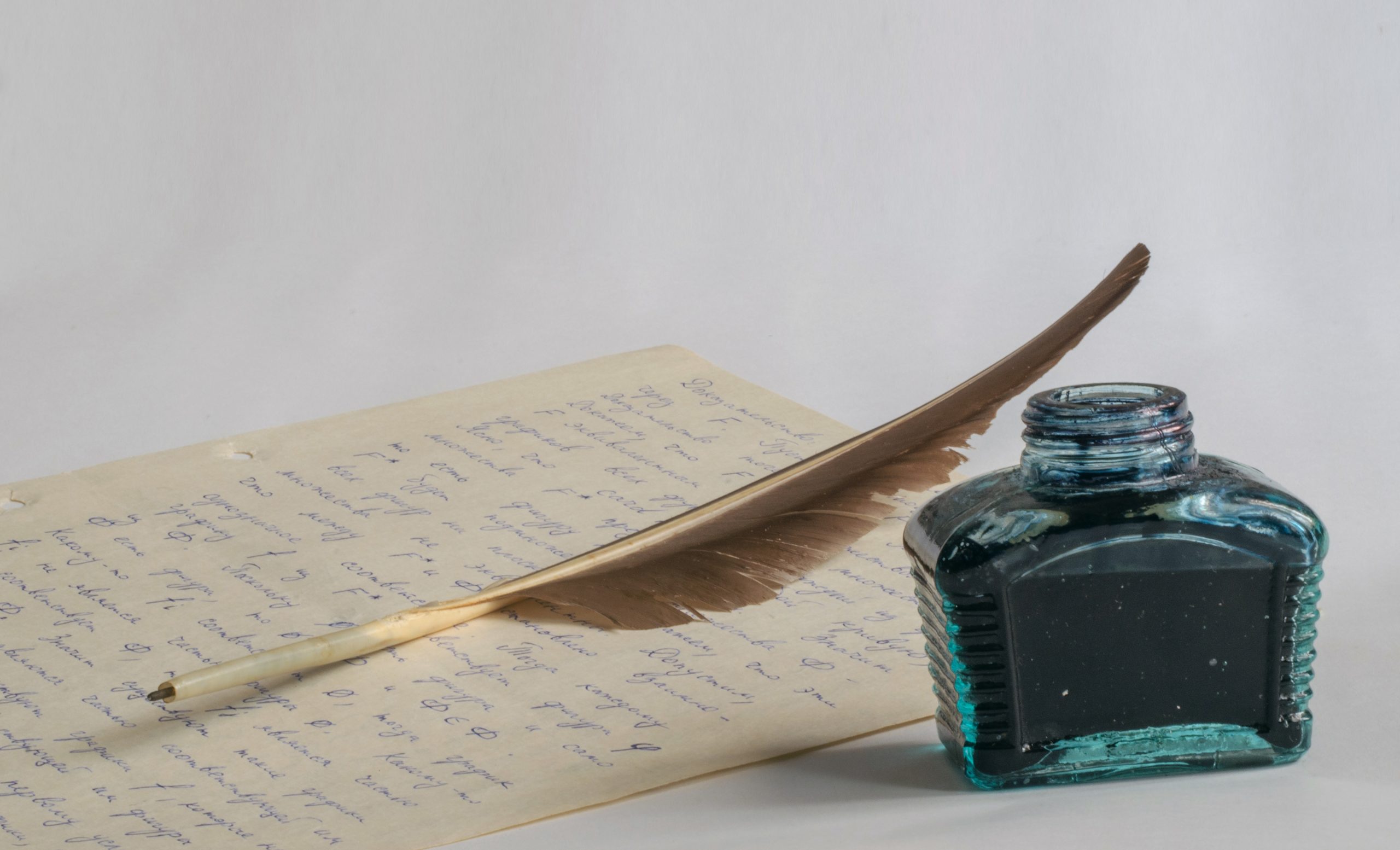
Quill pens were used from around the 6th century until the 19th century, evolving as a primary writing tool during the Middle Ages and remaining dominant until mass-produced dip pens emerged around 1820.
Warmth
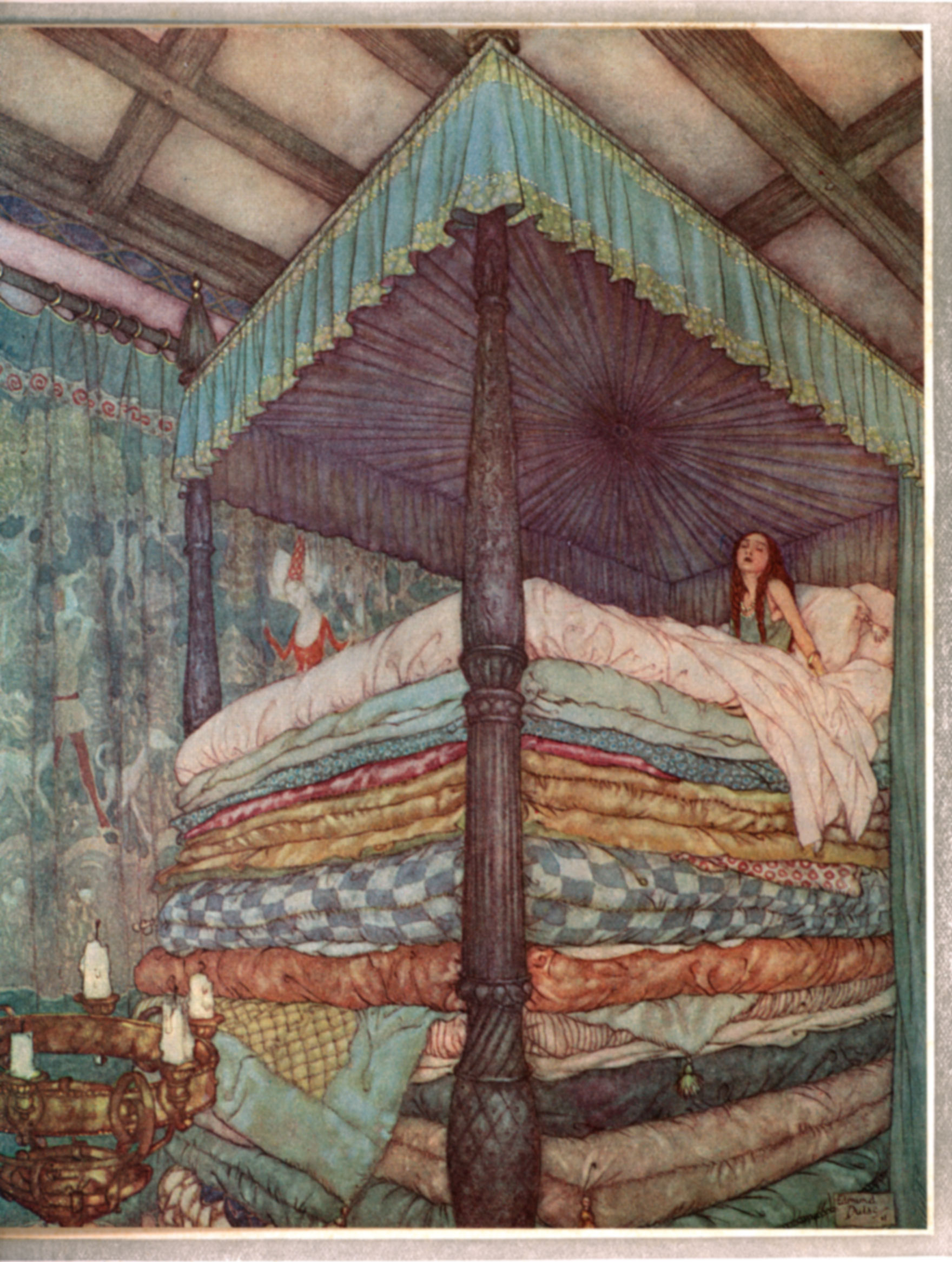
Today, people use down feathers from ducks or geese in jackets, sleeping bags, and blankets for their excellent insulation properties.
The use of feathers for bedding dates back centuries, providing insulation and comfort in featherbeds
As a child, I slept with feather ticks at my granny’s house. These were made primarily from chicken feathers, some duck, with the nibs cut off.
Feather ticks were common in historical bedding, often placed over a harder mattress to make it more comfortable. Also called a featherbed or tick, it’s a linen or cotton bag filled with feathery down and sewn shut, traditionally used as a mattress topper or blanket to add softness and warmth to a bed. Regarding the origin of the term “tick,” it refers to the fabric covering or bag that holds the feathers, not the insect.
Feather-filled pillows and comforters are popular for their softness and insulation.
Feather Market
There is money to be made in feathers! Recent market figures confirm that the global market in feather products is significant and expecting steady annual growth.
Down jackets: $28.49 billion in 2025
Sleeping bags: $2.67 billion in 2025
Down bedding: $3 billion in 2025
Decorative Use
Fashion designers often use feathers in hats, boas, and capes for fashion.

Costume designers use them for Carnival and performance costumes (e.g., burlesque, theater, and dance). Feathered fans are traditional and iconic in fan dancing (especially in styles like burlesque or Hawaiian hula).
Some designers add feathers to clothing, bags, and shoes for a unique, luxurious, or exotic aesthetic.
Many traditional cultural attires include feathery adornments, such as Native American headdresses, Hawaiian chieftain capes, and Siberian Sakha winter clothing.

Home Decor
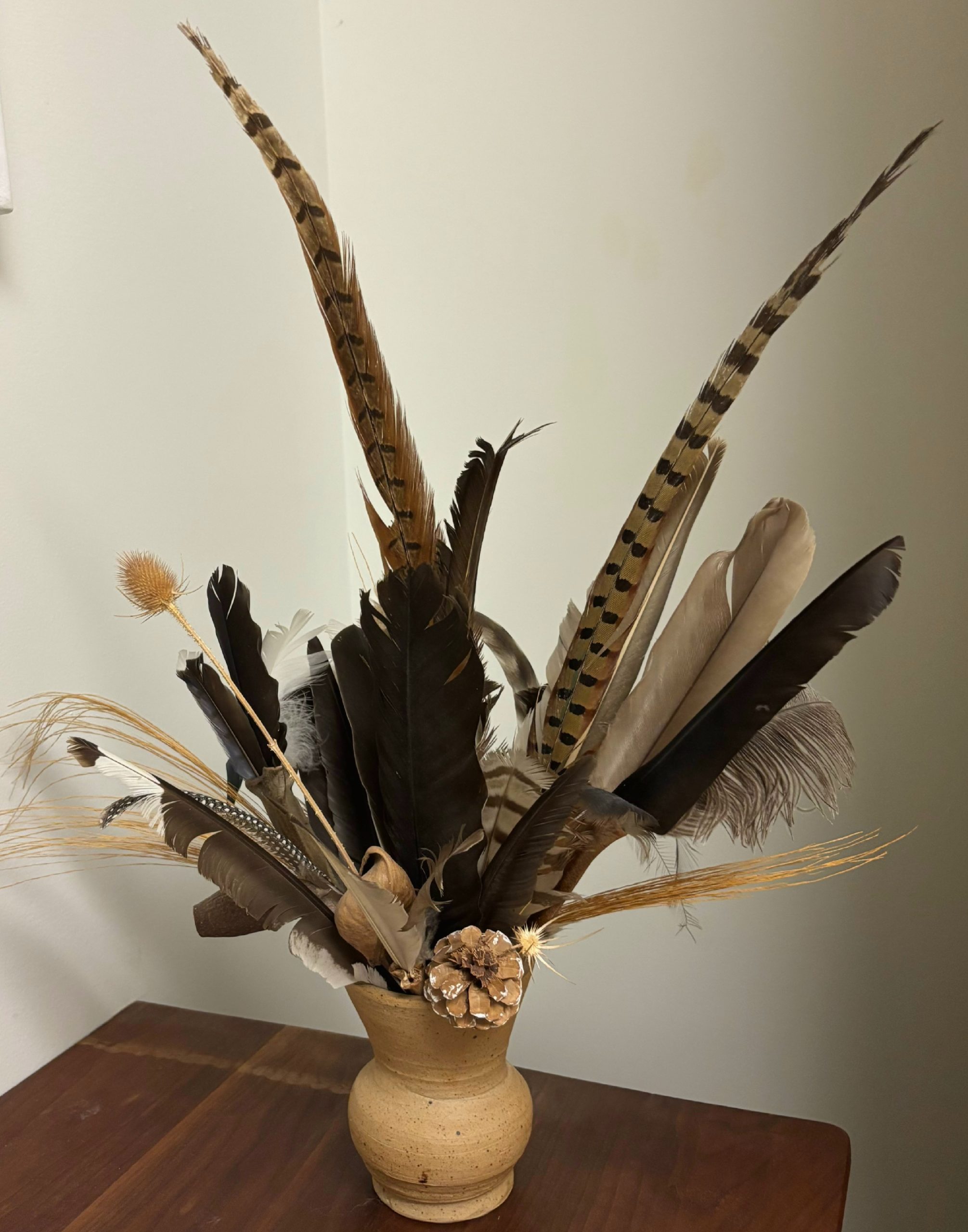
Decorators use feathers in wreaths, garlands, centerpieces, and wall art.
I made this bouquet of feathers in crab tails!
DYI Crafts and Art
Jewelry (e.g., earrings, necklaces)
Scrapbooking and card-making
Dreamcatchers and other handmade decor
Used in paintings, sculptures, and mixed-media art projects
Spiritual and Healing Practices
In some Indigenous traditions, participants use feathers to waft smoke from burning herbs (like sage or cedar) during smudging ceremonies.
Some believe a feather can to help direct or cleanse energy during rituals.
Symbolism and Ceremonies

Feathers often represent honor, freedom, and spirituality in many cultures.
Eagle feathers are sacred and used in ceremonies, rituals, and as symbols of honor in many Native American traditions. The laws around possessing an eagle feather are complicated and vary from state to state.
In ancient Egypt, feathers symbolized truth and justice (e.g., the feather of Ma’at).
Feathers are sometimes used as symbols of achievement, such as in military or scout badges.
Military Uses

Historically, fletchers used feathers to stabilize arrows in flight, for battle, hunting, and archery demonstrations.
Feathers have adorned military uniforms in some historical periods (e.g., cavalry helmets or officer hats). Particularly on headgear, these feather adornments aid in battlefield identification.
Several Native America tribes present feathers to members for particularly courageous actions, such as military feats. These feather awards often form part of traditional regalia, including war bonnets and hair ornaments.
Musical Instruments

Artisans sometimes use feathers to decorate instruments like guitars, violins, ‘uli’uli, or drums for aesthetic purposes.
In some cultures, musicians have used feathers to create sounds or as part of musical instruments for millenia. Appalachian dulcimer players today sometimes use a feather quill to pluck the strings.
Sports
Fishermen use feathers to create artificial flies for fly fishing, mimicking the appearance of insects or baitfish.
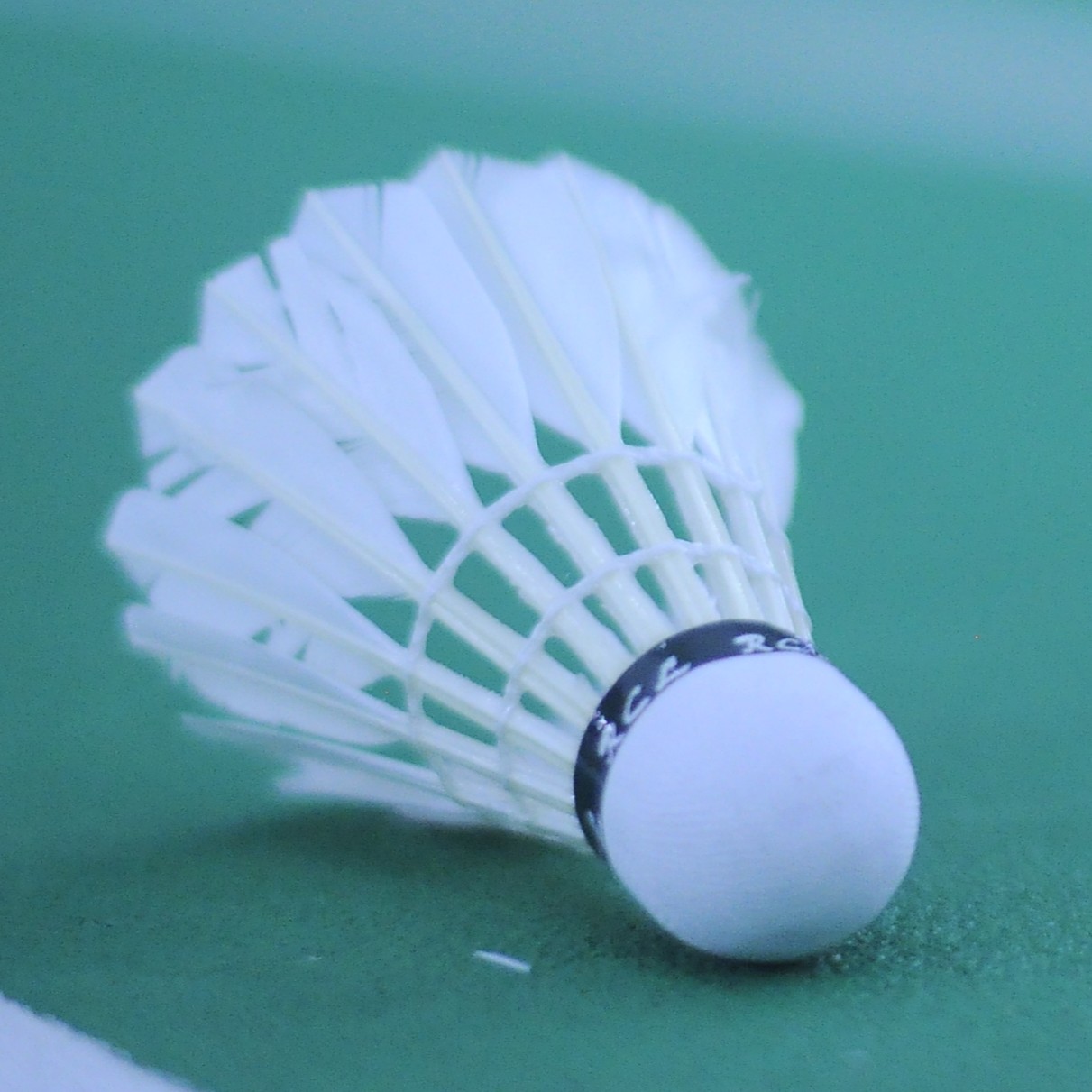
The word “shuttlecock” comes from the projectile’s resemblance to a rooster’s tail. A traditional shuttlecock is composed of feathers secured in a cork wrapped in thin leather. Badminton is the most well-known sport that uses shuttlecocks. Players hit the shuttlecock back and forth over a net using rackets.
Battledore is an ancient game similar to badminton, where players use a small paddle (battledore) to keep a shuttlecock in the air for as long as possible. Less structured than badminton, battledore is often played casually or by children.
Hanetsuki is a traditional Japanese game similar to battledore and shuttlecock. Players use wooden
paddles to hit a shuttlecock and keep it airborne.
Home and Garden

Feather dusters are quite handy, traditionally used for cleaning delicate surfaces like lampshades, blinds, and furniture due to their softness and ability to trap dust.
Gardeners and farmers sometimes use feathers (especially owl feathers) in gardens or farms to deter pests like birds or rodents.
Environmental and Scientific Uses
Feathers are studied in biology and ecology to understand bird behavior, migration, and health.
Researchers use feathers in tracking and monitoring bird populations (e.g., banding feathers with identification tags).
Industrial Uses
Economists estimate that feathers yield a profit of about 50 cents per pound in industry, significantly higher than the profit from chicken meat—or so I read!
A byproduct of poultry processing, feather meal is used as a slow-release fertilizer in agriculture due to its high nitrogen content.

Research is ongoing into using feathers (keratin) to create sustainable materials like bioplastics or textiles.
Toys with attached feathers can stimulate playful cats or train hunting dogs.
Feathers provide extra comfort in pet nests or the filling of beds.
Ethical and Sustainable Considerations
Many feathers used today are byproducts of the food industry (e.g., from ducks or chickens raised for meat or eggs).
Feathers harvested specifically for use in fashion or crafts raise ethical concerns about animal welfare. Many people use synthetic feathers (made from polyester or other materials) as cruelty-free alternatives in fashion and decor.
And Because Sex Was Mentioned in the Title
Feathers have a long history of being used in sensual and sexual contexts, often for their tactile, visual, and psychological appeal, often used as part of foreplay, roleplay, or sensory exploration.
You can look it up!
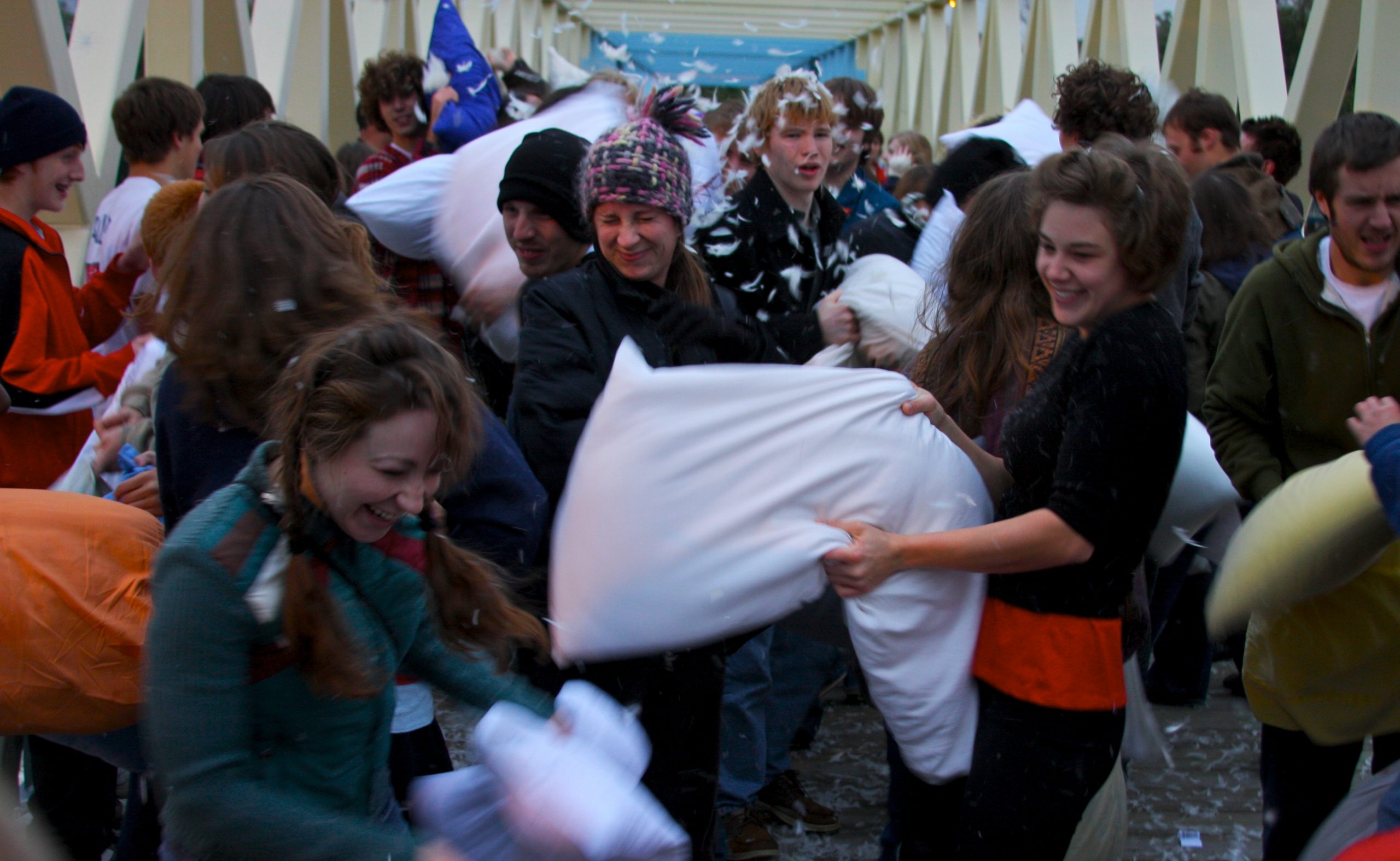
Feathers can provide light, teasing touches to heighten sensitivity and arousal.
They are popular in sensory deprivation or tease-and-denial play. People might use feathers as part of bondage or restraint play, to enhance the experience of being controlled or immobilized. Partners may use feathers to explore each other’s bodies in new ways, adding variety to foreplay or massage.
Roleplay scenarios might feature feathers, such as feather dusters in domestic servant or maid fantasies.
Tantric or spiritual intimacy practices, where people use touch to deepen connection and mindfulness, may incorporate feathers.
In some cases, people use feathers in temperature play, either by chilling them or warming them.
Many people create homemade feather wands or ticklers by attaching feathers to handles or using them in combination with other tools like floggers or crops.
Issues to Consider
Ensure feathers are clean and free of allergens, especially if shared between partners or used in sensitive areas.
Always discuss boundaries and comfort levels beforehand, especially when introducing new sensations or tools.
Use soft, high-quality feathers to avoid irritation or discomfort.
Never use feathers in the eyes, ears, or throat, as they can cause injury.
Bottom Line: Feathers are useful as well as ornamental, valued for both profit and pleasure.