Today’s guest blog was written by Kathleen Corcoran
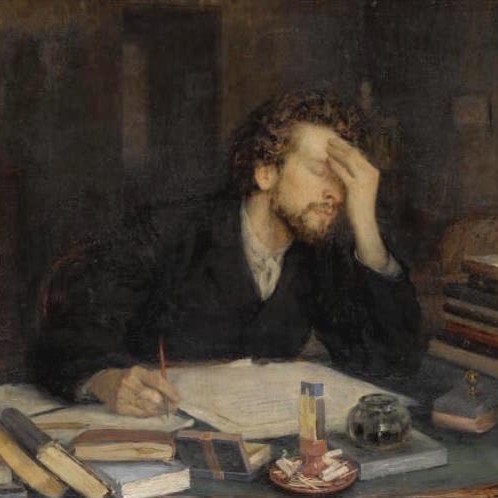
For several years, I’ve had the idea of a story bouncing around in my head. I had a vague plot and a few bits of interesting dialogue in mind. Occasionally, I’d dive into a flurry of research, absorbing every book I could find related to minor elements that might factor into the story. But I never actually sat down and wrote anything.
A talk with some friends revealed that all three of us were in the same spot. Great ideas, plenty of research… very few words written. One friend suggested that NaNoWriMo (National Novel Writing Month) might be the answer.
The official writing challenge has been in a kind of limbo for a few years, but the idea is pretty simple: write a complete draft of a novel, at least 50,000 words, in one month. Traditionally (since 2000 at least), NaNoWriMo has taken place in November, but we decided to do it in February. We wouldn’t have local celebrity endorsements or official contest entries, but we could try writing 2,000 words every day.

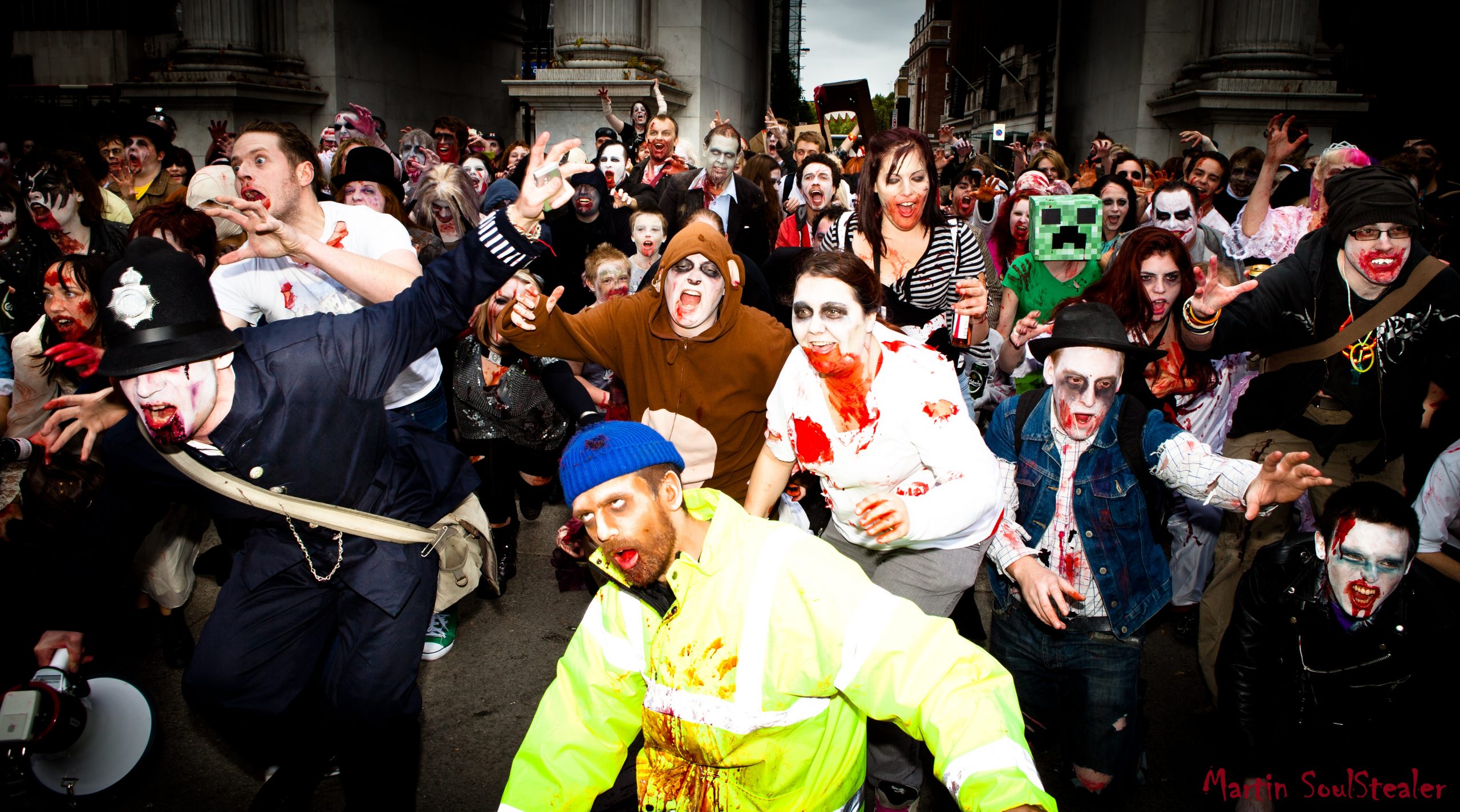
And so I spent January of this year coming up with an outline and writing character backgrounds. On the morning of February 1st, I sat down to answer a question I’d been considering for years: How would the residents and staff of a retirement community behave during the Zombie Apocalypse?
For the first few days, meeting the daily goal was easy. I got up extra early and typed up 2,000 words of scenes I’d already mapped out in detail. Dialogue that had been perfected and smoothed for years transferred from my brain to the screen with no trouble. By 6am, I had met my word count and could start my regular morning schedule.
And then, around the fifth day, I ran out of outline. All the interesting bits and scenes I’d so carefully worked out over the preceding month were already written. The rest was much more vague than I realized. Meeting my daily word count was no longer a simple matter of typing the words I had already polished.
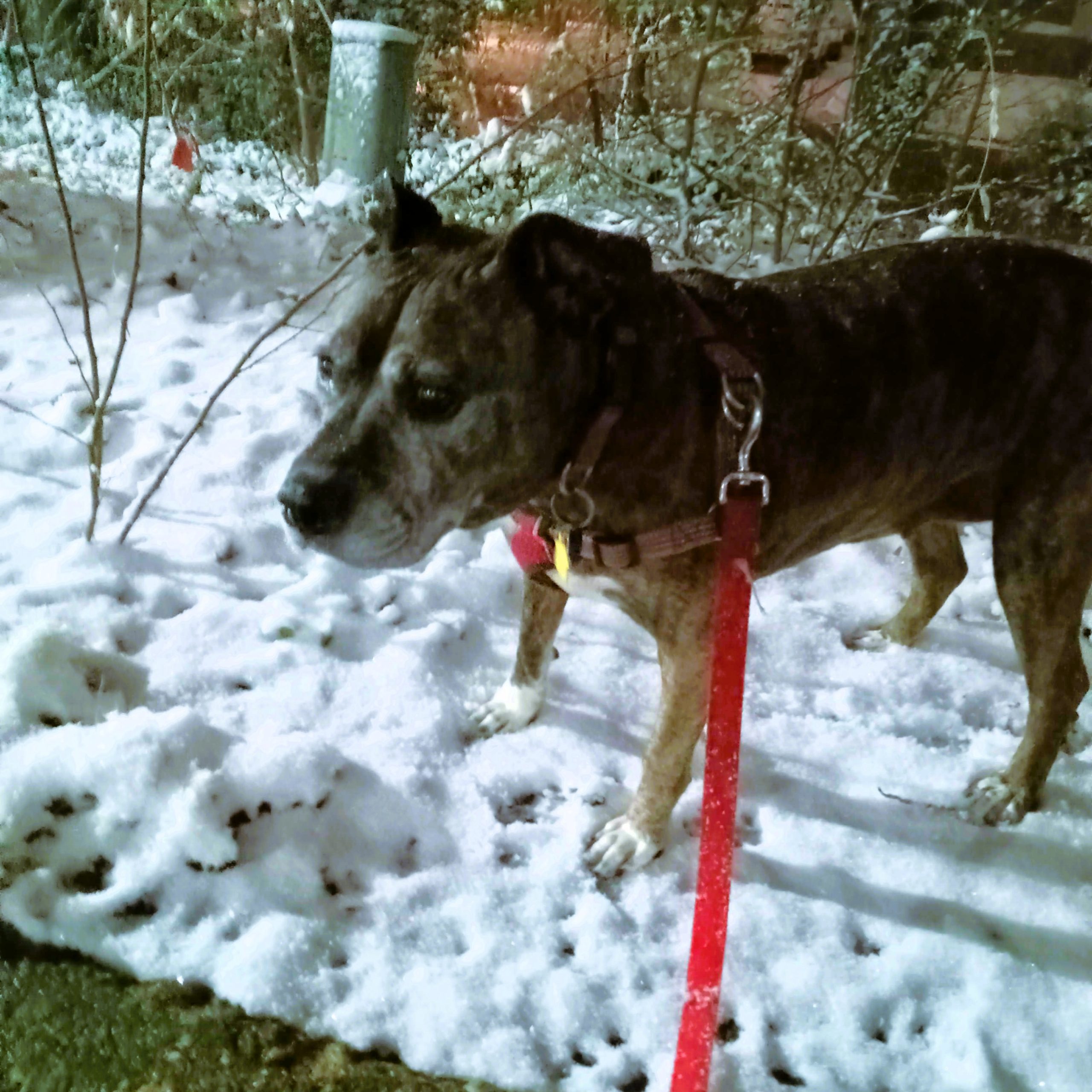
With my road map gone, I developed a routine to force out the words every day. Before sitting down to write, I’d take my dog for a very early morning walk. In the freezing pre-dawn, I’d ask her about whatever story bits were giving me trouble. How to move a character who needed to be in two places at once? Which character should I send to scavenge medicine? What’s a realistic reaction for a nurse when confronted with the walking dead? Ladybug gave excellent feedback, though I admit I didn’t understand most of it. When I sat down to write, she’d park her chin on my knee to make sure I didn’t give up early.
Part of what makes NaNoWriMo successful is community support. Participants can meet up with other writers to work together. Schools or libraries sometimes sponsor all-night marathon writing sessions. My fellow novel sprinters and I were in different time zones, so meeting up in person to write together wasn’t really feasible. We checked in frequently over the phone and helped each other with sticky plot points, but we were basically working in isolation.
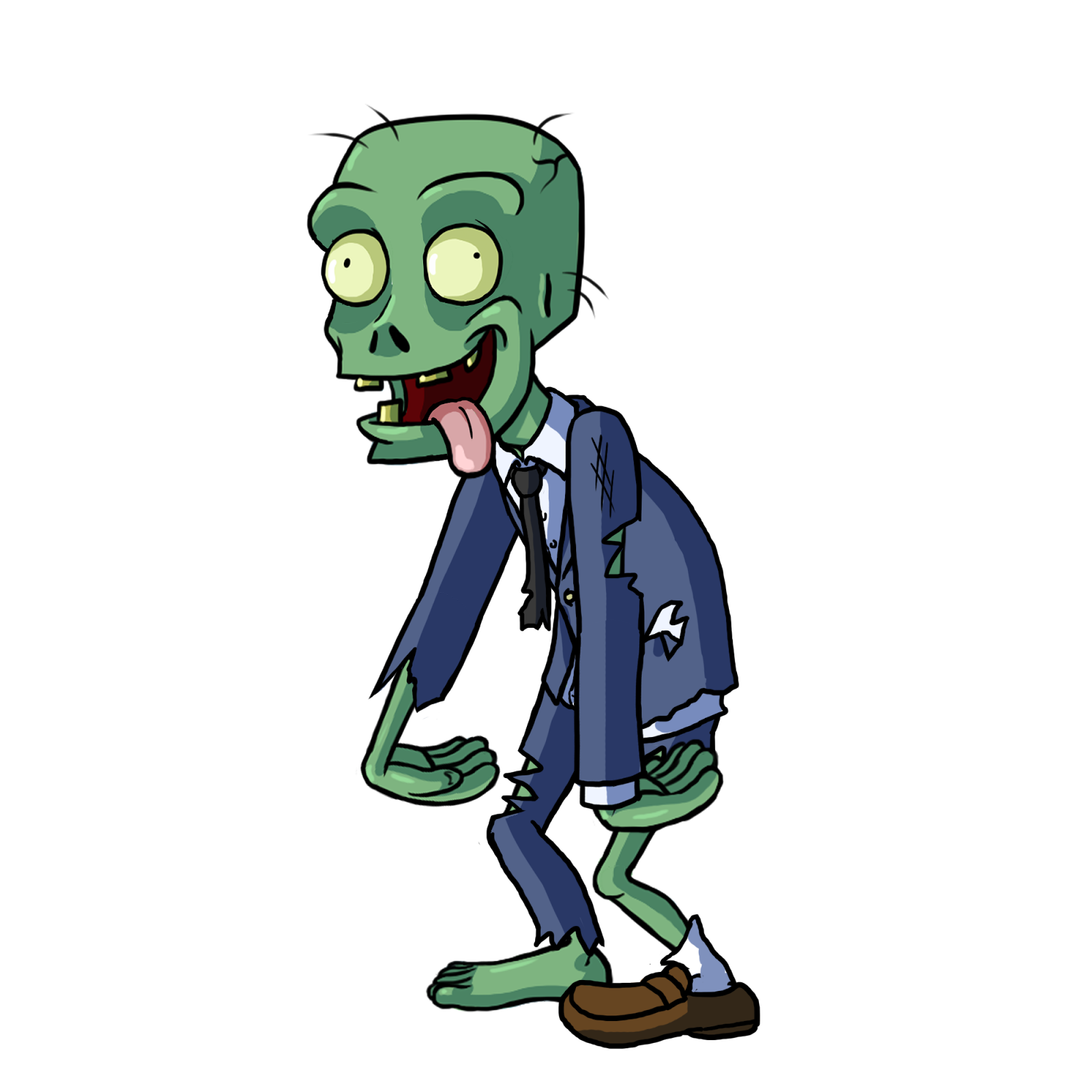
For the entire month of February, NaNoWriMo more or less took over my brain. I asked random people I met how their job skills would help them fight zombies. At work, I listened to nursing school lectures, podcasts about wheelchair accessible farming techniques, and audiobooks about the pathology of rabies. My spouse put up with me turning every conversation back to the problems of corpse disposal or scavenged weapons.
People around me started to get concerned. I asked a doctor for suggestions of medications that a patient would die without. At one point, my boss overheard me talking through a plot point with a friend: “I think I need to kill Hank, just to make everyone else sad. Plus, he doesn’t have the upper body strength to decapitate anyone.”
I had a really hard time killing anyone. After writing extremely detailed character backgrounds, I found that I liked these fictional people and didn’t want them to be in any danger. I didn’t even want them arguing with each other. Keeping everyone alive and happy during a zombie attack makes for a pretty boring story.
But the story kept growing! More characters, more subplots, more interesting bits I wanted to work in. Halfway through the month, when I had already written nearly 30,000 words, I decided to introduce an entirely different conflict.
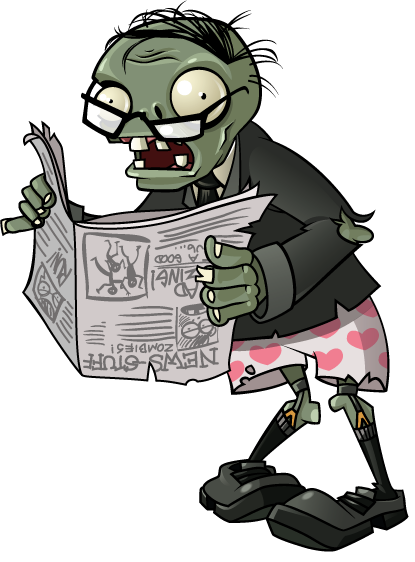
I didn’t write particularly good words, but there were an awful lot of them. In fact, one scene wound up being a commercial for a particular brand of lock as an explanation for why a character couldn’t break into a pharmacy. But the idea of NaNoWriMo is to focus on quantity over quality, then go back and fix the quality later. After spending years with a nebulous idea of a story and endlessly procrastinating with research, I finally had some things written down.
So, did I succeed at NaNoWriMo? Well, sort of. The ultimate goal has two parts: a finished novel and 50,000 words. I completed the latter but not the former. My novel is well beyond the minimum word limit, but I haven’t quite finished the plot. Throwing in an additional villain and a moral quandary separate from zombies meant I have more threads to tie up.
Forcing out so many words every day did become easier as the month went on, but I was completely exhausted by the end. On the morning of March 1st, I opened my computer and stared at the screen for a while before simply walking away. In fact, I haven’t written anything else on the project since the end of February. The marathon writing habits of NaNoWriMo haven’t translated to a reasonable writing habit I could keep up.
Perhaps I should try for another 50,000 words in November.