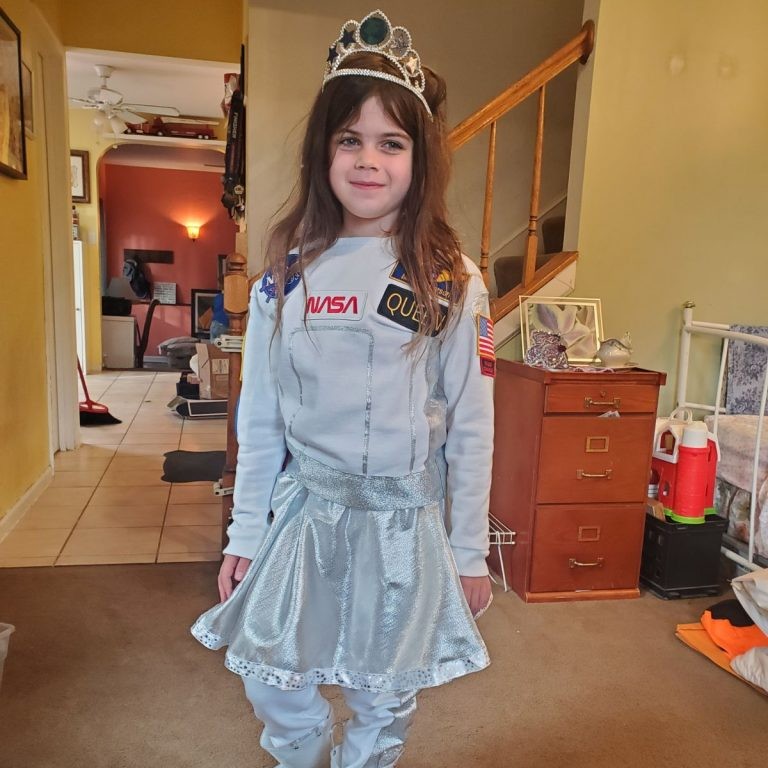
A friend recently mentioned that her niece is obsessed with space and has been excitedly following everything Artemis II she can find. Maybe she’ll become part of the space program someday. Many astronauts have shown a lifelong passion for space, often showing interest in astronomy, space exploration, or science from a young age.
Early Lives of Astronauts
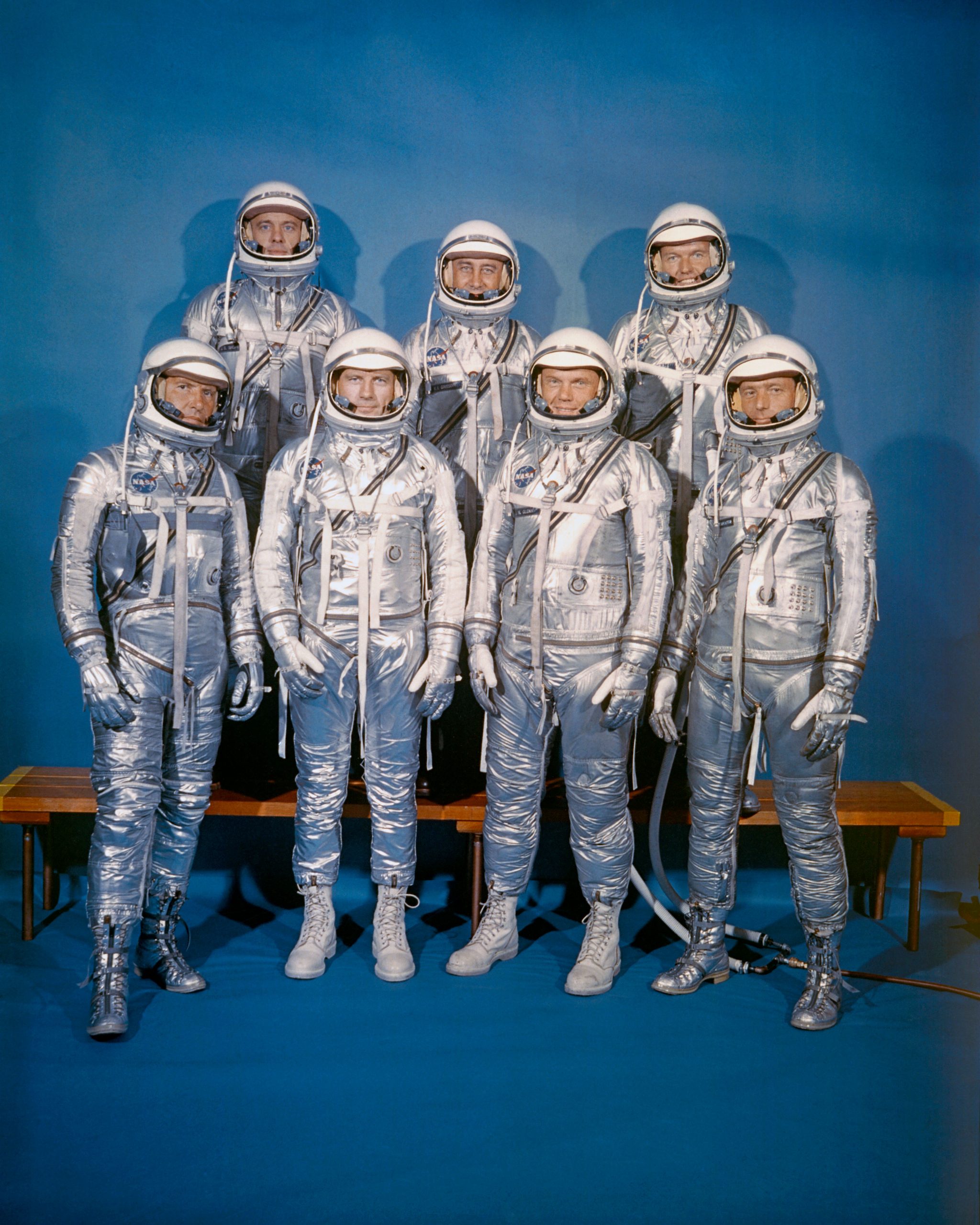
Alan Shepard, Gus Grissom, John Glenn, and Wally Schirra are among the Mercury Seven astronauts who were always interested in space. Other notable examples include:
Neil Armstrong: The first person to walk on the Moon, Armstrong was fascinated by flight and space from childhood, inspired by the early days of aviation and space exploration.
Sally Ride: The first American woman in space, she developed an interest in physics and space science early on, inspired by the possibilities of space travel.
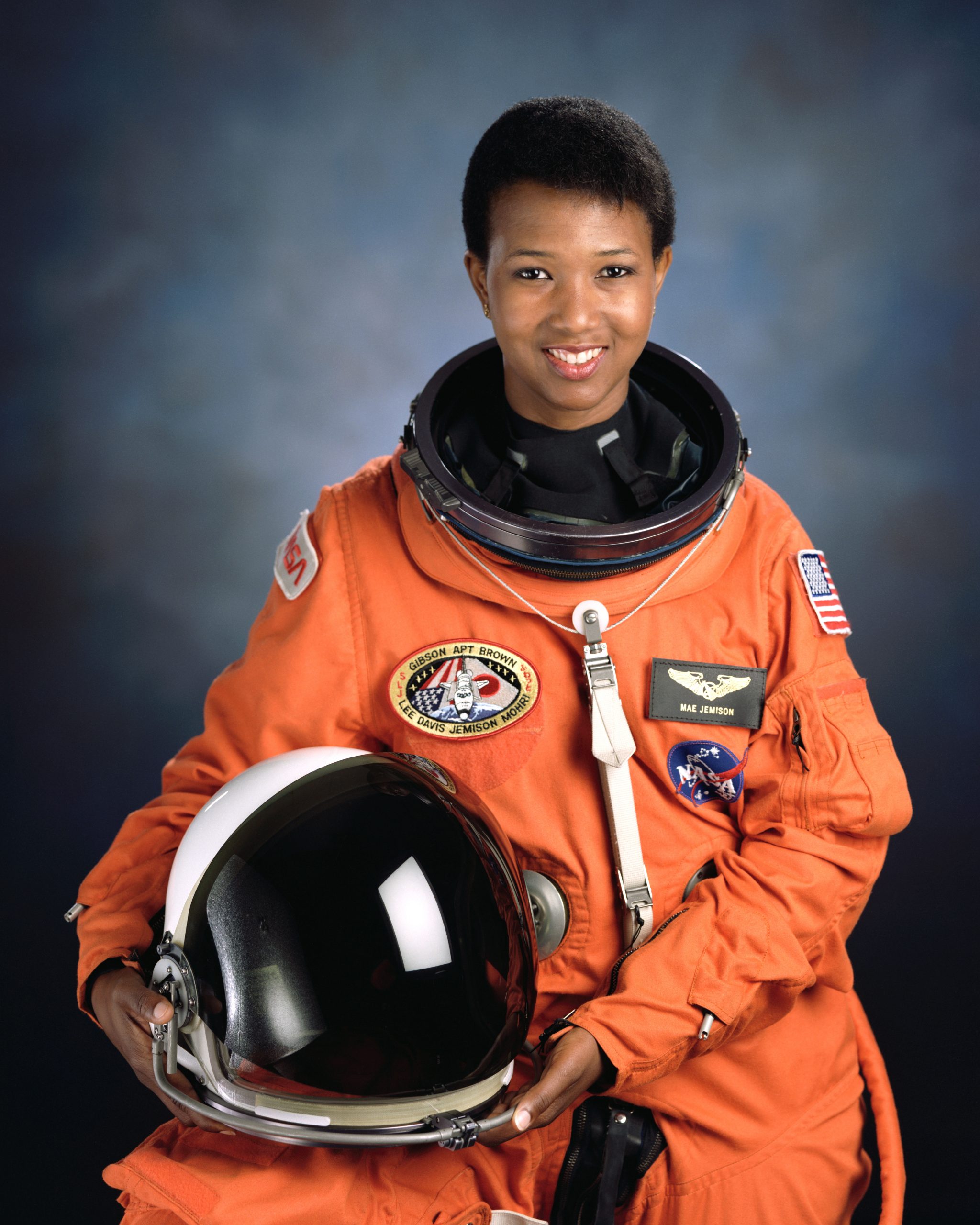
Mae Jemison: The first African American woman in space, Jemison was passionate about science and space from an early age, motivated by her love for learning and exploration.
Chris Hadfield: Known for his social media presence from the International Space Station (ISS), Hadfield was inspired by space exploration throughout his life and pursued a career as an astronaut with great enthusiasm.
Yuri Gagarin: The first human in space, Gagarin was drawn to aviation and space as a young man, inspired by the possibilities of human flight.
Common Children’s Passions
It isn’t just space, of course. Children often become passionate about activities that stem from their inherent talents and strengths.

Running, swimming, biking, team sports, or just playing outside can be a source of excitement and energy for many kids. The Williams sisters began playing tennis at very young ages, with Serena starting around three years old, Venus around age four, coached by their father Richard Williams.
Pretending to be superheroes, explorers, or characters from stories fuels creativity and social skills.
Music and Poetry

Drawing, painting, crafting, music, dance, and storytelling often capture children’s imaginations, allowing them to express themselves and experiment with ideas. Mozart began playing the keyboard and violin and composing music at the age of five.
Cellist Yo Yo Ma began violin lessons at age four and performed Bach Concertos in his first concert at age five at the University of Paris.
British singer Adele developed a passion for voices when she was four years old and published her first track when she was just 17.
Reading and Writing
Books and stories open new worlds and ideas, often igniting a love for reading and learning. Research indicates that reading fiction enhances empathy in children.
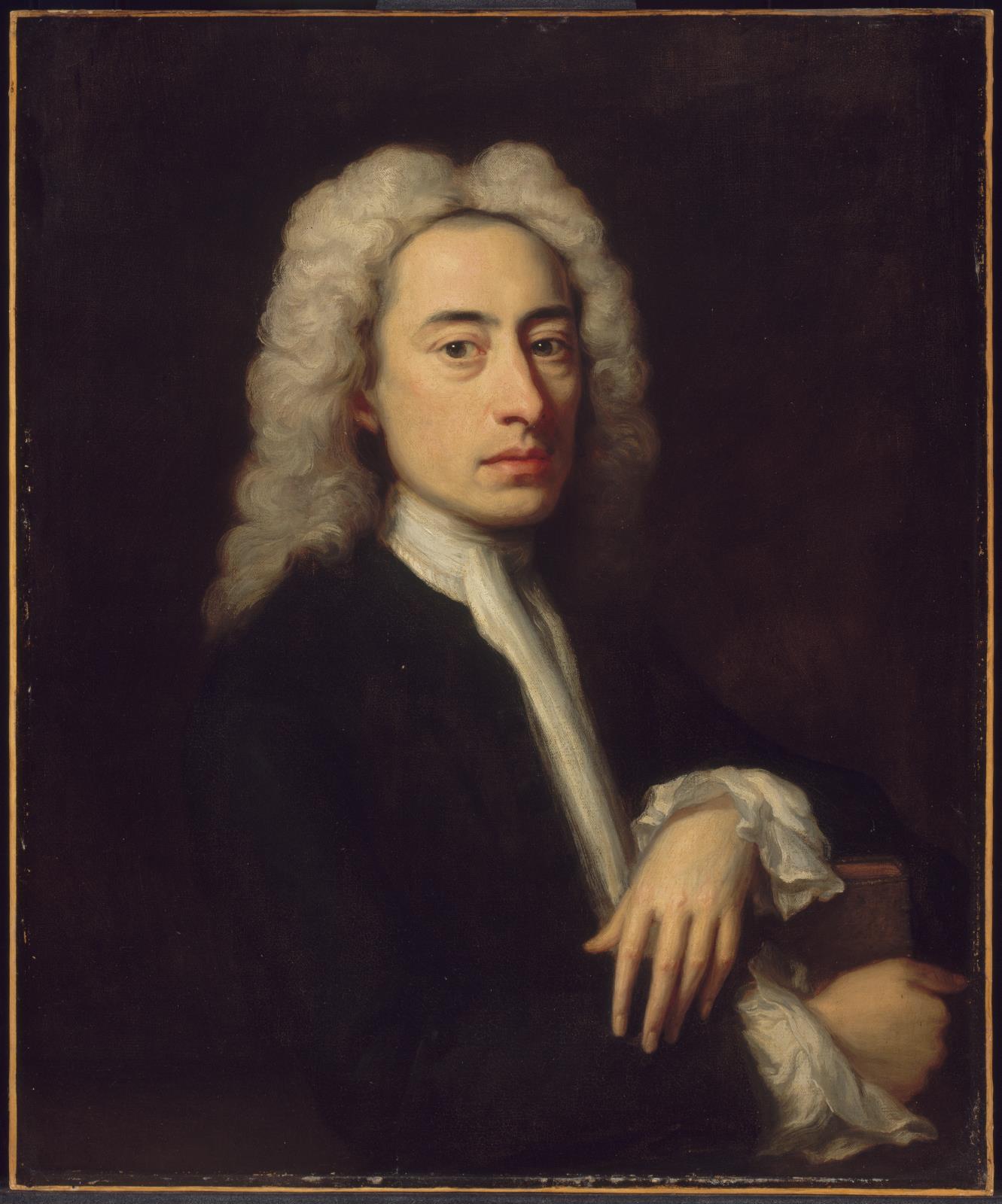
The poet Alexander Pope was a child genius, known for translating major works and writing epics in his early teenage years. He was 12 years old when he wrote his first major piece entitled Ode on Solitude. When he was 21 years old, he published Pastorals.
Terry Pratchett started writing as a child and published his first short story in his school magazine at age 13. He was only 15 at the time of his first commercial publication, “Business Rivals.”
S. E. (Susan Eloise) Hinton wrote The Outsiders when she was only 16 years old.
Many young authors can be found online.
Building and Making
Constructing with blocks, LEGO, or other materials sparks passion in kids who enjoy problem-solving and hands-on creation. The LEGO company partners with schools to encourage children’s building passions and STEAM programs.
Kautilya Pandit, an Indian prodigy who demonstrated remarkable engineering skills at a young age, including building models of bridges and other structures. His achievements in engineering concepts at a young age are remarkable.
Science and Biology
Many children are fascinated by animals, plants, and the outdoors. This can include pets, wildlife, insects, and exploring natural environments like parks or gardens.
Charles Darwin showed an early interest in natural history, collecting beetles and other specimens as a child. His curiosity about the natural world grew during his youth, eventually leading to his groundbreaking work on evolution.
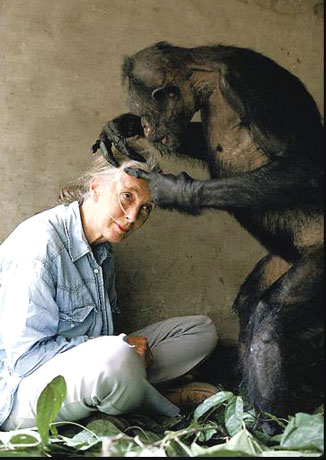
From a young age, Jane Goodall was fascinated by animals and Africa. She began observing and studying chimpanzees as a teenager, which developed into her lifelong career in primatology and conservation.
Rachel Carson’s early fascination with marine life led to her influential environmental writings.
Some children develop an early passion for science, asking questions about how things work, conducting simple experiments, or exploring technology. One of my granddaughters put herself to sleep by mentally solving math problems to the base six instead of base ten. Will she become a famous mathematician? It doesn’t matter!
Supporting Children’s Passions

Supporting children’s passions matters—even when it has nothing to do with career achievements.
Encouraging children’s passions nurtures confidence, curiosity, and resilience. It also helps children develop skills aligned with their interests, which can grow into lifelong hobbies or activities.
Nurturing children’s passionate interests is like watering a young seedling, helping it grow into a strong, vibrant tree. And like any tree, it takes time!
Here are some ways to encourage and support children’s enthusiasms.
Create a Supportive Environment
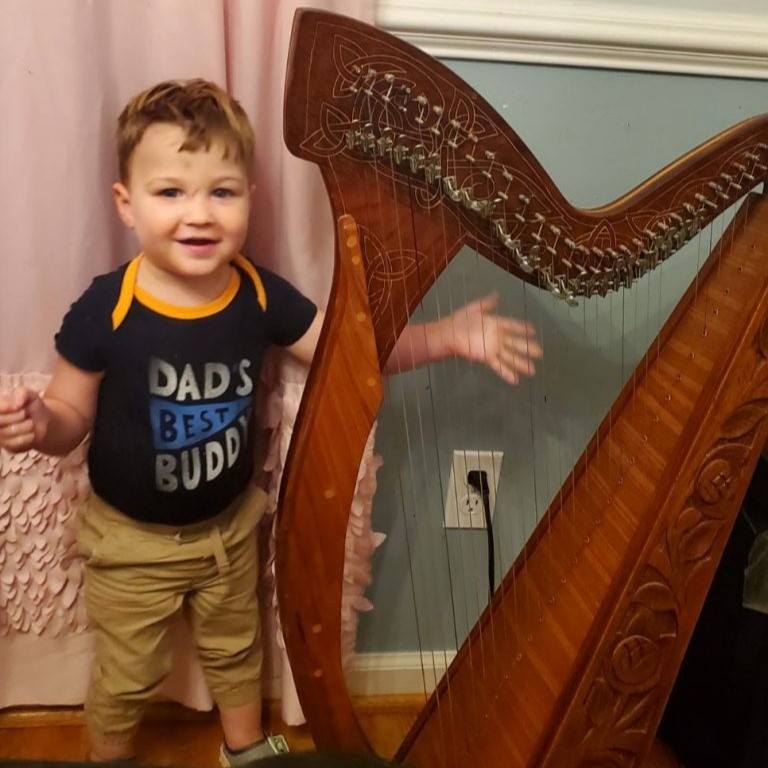
Provide resources: Books, tools, materials, or access to classes related to their interests.
Designate a dedicated space: A cozy corner or area where they can explore freely.
Celebrate curiosity: Show genuine interest and ask questions about what excites them.
Encourage Exploration and Experimentation
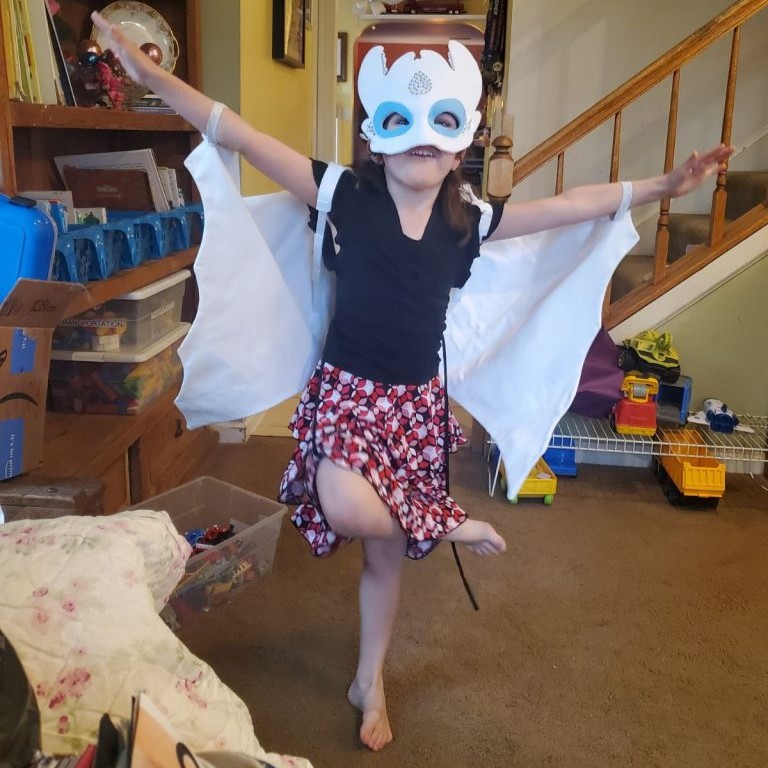
Allow freedom: Let children try different activities without pressure to excel immediately.
Value the process over results: Focus on learning and joy rather than just outcomes.
Support mistakes as learning: Help them see failures as stepping stones, not setbacks.
Be an Active Participant
Engage together: Join in their activities occasionally to deepen connection and show support.
Find role models: Introduce them to people or stories that inspire their passion.
Encourage sharing: Help them express their interests through presentations, art, or storytelling.
Balance Passion with Well-being
Respect their pace: Avoid pushing too hard; let their interest evolve naturally.
Encourage social connections: Foster friendships with peers who share similar passions.
Promote diverse experiences: While focusing on passion, encourage trying other activities to develop well-roundedness.
Long-Term Support

Set realistic goals: Help children set achievable steps to deepen their skills.
Provide opportunities: Enroll them in clubs, camps, or competitions aligned with their interests.
Recognize growth: Celebrate milestones and progress to build confidence. By nurturing children’s passions with patience and encouragement, you help cultivate not only skills but also confidence, creativity, and a lifelong love of learning.
Remember that such passions emerge spontaneously, and can be anything. For example
- Taekwando
- Ballet
- Dragons
- Dinosaurs
- Construction equipment
- Etc., etc., etc.
Bottom Line: Children’s passions reflect their natural curiosity, creativity, and desire to explore the world around them. Encouraging them promotes lifelong learning.