BONE DOCTOR

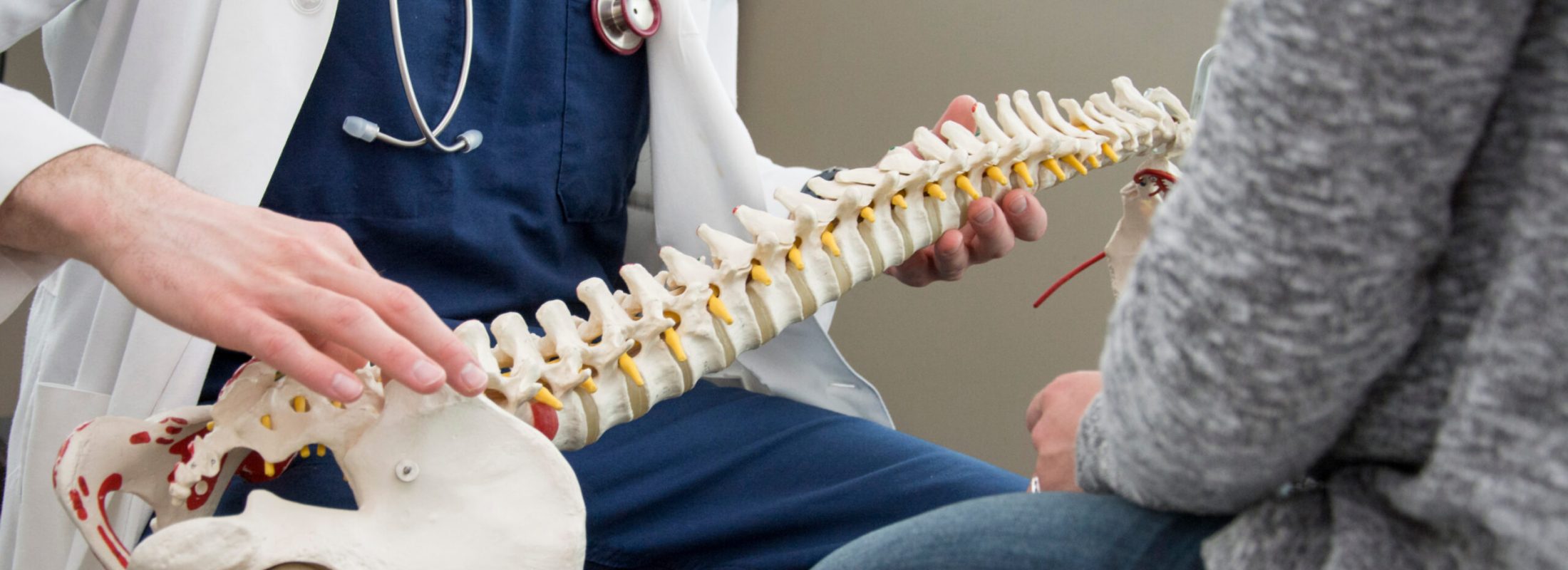
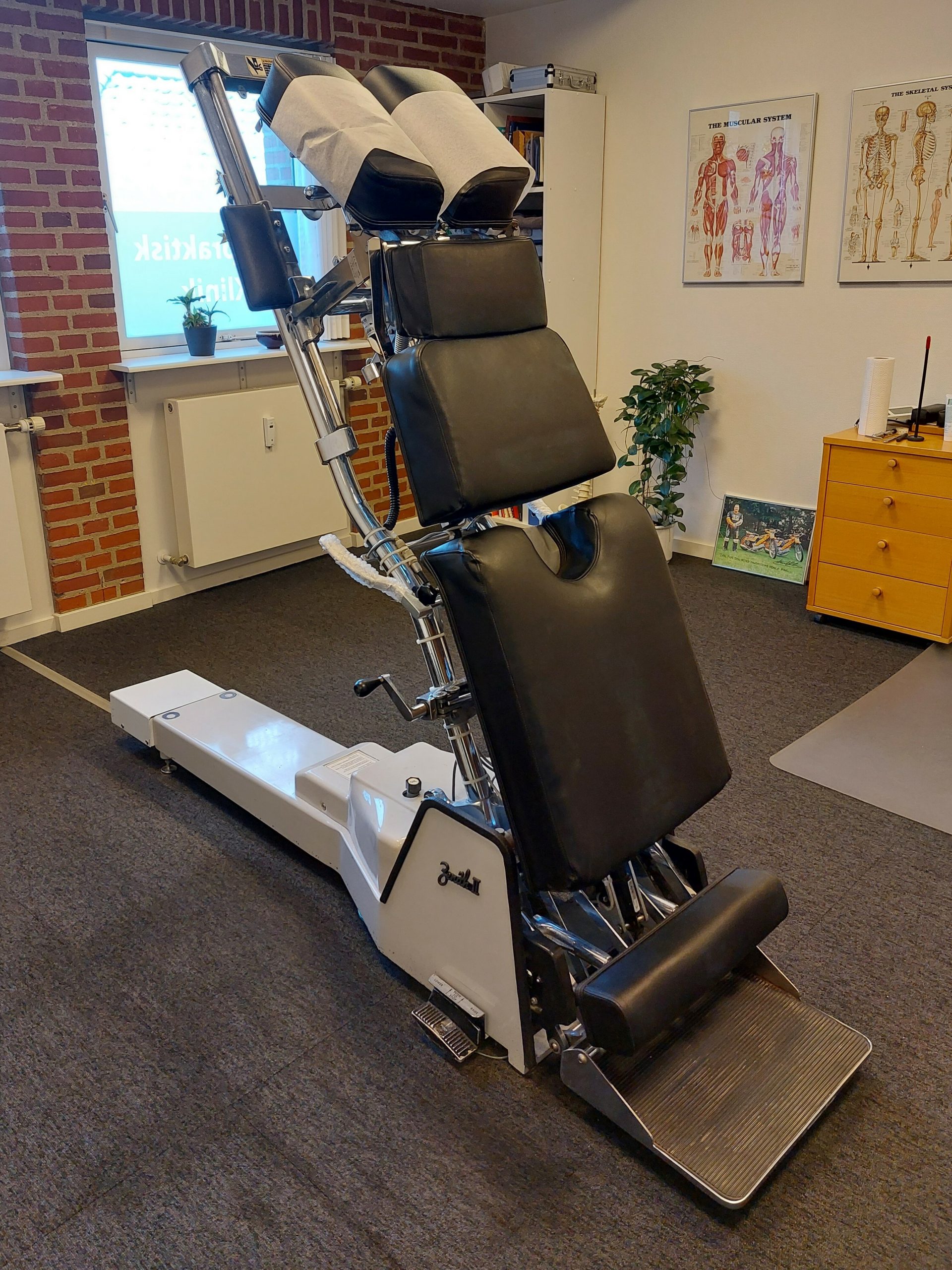
I have chiro—a chiropractic manipulation—every four weeks, and have done so for years. On my way to my most recent appointment, I decided to write a blog about “bone doctors.” But after talking with my practitioner, I decided to focus on only one bone doctor specialty, chiropractic medicine.

By most estimations, DCs (Doctors of Chiropractic) treat over 35 million Americans annually—adults, children, even infants.

To put it another way, more than one million chiropractic adjustments happen every day.

I get a monthly adjustment because of pain in my back and shoulders. (Because of the hours I hunch over a laptop, perhaps.) Chiropractic treatment is used to treat a a lot more than my type of issues, of course, including headaches, whiplash, strains and sprains, sports injuries, arthritis, and more.

Who Sees a Chiropractor?
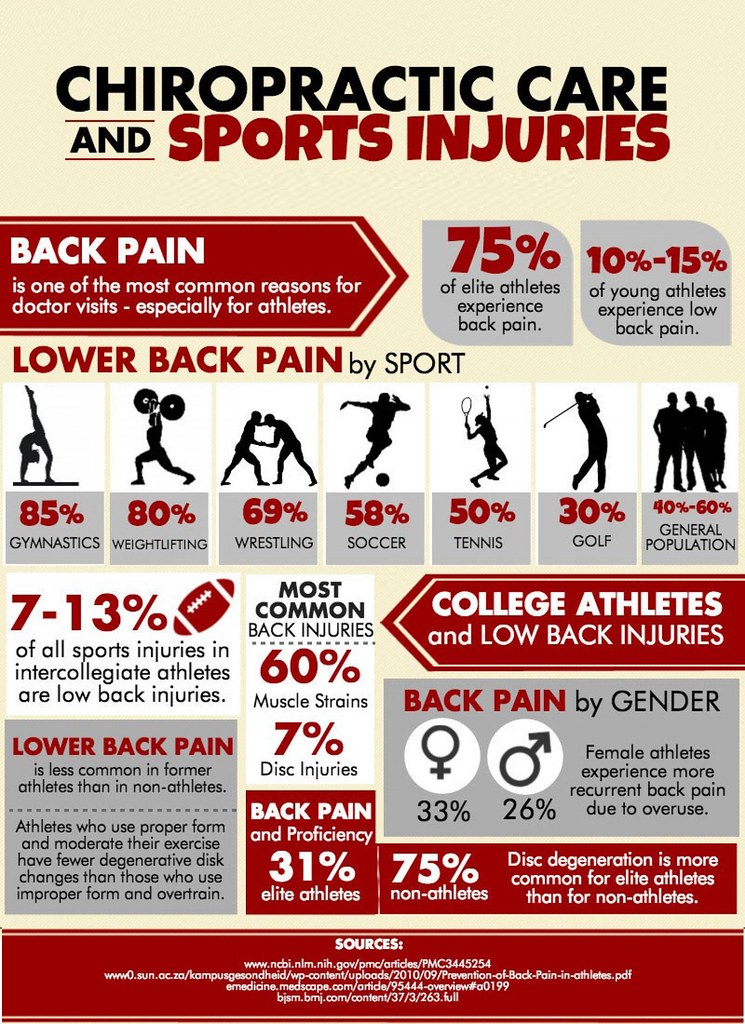
In general, people experiencing chronic pain or musculoskeletal issues are most likely to seek the services of a chiropractor. Some sources say that’s adults aged 31 to 64, while others put the ages between 45 and 64. Among younger patients, the majority are between 12 and 17. Well over half of chiropractic patients are female, sixty percent to be exact.

My chiropractor said that he sees more people who work in the financial sector than day laborers such as ditch diggers. Go figure.

Another sector that relies on chiropractors is athletics. All 32 NFL teams have their own chiropractor(s) to boost performance, maintain wellness, and treat musculoskeletal strain and injury. Many professional dance companies include a chiropractor among the medical staff.

Chiropractic is especially popular among people seeking natural solutions for pain, injury recovery, sports performance, and preventive wellness—especially those looking to avoid surgery or medication.

Chiropractic History

Hippocrates, who is often called the Father of Modern Medicine, as far back as 450 BCE, wrote, “Look Well To The Spine For The Cause Of Disease.”

Hippocrates also said that the function of the skeleton and the spine is to form the shape of the body and keep us upright.

Edwin Smith Papyrus

However, joint manipulation predated Hippocrates. The oldest known medical text, the Edwin Smith papyrus of 1552 BCE mentions joint manipulation. The text describes the Ancient Egyptian treatment of bone-related injuries. 

The term “chiropractic” derives from two Greek words: cheir which means hand, and praktos which means done, thus “Done by Hand.”

Early Chiropractors
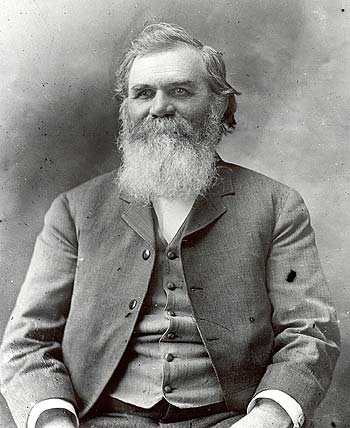
Daniel David Palmer founder of chiropractic medicine
Daniel David Palmer

Nevertheless, according to every source I found, chiropractors trace their roots to 1895, when Daniel David Palmer (the father of chiropractic!) helped Harvey Lillard by accidentally performing what is now known as a chiropractic adjustment.

I find the story of Palmer’s first patient pretty interesting. Unusual for that time, Harvey Lillard, an African American man, owned a cleaning company. By chance, his company serviced the building where Palmer was practicing magnetic healing.

The two were chatting one day, and Palmer noticed that Lillard had a vertebrae that was out of place. Lillard told Palmer that, about seventeen years prior, while picking up a wagon wheel he heard a pop in his neck and immediately lost his hearing.
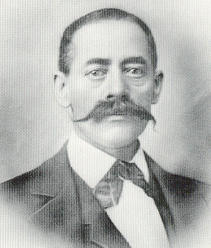
Harvey Lillard first chiropractic patient
Harvey Lillard

Palmer examined Lillard’s neck and found what is now referred to as a subluxation, a vertebrae that is out of place. Palmer deduced that this was the cause of Harvey’s deafness, and thought he could fix the issue by moving that vertebra back into position. Immediately, Harvey said he could hear the “racket on the streets.”  Word spread about the “cure,” and before long people were coming to Palmer from all over the place.

Lillard’s daughter remembers a different story of his treatment. According to her account, Palmer slapped her father on the back while laughing at a joke. A few days later, her father’s hearing improved. This inspired Palmer to investigate spinal manipulations as a method of treating illnesses.

According to Palmer’s own testimony, he wrote The Chiropractor’s Adjuster by means of spiritist messages from deceased physician Dr. Jim Atkinson. In fact, Palmer saw his new medical treatment as quasi-religious in nature, arguing against anyone who would “interfere with the religious duty of chiropractors, a privilege already conferred upon them. It now becomes us as chiropractors to assert our religious rights.”

Daniel David Palmer’s School

Two years later, Palmer started the first school of chiropractic, the Palmer School and Cure. This first school is still active today (renamed to Palmer College of Chiropractic), a leader in chiropractic education.

Bartlett Joshua Palmer

And talk about nepotism! Daniel David Palmer passed his interest in chiropractic to his son, DCBartlett Joshua (B.J.) Palmer. B.J. Palmer, known as “The Developer”, took chiropractic to the next level. He inherited his father’s practice and eventually took over the renamed Palmer College, where he added science, philosophy, and technique to the art of spinal adjustment. Under B.J.’s leadership, chiropractic care spread internationally and was positioned as a unique and vitalistic healthcare profession.

Unlike his father’s position that chiropractic medicine was a nearly religious calling, B.J. Palmer saw the school as a commercial operation. He said it was, “…a business, not a professional basis. We manufacture chiropractors. We teach them the idea and then we show them how to sell it.”

B.J. also introduced x-rays to chiropractic diagnostics in 1910—a controversial yet revolutionary decision at the time. He built a chiropractic research clinic and purchased a local radio station (WOC) to provide nationwide broadcasts promoting health. In fact, Palmer hired rookie reporter Ronald Reagan, in his first broadcast job, to read sports for WOC.
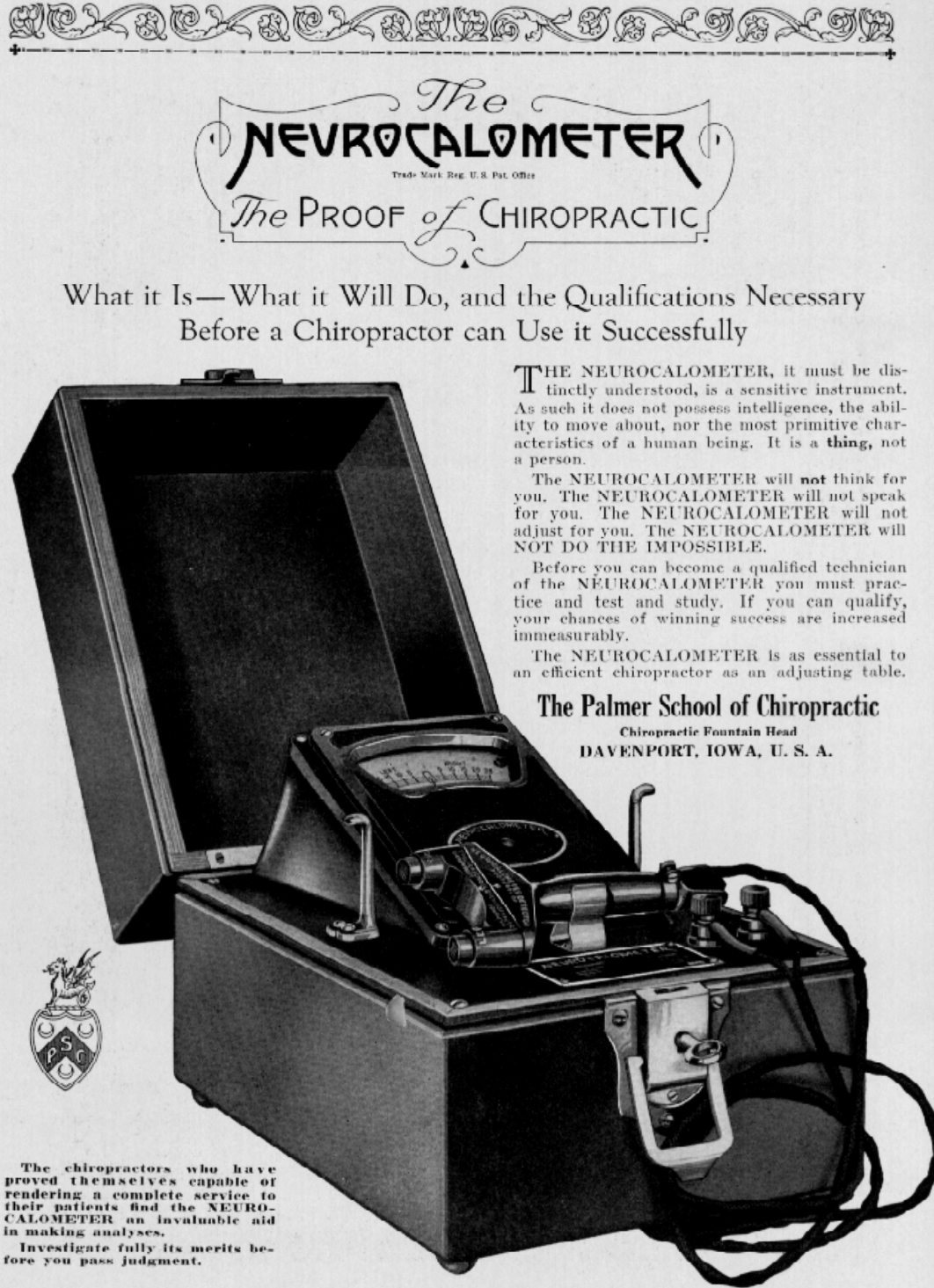
chiropractic neurocalometer
A Neurocalometer, to help chiropractors make adjustments

His emphasis on the “above-down, inside-out” healing philosophy laid the foundation for the modern chiropractic worldview.

B.J.’s son, DC David D. Palmer also became involved. The fourth generation of Palmers, David’s daughters, are still active in the school today, and have all served the college or sat on its board of trustees.

The Palmer College now has campuses in Florida and California and offers cutting-edge training in everything from spinal biomechanics to functional neurology.

One of the foundational philosophies of chiropractic is Innate Intelligence—the idea that the body has a natural ability to heal itself when the nervous system is functioning without interference. Subluxations, or spinal misalignments, can block this natural healing ability.

This concept was central to D.D. and B.J. Palmer’s chiropractic philosophy and continues to guide many practitioners today. When the spine is aligned and the nervous system is clear, the body’s innate wisdom can restore balance and function.

Chiropractic Law
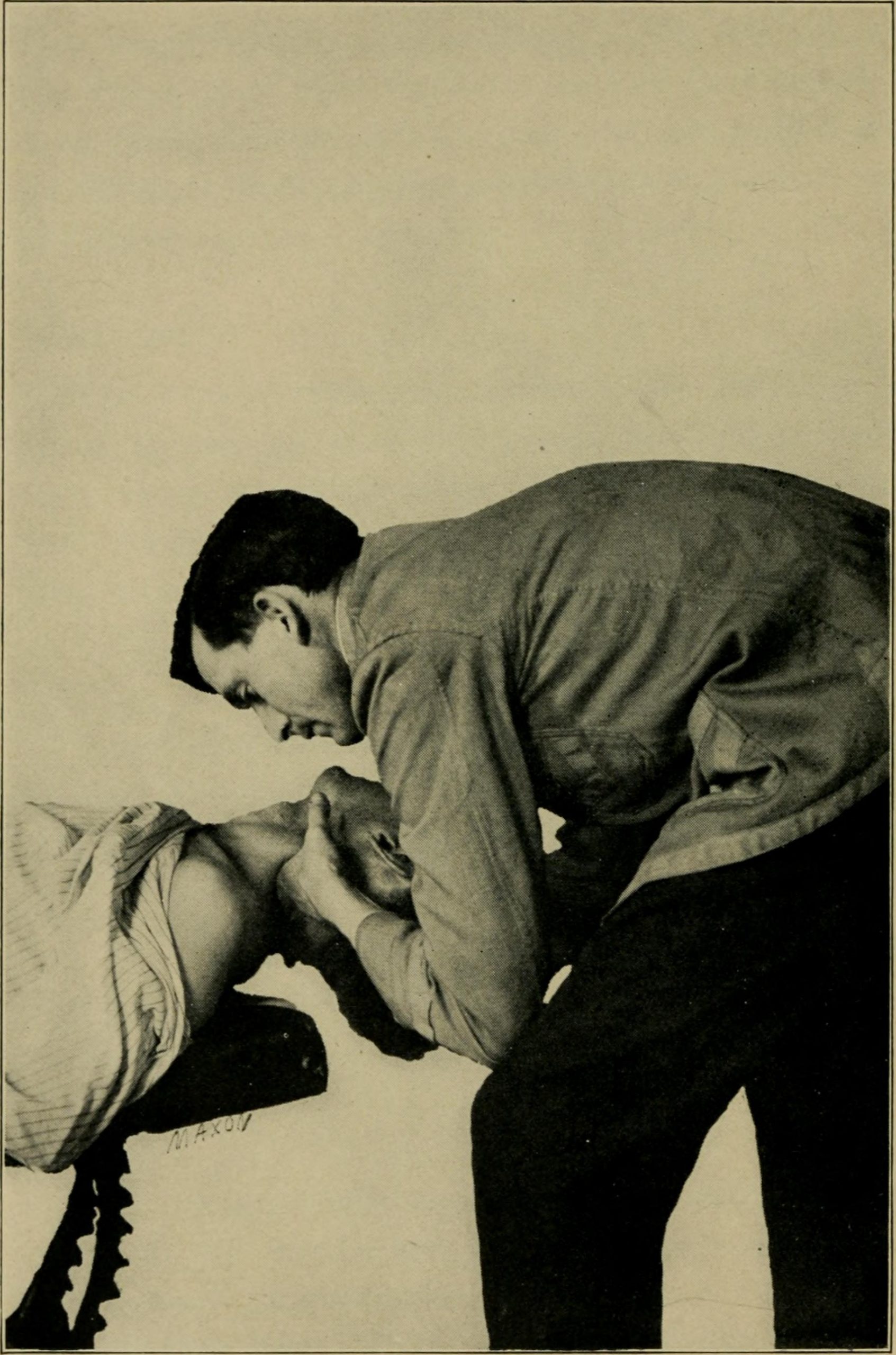
from the 1915 Technic and Practice of Chiropractic
from the 1915 Technic and Practice of Chiropractic, Joy Loban Maxwell

Chiropractors were once jailed for practicing medicine without a license. In the early 1900s, chiropractic was not recognized as a licensed health profession in most U.S. states because they didn’t prescribe drugs or perform surgery. In 1906, D. D. Palmer spent 17 days in jail rather than pay a fine for practicing medicine without a license in Iowa. He considered classifying chiropractic as a religion to avoid the new Iowa medical licensing law.

Dr. Herbert Ross Reaver was arrested over 70 times in Ohio between the 1930s and 1950s simply for practicing chiropractic. Dr. Reaver and other activists fought for legal recognition of chiropractic, eventually leading to licensure in all 50 states and in over 90 countries.

After decades of lobbying and advocacy, Louisiana became the final U.S. state to license chiropractic in 1974, officially recognizing chiropractic as a legitimate healthcare profession.

Even so there was still an aura of less-than clinging to chiropractors. In the 1960s, the American Medical Association (AMA) historically labeled chiropractic as “quackery.” In fact, in 1963, the AMA formed a “Committee on Quackery” with the goal of discrediting and eliminating chiropractic.

Chiropractors were barred from hospital privileges, referrals, and insurance reimbursements, and were ridiculed publicly.

However, chiropractors fought back! In 1987, a historic legal case—Wilk v. AMA— found that the AMA had unlawfully conspired to undermine the chiropractic profession. This landmark decision helped establish chiropractic as a legitimate, independent healthcare practice.

Today, chiropractors often work alongside MDs, DOs, and physical therapists as part of integrative health teams.

Chiropractors Today
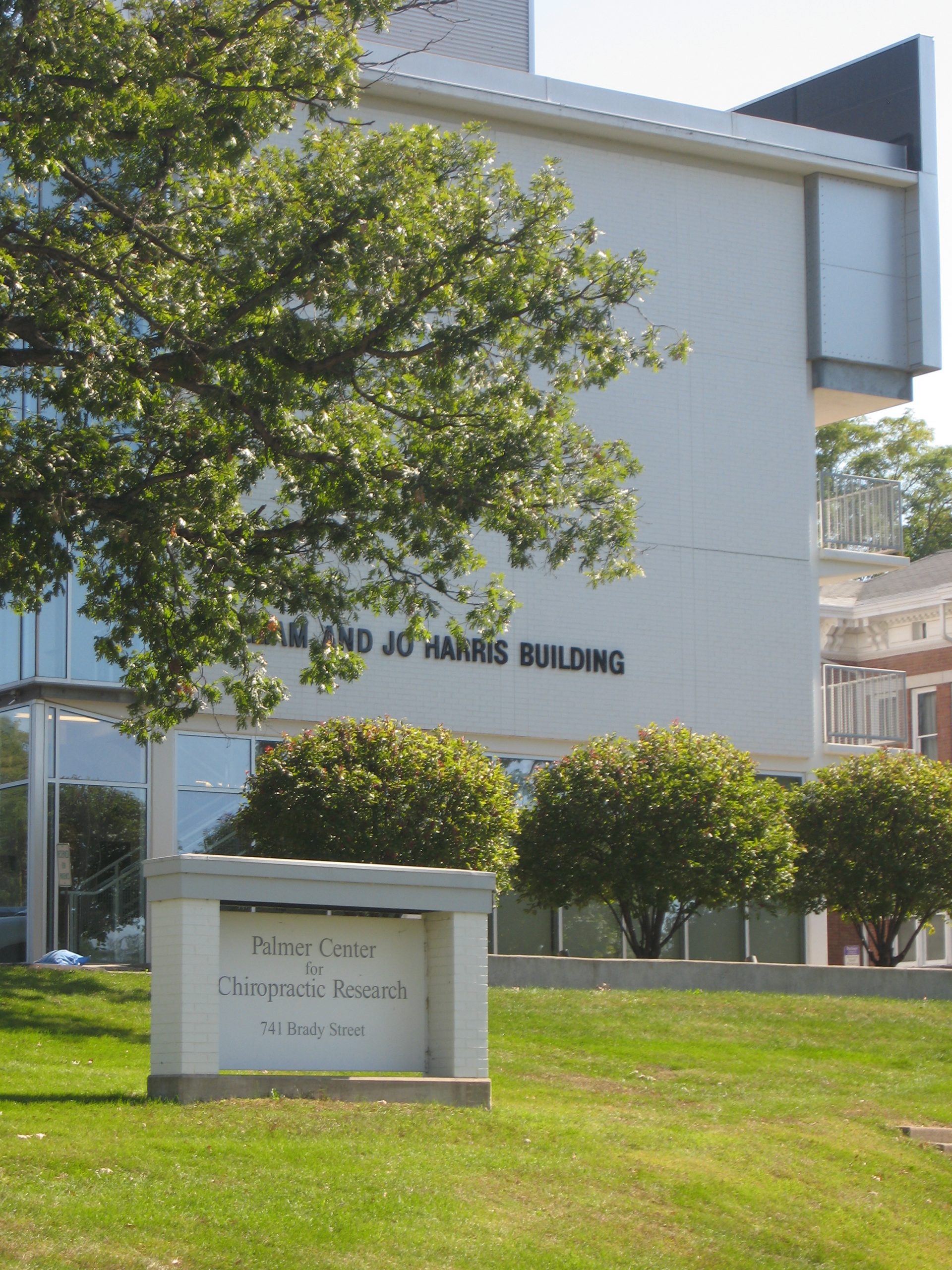
Palmer Center for Chiropractic Research

Doctors of Chiropractic (DCs) go through a minimum of 4,200 hours of classroom, lab and clinical internships during their 4-year doctoral graduate school program, including lab and clinical work. Internships must be completed during a doctoral program, within four years.  These standards are set by the National Board of Chiropractic Examiners. Individual states often have their own rules and regulations. 

Chiropractic is recognized and regulated by law in over 49 countries. And in the United States, DCs are licensed in all 50 states!

The VA passed legislation allowing chiropractic treatment in VA medical facilities back in 1999. Today, 70 VA hospitals offer chiropractic treatments for rehabilitation and prosthetic services. 

There are roughly 100,000 chiropractors in active practice around the world and over 70,000 here in the U.S. About 10,000 students are currently enrolled in chiropractic education programs in the United States.

Chiropractic treatments are extremely safe. In fact, out of hundreds of thousands of patients, less than 50 known injuries have been recorded—making it safer than treatments by primary care doctors.

Who Benefits?
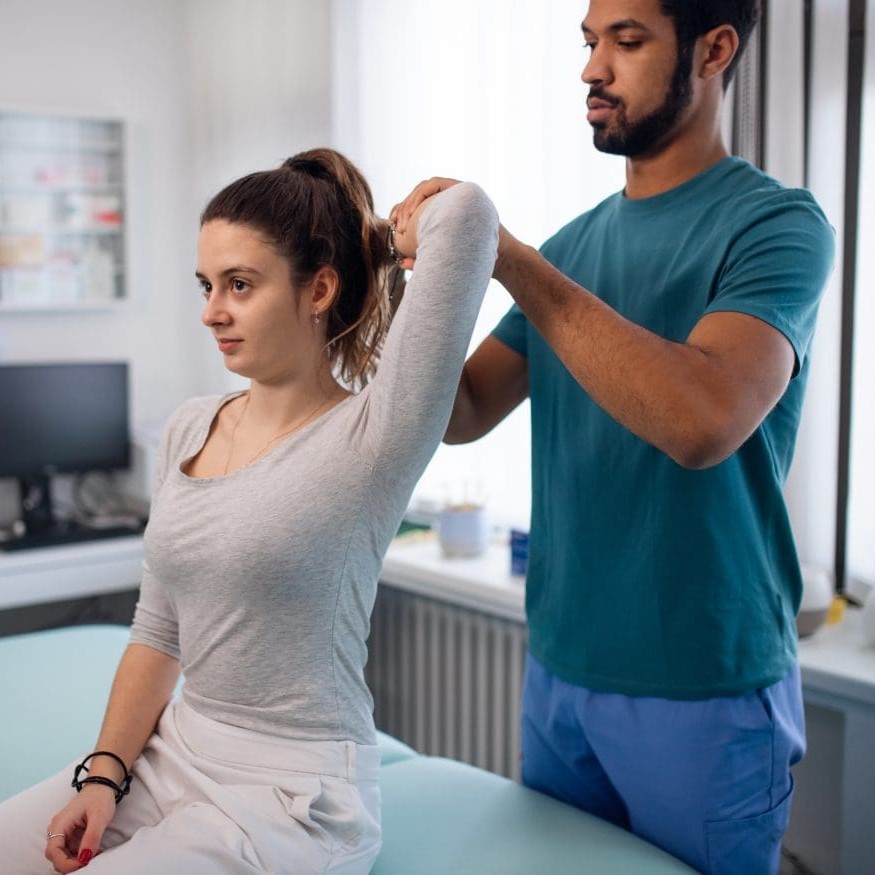
Each day, over one million adjustments take place across the globe. That’s a whole lot of relief!

Chiropractors are the top rated medical professionals for treating lower back pain. Over three-quarters of chiropractic patients—77 percent, to be exact—feel that the treatment they received was very effective.

Analysis from a large chiropractic network dataset shows that 80.24% of patients who receive chiropractic care typically see significant improvement in their condition within one month of starting treatment.
Injured workers are a whopping 28 times less likely to need surgery if they go to a chiropractor first, rather than a doctor. 

Chiropractors can provide relief to pregnant women. In fact, some chiropractors have undergone special training and focus on helping women cope with the strains and stresses that growing a baby puts on the body. (If only I’d known this decades ago!) Misalignments in the pelvis can reduce the amount of space the baby has in the womb and can also cause complications with delivery.  Aside from that, chiropractic treatment can help reduce nausea, relieve back and neck pain, and even reduce the chances of having to deliver by C-section. 

Unbeknownst to many, infants can benefit greatly from the care of a chiropractor. It makes sense—birth can be pretty hard on a little body! The adjustment is adapted to suit their needs, but chiropractic treatment on children under age 2 is banned in many countries.

Chiropractic Methods
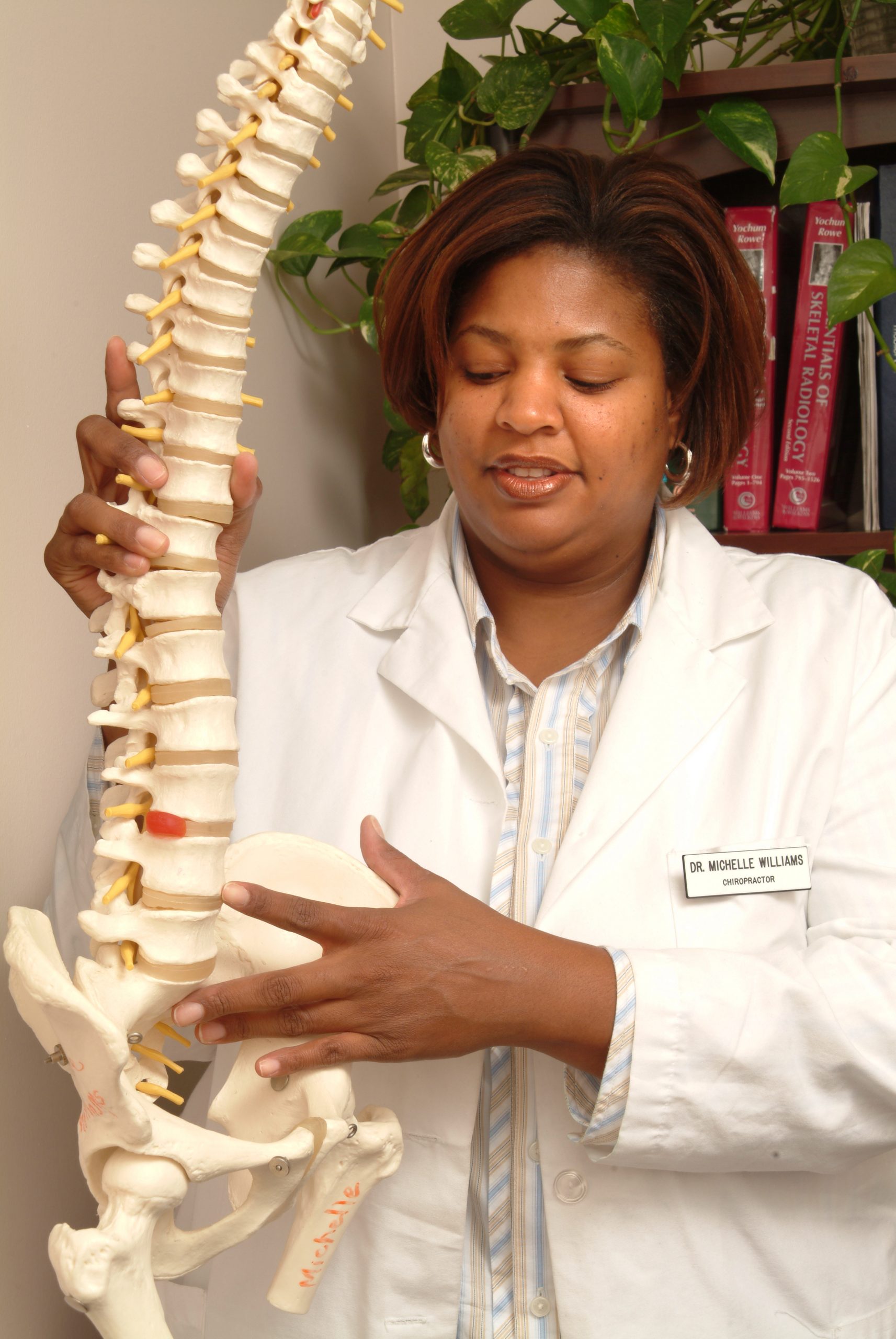
Modern chiropractors combine traditional hands-on techniques with high-tech tools, such as digital x-rays, thermal scans, EMG scans, and postural analysis software to provide safe, effective care. Research continues to validate chiropractic’s effectiveness for conditions like low back pain, neck pain, headaches, sciatica, and joint dysfunction.

Treatment for low back pain initiated by a DC costs up to 20 percent less than when started by a medical doctor. Patients save about $83.5 million a year by going to a chiropractor instead of an MD for chronic back pain. In addition, chiropractic care lowers pharmaceutical costs by as much as 58%.
An injured worker is 28 times less likely to have spinal surgery if the first point of contact is a DC rather than a surgeon.

Chiropractic care relies upon conservative natural treatments. Although chiropractors do not prescribe drugs or perform surgery, they work with other healthcare professionals to provide comprehensive care.

In addition, chiropractors offer soft tissue therapy, rehabilitation exercises, and lifestyle and nutritional counseling.

Bottom Line: Chiropractors are extensively trained to provide safe, effective care focused on musculoskeletal health and holistic wellness.

THANKFUL, GRATEFUL, BLESSED

Pretty much everyone appreciates what’s good in their lives during Thanksgiving. But if you know what’s good for you, you’ll make it a daily activity!

Benefits of Gratitude

Practicing gratitude can have many benefits. From sources across the web, these benefits include:

Mentally Grateful

—Improved mood: Gratitude can make people feel happier and more content. Writing a gratitude letter and counting blessings “were associated with substantial improvements in optimism” (Huffman, Dubois, Healy, Boehm, Kashdan, Celano, Denninger, & Lyubomirsky, 2014).

—Improved relationships: Expressing gratitude can help build and maintain social bonds.

—Reduced anxiety and depression: Gratitude buffers people from stress and depression (Wood, Maltby, Gillett, Linley, & Joseph, 2008). Writing gratitude letters leads to better mental health in adult populations seeking psychotherapy (Wong, Owen, Brown, Mcinnis, Toth, & Gilman, 2016).

—Gratitude may enhance peace of mind, reduce rumination, and have a negative effect on depressive symptoms (Liang, Chen, Li, Wu, Wang, Zheng, & Zeng, 2018).

—Increased productivity: Gratitude can increase productivity by activating the prefrontal cortex, which is responsible for critical thinking and rational thought processes.

—Strengthened self-worth.

Optimism: Positive reframing underlies the relationship between trait gratitude and a sense of coherence. A sense of coherence is how confident a person feels about potential life outcomes. It is the degree to which a person feels optimistic and in control of future events (Lambert, Graham, Fincham, & Stillman, 2009).

—Reduced stress: Gratitude can help calm the nervous system and reduce stress. (UCLA HealthMar 22, 2023)

Physically Grateful

from The Greater Good Science Center

— Every time a person expresses or receives gratitude, dopamine releases in the brain, thus making a connection between the behavior and feeling good. The more a person practices gratitude, the more often dopamine releases.

—Better sleep: People who practice gratitude tend to sleep better and longer.

—Better physical health: People who practice gratitude report better physical health and are more likely to seek help for physical concerns. Patients who expressed optimism/gratitude two weeks after an acute coronary event had healthier hearts (Huffman, Beale, Beach, Celano, Belcher, Moore, Suarez, Gandhi, Motiwala, Gaggin, & Januzzi 2015).

—Reduced risk of disease by reducing inflammation at the cellular level.

—Reduced difficulties with chronic pain.

—Increased blood flow to the hypothalamus, which controls stress and sleep.

— Gratitude and spiritual wellbeing are related to positive affect, sleep quality, energy, self-efficacy, and lower cellular inflammation (Mills, Redwine, Wilson, Pung, Chinh, Greenberg, Lunde, Maisel, & Raisinghani, 2015).

The Science of Being Grateful

The Greater Good Science Center offers a plethora of information on this subject. In a paper titled, “The Science of Gratitude” (2018), they outline several benefits to gratitude practice.

Individual Gratitude

  • More satisfaction with life
  • Increased happiness and positive mood
  • Less materialistic
  • Less likely to experience burnout
  • Better physical health
  • Better sleep
  • Less fatigue
  • Lower levels of cellular inflammation
  • Greater resiliency
  • Encourages the development of patience, humility, and wisdom

Group Gratitude

  • Strengthens relationships
  • Increases prosocial behaviors
  • May help employees’ effectiveness
  • May increase job satisfaction

Research Into Gratitude

Emmons & Mishra (2011) concluded that there is “considerable evidence that gratitude builds social resources by strengthening relationships and promoting prosocial actions.”

Wong and Brown (2017) determined that gratitude does four things:

  • Gratitude disconnects us from toxic, negative emotions and the ruminating that often accompanies them. Writing a letter “shifts our attention” so that our focus is on positive emotions.
  • Expressing gratitude helps us even if we don’t explicitly share it with someone. We’re happier and more satisfied with life because we “said it to ourselves.”
  • The positive effects of gratitude writing compound like interest. You might not notice the benefit of a daily or weekly practice, but after several weeks and months, you will.
  • A gratitude practice trains the brain to be more in tune with experiencing gratitude — a positive plus a positive, equaling more positives.

“In the past, I always thought of gratitude as a spontaneous response to the awareness of gifts received, but now I realize that gratitude can also be lived as a discipline. The discipline of gratitude is the explicit effort to acknowledge that all I am and have is given to me as a gift of love, a gift to be celebrated with joy.”

Henri J. M. Nouwen (1932-1996)
from Return of the Prodigal Son

Bartlett & DeSteno (2006) published research about gratefulness and helping behavior:

  • Gratitude facilitates helping behavior,
  • Grateful people help the people who helped them (benefactors) and strangers similarly, and
  • Reminding people who helped them (a benefactor) still increased helping behavior exhibited toward strangers. The reciprocity norm wasn’t a factor.

Dickens and DeSteno (2018) found an association between self-control (patience) and gratitude. Grateful people delay future rewards to a higher degree than ungrateful people, positively affecting one’s finances. Increasing levels of gratitude could also help people positively affect health-related behaviors.

Robert Emmons (2010), a preeminent scholar in this field, makes the argument that gratitude allows a person to do several things:

  • Celebrate the present
  • Block toxic emotions (envy, resentment, regret, depression)
  • Be more stress-resilient
  • Strengthen social ties and self-worth

Practice Being Grateful

These suggestions at Positive Psychology were adapted from Sansone & Sansone (2010) and Emmons (2010) and are easy to do daily or weekly.

  1. Journal about things, people, or situations for which you are grateful. Consider including negative situations like avoiding an accident, for instance.
  2. Think about someone for whom you are grateful.
  3. Write a gratitude letter to someone for whom you are thankful. Consider sending it or giving it to them in person.
  4. Meditate on gratitude (present moment awareness).
  5. Do the “Count Your Blessings” exercise (at the end of the day, write down three things for which you were grateful).
  6. Practice saying “thank you” in a real and meaningful way. Be specific. For example, “Thank you for taking the time to read this article and leave a comment. I enjoy reading your contributions because they broaden my understanding of this subject.
  7. Write thank you notes. Some might say this is a lost art. Challenge yourself to write one hand-written note every week for one month.
  8. If religious, pray about your gratitude or use specific prayers of gratitude. Interfaith Worker Justice offers Muslim, Jewish, and Christian examples. Secular Seasons has several graces and invocations. You also can find a collection of secular gratitude approaches on BE. Orlando Humanist Fellowship.
  9. Recall a negative event. Doing this helps you appreciate your current situation.
  10. Be mindful of your five senses. How does each enhance your life?
  11. Create visual reminders to practice gratitude. Sticky notes, notifications, and people are great for this.
  12. Focus on the good that others have done on your behalf.
  13. Actions lead to gratitude. Smile, say thank you, and write gratitude letters.
  14. Be a grateful gazer. Be on the lookout for opportunities to feel grateful.
  15. Give something up. We tend to adapt to newness; sometimes it’s a good idea to give something up so that we can increase our appreciation of it.
  16. Think about what your life would be like if a specific positive event [hadn’t] happened. Write all the decisions and events that would have been different in your life. For instance, what if you didn’t meet your spouse? What if you didn’t get the dream job you have now? What if you hadn’t stopped a particular bad habit?
There’s always something to be grateful for!

Lack of Gratitude

Unfortunately, not everyone eagerly jumps onto the gratitude bandwagon. Emmons (2013) offers the following characteristics of ingratitude:

  • Excessive sense of self-importance
  • Arrogance
  • Vanity
  • Unquenchable need for admiration and approval
  • Sense of entitlement

Thomas Gilovich (2017) describes ingratitude as the result of “adaptation, dwelling on negatives, and skewed perceptions of hardships.” In Enemies of Gratitude, Gilovich explains how and why these three experiences interfere with one’s ability to express gratitude.

Appreciating the positives in one’s life making life better seems a little woo-woo, not to mention circular. But there’s a ton of research indicating that it works. And it’s a small, no-cost investment with potentially great rewards.

Bottom Line: Go for grateful!

FAT SHAMING: WORSE THAN JUST RUDE

According to Harvard University School of Public Health, 33% of adults in the U.S. are overweight and 36% are ob⁶ese. Although percentages vary, several sources claim two thirds of American adults are overweight or obese.

With these numbers, one might expect a certain amount of heft to be perceived as acceptable, perhaps even desirable. But not so. Instead, in the United States, labels like fupa, lard, chunker, fatso, and jelly belly are slapped on. And how is this for humor? A collective noun for a group of overweight/obese people: A blubber of fat lads.

Even people who are trying to be polite or helpful say things that sting:

“But you have such great hair!”
  • It’s easy to lose weight …
  • You have such a pretty face
  • You’d be so pretty if you lost weight …
  • I don’t see you as fat …
  • You look great! …
  • I’m so fat (when the speaker isn’t) …
  • It’s not like you’re obese …
  • That (food) looks healthy …
  • I’ve always wanted a bum like yours! …

Where Did the Body Mass Index Come From?

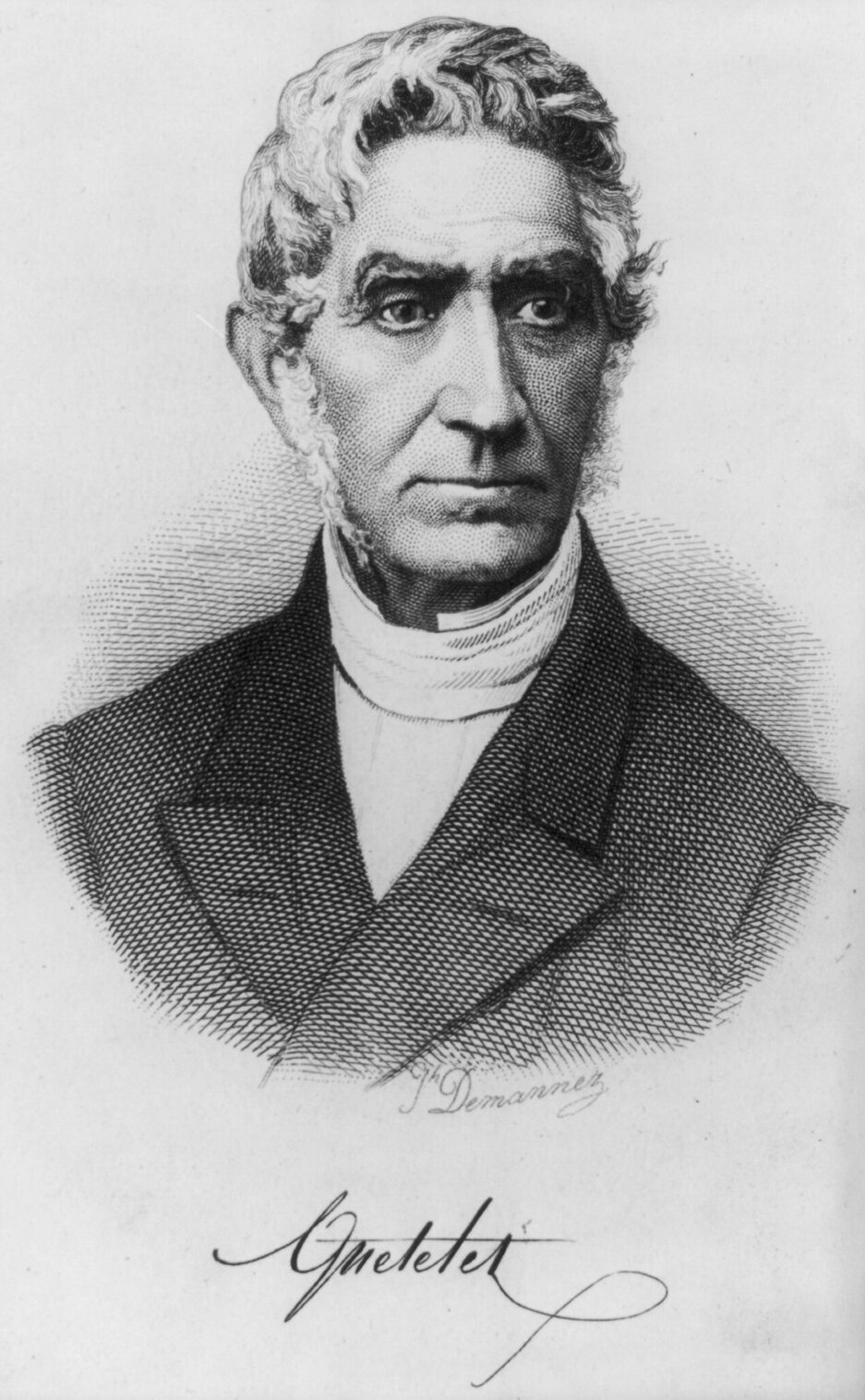
Lambert Adolphe Jacques Quetelet, the man responsible for the obesity epidemic (in a way).

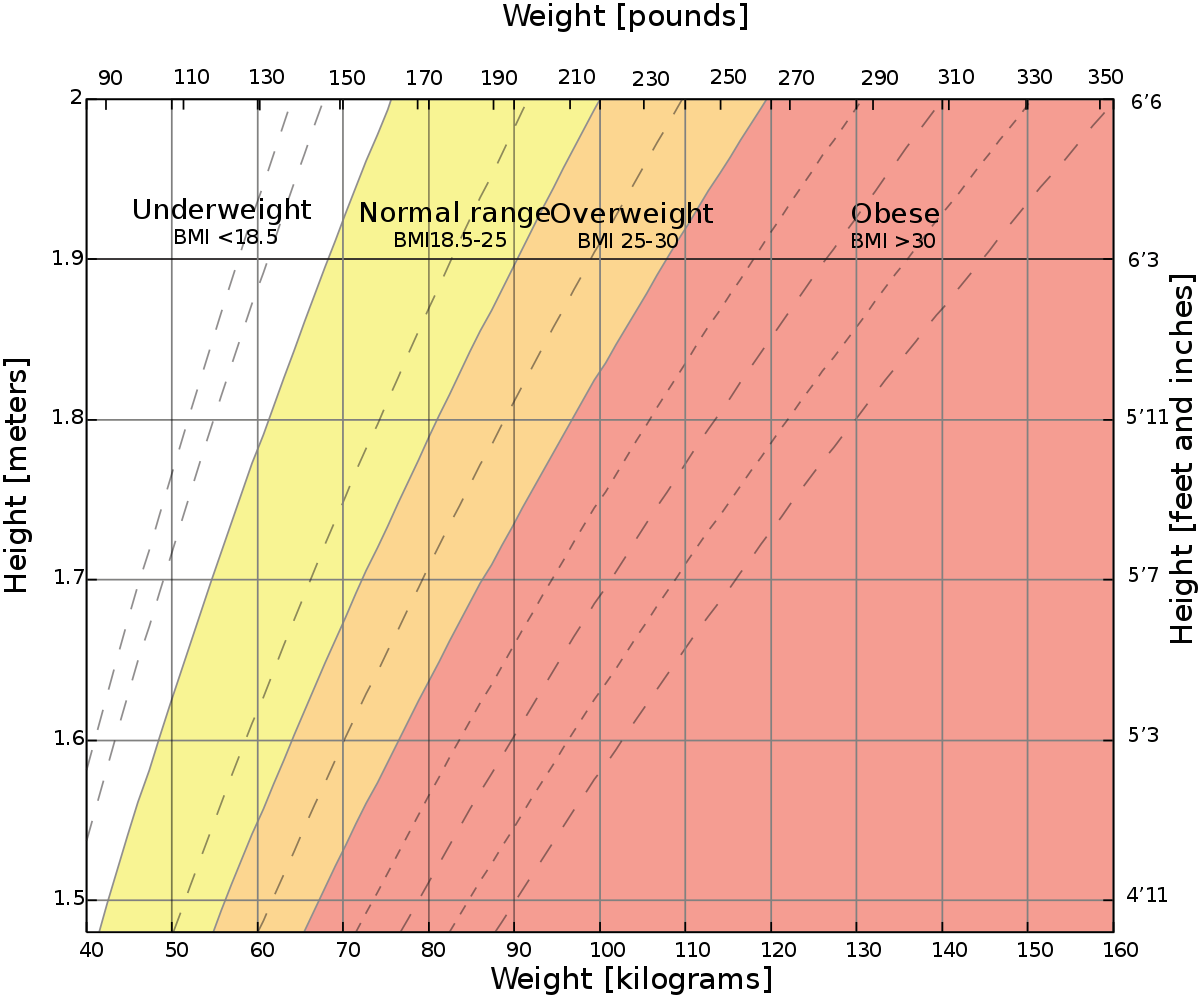
Lambert Adolphe Jacques Quetelet, a Belgian mathemetician, developed Quetelet’s Index (later called the Body Mass Index or BMI) in the 1842 as a method of determining the average measurements of French and Scottish men. Quetelet prized homogeneity and thought that the ideal person should be as close to the center of the statistical bell curve as possible. At the time of its creation, Quetelet was very clear that “Quetelet’s Index” was useful solely as a means of predicting the average body size of a population, not to measure or predict anything for an individual, including health.

In 1867, Mutual Life Insurance of New York started using an adaptation of Quetelet’s BMI tables to determine how much to charge policy holders. Within a few years, every insurance company in the market was using different BMI tables with wildly varying numbers to define “healthy” weights, which they then used to set prices for clients.

Even when Ancel Keyes adapted Quetelet’s original findings as a way for doctors to use during medical consultations, he admitted that the BMI was only accurate as measure of obesity about half the time. He also included data only from men, almost entirely white men from relatively wealthy countries.

These early limitations of the BMI calculator continue to cause serious challenges for those trying to use it as a diagnostic tool. Women’s bodies store fat differently than men’s bodies. The cut-offs for defining someone as overweight or obese vary widely among ethnic groups. Scientists created the BMI for children by simply extending downward the existing trend lines for small adults, which makes the data for children particularly unreliable. Older adults have different metabolic needs and may benefit from having a higher BMI altogether.

In 1995, the World Health Organization change the definitions of overweight and obese according to BMI. The American National Insitute of Health (NIH) adopted those standards in 1998; overnight, millions of people became overweight or obese without gaining a pound. This marked the start of the “obesity epidemic” and the “war on obesity” (which has not really had any effect on actual health.)

Obesity Today

“It’s not fat. It’s floof!”

Today, the NIH classifies about 1 in 11 adults (9.2%) as having severe obesity.

As a rule of thumb, you are likely morbidly obese if you are more than 100 lbs. over your ideal body weight or have a BMI of over 40.

Women had a higher prevalence of severe obesity (11.5%) than men (6.9%). The prevalence was highest among adults aged 40–59 (11.5%), followed by adults aged 20–39 (9.1%), and adults aged 60 and over (5.8%).

Other obesity data reflect much of the data on other health issues.

Recent national data show that 54.8 percent of Black women and 50.6 percent of Hispanic women are obese compared to 38.0 percent of White women. Rates of obesity are also higher for Hispanic men, in the South and Midwest, in nonmetropolitan counties, and tend to increase with age. However, as discussed above, inherent problems in calculating BMI may misrepresent actual health of people in these populations.

Who Is Fat? Who Is Obese?

Kimberly Truesdale and June Stevens found that perception of one’s own weight may be skewed. Surprisingly, to me, only 22.2% of obese women and 6.7% of obese men correctly classified themselves as obese.

How can this be? Fat people have all kinds of euphemisms for fat. (Curvy, plump, voluptuous, plus-size, zaftig, heavyset, Rubenesque, queen-size, large, thick, plush, stout, hefty, buxom, portly, ample-bodied, curvaceous, puffy, fluffy, etc.)

In the Media

As I reported in an earlier blog (September, 2020) Greenberg et al. reported on their findings of television actors’ BMI after analyzing 5 episodes of the top 10 prime time shows.

“The ears add ten pounds.”
  • In comparing television actors’ BMI to that of the American public, they found that only 25 percent of men on television were overweight or obese, compared to almost 60 percent of American men.
  • Almost 90 percent of women on TV were at or below normal weight, compared to less than 50 percent of American women.

Popular television shows that include people who are obese portray them as comedic, lonely, or freaks.  Rarely if ever are they romantic leads, successful lawyers or doctors, or action stars.

In addition, shows like The Biggest Loser promote the perception that obesity is caused by individual failure rather than a mixture of individual, environmental, and genetic sources.

Weight and Mental Health

“Do these feathers make my bum look big?”

Defensive self-labeling aside, the results of fat shaming are apparent in many correlates of mental health. Societal stigmas and biases mean that carrying extra weight is hard on one’s mental health.

Late-onset or chronic overweight/obesity predicted low general, social, and academic/school-related self-esteem.

Socially competent people using better strategies for solving interpersonal problems are more readily accepted by peers and valued by adults. Obese individuals, especially teenagers, have deficits in several social skills, which lead to damage to relationships, lower self-esteem and devaluation by social agents.

Children with lower social skills are also at a greater risk of becoming overweight or obese.

Many individuals who are obese also struggle with issues related to their mood, self-esteem, quality of life, and body image. This emotional distress likely plays a role in treatment seeking but also can impact successful treatment.

Weight Stigma

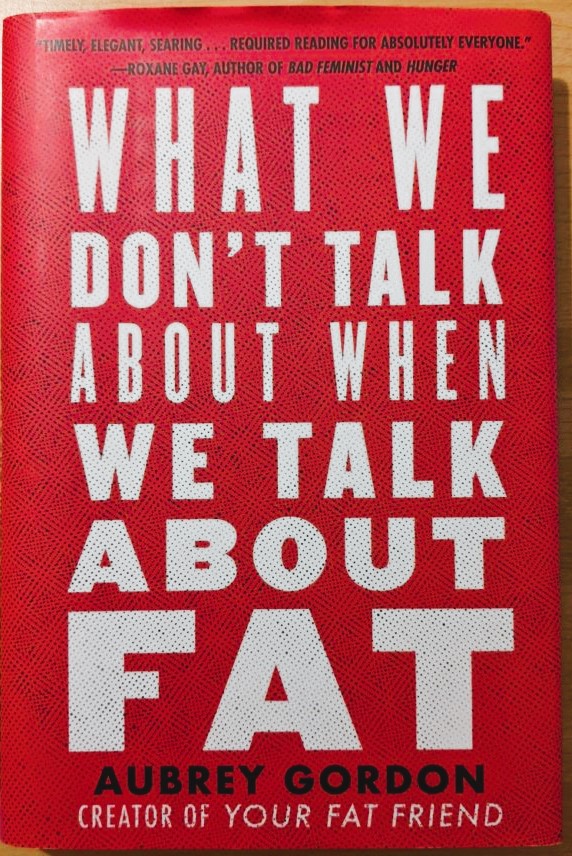
“Anti-fat bias kind of turns up the volume on existing systems of oppression,” says Aubrey Gordon, author of You Just Need to Lose Weight” and 19 Other Myths About Fat People.

“Hibernating isn’t easy!”

Obesity is associated with a higher risk of having certain mental health disorders, including anxiety, depression, bipolar disorder, and eating disorders. Often, this relationship is due to the effects of weight discrimination.

People with a weight problem are more likely to feel alone and describe themselves as lonely. They may feel they might not ever meet the ‘right person’, feel uncomfortable with intimacy, feel they are being judged for their weight, and just want to hide sometimes.

Obesity contributes to negative mental health and poor psychological well-being. Society also highly stigmatizes obesity, which negatively affects social and relational health, as well as inhibiting communication about the topic.

Medical professionals are often guilty of fat-shaming. Patients seeking treatment for problems that have nothing to do with size are instead lectured about why they need to lose weight. As Aubrey Gordon says, “It is one of the great fears of my life, that I will die of a totally treatable or preventable thing because my doctor can’t conceive of me having any other health problem than just being a fat person. That is a fear that follows me every time I go into a doctor’s office.”

“Just getting ready for winter.”

The vast majority of people who are overweight or obese according to BMI also have some form of eating disorder, according to Dr. Erin Harrop at Denver University. However, because these patients don’t fit the common perception of looking dangerously thin, the medical establishment classifies thesm as having “atypical anorexia.” This distinction makes it much more difficult to receive an accurate diagnosis. Not only are doctors more reluctant to treat overweight patients with disordered eating, insurance companies are reluctant to cover those treatments.

The social and emotional effects of obesity include discrimination, lower wages, lower quality of life and a likely susceptibility to depression.

To be clear, the mental health issues that are correlated with being overweight or obese are caused by our fat-shaming culture. In societies where people value weight, these stigmas are not prevalent.

Does Personality Cause Obesity?

Who are these overweight and obese people?

In analyses of separate personality traits, openness and conscientiousness were significantly associated with obesity in men, and only agreeableness was associated with obesity in women.

“It’s just feathers. I’m cold!”

Introverts are more likely to be at a healthy weight. They have lower rates of obesity. In one study of nearly 2,000 people over a span of 50 years, extroverts were heavier than introverts, with more body fat, larger waists, and bigger hips.

The BIH has found positive associations between obesity and the personality traits neuroticism (OR: 1.02) and extraversion (OR: 1.01), and negative associations between obesity and openness to experience (OR: 0.97) and agreeableness (OR: 0.98). (Recall, a positive association means as one goes up, so does the other; a negative association means as one goes up, the other goes down.)

“It’s water weight!”

Although there is no single personality type characteristic of the morbidly obese, they differ from the general population as their self-esteem and impulse control is lower. They have passive dependent and passive aggressive personality traits, as well as a trend for somatization and problem denial.

Over-eating may be the result of self-sabotage. A person gets into a cycle of low self-worth and shame, using food to soothe. Obesity can also be seen as a way of showing the world ‘I am worth nothing, stay away, because I am bad.’

Researchers have found four characteristics that typify the ”overweight personality.” You may have low self-esteem, poor self-control (or even eat compulsively), experience mood swings, or be prone to depression and anxiety.

Physical Causes of Obesity

Genes contribute to the causes of obesity in many ways, by affecting appetite, satiety (the sense of fullness), metabolism, food cravings, body-fat distribution, and the tendency to use eating as a way to cope with stress. Some researchers believe they may have identified “missing” genes that potentially contribute to obesity.

It’s important to remember that obesity is a disease, and we shouldn’t blame individuals for it because the causes are not always something they can control. In other words, it’s not your fault if you are obese.

Obese and Healthy

Obesity is definitely a physical health hazard, but poor health is not necessarily inevitable. In a database at McGill University, about 15% or slightly over half a million people were categorized as being obese and metabolically healthy.

If a person is 300 pounds and does not have any other diseases or health complications, then that person is considered healthy. However, the chances of staying healthy with 300 pounds weight are low. Around 99% of individuals weighing this much suffer from several other health complications.

“There is a lot of data that says that fat people generally and fat women in particular postpone care because they know that they are going to be overtly, directly judged by their health care providers and they know that they will get substandard care because of that judgement.”

Aubrey Gordon

Essentially, people with obesity can still be healthy. However, what a McGill University study, and prior research, shows is that obesity even on its own carries a certain cardiovascular risk even in metabolically healthy individuals.

Some People Do Manage to Lose Weight

The annual probability of achieving normal body weight was 1 in 210 for men and 1 in 124 for women with simple obesity. The probability declined with increasing BMI category. In patients with morbid obesity, the annual probability of achieving normal weight was 1 in 1290 for men and 1 in 677 for women.

Good news! Children who successfully reduced weight may have equal levels of self-esteem or even better social self-esteem than those being always underweight/normal weight.

The disease of obesity, no matter what it means for your physical body, is not your whole self or your whole life. Obesity does not define you as a person.

Bottom Line: For many people, too much weight is a fact of life. Be aware of the possible (probable) effects of fat shaming on your mental wellbeing!

BETTER KNOW YOUR CHARACTER: FITNESS

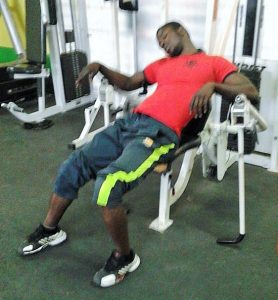
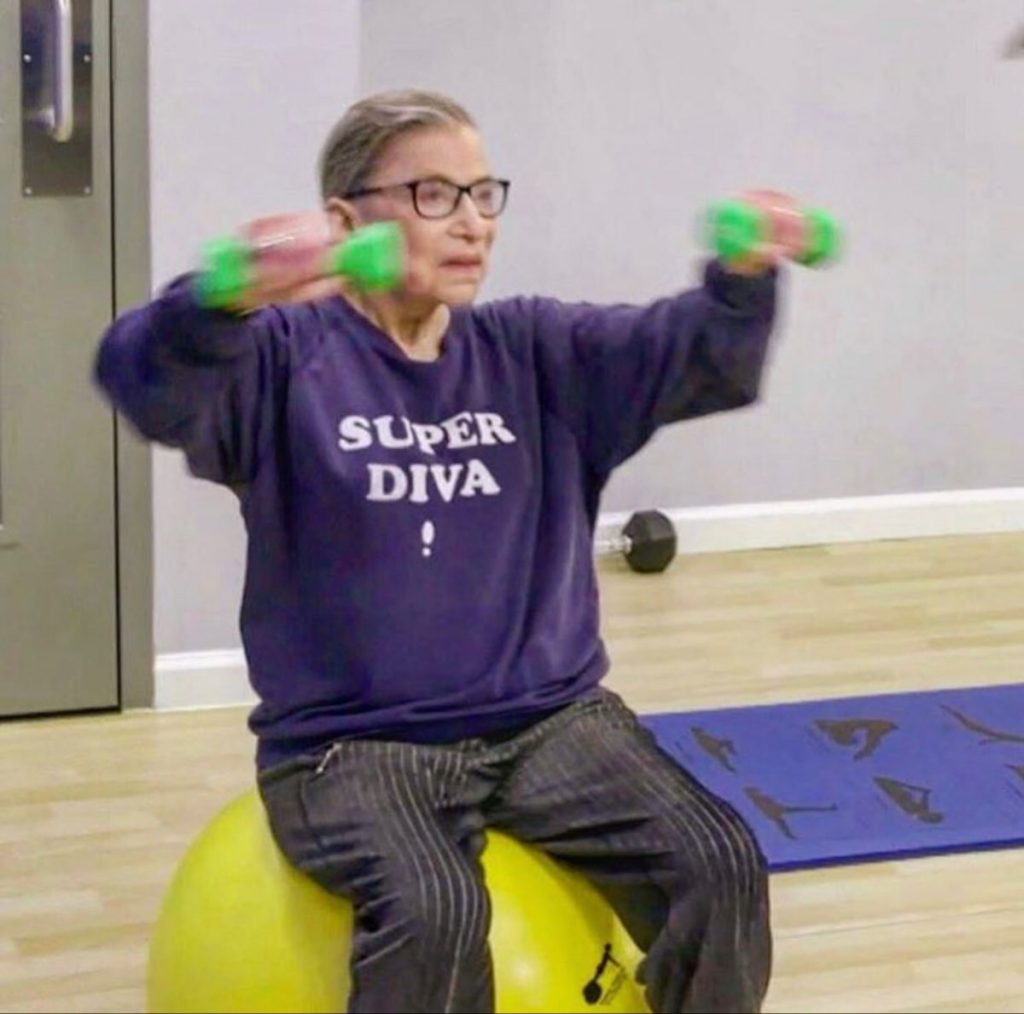
Some people, I’ve heard, actually like to exercise. These people are probably playing games such as tennis, golf, basketball, etc. Maybe biking, hiking or kayaking. There are also people who enjoy lifting weights just for the sake of lifting weights. Is your character one of these? If so, how good is s/he?  And when did s/he take up the game?

Then there are activities that some people do for fun and others do as a means to a specific end. In this category I’d put swimming or water aerobics for a bad back, running to relieve stress, boxing as a form of anger management, yoga to relax. Some people bike or walk for fun; for many others, walking and biking is a primary mode of transportation.

This group also would include those people who work out primarily to get or keep a body beautiful.

For most of human history, the vast majority of people have gotten plenty of exercise just trying to stay alive. Farming, hunting, and gathering food require activities people pay big money to recreate in a gym today. Building defense structures, making tools and weapons, chopping wood, washing clothes, and travelling are all much more physically demanding without machinery to help. In almost every part of the world, there are still cultures today that rely primarily on human or animal labor rather than technology.

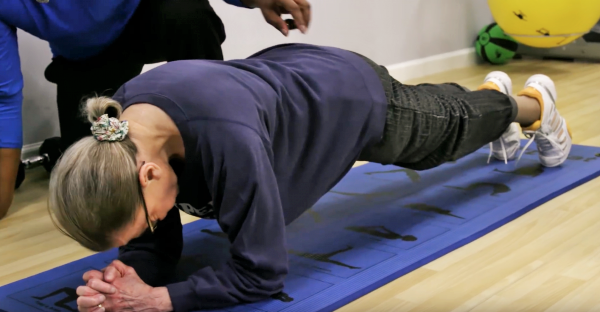
Some people exercise simply because they have to. Physical therapy can be done to prevent a future injury as well as to treat an existing injury. Martial arts practice can people alive in crisis situations, but regular practice has also been helpful in the treatment of mental illness. A home might only be reachable by strenuous hiking; a job might require frequent lifting and carrying.
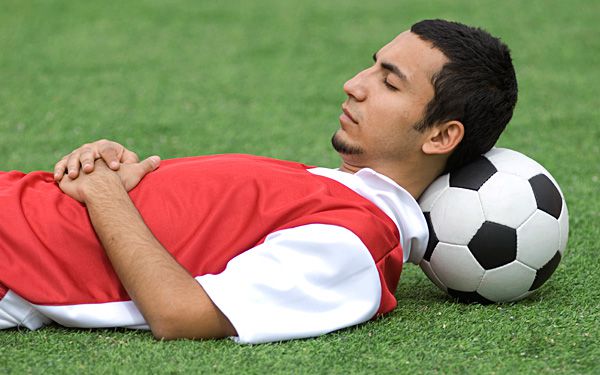
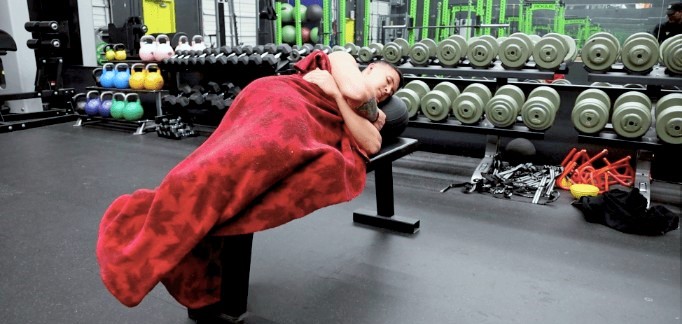
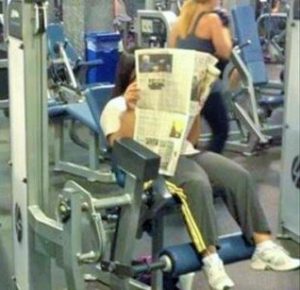
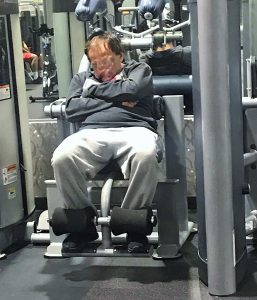
At the other end of the spectrum are people whose preferred activity is reading novels while snarfing chocolates or swigging scotch. Or maybe that’s watching TV while munching chips and chugging beer. Sound like any characters you know?

But even these people have probably heard “sitting is the new smoking” when it comes to being detrimental to one’s health. This group of people will find the easiest or least painful way to stay minimally fit.

  • Go to the gym with a friend and enjoy the socialization
  • Join an exercise class that’s nearby
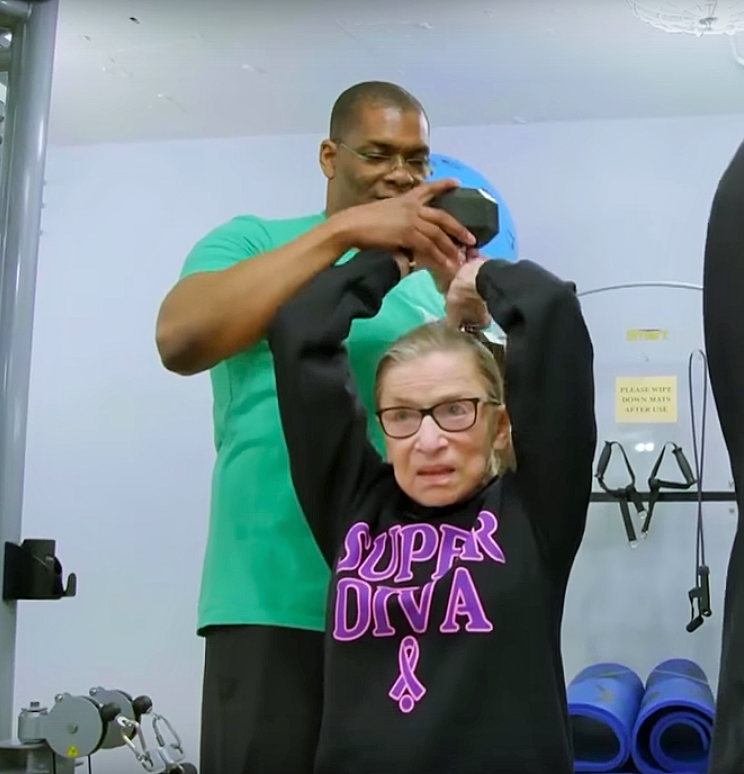
  • Hire a personal trainer
  • Get up for jumping jacks during commercial breaks
  • Lifting the coffee mug to take a sip counts as doing bicep curls

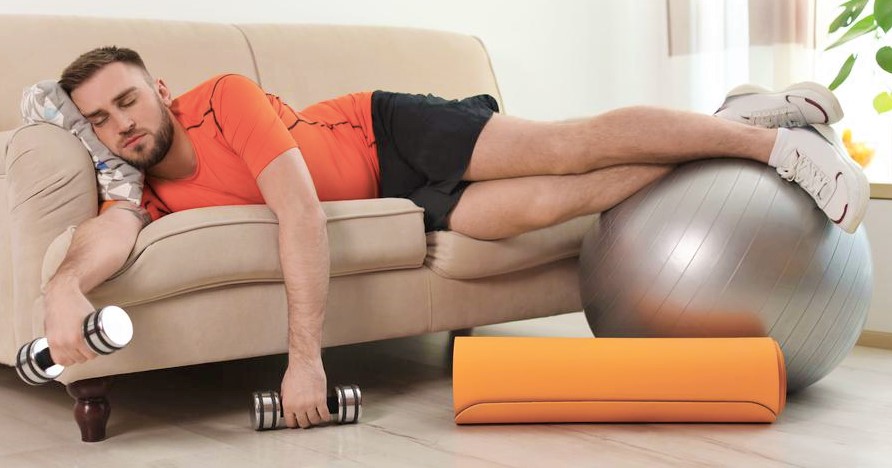
For some, getting dressed and going somewhere is too much effort—not to mention those who don’t want anyone to see them doing whatever it is they are doing.  And in these times of COVID-19, many people don’t want the exposure. These people are likely to choose a stay-at-home option.

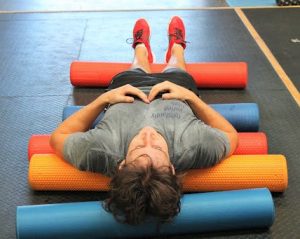
  • Buy equipment to use at home:
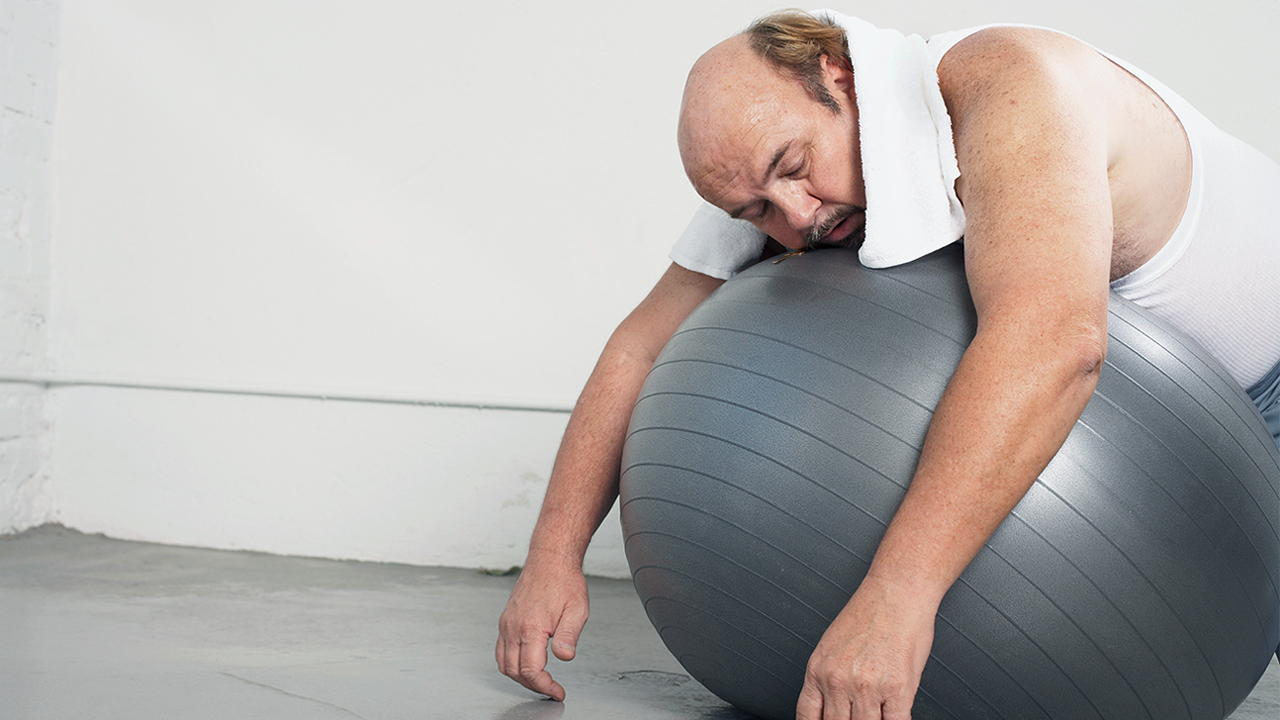
    • Balance ball
    • Exercise bands
    • Graduated weights, hand-held or strapped to wrists/ankles
    • Heavy-duty weights, barbels, etc.
    • A multi-purpose machine such as Bowflex
    • NordicTrack or similar treadmill
    • Rowing machine
    • A compact elliptical trainer
    • Stationary bicycle
    • Some version of a vibrating plate

Note: Jugs of water, broken swivel chairs, flat-surface furniture, paper plates, and compliant dogs or small children can provide the same benefits as all of these expensive gadgets for almost no money at all!

3.1 How likely is your character to show up at the gym wearing only a towel?

Bottom line for writers: Know your characters’ fitness habits, particularly main characters. There are three components to a person’s/character’s exercise decisions

  1. How does s/he feel about fitness/exercise?
  2. What does s/he think about fitness/exercise?
  3. What does s/he actually do?

Tai Chi

tai chi
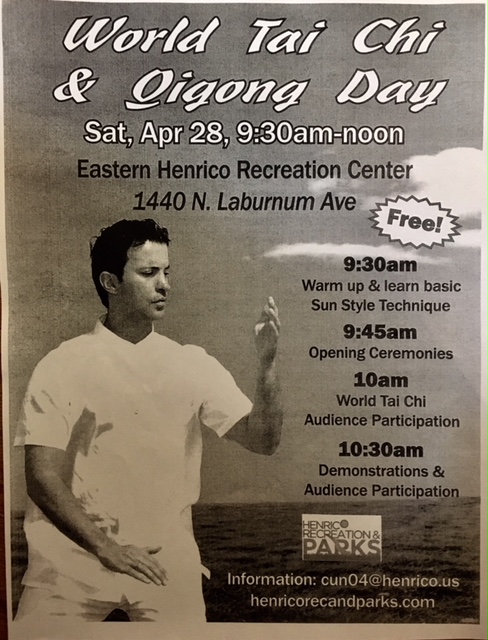
Come on down! I’m going to be there, performing tai chi moves and qigong breathing with other members from my class. Participants and watchers are welcome. There’s to be a lion dance in the opening.
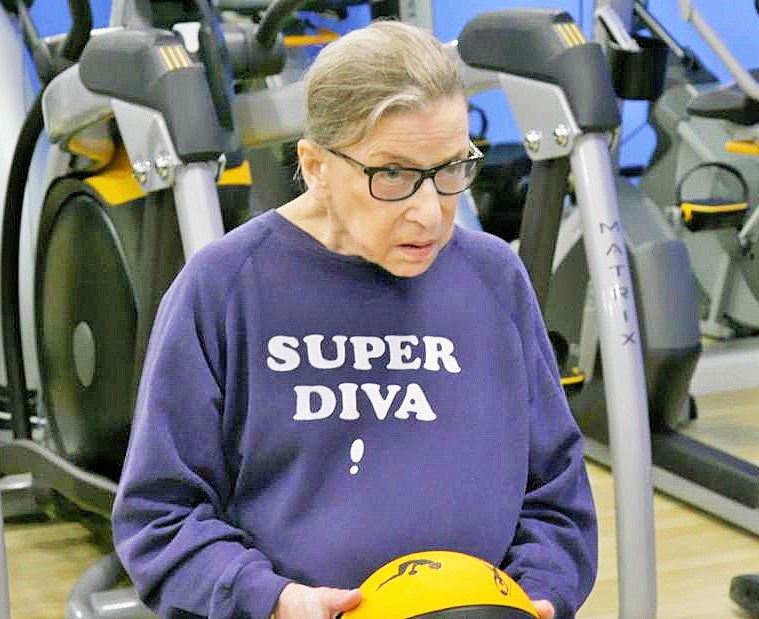
 

I got involved in tai chi because I wanted to try something new and my sister-in-law had been practicing tai chi for years and telling me I should do the same. Now, this sister-in-law tends to think that everyone should think and do what she does—for she does things for good reasons. This is pretty much the first time I’ve succumbed.
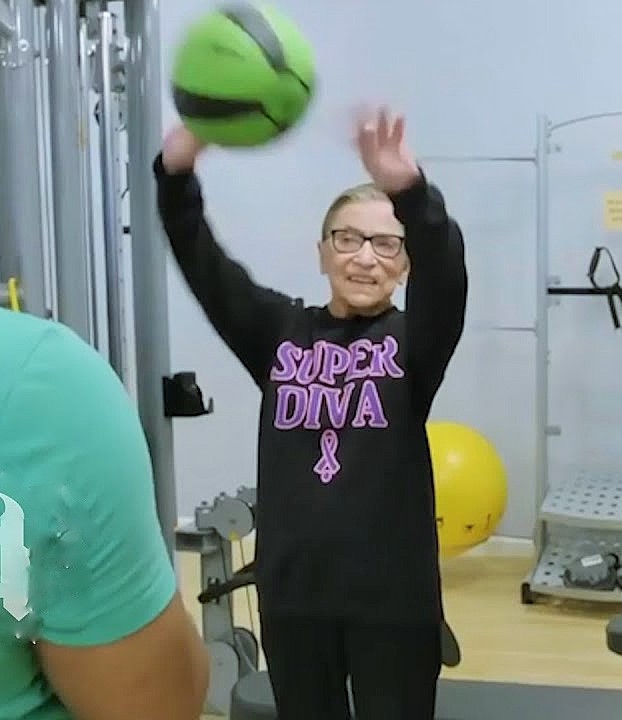
 

So, tai chi is a Chinese martial art. (For alternative spellings of tai chi, go online.) Tai chi is practiced both for its defensive training and its health benefits.


tai chi
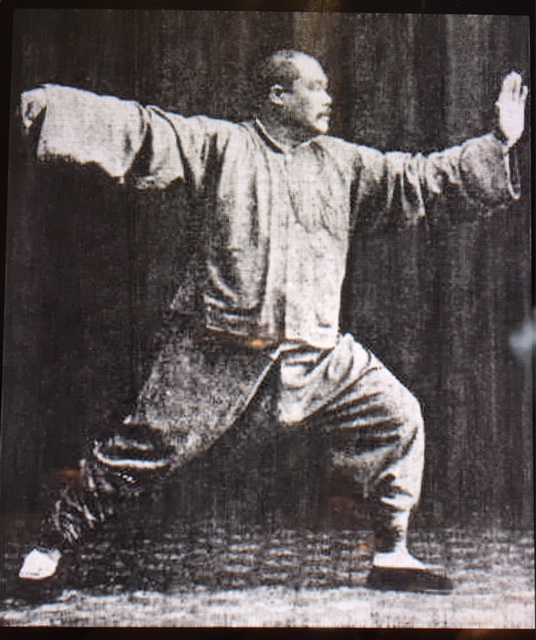
Tai chi, rooted in Taoist and Confucian Chinese philosophy, has been found to be beneficial for meditative movement and for general health. Focusing solely on the movements of the form bring mental calm and clarity, good for general health and stress management. The three main aspects are health, meditation, and the martial arts.


tai chi
My tai chi teacher explains the martial arts application, but the focus is on slow movement, meditation, and health. We also practice qigong breathing. Seated tai chi moves are suitable for older people. Research shows that seated tai chi can make big improvements to a person’s physical and mental well being, including improvements in balance, blood pressure, flexibility, muscle strength, peak oxygen intake, and and body fat percentages.


tai chi
Which brings us back to World Tai Chi and Qigong Day. It is the last Saturday in April, annually. At 10:00 a.m. local time, people participate alone or in groups. The idea is that the wave of energy and goodwill will circle the globe, starting in the earliest time zones of Samoa and then traveling around the world until it ends with events in the last time zones of Hawaii, almost an entire day.


One of the stated goals of the day is to provide a global vision of cooperation for health and healing purposes across geopolitical boundaries, and also an appeal to people worldwide to embrace wisdom from all the cultures of the world. Who can argue with that?


tai chi
One breath… One world.

Better Late than Never!

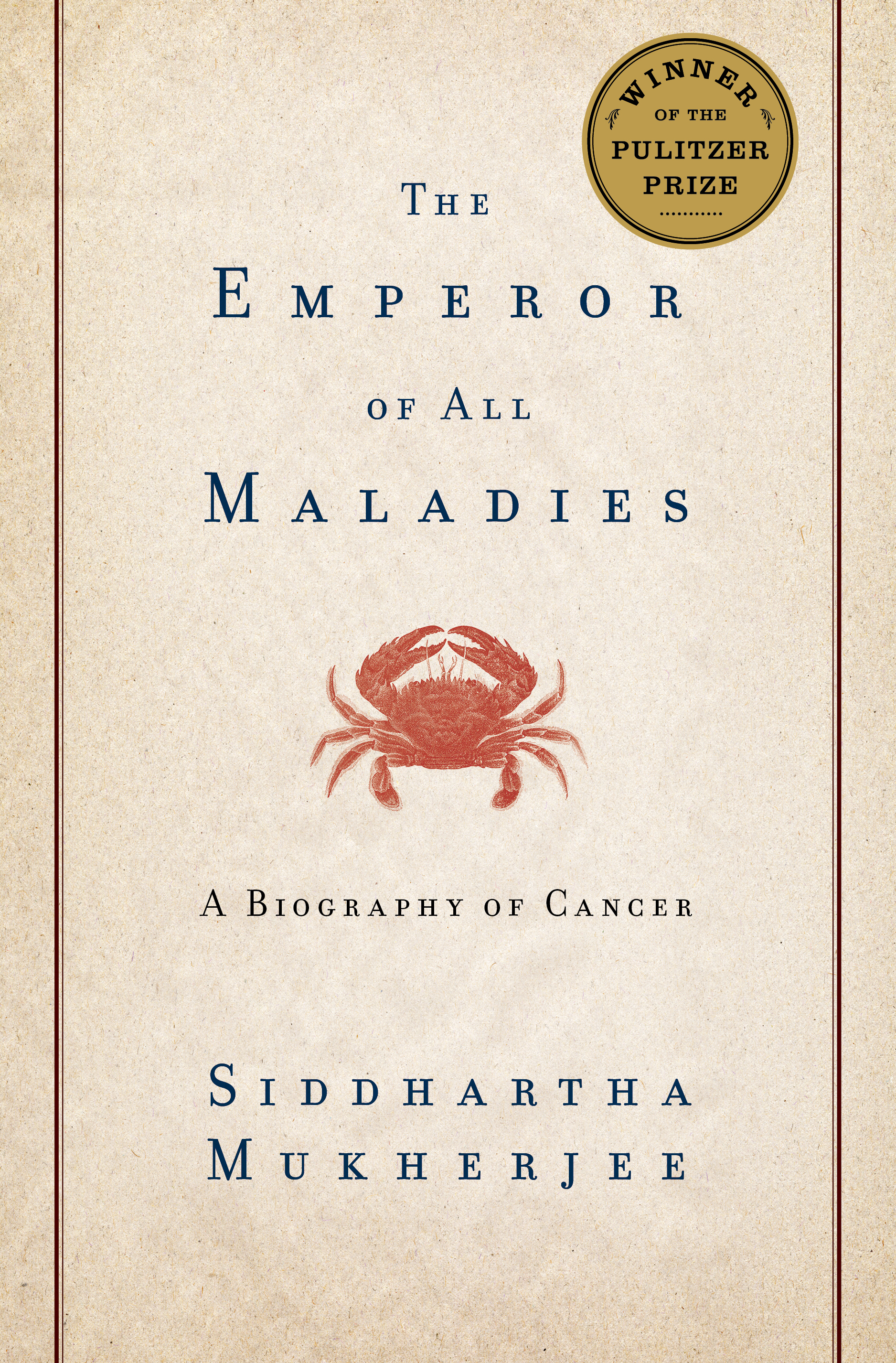
During a recent phone conversation with my youngest daughter, she talked about her current reading, The Emperor of All Maladies: A Biography of Cancer by Siddhartha Mukherjee.

She said it is so good that she stays up late to read, even on work nights. She talked about the book so enthusiastically that I downloaded it to my Kindle even as we spoke and started reading it that evening. And she’s right: it’s as compelling as any novel!


This is not a new book. It was published in 2010 and quickly became a NYT bestseller. It won the Pulitzer Prize. It became a PBS documentary by Ken Burns.


emperor all maladies ken burns barak goodman
[Source: Nancy’s Point]
With all of that, still I passed it by. I don’t regularly scarf up bestsellers and prize winning books, choosing things more off-the-beaten-track. And though I am an avid watcher of PBS, somehow this documentary didn’t catch my eye. (I didn’t watch the one on baseball, either. Perhaps I should.) Apparently  I needed to hear a personal endorsement! If you need a personal endorsement to look at this book, here’s mine.
 
The writing is excellent—vivd and compelling. The information is fascinating: cancer can be tracked back at least five thousand years; tumors have been found in Egyptian mummies; for a period of time, tumors were removed with ever increasing amounts of surrounding body mass on the belief that more was better; and sometimes progress has been hampered by politics and infighting. The science and technical information is presented in understandable language. The historical bits are sandwiched with modern day efforts and current patients. As a “biography” of a disease, it is incredibly personal.


siddhartha mukherjee
[Source: Twitter]
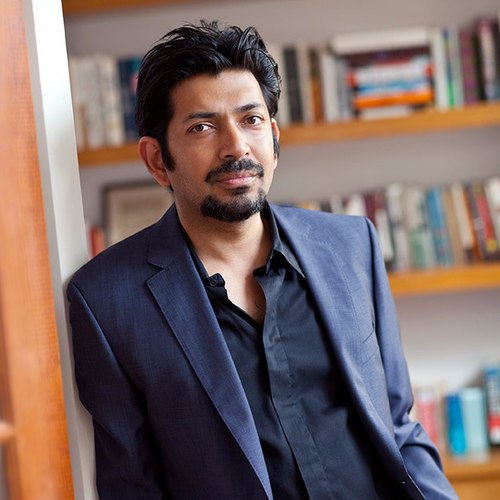
Siddhartha Mukherjee is an oncologist, researcher, and science writer. He’s Indian-American, born in New Delhi, educated at Stanford (BS), Magdalen College, Oxford (DPhil), and Harvard (MD). He published this book at age 37! No doubt we can anticipate much more from him.


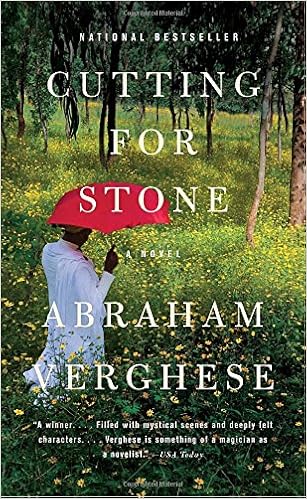
More than twenty years ago, Hiram College was at the the forefront of what became a national move toward health humanities programs. They now offer a major in biomedical humanities—but that’s a whole other topic. I mention it because Hiram is where I first recognized what fine writers healthcare professionals can be! So in that vein, I will just mention Cutting For Stone, published in 2009.
 
cutting for stone abraham verghese
[Source: Amazon]
This novel was written by Ethiopian-born medical doctor Abraham Verghesse. The story is told by the protagonist and until I finished the book, I thought it was memoir! That’s how real it seems. I couldn’t put it down. So here’s another old book to pick up.
 
BOTTOM LINE: Check out books written by physicians. And don’t limit yourself to the most recent. They go way beyond the Physician’s Desk Reference. You will be amazed.