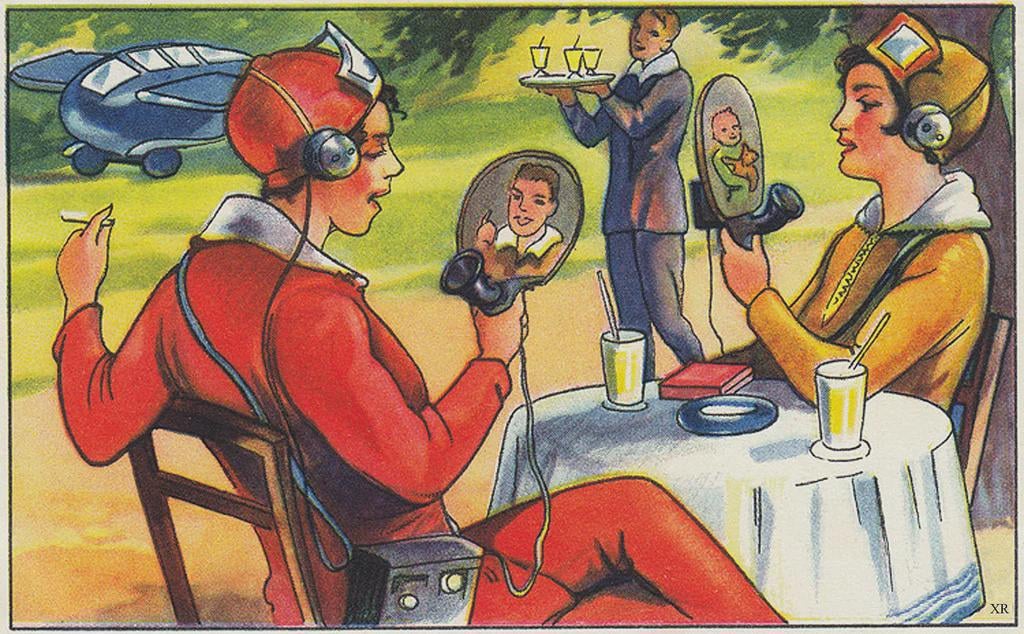
WHAT GOES AROUND COMES AROUND

It’s everywhere! What was once outdated, a thing of the past, is experiencing a resurgence of popularity. Younger generations are exploring things familiar to their grandparents. The trend seems to be driven by nostalgia and/or a desire to “unplug.”

Food Goes Around and Comes Around

Why the comeback? This trend is rooted in a desire for comfort, authenticity, and sustainability. Many of these dishes are inherently plant-forward, use whole ingredients, and minimize food waste—aligning with modern values of mindful eating.

Nostalgic recipes draw chefs and home cooks with their versatility and affordability, making them perfect for everything from weeknight dinners to festive gatherings. The America We Remember channel on YouTube has many videos explaining nostalgic recipes.
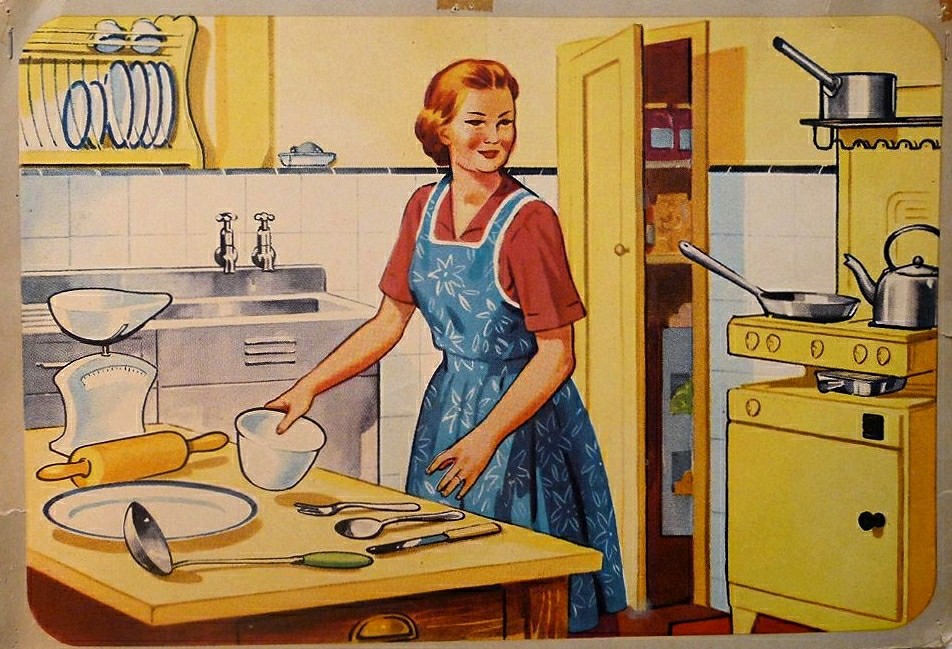
The revival of old-fashioned foods often blends nostalgia with modern twists. Beloved classics are making a comeback, inspired by grandma’s kitchen and retro kitchens alike.

Comforting Casseroles & One-Pot Meals

Many people are reimagining these low-mess meals with healthier ingredients or gourmet touches. Once staples of mid-century dinner tables, these dishes are now celebrated for their simplicity and heartwarming appeal. Home cooks and chefs alike seek to recreate the cozy, soul-satisfying meals of yesteryear.

Other Nostalgic Foods Coming Back
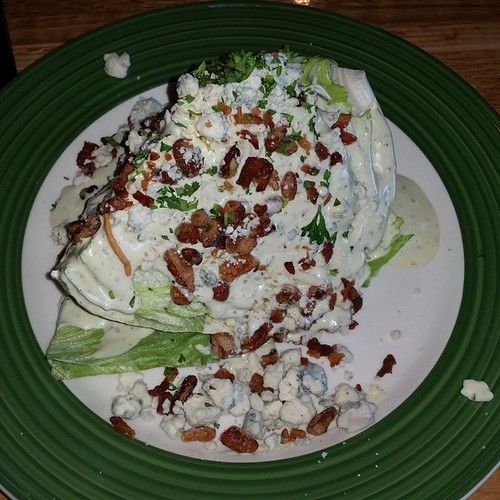
Wedge salad: iceberg lettuce gets respectable again (here because I didn’t want it to stand alone!)

Salisbury steak

Cream-based soups (like Cream of Mushroom or Chicken) are also reappearing on menus

Chili dogs, often elevated with artisanal buns, house-made chili, or organic dairy

Fondue

Retro Desserts with a Modern Twist
Wacky Cake (a Depression-era wonder made without eggs or milk)

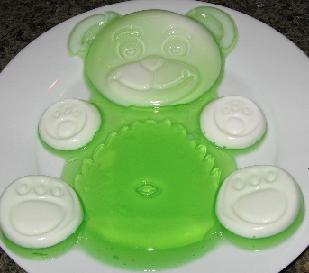
Jell-O molds are becoming popular again for their playful, creative potential, which people often feature in themed dinner parties

Chocolate-chip cookies baked from scratch, with bakers experimenting with heirloom recipes and high-quality ingredients

Classic Drinks & Snacks

  • Orange Julius, a mall staple from the ’80s and ’90s, with modern versions blending retro flavors and fresh ingredients
  • Jolt Cola, with “all the sugar and twice the caffeine!”
  • Old Fashioned
  • Negroni
  • Cosmopolitan
    • Bars are reporting increased demand from both older fans reliving their youth and younger generations eager to experience the retro drink.

Vodka-based drinks such as Appletinis and French Martinis are also making a comeback, embraced for their simplicity and versatility.

Food and Wine has named the “Guilty Pleasure” cocktail trend featuring drinks like Cosmos, Lemon Drops, and Lychee Martinis as the 2025 Drink Trend of the Year, reflecting a broader appetite for fun, indulgent, and nostalgic flavors.

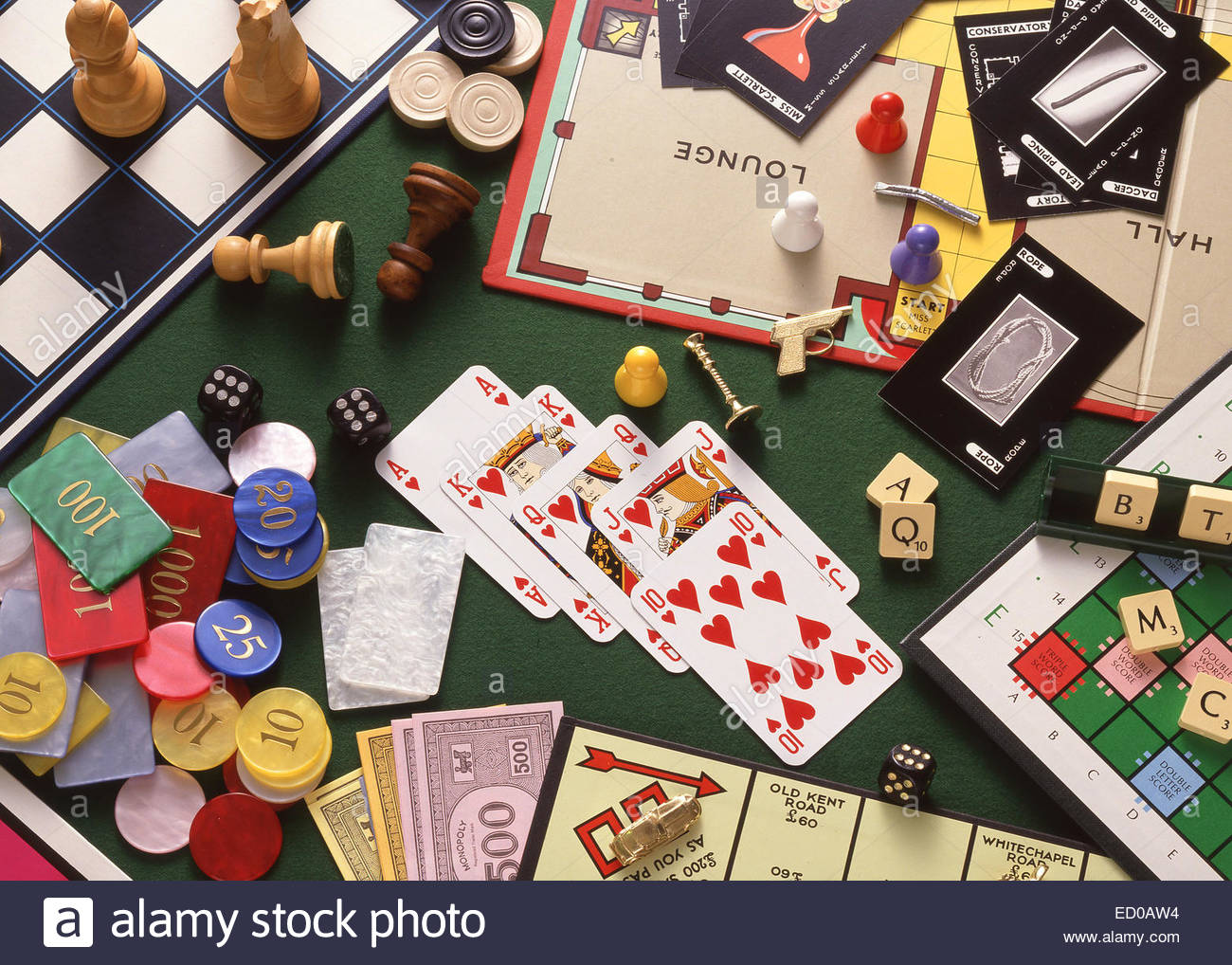
Games Go Around and Come Around
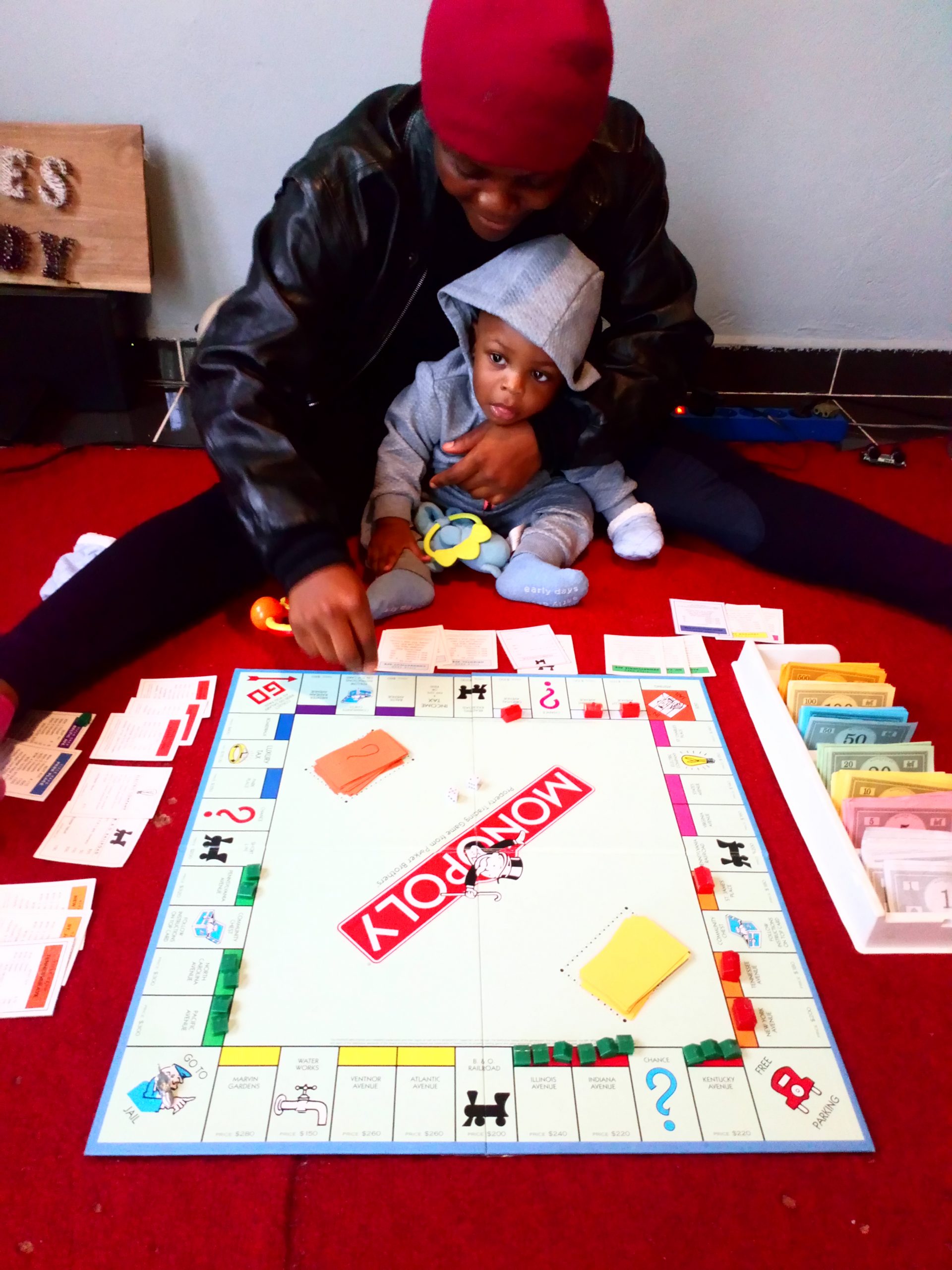
Younger generations are re-discovering the excitement of playing games with someone IRL (in real life). A mix of nostalgia, accessibility, and innovation is driving the retro game revival.

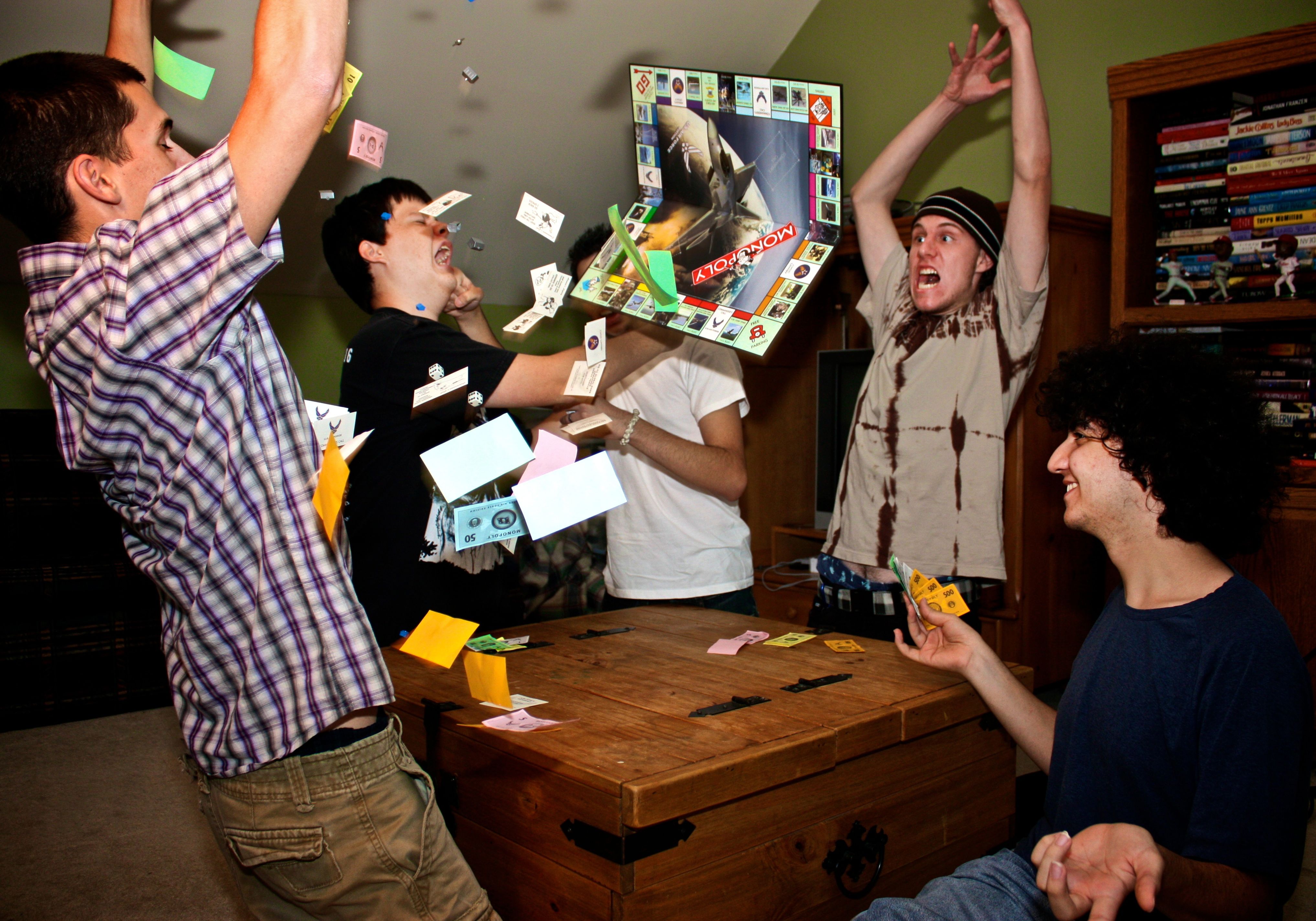
Monopoly is the most popular board game, with over 275 million copies sold since 1935. Worldwide, there are over 500 million players. It also holds the Guinness World Record for having the most people playing at once (over 900!). Monopoly’s lowest popularity occurred during World War II when the war effort eliminated metal tokens and disrupted the game’s production in many countries. In 2025, 37% of U.S. consumers reporting playing it. The Pop Culture Hall of Fame inducted Monopoly as a Brand for 2025.
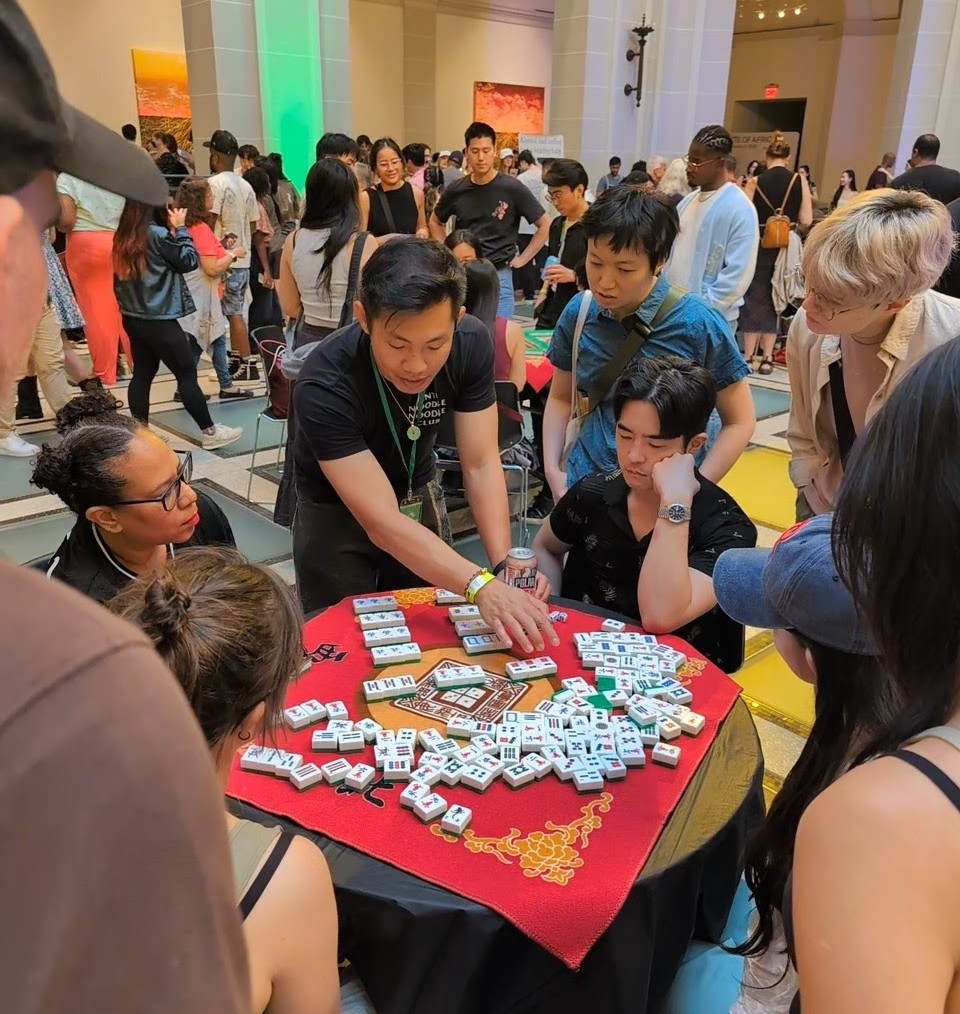
Mahjong is gaining popularity among young people, particularly Gen Z and Millennials, becoming a trendy social activity and a way to build community. Over the past year, interest has surged, partly driven by social media content and a desire to connect in person rather than online. Events like mahjong nights in cities such as San Francisco are drawing young crowds, blending tradition with modern socializing. Even interior designers are noticing the trend, with more requests for mahjong tables in home projects. The game’s nostalgic appeal, especially for young Asian Americans, has also contributed to its rising popularity.

Classic Games Reimagined
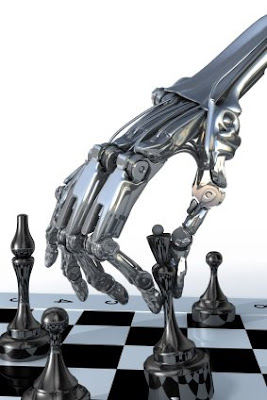
Many older games have been re-released with updated components, streamlined rules, or digital integrations, making them more appealing to today’s audiences. Additionally, the rise of board game cafes, streaming platforms, and social media has reintroduced these titles to new generations.

Chess, both as a game and a digital experience, is experiencing a renaissance in 2026, driven by the fusion of AI, esports, and the timeless appeal of strategy. The integration of AI into chess has not only enhanced how players learn and improve but also reignited global interest in the game as a digital sport. Magnus Carlsen, the world-renowned chess champion, has publicly stated that chess is “made for the digital age,” emphasizing its adaptability and relevance in today’s tech-driven world.

Catan (Settlers of Catan), Codenames, Dungeons and Dragons, Ticket to Ride, War of the Ring, Root, Dixit, and Azul are all seeing similar adaptations.

Card Games Going Digital

Card games are experiencing a resurgence, both in digital and physical formats.

Classic card games are benefiting from streamlined interfaces and the ability to play online, making them more appealing to both nostalgic players and younger audiences. Even retro and party-style card games are seeing a revival, blending nostalgia with modern accessibility.

The rise of digital card games is being driven by their convenience and accessibility, allowing players to enjoy quick matches that fit into busy schedules. This trend is reflected in the growing popularity of titles like Pokémon TCG and Hearthstone, which continue to attract new and returning players.

The physical trading card game (TCG) market is thriving, with a projected value of $11.8 billion by 2030, up from $7.8 billion in 2025, signaling robust growth and renewed interest.

This comeback isn’t just about nostalgia—it’s about adaptability. Digital card games, in particular, align with the way people play today, offering bite-sized experiences that fit into modern lifestyles.

Puzzles
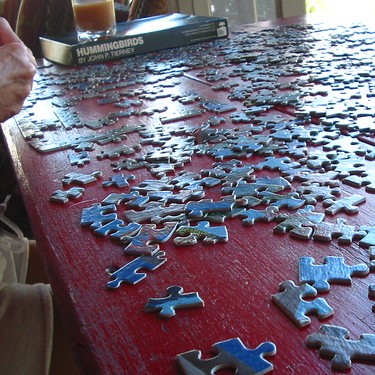
Puzzles of all sorts are attracting new fans as a preferred way to unwind and reconnect with tactile, screen-free activities.

Vintage and wooden jigsaw puzzles are making a comeback, especially among seniors, due to their emotional and mental benefits.

Round wooden puzzle designs and 3D puzzles are also gaining popularity in 2025.

Hobbies Go Around and Come Around

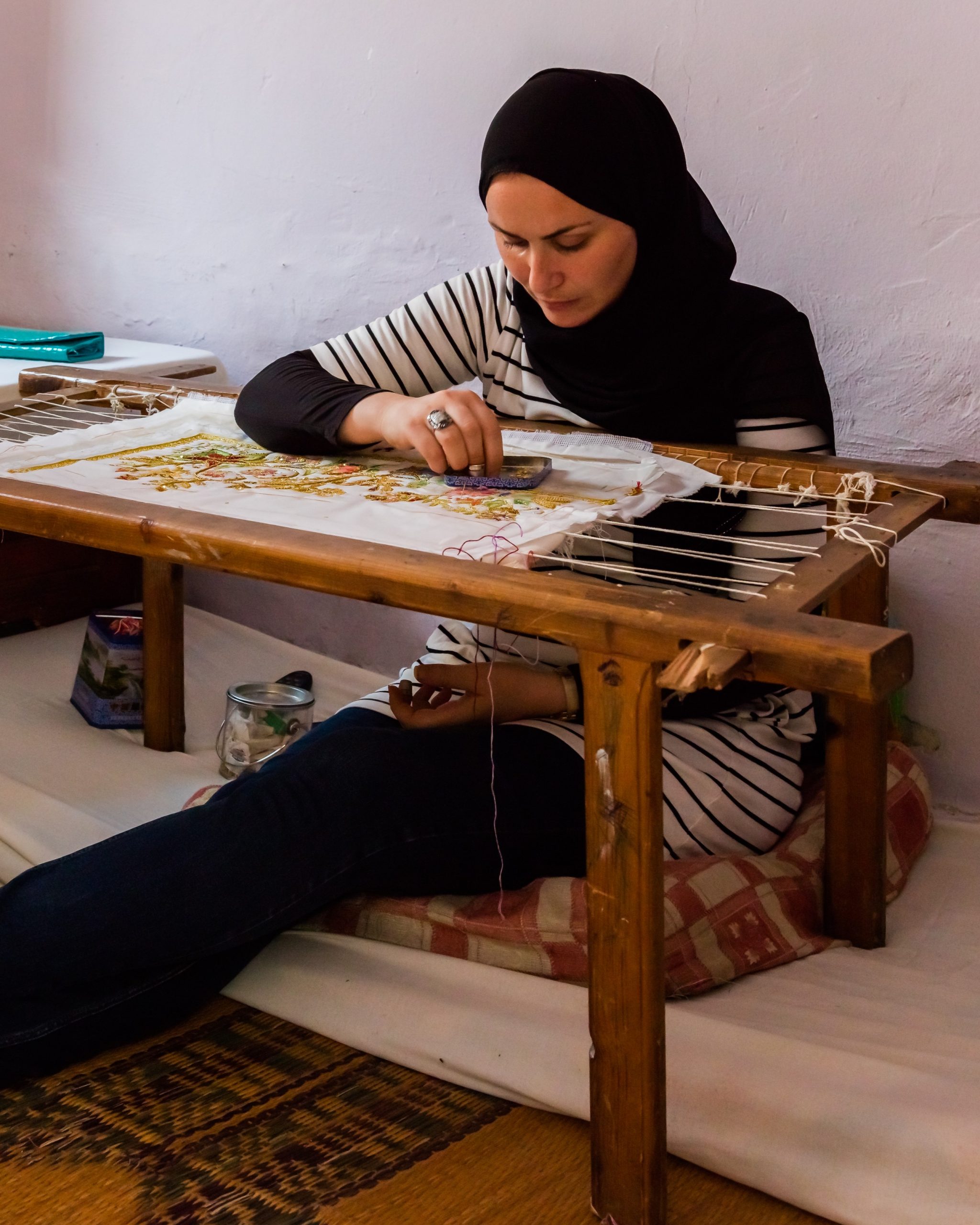
This retro movement is often referred to as Granny hobbies. According to an NBC video, as social media fatigue grows among Gen Z, many are turning to “old fashioned” hobbies as a way to disconnect from screens and spend more time offline doing traditional crafts. “Grandma hobby” lovers embrace the homemade: décor, meals, and vintage household items.
  • Fiber arts, from cross-stitch to needlework
  • Gardening
  • Baking from scratch
  • Calligraphy
  • Knitting
  • Gardening and plant care
  • Pottery
  • Canning and preserving

The appeal lies not just in nostalgia but in the tangible joy of creating something with your hands and the mental health benefits of slowing down. Young people are turning to old-school hobbies to get off their phones.

Fashion Goes Around and Comes Around

Processed with VSCO with aga1 preset

According to my reading, fashion is embracing nostalgia in 2026, with vintage styles from the 1970s, 1980s, and 1990s leading the trends, but occasionally going back even farther.

Some of the most likely vintage trends include pillbox hats, shell jewelry, tassels, bold animal prints like leopard and tiger, plus vibrant colors such as cobalt blue.

The 1970s are particularly popular, with flared skirts and boho chic.

Trends from the 1980s are reappearing: bold patterns, layered accessories, and statement outerwear. Chocolate brown is a key color, reflecting a broader movement toward rich, earthy tones and expressive designs.

Fashion houses predict that corset tops, especially those from designers like Jean Paul Gaultier, are predicted to be big in 2026. Tassel necklaces and vintage-inspired handbags, such as those from Louis Vuitton, are also expected to be everywhere, offering a touch of retro glamour.

Bottom Line: What’s old is new again!
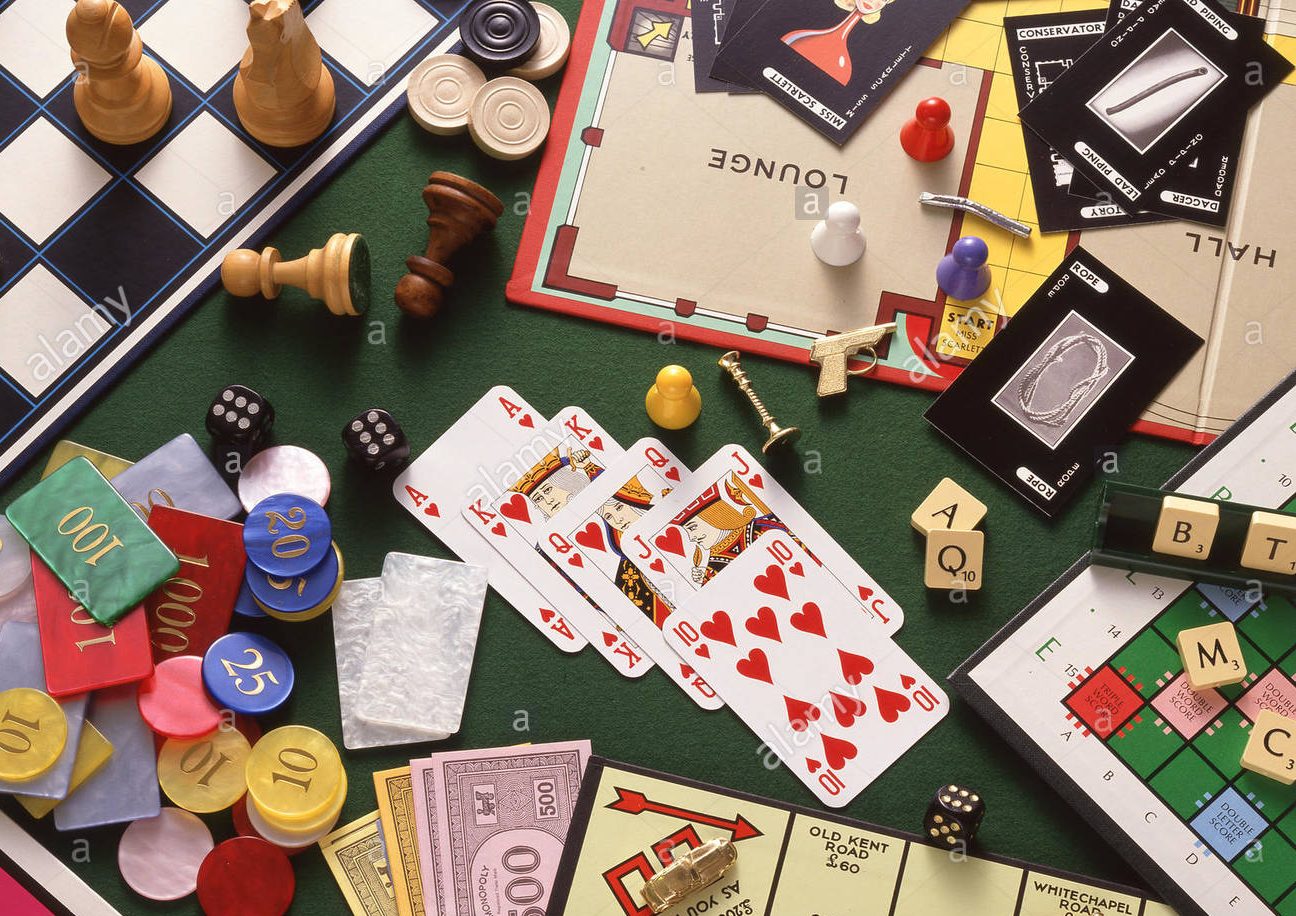
GAMES PEOPLE PLAY: N.B., Games, not Sports


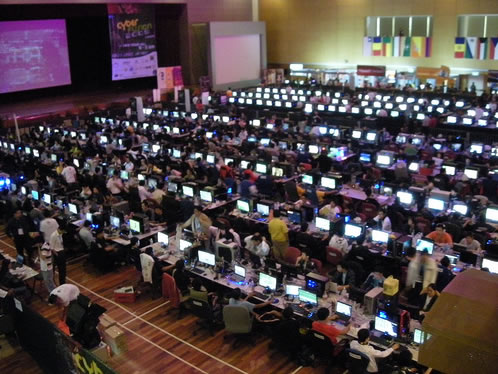
RedEye LAN Party (from Obsolete Geek)

Nearly 70% of Americans play video games on at least one device, and nearly all play on smartphones.  Indeed, if you do an online search for games, best games, or similarly general queries, you will be inundated with info about video games in general as well as individual games.  If game playing is one of your character’s activities (and your story is set in the current time or near future) decide whether s/he is part of the majority or the minority here.  Consider what the game of choice says about the character of your character.  For example,does success depend more on speed or strategy?  Does a round end quickly or take a significant time commitment?  Can it be interrupted/paused?  How violent is it?  And is it mechanized violence or hand-to-hand?  Does s/he play alone, against the program, or with/against other gamers worldwide?

As I indicated in the opening sentence, most people in the U.S. currently play video games, but these are a relatively new phenomenon.  In the remainder of this blog, I shall focus on card games and board games—for three reasons:
  1. They are suitable for current settings as well as throughout history.  Just check out what games were around when the story is set.
  2. I believe that the majority of readers are more familiar with them.
  3. I am not a “gamer” and—truly—I always try not to say too much about any vast canyon of ignorance.
Modern playing cards may have originated in China, India, or Persia, but they were commonly used in Europe by the end of the fourteenth century.  The number and composition of cards in a deck varied throughout history and from country to country.  Some decks had mounted knights, noblemen, peasants, and Church figures.  Some countries used bells, hearts, leaves, acorns, swords, cups, or paving stones to differentiate suits.  Over the years, the royal figures have been labelled as Charlemagne, Julius Caesar, Solomon, Empress Judith, Sir Lancelot, Joan of Arc, Hector of Troy, and various mythological figures, to name a few.  As printing became widely available and playing cards were produced cheaply, the modern deck of cards gradually came into being and was eventually standardized to those we use today.  (For more details, check out the Snopes article on the topic.)[The history of playing cards is kind of interesting:


Advantages of card games:
  •  Equipment is inexpensive
  • They are extremely portable
  • Lots of choices from total luck games to highly skilled strategies
  • Can be played alone or with others
  • Can be totally competitive or in partnerships
  • Suitable for people of almost any age
  • Games with simple rules can transcend language barriers

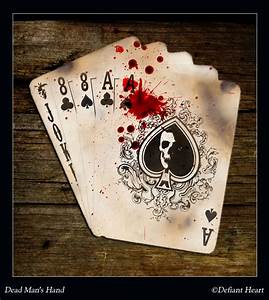
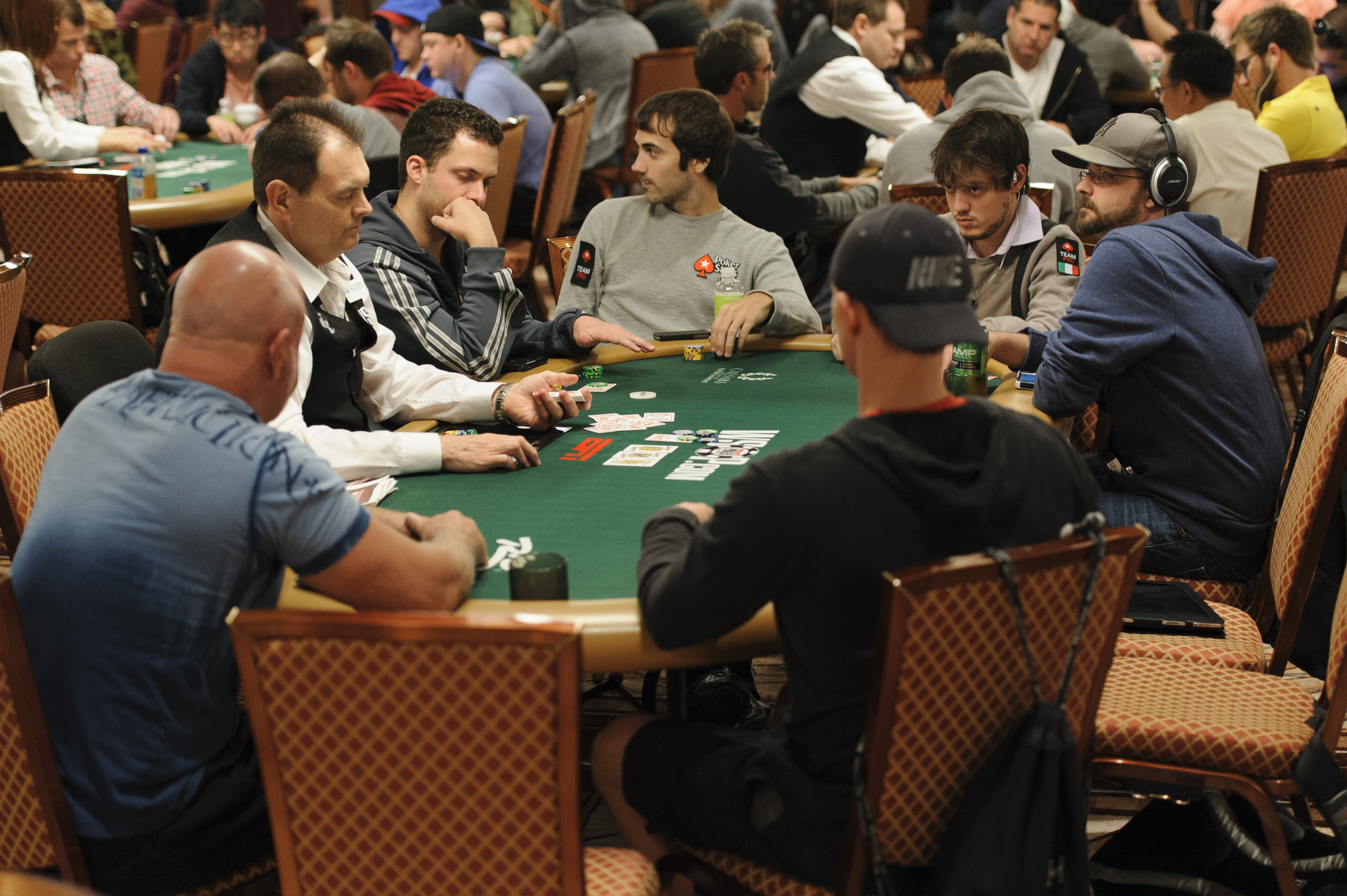
“Dead Man’s Hand” in Poker


If you search for the most popular card game(s), poker is at or near the top of the list.  Poker is associated with gambling, whether in a casino, bar, country club, or private home.  As the name implies, penny ante poker means minimal stakes.  Other associations with poker include alcohol, smoking, and maybe the Wild West.  It is still a male-dominated game.
Writers: as always, consider the value of going with the flow or defying the images.  Many variations exist, and it can be played online.


Other popular card games in the US:
  • Spades: created nearly 100 years ago, hit its peak in the 90s
  • War: one of the easiest games, suitable for children, no skill involved; also good as a mindless activity
  • Gin: aka gin rummy, is related to rummy (see below); very popular right now, a fun gambling game; started in the U.S in the 1800s and has remained popular ever since; reached its peak in the 1930s and 1940s; faded in favor of canasta in the 1950s
  • Rummy: popular around the world, especially In India; involves matching and memorization; can be played online
  • Blackjack (aka twenty-one): largely a gambling game played in clubs and casinos; lots of luck involved; players play against the dealer rather than each other
    • If a player is able to calculate probabilities and keep track of cards in play, s/he may be able to “count cards” to win nearly every hand.  This technique is outlawed by many casinos, but it can be a good way to demonstrate a character’s extreme intelligence or pattern recognition skills.
  • Crazy Eights: originated in Venezuela; has lots of variations; requires two or more people
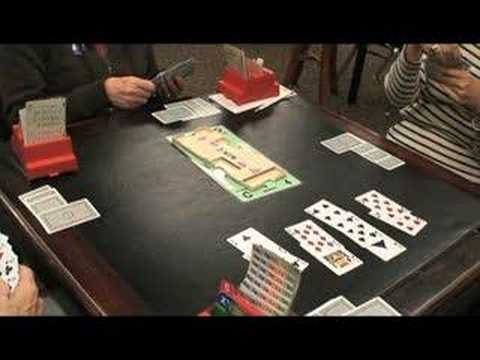
The most difficult card game is bridge.  Some call it the world’s greatest game.  It probably originated in Russia, and was popularized in the Middle East; today, it is played worldwide.  Bridge requires strategy, memory for who played what card, working with a partner, communicating during bidding (which can involve “conventions”—what the heck is a Jacoby transfer, anyway?).  Women take more bridge classes than men and more women than men play, but men dominate in serious competitive play.  For an extended discussion of the pros and cons of bridge, go to WHY PLAY BRIDGE? at bridgeworld.com.


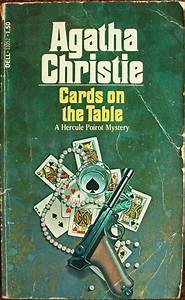
Agatha Christie wrote an entire murder mystery, Cards on the Table, that hinges upon who was playing in what rotation at what time during an evening bridge party.  Hercule Poirot deduces alibis and personalities entirely by studying the notations people made while keeping score, enabling him to identify the murderer.


Card games and board games have been used as a method of teaching and developing military strategy skills throughout history, including by the American CIA An online essay The Appeal (and Manliness) of Card Games includes a subsection on 6 Card Games Every Man Should Know.  The essay notes that men’s games are often symbolic representations of more violent clashes and war.  In my opinion, what this says is that games are a non-violent way of competing to be the alpha male.  When only men are involved, there are often jokes and insults to demonstrate the art of clever talk.  According to this essay, the essential manly card games are:
  • Gin Rummy: game scholars think rummy is a card variation on the Chinese game of mah-jong, perhaps dating to the 1700s, much modified since then; generally played to a specified number, often 100
  • Hearts: a trick-taking game stemming from whist, except the goal is to avoid collecting tricks; the person with the fewest points wins; first appeared in he U.S. in the late 1800s; played online since the 1990s
  • Poker (specifically, Texas hold ‘em): perhaps originated in 1820s New Orleans on Mississippi River gambling boats; poker really took off in the 1980s when Congress passed the Indian Gaming Regulatory Act, legalizing casinos on Native American land
  • Solitaire: first developed in the mid-1700s; originally played with multiple people, it’s now a game played primarily alone—any of more than 1000 variations; surged in popularity with the advent of personal computers
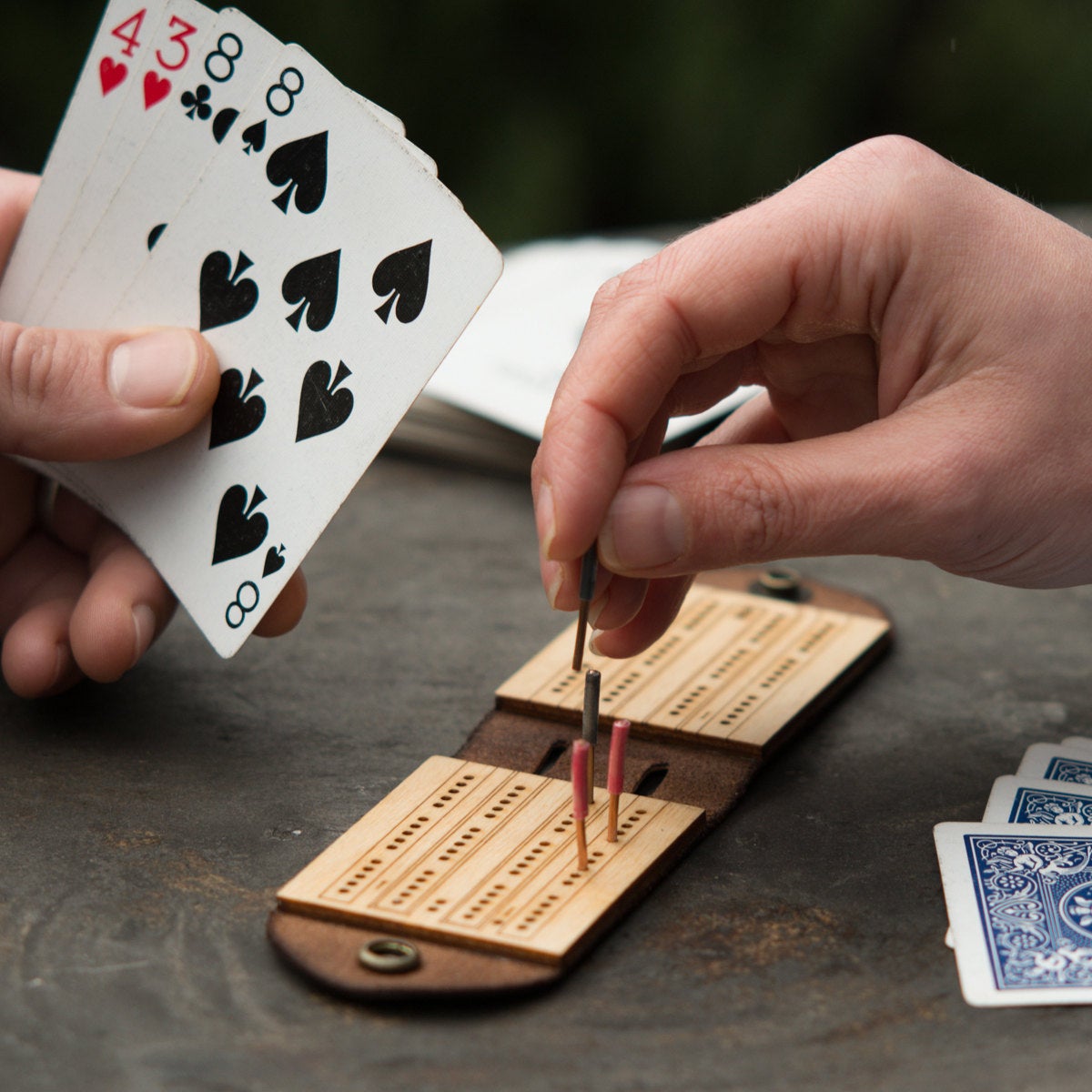
  • Cribbage: beloved for centuries, technically involves a board for score keeping, it’s essentially a card game for 2 (possibly 3 or 4); came to the colonies by English settlers; especially popular in New England
  • Blackjack (aka 21): most widely played casino game; fast and easy to learn; dating to the mid- to late 1500s, became more popular int the U.S. in the late 1950s

Cribbage Hand and Score Board

The Most Popular & Fun Card Games as posted on ranker.com
  1. Uno
  2. Blackjack
  3. Solitaire
  4. Hearts
  5. Gin Rummy
  6. Cards Against Humanity
  7. Go Fish
  8. Bluff (also known as BullSh*t)
  9. Magic: The Gathering
  10. Euchre—a personal favorite with my family
  11. Poker
  12. Crazy Eights
  13. War
  14. Apples to Apples
  15. Rummy
  16. Pokemon trading card game
  17. Spoons
  18. Exploding Kittens
  19. Assh*le
  20. Old Maid—truly classic
  21. Phase 10
  22. Yu-Gi-Oh! Trading card game
  23. Monopoly Deal
  24. Munchkin
  25. Cribbage
Writers: consider the value of a character playing a card game against type, such as a woman playing poker or a man playing bridge.  Yu-Gi-Oh and Pokemon are more commonly played by children, but an adult could play with a child they are caring form.  How would a quintessentially honest person behave in a situation requiring bluffing, such as playing poker or Bluff?  What might a young person discover by learning to play Hearts as a means of bonding with an older relative?


5 Hardest Games to Master in the World: According to Casino.org, these are the most difficult to master, regardless of how long it takes to learn. 
Note: this lists includes 4 board games and only 1 card game


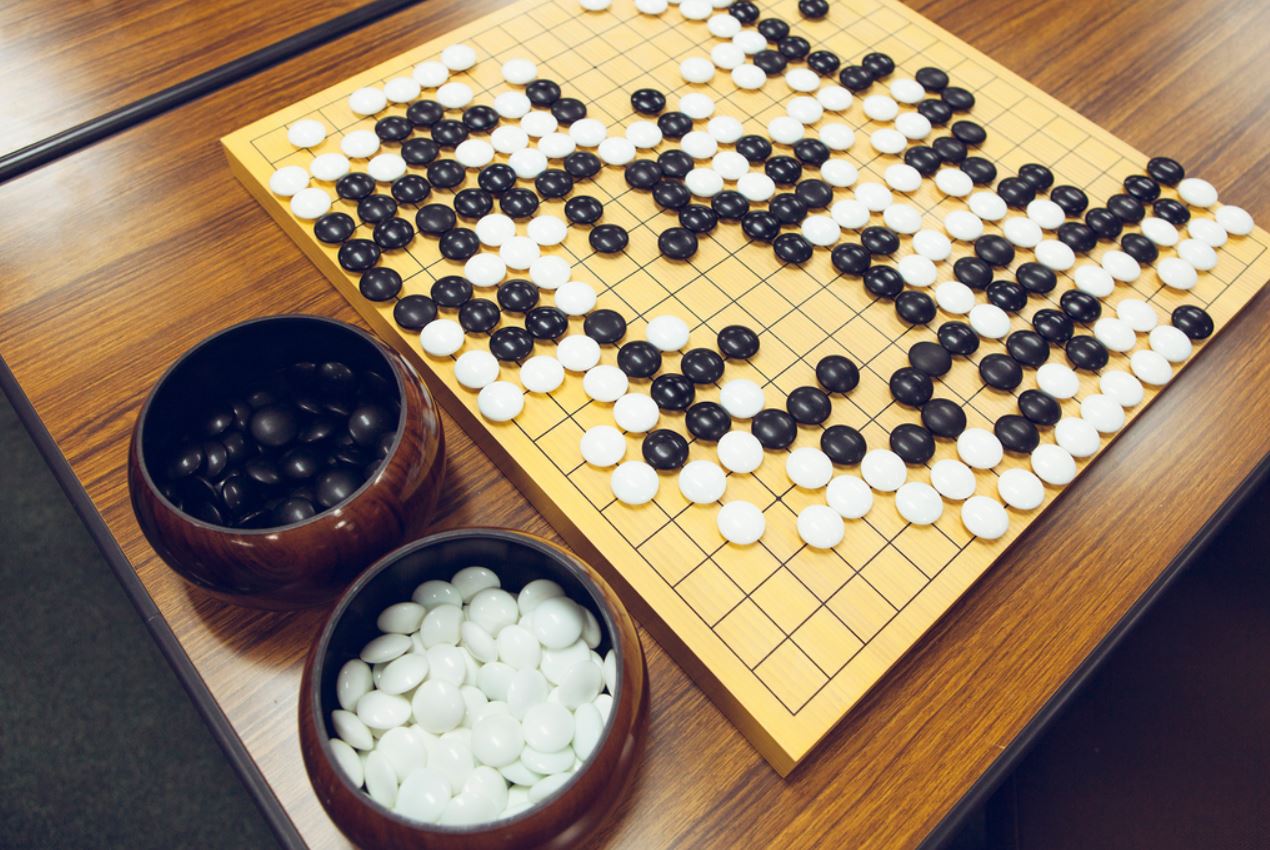
  • Go is an ancient Chinese game dating back over 5,500 years—making it the oldest board game still played today.  It’s also one of the most complex, involving abstract strategy aimed at occupying the most territory on the board. 


    • Go is referenced, played, or used to demonstrate a character’s attitude toward traditional values in lots of Japanese media, including manga and anime.  It is so widespread in Japanese culture that there is an entire anime about a schoolboy haunted by the spirit of an ancient Go master: Hikaru No Go.
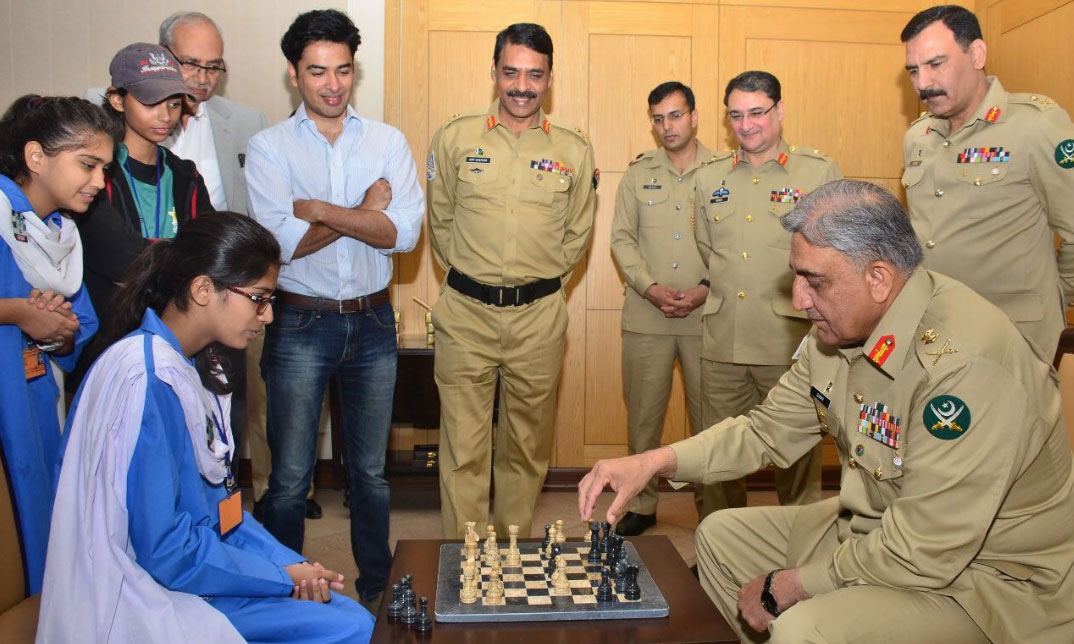
  • Chess, arguably dating back to the 6th century in India, but perhaps it originated in China—as many games did.  It’s a game of strategical conquest played by two people.  The essence of success is forward planning.  Historically, chess has been used as a means of teaching battlefield tactics; that is why, in modern chess rules, the king is relatively constrained but holds such strategic importance.

Pakistani Army Chief Qamar Bajwa playing chess with a student from Islamabad

  • Bridge is the only card game included in this list of hardest games to master. See above.
  • Diplomacy was released in 1959; as games go, it is still in its infancy.  It is a strategic board game for two to seven players, played on a map of 1914 wartime Europe, Middle East, and North Africa, geared toward conquest. There are no dice, but lots of negotiation skills are required.
    • Diplomacy was one of the first games (other than chess) that could be played by mail, which made it available as a form of connection for people who were not able to play together in person.  Writers, consider the possibilities this provides for characters in a historical setting who lived far apart or were shut-ins or prohibited by social taboo from playing together, etc.


  • Hex, released in 1942, was inspired by Go and has since been tweaked.  The goal is to make a connected string of shoes from one side of the board to the other before the other player.
Card Games vs. Board Games
 
As noted above, card games have many positive qualities, especially portability and ease of set-up.  Board games require more complex “equipment,” lengthy set-ups, and can take a long time to complete.  Many board games are quite cerebral, chess being the ultimate example.  In board games, every player is likely aware of the possible moves of the other player(s).
The Top Ten Board Games of All Time
The website hobbylark.com provides a brief history of board games and ranks the top 10.  Many that have been around for literally thousands of years can now be played online. Details of all of these are, of course, available online.
  1. Chess
  2. Stratego
  3. Monopoly
  4. Risk
  5. The Settlers of Catan
  6. Scrabble
  7. Battleship
  8. Clue
  9. Dominion
  10. Ticket to Ride

There is no board game equivalent to solitaire.  By their nature, board games require other players, and thus involve social interactions.

Most people do not follow the correct rules for Monopoly, making games longer and more repetitive.

Game Considerations for Writers (whether cards or board games)
 
  1. If you include a game as a character note, consider the general character of players of that game and whether you want to go with the general image or have a character who goes against the grain.  Why does your character play that particular game?  Where, how, and with whom (if anyone)?  Under these circumstances, chances are you establish the preference and make only brief references to it thereafter—unless the character is addicted.
  2. If the game is an element to advance the plot, it will probably involve a more detailed description of the game itself, so that readers will better understand the important people interactions around the game.  Did playing the game establish or refute an alibi?  Reveal important info through the chat around and over play?  Is someone trying to establish dominance?  Losing more money than s/he can afford?
  3. In associating a character with a game, be aware of the possible correlations: when in history your story is set, age of the character, region of the country (or country in the world), social class, and possibly ethnic background all are considerations.

Bottom line: games can be good for your writing!

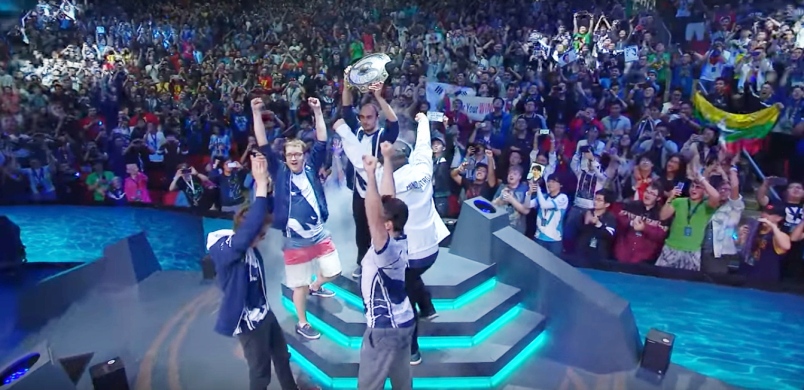
2017 Dota 2 Champions