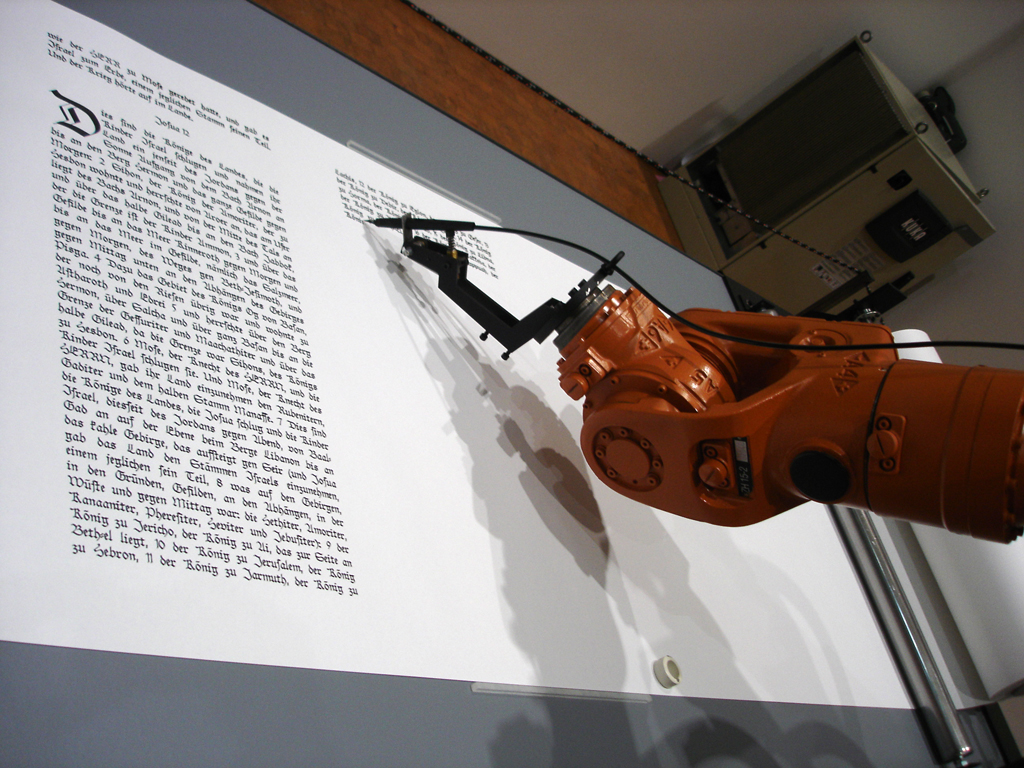
Whatever your answer, the importance of Artificial Intelligence can’t be overstated. AI is all over print and other media, here to stay. Are we benefitting or suffering?
True confession: I started off feeling negative about AI for purposes other than searching for information.
AI for Prolific Writing

One of my favorite forms of escapist reading is Pride and Prejudice fan fiction. Recently I read several books by Rachelle Ayala. Pretty entertaining. I usually gave her four out of five stars. I marveled at her productivity. When I looked at all her publications, Kindle came up with 715 titles! I discovered multiple books in multiple series. And then I saw these two titles: Love by the Prompt: A Romance Writer’s Guide to AI-Powered Writing; and An AI Writer’s Journal: From 0 to 70000 in 14 Days.
My knee-jerk reaction was to vow never to read another of her books. In my opinion, her practices were equivalent to plagiarism: claiming another’s thoughts or ideas as one’s own. I didn’t actually read those two books, but I investigated a bit more. Ayala says, “I am a romance author of over 140 books with two additional pen-names ‘Clare Chu’ (Humor) and ‘Bella Vex’ (Horror).” It turns out that Rachelle Ayala is an award-winning USA Today bestselling author of contemporary romance and romantic suspense. Should I eschew better-than-average entertainment because I don’t approve of the method?
And going forward, how will I know?
Risks of AI Writing Careers

Looking into AI and writing a bit more, I read a recent Wall Street Journal article (11/22/25) profiling two sisters, an auto mechanic and a struggling writer. AI isn’t threatening the former career. Of the latter, “In moments of doubt, Sophia has considered a fallback plan, which was to get certification in AI prompt writing.” But she might need a fallback for her fallback: that once-hot job has been rendered obsolete as AI has become better at understanding poorly written prompts. She concluded, “I’m not at the point yet where I’m willing to compromise writing full-time.”
In truth, writers can use AI in ways I (for one) consider legitimate.
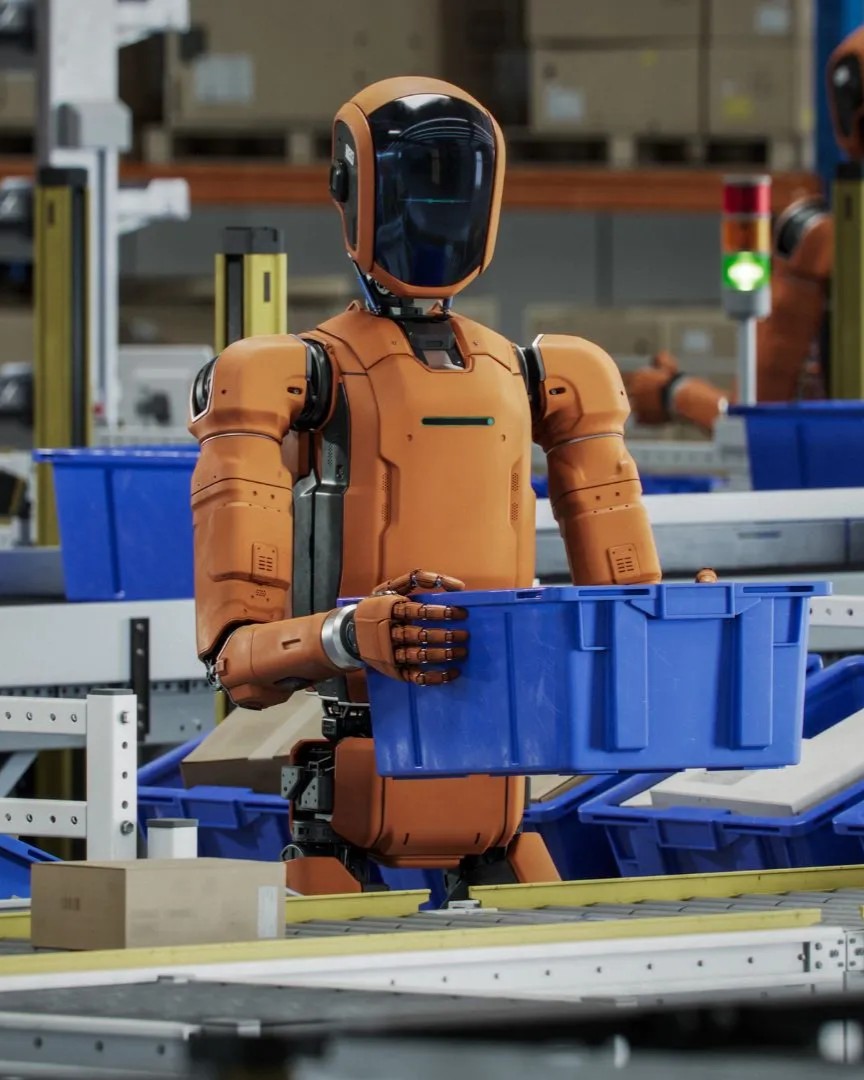
A brief search online turned up the following suggestions for ways a writer can use AI, allowing more time for the creative aspects of writing:
- Automate tasks like research and data analysis
- Improve grammar and spelling
- Generate word choices
- Draft and enhance content
- Translate audio to text or vice versa for accessibility
- Brainstorm creative ideas
- Create personalized or supplementary material such as video content or internal communications
Personally, I doubt AI will ever generate works comparable to Shakespeare (or Jane Austen). But as the father of the daughters profiled in the WSJ article put it, “At my company, they say you won’t be replaced by AI, but you might be replaced by someone who knows AI better than you do.”
Although my focus is writing—creative writing—I’m aware of ways teachers can use AI to personalize teaching plans. In addition, according to my reading, AI can enhance healthcare delivery, improve disaster response, enable predictive analytics for government services to be more efficient, assist in cancer screening, expand access to social welfare processes, and empower underrepresented communities by addressing social challenges and driving targeted, data-driven solutions.
Downsides of AI
So why not embrace AI with open arms?
The process of training AI programs involves feeding massive amounts of data into the system. Companies have procured that data through copyright infringements, privacy violations, and wholesale scraping of the data of people who may not even be aware of it. Many authors are now including warnings at the end of their books that they do not consent to the use of their work to train AI. Every result from an AI program, including silly videos, audio deepfakes, AI therapists, machine-generated music, insurance claim denials, and medical screening, ultimately relies on the input of humans, whether they consented or not.
AI programs also require vast amounts of computing power, which in turn requires huge data centers, staggering amounts of energy, and massive cooling systems. A single question asked in ChatGPT uses ten times as much electricity as the same question asked in a web browser. Communities near data centers often face water shortages, skyrocketing electricity costs, constant industrial noise, and pollution endangering the health of local residents.

Research also indicates that, while students who rely excessively on AI may “get the right answer” more quickly, they are less likely to remember the rationale over time. I fear over-dependence on AI will dull human problem-solving skills, critical thinking, and creativity.
And my AI generated response to this query: “Possible negatives of AI include bias in algorithms due to human input, high implementation costs and potential degradation over time, unemployment and workforce disruption, reliability and accuracy concerns, misalignment with use cases leading to ineffective outputs, lowered information integrity, risk of misleading results, and broader societal harms if systems are unfair or unsafe.”
Bottom Line: AI is friend AND foe.