We’re all aware, at some level, of racism and sexism. Everyone lucky enough to live to be old will probably become aware of ageism. Many fewer are attuned to ableism. The world wasn’t built for people with disabilities, and because of that, the world we live in is inherently “ableist.”
“Ableism is the discrimination of and social prejudice against people with disabilities based on the belief that typical abilities are superior. At its heart, ableism is rooted in the assumption that disabled people require ‘fixing’ and defines people by their disability. Like racism and sexism, ableism classifies entire groups of people as ‘less than,’ and includes harmful stereotypes, misconceptions, and generalizations of people with disabilities.”
Ableism 101 by Ashley Eisenmenger
-Isms and Stereotyping
All -isms are based on stereotypes. Stereotyping is when, based on one characteristic, we assume a whole constellation of characteristics, traits, abilities, or behaviors. While it can sometimes feel like a mental shortcut to quickly understand the world, it often leads to inaccuracies, misunderstandings, and unfair judgments.
Effects of Stereotyping

Bias and Prejudice: Stereotypes can reinforce harmful biases, leading to discrimination or exclusion.
Overgeneralization: It ignoring individual differences.
Self-Fulfilling Prophecies: People may unconsciously act in ways that confirm a stereotype, perpetuating the cycle.
Loss of Individuality: It reduces people to a single label, ignoring their unique identities, experiences, and complexities.
Common Areas Where Stereotyping Occurs

Gender: Assuming women are “naturally” better at caregiving or men are “naturally” better at leadership.
Race/Ethnicity: Linking certain behaviors or traits to an entire racial or ethnic group.
Professions: Believing all engineers are socially awkward or all artists are “starving.”
Age: Assuming older adults are “out of touch” or teenagers are “irresponsible.”
Cultures: Assuming everyone from a specific country behaves the same way.
Ableism
Returning to focus on ableism, consider the following examples from the source cited above:
Presenting a disability as either tragic or inspirational in news stories, movies, and other popular forms of media
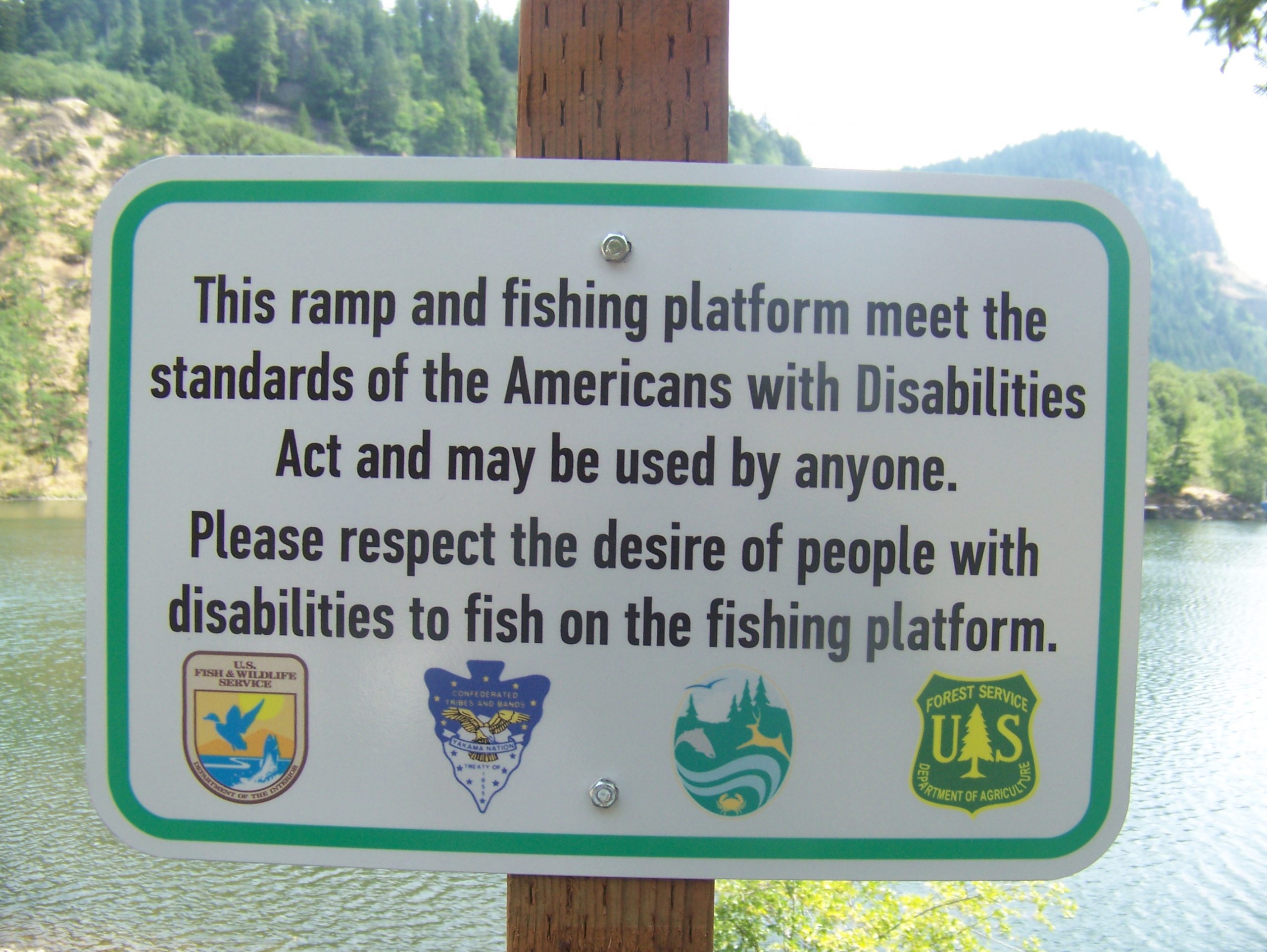
Choosing an inaccessible venue for a meeting or event, thus excluding some participants
Using someone else’s mobility device as a hand or foot rest
Casting a non-disabled actor to play a disabled character in a play, movie, TV show, or commercial
Making a movie that doesn’t have audio description or closed captioning
Using the accessible bathroom stall when you are able to use the non-accessible stall without pain or risk of injury
Wearing scented products in a scent-free environment
Talking to a person with a disability like they are a child, talking about them instead of directly to them, or speaking for them
Asking invasive questions about the medical history or personal life of someone with a disability
Assuming people have to have a visible disability to actually be disabled
Questioning if someone is ‘actually’ disabled, or ‘how much’ they are disabled
Asking, “How did you become disabled?”
All -Isms are Based on Stereotyping
—Isms take many blatant forms. Depending on the specific —ism, these can include:

- Lack of compliance with laws like the ADA, non discrimination in housing, etc.
- Segregating students into separate schools or classes
- Not questioning existing discriminatory standards in medicine, banking, policing, etc.
- The use of restraint or seclusion as a means of controlling students with disabilities
- Institutionalizing adults and children with disabilities
- Failing to incorporate accessibility into building design plans. This applies to disabilities but also such things as gender-neutral bathrooms.
- Buildings without braille on signs, elevator buttons, etc.
- Selectively enforcing dress codes
- Restricting workplace benefits, such as family leave or health insurance, to opposite-sex couples
- Creating inaccessible websites
- Entrenching existing prejudices into computer algorithms and coding
- The assumption that people with disabilities want or need to be ‘fixed’
- Requiring hairstyles that are difficult or impossible to maintain with certain hair textures
- Using disability as a punchline, or mocking people with disabilities
- Conducting research without consideration of differences based on gender, race, abilities, etc. This is especially important in medical research and the creation of public policy.
- The lynchings of Blacks in earlier decades and eugenics movement of the early 1900s
- Disproportionate number of guilty verdicts and harsher sentences based on race or ethnicity.
- The mass murder of disabled people in Nazi Germany
- Hiring preferences based on the assumption that women will become pregnant and leave the workforce
- Wage gaps based on sex, race, ethnicity

Micro-Aggressions and “Isms”
Micro-aggressions are everyday verbal or behavioral expressions that communicate a negative slight or insult in relation to someone’s gender identity, race, sex, disability, etc. It seems to me that non-conscious put downs of -isms are more common—and more socially acceptable—than others these days.
- “That’s so lame.”
- Dumb blonde jokes.
- “That’s so retarded.”
- “That guy is crazy.”
- “You’re so brave to wear that!”
- “You’re acting so bi-polar today.”
- Schools defaulting to communicate with a female parent, regardless of a family’s arrangements.
- “Should you really be eating that?”
- “Must be that time of the month.”
- “You’re so gay.”
- “Are you off your meds?”
- “It’s like the blind leading the blind.”
- “It’s fine to be gay, but why do they have to shove it in my face?”
- “My ideas fell on deaf ears.”
- Putting hands on someone to guide them to where you want them.
- “You throw like a girl.”
- “You look great for your age!”
- “But which one of you is the woman?”
- “That’s so psycho.”
- “I’m super OCD about how I clean my apartment.”
- Offering to help old people. Sometimes this is appreciated, putting a bag in the overhead bin, for example. But often it comes across as assuming incompetence.
- “You’re so well-spoken!”
- “A real man would…”
- “I’ll pray for you?”
- Addressing an elderly person as young man or young lady.
- “Of course he’s paid more; he has a family to support!”
- “I don’t even think of you as disabled/black/a woman.”
- “I’m not saying she deserved it, but did you see what she was wearing?”
- “I love old people; they’re so adorable!”
- “This sort of thing comes naturally to your people, right?”
- “Big boys don’t cry.”
- Touching someone’s hair.
- “You’re such a spaz.”
- Witnessing or overhearing any of the above without speaking up.
How to Avoid Stereotyping
Challenge Assumptions: Ask yourself why you hold a particular belief about a group.
Seek Diverse Perspectives: Engage with people from different backgrounds to broaden your understanding.
Focus on Individuality: Recognize that everyone is unique and shouldn’t be reduced to a stereotype.
Educate Yourself: Learn about the lived experiences of others rather than relying on stereotypes.
Practice Empathy: Put yourself in someone else’s shoes to understand their perspective.
Bottom Line: -Isms and stereotyping can harm mental health, self-esteem, and social cohesion. Stereotyping can often leads to systemic -isms like racism, sexism, ageism, and other forms of discrimination. Breaking free from stereotypes is essential for creating a fairer, more inclusive world.