Borrowing: Names, Characters, Ideas?

girl takes eye eye
My first thought upon seeing this ad was that I’ll check it out. I greatly enjoyed Stieg Larsson’s original series, despite the raw scenes—which in my opinion forwarded both the plot and the character development. When reading the trilogy, I often pondered how he could violate all the accepted no-nos of writing wisdom and still be a raging success. He started slow. He introduced seemingly unrelated people and events. Information known to the reader was frequently repeated almost verbatim as one character informed another of events, history, etc. Thus, we have a sterling example of success in spite of rule-breaking. Clearly, Larsson did something right!
 

My second thought was to suggest that my readers write something—scene, short story, whatever—based on an admired work. But before doing so, I wanted to determine whether I was suggesting something illegal—or at least unethical. But how could that be? What about Pride and Prejudice and Zombies or any fan fiction published by the ton?
 

girl kicked hornets nest stieg larsson
[Source: Goodreads]
Here’s what I found. 1) Anyone can use a name for a character or a book. They can’t be copyrighted. However, as a general rule, you should ask yourself why you would want to name your character Scarlett O’Hara or Captain Blye. Why would you want to title your book Gone With the Wind when any online search would have you at the bottom of hundreds of links to the original?


2) No one can copyright a stock character. The moon-eyed teenager, the sadistic rapist, the strong but silent hero, beautiful and buxom arm candy, etc.


3) No one can copyright an idea. Anyone can safely write a book about a young boy who has magical powers that he uses to combat evil. Anyone can write a dapper super-sleuth enamored with a brainy, independent, vulnerable woman.


So when do we get into problems? When the characters are easily identifiable as Harry Potter, Lord Peter Wimsey, and Harriet Vane—or any sufficiently distinctive character created by a copyrighted author.


late scholar dorothy sayers
[Source: Amazon]
When the original author is no longer producing, sometimes others take up the mantle. Jill Patton for Dorothy L. Sayers, Felix Francis for his father, and (presumably) David Lagercrantz for Steig Larsson. These authors have the permission of the copyright holders (presumably the estate) to go forth and use the fully defined and described characters, acting in characteristic ways in new situation.


So consider whether you want to take another’s creation and make it your own!
 
girl spiders web david lagercrantz
[Source: Collider]

Why Lie?

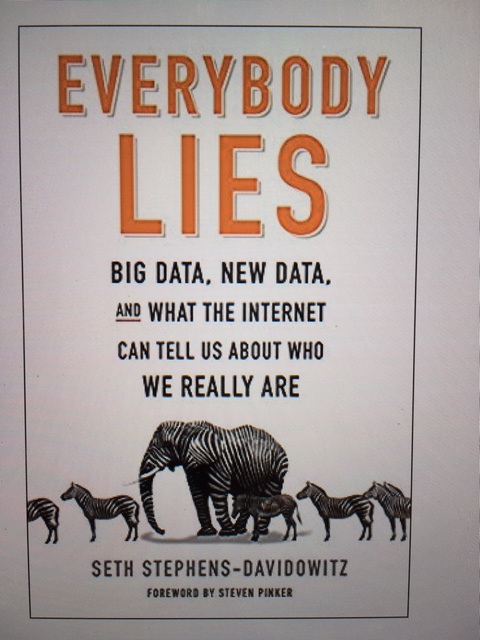
everybody lies seth stephens davidowitz
Actually, that’s a dumb question. People (and characters) lie when they want to make others believe something that isn’t true. Behind that generalization there can be all sorts of motives, both benign and malicious.


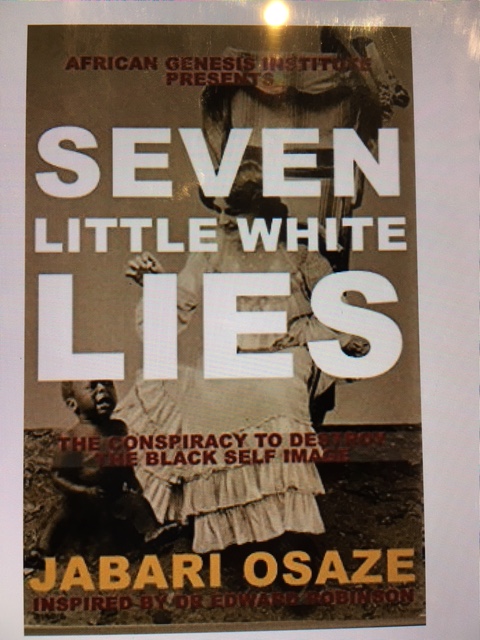
seven little white lies jabari osaze
Benign lies are often called white lies, or little white lies. These are presumably innocuous lies, perhaps to ease a social situation, e.g., “Don’t worry, Marcie, that dress makes you look ten pounds thinner.”


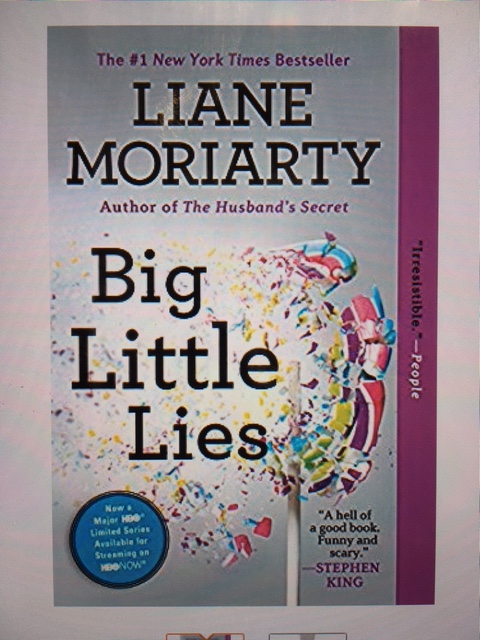
liane moriarty big little lies
For writers, benign lies are useful as character notes but also—and perhaps more interestingly—because they often go awry.


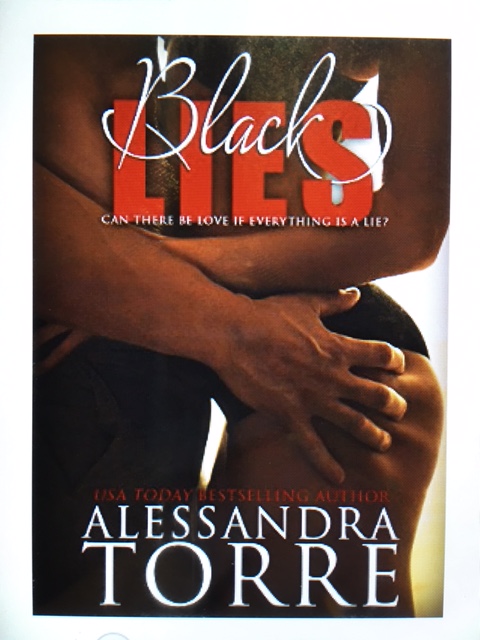
black lies alessandra torre
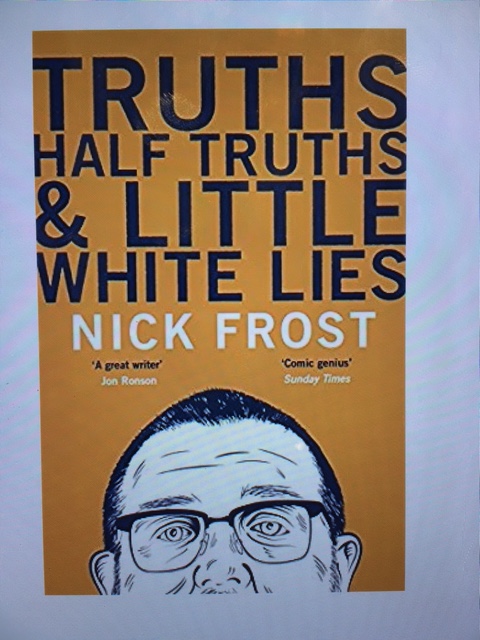
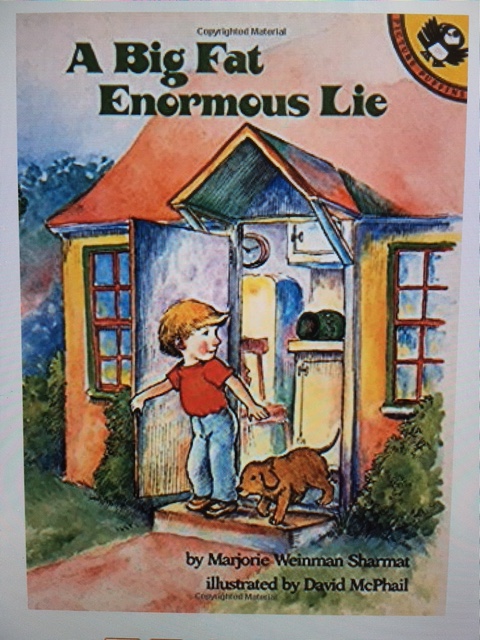
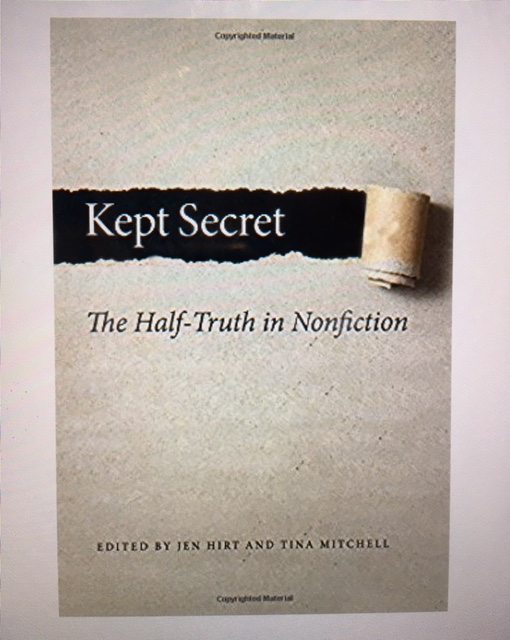
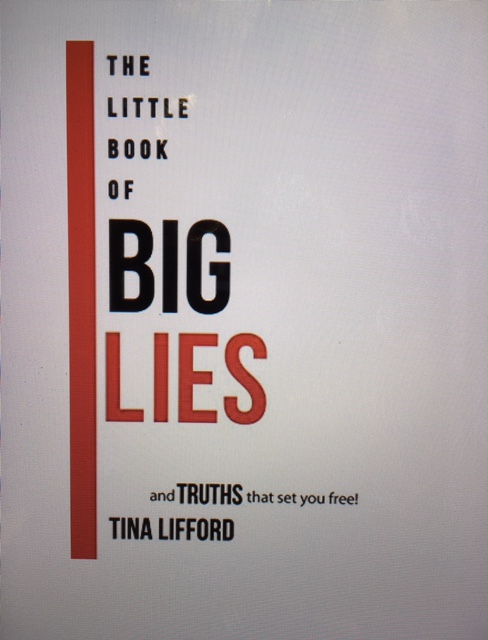
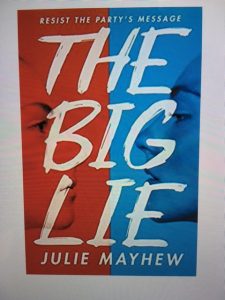
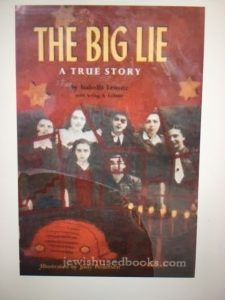
If you go by the book titles, lies come in two sizes and two colors: big or little, black or white. But as writers, we all know that lies are much more complex.
 
truths half truths little white lies nick frost
Consider the multiple ways that people can be led to believe something that isn’t true.
 
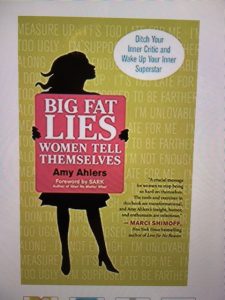
big fat enormous lie
First, there are lies of commission: the flat-out statement of an untruth. A character directly and intentionally says something that the reader knows or subsequently learns is untrue. “I already walked the dog.” “Jack ate the last cookie.” “I saw Mary with the gun still in her hand.”
kept secret half truth nonfiction
Then there are lies of omission: concealing all or part of the facts. In courtroom parlance, this is known as withholding evidence. The character reveals only as much truth as circumstances compel.
half truth is often a whole lie
One of the most useful ways for creating a wrong belief is what I call lies by false conclusions. These often begin with such phrases as I heard, I read somewhere, everyone’s saying, etc. Then the speaker says something like, “I don’t know if it’s true or not” and then ends by asserting the opening statement as fact. For example, “I was down at the Town Tavern last night and I overheard a guy saying he saw Mary Beth Jones and Joe Smith going into the Cadillac Motel. I don’t know if it’s true or not. But poor Bob Jones has no idea his wife is two-timing him.”
little book big lies tina lifford
Then there are lies by false labeling. An example of this would be referring to a 39-year-old as a “young man” or “my little sister” to create an image of someone more innocent or naive than his or her behavior suggests. Other examples would be calling a drunken soiree a cocktail party, labeling a fender-bender a car crash, etc. In short, it’s choosing language that either minimizes or enhancesan incident or person in order to mislead.


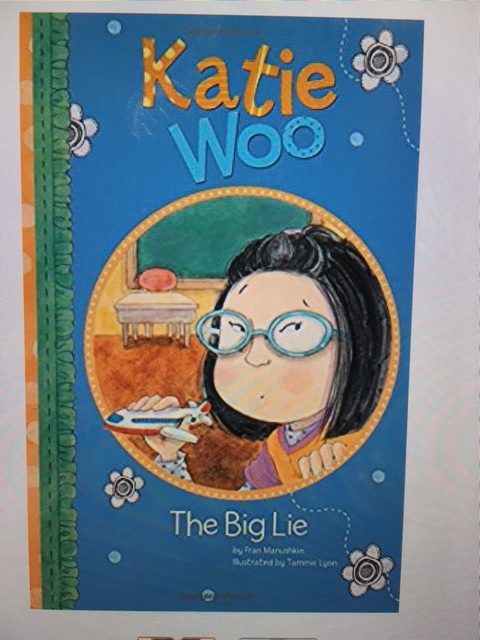
katie woo big lie
As a writer, it would serve you well to perfect the art of the lie!
 

Verbal Tics— Use and Abuse

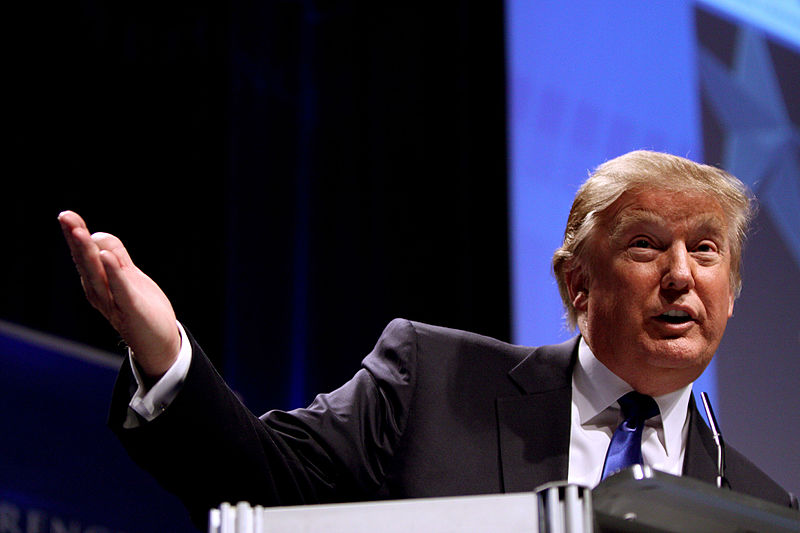
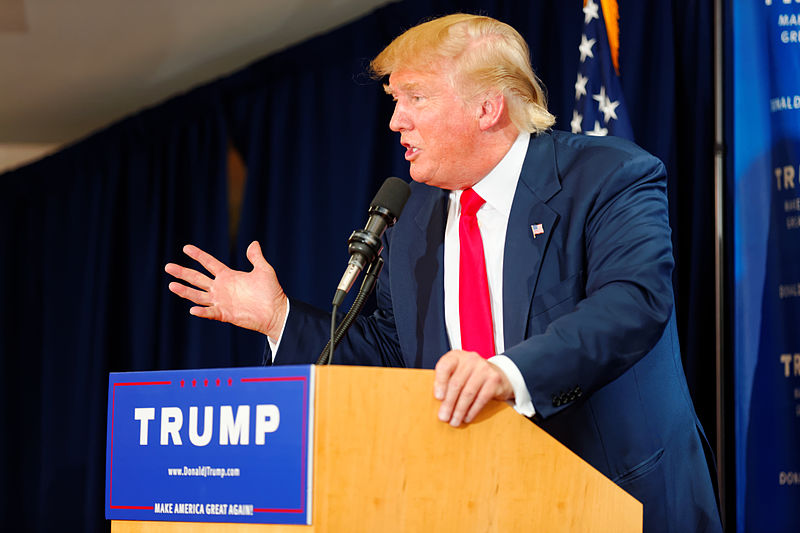
donald trump speaking
[Photo credit: Gage Skidmore (Creative Commons)]
“Trump has several verbal tics. One is that when he’s trying to flatter and finagle, everything is beautiful: countries, cities, people, bills, questions, even chocolate cake.” This sentence from a New York Times op-ed piece by Charles M. Blow (July 17, 2017) brings to the fore both the use and abuse of verbal tics.


Trump’s use of “beautiful” is abuse in two ways. First, any word or phrase used frequently and indiscriminately becomes meaningless. The listener/reader quickly realizes that it comes from habit, not thought. Writers should be aware that besides being meaningless, such repetition—particularly in narrative—is boring.


donald trump verbal tics
Second, any word as vague as beautiful—or ugly, dreadful, lovely, disgusting, frightening, etc—tells the listener/reader a reaction, but not the reason for it. For writers, the lesson here is that such vagueness doesn’t engage the reader. To do that, be specific: describe what your character is seeing, hearing, etc., that caused the conclusion. Often, it’s best to drop the conclusion altogether and let the reader react.


verbal tics use abuse
And what about the use of verbal ticks? I can think of only one: they are great character notes. Depending upon the repeated word or phrase, they can convey education level, social class, and even age. Consider the impact of “precisely” versus “golly gee.”


verbal tics use abuse
People use only a tiny fraction of the vocabulary they comprehend. Everyone has verbal habits, including tics. I have to be aware not to overuse the word “great.” As a writer, be aware of your favorite words and use them sparingly! That’s where a good thesaurus comes in.

Treasure Trash

treasure trash writing problems
We’ve all been there. I’d bet nearly everyone who’s written a book has edited out not just words, but paragraphs, scenes, or entire chapters. Don’t delete chunks of text. Something made you write that in the first place. It might be a neat characterization of someone who disappears from the plot. Maybe an atmospheric scene setting. Maybe a tangent that is entertaining but doesn’t move the plot forward. Maybe an interesting fact that isn’t necessary or even helpful here. Instead of deleting, move those chunks to a new file named something like “Out-takes from (name of work).”
 
There are two advantages to this. 1) It makes it easier to cut the flab (anything that doesn’t fit this piece of work), sometimes known as killing your darlings. 2) Those chunks may come in handy in the future, either as additions to as sparks for something totally new.


treasure trash
Save abandoned writing. Most of us have early works that were crap. (I considered titling this blog Keep the Crap.) These could be papers written as far back as high school or college, or maybe stories started but never finished well—i.e., put aside for whatever reason.  My story “Closet Bio” (which will be published in Adanna Literary Journal  in September) is such a resurrected piece. Taking a fresh look at old stuff sometimes sparks a fresh twist, or revisions to make the language zing. I’m currently submitting “Friends of the Heart”—which started as half of a piece about weird hobbies.
 
treasure trash
 
At the least, periodically rereading old writing is gratifying. You can either pat yourself on the back and say, “Damn! That’s pretty good,” or “Damn! I’ve come a long way.”
 

treasure trash

Knowing Your Place

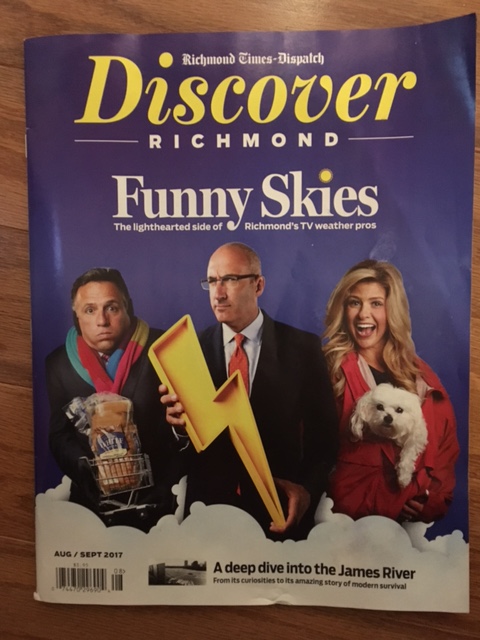
I usually pitch all the “stuff” that comes with the newspaper without a second glance. But not this time!
discover richmond funny skies
The August/September issue of Discover Richmond is a treasure trove for readers and writers!


The cover story, about Richmond’s TV weather forecasters, is amusing. But—for me—the other articles are better. Anyone interested in off-beat information would agree. For example, one segment of the “Archive Dive” is about a Reynolds Metals aluminum submarine. It was active in the 1960s and is now housed at the Science Museum of Virginia.


gravel hill
The long article on Gravel Hill is about a community in Henrico founded by freed slaves over 200 years ago.


Another lengthy article describes five historic bells in Richmond: St. John’s Episcopal Church, the Carillon in Byrd Park, Centenary United Methodist Church, St. Paul’s Episcopal Church, and Capitol Square Bell Tower. Besides general interest, knowing about the bells, when and why they ring, would be great details for stories set in Richmond!


weather civil war
I recently wrote a short story mystery in which a lunar eclipse during the Civil War was a key element, so naturally I was taken with the article “Weather and the Civil War.” Naturally, the same weather could be a great obstacle or a helpful defense, depending on one’s objective.


From articles on African American Vernacular English to the James River to the 1973 gubernatorial race, this issue of Discover Richmond is a treasure trove! If you haven’t read it already, do!
weather civil war table contents

The Upside of Fear

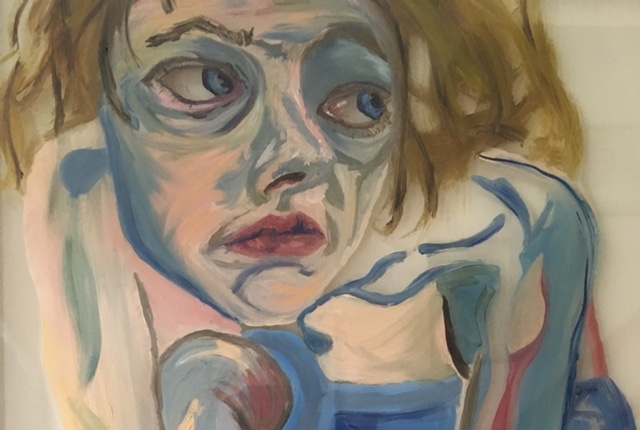
upside fear blue woman
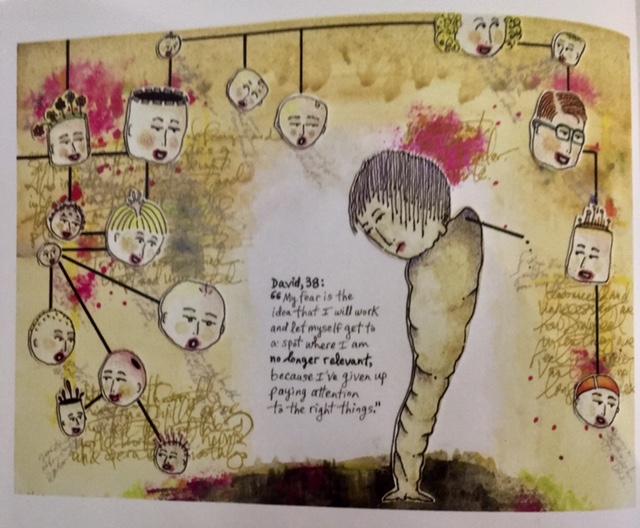
We are prone to assume that fear is a bad thing—but not so for writers! Giving your characters fears is just one more way to make them real.


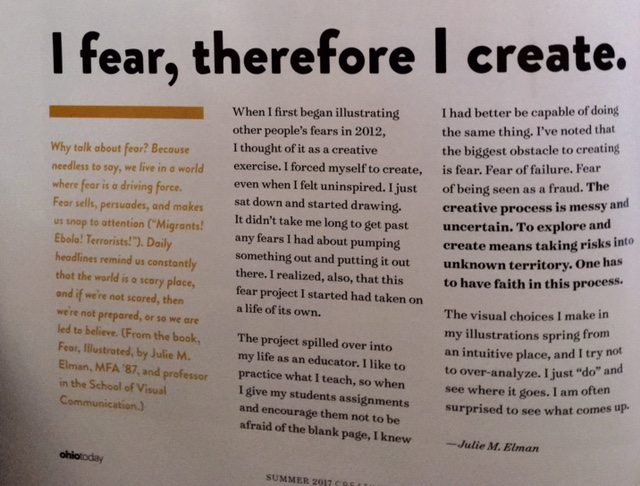
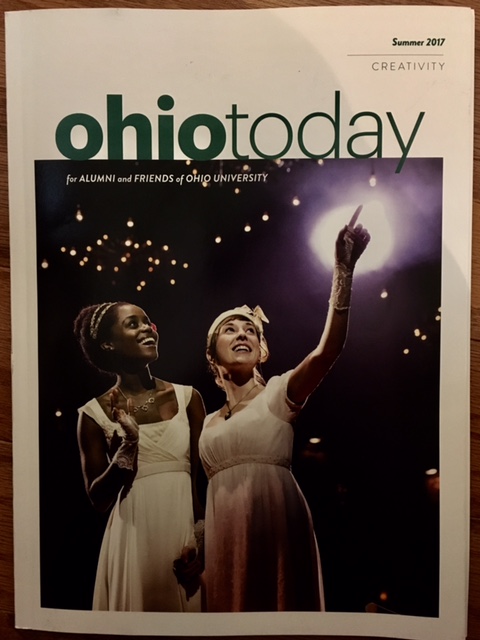
I’ve been on a character jag recently, writing about birth order, secrets, and exercises to better understand your characters and build realistic ones. Lately it seems that everywhere I look I find another tidbit. Such was my reaction to this article in the Ohio University alumni magazine.
i fear therefore i create
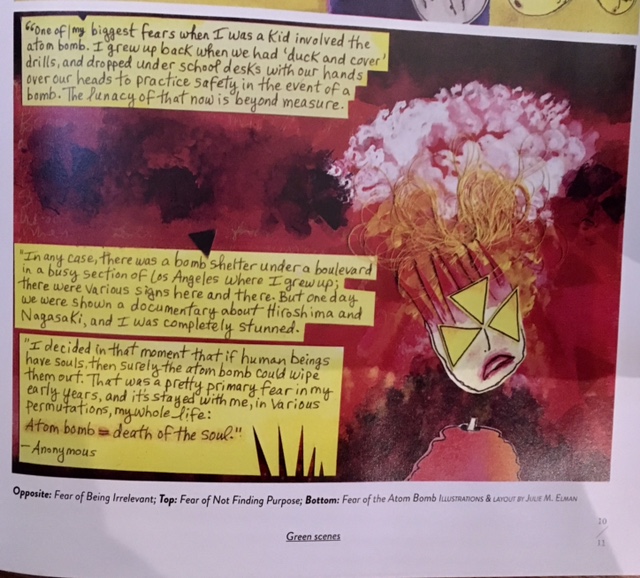
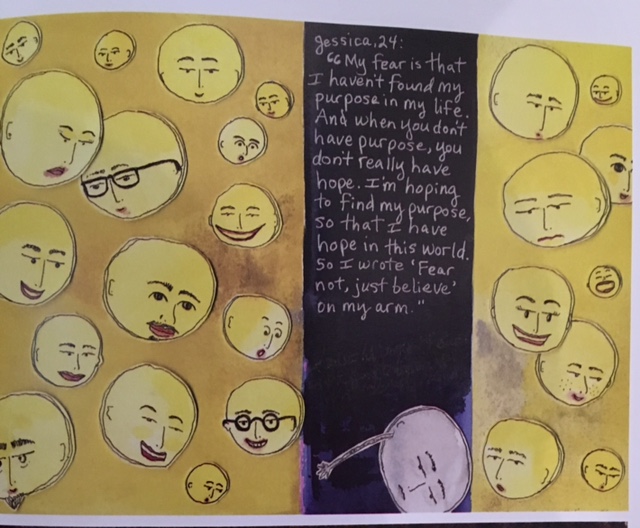
This half-page article is about the book Fear, illustrated by Julia Elman, a professor of visual communication. It is absolutely relevant to writers. As Elman says,  “…we live in a world where fear is a driving force. Fear sells, persuades, and makes us snap to attention.” I will add that giving your characters fears makes them more real.


ohio today
Your character’s fear could be a big one—in which case, it might be shared by many. The end of the world as we know it or other cataclysmic disaster is a staple in the action/adventure/suspense genre.


ohio today
More personal fears are more generally relevant to character building. Here, the prime example is fear of failure. But it could also be a fear of death or personal disaster that drives much of a character’s behavior, especially in the mystery genre.


ohio today
Fear of loss is a great one. It can lead to all sorts of desperate measures to prevent a loved one ending a relationship, a child from leaving home, an employee becoming irrelevant…


Personal fears can be anything, from a debilitating phobia to a source of humor. Consider the agoraphobic, so fearful of open spaces that s/he can’t leave the house. On the other hand, someone who fears insects could go to comic extremes to protect, home and garden. You get the idea.


Bottom line: Give at least some of your characters fears that advance the plot.
 
upside fear ohio today
For more on creativity, see the Summer 2017 issue of ohio today.

Off-Beat Character Building

I recently wrote about the advantages of giving your characters secrets and of considering the effects of birth order. But how else do you really know your characters and make them richer?
 
Finding books with titles like Building Better Characters is easy. Some such books include pages of questions to answer about your protagonist, everything from physical appearance to favorite foods to religion.

My advice is to go beyond the usual. Here are six off-beat approaches to knowing your characters better.
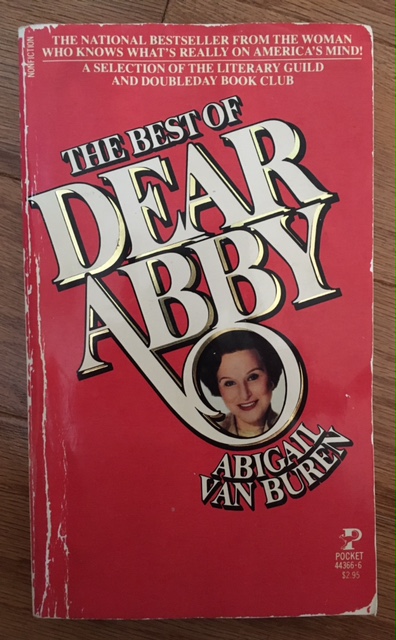
off beat character building best dear abby abigail van buren
1) Write a letter from your character to an advice columnist of your choice. Make the advice requested relevant to your story.

other peoples love letters
2) Write a love letter from your character to a real or ideal romantic interest.

off beat character building not proud smorgasbord shame
3) Imagine your character’s most shameful act or experience. If it’s out of character, create a believable context or circumstance.

4) Create a personals ad for your character. Strive for originality. Include a picture.

off beat character building six drown saving chicken
5) Find a News-of-the-Weird story and write your character into it.

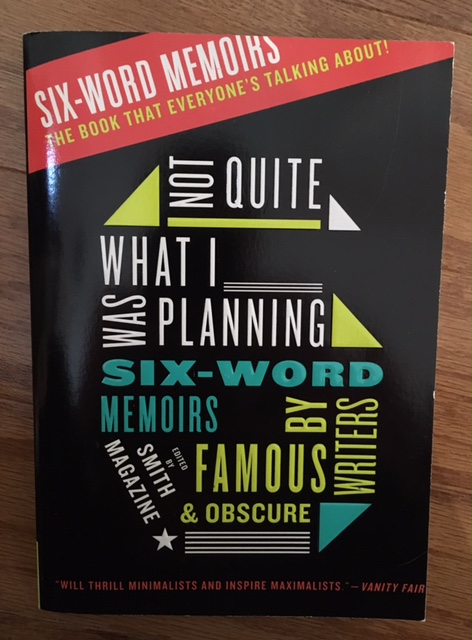
six word memoirs
6) Write one or more six-word memoirs capturing the essentials of your character’s life.
Last but not least: Write one or more of these bits into your actual story.

Sister! Sister!

I recently wrote about birth order effects on personality, self-concept, and behavior. At the time, I made no distinctions based on the gender of the siblings. But last Sunday was Sister’s Day, so let’s take a look at female siblings in particular.


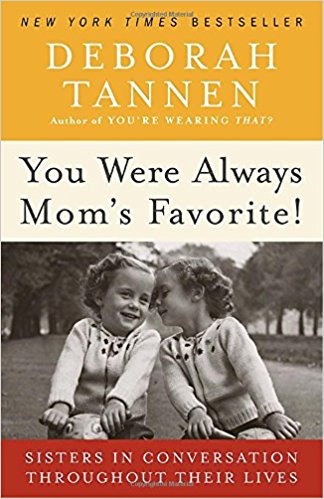
you were always moms favorite deborah tannen
[Source: Amazon]
I’ve written before about Deborah Tannen, a world-renowned linguist who’s written—among other works—bestsellers about communication patterns between women and men, in the workplace, and between mothers and daughters. Now Tannen (the youngest of three sisters) has written You Were Always Mom’s Favorite! Sisters in Conversation Throughout Their Lives.
 
Tannen reveals that in some ways, she’ll always feel like the kid sister. She claims that just as mother/daughter relationships are particularly fraught because both are women, so are the relationships of sisters. It is a relationship of connection and competition. Every child wants attention and resources.


Age differences are a built-in power differential that lasts forever. Whether the siblings are 4 and 6 or 101 and 103, the older is always older.


And comparisons are inevitable. When sisters are asked to describe themselves and their sisters, whether they get along or don’t, they almost always talk about being “very different.”


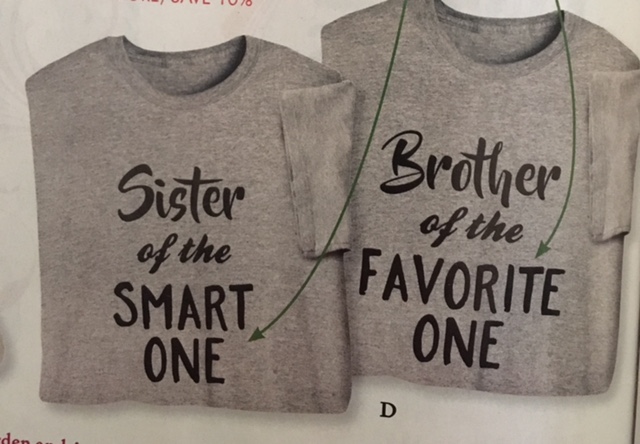
Twins are no exception. They often feel that people are trying to differentiate them as the smart one, the more outgoing one, the more studious one, the more athletic one, etc.


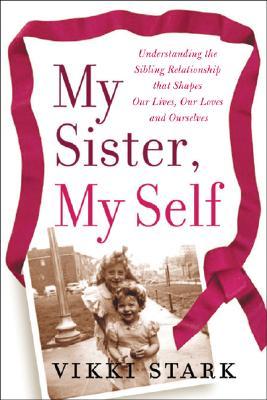
my sister my self vikki stark
[Source: Goodreads]
 Vikki Stark, author of My Sister, My Self: The Surprising Ways that Being an Older, Middle, Younger or Twin Shaped Your Life , focuses specifically on birth order among sisters. She maintains—and presents evidence—that birth order among sisters affects occupation, love relationships, friendships, and how one feels about her body.


This book is by a social worker, and includes a lot of techniques and strategies to help readers who want to break out of limiting sisters roles or improve sister relationships.


If you are a female writer with one or more sisters, these readings might be personally interesting as well as helpful in recognizing sister relationships that are unlike your own experience. Why would a man want to read this stuff? Besides general interest in understanding human nature, one’s own wife, or daughters, if you are a writer, you will be better able to write female characters!

Consider Sibs

sibling age tees
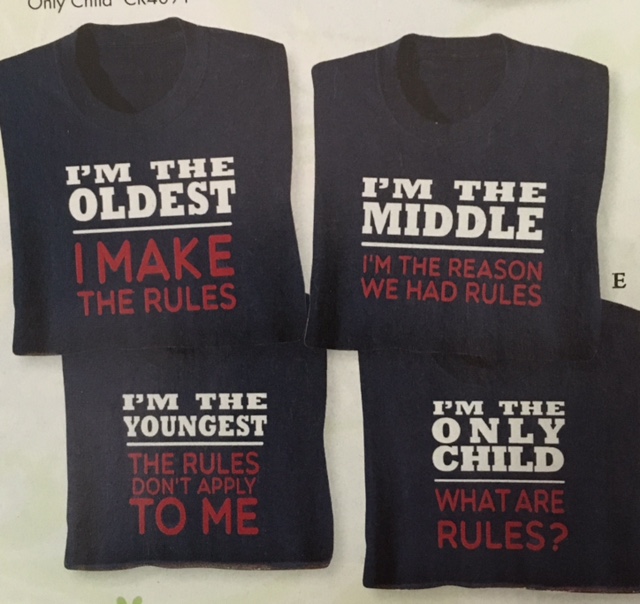
The importance of birth order is so widely recognized, there are even T-shirts about it! And every good novel that involves family relationships takes birth order into account, either directly or indirectly.


jane austen pride and prejudice
[Source: The Atlantic]
You probably know Jane Austen is one of my all-time favorite authors. Her books are rife with sibling relationships. Partly, that reflects the period in which her novels are set. In the 19th century, at least among the gentry, birth order determined everything from how one was addressed (Miss Bennett vs. Miss Elizabeth) to who inherited titles and estates.


But birth order goes much beyond the social niceties. For example, in Pride and Prejudice, birth order of the five Bennett daughters is a recurring theme, with much being made of Lydia’s position as the spoiled baby of the family. The dour Mr. Darcy’s personality reflects his position as the only son charged at a young age with the care of his estate, tenants, and a much younger sister. Colonel Fitzwilliam’s position as a second son determined everything from his career choice to his marital prospects. Charles Bingley is manipulated by his sisters.


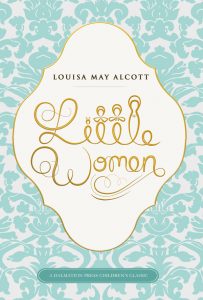
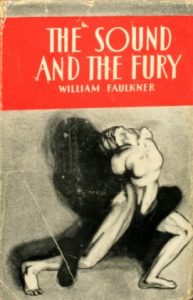
More recently, you have four sisters who thrive as individuals (Little Women) but also a family falling apart (Sound and the Fury). In the latter, Quentin is hypersensitive, aware of sibling issues but unable to act, and considers suicide; Jason is jealous, tries to dominate, and wants to put Benjy in an institution; everyone tries to protect Caddie, who gets pregnant out of wedlock; and Benjy, the youngest, is feeble-minded and pure.


Perhaps my brain just isn’t functioning well this morning, but as best I can recall, among mystery writers, sibling relationships’ primary role relates to the victim and the suspects. Not that there’s anything wrong with that. But what about the sleuth—whether professional or amateur?


Consciously giving your main characters siblings—or not—makes for a richer, more realistic portrayal. This is true whether they are present on the page or only in the thoughts or awareness of the character. This is especially true for series characters.
 
Reams of psychological research exists to determine the effects of birth order and explain how those effects come about. But here’s a quick-and-dirty crib sheet to get you started.
 
First borns are high achieving, conscientious, approval-seeking, risk-averse, anxious, emotionally intense, defensive, and prone to jealousy.


Latter borns are more competitive (especially second-born, same sex), rebellious, liberal, agreeable, flexible, sociable, able to compromise, build coalitions, negotiate, and adopt peacemaker roles.


Last born children are more likely to question rules, develop a revolutionary personality, and expect others to serve them; they’re also less likely to volunteer or take responsibility.


Only children share many characteristics with first-borns; they may feel like outsiders, are extremely mature, aloof, and expect special standing.


Things to keep in mind: 1) the generalizations are based on group data, so there are wide individual variations; 2) effects are moderated based on the sex of each child and the age gap between them; family patterns often transfer to the workplace or social relationships.


Bottom line: Consider your character’s siblings.


smart one sibling tees

Creativity Cross-Pollinates

yves saint laurent vmfa
From now through August 27, 2017, the Virginia Museum of Fine Arts is featuring an exhibition of the work of Yves Saint Laurent, a trend-setting couturier who built a body of work unique in creativity and originality.


A whole section of the exhibit pays homage to Saint Laurent’s artistic influences, including Piet Mondrian (far right in photo above), ancient Greek vases, Georges Braque, Pablo Picasso, and Tom Wessellmann (far left in photo).


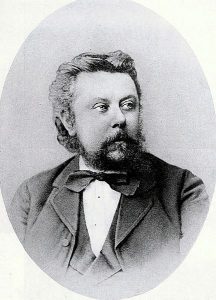
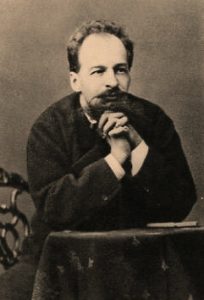
Artistic cross-pollination is everywhere. A prime example of art to music is Mussorgsky’s Pictures at an Exhibition is A Remembrance of Viktor Hartmann. Viktor Hartmann was an artist, architect, and designer.
Using photos as story starters for writers is a classic technique. Whole books have been based on that premise.


I’ve found the Virginia Museum of Fine Arts a fertile ground for launching stories. Several of my published stories began with VMFA exhibits: Buddha Remote, Not Mechanically Inclined, The Naked Truth, and Love Me Tender.
 
Bottom line: Attend to non-written art and often inspiration strikes. Look at photos, art exhibits, paintings and pottery. Listen to the lyrics of songs and the emotions evoked by music. Think cross-pollination!