Didn’t know lettuce is a member of the daisy family? Lots of people don’t. And there is much else that is surprising about this enormous plant family. But even so, so what? Well, I got interested, and when I’m interested, I explore and write. Butwhy read this blog? Because writers can bring plants into their work in any number of ways.
as a character’s hobby
as a character’s work
as a reflection of a character’s character or personality
as a reflection of a character’s aesthetic taste (or lack thereof)
as factoids characters can drop into conversation to amaze and astound
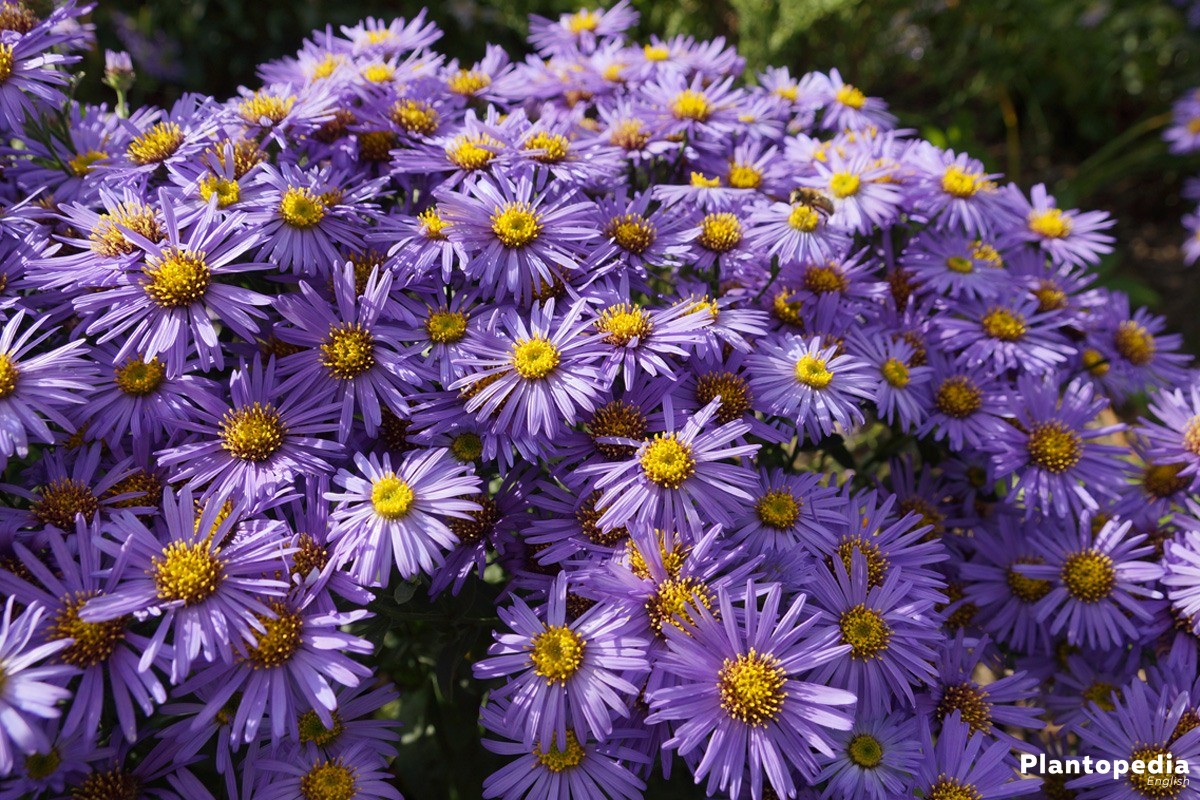
[Source: Plantopedia]
The big picture. Technically, the daisy family—also commonly known as the sunflower or aster family—is the Asteraceae family. It’s huge.
13 subfamilies
1,911 genera
32,913 named species
for size, it’s rivaled only by orchids. Which is larger is unknown.
mostly annual or perennial herbs, it also includes shrubs, vines, and trees
this family grows worldwide, except Antarctica and the extreme Arctic
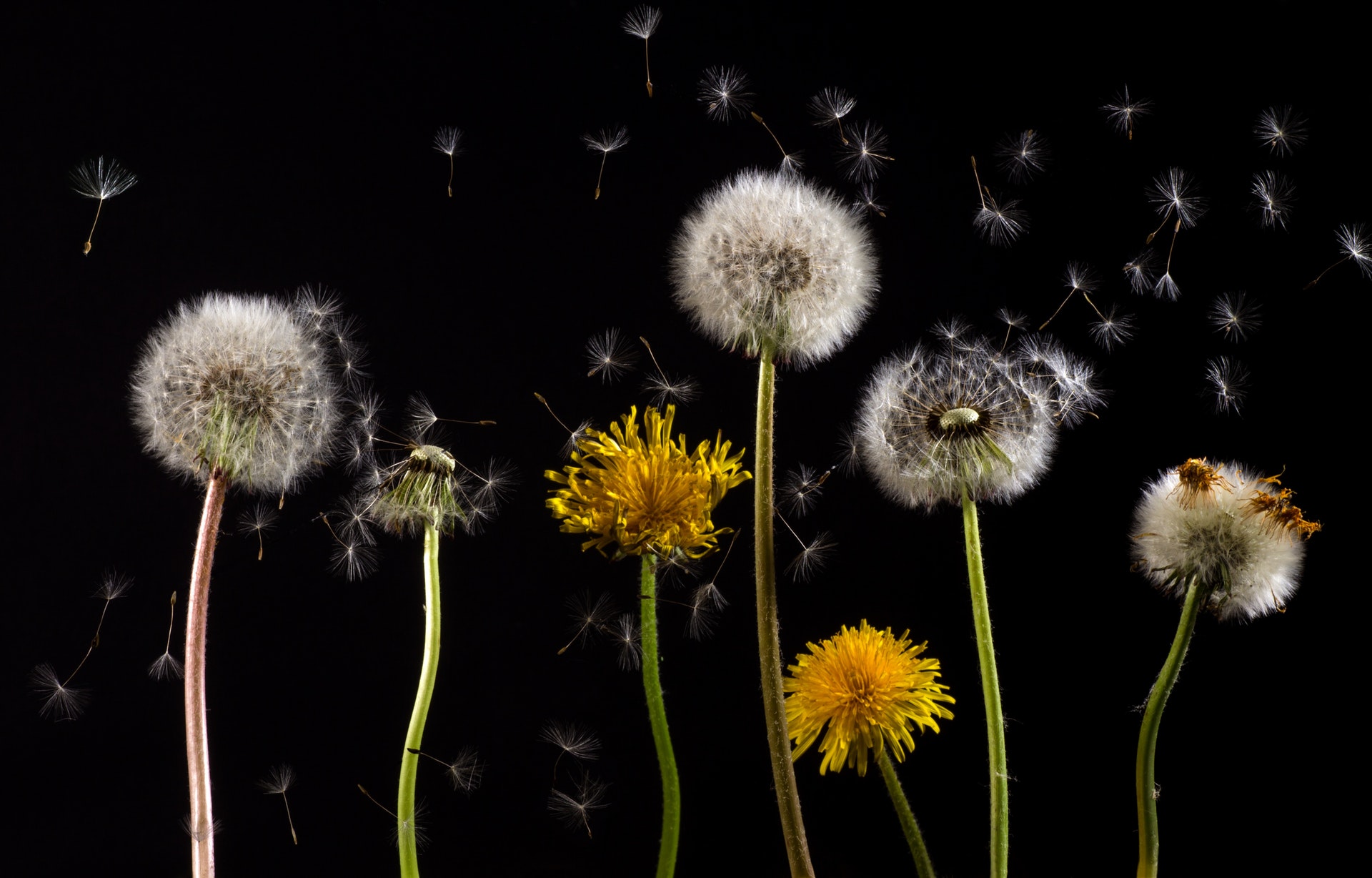
Many daisies are known primarily as food. Dandelions head this section for a reason. They were introduced into the New World by European immigrants who ate the greens—but now are more often considered a weed than a food.
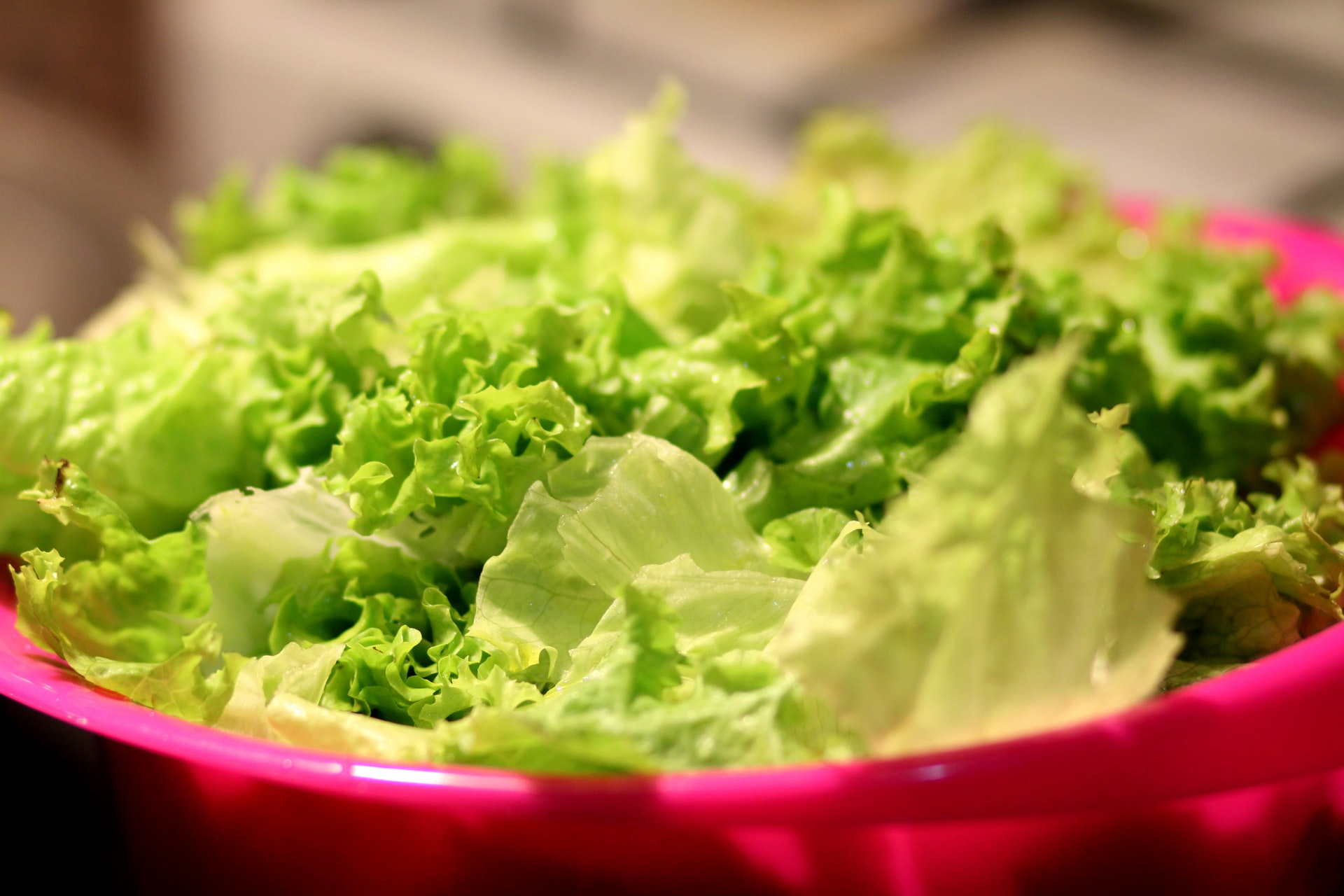
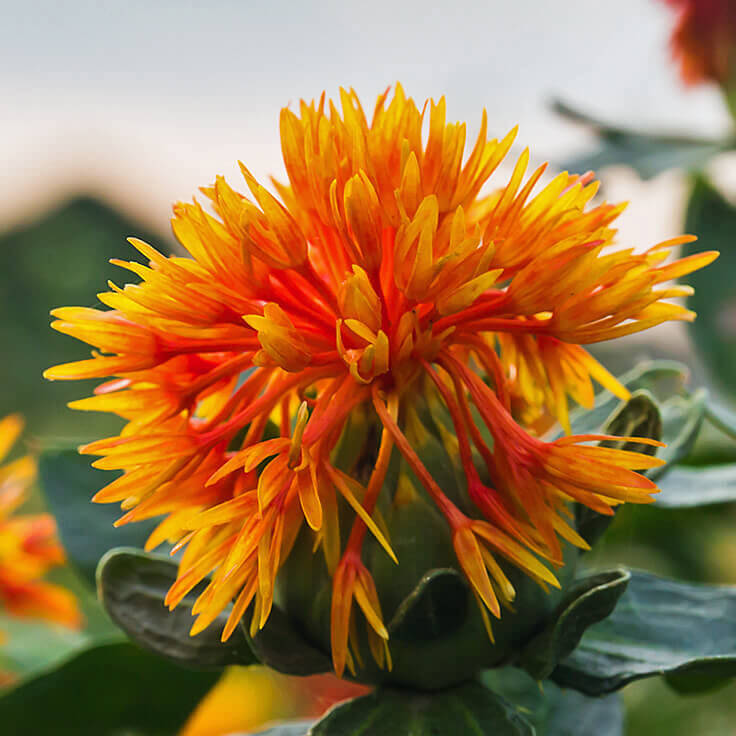
Besides lettuce, important food crops include endive, chicory, artichokes, sunflowers, and safflower.
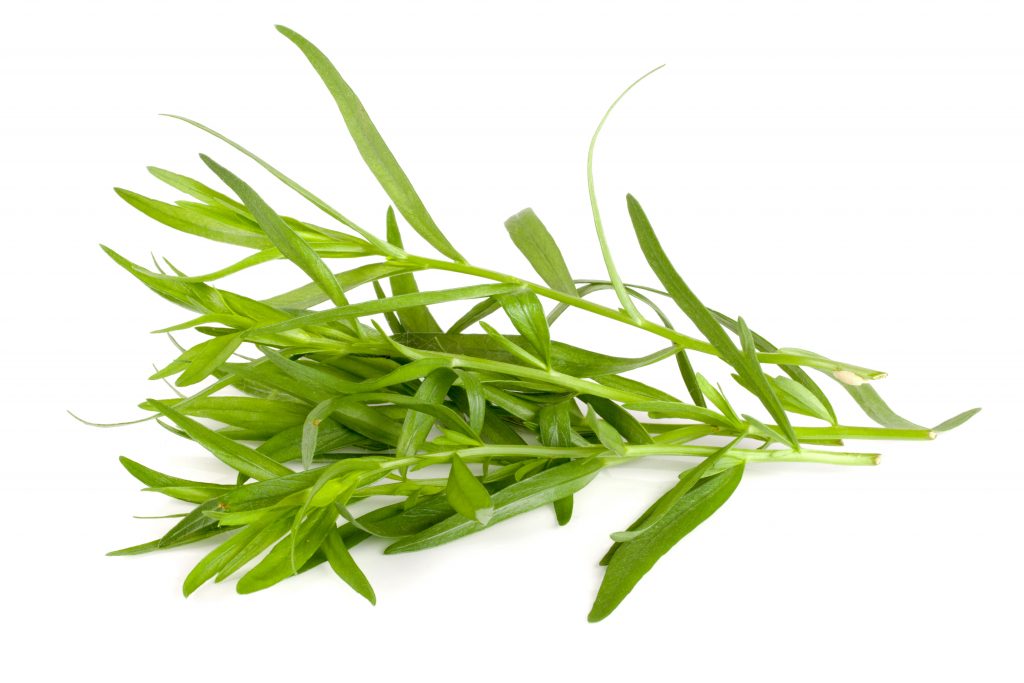
Daisy species are used as culinary seasoning: tarragon, salsify, and stevia, for example.
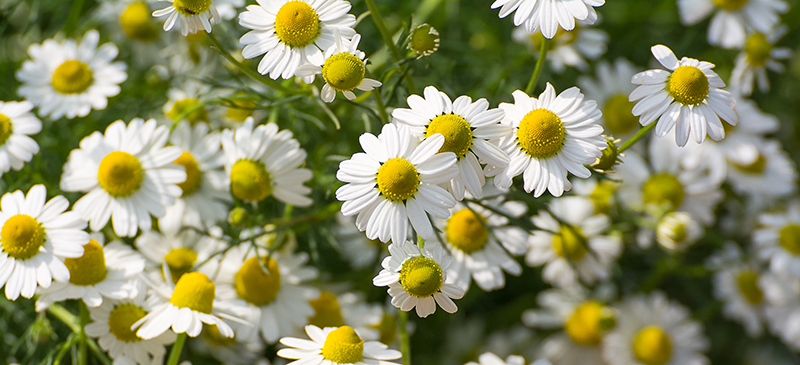
“Daisies” such as camomile are used for herbal teas. Also included here are pot marigold, and echinacea, which is used in medicinal teas. In fact, many species are used as traditional anti-parasitic medicine.
Species such as ragweed cause allergic reactions such as so-called hay fever. Other varieties cause contact dermatitis—as many who work with flowers can testify.
[Source: Midwest Living]
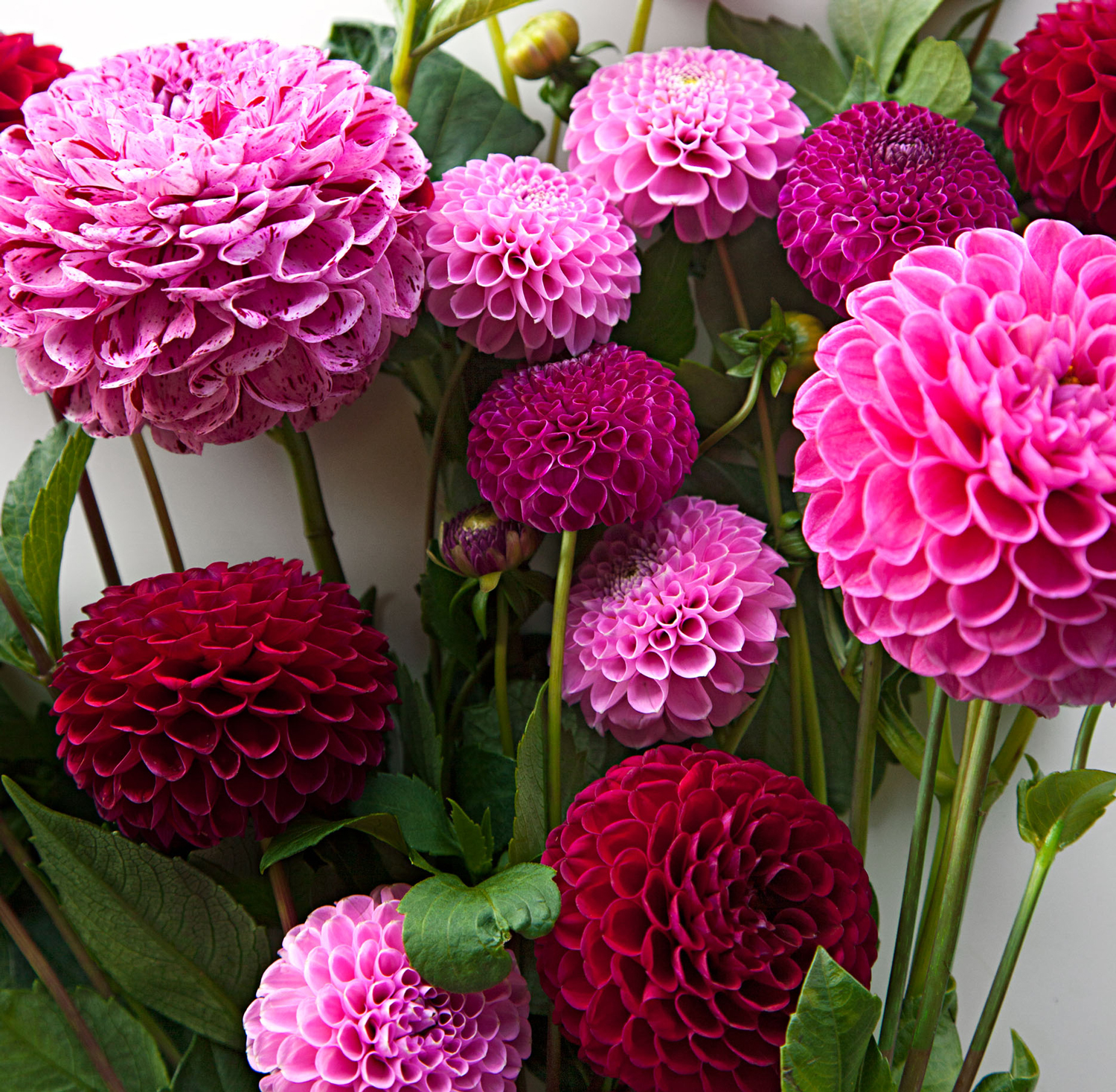
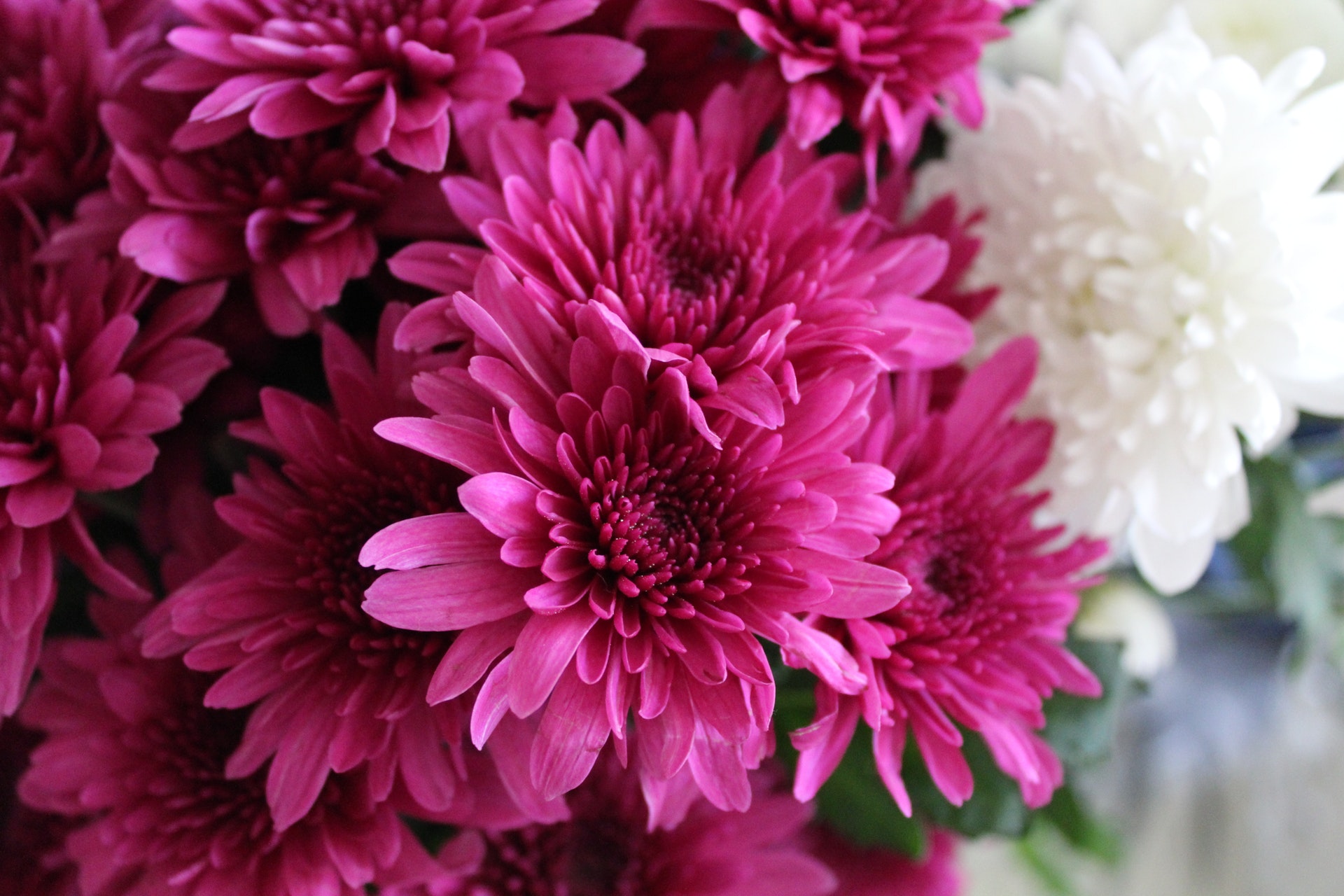
Many of us think of daisies first as flowers, but many varieties are important for the flower industry. Besides dahlia, think Gerbera daisies, calendula, zinnia, chrysanthemum, and many others.
And, BTW, chrysanthemum as well as several less familiar species have useful insecticidal properties.
[Source: Garden Design]
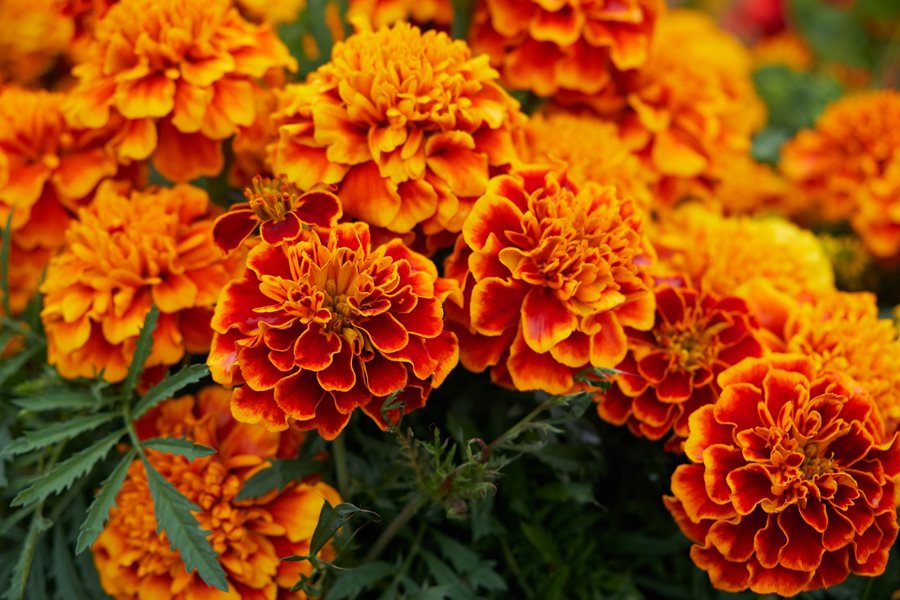
Marigolds serve important industrial purposes. It is used in commercial poultry feeds, and it’s oils are used in colas and in the cigarette industry.
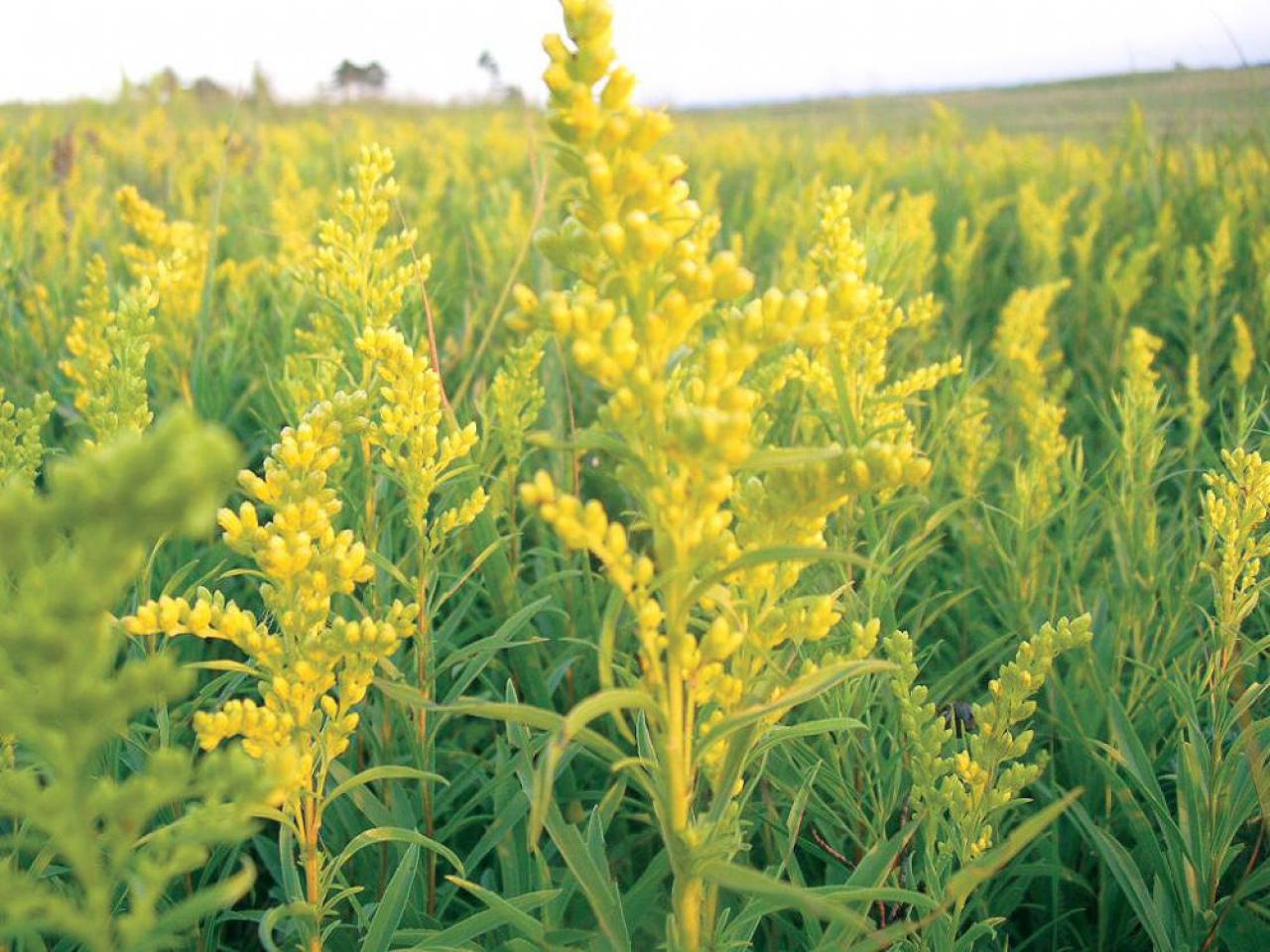
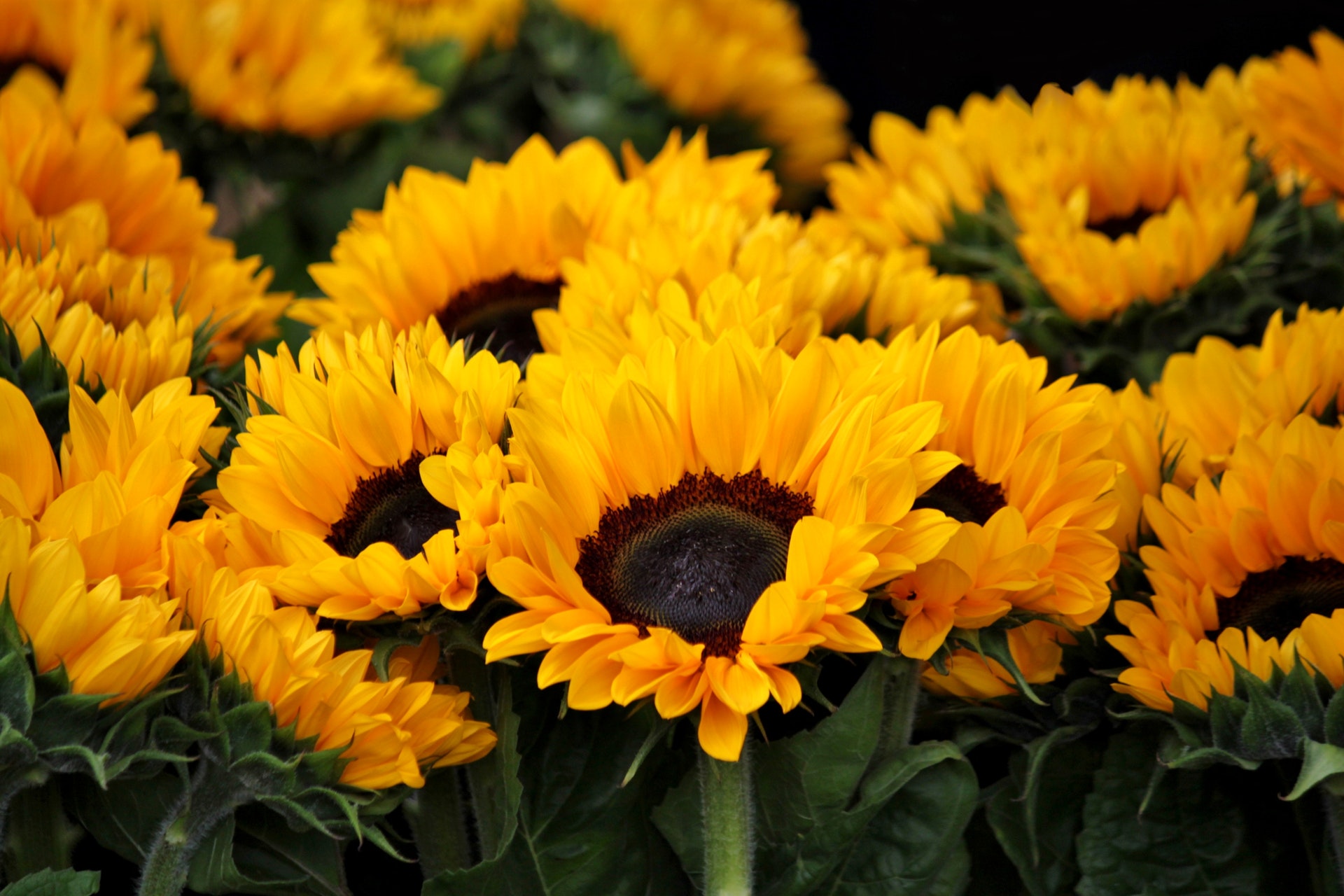
Several varieties of daisies are copious nectar producers and are thus important for beekeepers. These include sunflowers, knapweed, and some species of goldenrod. Goldenrod in particular has a high protein pollen which helps honey bees winter over.
Bottom line: just imagine all the ways a little knowledge of the daisy family might season your writing!
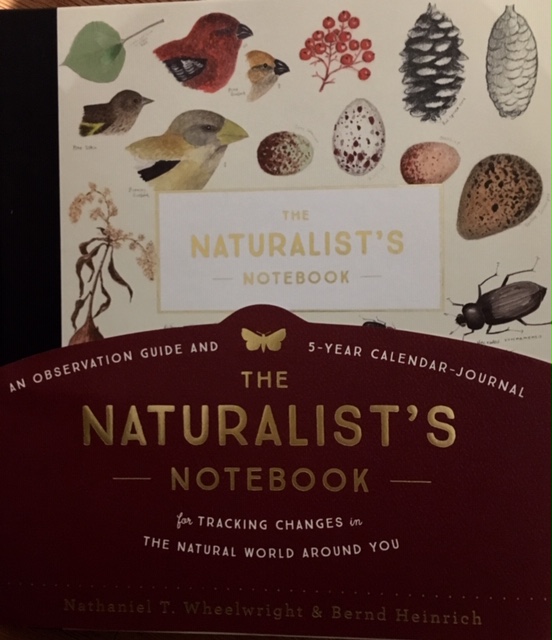
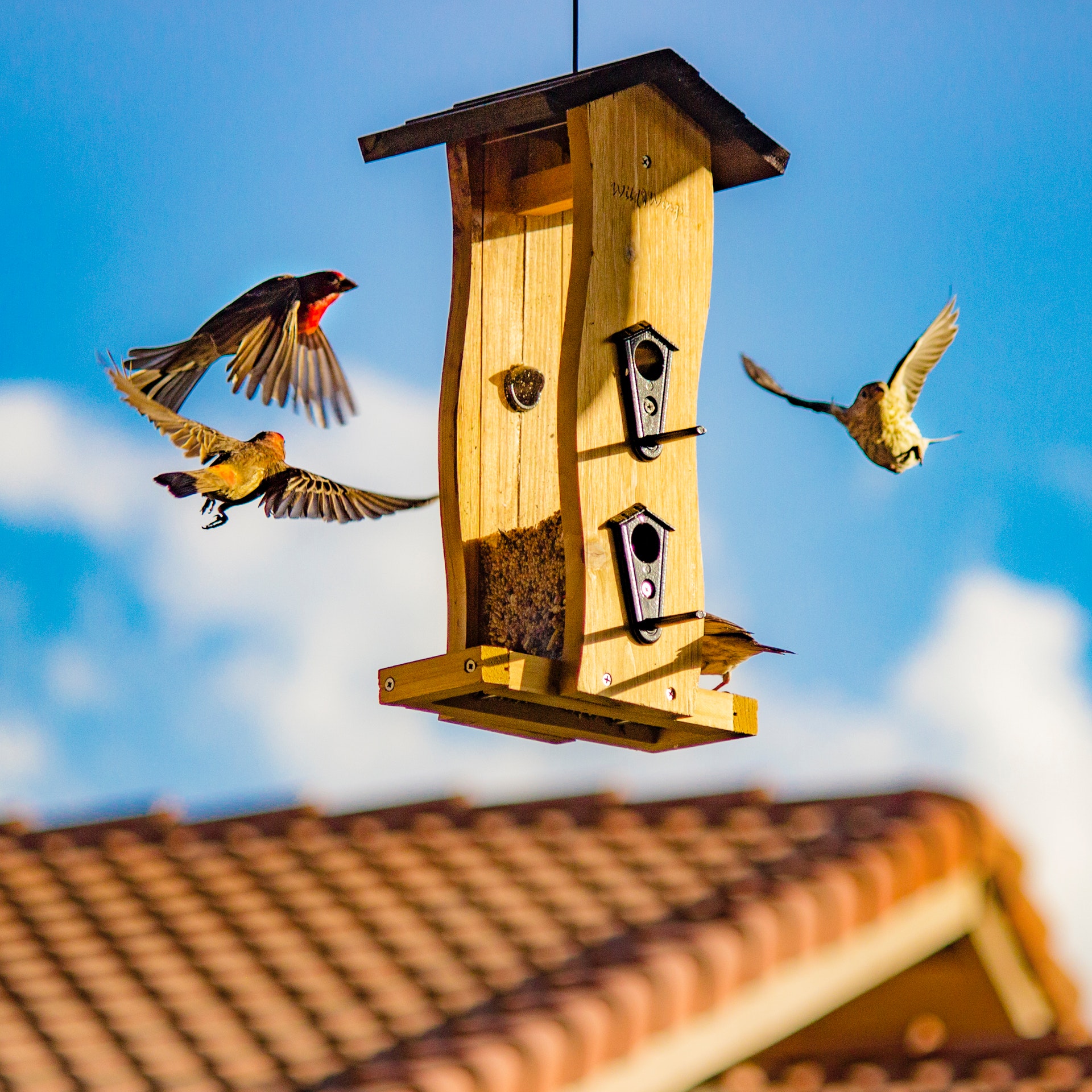
Keeping a nature diary has spotlighted how often I look for and at birds. Bird feeders just outside my kitchen provide many opportunities as I eat breakfast or lunch. Until now, my focus was mostly on beauty, dominance, and learning the names of the locals.
Now, it seems I have a very narrow window on birds of the world: there are approximately 10,000 different species worldwide! They have a few things in common, however: they have feathers, wings, lay eggs, and are warm-blooded. They are thought to have evolved from theropod dinosaurs. They have hollow bones which help (most of them) to fly. (Kiwis are an exception. They are flightless. And, FYI, they lay the largest eggs relative to their body size.)
About 20% of bird species migrate long distances every year. And birds have the same five senses as humans: sight, hearing, touch, taste, and smell.
Butamid these commonalities are enormous variations.
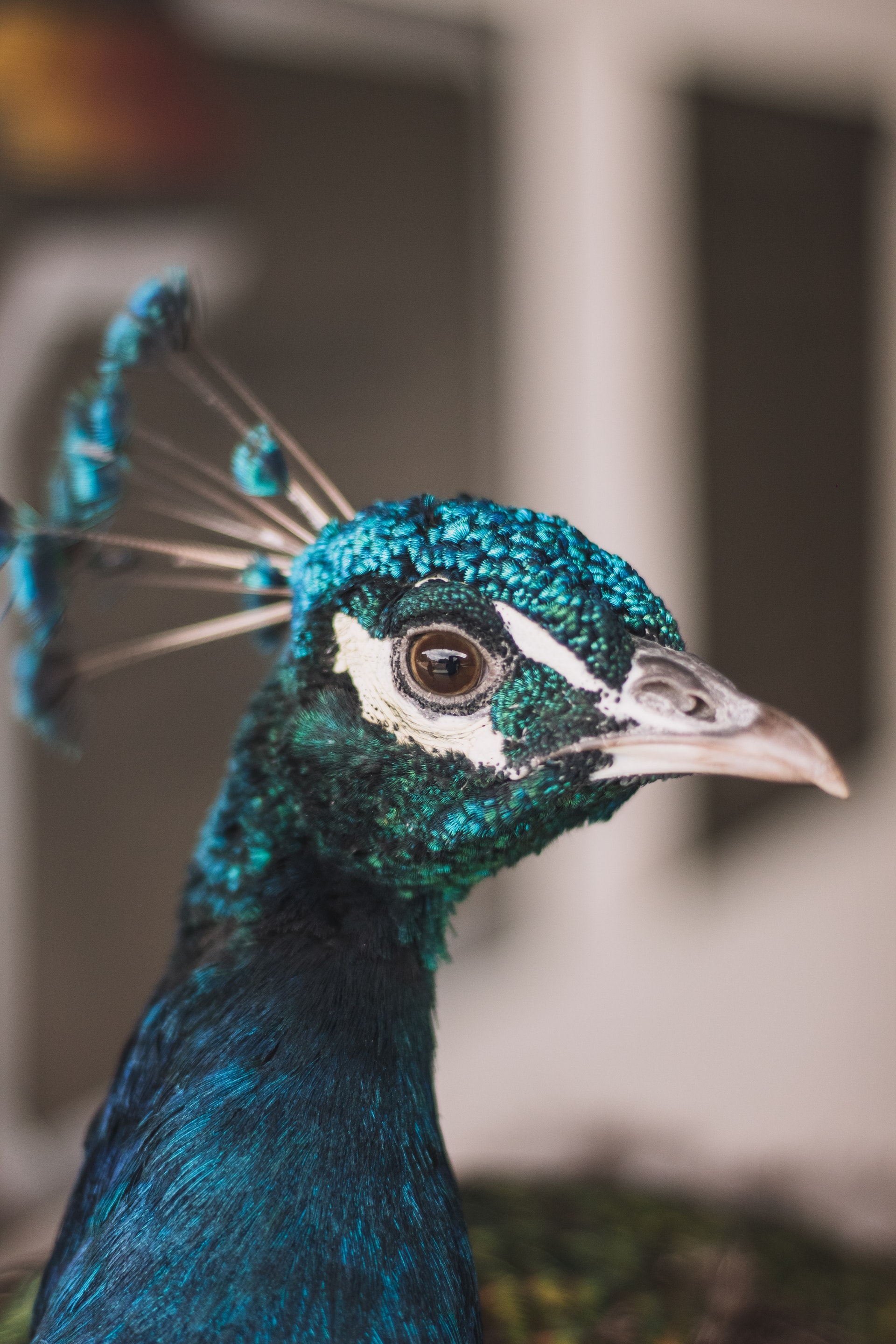
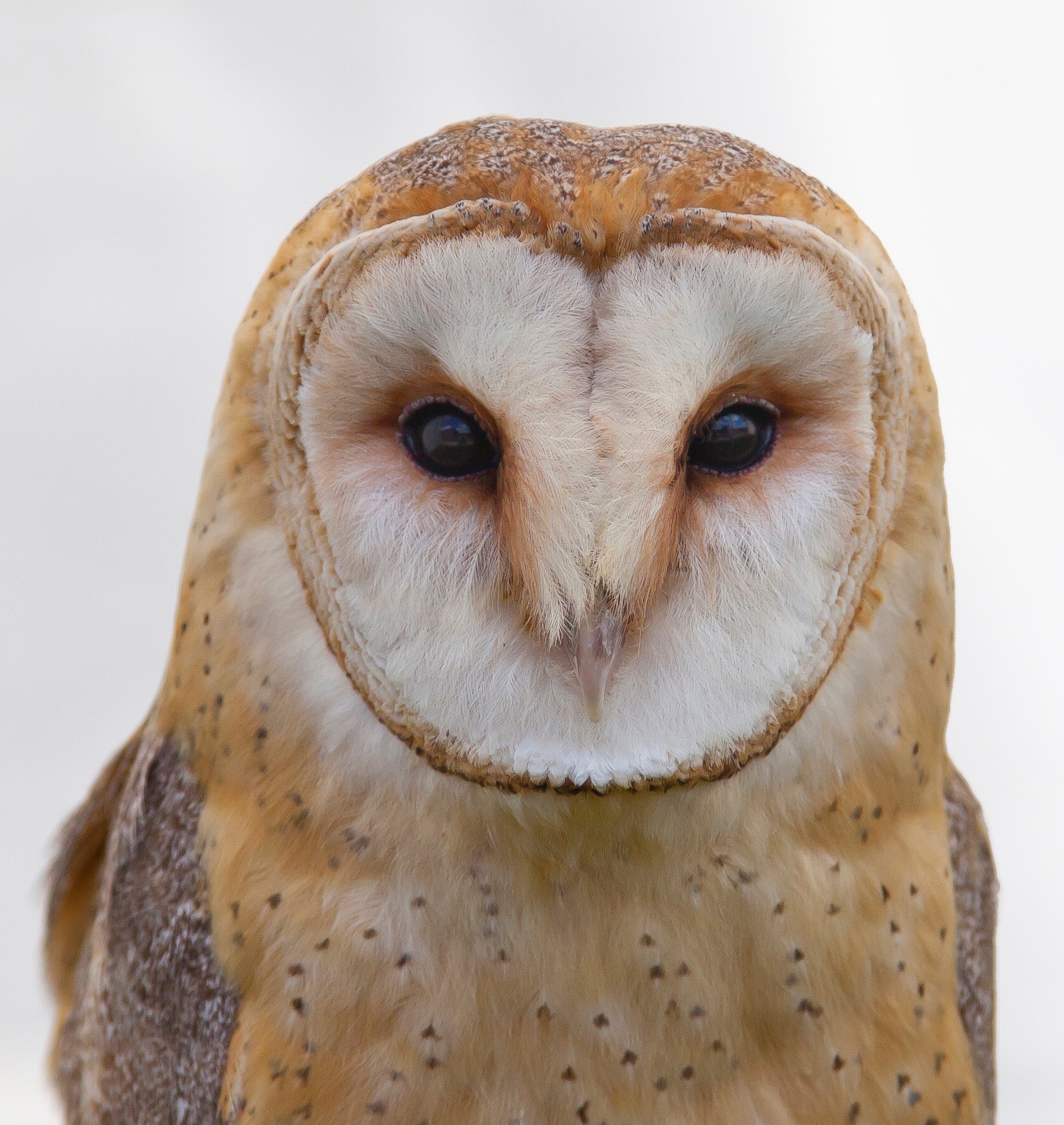
Sight: birds use sight for flight, evading predators, and finding food. They are especially good in perceiving motion and detail—2 to 3 times better than humans. Those with more widely positioned eyes have a wider field of vision, including being able to see directly behind themselves. (Think evading predators and evading attacks.) They have an inner eye membrane to help protect their eyes and clean them often. During flight they often spread their wings to protect their eyes, and when attacking they go for the eyes of their adversary. The owl, famously, has to turn its whole head to see.
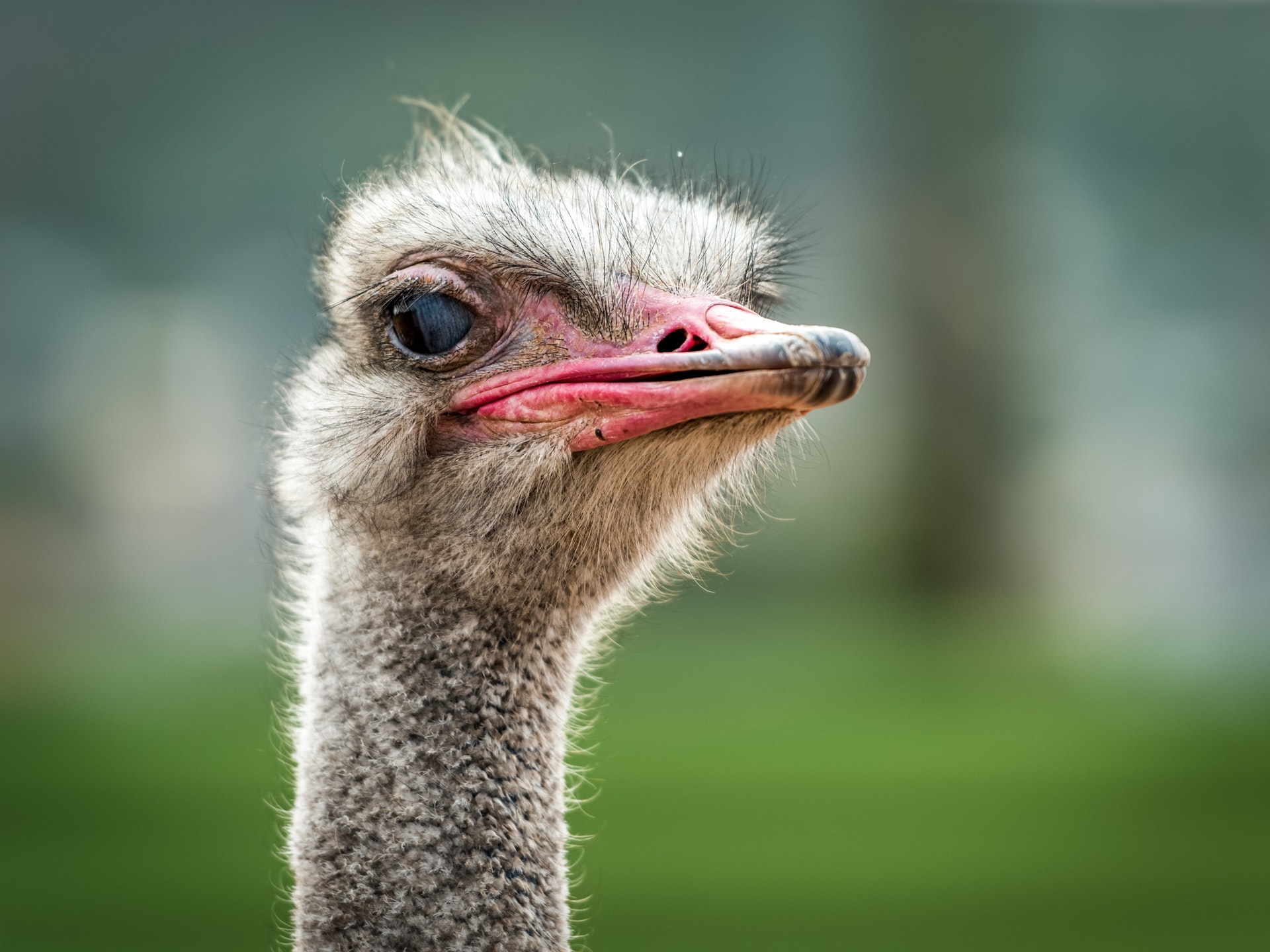
The ostrich is the largest bird in the world, and they have the largest eyes of any land animal. They are approximately the size of billiard balls, and are actually bigger than their brains. Also, FYI, ostrich eggs are the biggest and they have the fastest maximum running speed (97 kph, just over 60 mph).
But in spite of eye size, other birds (e.g., murres) have been shown to see, and recognize, it’s partner several hundred meters away out at sea.
Compared to mammals, birds have relatively large eyes. In general, bigger eye means better vision. In fact, bird eyes are bigger than they look, because all but the pupil is covered with skin and feathers.
Diurnal birds that become active at dawn have larger eyes than birds that become active later after sunrise. Nocturnal birds (with the exception of kiwis) have relatively larger eyes.
People have three types of photoreceptors in the retina: red, green, and blue. Birds have these AND ultraviolet—which they use to find food as well as partners.
Birds use their right and left eyes for different tasks. Domestic chicks use their left eye to approach their parent. Male black-winged stilts are more likely to direct courtship displays toward females seen with their left eyes. When peregrine falcons hung, they rely mainly on their right eye. New Caledonian crows show individual preferences for one eye or the other when constructing tools or prying prey out of crevices. The stronger the preference for one side is, the better the bird is at problem solving, foraging, etc.
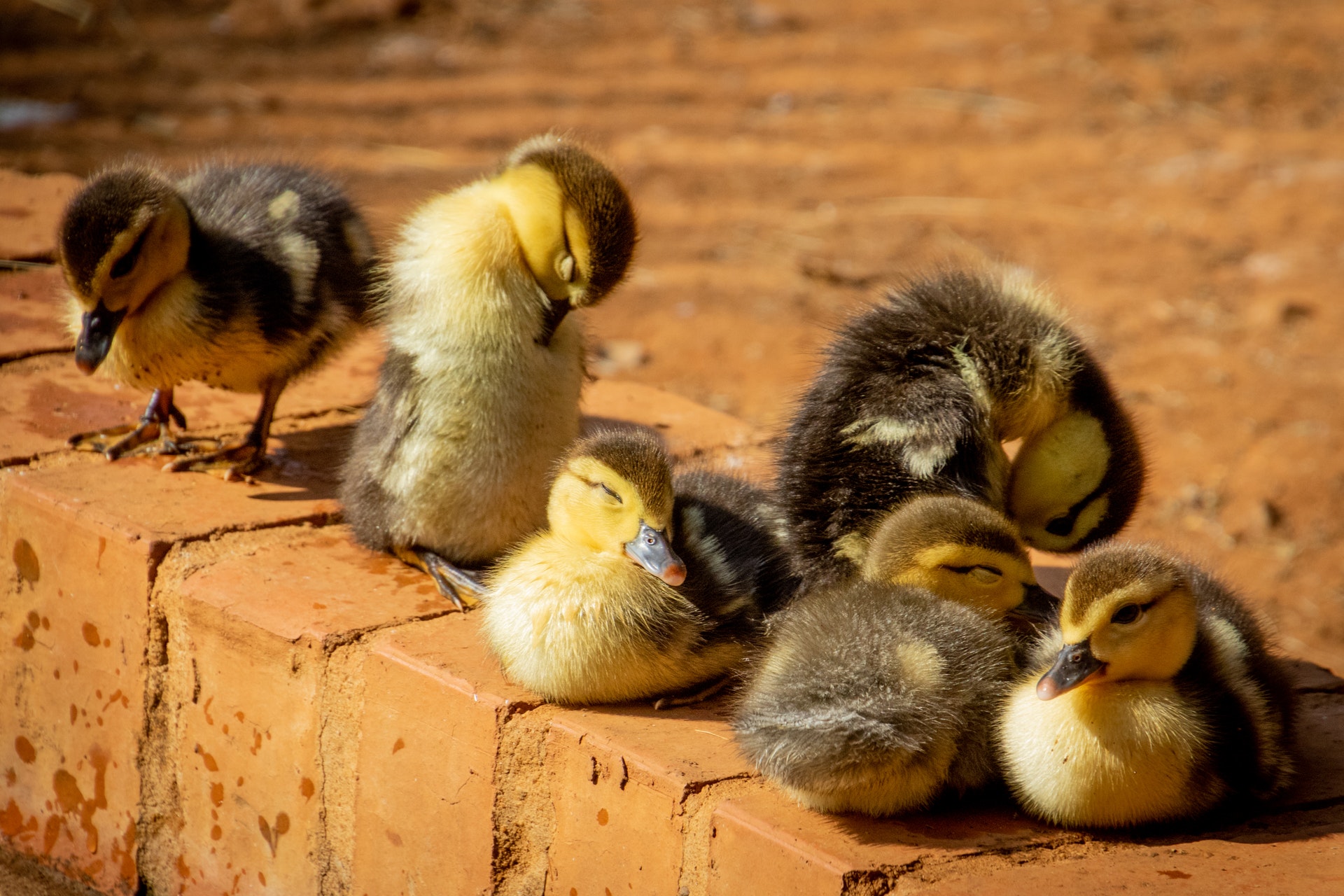
So far it is know that songbirds, ducks, falcons, and gulls can sleep with one eye open. A study of mallard ducks showed that those sleeping in the center of a group were more likely to have both eyes closed, whereas those on the edge were more likely to keep the eye facing outward from the group open.
There is also evidence that birds can sleep on the fly, e.g., swifts and glaucous-winged gulls.
Hearing is the second most important sense. Their ears are located behind and below the eyes and are covered with soft feathers for protection. The ears are funnel shaped to focus sound. Here again, owls are special. Their face plates (facial discs) help direct sound. Surprisingly, so called “ear tufts” of owls and other birds have nothing to do with hearing.
Birds’ hearing is much more acute than humans for sound recognition, though with a smaller frequency range than humans. They are especially sensitive to pitch, tone, and rhythm changes. They use this sense to recognize other individual birds, even in flocks. Birds use different sounds, songs, and calls in different situations to identify predators, mark a territory, or offer to share food. FYI: owls simply devour small prey whole (think insects, mice, etc.) and regurgitate indigestible bits like bones and fur.
[Source: San Diego Zoo]
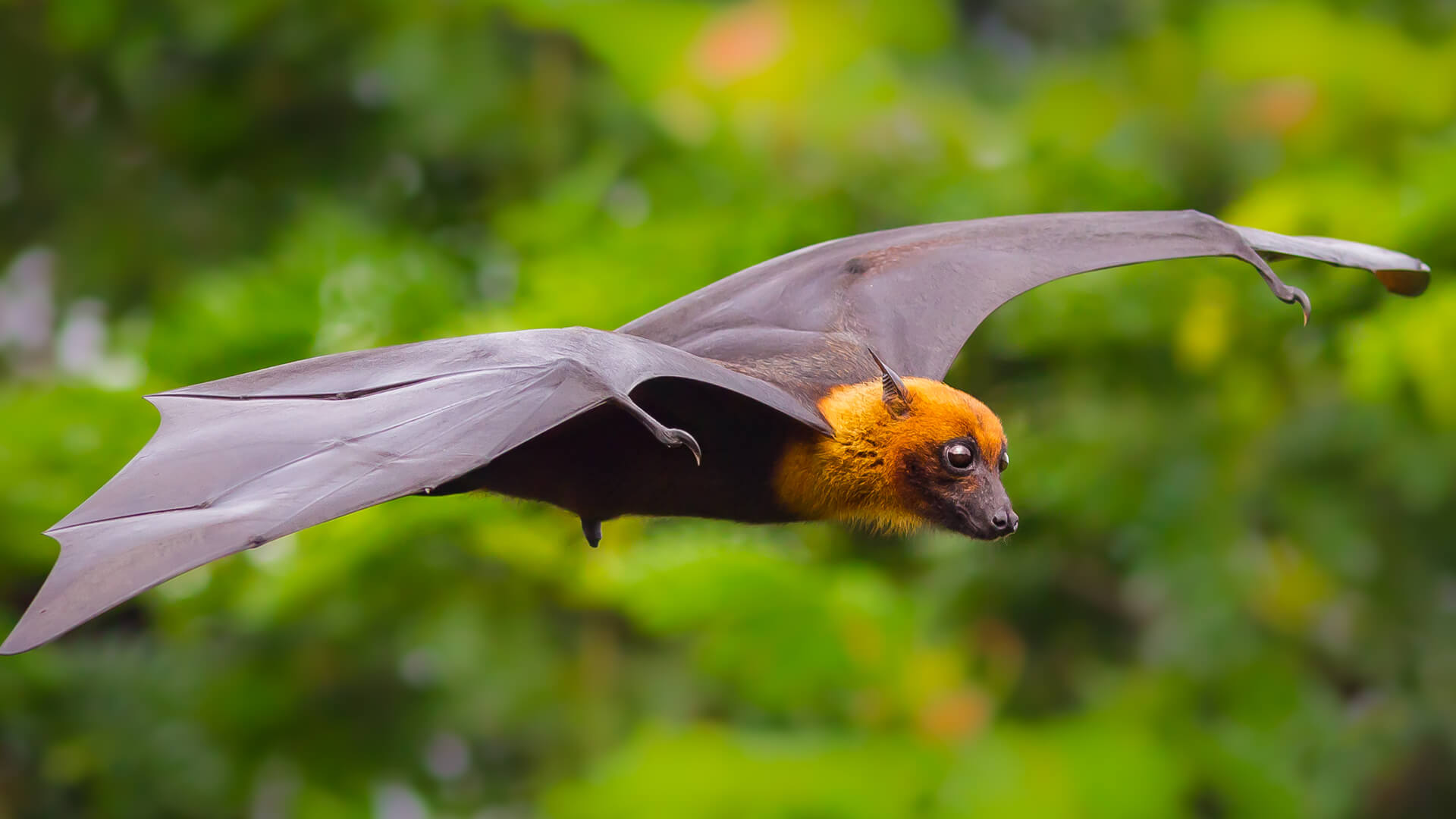
Bats and oilbirds (and perhaps others I haven’t read about) use echolocation. Bouncing chirps and clicks off solid objects is used to navigate through dark caves.
Touch is more important to people than to birds. Even so, birds are very sensitive to changes in air temperature, pressure, and wind speed, changes which are transferred down the feather to nerves in the skin. Some have special feathers around their bills that seem to serve a purpose when feeding.
Mutual preening—which involves manipulating one another’s feathers—is important in courtship for many bird species. On the other hand, they have fewer nerves in their legs and feet, which makes them less sensitive to extreme cold. Shore birds have extremely sensitive touch receptors in their bills, aiding them when feeding through mud, water, etc.
Taste is not well defined in birds. Depending on the species, they have fewer than 50 or as many as 500 taste buds, compared to 9,000-10,000 in humans. Birds can taste sweet, sour, and bitter, and can identify suitable and most nutritious food sources—but this is less important than sight and hearing. For those of us who hope to discourage squirrels and raccoons from a particular food source, birds are impervious to spicy-hot, as in cayenne pepper infused birdseed.
Smell is the least developed bird sense. They have small olfactory centers in their brains. Therefore, some claim this debunks the myth that nesting birds will reject a fledgling that has been handled by humans. In fact, songbirds cannot detect the human scent.
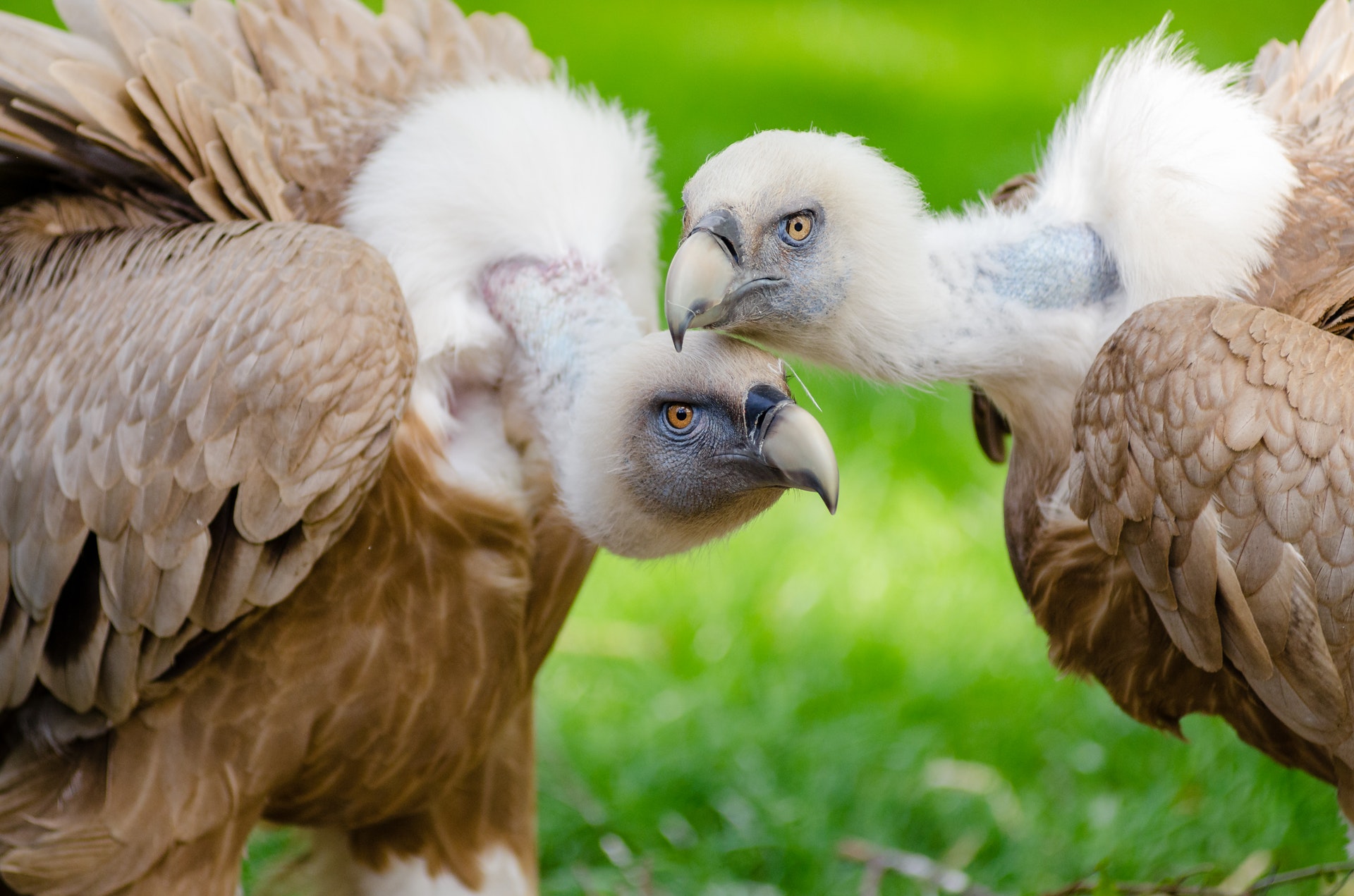
That generality aside, vultures, kiwis, honeyguides, albatrosses, petrels, and shearwaters all use keen senses of smell to locate food, often from treat distances or when the odor is not noticeable to humans.
And now to some interesting (to me) facts about birds.
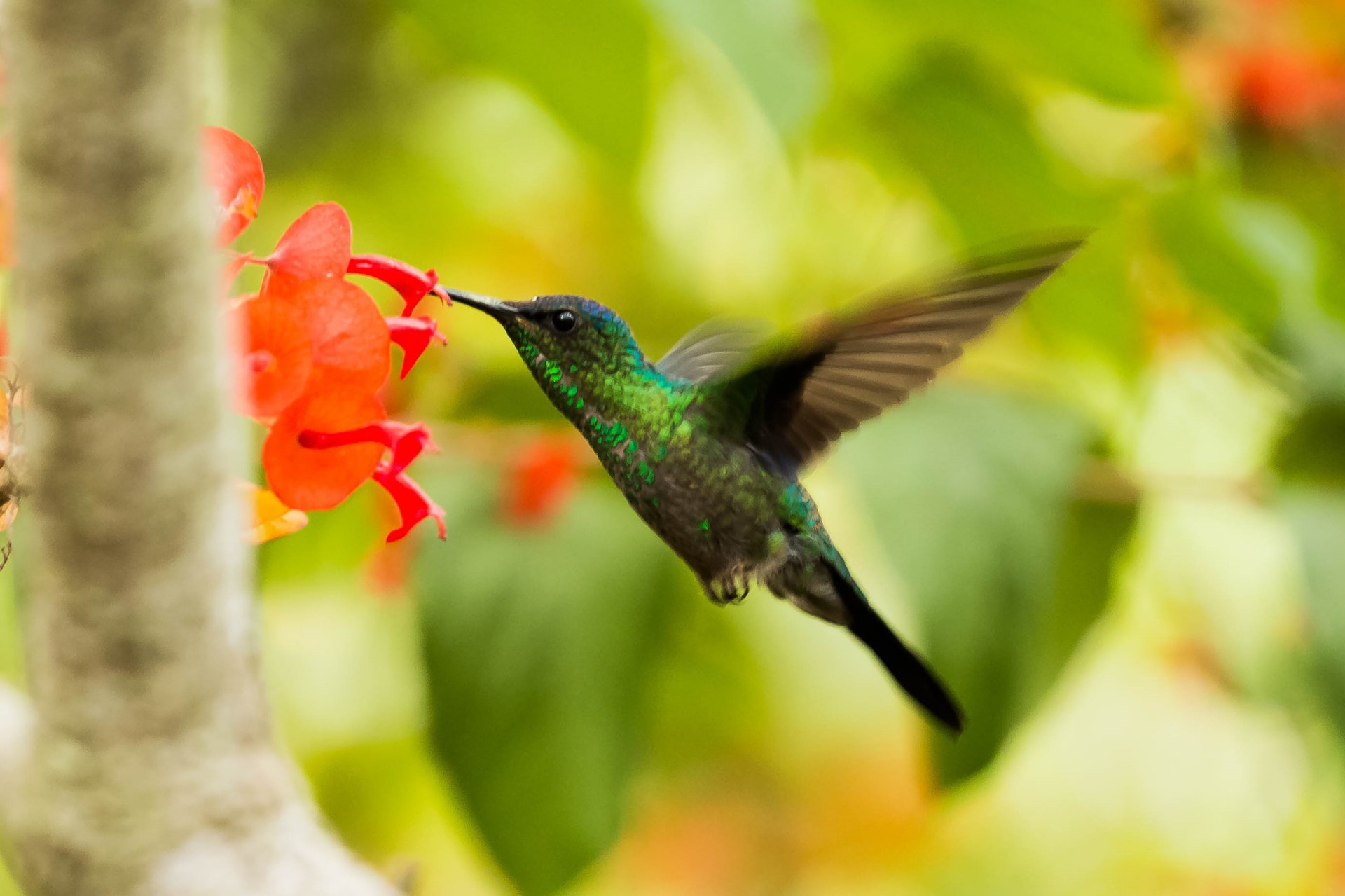
Hummingbirds can fly backwards. The Bee Hummingbird is the smallest living bird in the world, with a length of just 2 inches. Larger hummingbirds, on average, weigh less than a nickel. The smallest ones weigh closer to a penny
Chickens are the most common species of bird in the world.
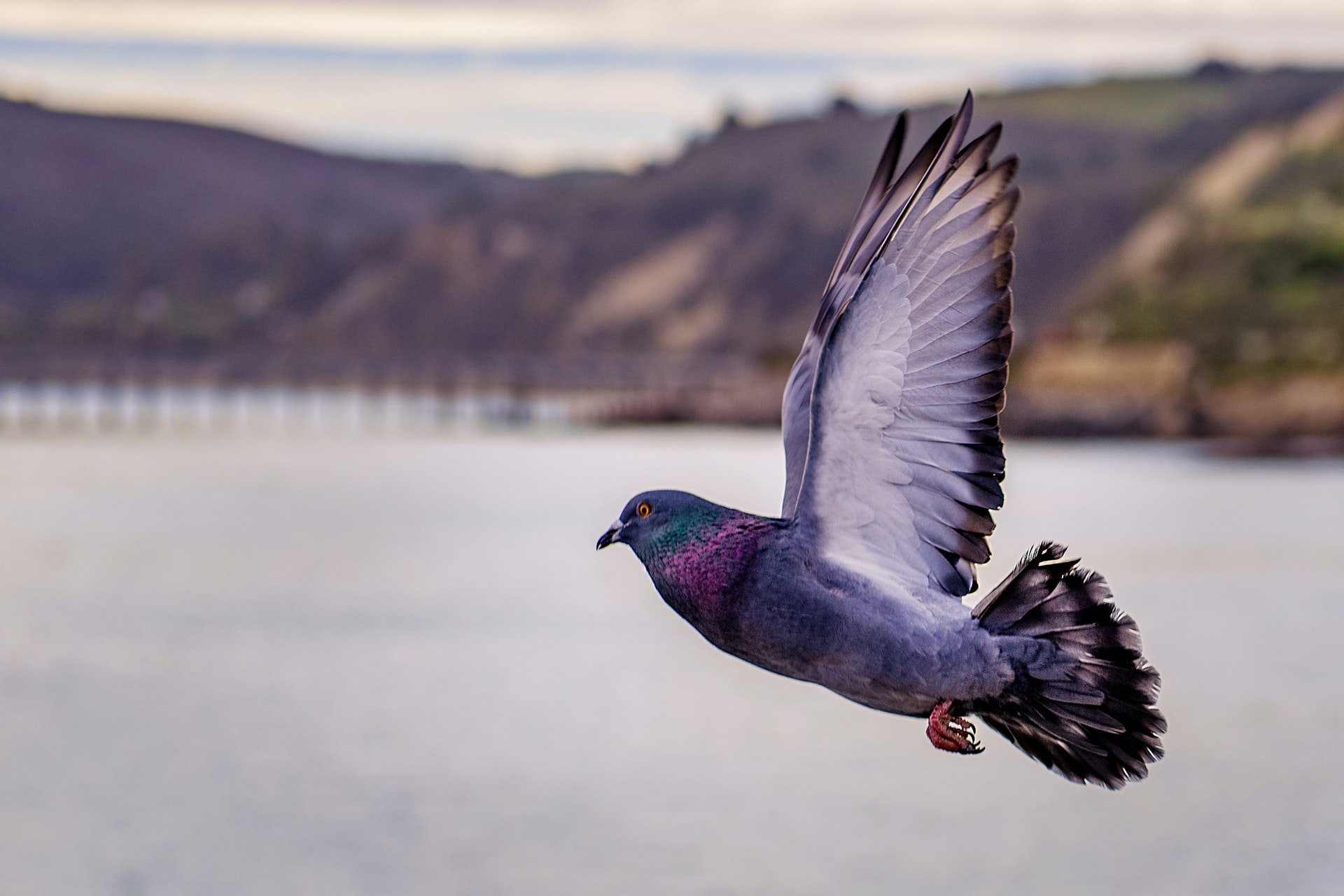
Homing pigeons are bred to find their way home from long distances, and have been used as messengers for thousands of years. During WWI and WWII, Pigeons were used in this way, but also for reconnaissance.
Pigeons can learn to play pingpong, among things.
They are excellent at visual signal detection and other similar tasks.
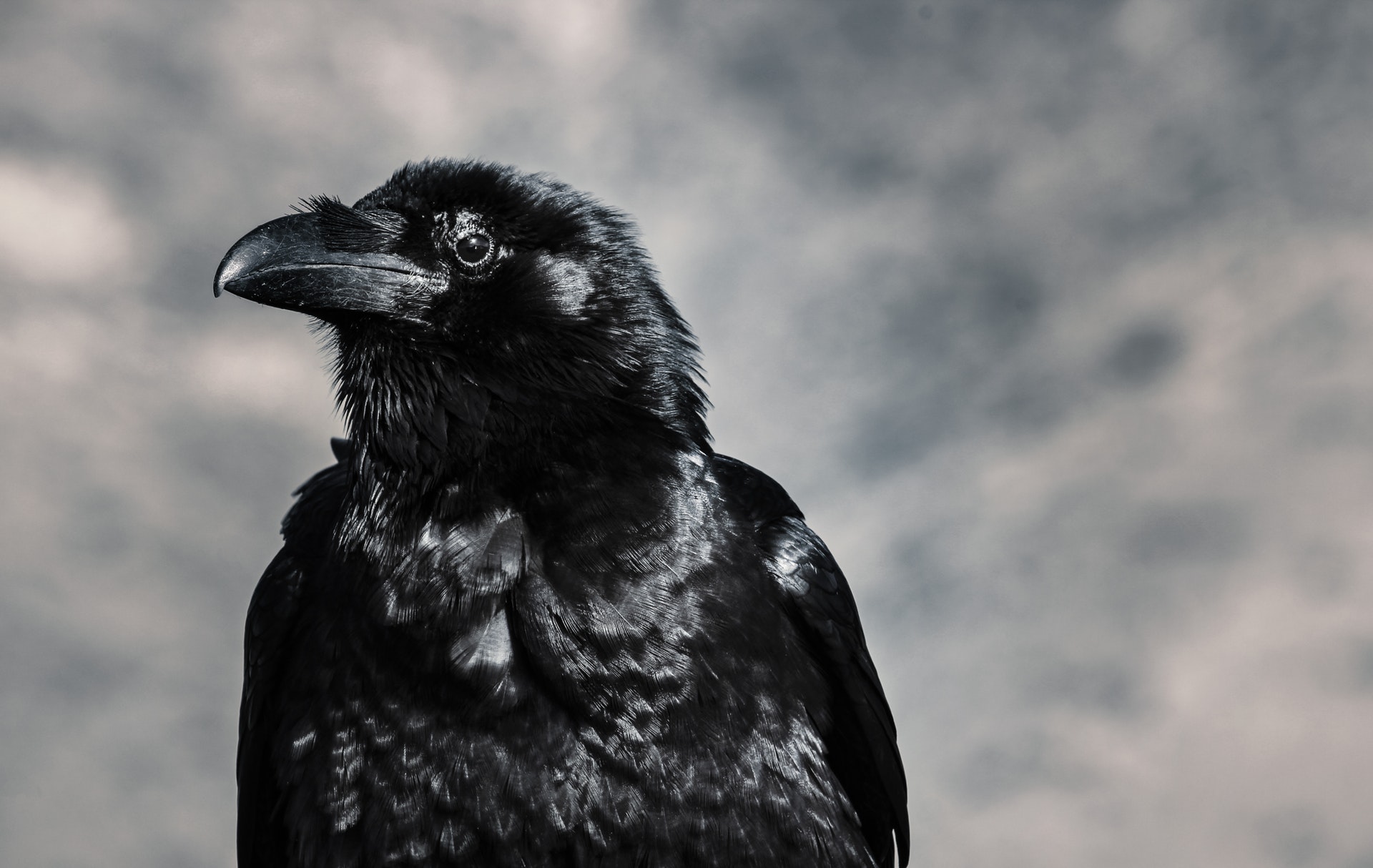
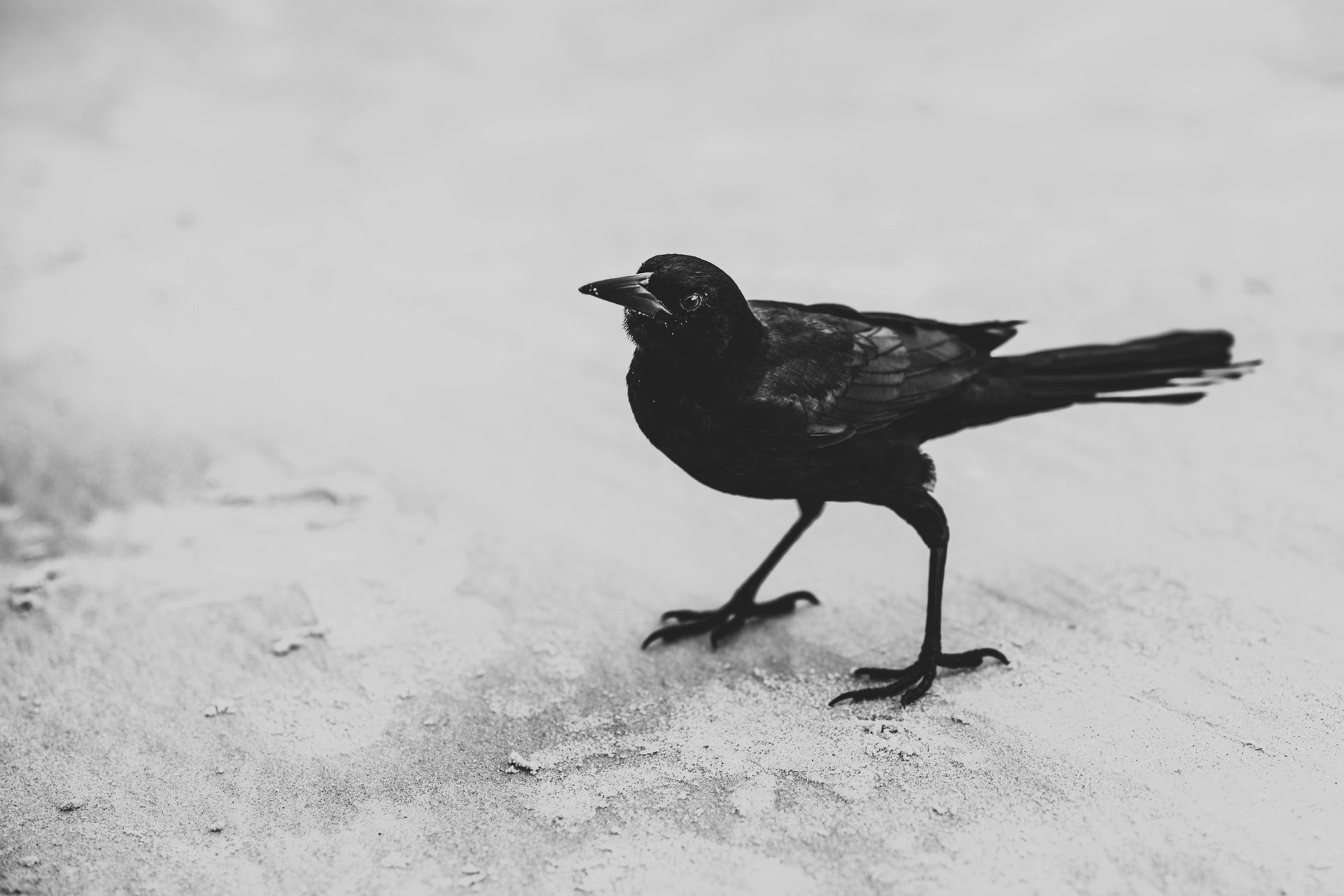
A great tool-making bird is the crow. Not incidentally, they (along with ravens and rooks) have large brains compared to other birds. They mainly make probes out of wood, twigs, or wire to catch or impale larvae. But crows are among the only that create their own tools.
Tool use in other birds is mostly shown in intricate nest building.
Although not making tools, other birds use them. For example, a parrot may use a tool to wedge to crack nuts. Gulls often drop shellfish in front of cars to crack them open.
Although parrots are renowned for being able to talk, ravens in captivity are even better at mimicking human speech, as well as the sounds of car engines revving or toilet flushing. In the wild, they sometimes imitate other animals, such as wolves or foxes as a way to get them to make carcasses bird edible.
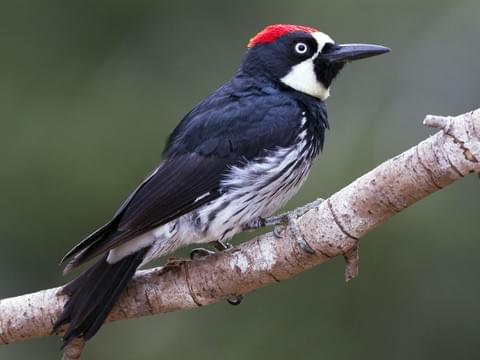
Acorn woodpeckers store acorns in holes they drill in trees or other wood items. They have been known to store up to 50,000 acorns (each in its own tiny hole) in a single “granary” tree
While on the water, the black and white coloring of penguins camouflages them both from above and below by blending with the surround.
One bird I especially like is the northern cardinal. It’s one of the most popular birds in the U.S. Indeed, the cardinal is the state bird for seven states: Ohio, Virginia, West Virginia, Kentucky, Indiana, Illinois, and North Carolina.
Although male cardinals are brighter, females have more elaborate songs. One cardinal may have more than two dozen song variations. Both sexes sing, and sing year round.
Cardinals are territorial—the territory defended against competitors by the male—and are noted for trying to fight their reflections in mirrors, windows, and other reflective surfaces. Cardinals are monogamous while together, and may mate for life.
They eat various seeds, fruits, berries, grains, and insects depending on what’s available.
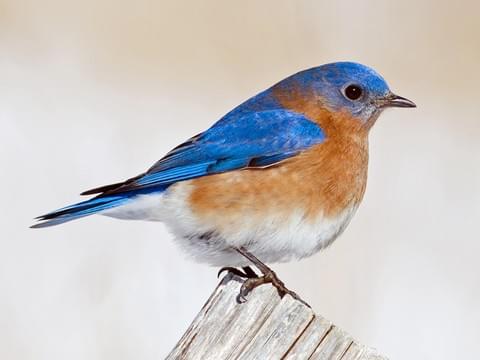
Another favorite is the bluebird. They can be found throughout North America, including my back yard. Bluebirds, too, are monogamous throughout a breeding season, and may breed together for more than one season. Also like cardinals, they are territorial. The male tends to defend the outer territory while the females defend the nest.
A bluebird can spot caterpillars and insects in tall grass at a distance over 50 yards. They especially like live mealworms.
In my experience, bluebirds tend to come to the feeder in pairs—sometimes more than two pairs at a time. I think of them as family birds.
My backyard aviary is alive with goldfinches, purple finches, titmice, mourning doves, robins, grackles, starlings, house finches, and sometimes mocking birds, hummingbirds, crows or hawks. Right now, I know less about many of these birds. Sufficient unto the morrow.
Bottom line for writers: Nature writing can enhance any genre. Consider bird details for your next story.
As you may recall from my previous blog about pigs, the relationship between humans and pigs has been all over the place, from despised as filthy animals to being eaten by the millions. Actually, pigs and humans have so much in common that live tissue can be transplanted from one to the other, pig insulin is a boon to humans, and pigs are often the surrogate of choice when testing potential new drugs. According to some South Sea cultures, pigs were created so humans wouldn’t have to eat each other!
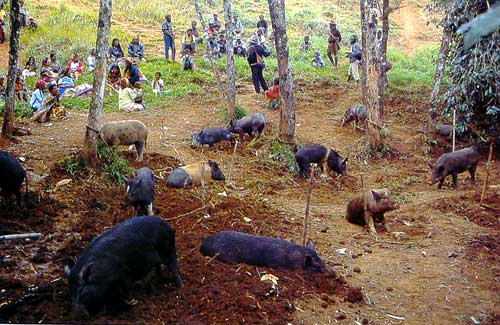
[Source: Papua New Guinea Tourism]
Experts guess that pigs were introduced to Papua New Guinea (PNG) from elsewhere, maybe as long ago as 10,000 years. Whether they have thrived or not is a matter of definition. PNG pigs are distinctive, and scrawnier than pigs with which we are more familiar. Wild pigs in PNG are slaughtered for food, but domestic pigs are eaten only when no other protein is available. Mostly they are kept for social and political uses, and are particularly important among tribes in the Central Highlands.
[Source: Science Source]
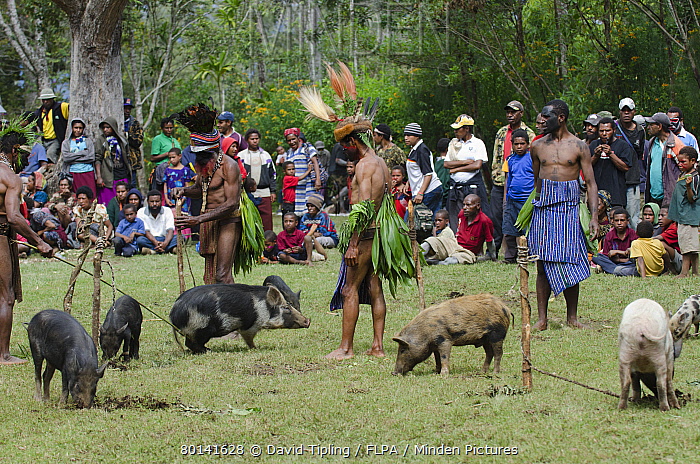
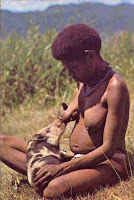
My interest in PNG pigs was triggered by my reading about pigs in general. I came across the fact that in Papua New Guinea, women sometimes nurse piglets. I had to know more! It turns out that in Papua New Guinea pigs have enormous economical, political, and mystical importance. They are used to buy brides, and to pay debts (for example, compensation for killing members of another tribe). Pigs are killed for important ceremonies, such as cremation, marriage, initiation rites, and to appease ancestral spirits. Pig killings are often followed by days of celebration. An exception is pigs that are sick or stolen, which are eaten as quickly as possible.
[Source: Minden Pictures]
A man’s wealth is judged by the number of pigs in his household, and every few years, huge pig-giving festival are held to impress other tribesmen. The importance of pigs can scarcely be overstated. They are the only domesticated animal. And the care and feeding of the pigs falls to the women—along with virtually all the other work of the family, such as gardening, cooking, hauling water, gathering firewood, caring for children—and pigs! The men hunt or fish occasionally and protect against enemy attacks.
Someone named Adam, who reports working in PNG, posted the following online: “. . . And I have seen the women breastfeeding pigs. And there is a simple reason for it. Pigs are worth more to the tribe than children. You cannot eat or sell or trade children. . . A child eats your food, which in ten, leaves less on your plate.” Pigs must be kept alive until needed at all costs.
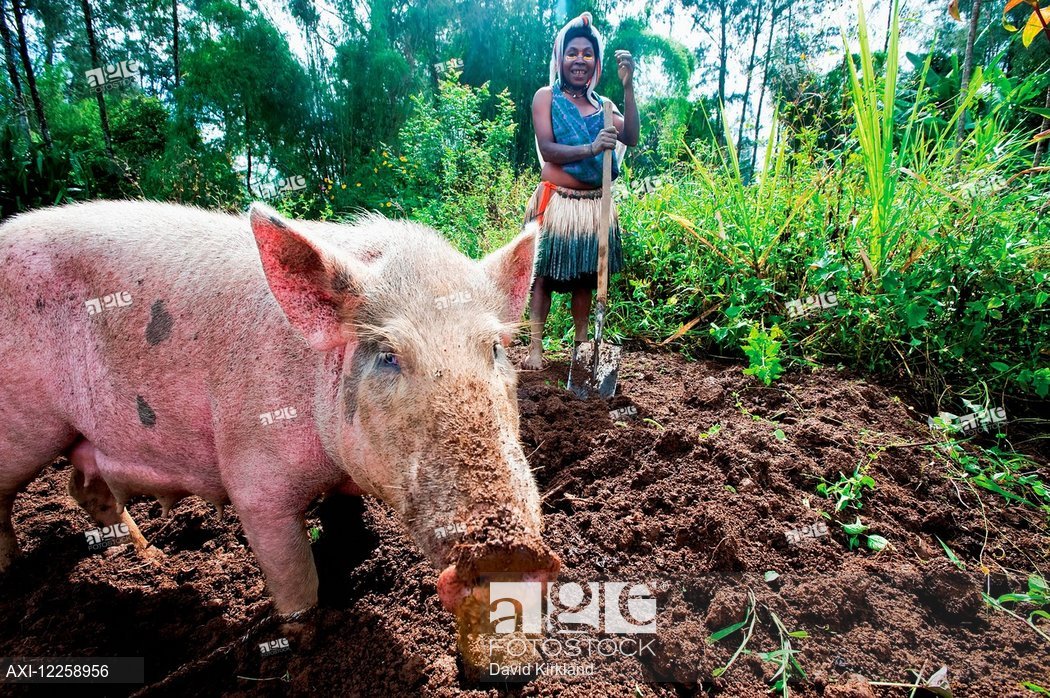
[Source: Age Fotostock]
The women have very close relationships with pigs. The pigs accompany the women everywhere. Sometimes they spend the night in specially built sties, but others sleep in the same huts as the women and their children. They eat with the family. They are often given names and are treated as pets are here, being stroked, fondled, and cajoled in tender voices. Although women are the caretakers, the pigs are the property of the men. I can’t help wondering about what happens when a man decides to kill a woman’s favorite pig.
[Source: Arizona Daily Star]
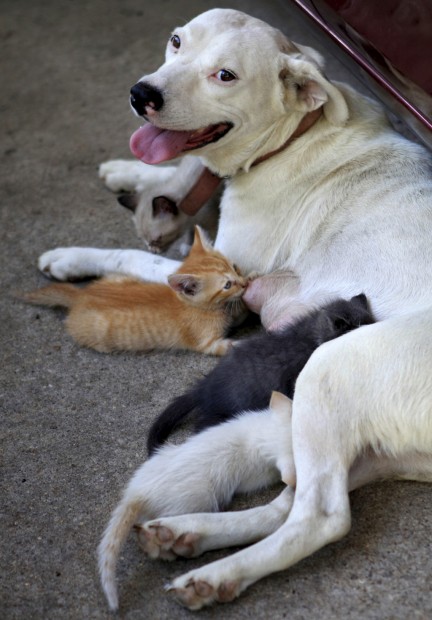
Although some people recoil in disgust at the thought of women nursing piglets, others cite more familiar examples of cross-species care throughout the animal world—for example dogs nursing kittens—and point out that people are animals, too.
The idea of a woman nursing a piglet is strange to us, at the least. But This has been the culture in Papua New Guinea for centuries. Who are we to judge?
You may know from previous blog and FB posts that I’m enrolled in a class on nature writing. As a result, I’m even more aware of nature around me—of plants, birds, and squirrels in particular. But I’ve also been reading more about nature—particularly plants and animals, but I may move on to weather or geology at some point. But tonight, let’s talk pigs.
I grew up in farm country, with friends in 4-H who took their project pigs to the county fair, and uncles who butchered hogs on their farms. But most of us grew up hearing pig doggerel:
To market, to market
To buy a fat pig.
Home again, home again
Jiggedy jig.
To market to market
To buy a fat hog.
Home again, home again,
Jiggedy jog.
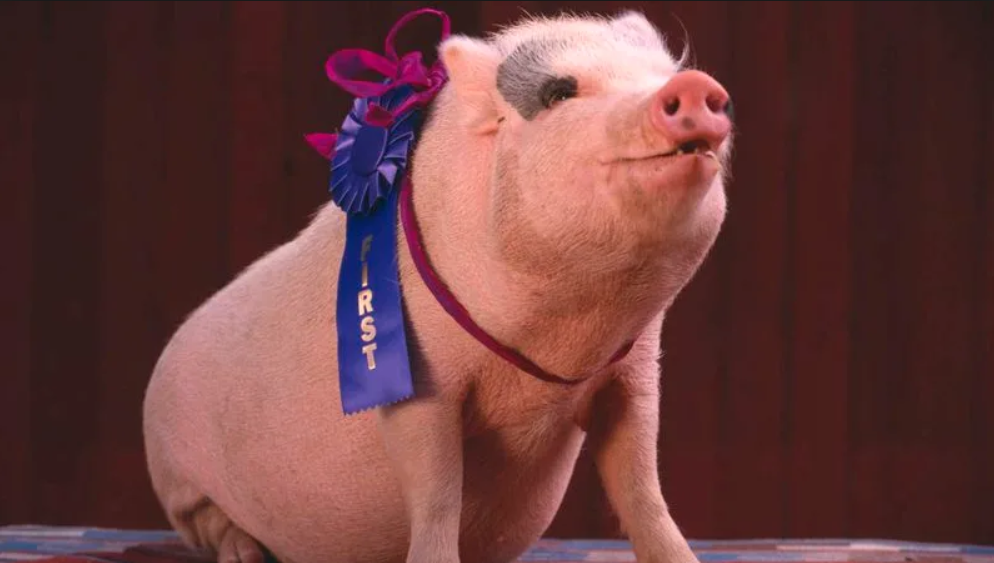
[Source: Pinterest]
This little piggy went to market.
This little piggy stayed home.
This little piggy ate roast beef.
This little piggy had none.
And this little piggy went wee, wee, wee
All the way home.
[Source: South London Press]
Virtually everyone knows the story of “The Three Little Pigs.” If not that classic, there is always Porky Pig, and even more recently, Miss Piggy—who is cited as saying, “Never eat more than you can lift.”
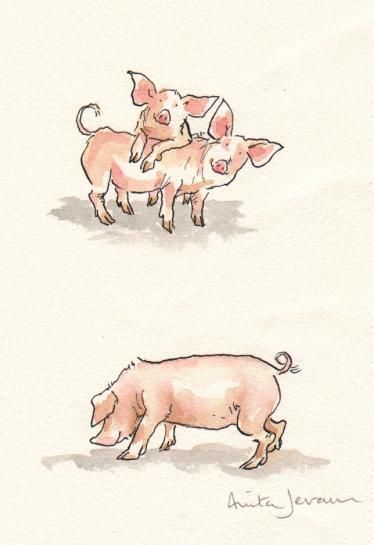
Pigs have been all things to all people throughout history.
From the 11th through 13th centuries, the sow and the boar were symbols of all sorts of vices in the Bestiaries, collections of fables involving animals meant to provide morality themes for sermons, or personal reflection. Pigs in 16th century art often represented sins of the flesh.
Pigs as unclean: both Islam and traditional Judaism forbid eating pork. Hindus eat no pork, while Sikhs eat very little pork.
The contradictory roles of pigs in Greek mythologyis beautifully illustrated by the legend that a sow was supposed to have suckled Zeus and a wild boar killed him. In ancient Egypt a pig represented the spirit of Osiris when crops were planted and the spirit of Seth when they were harvested. Nevertheless, they were considered unclean, and drinking pig milk was thought to cause leprosy. Tantric Buddhists worship Marici the Diamond Sow. The Kaulong section of Papua New Guinea is a pig culture—which is fascinating, and too much to go into here, but there is a saying there: “Pigs are our hearts.”
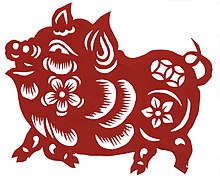
On the positive side: 2019 is the year of the pig in the Chinese zodiac. It comes around every twelve years. In 2007, it was the Year of the Golden Pig, especially auspicious because a Golden Pig year comes only once in every sixty years. The personality of Pigs is supposed to be kind and understanding, an able peacemaker. Pigs are excellent conversationalists, truthful and to the point. A Pig believes in justice and law and order, rejects all falsehood or hypocrisy.
Pigs for sport.
Greezed pig contests
Pig races at the Michigan Spree Festival
Random facts:
Pigs are the most ancient of nonruminant mammals, existing forty million years ago—long before humans.
Pigs exist in one form or another in every part of the world.
In three months, three weeks, and three days, a sow can produce a litter of eight piglets. With competent treatment, they can be ready for market in six months.
Toothbrushes were invented in China and originally used boar bristles; today, industrial and consumer products are practically limitless, from plywood adhesive and dye to glue and bone china.
Beyond bacon: because of similarities to humans, pig heart valves, insulin, and porcine bur dressings. These are just examples of pharmaceutical uses, which rank second only to meat in importance.
You can’t sweat like a pig because pigs don’t sweat.
Pigs put on one pound of weight for every three pounds of feed they consume.
If there is an option, pigs do not wallow in their own waste.
Pigs can be housebroken.
Pigs in phrase and fable:
don’t cast pearls before swine
don’t buy a pig in a poke
can’t make a silk purse from a swine’s ear
graceful as a hog on ice
hogging the (x)
eat like a pig
eating high on the hog
living high on the hog
sweat like a pig (see above)
pig out
going whole hog
going hog wild
looks like a marzipan pig (i.e., prosperous)
fat as a pig
happy as a hog in shit
in a pig’s eye
piggy bank
piggyback
hogging the road
pigs get fat and hogs get slaughtered
being a porker
Bottom line: Pigs are ubiquitous. Is there a place for pigs in your writing?