Writing Holidays

writing holidays folklore world holidays
 
My advice: Put holidays in your writing as often as fits your plot. I say this for several reasons. For one thing, people identify with holiday celebrations, and (speaking for myself) often compare the rituals described with those from childhood.


Perhaps a more important reason is that emotions run high during holidays—for good or ill! And those emotions are a great source of tension both within characters and among them.


Virtually any holiday can evoke virtually any emotion: sadness, mourning, joy, anger, frustration, fatigue, relief, etc.


A second piece of advice: Include something novel or unexpected. When writing about any given holiday, there is a tendency to draw on one’s own experience—not that there’s anything wrong with that! But holiday rituals tend to be just that: ritualistic. So if your writing includes the same holiday more than once, you will need new material.


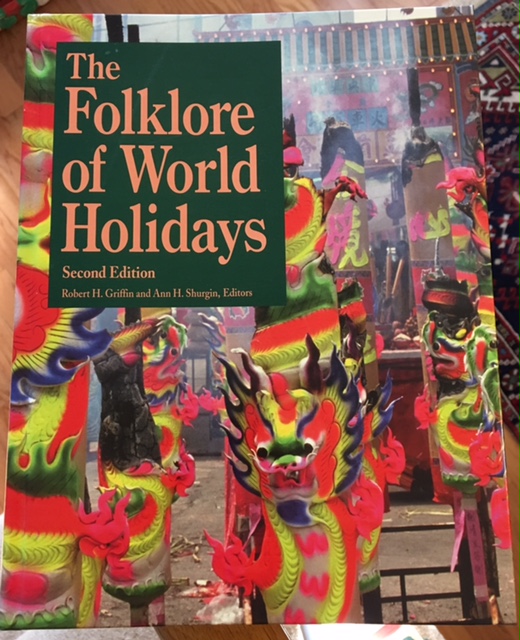
A third piece of advice: Have this book on your shelf.
 

writing holidays folklore world holidays
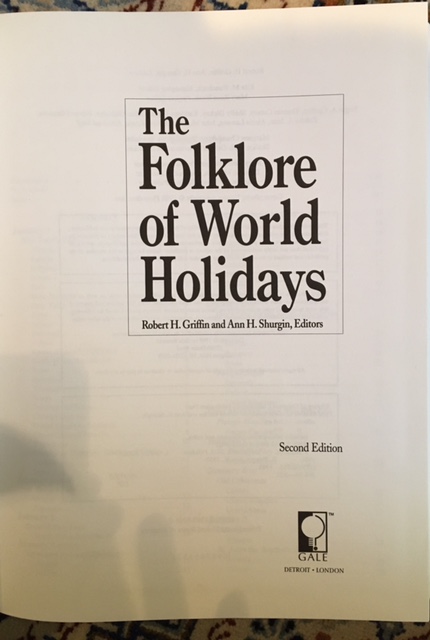
This book is an incredible resource, a combination of calendar, dictionary, and cross-referenced guide.


First, it goes by date, so if you need an out-of-the-way holiday to fit your timeline, you’ll find it here.


Within each date, entries are alphabetized by relevant country. For example, New Year’s goes from Albania to Yugoslavia. This is one good way to include a description of your character’s ethnic background.


Another great way to flesh out your character’s ethnicity is to look up the country in the index, where you can find all the dates when holidays are celebrated in that country—and what they are, of course.


The index is extremely well done. Besides by country, you can search by person or topic. And the topic can be a standard one, such as songs or food, or a less common theme, such as animals from birds to sheep.
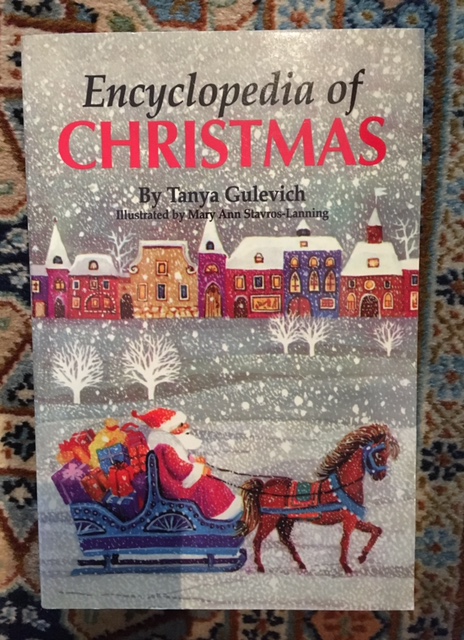
 

writing holidays encyclopedia christmas
If you are really into one particular holiday, there are a plethora of specialized references out there. But The Folklore of World Holidays has 50 pages on Christmas. It’s likely to meet most of your holiday reference needs. Ask Santa to drop one under the tree this year!
Reading Christmas!
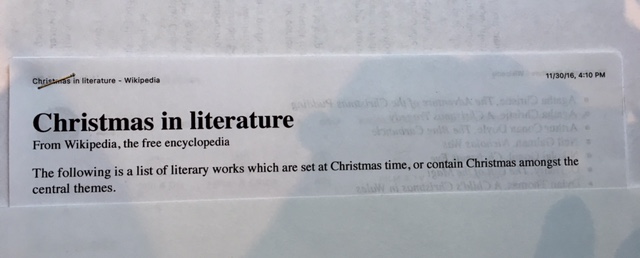
reading christmas literature wikipedia
I love Wikipedia! Whatever your Christmas reading wishes, you can probably fill them here. This particular site presents lists of literary works which are set at Christmas time, or contain Christmas as a central theme.


Novels

reading christmas cecelia ahern gift
[Source: Goodreads]
reading christmas harry heathcote of gangoil anthony trollope
[Source: Amazon]
It lists fourteen novels alphabetically by author, ranging from Cecelia Ahern (The Gift) to Anthony Trollope (Harry Heathcote of Gangoil).  There are classics by Dickens and a mystery by Agatha Christie, some more like fables and others geared toward children.


Short stories and collections

reading christmas hans christian anderson fir tree
[Source: Amazon]
reading christmas kurt vonnegut while mortals sleep
[Source: Amazon]
Short stories and collections are treated the same way. Fourteen are listed in this category, from Hans Christian Andersen (The Fir-Tree) to Kurt Vonnegut (While Mortals Sleep). Again there are mysteries by Agatha Christie, but also by Arthur Conan Doyle. Moving. Emotional themes range the gamut, and I venture to say that things with Christmas themes are often strong on emotion.


Poetry and Nonfiction

reading christmas twas night before christmas clement clark moore
Poetry and Nonfiction have fewer offerings, only four, so I’ll mention them all.
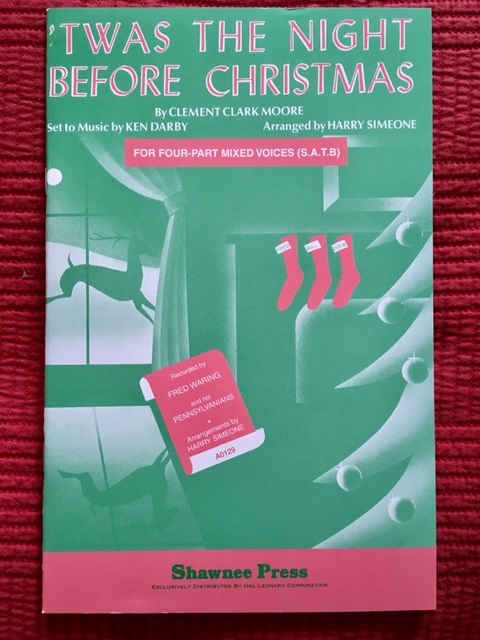
  • Clement Clarke Moore (‘Twas the Night Before Christmas, originally published as A Visit from St. Nick).
  • Dr. Seuss (How the Grinch Stole Christmas).
  • Anne Sexton (“Christmas Eve”)
  • Francis Pharcellus Church (“Yes, Virginia, there is a Santa Claus”—a newspaper editorial)

This is just one handy list. You can also search for Christmas Traditions, History of Christmas, Mysteries set at Christmas, etc.
 
If you love Wikipedia, too, you might consider logging on and making a donation of $3, $10, or whatever. They are currently fundraising to keep the site free to the public, and it is the season of giving.

What Writers Can Do With Catalogues

ll bean catalogue
 
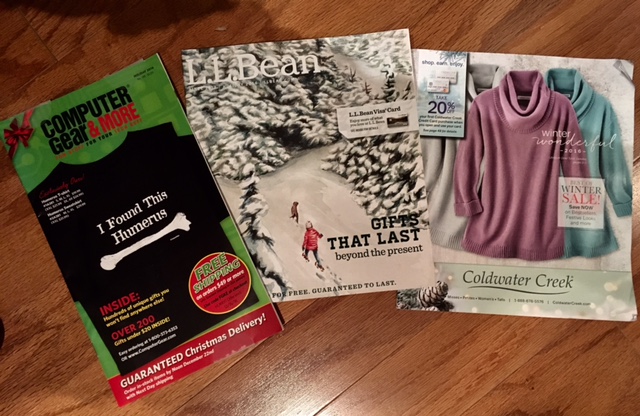
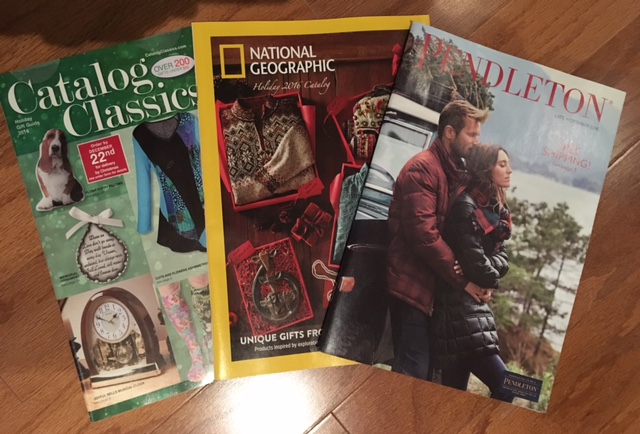
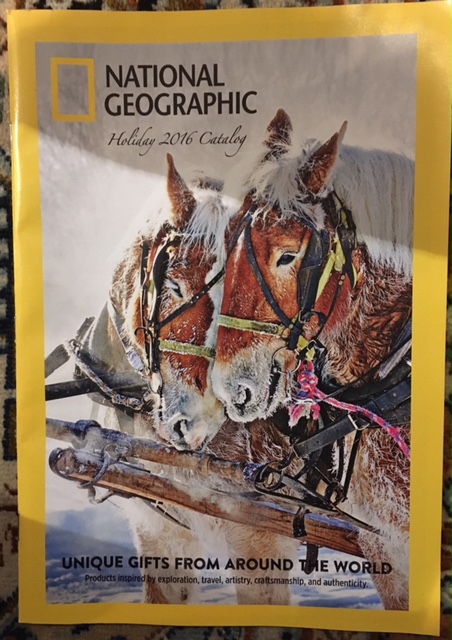
I get a lot of junk mail. In November and December, I sometimes think I must be on every catalogue mailing list in the country! I’m a recycler big time. But the mantra is reuse, repurpose, and recycle. I don’t know how a catalogue can be reused, but I turned my thoughts to repurposeHow might writers use catalogues? Primarily as a character note.


What mailing lists a person is on can say a lot about character. Besides catalogues, solicitations for donations and ads are very telling. What sort of character gets solicited for CARE, American Cancer Society, the Audubon Society? What about the American Indian College Fund, St. Joseph’s Indian School, etc.?


pendleton catalogue
Catalogue purchases can reveal socio-economic status. Hammacher Schlemmer, world tour offerings, and Breakstone are not geared to people intending to meet basic needs—
—unless we’re talking about obsessions as a need.  People who get catalogues for computer gear, athletic wear, or books—and order from them—offer lots of possibilities. What about the person who orders yoga gear repeatedly but never does yoga?


And sometimes catalogues can cough up a plot device.


hammacher schlemmer catalogue
Consider the robot on the Hammacher Schlemmer cover. What might a sci-fi writer go with that? Or, considering magical realism: what if this toy gives the child recipient superpowers? What might a writer of erotica make of “the any surface full body massage pad”? What might a mystery writer make of “the best compact zoom binoculars”?


Advice to writers: View your catalogues, ads, solicitations, and other junk mail with a view to inspiration! And then recycle.
 
national geographic catalogue

Christmas: It’s Everywhere!

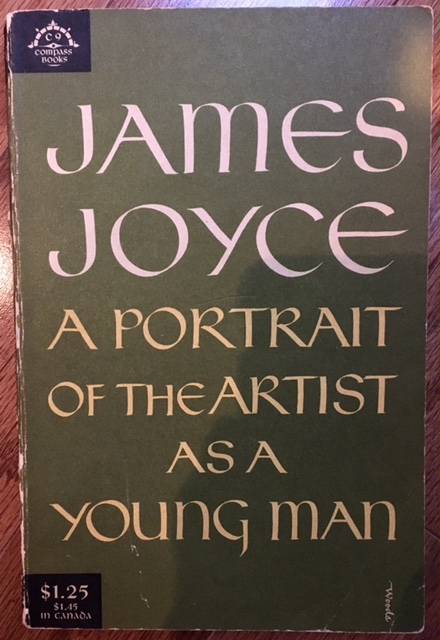
Fairly early on, in A Portrait of the Artist as a Young Man, Joyce has a wonderful scene involving Christmas dinner. It runs more than ten pages, and reveals the characters and their Catholicism beautifully. It’s often humorous (as people share anecdotes) and sometimes disrespectful (as when Mr. Dedalus refers to the bird’s tail as “the Pope’s nose.”) It ranges from humor to anger. A thoroughly enjoyable passage.


portrait of the artist as a young man james joyce

On Christmas Eve, 2014, the Huffington Post published a delightful piece titled “The Most Festive (And Not-So-Festive) Christmas Scenes from Classic Books.” Here you will find bits from 13 classic novels.

Christmas Scenes from Classic Books

Little Women (Louisa May Alcott)
War and Peace (Leo Tolstoy)
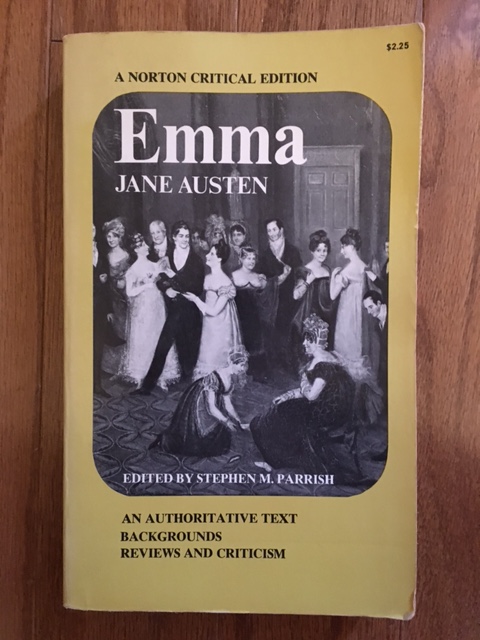
Emma (Jane Austen)
emma jane austen
A Christmas Carol (Charles Dickens)
The Lion, The Witch and the Wardrobe (C. S. Lewis)
Far From the Madding Crowd (Thomas Hardy)
Brideshead Revisited (Evelyn Waugh)
Great Expectations (Charles Dickens)

great expectations charles dickens

Anne of Green Gables (L.M. Montgomery)
Vanity Fair (William Thackerary)
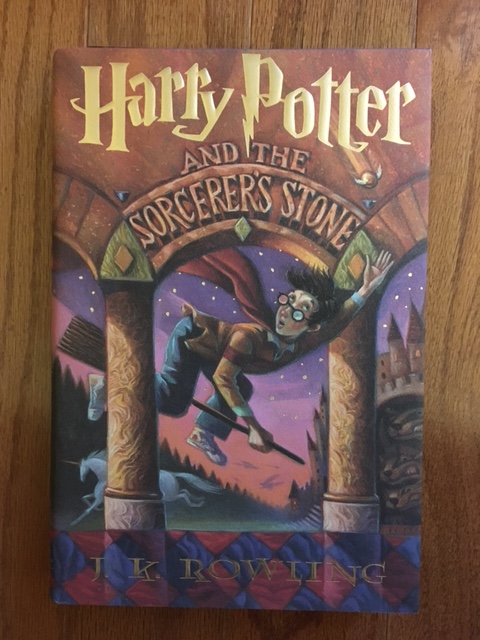
Harry Potter and the Sorcerer’s Stone (J.K. Rowling)


harry potter sorcerer's stone jk rowling
The Mill on the Floss (George Eliot)

mill on the floss george eliot

 
Pluck any of these great reads from your shelves (or from the shelves of your local library) and get in the Christmas spirit!

The Eyes Have It

eye surgery
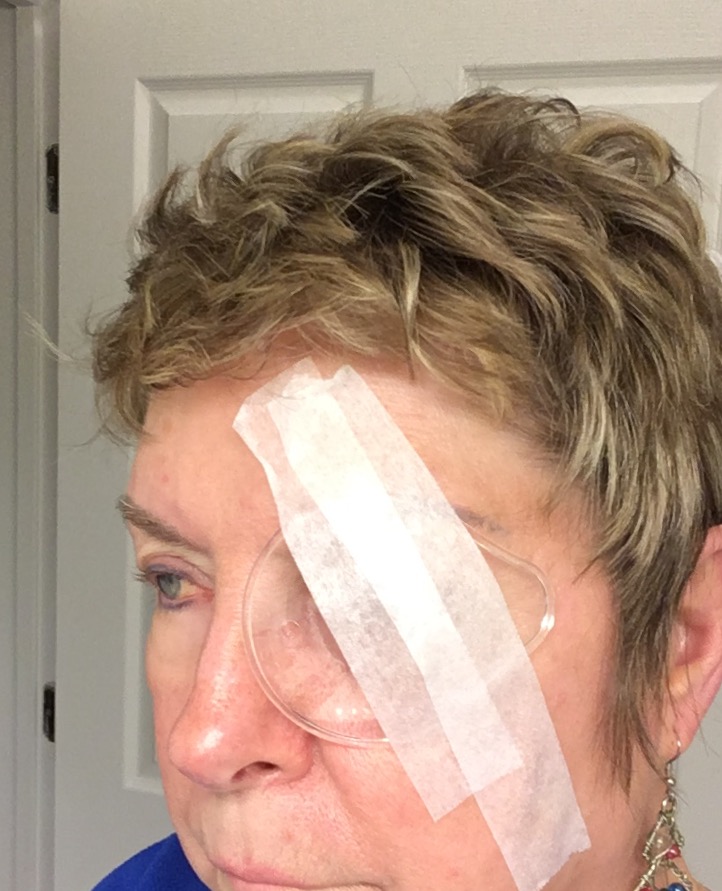
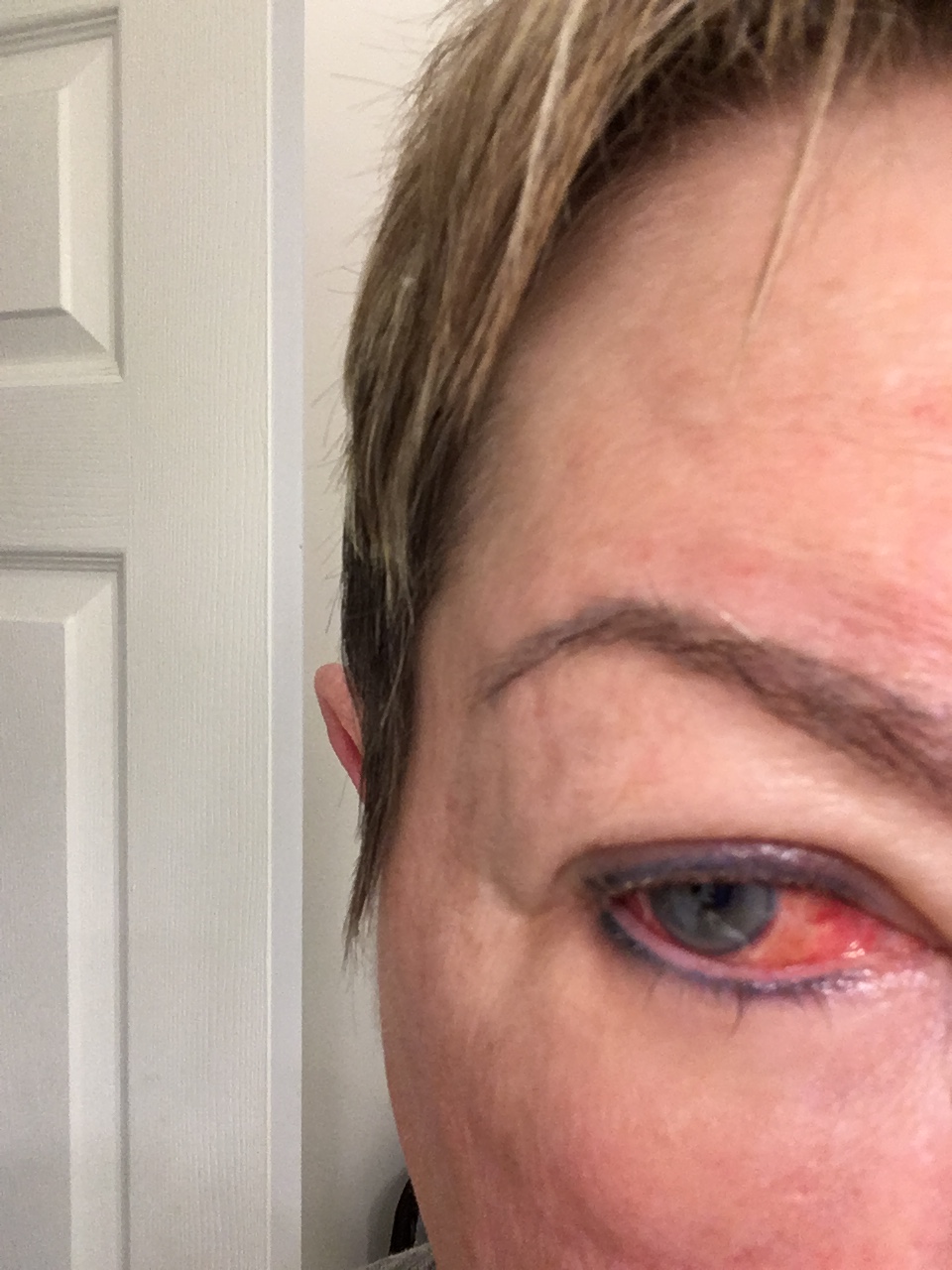
I recently (as in 11/22 and 12/1) had cataract surgery. The procedures and their aftereffects have been much on my mind. One thought led to another. Given that illness, accidents, disease, and all that go with physical conditions and medical procedures are part of everyone’s life to some extent, they must be part of our writing, too.
 
Consider the possibilities; they are legion. Here is a representative and far-from-exhaustive list of possibilities: heart disease, pulmonary insufficiency, cancer; knee, hip or shoulder replacement; measles, mumps, hepatitis, or malaria; ulcers, colitis, diverticulitis, or gastritis; broken leg, back, or dominant arm; migraines, depression, or addiction; paralysis, deafness, or blindness; diabetes, severe burns, frostbite; psoriasis, skin pigmentation problems; cleft palate, microcephaly, or other birth defects; and so many more!
 
Each possibility carries the potential for wide-ranging effects. Some of these are chronic, others are more temporary.


—self concept and self-esteem
—the reactions of family, friends, strangers
—behavioral limits—ongoing or temporary
—pain and discomfort
—treatment (or not)
—communicability, and reactions to possibly “giving” it to others
—demands on the time, energy, emotions, and money of the person and/or family and friends
—career/job limitations or difficulties
—what hobbies or leisure activities are available with this condition
—and so many more!
 
Assignment for writers: Choose a health problem or disability, and write one or more scenes about how that would affect/limit holiday celebrations and enjoyment. Enjoy!


eye surgery

Revisit an Old Love

dorothy l. sayers books
 
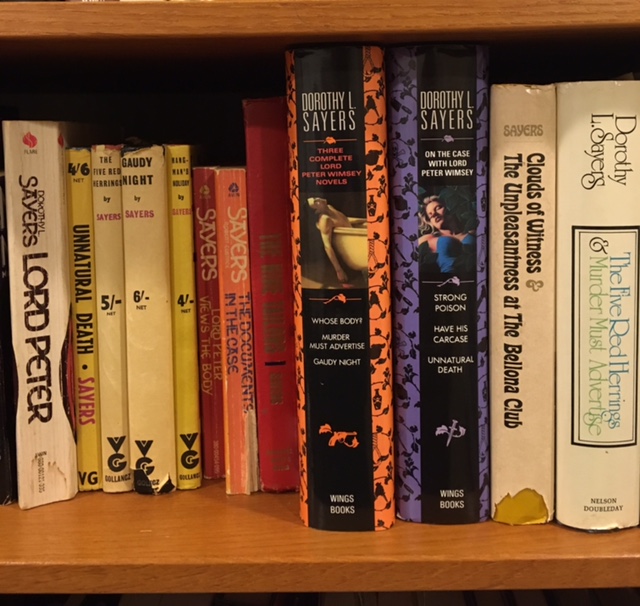
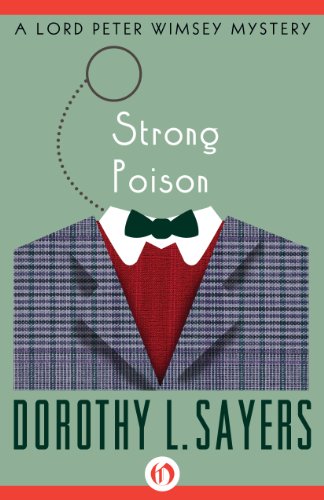
Many of you know that I am a die-hard fan of Dorothy L. Sayers. I recently reread Strong Poison. It is relatively early in her series. Needless to say, some of the language is dated. (It was published about 80 years ago, after all.) I hadn’t actually read Sayers in well over a decade. But in rereading, I found that my long-standing admiration is more than warranted.
 
strong poison dorothy l. sayers
[Source: Amazon]
 
In Strong Poison, she solved a poisoning case in a most ingenious way, and incidentally educated the reader about interesting twists and details about arsenical poisoning. In clearing the prime suspect, Wimsey not only found the real killer, but coincidentally developed a passion for the acquitted suspect that became a subplot going forward.
 
have his carcass dorothy l. sayers
[Source: Amazon]
 
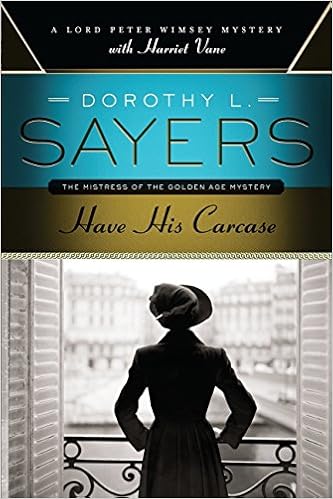
Have His Carcass is the next novel in which the love interest develops. But the thing to note about this book is that knowing how it turns out, I can recognize, as I couldn’t on the first read, all the red herrings and dead-end hypotheses AND appreciate all the dropped clues and bits and pieces that make the reader say, “Of course!” when the solution is revealed. Sayers is a must-read for mystery writers!
 
dorothy sayers statue
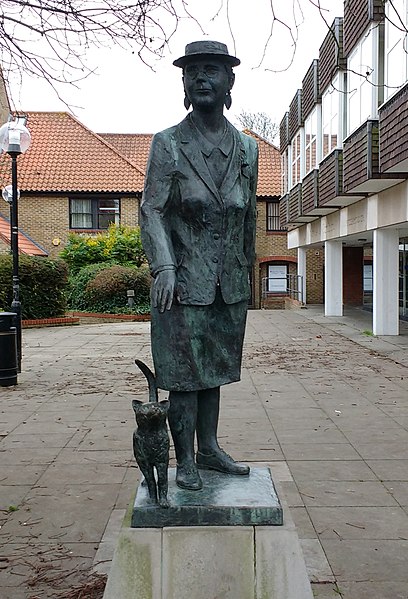
Statue of Dorothy Sayers opposite her home at 24 Newland Street, Witham. [Creative Commons]
 
Injunction for readers: Revisit an old love—preferably one you haven’t read for five years or more. Knowing what happens, you can reread an old favorite and evaluate the craft. Do you still love it? Why or why not? As we approach the new year, appreciate the past.

Helpful and Hazardous Critique Groups

Last week I wrote about editing yourself. For most writers, self-editing is necessary but not sufficient to make the writing its best. That’s where critique groups and reading partners come in. Personally, I prefer a small group, four or five seeming ideal to me. The strength in numbers is that having multiple readers with different strengths can cover more of the territory: some might pick up on word choices and sentence structure, while others look more at the big picture of character and plot development.


helpful hazardous critique groups
Regardless of number, good readers have much in common:


1. They want your writing to be the best possible version of your work.
2. They are frank, but kind in their delivery.
3. They don’t get pissed if you don’t make a change they suggested.
4. If the group is unanimous in a certain point (e.g., a weak opening paragraph), believe it.
5. They can help you realize that some vital information is in your head but not on the page, especially with memoirs.
6. They can tell you when the impression you intended to create isn’t the one you did create.
7. They understand the expectations of your genre.
8. They make specific comments, so that you know how to fix what doesn’t work.
9. They don’t try to compete to be the best in the group.
helpful hazardous critique groups
Bad groups can be hazardous to your writing health in numerous ways.


1. It’s all about the competition.
2. They confuse critiquing with criticizing, and so don’t offer praise.
3. They give vague feedback that gives you no direction (e.g., “This is great” or “This doesn’t do it for me”).
4. They try to get you to write like them.
5. They socialize, eating up meeting time with too much chit-chat.
6. They get so involved with agreeing or disagreeing with your premise that they lose sight of the quality of the writing. This is especially the case when the topic is politics or religion—or any sort of opinion piece.


There are some things that will help a group to be good. There are online resources and guidelines you might adopt. In my experience, here are a few basics:


1. Set down the group guidelines in writing.
2. Be clear about what types of writing will be acceptable (fiction, nonfiction, poetry, memoir, opinion essays, etc.) and stick to them.
3. Be clear about how feedback will be given.
4. Specify when the work is due, in what form, and what length.
5. Decide what happens when someone misses a meeting: Are they expected to send comments on others’ work? Can they send work anyway?
6. What if someone comes without having written anything?
7. Stick to a regular meeting time and schedule.
8. Get the group’s consensus when changing any of this.
9. Keep the group small enough that everyone can have sufficient and equal time.
10. Meet at least twice a month.


helpful hazardous critique groups

You need to feel comfortable, supported, and helped. This is a very personal thing. If you find yourself in a “bad” group, get out!

For Writers, Everything is Material

So of course writers have responded to the 2016 Presidential Election. Enjoy their language and skill.

Aftermath: Sixteen Writers on Trump’s America: The New Yorker, November 21, 2016

By Toni Morrison, Atul Gawande, Hilary Mantel, George Packer, Jane Mayer, Jeffrey Toobin, Junot Diaz, and more.
“It is thought by many, lately, and said by some, that the republic has seen its best days, and that it remains for the historian to chronicle the history of its decline and fall. I disagree. Sparrows may yet cross the sky.” -Jill Lepore

What Just Happened? Writers Respond to the 2016 Presidential ElectionFirst Person Plural, November 4, 2016

By Ibrahim Abdul-Matin, Grace Aneiza Ali, Hafizah Geter, Max S. Gordon, Hajar Husseini, Morgan Jenkins, and Chris Prioleau
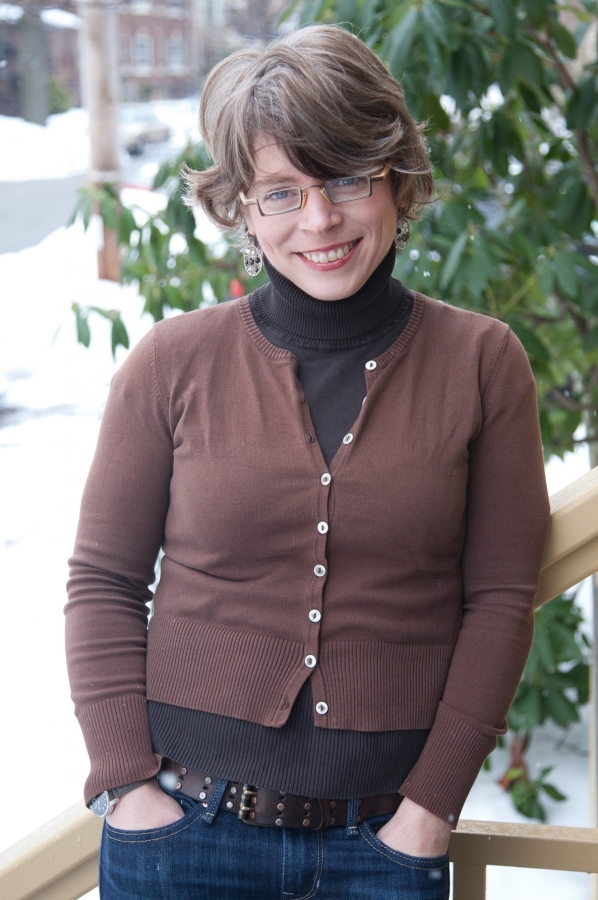
Stacy Parker Le Melle First Person Plural
Stacy Parker Le Melle [Source: First Person Plural]
“Days before the reading I felt so much dread. But today is different. Thank you writers, audience, community. This is what a shift feels like. We are not passive. We are co-creating this reality.” -Stacy Parker Le Melle

Richard Ford, Joyce Carol Oates, David Hare and more… Leading writers on Donald Trump: The Guardian, August 12, 2016

By Richard Ford, Joyce Carol Oates, David Hare, and more.

Maya Jasanoff Harvard
Maya Jasanoff [Source: Harvard University]
“Dorothy is the real saviour of the book (Baum’s wife, it’s worth noting, was a prominent suffragist), but even when they’ve exposed the wizard as a fraud, she and her friends turn to him for aid. “How can I help being a humbug,” chuckles Oz the not-so-great, “when all these people make me do things that everybody knows can’t be done?” -Maya Jasanoff

“We are witnessing the politics of humiliation”—Siri Hustvedt, Joyce Carol Oates and more on the US electionThe Guardian, November 12, 2016

By Siri Hustvedt, Joyce Carol Oates, and more.

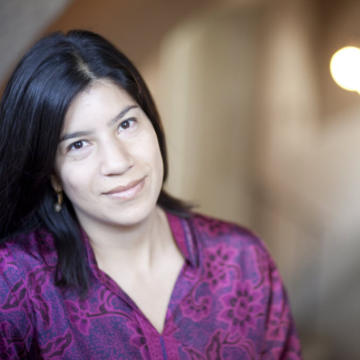
Cynthia Bond
Cynthia Bond [Source: cynthiabond.com]
“The musician Sara Bareilles wrote a song entitled “Seriously”, sung by Leslie Odom Jr, about what Obama’s inner thoughts must have been during the election. I’ve been repeating these lyrics to my daughter: ‘In a history plagued with incredible mistakes, still I pledge my allegiance to these United divided States.'” -Cynthia Bond

Farewell, America: Moyers & Company, November 10, 2016

By Neal Gabler
Neal Gabler
Neal Gabler [Source: Moyers & Company]
“We are not living for ourselves anymore in this country. Now we are living for history.” -Neal Gabler

This is just a sample of what’s out there. You can also search online for your favorite authors responses by their names.

Didn’t Get it Right the First Time?

Few writers do!
 
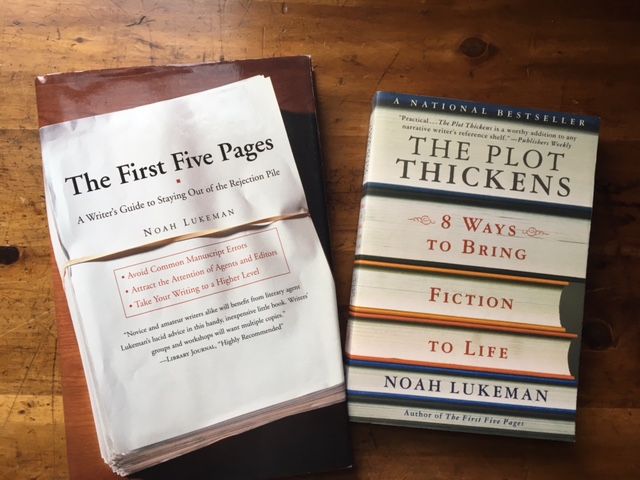
noah lukeman first five pages plot thickens
Noah Lukeman is my favorite guru on self-editing. He’s highly readable, clear, and interesting. But if you need some quick-and-dirty guidelines right now, here are a baker’s dozen.


1. Circle your modifiers and decide whether they’re really needed. Especially cut adverbs in favor of stronger verbs.
2. Avoid clichés. This is especially important in the narrative, but shouldn’t appear frequently in dialogue, either.
3. Refer to people as who, not that.
4. Beware repeated words or phrases, especially in close proximity. Check your word habits and “kill your darlings.”
5. Divide long, complex sentences into two or more shorter sentences—this is especially important in action scenes.
6. Minimize the use of really, very, and suddenly.
7. Make sure you know what your words mean. Check definitions
8. Avoid passive verbs, especially is, are, was, were, and -ing verbs.
9. Look for filler words or phrases that really don’t add anything, e.g., smiling, sighing, looking away, etc.
10. Don’t over-use exclamation points or ellipses. Never double punctuate. Get it?!
11. Be specific. Replace vague words like things, stuff, beautiful, etc.
12. Don’t have characters tell each other things just because the reader needs to know.
13. Don’t give the same speech quirks or movements to more than one character unless there is a specific reason to do so.


Read your work aloud—or better yet, have someone else read it aloud to you—and revisit every place that causes a stumble.


And maybe the most important suggestion: Find a good guide to self-editing. There are dozens out there.
edit your self self editing editing fiction

Festival of the Written Word

—a great event for readers and writers!
 
festival of the written word 2016
 
As many of you know, I was again on the program at Midlothian Library’s Festival of the Written Word. This was the second annual, and it seems to just get better and better.


meeting room events festivalwrittenword
I was pleased to moderate and participate in the panel “I Couldn’t Put It Down: Creating Page-Turning Tension and Action.”


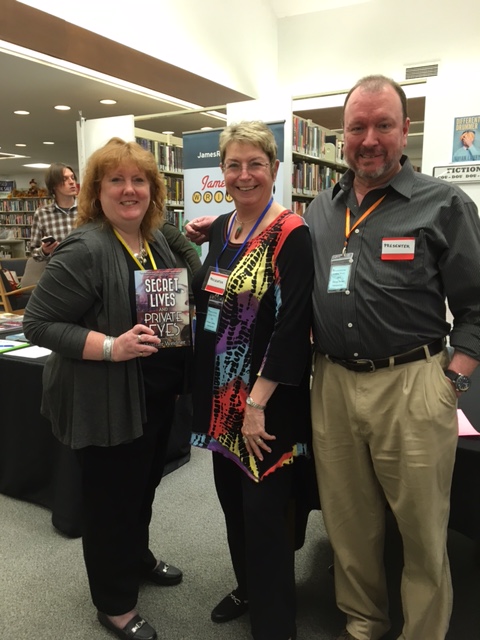
vivian lawry heather weidner doug jones festivalwrittenword
I was joined by Sister in Crime Heather Weidner and award winning playwright and local teacher Doug Jones. We had a great audience, attentive and involved, asking lots of good questions. The panel preceding us in that space, “Small Press and Indie Publishing,” must have been a great success too, given that they stayed in place till the last possible minute! This panel included Stacy Hawkins Adams, Sisters in Crime Tina Glasneck and Heather Weidner, and writing colleague Guy Terrell.


guy terrell vivian lawry festivalwrittenword
This may be reminiscent of a wedding portrait, but notice the books we are holding. Guy is a poet as well as co-author (with Jack Trammell) of The Fourth Branch of Government: We the People, an impassioned presentation discussion of the need for and ways to bring individuals’ voices back into the political process.


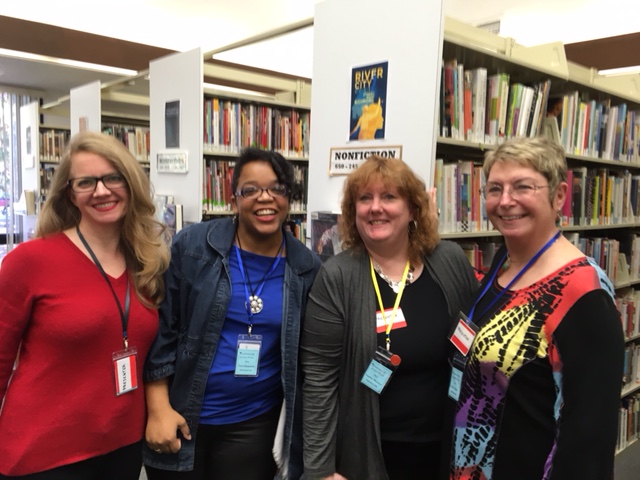
As you might have guessed, the program was designed to appeal to a broad range of topics and ages. There were four Sisters in Crime on the program.


sisters in crime festivalwrittenword
Besides the panels mentioned above, they discussed “Crime and the Paranormal in Your Writing.”


Another panel discussion focused on “The Practical Realities of Writing for a Living.” There were writing workshops for kids, teens, and adults, ranging from poetry to memoir.


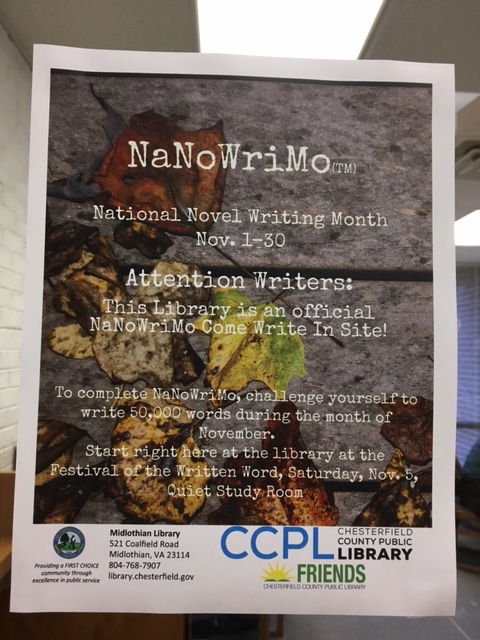
There were also readings for kids AND “Walk-In Writing Activities and Crafts.” People could gather for some shared NaNoWriMo writing time…


nanowrimo festivalwrittenword
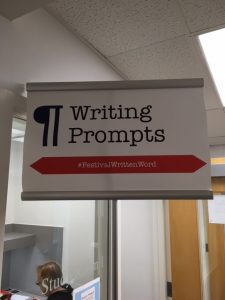
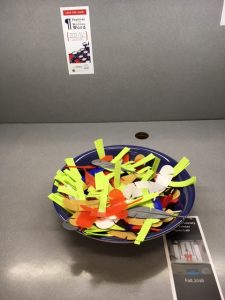
…or pick up a writing prompt—or several—for later plotting.


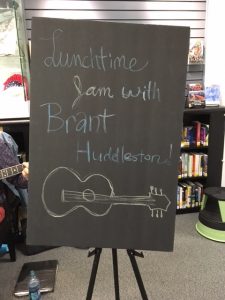
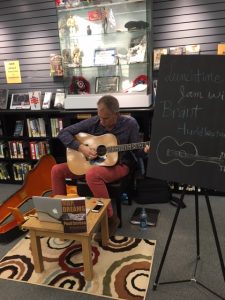
There was food available and live music by local author Brant Huddleston on guitar.


And of course books! There were book sales and signings by authors on the program, as well as books sales to benefit the Friends of the Library.


fall festival cookbooks festivalwrittenword
Energy was high! There was a lot of chat time, including a Local Writers Meet and Greet. Two of the most interesting people I met were a woman newly arrived in Richmond, Amber Williams, and her son Kai. Here’s a picture of them holding her book, which he illustrated. Watch for them in the future!
cookbook festivalwrittenword
Bottom line: This annual event, free and open to the public, has something for everyone! Watch for it next November. And in the meantime, check out other public libraries for fun, interesting, thought-provoking events.


midlothian library festivalwrittenword