Below are a few writing tips I’ve written about before that are definitely still applicable today. What writing tips have you received that have helped you the most?
Don’t have characters tell each other things they already know just because the reader doesn’t know those things. For example, if two sisters are talking, it’s highly unlikely that one would say, “When Mom and Dad adopted our brother John, I was devastated.” Find another way to convey relevant relationships or bits of backstory to the reader.
Another no-no is to have an exchange between two people weighed down by repeatedly calling each other by name. “Hello, John.” “Hi, Sharon.” “How are you doing, John?” “Oh, Sharon, I am so low I have to reach up to touch bottom.”
A third negative is putting in greetings and leave-takings that are pro-forma, tell us nothing about the characters, or don’t move the story forward. Just because they would happen in real life doesn’t mean that every amenity has to be spelled out to the point of diluting the scene.
The basic rule is that short, simple sentences–even sentence fragments–convey more energy than longer, more complex sentences. They are less likely to be beautiful in the poetic sense, but they carry more punch.
Take an emotion such as anger. If it is a long-held, smoldering anger, longer sentences with modifiers and clauses might be appropriate in a narrative passage. But if it is an anger outburst or a heated argument, you are more likely to want short sentences.
If you use lots of ands, buts, whens, and thens, consider if wordiness is sapping energy from your writing. Consider breaking one long sentence into two or more shorter ones.
Whether describing a person, a place, a thing, or a process, long detailed descriptions–unrelieved by action–are likely to be deadly. If very well done, readers will get so involved in the description, in visualizing exactly what the author had in mind, that they are taken out of the story itself. If not well done, those passages are likely to be skipped altogether. Elmore Leonard advises leaving out the parts that readers skip anyway. Replace length with strong, vivid, memorable language.
In describing people, go for details that will help define the character for the reader. For example, describing an employee saying, “Her dress was black and blue and ruffled, better suited to a ballroom than a boardroom,” would not create the same image in the mind’s eye of every reader but it’s likely to convey the same impression–which is generally much more important.
And consider not describing transportation at all. If you need to get your character from New York to Philadelphia, put her in a car, a plane, or a train, get her out again, and let it go–unless something important to the story happens in transit. Even then, skip as much of the before and after as possible.
Finally, leave out the parts of routine actions that the reader can assume. For example, if a man is going out and locks the door behind him, we know without being told that he had already opened the door and closed it again.
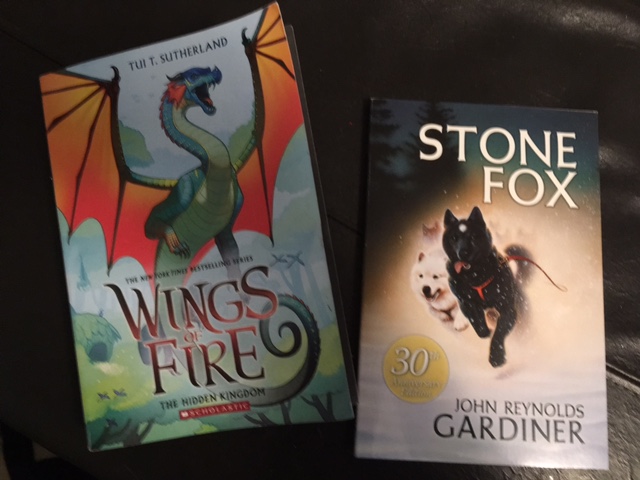
Truth: Marathon euchre and cribbage got us only so far. It’s only natural that talk turned to books. So here’s a list of books the four of us recommended to each other.

Another excellent nonfiction read is Escape From Camp 14: One Man’s Remarkable Odyssey From North Korea to Freedom in the West, by Blaine Harden. It’s a gripping story.
The novel The Elegance of the Hedgehog by Muriel Barbery is moving, funny and good writing.

Purity by Jonathan Franzen was described as a “weird” but excellent novel about two young people with strange mothers, searching for their real fathers, one in San Francisco and one in East Berlin.

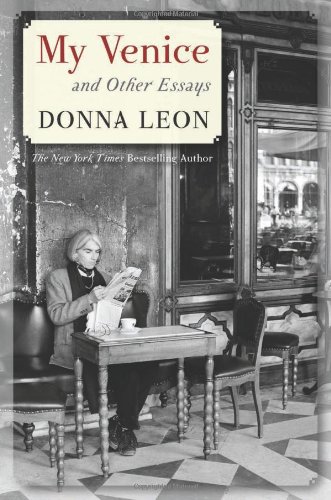
When we got to mysteries, there were too many to list, so we just went with authors: pretty much anything by Tara French or Donna Leon for books set abroad, Greg Isles, Kathy Reichs, Lee Childs, Jeffrey Dever, Janet Evanovich, Nevada Barr, or Dennis Lebane.
Good reading even when you aren’t snowbound!
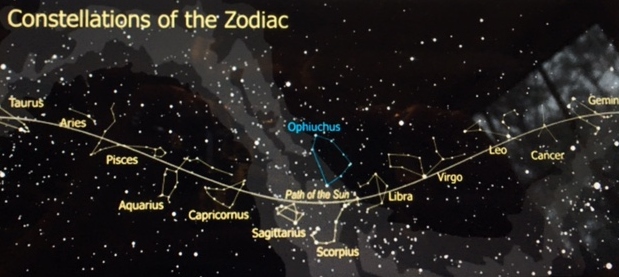
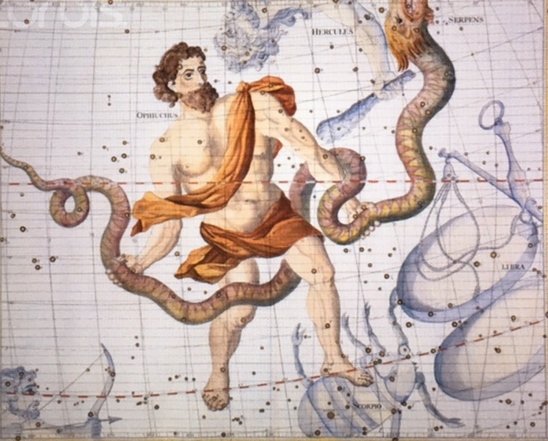
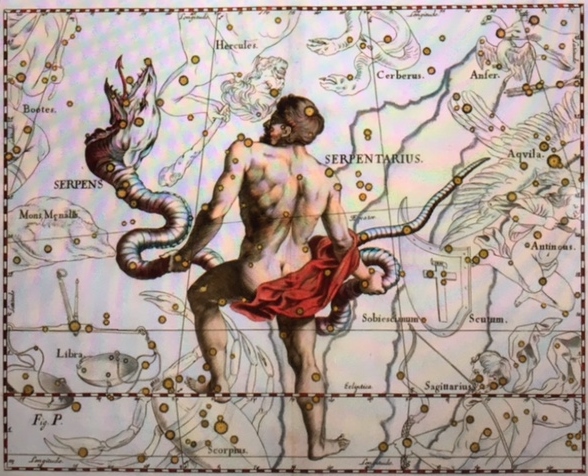
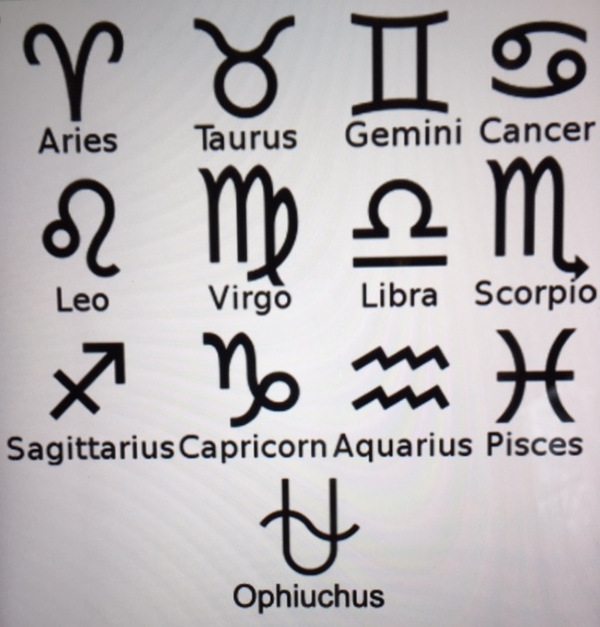
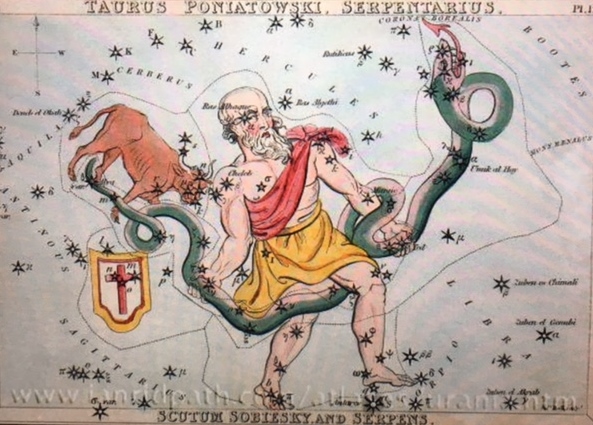
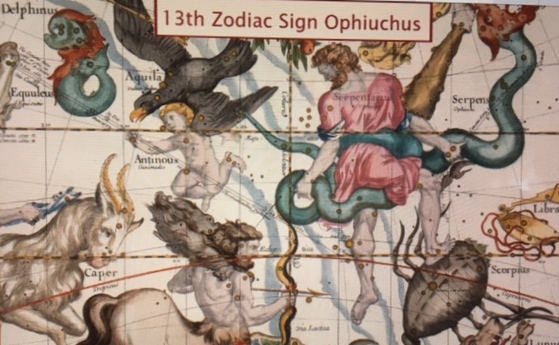
NASA has officially recognized a thirteenth constellation, Ophiuchus (pronounced either Oh-FEW-cuss or Off-ee-YOO-cuss, depending on who you read).
We’re all familiar with the 12 constellations associated with the signs of the zodiac for the last 3,000 years. It seems Ophiuchus was always there, but the Babylonians left it out because they needed only twelve.
In the 1970s Stephen Schmitt proposed 13 zodiac signs but it was so controversial that it never caught on.
NASA points out that constellations are matters of astronomy and there are 13 of them. The signs of the zodiac are matters of astrology, and thus somewhat arbitrary.
The 12 signs of the zodiac divide the sun’s ecliptic so that each spans 30 degrees of celestial longitude. Constellations are unequal in size and depend on the positions of stars. Constellations and signs of the zodiac don’t generally coincide. For example, the constellation of Aquarius corresponds to the sign of Pisces.
So, if you add Ophiuchus and adjust the dates for the other 12 constellations to align with their greatest visibility in the night sky, you get the following:
Ophiuchus: Nov. 29-Dec. 17
Sagittarius: Dec. 17-Jan. 20
Capricorn: Jan. 20-Feb. 16
Aquarius: Feb. 16-Mar. 11
Pisces: Mar. 11-Apr. 18
Aries: Apt. 18-May 13
Taurus: May 13-June 21
Gemini: June 21-July 20
Cancer: July 20-Aug. 10
Leo: Aug. 10-Sept. 16
Virgo: Sept. 16-Oct. 30
Libra: Oct. 30-Nov. 23
Scorpio: Nov. 23-Nov. 29
The characteristics of the original 12 signs remain the same. Ophiuchus is from the Greek, meaning “serpent-bearer.” It is associated with healers and physicians.
TRAITS OF OPHIUCHUS are all over the map. POSITIVE: happy, humorous, honest, truthful, intellectual, clever, free-spirited, instinctive, charismatic, creative, driven. IN ADDITION: competitive, secretive, emotional, adaptable, flamboyant dressers, and well-loved by authorities. SO WHAT’S NOT TO LOVE? How about being polygamous, irresponsible, jealous, judgmental, restless, temperamental, and prone to procrastination?
TAKEAWAY FOR WRITERS: Consider making your character an Ophiuchus! You can learn much more about this fascinating sign online.
People are creatures of habit. Your challenge for the year ahead is to break out of your reading rut. How many of these categories can you sample this year? Choose at least a dozen!
HUMOR: It’s a scientific fact that you can’t get ulcers while laughing. So choose humor for the good of your health.
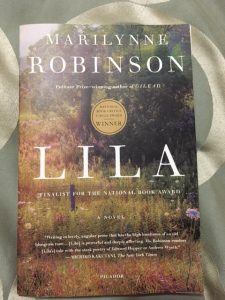
PRIZE-WINNERS: Pulitzer, American Book Award, Booker Prize, Hugo Award (sci-fi), Caldecott (children’s books), National Book Critics Circle Award, or any other you choose. You can’t go wrong!
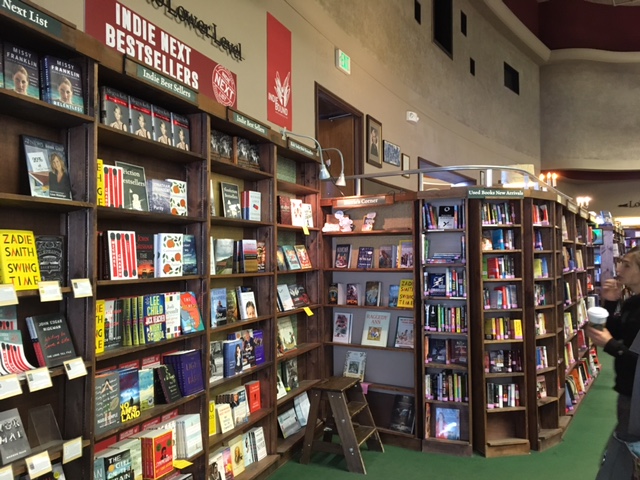
BESTSELLER: See what’s popular– for example, any NYT Bestseller category.
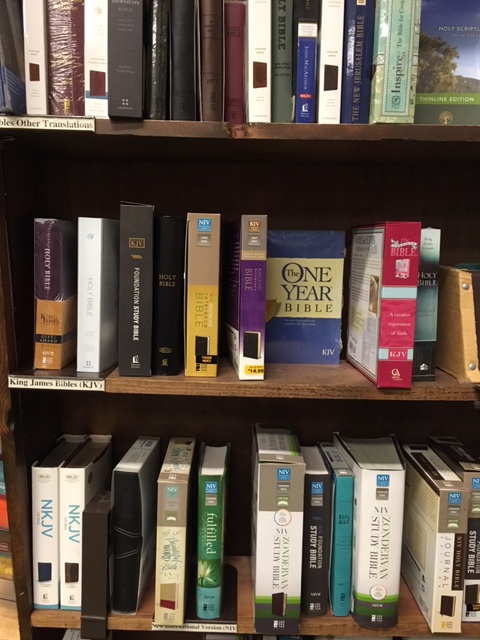
READ FROM THE BIBLE: Any one or more books, any of the 450 translations into English. An all-time international bestseller. If you are into brevity here, choose the Book of Ruth.


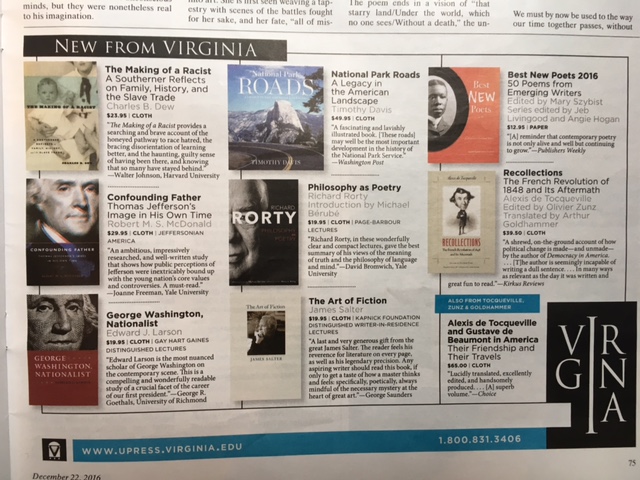
PUBLISHED IN 2016: For suggestions, see my blog post from December 27.

ROMANCE: Can be mixed genre, as long as romance is a central theme.
YOUNG ADULT: Any genre. Explore what young people–and many adults–are reading. Think Harry Potter, or the recent vampire series.
BIOGRAPHY AND MEMOIR: This can be current or historical, just find a life worth reading.
ABANDONED BOOK: Any book you started but didn’t finish. Why did you put it aside? Is it better the second time around?
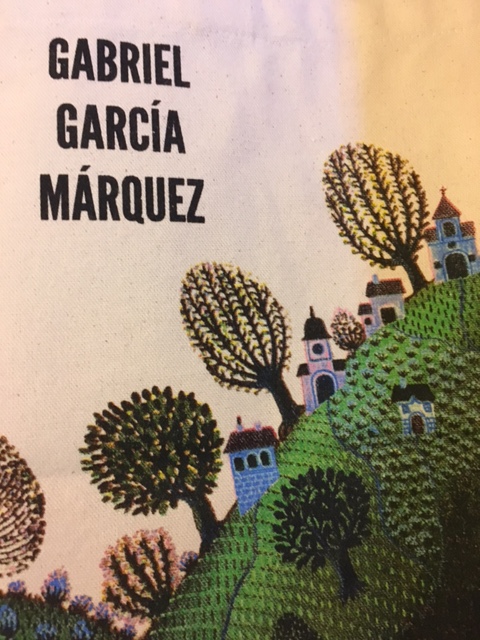
MAGICAL REALISM: Márquez inspired many writers–and readers–to explore this genre. If you aren’t a fan already, you might become one!
NEGLECTED BOOK: Any book you’ve had hanging around for awhile, intending to read eventually. What’s been stopping you?
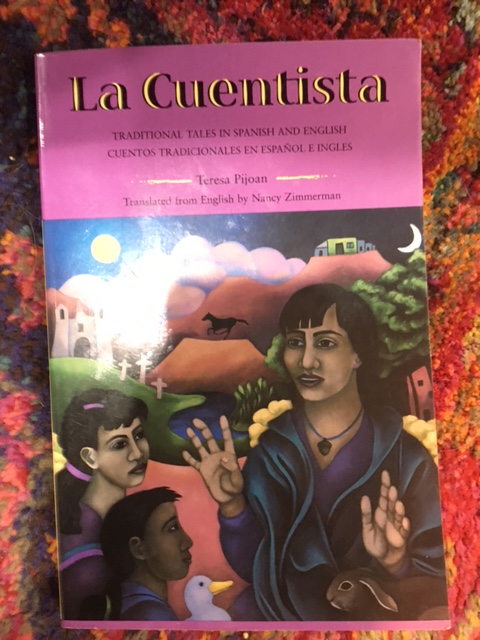
A BOOK IN TRANSLATION: Any book that has been translated from another language. Think Tolstoy, Dostoyevsky, Proust, Marquez, or something more modern, like Ha Jin.
HORROR: Just look for the shelf label in your local bookstore or library. Think early Steven King.
ACTION/ADVENTURE: Think Indiana Jones or James Bond.
CHILDREN’S BOOKS: Can be another quick read, while standing in the aisle, even!
POETRY: Can be all one poet or a collection. Maybe try Shel Silverstein?

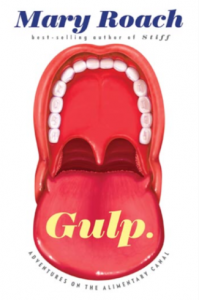
SCIENCE: It can be as technical or as popular, as focused or as general, as you like. Mary Roach is my favorite popular science writer.
HISTORY: Social, military, political, whatever, as long as it is nonfiction. I like Dean King.

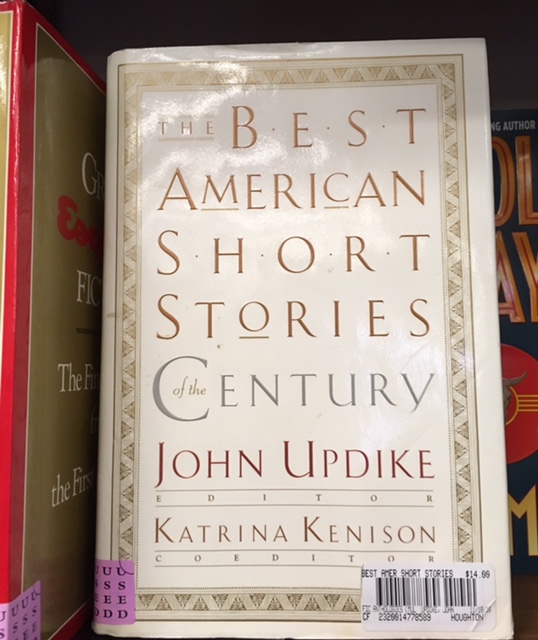
SHORT STORY COLLECTION: It could be varied or within a genre; for example, the Virginia Is For Mysteries series.
MYSTERY: Classic or modern, cozy or police procedural, foreign or domestic. They’re everywhere!
FANTASY: It can be anything from an older book, like Alice in Wonderland, to a book that has just come out. It exercises you in willing suspension of disbelief.
So, in 2017 READ, READ, READ! Get thee to the bookshelves.
ONE: I will write something every day.
TWO: I will set a realistic daily goal. It can be minutes, hours, word count, or pages, so long as it is quantifiable. (One needs to be clear on whether the goal was met.) And keep it realistic. (Why set up for failure?)
THREE: I will create a writing diary/calendar and record my writing achievement every day. I’ll star every day I meet or exceeded my goal.
FOUR: I will reward myself. I will treat myself whenever I accumulate X-number of stars.

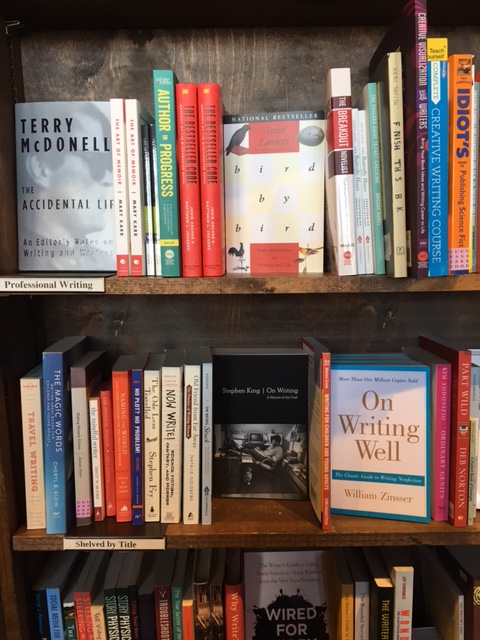
FIVE: I will read at least one book about the craft of writing.
SIX: I will read at least one book on self-editing.
SEVEN: I will attend at least one writing conference, book festival, or class.
EIGHT: I will read at least one book in my genre with a conscientiousness of how I would have done it differently.
NINE: I will be supportive of writers. This includes not beating up on them or myself!
At this time of year, everyone seems to do “Best of…” lists about everything. So I’ll jump on the bandwagon with great reads from 2016.
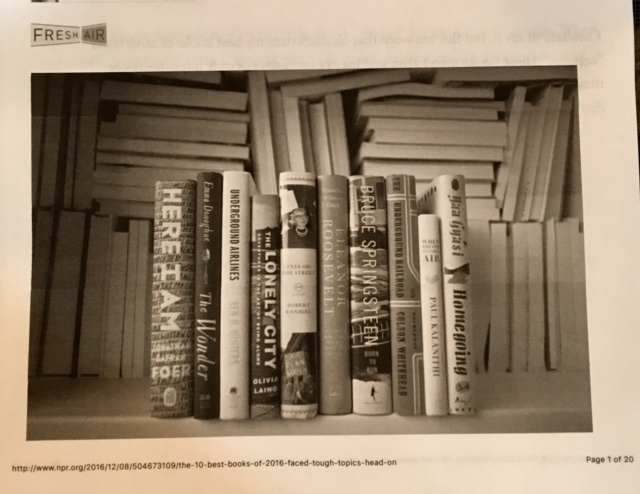
On December 8th, NPR’s Fresh Air featured “The 10 Best Books of 2016 faced Tough Topics Head On.” You can hear the segment or get the transcript on the NPR website. But to entice you:
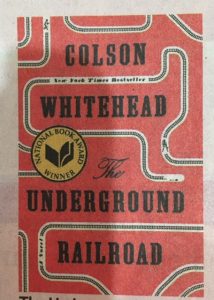
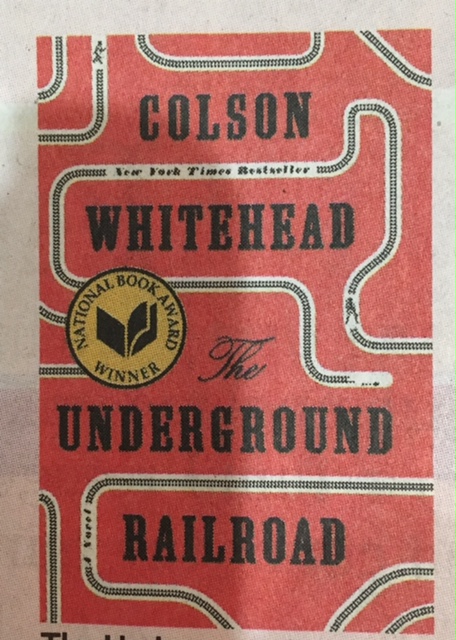
The Underground Railroad by Colson Whitehead is THE book of the year. The basic premise is that the Underground Railroad was an actual network of trains running underground in antebellum America.
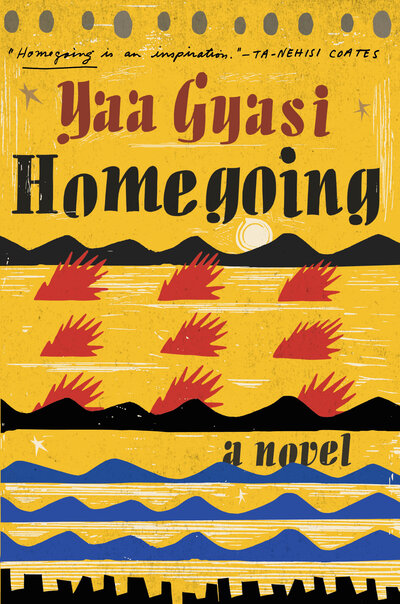
Homegoing by Yaa Gyasi is a debut novel– not surprisingly, a multi-generational family saga. This book deals with the slave trade among Africans.
Underground Airlines by Ben H. Winters again deals with slavery, but through alternative history and noir suspense.
Here I Am by Jonathan Safran Foer tells of a marriage/family falling apart.
The Wonder by Emma Donoghue is about religious delusion and self-denial, set in Ireland in the 1800s.
The Lonely City: Adventures In The Art Of Being Alone by critic Olivia Laing is nonfiction, on the connection between loneliness and visual art.
Eleanor Roosevelt: The War Years And After, 1939-1962 is the third and final volume of this biography.
Eyes On The Street: The Life Of Jane Jacobs by Robert Kanigel is another excellent biography, this one of a female writer, activist, and “public intellectual.”
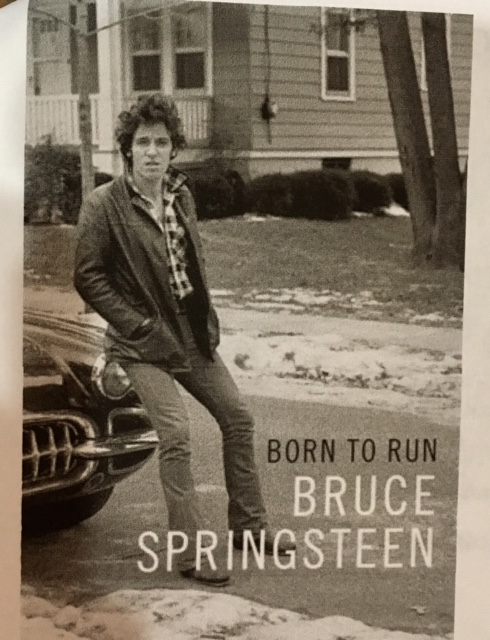
Born To Run by Bruce Springsteen is the tenth book mentioned. It’s a lyrical telling of his roots and his rise to stardom.
I happen to like and trust NPR picks. But these lists are everywhere.
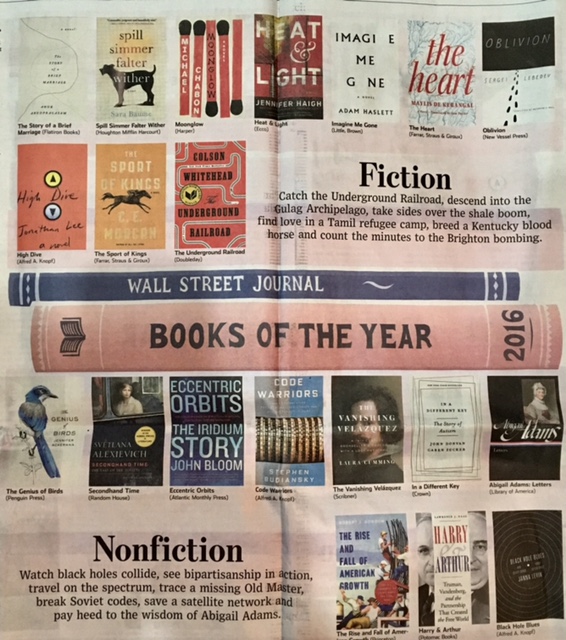
The December 10-11 issue of The Wall Street Journal’s BOOKS OF THE YEAR feature gives you great variety. Your local library probably has it archived, and it’s worth a look. It includes the year’s reading of fifty varied, prominent people.
Meghan Cox Gurdon lists the best children’s books of 2016.
Tom Nolan gives his choices for the best mysteries of the year.
WSJ pictures 20 covers of their books of the year.
And it gives catchy titles to several reviews. The World’s Most Mysterious Book is The Voynich Manuscript, edited by Raymond Clemens. Double Barreled Magic is Morning, Paramus by Derek Walcott and Peter Doug.
Two Ole’s for Spanish Food are Grape, Olive, Pig by Matt Goulding; and Cu’rate by Katie Button.
Of Arms and the Freedom is a review of Thunder at the Gates by Douglas R. Egerton.
The Disease of the Enlightenment is Scurvy by Jonathan Lamb.
The Roads That Led From Rome deals with Ancient Worlds by Michael Scott.
A Death Star Is Born reviews George Lucas by Brian Jay Jones.
The Eagle and the Dragon is the review of The Beautiful Country and the Middle Kingdom by John Pomfret.
Last but not least is Everything Old Is New Again, a review of Rethink: The Surprising History of New Ideas by Steven Poole.
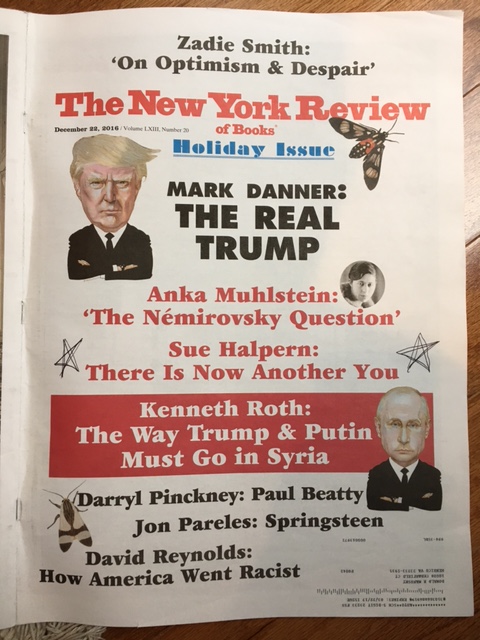
There are also lists of books to read when approaching the new Trump presidency, such as Salon’s “Books for the Trump Years” and The New York Times‘ “Books for the Trump Era.”
These are just two of the varied approaches to reading the year gone by. You can get lists from Amazon, Esquire, Barnes & Noble, Bloomberg, Goodreads, and many more.
So, dear readers, look back at 2016 and see what you might have missed.
Intentionally or not, people are creatures of habit. And often these habits are most apparent around holiday rituals.

Sometimes people attend the same event year after year, maybe wearing particular clothes or colors.
Sometimes rituals mark events personal to the people involved.
Your assignment: Write the same ritual from the POVs of at least three participants. E.g., child, parent, grandparent; three siblings; husband, wife, guest; yourself as child, teen, adult.
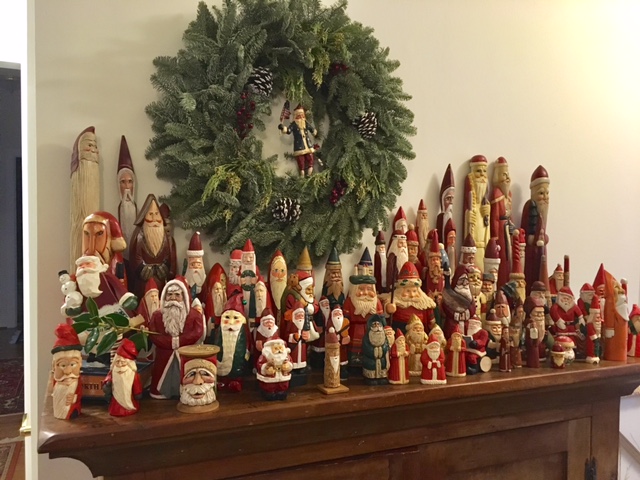
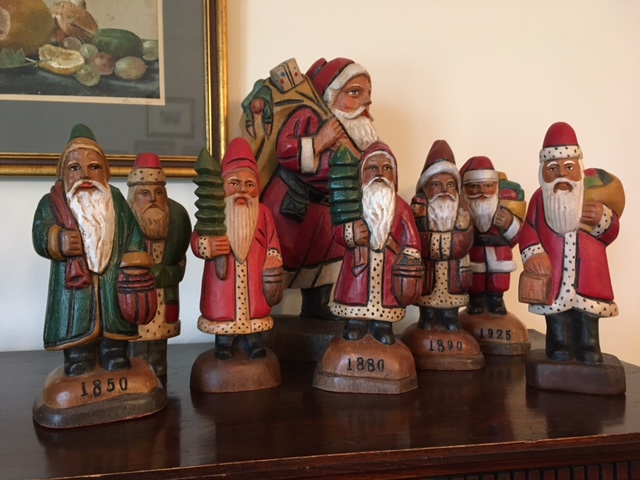
Have fun with this. And enjoy your next ritual! I’m enjoying my Santa collection enormously.