BRANDED!

Whether you’re “a car person” or not, your ride sends messages. Here are just a few examples of choices that have a distinctive vibe. The impressions and stereotypes listed below were gathered from various websites and, like most stereotypes, do not necessarily reflect the truth.

Prius

I’m starting with Prius because I own one—two, in fact. Non-Prius owners tend to stereotype Prius owners as 1) tree-huggers and 2) bad drivers. 

According to urbandictionary.com, the top definition of Prius  includes: “Hippies  hipsters, and less-intelligent liberals buy them under the impression they’re saving the environment.”  If you remember (or have heard of) the 1970’s hippies, VW buses, etc., then you know tree-hugger stereotypes have been around long before the Prius. True, it is an environmentally friendly car, very economical. But fYI: as a group, Prius owners are not environmental activists.

Also according to urbandictionary.com, top definition of Prius: “Prius is most often seen doing 40 in the carpool lane with an obese neckbeard at the wheel, a 24-pack of PSR in the truck [sic], and an anti-Bush sticker on the trunk lid.”  In fact, bad drivers are everywhere and drive anything. No doubt you’ve seen accidents with luxury cars, pickup trucks, mini vans, compact cars, and anything else that’s on the road. Enough said.

Famous Prius Owners
  • Tom Hanks
  • Ryan Gosling
  • Cameron Diaz
  • Julia Roberts
  • Leonardo DiCaprio
  • Danny DeVito
  • Jeff Goldblum

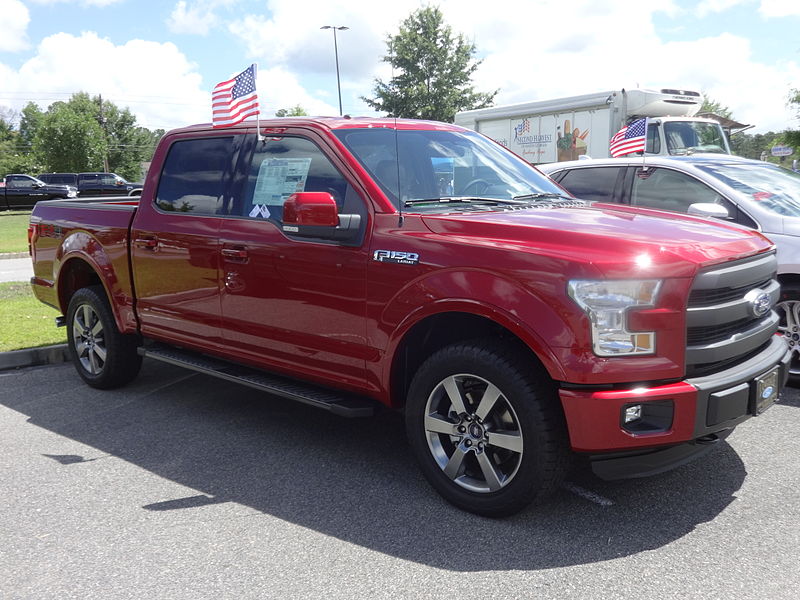
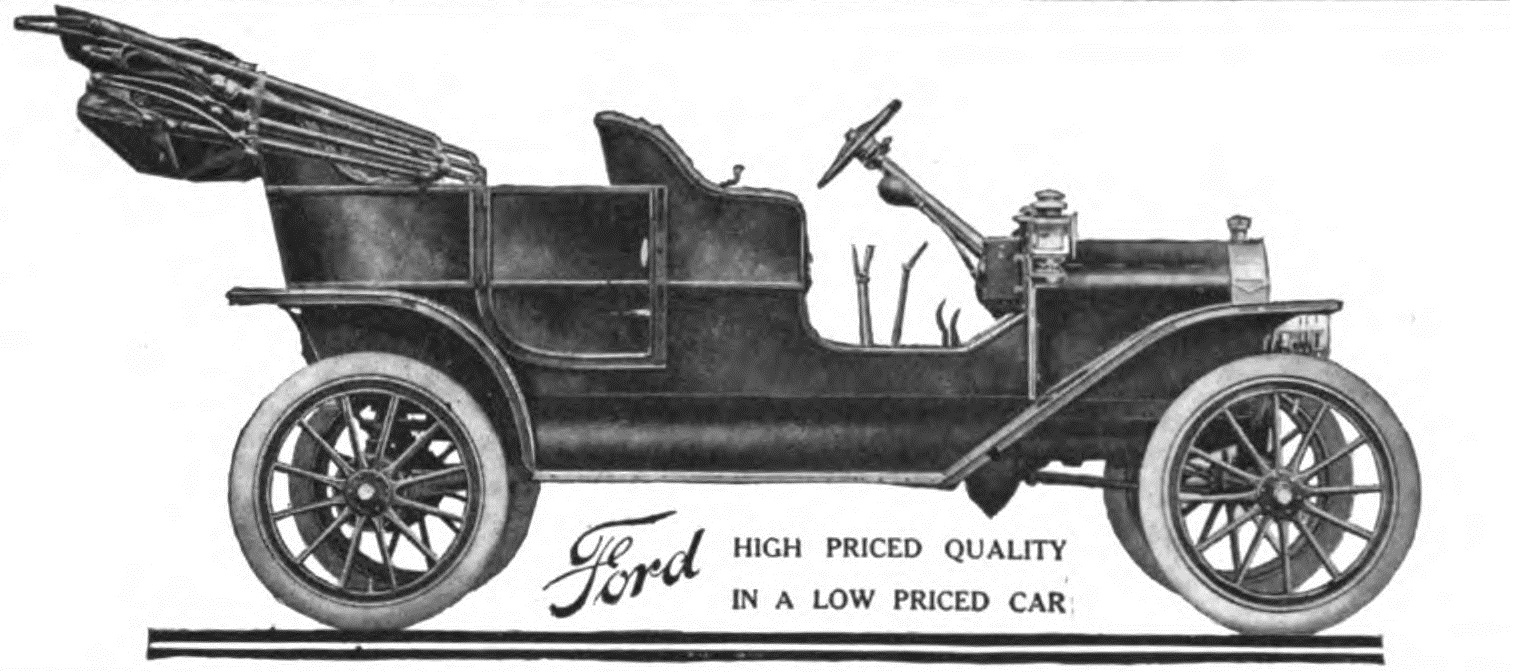
Ford F-150

America’s #1 selling vehicle since 1977
  • Work vehicle
  • Towing capacity
  • Off-road capability
  • Can handle massive cargo
  • Luxury and modern tech
  • Great outdoors, rugged strength, old-school Americans 

Other Ford Models

  • More unathletic and ugly than any other driver
  • Older
  • Modest
  • Far from the executive suite

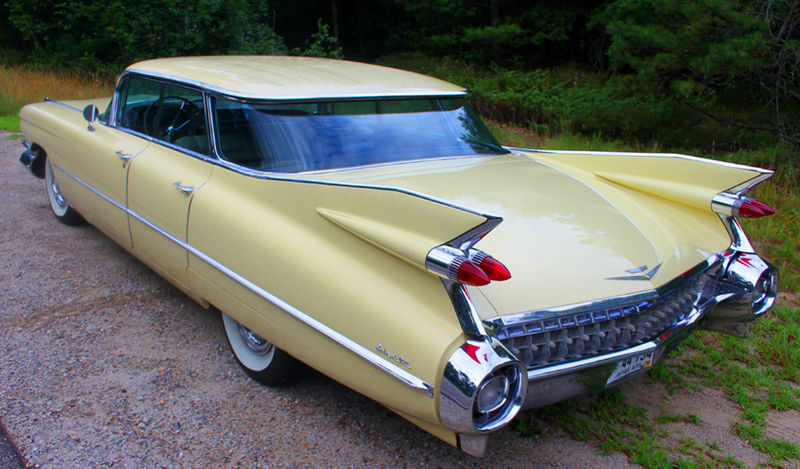
Cadillac

Ten stereotypes as identified by Nigel Presnyakov in October of 2019 (city-data.com), are humorous. He categorizes by model and year. Who knows how closely they reflect reality? But worth a read.

  • Escalade drivers: a rap star or a housewife. Stereotypers agree this car attracts either hip-hoppers or soccer moms.

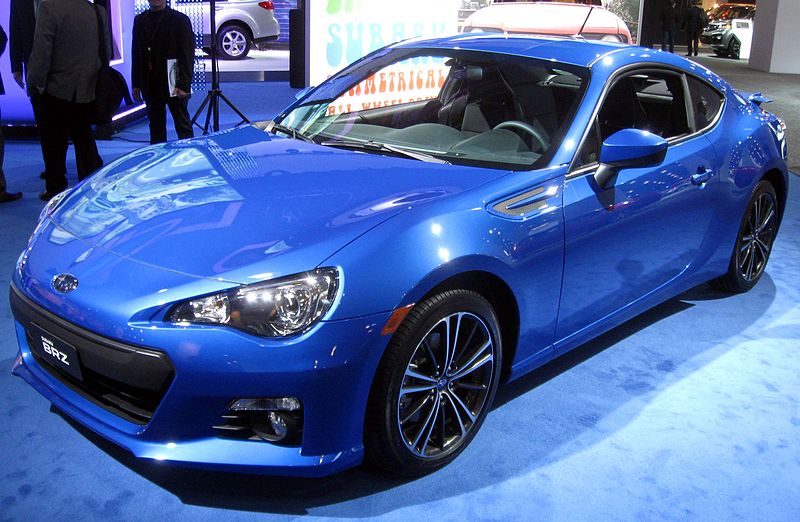
Subaru

  • Outdoorsy, granola types who go camping biweekly and cover their car with social justice stickers.

And here are the views summarized by Joe Djoremy on quara.com

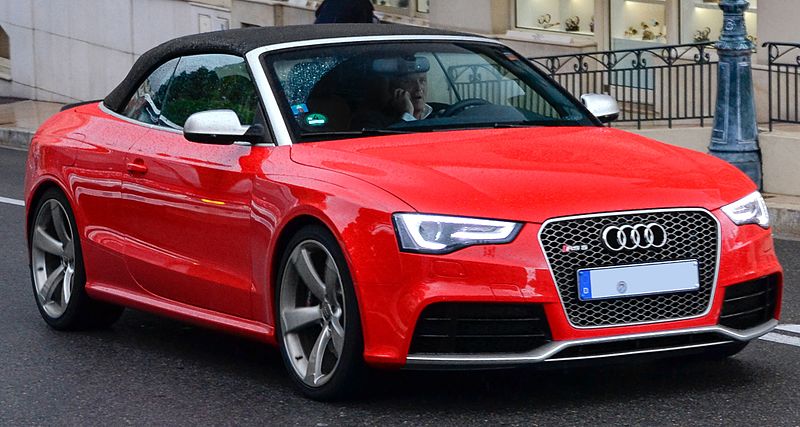
Audi

  • Attractive and audacious
  • A car for “climbers”
  • More playful than Mercedes or BMW drivers
  • Younger and less wealthy than Mercedes drivers

BMW

  • Wild and male (only the Porsche is more so)
  • Likely to be speeders
  • Athletic and arrogant
  • Not (yet) as professionally successful as Porsche
  • Only moderately ten with efficient dynamics and ecology

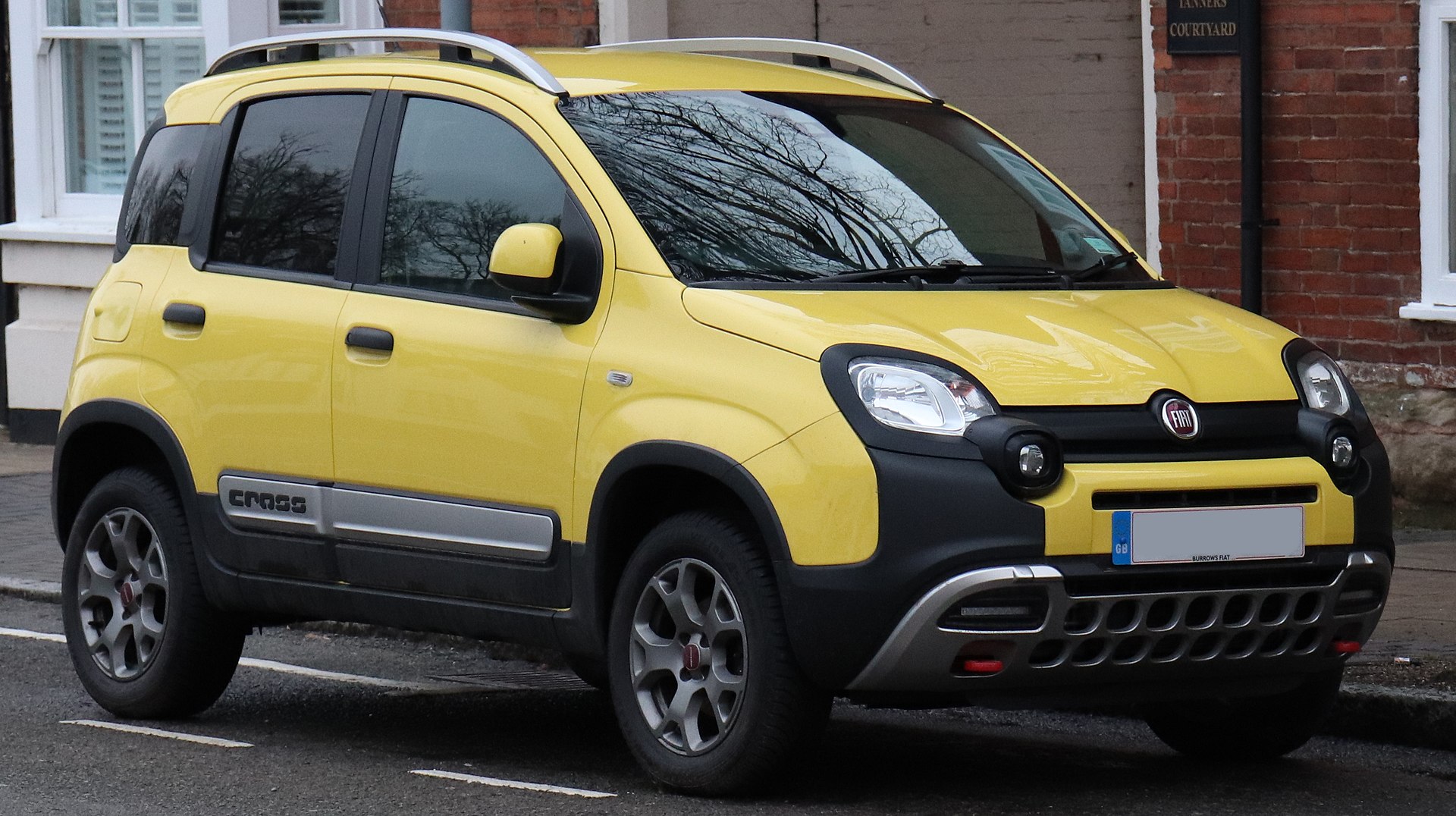
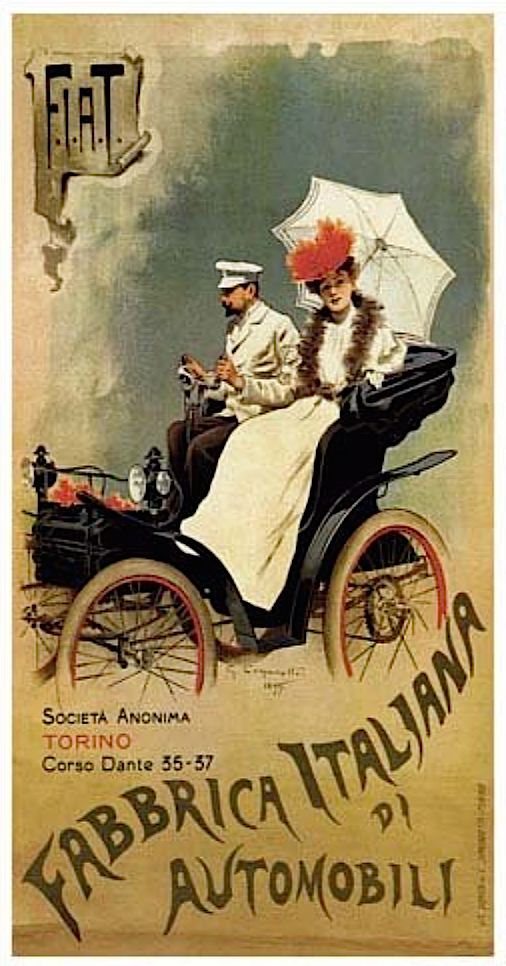
Fiat

  • Slim and restrained
  • A “women’s car”
  • Low salary, no university degree

Mercedes

  • Serious and bourgeois
  • Older
  • Likely self-employed, arrogant, conservative, unathletic, and overweight

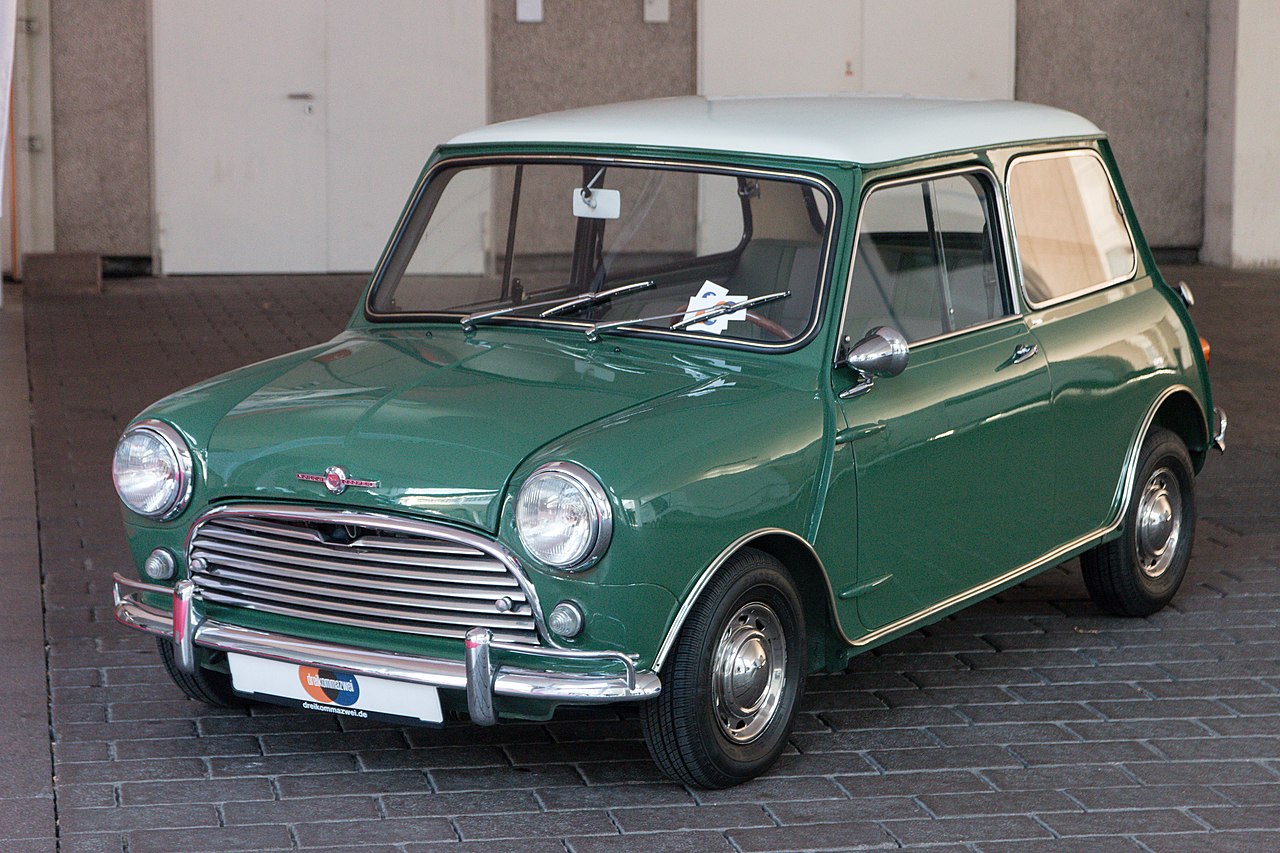
Mini

  • Young and sexy
  • Typically female
  • Pretty, cosmopolitan, cheerful, athletic, daredevil
  • Presumed low-income, with someone else providing for their needs
  • Often a student

Opel

  • Honest and good humored
  • Modest
  • Unattractive, unathletic, philistine
  • Happier than Mercedes drivers

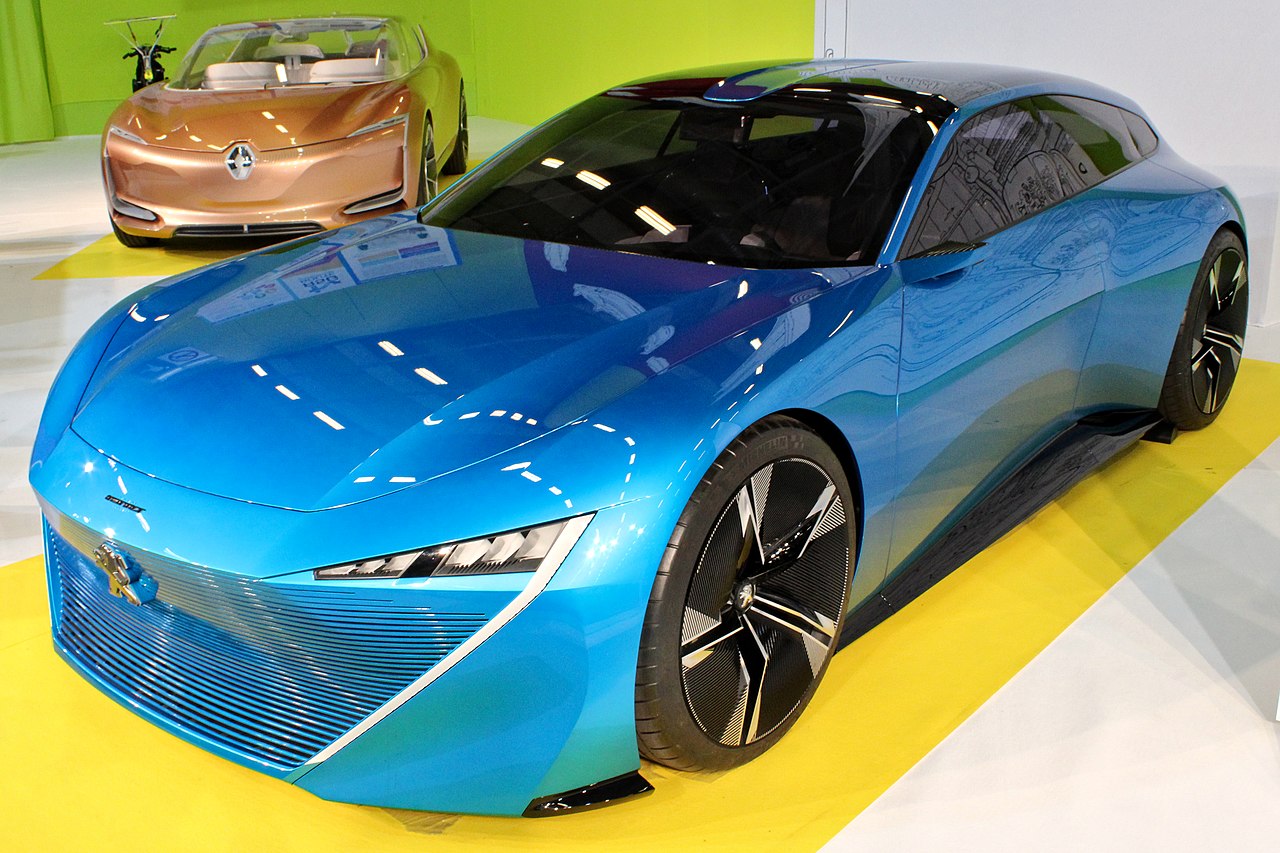
Peugeot (per German opinions)

  • Happy and modest
  • Employed female
  • Mid-30s
  • Polite, modest, pretty, slim
  • Good-humored

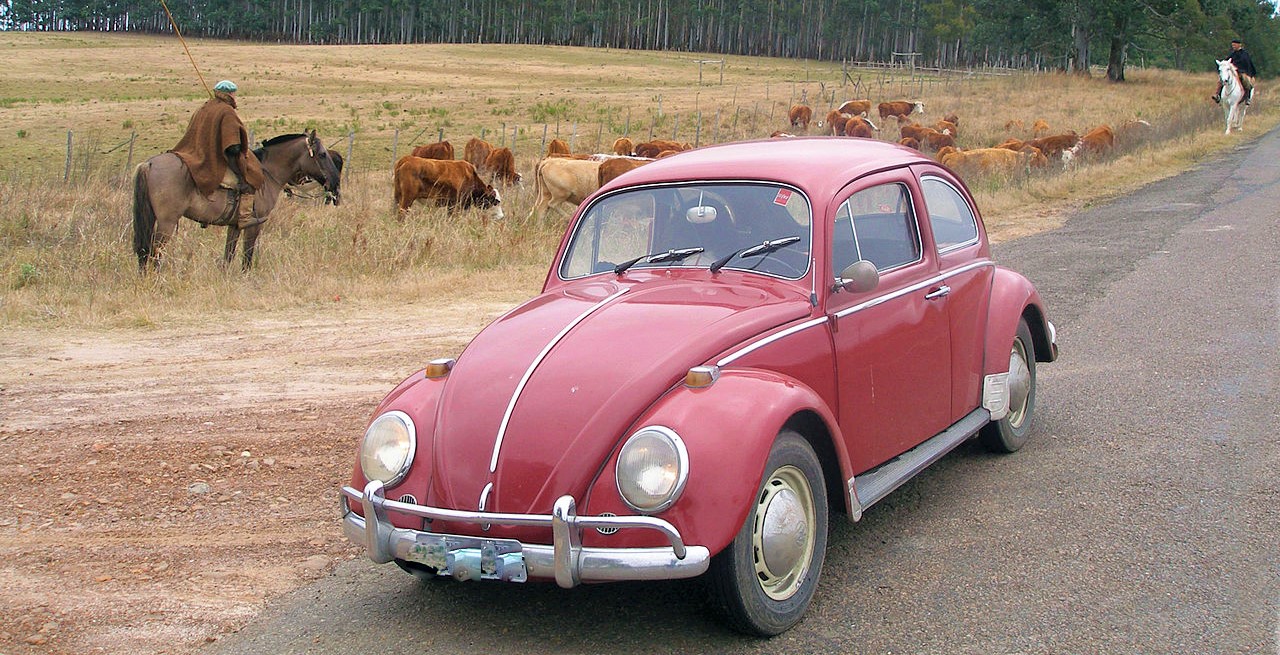
Volkswagen

  • Happy and modest
  • Middle class, moderately educated, average income
  • Otherwise, the image of Volkswagen drivers is all over the map
    • Neither young nor old
    • Modest yet cosmopolitan
    • Shy yet audacious

Motorcyclist Stereotypes

(Mentioned in Last Week’s Blog)
  • Riders wear leather to look cool:
    • Could be for style, but leather riding gear is both protective and practical
  • A bunch of stunt hooligans
    • The vast majority are careful riders, obeying traffic laws
    • Actual gatherings for reckless or flamboyant riding are usually kept on the down low
  • Motovlogs on YouTube: journalistic, motorcyclist, or just plain fun
  • Bikers hate cars
    • In reality, most motorcycle riders hate that too many people don’t use them properly, especially not sharing the road
  • All are road-rage barbarians
    • Some are, most not, just as any other vehicle driver
    • Generally, motorcyclists disapprove of those who make all look bad
  • Bikers have a death wish
    • Not so: bikers want to ride because they get so much in return, despite the risks
    • Accidents tend to be more dangerous when they occur simply because motorcyclists are not surrounded by the protective metal and fiberglass shell of other vehicles

And Rounding us out: caranddriver.com, 25 Best-Selling Cars,Trucks,and SUVs of 2020

Vehicle popularity is heavy on SUVs and trucks, with a smattering of cars. Here, without further comment:


.

  1. Toyota 4Runner
  2. FordTramsot
  3. Jeep Cherokee
  4. Nissan Altima
  5. Mazda CX-5
  6. Subaru Outback
  7. Subaru Forester
  8. Ford Escape
  9. Honda Accord
  10. Jeep Wrangler
  11. Jeep Grand Cherokee
  12. Toyota Highlander
  13. Ford Explorer 
  14. Nissan Rogue
  15. Toyota Corolla
  16. Toyota Tacoma
  17. GMC Sierra
  18. Honda Civic
  19. Chevrolet Equinox
  20. Toyota Camry
  21. Honda CRC
  22. Toyota RAV4
  23. Dodge Ram Pickup
  24. Chevrolet Silverado
  25. Ford F-series

NB: for the sake of brevity, most of these makes/models aren’t mentioned above, but their profiles are out there!

BOTTOM LINE: As a society, we are prone to classify tings—often for silly reasons. Something to be aware of in our lives and take advantage of in our writing.

WHAT MODE OF TRANSPORTATION SAYS TO OTHER PEOPLE

Like other accouterments of our lives—housing, clothing, pets—how we get from Point A to Point B communicates to those around us—and not everyone draws the same conclusions! The following observations are some of the most common (or loudest) I’ve come across; different countries and time periods have had varied observations about modes of transportation. Like most stereotypes and public perceptions, the following are of varying degrees of truth.

As general background: when users have to decide which mode of transport to use (private car, public transport, cycling, walking, etc.) gender is often a more robust determinant than age or income!

Shank’s Mare (A.K.A. walking): the Oldest Mode 

If only we could see what was on the other side!
  • Seldom chosen as the primary or only way to get around
  • People on long pilgrimages (Hajj to Mecca, walking cross country to raise awareness for a cause, Gandhi’s march to the Sea)
  • Depending on other info, may indicate poverty or health awareness

Bicycle: Impressions Depend on Model, Condition, Etc.

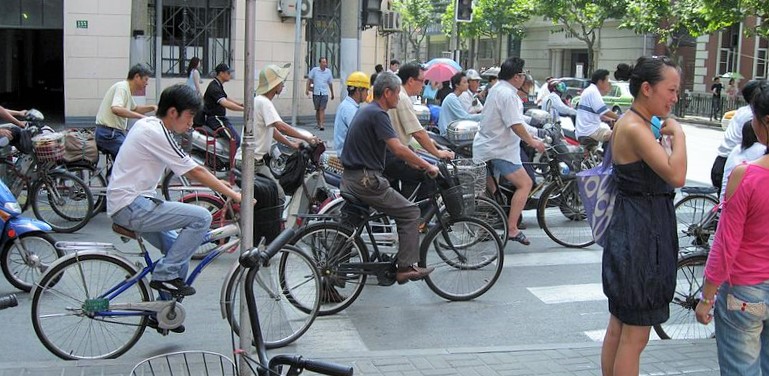
Many cities in China have more bicycles than cars.

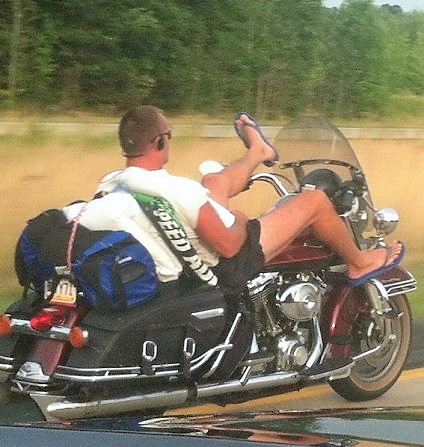
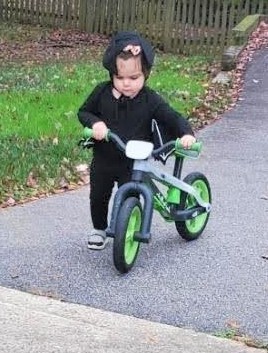
Bicycles, mopeds, scooters, and motorcycles are almost always two-wheeled vehicles driven and steered by one rider. The distinctions are, like almost everything else, varied around the world and prone to blurring. A bicycle is powered entirely by the rider pedaling; a moped has a small motor attached to assist with pedaling in especially difficult environments. Bicycles are relatively easily modified for people with physical limitations, compared to cars and motorcycles.

  • People are in the best mood when riding bicycles
  • Can be inexpensive or very expensive, depending on type of bicycle and riding gear
  • Environmentally friendly 
  • Difficult to park securely in many places
  • Primarily for physical fitness
    • In fact, the vast majority of regular bicyclists in the US ride for transportation as they cannot afford a car and do not have access to public transit
  • Limited passenger capacity
    • Not as limited as most in the U.S. assume.
    • In Copenhagen, “’Cargo-bike moms’ are gentrifying the Netherlands.”

Scooter Impressions

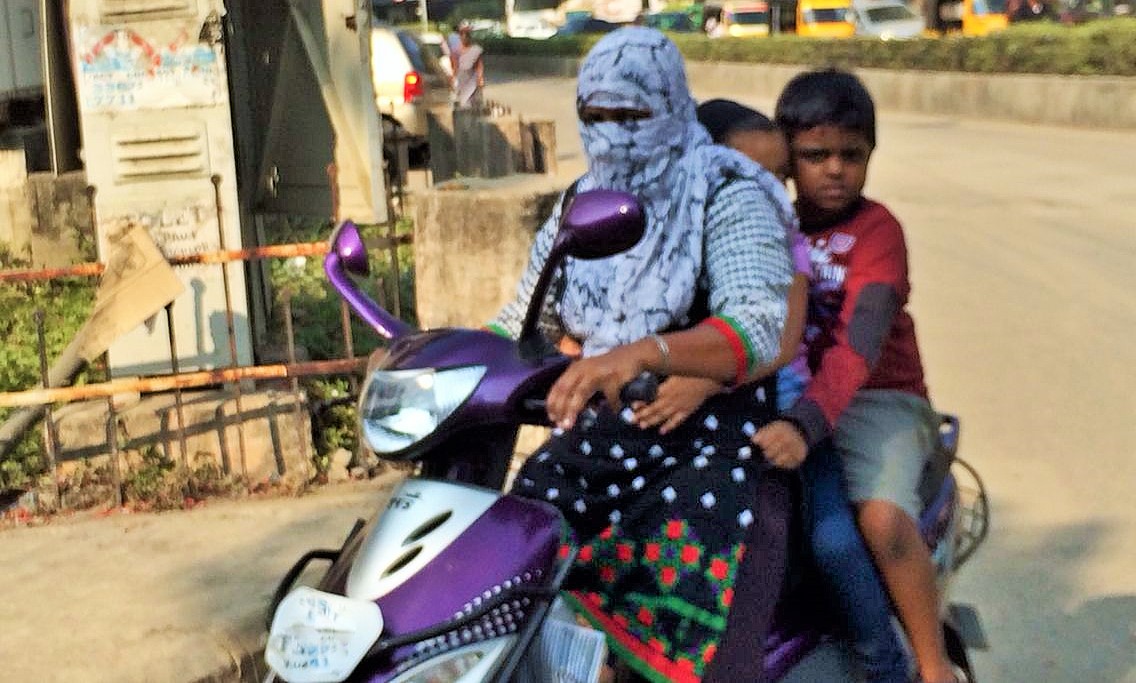
Scooters are powered entirely by an engine, with a foot well for the seated rider’s legs. Unlike a car, all engine controls are in the handles.

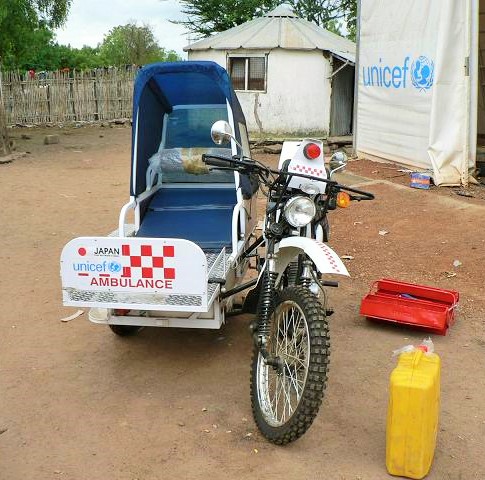
Ambulance scooter with a sidecar for patients
  • Easy to drive
  • Cheaper and slower than a motorcycle
  • No safer than motorcycles 
  • Popular on very rural country rides for teenagers
  • More popular abroad than in the U.S.
  • Easier to maneuver and store in crowded areas
  • Driving permit requirements are often different from those of a car or motorcycle
    • Many areas don’t require permits at all
    • Iran and Saudi Arabia (among others) are questioning whether scooters fall under the same laws forbidding women to drive

Motorcycle Rider Stereotypes

Motorcycles and scooters are very similar, but a motorcyclist sits astride the seat. The engine of a motorcycle is generally more powerful than that of a scooter.

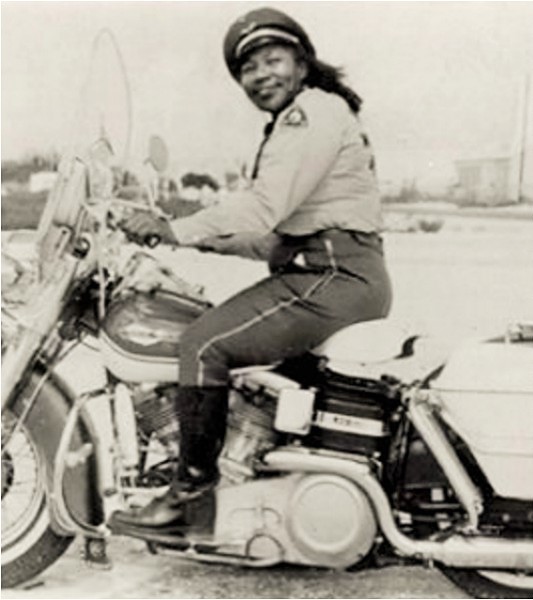
Bessie Stringfield rode her motorcycle from one end of America to the other, and as a dispatch rider in World War II.
  • Violent
  • Gang members
  • Harley riders are elitist and only care about brand; Other riders are effeminate
  • Reckless behavior
    • Stunt hooligans on the road
    • Prone to road-rage
    • Have a death wish
      • Emergency Response personnel sometimes refer to motorcycle riders as “Organ Donors,” but that is more because of the lack of safety gear than specific behavior patterns
  • Car haters
  • Uneducated rednecks
  • All young riders prefer sports bikes
“Dykes on Bikes” motorcycle club at a Pride rally
  • Physically tough appearance
    • Men have long, unkempt beards
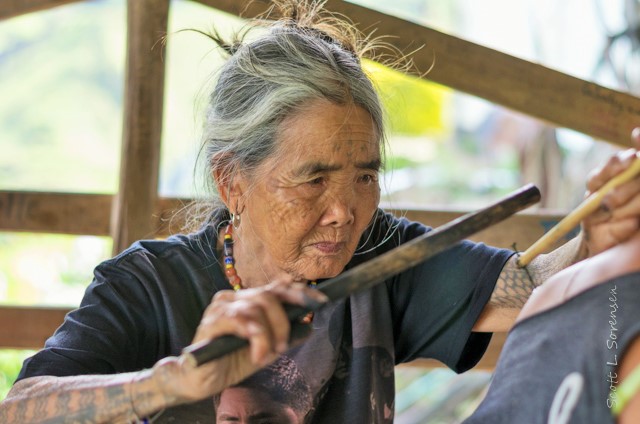
    • Tattoos are common
    • Women dress provocatively
    • Lots of black leather, chains, spikes, gang markings, etc.
    • Gear is chosen to look tough rather than for practicality
  • Many of these perceptions are based on Hell’s Angels and other “outlaw motorcycle clubs”

Multi-Passenger Public Transportation

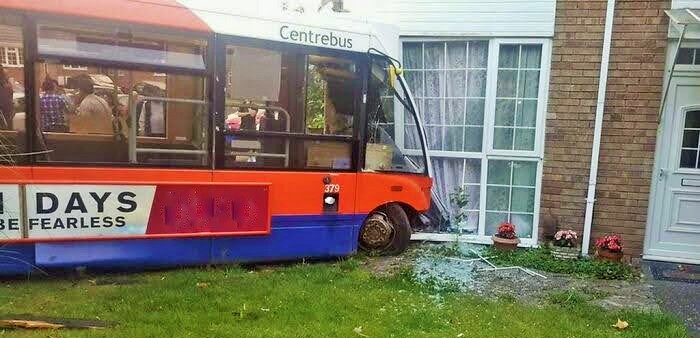
Public transport is much safer than automobiles (the above photo is an exception).  For example, bus and rail travelers are 20 times less likely to die en route than drivers. Even if self-driving and safety technology could reduce car by 90%, fatalities per passenger mile would still be twice as high in private automobiles.

Dogs ride free, right?
  • World-wide, the largest share of public transportation users are women
  • Bus and train riders experience the most negative emotions
    • Bus: poor people who cannot afford a vehicle/gas;
      • homeless/mentally ill people seeking temporary shelter from the elements.
    • Subway: city-dweller
    • Train: long-distance commuters;
      • More common in Europe and Asia, where train systems are much more comprehensive
    • Plane: long-distance (business or pleasure) travelers of means

Individual Cars

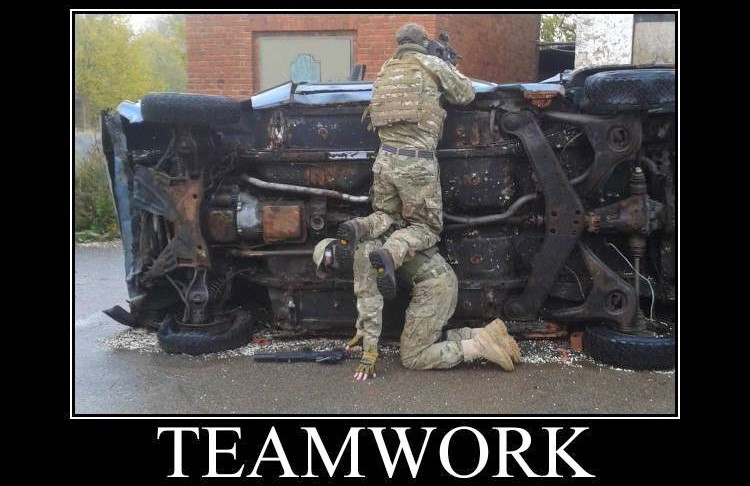
Private automobiles are especially dangerous if they don’t obey the laws of gravity.
So happy! He knows he’s going to the park.
  • The second happiest people are car passengers, followed by car drivers
  • Carpoolers: cut down air pollution
    • Lessen expenses of gas/parking
  • Private chauffeur
    • Renting a limousine or similar
  • Driver alone: not sociality responsible
    • Selfish or ego-centric
  • Taxi/Lyft/Uber: short distance trips for those valuing convenience
    • People who cannot drive for whatever reason (inebriation, tourist, moving larger than normal cargo, etc.)
    • Consider the possible conflicts between traditional taxi services and Lyft or Uber style companies, or even the conflict between drivers and management within those companies
  • Car drivers are so common that to dig into assumptions, it’s necessary to get into make and model

Other

Other methods of transportation are more common outside the US. Extreme climates, different resources, and distance have made what we might see as extraordinary into the everyday.

Ferries are common in highly populated areas on the water.
  • Dog sled, snow mobile, cross-country skiing
  • Bush plane
  • Tuktuk, marsrhutka, or any other kind of informal minibus system run by individual drivers
  • Horseback or horse-drawn vehicle (or donkey, mule, camel, etc.)
  • Canoe or kayak
  • Hitch-hiking
  • Rickshaw

BOTTOM LINE for writers: consider your choice and the reason for it!

BETTER KNOW YOUR CHARACTER: MONEY

I have to work very hard not to spend all my money (and time) one books.

Money, money, money! It touches nearly every aspect of a person’s/character’s life—and deserves conscious decision making.

Does owning an entire city count as filthy rich?

How much money?  These are not scientific or economic terms, rather, the sorts of terms people use to describe themselves and/or others. The actual dollar amounts associated with the descriptors may vary. What would you/your character say? Point of information: people tend to make finer distinctions closest to where they peg themselves, lumping the extremes into bigger chunks.

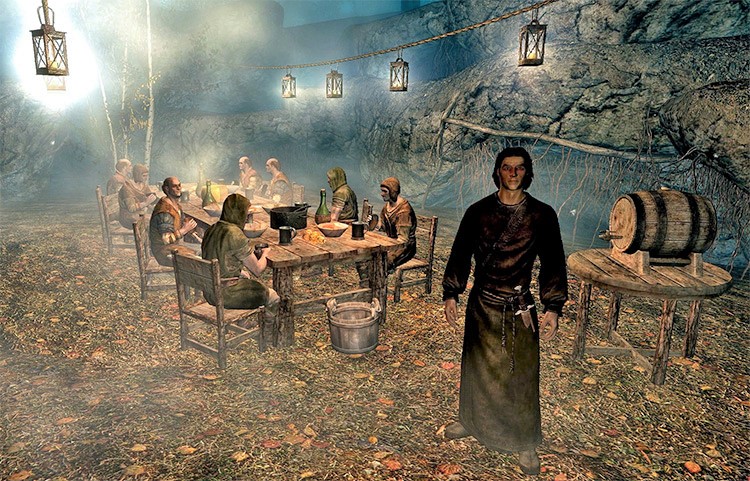
Being penniless isn’t so bad when there are open barrels of food everywhere.
  • Penniless
  • Poverty stricken
  • Poor
  • Lower middle class
  • Middle class
  • Upper middle class
  • Well off
  • Rich
  • Filthy rich

*I’ve also seen income level defined by preferred fast food options. The scale ranges from Going to AA Meetings for Coffee, through Taco Bell and Chipotle, all the way up to Whatever the Private Chef Makes.

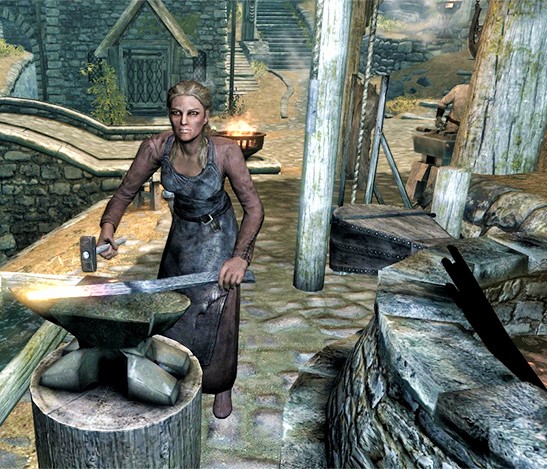
Social attitudes toward shopkeepers often depends on the quality of merchandise.

Source(s) of income: Note that respect for various sources of income varies widely. This often translates into treating people differently.

Musicians playing in a bar are often treated differently from musicians playing in a symphony hall, though their incomes are often almost identical.
  • Begging or panhandling
  • Gambling
  • Theft of various sorts, with or without another source
  • Illegal activities
  • SSI disability
  • Medicare/Medicaid 
  • Hourly wage
  • Entertainment, anything from a classical pianist to an exotic dancer
  • By the job/ piecework
  • Having multiple jobs
  • Salary
  • Salary plus bonuses
  • Stocks/bonds, dividends/interest
  • Trust funds
  • Family loans/gifts

Stability/predictability/security of income: Obviously, stability has implications for mental health and life stress. Money can’t buy happiness, but it certainly makes achieving stability somewhat easier.

Some people value experience and travel more than money, making a living on the road, feeling the wind in their fur… er… hair.
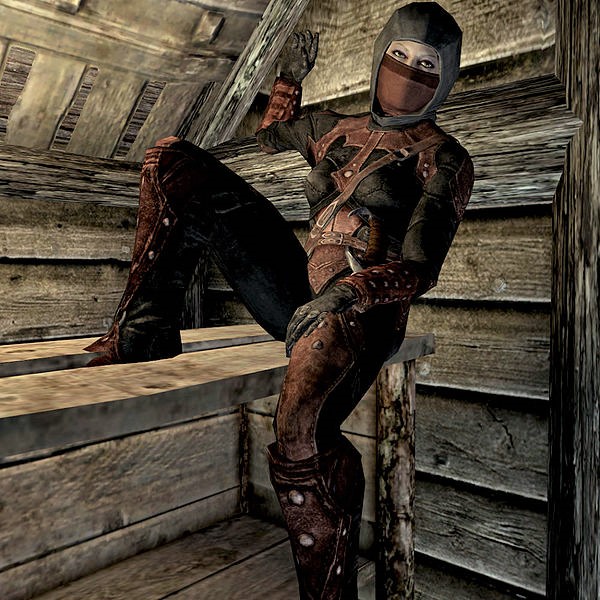
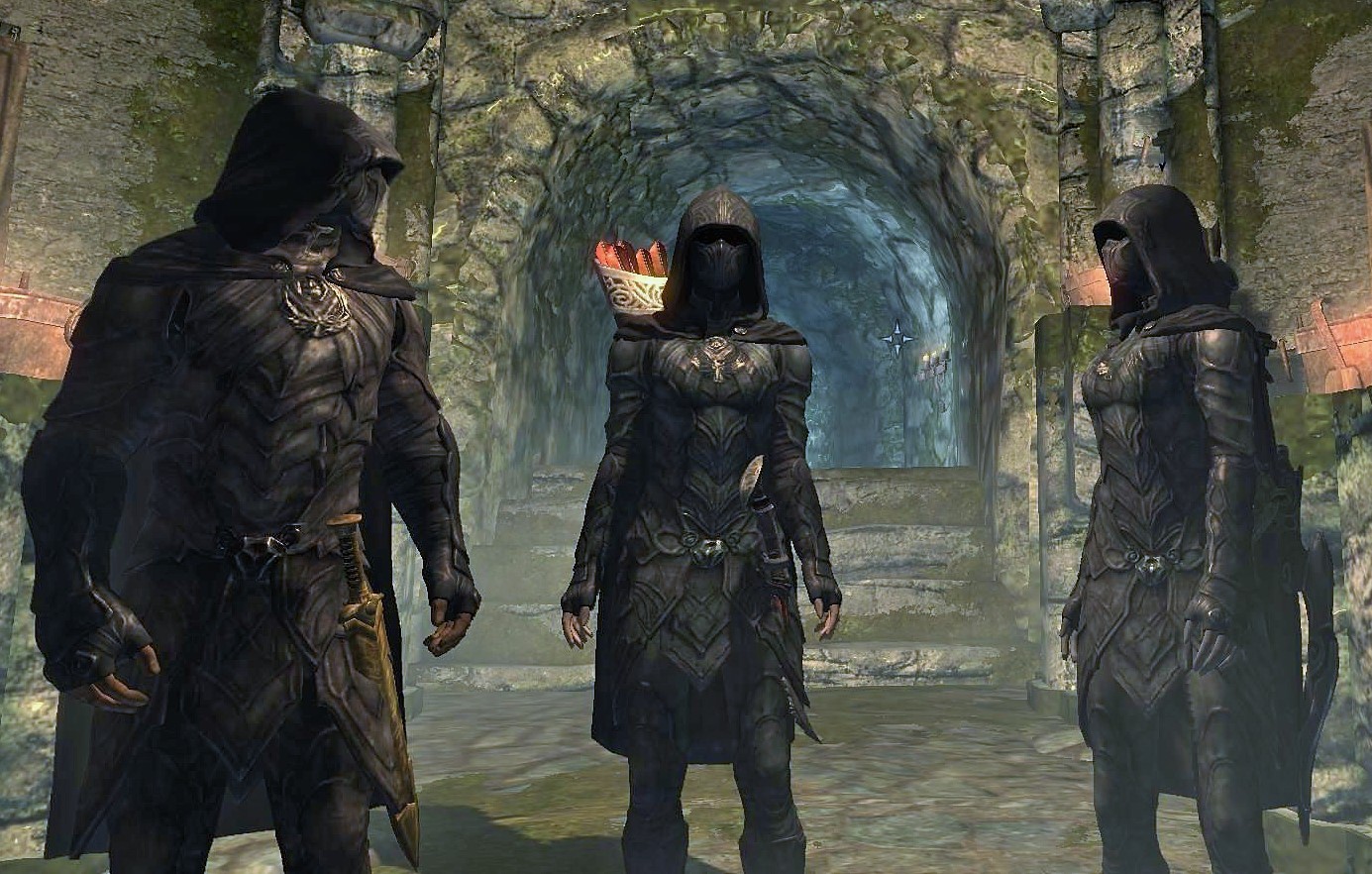
Assassins are generally exempt from income and property taxes, though sales tax may still apply.

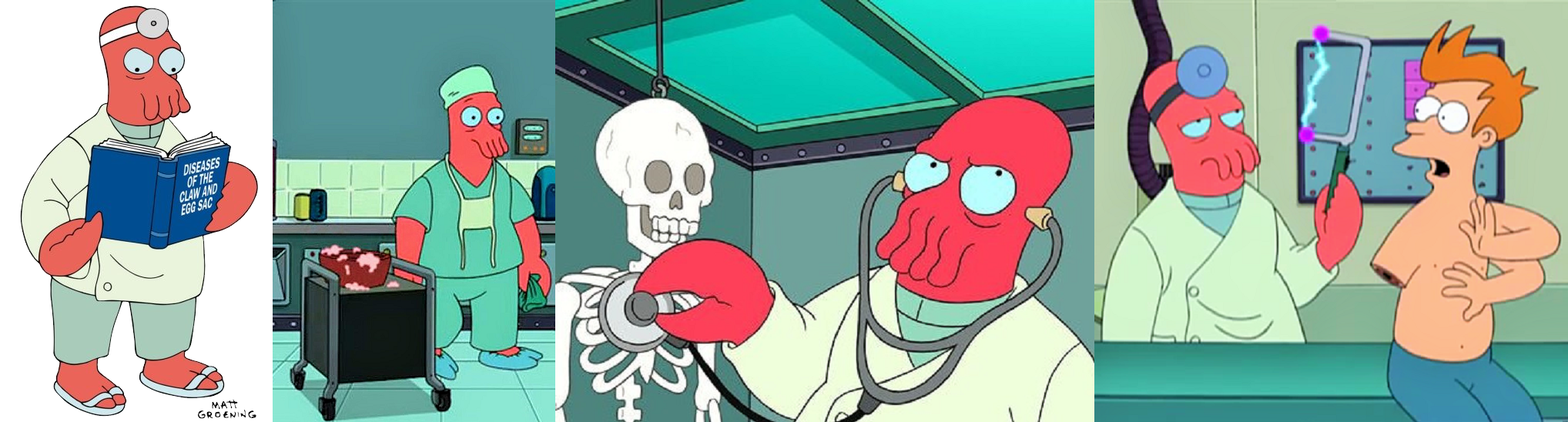
Thoughts on taxes: This could be the modern IRS, but the same questions could just as easily be applied to citizens providing magic spells or Zygloxans giving helium globules to the Grand Tyrant on Planet YT-3H81.

  • Taking fewer payroll deductions than allowed in order to assure a tax refund vs. planning to owe and have the use of the money in the meantime
  • Being willing to pay taxes or looking for ways to avoid paying them
  • Finding quasi-legal or outright illegal methods to get out of paying taxes
  • Carefully accounting for every expenditure or estimating
  • Moral objections to the use of taxes (such as Thoreau)

Attitude toward money: Not necessarily related to amount of income.

Making everything at home is a way to save money and ensure quality.
  • Always more where that came from
  • Easy come, easy go
  • Best to save for a rainy day/unexpected expense
  • Sacrifice now for a secure retirement/college tuition/whatever
  • Always live below your means
  • Clips coupons and shops sales
  • Shop resale/garage sales/etc.
  • Buy quality, not quantity
  • Budget every penny and then figure out which bills will have to remain unpaid

Money by comparison: Source(s), level, etc., of income, especially compared to family and friends.

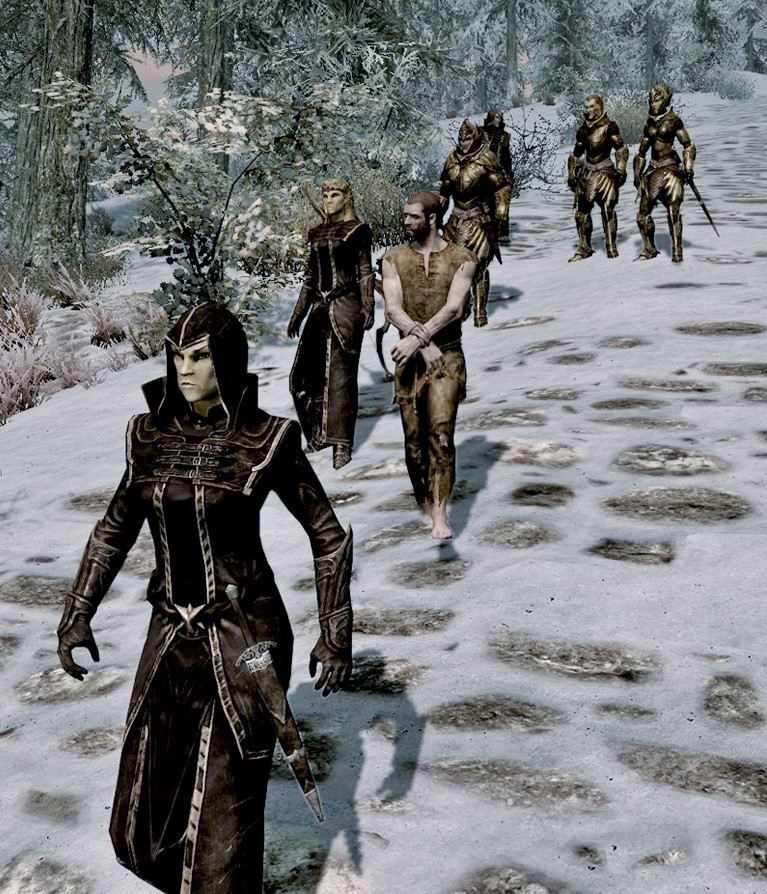
Relationships can get really complicated if your friends sell you off for scientific experiments.
  • Similar
  • Comparable
  • Much above
  • Much below
  • Changed over your/your character’s lifetime
  • Income disparity causing conflict

Where the money goes:

  • Religious tithes
  • Charitable contributions
  • Necessities only
  • Whatever strikes one’s fancy
  • Luxuries, with or without guilt
  • Whatever is most visible to elicit praise, admiration, or envy from others
  • Hobbies (what?)
  • Supporting family or friends who need a hand
  • Pets
  • Back into a business
  • Stocks/bonds
  • Sponsoring people on social media as indirect advertisement
Partying with demons is surprisingly expensive.

How money is handled:

If these characters offer a loan, running away is probably the best response.
  • Cash only
  • Charge everything possible
  • Pay by debit card whenever possible
  • Pay bills as soon as one arrives
  • Have bills paid by bank debit
  • Pay at the last minute, sometimes incurring late fees
  • Tip lavishly or stingily?
  • Bank account
  • Checking account
  • Savings account
  • Needing to take payday or title loans
  • If having to choose food, rent/mortgage, utilities, gas/transportation, which?

Bottom Line: What other ways is money a lynchpin in the life of you / your character?

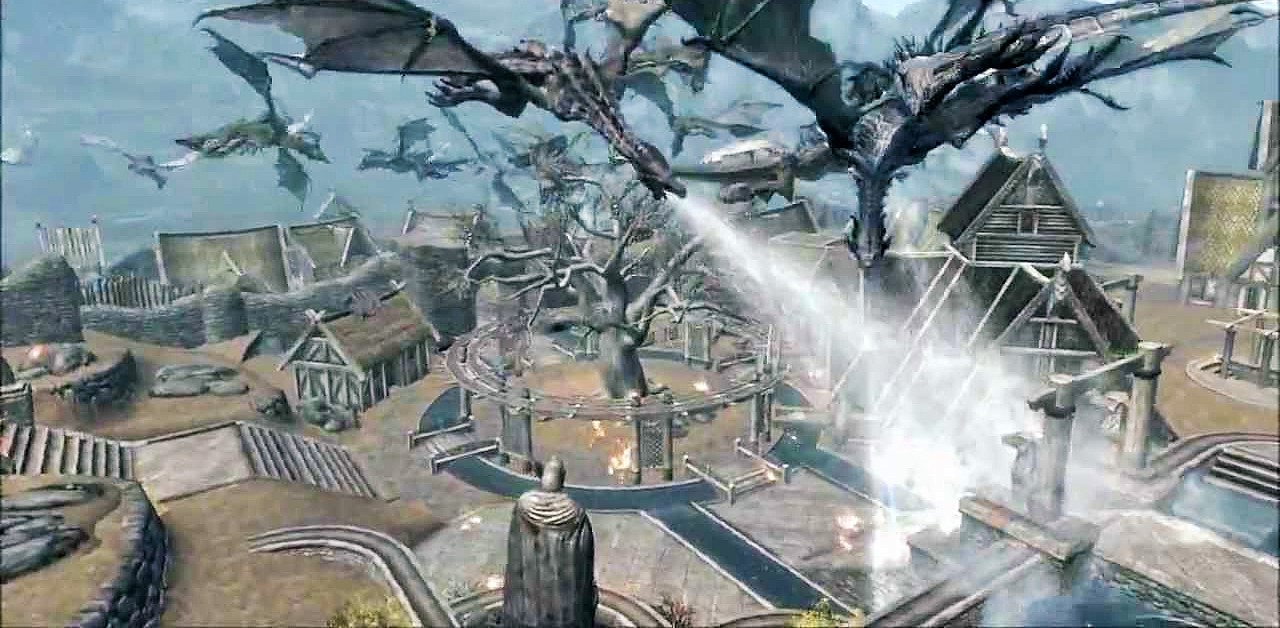
No matter how carefully one budgets and saves, it can all be taken away at any time when a horde of dragons comes by.

WORDS FROM WAR

In last week’s blog, I discussed nom de guerre, literally war name, that in current French usage has come to mean any pseudonym. Like any other in-group, soldiers develop their own jargon—which often lingers in subsequent slang, often with a morphed meaning.

This blog will showcase just a few such words/phrases.

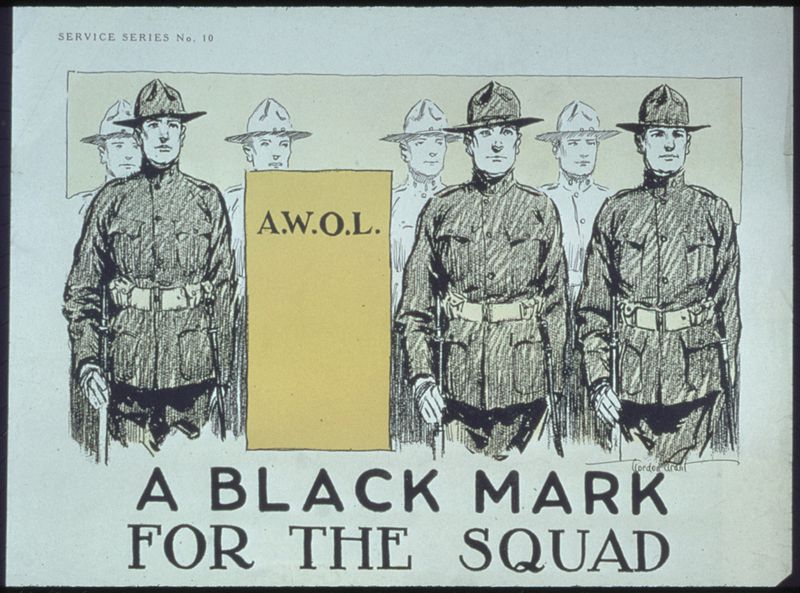
US Army poster from WWI (Gordon Grant)

A.W.O.L. (Absent Without Leave) Even before the Civil War, this meant a soldier who has gone off without permission. Now business executives, teenagers, spouses—virtually anyone—can be AWOL, pronounced A-wall. The unexplained or unexcused absence is often trivial.

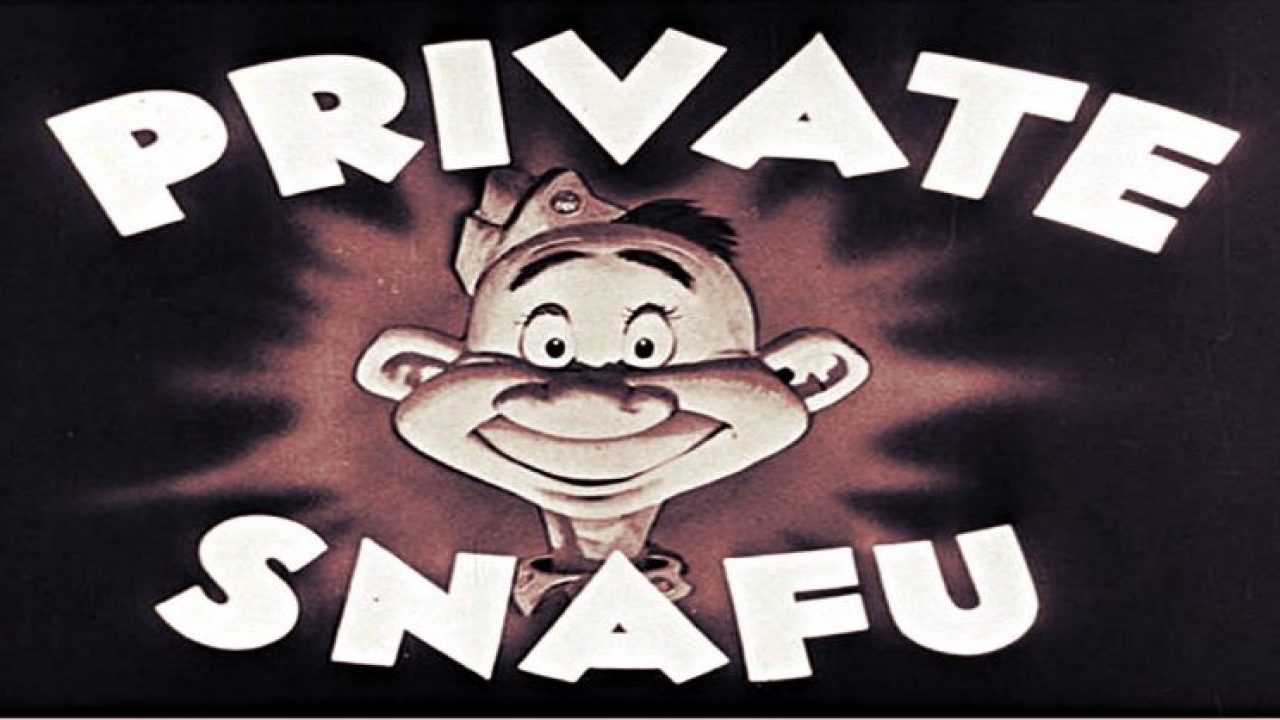
S.N.A.F.U. (Status Normal: All F*cked Up) The Marines are usually credited with this particular acronym, which originated during World War II. There is some evidence that radio operators came up with the phrase to give humorous meaning to a commonly used set of letters from coded messages. In modern usage, this acronym has essentially the same meaning, lacking only the cynical mocking of commanding officers. (S.U.S.F.U. [Situation Unchained: Still F*cked Up] was coined as a follow-up, but it has largely fallen out of use.

F.U.B.A.R. had several variations of meaning, though “F*cked Up Beyond All Repair” pretty much covers it. Occasionally, it was defined as “F*cked Up By A**holes in the Rear” to express frustration with military command issuing orders from the comfort and safety of their offices well out of harm’s way. Like SNAFU, it originated as military slang during World War II, and it has retained its original meaning in modern slang.

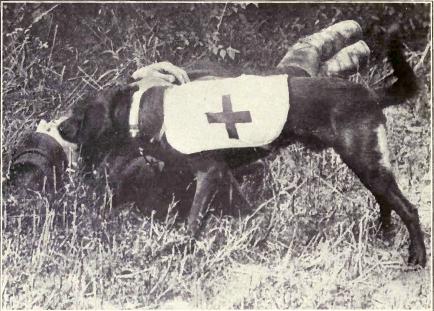
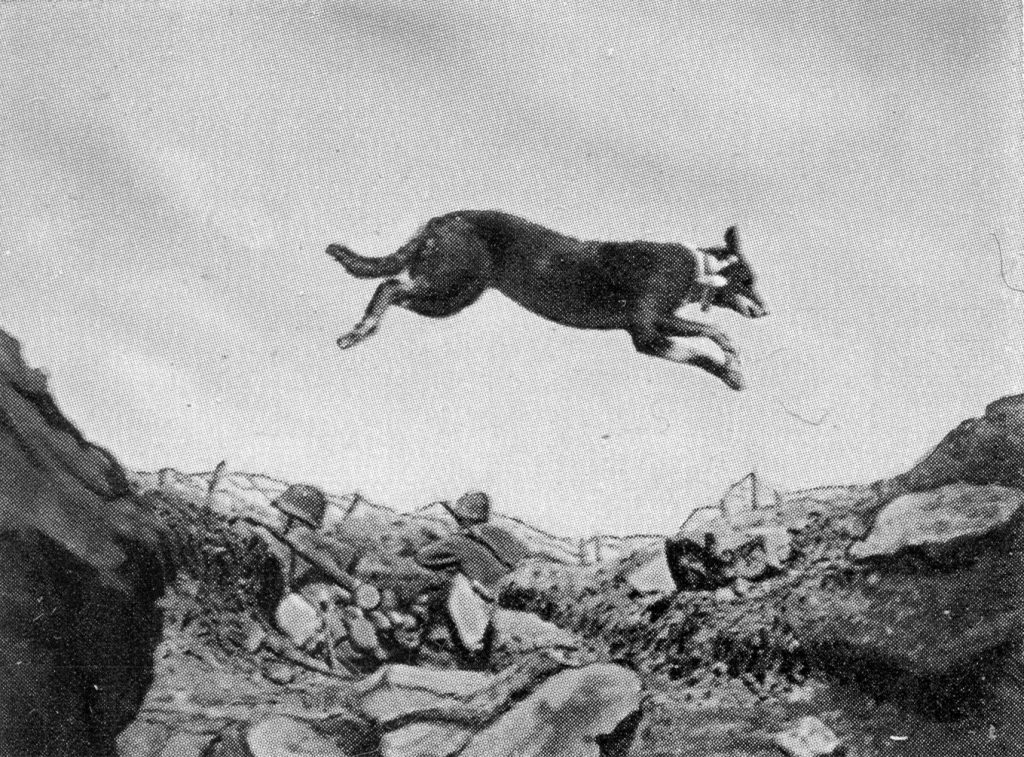
Ambulance Dogs in WWI were sent with medical supplies to find wounded soldiers who could not be otherwise reached. They were also called Mercy Dogs because, very often, all they could do was comfort the dying.

Basket case is used in a fairly lighthearted way today (often describing someone who repeatedly makes stupid mistakes, or who crumbles under pressure), but it has a strange history. Shortly after World War I, rumors circulated of multitudes of soldiers who had been so badly injured that they had to be carried from the battlefield in a barrow or basket, usually having lost all four of their limbs. This belief was so strong that it persists in the public imagination today despite direct evidence to the contrary. In 1919, the Surgeon General of the Army made a public statement that this was not the case, and only one quadruple amputee from the war is known to have survived. Ethelbert Christian lost all four limbs at the Battle of Vimy Ridge in 1917, but he learned how to walk on prosthetics and lived what appears to have been a full and happy life.

Blue-footed booby
In Spanish, “bobo” is a clown or a fool.

Booby-trap has been in use since the mid-19th century for a fairly harmless prank or practical joke. A “booby” was used in English slang to mean a stupid or gullible person as early as the late 17th century. But in WWI, it morphed into meaning an explosive device deliberately disguised as a harmless object. The English journalist Sir Philip Gibbs (1877-1962) said, “the enemy left … slow-working fuses and ‘booby-traps’ to blow a man to bits or blind him for life if he touched a harmless looking stick or opened the lid of a box, or stumbled over an old boot.”

As a nickname for body lice or head lice, cooties first appeared in trenches slang in 1915. It was presumably derived from the coot, a species of waterfowl known for being infested with lice and other parasites. Today it’s a children’s term for an imaginary germ or a repugnant quality transmitted by obnoxious or slovenly people.

In the 19th century, dingbat was used like thingamajig or whatchamacallit as a  placeholder for something or someone whose real name the speaker couldn’t come up with at the moment. It came to be used for a clumsy or foolish person during the First World War, before morphing to mean shell-shocked, nervous, or mad. Now it’s used for a stupid or eccentric person.

In British English, “to be in a flap,” meaning “to be worried,” dates from 1916. It was originally a naval expression derived from the restless flapping of birds, but quickly spread into everyday English during the First World War. The adjective unflappable, meaning unflustered or imperturbable, calm in the face of crisis, appeared in the 1950s as a reference to the British Prime Minister Harold Macmillan.

Son of a Gun is generally held to originate as a euphemism for the child of a military father away on a lengthy deployment (and thus somewhat suspicious paternity). In current usage, it is an epithet similar to “son of a bitch,” with positive or negative meanings depending on the speaker.

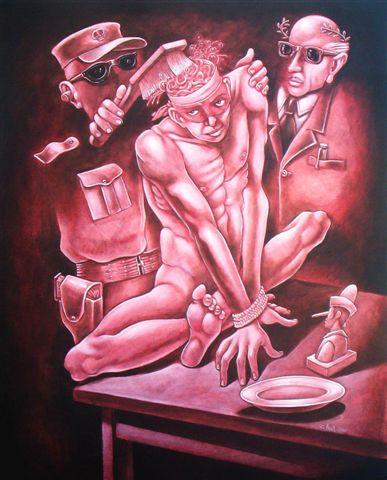
Brainwashing is a literal translation of the Chinese phrase xi nao, to wash the brain. During the Korean War, military reports estimated that 30% of American prisoners of war collaborated with their Korean and Chinese captors. To explain how this was possible, the media created the term brainwashing: systematic, intensive interrogation techniques and indoctrination procedures used by hostile forces to change allegiances of prisoners of war. The term gradually came to be used to label any change of opinion or allegiance—though it still implies unsavory, unfair, or unethical methods!

Skedaddle, meaning to run away or desert from military service, became popular during the American Civil War. Now it means to leave quickly or hurriedly, to run away. In true American fashion, the etymological origins of this word are a mix of many possible languages or perhaps none at all.

OMG (Oh My God!) is very often used as an abbreviation in electronic communication. The first appearance of OMG was in a sarcastic letter Lord Fisher, a retired Naval Admiral, sent to Winston Churchill in 1917, complaining about the number of knighthoods being bestowed upon Naval officers. It has become so common that people sometimes use it as an acronym when speaking aloud: “ohemgee!”

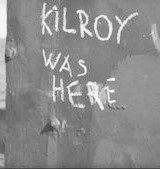
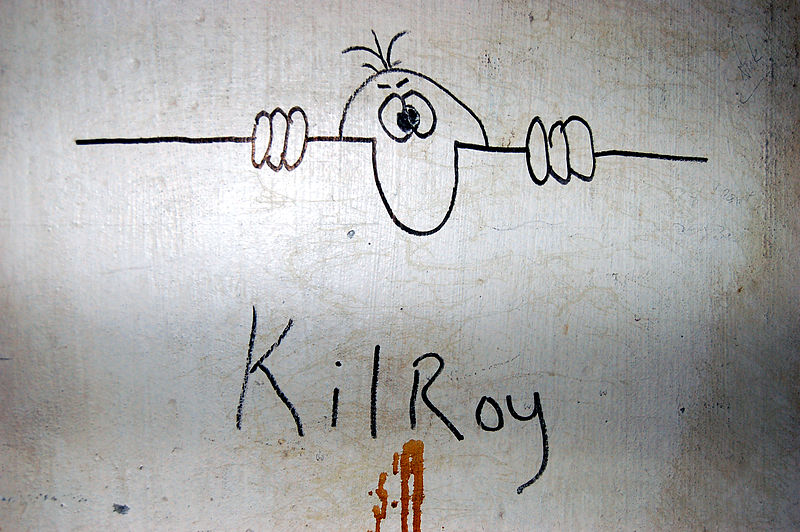
Kilroy or Kilroy Was Here might be considered a bit of visual military jargon that has made its way into common use. James Kilroy wrote his name on sections of Navy ships under construction to certify that he’d personally checked the welding. Because his name seemed to be everywhere, British and American service members took to writing it on every surface imaginable in Europe and Asia, most likely as good-luck totem. (The origins of the accompanying long-nosed, bald man are unknown, but it may have started as a British cartoon.) Kilroy is still one of the most commonly graffitied images in the world today, with or without his name.

Bottom line: Word meanings are fluid, so be aware of timeline and context in order to truly understand what the speaker is trying to communicate.

NOM DE GUERRE AND OTHER PSEUDONYMS

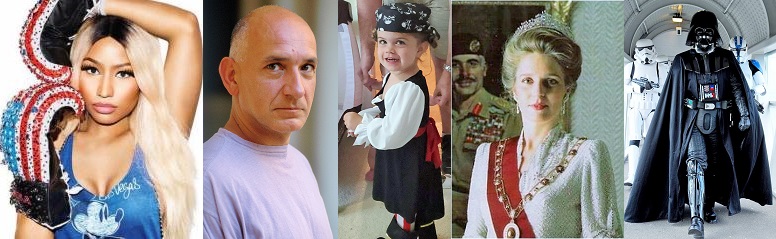
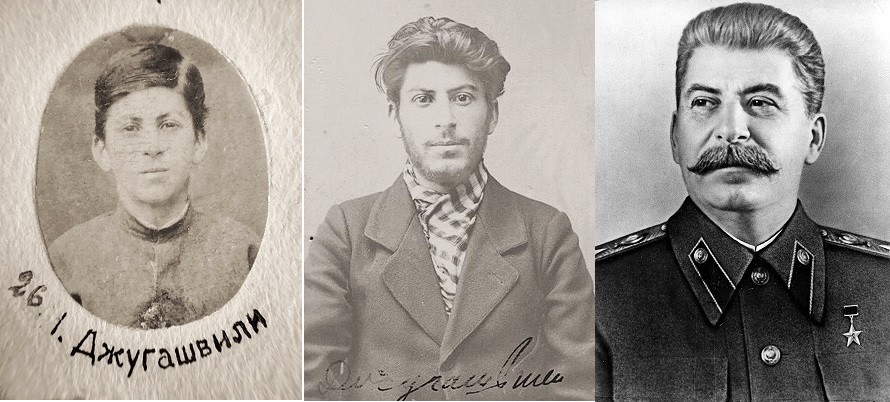
Ioseb “Soso” Dzhugashvili is better known by the name he used as a Bolshevik, “Steel.” The Russian translation is Josef Stalin.
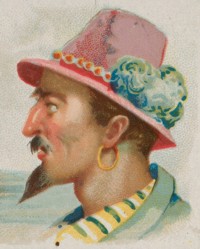
Montbars the Exterminator was the nom de guerre of Daniel Montbars, a French buccaneer.

Nom de guerre is French for “war name.”  

In 1716 France, a war name was mandatory, and in some ways was functionally similar to a dog tag for soldiers today. Soldiers were identified by their first name, family name, and war name. The war name was typically either the hometown or a particular physical or character trait. Examples would be Jean Louis of Paris, or Pierre Renaut the Red Haired One.

Some famous noms de guerre were chosen deliberately to the warlike, violent, or intimidating characteristics of the bearer. Pirates Captain Blackbeard and Montbard the Exterminator are examples of this.

Sometimes the alias replaced the family name.

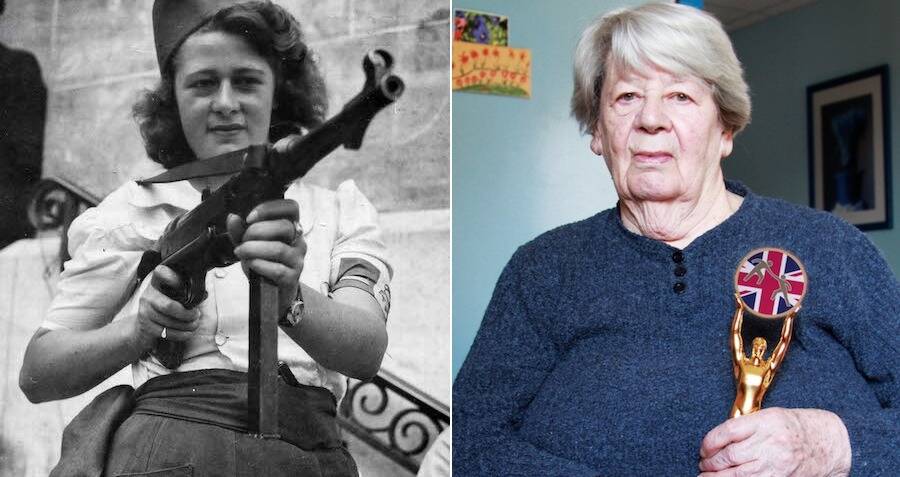
Simone Segouin used the nom de guerre Nicole Minet when fighting Nazi occupation of France.
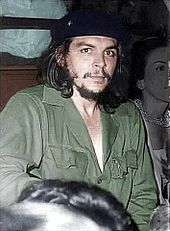
Ernesto Guevara was better known to his comrades as “el Che” or Che Guevara.

During Word War II, noms de guerre were adopted by the French Resistance for security, and to protect family members from the enemy.  Today mercenaries, resistance fighters, terrorists, and guerrillas adopt war names for the same reason.

Nom de plume has retained its specific meaning of a writing name that differs from a given name. Over time, the usage of nom de guerre became much more general, such that in ordinary French today, it’s a generic descriptor, like pseudonym.

By now, soldiers and writers are a small minority of people who take different or additional names.  And their reasons for doing so offer great plot points!

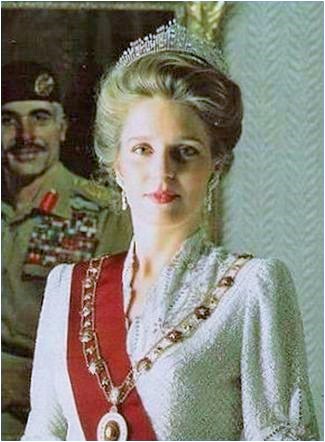
Members of a royal family often adopt a public name when they marry or assume the throne. Queen Noor of Jordan was born Lisa Najeeb Halaby.
  • Taking or keeping a professional name different from the family name
  • Personal identity
    • Wanting a less or more ethnic name
    • To fit gender identification
    • Simple dislike of one’s current name: too common, too outlandish, too juvenile, too likely to be embarrassing if mispronounced or misspelled, etc.
  • Marriage
    • Changing a name after divorce
    • Husband taking wife’s name
    • A couple choosing to combine parts of their names or hyphenate the two last names to make a new family name
    • Partners sharing a surname
  • Changing a child’s surname to mother’s, father’s, or adoptive parents’ name
  • Religious reasons
  • Criminal history or association
  • To be more or less closely associated with a famous (or infamous) relative
  • Political reasons
  • Entering witness protection program
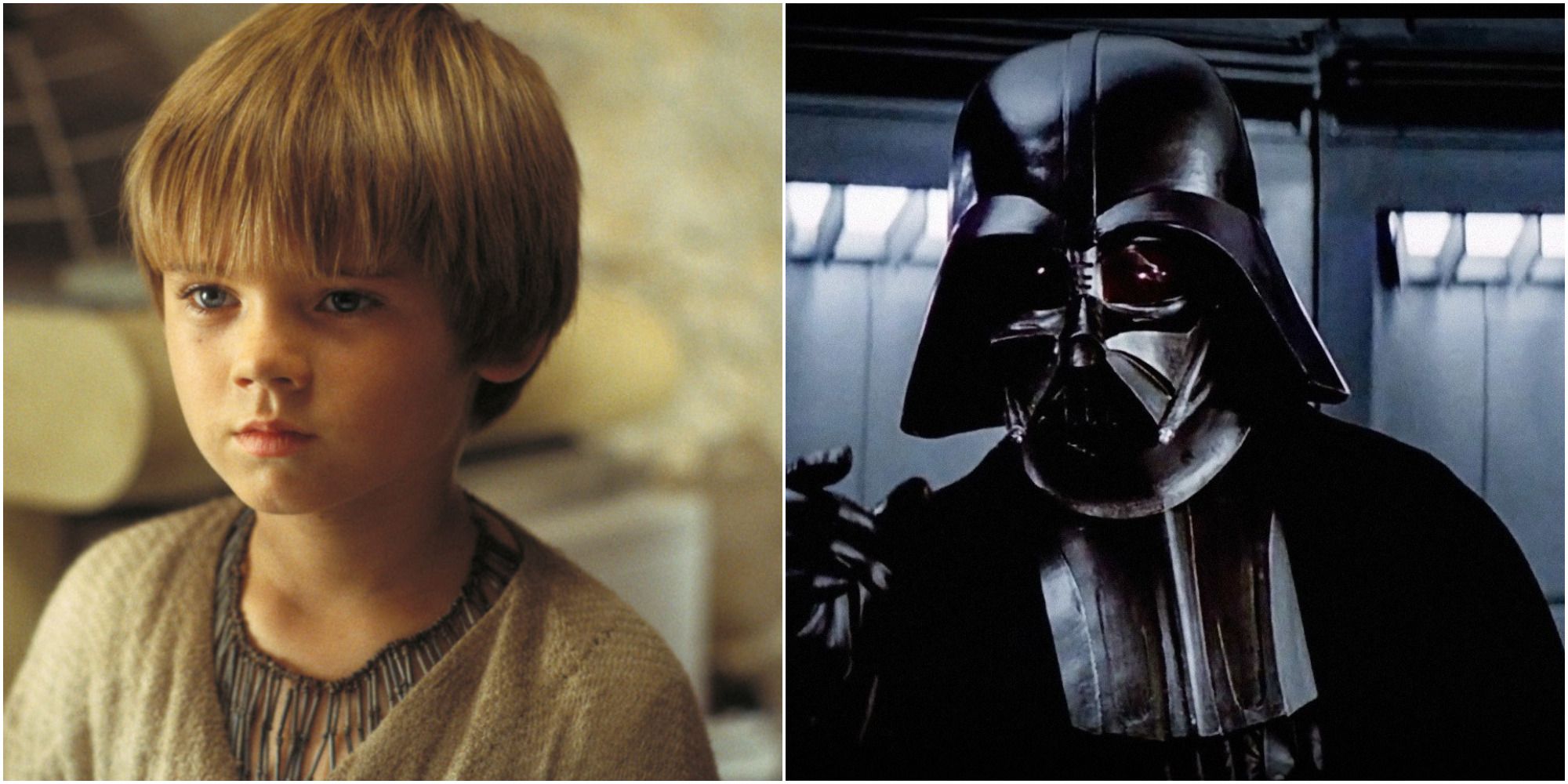
Sith Lords took new names upon completing their training, either given by their masters or chosen by the Force. Anakin Skywalker is better known by his Sith title: Darth Vader.

A small sample of well-known people who changed their names. If you don’t know why these people changed names, the info is available on line.

Emilio Estevez deliberately did not share his father’s nom de guerre because, as he said, he “didn’t want to ride into the business as ‘Martin Sheen’s son’.”
Harpo Marx had two name changes. Born Adolph, he changed his first name to to Arthur avoid anti-German in childhood; “Harpo” was bestowed as a nickname by a friend.

Many modern surnames have similar origins, derived from occupations, geographic origins, political or religious affiliations, or personal characteristics. Consider some of the most common family names in the world today.

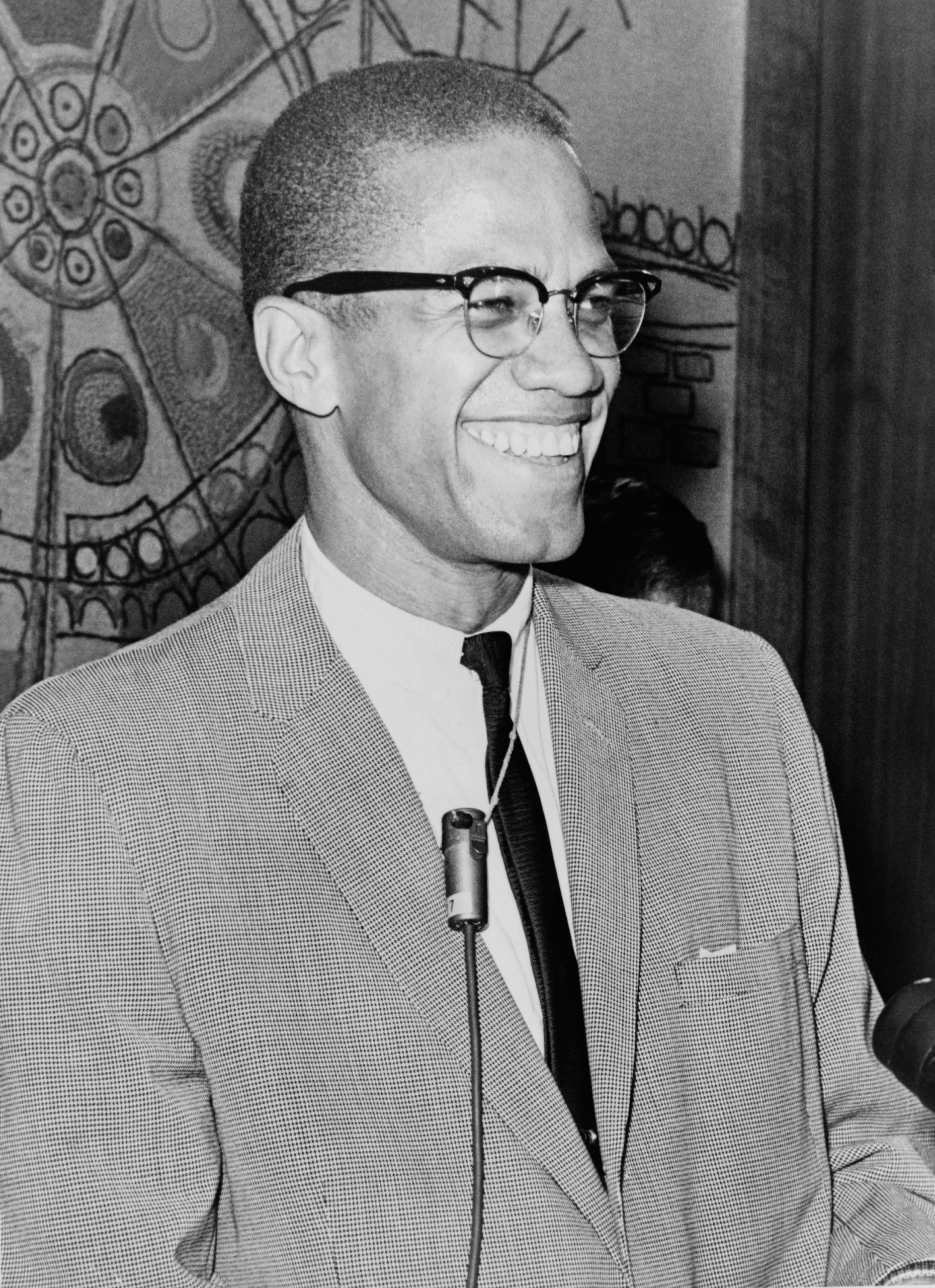
Malcolm X also adopted a new name twice. He changed his surname from Little to X to signify the loss of his African heritage; after going on pilgrimage to Mecca, he took the Muslim name el-Hajj Malik el-Shabazz.
  • Wang (the most common, registered surname in the world) is the Chinese word for “king,” and there are historical records of several families adopting this surname for various reasons.
    • During intra-family arguments, descendants of a disgraced former royal often changed their family name to remind people of their origins.
    • Local custom sometimes meant that the family of whoever was in power at the time all be addressed as “Wang.”
    • Conquerors, usurpers, and invaders might change their family name to “Wang” as a way to validate their claims to the throne after the fact.
    • Entirely unrelated to their Chinese name-sharers, Scandinavian and Germanic families with the surname Wang are more likely to have been associated with a grassy meadow (vangr in Old Norse) or their presumably distinctive cheeks (wangl in Middle German).
  • Singh, the Sanskrit word for “lion” or “hero,” was used by Guru Gobind Singh (born Gobind Rai) to replace family names among all male Sikhs as a way of eliminating the caste system and demonstrating community equality.
  • Nguyễn was a powerful Vietnamese royal dynasty, and many families adopted the name to ally with the rulers.
  • Ahmed means “the highly praised one” and was one of the names of the Prophet Muhammed listed in the Quran. It was adopted by many families originally as a sign of religious devotion or of descending from the Prophet.
  • Devi is both the Sanskrit word for goddess and the mother goddess in the Hindu faith. Many women, especially in rural areas today, adopt Devi as a surname when they marry.
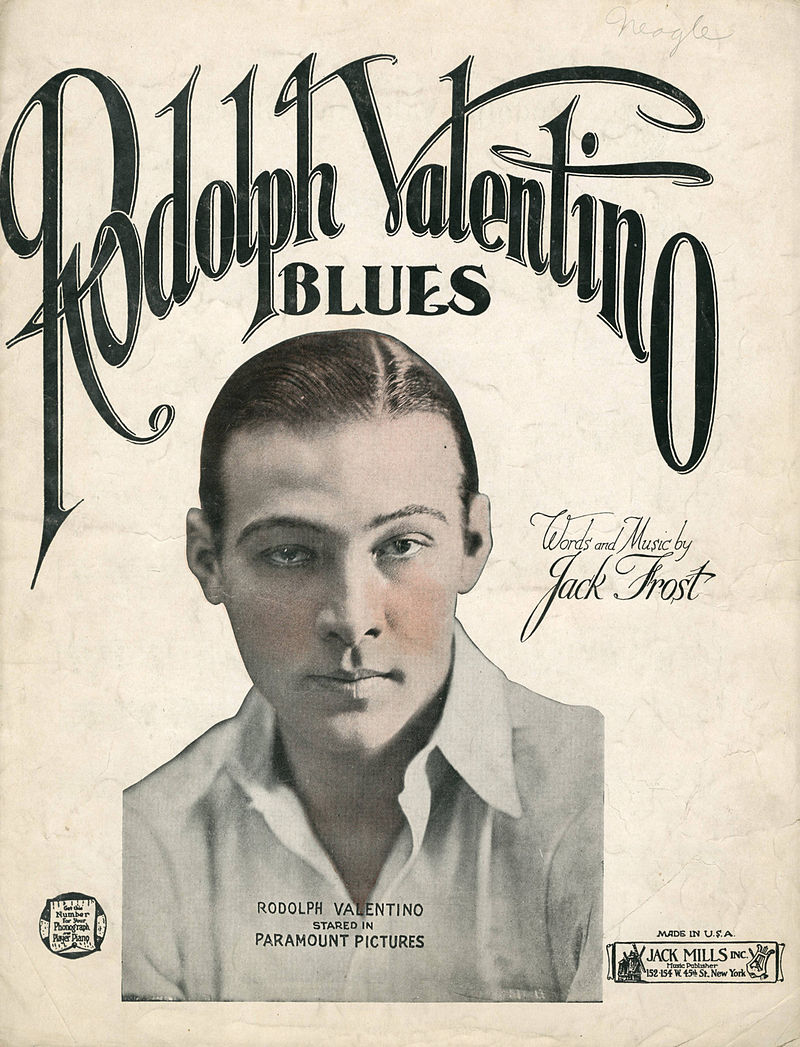
Silent film star Rudolph Valentino was born Rodolfo Alfonso Raffaello Pierre Filiberto Guglielmi di Valentina d’Antonguella. He changed it when he came to the US in 1913.
  • Many of the most common surnames in the US are the result of emancipation, immigration, or assimilation.
    • Former slaves were often assigned a surname shortly after Emancipation. This was often the name of a former owner, but it might also be a trade, a defining characteristic, a local landmark, a parent’s first name, or any other surname chosen by the individual. According to the 2000 Census, 90% of Americans with the surname Washington are of African descent.
    • Immigrants coming through Ellis Island and Angel Island did not (as myth would have us believe) have their names changed by confused or lazy immigration officials. However, it was not uncommon for recent immigrants to the US to change their surname to one that was easier to spell with the English alphabet or to one less likely to attract anti-immigrant biases.
    • Changing surnames was a means of removing identity and forcing assimilation of people already living in America before Europeans. People were assigned names, often at random, as part of the effort to break up nations and outlaw traditional identification.

Bottom line: Names carry a ton of meaning!

ALSO KNOWN AS…

These pen names are fairly self-explanatory.

Is there anyone out there who didn’t know that Vivian Lawry is the pen name of Vivian Makosky? Well, now you do. 

There are many reasons why an author might choose to use a pen name. Particularly fancy authors might even use a nom de plume.

To Share Credit

Lawry Gulick,
in his natural habitat

My first attempt at writing fiction was the Chesapeake Bay Mystery Dark Harbor.  The plot required a lot more knowledge of sailing than I possessed, and so I started working with a coauthor, Lawry Gulick. Most fiction books are not (obviously) coauthored, so we took the pen name Vivian Lawry.

When I started submitting short stories, I asked Lawry whether it was okay for me to use that pen name. He said, “Sure. This is the only fiction I’ll ever write.”

People more often than not mispronounce and/or misspell Makosky anyway. My professional (psychological) publications are by Vivian Makosky, and using a pen name for fiction allows me to separate the genres.

By the time Dark Harbor saw the light of day, I’d published numerous short stories as Vivian Lawry. Publishing the novel as Vivian Lawry would feel like plagiarism, as if I was claiming to be the sole author of the mystery. Hence, it ended up being coauthored after all, by Vivian Lawry and W. Lawrence Gulick.

The Real Michael Field

Little did we know that shared pen names have been around for awhile. 

  • Katherine Harris Bradley and her niece, Edith Emma Cooper, shared the pen name Michael Field, as well as what appeared to be a lesbian relationship for more than forty years. 
  • Meg Howrey and Christina Lynch shared the pen name Magnus Flyte.

Perhaps they chose male pen names for marketing reasons as well.

To Bypass Gender Stereotypes

Charlotte, Emily, and Anne Brontë as painted by their brother Branwell

Charlotte, Emily, and Anne Brontë wrote as Currer, Ellis, and Acton Bell because, according to Charlotte, “…we had a vague impression that authoresses are liable to be looked on with prejudice.” 

Many other women have written under men’s names in order to get published and/or to be taken seriously.

To Jump Genres

Yet another reason to adopt a pen name is to publish in very different genres.

  • Joanne Rowling has used pennames to confront both of these issues in the publishing world.
    • Her editor suggested that a fantasy series published by a woman would only appeal to a female audience, so JK Rowling published the Harry Potter series and all the other books in the “Potterverse
    • She switched to Robert Galbraith for her 2013 crime mystery, The Cuckoo’s Calling
  • Louisa May Alcott published Little Women under her given name
    • She used the name AM Barnard to write gothic thrillers with unladylike subject matter
  • Nora Roberts a.k.a. JD Robb
    • When writing romance, she’s Nora Roberts
    • When writing futuristic suspense, she becomes JD Robb 
  • Karen Blixen (Out of Africa) also used many pen names
    • Isak Dinesen published Seven Gothic Tales 
    • Pierre AndrézelThe Angelic Avengers
    • In German-speaking countries, she is sometimes published as Tania Blixen
Fantasy and science fiction are still heavily male-dominated genres.

Indeed, many publishers advise writers established in one genre to take a different name for a different genre so as not to confuse or frustrate loyal readers.

To Improve Marketing

PD James, aka
Phyllis Dorothy James White,
Baroness James of Holland Park

And not to be overlooked, some authors choose a pen name or use only initials purely for marketing purposes. Besides JK Rowling and PD James, consider these three:

For more on this topic, pick up Nom de Plume: A (Secret) History of Psuedonyms  by Carmela Ciuraru. That’s not a pen name – the author really is named Carmela Ciuraru.

Downside of Pen Names 

Ghostwriting is not quite the same as using a pen name.

Yes, there is a downside. If one chooses to keep two (or more) writing names, and to keep them separate, it multiplies the workload: separate blogs, separate websites, separate social media accounts…  

And one can’t handily promote the other!

For those of us who have a “private” name and a pen name, visibility is often lost: people know me as one or the other. In spite of leakage over time, personal friends and family members sometimes forget my pen name, and often haven’t “liked” Vivian Lawry’s Facebook page. Thus, they don’t keep up with publications, talks, etc., even though they might be some of the best word-of-mouth advertising.

Bottom line: Think carefully before taking a pen name.

HISTORY OF WOMEN’S WORK

First the rant: When I started researching this blog, all I found was a history of paid employment. I’m not alone in bemoaning the fact that women’s household contributions, care for household members, kitchen gardens, work on family farms, etc. is largely discounted, and vastly undervalued! 

“A man works from sun to sun. A woman’s work is never done.”

According to Investopedia, in 2019, Salary.com put a dollar value on the work of a stay-at-home-parent. Depending on the size of the house, family, pets, and numerous other conditions, a stay-at-home parent may work upwards of 96 hours per week, providing services worth a median annual salary of $178,201!

Analysis from Oxfam in 2020 reported on stay-at-home women (who still outnumber men) doing unpaid labor in the U.S. Using minimum wage per hour for its calculations, their unpaid labor in 2019 was worth $1.5 trillion.

Unfortunately, no matter how valuable the unpaid labor, it remains unpaid. When women enter the paid labor force, the job is typically in addition to the unpaid labor.

In 2018, 57.1 percent of all women participated in the labor force. This was about the same as the 57.0 percent who participated in 2017, and about 3 percentage points below the peak of 60.0 percent in 1999.

In 2019, there were 76,852,000 women aged 16 and over in the labor force, representing close to half (47.0%) of the total labor force.  57.4% of women participated in the labor force, compared to 69.2% of men.

Percent of women aged 20-62 in the workforce in the European Union (2011)

Women are now making 83% of what men earn for the same job. (The gap is even wider for women of African or Latin American heritage.) This isn’t a perfect number, but it is improving — thanks to women in the workforce.

By striving to obtain more education, women have a better chance of finding jobs, getting better opportunities and entering fields that were previously male-dominated.

Women in the labor force: a databook : BLS Reports: U.S. …

19th Century

Coaltub pulled by female “Drawer”

“The Industrial Revolution of the late 18th and early 19th centuries changed the nature of work in Europe and other countries of the Western world. Working for a wage, and eventually a salary, became part of urban life. Initially, women were to be found doing even the hardest physical labor, including working as “hurriers” hauling heavy coal carts through mine shafts in Great Britain, a job that also employed many children.”

Wikipedia, Women in the workforce.

Mother and children making doll clothing, New York, 1912

During the 19th century, the number of women working in factories drastically increased.  Prior to the Industrial Revolution, the most common form of employment for women in Europe and North America was piecework, which involved needlework (weaving, embroidery, winding wool or silk) that paid by the piece completed. It was poorly paid and involved long hours, up to 14 hours per day to earn enough wages to survive.

According to the 7th Earl of Shaftsbury, employers often preferred to hire women, because they could be “more easily induced to undergo severe bodily fatigue than men.”  Pregnant women worked up until the day they gave birth and returned to work as soon as they were physically able.  In particular, employers liked to hire married women: “They are attentive, docile, more so than unmarried females, and are compelled to use their utmost exertions to procure the necessaries of life.”

Taking in washing was a potential source of income but was not included in the Census

The 1870 US Census was the first to count “females engaged in each occupation” and provides a snapshot of women’s history in the workplace. Women workers showed up in interesting places. The majority of women working outside the home held typically “feminine” positions, such as childcare, dress-making, millinery, and tailoring. Two-thirds of teachers were women.

Women were 15% of the total work force (1.8 million out of 12.5). They made up one-third of factory “operatives.” Women could also be found in relatively unexpected places.

Female mine workers in Wales scandalized Victorian society by wearing trousers
  • Iron and Steel Works (495)
  • Mines (46)
  • Sawmills (35)
  • Oil Wells and Refineries (40)
  • Gas Works (4)
  • Charcoal Kilns (5)
  • Ship Rigger (16)
  • Teamster (196)
  • Turpentine Laborer (185)
  • Brass Founder/ Worker (102)
  • Shingle and Lathe Maker (84)
  • Stock-herder (45)
  • Gun and Locksmith (33)
  • Hunter and Trapper (2)

20th Century

Women’s Leagues, like the one run by these ladies in Newport, RI in 1899, worked toward a variety of social welfare goals. Improving education and working conditions for women and children were major efforts of the Leagues.

Education was a major driver toward equality, both among the lower classes and for girls in particular. At the turn of the 20th century, attitudes towards educating girls were changing. Women in North America and Western Europe were more educated, largely due to the efforts of women to further their own education, defying opposition by male educators.

Dame school in East Anglia, circa 1900

Many women organized “dame schools” for local children, teaching elementary literacy and arithmetic to students who probably would not have learned otherwise.

By 1900, four out of five colleges accepted women and the concept of coed education was becoming more accepted.

In the United States, the rise in demand for production from Europe during World War I (among other economical and social influences) facilitated the entry of women into the workforce.

Bell Telephone switchboard in 1922

In the first quarter of the century, women mostly occupied jobs in factory work or as domestic servants, but as the war came to an end they moved on to other jobs: salespeople in department stores, clerical, secretarial, and other so-called, “lace-collar” jobs. Broadening telegraph and telephone networks provided appropriately ladylike work in operation centers.

Towards the end of the 1920s, married women exited the work force less often. Labor force productivity for married women 35–44 years of age increased from 10% to 25%. There was a greater demand for clerical positions and, as the number of women graduating high school increased, they began to hold more “respectable,” steady jobs. 

Australian women, like their American sisters, stepped up to join the military effort in World War II

World War II created millions of jobs for women.

Thousands of American women  joined the military:

Although almost none of the women in the military saw combat, they replaced men in noncombat positions and got the same pay as the men would have on the same job! 

One of the most interesting (and often overlooked) units of the US military during World War II was the 6888th Central Postal Directory Battalion. It was the only all-female, all-African American Army unit. The “Six Triple-Eights” was an entirely self-contained unit, not attached to any male unit. Major Charity Adams led her troops to the European Theater of Operations (being bombed twice just getting there) to sort the problem of years’ worth of mail sent to the front. The 6888th Battalion was given six months to sort out and deliver the warehouses full of letters and parcels that had been untouched for more than two years; they had everything sorted in three.

As 16 million men left their jobs to join the war in Europe and elsewhere, even more opportunities emerged for women to join the job force. 

A friendly reminder from Monsanto that women did not belong in the workforce and would be sent back to the kitchen as soon as the War was over

Although two million women lost their jobs after the war ended, female participation in the workforce was still higher than it had ever been.  In post-war America, women were expected to return to private life as homemakers and child-rearers.

Nevertheless, jobs were still available to women.

They were mostly what are known as “pink-collar” jobs such as retail clerks and secretaries.

The Quiet Revolution

Transition Era refers to the time between 1930 and 1950, when the discriminatory institution of marriage bars—which forced women out of the work force after marriage—were eliminated. Additionally, women’s labor force participation increased because there was an increase in demand for office workers. However, women did not normally work to fulfill a personal need for a fulfilling career or social worth; they worked out of necessity.

From 1950 to mid-to-late 1970s, the movement of women into the workforce  began to show signs of a revolution. Women’s expectations of future employment changed. They began to see themselves going on to college and working through their marriages, even attending graduate school.

Many had brief and intermittent work force participation, without necessarily having expectations for a “career.” Most women were secondary earners, and worked in “pink-collar jobs” as secretaries, teachers, nurses, and librarians.

The sexual harassment experienced by these pink collar workers is depicted in the film 9 to 5. Nevertheless, labor force participation by women still grew significantly.

The fourth phase of the “Quiet Revolution” began in the late 1970s and continues today. Beginning in the 1970s women began to flood colleges and grad schools. They began to enter profession like medicine, law, dental, and business. More women were going to college and expected to be employed at age 35, as opposed to past generations that only worked intermittently due to marriage and childbirth. These women defined themselves prior to a serious relationship.

“What a blessing… to know that we’re ready and able to take care of her…”

Research indicates that from 1965 to 2002, the increase in women’s labor force participation more than offset the decline for men.

Some scholars have attributed this big jump in the 1970s to widespread access to birth control pills.  While “the pill” was medically available in the 1960s, numerous laws restricted access to it.  By the 1970s, the age of majority had been lowered from 21 to 18 in the United States (largely as a consequence of the Vietnam War), which affected women’s right to make their own medical decisions.

Since it had become socially acceptable to postpone pregnancy even while married, women had the option of pursuing education and work.

Also, due to various labor-saving devices, women’s work around the house became easier leaving with more time to pursue school or work. Due to the multiplier effect, even if some women were not blessed with access to the pill or , many followed by the example of the other women who entered the work force for those reasons.

The Quiet Revolution is called such because it was not a “big bang” revolution; rather, it happened and is continuing to happen gradually.

Still Not a Bed of Roses

Women in India who created and run an all-female cabinet making company
Women in Dumka, Jharkhand making items from bamboo and reeds to sell at market

Working women get carpal tunnel syndrometendonitisanxiety disordersstress, respiratory diseases, and infectious diseases due to their work at higher rates than men. Women’s higher rates of job-related stress may be due to the fact that women are often caregivers at home and do contingent work and gig work at a much higher rate than men. 

Another significant occupational hazard for women is homicide, which was the second most frequent cause of death on the job for women in 2011, making up 26% of workplace deaths in women. 

Nevertheless, women are at lower risk for work-related death than men, probably (at least partially) due to their lower proportion of workers in certain high-risk job such as lumberjacks and garbage collectors. 

Cuban doctors fighting COVID-19 in South Africa wearing PPE designed for men

Even so, personal protective equipment is usually designed for typical male proportions, which can create hazards for women who have ill-fitting equipment.

Immigrant women are at higher risk for occupational injury than native-born women in the United States, due to higher rates of employment in dangerous industries.

Sexual harassment is an occupational hazard for many women, and can cause problems including anxietydepressionnauseaheadacheinsomnia, feelings of low self-esteem and alienation. 

Some women are able to compromise by bringing their children to work with them

Women overall are at higher risk for occupational stress, which can be exacerbate by balancing roles as a parent or caregiver with work.

Many job opportunities for women are still limited. For example, skilled workers who train by getting apprenticeships with certified professionals (such as electricians or plumbers) include few women—and these are high paying jobs.

Bottom Line: The history of women’s work is still being written.
HISTORY OF WOMEN’S UNDERWEAR

Once upon a time, women didn’t wear underwear. There are no written records of those times, but I can’t imagine that when humans first donned clothing—i.e., something to cover their bodies—their first priority was underwear. Going commando is not a new thing! And I’m not talking nudists here. Keep reading.

BEFORE UNDERWEAR

Advantages of not wearing panties

  • Reduced risk of developing yeast infections
  • Reduced vaginal odor
  • Keep genitals drier by allowing sweat to evaporate
  • Reduce chafing
  • Eliminate the tight underpants risk to the labia of irritation, injury, bleeding, or infections 
  • Protects against allergic reactions to dyes, fabrics, or chemicals
Women in San Diego demonstrating “safety underwear” to prevent injury in wartime factories. The woman on the right is displaying a plastic bra. (1943)

So why did women start wearing underwear in the first place? Warmth, protection against scrapes and abrasions, and as a source of announcing status and meeting the current cultural standards of beauty—which, of course, change over time.

Consider the debate over “open-drawers” from the end of the 19th century, both written by Canadian physicians.

  • Is it not ridiculous, not to say criminal, for us to take the position that the corset is harmful and the open drawers is not?  I hold that infection takes place as frequently in this as in any other way on account of the delicate organ being unprotected. (Dr. E. R. Palmer, 1892)
  • A free circulation of air by open drawers is wholesome to the parts, as well as a deodorizer. (E. R. Shepherd, 1882)

Underwear Of The Ancients (753 BC – 476 AD)

Very few women in the ancient world wore what we would consider panties today. Men frequently wore variations of loincloths for support, but women in most cultures simply wore a garment like a slip made of soft material, if they wore anything at all. Depending on the climate (and local definitions of modesty), undergarments might double as outer garments for members of the lower classes in a society.

Greece
Bull-Leaping Fresco from the Palace of Knossos at Crete

Historians disagree about whether Greek women regularly wore any form of undergarments. In Minoan society, circa 4th C BCE, which flourished on the Greek peninsula before the Greeks, acrobats have been depicted in frescoes and mosaics wearing a type of loincloth, a perizoma. Both male and female acrobats were painted on the Bull-Leaping Fresco at Knossos wearing a perizoma while flipping over bulls, but some sources indicate the perizoma was only worn by men.

Egypt
How to wear a kalasiris

Lower class Egyptian women seldom wore undergarments because of the heat. The most common garment for Egyptian women of any class was a kalasiris, a simple linen tunic that could be worn as underwear, as outerwear, or on its own. Wealthy women who did wear undergarments wore figure-shaping garments similar to the Greeks and Romans (“tunica” and “strophium”), which emphasized the ideal feminine figure of small chest and large hips.

Rome

Roman women (and men) wore subligaculum beneath their tunics and togas. This was a loincloth, typically made of linen, that was wrapped as shown in the diagram. The subligaculum could also be made from goatskin leather, which I imagine would be very uncomfortable during a Roman summer.

When worn by slaves or grape treaders, these same garments were called limus.

Japan

The word ‘kimono’ in Japanese translates simply as ‘things to wear’ but has come to mean a specific category of wafuku: traditional style garments of silk worn in layers, each of which has specific purposes and symbolism. The outermost layer is more specifically called the nagagi. Layers of undergarments (juban) served to protect the elaborate (and very expensive) nagagi from being dirtied by the skin.

Directly next to the skin is the hadajuban, made to absorb oil and sweat, keeping the more elaborate (and harder to wash) nagagi clean. The hadajuban is cut close to the body and cannot be seen then the nagagi is on. A second layer of underclothing is sometimes worn in colder areas or for particularly formal occasions. This nagajuban is more elaborate than a hadajuban, the edges of the hems can usually be seen beneath the edges of a nagagi. Sometimes, the juban would also contain padding to give the wearer the desired body shape.

China

Underwear was originally called xie yi. The character xie means “frivolous”, which implies that it should not be shown to the public.

Nei-Yi refers to garments worn close to the body for both men and women. However, very few historical records exist of women’s underpants. References to women’s Nei-Yi generally include only the top. There is some evidence to suggest that women wore a form of modified loincloth for hygiene purposes during menstruation. Otherwise, the only form of underwear worn by traditional Chinese women was a form of chemise or half-slip worn by very wealthy ladies to protect elaborate gowns.

South and Central America
Elderly Aztec nobles smoking in their underwear

Both women and men in the Aztec Empire wore loincloths of hemp, leather, bark fiber, and other materials. Depending on the occasion and the status of the wearer, the loincloth might be worn under other clothing or worn alone, decorated with beads, feathers, and colorful weaving.

Europe and European Influences

Middle Ages (500 – 1500 CE) 

Woolen hosiery was worn under dresses and chemises. Teasingly, wealthy women would wear bracelets to match their unseen garters.

Renaissance (1300 – 1700 CE) 
Woman wearing a corset and petticoat under a short jacket, circa 1600 (Elizabeth Vernon)

The favored female silhouette featured a pushed-up bust and wide hips emphasized with a full skirt. Laced corselets and stiffened bodices were worn to achieve this specific shape. Skirts grew and shrank in width, depending on the time and location. Petticoats, hoops, ruffles, and bustles went in and out of fashion as methods of making skirt fuller.

1500 – 1600 
Queen Elizabeth, circa 1590, wearing a huge farthingale

Wealthy women wore a frame of wire or whalebone called a farthingale under their dresses. The farthingale shaped the female form by cinching a woman’s waist and spreading the skirts wide, creating highly exaggerated hips.

1700s 

Although prostitutes began wearing them during this time, panties were not yet adopted by the mainstream as they are today. Their only underwear was a long linen garment like a nightgown called a chemise or shift, worn over a dress.

1800s 

One function that corsets provided was to help disperse the weight of the crinolines, petticoats, and skirts, which may have been as much as thirty-five pounds.  Following the onset of crinoline in the 1850s, women wore trouser-like undergarments that extended to below the knee.

Women began to wear drawers (so called because they were drawn on). A pair of separate legs was joined at the waist.

Knickers were loose-fitting trousers gathered at the knee or calf.

1849: Amelia Bloomer advocated loose trousers for women that were called bloomers. Later, all women’s underwear has sometimes been called bloomers.

1860s: Women began to wear colored drawers.

1881: Women’s underwear in Britain were called knickers.

Early 1900s 

In the play Intimate Apparel by Lynn Nottage, the character Mrs. Van Buren orders revealing corsets and undergarments from Esther. Because the undergarments Esther created were so luxuriant, they became a stand-in for some of the characters’ repressed feelings. Mrs. Van Buren says she feels like a “tart from the Tenderloin”—an expression of forbidden desire.

In the undergarment industry, enterprising women found opportunities in design, production, and management not readily available to them in other clothing manufacture.  

In 1900, poor women in Britain made nickers from flour bags. I suspect this happened in the U.S. as well.

1908: In the U.S., women’s underwear was called panties. The term never caught on in Britain. (If you want to try an exercise in hilarious humiliation, try talking to a British person about their “pants!”)

1920s 

With the progress of women’s suffrage in 1920, many young women embraced a new sense of freedom and created an androgynous silhouette that featured bobbed pageboy-style hair and flattened busts with boyish hips. Flappers did away with pantaloons in favor of “step-in” panties.  As hemlines rose, panties became shorter—down to mid-thigh other than down to the knee!

1940s 
Scandalous!

Panties became still shorter and briefs were fashionable. During WWII, women in Britain used parachute silk to make knickers.

1949: Gertrude Morn played tennis at Wimbledon wearing frilly panties.

1950s

The popular bikini brief was introduced. The “Pin-up Girl” exemplified an overt acceptance of women pictured in lingerie. These models showed off the latest underwear trends (seamed stocking, bustiers) and embraced the curvy female figure.

In 1959, Allen Gant introduced pantyhose (called tights in Britain). Previously, stockings were separate pieces for each leg, held up by garters and/or a garter belt.

1970s 

Victoria’s Secret was introduced to the world as a destination retailer of women’s premium lingerie.

1980s 

In 1981, thongs were introduced in the U.S.

“Underwear” became “outerwear” and was worn by stars such as Cher in her infamous g-string bodysuit.

In 1984, Depend products for adults were introduced. From incontinence pads, the line has evolved to include panties. Now such panties are available in colors and in reusable/washable designs.

1990s 

Thongs became popular.

2000s 
Parfait, an inclusive lingerie company

Spanx, a slimming underwear brand, was introduced and quickly became a modern day shapewear essential. 

Recent years have brought a shift towards more diversity and body positive thinking in lingerie.

HISTORY OF THE BRASSIERE

Until recently, the vast majority of the female world dealt with “the girls” in one of three ways: wrapping to press them flat to the ribs, wrapping or pushing to lift and support from underneath, or simply letting everything sway where it will.

Advantages of not wearing a bra

  • Better breast skin health
  • Better circulation
  • Improved muscle tone (and possibly breast shape)
  • Increased comfort over time

Greece

In Minoan society, circa 4th C BCE, women wore a form of chest support called an apodesmos. This was a length of wool that was wrapped around the breasts and pinned in the back. There is some archaeological evidence to suggest that the apodesmos was worn in earlier Mesopotamian society to emphasize the breasts rather than for support or modesty.

In Greek society, active women might wear an apodesmos under their chiton to stabilize and support their breasts. The strophion was a wide band of wool or linen wrapped across the breasts and tied between the shoulder blades.

Rome

“Bikini Girls” mosaic from Villa Romana del Casale in the Piazza Armerina, Sicily

Roman women wore strophia (also known as amictorium and mamillare) over their inner tunic. Unlike in Greece, Roman strophia were usually made of leather. In the latter half of the Roman Empire, this was often referred to as a mitra.

Japan

Part of a formal kimono ensemble includes an intricately folded and tied belt called an obi. In addition to holding the layers of robes closed, a woman’s obi provided breast support from below. Women’s obis are generally wider than men’s and are often stiffened with inserts or starch.

China

People’s underwear, which was first called du dou in the Qing Dynasty (1644-1911), was a piece of cloth that covered the front of one’s chest. It often had four strings, being fastened behind one’s neck and back. Men, women, and children all wore it.

Some du dou had pockets for people to store small valuable things, such as rings and necklaces. People also put spices and herbs in the layers of their du dou to stay healthy.

“Du Dou” literally means “abdominal support”.

India

In India, the first mention of the bra dates back to literature from the reign of King Harshavardhana, who ruled from 606 to 647 C.E. A kanchuka could be either a tightly-wound bodice, similar to a Greek apodesmos, or a type of armor worn to shield the torso of soldiers in battle.

Detail of Vasant Rangini, circa 1400

In some parts of India, there has sometimes been a mulakkaram, a tax women had to pay for the privilege of covering their breasts. The amount of the tax was based on a woman’s caste and on the size of her breasts.

A choli is a form of outerwear that provides the support of a brassiere. It is a short garment that covers the chest and ties in the back. It is often worn with a sari, sometimes with long or short sleeves.

Indonesia

Srimpi dancer wearing a velvet kemben

The kemben has been worn by women in Indonesia, Malaysia, Bali, and Java for centuries. A piece of kain (cloth) is wrapped tightly around the torso and folded, tucked, and tied with a small rope or string behind the wearer’s back. Today, it can be held in place with ties, buttons, or zippers. A kemben is traditionally made of batik silk or cotton, but modern variations can be velvet, rayon, linen, or any other material available.

Europe and European Influence

Medieval Europe
Detail of “Hay Harvest” by Joseph Julien

Women wore corset-like outerwear to enhance their figures. The bodice laced tightly under the breasts to provide support but usually did not cover them. Bodices were often lavishly embroidered and decorated as a sign of wealth and status.

Renaissance

The favored female silhouette featured a pushed-up bust and wide hips emphasized with a full skirt. Laced corselets and stiffened bodices were worn to achieve this specific shape.

Corsets made their first real appearance during this period. Women wore corsets made of whalebone or willow covered with fabric.

1700s

The 1700s corset was long-waisted and in the shape of an inverted cone, imposing an even more constricting shape. The wealthiest and most fashionable women had corsets that pulled together their shoulder blades so closely that they would nearly touch. 

Such tight corsets signified the wearer’s status in several ways. A lady would be unable to lace up her own corset and would need to hire assistance. The constriction of the lungs and restriction of movement made them impractical for wear if a woman needed to do any activity more strenuous than serving tea and practicing a bit of dancing.

1800s

The corset took on a new shape and was used to emphasize the hourglass shape with a very small waist. Corsets were made in beautiful colors with silks and satins and included garter clips at the bottom.

United States patent #40,907 issued to Luman L. Chapman in 1863 may be the first recorded design in America for a brassiere.

1893: Marie Tucek filed for a US patent for what might be called the first underwire bra. She called it a “breast supporter.” In addition to having separate pockets for each breast, this early “underwire” had a metal plate below the breasts. Shoulder straps helped support what looks like a very heavy piece of clothing sticking on a woman’s chest.

Early 1900s

The corset was still an essential part to a woman’s wardrobe, but also started to be thought of as standalone lingerie as much as an essential part of an outfit. The corset took on an extremely exaggerated “S-curve” shape, which created a very feminine shape. Silk became a popular fabric for corsets during this period.

In the play Intimate Apparel by Lynn Nottage, Mrs. Van Buren orders revealing corsets and undergarments from Esther and says she feels like a “tart from the Tenderloin”—an expression of forbidden desire.

1913: Mary Phelps Jacobs (a.k.a. Caresse Crosby) is often credited with inventing the modern bra, but there are several other contenders for this title. Olivia Flynt, Marie Tucek, Caroline Newell, and Gabrielle Poix Yerkes also filed for patents for brassiere designs and adjustments.

“Brassiere” came into vogue around 1904. The term “brassiere” became widespread in English-speaking nations within a few years, but the French have maintained their designation of soutien-gorge (literally “bosom supporter”).

1920

After WWI, the corset’s popularity began to decline. Rather than the S-curve or hourglass figure that fashionable women in past decades achieved with tight corsets, a rectangular, boyish silhouette became the desired figure. Flappers wore simple bust bodices or tight bandeaus to restrain their chest when dancing.  The lack of curves of a corset promoted a boyish look.

Adding an even more boyish look, the Symington Side Lacer was invented and became a popular essential as an everyday bra. This type of bra was made to pull in the back to flatten the chest.

1940s
Patti Page wearing a “bullet bra”

After WWII, underwire bras grew in popularity and the “bullet bra” was introduced (remaining popular through the 1950s). 

In 1947 Frederick Mellinger introduced the padded bra. (Previously, rows of tiny, tight ruffles sewn to bras enhanced the silhouette.)

1948: Frederick Mellinger introduced the push-up bra.

1950s

A major shift in women’s undergarments brought the focus to the bust instead of the waist. This can be seen in popular images of “Pin-up Girls” posed to bring attention to the bust, butt, and legs. These models showed off the latest underwear trends (seamed stocking, bustiers) and embraced the curvy female figure.

1960s

In 1963, the forerunner of the WonderBra was invented in Canada by Louise Poirier.

1969: Bras ablaze! The “bra-burning feminist” became something of a legend during the Women’s Liberation Movement of the late 1960s. There are no actual records of women burning their bras, but the symbolism of such an act was so powerful that it became part of apocrypha of the time. A group demonstration at the Miss America pageant in Atlantic City called on participants to throw their bra, high heels, cosmetics, and girdles into a “freedom trash can.” Nothing was actually set on fire.

1970s

In 1977, Lisa Lindahl and Polly Smith were very uncomfortable trying to compete in college sports while wearing regular brassieres. Wearing no brassiere was even worse. To solve this problem, they sewed together two jockstraps from the men’s athletic wear section, crossed the straps in the back, and invented the sports bra. It was first called the “jockbra” but quickly renamed to “jogbra.” 

1990s

The “Wonder bra” became popularized with a push-up design intended to enhance sex appeal.

Underwear Miscellany

Nearly all outlets and experts agree that you should replace your old underwear with new underwear once every 6-12 months.Jul 8, 2020

Underwear experts can’t seem to agree on how much underwear one should own to allow for an optimal washing and wearing schedule. (Retailers tend to skew toward advising people to purchase more, of course) As a good rule of thumb, a three-week supply of panties offers a happy medium. This nearly month-long supply adds up to about 20 pairs of underwear.

Early advertisement for Frederick’s of Hollywood

According to “most experts,” underpants should be replaced every 6-12 months.  (Take this with a grain of salt.)

Don’t wear a pair of underpants for more than 24 hours.

“You really should sleep without underwear if you’re prone to vaginal issues,” Dr. Nancy Herta, an OB-GYN, told Glamour. As mentioned beforeunderwear can trap moisture and that type of wet environment is where bacteria grows and causes yeast infections or bacterial vaginosis.
According to a Glamour article from 2009, women had 16 bras on average. According to the Daily Mail, in 2016, the average was 8. Are American women cutting back, or is it a U.S./Britain difference?

In case the G-String covers too much for comfort, women can now wear a C-String.

Women should wash their bras after every 2 to 3 wears, or every 1 to 2 weeks if not wearing the same one every day.

“Experts” recommend replacing bras every 6 months, or after about 180 wears. I say, use common sense: check for stretched-out elastic, stains, and holes.

There is an old (mostly unused now) saying in Tagalog that a man should not walk under a woman’s underwear: nasa ilalim ng saya ng nanay. It means that a man should not take a woman’s advice, because doing so would have made him appear weak in a traditionally patriarchal society.

Bottom Line: Though not as immediately visible as hats or jewelry, women’s undergarments provide plenty of information about the wearer’s age, class, status, etc. Wearing the wrong item, or not wearing a “required” item can cause serious trouble for a woman. Historical settings as well as modern can make use of clues provided by undergarments to tell readers a story all by themselves.

What do you—female or male—think and feel about women’s underwear?

FEMALE SUPERHEROES: NOT A NEW THING (Part 2)

As you might imagine, writing stories about the same characters for fifty years can get either very repetitive or very complicated. When those characters don’t age and generally don’t stay dead, a reader trying to track their biographies is likely to get lost in a maze of changing identities, regenerations, spousal roulette, mind control, evil clones, and anything else that might keep things interesting. The serial format of most comic stories lends itself to story arcs with plenty of resets.

Not sure if this is Butterfly Lady or Super Bee!

As the popularity of female superheroes grew, writers began to realize that their characters needed more than scandalous costumes to keep going. Heroines started to develop actual personalities (if somewhat one-dimensional) to go along with their witty flirtations.

One of the biggest changes to the characters in comic books came after the publication in 1954 of Seduction of the Innocent. According to Frederic Wertham, the author comic books were causing juvenile delinquency and spreading homosexuality. Along with proving they were not spreading Communism, writers of comic books had to prove there was no question that every character was completely heterosexual. Romantic subplots and superhero couples drastically increased after 1954. Female characters were more common but less independent and well-developed.

1941

  • Black Cat
    • Linda Turner’s father was a Hollywood stuntman and amateur detective, and he taught his daughter everything he knew, including expertise with a lasso and horses. She has a black belt in Judo and is skilled in other hand-to-hand combat styles. As an actress, Linda realized her director was a Nazi spy, hiding state secrets and propaganda in the script. To stop him, she became the vigilante Black Cat. She is listed as a member of the Super Friends but never shows up in their comics.
    • Linda adopted a young acrobat when his family was killed in a burning circus tent. When the boy discovered her identity as Black Cat, she allowed him to become her sidekick Black Kitten.
    • This Black Cat is not related in any way to Felicia Hardy, the Black Cat of Marvel’s universe, who debuted in 1979.
  • Phantom Lady
    • Her real name was Sandra Knight, daughter of U.S. Senator Henry Knight. Using projection technology (a blacklight gun), she could blind her enemies and make herself invisible. Although she had no distinctive super powers, she was a smart fighter and fared well against ordinary human enemies. Despite not wearing any mask or disguise, no one ever recognized the Phantom Lady as famous socialite Sandra Knight.
    • The Phantom Lady’s costume changed several times, but it was always quite skimpy. She explained that it was a distraction technique to disrupt male foes’ concentration.
  • Miss Fury 
    • Marla Drake was a character establishing the rise of vigilantes. She was rich girl who didn’t have much to do, so she made a classic catsuit to fight crime. Originally called the Black Fury, her name was changed to Miss Fury—perhaps to distinguish her from Black Cat. She fought all sorts of evil. Her skintight suit came under a lot of scrutiny.
  • Spider-Queen
    • Elsa Lesau was the creator of Spider-Queen, a heroine who debuted in The Eagle #2. Sharon Kane technically had no superpowers, but she created a set of bracelets that could shoot a gluey substance that worked just like a spider’s webbing. With tip-offs from a police detective she was dating and hand-hand combat skills, Spider-Queen fought crime by swinging about and tying up criminals.
  • Wonder Woman
    • First in comics, then on TV, and later in the movies, Wonder Woman is the immortal, super-strong, and magical genius daughter of Zeus and Hippolyta. She came to  the world of mortals as an emissary of the Amazons but ended up fighting solo for justice and equality. She was a founding member of the Justice League. She has a magic lasso and an invisible airplane, though she also fights with sword and shield and with a bow. 

1956

  • *Batwoman
    • Batwoman was originally created for the sole purpose of being Batman’s love interest, to prove he wasn’t gay. In her first appearances, Batwoman didn’t join Bruce Wayne in his vigilante activities. She waited for him at home.
    • In 2017, Batwoman was reintroduced in the form of Kate Kane, the niece of the original Batwoman and an openly lesbian superhero. She returned to Gotham to take over for the absent Batman and save the city.

1959

  • Supergirl
    • Making her first appearance in 1959, Supergirl is Superman’s cousin who fights for truth and social justice. She foils all kinds of threats, from time-traveling supervillains to authoritarian Martians. Like Superman, her superpowers are flight, invincibility, laser vision, etc. By day, Supergirl is disguised as Kara Danvers, top-notch journalist. Supergirl first met Wonder Woman in 1965.

1963

  • Jean Grey/ The Phoenix
    • Jean Grey is arguably the most powerful telepath and telekinetic mutant in the X-Men. She was the first female member of the X-Men team and one of the best-developed, complex characters in comics. While studying with Professor Xavier to hone her abilities, she reached a level of the astral plane where she first reached her Phoenix persona. The Phoenix is so powerful that Jean Grey frequently loses control of it. The chaos and destruction the Phoenix unleashes is one of the major causes of mental illness for Jean Grey, along with the dissociation. Over the course of the series, Jean Grey has had name changes, died and been regenerated several times, married and divorced, and overtaken and been overtaken by the Phoenix.
1968

  • Captain Marvel
    • There are several characters in the Marvel Comics Universe with the name Captain Marvel. The first of these (in 1967) was an alien sent to observe Earth, Captain Mar-Vell of the Kree Military.
    • Carol Danvers was first introduced as an officer in the US Air Force in Marvel Super-Heroes #13 in 1968. It wasn’t until 1977 that she gained superhuman abilities. An exploding “Psyche-Magnetron” melded her DNA with that of the Kree Captain Mar-Vell. This is the source of her superhuman abilities, including strength, stamina, durability, agility, flight, speed, healing, and immunity. In case that isn’t enough, Captain Marvel can also use her “Seventh Sense” to warn her of future dangers and tap into the photonic energy of a “white hole.”
    • When she is not being Captain Marvel and maintaining peace throughout the galaxy, Carol Danvers fights for feminism and equal right for women on Earth. Even her first name, Ms. Marvel, was a nod to the feminist movement’s focus on independence.

1975

  • Storm
    • Ororo Munroe was the first major female comic character of African descent. Storm was the daughter of Kenyan sorceress, first appearing in the special edition of Giant-Size X-Men in 1975.
    • As the descendent of sorceresses, student of magicians in the Serengeti, object of worship by the people of Wakanda, and Omega level Mutant X-Man, Storm has very impressive skills. Her primary abilities revolve around her atmokinesis, the control of weather. Storm can change the temperature and pressure in the atmosphere, creating winds, precipitation, fog, lightning, and any other imaginable offshoot of these. A side effect of her weather control gives Storm the ability to fly and to hide herself in dense fog.
    • Storm started as Xavier’s ingénue, became a seasoned hero, rose through the ranks, and ended up as headmistress of Professor Xavier’s school and leader of the X-Men.
Bottom Line: Some characters can be reinvented and adapted as long as the writer can keep up with demand. Some characters should be allowed to retire before they pass their “sell-by” date. Which of these methods do you prefer? What sort of changes can keep a character fresh?
Note: There are many more female superheroes and action heroes than I’ve discussed here. Many independent publishers have printed stories of lesser known but equally fantastic female heroes (check out Faith, Miss America Chavez, Medusa, Boodikka, Wolfsbane).