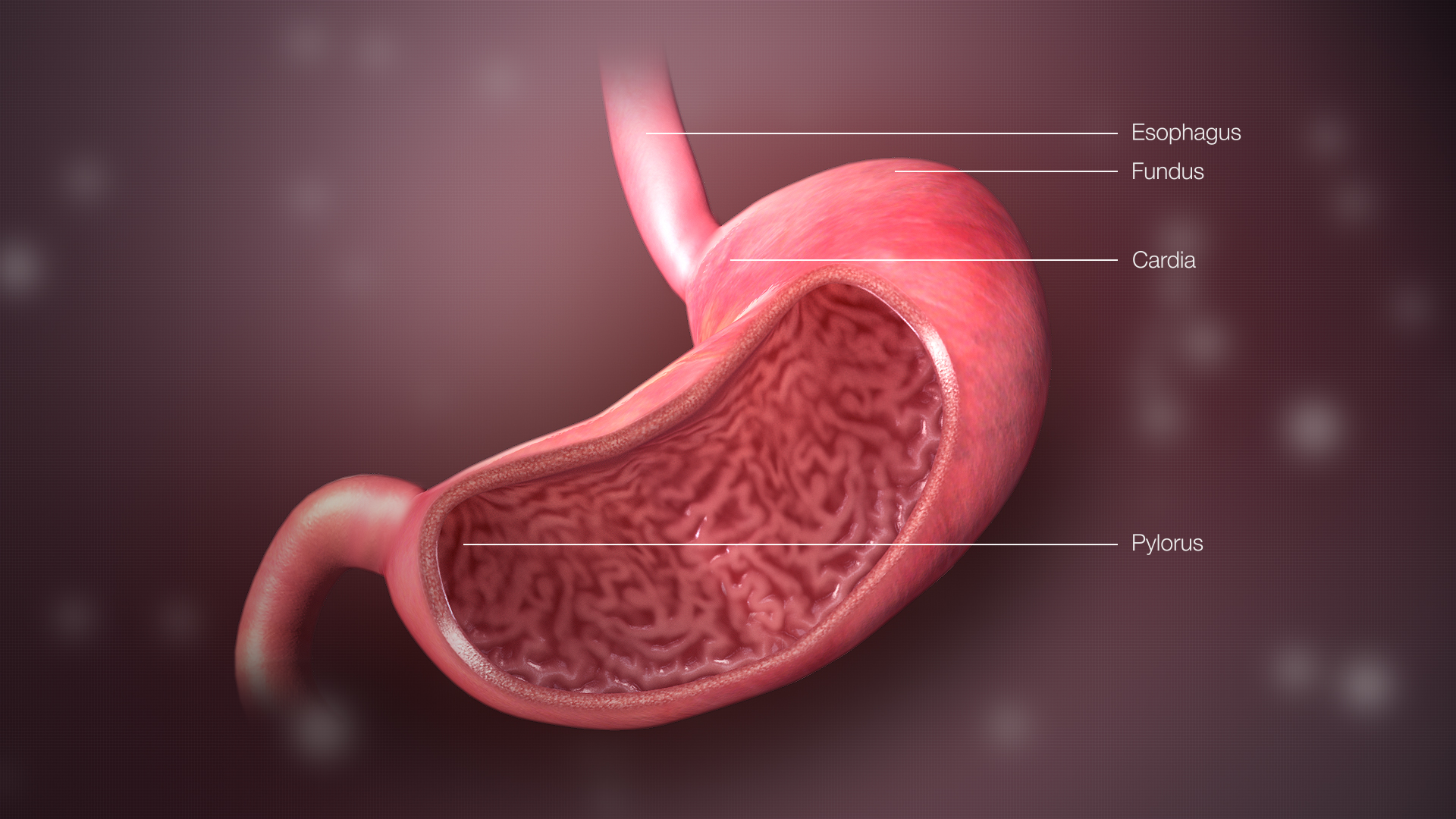
I’ll skip such common knowledge as where the stomach is located, and that the stomach is only one stop in the digestion of food. Here’s hoping at least some of what follows is new to you!
Life Without a Stomach
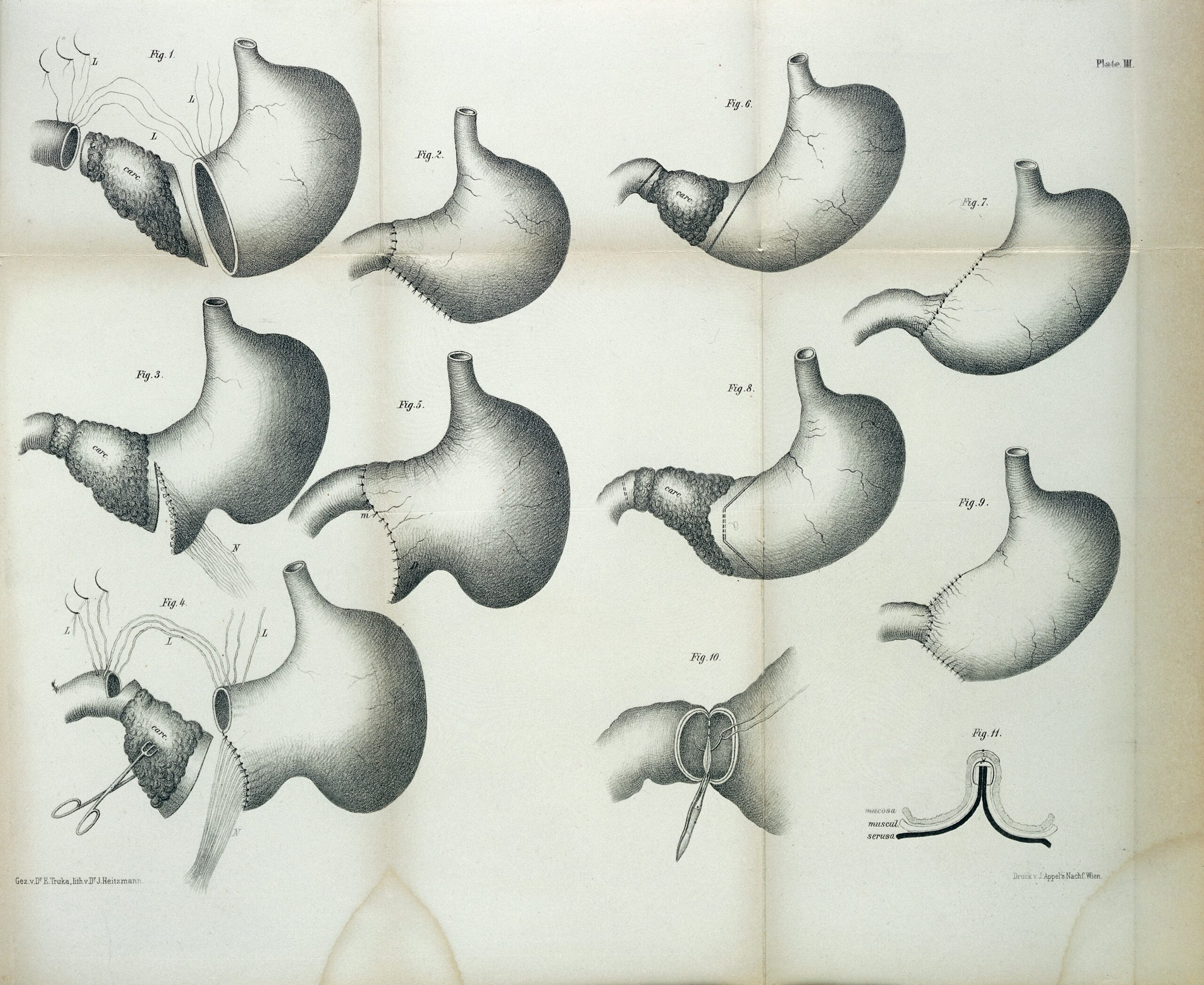
Having a stomach is highly desirable but not essential to survival. Healthcare providers may recommend a total gastrectomy as a treatment for patients with stomach cancer.
A person can survive after this type of removal by altering their diet and having more frequent and smaller meals.
In a total gastrectomy, surgeons remove the entire stomach before connecting the esophagus to the intestines. They may create a substitute by folding over some intestines to facilitate more effective digestion.
About 31,510 new cases of stomach cancer are expected in the United States in 2026. Removal of part or all of this organ is the most common treatment for stomach cancer when the cancer is at stages 1 to 3.
However, I couldn’t find data for the number of people who actually have their stomach removed (gastrectomy) to treat the cancer.
Inside Your Stomach
The stomach’s primary function is to hold the food eaten and mix in juices to start partial digestion. But according to the Digestive Disease Center, the stomach is also responsible for absorbing some necessary nutrients like vitamin B12.
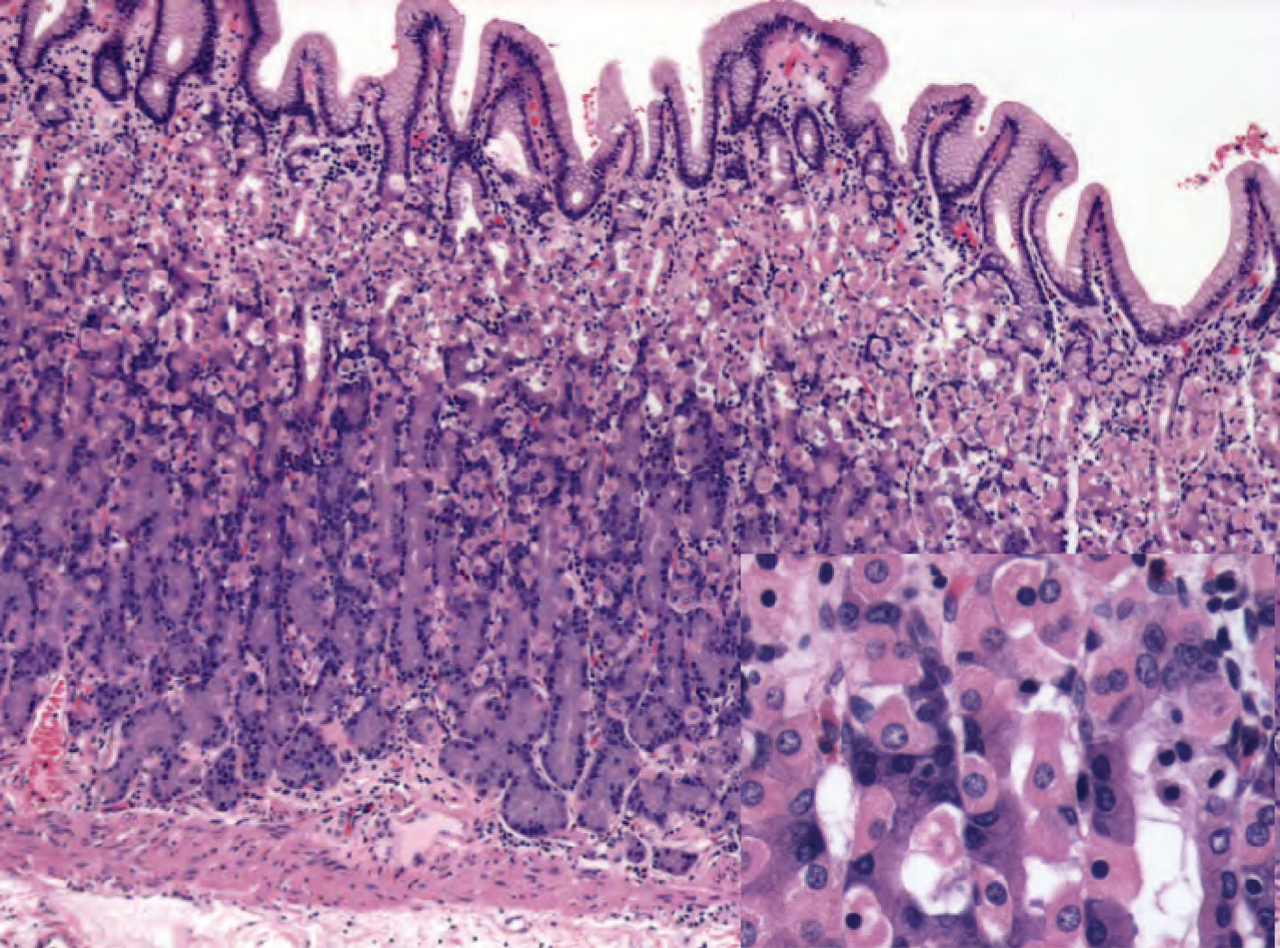
Besides digestion, the stomach also synthesizes hormones that help in stimulating appetite and the secretion of digestive enzymes and gastric acid.
The stomach juices break down food for the later absorption of nutrients, primarily in the small intestines.
An important component of these juices is hydrochloric acid (HCl).
Hydrochloric acid plays an important role in destroying harmful microorganisms consumed along with food and drink. Thus, the stomach serves as the first line of defense for our immune system.
HCl is a potent acid that can burn your skin. It is strong enough to dissolve most metals—though adding metal to your diet is not recommended.
The stomach has a thick layer of mucus that protects it from burns. The stomach produces a new layer of mucus every two weeks.
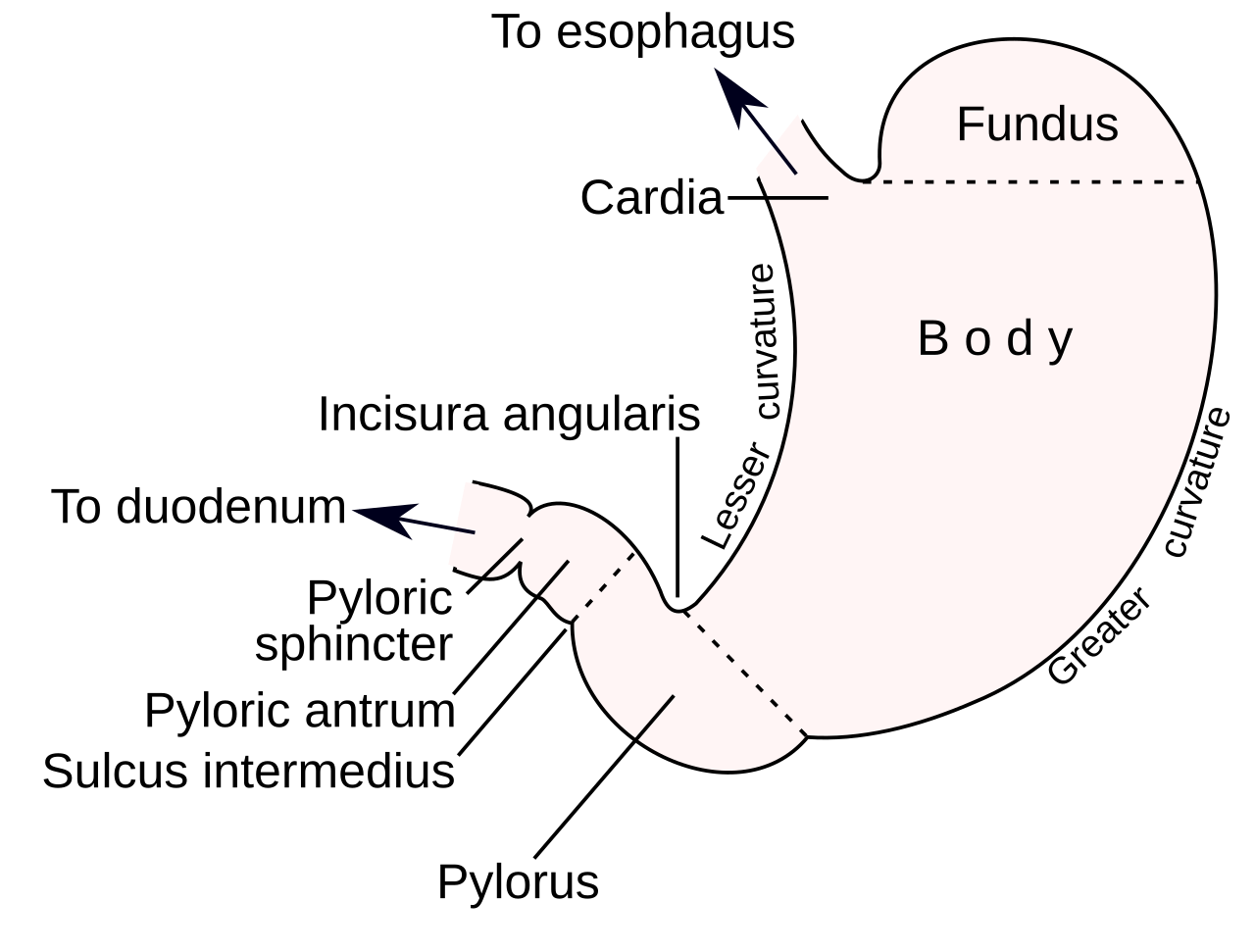
If this acid causes a burning sensation in your chest or throat, you have “heartburn.”
Studies have shown that stress and anxiety may cause irritable bowel syndrome (IBS) and gastroesophageal reflux disease (GERD).
One way to reduce acid reflux is to lose as little as 2 to 3 pounds. Acid reflux during pregnancy is an example of this: it disappears after giving birth.
Good news: most people lose weight in the belly area first, so you should see some positive results on your heartburn with even a small weight loss.
When fatigued or stressed, eating just before bedtime can make digestion more difficult and may cause more gas, bloating, and heartburn.
Eating before going to bed will not cause more weight gain than consuming the same number of calories some other time of the day.
Stomachs Hard at Work
It takes two to four hours for the stomach to pass food to the small intestine. Some estimates claim that the maximum time required to digest a normal meal ranges between five to seven hours or even longer.
The time depends on the food: carbs and proteins are processed relatively quickly; fats take longer.
Foods high in sugars digests very quickly, making us feel hungry again sooner, whereas foods high in fats and protein digest much more slowly, allowing us to feel full longer. Thus a 200-calorie snack of peanut butter and crackers is more likely to control your appetite than just eating 200 calories’ worth of crackers.
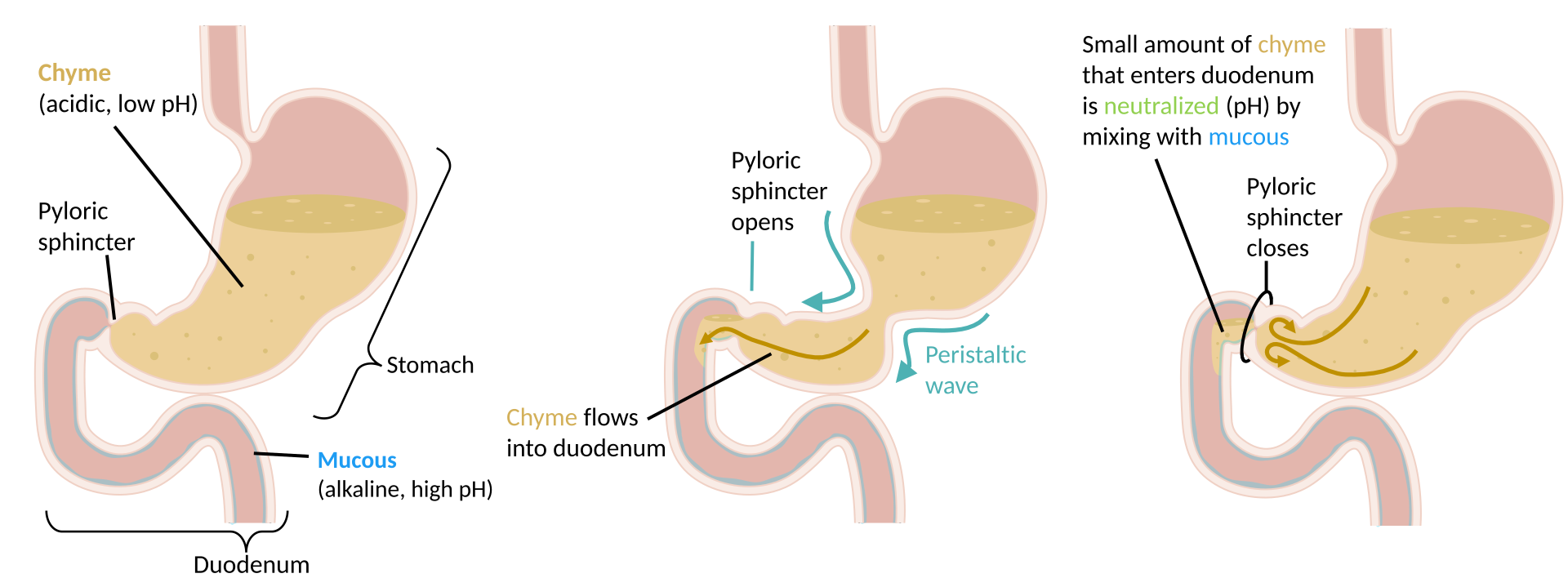
The stomach is composed of three muscle layers. The first layer moves and contracts to churn the food and acid together. The second layer controls the pyloric sphincter, which controls when your stomach empties its contents into the small intestine. The third layer moves the chyme towards the small intestine.
If you ask online what it means to take meds “on an empty stomach,” the instruction is not eating or drinking an hour before or two hours after eating.

On average, the stomach can hold more than a quarter-gallon (or half-pound) of food.
Human stomach size is about 12 inches long and about 6 inches across. There is no correlation between weight and stomach size. Obesity—especially abdominal obesity—can make the stomach appear larger.
Once you are an adult, your stomach pretty much remains the same size—unless you have surgery to intentionally make it smaller.
Eating less won’t shrink your stomach, but it can help to reset your “appetite thermostat” so you don’t feel as hungry.
Exercises like crunches and sit-ups cannot change the size of the stomach, but they can help burn layers of fat on the outside of the body, and help tighten the muscles in the abdomen.
Non-Human Stomachs
Of course, people aren’t the only animals that digest food.
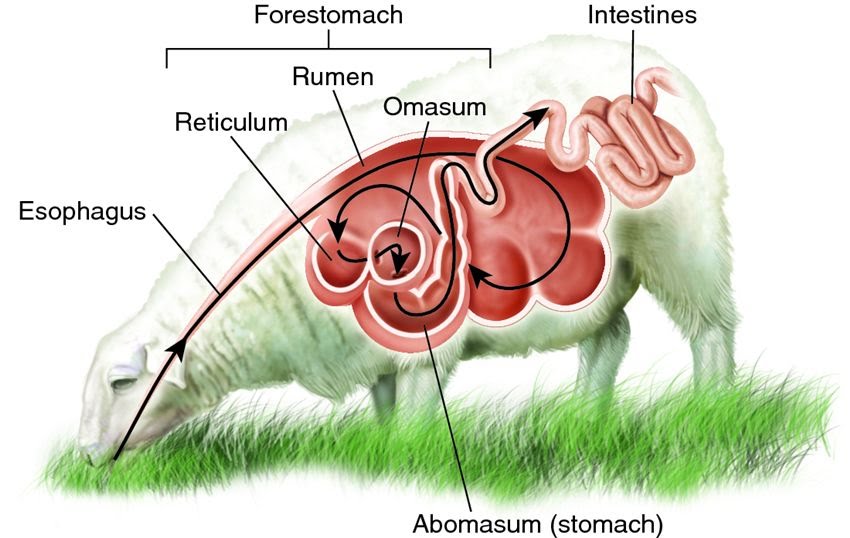
- A few animals, including cows, giraffes, deer, and other ruminants have four-chambered stomachs, which help them in digesting plant-based food, which is the hardest diet compared to other diets.
- On the other hand, some animals (including carp, lungfishes, seahorses, and platypuses) have no stomach. Their food goes directly into the intestine from the esophagus.
Bottom Line: There’s a lot more to stomachs than usually comes to mind.
The information in this blog comes from one or more of the following websites:
( https://byjus.com/biology/facts-about-stomach/ )
( https://www.webmd.com/women/features/stomach-problems )
( https://uniospecialtycare.com/resources/7-surprising-facts-about-your-stomach/ )