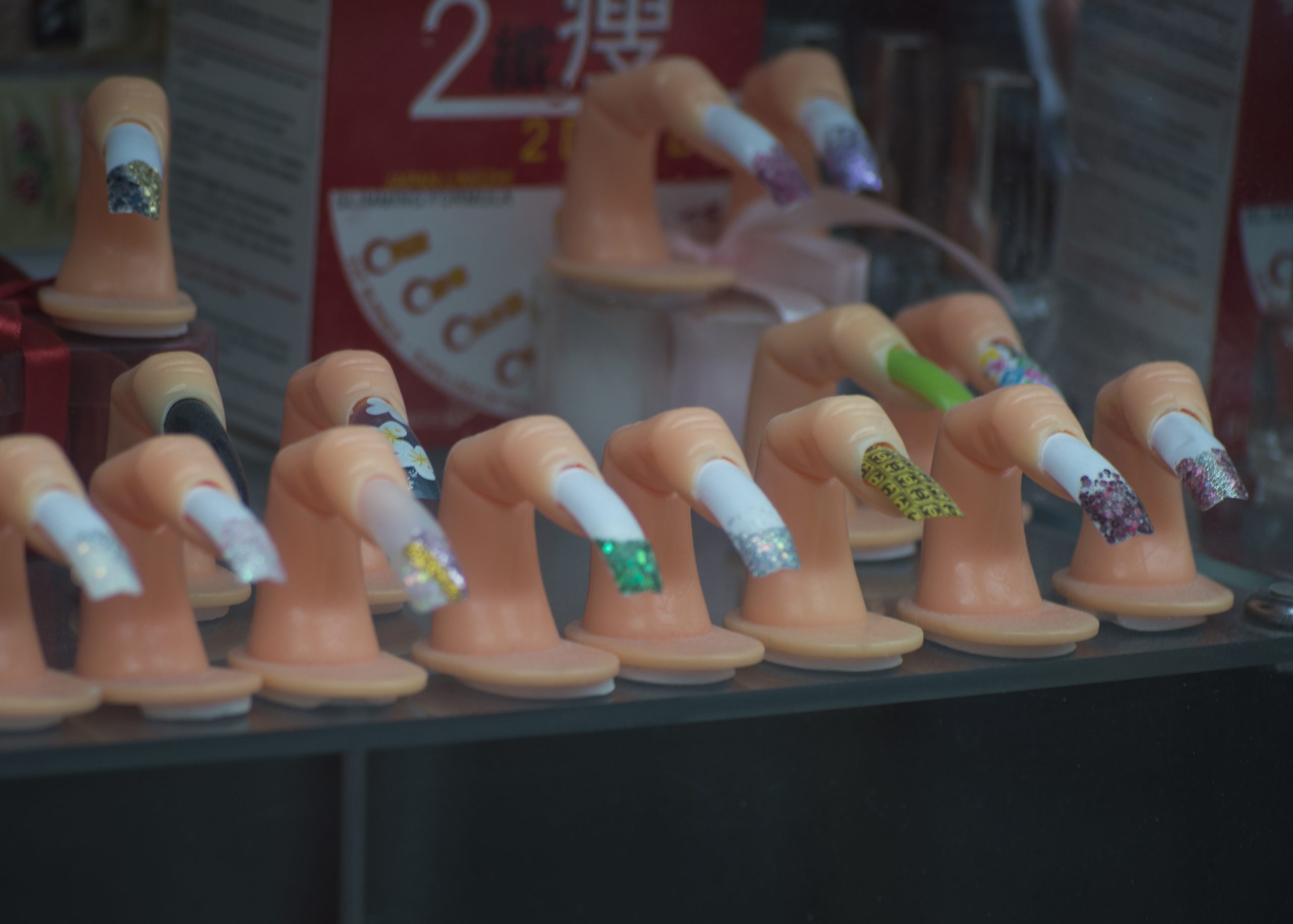
Only primates have true finger- and toenails. We and our cousins have several uses for nails.
Fingernails are for protecting not only the fingertips but also the surrounding soft tissue from any external injuries.
Nails help enhance the sensitivity of fingertips by acting as a counterforce when pressed against something, improving the sense of touch.
Fingernails are much involved in fine motor skills.
Nail Facts
But for human primates, nails can be so much more!
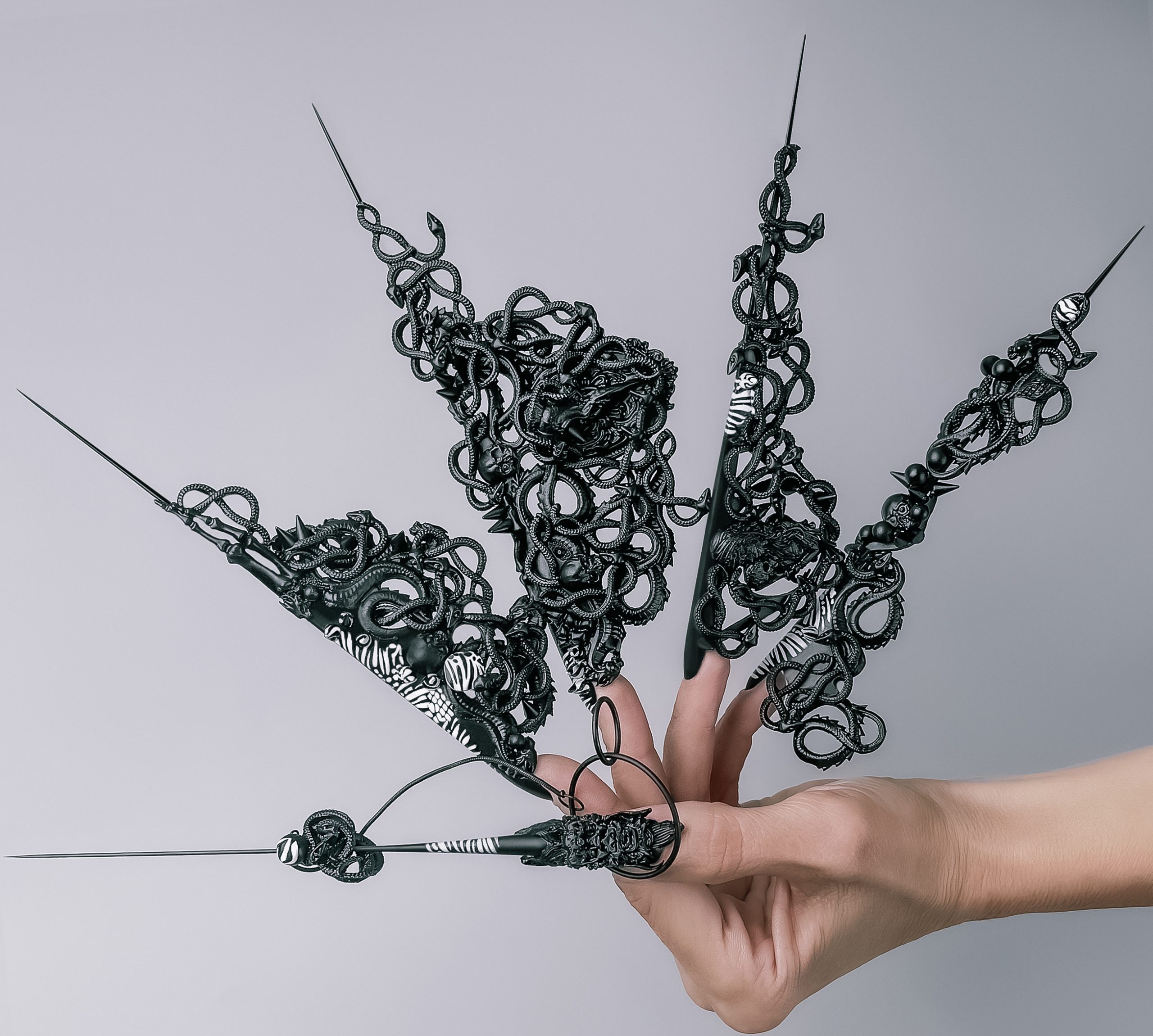
Damaged or discolored nails can affect confidence and self-image in social or professional settings.
Certain cultures, social classes, or professions (e.g., models, musicians, corporate jobs) may expect well-manicured hands.
The global nail care industry is valued at about $26–27 billion in 2026, with the US market around $5.3 billion (roughly 79% of North America).
People typically spend about $20–$55 for a basic manicure and $25–$65 for a gel or standard full set, with premium services like acrylics, dips, or designs ranging from $25–$120+—overall, many nail services fall within roughly $15–$100+ depending on service, location, and add-ons.
In ancient Egypt, a person’s nail color indicated their social status. Noblemen wore black, and common men wore green. The highest rank, a noble lady, was symbolized by red fingernails. No wonder red manicures are so iconic!
Nail polish originated in China as early as 3000 BC. The ingredients? Egg whites, gelatin, vegetable dyes and beeswax.
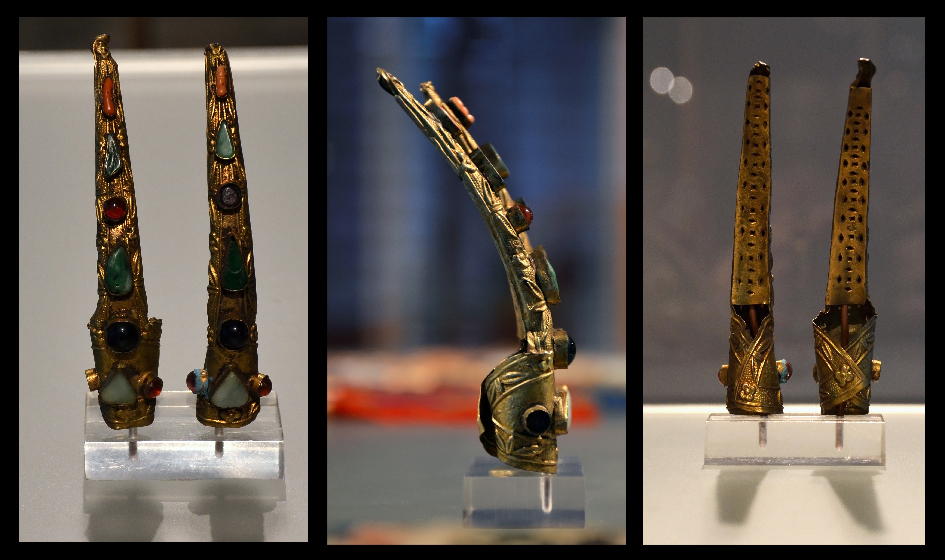
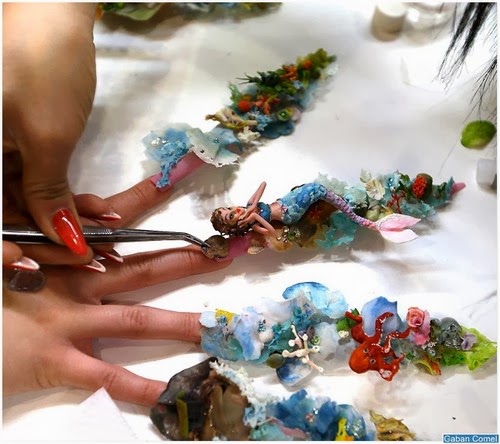
Painting designs and pictures onto our fingernails isn’t something new and trendy. It was a familiar practice with the Incas, many of whom had eagle designs on their fingernails.
Miscellaneous Tidbits Inquiring Minds Want to Know
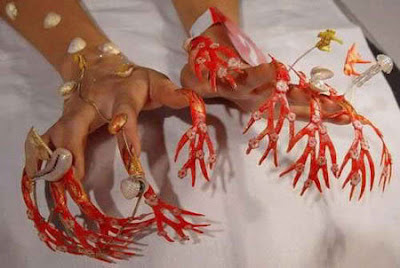
Just like hair, nails are composed of a protein called keratin, which is also found in animal hooves and horns. And this explains why specialized supplements are so often—usually—labeled as for hair and nail strengthening. Keratin is a protein made of dead cells, which is why cutting your fingernails and hair doesn’t hurt.
Typing with your fingernails will actually stimulate their growth.
Just like fingerprints, the pattern of ridges and grooves on your nails is unique to you.
Nails can’t “breathe” or sweat. Along with lips and ears, they are the only parts of the body that don’t sweat. (For more on sweat, see my blog).
While nails themselves don’t breathe like skin, the nail bed (the skin underneath the nail) does receive oxygen and nutrients through blood vessels. Medical providers can use the appearance of these blood vessels to assess dehydration and blood flow.
Our fingernails have no feeling. Zero. Zilch. Nor do our toenails.
Nails on a chalkboard make you cringe? There’s a reason for that. The noise hits a frequency that’s naturally amplified by the shape of our ear canals.
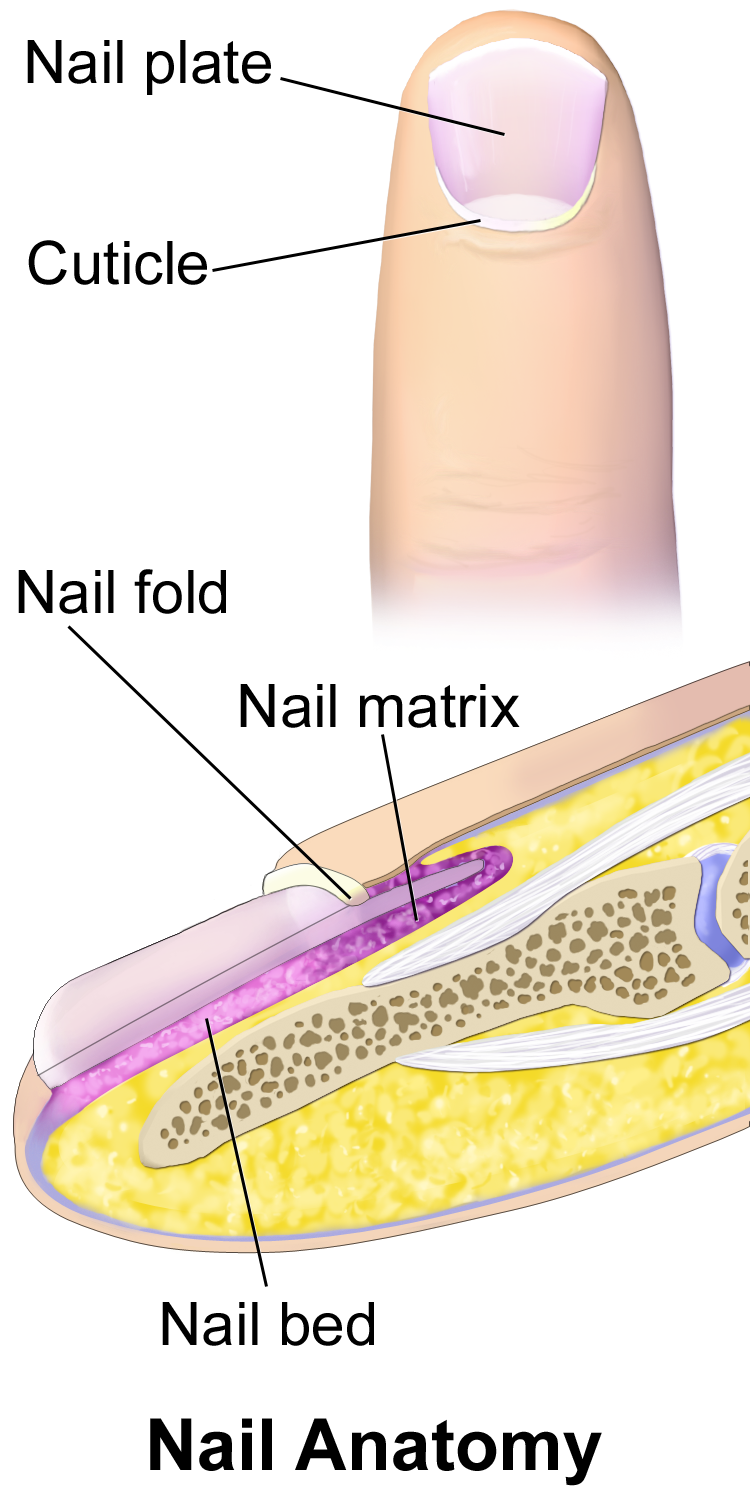
Our cuticles aren’t just for decoration. They serve a purpose! The cuticle seals moisture and environmental germs out of the body. This is why it’s important not to pick at your cuticles.
Are you a nail biter? There’s a name for that. Nail biting is known as Onychophagia. And stop it!
Feeling stressed out? It can show in your fingernails. Stress can cause your fingernails to weaken as nutrients are spread elsewhere in the body.
Fingernails need blood to survive. Have you ever wondered why your fingernail falls off after an injury? Our nail plates need blood flow, nutrients and oxygen to grow normally. An injury can disrupt the delicate connections that provide the nutrition and can stop your fingernail from growing.
Record Nails
According to the Guinness World Records , the longest fingernails on a pair of human hands belong to Diana Armstrong (USA), with a total length of 42 ft 10.5 in.
The longest fingernails ever recorded on a single hand belonged to Shridhar Chillal from India, whose nails on his left hand totaled 9.1 meters (30 feet) after he stopped cutting them for 66 years!
Growth
- The nails on your writing hand grow up to 25% faster than those on your non-dominant hand due to increased blood flow and usage. And I didn’t know to include this in my blog on body asymmetry!
- Fingernails grow about three times faster than toenails. On average, fingernails grow about 3 millimeters per month, while toenails grow about 1 millimeter per month.
- Cutting nails doesn’t affect their growth. They grow from the base, so cutting or filing them doesn’t change how fast they grow.
- Some studies suggest that nails grow slightly faster in warmer months, possibly due to increased blood circulation.
- Men’s fingernails grow faster than women’s.
- But, women’s fingernails do grow faster during pregnancy due to hormones.
- Your thumbnail grows the slowest.
- Your middle fingernail grows faster than your other fingers.
- Fingernail growth slows down as we age.
- Contrary to the popular “Moon Myth,” nails and hair do not continue to grow after death. The appearance of growth is due to the skin receding as the body dehydrates.
If you are just an info junky, ready for trivial pursuit type questions, consider stopping here. If you want to get more into the science and health issues, keep reading!
Healthy (and Unhealthy) Nails
Given how much we are willing to invest in nails (see above), what are the DYI options? For example, for weak or brittle nails?
Brittle nails can result from:
Nutritional deficiencies (e.g., lack of biotin, iron, zinc, or vitamins A, C, and E)
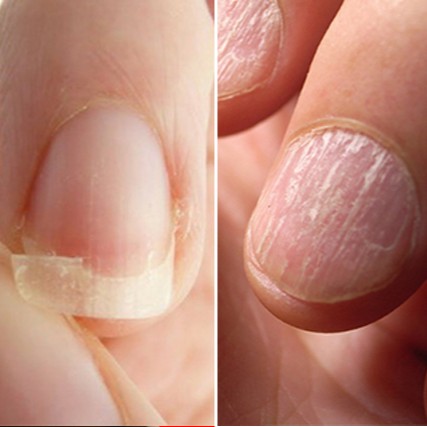
Excessive moisture exposure (e.g., frequent hand washing, dishwashing, or swimming)
Chemical damage (e.g., from nail polish removers, detergents, or harsh cleaning products)
Medical conditions (e.g., thyroid disorders, fungal infections, or psoriasis)
Aging (nails naturally become more brittle with age)
Trauma or repetitive stress (e.g., typing, manicures, or nail biting)
You Might Consider Improving Your Diet
Biotin (Vitamin B7): Supports keratin production. Found in eggs, nuts, seeds, and sweet potatoes. Studies suggest 2.5–5 mg/day can improve nail thickness.
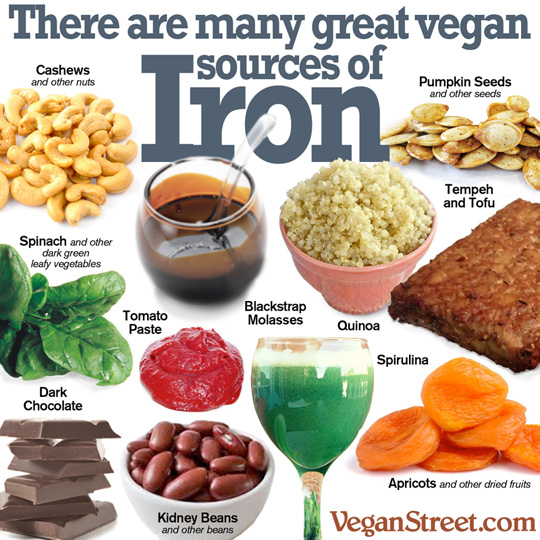
Iron: Essential for nail health. Include spinach, lentils, red meat, and fortified cereals. Low iron can lead to spoon-shaped or brittle nails.
Zinc: Supports nail growth. Found in oysters, pumpkin seeds, and whole grains.
Protein: Nails are made of keratin, a protein. Include lean meats, beans, and dairy.
Vitamin E: Acts as an antioxidant. Found in almonds, avocados, and sunflower seeds.
Omega-3 Fatty Acids: Help reduce inflammation. Found in fatty fish (salmon, mackerel) and flaxseeds.
Hydrate and Protect
Moisturize regularly. Apply jojoba oil, coconut oil, or shea butter to nails and cuticles daily. Look for products with urea or lactic acid to lock in moisture.
Protect your hands from water, detergents, and chemicals by wearing gloves during chores (dishes, cleaning, gardening).
Long baths, swimming, or soaking can weaken nails. Limit excessive water exposure and moisturize afterward.
Increasing your water intake can improve dry fingernails.
All-Purpose Gentle Nail Care
Trim nails regularly. Keep them short to prevent breakage. File them in one direction (not sawing back and forth) to avoid splits.
Use a nail strengthener. Look for products containing keratin, calcium, or hydrolyzed wheat protein. Avoid those with formaldehyde or toluene, which can dry out nails.
Limit nail polish and acrylics. Give your nails breaks between manicures. Acrylics and gels can cause thinning and peeling.
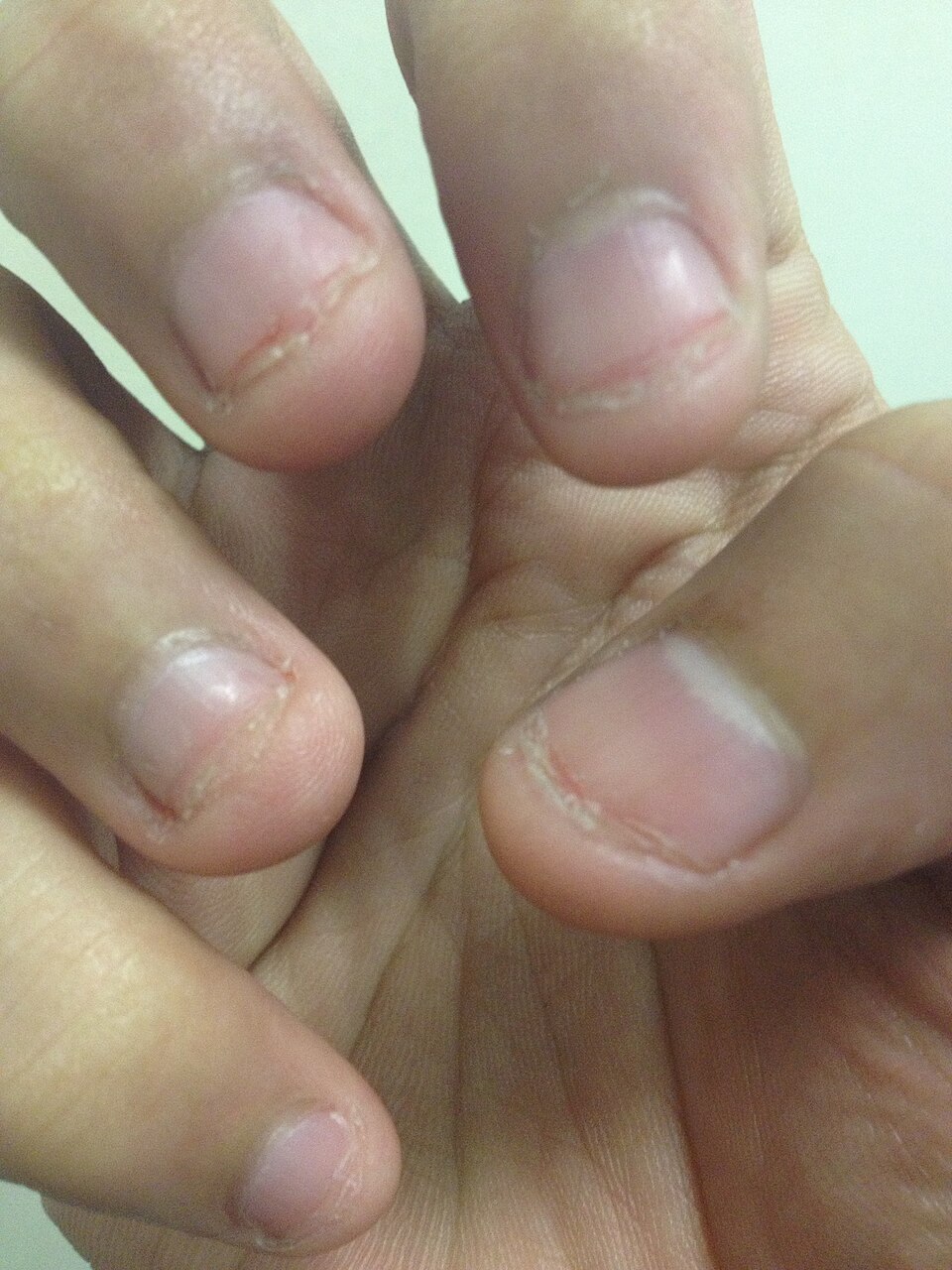
Avoid nail biting. Use bitter-tasting nail polish or keep nails trimmed short to break the habit.
Choose acetone-free polish removers. Acetone dries out nails. Opt for soy-based or oil-based removers.
Skip cuticle cutting. Cuticles protect the nail bed from infection. Push them back gently with a wooden stick after softening with oil.
Avoid antibacterial or deodorant soaps, which can strip natural oils. Use fragrance-free, moisturizing soaps.
Soak nails in warm olive oil or a mixture of apple cider vinegar and water (1:1 ratio) for 10 minutes, 2–3 times a week.
Mix avocado oil with a few drops of lemon juice, apply to nails, and leave for 15 minutes before rinsing.
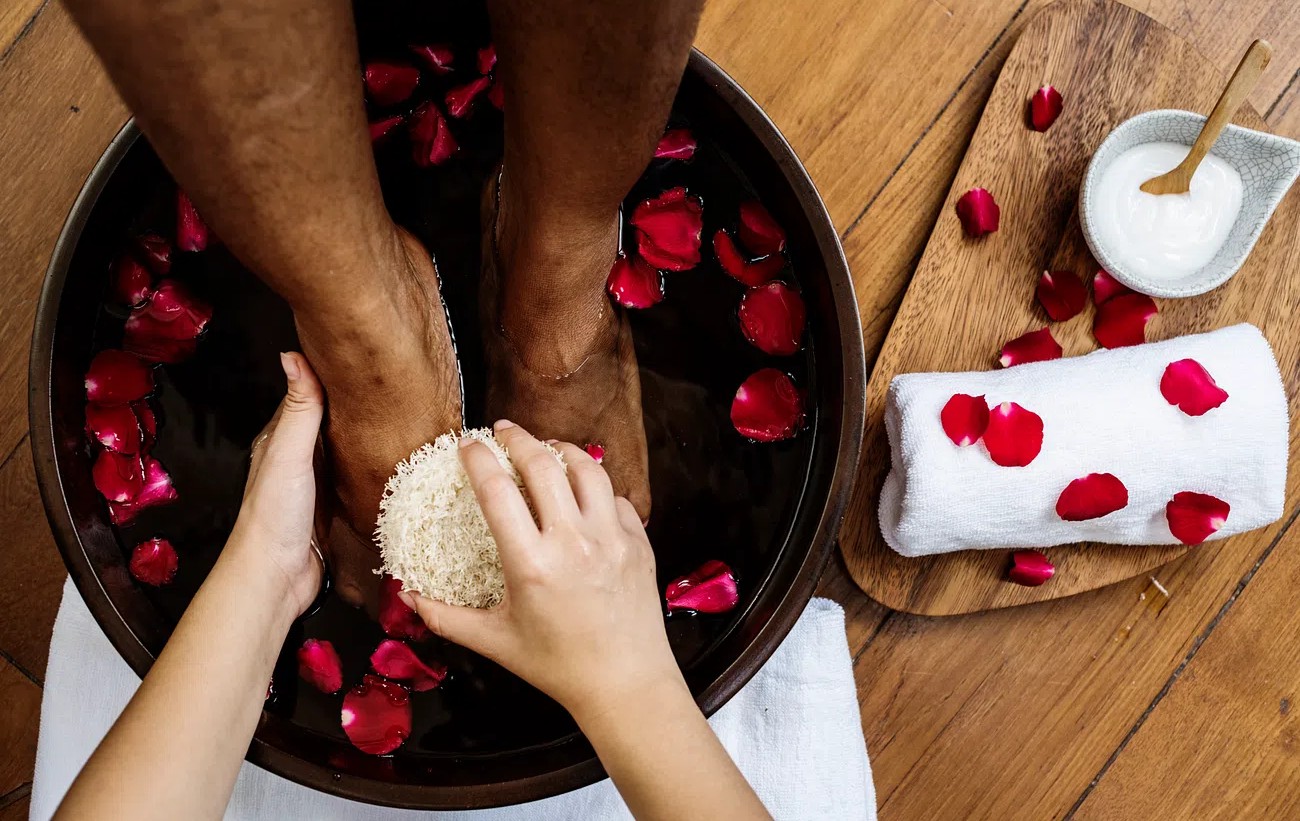
Use paraffin wax treatments at home or spas to deeply moisturize nails and cuticles.
If Home Remedies Don’t Work
Supplements: Talk to a doctor about biotin, collagen, or iron supplements if you suspect a deficiency.
Prescription treatments: For fungal infections, a doctor may prescribe antifungal creams or oral medications.
Nail hardeners: Some contain formaldehyde (e.g., nail hardeners like Duri Rejuvacote), but use them sparingly as they can cause brittleness over time.
Dermatologist consultation: If nails are discolored, peeling, or painful, rule out underlying conditions like psoriasis, thyroid issues, or fungal infections.
When to Consult a Healthcare Provider
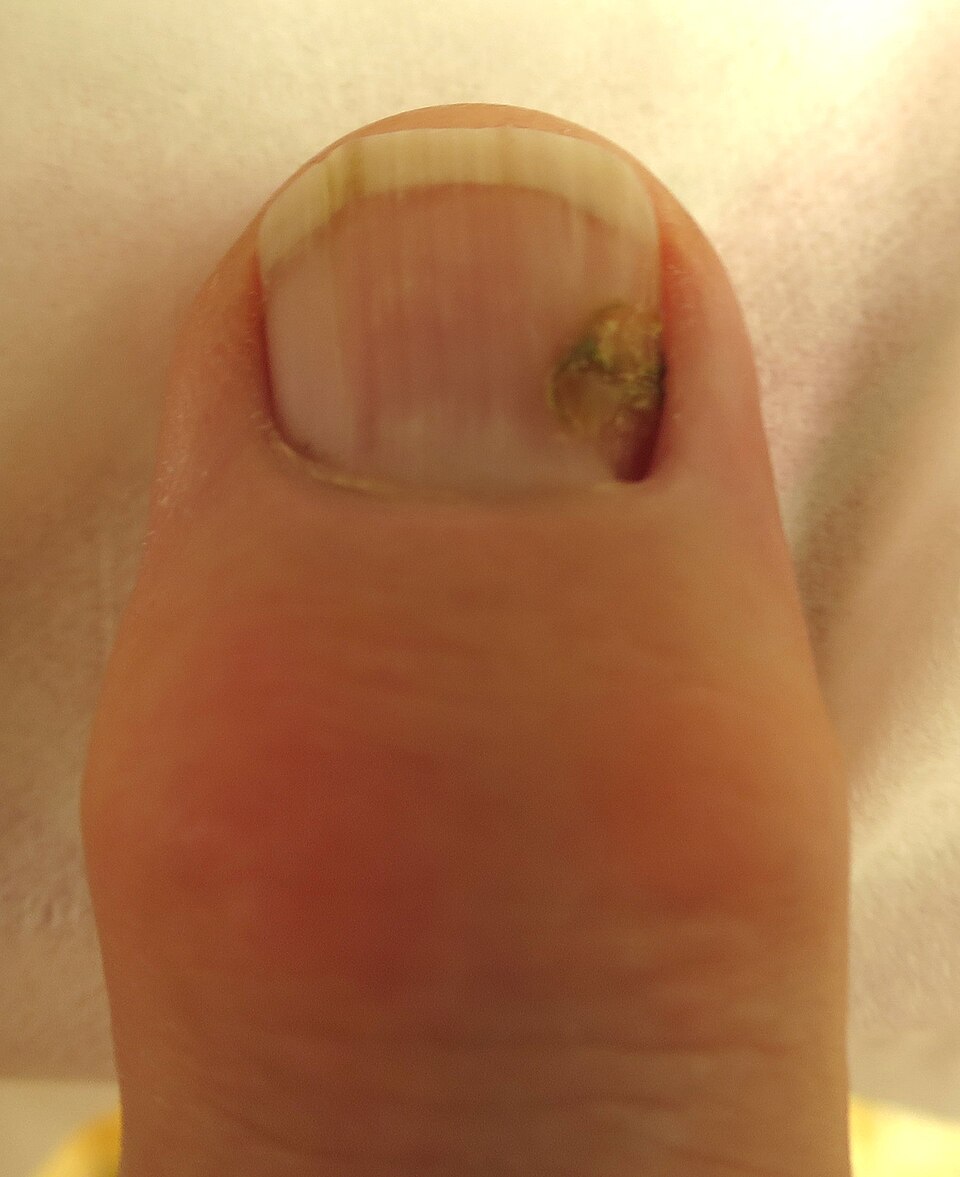
Nails can be indicative of overall health, including signaling underlying problems. If you notice these conditions, you might want to have a professional check them out:
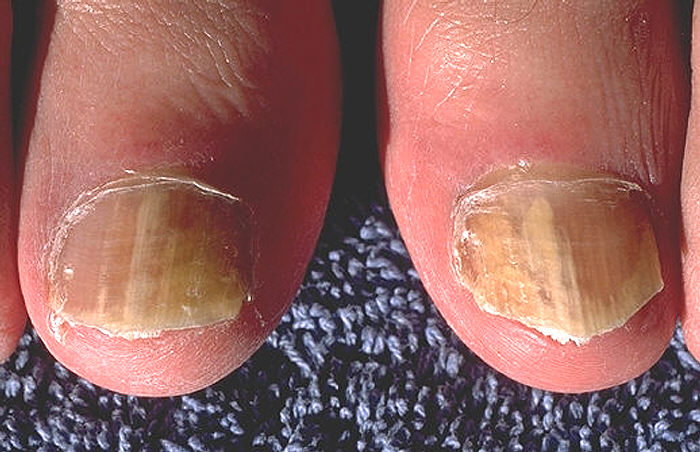
- Nails are discolored, thickened, or crumbly (possible fungal infection)
- There’s pain, swelling, or pus around the nail (sign of infection)
- Nails are spoon-shaped or have ridges (could indicate anemia or thyroid issues)
- Home treatments don’t improve brittleness after 4–6 weeks
Infections
Fungal infections (onychomycosis) can cause thick, discolored, or brittle nails.
Bacterial infections (e.g., paronychia) can lead to redness, swelling, and pain around the nail bed.
Ingrown nails (especially toenails) can cause pain, swelling, and infection if not treated.
Systemic Conditions
Psoriasis can cause pitted, discolored, or crumbly nails.
Diabetes can lead to poor circulation, increasing the risk of nail infections and slow healing.
Trauma to the nail (e.g., crushing or cutting) can cause bruising, detachment, or permanent damage.
Poor Nail Hygiene:
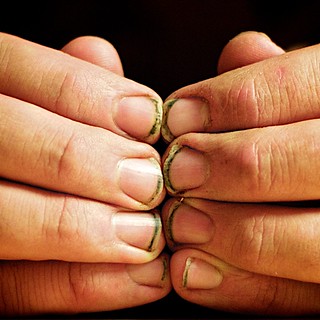
- When dirt and bacteria accumulate under nails, it often leads to infections or spreading germs (e.g., during cooking or handshakes).
- Long or unkempt nails can harbor more bacteria and viruses, increasing the risk of illness.
- Overgrown or dirty nails are likely perceived as unhygienic in professional or social settings.
- Some workplaces (e.g., healthcare, food service) have strict grooming standards that require short, clean nails.
Interference with Daily Tasks:
- Long or broken nails can tear or snag on fabrics, keyboards, or touchscreens–and those are only examples!
- They may make it difficult to perform tasks that require fine motor skills (e.g., typing, sewing, or handling small objects).
Discomfort or Pain:
- Pressing too hard on a keyboard or touching sensitive skin can cause discomfort.
- Nails that are too long or improperly shaped may press into the skin, causing irritation.
Workplace Hazards:
- Long nails can pose risks in manual labor jobs (e.g., getting caught in machinery or tools).
- They may not be allowed in certain industries (e.g., healthcare, laboratories) due to contamination risks.
Allergies:
- Some people develop allergic reactions to nail products (e.g., acrylic nails, polish, or adhesives), leading to redness, itching, or swelling.
Bottom Line: There’s more to nails than a casual glance at hands or feet might reveal.