The Wall Street Journal (8/18/26) carried an article about Bank of America’s CEO Brian Moynihan making a point of including old, unfamiliar, or archaic words in his speeches and written communications. The article cited specific words: Gainsay, Concomitant, Fantods, Ludically, Perspicuous, Fructify, Anfractuous, Intractable, Infructuous, Spurious, Apocryphal, Sinuous, Sanative, Salubrious, Salutiferous, Rejuvenescent, Jejune, Pedantic, Pedestrian, Operose, Axiomatic, Redound.
Why does he do it? To keep people’s attention? To make them think about what he’s really saying? His motivation is unknown. But if you are inclined to pursue such a hobby, there are whole dictionaries of such words out there.
An Old Word
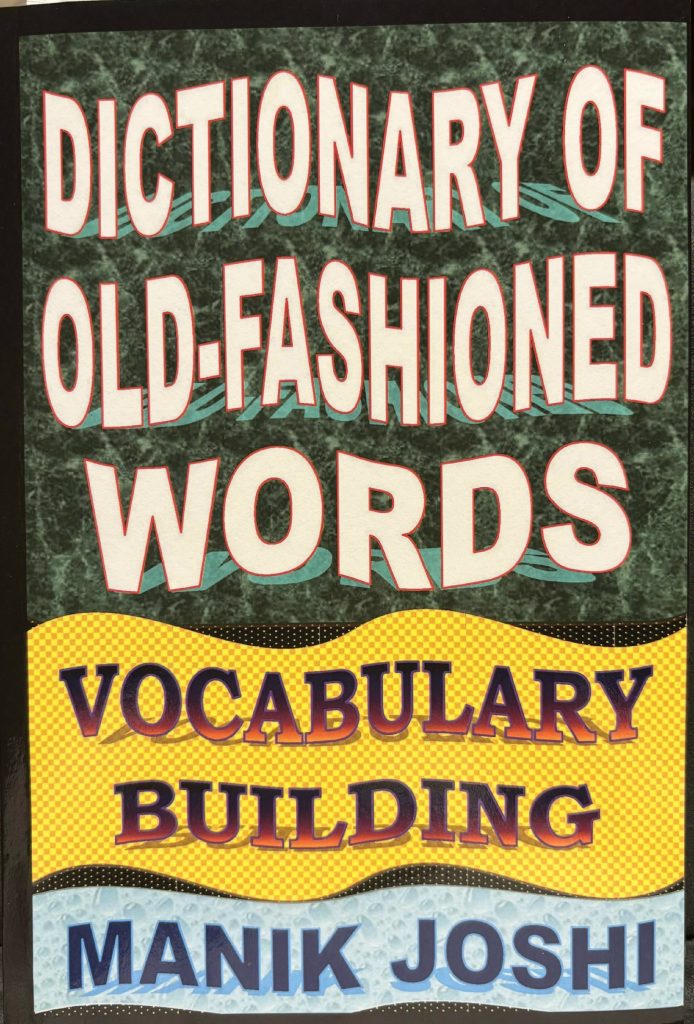
The Dictionary of Old-Fashioned Words for example, provides 96 pages of words used more often in the past than currently, but still quite serviceable. Cooee is defined as an exclamation to attract someone’s attention. On the farms of my childhood, it was used to call in the cows for milking or the pigs for slops. Yonder hill meant that hill over there.
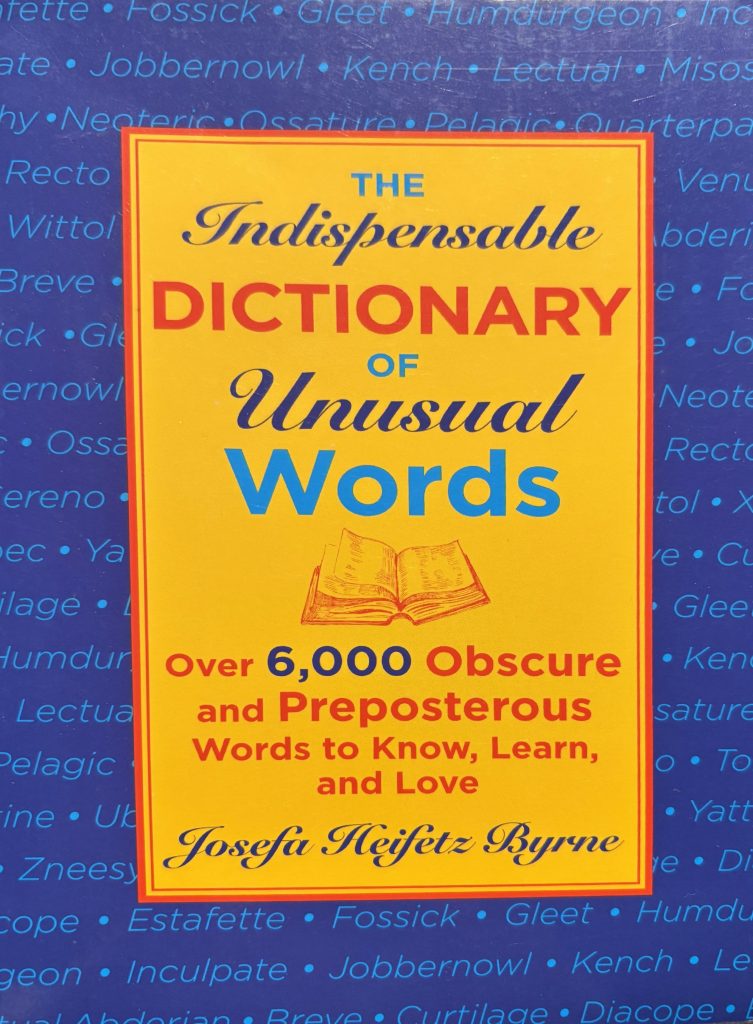
If your focus is less on age than familiarity, there is always the option of The Indispensable Dictionary of Unusual Words, with 259 pages of (according to the book jacket) “… the most unusual, improbable, unbelievable, and inexplicable words ever to find their way into a dictionary.”
Compiled by an actual lexicographer, this is a must-have dictionary for every logolept (word fanatic) out there.
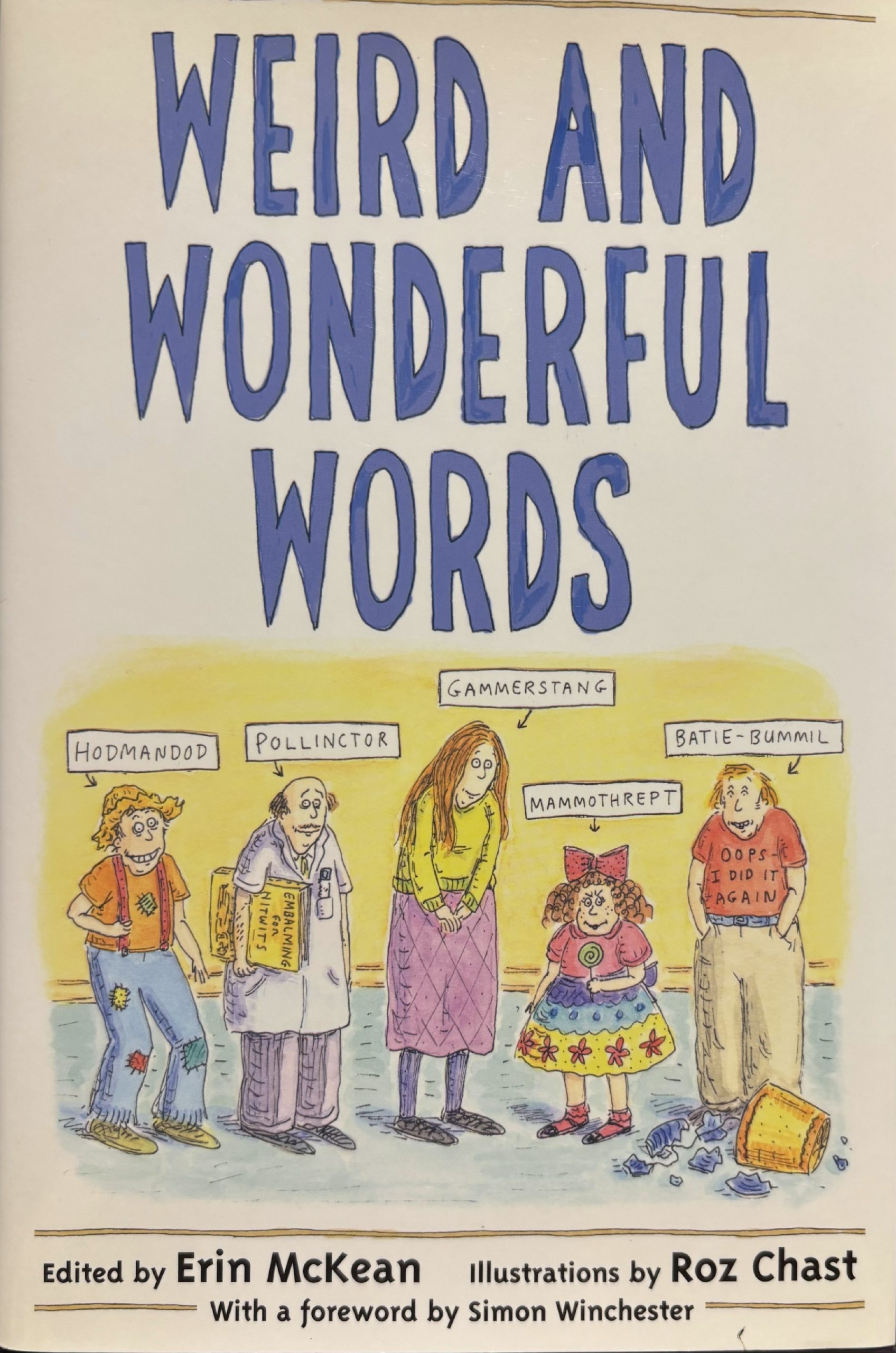
But for pure entertainment, I recommend Weird and Wonderful Words. Words appear alphabetically, as one would expect in a dictionary. A couple of things set this word book apart.
For one thing, Roz Chast, whose cartoons frequently appear in The New Yorker, illustrated many of the best entries. In addition, I enjoy the “extended coverage” that accompanies some words. For example, octothorpe is the # keypad symbol on touch-tone phones; also called pound, number sign, hash, or crosshatch. The nine-line entry tells when and how the symbol got its name, and how it relates to Olympian Jim Thorpe.
A New Word
Of course, some people are more concerned with the newest “in” words rather than the oldest or weirdest. Rizz, freestyle, girl dinner, bed rotting, climate breakdown, and global boiling are among the newest entries to dictionaries. Without further ado, here are some of the newest words major English dictionaries have included as of mid-2026.
Floordrobe (noun) clothes piled on the floor instead of being put away
Humblebrag (noun) a seemingly modest or self-deprecating statement whose actual purpose is to draw attention to something of which one is proud
Life Hack (phrase) a simple or clever tip or technique for accomplishing or managing a familiar task more easily and efficiently
Long Game (phrase) strategic planning or consideration of a situation over a long period
AI Slop (phrase) digital content of low quality that is produced usually in quantity by means of artificial intelligence
Tasteslop (noun) content (such as food or media) that is excessively indulgent, overly sweet, or poorly balanced in a way that feels unappealing
OR the flattening of trends in fashion, art, design, etc. for the purposes of generating easily digestible social media content
Vibe Hacking (phrase) the practice of manipulating or optimizing one’s environment, mood, or social interactions to achieve a desired emotional or energetic state
OR using artificial intelligence agents and tools to plan and execute cyberattacks by automating key stages of the attack (the counterpart to vibe coding)
Dead Internet Theory (phrase) the suspicion that most online activity is generated by bots and algorithms rather than real people
Screenless Technology (phrase) technology that operates without a traditional screen interface, such as voice-controlled or gestured-based devices
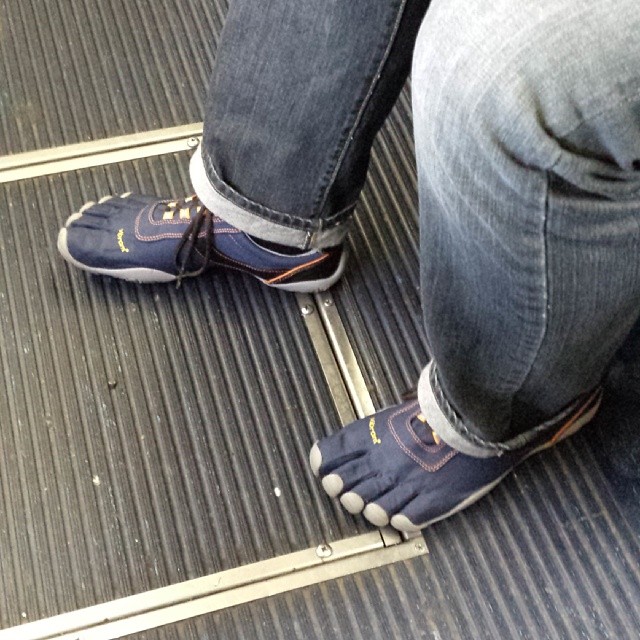
Barefoot Shoe (phrase) a minimalist shoe designed to mimic the experience of walking barefoot, promoting natural foot movement
Wardrobing (verb) the practice of returning used clothing after trying it on in a store, effectively shoplifting by using the item and then returning it
Script Kiddie (phrase) a person who uses existing computer scripts or code to hack into computers, lacking the expertise to write their own
Dubai Chocolate (phrase) a luxurious or ultra-premium variety of chocolate, often associated with high-end or exotic branding
Where Do New Words Come From?
Dictionary editors add new words through a systemic process that involves research, analysis, and consensus-building among linguists, lexicographers, and language experts.
New words, also called neologisms, emerge from various sources:
Technology: Words like selfie, hashtag, AI, and blockchain entered the lexicon due to technological advancements. Electric traction cars in 1883 gave us the first use of the word automobile.
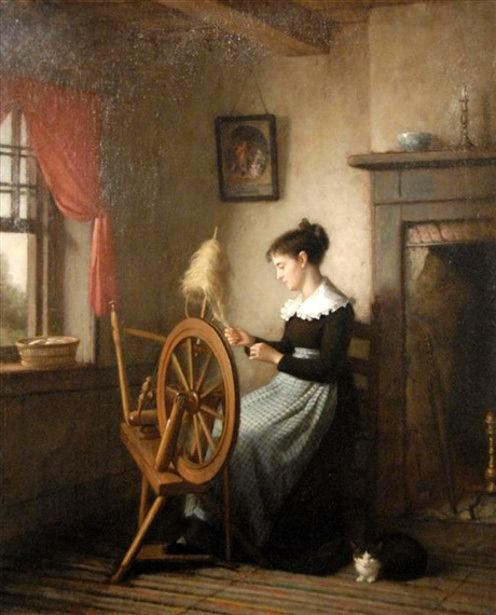
Culture and Society: Words like woke, cancel culture, or climate anxiety reflect societal changes. In the 15th century, mistrust of left-handed people gave us the word sinister. Similarly, 14th century women able to support themselves through spinning and weaving gave us the word spinster.
Science and Medicine: As science and technology advance, terms like COVID-19, mRNA, and CRISPR enter common usage. In 1798, Edward Jenner published his research into variolae vaccinae (cow pustules), which gave us the word vaccine.
Pop Culture: Words from movies, TV shows, or music, such as bling (popularized by hip-hop culture) or spoiler (from fandom communities). Hooligan was the name of a raucous Irish family (Houlihan) popularized in a song from the 1890s.
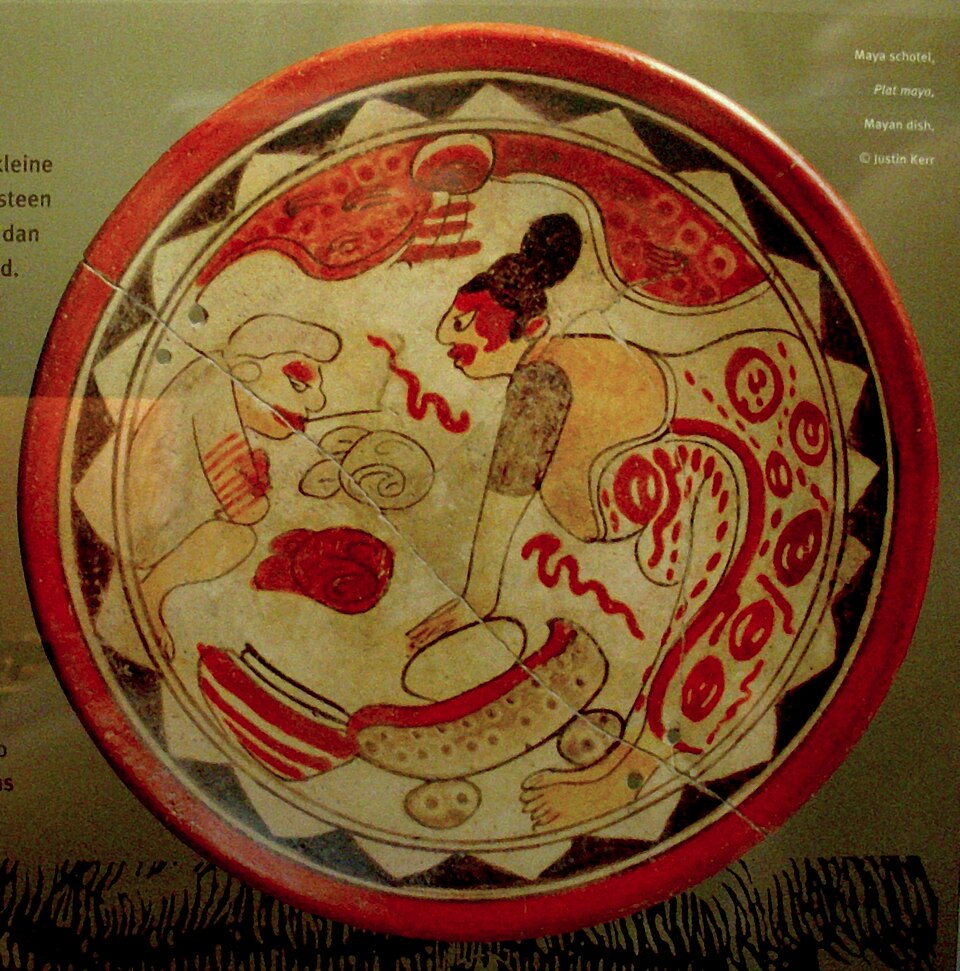
Borrowings: Words borrowed from other languages like sushi (Japanese), kindergarten (German), or rendezvous (French). One of my favorites, chocolate, comes to us from Nahuatl.
Slang and Informal Language: Words like lit, ghosting, or yeet often start in informal contexts before gaining wider acceptance. In the 19th Century, when everything Norse was fashionable in England, the Old Norse word berserk (originally a compound of bear and shirt) became a slang term for out of control with anger.
Not every word makes it into a dictionary. Why some and not others is still a mystery to me. For example, whopper-jawed is recognized by the OED but not by Webster’s, and skiwappidy isn’t recognized any place I found (including the spell-checking program on the computer as I type).
Dictionary Updates
As Gregory Barlow, President of Merriam-Webster explains, “The one constant of a vibrant living language is change. We continuously encounter new ways of describing the world around us, and the dictionary is a record of those changes.” If a word is approved, it is added to the dictionary in its next update. Dictionaries are updated regularly, though the frequency depends on the format.
Print Dictionaries: updated every few years (e.g., Merriam-Webster updates annually).
Online Dictionaries: updated more frequently (e.g., Oxford English Dictionary adds new words quarterly).
Here are some words major dictionaries have added in recent years:
Merriam-Webster:
- Deepfake (2023)
- Rizz (short for “charisma,” 2023)
- Authentic (as an adjective describing “genuine” or “trustworthy,” 2023)
Oxford English Dictionary:
- Vax (short for “vaccine,” 2021)
- Moist (as slang for something exciting, 2021)
- Post-truth (2016)
Collins Dictionary:
- Climate strike (2019)
- Double down (2019)
Some dictionaries, like Urban Dictionary, focus on slang and informal language, which may not meet the criteria for traditional dictionaries. Technical terms like CRISPR or quantum computing are added to specialized dictionaries first. Words like y’all (Southern U.S., second person pronoun) or chuddies (British slang for underwear) appear in regional dictionaries.
Social media and the internet accelerate the creation of new words, making it hard for dictionaries to keep up.
One’s acceptance of – or resistance to – new words, I believe, relates to age. I read somewhere, sometime, that what is considered correct depends on what was taught during one’s last year of formal education. My mystery co-author, seventeen years my senior, thought using till instead of until an abomination, ditto the word prioritize. Personally, I deplore the current acceptance of data as singular; the correct singular is datum. “The data is…” makes me cringe. Ditto criteria vs. criterion.
Bottom Line: Language changes, and people must go with the flow, like it or not.
Language changes; words come and go. Should you hold on to each archaic word as it slips from usage? Or grab every fresh slang term as it flits across society?